1/2
Progress Never Stops for Window Manufacturers
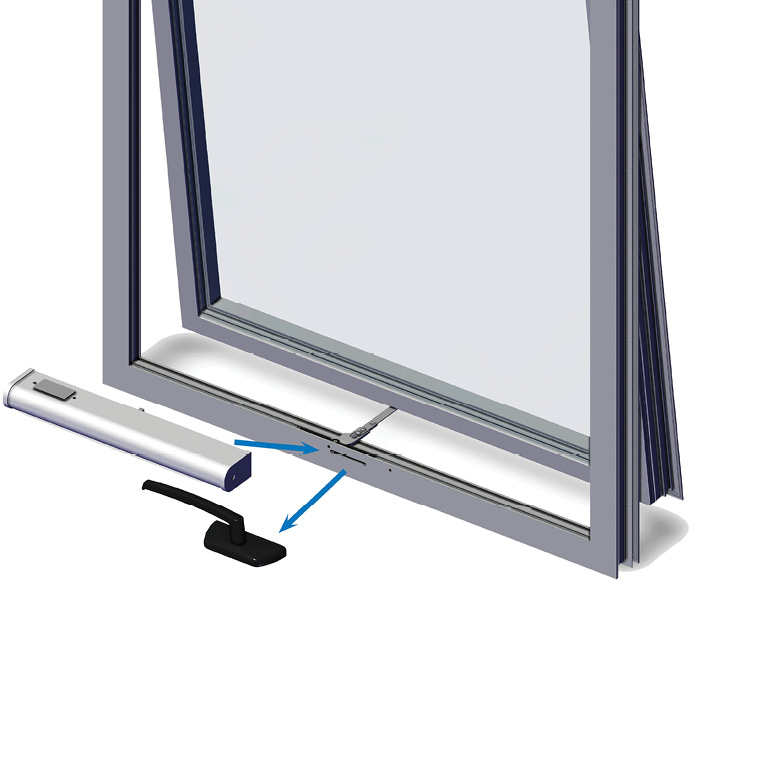
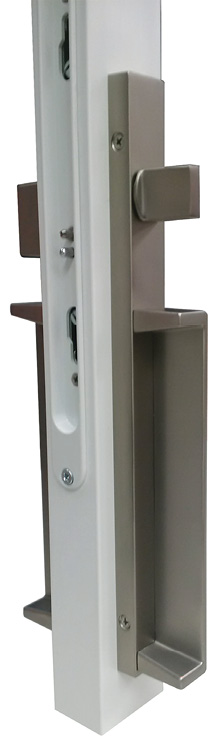
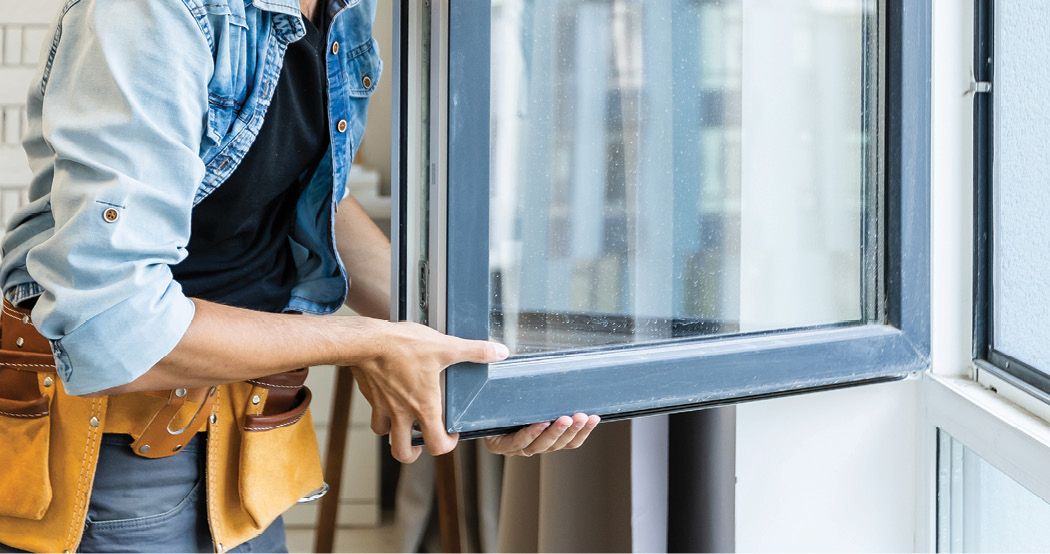
The article addresses the continuous need for innovation and adaptation among window and door manufacturers to meet evolving demands in energy efficiency, performance, and consumer preferences. It highlights Energy Star 7.0 as a significant recent development, emphasizing that such standards will likely become baseline requirements in the future, necessitating substantial investment in advanced technologies. Manufacturers are challenged to balance these performance demands with changing consumer trends, such as the increasing popularity of tilt and turn windows in the U.S. market, particularly on the East Coast. While these windows offer superior energy efficiency due to their compression sealing and multipoint locking mechanisms, the article cautions manufacturers to ensure that European-style profiles can withstand North American weather conditions by adhering to AAMA standards for weatherization and performance.
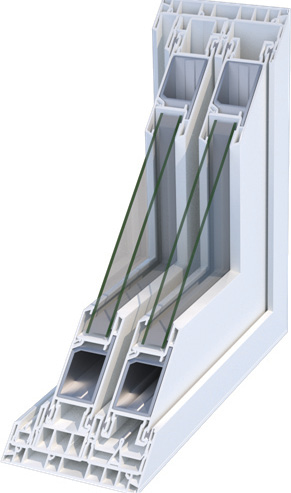
Furthermore, the article delves into cutting-edge insulating glass technology, specifically discussing "thin triples" (triple-paned IG units with an ultrathin center lite). While thin triples offer significant potential for meeting new efficiency targets like Energy Star 7.0 without a complete system redesign, their market penetration has been limited. The current approach to meeting Energy Star 7.0 often involves traditional triple-paned units or modifications to double-paned systems, both of which introduce complexities such as increased material use, weight, depth, and installation challenges. The author suggests that thin triples, despite initial hurdles, present a promising solution as they can be integrated into existing sash designs, simplifying the manufacturing process once certain production techniques are refined through collaboration with suitable partners. This makes them a viable option for manufacturers looking to upgrade their product lines efficiently.
Beyond glass technology, the article stresses the importance of window profiles in achieving higher performance standards. It notes that while a basic vinyl frame combined with high-performing triple or thin triple IG units might meet criteria, additional elements like foam filling might be necessary, adding manufacturing complexity. A more effective solution proposed is the adoption of higher-performing vinyl systems specifically designed for elevated thermal performance, including off-the-shelf options that are pre-foam-filled or designed with small cavities that negate the need for foam. Although changing framing systems involves a learning curve and initial complexity, it is presented as a strategic investment for long-term business growth.
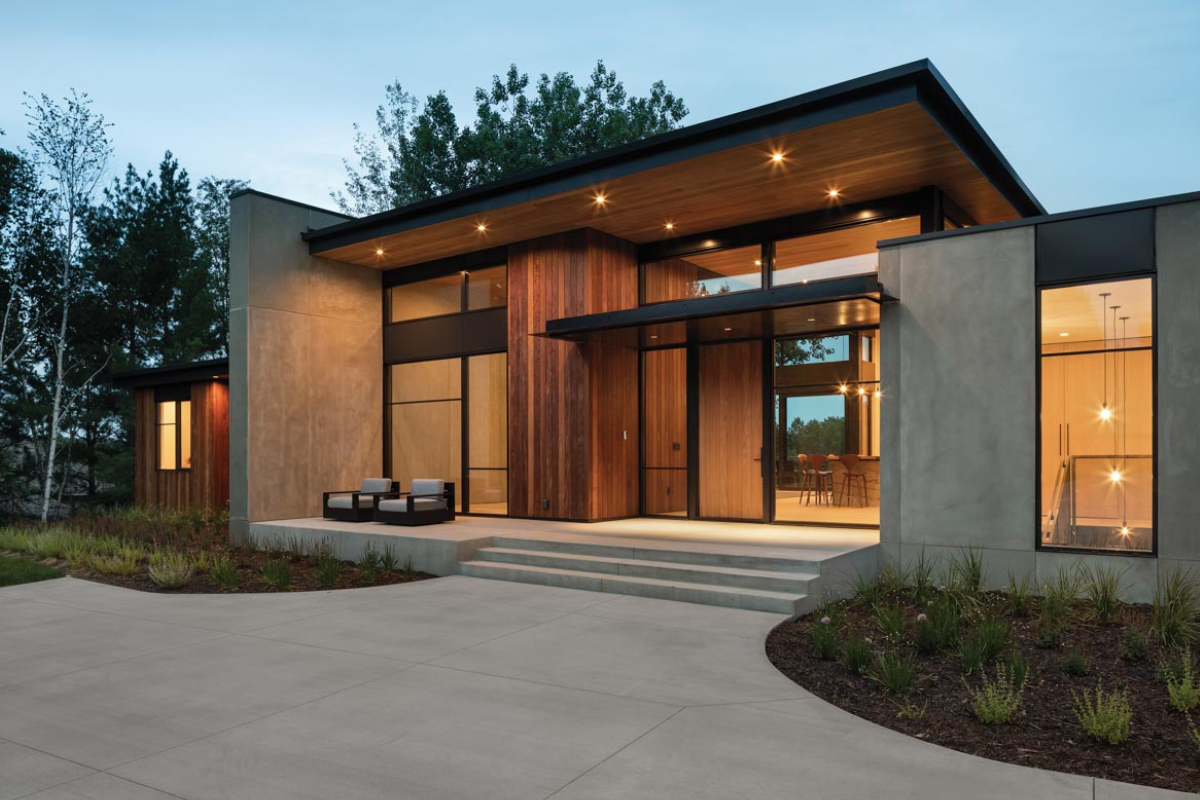
Finally, the article touches upon how the right profiles can also help manufacturers stay abreast of aesthetic trends, such as the demand for black windows and doors. High-performance color technologies, like co-extrusion, can deliver these in-demand aesthetics without the extra steps of painting or laminating. Additionally, certain profiles from the right suppliers can offer enhanced sound control, an attractive feature for consumers, especially in urban environments. The article concludes by encouraging manufacturers to continuously evaluate their strategies for energy efficiency, customer demand shifts, and product delivery, highlighting upcoming industry events like GlassBuild as key opportunities for discussion and collaboration.
#WindowManufacturing #EnergyEfficiency #EnergyStar7.0 #BuildingCodes #ConsumerPreferences #TiltAndTurnWindows #InsulatingGlassUnits #ThinTriples #WindowProfiles #ThermalPerformance #CoExtrusion #SoundControl #WindowManufacturing #EnergyEfficiency #EnergyStar7.0 #BuildingCodes #ConsumerPreferences #TiltAndTurnWindows #InsulatingGlassUnits #ThinTriples #WindowProfiles #ThermalPerformance #CoExtrusion #SoundControl
0 commentaire au total
 Aucun commentaire pour le moment
Vous aimerez aussi
2020 Industry Trends | Part 3
The Shade Store’s automated window treatments empower any project

Compare the 5 Best Window Replacement Companies of 2025

Wolf Drapery: Don’t Overlook Drapes as Window Treatment Differentiator

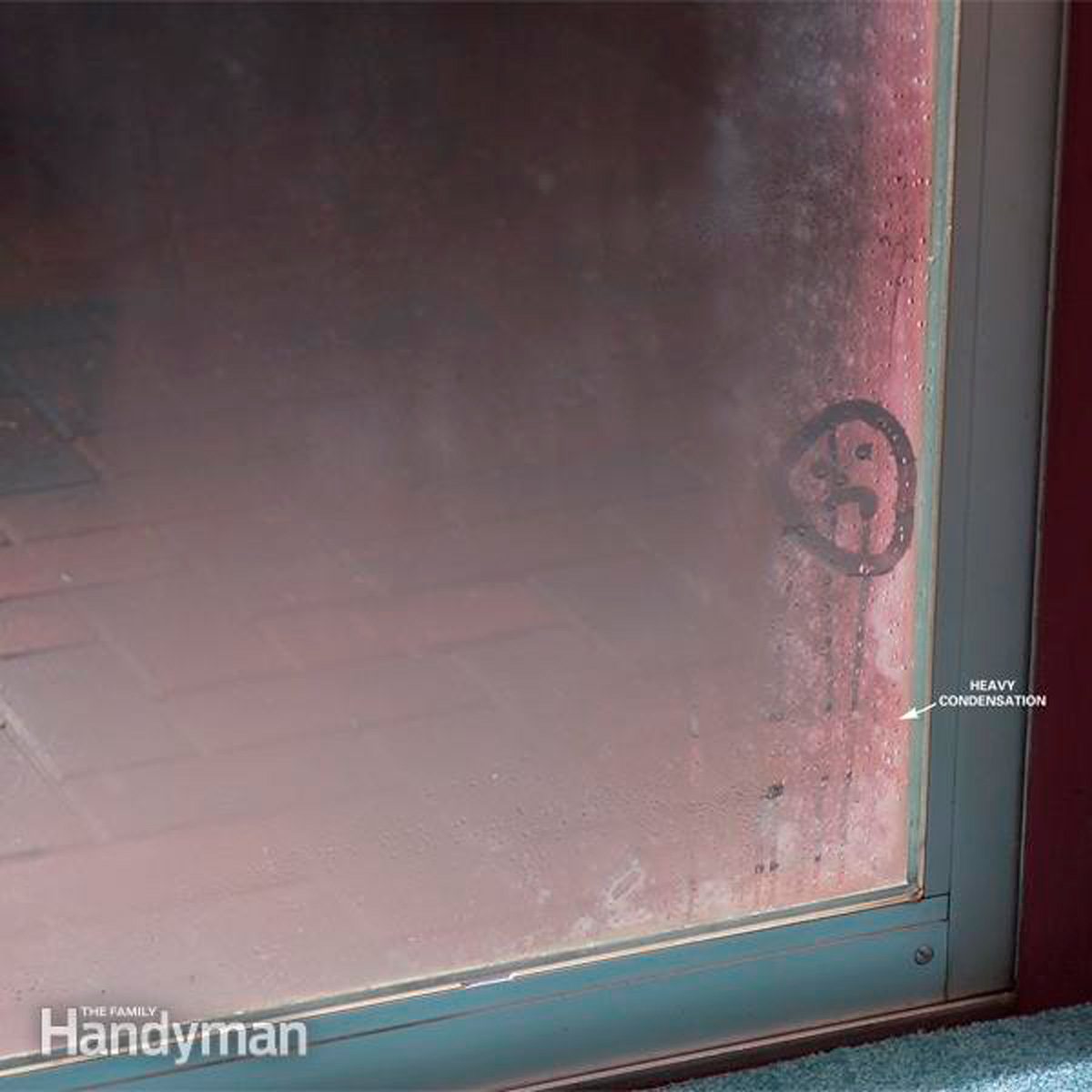
Home Window Installation, Parts and Repair

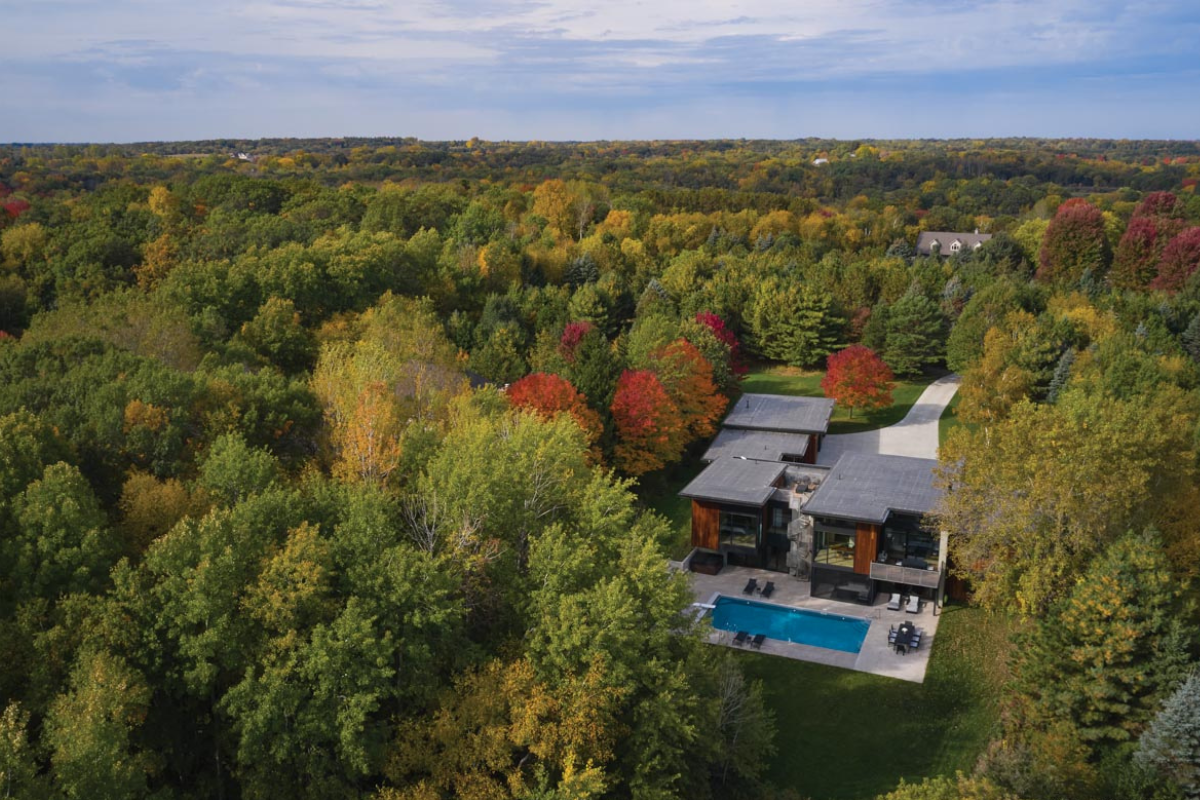
Kolbe Windows & Doors Enhances a Sleek Indoor/Outdoor Oasis

Meet Gil Breef | Motorized Window Treatments Expert
Compare Most Energy Efficient Windows (2025)
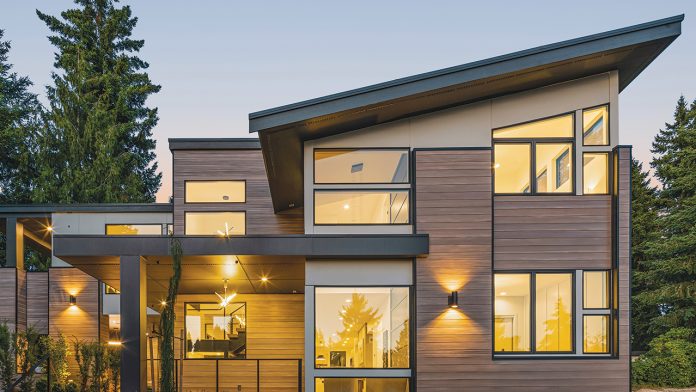
Manufacturers see a bright future driven by the repair and remodel categories

High-Tech Windows


5 Best Window Brands for Your Home (2026)

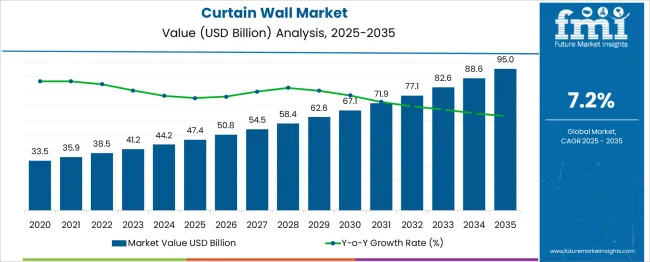
Curtain Wall Market | Global Market Analysis Report - 2035
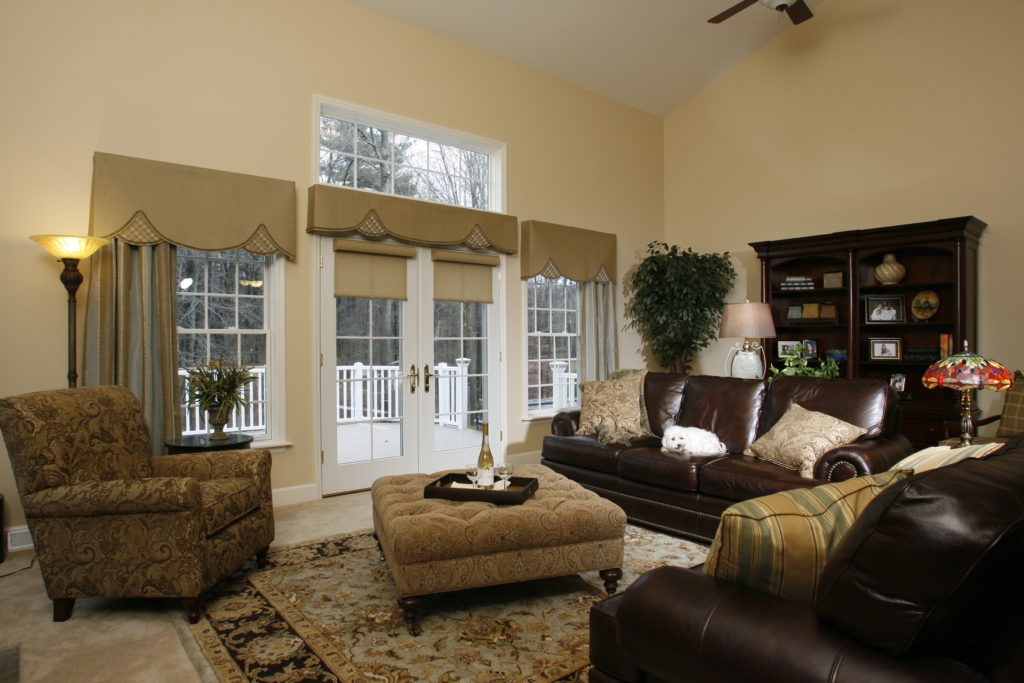
Shedding Light on the Future of Window Treatments

Renewal by Andersen Window Review (2025)
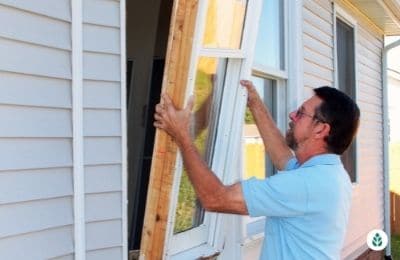
Compare the 5 Best Window Replacement Companies of 2026
Are window shutters out of style? Interior designers weigh in

Eight living spaces with industrial Crittal-style windows
Windows and Frames: The Silent Revolution Changing the Way We See Light and Landscapes


Top 5 Best Window Replacement Companies in Texas (Review) (2025)

Mohammad Hossein Ghanbaraliha: Ava Window Fashion Creating the Best Window Treatments in the Market at a Reasonable Price