1/6
Is your air purifier in the best spot? Follow these rules
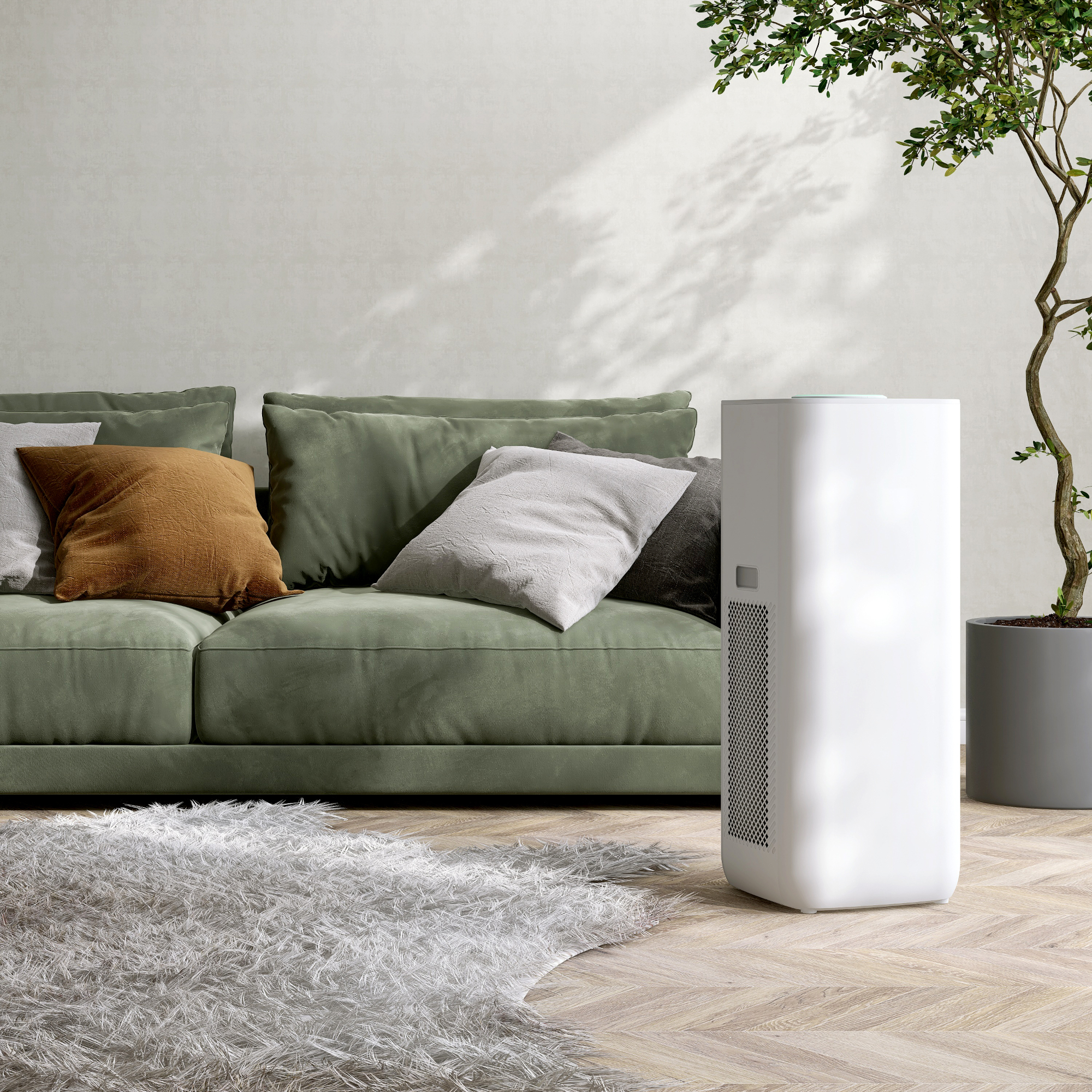
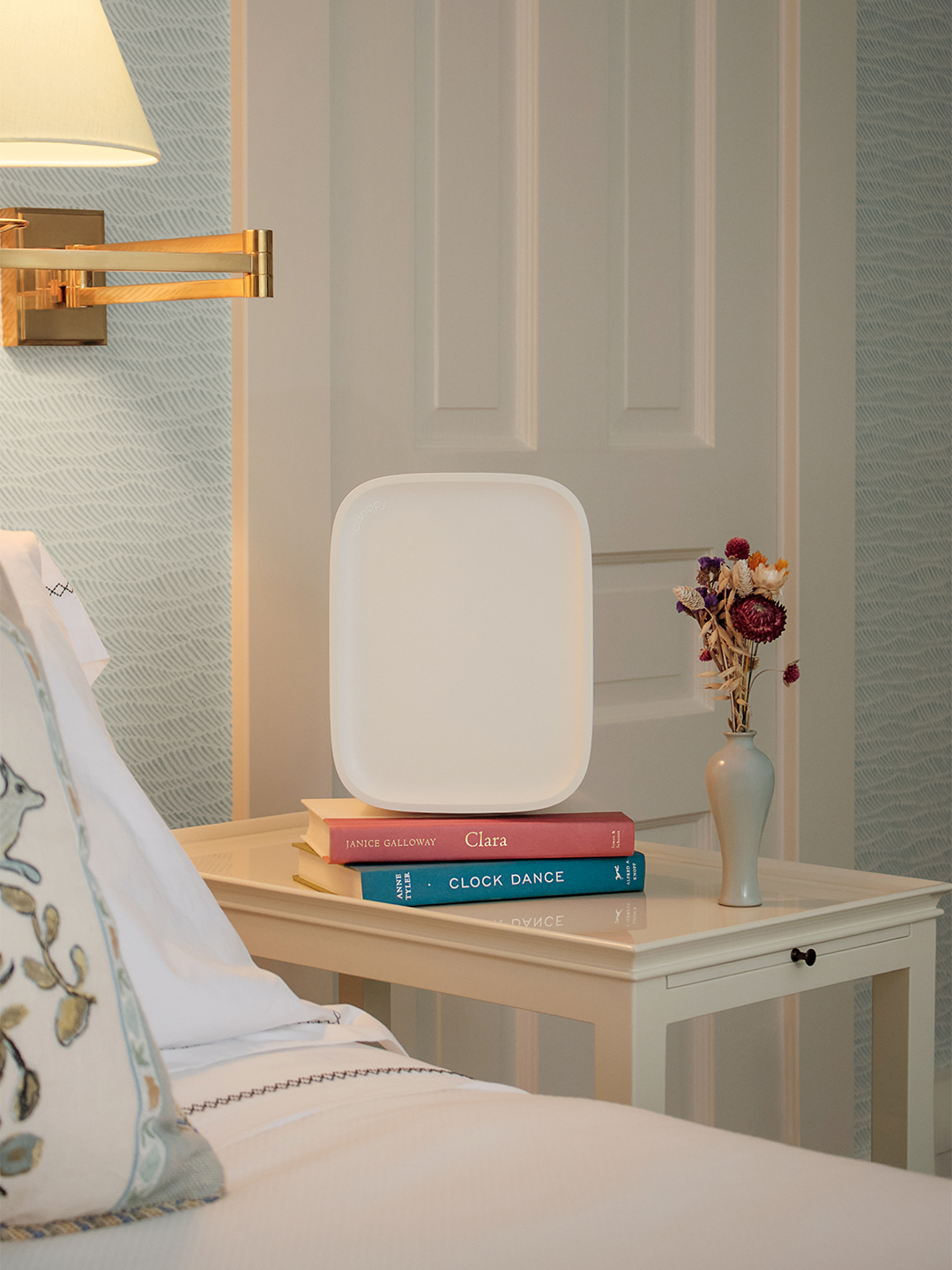
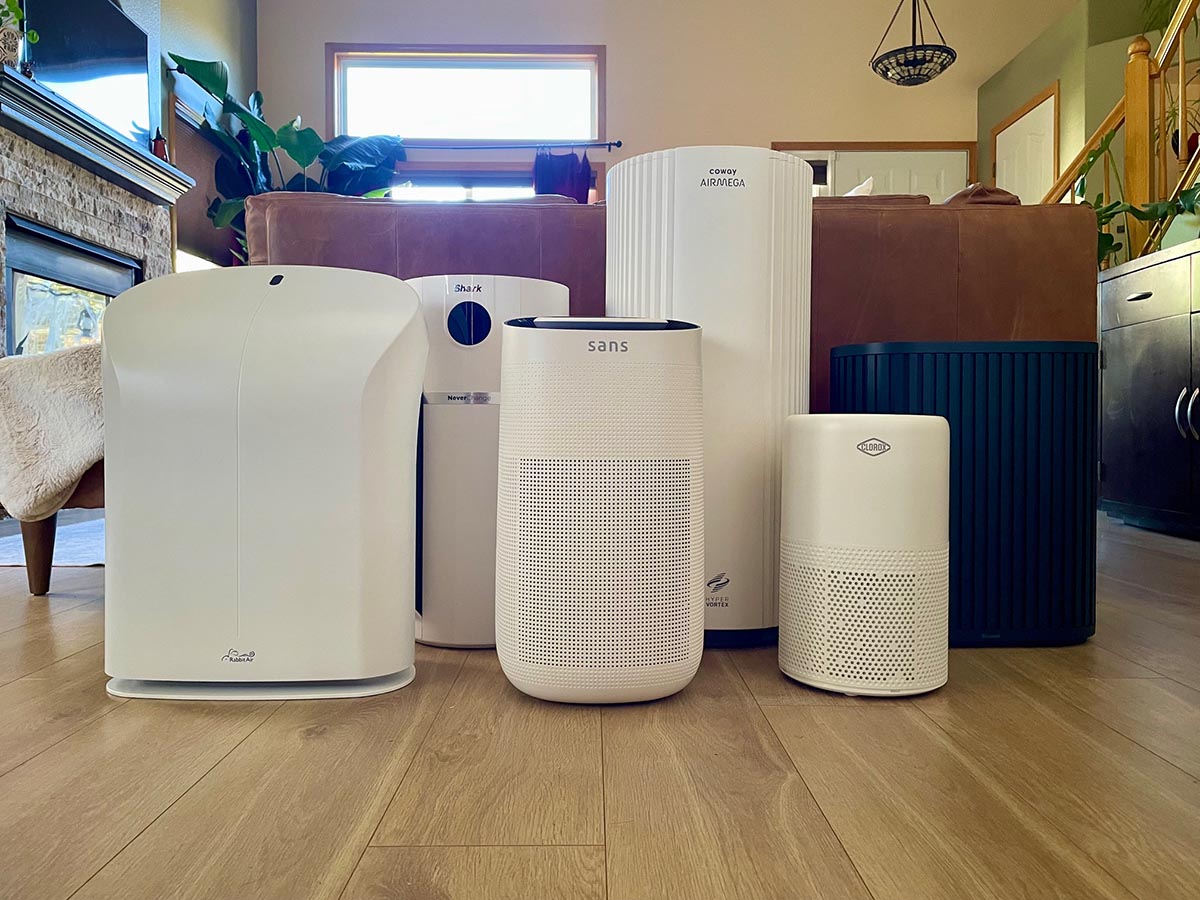
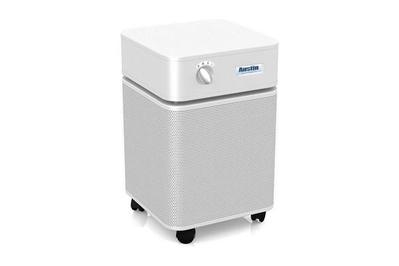
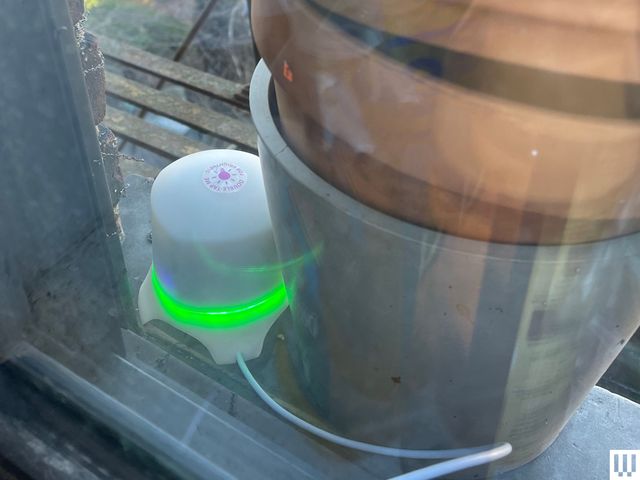
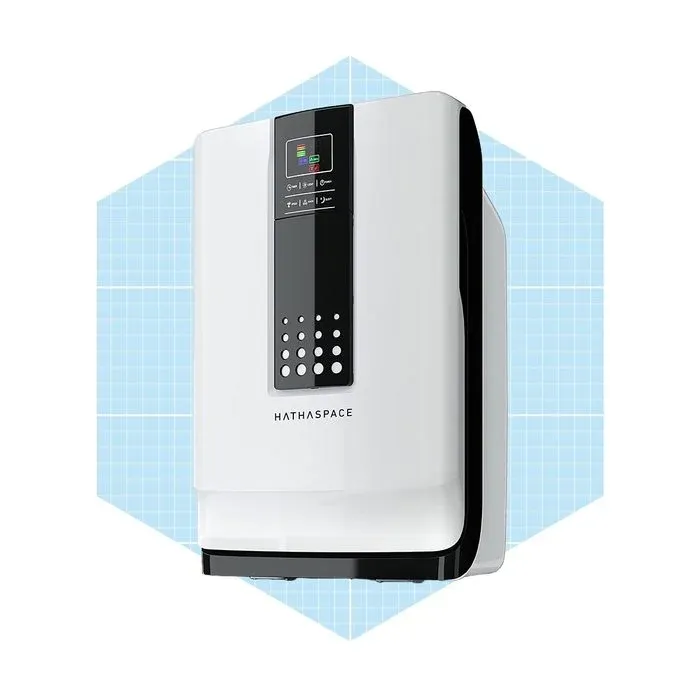
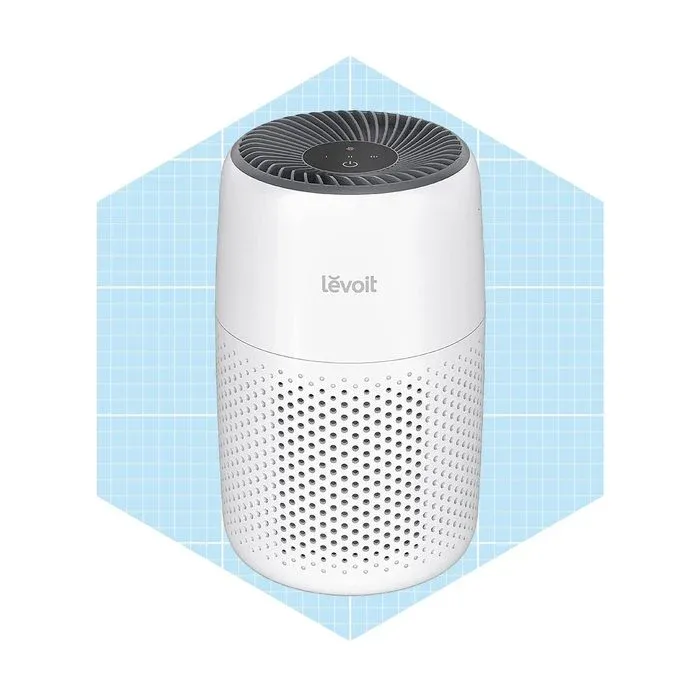
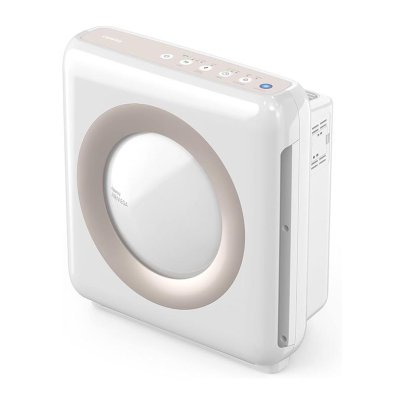
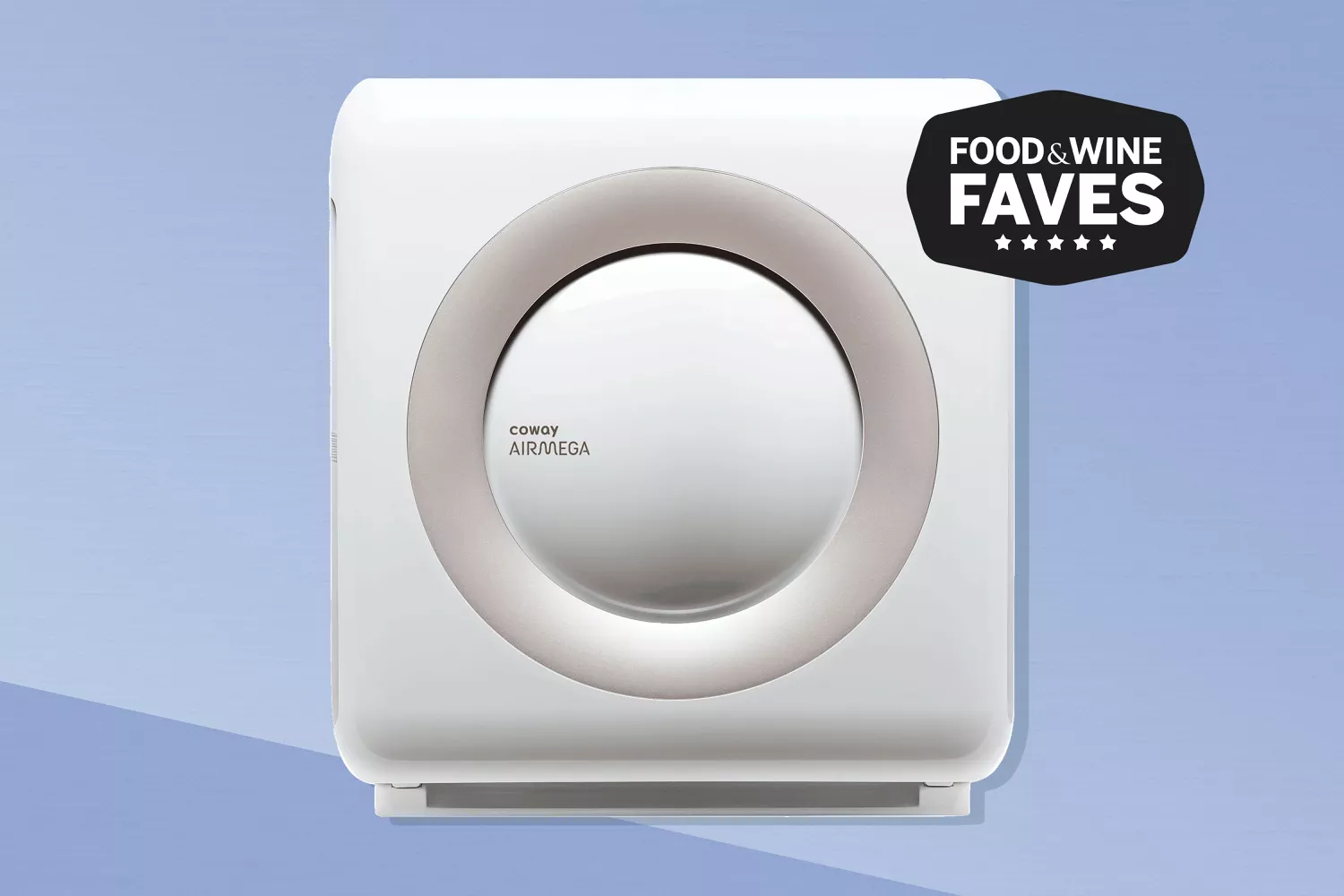
Achieving optimal indoor air quality through an air purifier requires more than simply plugging in the device; its placement significantly impacts its effectiveness. Air purifiers operate by drawing in unfiltered air, passing it through a filter, and then releasing clean air back into the living space, necessitating good air circulation. Therefore, strategic placement is crucial to maximize performance. Avoid tucking the air purifier into discreet corners, as this can obstruct air intake and disrupt the outflow of purified air. Ideally, several feet of clear space should surround the unit's vents to ensure proper airflow. If aesthetic concerns arise, consider investing in models designed to be visually appealing, such as the Coway Airmega Icon, which seamlessly integrates into home decor without needing to be hidden.
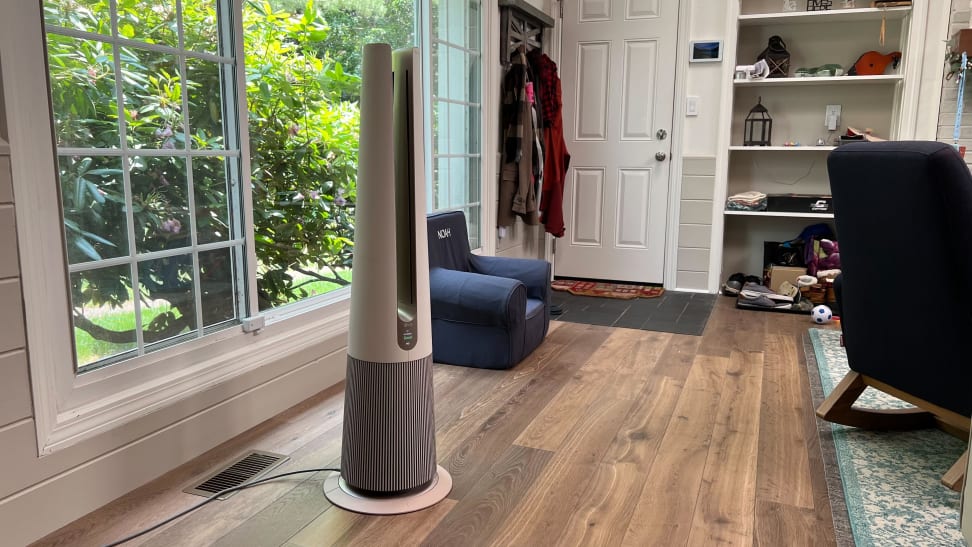
Selecting the right air purifier for a specific home layout is also essential. Air purifiers are rated by their Clean Air Delivery Rate (CADR), which indicates the volume of air they can clean. Generally, the CADR rating should be at least two-thirds of the square footage of the area being purified. For open-plan homes, a single, large air purifier like the LG Puricare Aerotower can provide sufficient air movement. However, for homes with smaller, divided rooms, multiple smaller units strategically placed throughout the home are more effective in maintaining adequate airflow and filtration. This approach ensures that each area benefits from clean air without overworking a single unit.
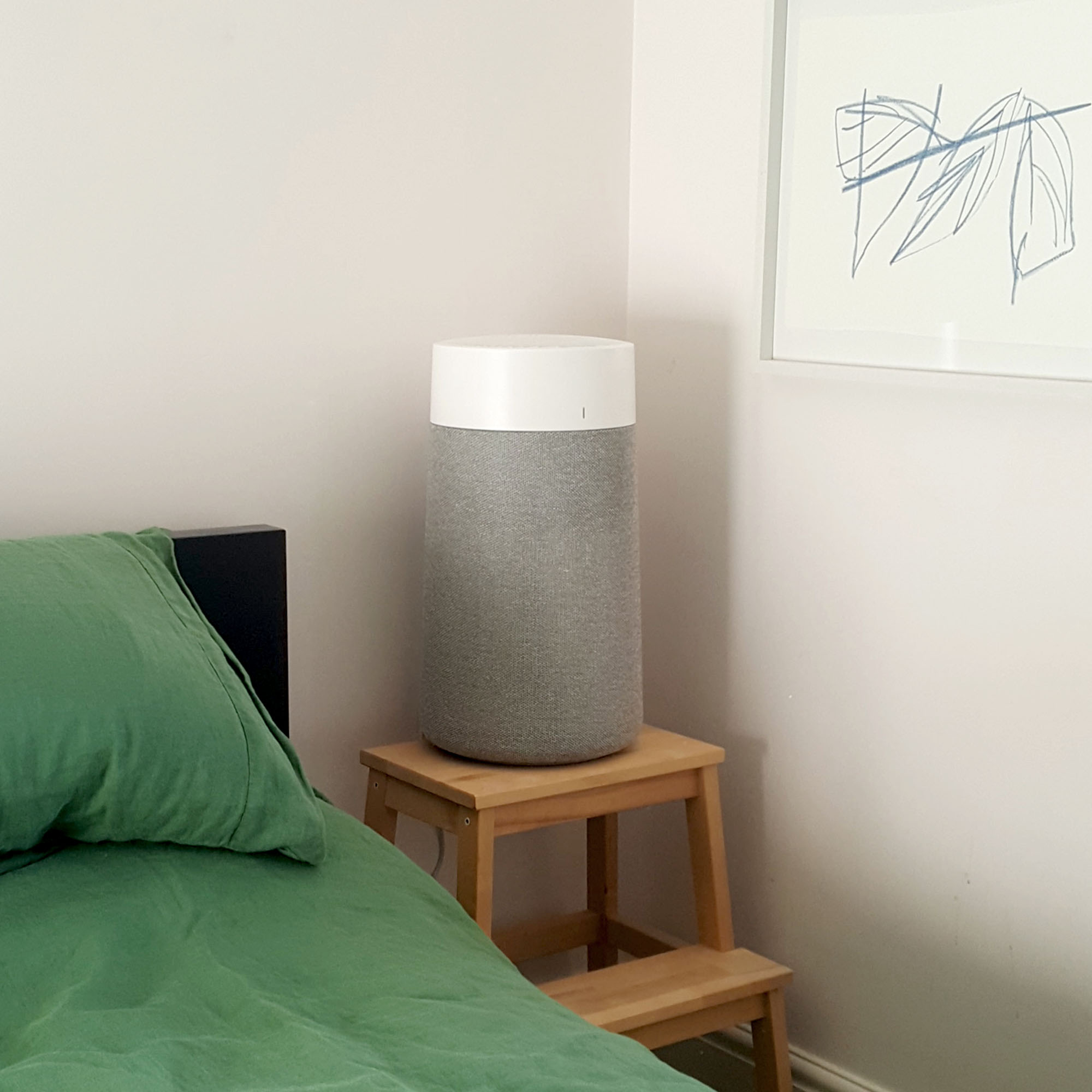
Prioritizing placement in areas where occupants spend the most time is a key strategy. The bedroom is a primary location due to the significant amount of time spent sleeping. For bedrooms, select purifiers with a quiet sleep mode and low display lighting, such as the Blueair DustMagnet 5410i or the Medify Air MA-14. Other high-traffic areas, including living rooms, family rooms, kitchens, and home offices, should also be considered. Given that individuals move between different areas throughout the day, a portable air purifier can be moved to the current occupied space, minimizing the number of units required while maximizing exposure to clean air.
Placing air purifiers near sources of pollution can further enhance their effectiveness. Outdoor pollutants like wildfire smoke, pollen, and exhaust fumes can enter homes through open windows and doors. Positioning an air purifier near these entry points helps mitigate the influx of these contaminants. Gas ranges also contribute to reduced indoor air quality, making a kitchen air purifier, alongside good ventilation, an important tool for addressing this issue. Additionally, areas prone to high humidity or dampness, such as basements, can foster mold growth. While a dehumidifier, like the LG Puricare 50 Pint dehumidifier, is crucial for controlling dampness and mold, an air purifier placed nearby can capture airborne mold spores before they spread.
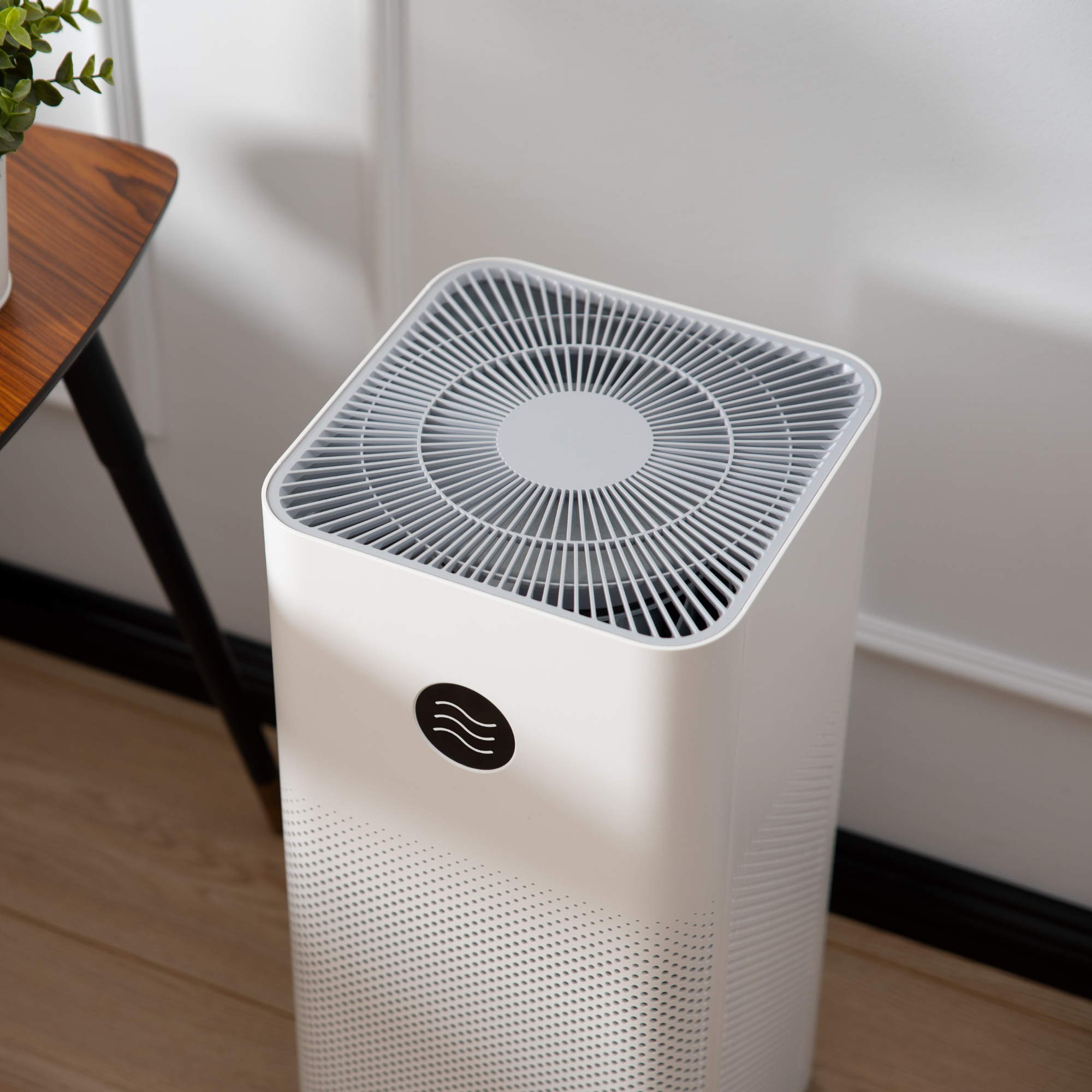
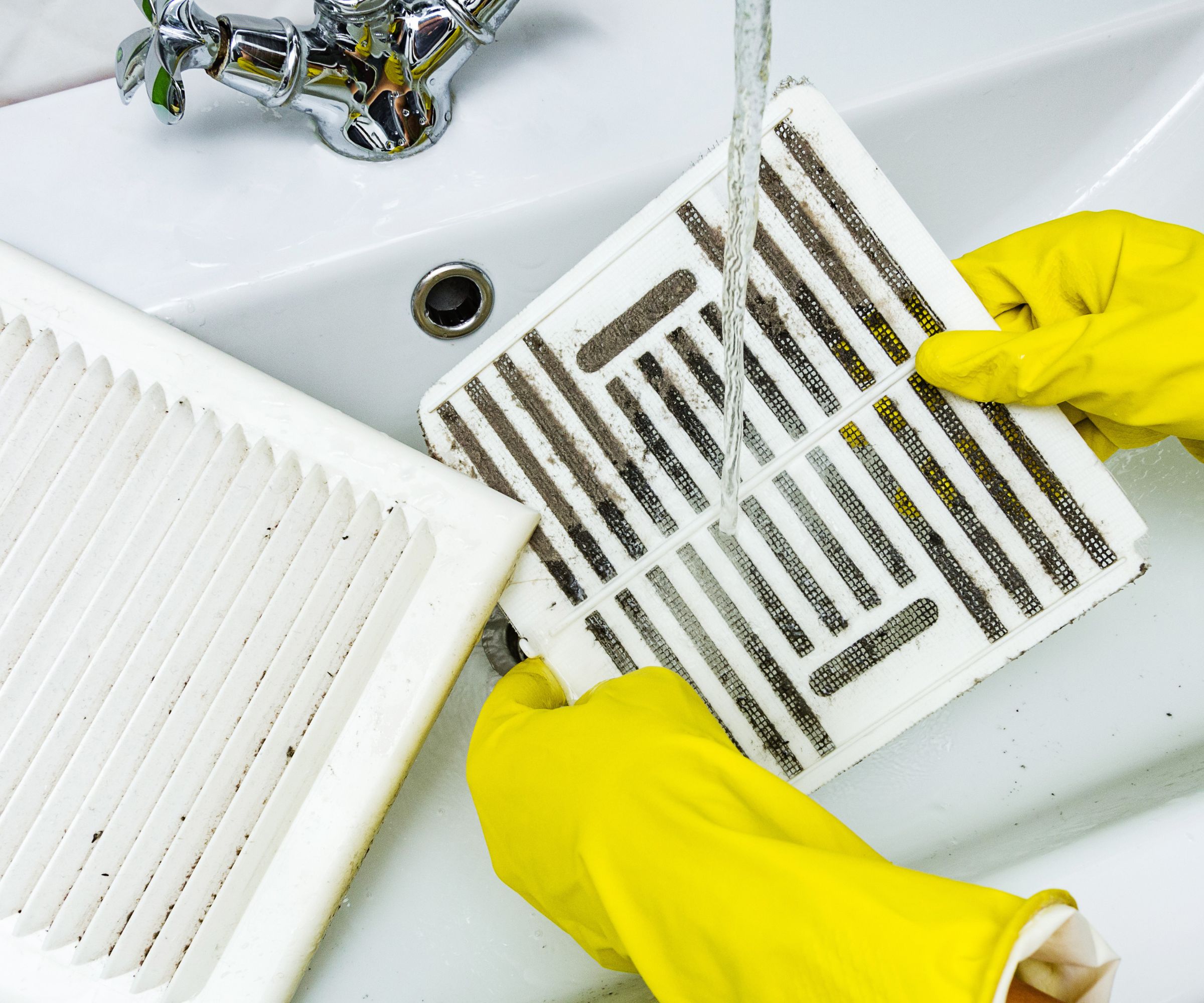
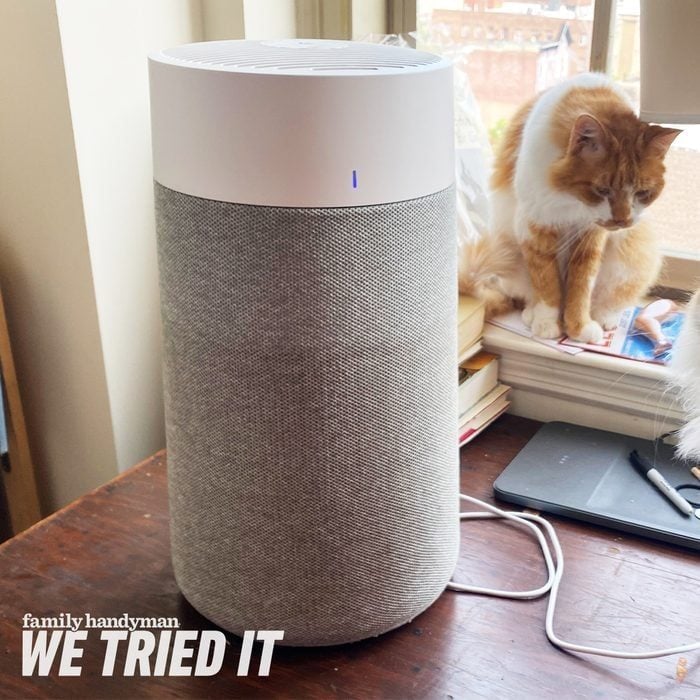
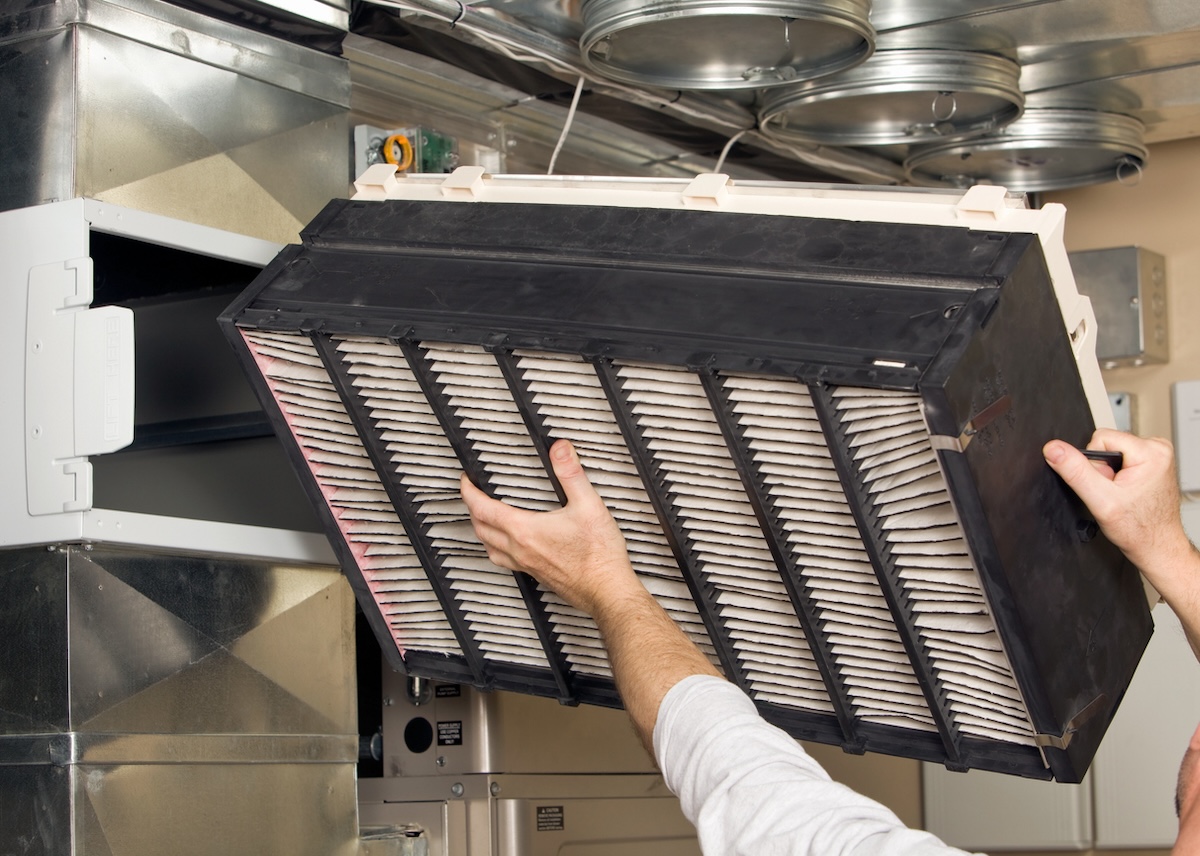
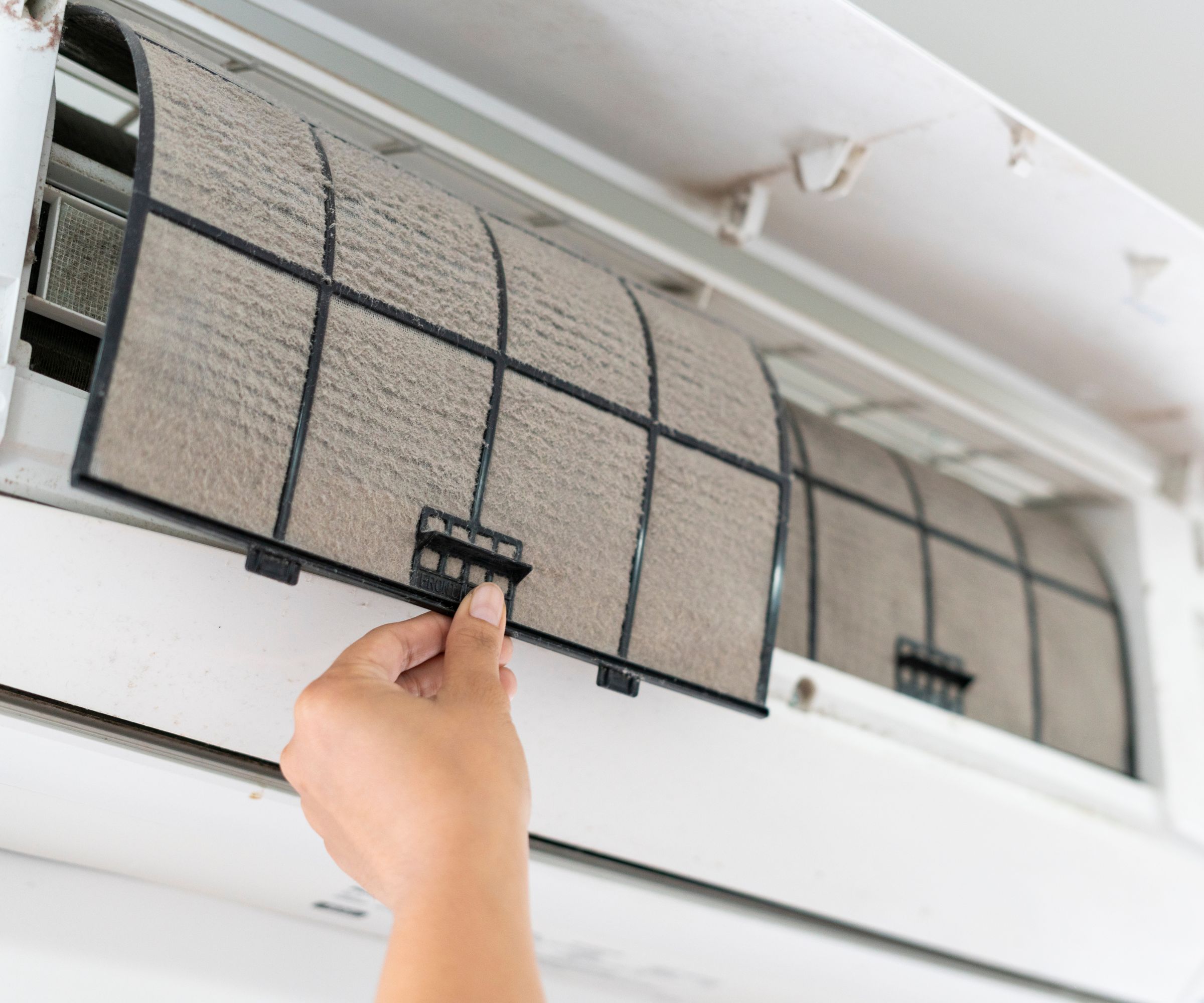
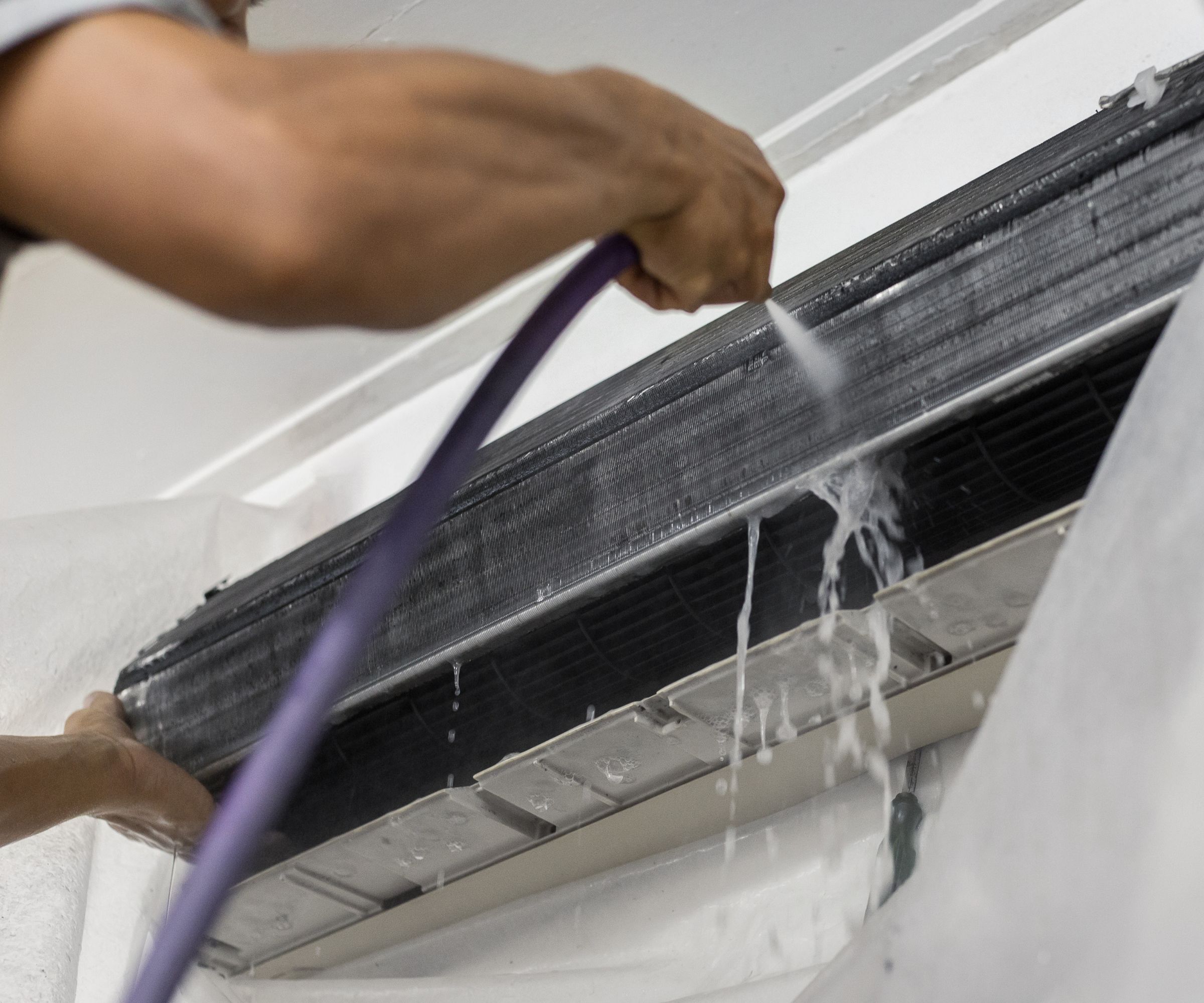
Finally, regular maintenance is vital to ensure the continued efficacy of an air purifier. The external surfaces and air intakes should be kept clean, especially in homes with pets, where hair and dander can quickly accumulate and block vents. Air purifiers with washable pre-filters, such as the Blueair Blue Pure 311i Max or the Winix 5500-2, simplify maintenance and prolong filter life. It is also important to regularly change HEPA filters, as their efficiency decreases as they become clogged with dust. Proper cleaning and timely filter replacement are essential for maintaining optimal air purification performance.
#AirPurifierPlacement #IndoorAirQuality #HomeAirPurification #AirPurifierMaintenance #CADRRating #PollutionControl #HomeVentilation #HealthyLiving #AirPurifierPlacement #IndoorAirQuality #HomeAirPurification #AirPurifierMaintenance #CADRRating #PollutionControl #HomeVentilation #HealthyLiving
0 commentaire au total
 Aucun commentaire pour le moment
Vous aimerez aussi
Are air purifiers better on the floor or a desk?
This Headboard Cleans the Air Near You as You Sleep
A Feng Shui Expert Explains Why Every Kitchen Needs This Air-Purifying Plant

Simple Ways to Improve the Indoor Air Quality of Your Home

The 3 Features That Earned This Chic Air Purifier a Spot on My Nightstand


5 mistakes you're making that are compromising your home's air quality – and how to fix it like a HVAC pro

Breathe right — we tested 40 air purifiers to find the best to combat allergens, pet dander, and pollution
The 10 Best Air Purifiers for a Basement to Remove Dust, Allergens and Odors

The Best Air Purifiers of 2025, Tested and Reviewed by Our Experts

8 Simple Ways to Improve Indoor Air Quality This Winter

The Best Air Quality Monitors for Testing Your Air Indoors and Out
Create a Healthier, Safer Home With These Smart Indoor Projects
Wondering Where to Place Your Humidifier? These Tips Will Help

How to clean vent covers and how often to do it - TODAY

How to improve air quality at home - it’s the big health issue nobody’s talking about
How to clean your HVAC system – 6 expert tips to make this essential task DIY-friendly
How to Get Better Indoor Air Quality | Wirecutter
How to improve indoor air quality at home
We Tested Dozens of Air Fresheners to Find the Best Ones for Your Home

We’ve Been Testing Air Purifiers for Years — These Are the Ones We Keep in Our Kitchens