
1/6
How to find studs in your walls using just your phone
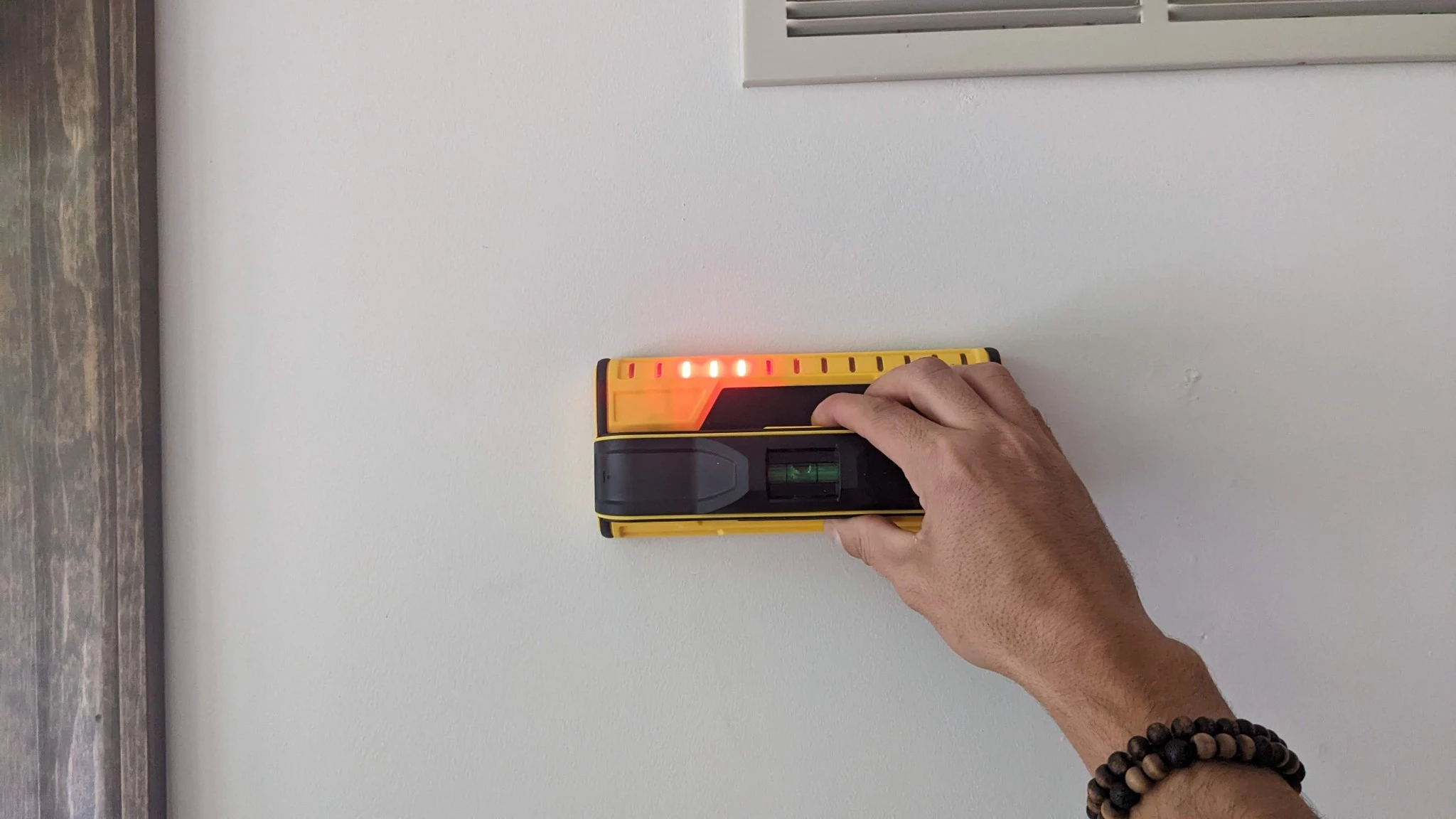
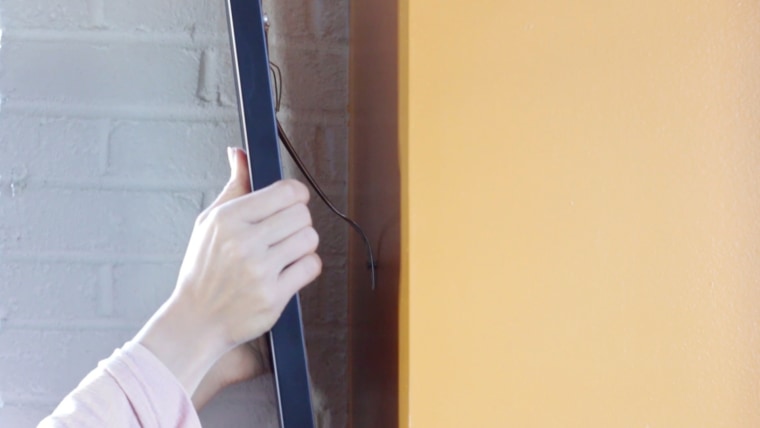
This article details a practical method for locating wall studs using a smartphone, which is particularly useful for DIY enthusiasts planning to hang heavy items like shelves, cabinets, or TV brackets. Wall studs are the vertical, structural beams within a wall that provide robust support, typically spaced 16 to 24 inches apart. These studs can be made of wood or metal. If wooden, they usually contain metal nails used to secure drywall, which is key to the phone-based detection method. The technique leverages a smartphone's built-in three-axis magnetometer, a sensor capable of detecting magnetic fields. Dedicated stud finder applications, available on both iOS and Android platforms, utilize this sensor to identify metallic objects within walls.
To effectively use a smartphone as a stud finder, several steps are outlined. First, it is crucial to remove the phone from its case, as cases, especially those with magnetic components, can interfere with the magnetometer's accuracy. The article recommends using the 'Digital Meter' option within the stud finder app due to its straightforward interface. Before scanning, the app needs to be calibrated by moving the phone in a figure-of-eight pattern in the air; this helps establish a baseline reading for an area without magnetic interference. Users can adjust the app's sensitivity, though the default 50% setting is often sufficient.
The core of the process involves placing the phone against the wall and slowly moving it horizontally. The app's digital meter will show fluctuations: a low reading indicates a hollow part of the wall, while a significantly higher reading signals the presence of a stud, specifically due to the detection of metal nails or the stud itself if it is metallic. For users seeking more detailed information, an 'In-Depth Detection' option provides metrics related to magnetic field, calibrated magnetic field, location heading, and heading versus magnetic field, with explanations available via an 'i' button.
A crucial caveat is highlighted: while this method is effective for finding studs, it cannot detect electrical wiring or plumbing within the walls. Therefore, caution is advised, and professional assistance is recommended if there is any doubt about what might be behind the wall. The article concludes by suggesting other home improvement resources, such as guides on mounting TVs, reducing home noise, and decorating blank walls, further emphasizing its utility for home DIY projects.
#StudFinder #DIYHomeImprovement #SmartphoneTools #WallMounting #HomeMaintenance #Magnetometer #SmartHomeTech #StudFinder #DIYHomeImprovement #SmartphoneTools #WallMounting #HomeMaintenance #Magnetometer #SmartHomeTech
0 commentaire au total
 Aucun commentaire pour le moment
Vous aimerez aussi
The Best Stud Finders of 2025, Tested and Reviewed

Can a $12 Stud Finder Outperform a $100 Pick? We Put Them Both to the Test.

What's the Least Intrusive Way to Find Out What's In a Wall?

8 Best Stud Finders


4 Common Wall Hanging Myths, Busted

The 5 Best Stud Finders for Your Home DIY Projects


The Best Stud Finder for Home Use | Reviews by Wirecutter
This Hack Will Ensure You ALWAYS Hit A Stud

How to Figure Out What Kind of Walls You Have Behind Your Wall Paneling
How To Find Studs In A Wall Without a Stud Finder — It's Easier Than You Think!

How to hang wall perfectly: Use a fork


The Best Stud Finders

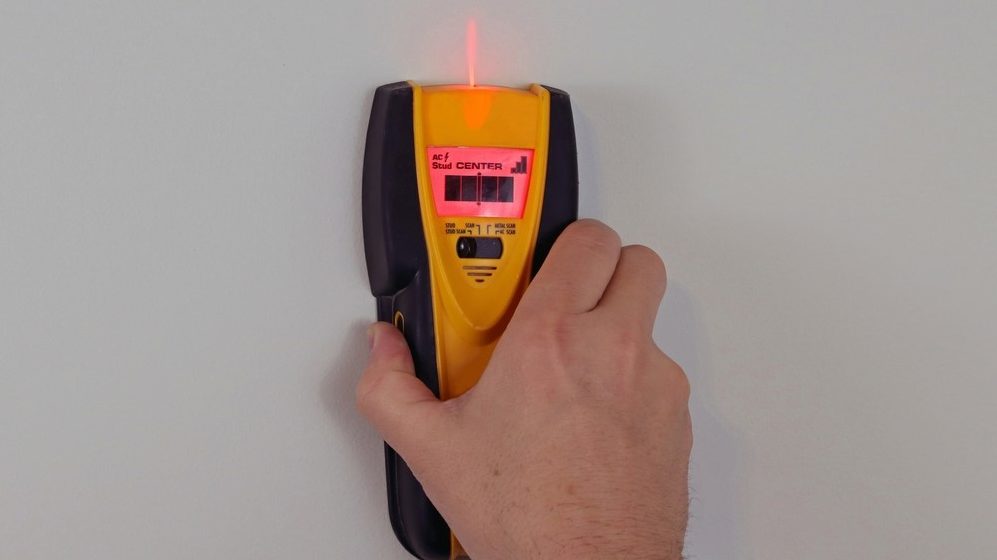
Stud-finders, a must-have tool, could be useful for your home