Handyman Hints: Installation method is key to avoiding creaks and squeaks in your vinyl flooring
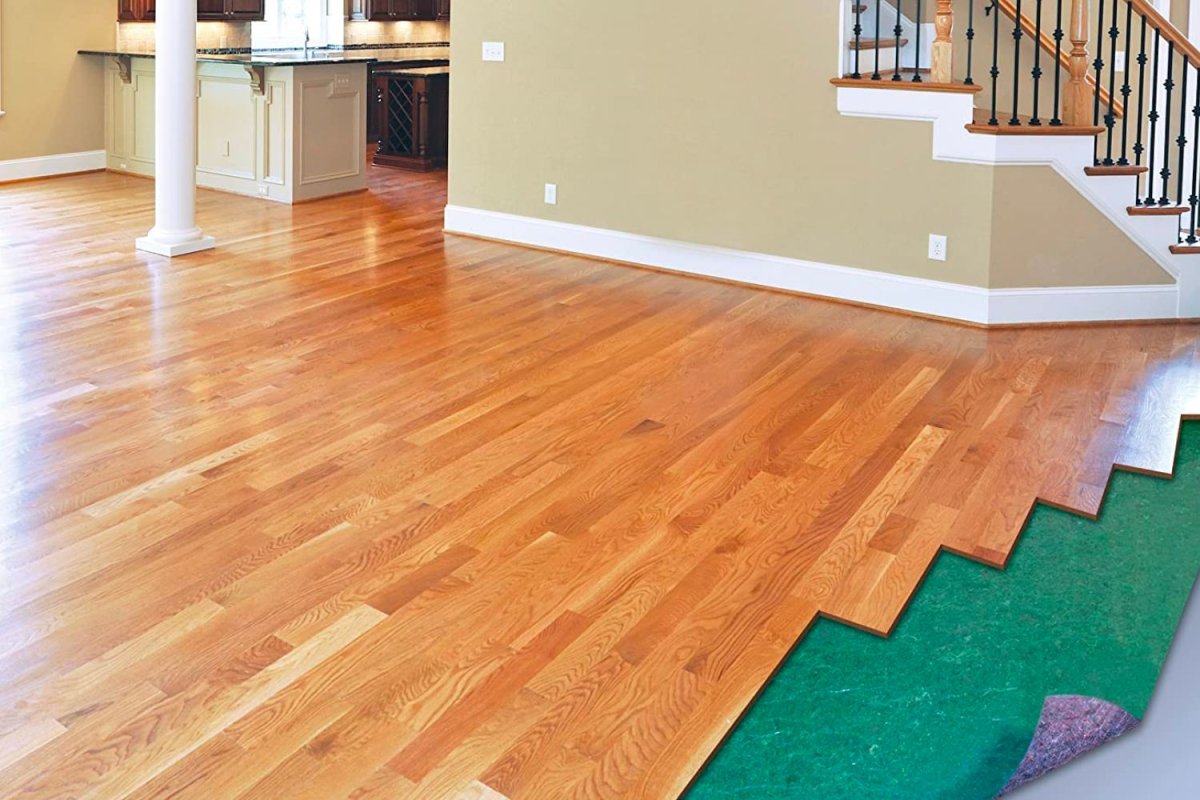
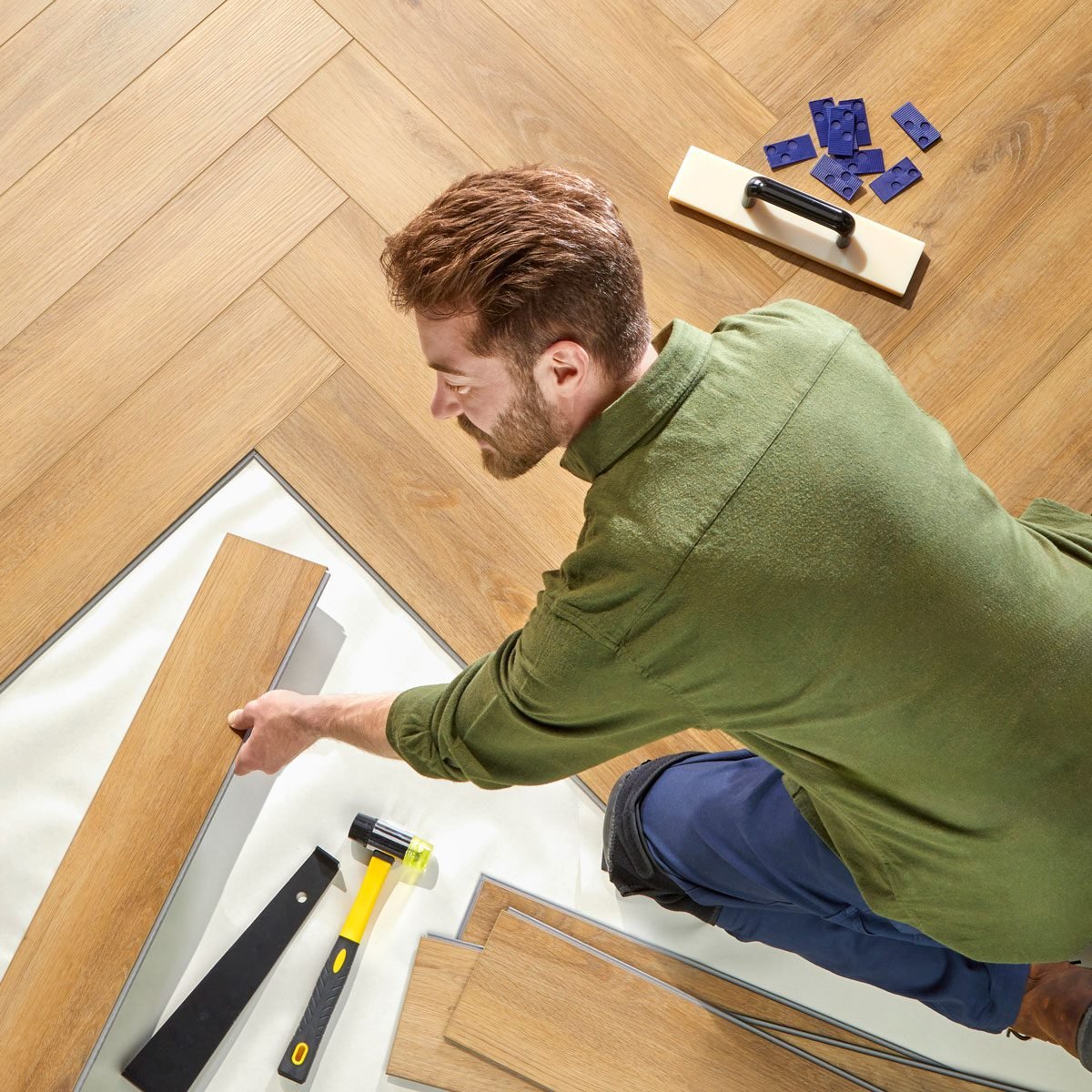
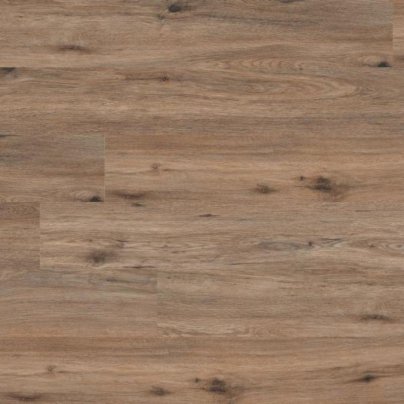
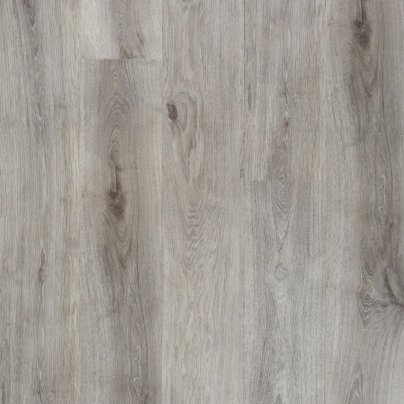
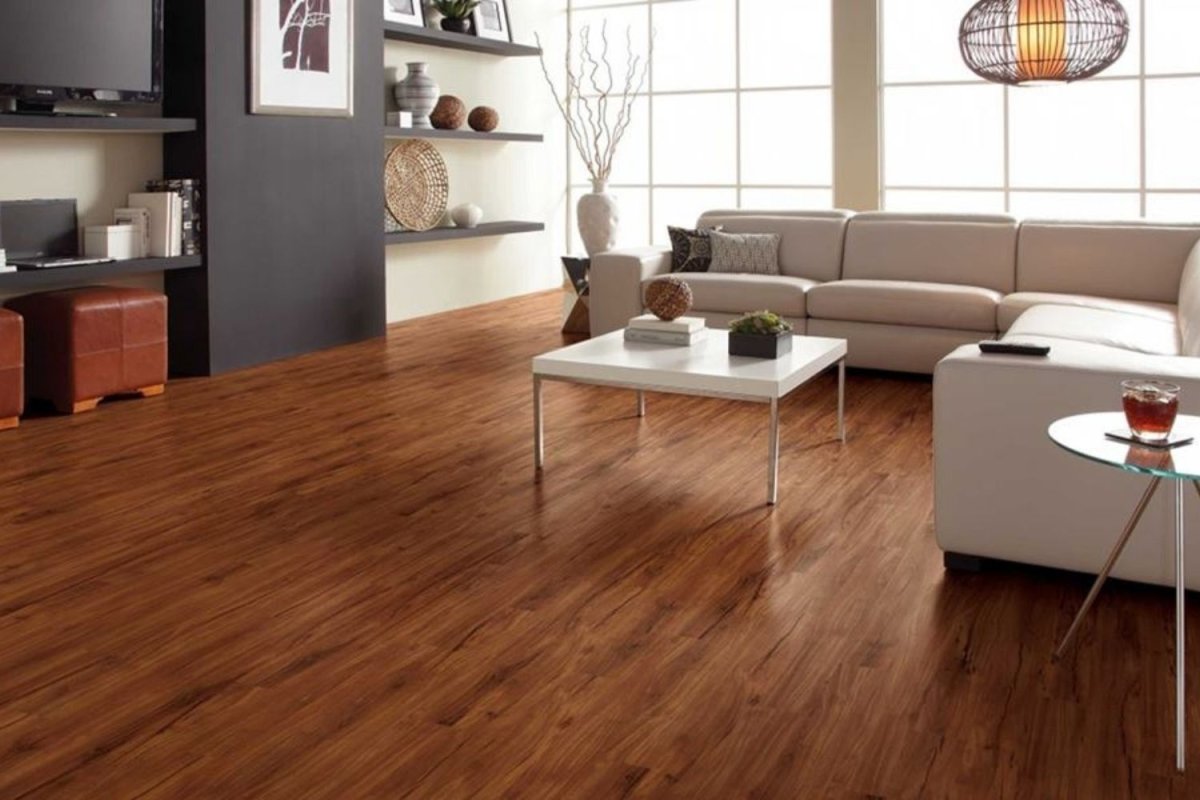
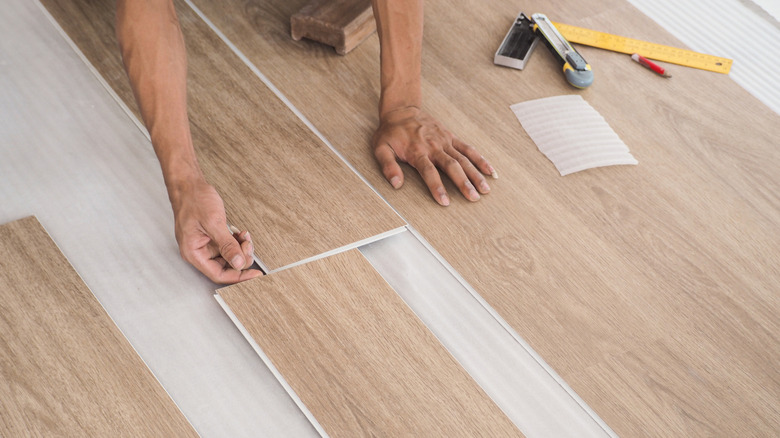
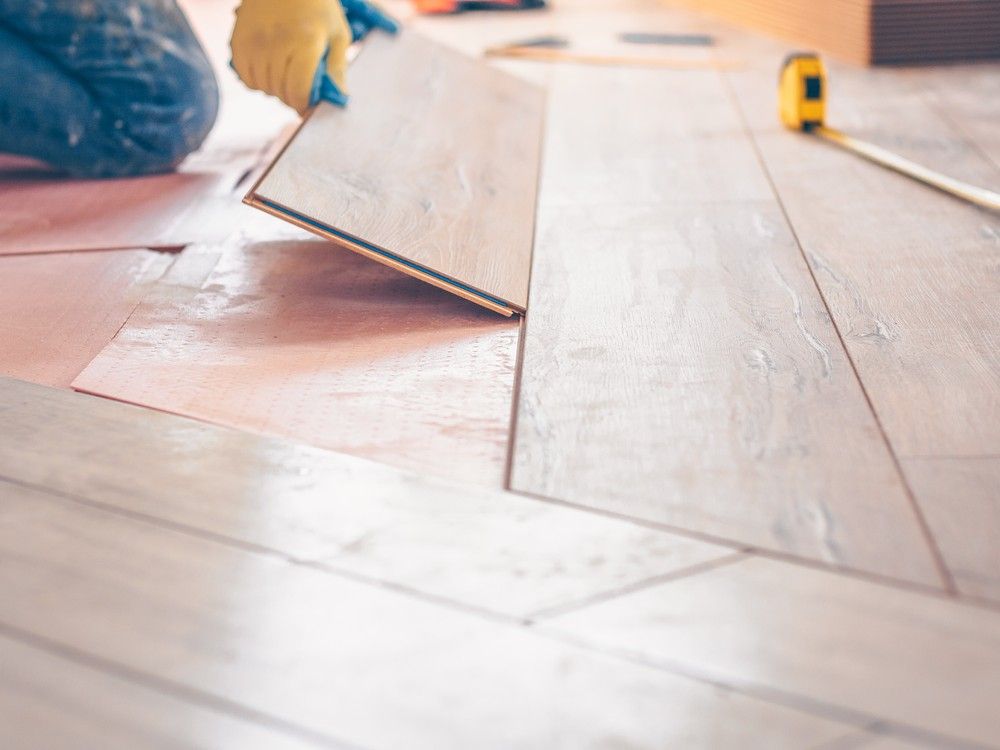
Vinyl click flooring can be a practical and aesthetic choice for home interiors, but improper installation can lead to common issues such as creaking and squeaking. These noises typically arise because click flooring is designed to float, meaning it is not permanently affixed to the subfloor with nails or glue. This floating design allows the flooring to expand and contract in response to changes in atmospheric conditions like temperature and humidity. When the flooring is restricted from this natural movement, stress builds up, resulting in buckling, separation, or the irritating creaks and squeaks.
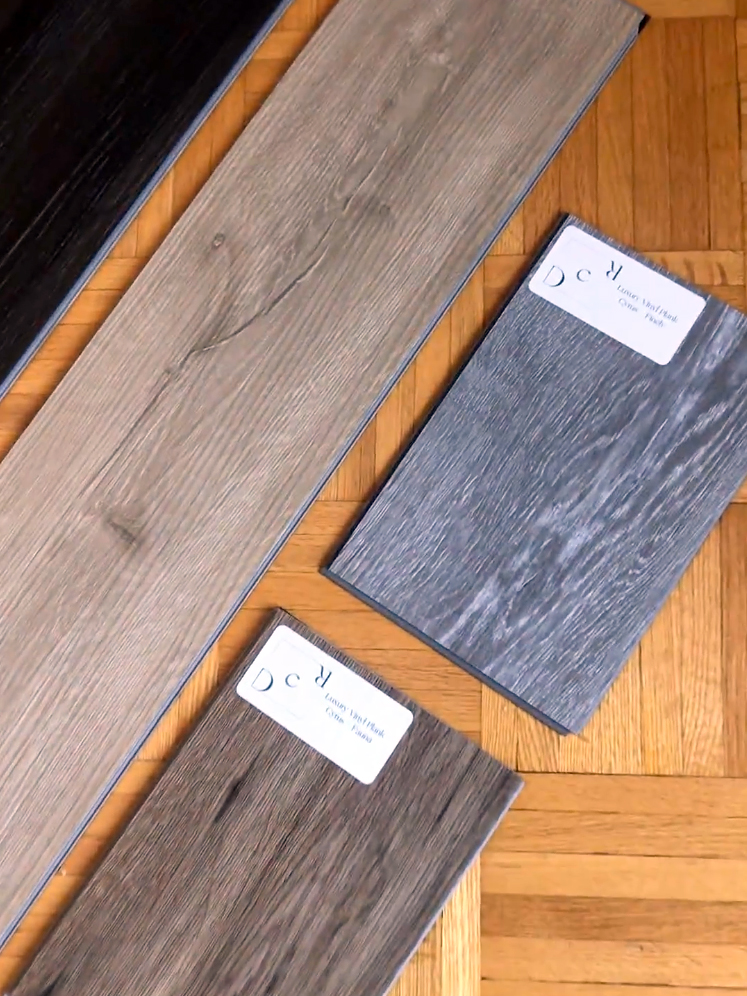
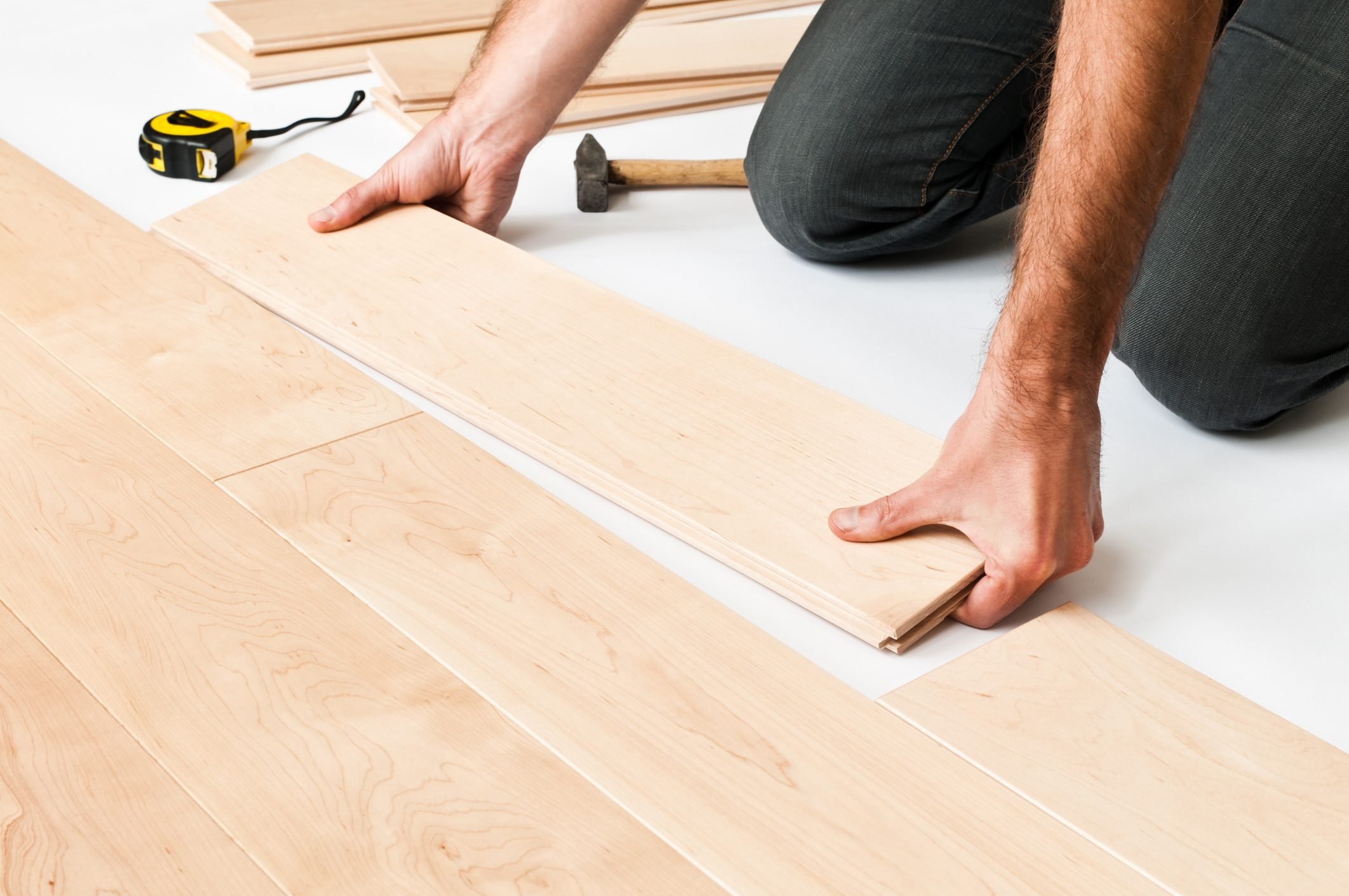
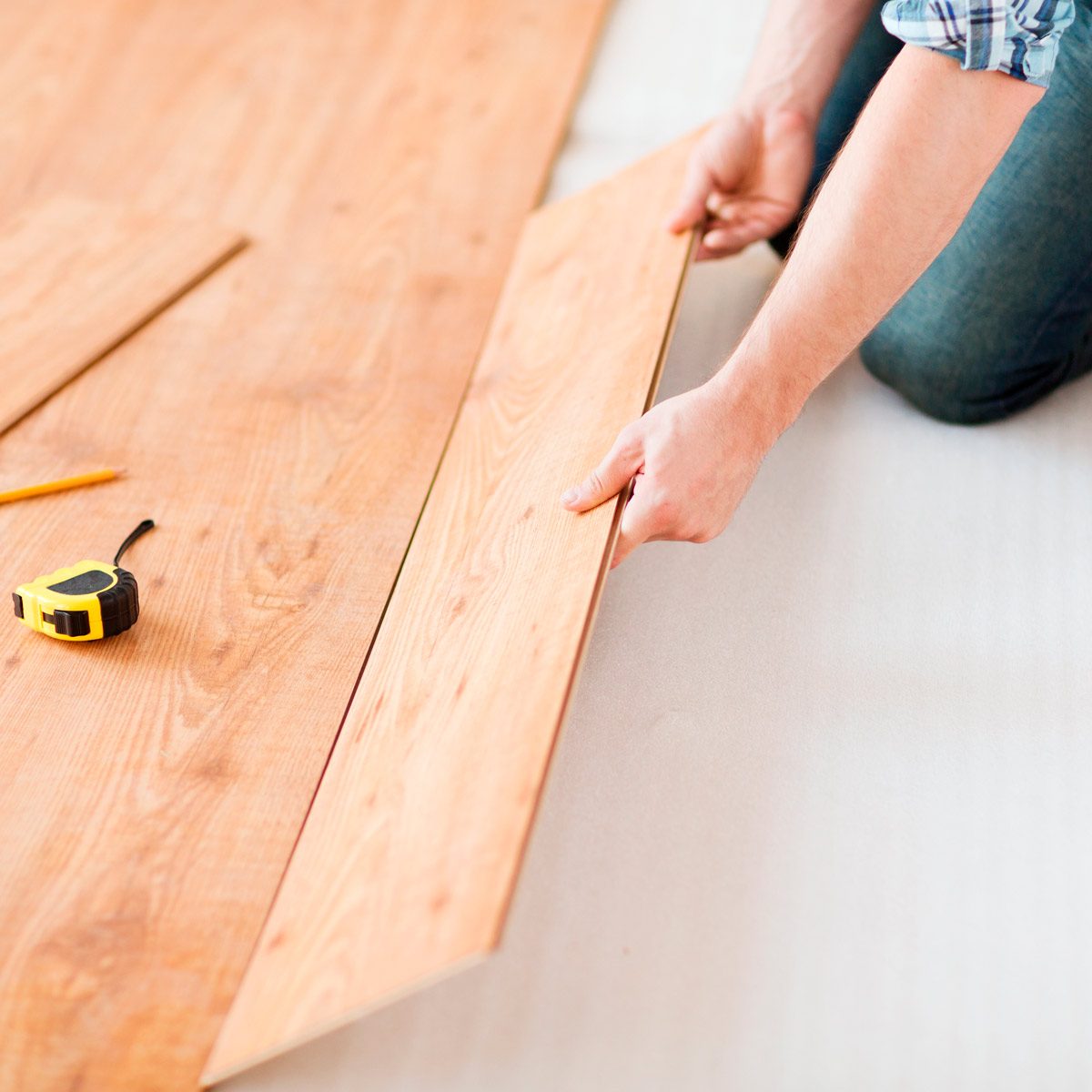
To prevent these problems, adherence to the manufacturer's installation guidelines is crucial. The first step in a successful installation is acclimatization. The vinyl planks should be allowed to sit in the room where they will be installed for at least 72 hours prior to laying them down. This period allows the material to adjust to the room's ambient temperature and humidity, minimizing significant expansion or contraction after installation. Neglecting this step is a frequent cause of post-installation issues.
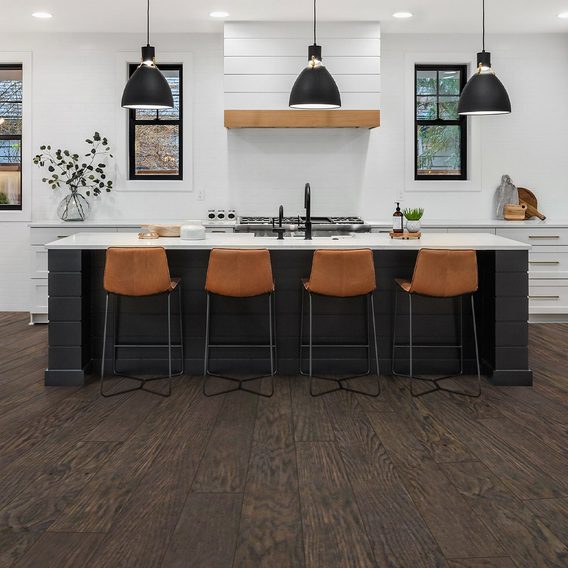
Another critical instruction often overlooked by renovators is to avoid placing heavy, permanent fixtures directly on top of floating vinyl floors. Items such as kitchen cabinetry or built-in islands exert considerable weight, pinning down sections of the flooring. This prevents the planks from moving freely as a cohesive unit. If one part of the floor is anchored while the rest attempts to expand or contract with environmental changes, it creates tension and disrupts the overall integrity of the floating system, leading to audible creaks and eventually structural problems like buckling or gaps between planks.
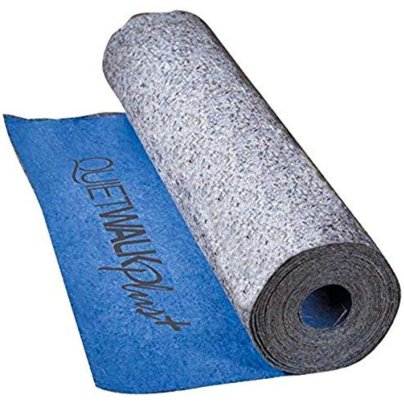
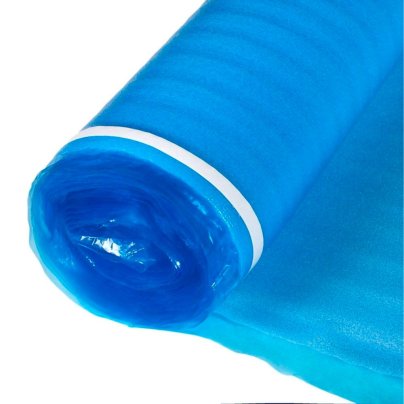
Furthermore, precise cutting and fitting are essential. When installing around permanent structures like cabinetry or supporting posts, it is necessary to leave appropriate expansion gaps. These gaps allow the flooring to move without encountering obstruction. Similarly, when securing quarter-round molding, the nails should be driven into the baseboard or wall, not through the flooring itself, to ensure the planks can still float. The subfloor also plays a vital role; it must be clean, smooth, and free of any dips or bumps. Uneven subfloors can create pressure points that contribute to squeaking. If an underlay is required, only the manufacturer's recommended type should be used, as incompatible underlays can also impede the flooring's movement.
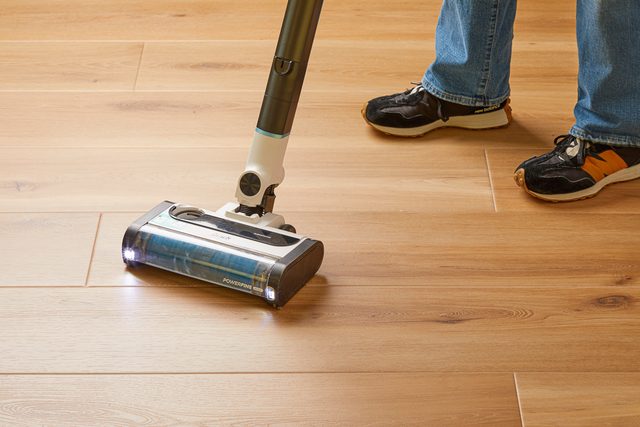
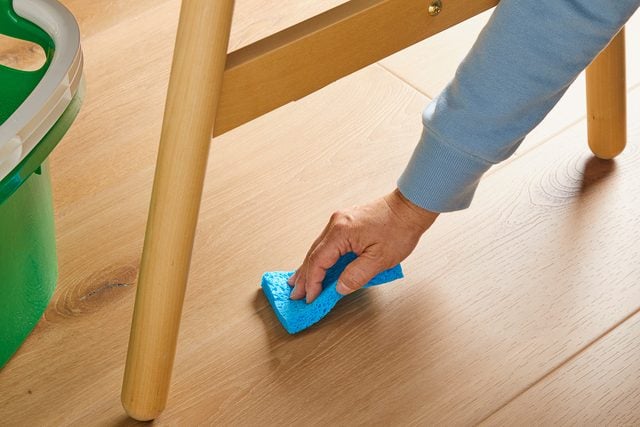
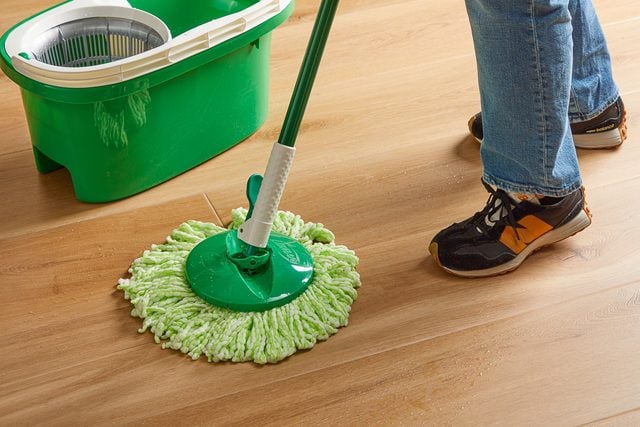
Maintaining a consistent humidity level within the home can also significantly reduce the likelihood of flooring noises. Stable indoor conditions minimize the extent of expansion and contraction that the flooring undergoes. For cleaning, it is important to avoid traditional soap and water, which can damage vinyl. Instead, use cleaning products specifically recommended by the flooring manufacturer or salesperson. By following these guidelines—acclimatizing the material, ensuring a proper subfloor, allowing for free movement by avoiding heavy obstructions, and using recommended cleaning methods—homeowners can ensure their vinyl click flooring remains silent and durable for its lifespan.
#VinylFlooring #HomeRenovation #FlooringInstallation #DIYHomeImprovement #SqueakyFloors #HomeMaintenance #ClickFlooring #SubfloorPreparation #HumidityControl #VinylFlooring #HomeRenovation #FlooringInstallation #DIYHomeImprovement #SqueakyFloors #HomeMaintenance #ClickFlooring #SubfloorPreparation #HumidityControl
0 commentaire au total
 Aucun commentaire pour le moment
Vous aimerez aussi
The Best Underlayments for Vinyl Plank Flooring

Walk This Way: New trends in vinyl flooring
Best ways to clean vinyl flooring - the dos and don’ts to consider if you have vinyl in your home
The Top 3 Worst Vinyl Flooring Brands To Avoid (And Better Options To Consider)
You Don’t Have to Demo Your Old Floors to Get New Ones

How To Clean Vinyl Plank Flooring Like a Pro

Forget Hardwood: HGTV's Erin And Ben Napier Have A Better Idea For Your Floors

Vinyl Plank Floor Brands That Look The Most Like Real Wood

Yes, Peel-and-Stick Floor Tiles Really Work—And These Are the Best
5 Things You Should Never Use to Clean Vinyl Plank Flooring, Cleaning Pros Say


Flooring Adhesives & Sealants


Christina Haack's Expert Design Tips For All Things Flooring
A Guide to Gorgeous Floors

Atrafloor Debuts Patterned Vinyl Flooring

The Best Vinyl Plank Flooring for Your Home

Tired of tiptoeing? These 5 methods for fixing creaking wooden floors are approved by the pros

Home Flooring Installation and Repair
The Best Vinyl Plank Flooring Brands
We Spent $10K On Our 4-Room HDB Flat’s Vinyl Flooring
I Tested 12 Vinyl Plank Floor Samples—This Pick Deserves a Spot in Your Home