1/2
Feng shui experts reveal the one organizational mistake that’s making your home harder to sell – and it’s so easy to fix
Selling a home can be a challenging process, influenced by various factors such as location and price. However, feng shui experts identify a specific, often overlooked, mistake that could be hindering a successful sale: the excessive display of family photographs. This issue is surprisingly simple and free to correct, and addressing it can significantly improve a home's marketability.
From a feng shui perspective, the primary reason family photographs can impede a home sale is their deeply personal and emotional energy. When potential buyers tour a home, they need to envision themselves living in the space, feeling a sense of personal connection and possibility. An abundance of family photos can make a home feel territorial and 'closed off,' preventing buyers from projecting their own lives onto the property. This personal energy, while comforting to the current inhabitants, can be overwhelming or distracting to others, disrupting the harmonious flow of 'chi'—the vital energy in feng shui.
Feng shui principles emphasize balance and an unimpeded flow of energy throughout a home. Excessive personal items, particularly photographs, create an imbalance, making the space feel crowded, emotionally heavy, or too specific to the current residents. This 'over-personalization' acts as a barrier, preventing buyers from forming their own connection with the home's energy. Therefore, minimizing personal displays is crucial for creating a neutral and inviting atmosphere that resonates with a wider range of prospective buyers.
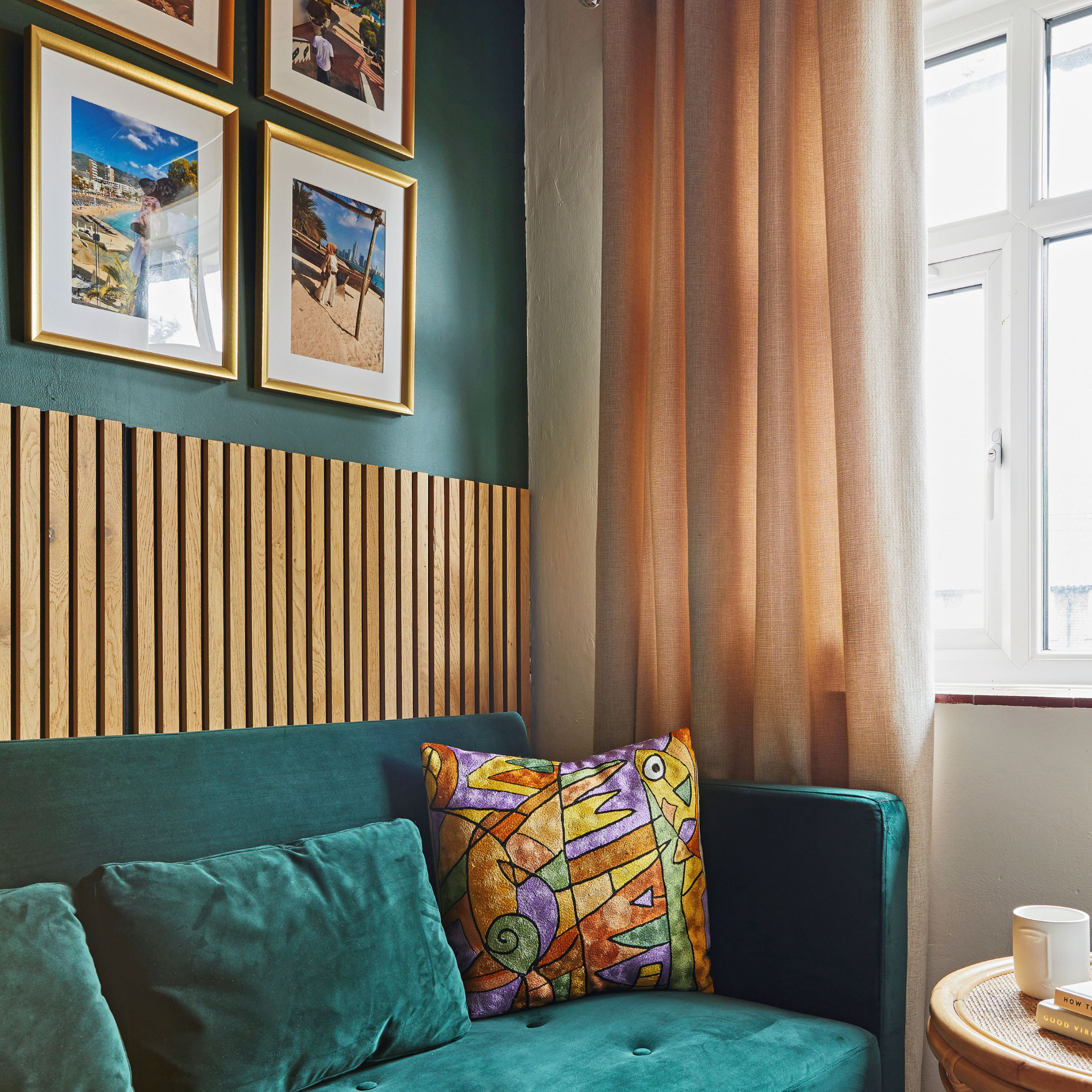
When preparing a home for sale, it's not always necessary to remove every single photograph. Instead, the focus should be on thoughtful curation and strategic placement. According to feng shui consultant Suzanne Roynon, photos of older family members (parents, grandparents, siblings) are best displayed in the East section of the home, which represents community and the past. Conversely, images of young children should be placed in the West, symbolizing new beginnings and the future, aligning with the home's transition to new owners. For master bedrooms, it's advised to display only photos of the couple residing there, not children or other relatives, to maintain the room's sanctuary-like quality for rest, romance, and relaxation.
Before marketing a property, selecting a few aspirational photos that depict happiness and ease is recommended. These chosen photos should be housed in stylish frames that complement the home's decor, enhancing its polished appearance. However, feng shui educator Anjie Cho suggests a more direct approach: packing away all personal items, including photographs, before buyers visit. This act not only depersonalizes the space but also psychologically aids the sellers and their family in detaching from the home, signaling an energetic readiness for relocation. Moving these packed photos towards the front door or directly to the new home reinforces the intention of moving, preventing any unconscious resistance to the sale.
Beyond photographs, feng shui offers insights into identifying potential issues within a home that could deter buyers. Indicators of 'bad feng shui' include a direct alignment between the front and back doors, a staircase facing the front door, a bathroom located at the center of the home, or a long, narrow hallway. Understanding these principles can empower both sellers to optimize their homes for sale and buyers to make informed decisions about their potential new living spaces.
#FengShui #HomeSelling #RealEstate #HomeStaging #InteriorDesign #HomeDecor #OrganizationalTips #BuyerPsychology #EnergyFlow #FengShui #HomeSelling #RealEstate #HomeStaging #InteriorDesign #HomeDecor #OrganizationalTips #BuyerPsychology #EnergyFlow
0 commentaire au total
 Aucun commentaire pour le moment
Vous aimerez aussi
This SURPRISING Feature May Make Your Home Harder to Sell, According to Designers

'Potential buyers may see it as a DIY job gone wrong' – this popular interior trend may be devaluing your home
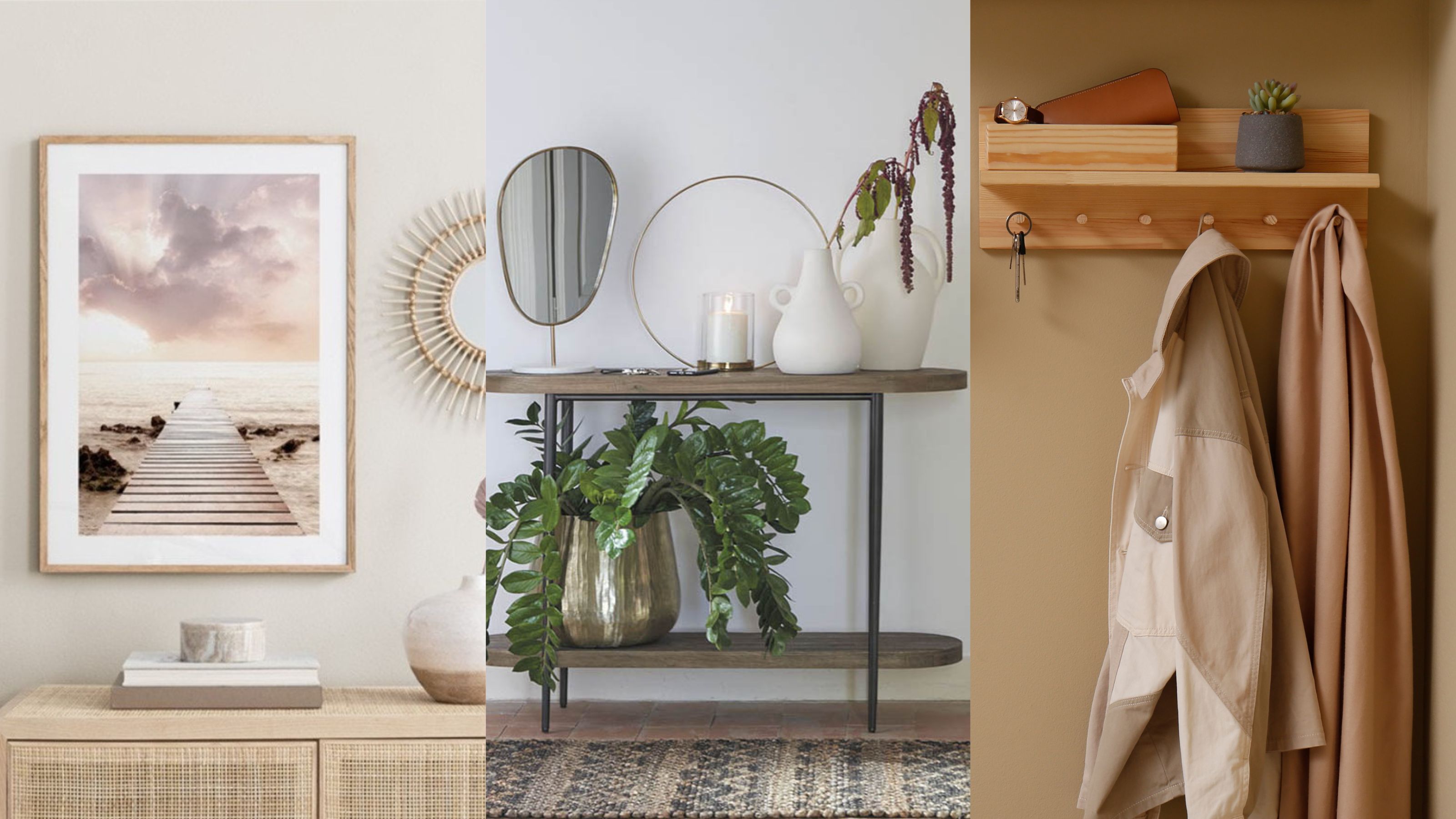
Small entryway Feng Shui mistakes — 5 things the pros always avoid

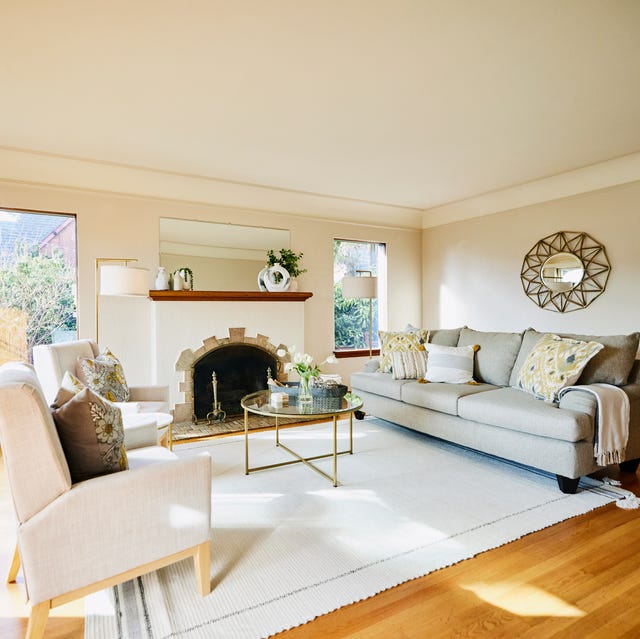
7 Things You Should NEVER Do if You’re Trying to Sell Your House, According to Home Stagers

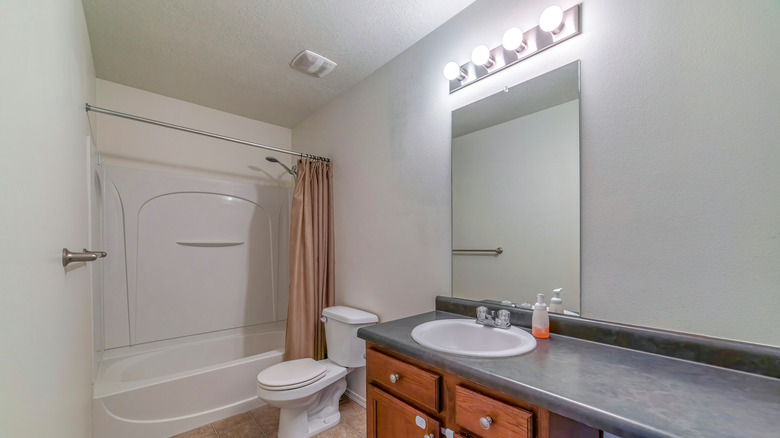
Bathroom Design Choices That Make It Harder To Sell A Home, According To Experts
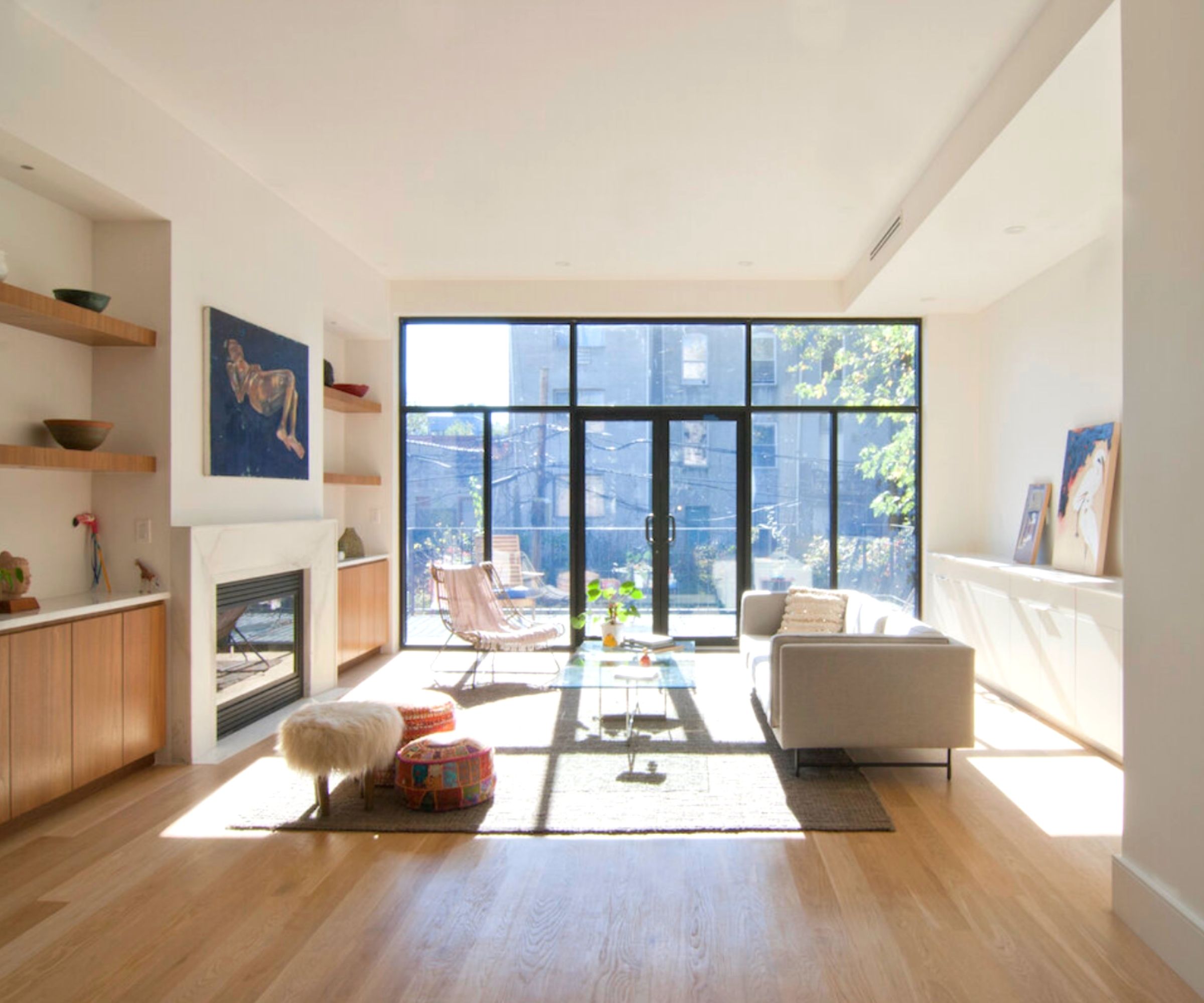
5 Feng Shui living room mistakes you're making – and how the experts avoid them
This Design Mistake Could Lower The Resale Value Of Your Home

Feng Shui consultants say these are the unluckiest items to have in your home

5 Kitchen Upgrades to SKIP if You're Trying to Sell Your Home, Warn Designers
Enhancing home sales with Feng Shui – ancient wisdom meets real estate

5 flooring choices that will make it harder to sell your home
7 Interior Trends That Experts Say Are Bad Feng Shui — Stay Clear of These If You Want Good Vibes at Home

The Window Treatment Mistake That Will Make It Harder To Sell Your Home
5 entryway Feng Shui mistakes experts always notice as soon as they step foot into a home
6 Feng Shui Houseplant Decorating Mistakes Practitioners Want to Warn You Against
This big Feng Shui mistake in your bedroom could be causing your poor sleep
5 Feng Shui houseplant mistakes to avoid for good fortune
Feng Shui design mistakes to avoid – 5 things you may be getting wrong
Feng Shui consultants say these are the unluckiest items to have in your home
7 "Stylish" Decor Trends That Are Secretly Hurting Your Home’s Value, Real Estate Pros Say