1/9
Are your floors passé? Find out from these 8 outdated flooring trends designers are leaving behind in 2025
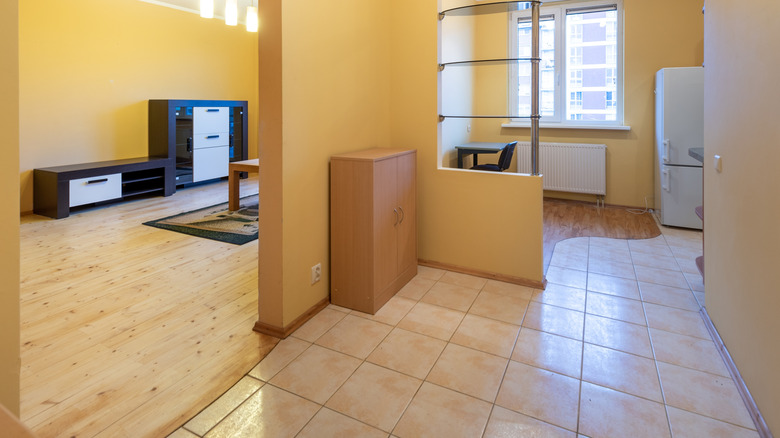
The article discusses eight flooring trends that interior designers consider outdated for 2025, emphasizing the importance of choosing flooring materials that are both durable and timeless. The first trend identified as outdated is the widespread use of gray tones in flooring, including wood and tile. Designers note that gray, once popular in modern farmhouse and industrial loft aesthetics, now often appears cold, drab, and uninspired. They suggest opting for warmer, more natural hues like beiges, light walnuts, dark chocolates, and soft whites to create a cozier atmosphere.

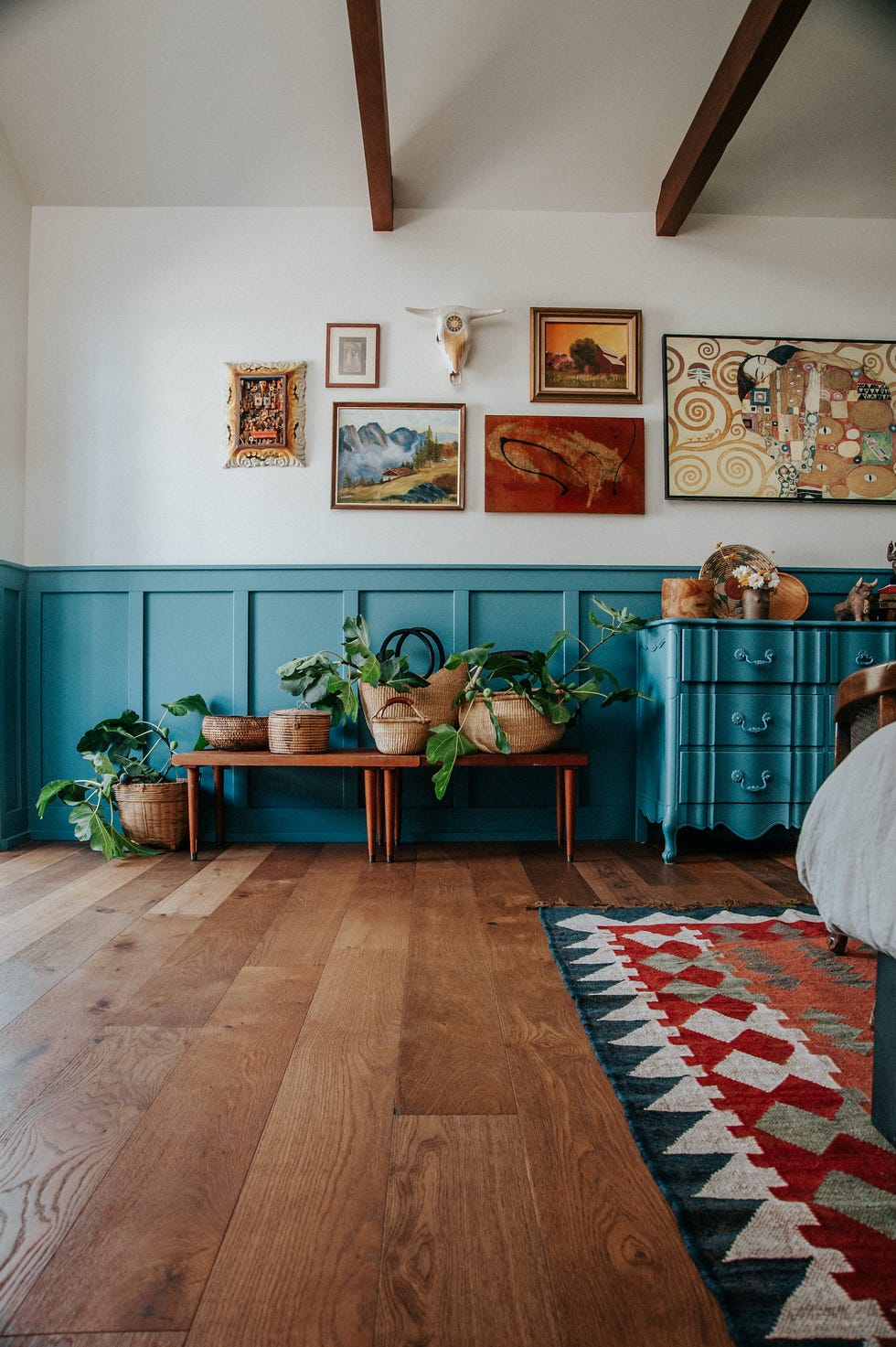
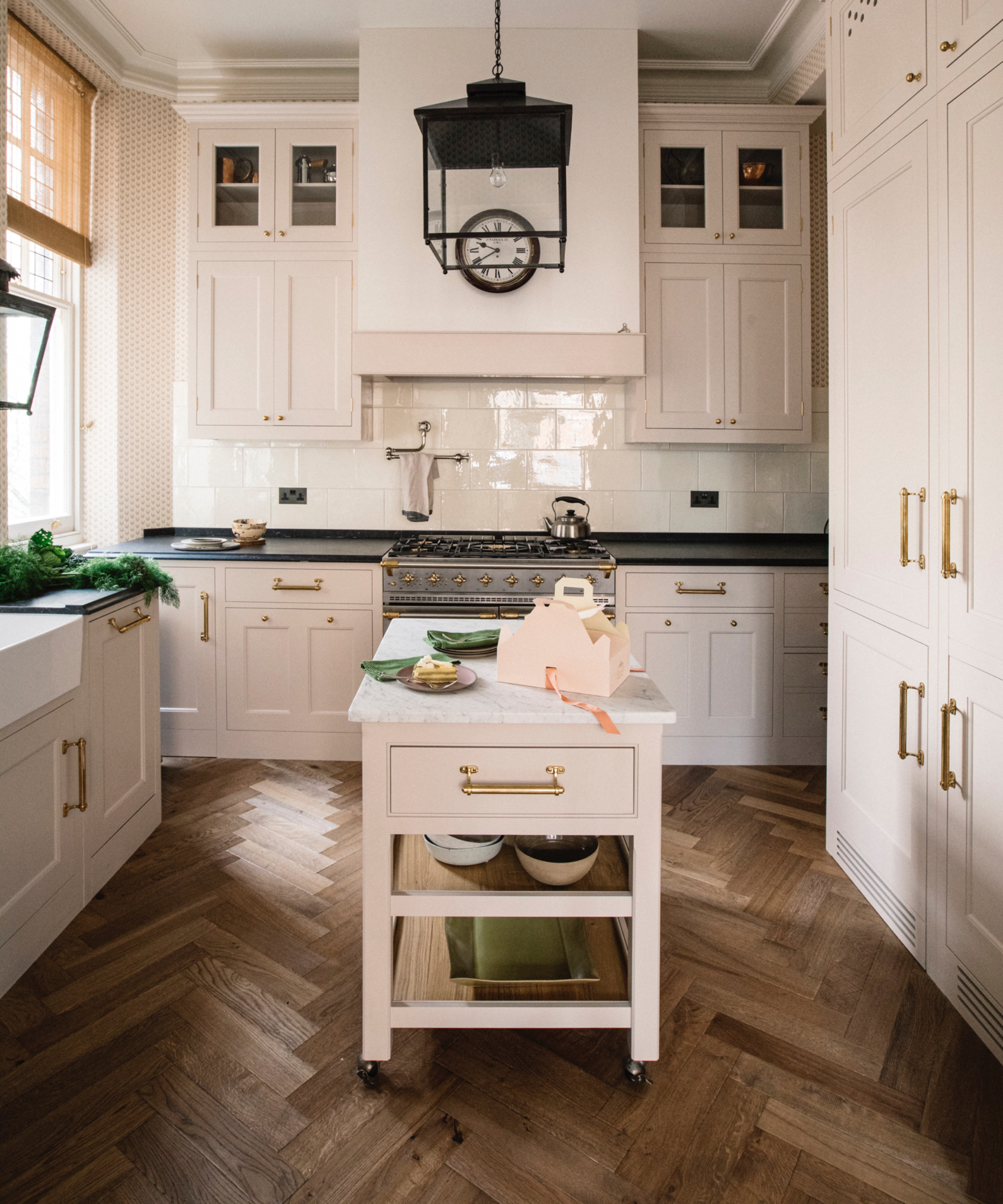
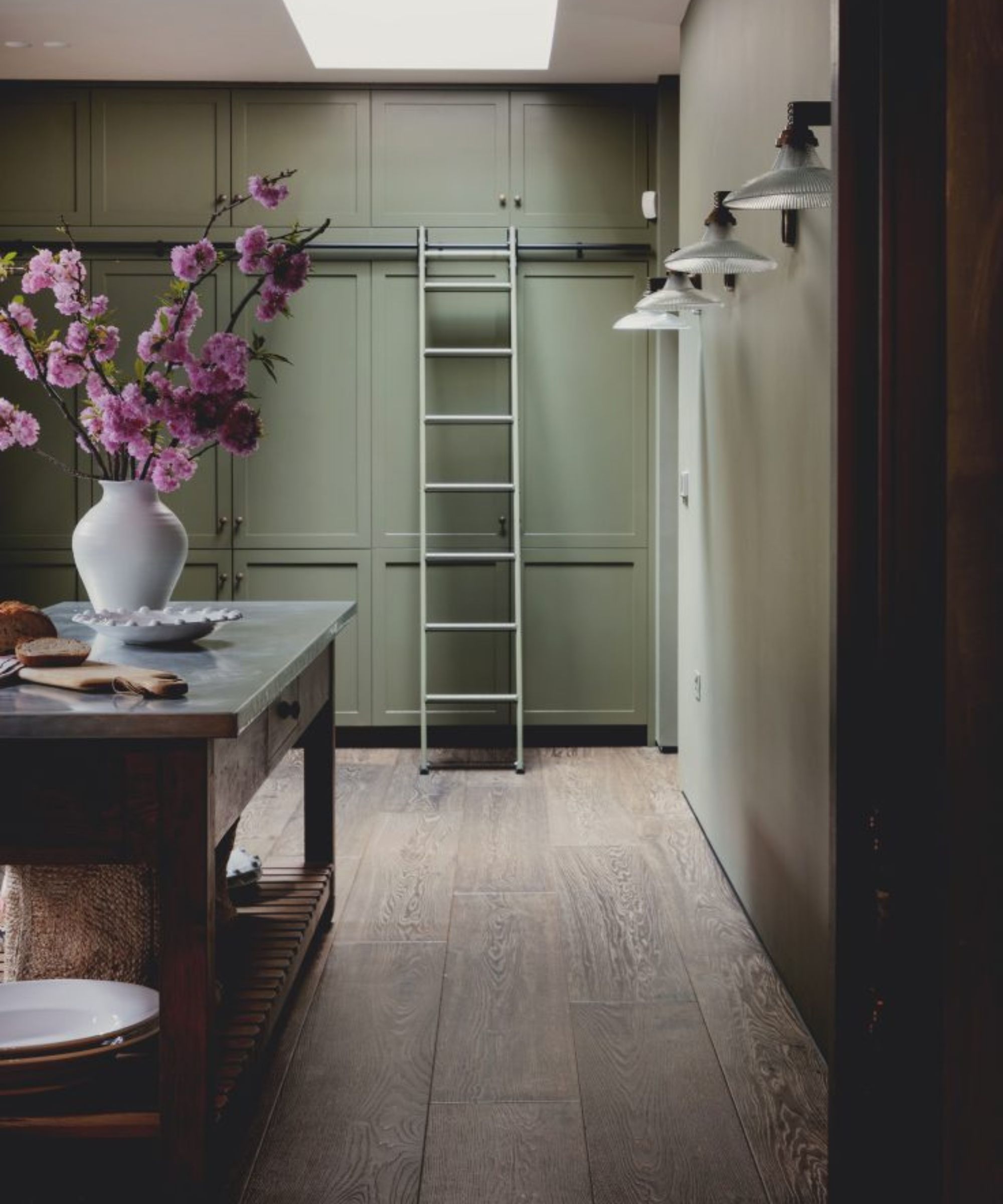
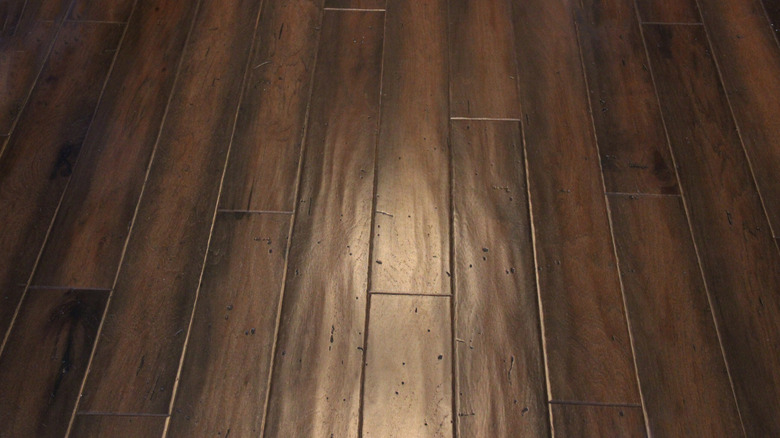
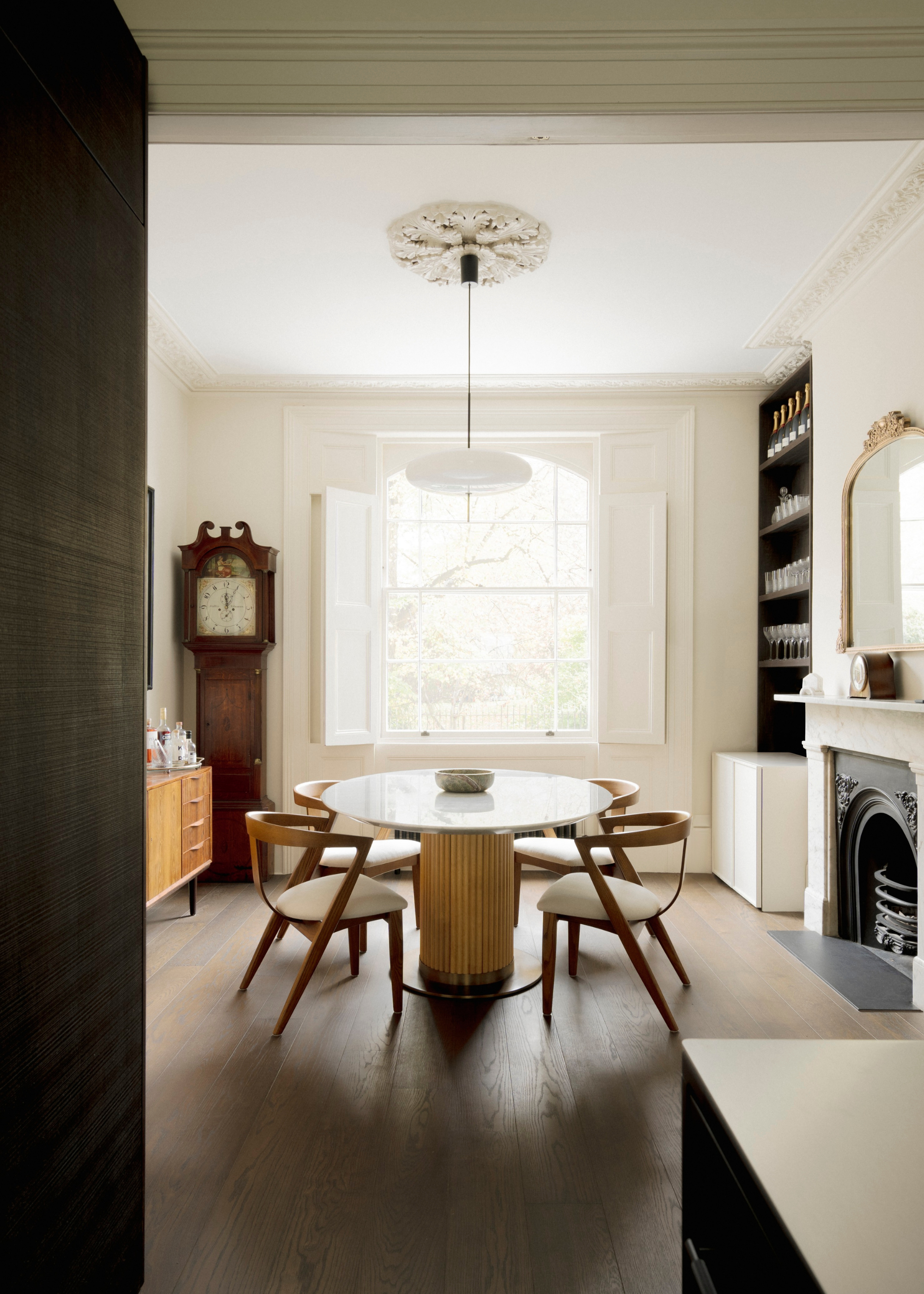
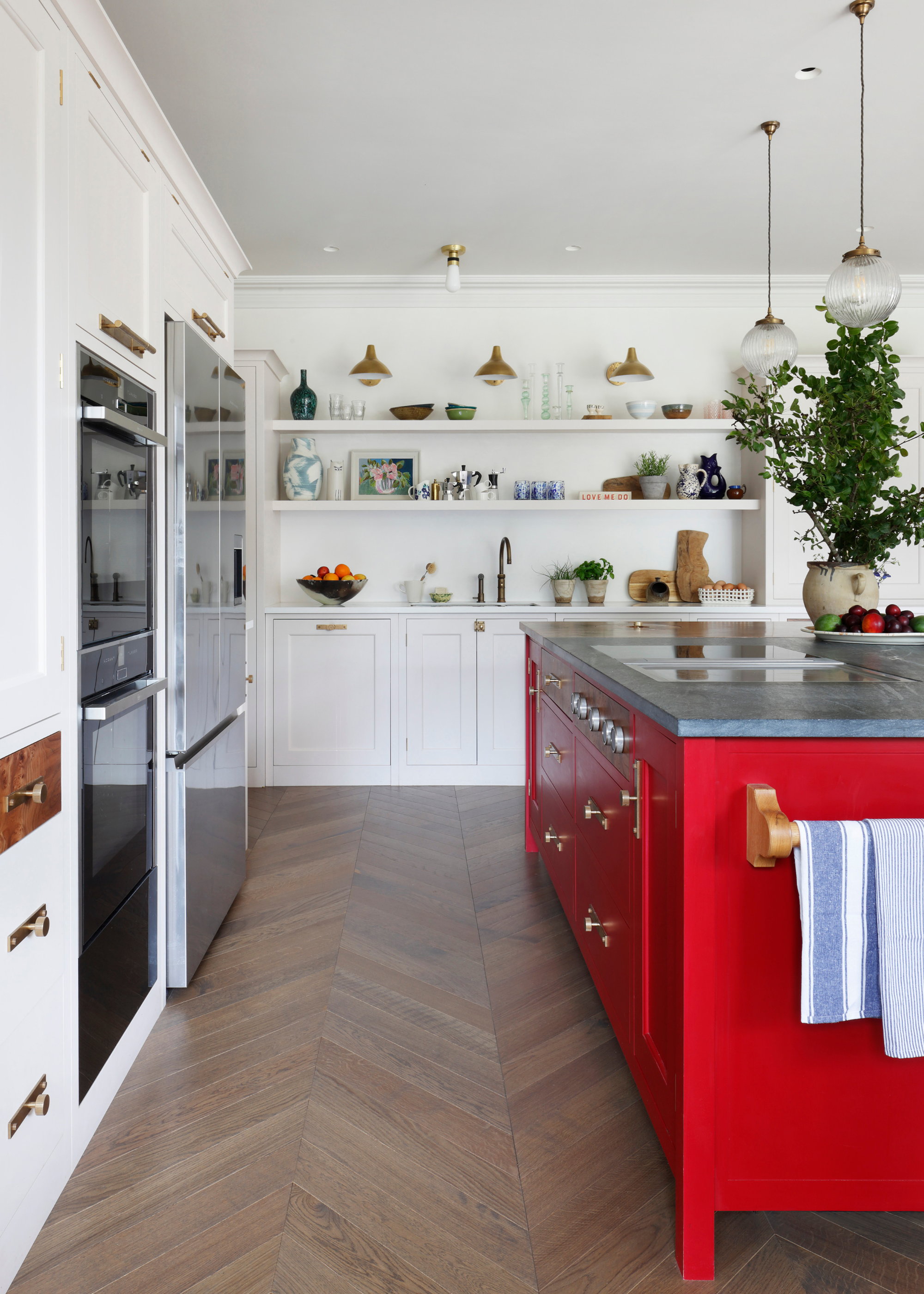
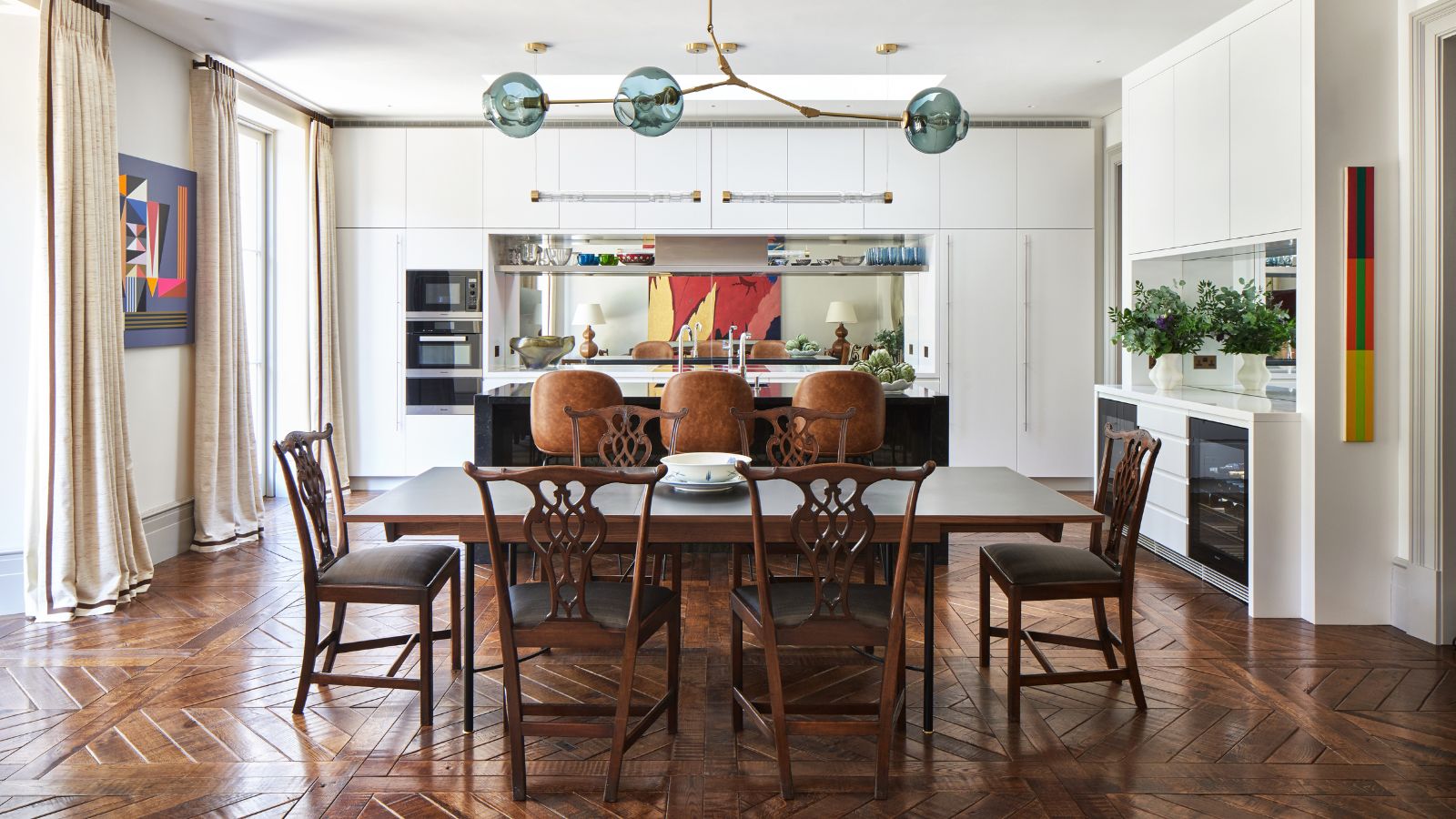
The second outdated trend is wide plank, farmhouse-inspired wood with artificial finishes. While farmhouse decor remains popular, the specific style of ultra-wide, pale planks is no longer favored. Designers recommend a return to deeper, richer, and more traditional warm wood floors, suggesting widths that are wider than typical builder-grade but not excessively wide, unless the home is a genuine farmhouse. The third trend to avoid is painted floorboards. While they can appear fresh, they are deemed impractical due to their susceptibility to showing dirt and wear. The article advises letting natural timber shine through with a matte finish, which wears beautifully and requires less maintenance.
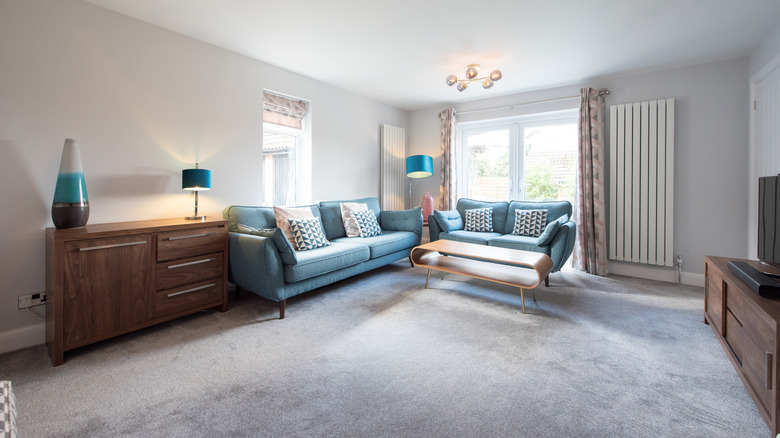
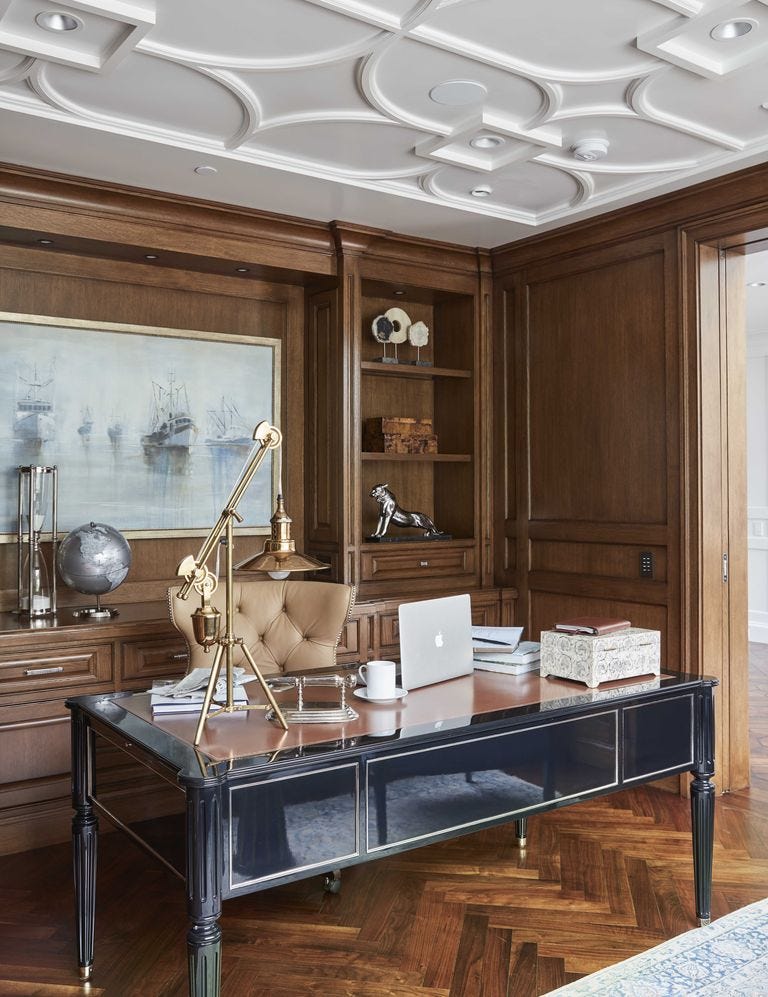
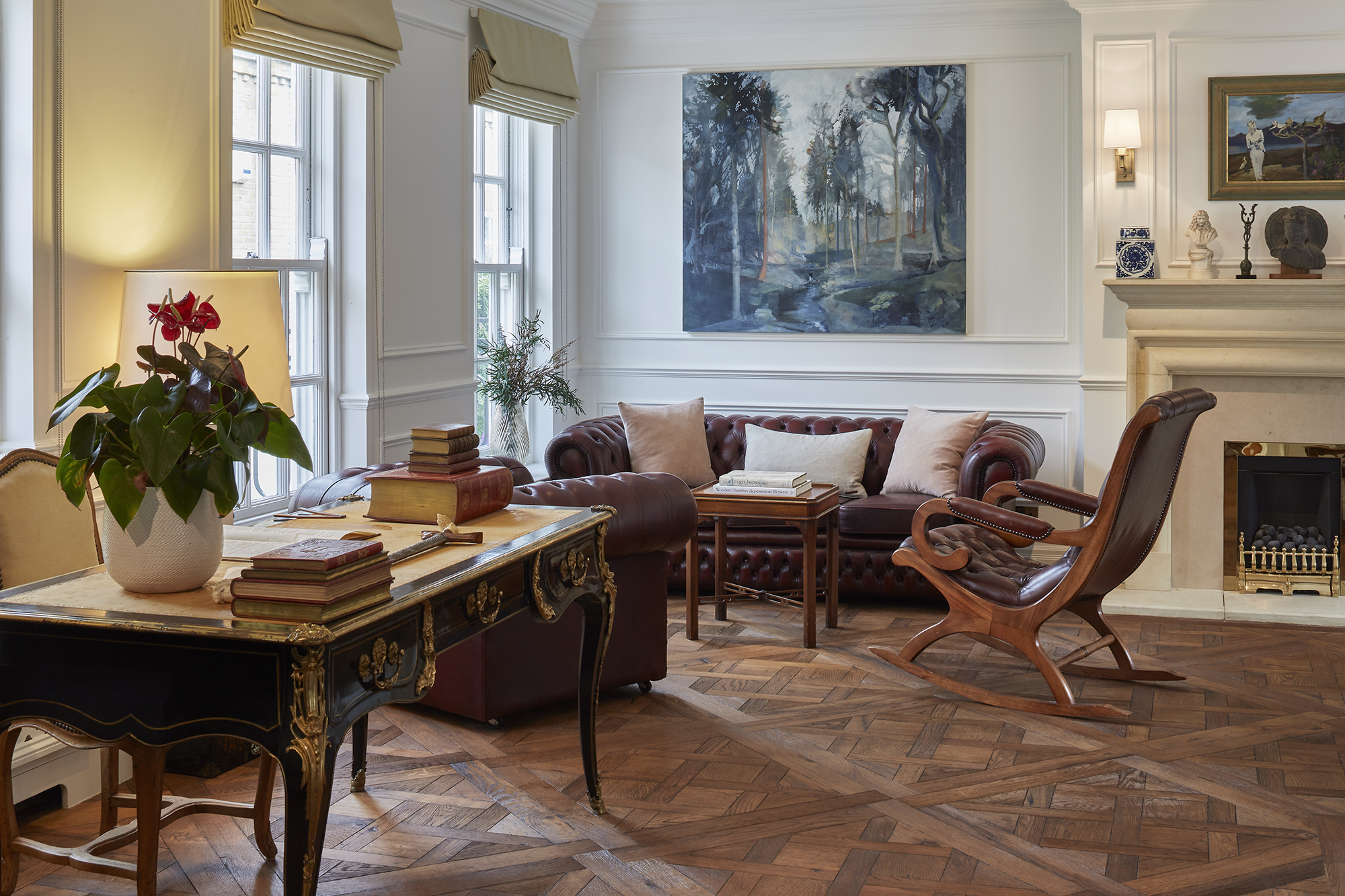
Artificial wood, particularly those with a glossy, uniform appearance, is the fourth trend designers are moving away from. They argue that these engineered products lack the authentic character and natural aging process of real wood. Preference is given to genuine wood flooring that ages gracefully, embracing imperfections like scuffs and patinated marble, which add a unique story to a space. Furthermore, real materials are often more environmentally sustainable and durable than their artificial counterparts. The fifth outdated trend is wall-to-wall carpeting in high-traffic areas. Despite offering coziness, carpets in living rooms or dining areas are impractical due to their tendency to stain, trap allergens, and show uneven wear, especially in homes with pets or children. Area rugs are recommended as a more flexible and practical alternative, allowing for easier cleaning, swapping, and restyling.
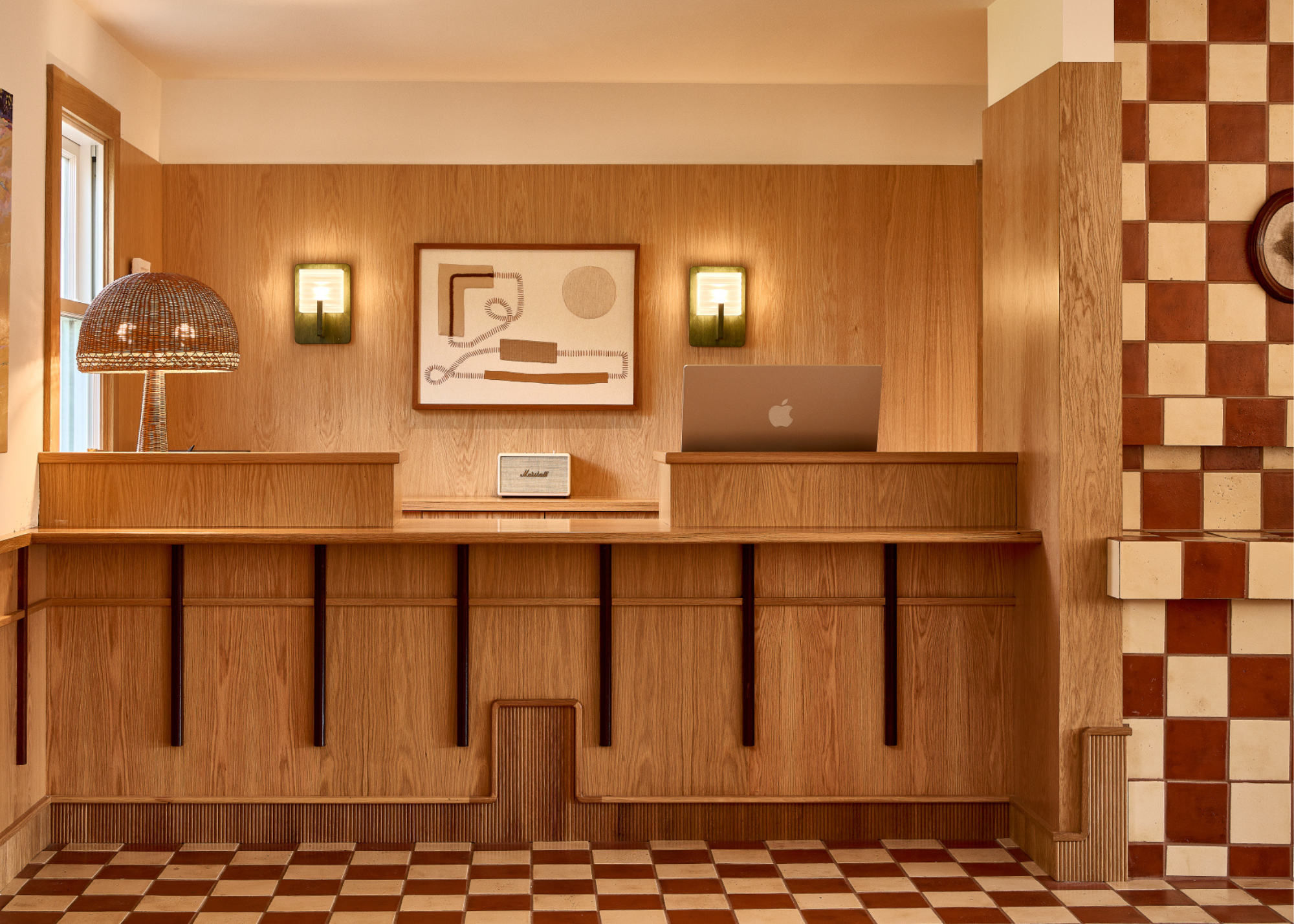
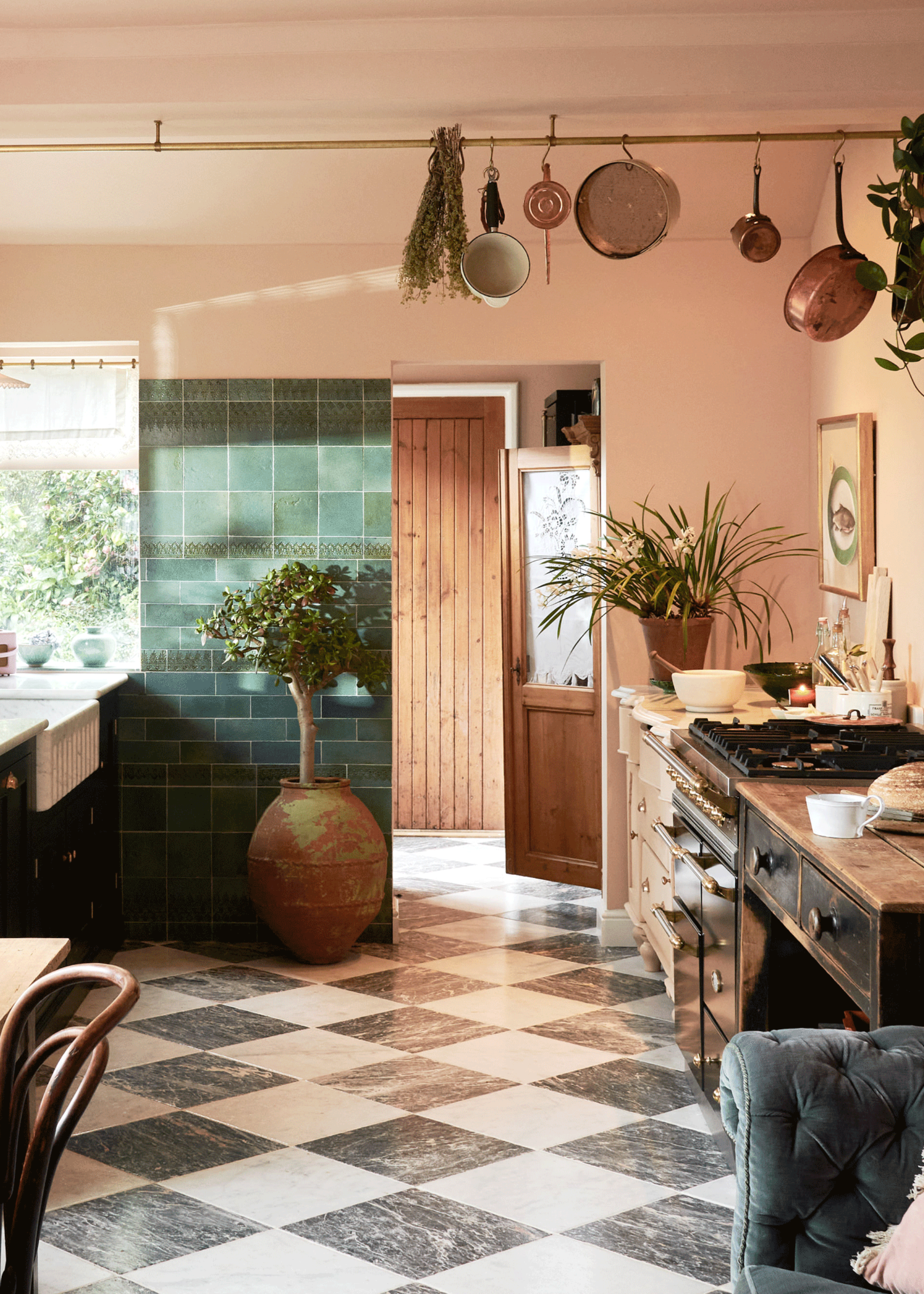
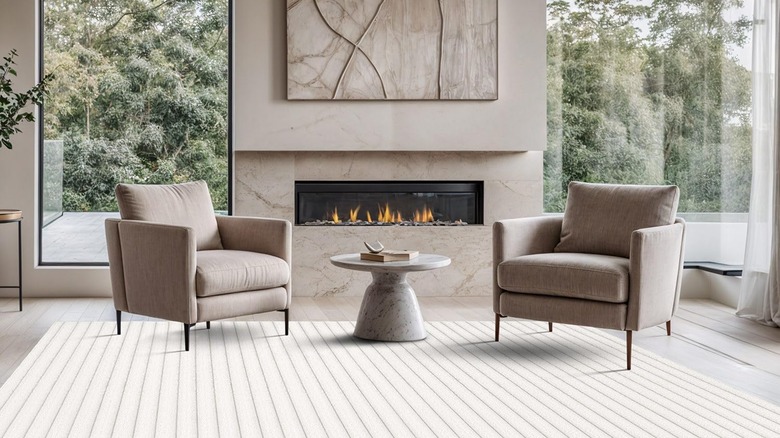
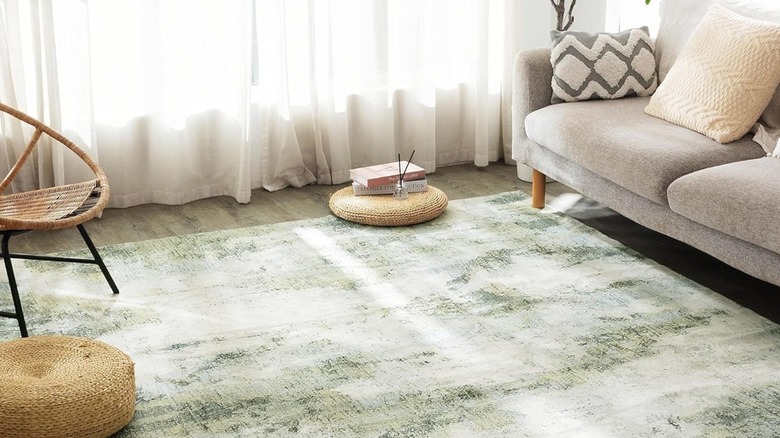
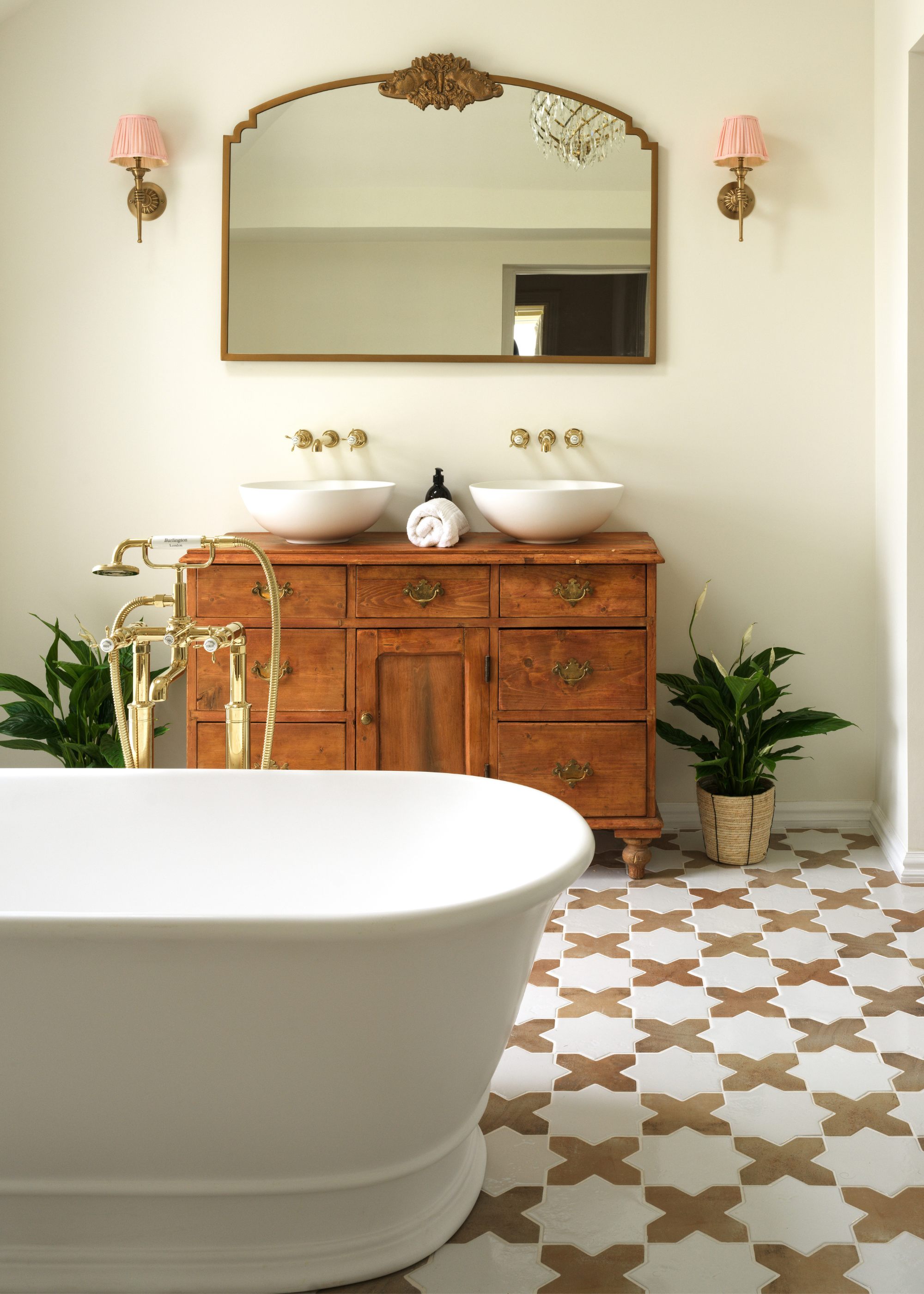
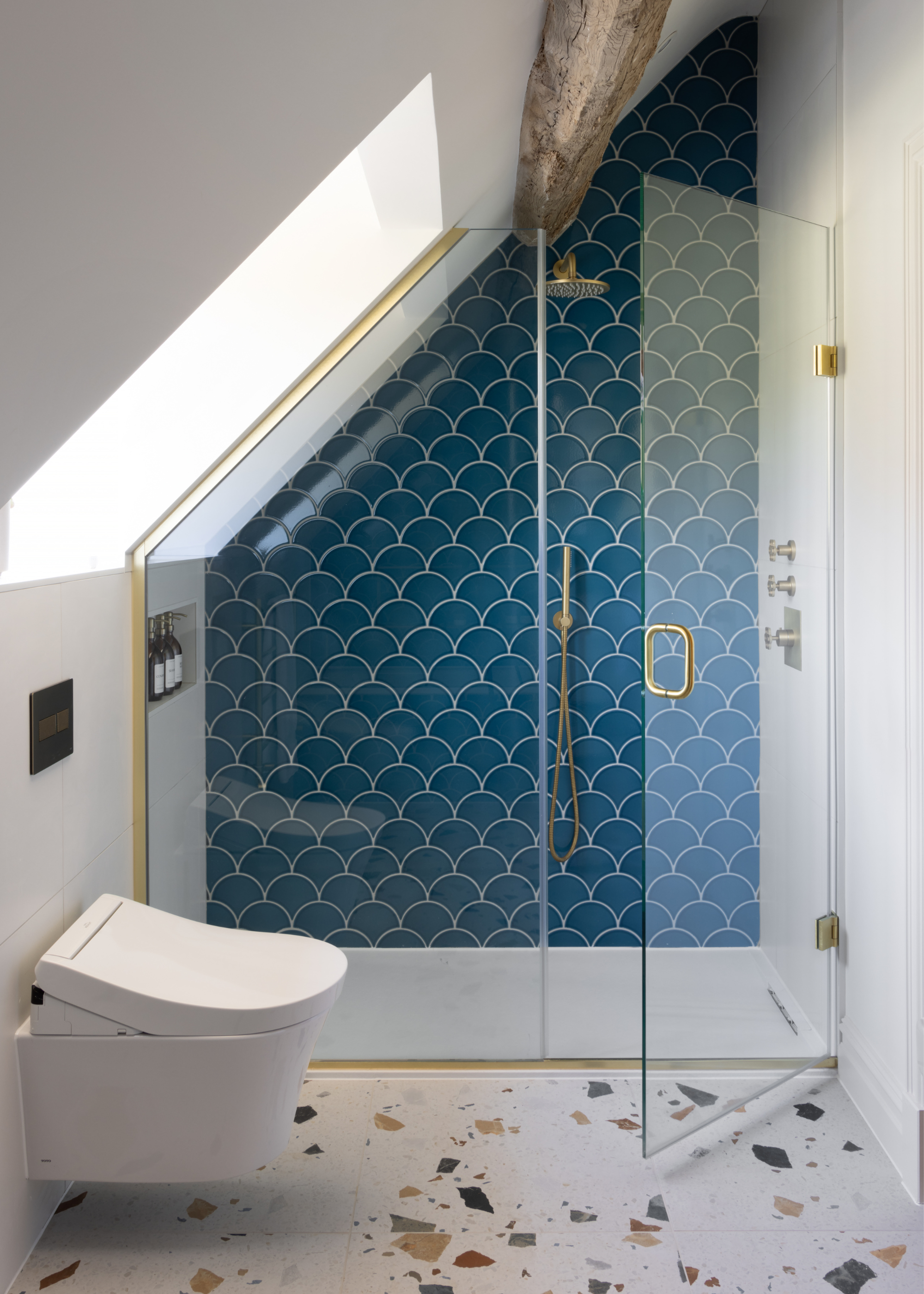
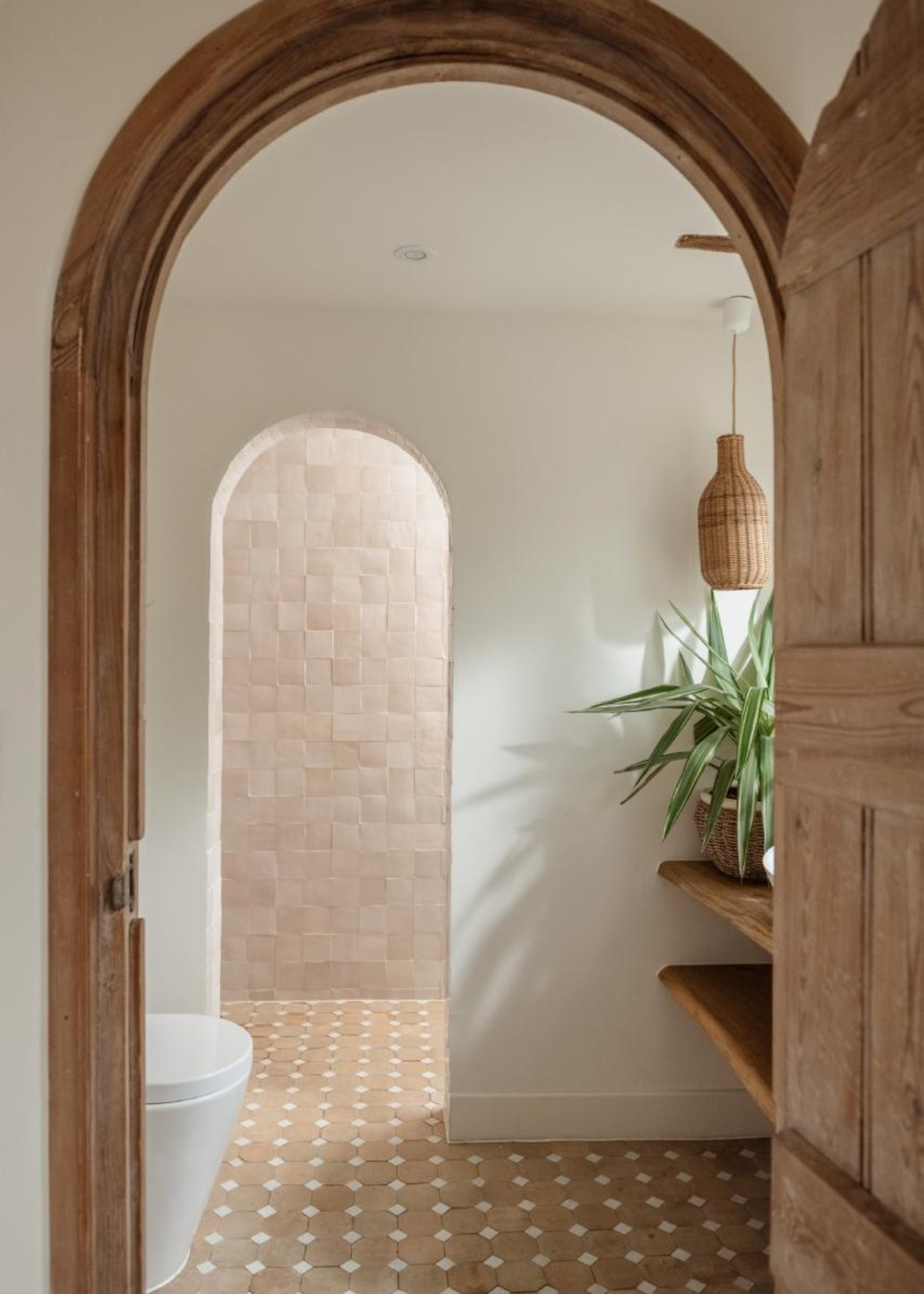
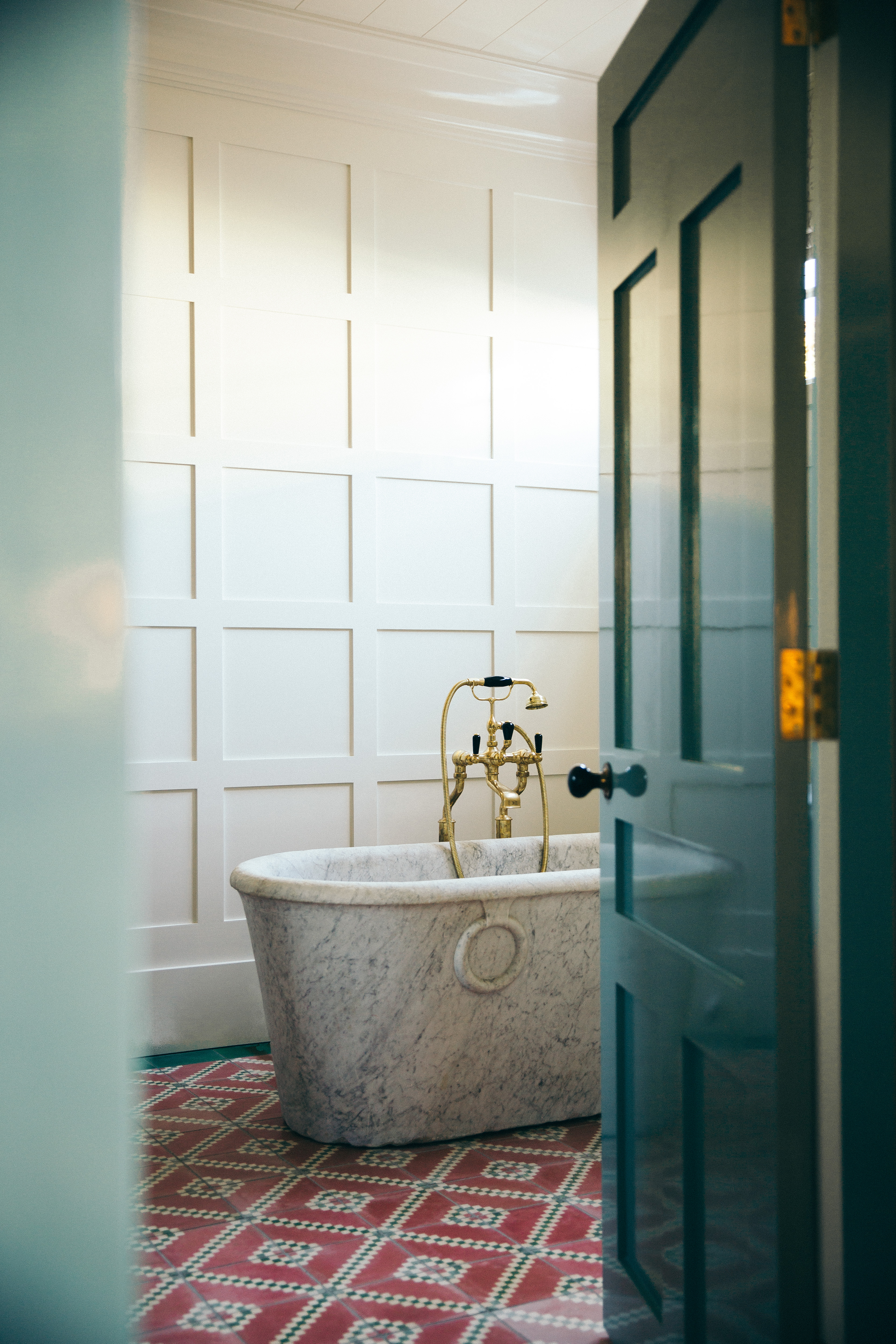
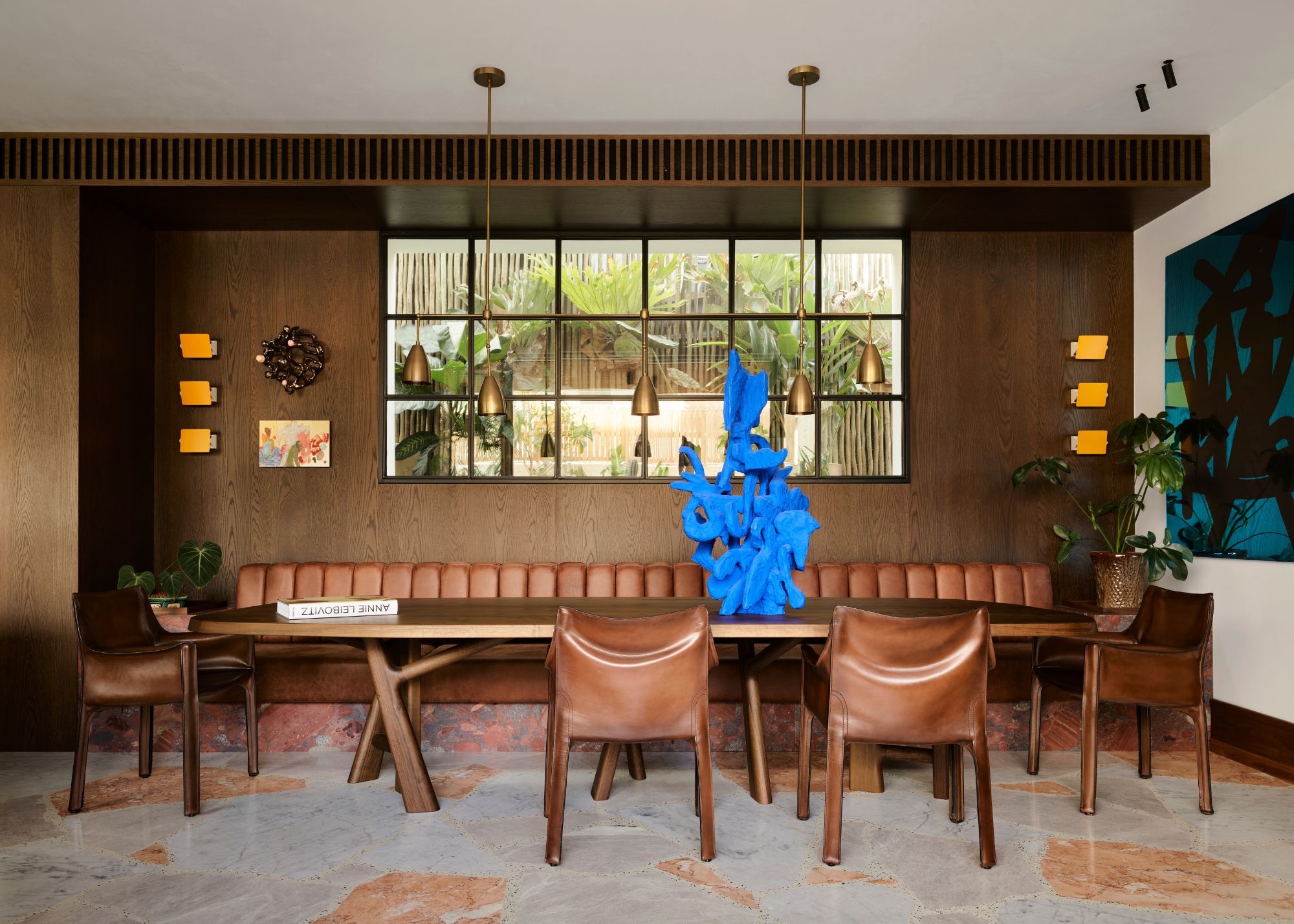
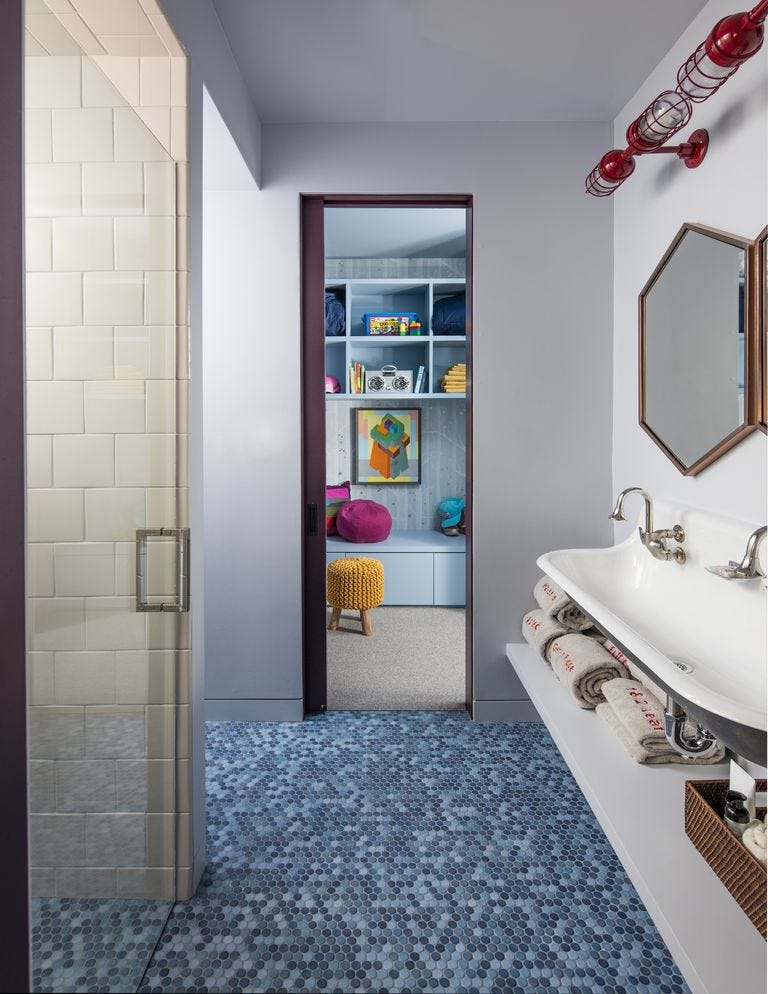
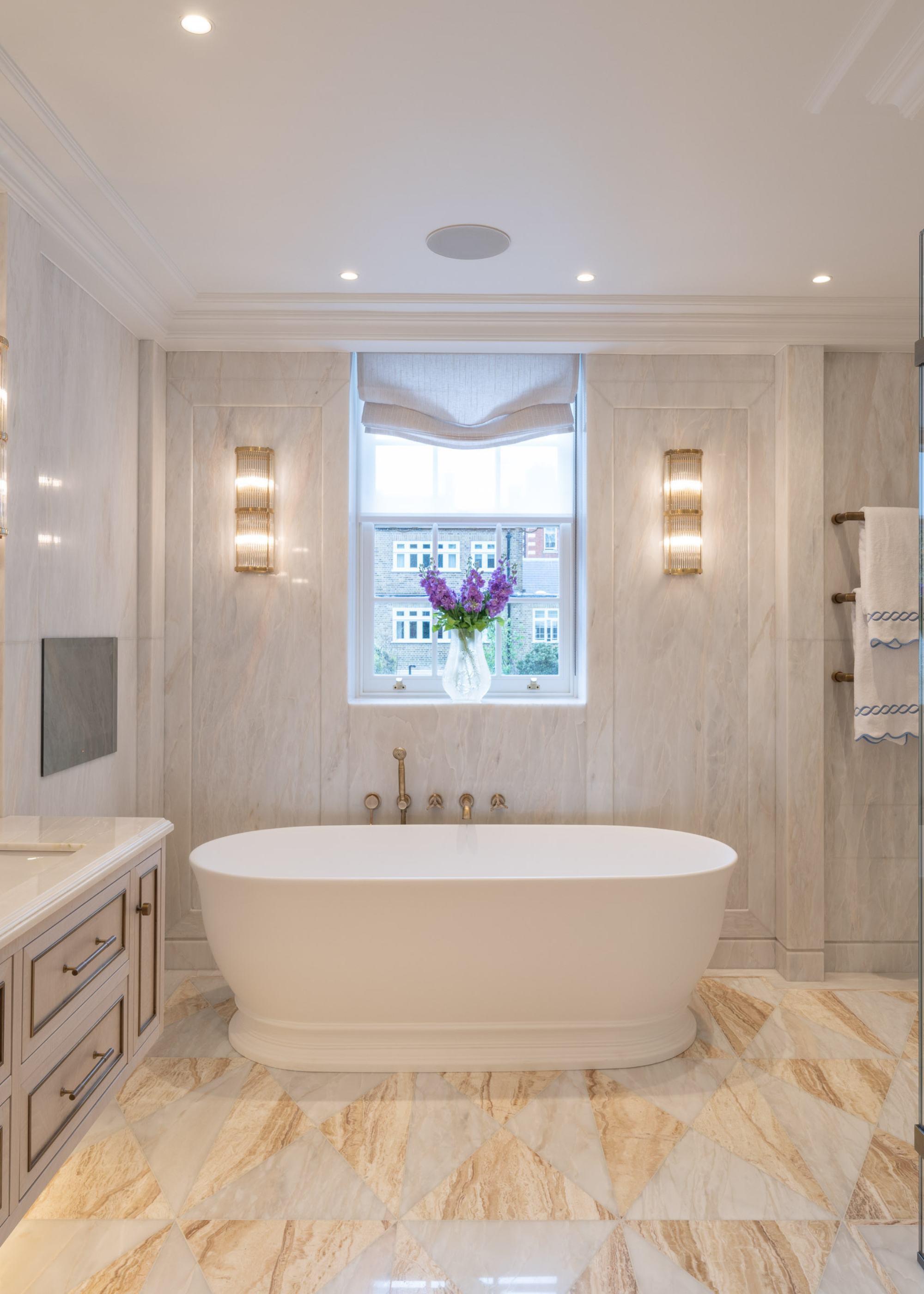
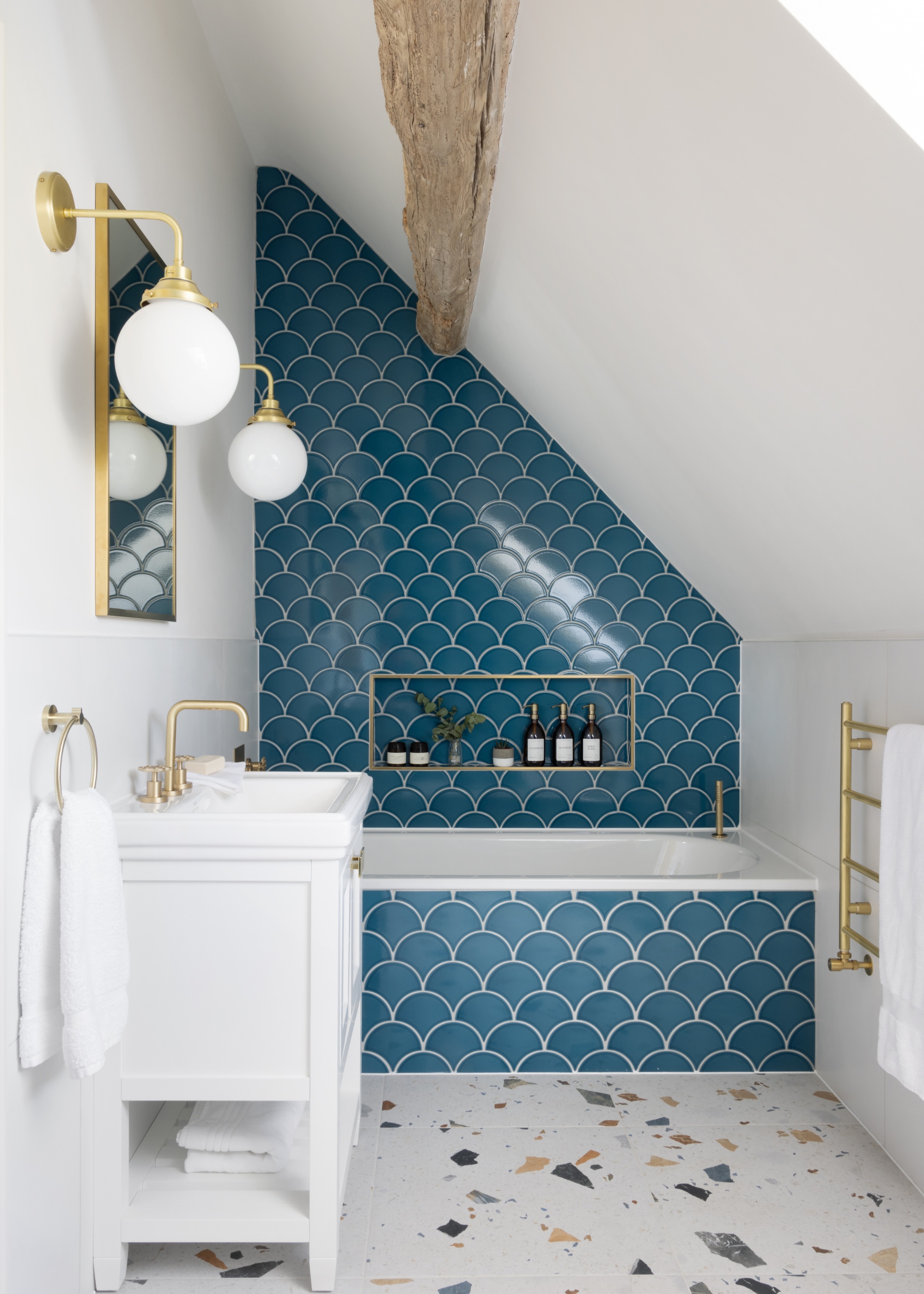
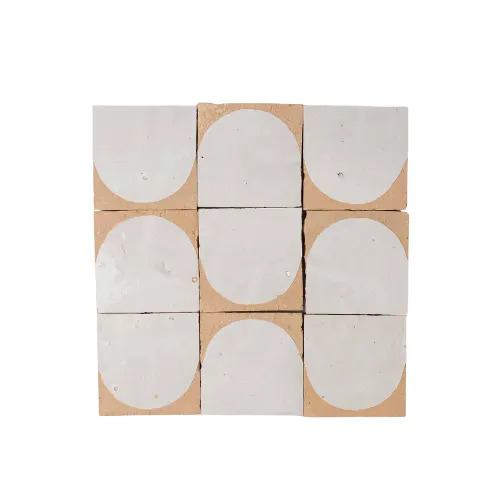
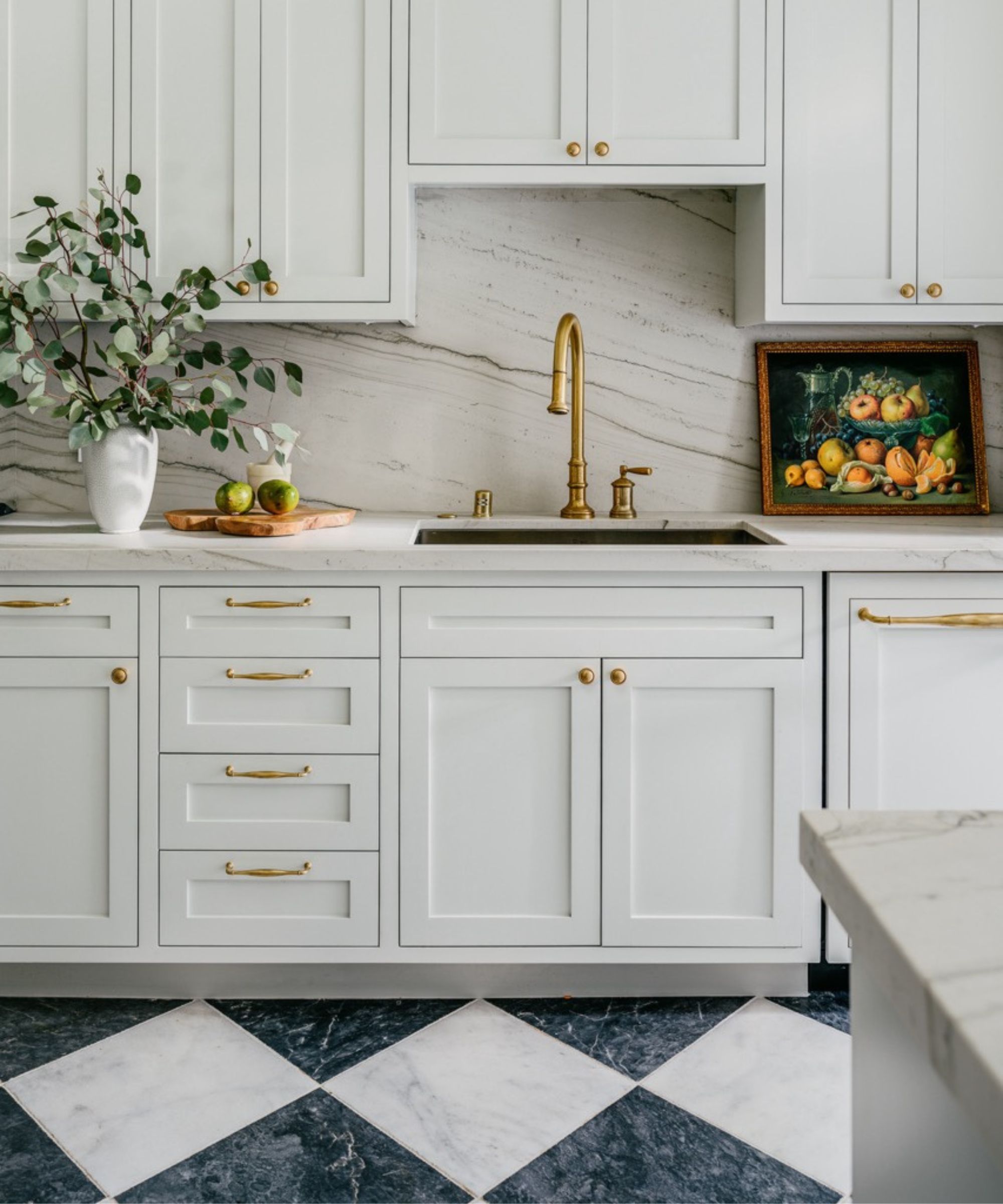
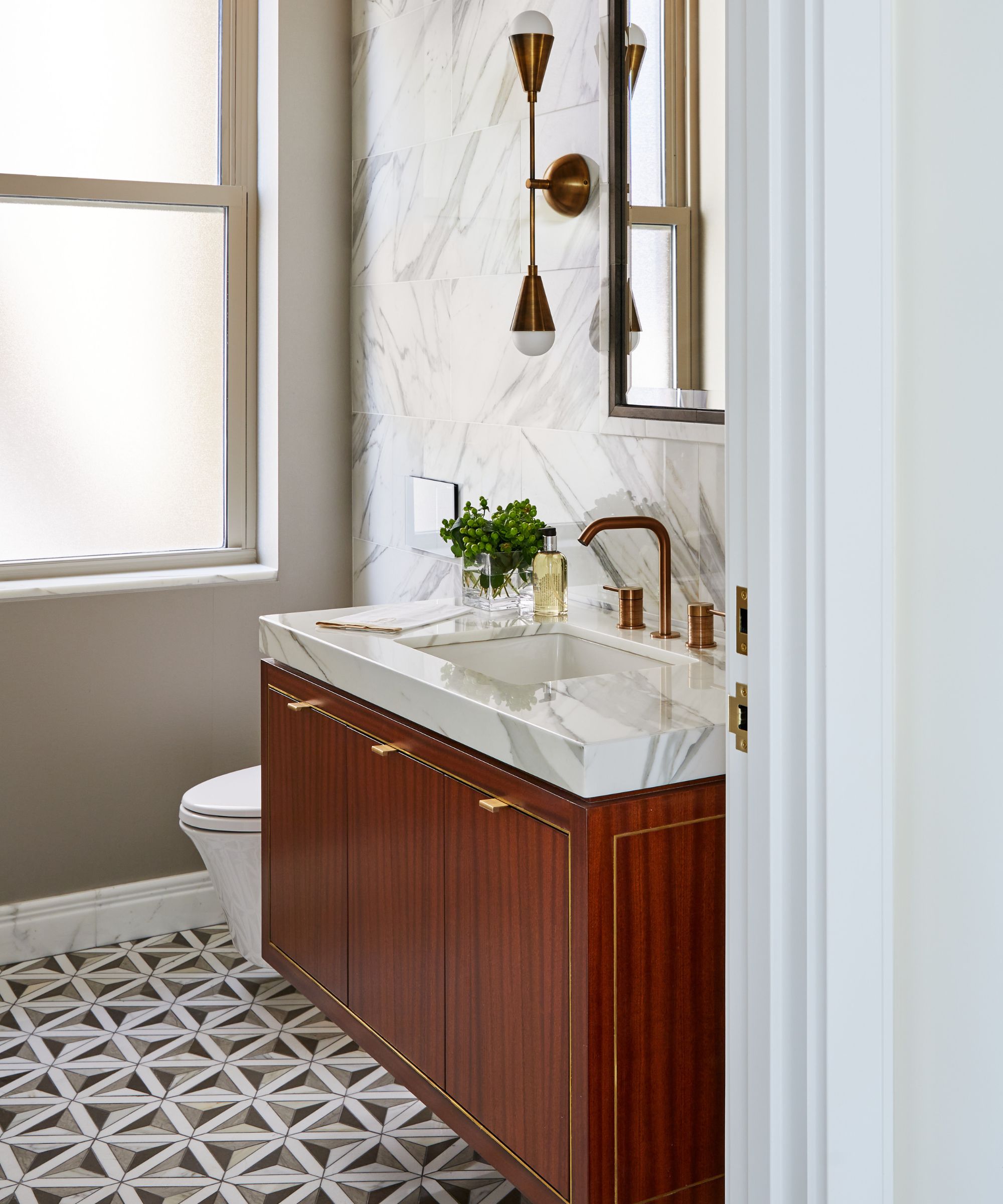
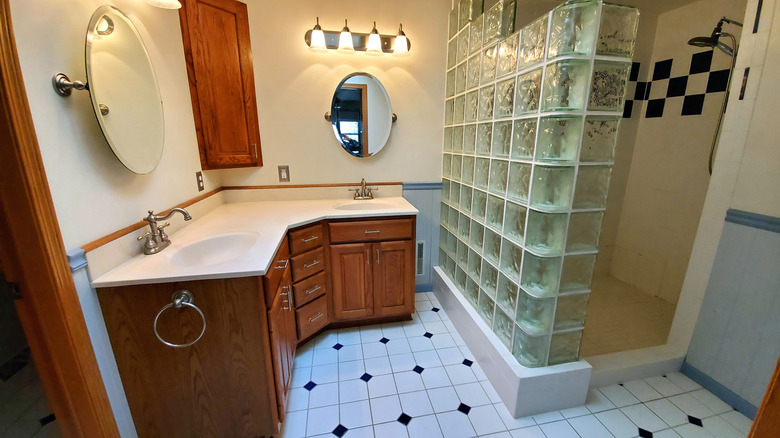
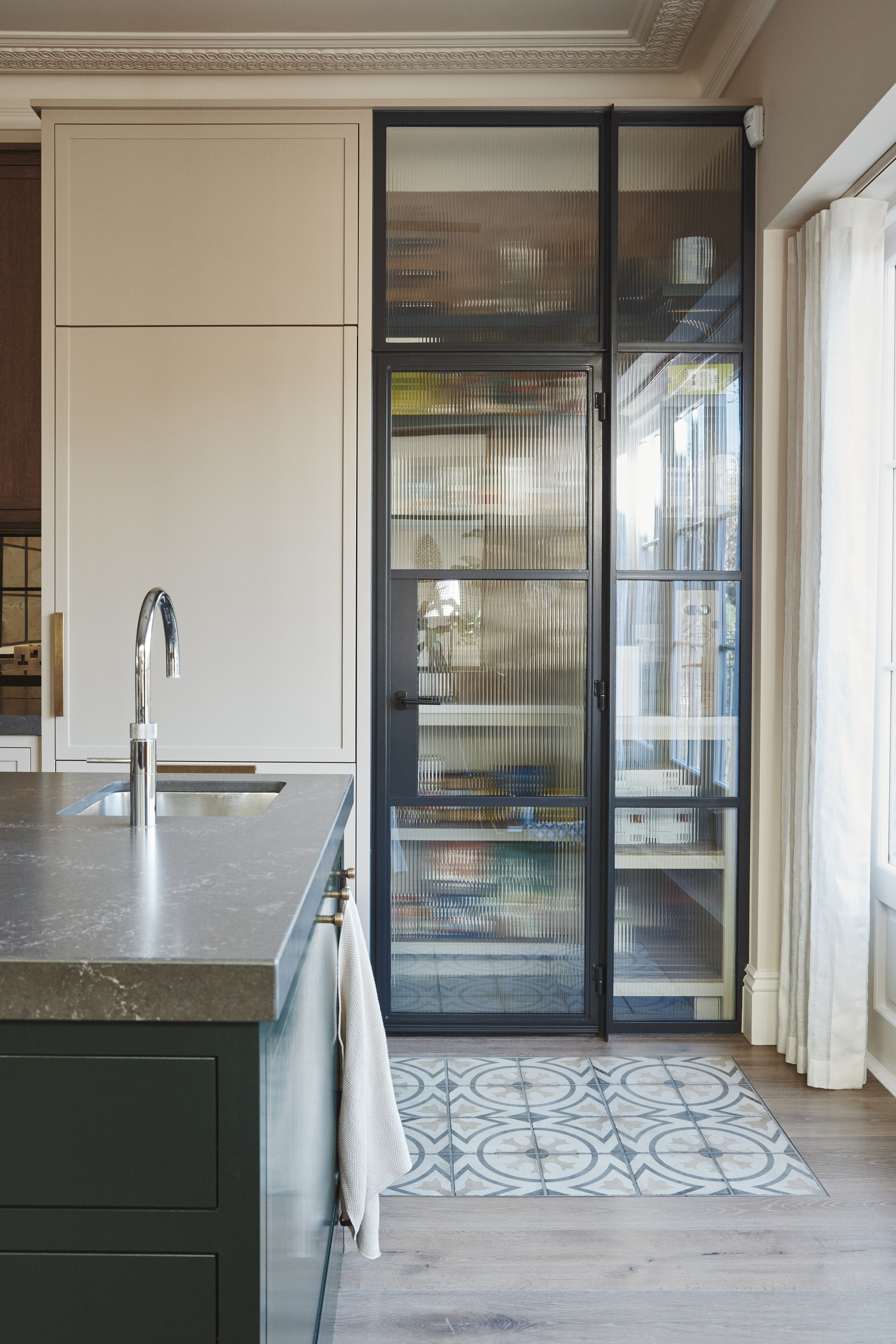
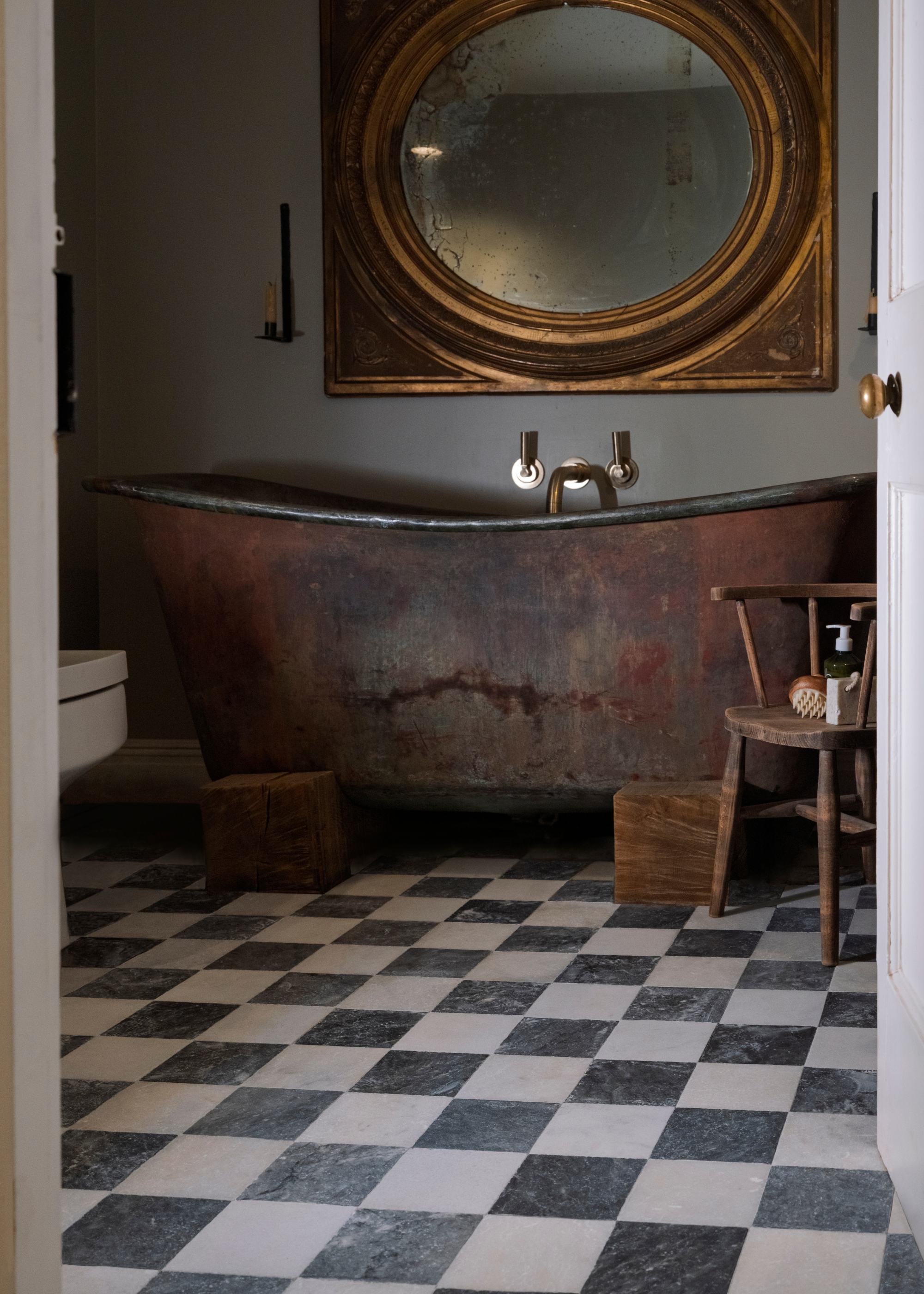
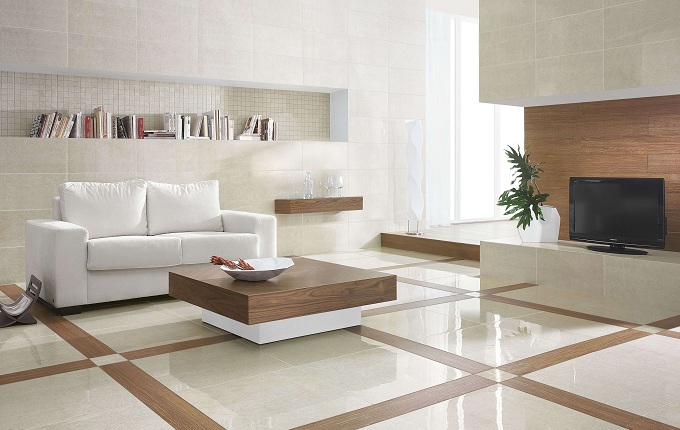
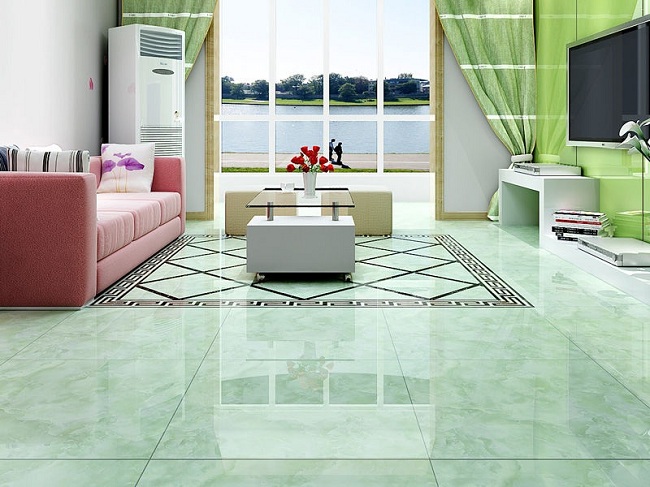
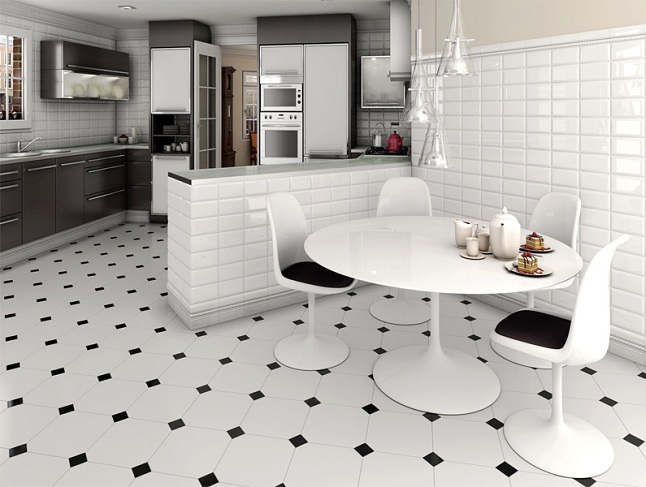
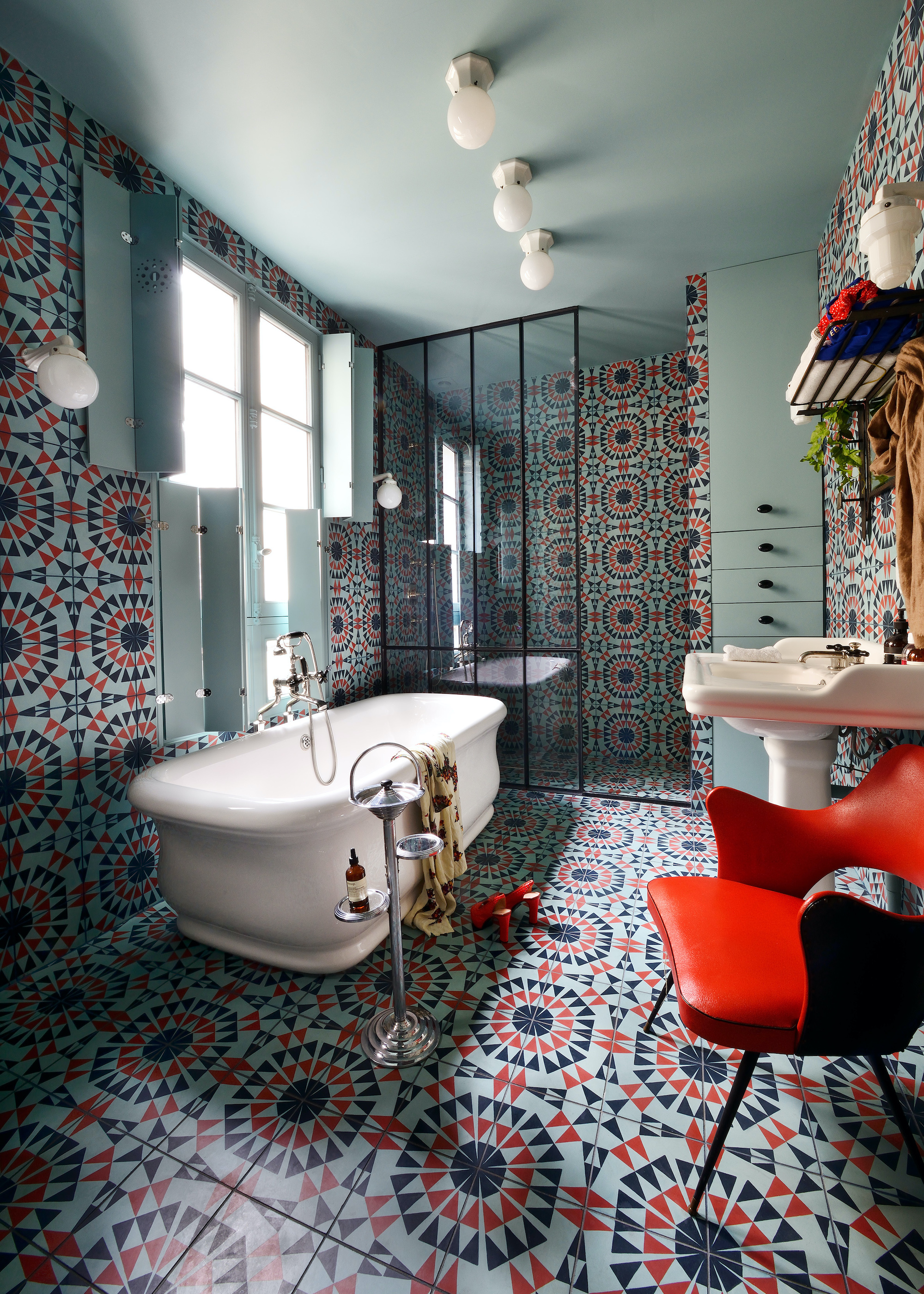
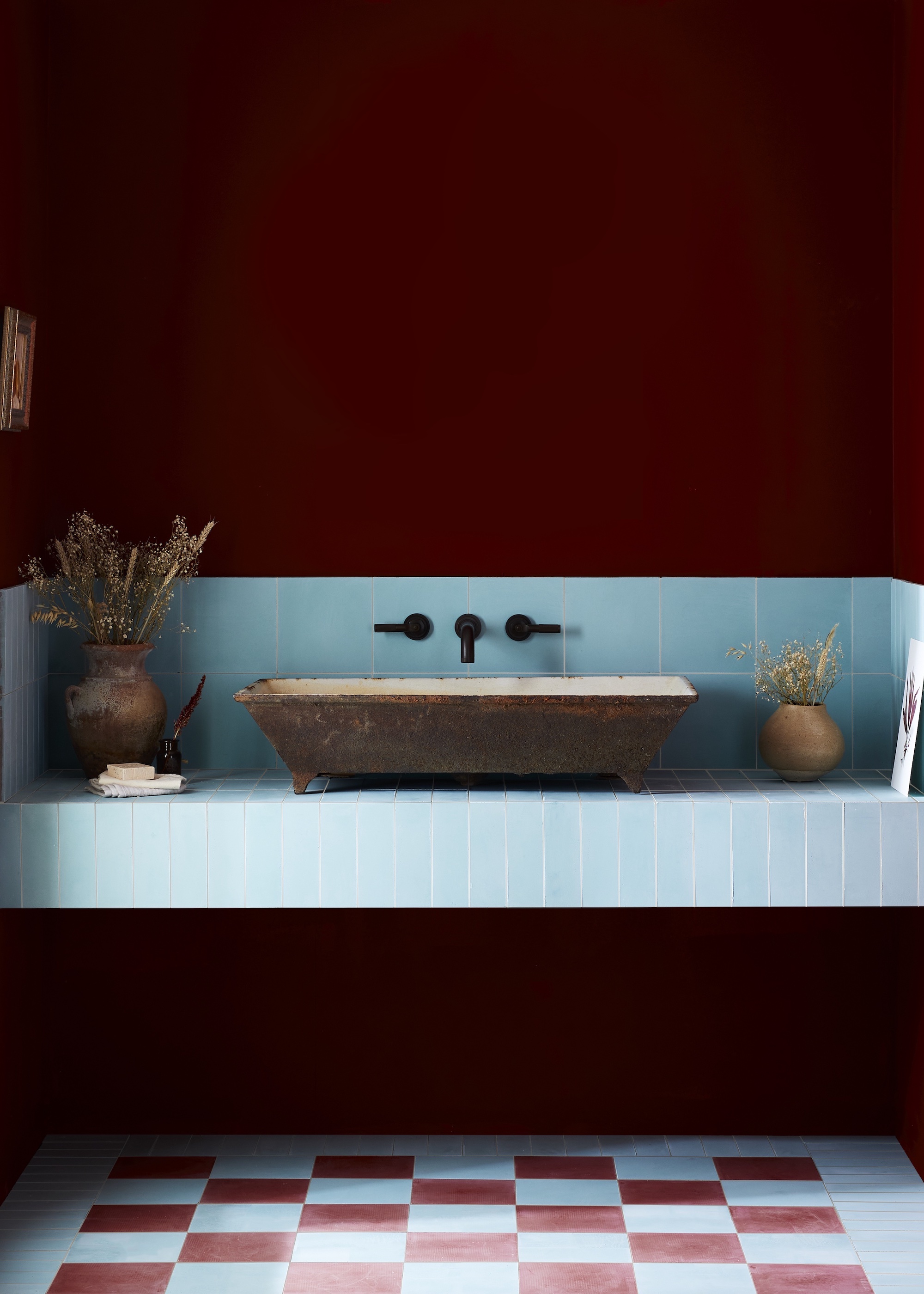
Patterned floor tiles are the sixth trend that designers are finding tiresome. While not entirely dismissed, their mass-produced ubiquity has led them to feel dated. Designers suggest reallocating bold patterns to walls, stair treads, backsplashes, or outdoor areas, where they can still make a statement without overwhelming the floor. The seventh trend to avoid is floor tiles that imitate natural materials like faux-stone and wood-look porcelain. These are criticized for lacking the warmth, texture, and authenticity of the real materials they try to mimic. Natural stone options such as tumbled limestone or travertine are preferred for their inherent beauty and character development over time. Finally, thick, nondescript rugs are the eighth outdated trend. As interior design shifts towards more eclectic and expressive styles, boring rugs are out. Designers advocate for playful, textural, and personality-driven rugs made from materials like woven wool and natural fibers with tufted or looped finishes, which add depth and interest without dominating the room. Layering rugs is also suggested as a creative solution for defining zones and adding visual impact, especially in low-traffic areas like bedrooms. #FlooringTrends #InteriorDesign #HomeDecor #OutdatedTrends #GrayFlooring #WoodFlooring #CarpetIdeas #TileTrends #Rugs
0 commentaire au total
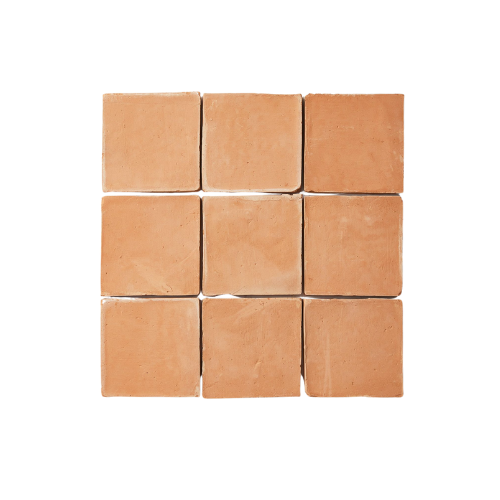
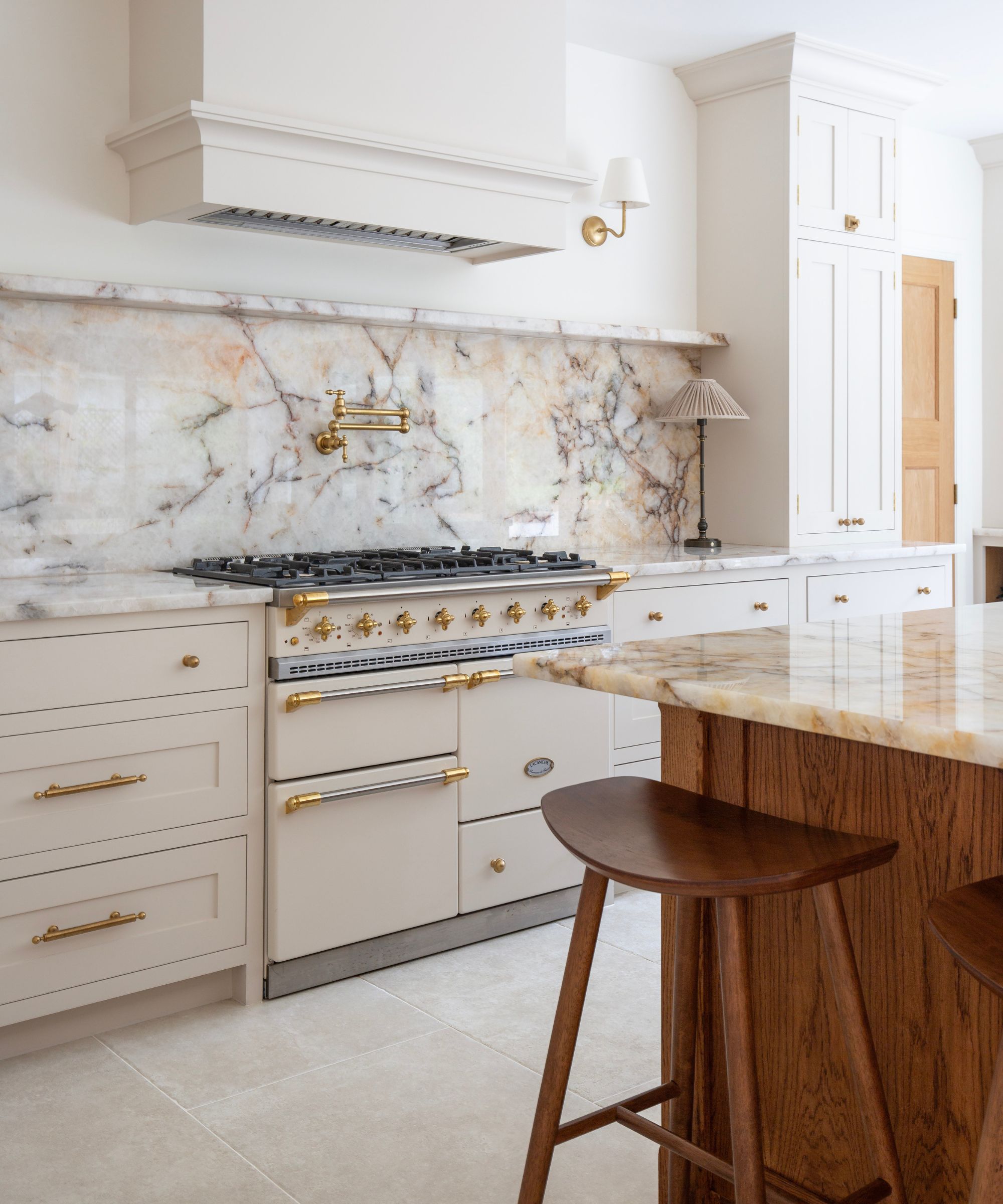
 Aucun commentaire pour le moment
Vous aimerez aussi
Outdated Flooring Trends in 2025 That I Want You to Leave in the Past

8 Flooring Trends You Should Know for 2022

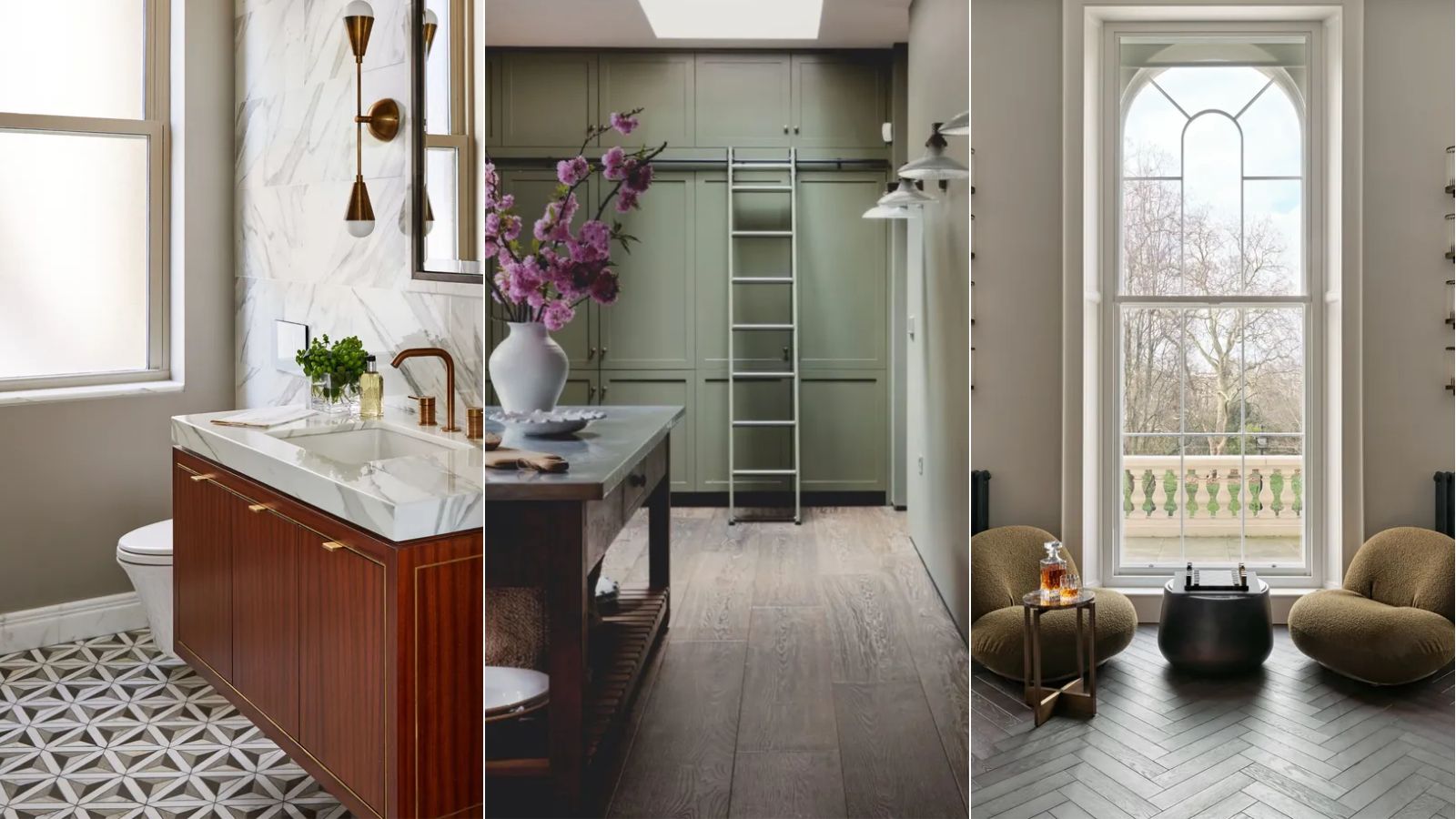
Flooring trends 2024 – designers predict these 8 styles will lead the way in interiors this year

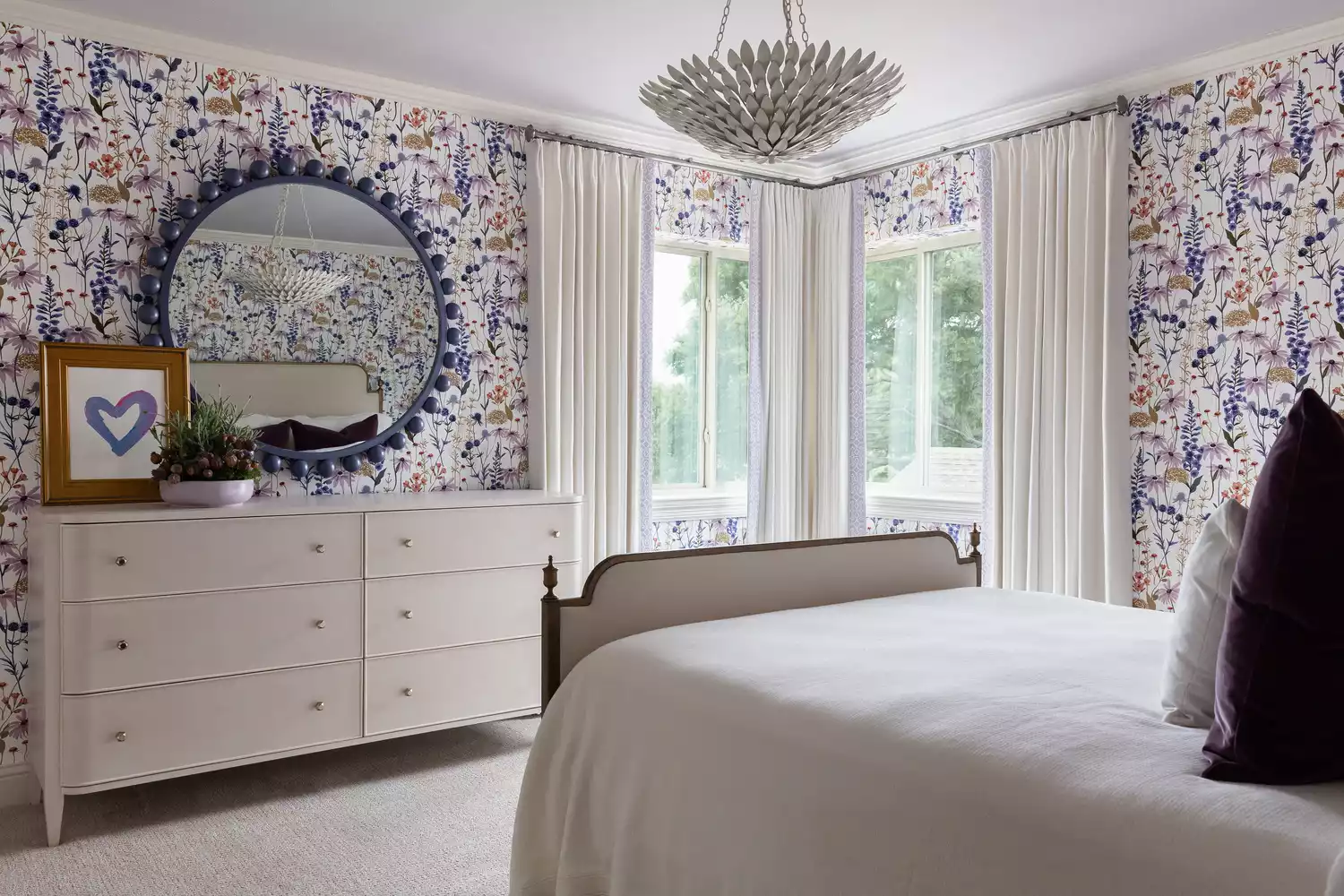
5 Flooring Trends You're About to See Everywhere in 2025, According to Designers

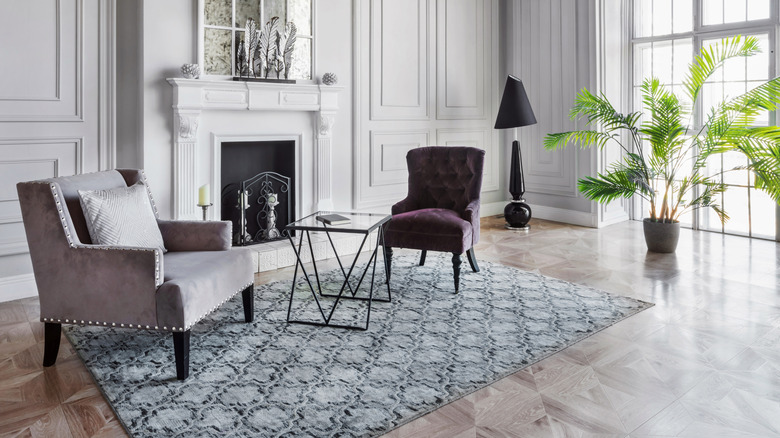
8 Carpet Floor Trends That Are Having A Moment In 2025
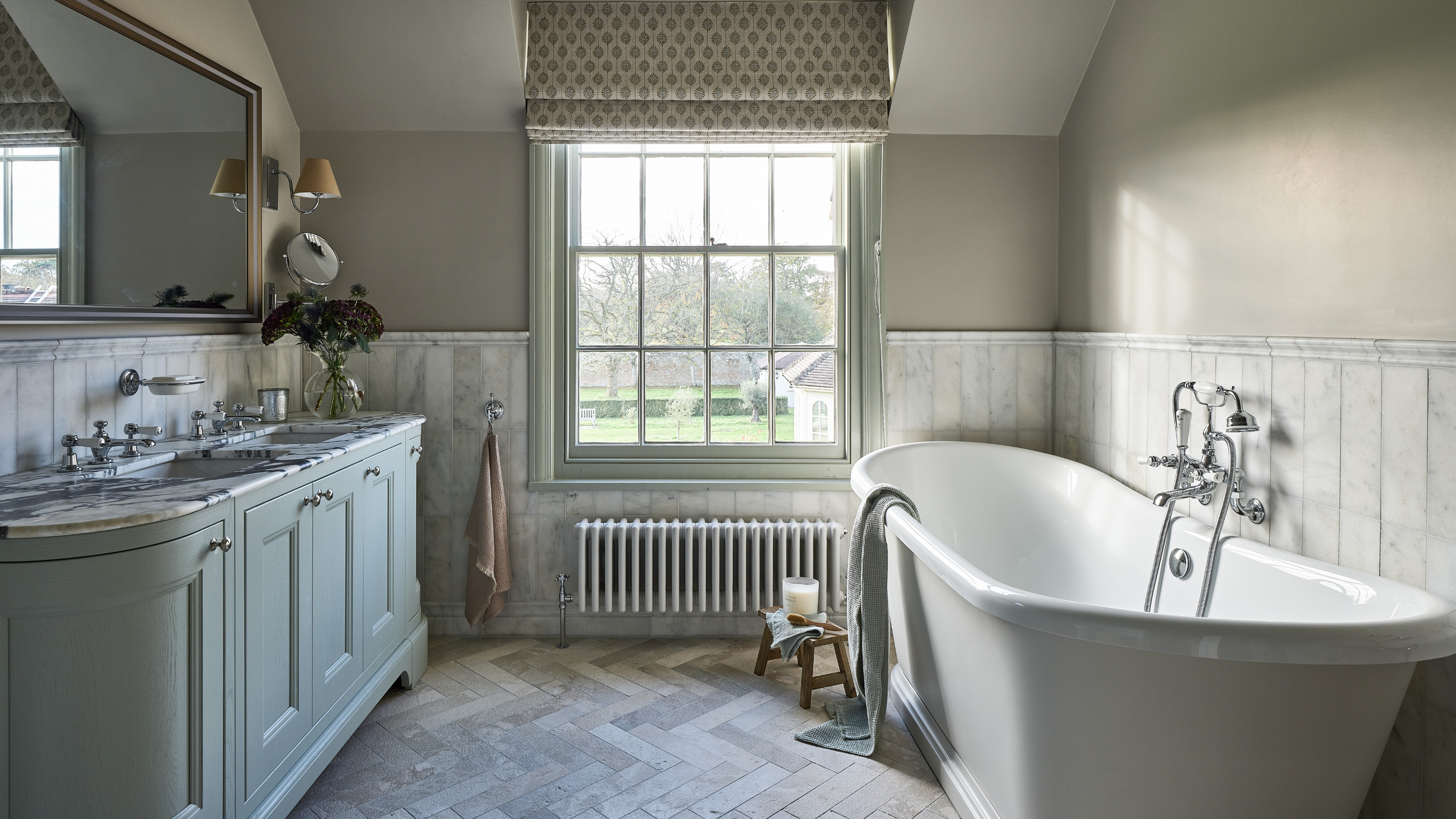
5 Outdated Tile Trends Designers Are Still Noticing in 2025 That Can Make Your Space Look Old-Fashioned
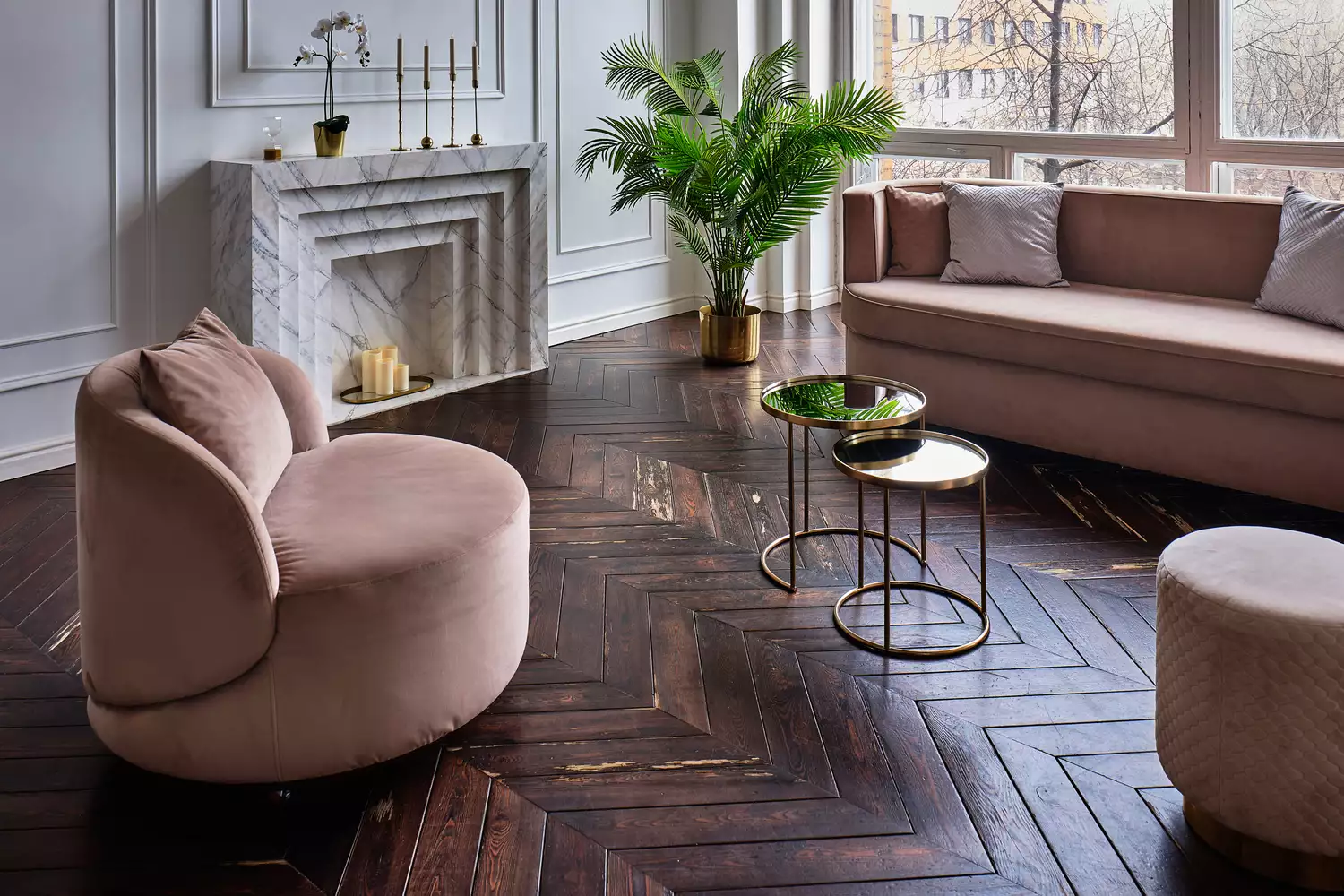
7 Flooring Trends Designers Don't Want to See in 2025

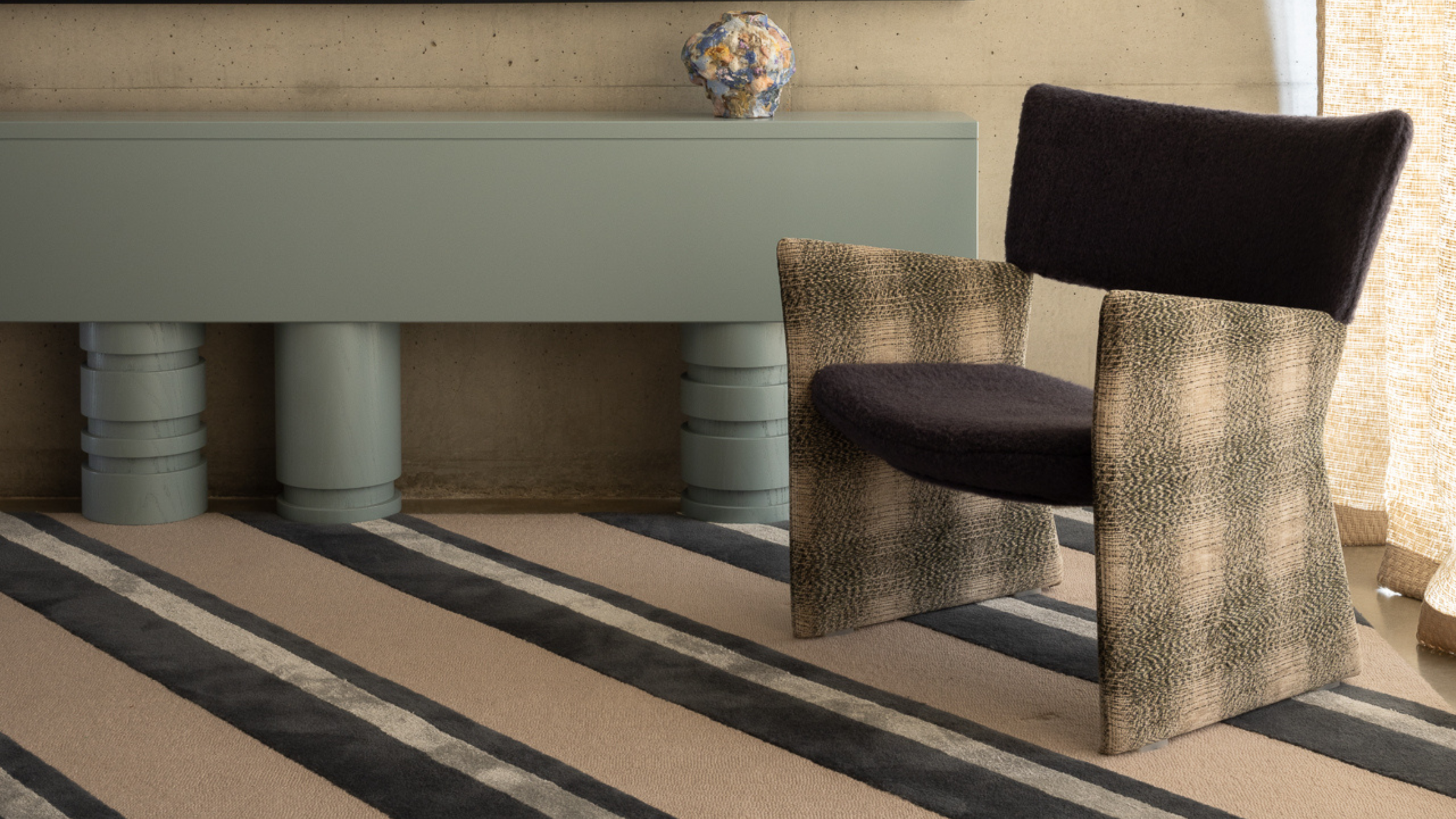
The 10 Big Flooring Trends Emerging in Homes in 2025
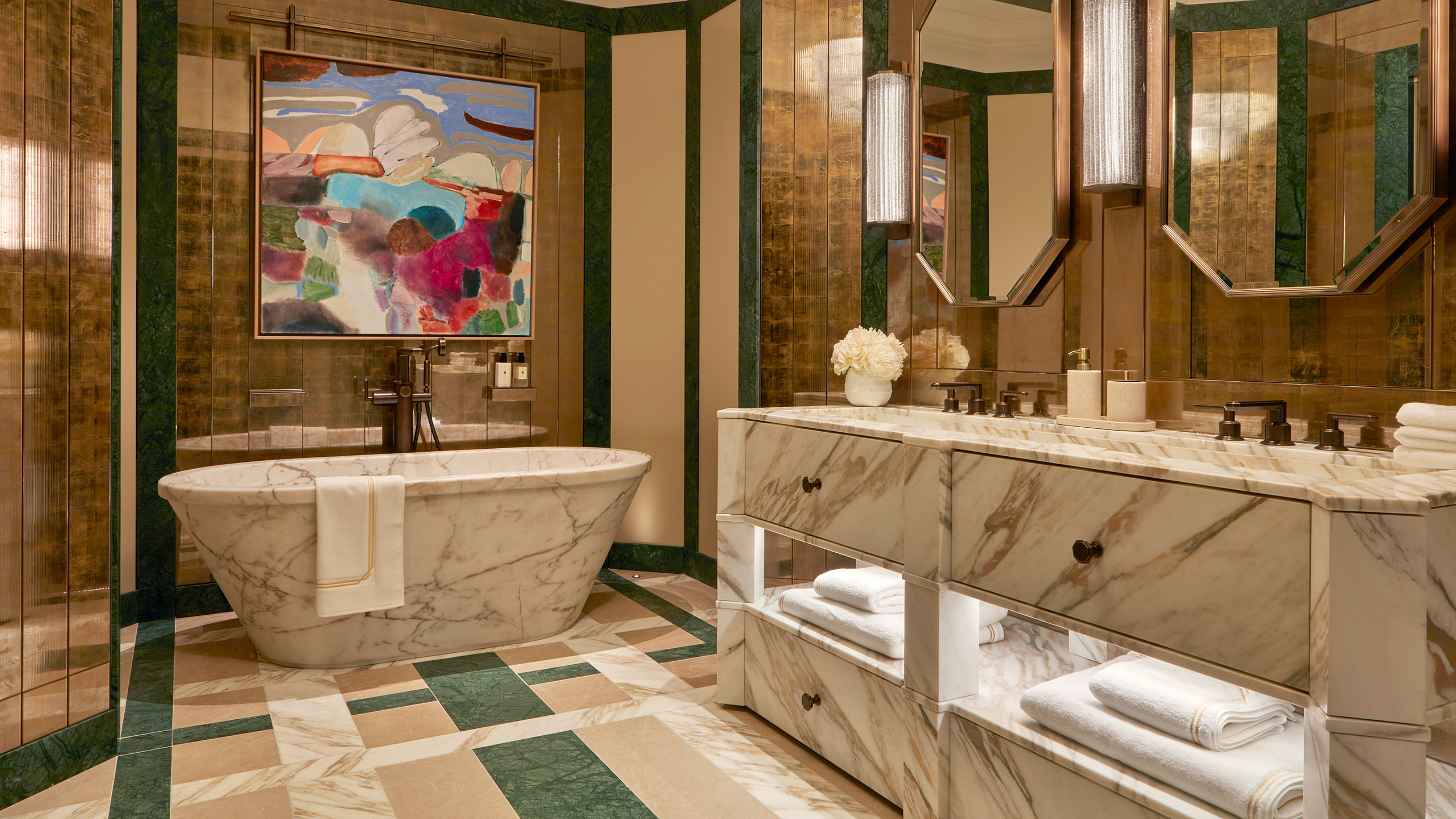
5 Outdated Bathroom Flooring Trends to Avoid in 2025 — Plus the Ones the Experts Want to See More of in Your Home
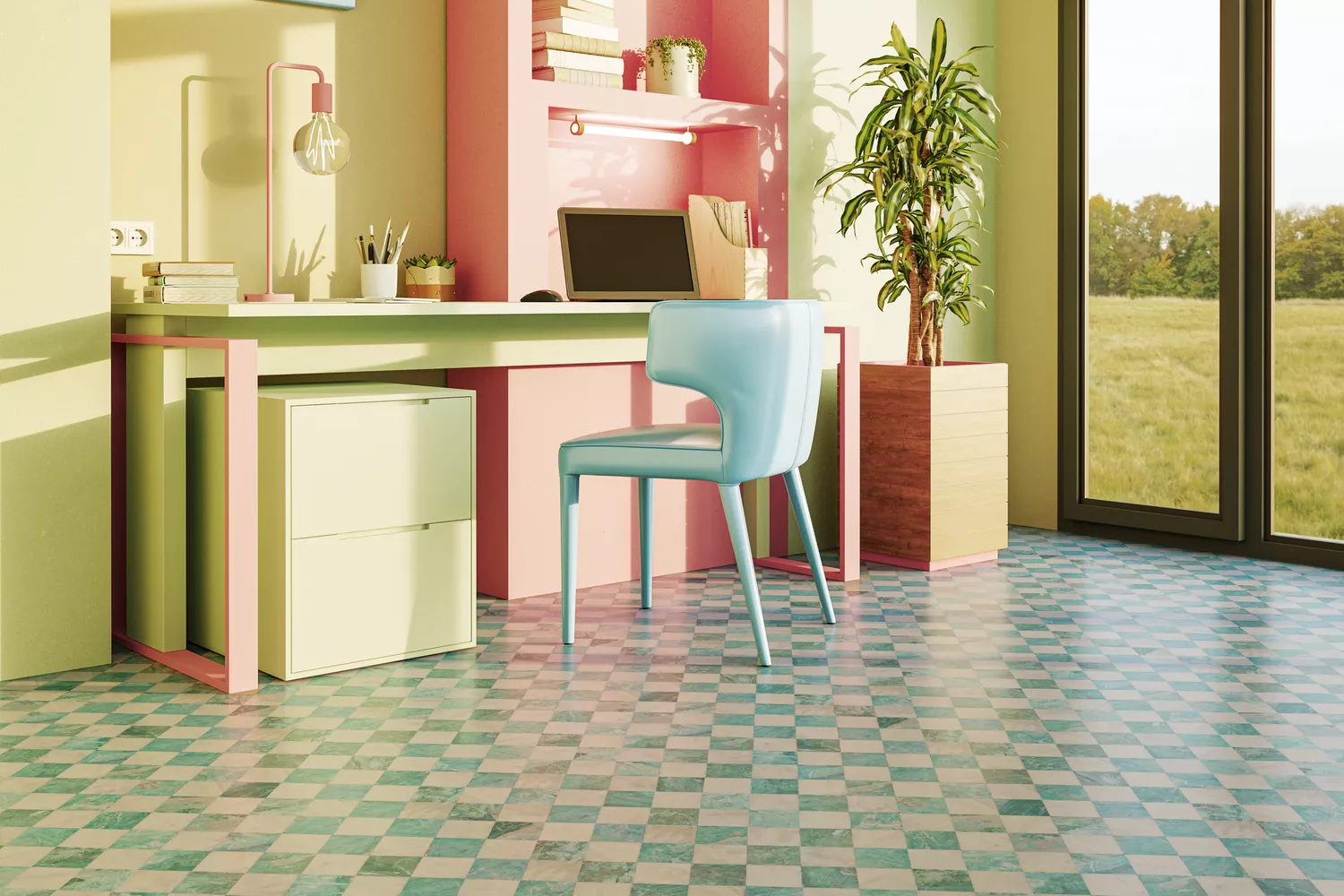
8 Flooring Trends That Experts Predict Will Take Over in 2025
9 Outdated Flooring Trends We're Leaving In The Past
25 Popular Floor Tile Designs for 2025 with Images

These 8 Flooring Trends Will Dominate 2025, According to Designers
5 Outdated Tile Trends Designers Are Still Noticing in 2025 That Can Make Your Space Look Old-Fashioned
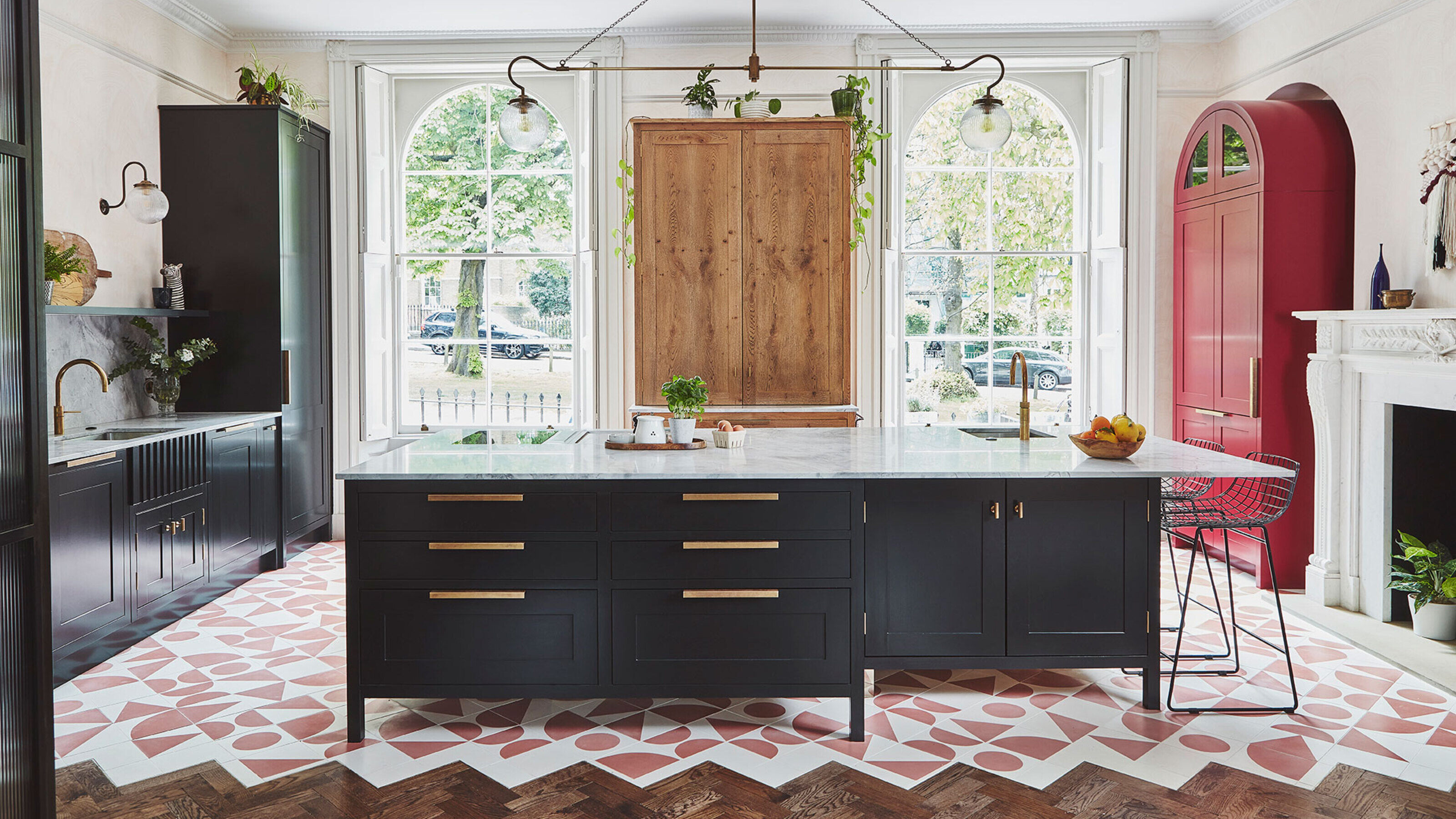
6 Outdated Kitchen Flooring Ideas in 2025 That Threaten to Turn Back the Clock — Plus What to Choose Instead
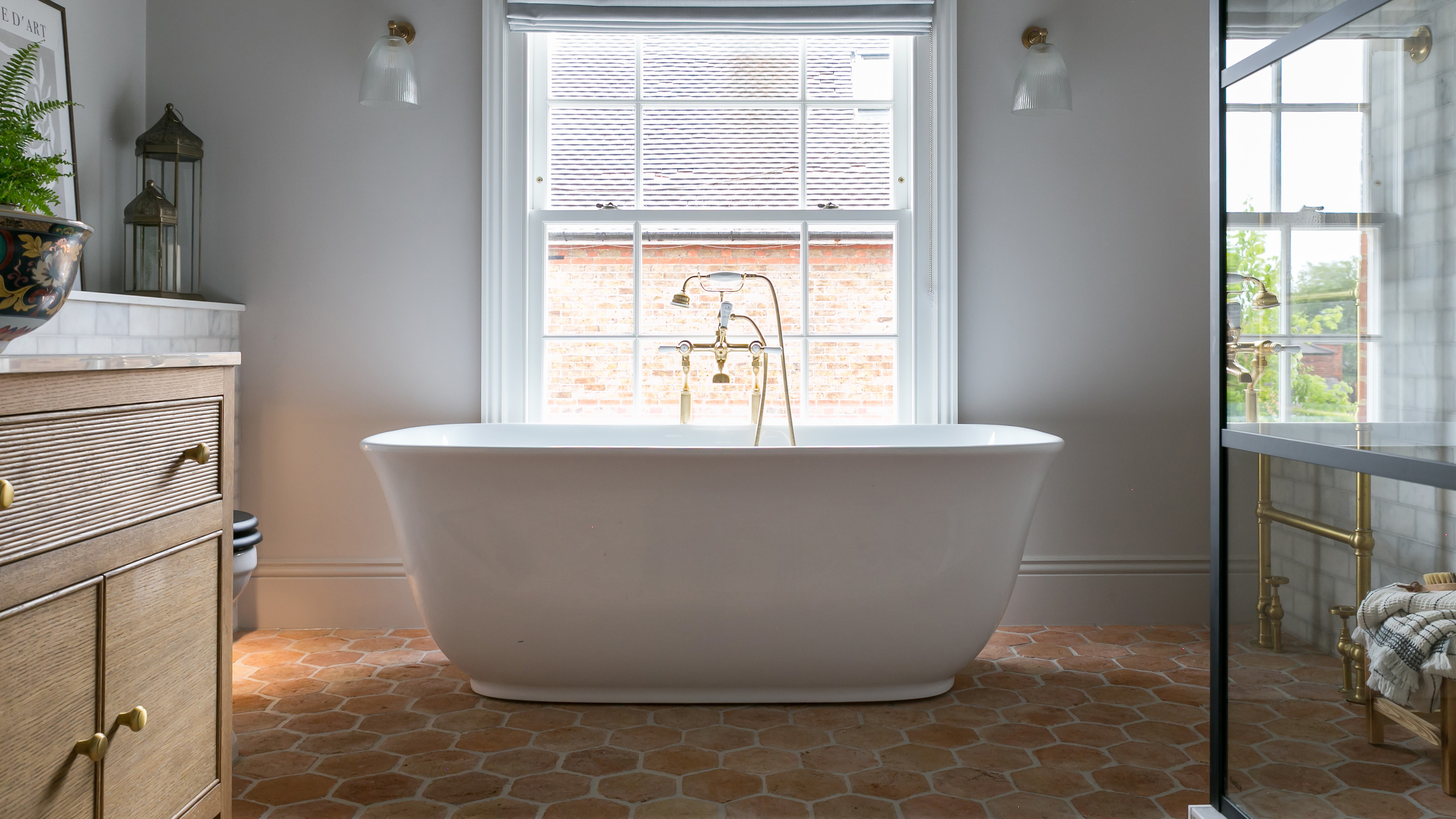
10 Bathroom Flooring Trends That the Best Designers Are Choosing in 2025
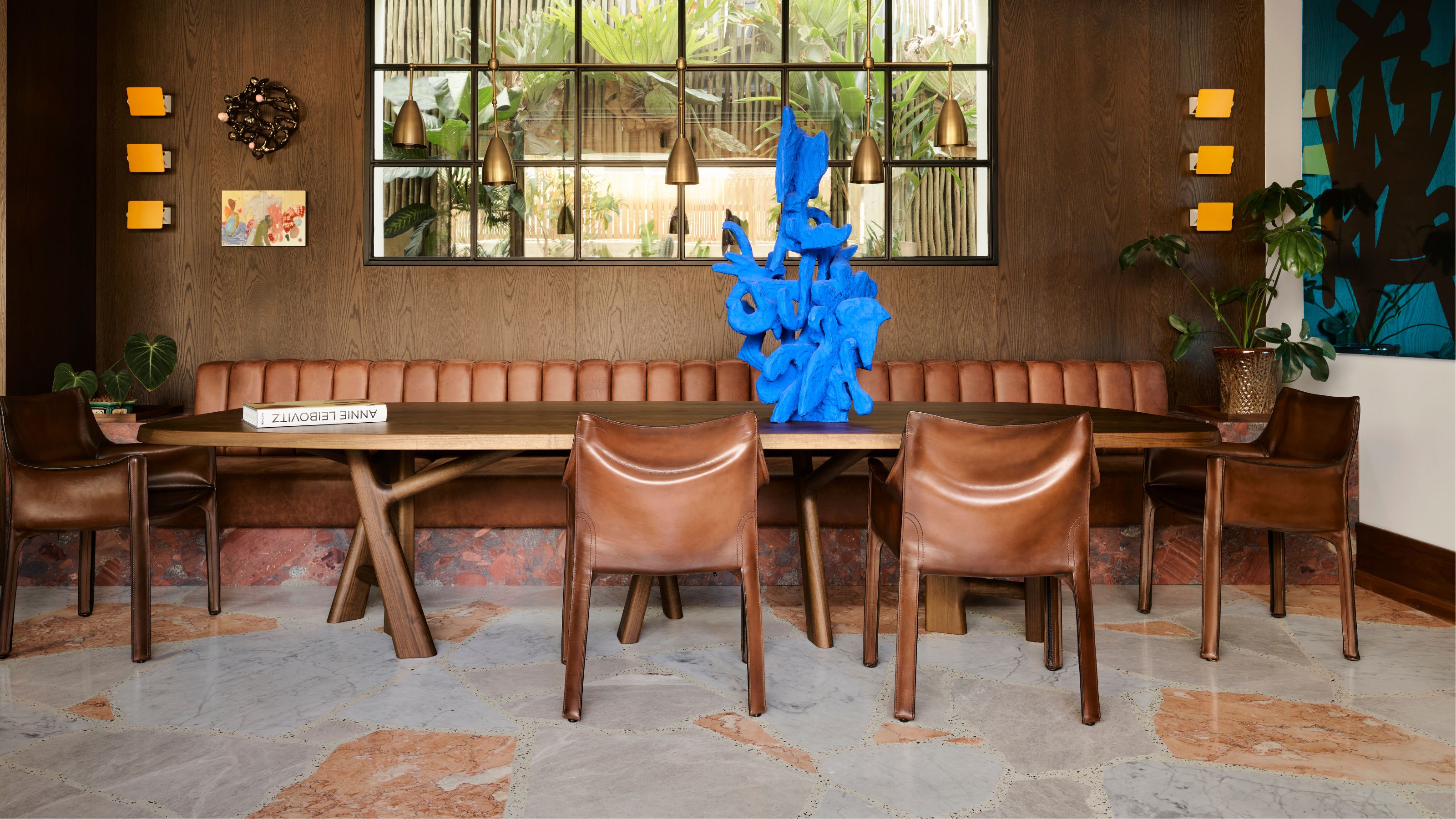
8 Flooring Trends for 2026 — The Designs, Materials, and Layouts Designers Are Predicting to Be the 'Next Big Thing'
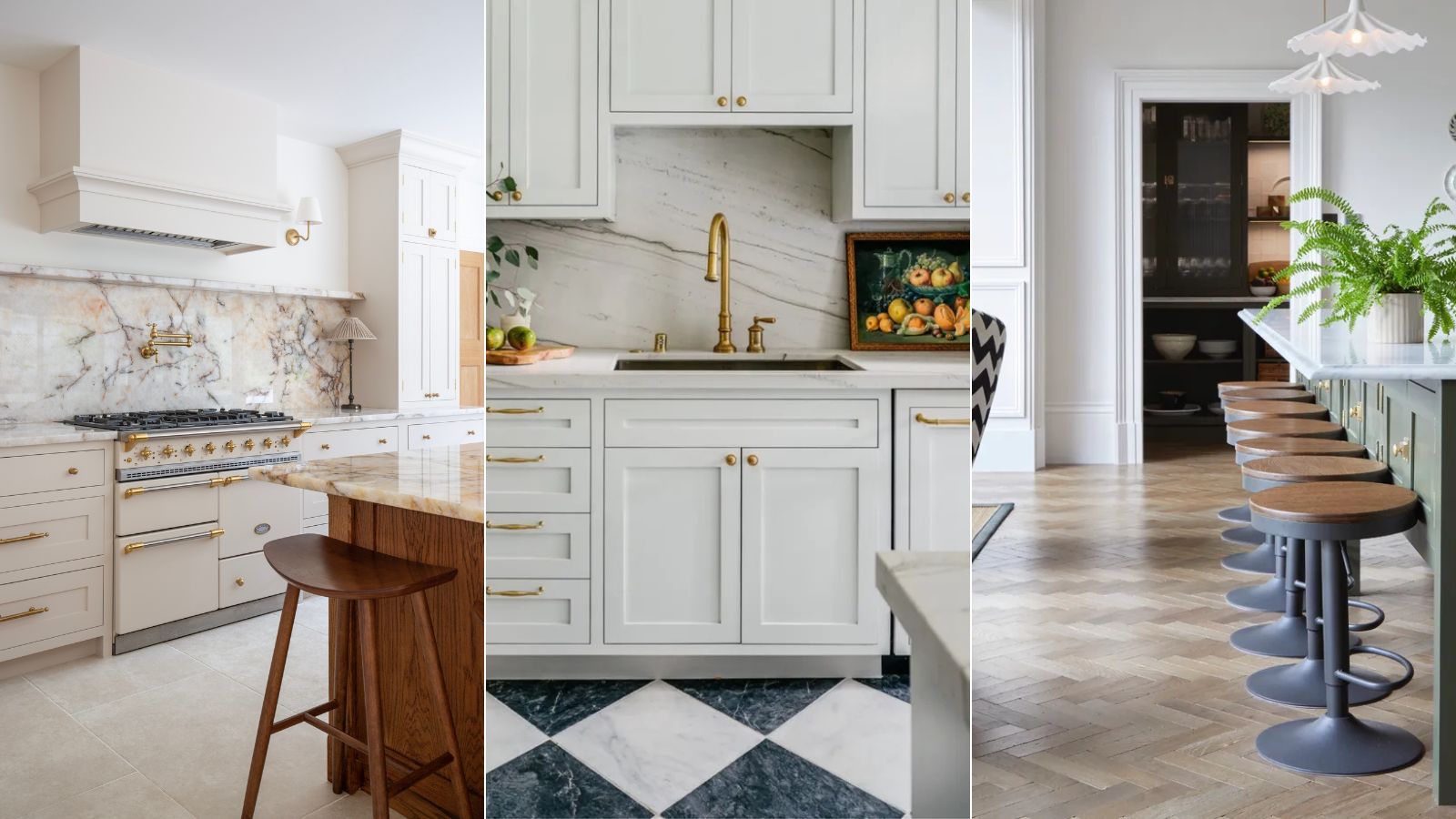
5 dated kitchen flooring trends to avoid in 2025 – and what experts say you should choose instead
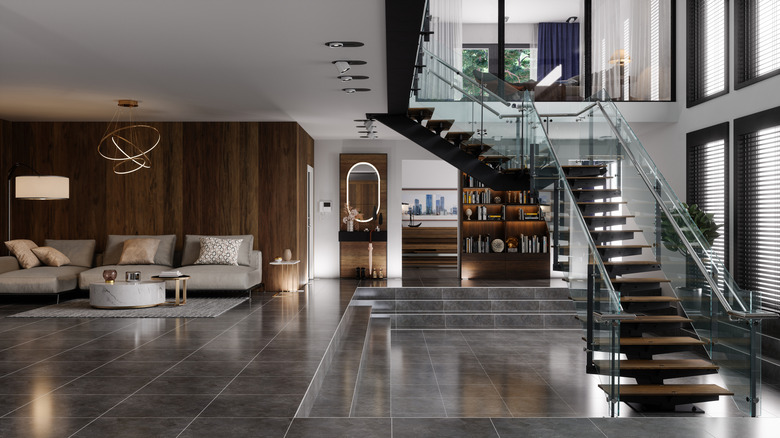
Outdated Tile Trends That Are Going Away In 2025
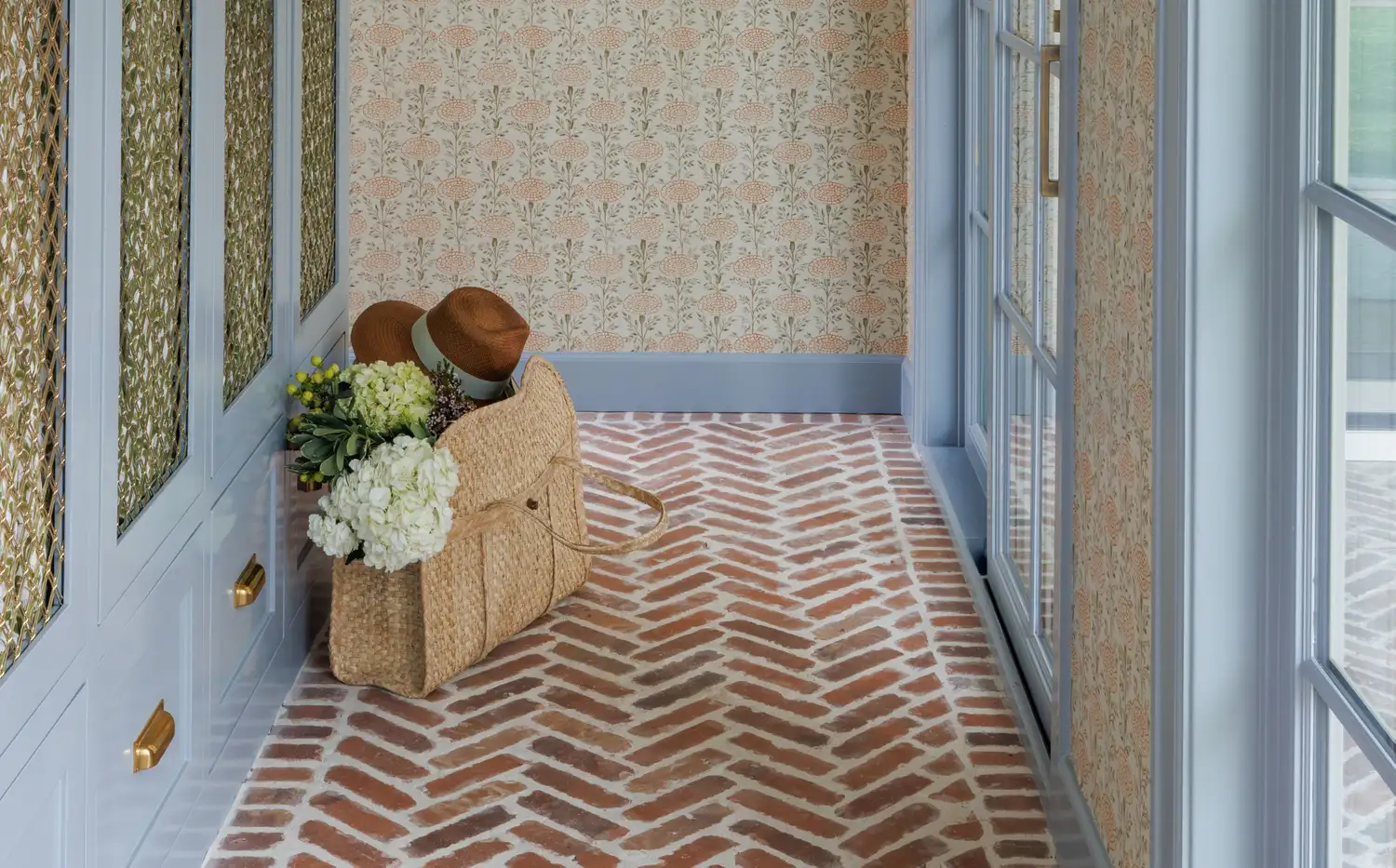
8 Flooring Trends Designers Say Will Be Everywhere In 2026