1/6
5 best plants to grow up a pergola for a beautiful, scented awning
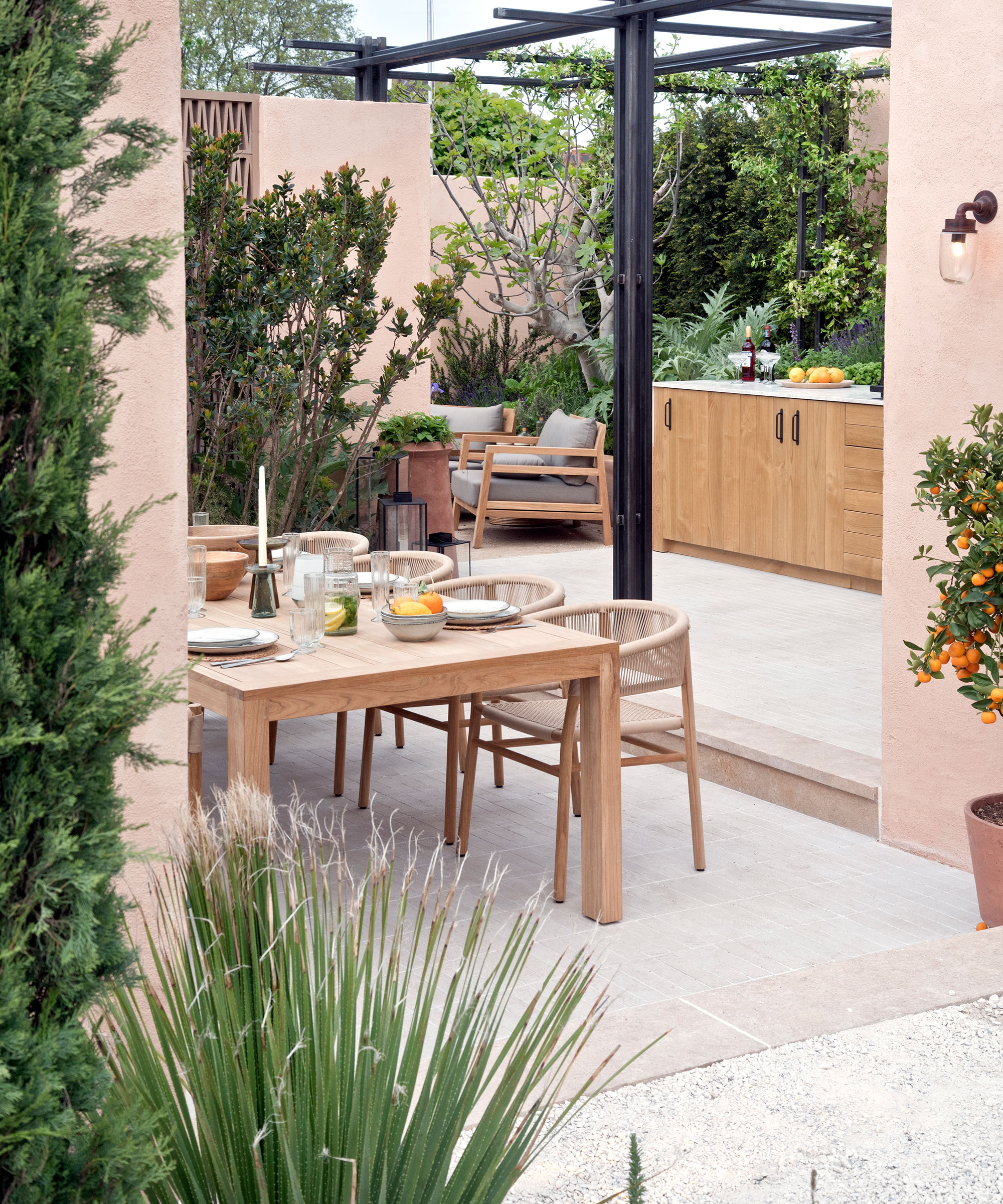
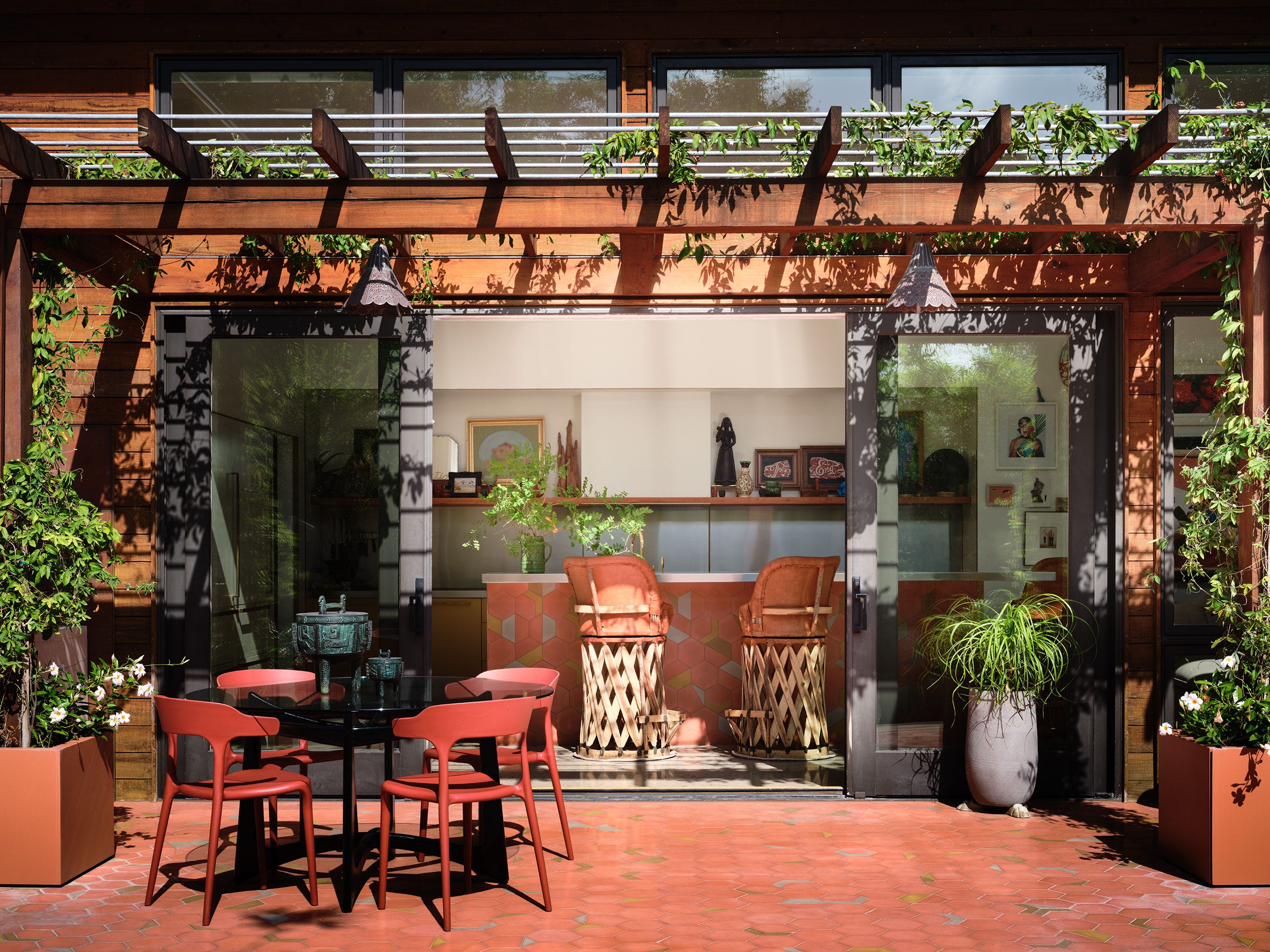
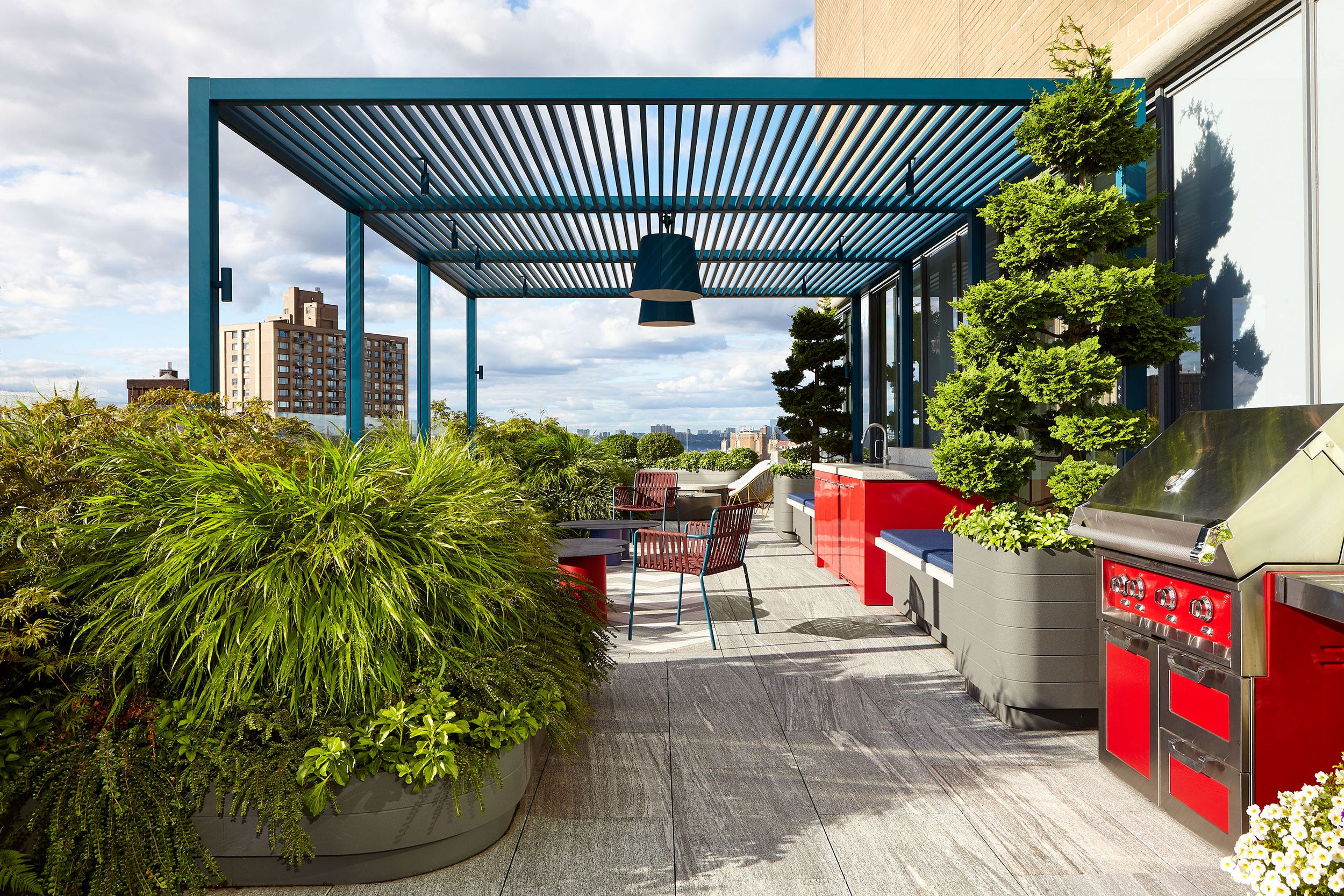
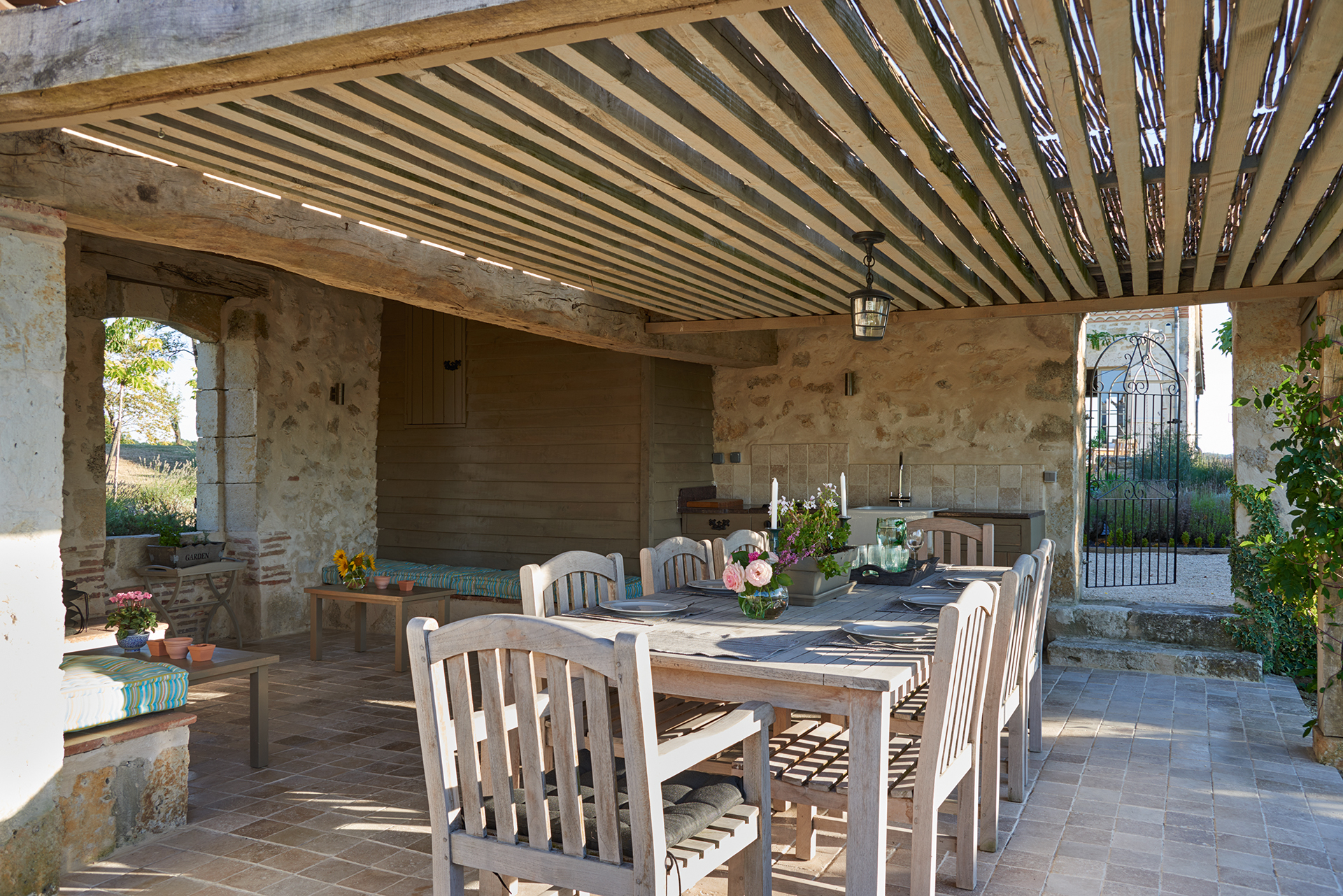
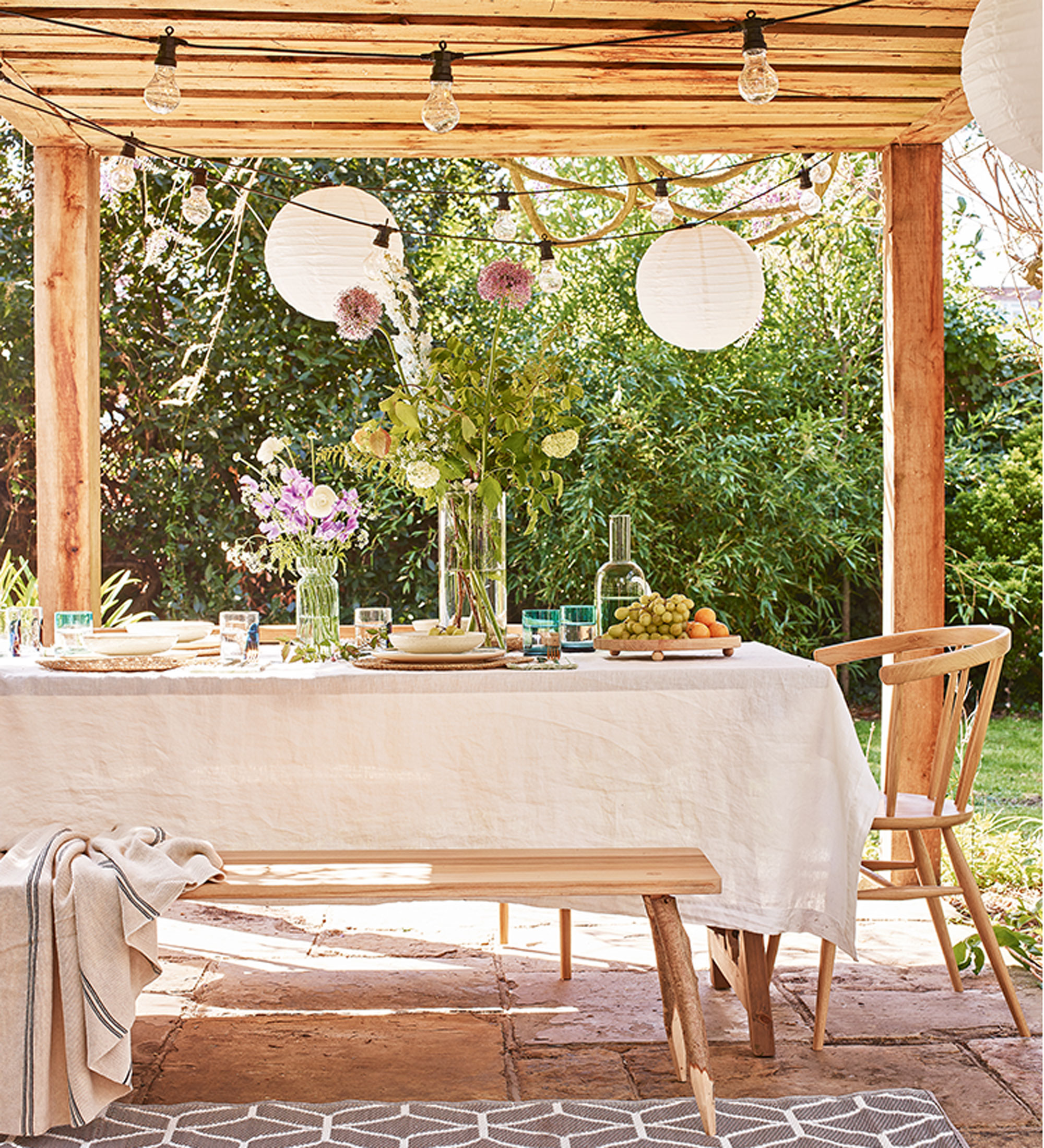
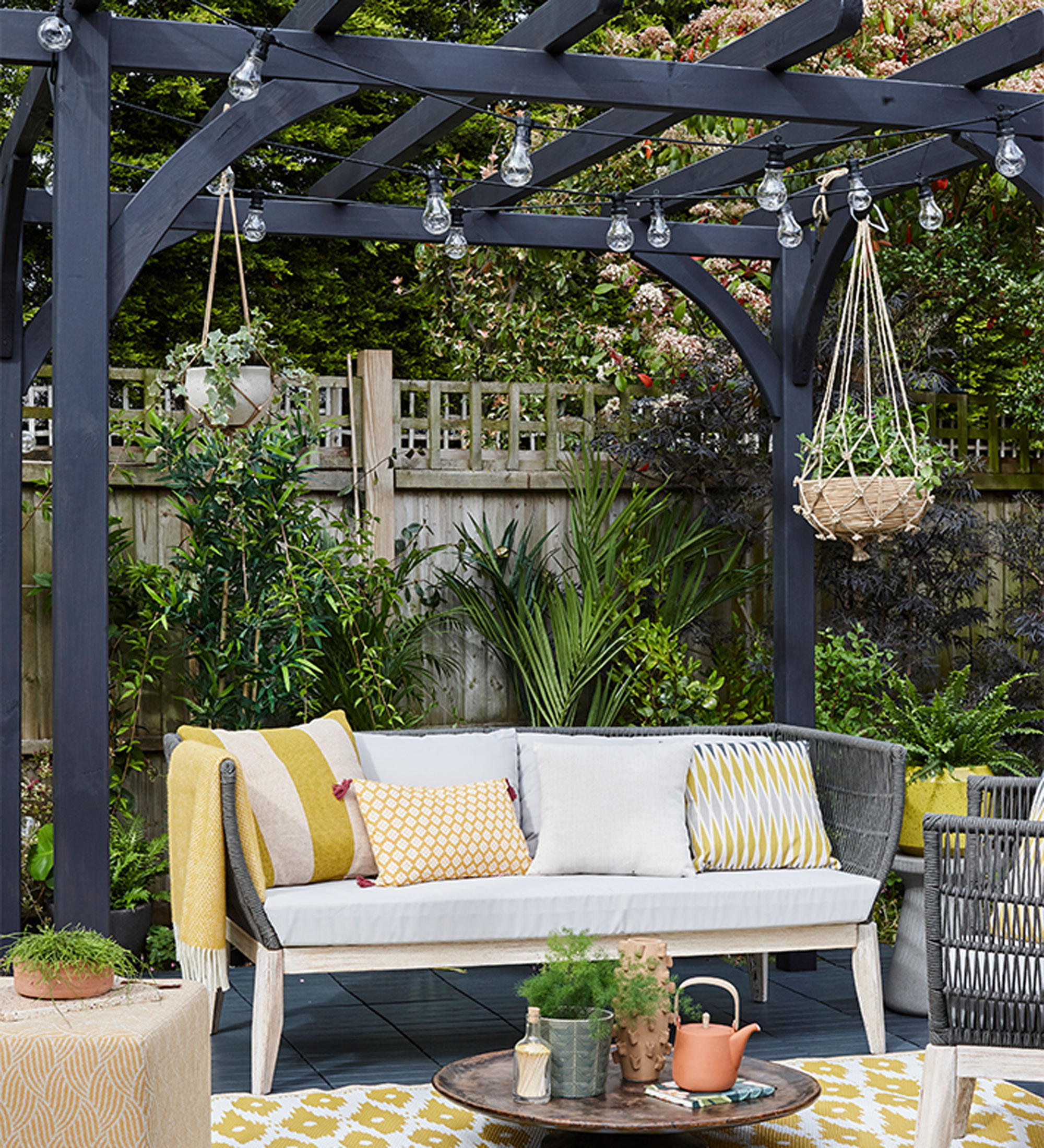
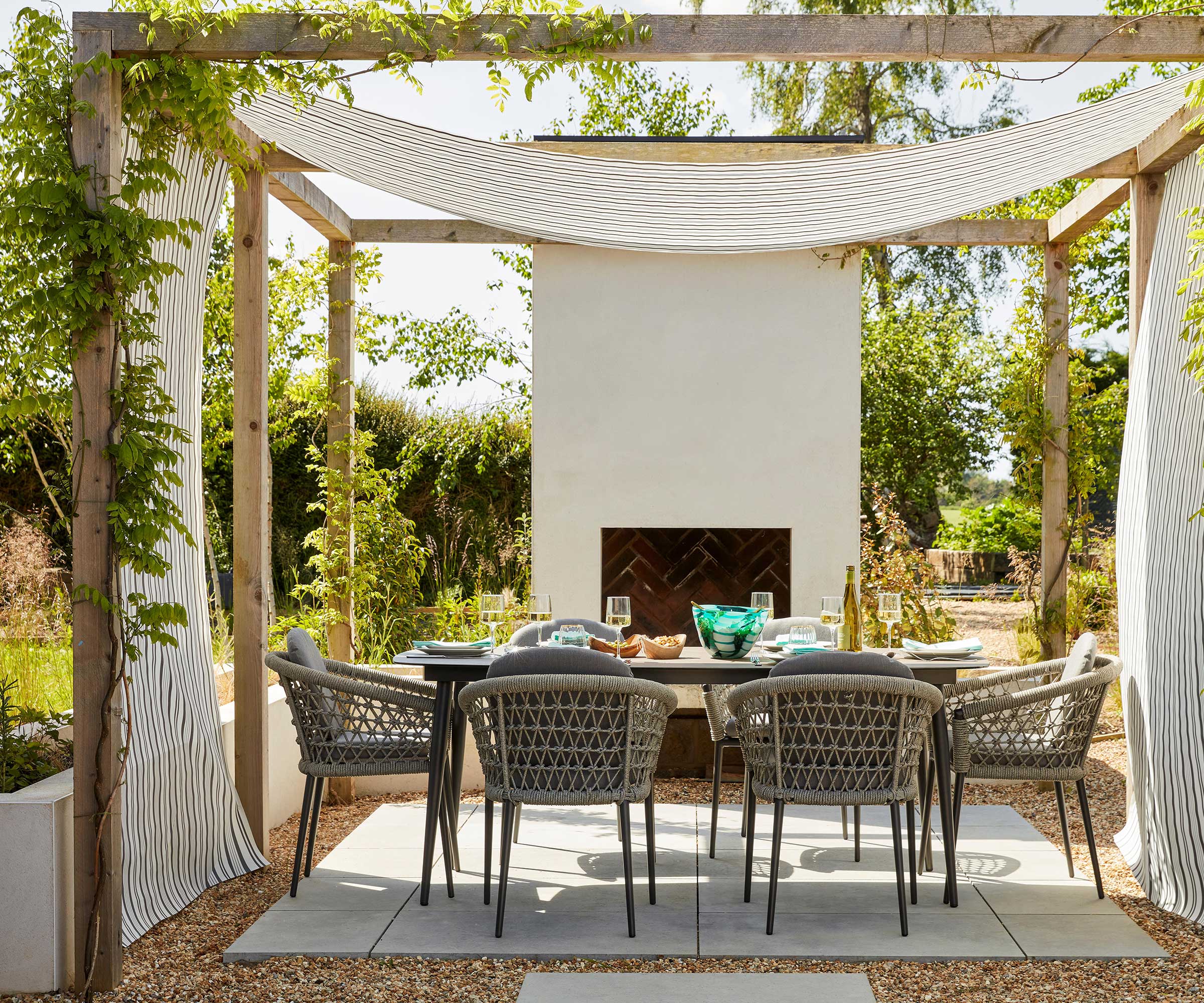
Pergolas serve as a versatile garden feature capable of transforming outdoor spaces into layered, romantic, and lively areas. The true aesthetic and functional potential of a pergola is realized through the careful selection and training of climbing plants. These plants not only provide shade and seasonal color but also attract local wildlife, contributing to a vibrant garden ecosystem. Liam Beddall, Senior Rose Consultant at David Austin Roses, emphasizes that a pergola acts as a natural canvas for climbers, adding height, scent, and romance. Morris Hankinson, director of Hopes Grove Nurseries, further elaborates on specific plant choices that can maximize a pergola's appeal.
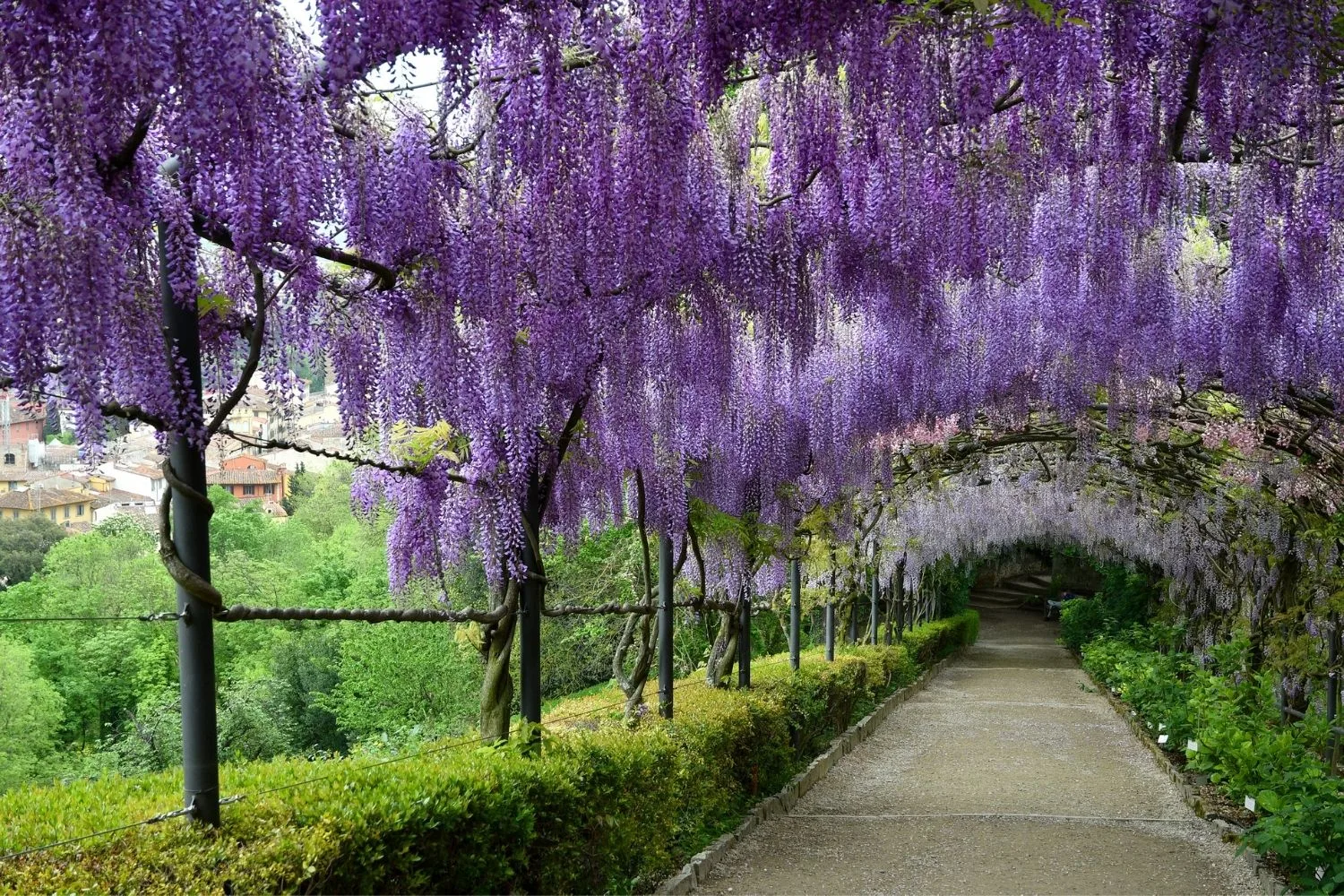
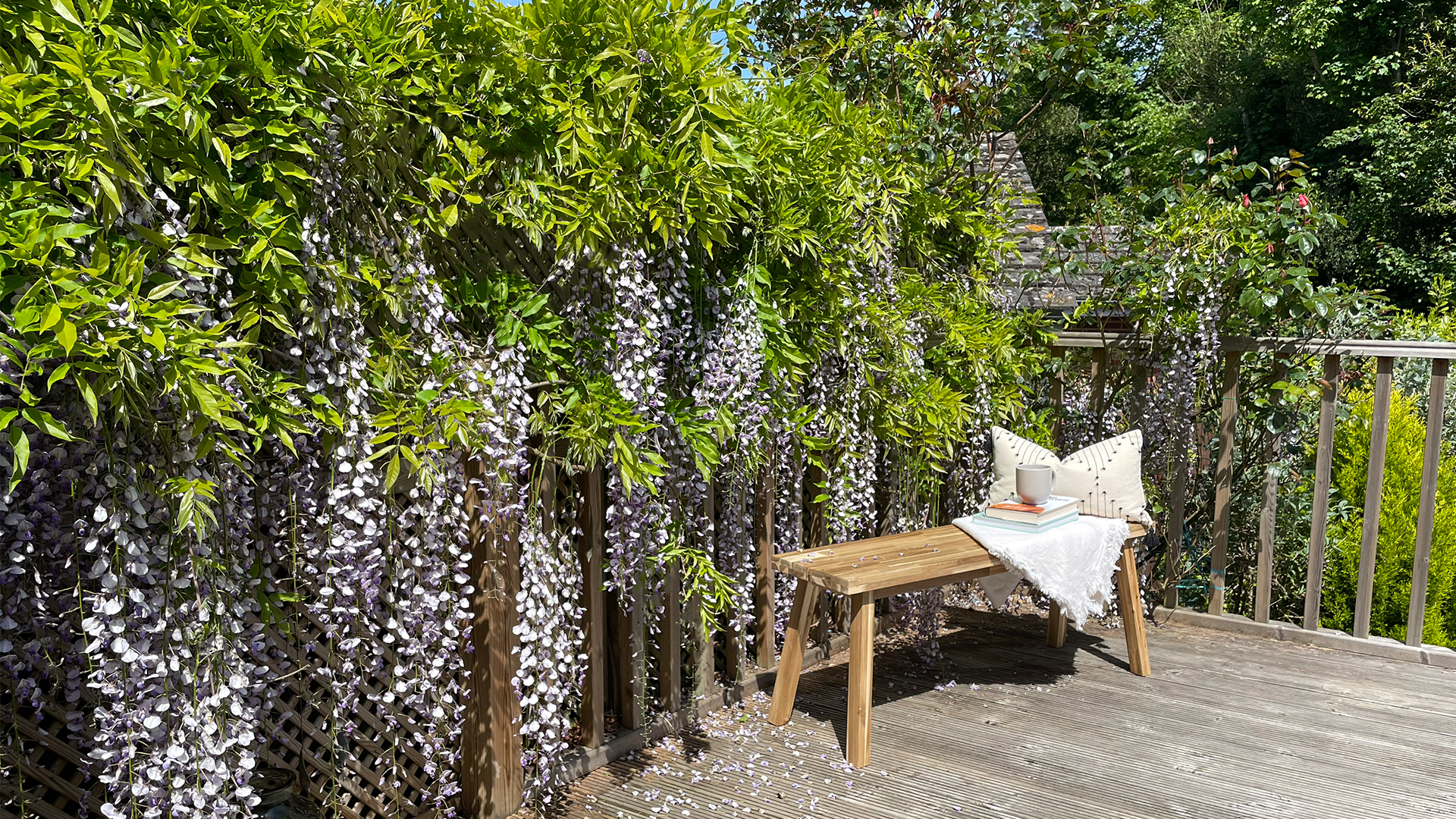
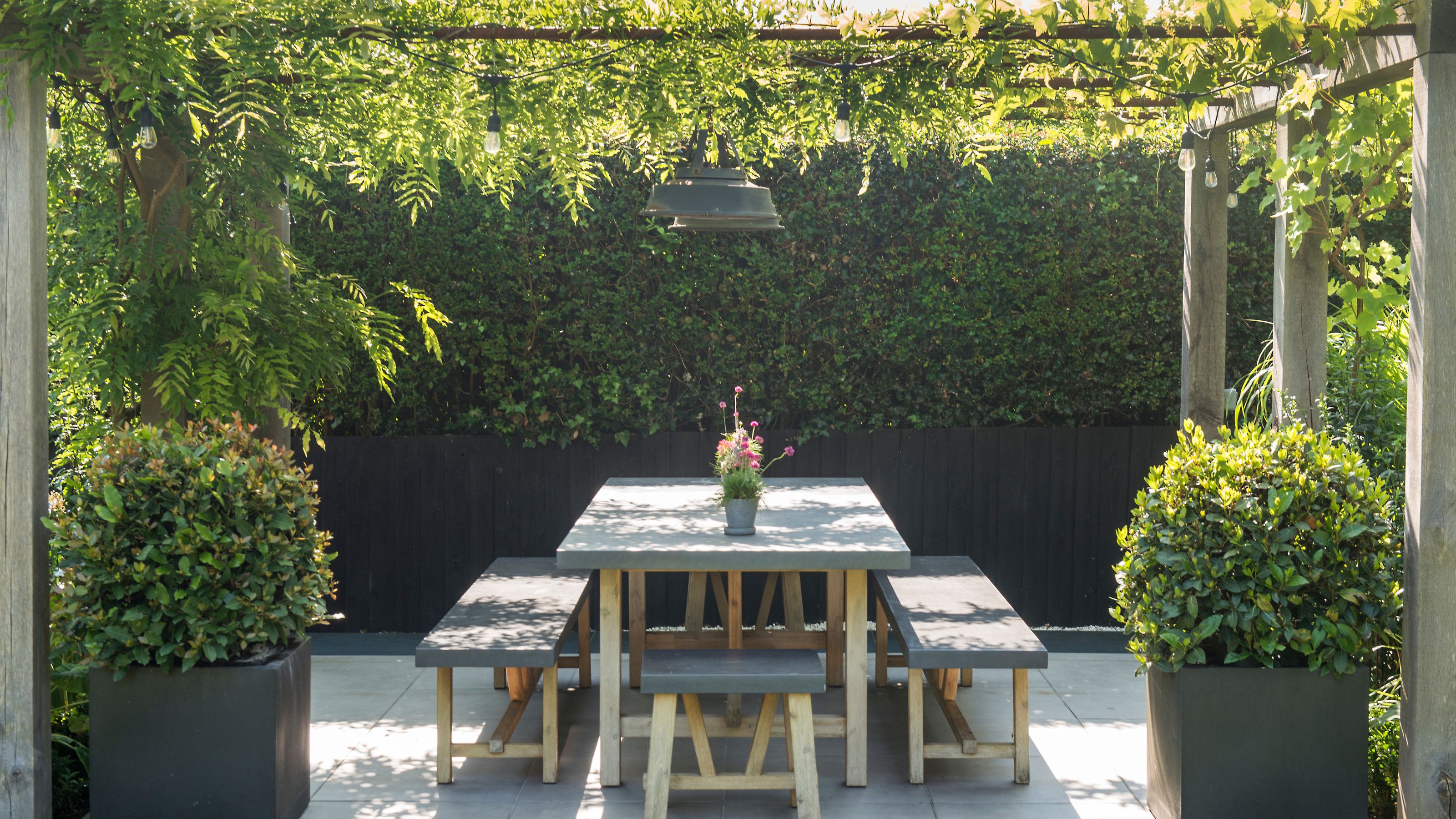
Wisteria is consistently ranked as a top choice for pergolas due to its iconic clusters of lilac and white flowers that bloom in springtime. Its vigorous vines rapidly cover structures, making it ideal for creating a lush, shaded canopy. However, Morris Hankinson advises that wisteria requires robust support systems and regular pruning, typically twice a year in summer and winter, to thrive and ensure consistent flowering. Despite a potential two to three-year wait for a young plant to flower, its eventual display is considered well worth the patience.
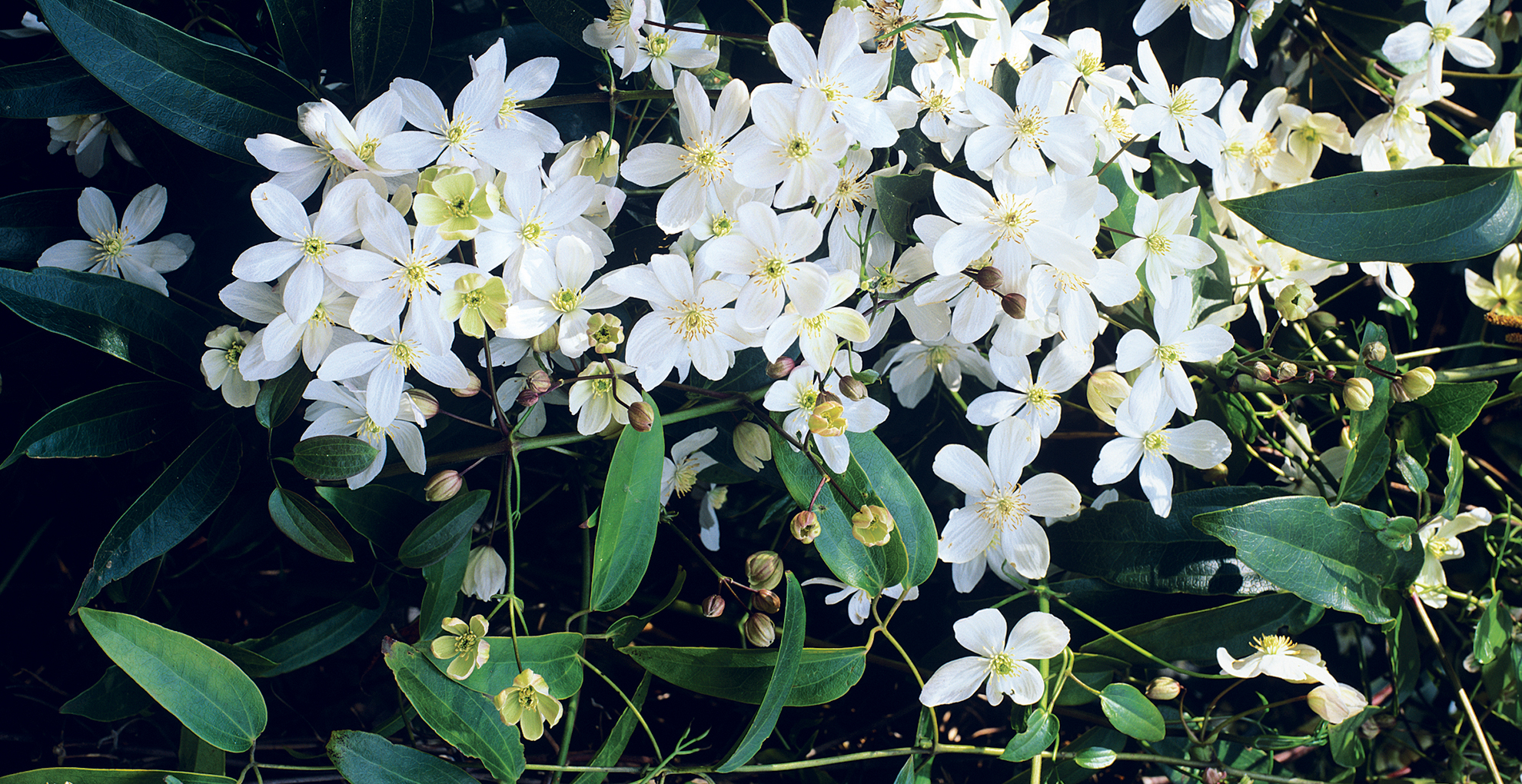
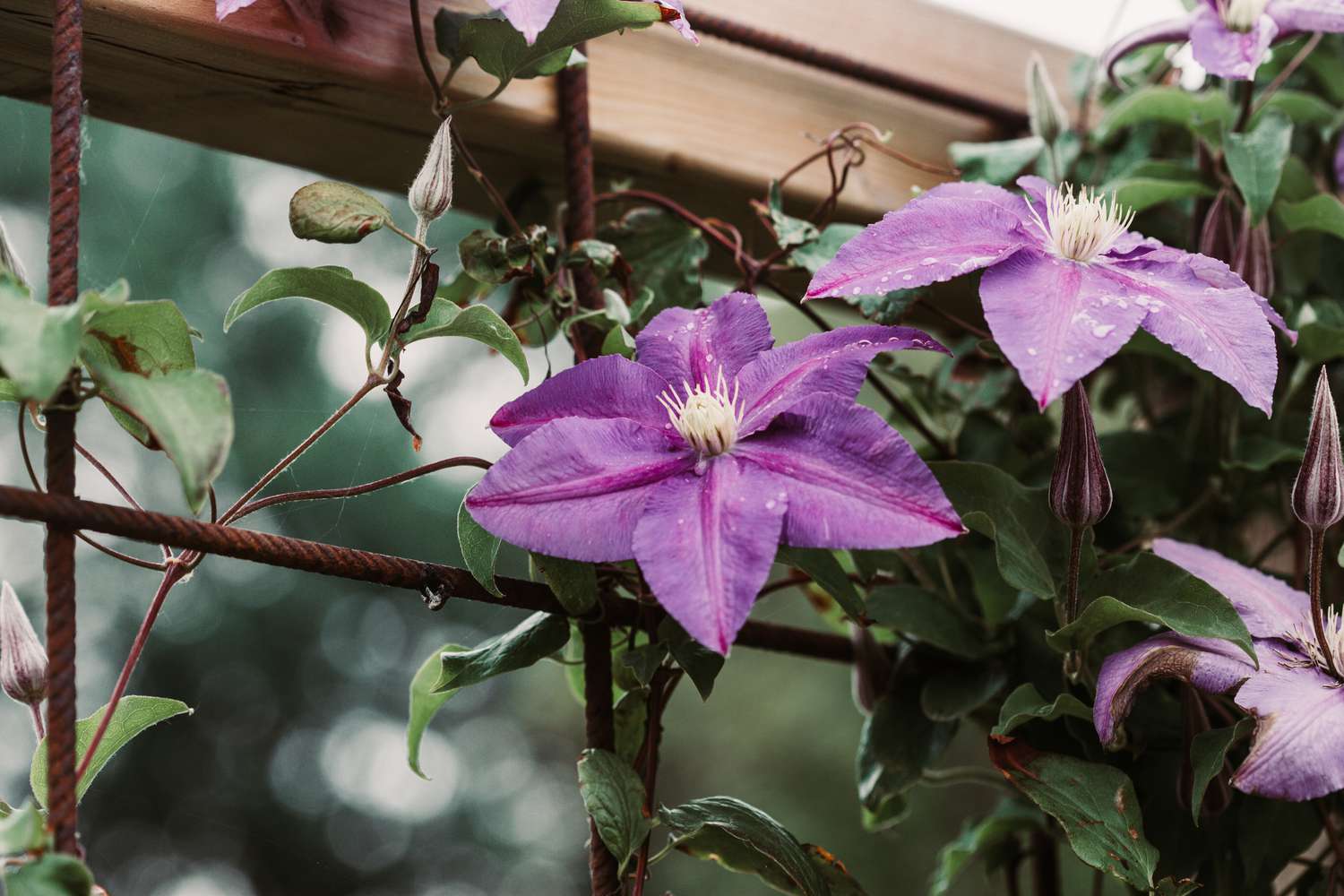
Clematis, known for its rapid growth, is another excellent option. It is an adaptable climber that prefers shade at its roots and sun on its leaves. The wide variety of available clematis species allows gardeners to select plants that flower at different times, thereby extending the period of visual interest in the garden. For instance, Morris Hankinson recommends planting multiple varieties to achieve prolonged blooming throughout the year.
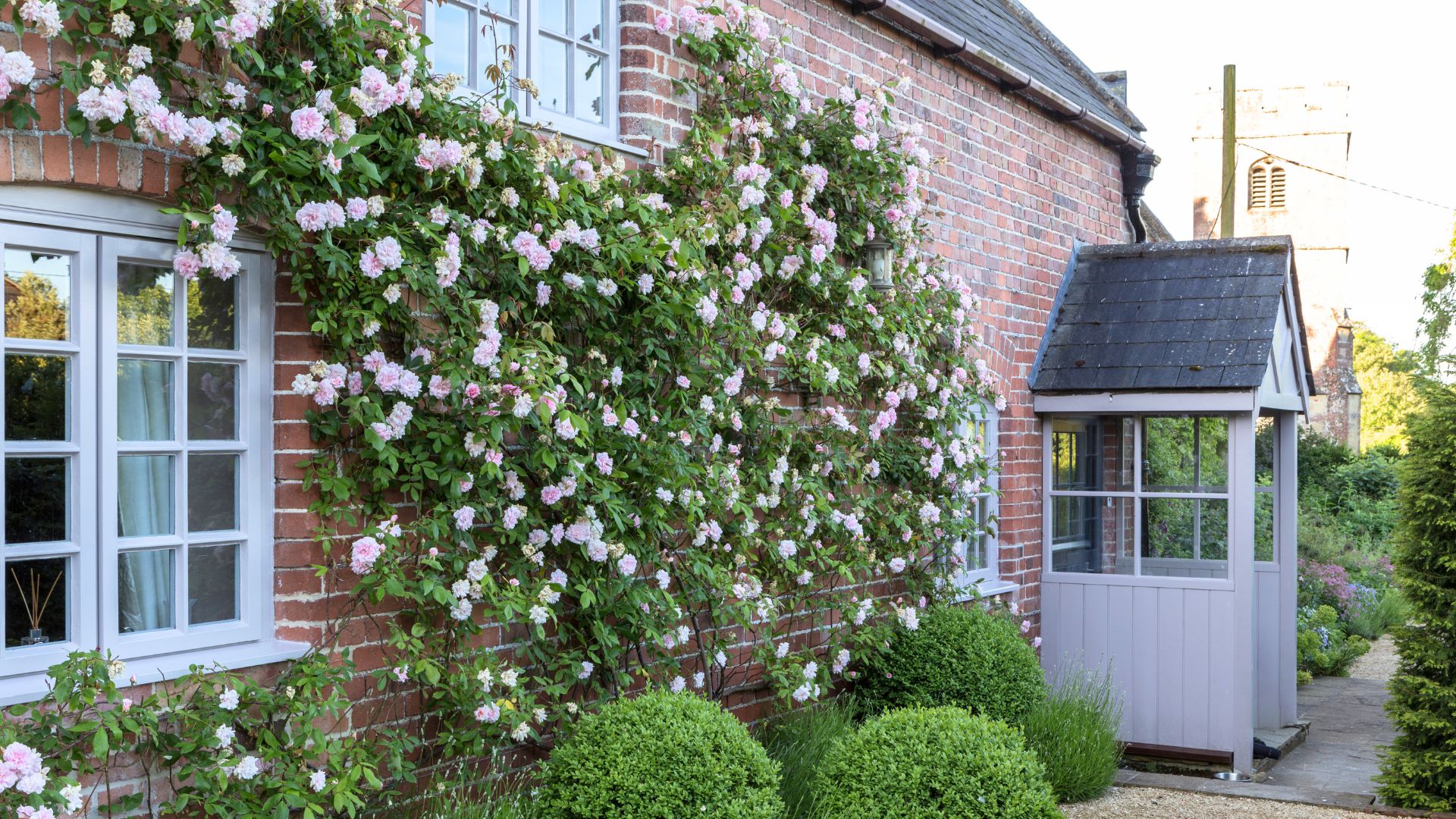
Roses are cherished for their romantic appeal, offering colorful and fragrant blooms. Morris Hankinson notes that while roses require support for their stems as they grow and benefit from regular pruning, they are well-suited for pergolas. Liam Beddall highlights specific varieties such as 'The Generous Gardener®' for its elegant pale pink blooms and strong fragrance, 'Malvern Hills®' for its soft yellow, repeat-flowering rambler characteristics and musky scent, and 'Phyllis Bide®' for its apricot-pink flowers and continuous interest throughout warmer months. These varieties are chosen for their aesthetic qualities and ease of training.
Passionflower offers an exotic touch to any garden. Its unique, intricate flowers create a tropical ambiance, flourishing best in full sun and well-drained soil. A key advantage of passionflower is its natural ability to cling to structures using tendrils, although some additional support is beneficial for optimal growth. Morris Hankinson suggests varieties like *Passiflora caerulea* for their vivid blue hues.
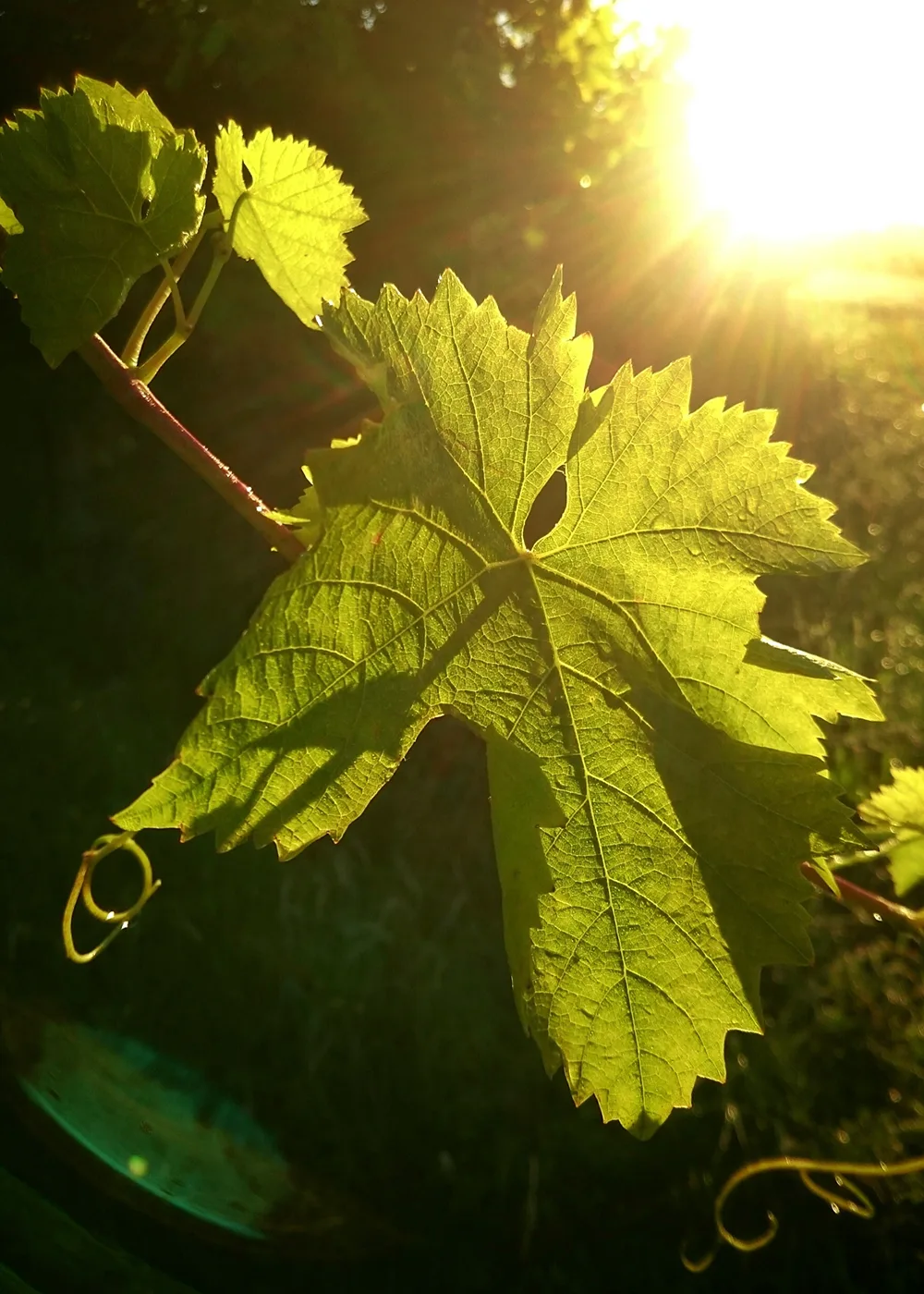
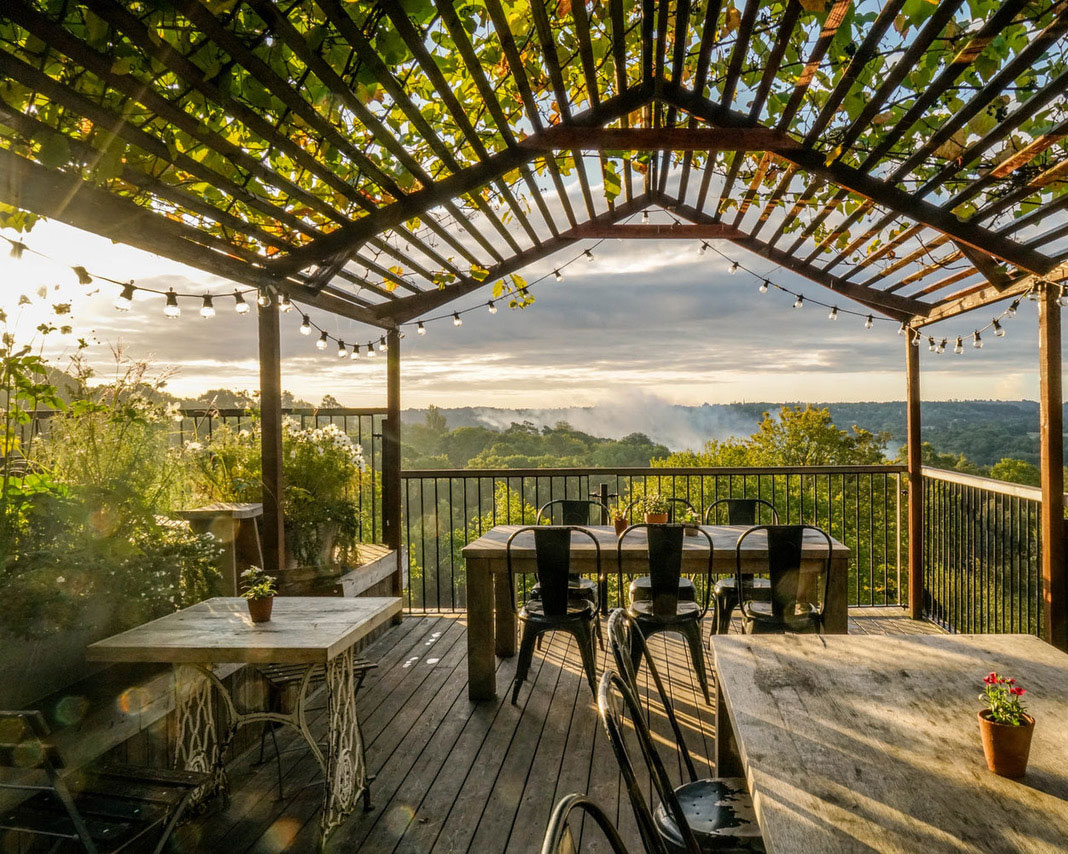
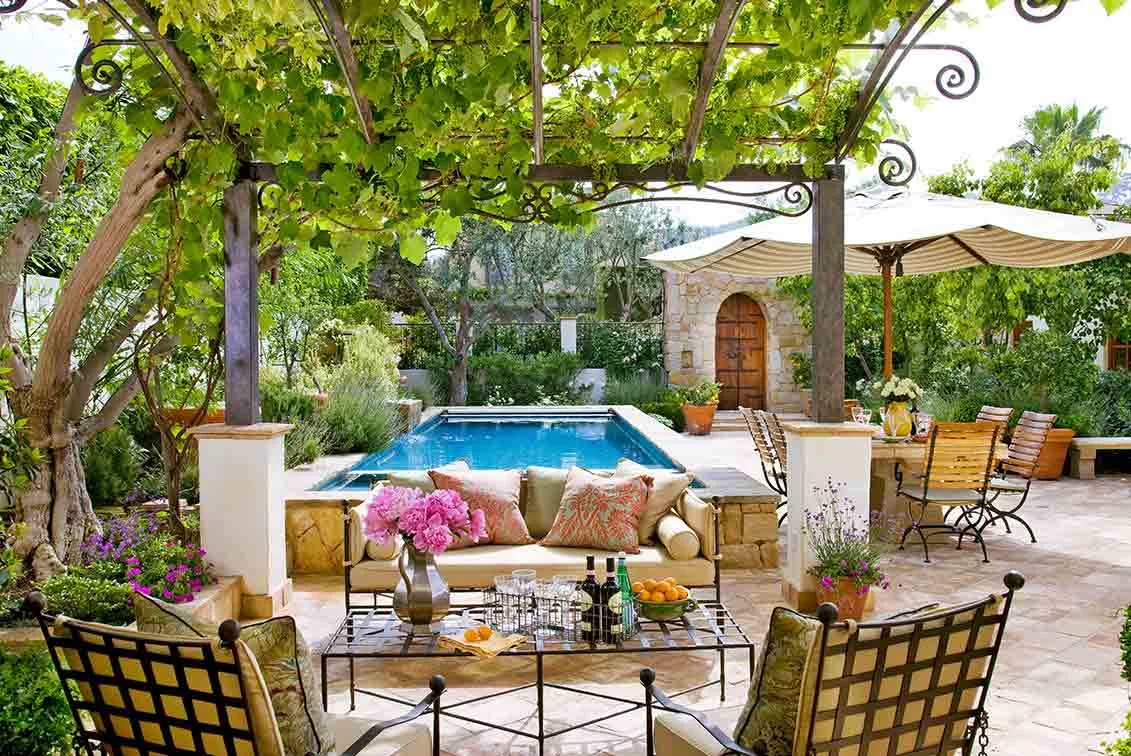
Finally, grapevines are a practical and rewarding choice for pergolas, even in the UK climate. They can be cultivated to produce homegrown grapes, offering both fruit and dense foliage. Grapevines need to be tied in and carefully trained to grow along the pergola. Hard pruning in winter is essential to encourage fruit production and maintain plant health. Morris Hankinson emphasizes the importance of planting grapevines in full sun to ensure a successful harvest.
#PergolaPlants #ClimbingPlants #GardenDesign #Wisteria #Clematis #ClimbingRoses #Passionflower #Grapevines #GardeningAdvice #PergolaPlants #ClimbingPlants #GardenDesign #Wisteria #Clematis #ClimbingRoses #Passionflower #Grapevines #GardeningAdvice
0 commentaire au total
 Aucun commentaire pour le moment
Vous aimerez aussi
5 climbing plants perfect for your pergola

Want the Garden of Your Dreams? Check Out These 29 Enchanting Pergola Ideas

15 Plants Perfect For A South-Facing Window
The 14 Best Climbing Plants for Your Trellis or Pergola

The best plants for a pergola: 5 thriving climbers chosen by professional gardeners


Pergola ideas – 19 ways a pergola can enhance your backyard design
27 pergola ideas to add shade, privacy and style to your outside space

These Are the Best Shade-Loving Flowers and Plants for Your Yard

These fast-growing climbers will transform your pergola into a romantic, botanical wonderland
Ask the Gardener: The best vines to plant to climb your pergola
The 5 best outdoor potted plants to grow on your balcony or tiny patio

7 Low-Maintenance Plants for Window Boxes That Are Big in Curb Appeal, Little in Effort

Add These Shade-Loving Plants To Your Containers For Covered Porches

Pergola shade ideas – 10 ways to use a pergola for shade
25 Shade-Loving Plants for Where the Sun Don’t Shine

We Found The Best Perennials For Your Garden’s Shadiest Spots


Add Shade to Your Backyard with a Pretty Pergola
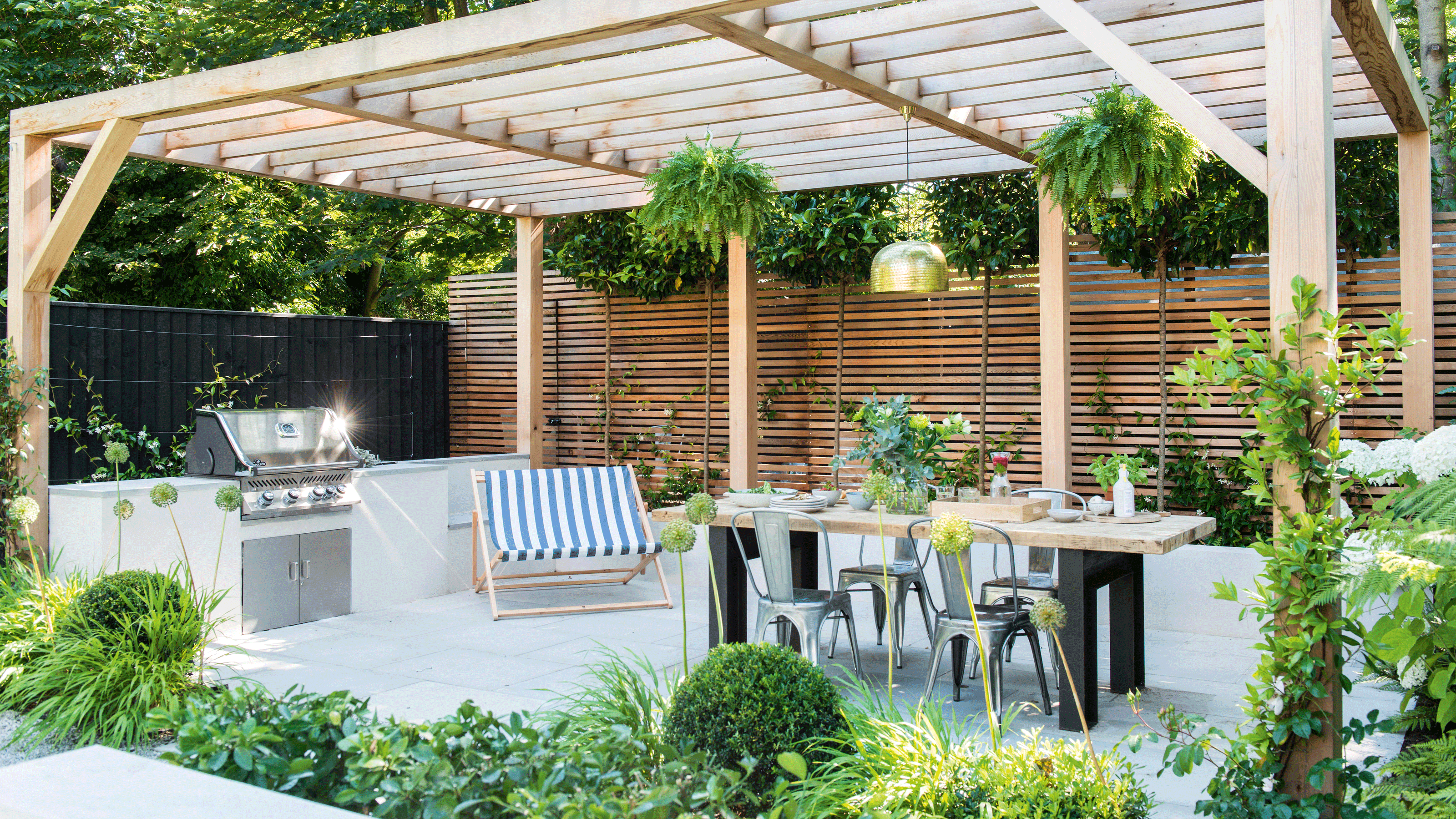
Pergola ideas - 14 gorgeous garden structures to add style and shade
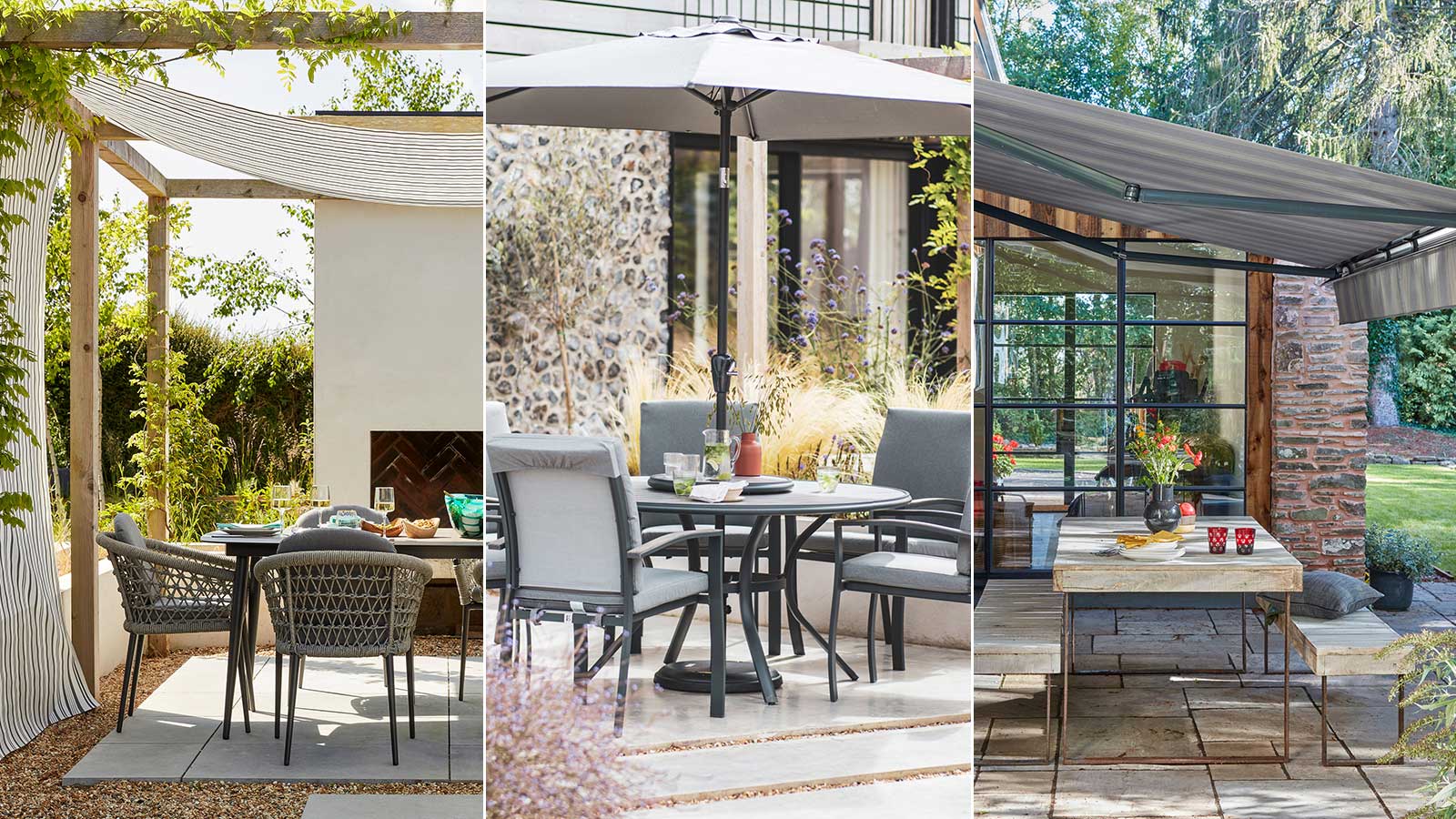
Patio shade ideas – 11 stylish ways to stay cool this summer


Pergola ideas: 16 stunning garden structures for added style and shade