1/11
10 Painted Accent Wall Trends That Are On Their Way Out, And What To Do Instead
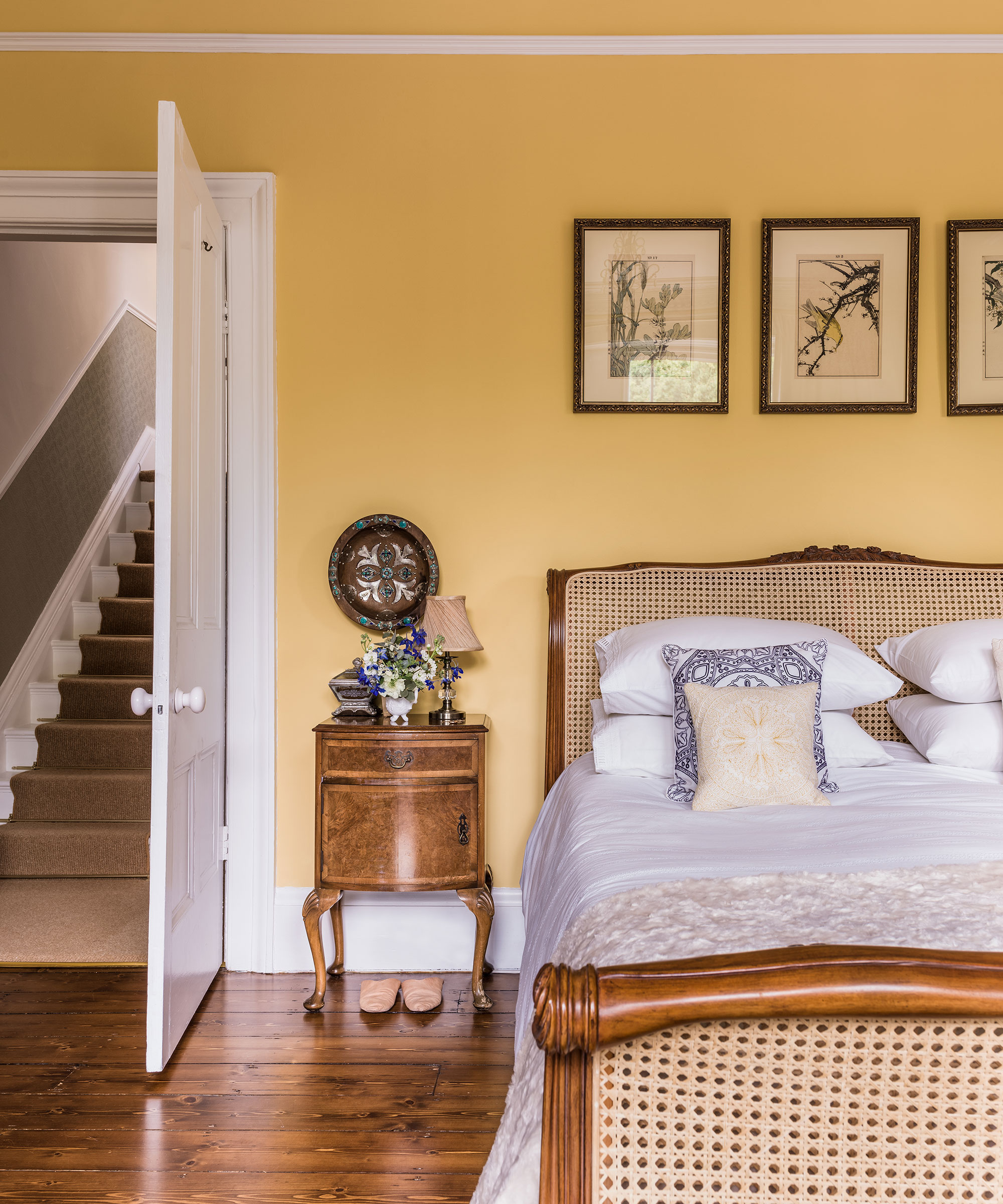
Accent walls have long served as a popular interior design choice for introducing color into a space without committing to a full room paint job. While the concept of an accent wall is likely to persist due to its DIY-friendly and budget-conscious nature, many current applications of this trend are becoming outdated. Recent shifts in interior design favor more cohesive and layered aesthetics, making some bold accent walls appear stark or disjointed. Interior designers have identified several painted accent wall concepts that are losing their appeal, offering fresh alternatives that better align with contemporary design principles.
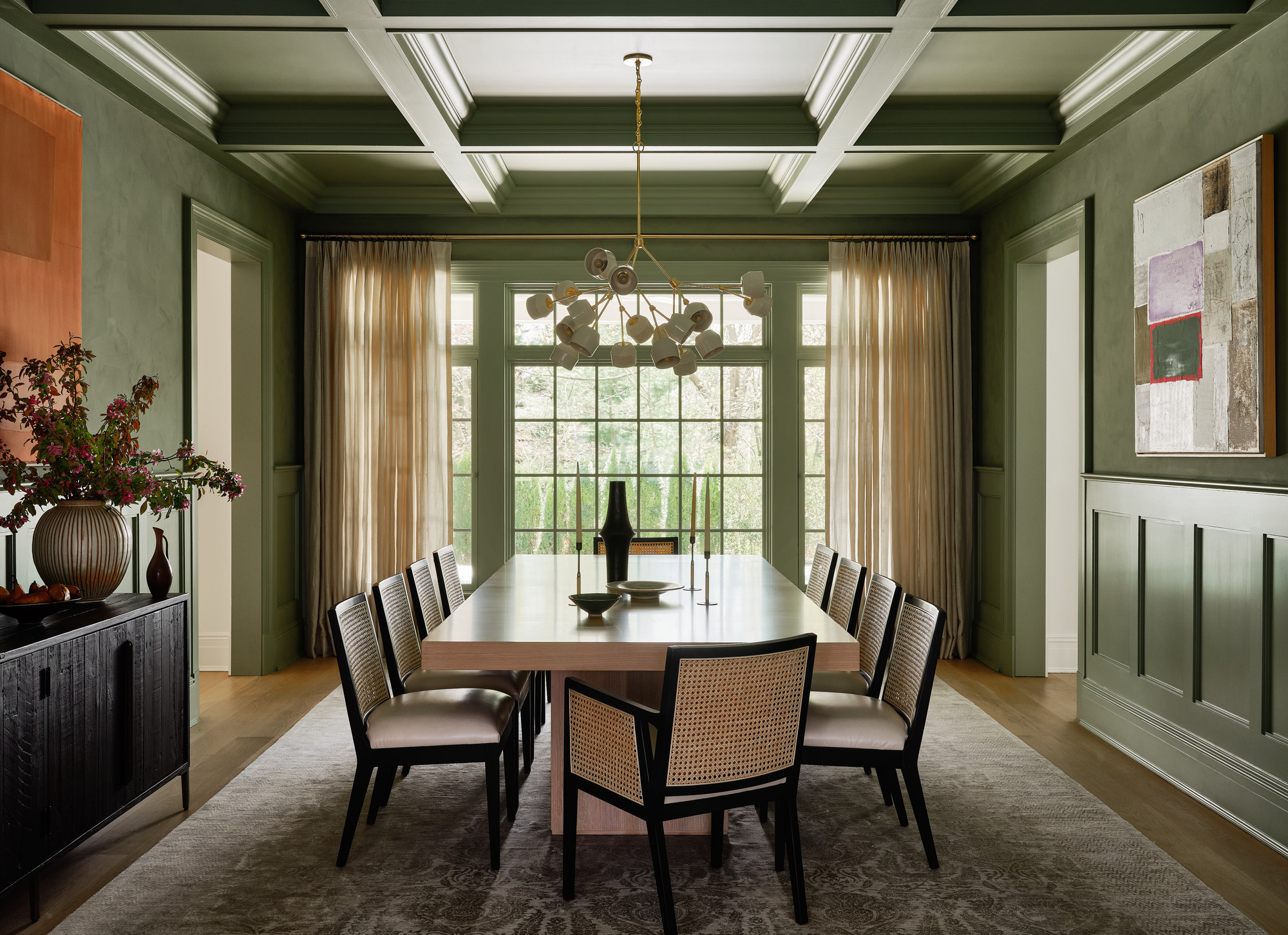
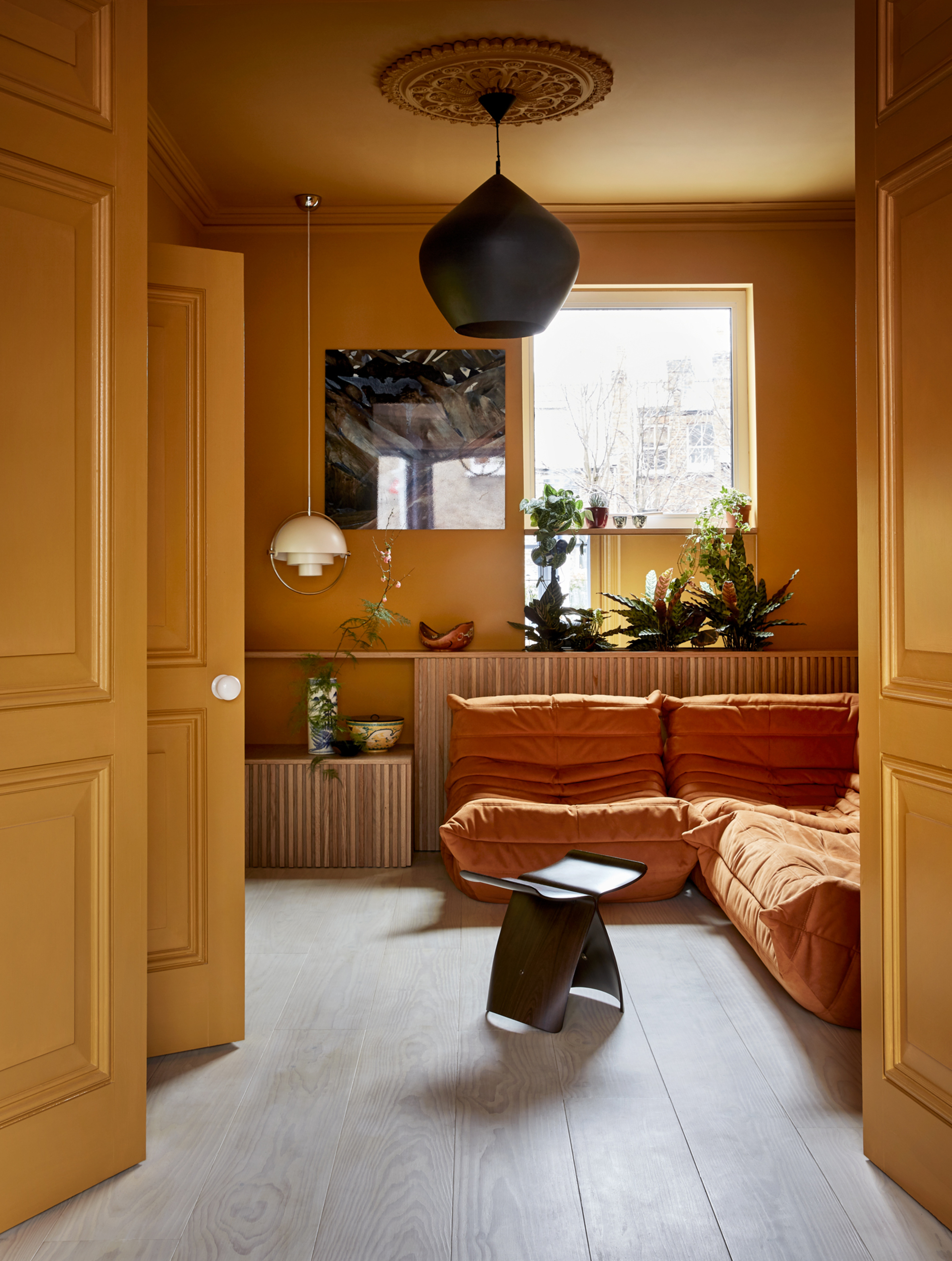
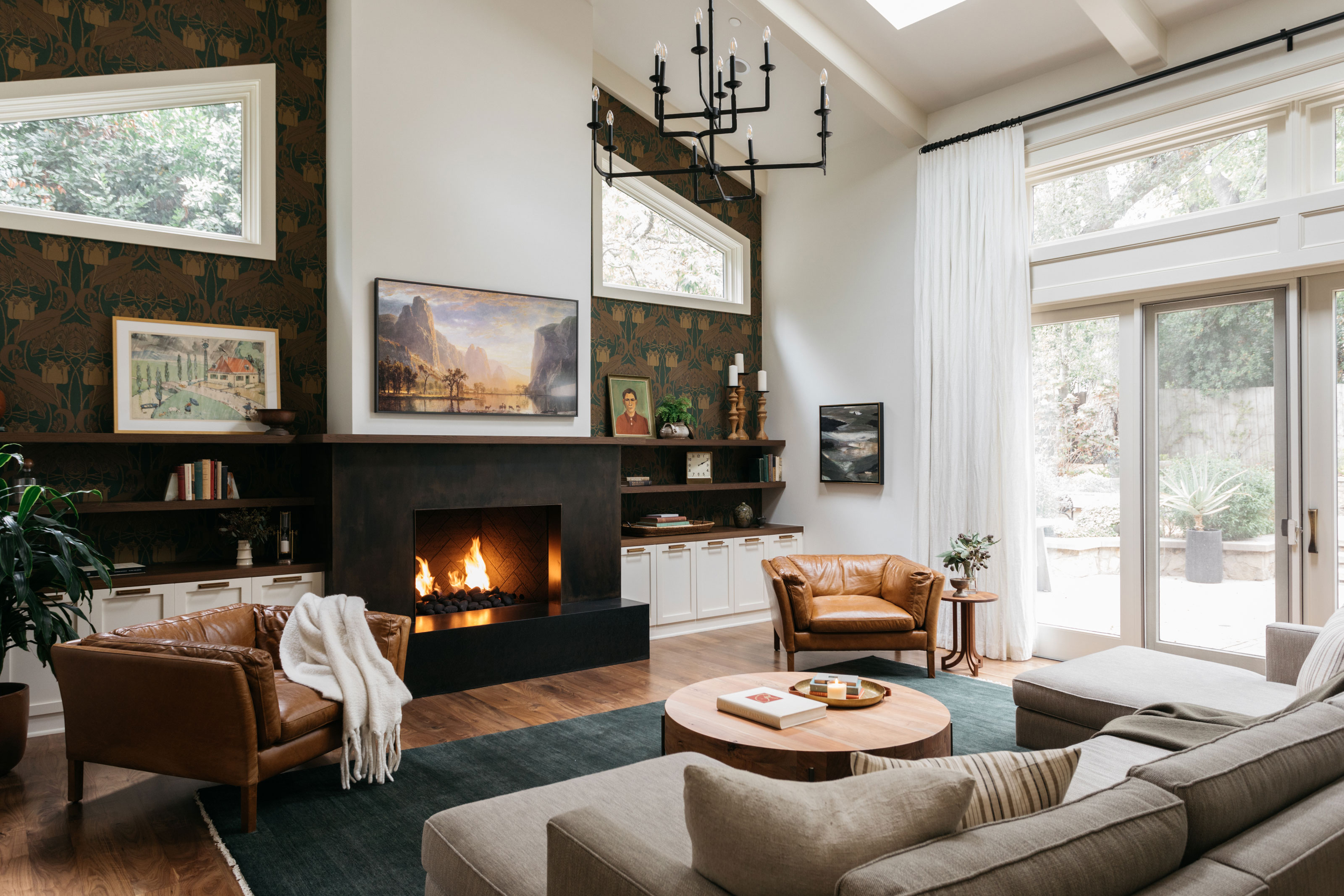
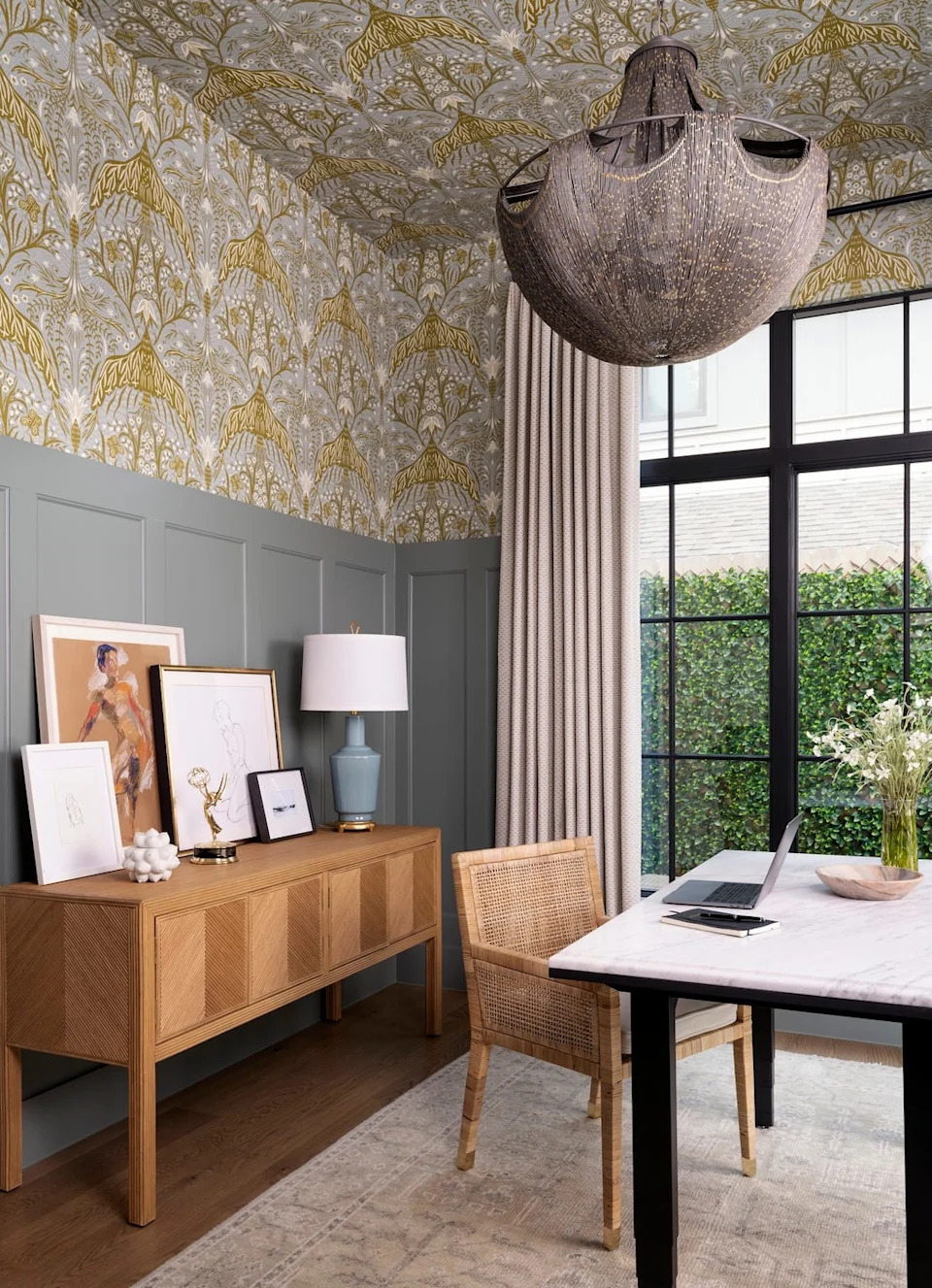
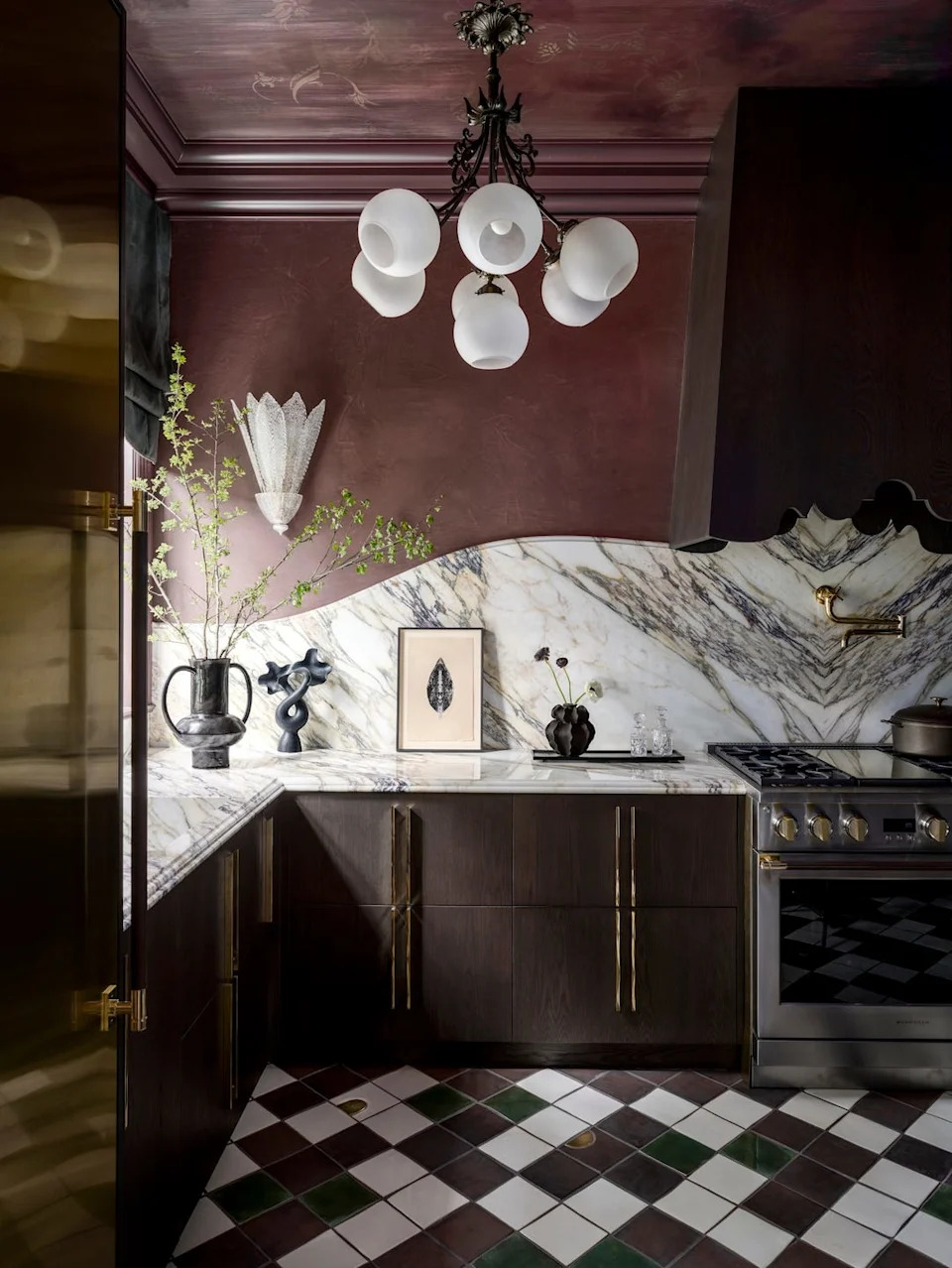
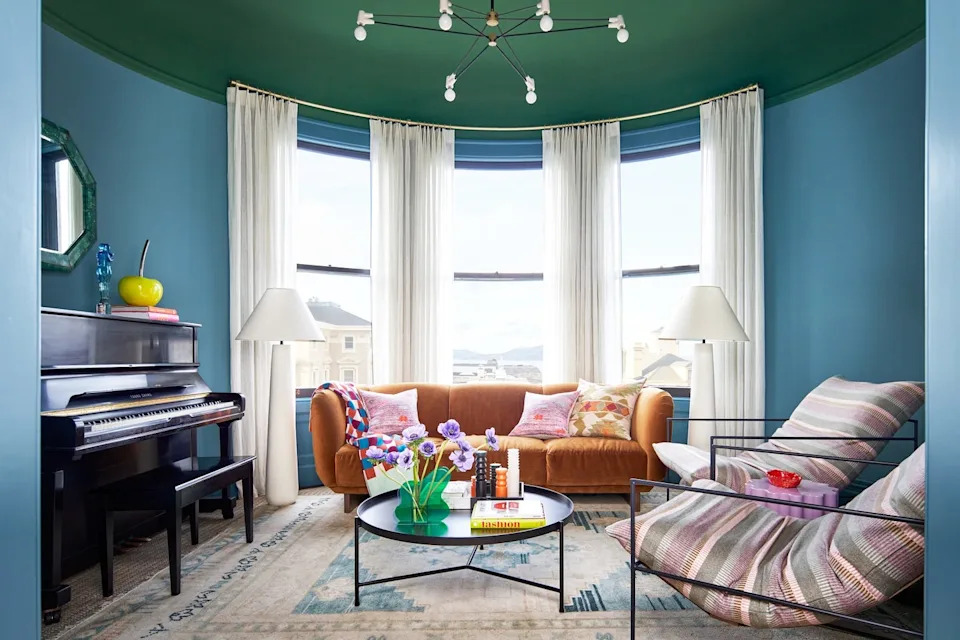
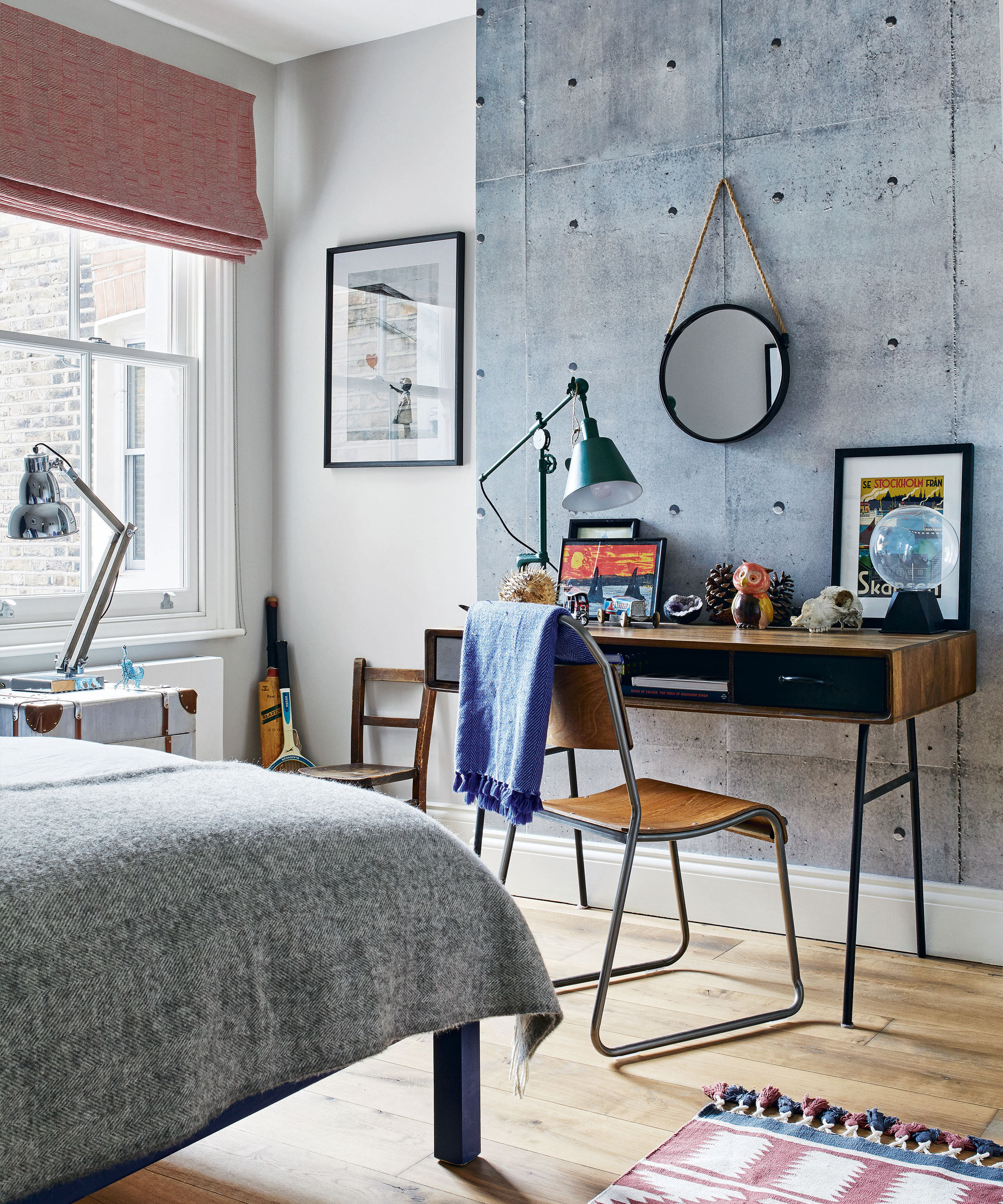
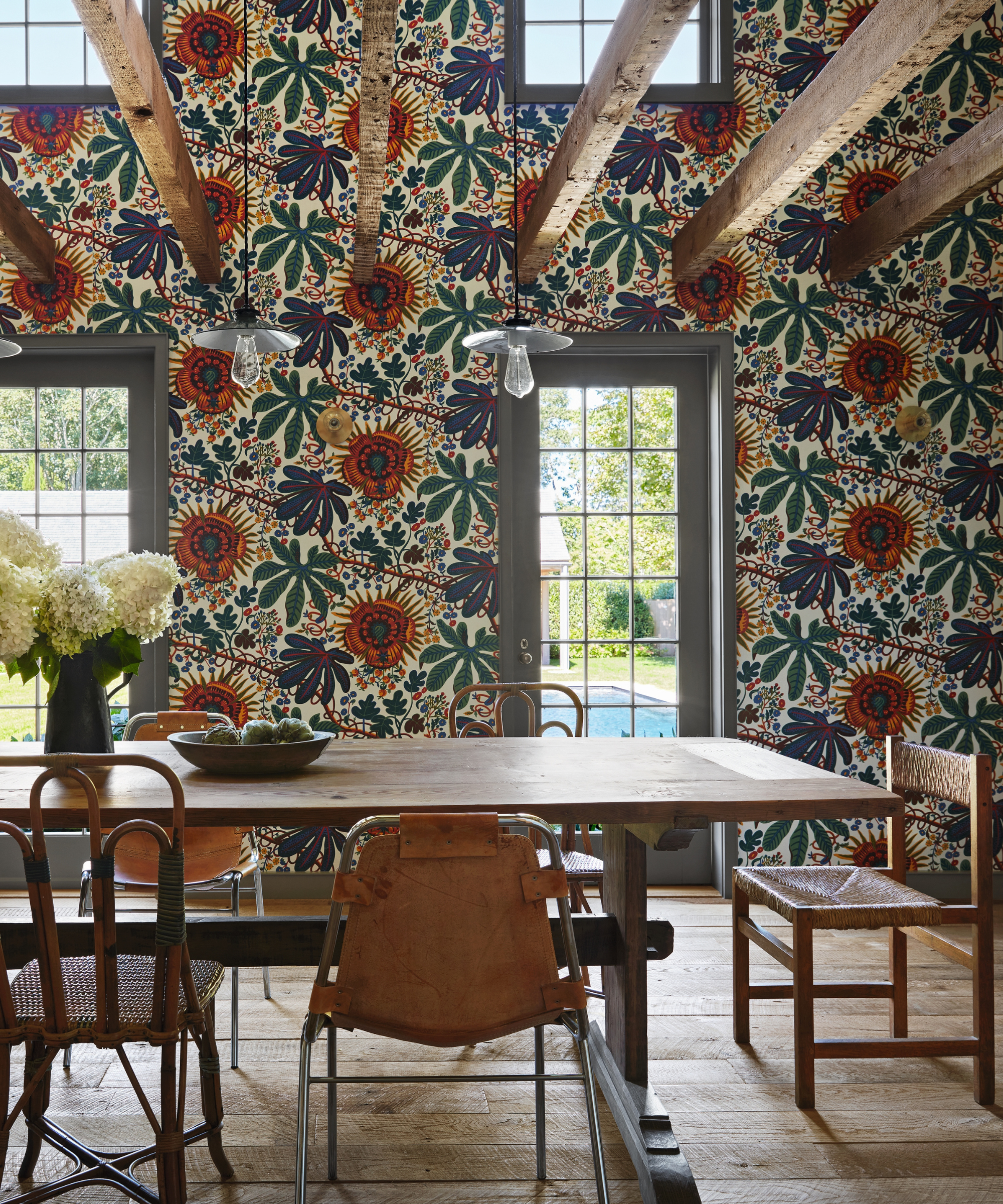
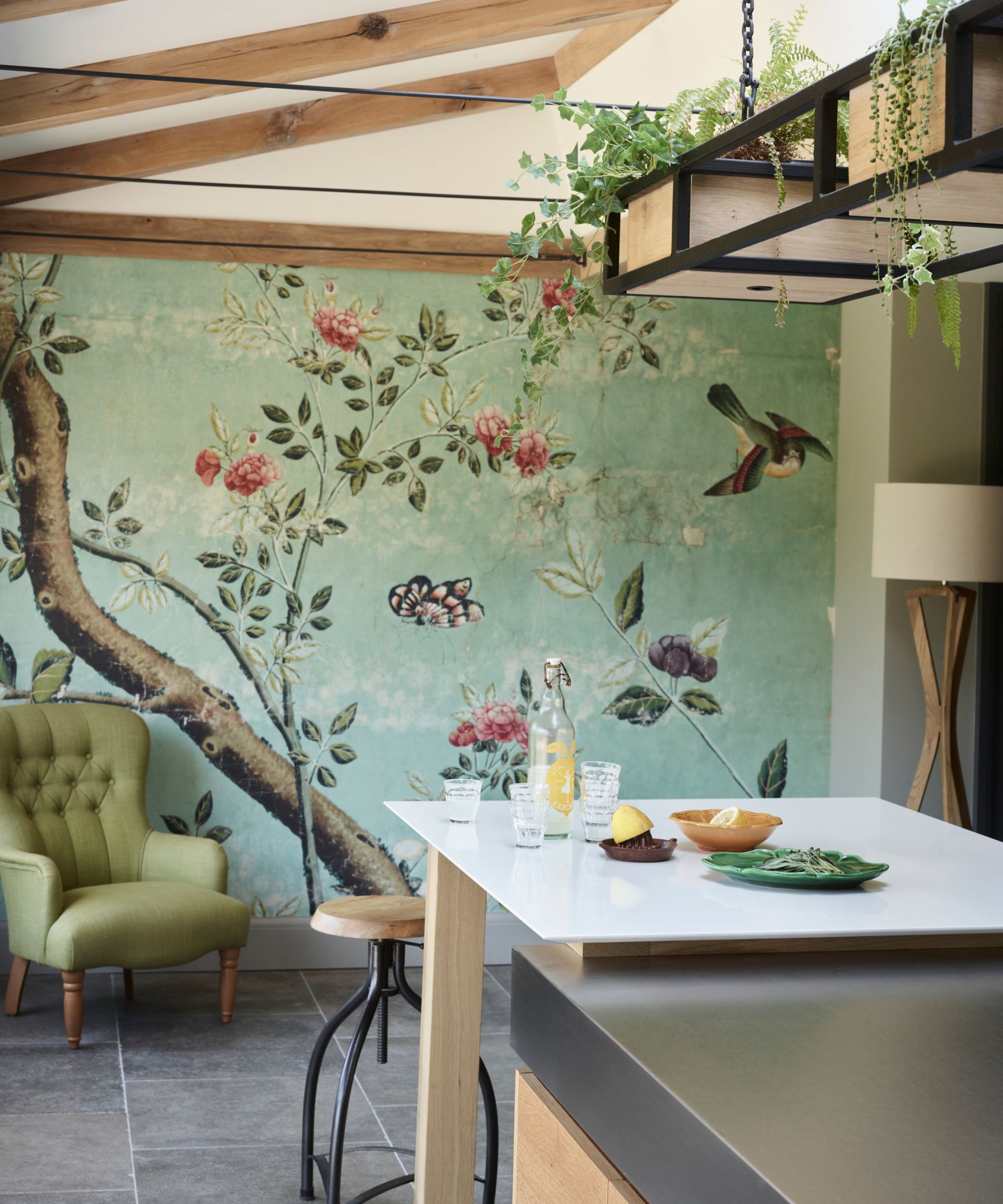
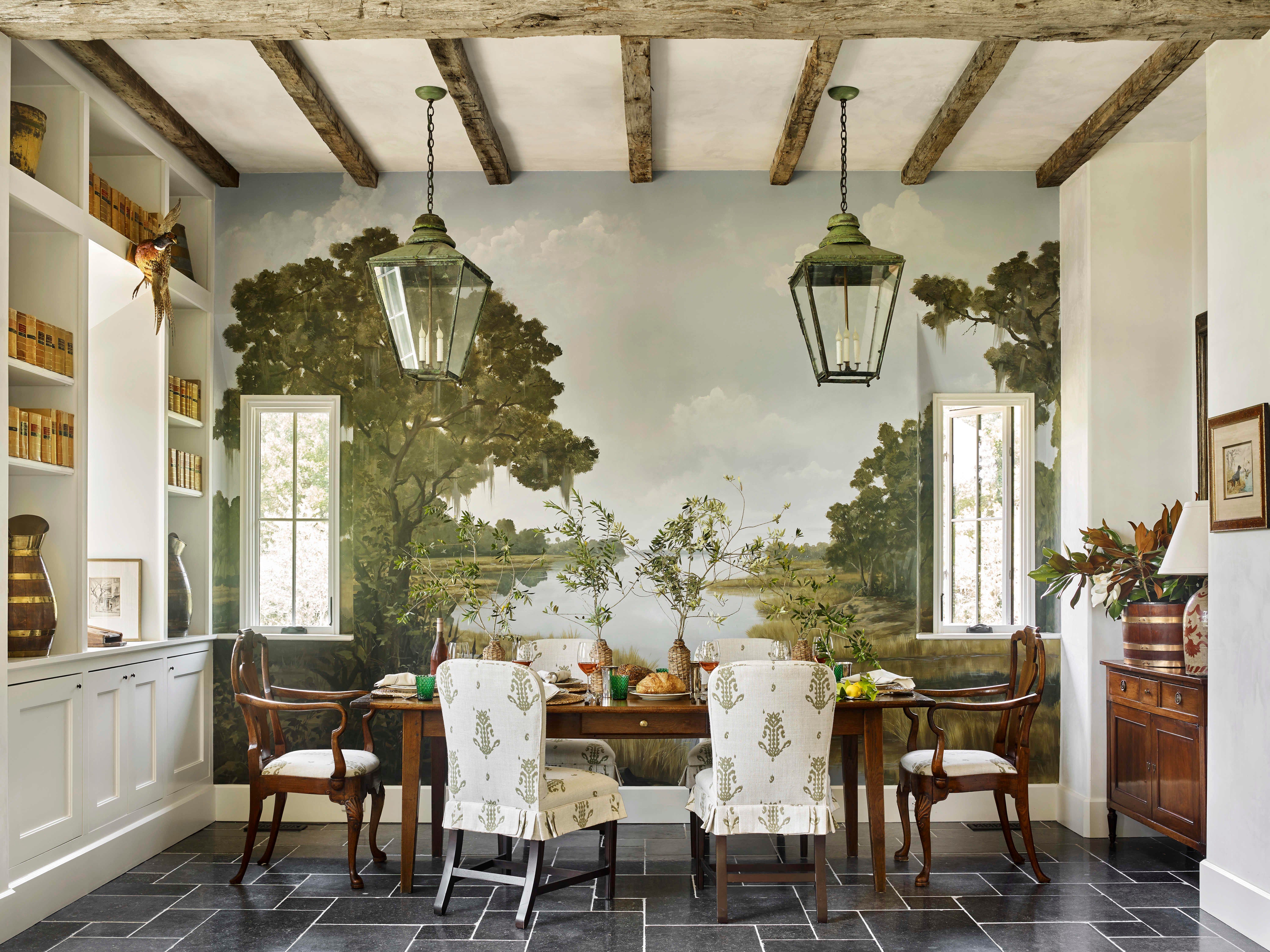
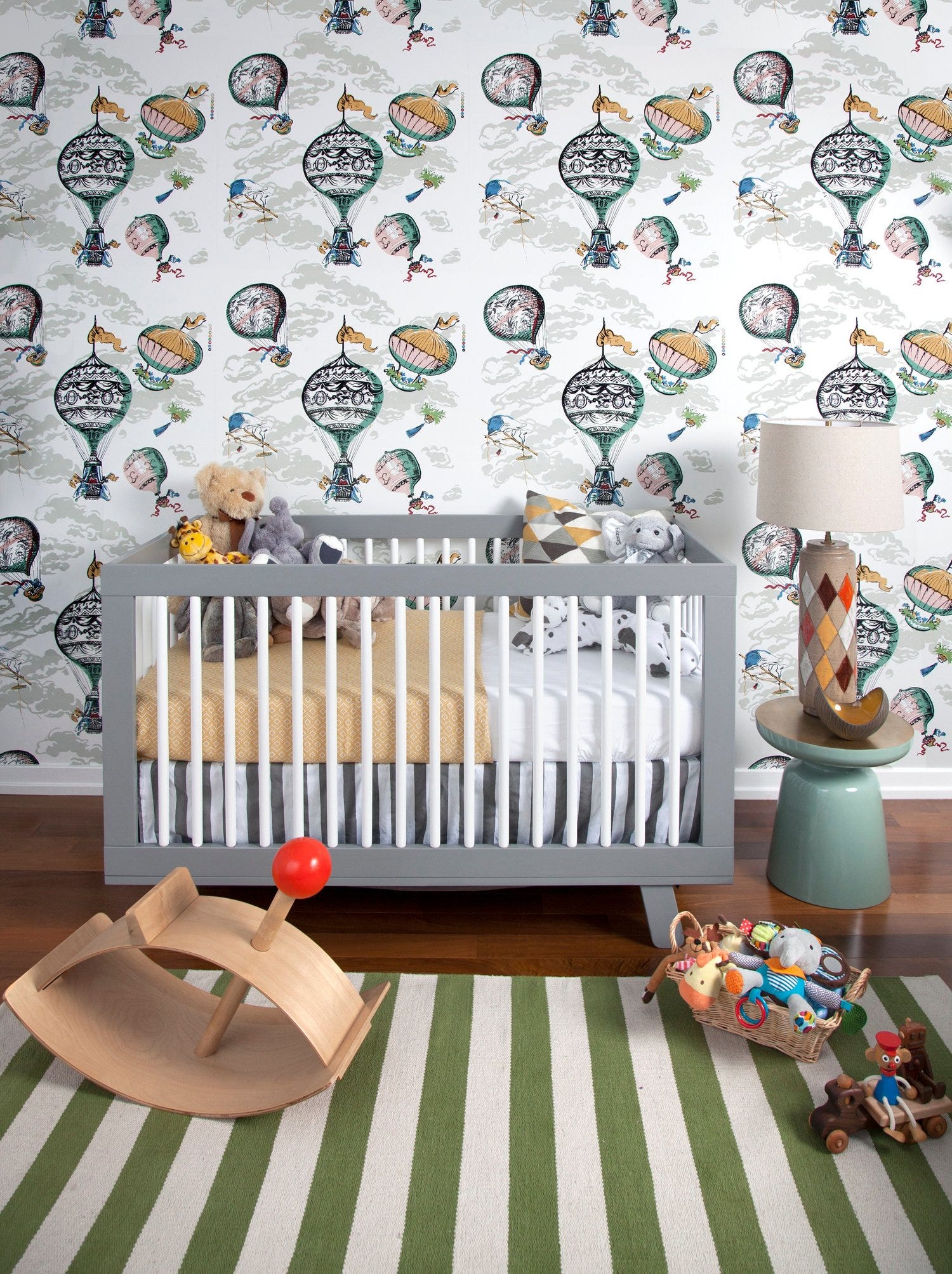
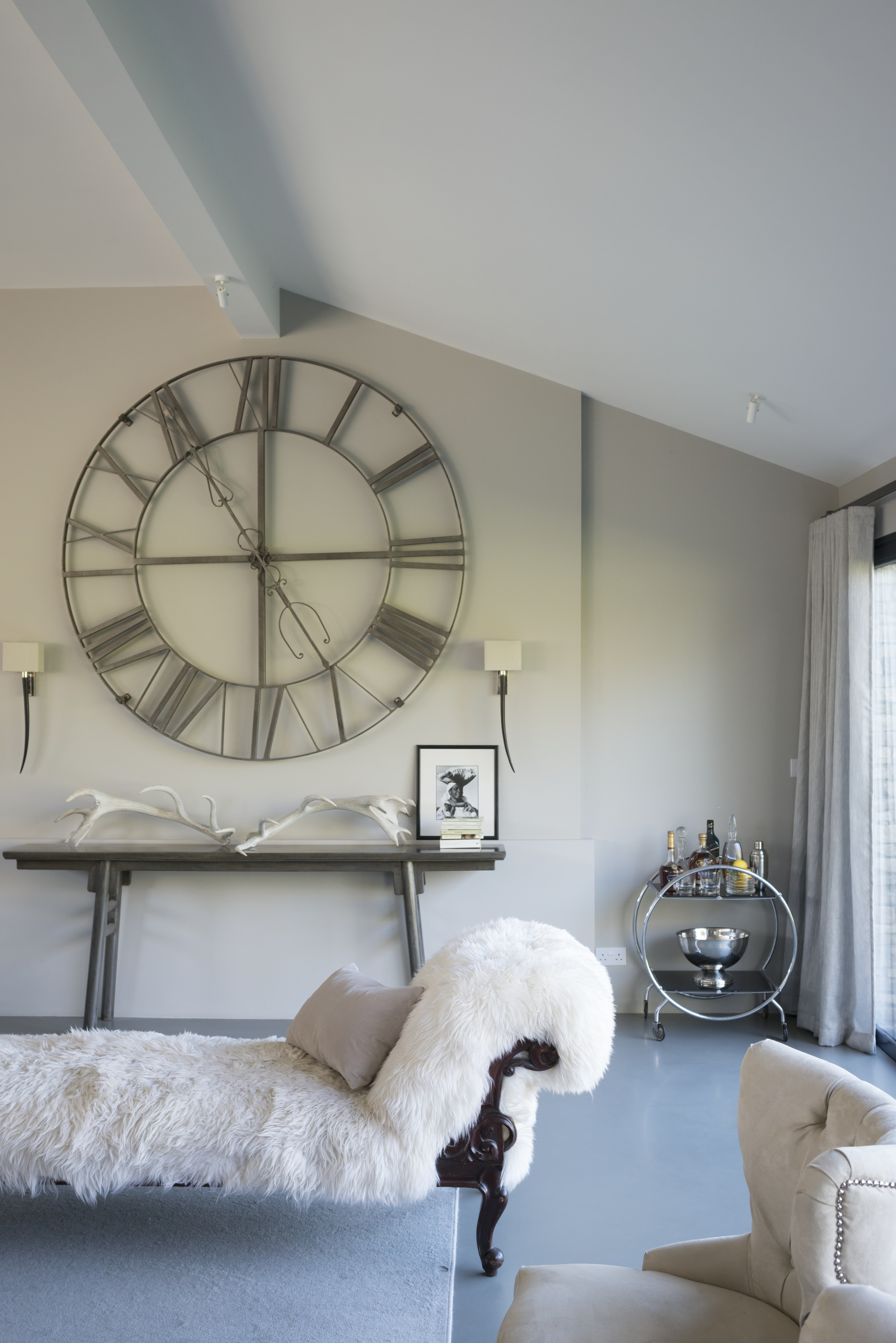
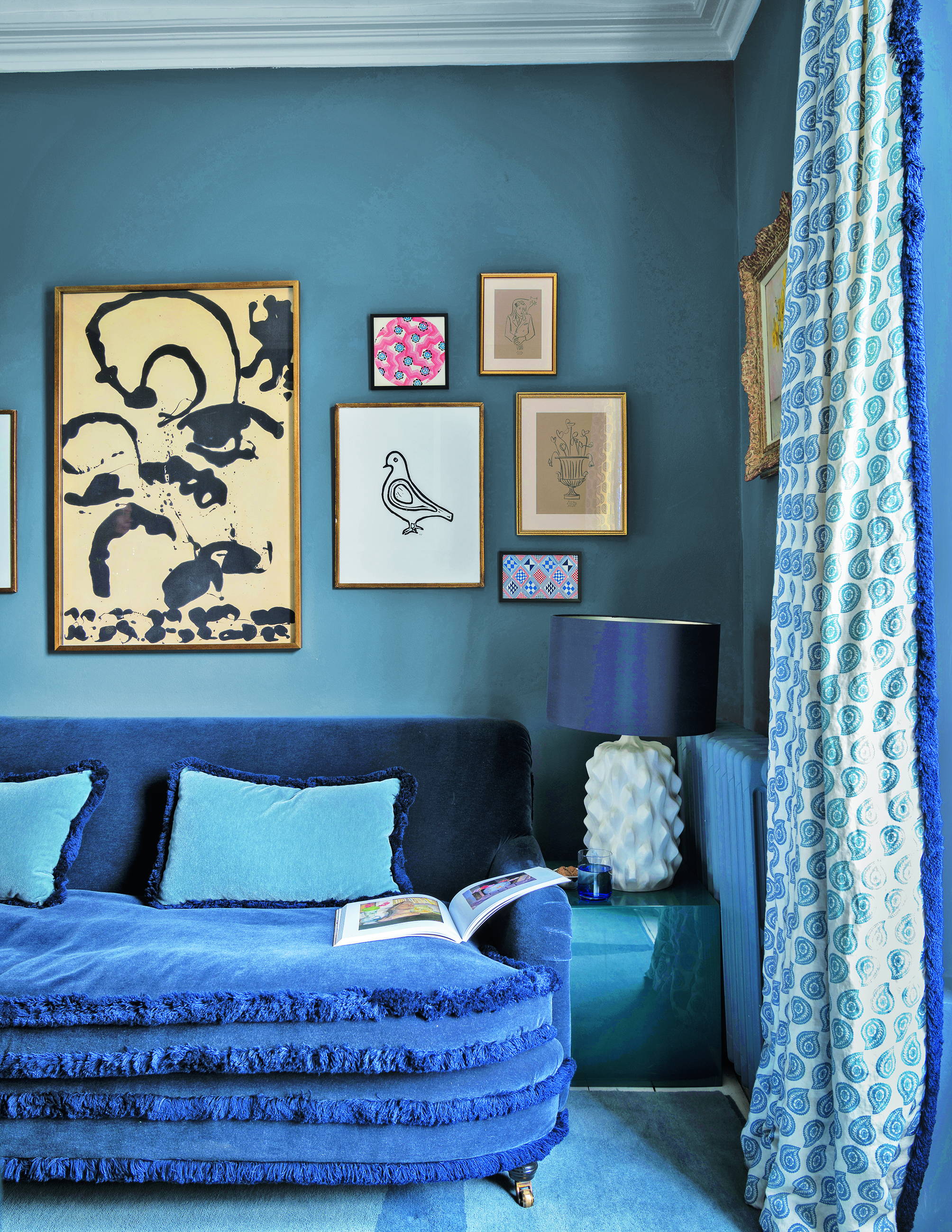
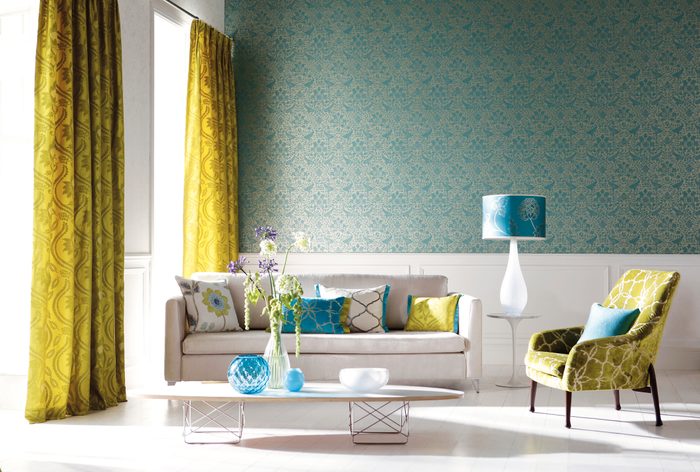
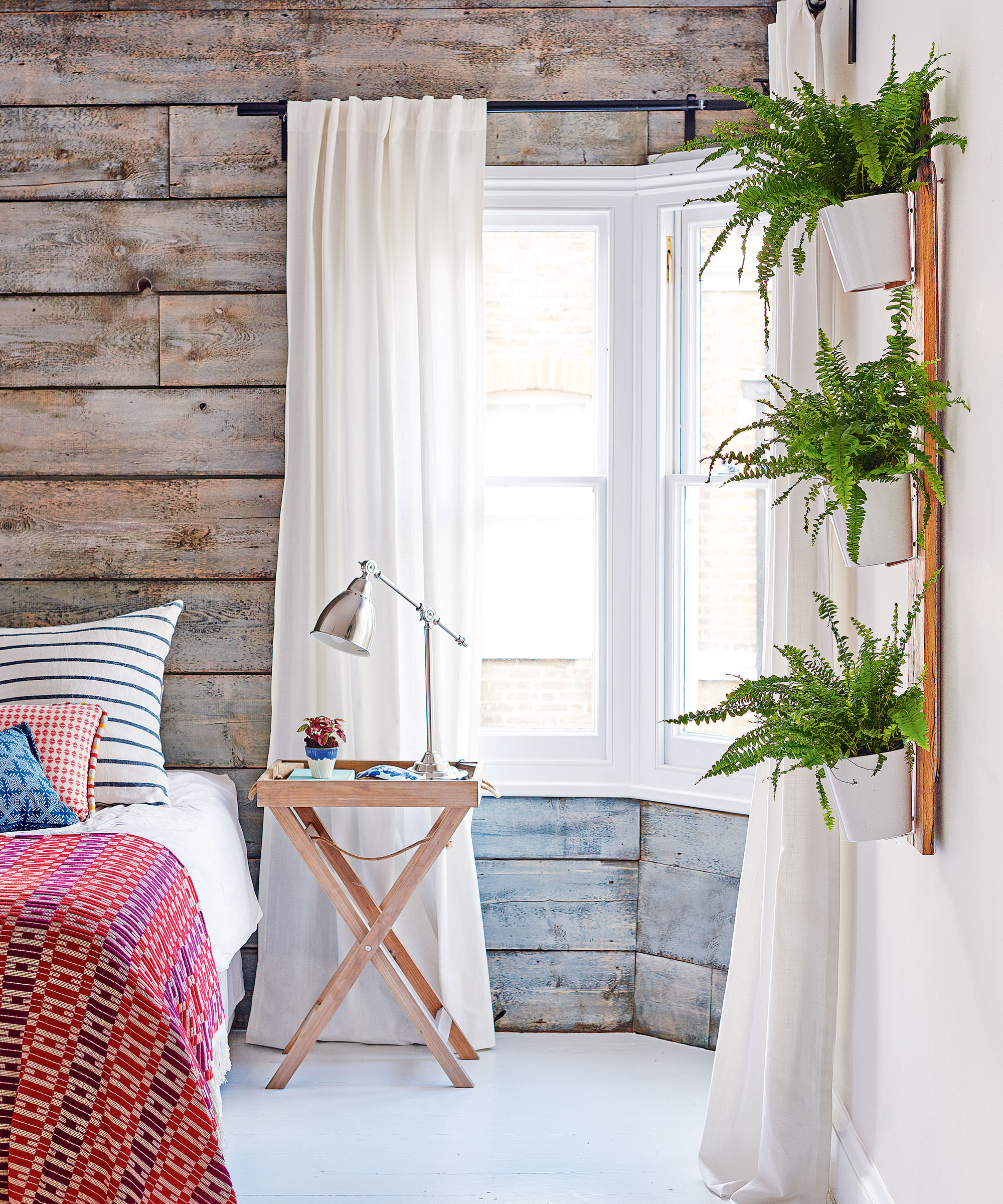
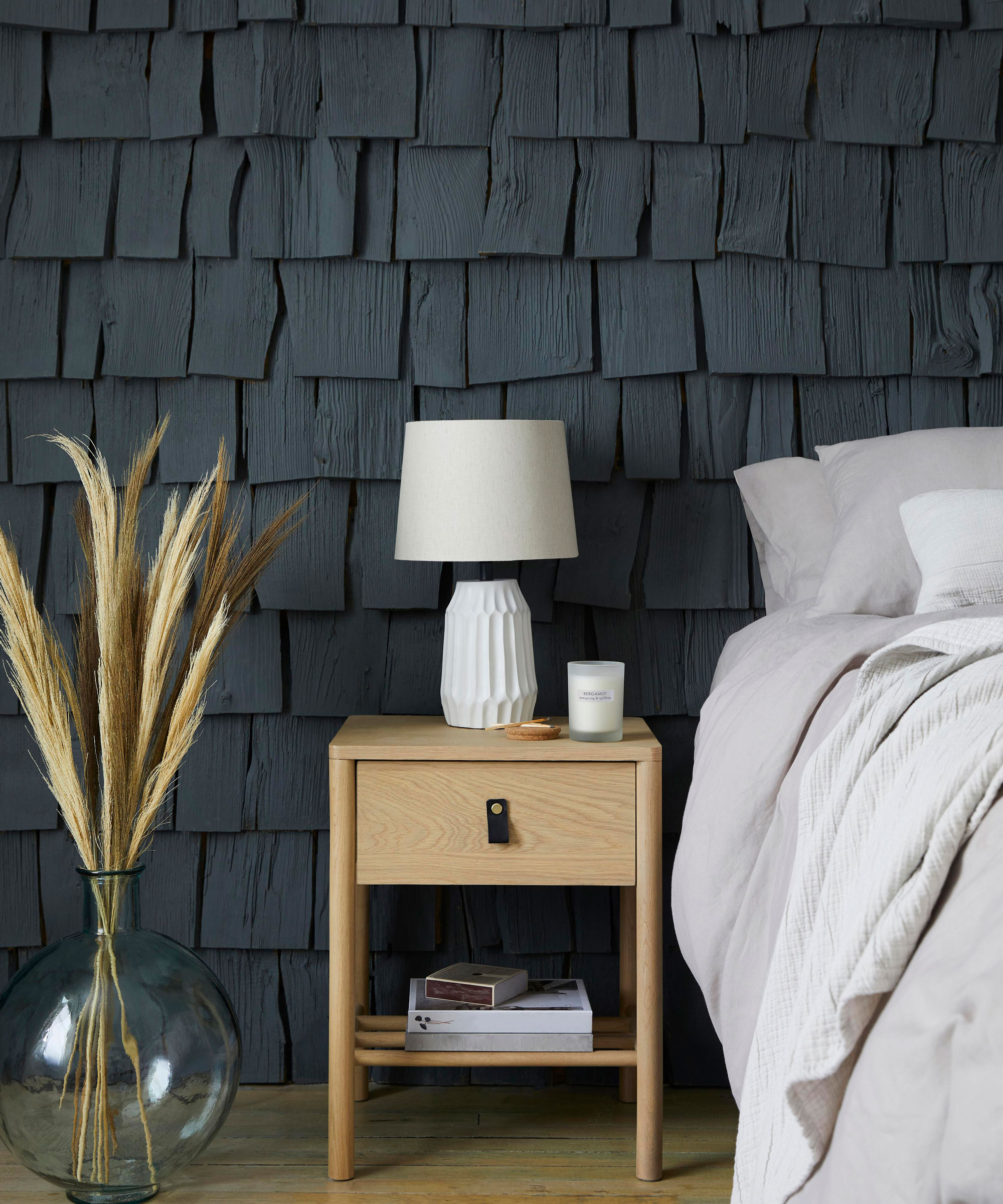
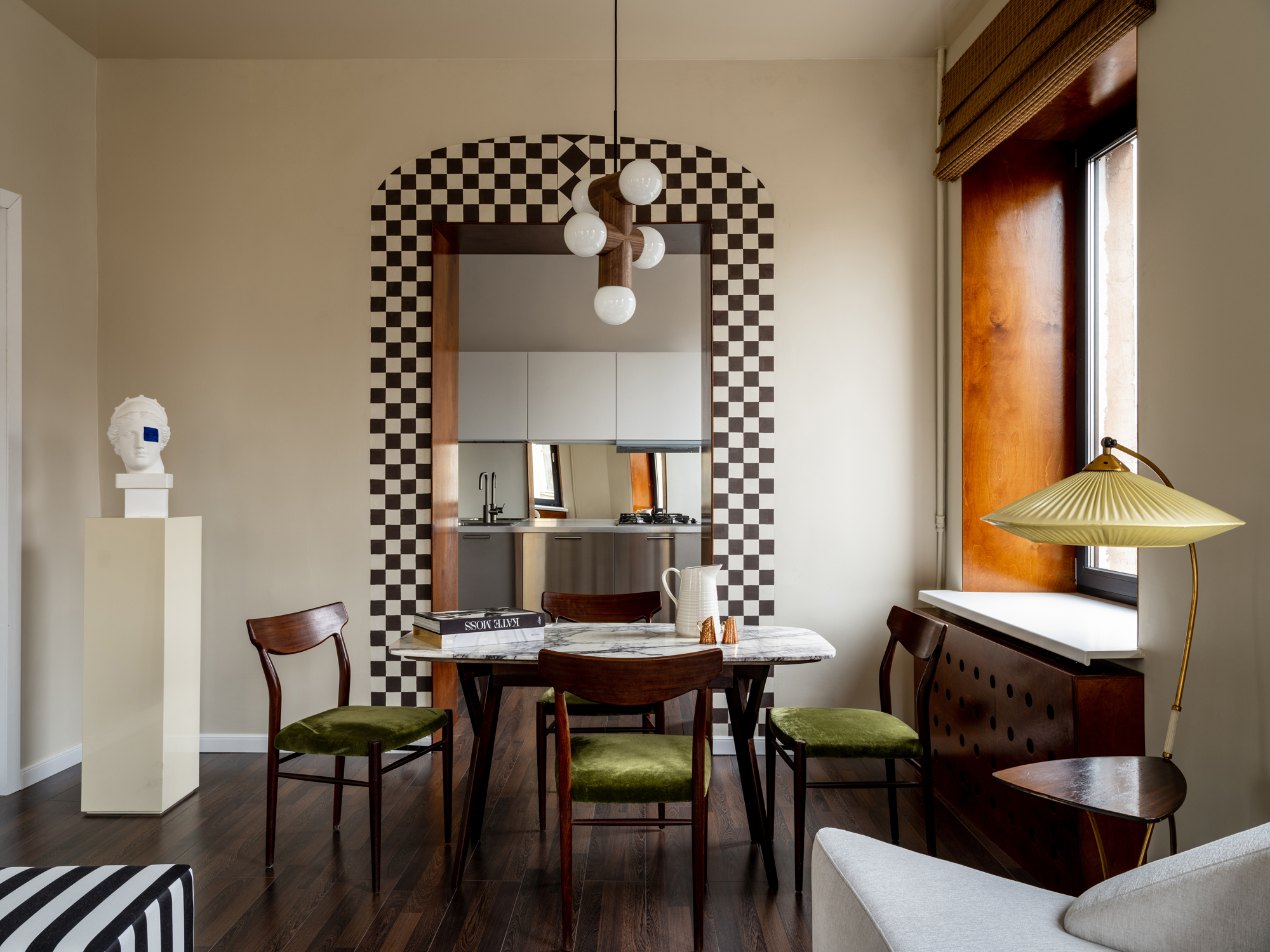
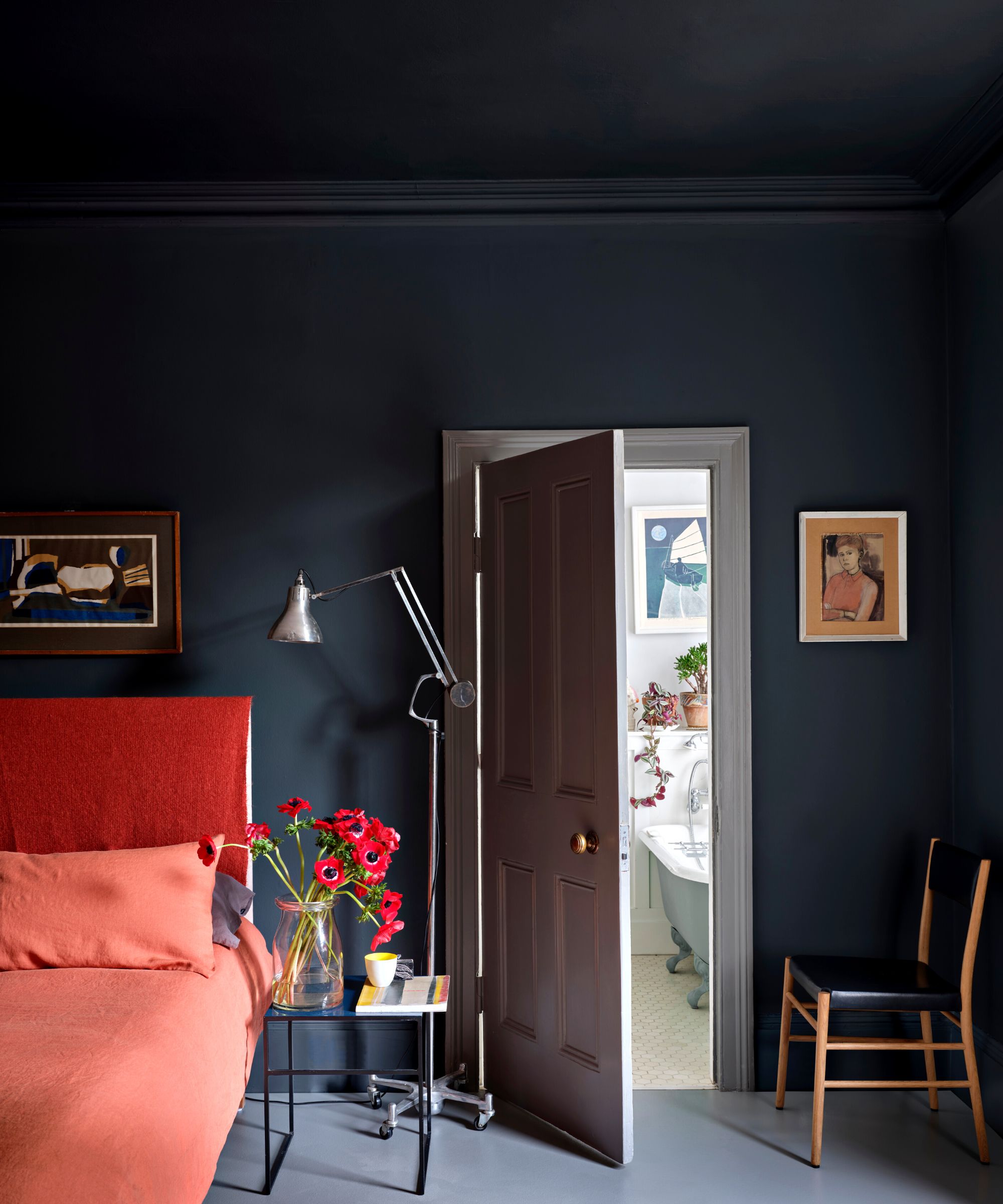
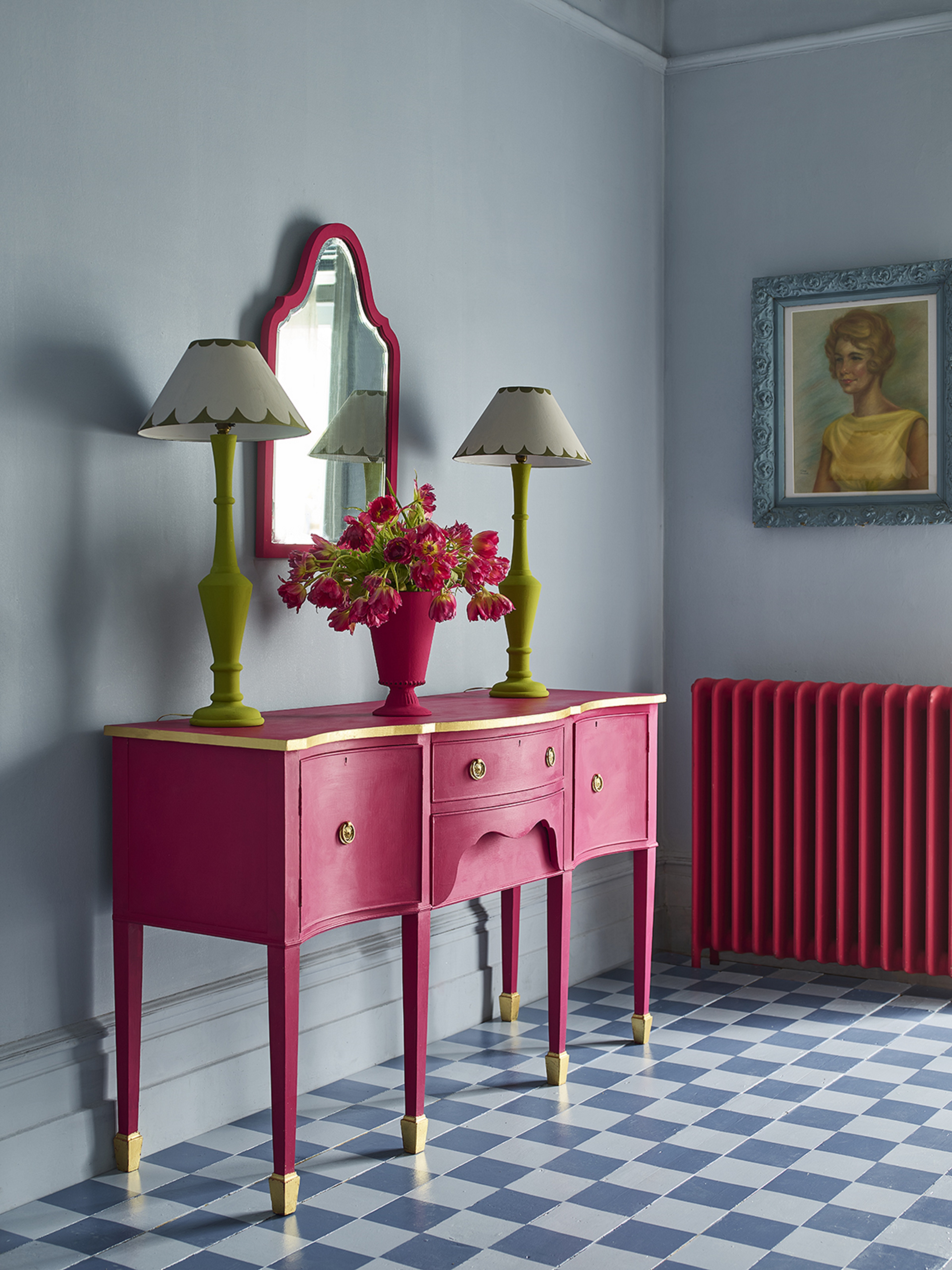
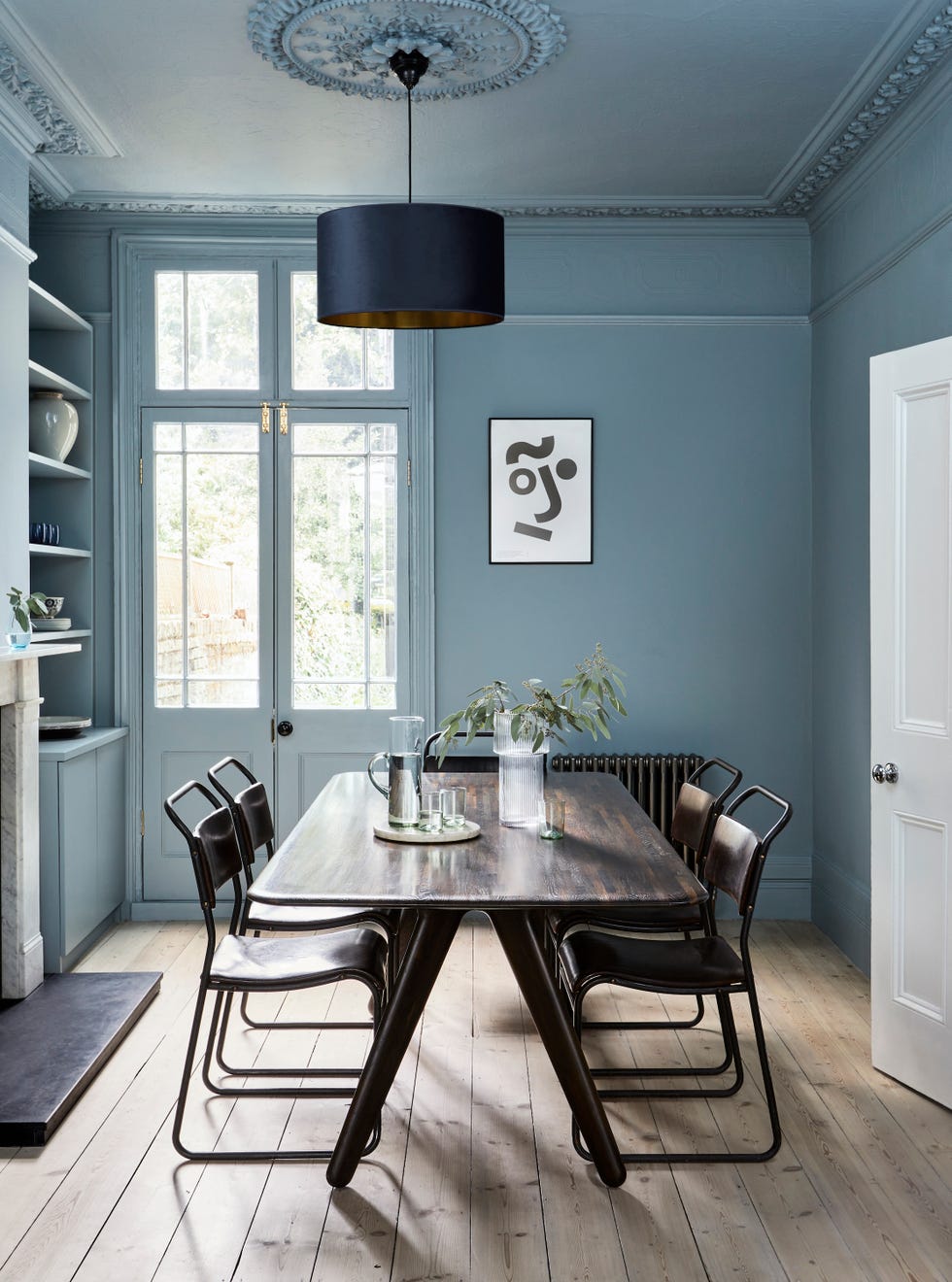
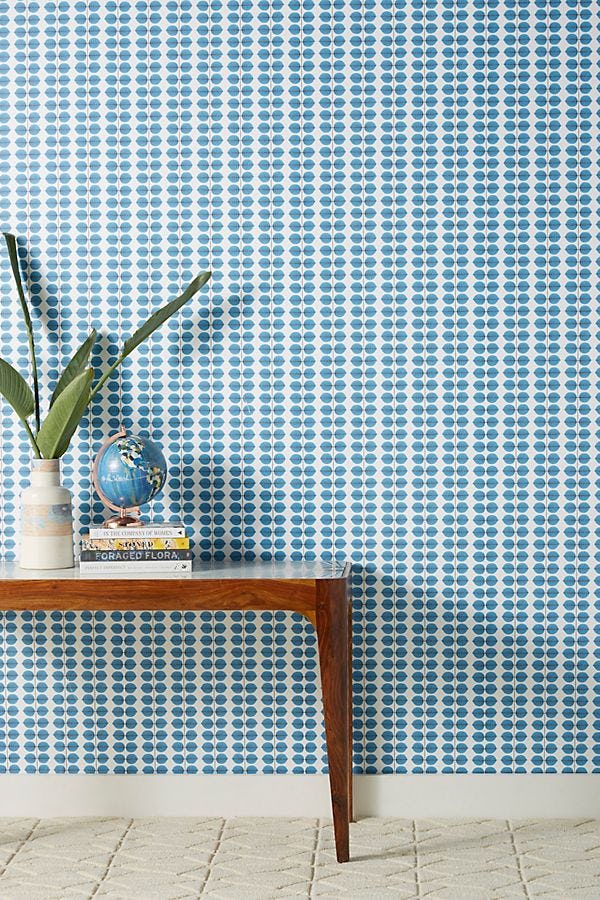
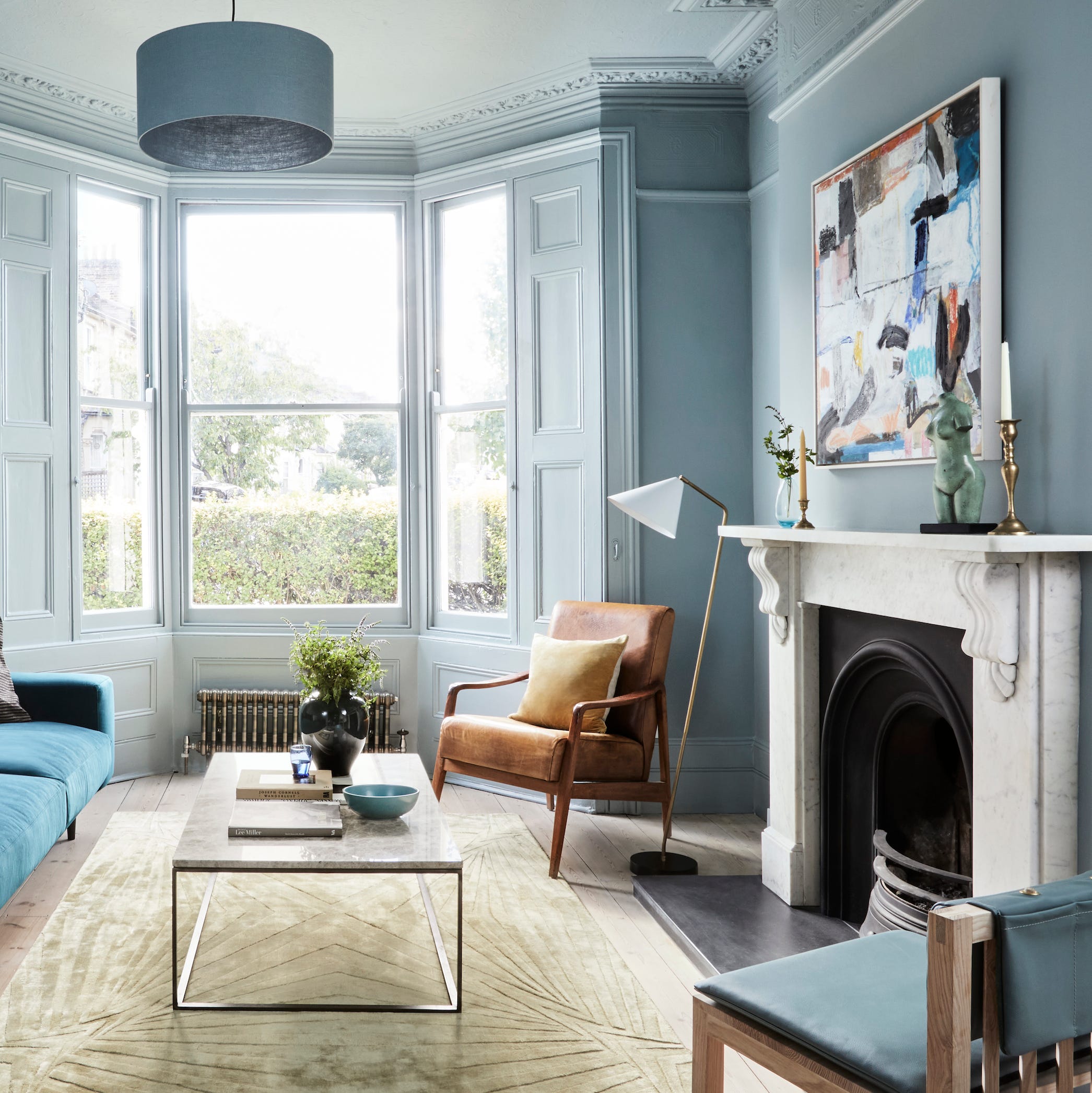
One common and now dated approach is the painted accent wall lacking architectural context. This often involves painting a single wall a conspicuous color distinct from the rest of the room. This method tends to visually fragment the space rather than enhance it. Instead, designers recommend a move towards "color drenching," where walls, trim, and even ceilings are enveloped in a single hue. This creates a more cohesive, intentional, and immersive environment, allowing architectural features, furnishings, and lighting to shine. While not against all accent walls, designers suggest incorporating materials like wood slats, dramatic tile installations, or custom wallpaper murals to add depth and texture, focusing on materiality and integration rather than just a painted surface. Such layered aesthetics are increasingly preferred.
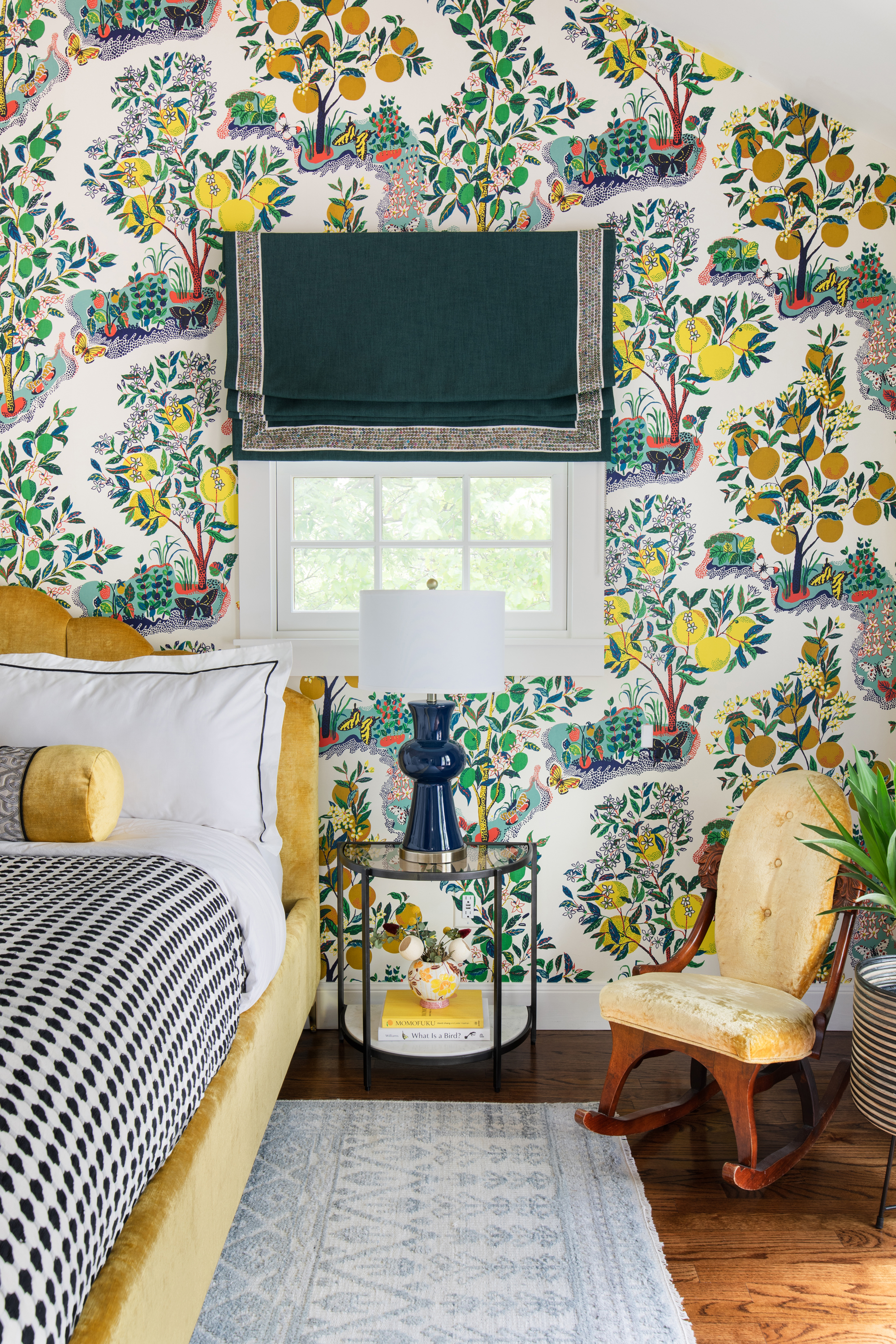
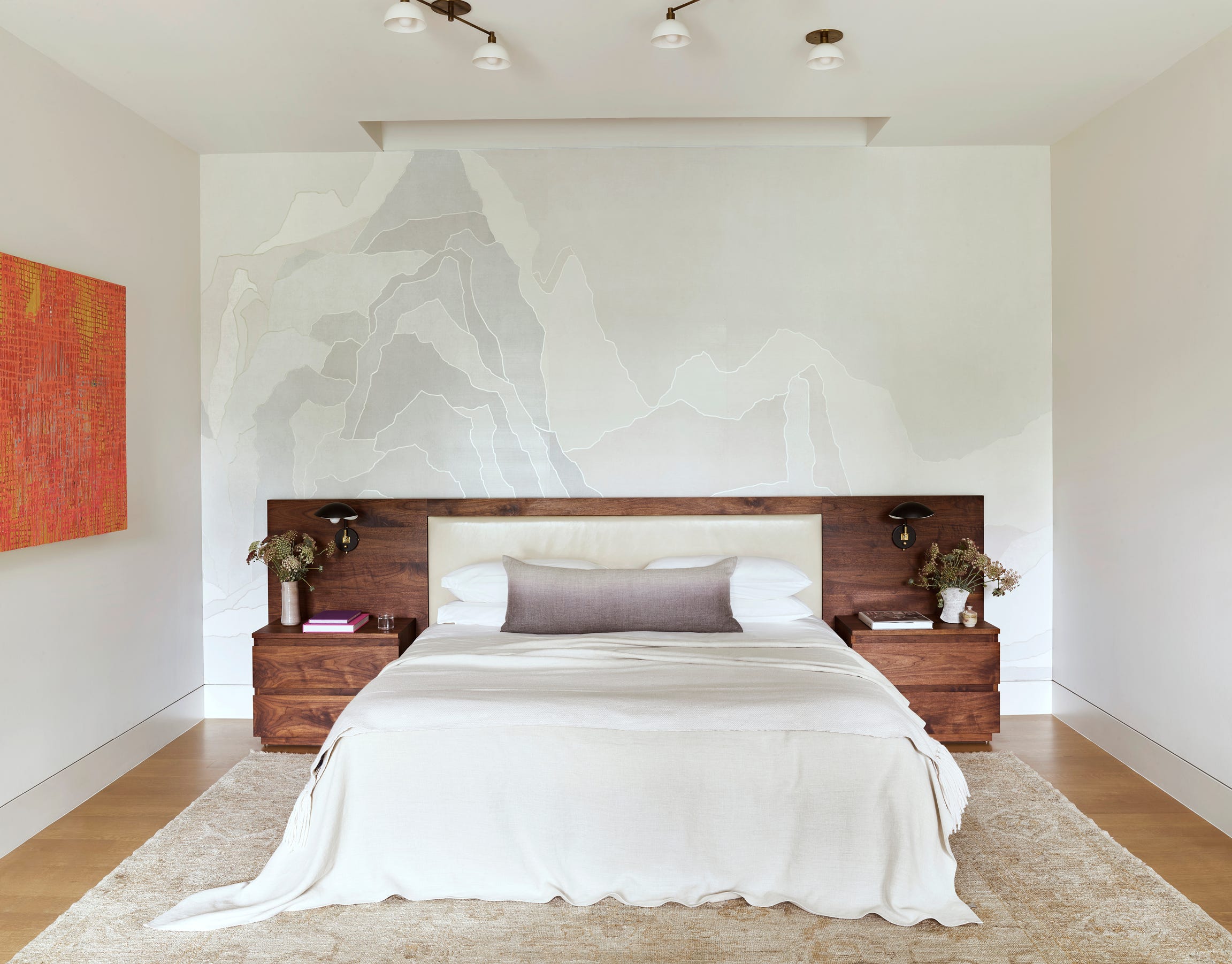
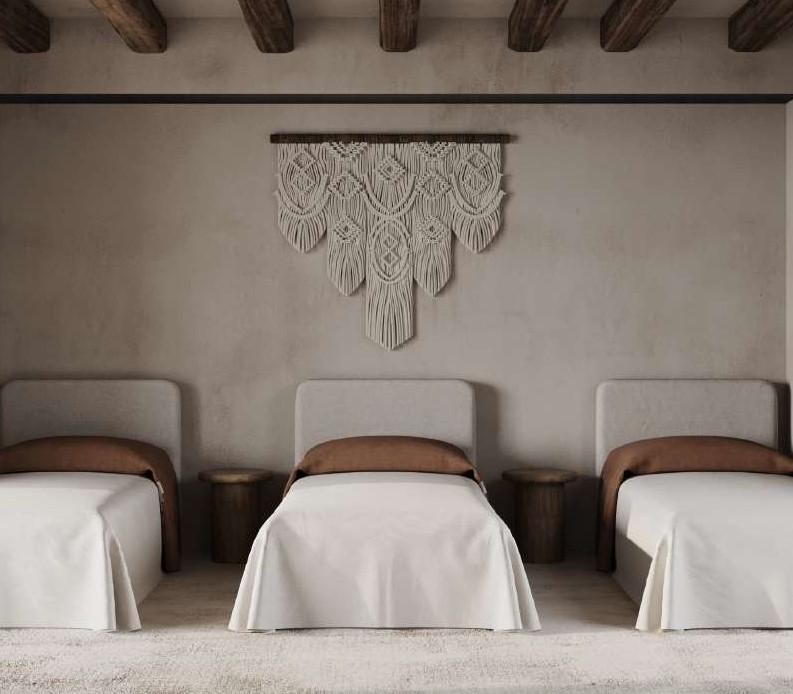
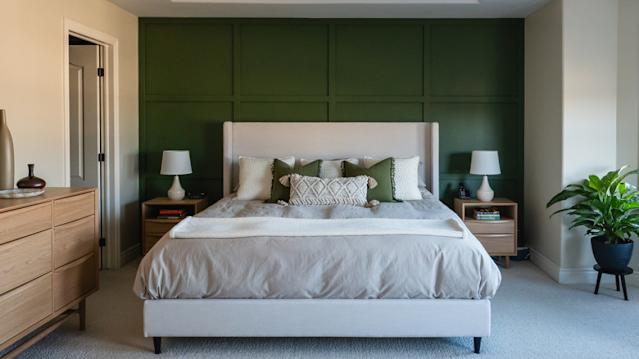
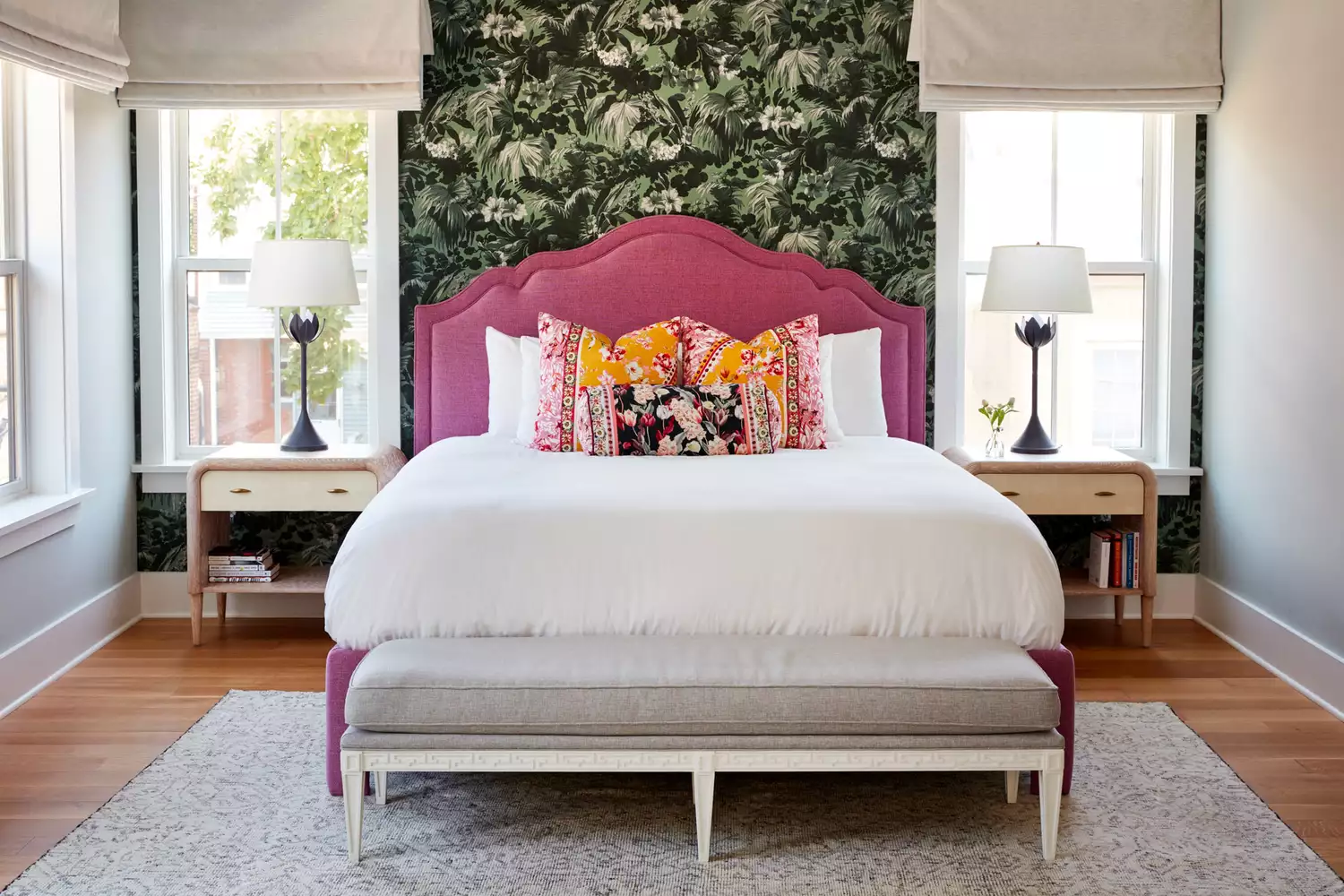
Another overdone trend is the single bold accent wall behind a bed in a bedroom. This approach, while intended to anchor the bed, often feels like a "one-note gesture" that divides the space. For creating mood, color drenching the entire bedroom, including all four walls and the ceiling in a rich, enveloping hue, is suggested to provide real depth and cohesiveness. If contrast is desired, it can be achieved through furniture, curtains, linens, or rugs in contrasting colors, or by incorporating textural elements like upholstered headboard walls, natural wood planking, or textural plaster finishes.
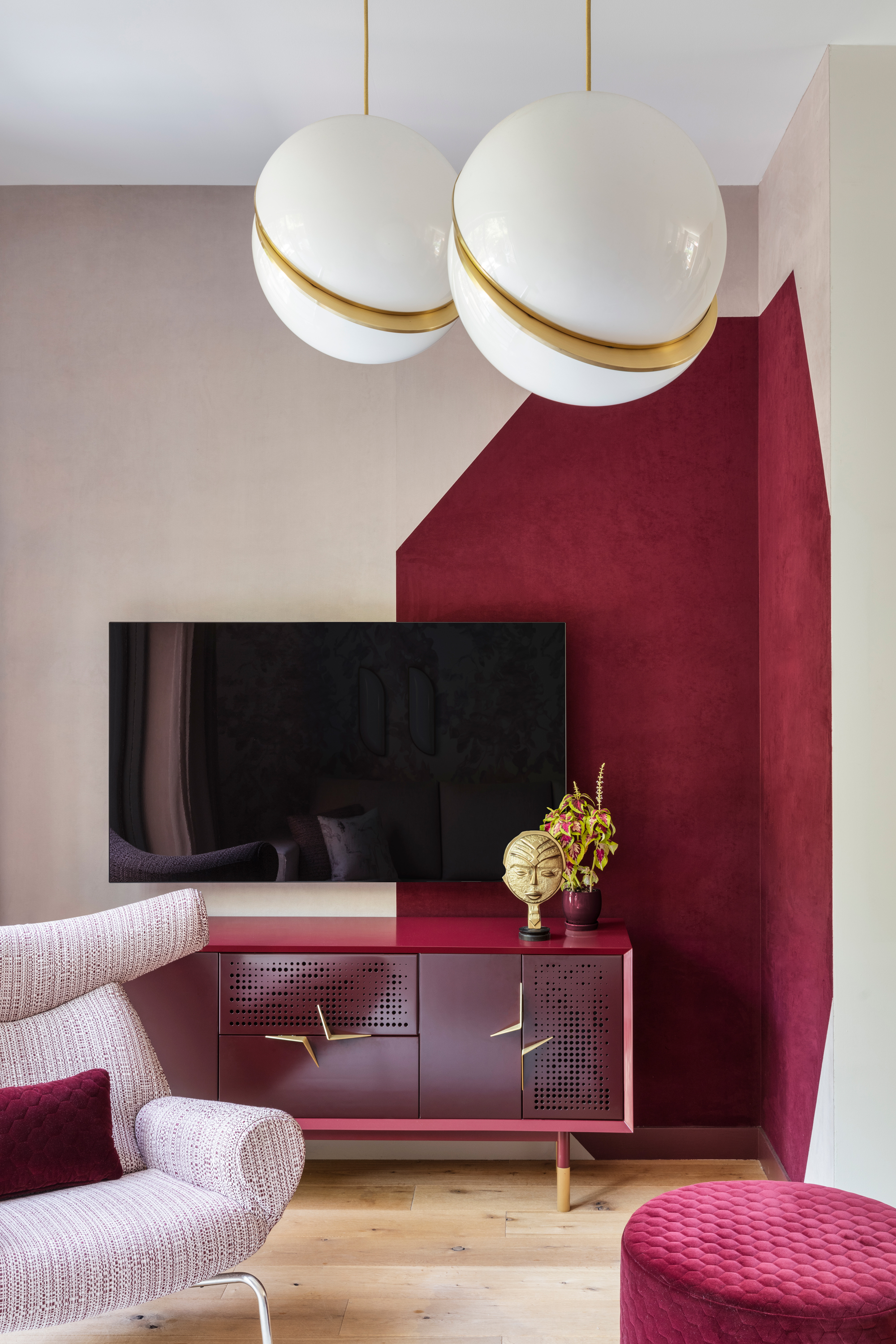
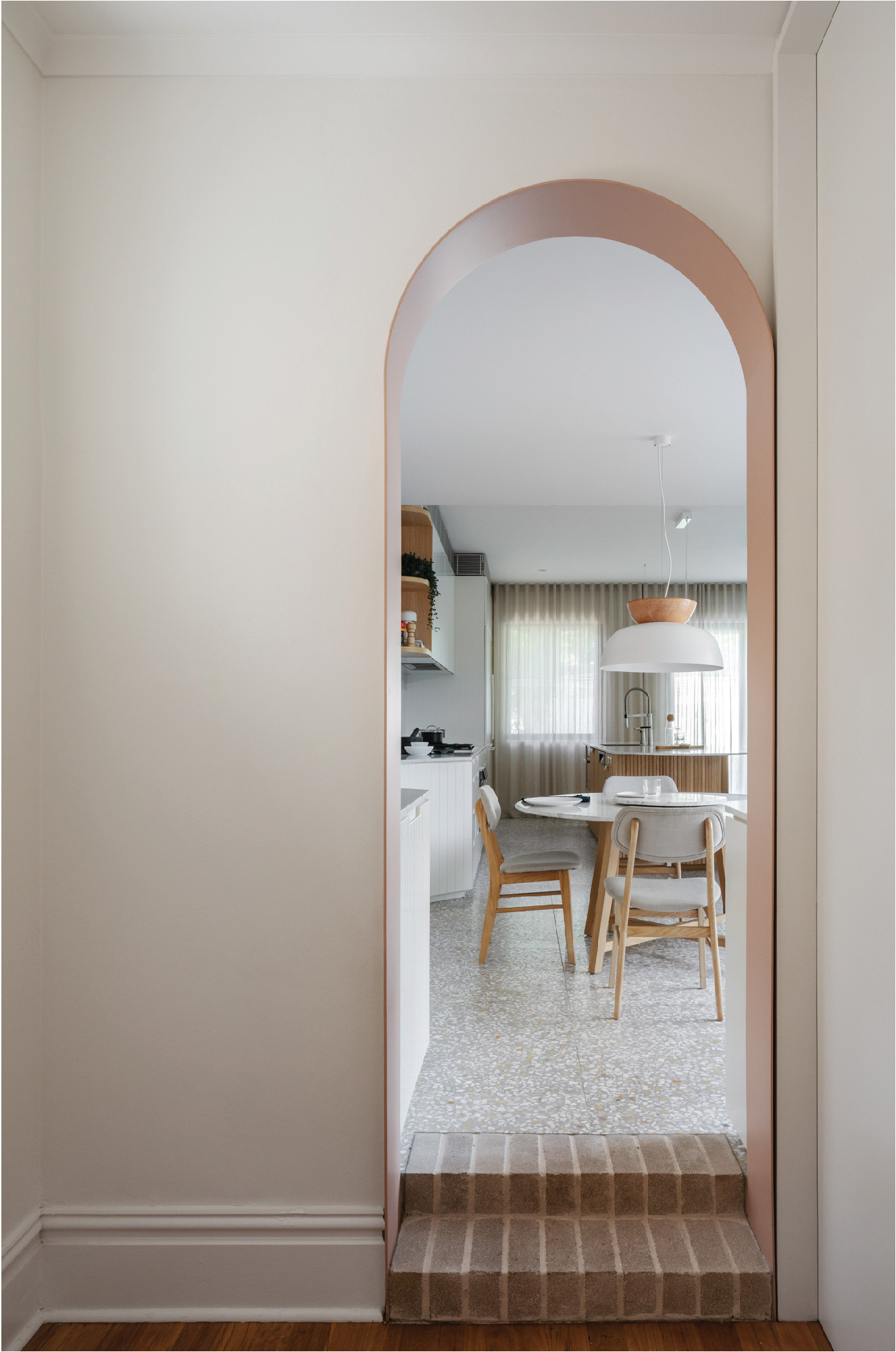
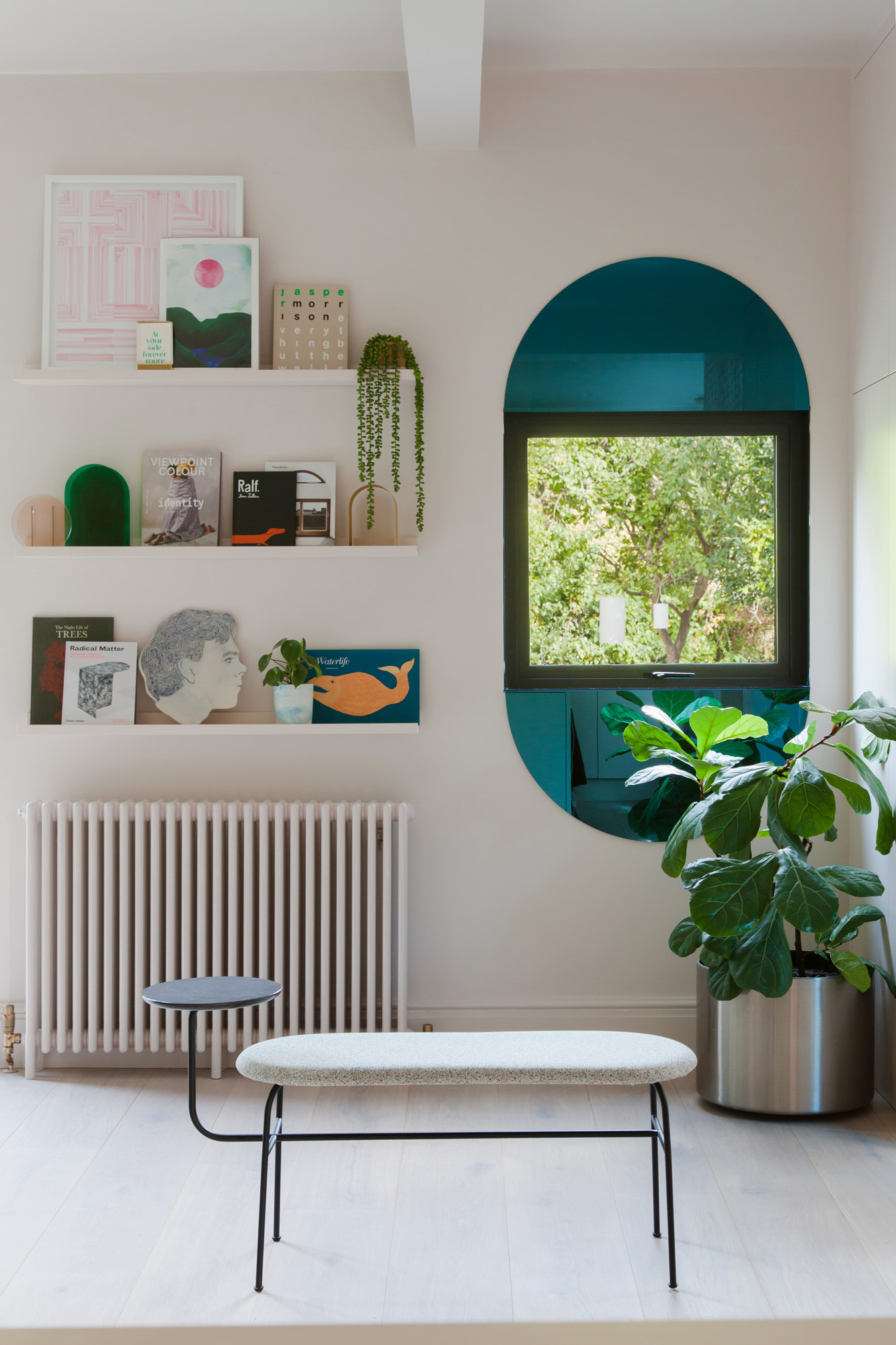
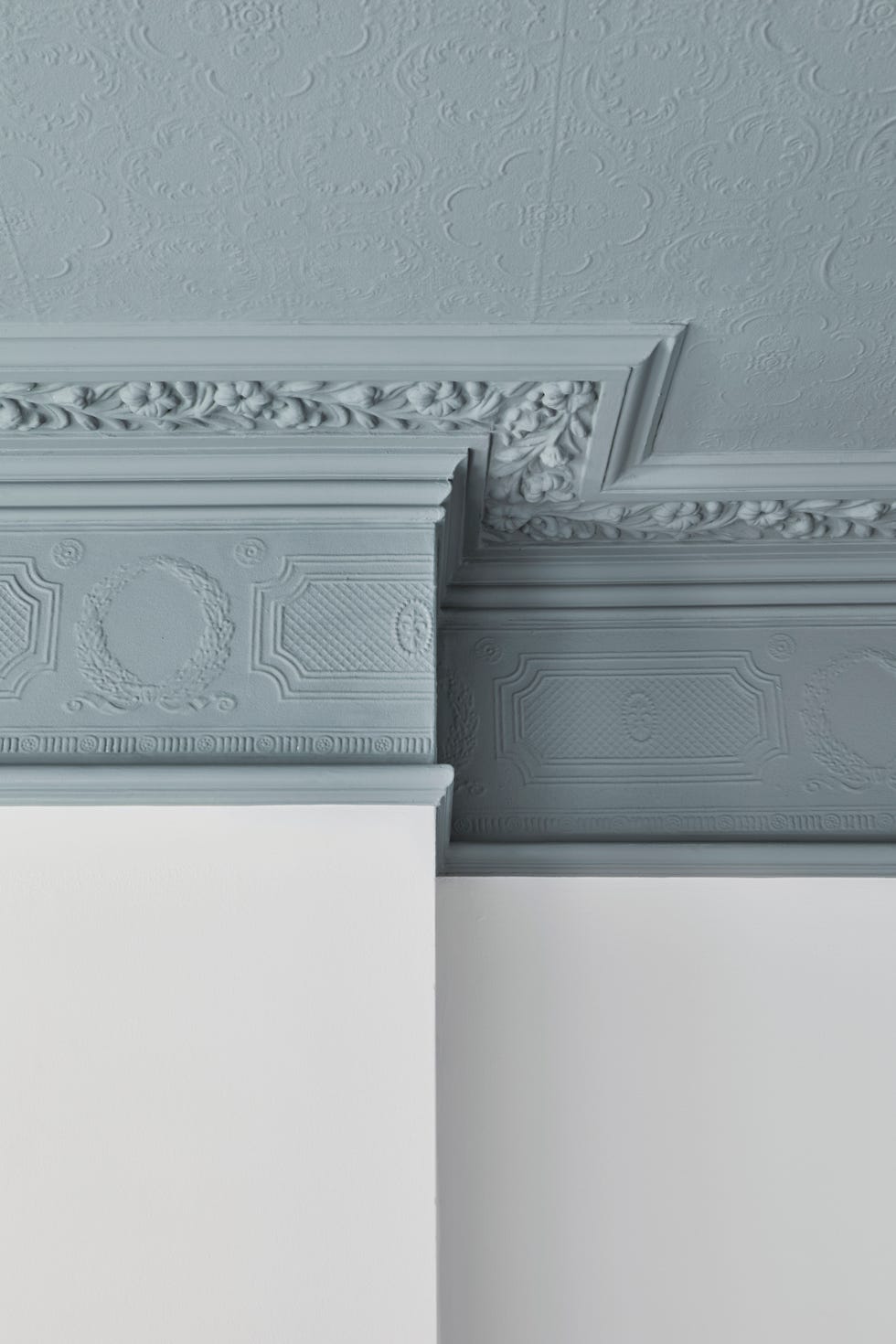
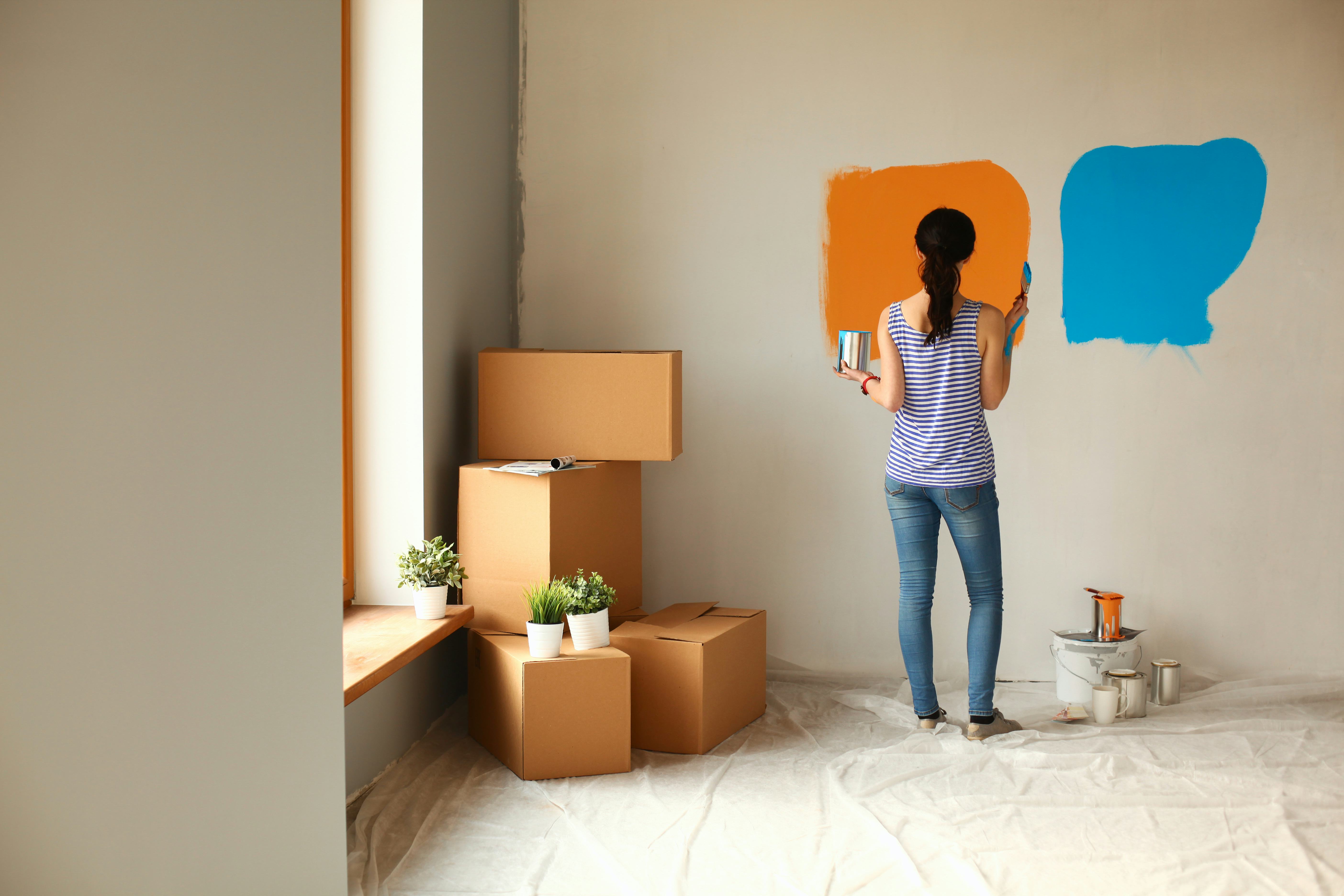
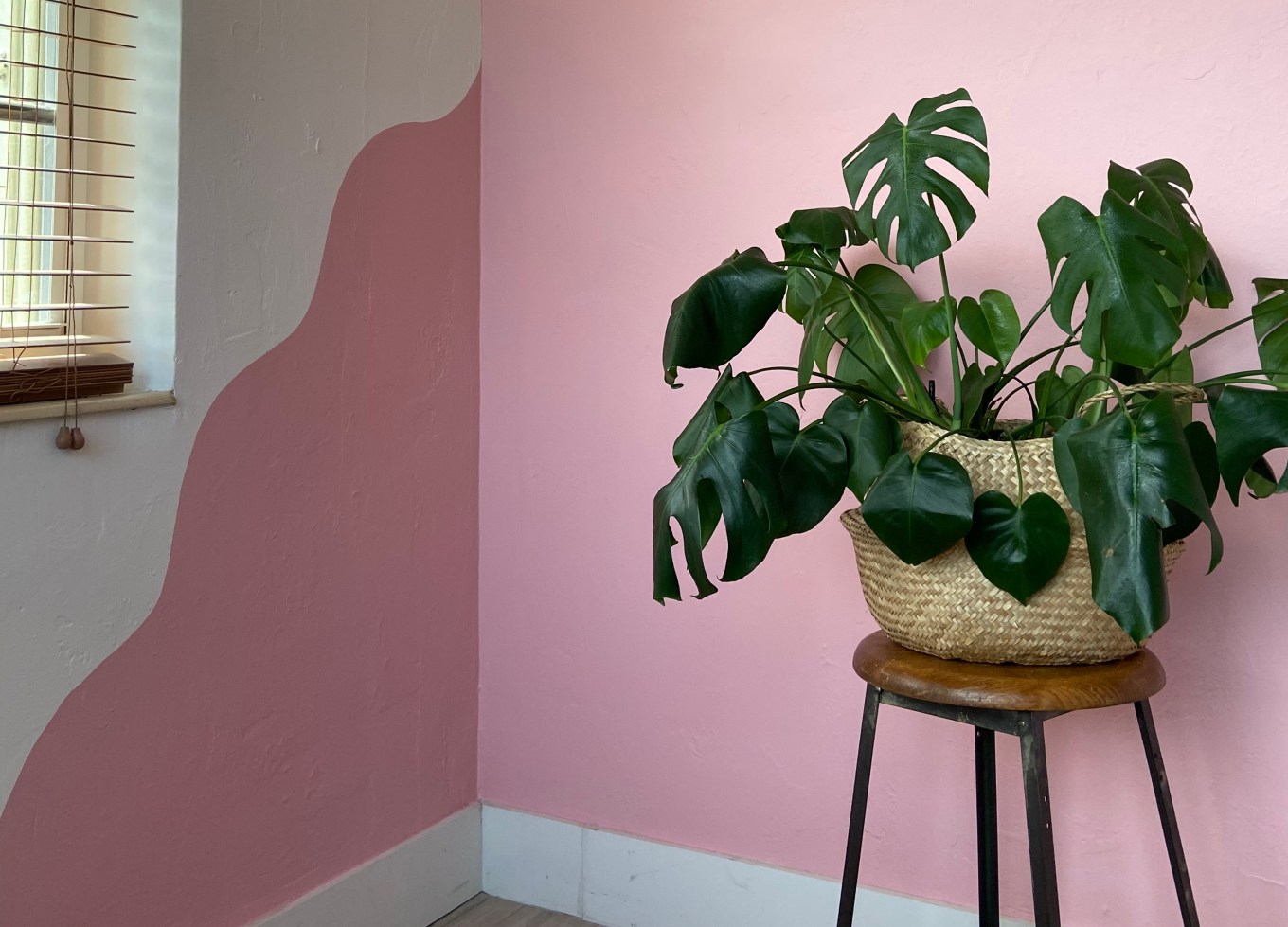
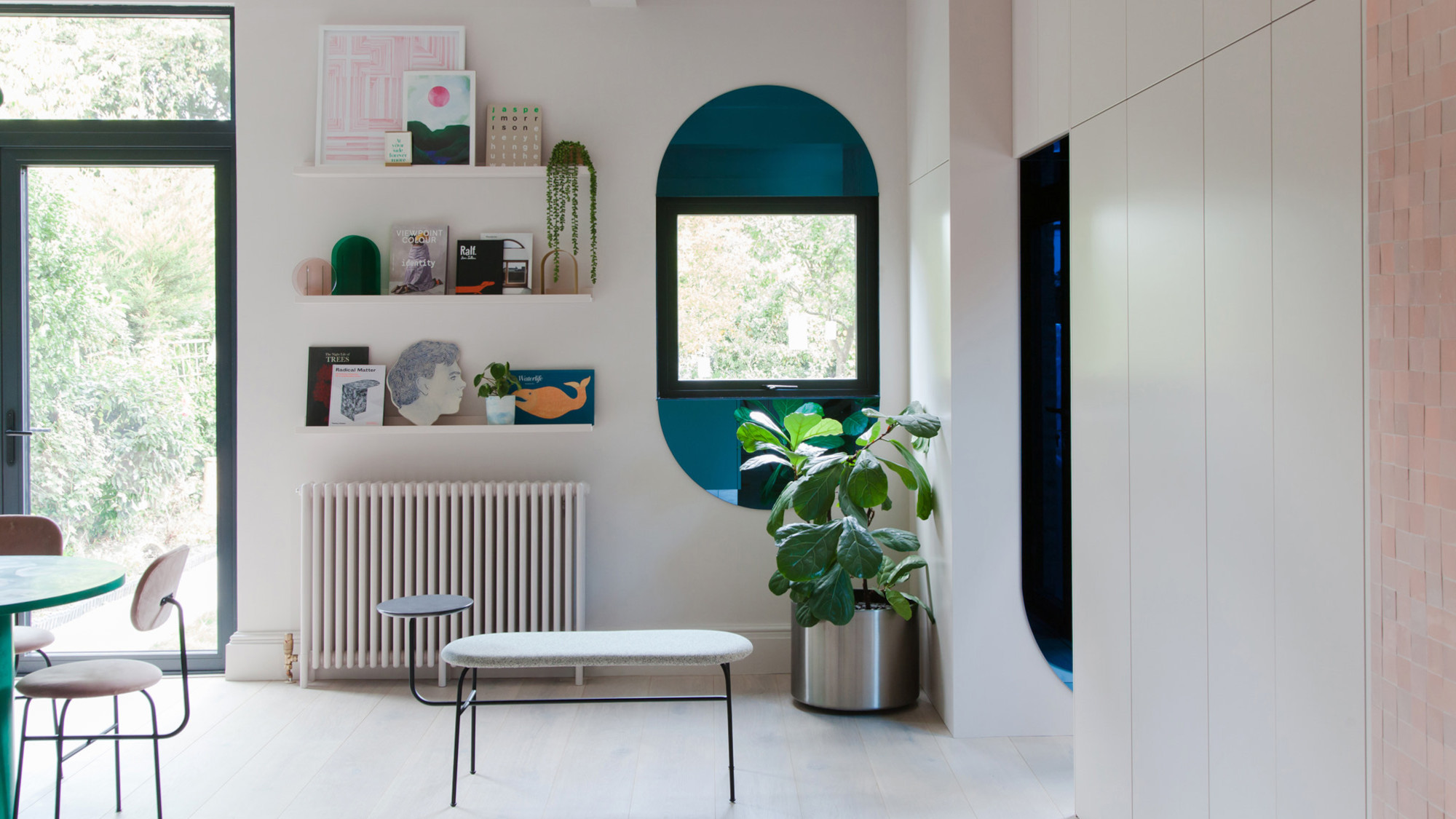
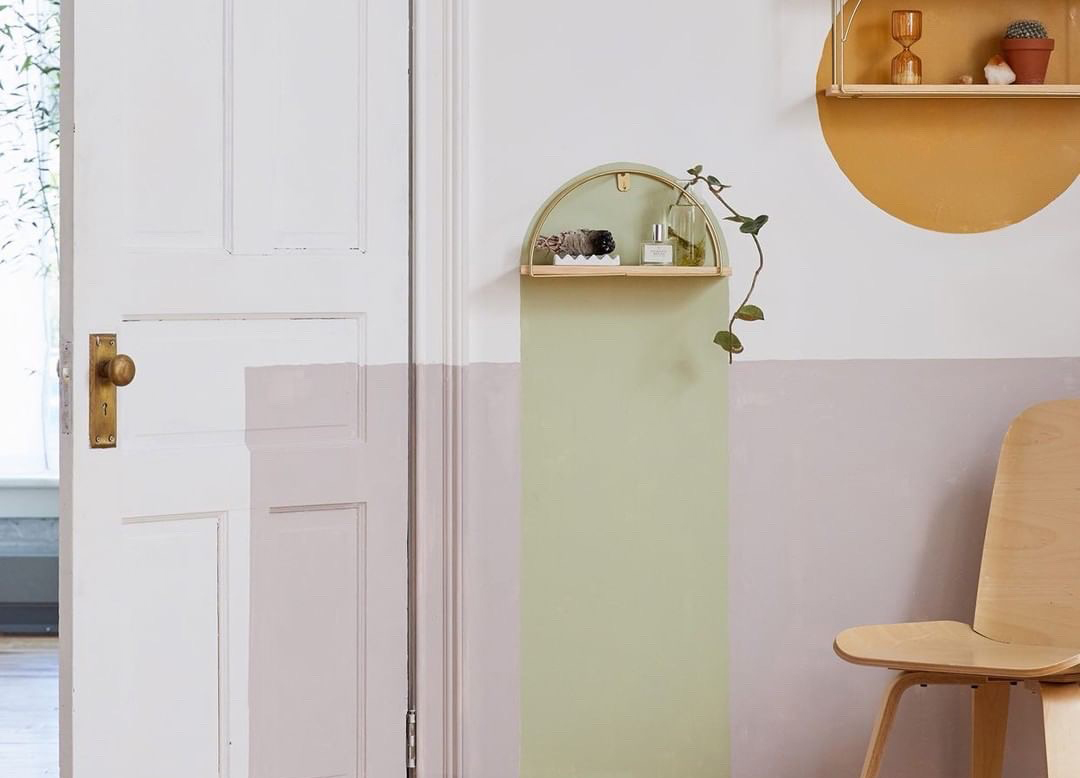
Graphic shapes and painted arches, popularized during the DIY boom, are also considered to be on their way out. These elements, though easy to DIY and adding a pop of color, often lack dimension and can appear pasted on or juvenile in real rooms. A more elevated approach involves using color to respond to existing architecture, such as painting trim in a slightly deeper tone than the walls or extending color across door frames and ceilings to foster cohesion. If colorful arches or shapes are used, they should align with the wall's existing architectural forms, like recessed nooks, and be color-drenched for a unified look.
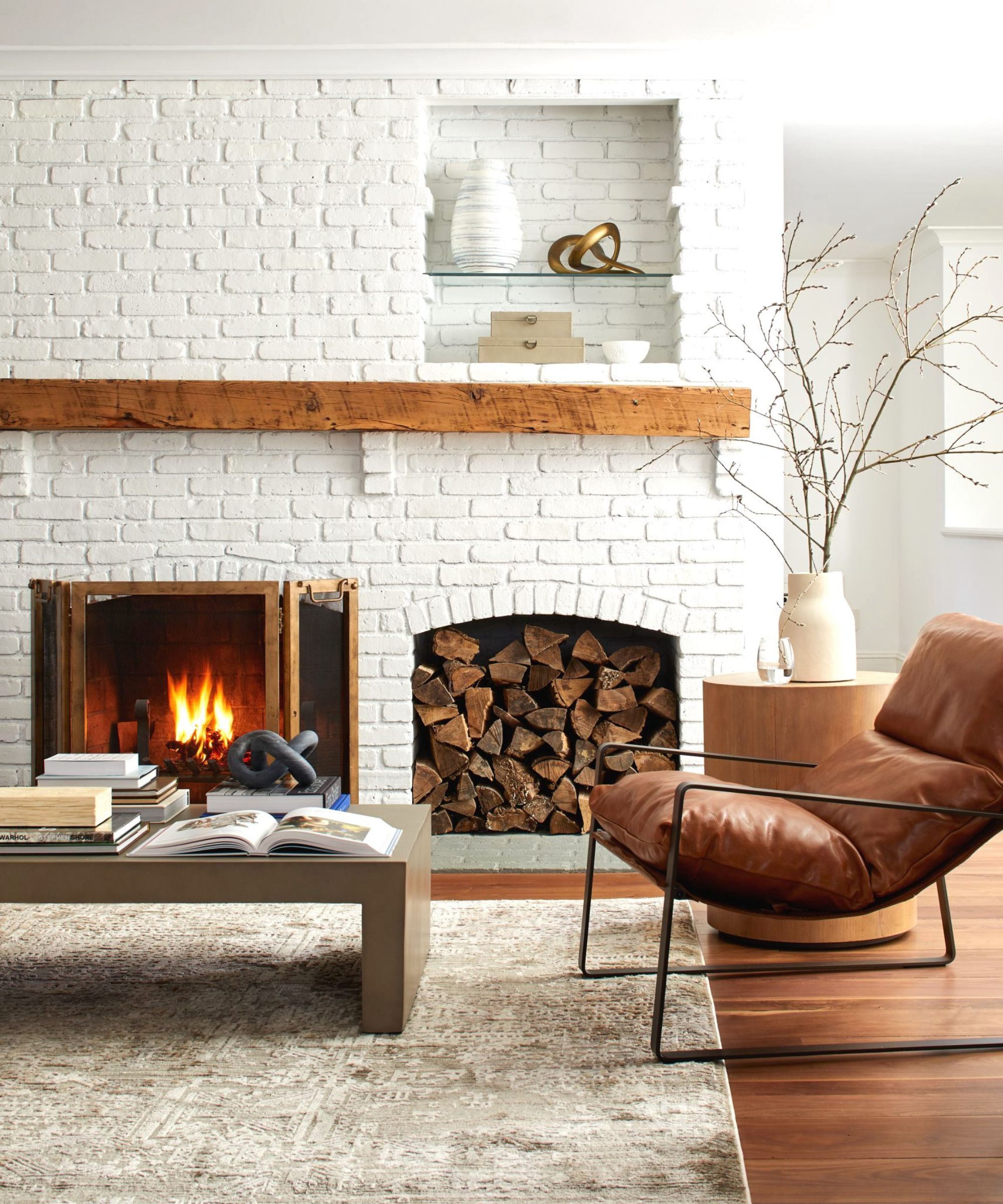
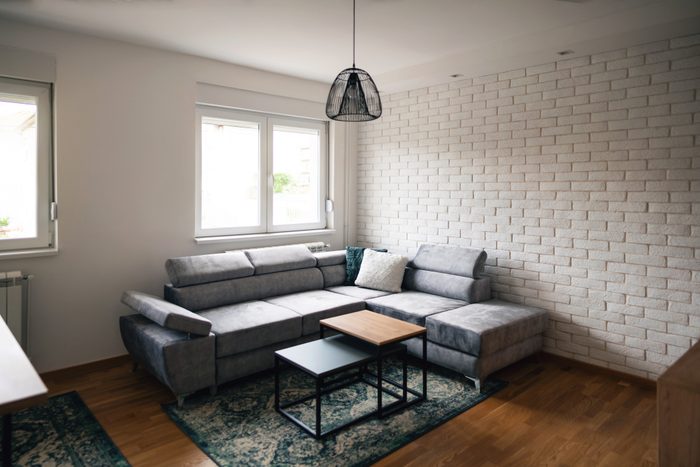
Painted brick or shiplap feature walls, once ubiquitous in farmhouse and modern rustic styles, now feel stale and predictable. While they effectively brighten a space, their widespread use has rendered them generic. Designers advise embracing the natural texture and color of original materials. For instance, applying a soft limewash or mineral-based paint to exposed brick or shiplap allows the texture to breathe and celebrates the material in a subtler way, moving away from covering it entirely. Removing old paint or sanding and staining shiplap are suggested projects for revitalizing these surfaces.
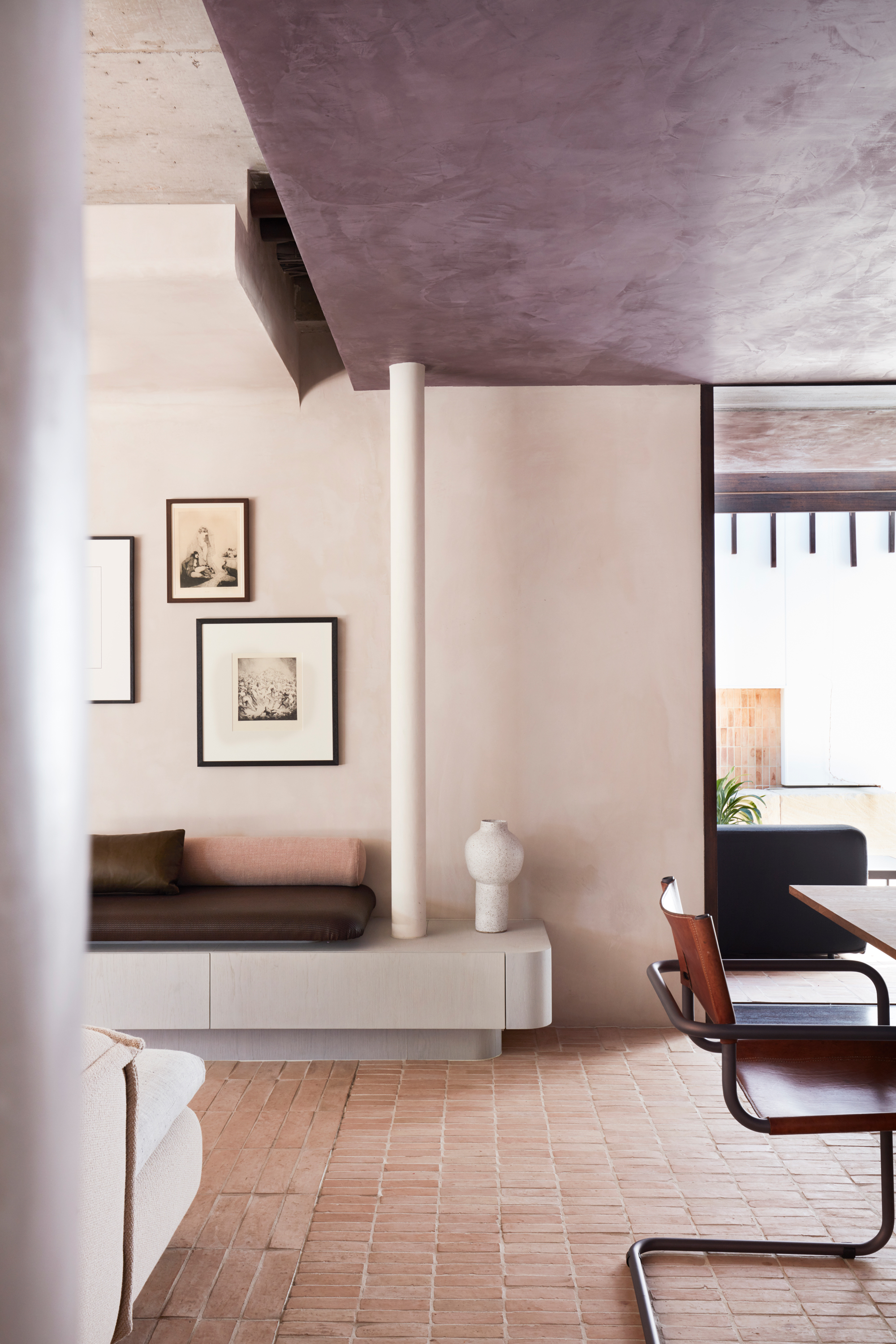
High-gloss lacquer walls, once synonymous with glamour and boldness, are also losing their allure. Their mirror-like finish, while dramatic, can often disconnect from the rest of the space due to its intense contrast. Strategic application of shine is recommended instead, such as a lacquered ceiling in a small vestibule or a glossy bar cabinet, rather than an entire wall. For a more current take, satin plaster finishes or soft sheen paints are preferred, offering subtle light movement without the theatricality of full-gloss lacquer.
Chalkboard accent walls, popular for their interactive potential, are now seen as messy and dated. While they allow for drawing and note-taking, they often appear covered in unfinished drawings and leave behind troublesome chalk dust. A more intentional and sculptural alternative is to use framed chalkboard panels or magnetic writer’s slates in specific areas like kitchens or home offices, offering functionality without the mess and maintenance challenges of a full wall.
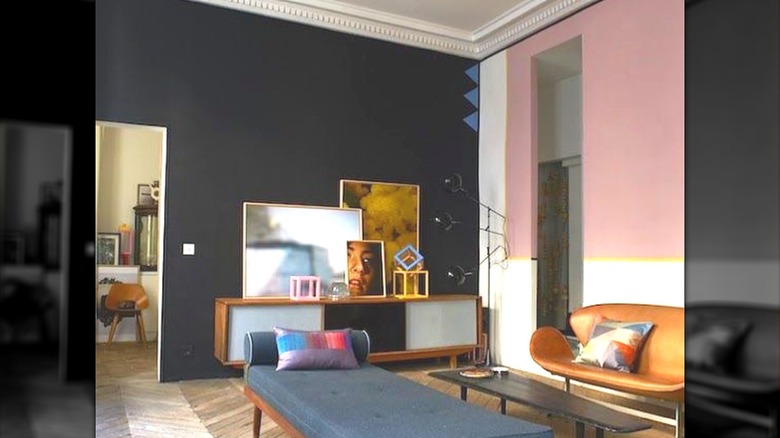
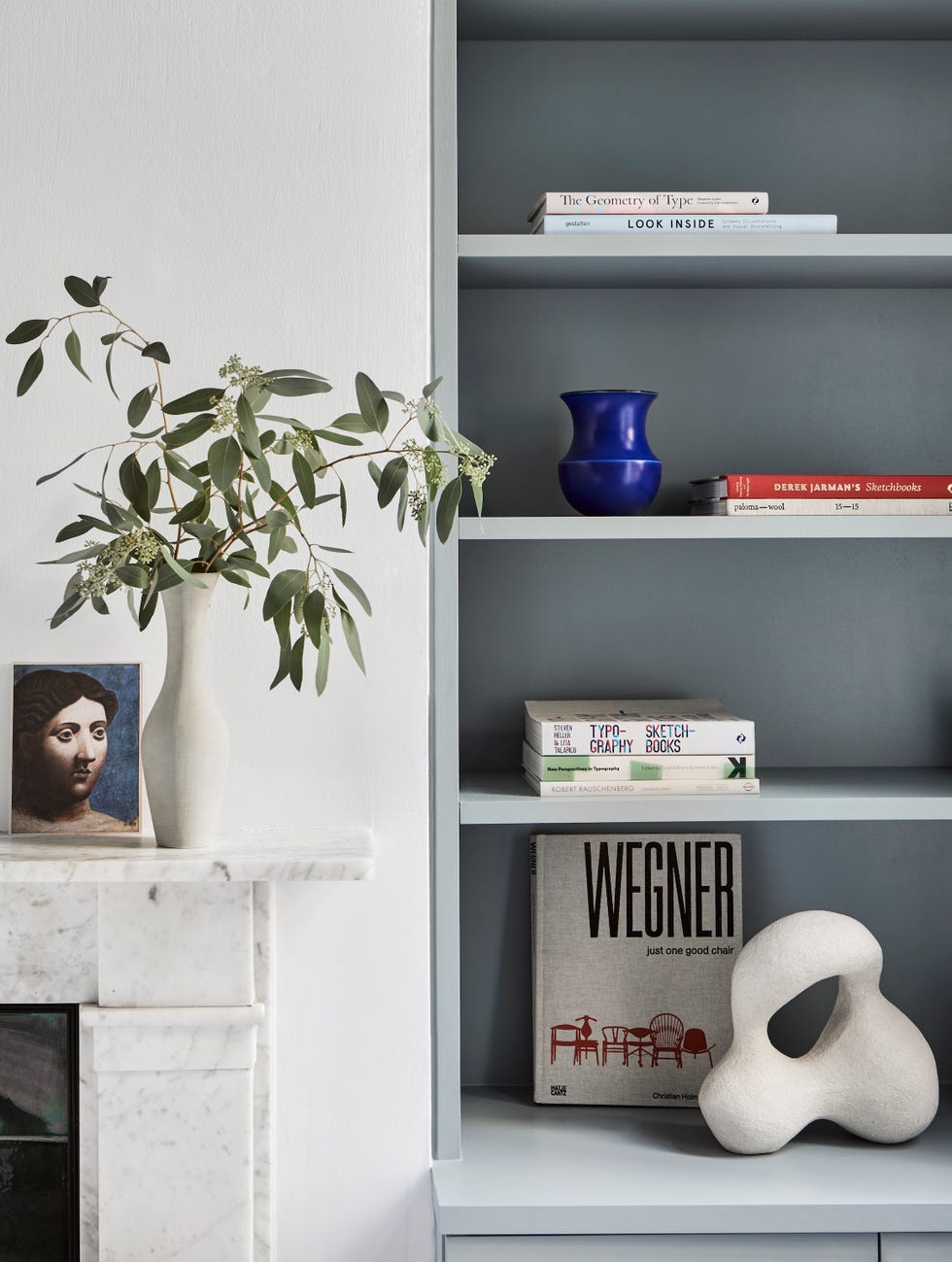
Two-toned accent walls, particularly those splitting a wall horizontally with two contrasting colors, are perceived as basic and disruptive. This approach often cuts the wall at a nonsensical spot, interrupting the room's flow. A fresher alternative involves painting recessed niches, bookcase backings, or mantel walls in an accent hue. This adds depth and draws the eye to specific features without arbitrarily dividing the wall, allowing for two-tone designs by coordinating hues on different features.
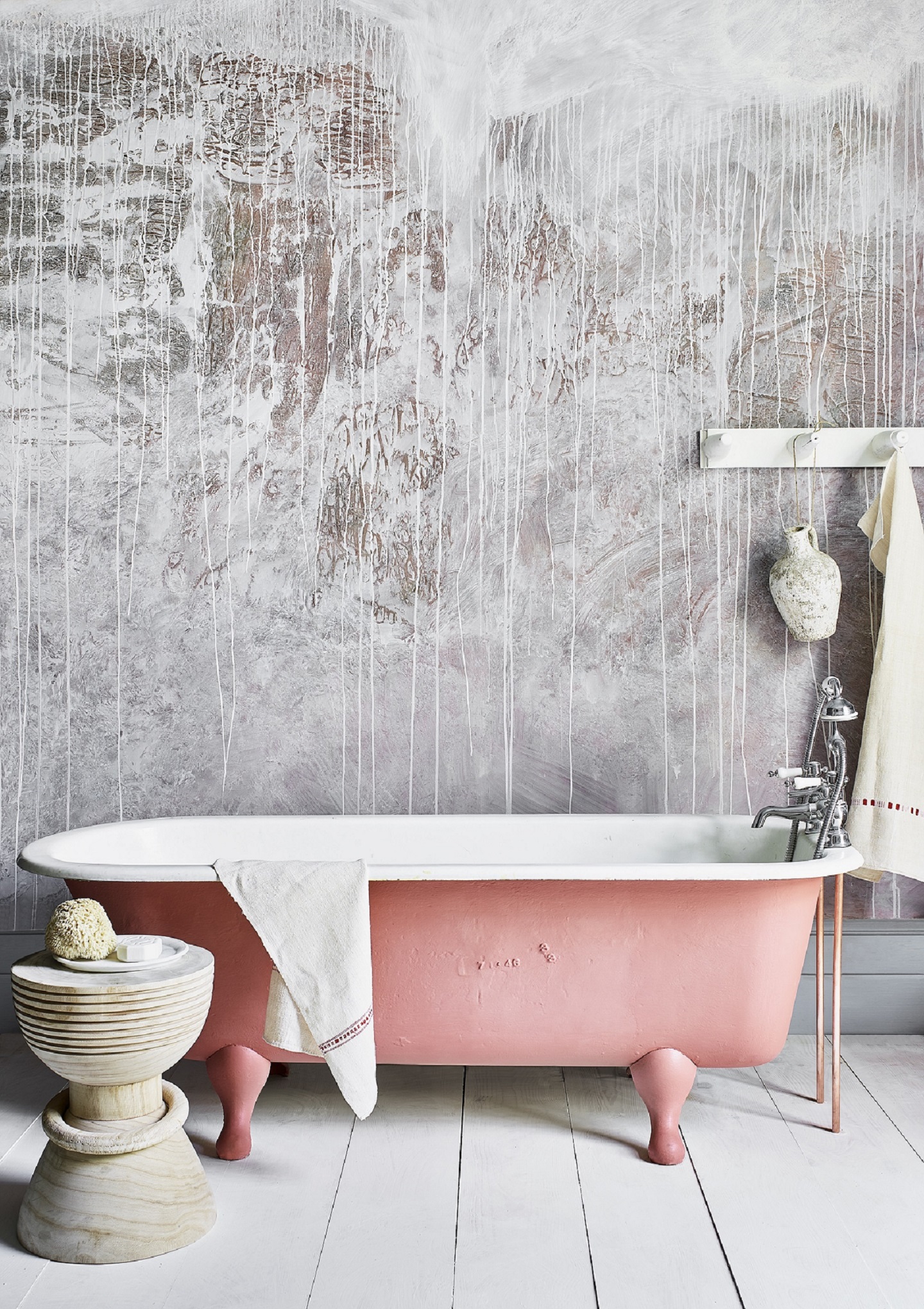
Chevron and herringbone paint effects, once popular in DIY decor, are now considered overdone and scream "DIY." They are strongly associated with a specific past era, making them feel outdated rather than modern or charmingly vintage. Designers recommend combining colors more subtly, such as through a brushed limewash technique, or opting for textured paints. These alternatives create a handcrafted, organic, and timeless aesthetic, allowing the wall to have character without being visually loud or clashing with contemporary elements.
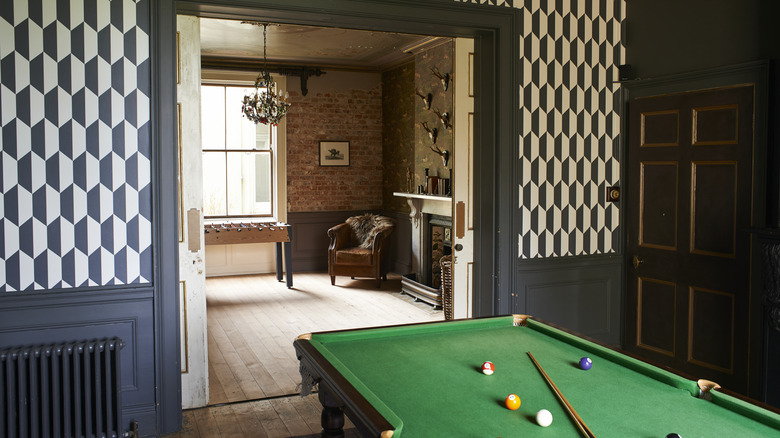
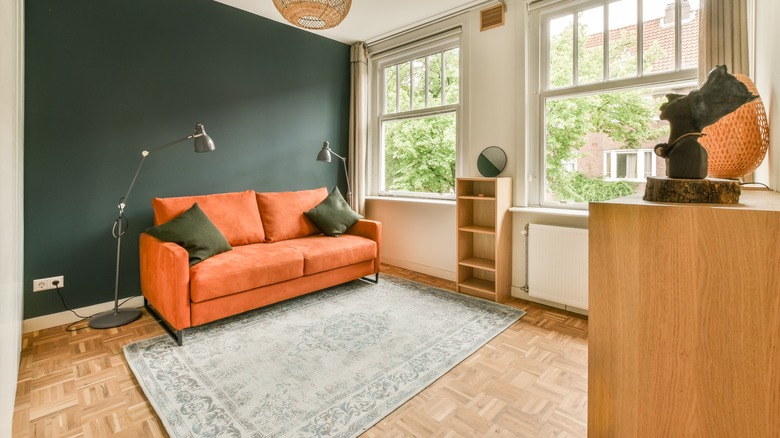
Finally, ultra-moody accent walls in stark black or dark gray, while intended to be dramatic, often make a room feel closed in, especially in spaces lacking natural light. While moody colors remain trendy, their application is now more thoughtful. Instead of generic black or gray, rich, earthy shades like olive, rust, or deep clay in matte finishes are recommended. These shades create intimacy and warmth, preserving depth without the oppressive weight of black walls, and pair well with natural textures, contributing to a softer, more subtle dramatic effect.
#AccentWalls #InteriorDesignTrends #HomeDecor #PaintTrends #DIYHomeDecor #ColorDrenching #TexturalWalls #ModernInteriors #DesignUpdates #AccentWalls #InteriorDesignTrends #HomeDecor #PaintTrends #DIYHomeDecor #ColorDrenching #TexturalWalls #ModernInteriors #DesignUpdates
0 commentaire au total
 Aucun commentaire pour le moment
Vous aimerez aussi
5 outdated paint trends that interior designers are glad to see the back of – and what they're doing instead

Are accent walls still on trend? Designers decide on what this love-hate style will look like in 2024

16 Accent Wall Ideas That You'll Start Seeing Everywhere In 2025
Still Have One of These Outdated Paint Colors and Styles in Your Home? Designers Say It’s Time to Repaint

Are accent walls out of style? This is how designers are using them now and beyond
12 Accent Wall Ideas That Will Never Go Out of Style

Bye-Bye, Accent Walls! Designers Say THIS Is Now the Hottest Decorating Feature

3 'small but impactful' paint updates to try in 2024, according to a color expert
Bye-Bye, Accent Walls! Designers Say THIS Is Now the Hottest Decorating Feature

Forget Single Painted Accent Walls: This Stunning Trend Is Taking Over
16 Home Décor Trends on Their Way Out

Trending: 4 new ways we're painting our homes

Are Accent Walls Going Out of Style? Here's What Designers Say
This Surprising NEW Trend Is Replacing Accent Walls

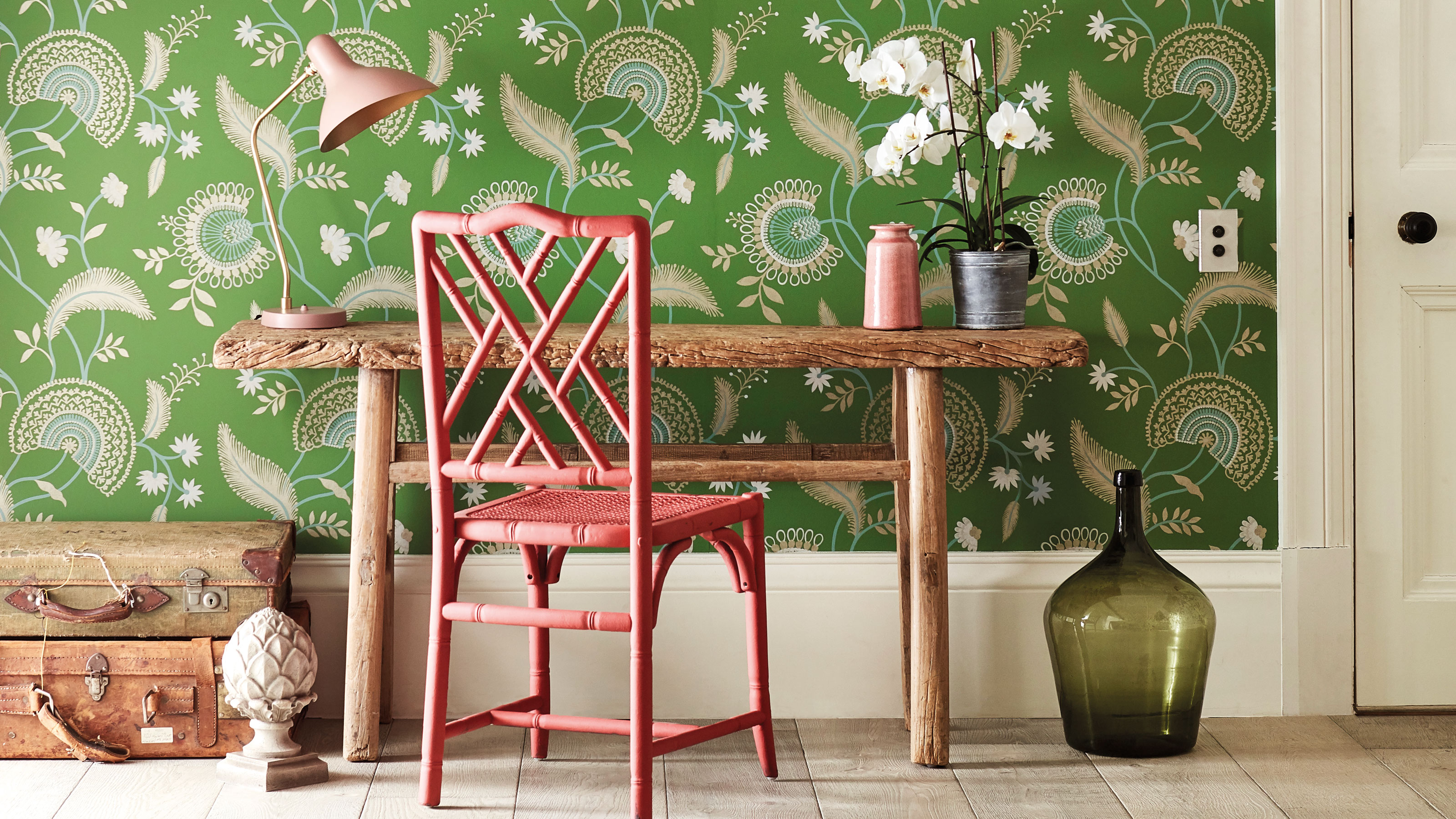
Accent wall ideas – 20 of the latest ways to create a statement feature
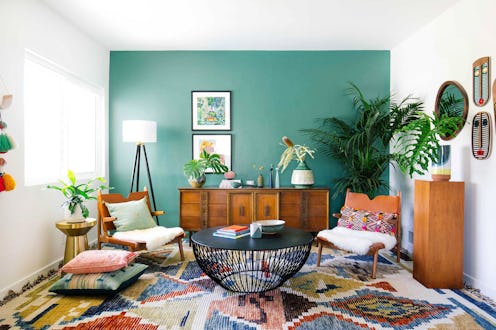
This Accent Wall Tip Will Make You Want To Redecorate
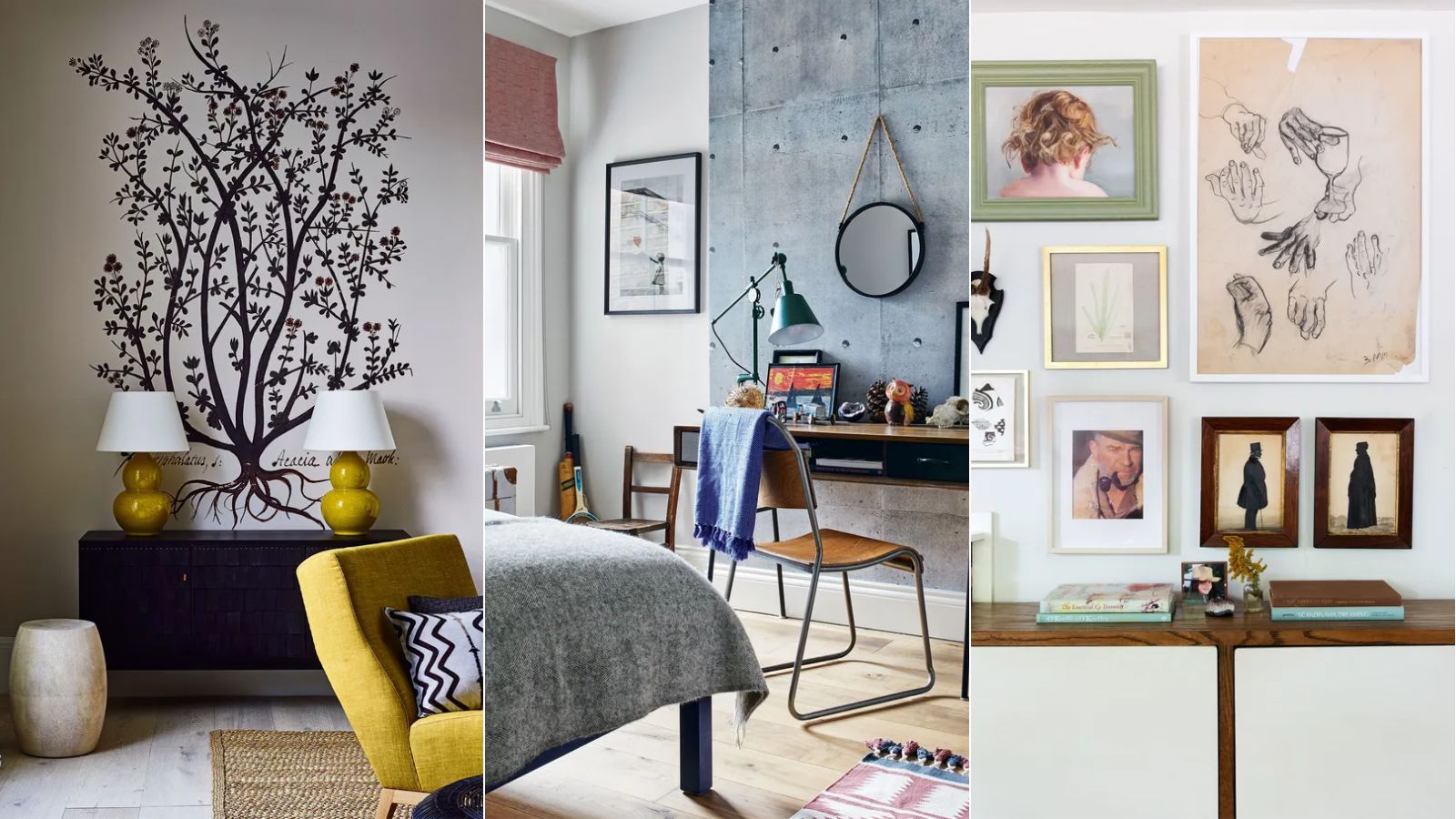
5 outdated wall decor trends designers warn to avoid – plus what we should be doing instead
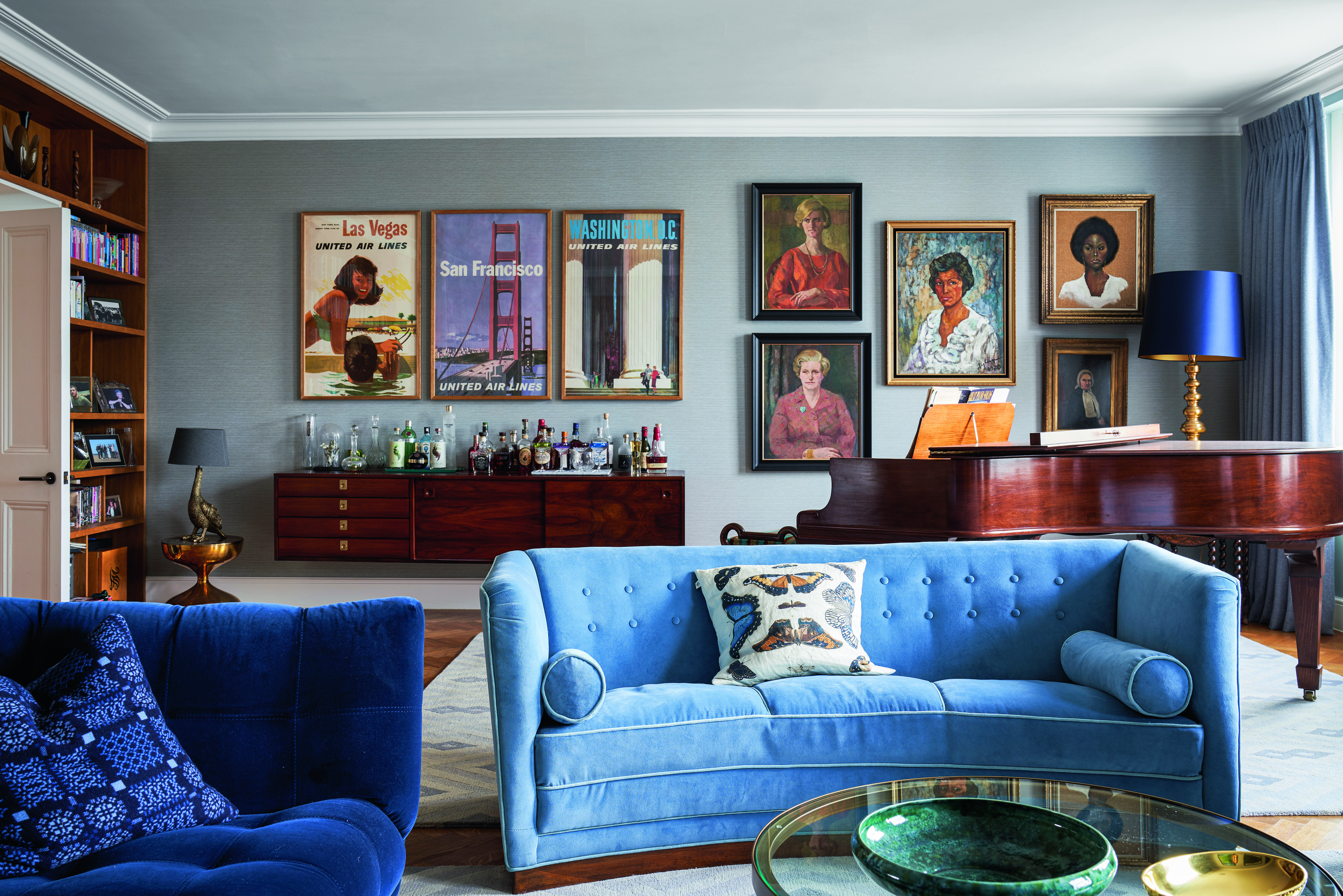
4 outdated wall decor trends designers are leaving behind – and the one that they're choosing instead
5 fresh takes on the painted arch trend that will convince you to try out the look
The 3 Accent Wall Trends That Are Taking Over TikTok