Upper Kitchen Cabinets Are on Their Way Out in 2025 — Here’s What’s Replacing Them
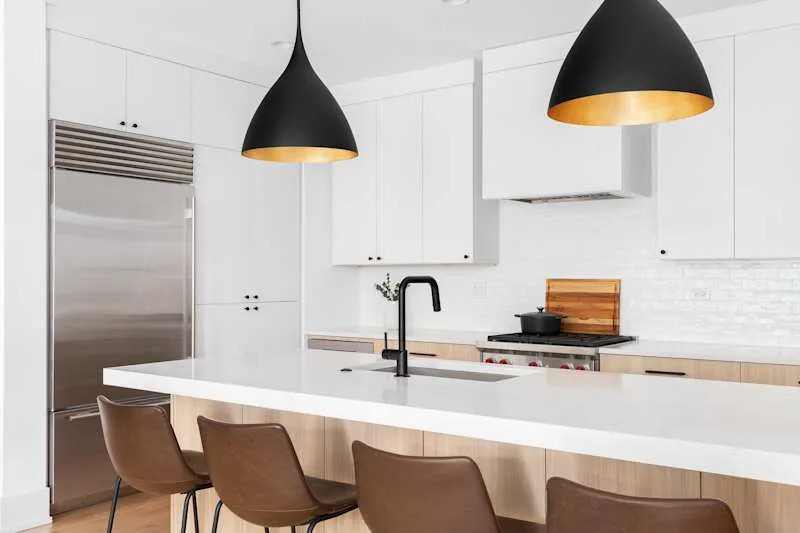
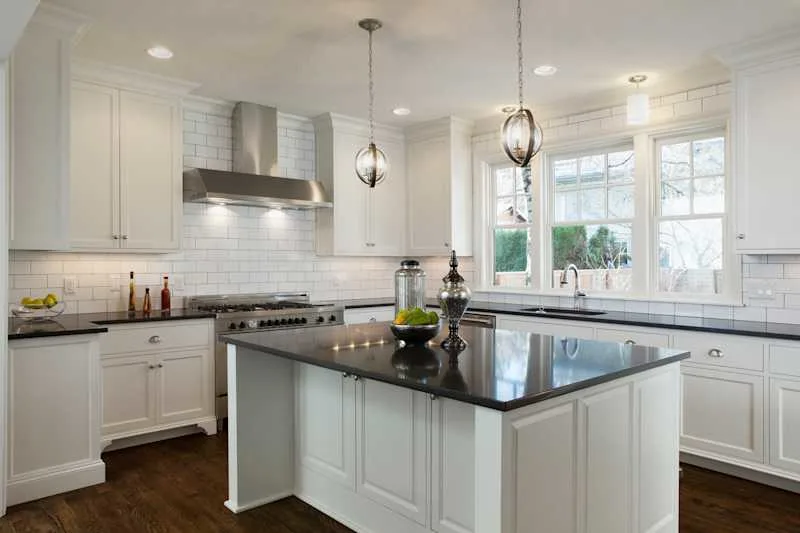
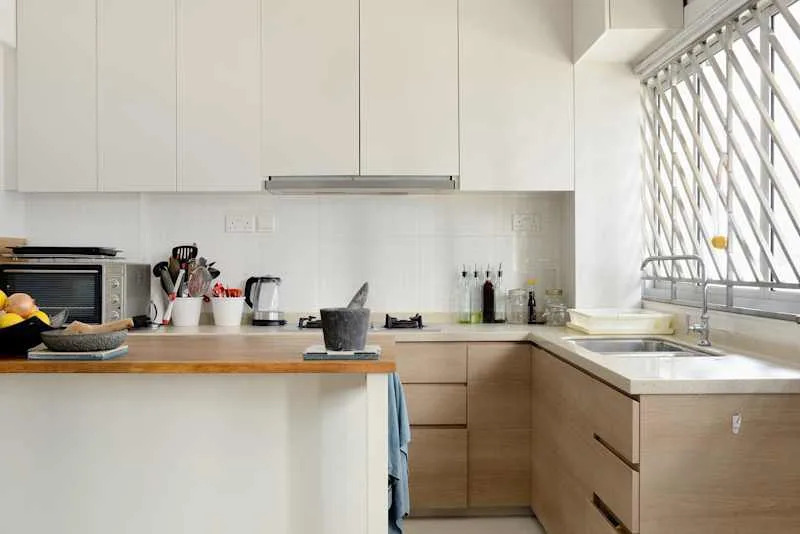
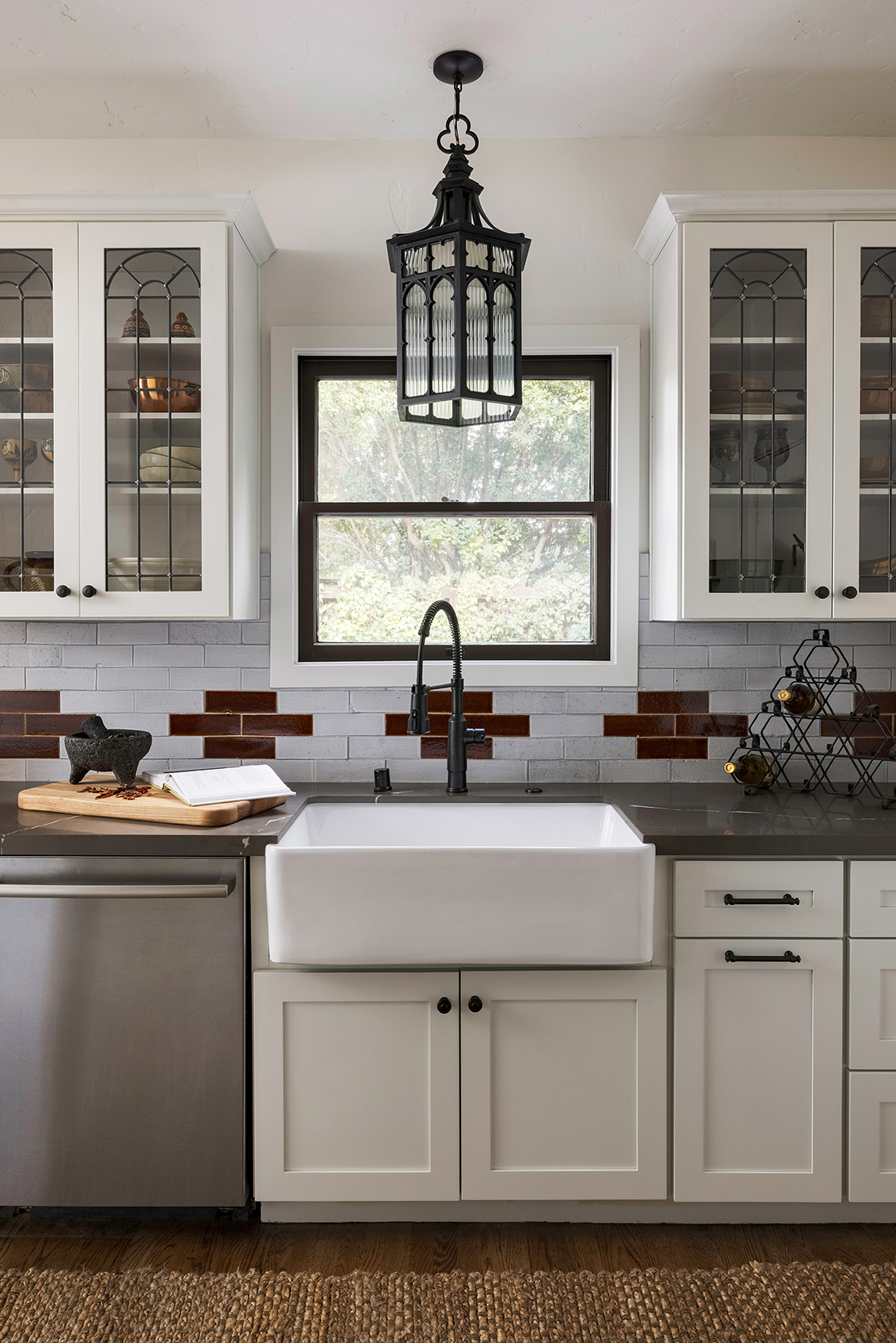
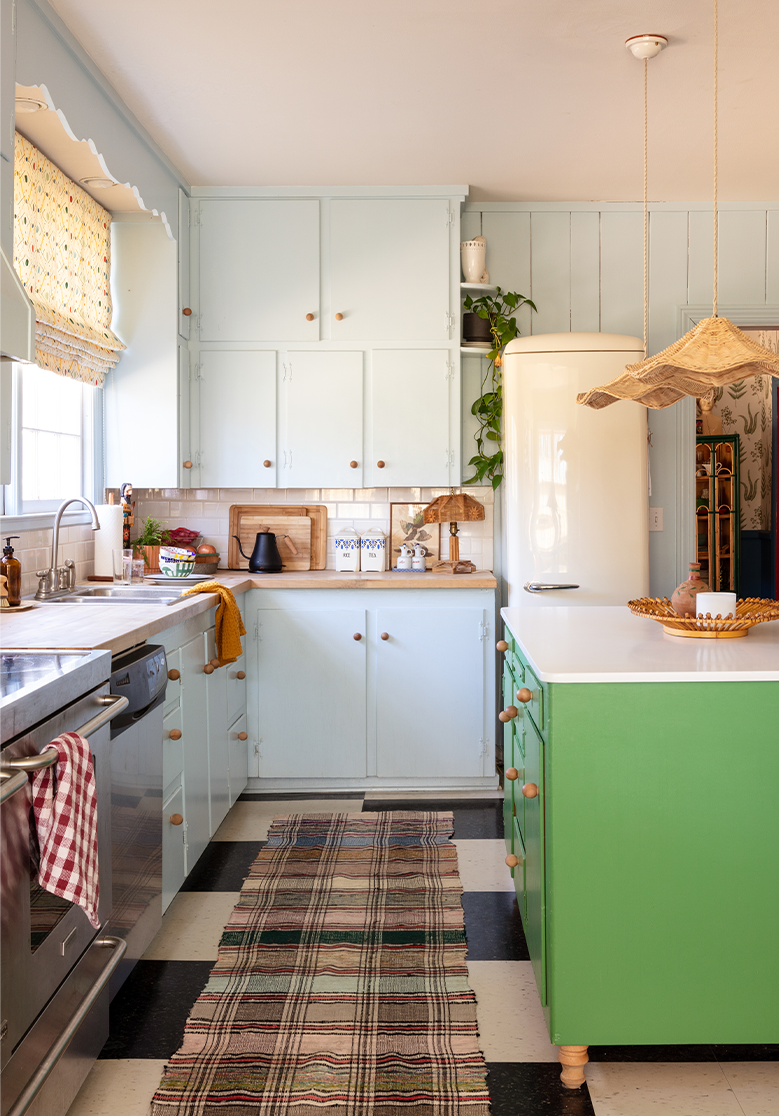
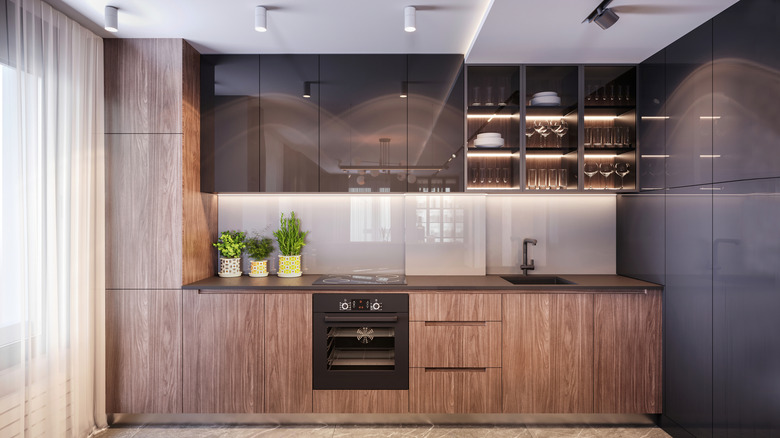
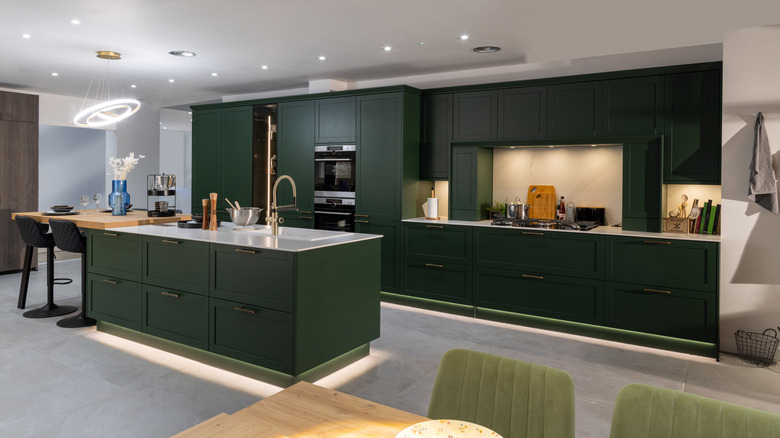
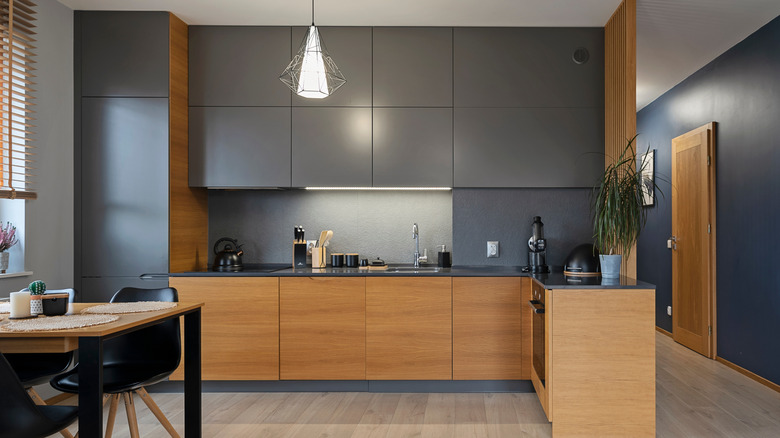
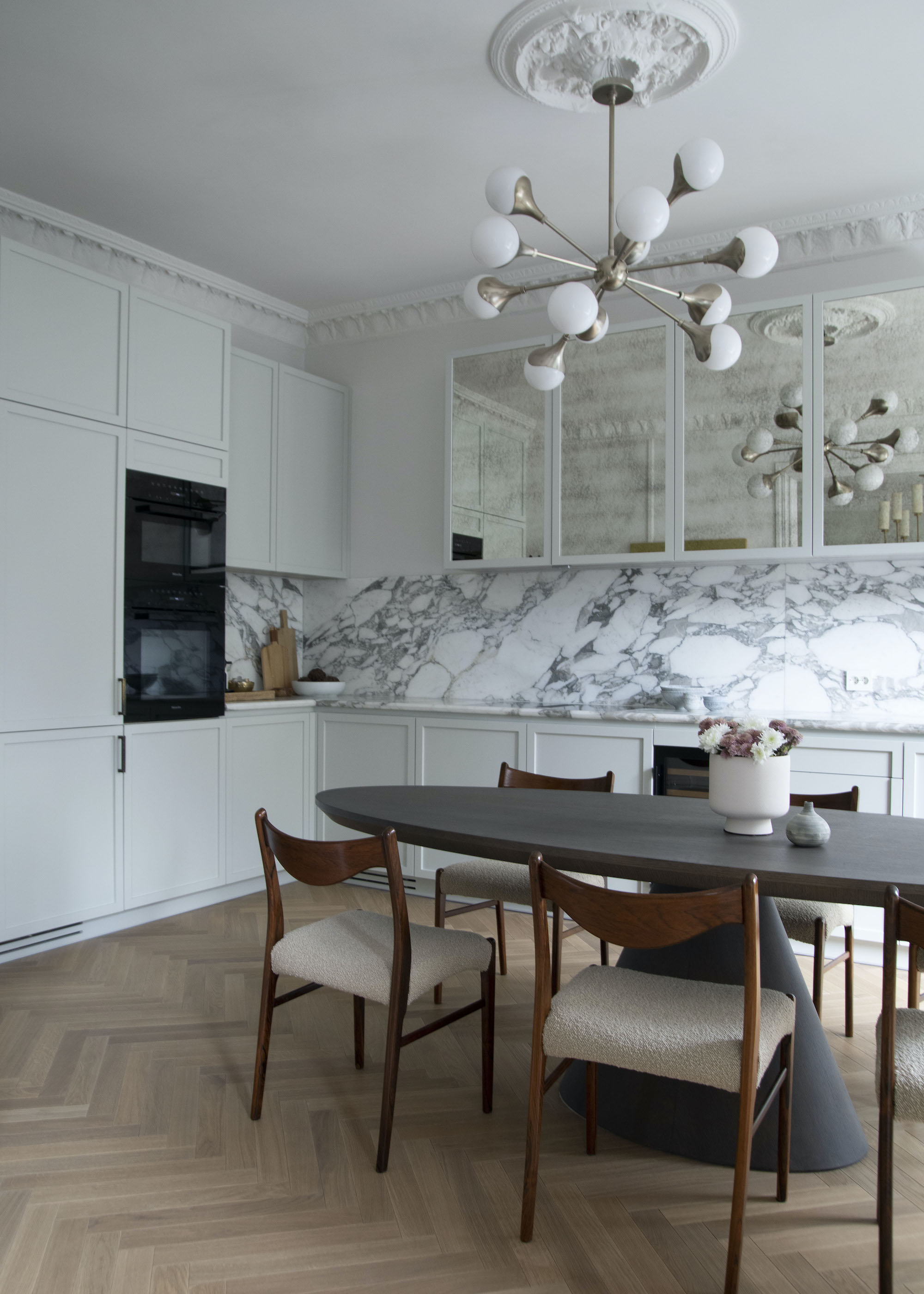
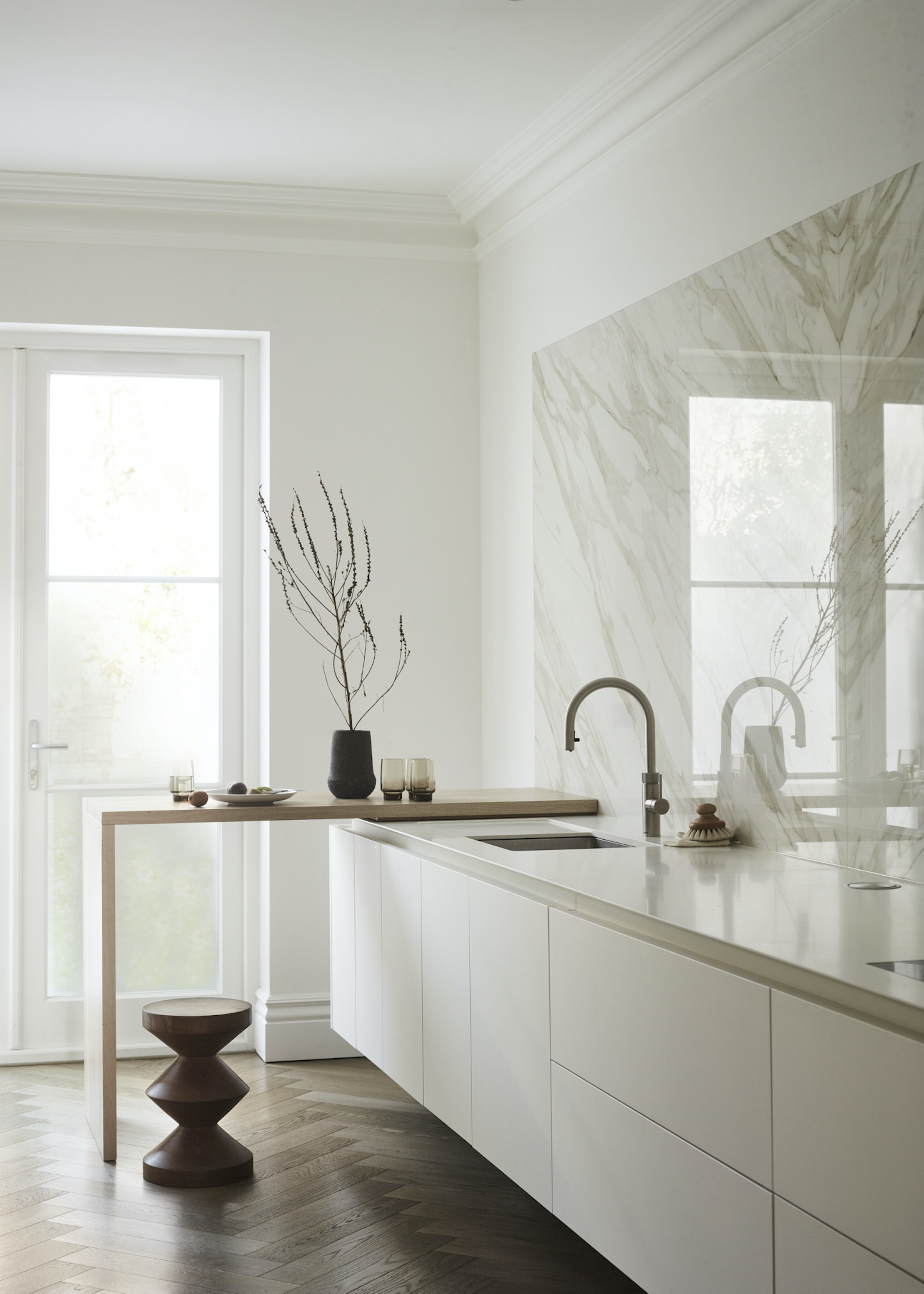
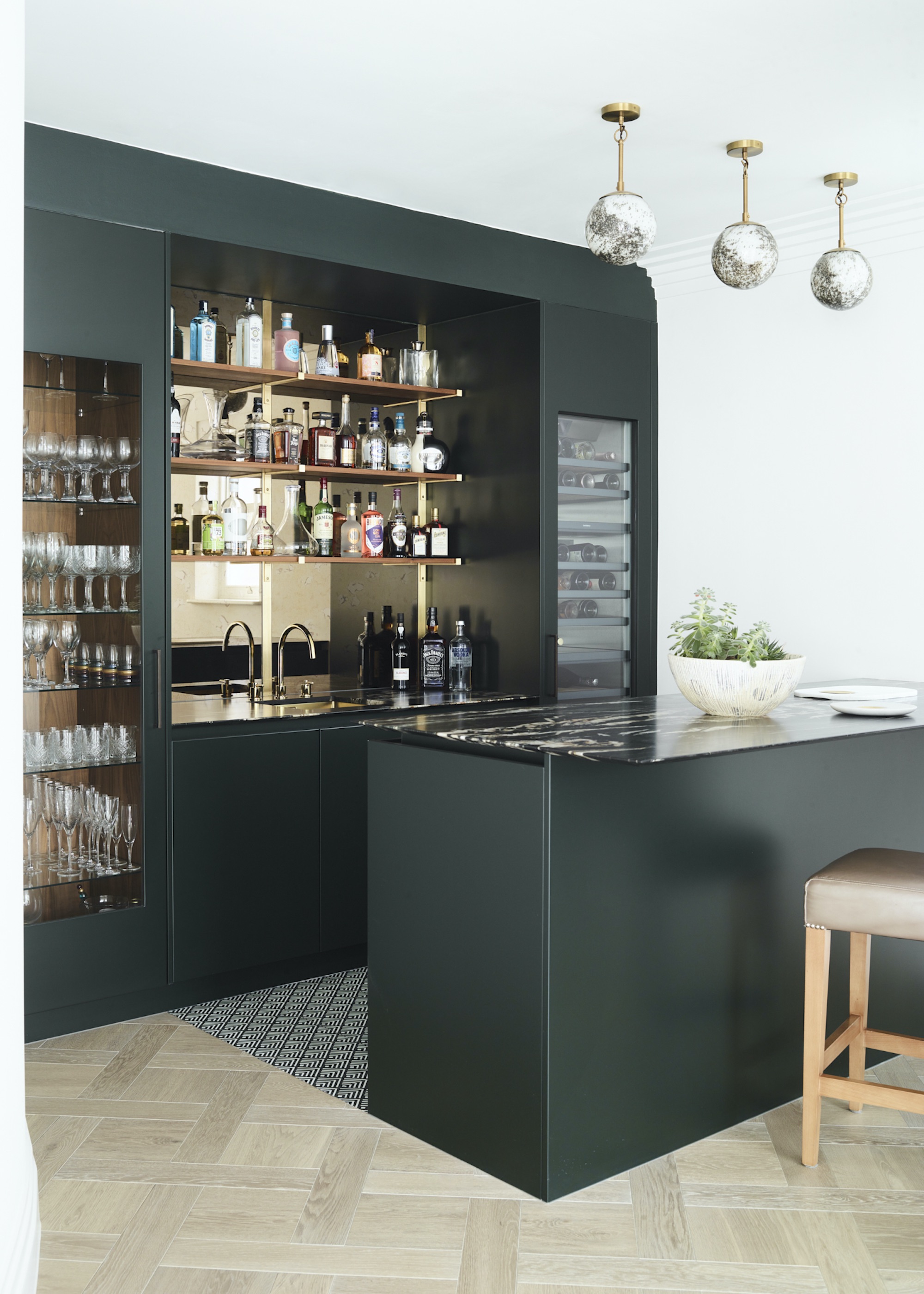
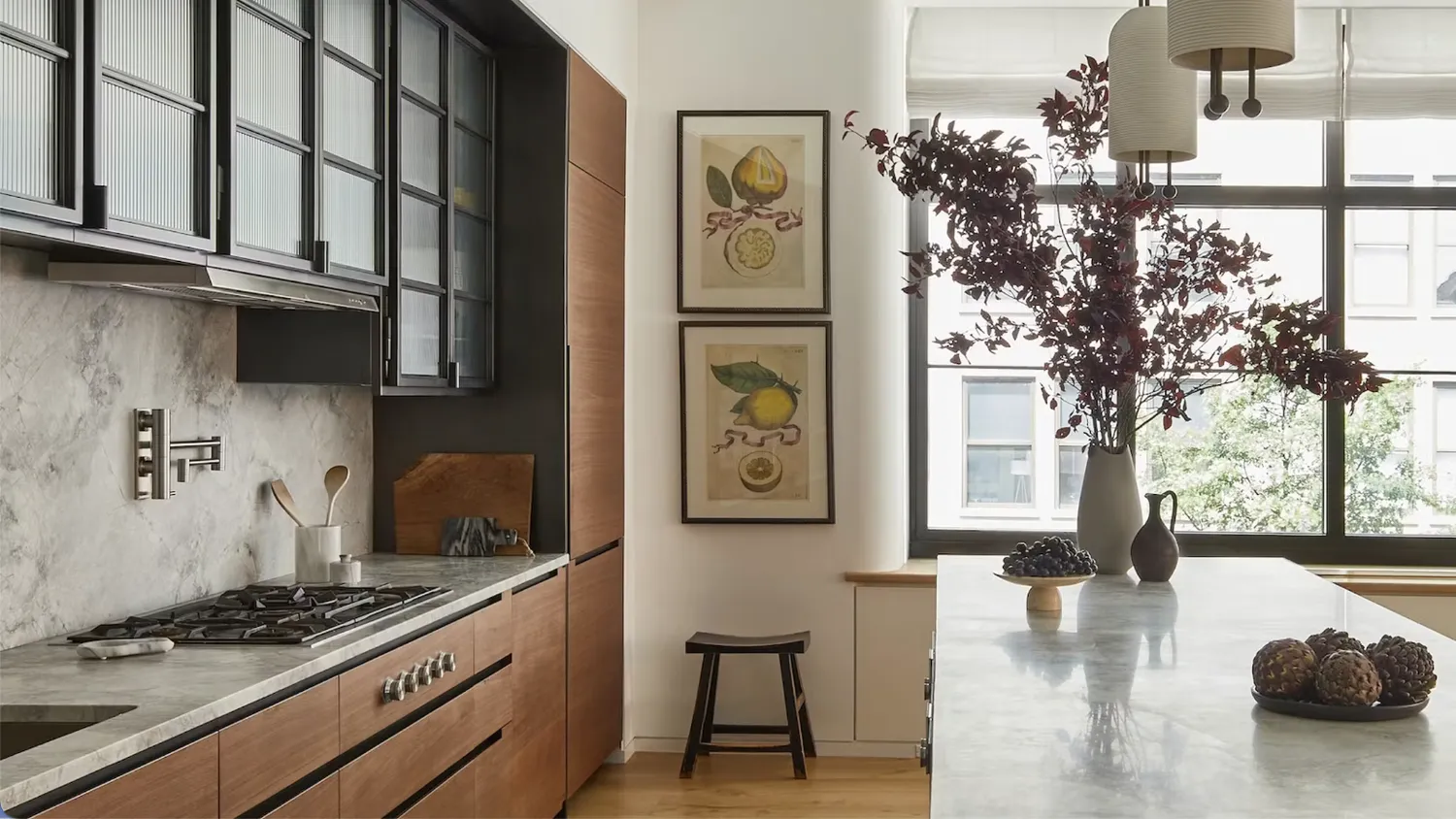
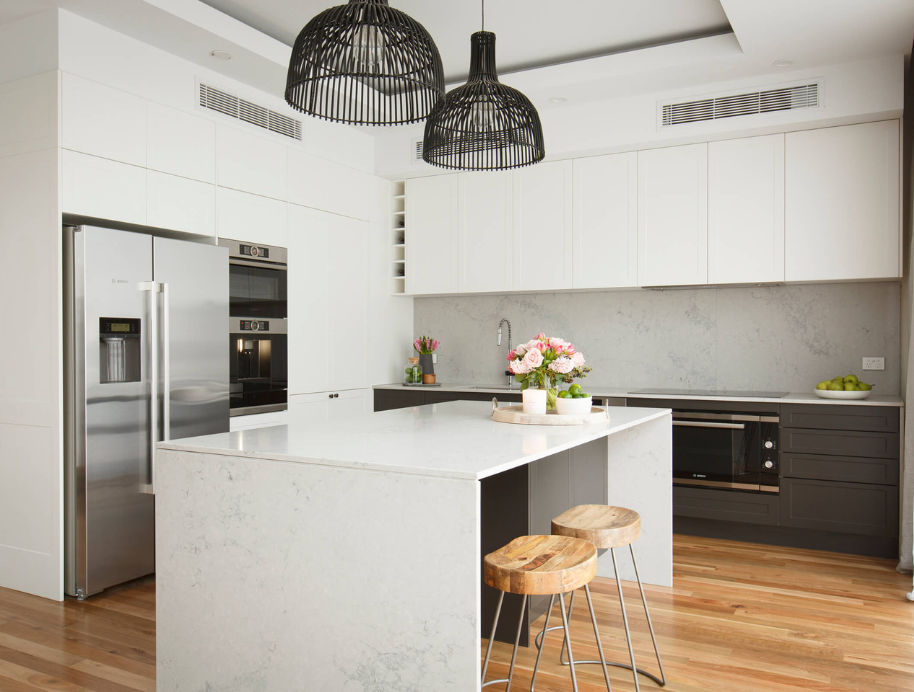
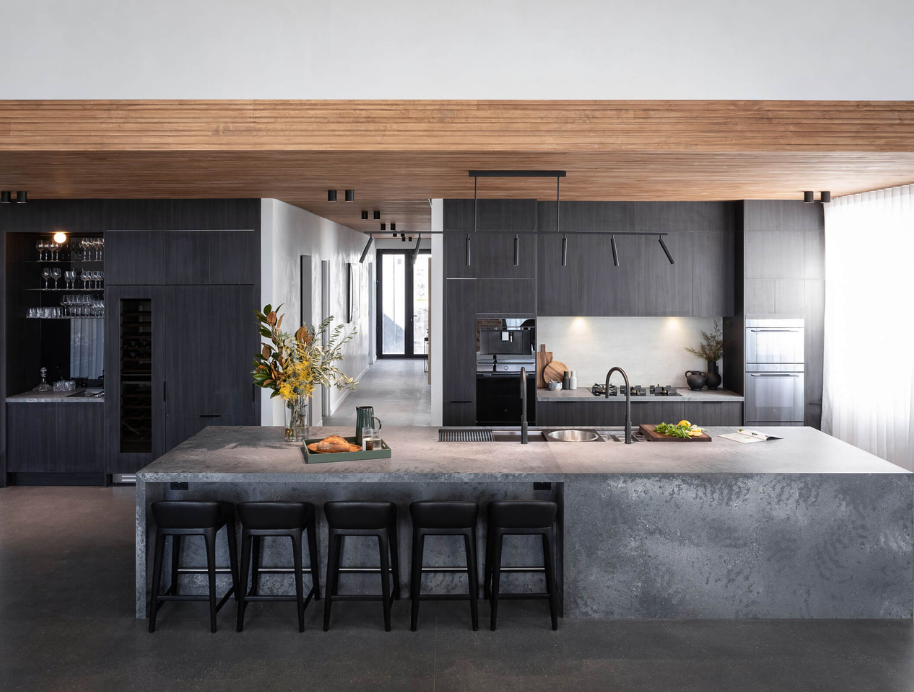
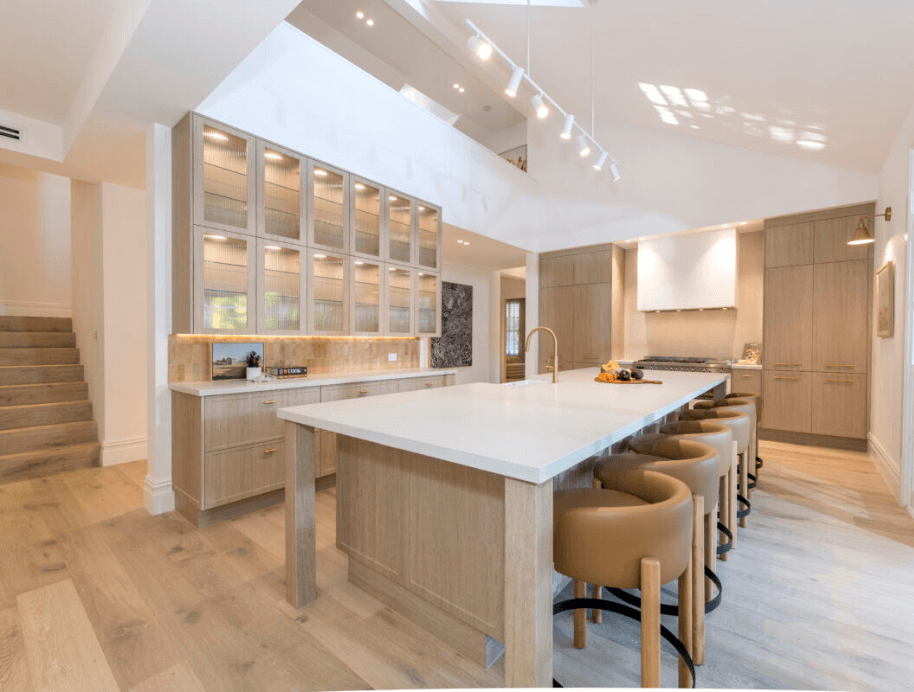
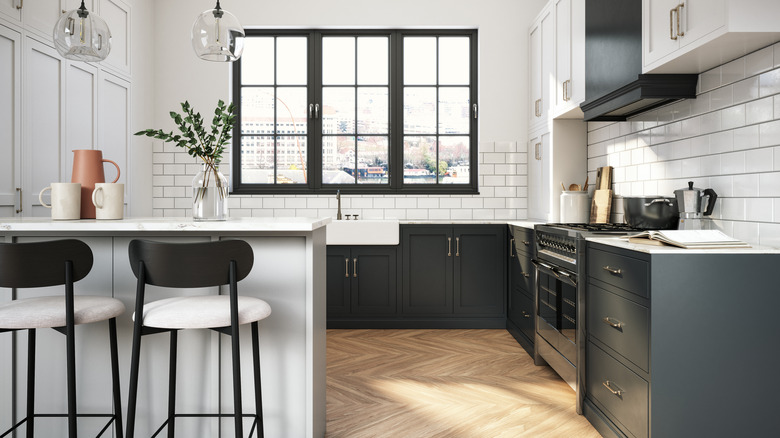
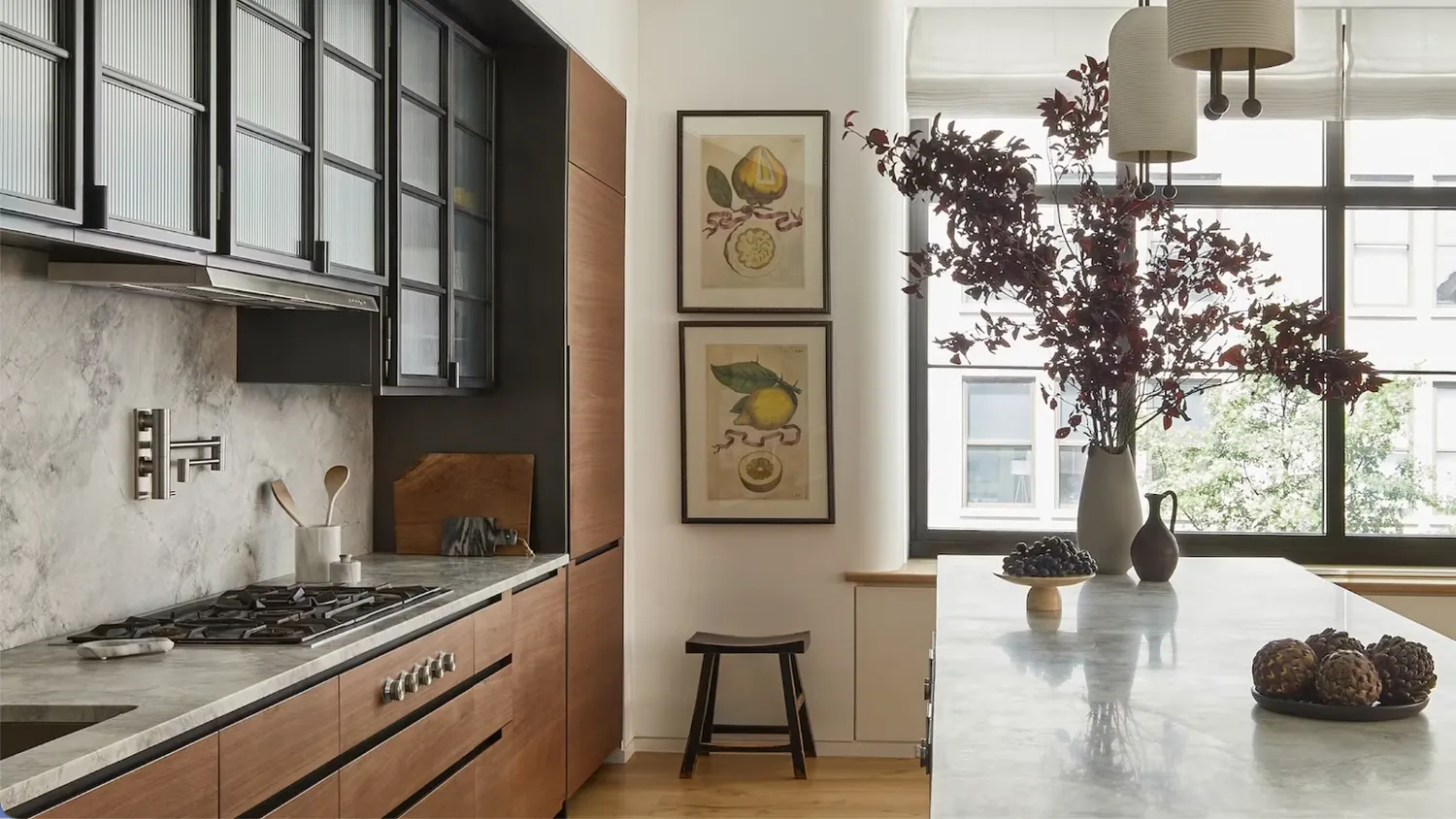
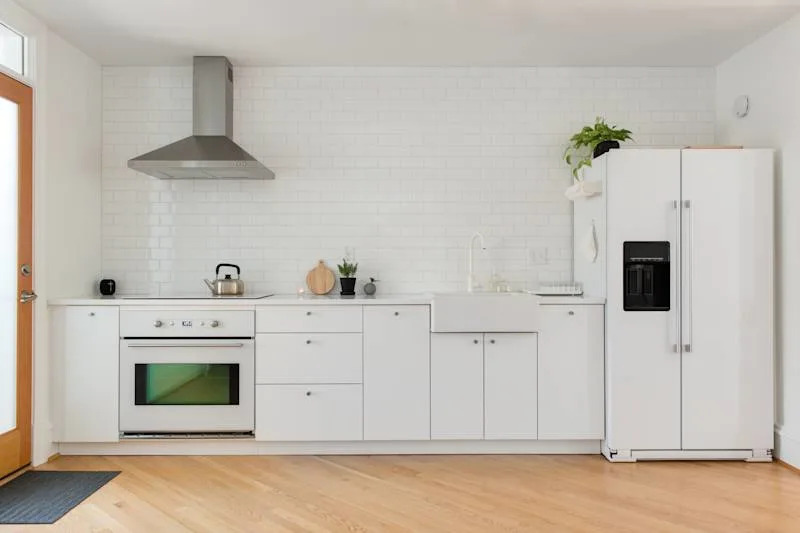
The trend in kitchen design for 2025 indicates a significant shift away from traditional upper cabinets, moving towards more open, minimalist, and integrated storage solutions. This change is driven by a desire for a cleaner, more spacious aesthetic, influenced by contemporary design principles and evolving homeowner preferences. Experts like Richard Davis from The Kitchn highlight this as a growing movement in kitchen renovations and new builds. The primary replacements for upper cabinets include open shelving, decorative range hoods, and integrated pantry systems, each offering unique benefits and design possibilities.
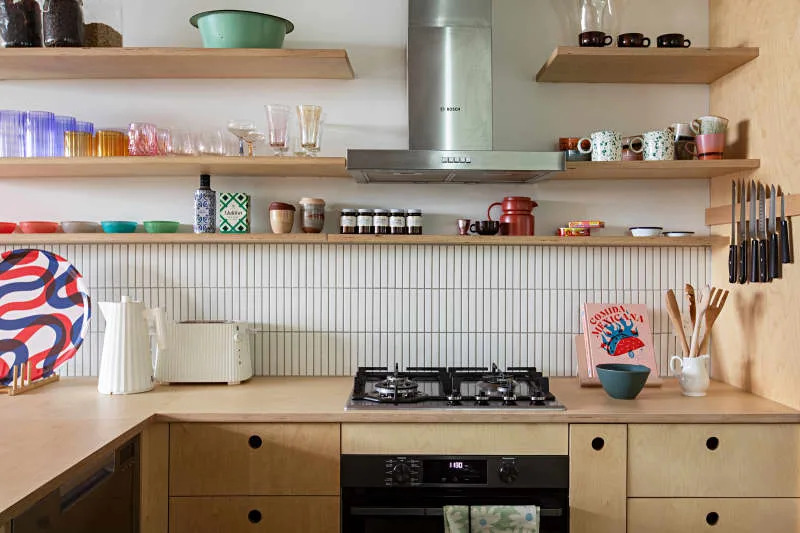
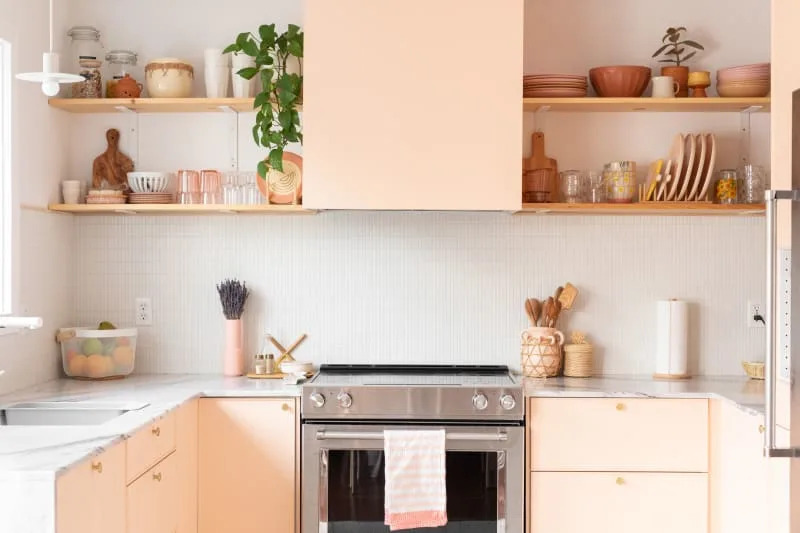
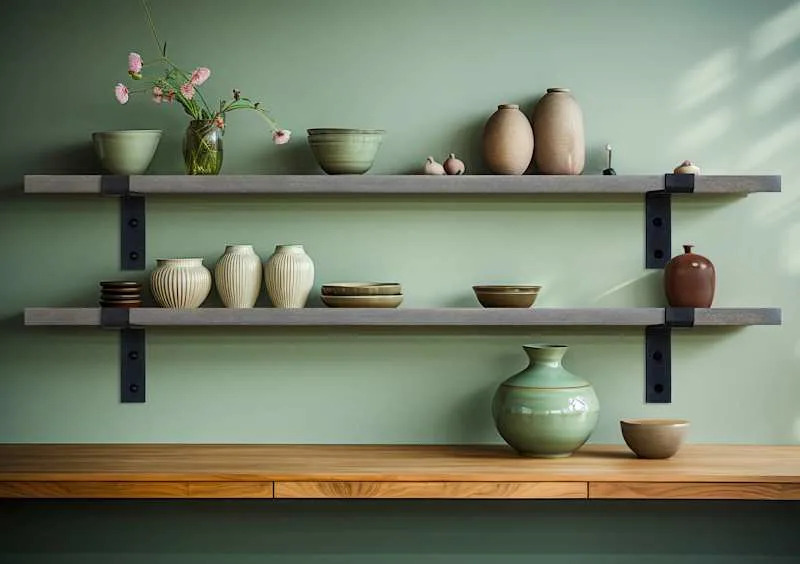
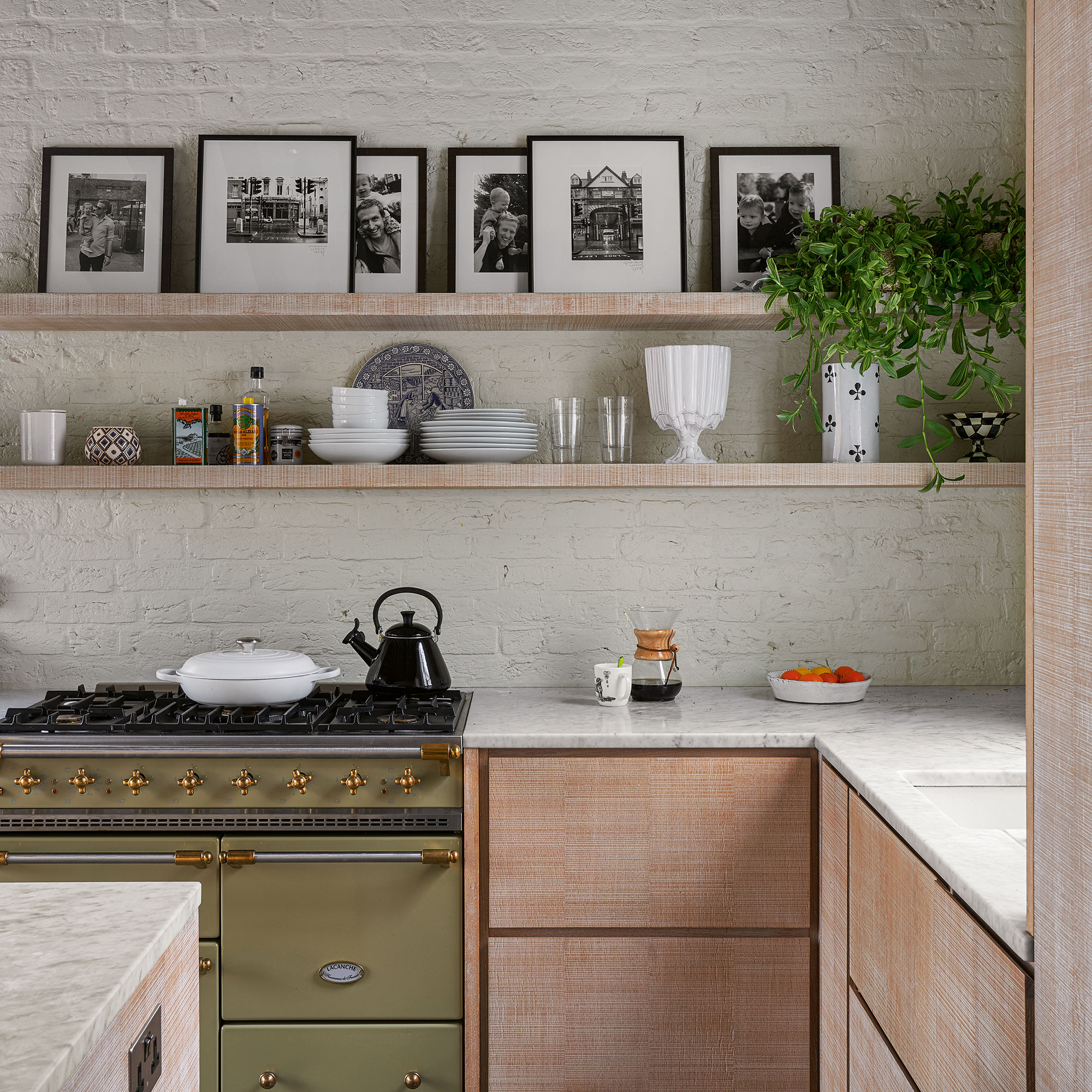
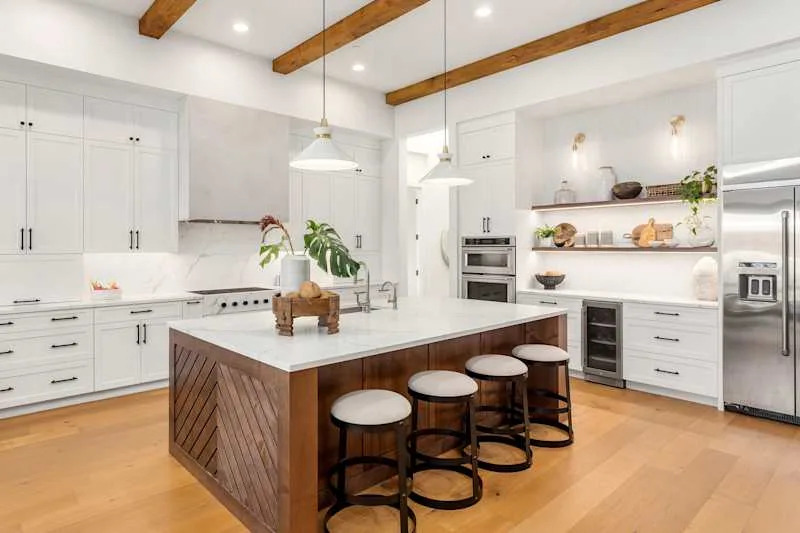
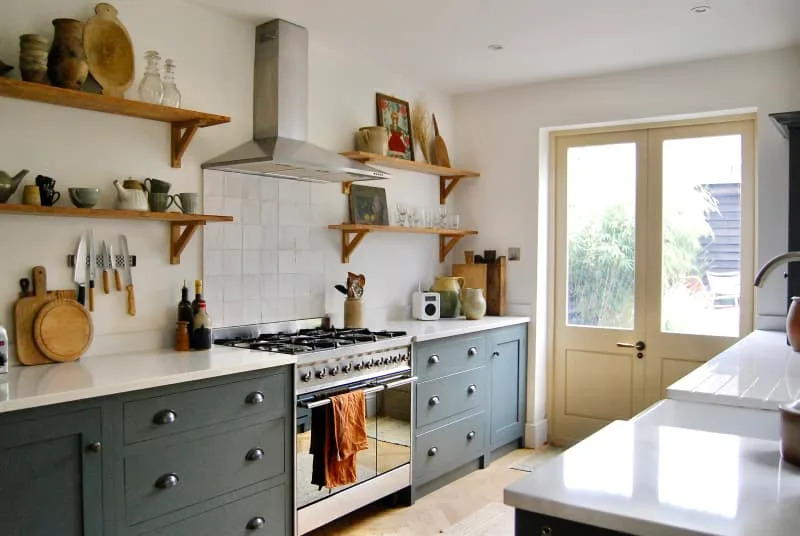
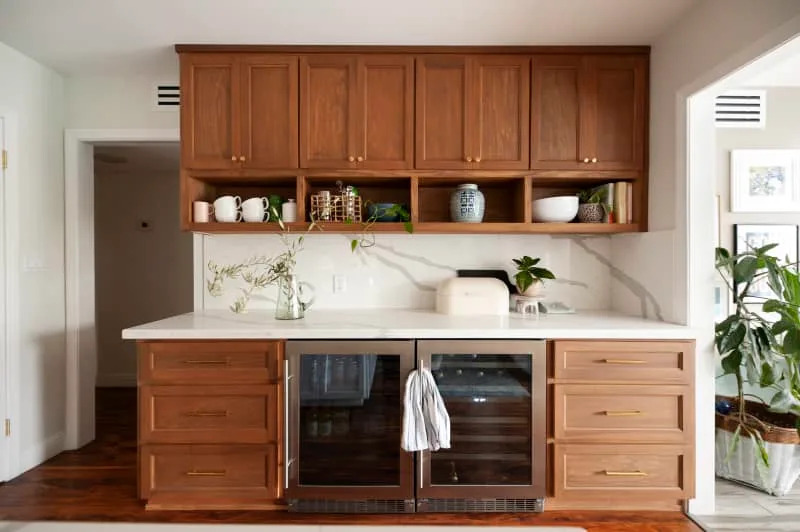
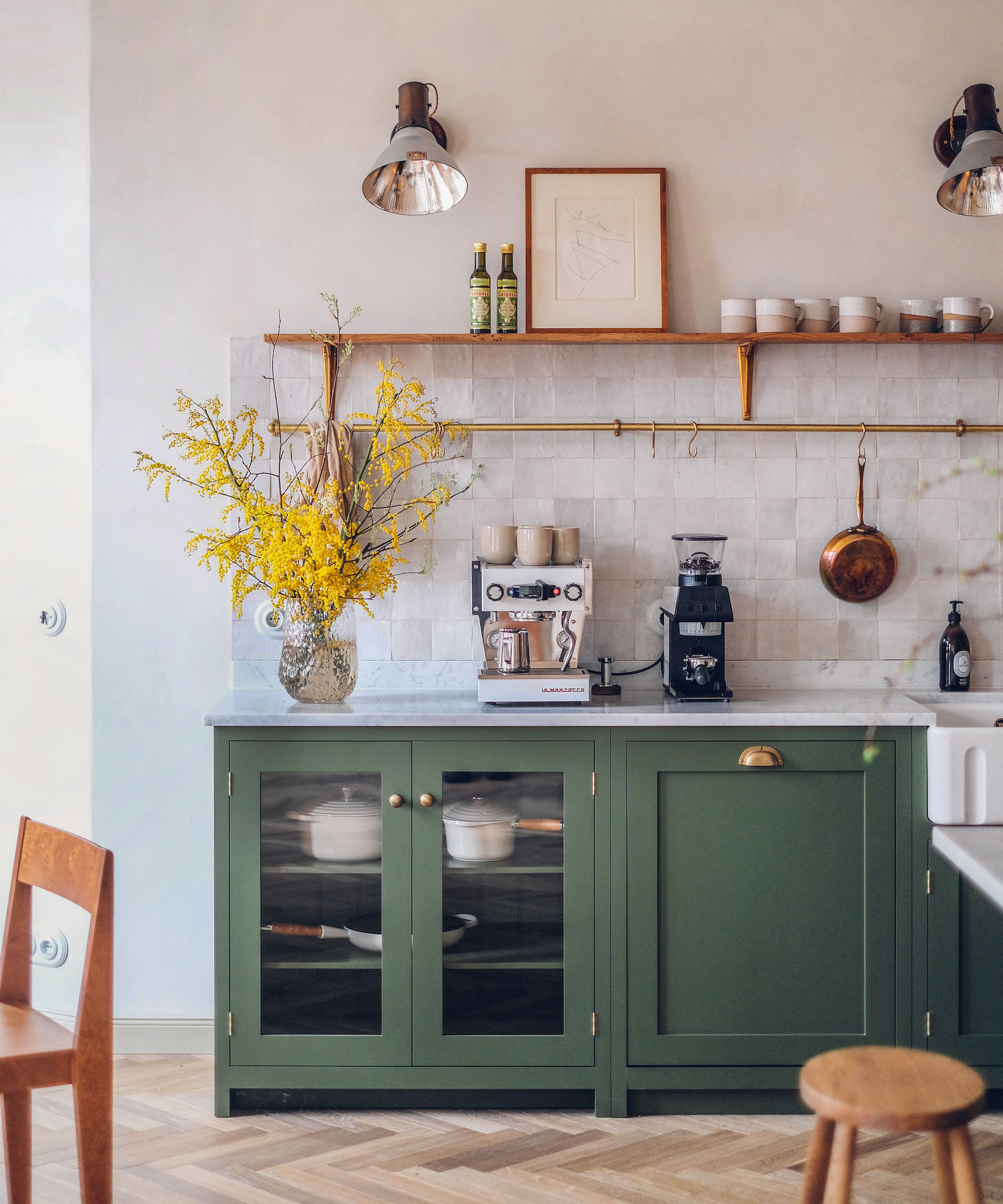
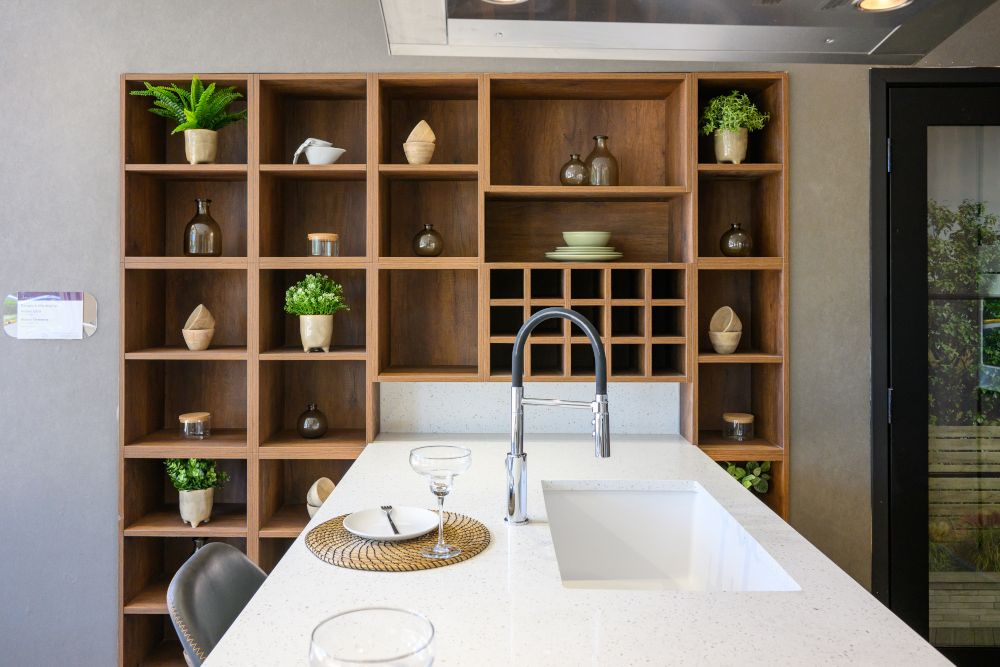
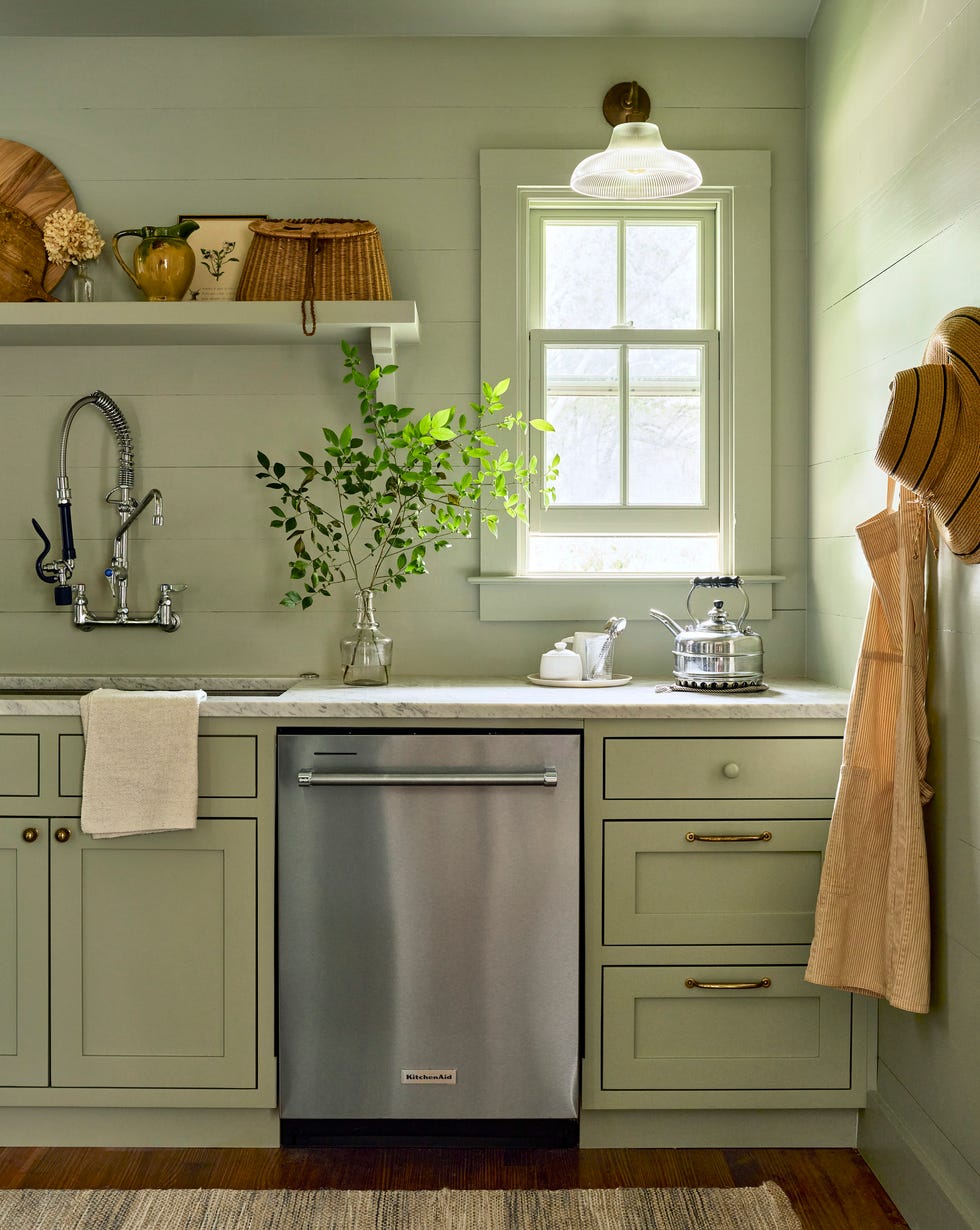
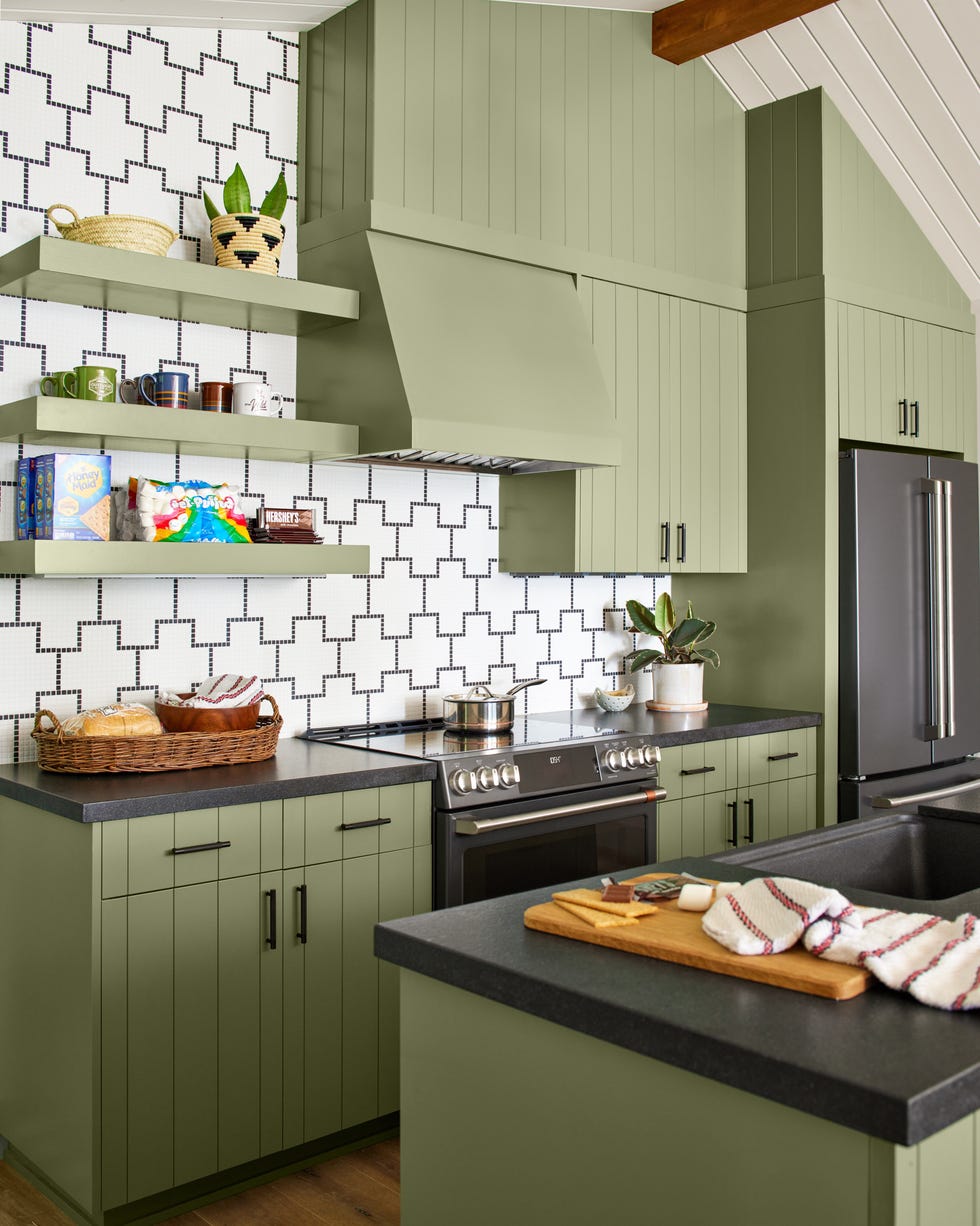
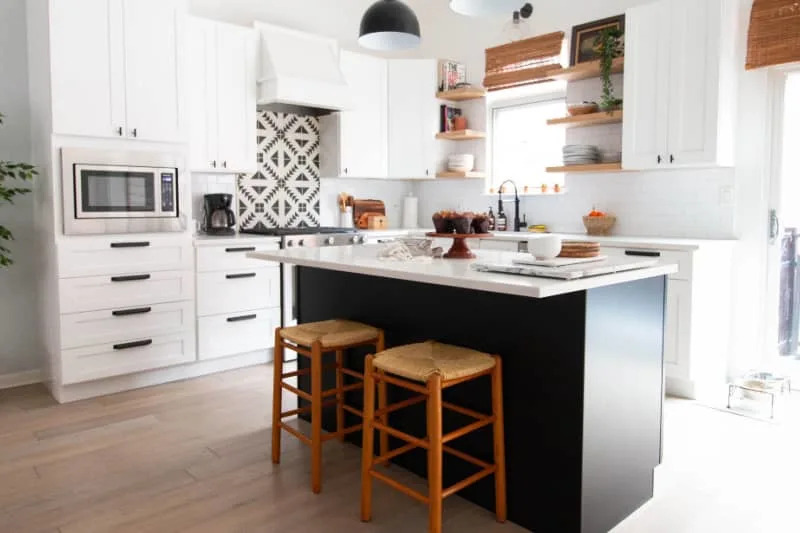
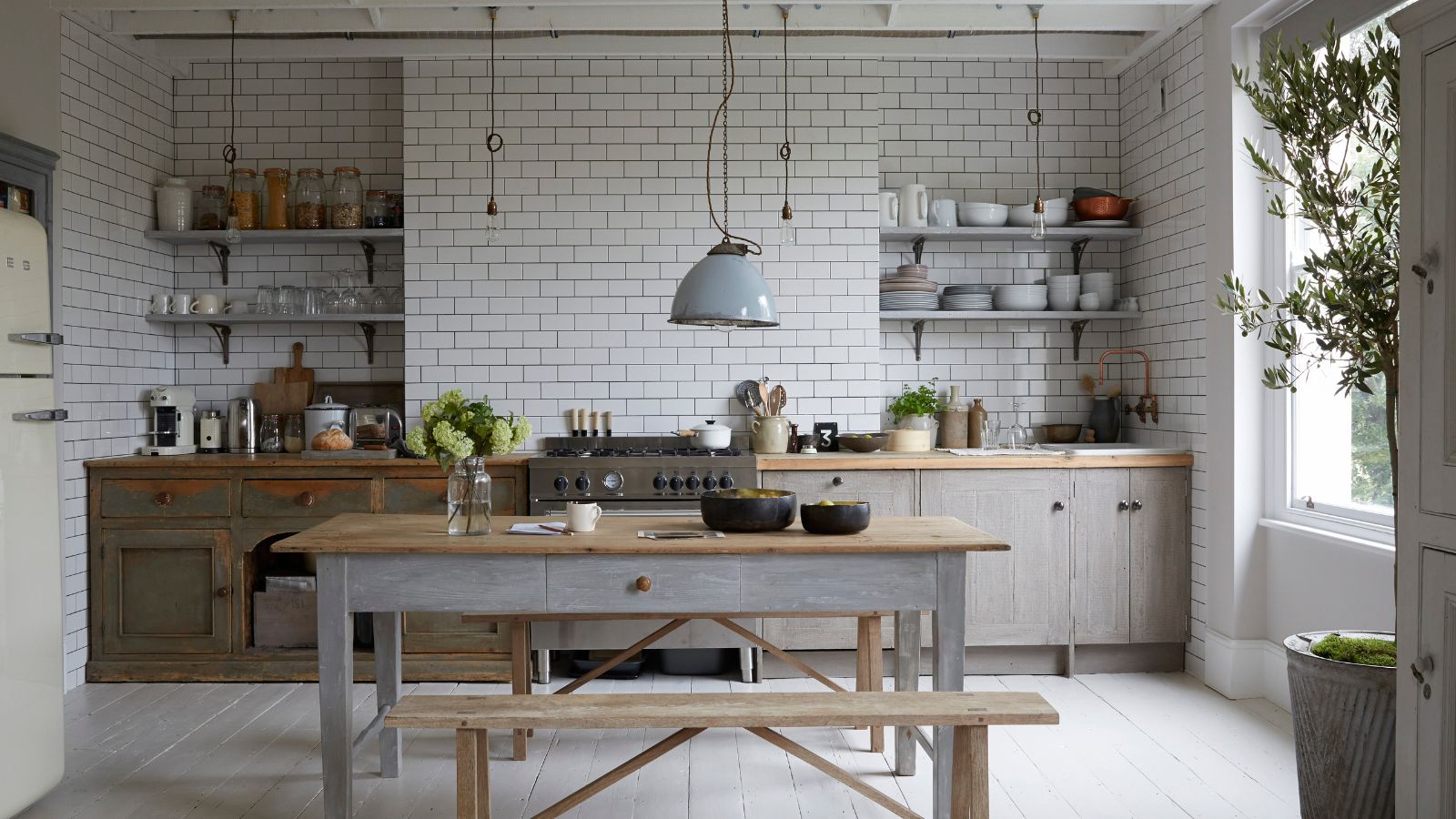
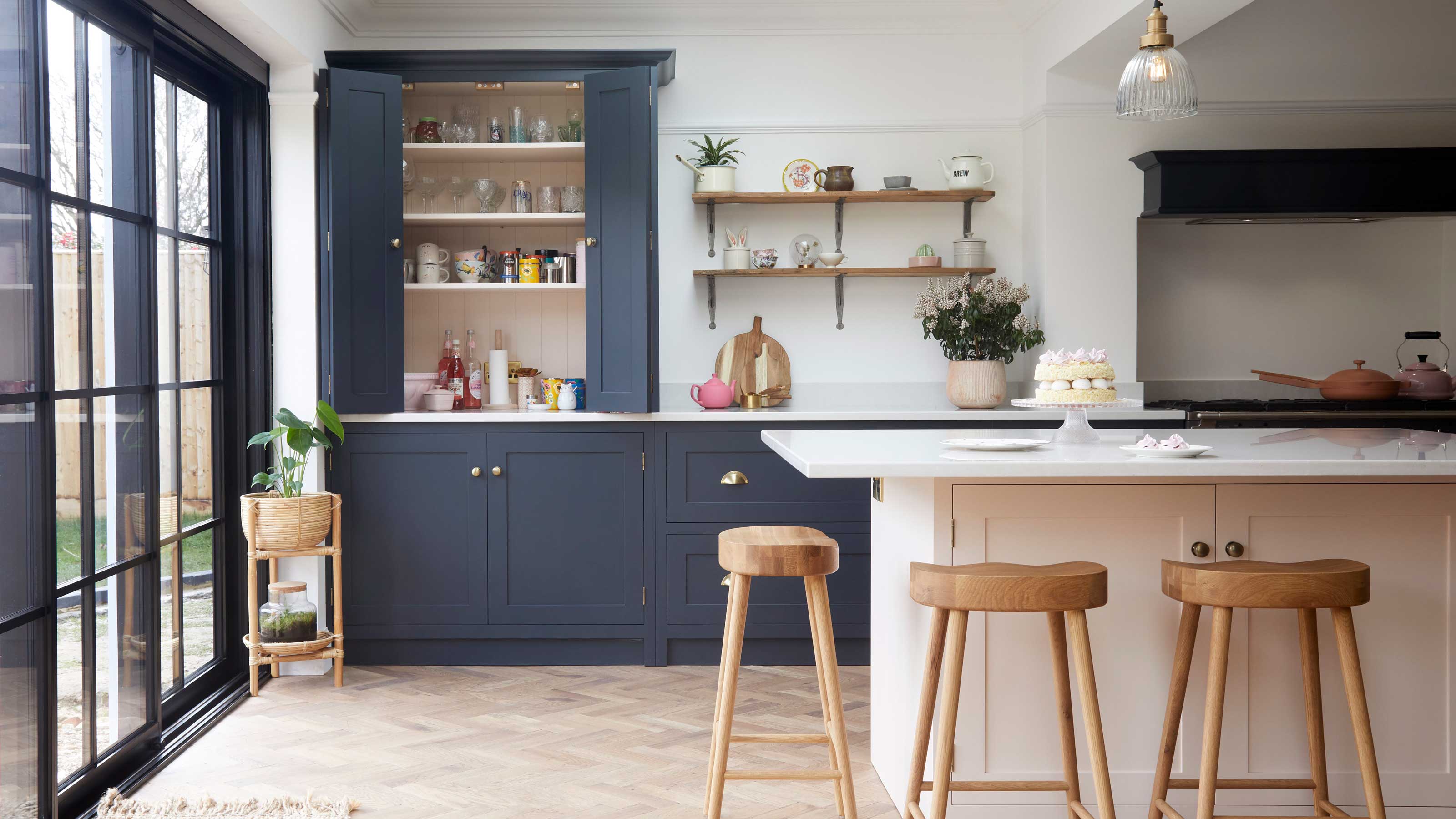
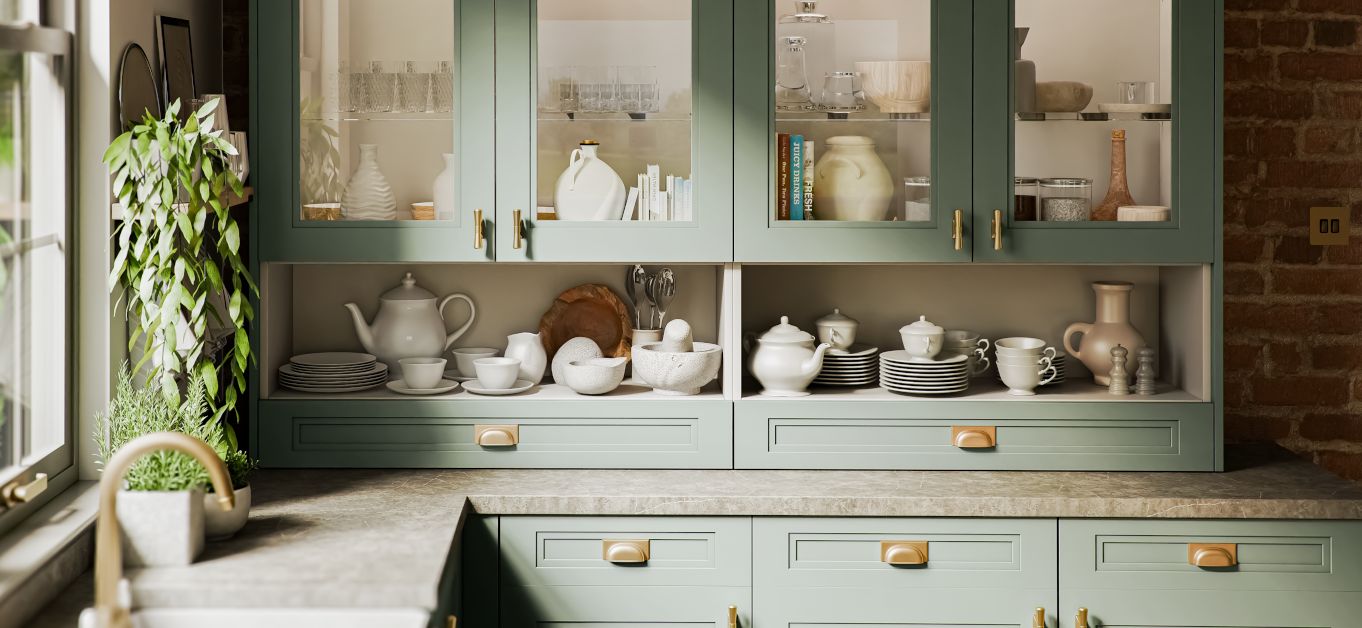
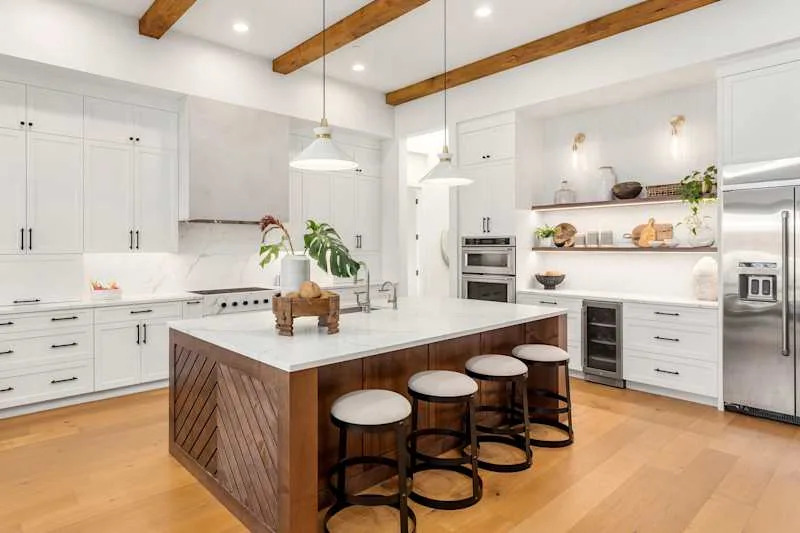
Open shelving is a prominent alternative, providing an airy feel and allowing for the display of aesthetically pleasing kitchen items, such as unique glassware, cookbooks, and decorative ceramics. While this approach offers a sense of openness, it requires careful curation to maintain a tidy appearance. Homeowners opting for open shelves often pair them with attractive storage solutions like large glass jars for bulk items or wicker baskets to organize utensils, enhancing both functionality and visual appeal. The emphasis is on showcasing items that contribute to the kitchen's overall design and decluttering less attractive essentials.
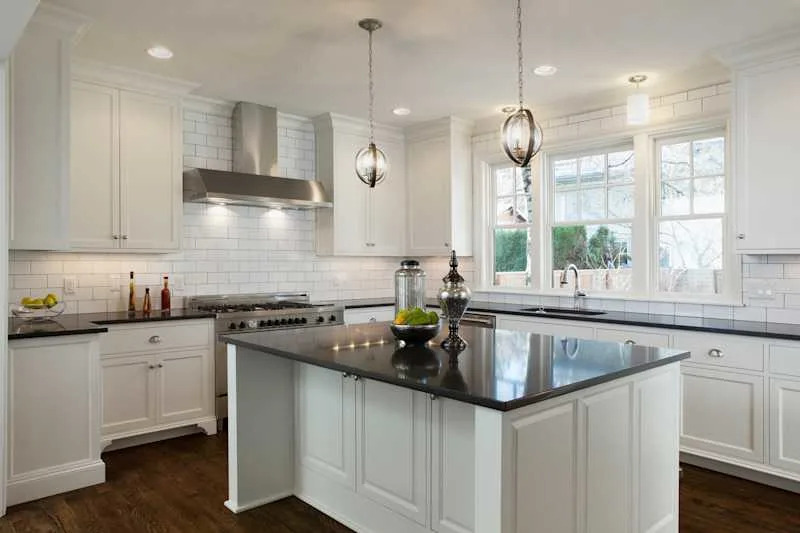
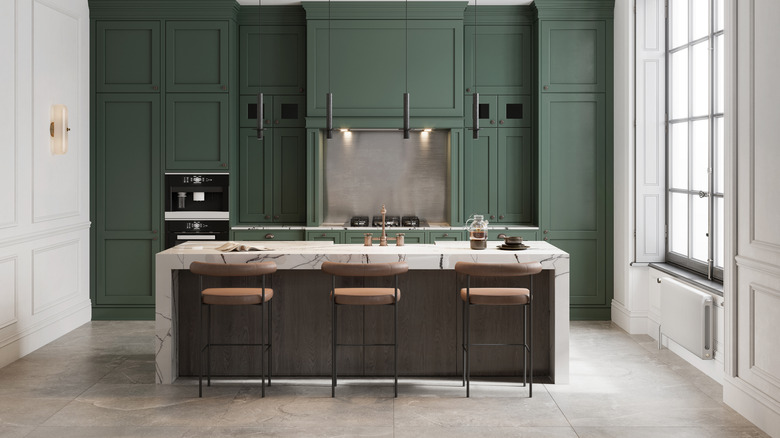
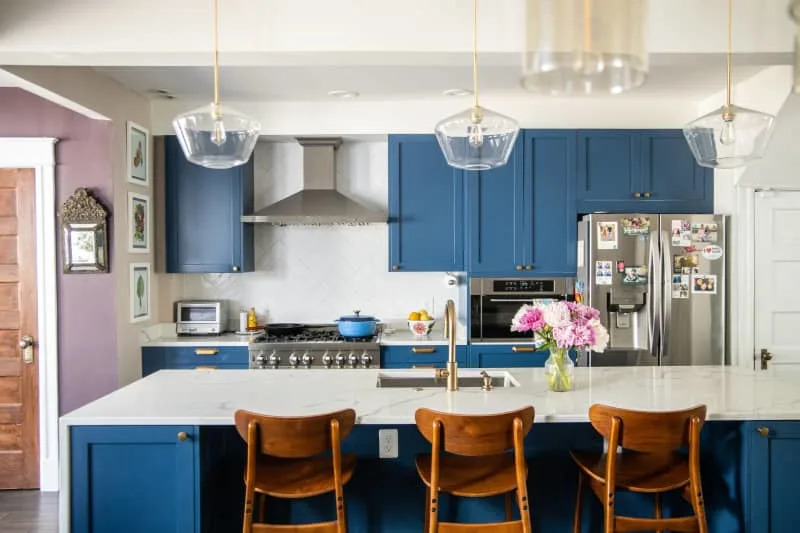
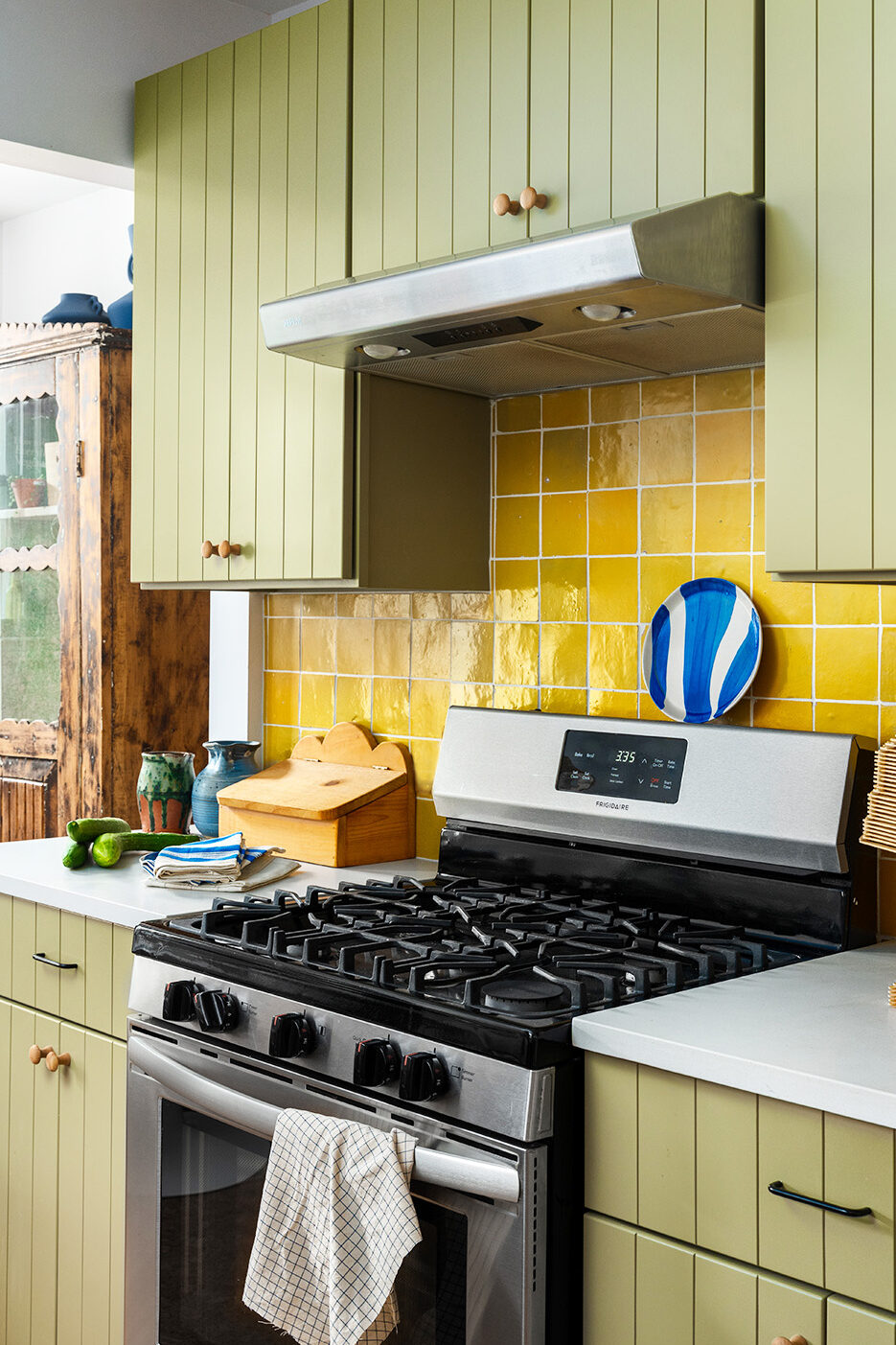
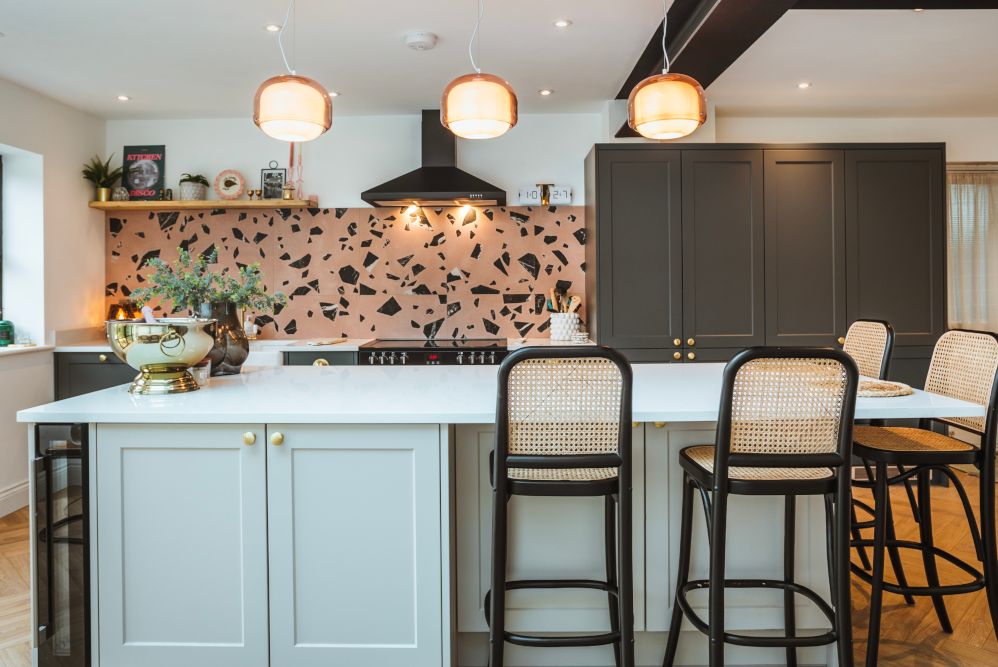
Another emerging trend is the use of decorative range hoods, which become a focal point in the kitchen when upper cabinets are removed. These hoods often feature elaborate designs, unique materials, or bold colors, transforming a functional appliance into a statement piece. They contribute to the visual lightness of the kitchen by eliminating the bulky presence of cabinets, drawing the eye upwards and creating an illusion of higher ceilings. This design choice aligns with a desire for kitchens that feel less utilitarian and more like integrated living spaces.
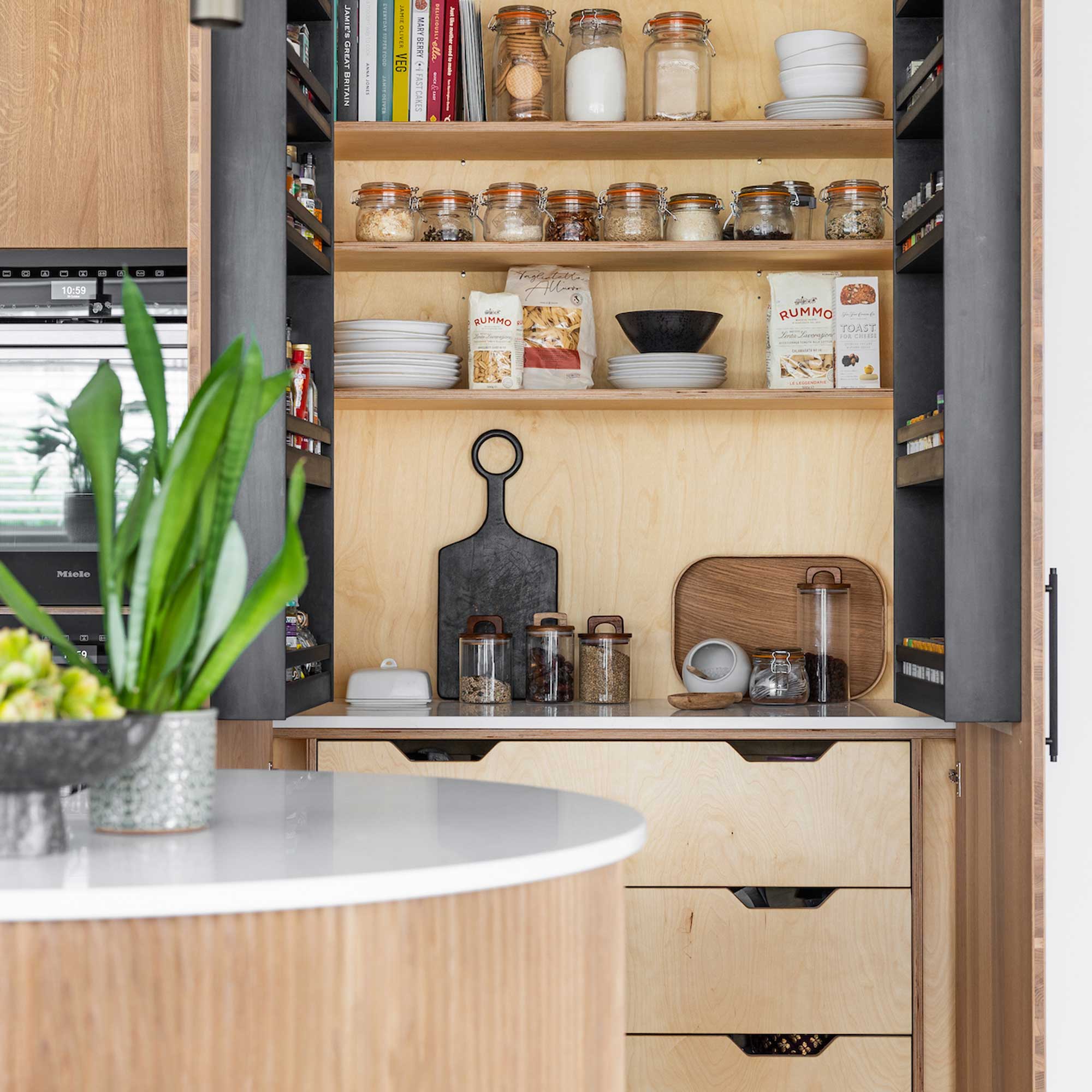
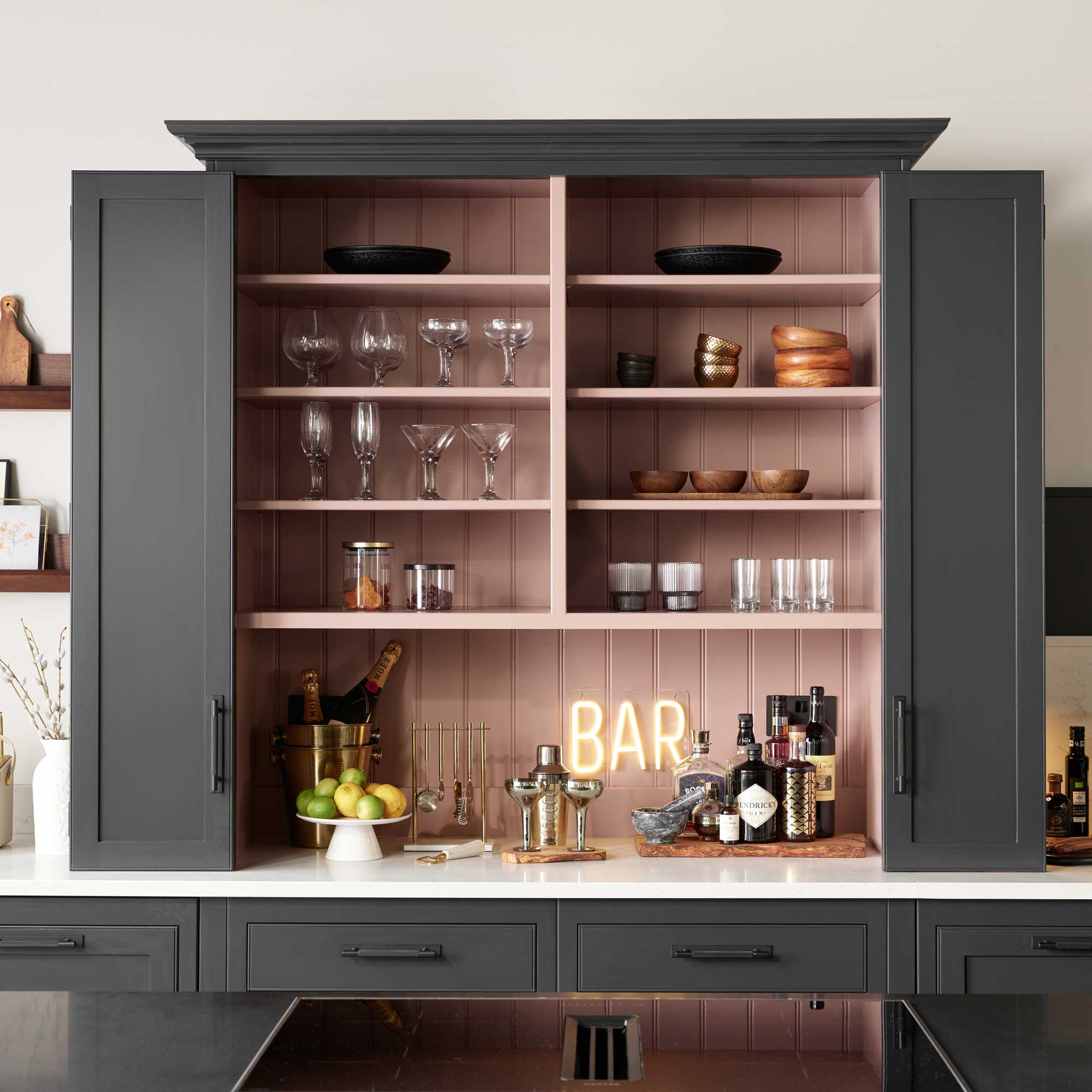
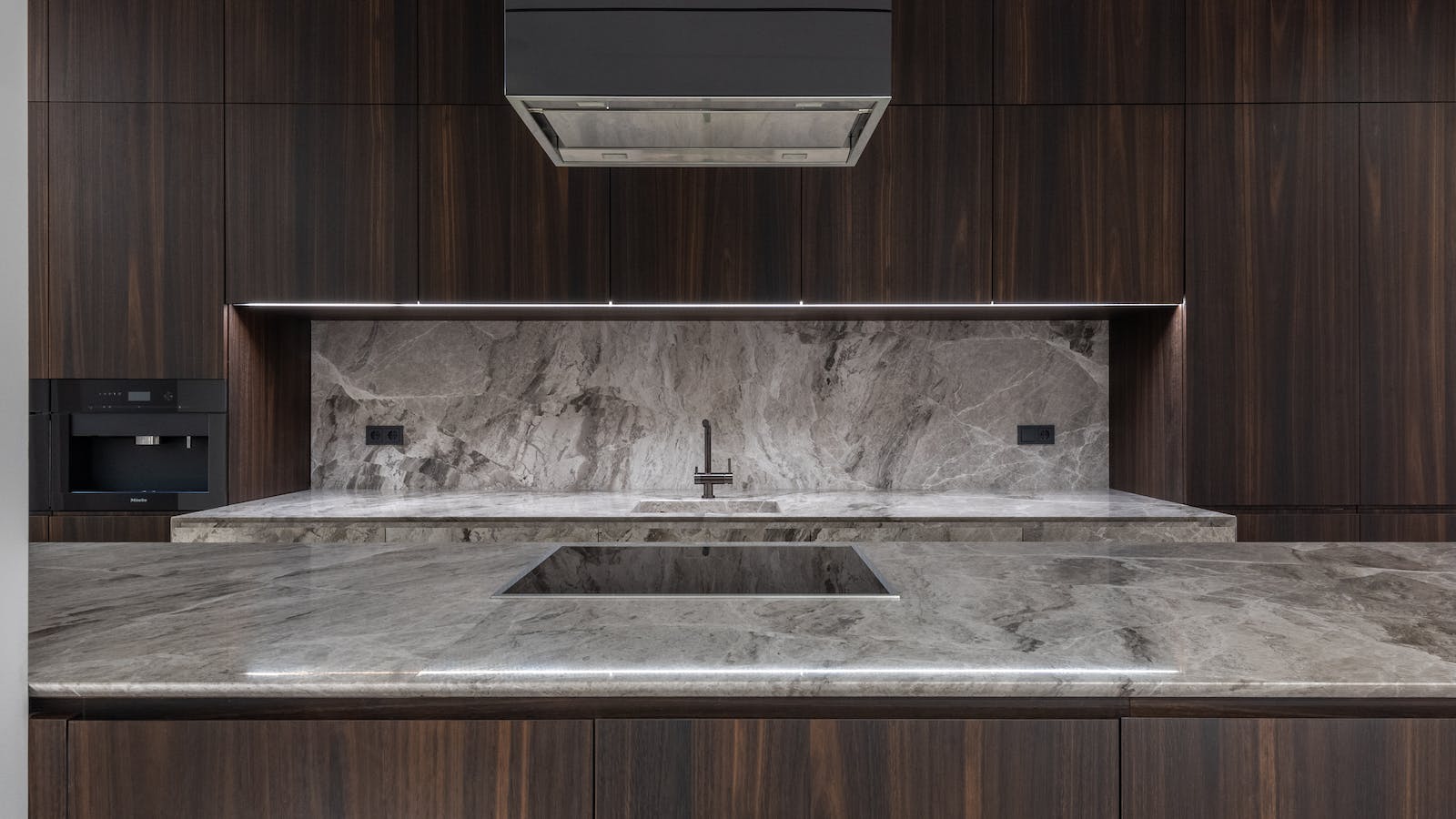
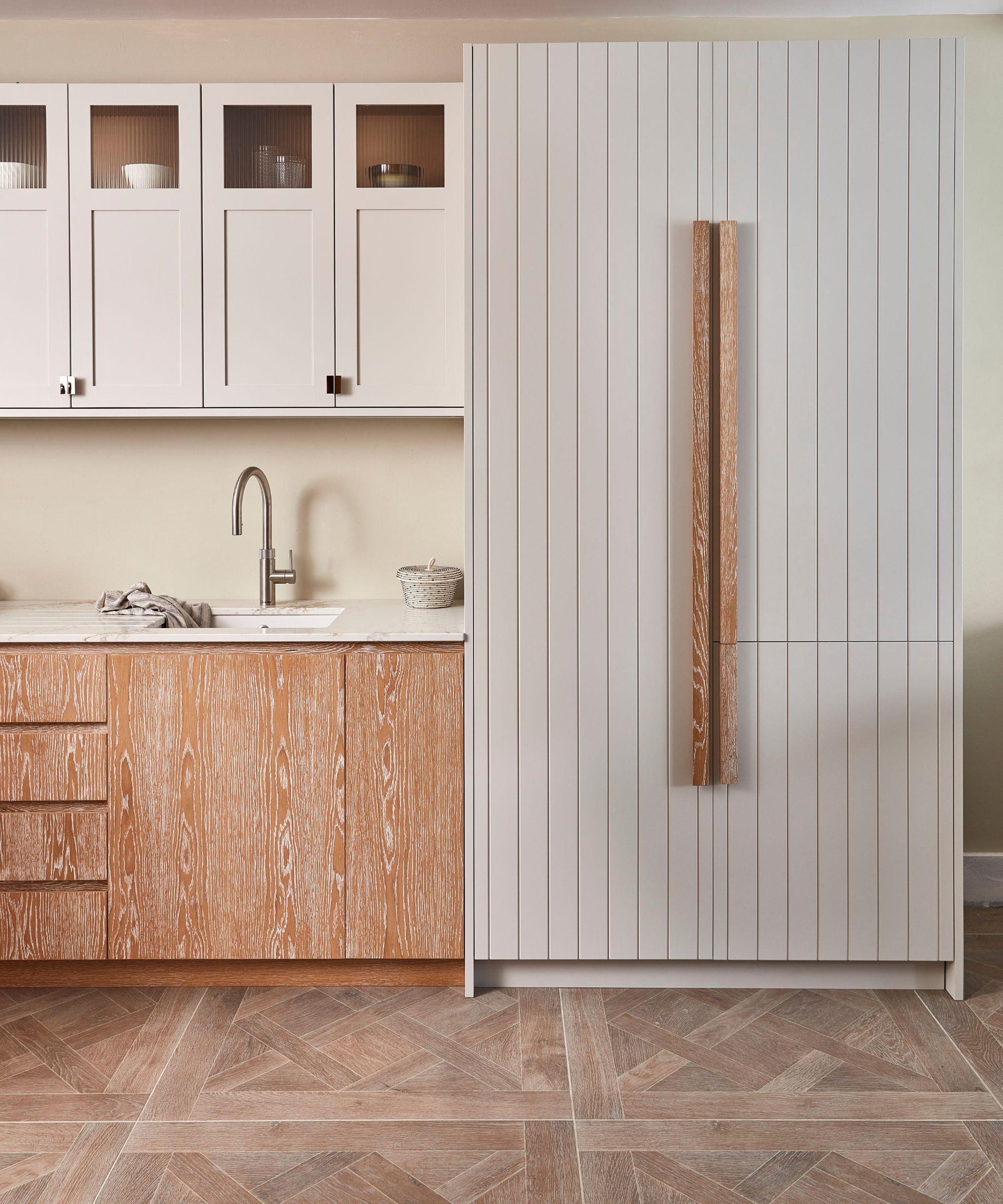
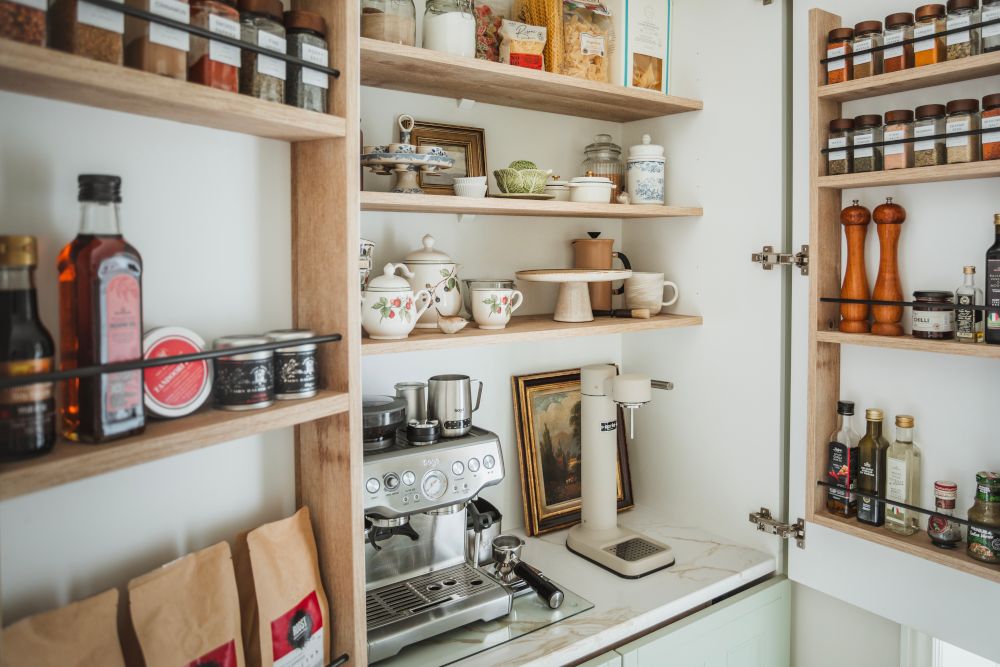
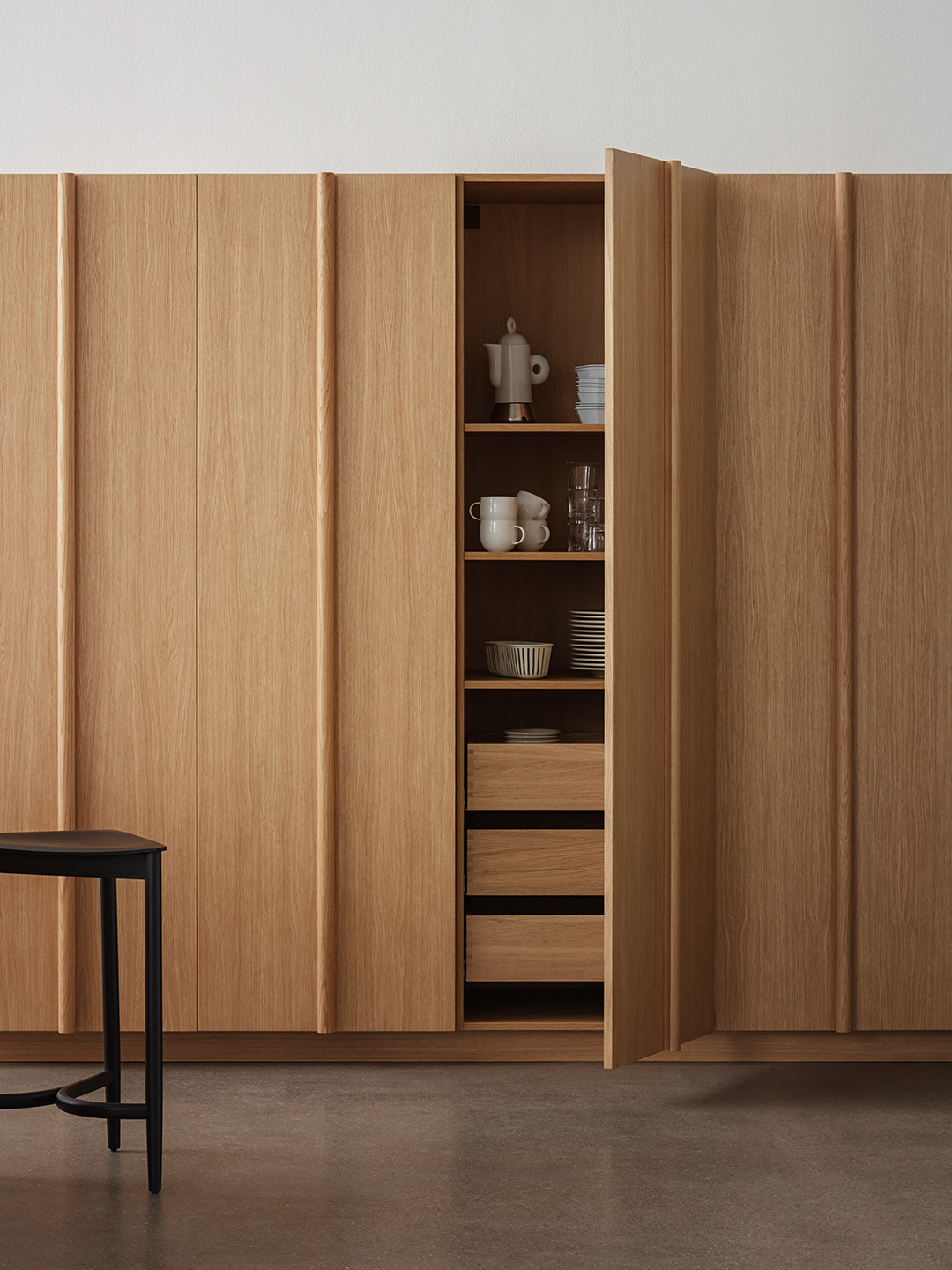
Integrated pantry systems are also gaining popularity as a practical solution to compensate for the loss of upper cabinet storage. These systems can range from floor-to-ceiling cabinets to hidden pantries behind seamless panels, offering extensive storage without compromising the minimalist aesthetic. They allow for the efficient organization of food, small appliances, and kitchenware, keeping clutter out of sight. This shift towards larger, more organized pantry spaces reflects a desire for streamlined kitchens where everyday items are easily accessible yet discreetly stored.
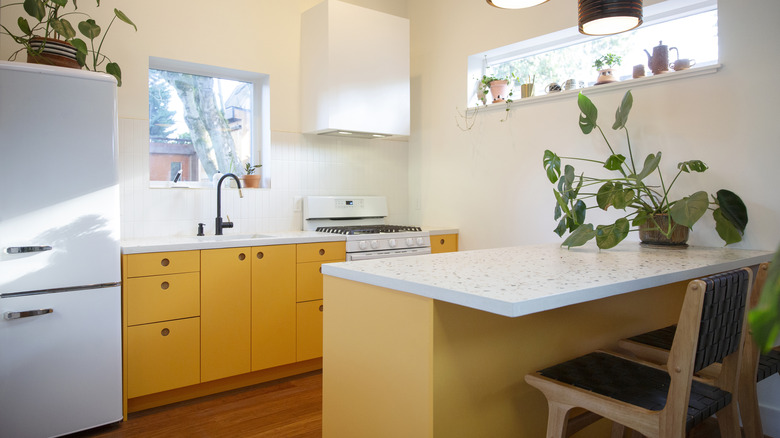
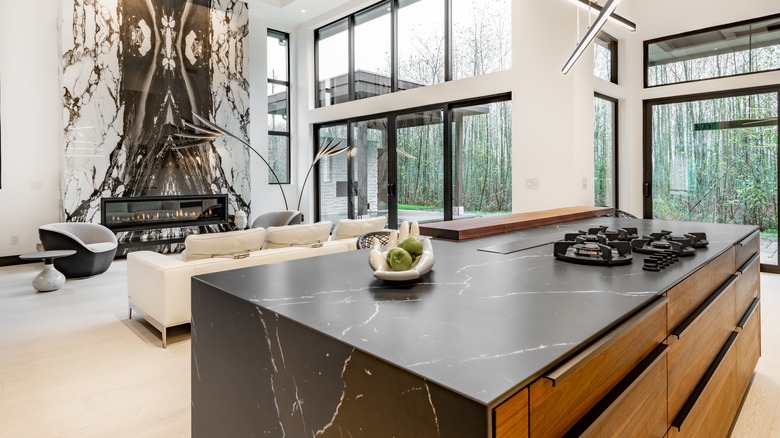
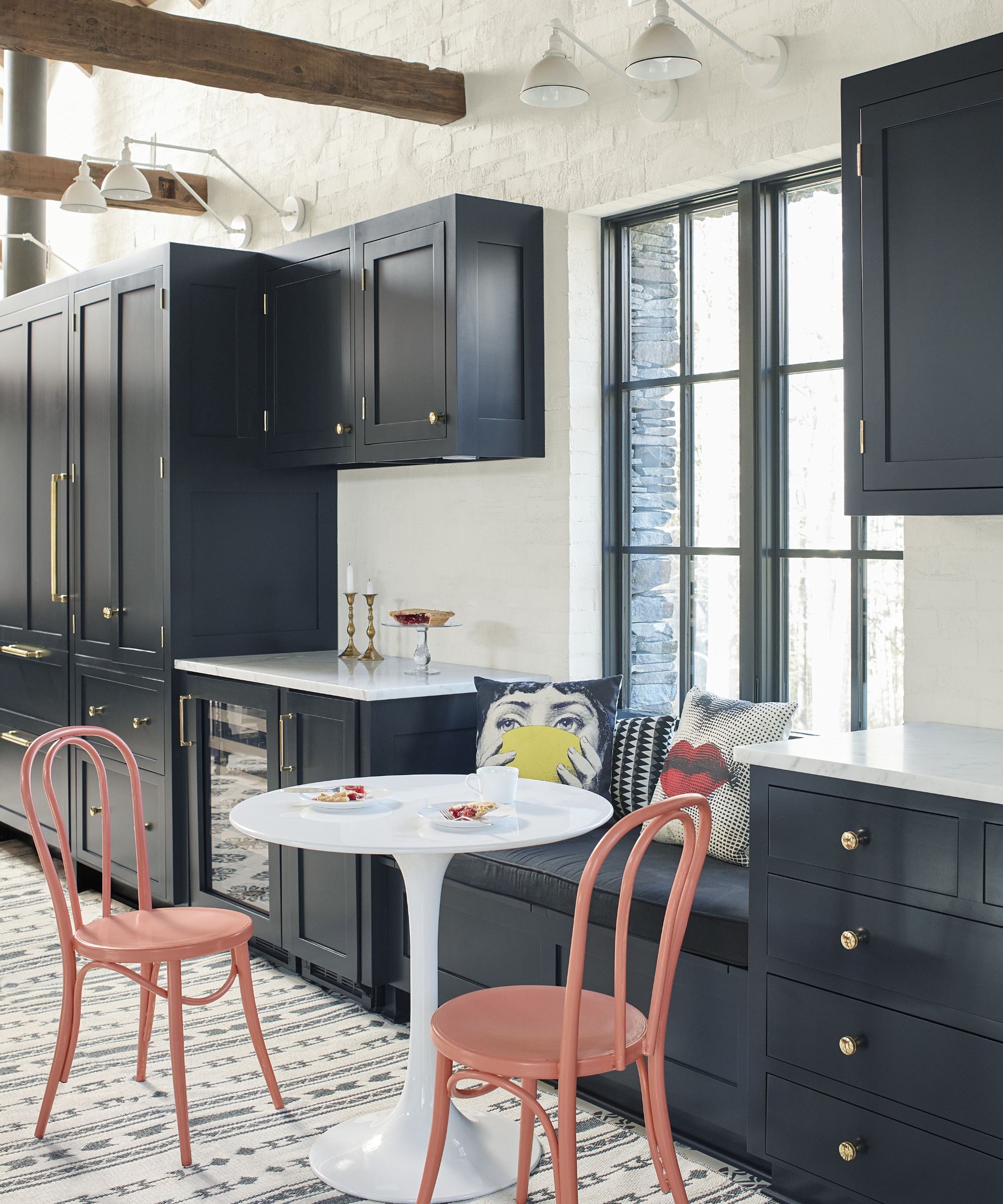
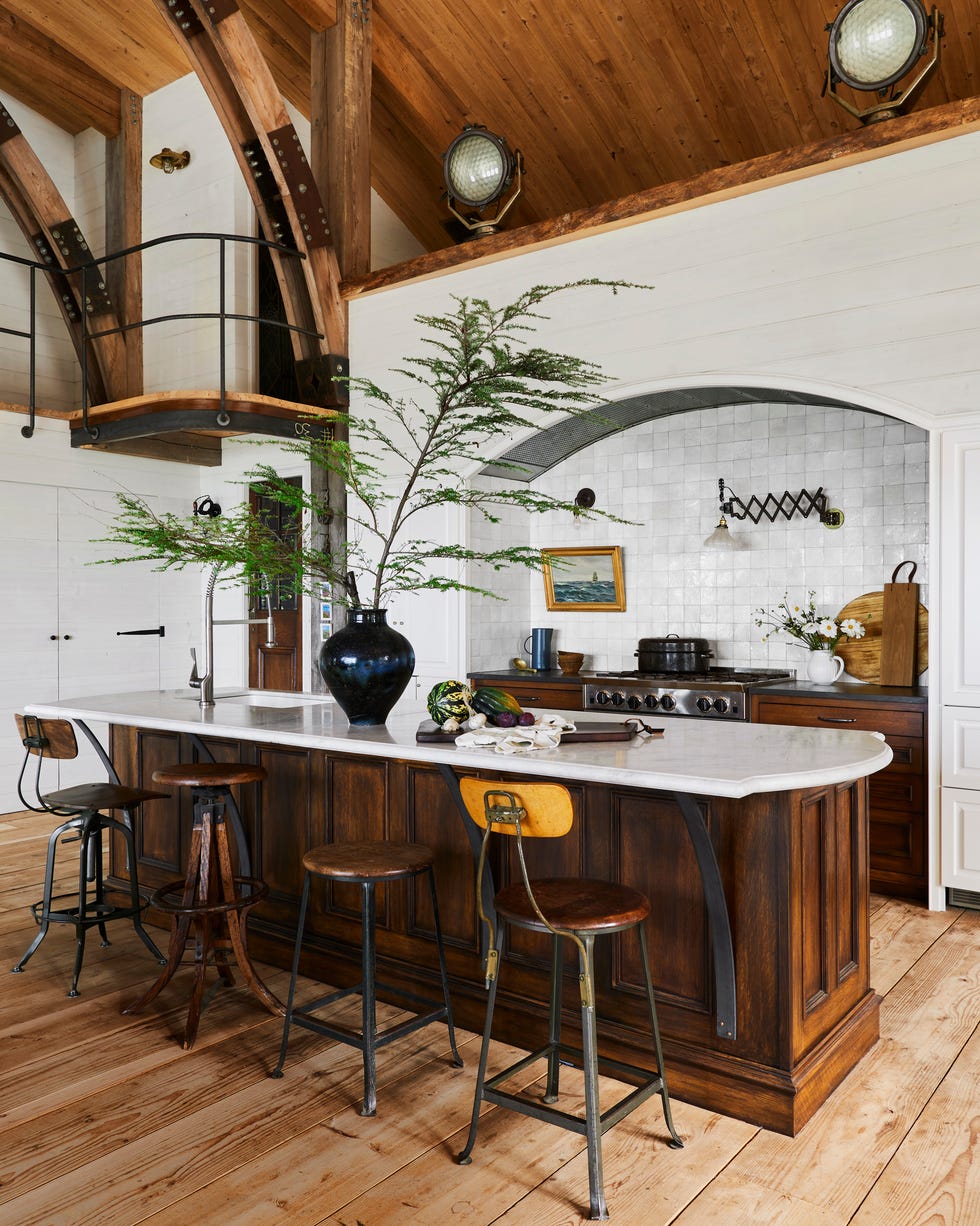
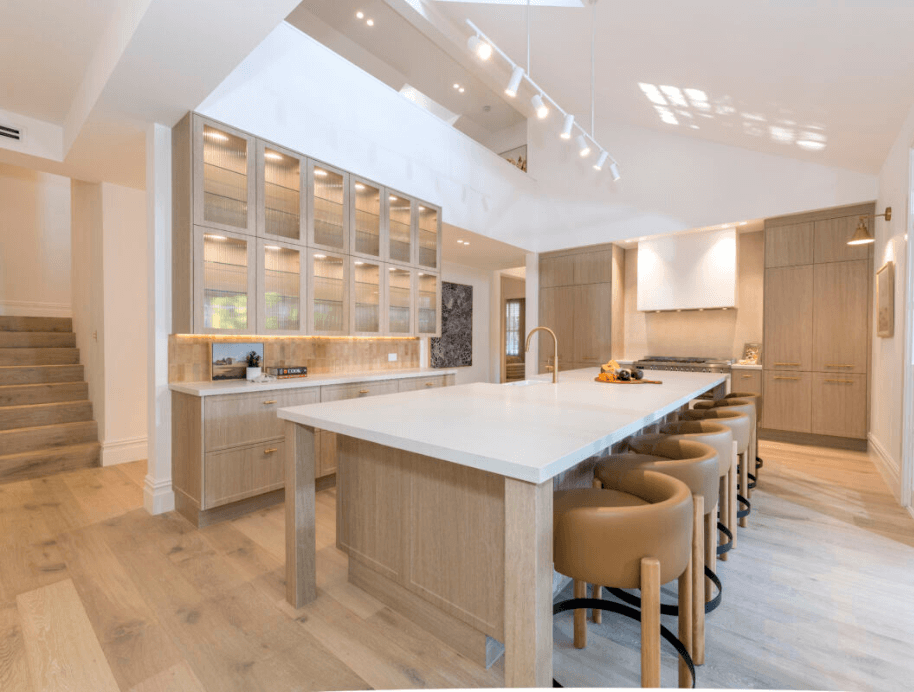
The move away from upper cabinets is also a reflection of a broader preference for light-filled and spacious interiors. Eliminating bulky wall-mounted storage allows more natural light to penetrate the kitchen, making the space feel larger and more inviting. This design philosophy encourages a less cluttered environment, where essential items are either beautifully displayed or neatly tucked away. The trend suggests that future kitchens will prioritize visual simplicity, personalized displays, and highly efficient, often concealed, storage options.
Ultimately, the evolution of kitchen design towards fewer upper cabinets signifies a blend of aesthetic preferences and practical considerations. It caters to a modern lifestyle that values open living areas, natural light, and a personalized touch in home decor. While controversial for some due to the loss of traditional storage, these emerging alternatives provide opportunities for innovative and stylish kitchen layouts that are both functional and visually appealing.
#KitchenCabinets #KitchenDesign #OpenShelving #HomeDecor #InteriorDesign #KitchenTrends #MinimalistDesign #HomeRenovation #KitchenCabinets #KitchenDesign #OpenShelving #HomeDecor #InteriorDesign #KitchenTrends #MinimalistDesign #HomeRenovation
Hay 0 comentarios en total
 Aún no hay comentarios
También te puede gustar
Upper Kitchen Cabinets Are on Their Way Out in 2025 — Here’s What’s Replacing Them
7 Kitchen Cabinet Trends That Are Predicted To Blow Up In 2025 (& 4 We'd Skip)

These are the outdated kitchen cabinet trends designers say you should ditch in 2025
Say Goodbye to Bland Kitchens: 5 Kitchen Cabinet Trends You're About to See Everywhere in 2026

The trends replacing kitchen wall cabinets in 2025
We Predict This Kitchen Cabinet Trend Will Take Over in 2024
The “Outdated” Kitchen Cabinet Trend That’s Making a Huge Comeback in 2025

Kitchen Trends in 2025
5 Kitchen Countertop Trends on Their Way Out in 2025 (and What’s Replacing Them)
The “Outdated” Kitchen Cabinet Trend That’s Making a Huge Comeback in 2025
Designers Are Shifting Away From Classic Shaker Kitchen Cabinets in 2023
Bold splashbacks and open shelving will dominate kitchens in 2025

5 Kitchen Cabinet Trends on Their Way Out in 2025 (and 6 Replacing Them)
5 Kitchen Cabinet Trends on Their Way Out This Year (and 4 Replacing Them), According to Contractors
7 Gorgeous Cabinet Trends Set To Take Over Kitchens In 2026
Say Goodbye to White Cabinetry, Plus More Kitchen Trends for 2025
5 Kitchen Countertop Trends on Their Way Out in 2025 (and What’s Replacing Them)
2025 Kitchen Cabinet Trends: Transform Your Space with These Top Styles
What's Replacing the Kitchen Island? Meet the Stylish Alternatives Stealing the Spotlight in 2025

5 Kitchen Cabinet Trends for 2026—And the Surprising Style That Just Fell Out of Favor