1/6
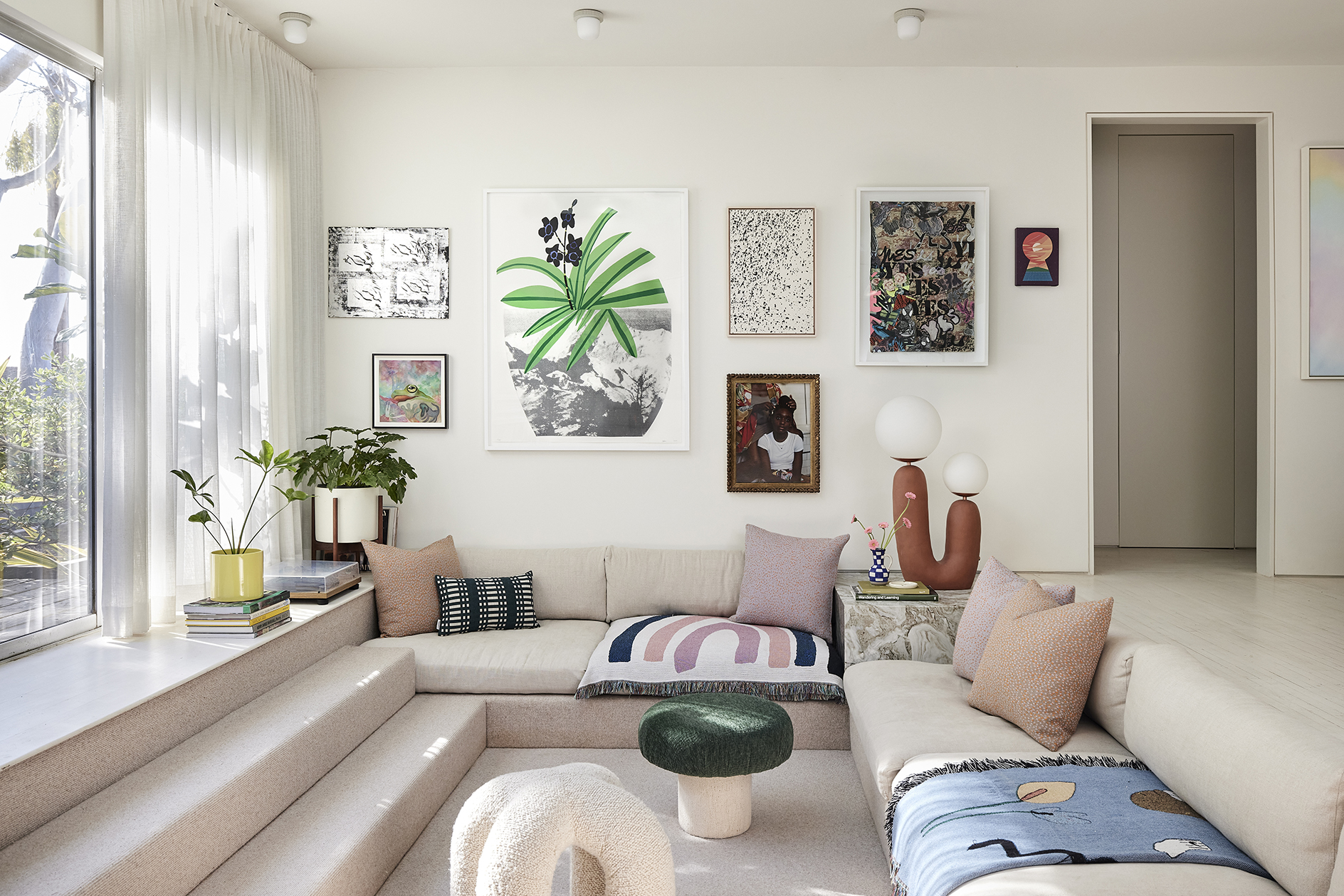
Sunken living room ideas – 5 ways to bring this core mid-century design style into your home
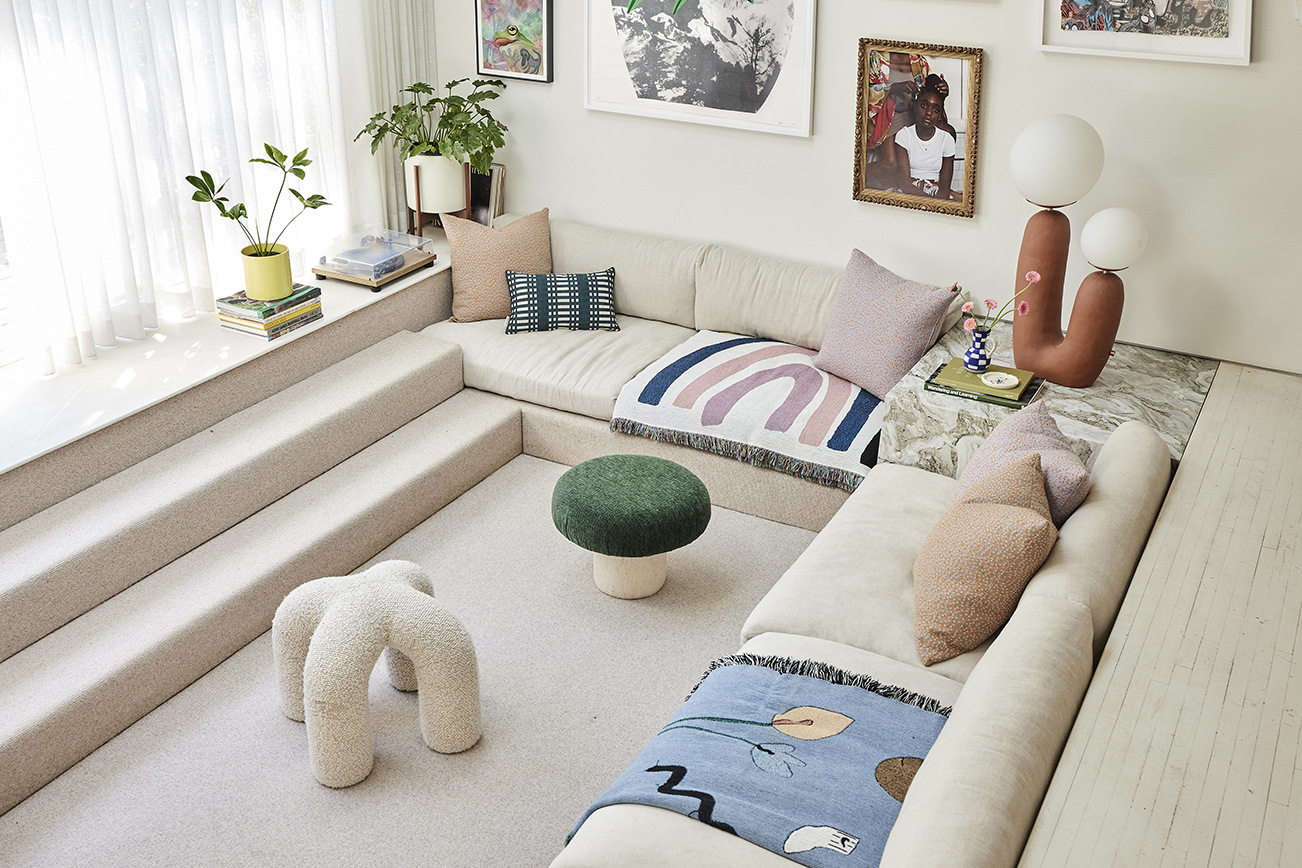
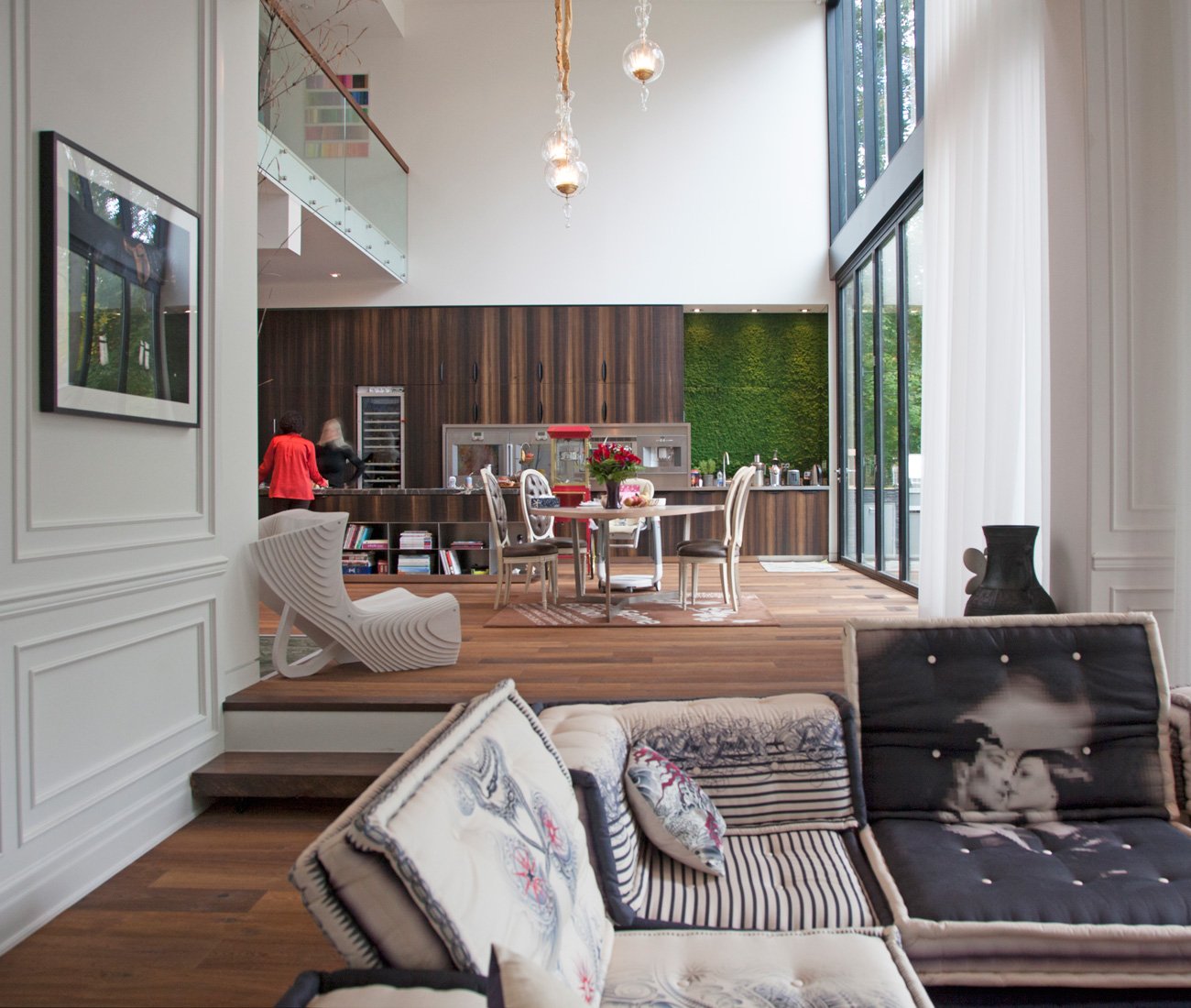
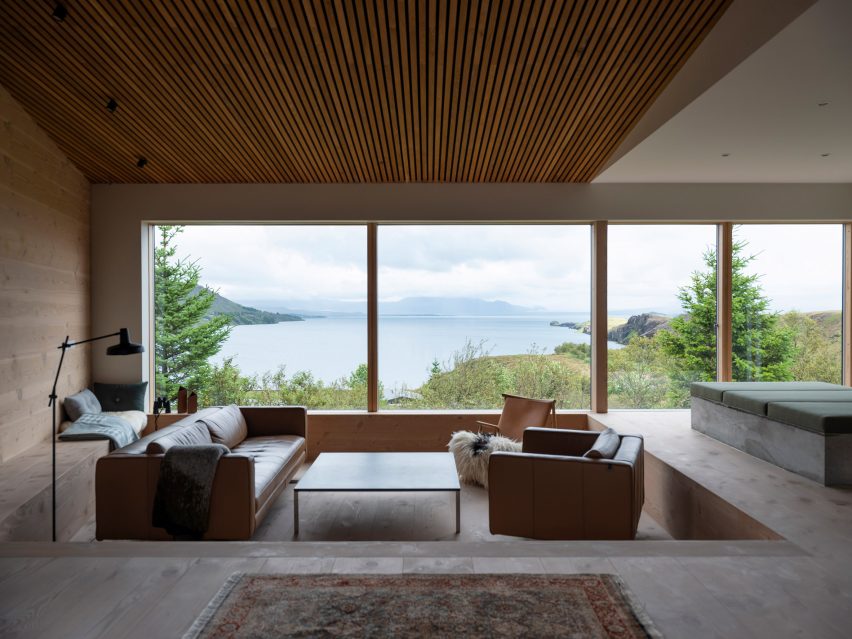
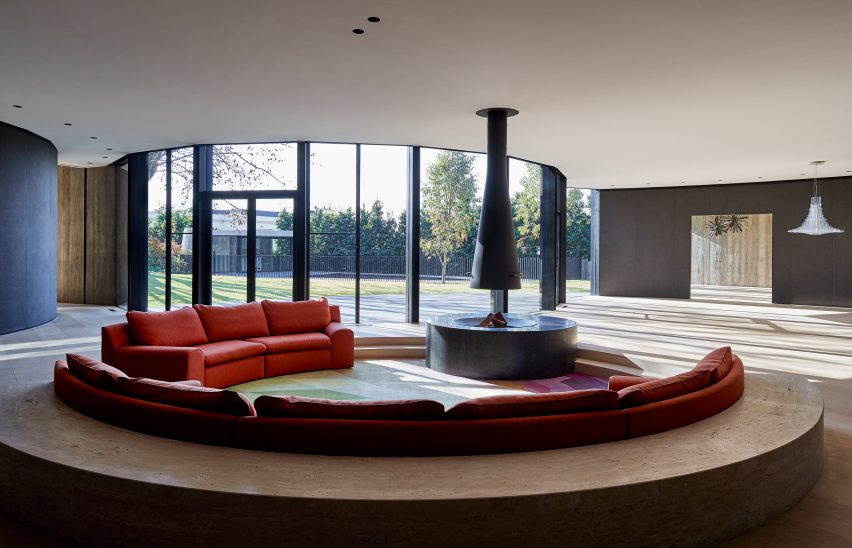
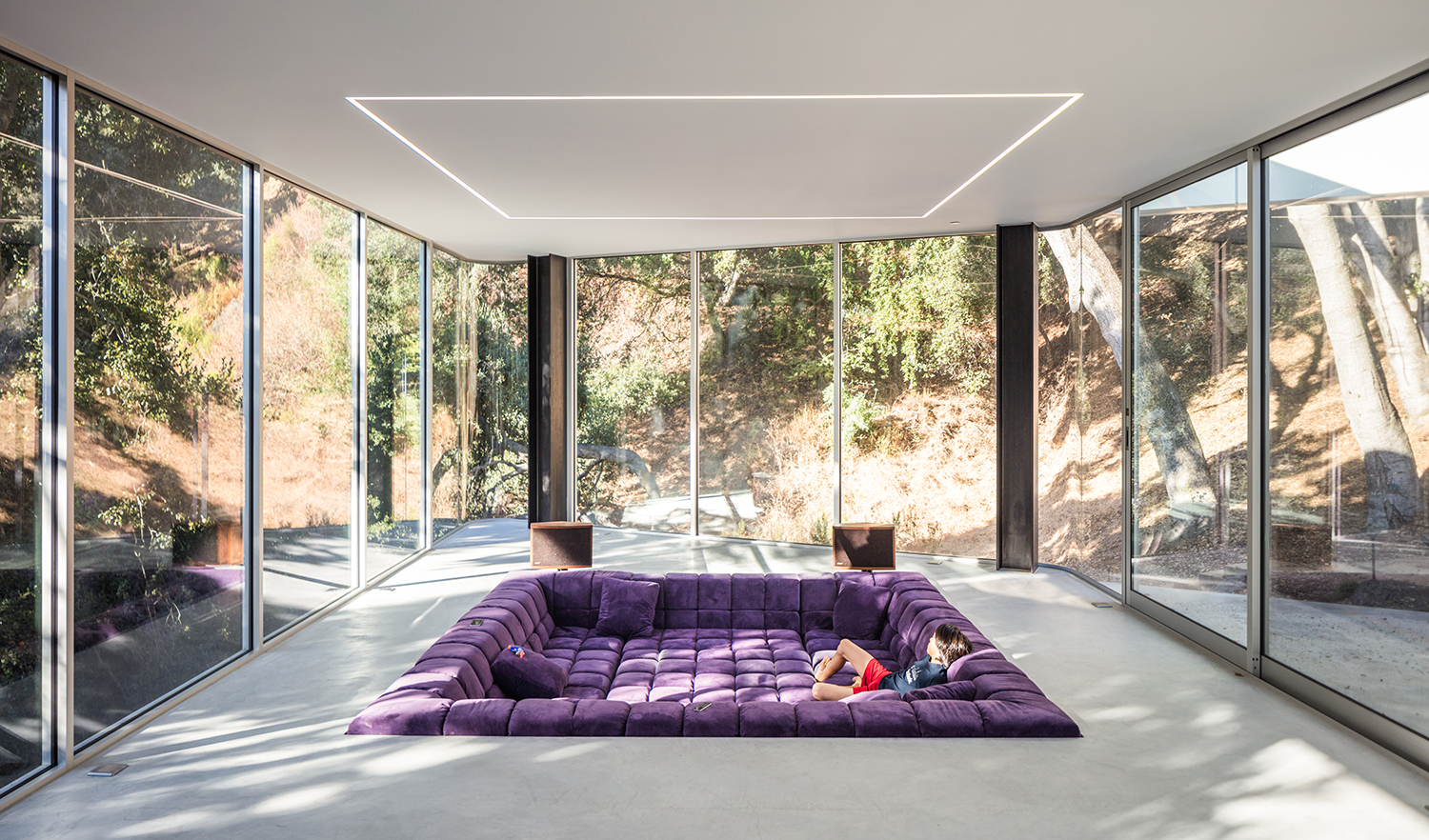
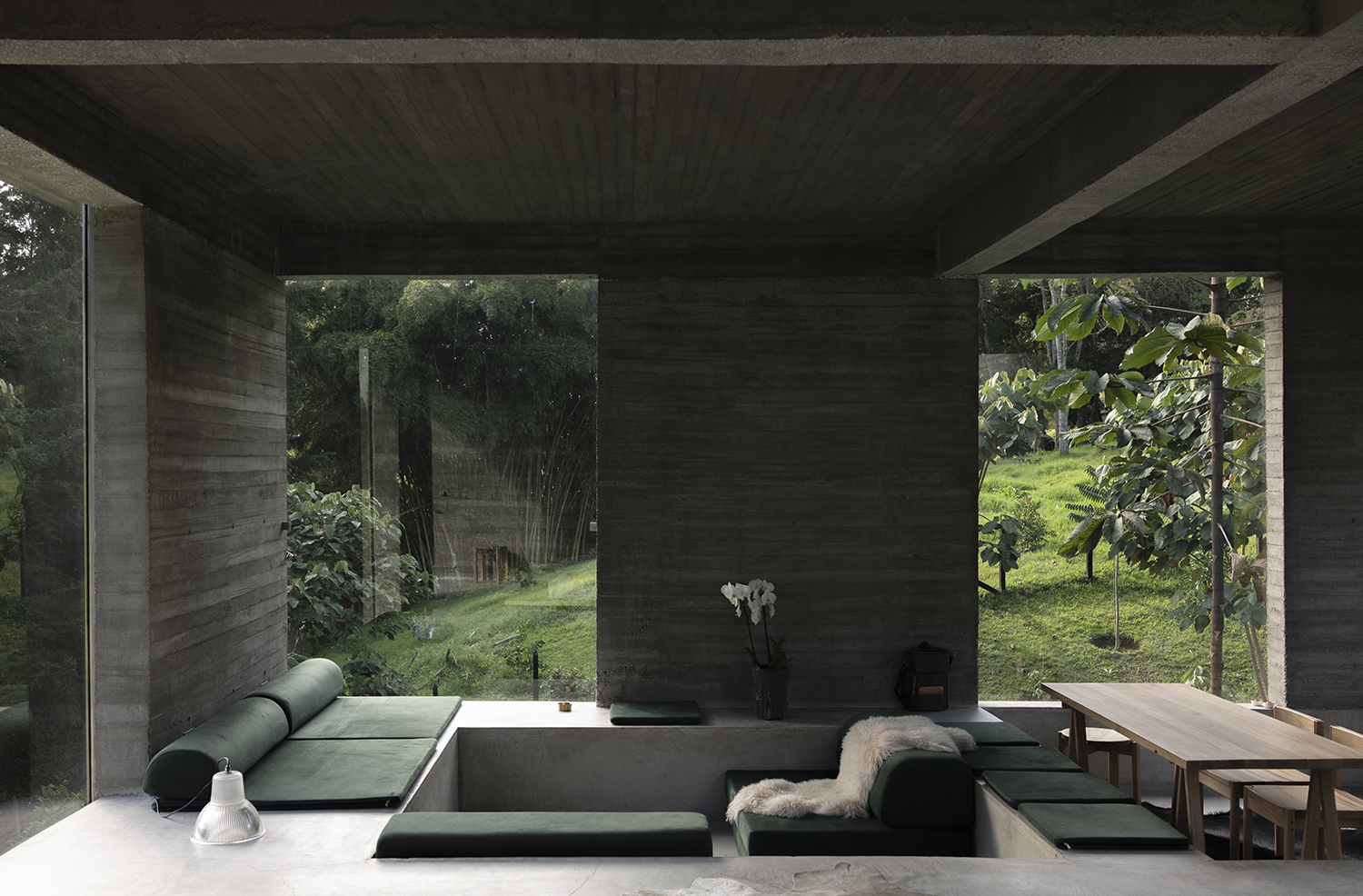
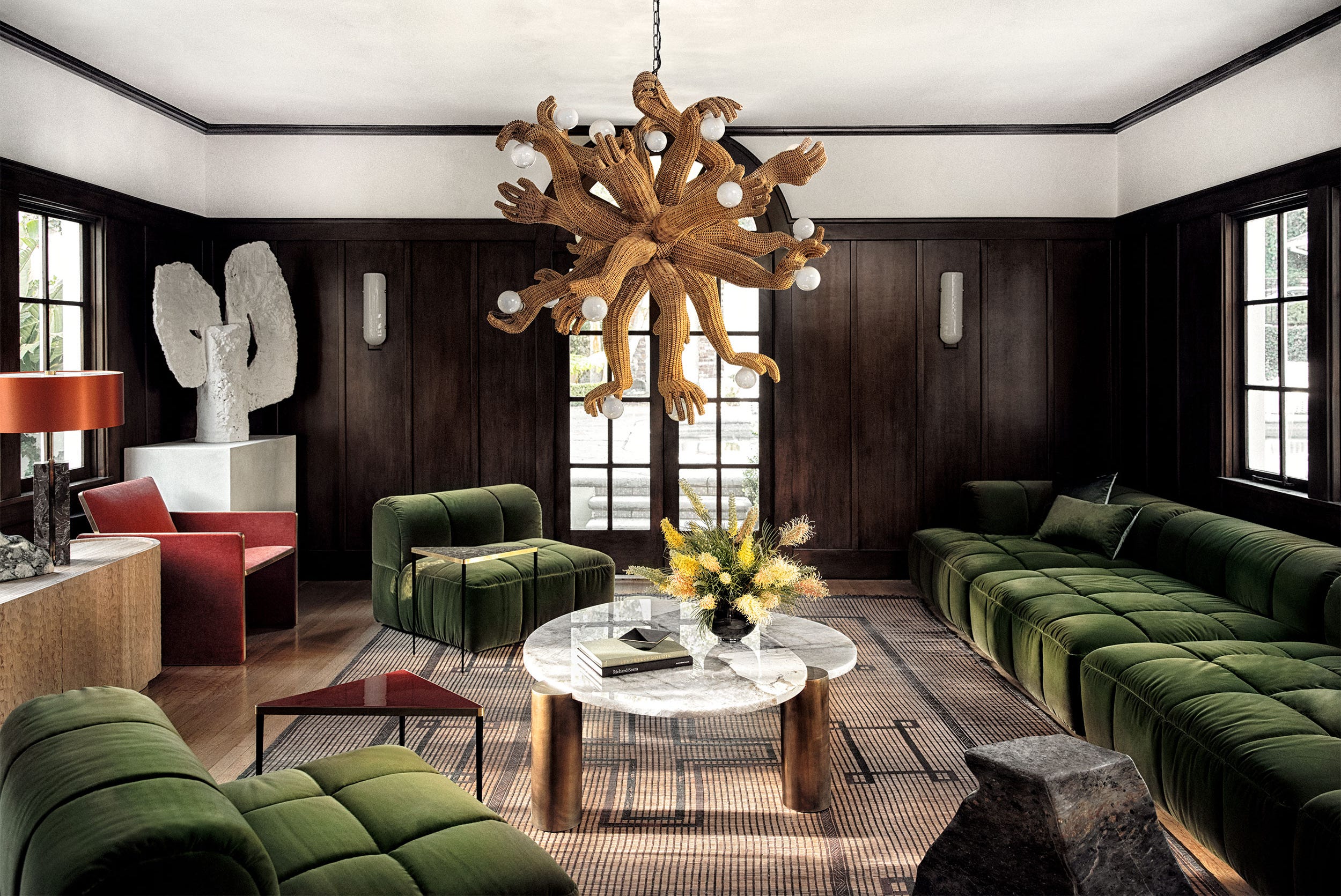
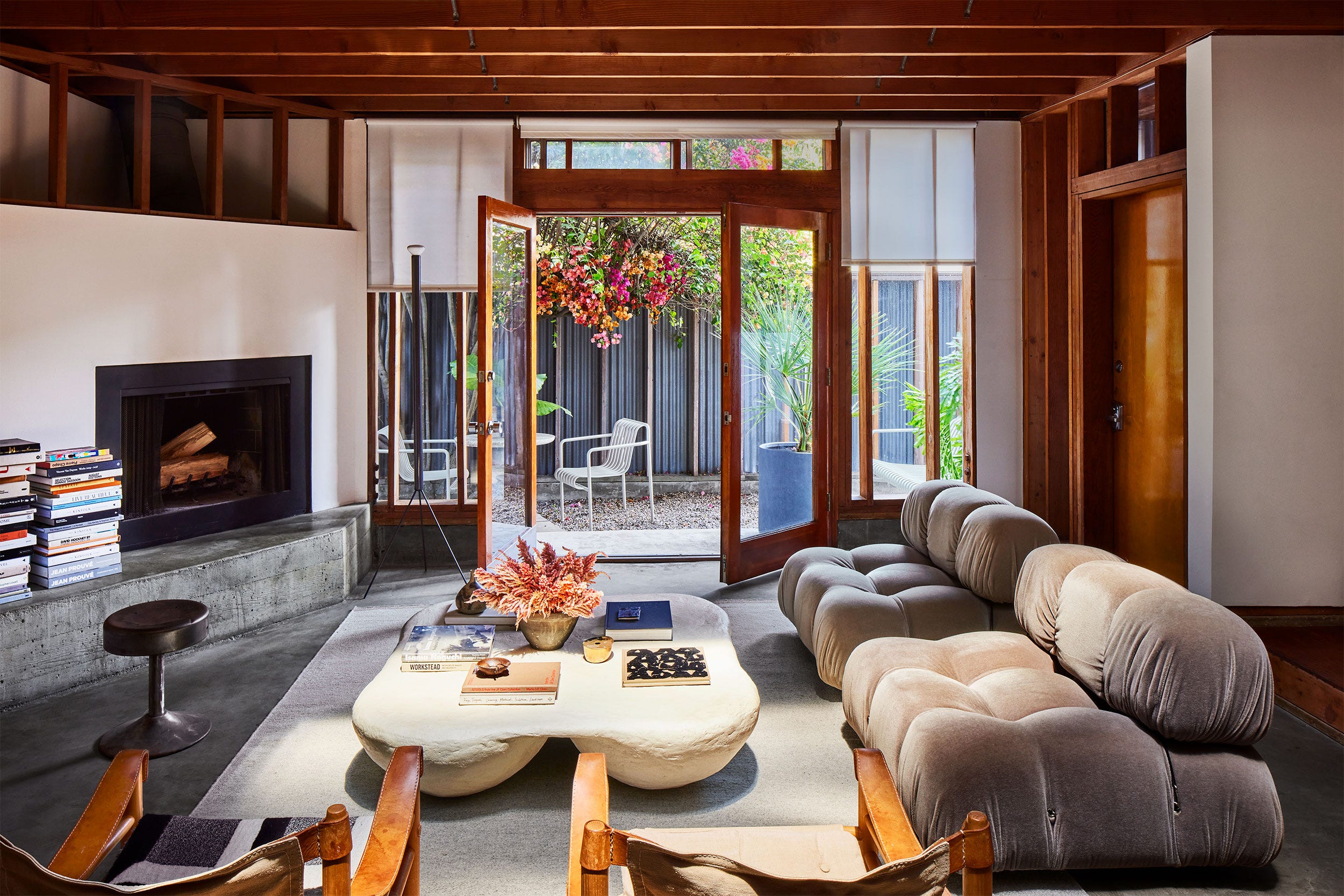
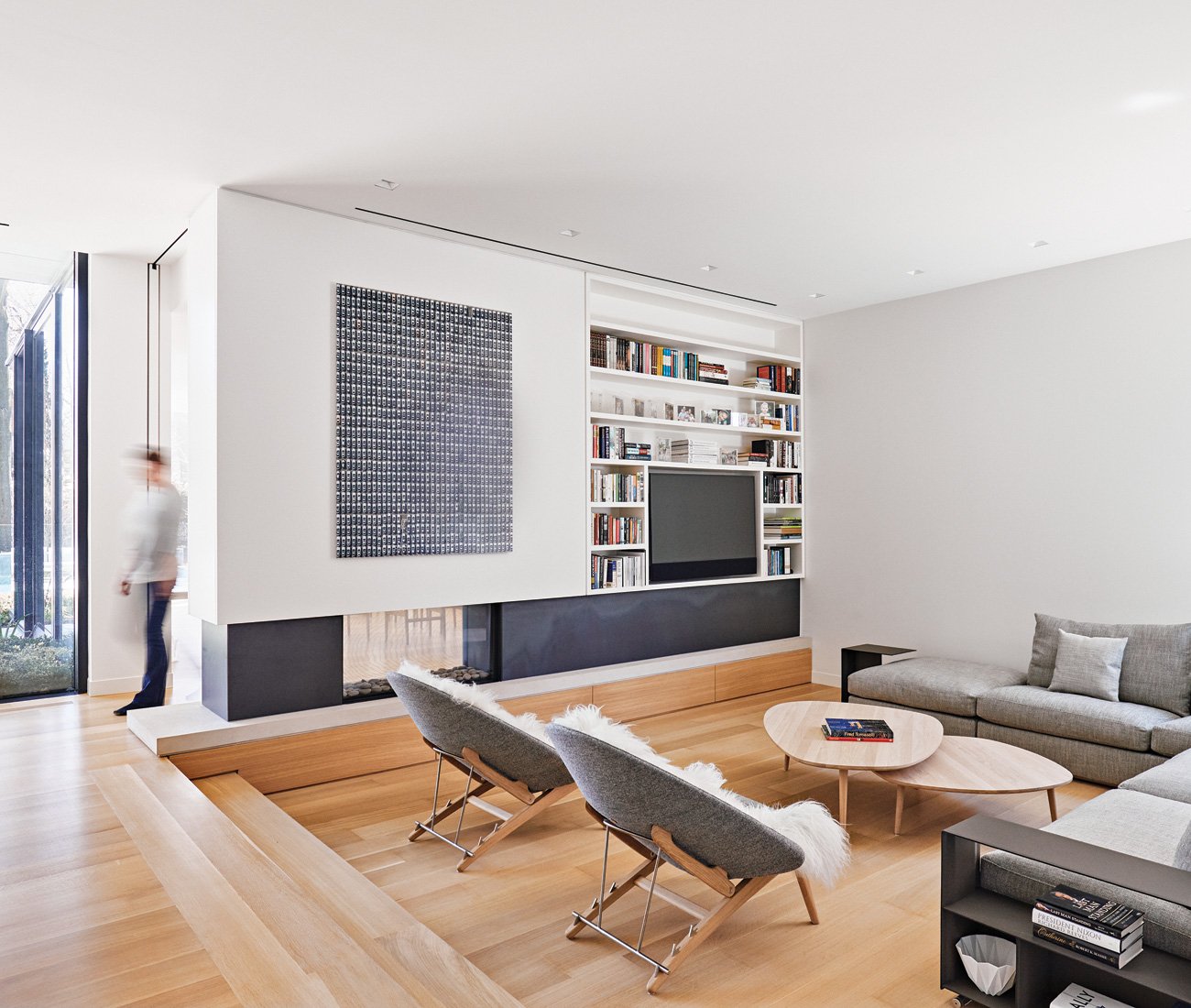
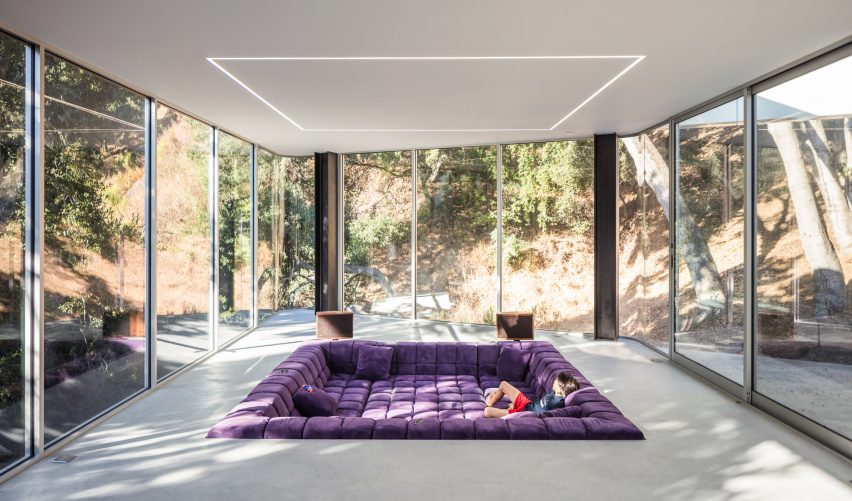
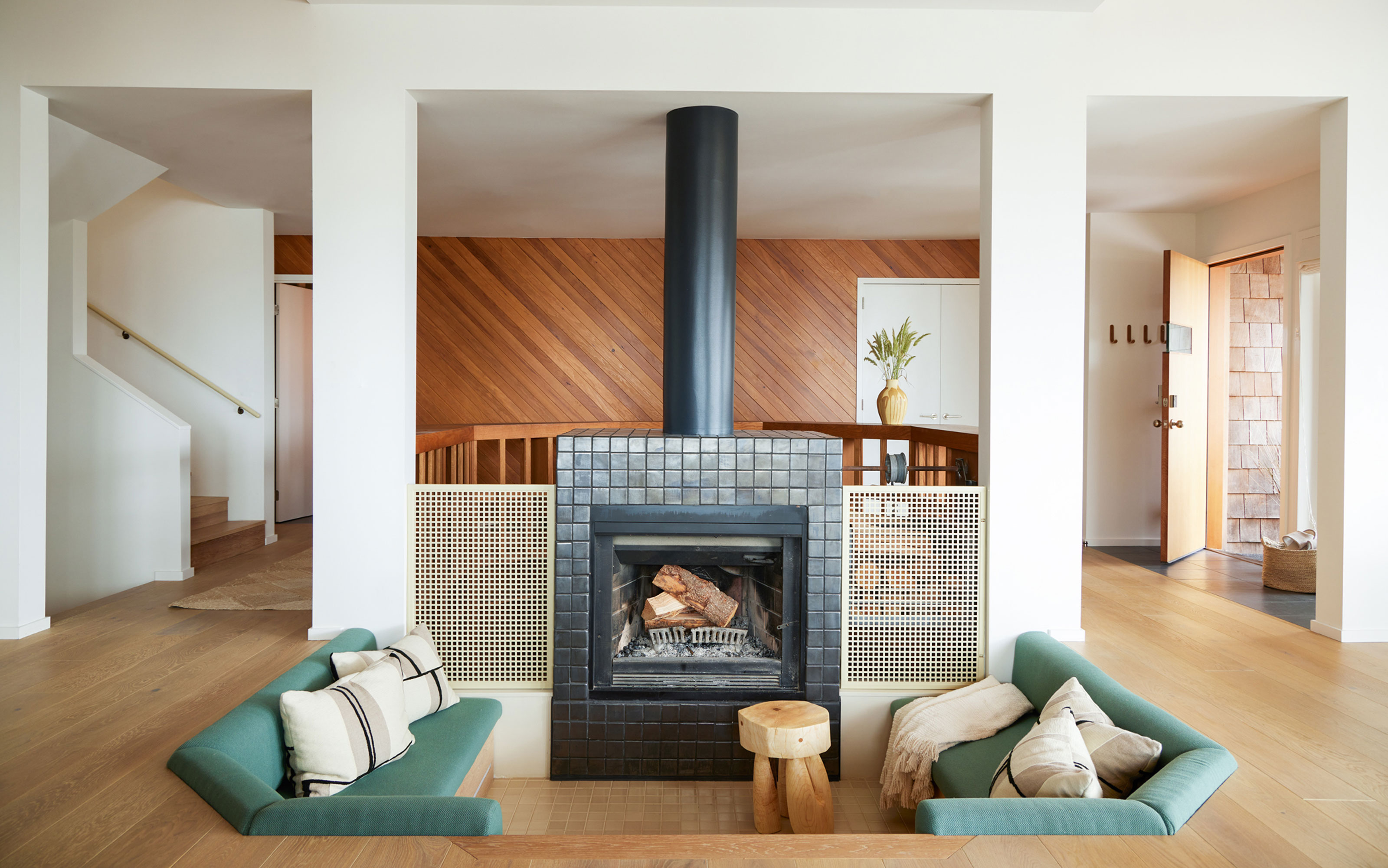
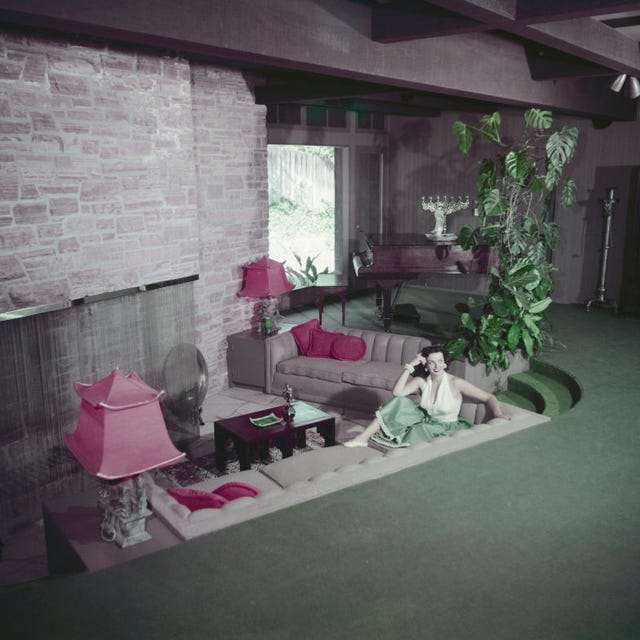
Sunken living rooms, a design style originating in the 1920s, are experiencing a resurgence in popularity. These spaces, often referred to as conversation pits, are characterized by being built below floor level with integrated seating, fostering an intimate and social atmosphere. While popular in the 1960s and 70s, their mid-century design aesthetic and practical benefits make them relevant for contemporary homes.
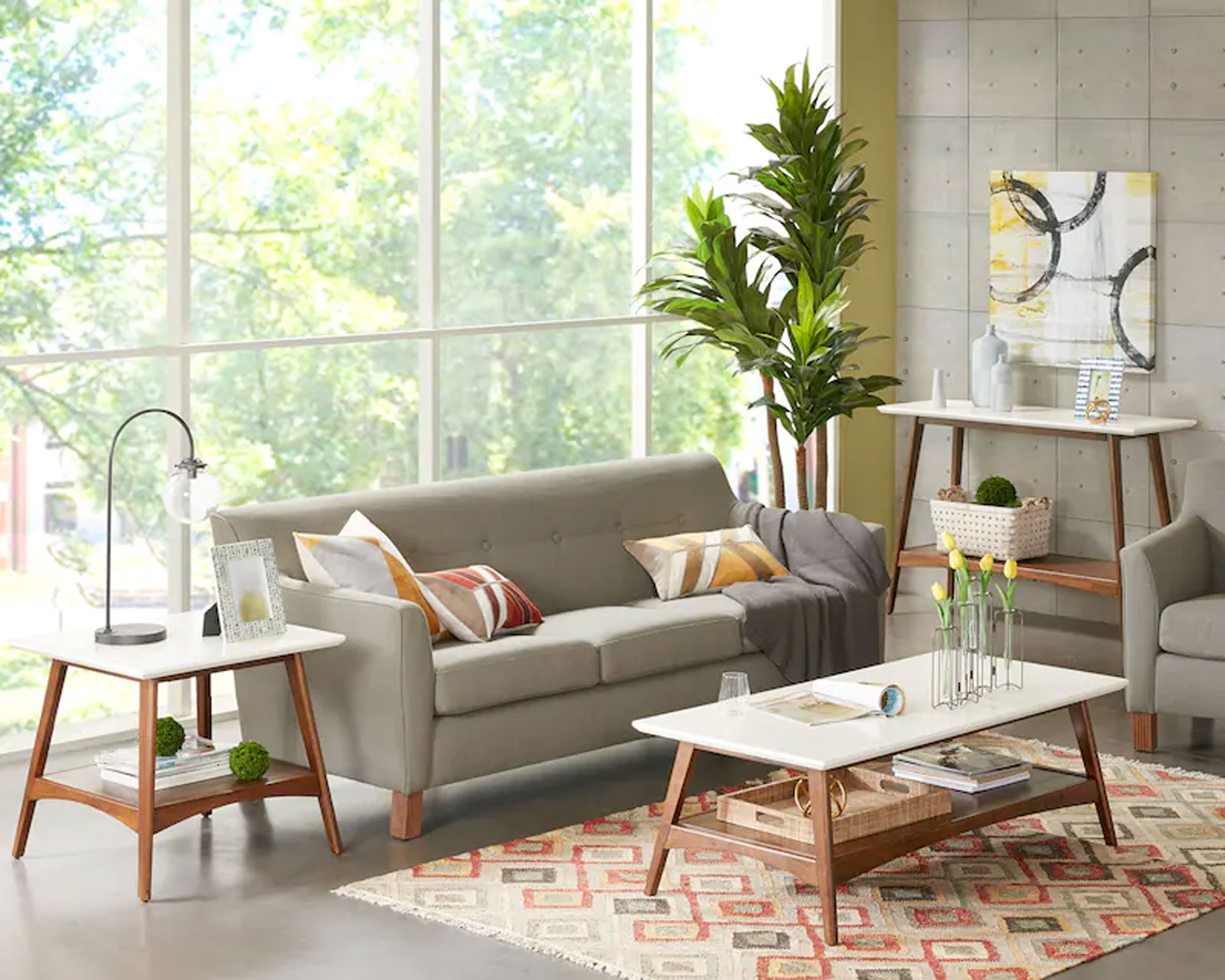
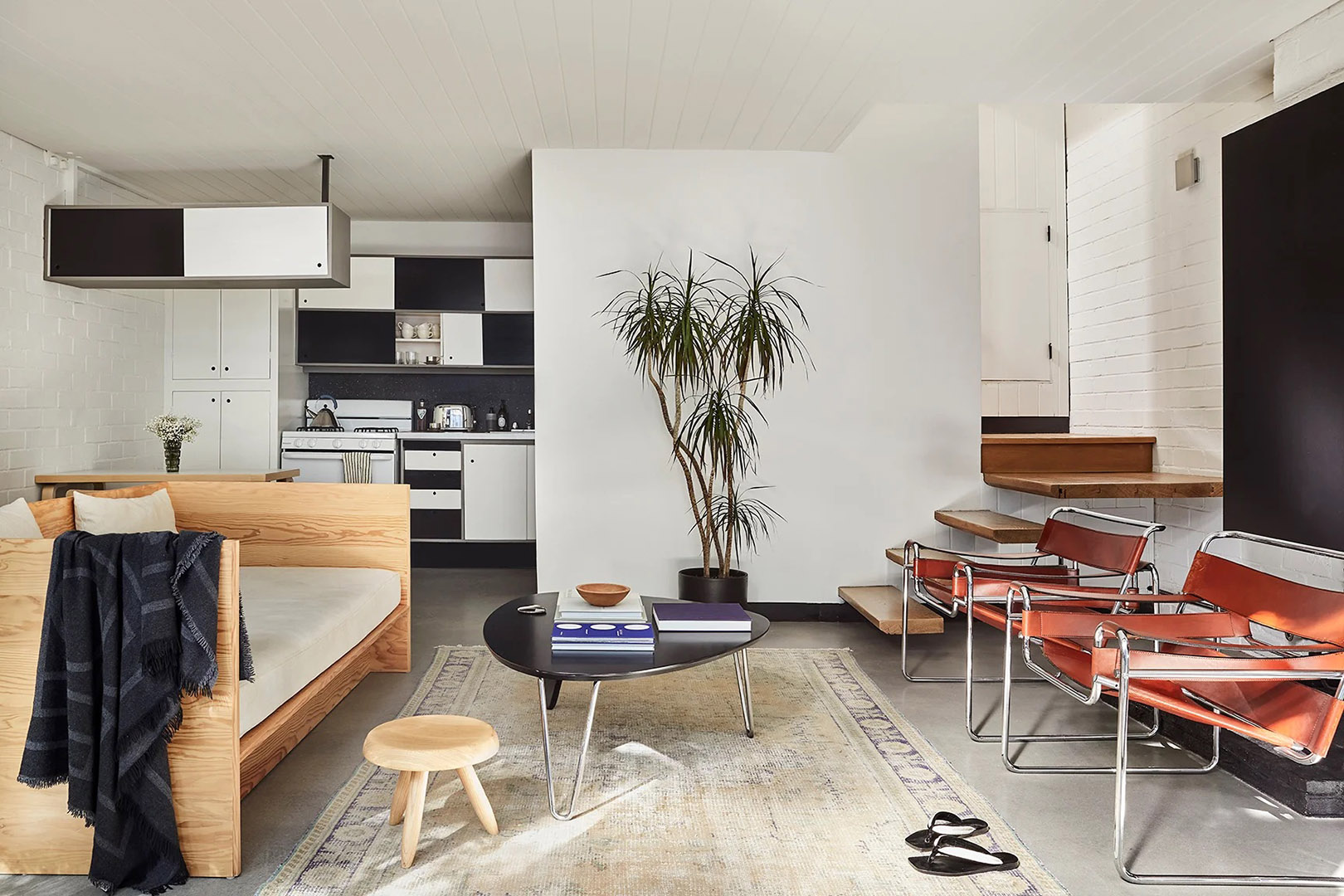
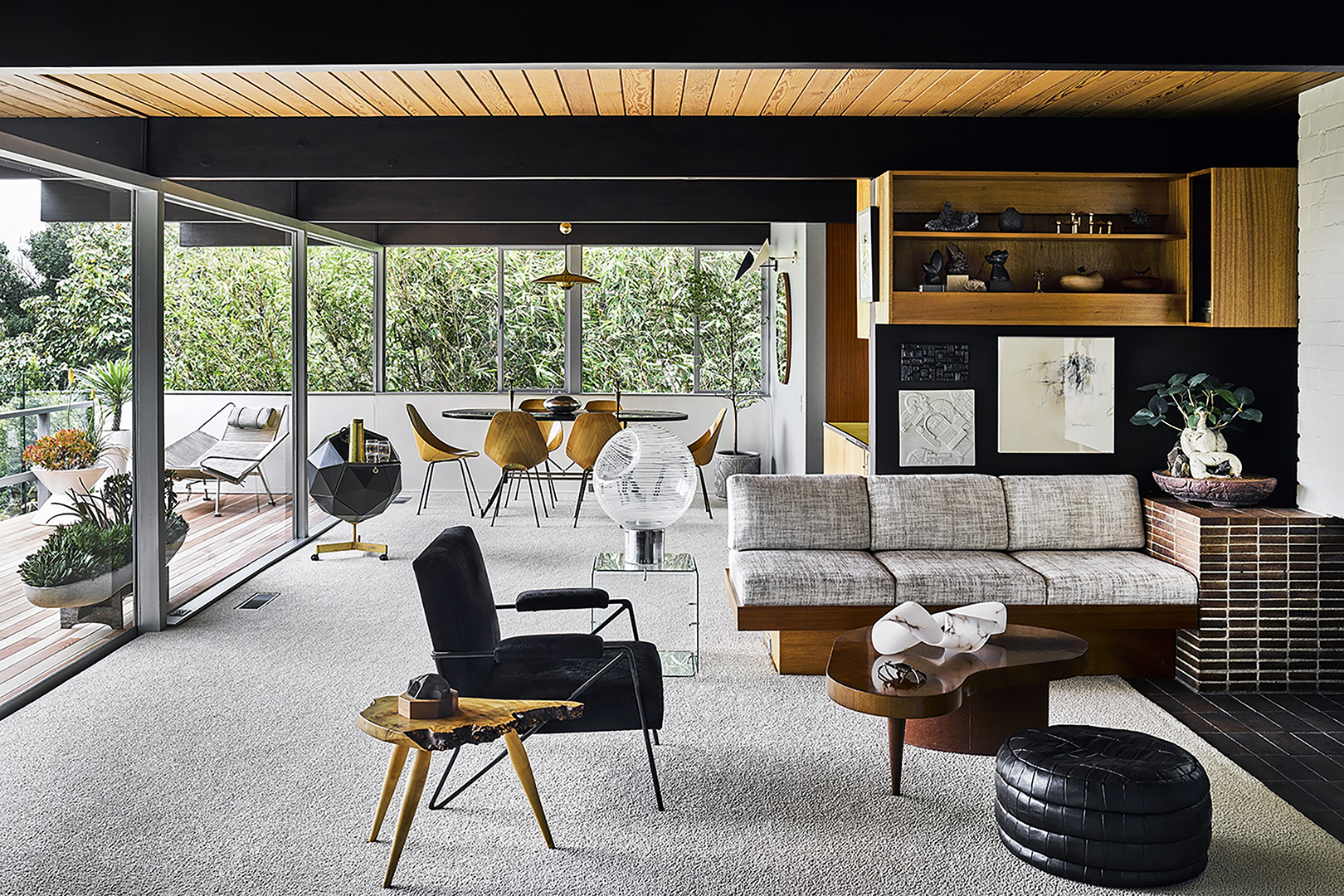
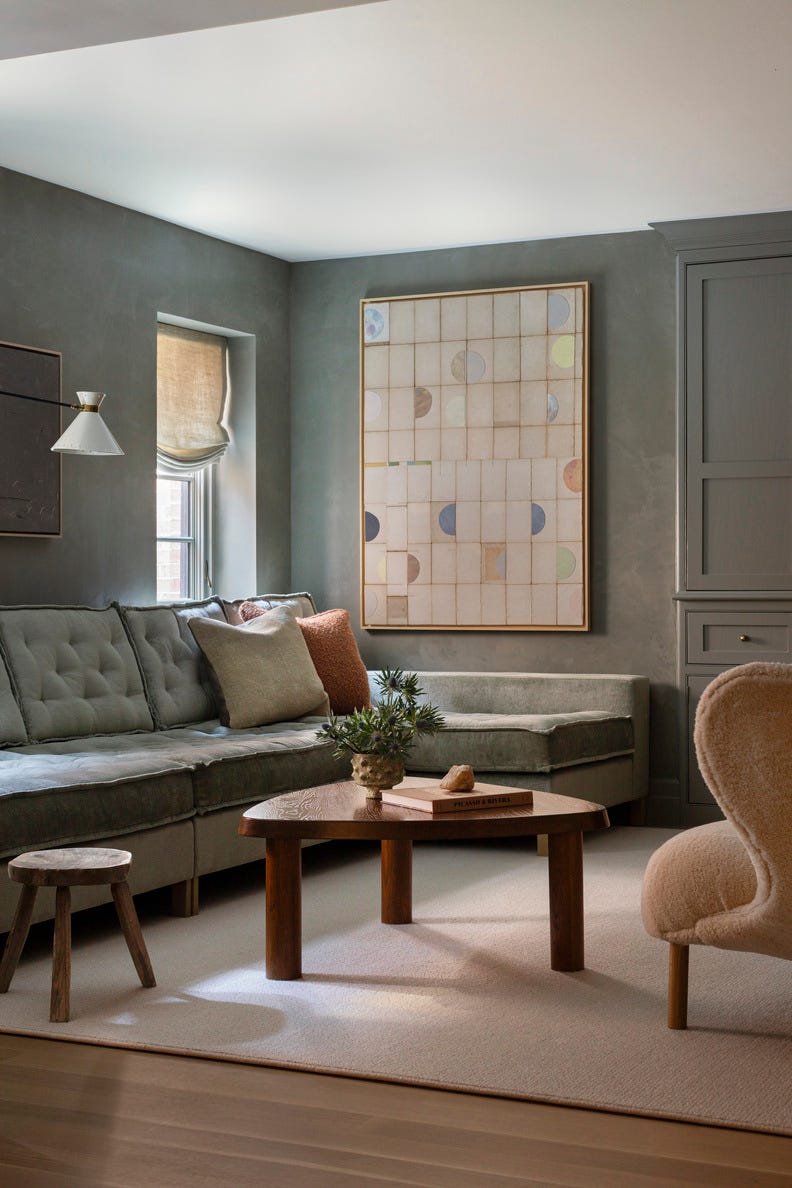
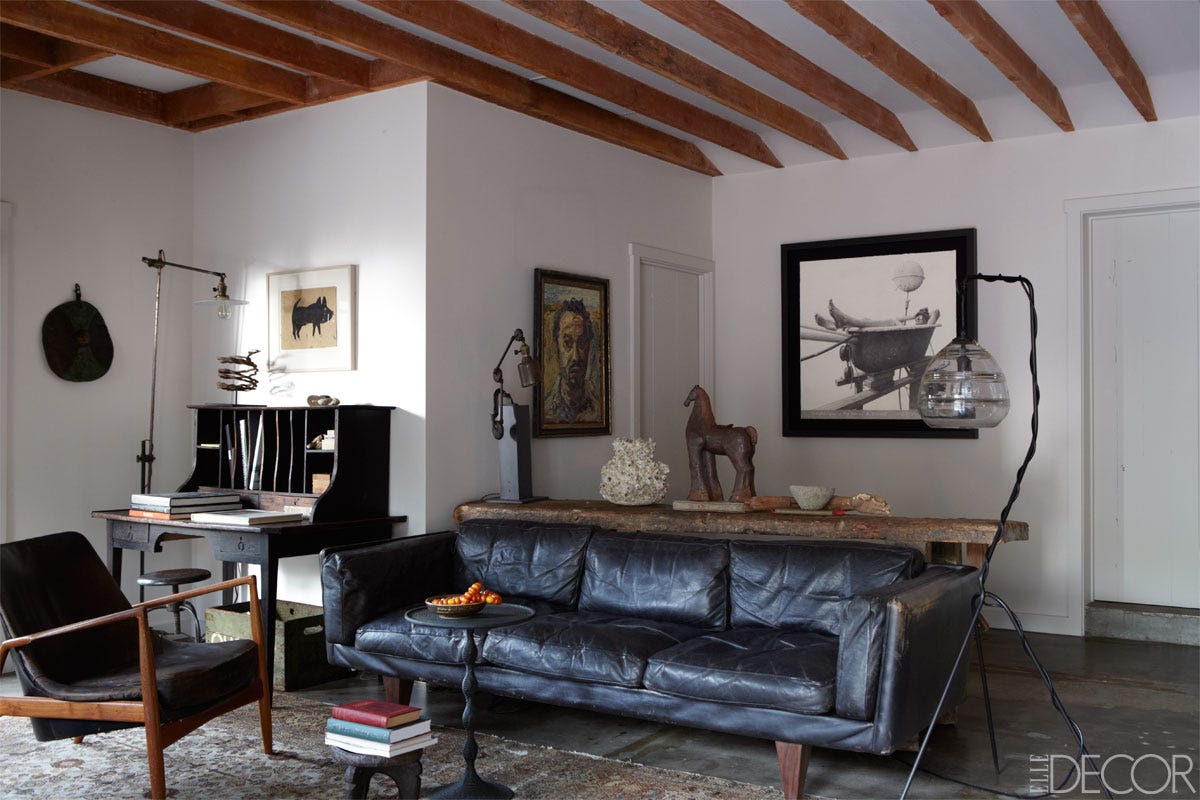
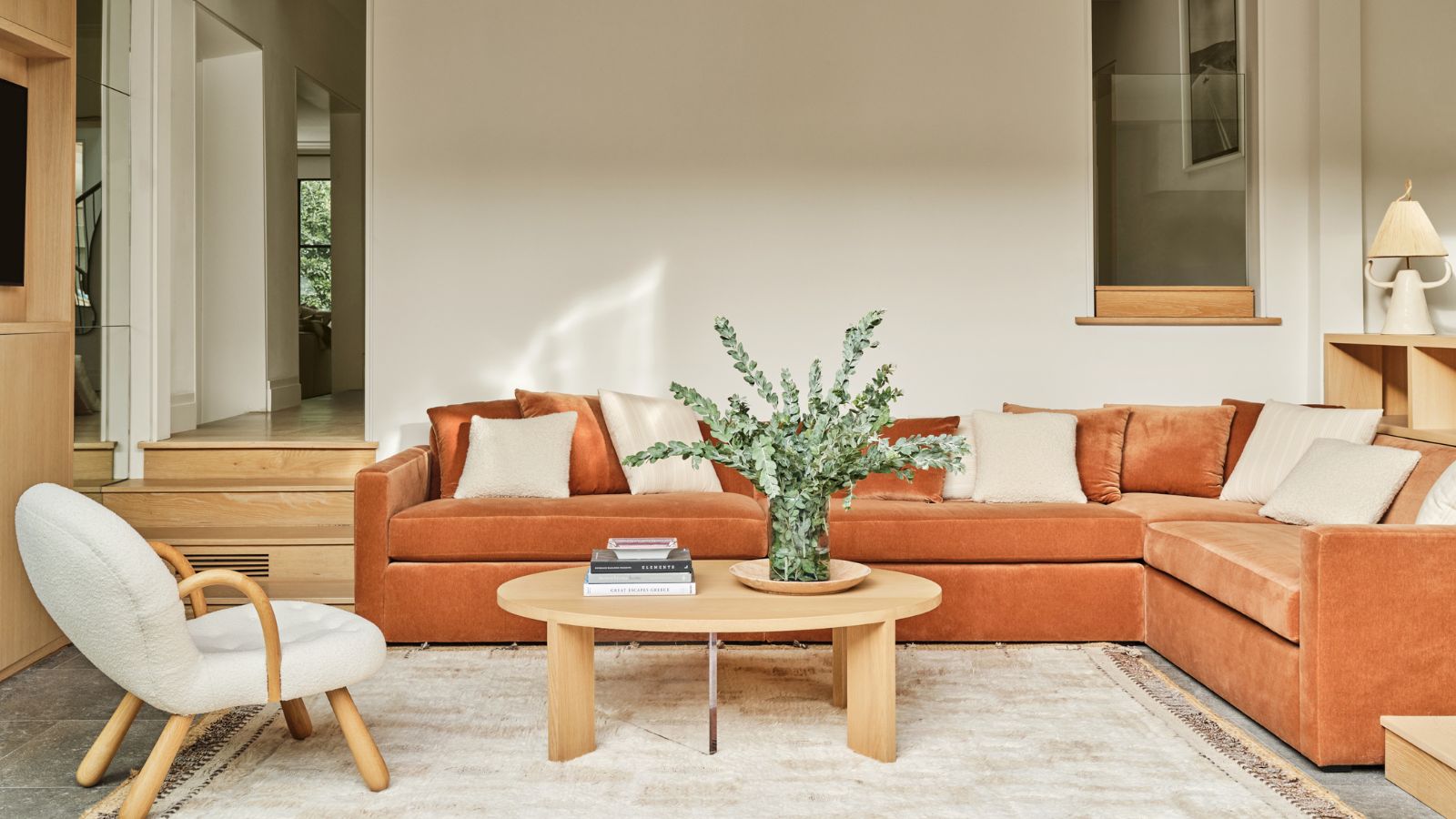
To achieve a core mid-century look with a sunken living room, experts suggest combining vintage-inspired pieces with authentic vintage finds. This approach allows for a fresh interpretation of the iconic 70s style, emphasizing clean lines, understated furniture, and natural materials. The versatility of sunken seating areas transforms them into elegant, multifunctional spaces suitable for both relaxation and entertaining, seamlessly integrating mid-century influences into modern living.
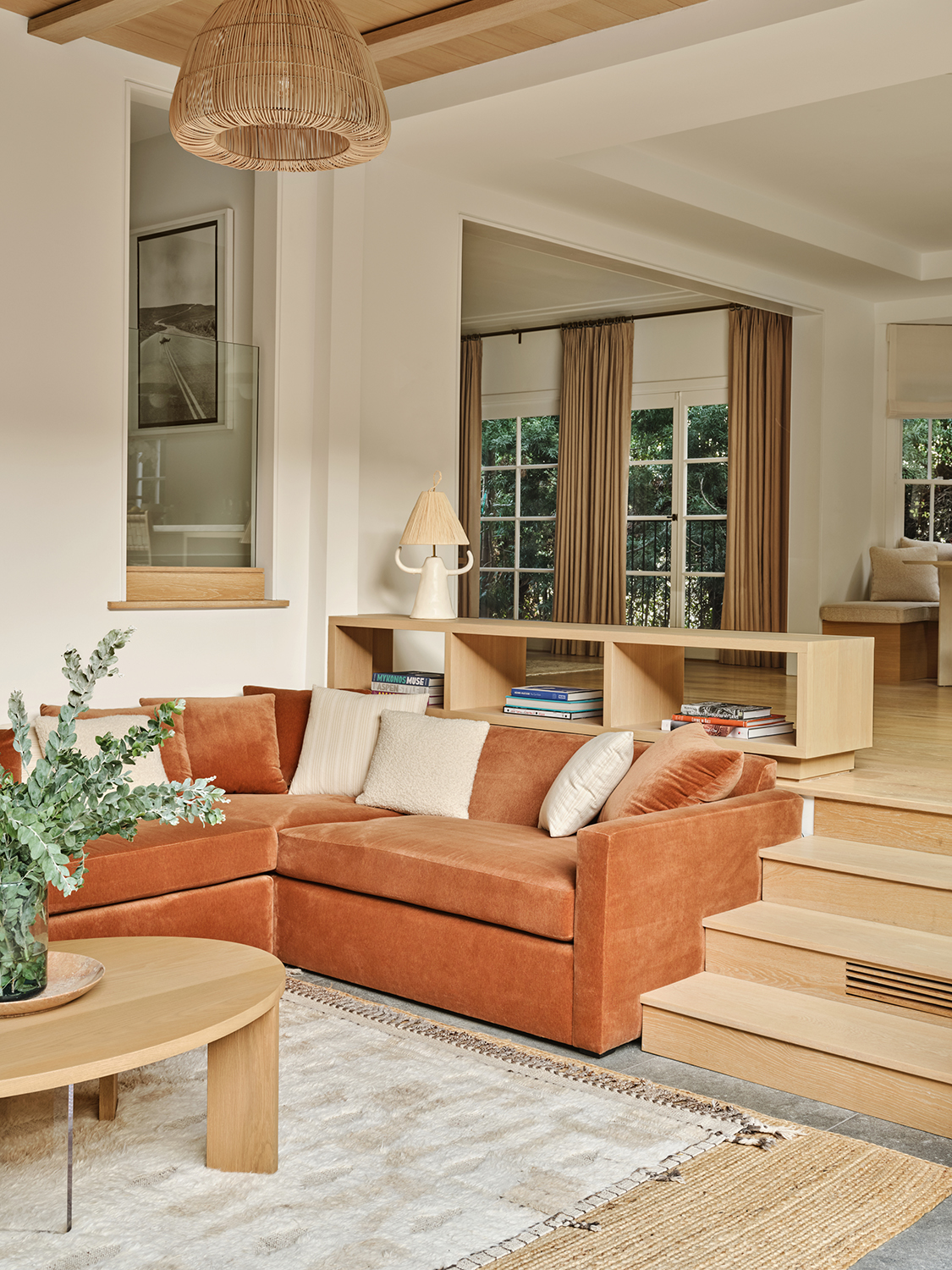
Beyond their aesthetic appeal, sunken living rooms are highly regarded for their ability to create a relaxing and cozy environment. Despite their often sharp lines and low profiles, they encourage a less formal interaction, inviting occupants to ease into comfort and engage in intimate conversations or simply unwind. The key to maximizing this cozy feel lies in a gradual drop-off in floor level, floating furniture arrangements, and the incorporation of iconic mid-century design elements.
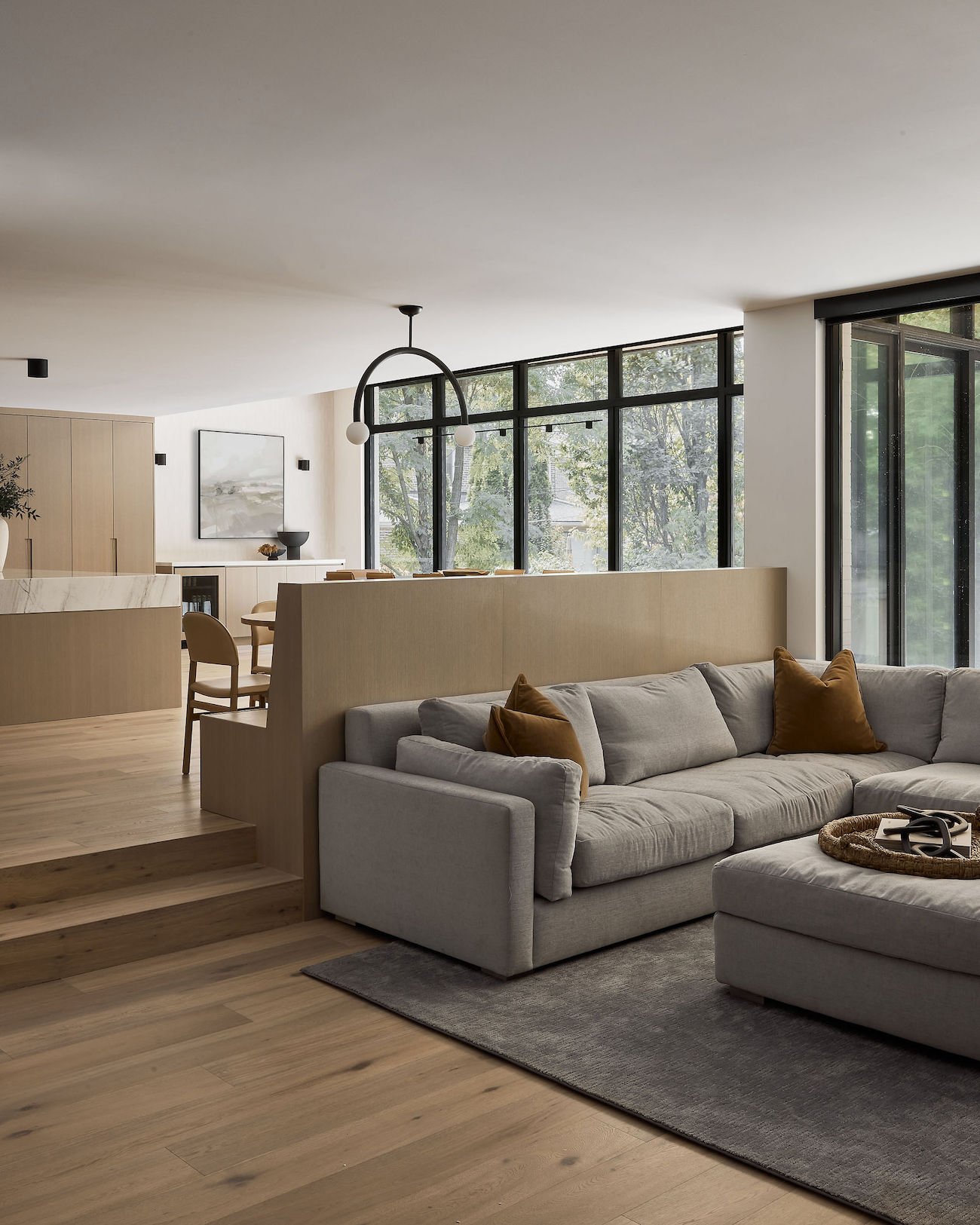
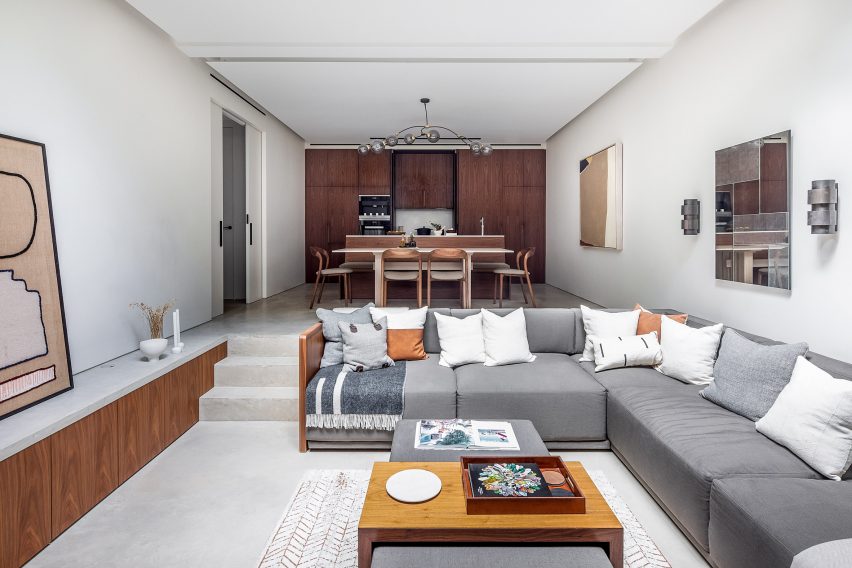
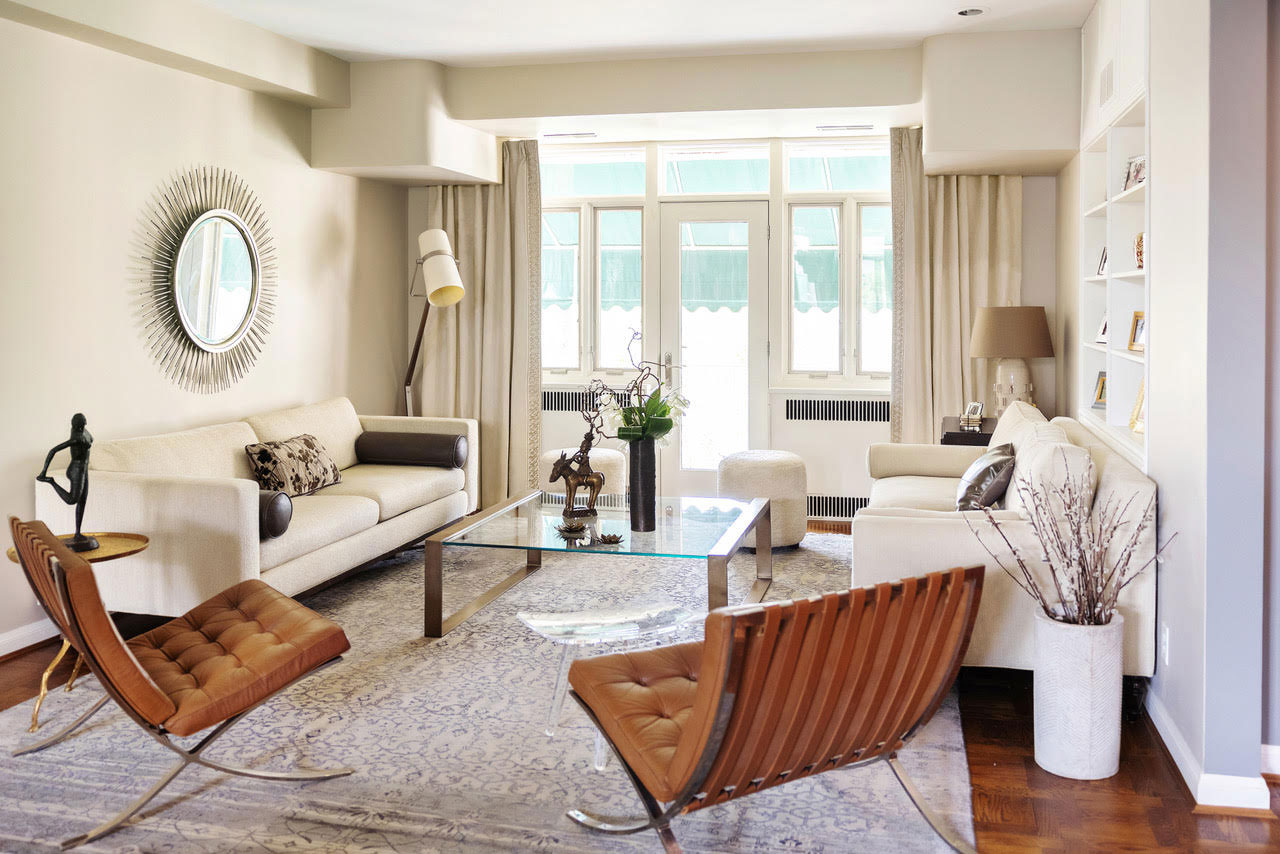
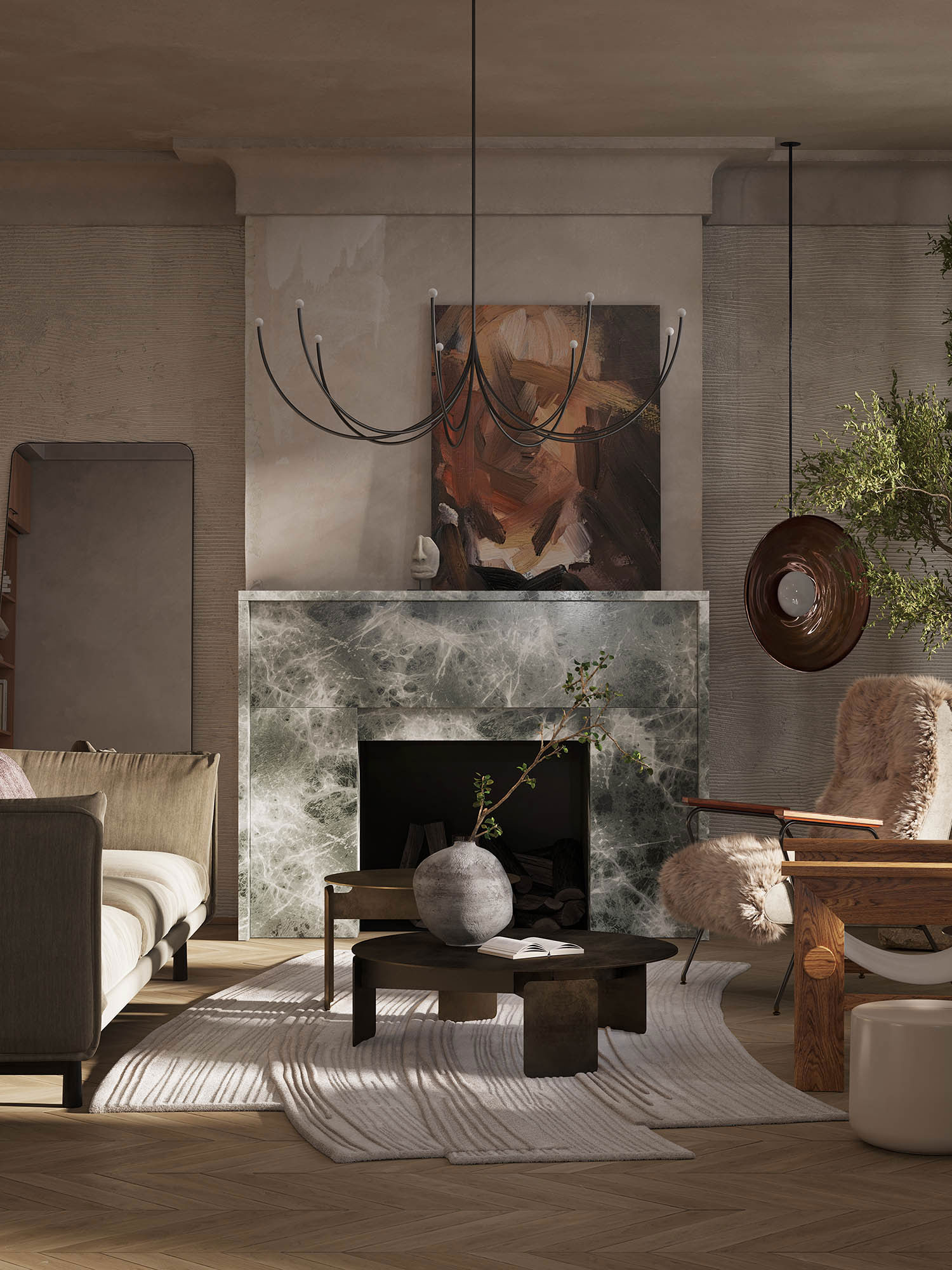
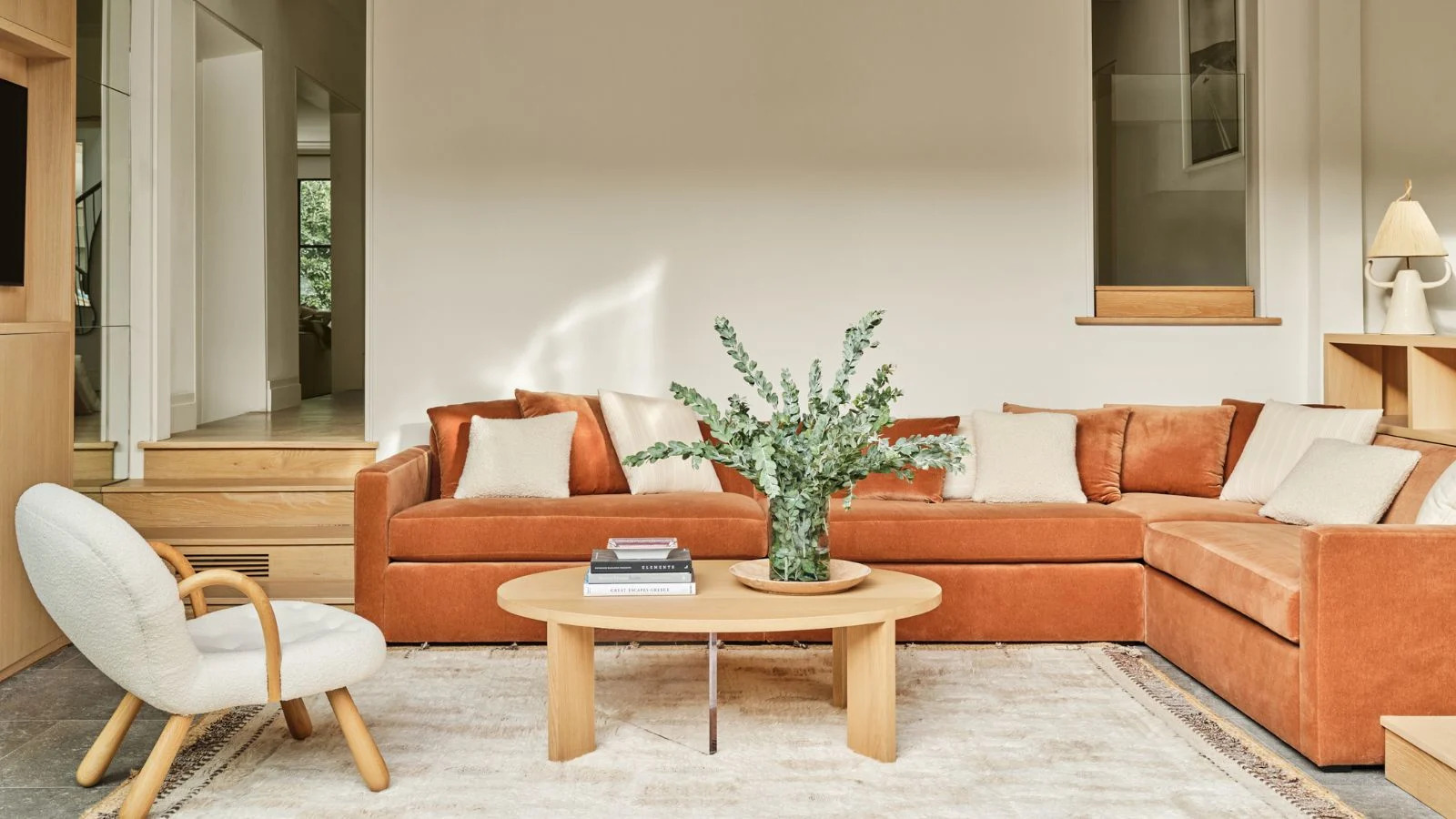
When it comes to color palettes for sunken living rooms, a pared-back and understated approach is recommended. Monochromatic color schemes are favored for their modernizing effect and ability to promote unity within the space. Neutral tones and earthy hues are also highly suitable, as they contribute to a cozy ambiance. Given that living areas are often central to a home, a thoughtfully designed sunken space can enhance intimacy and visual appeal.
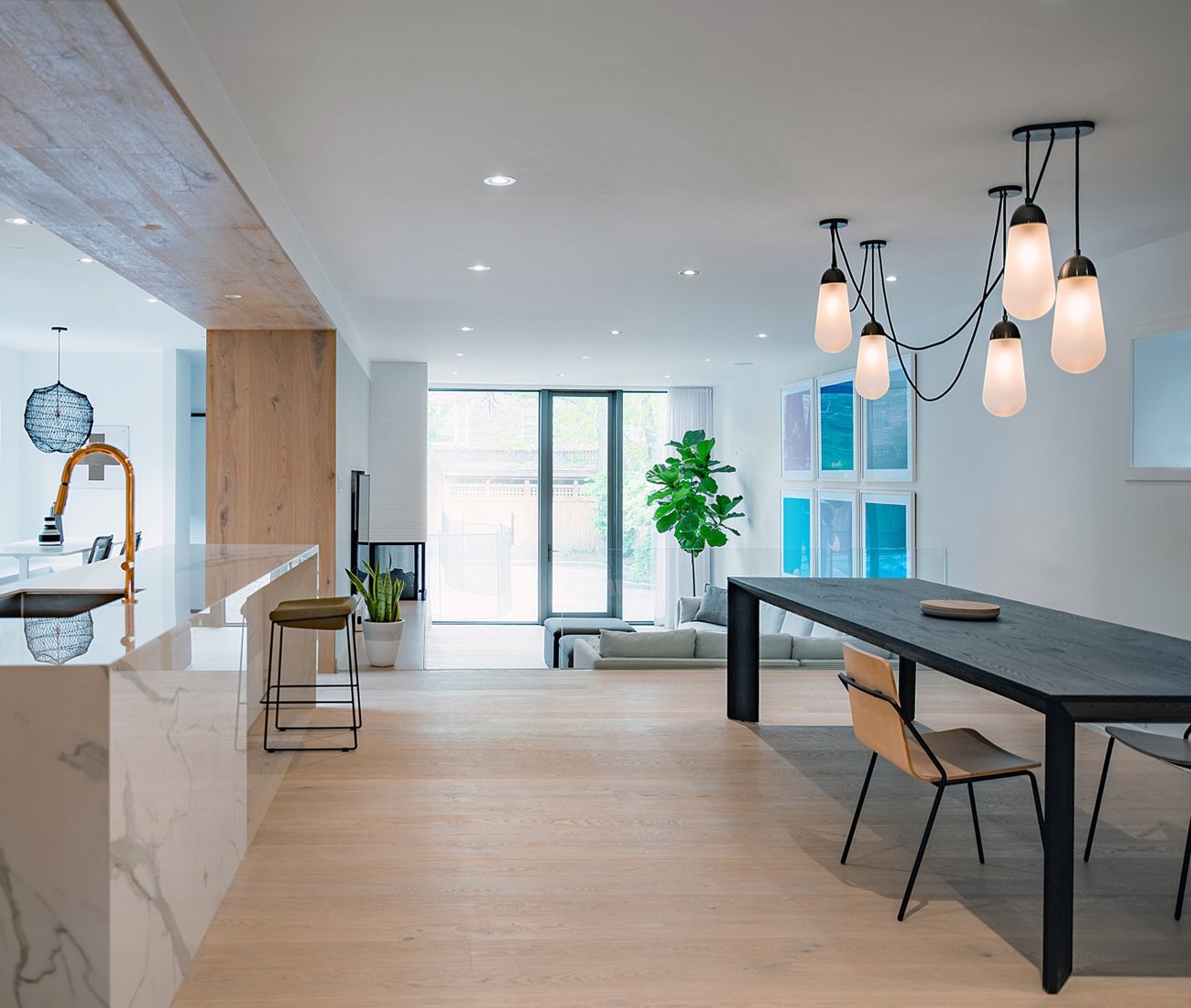
Considering the room's proportions is crucial before implementing a sunken living room. This design feature requires ample space to achieve a harmonious and well-proportioned look. Larger living areas particularly benefit from sunken designs, as they help address zoning challenges and create an ideal setting for social gatherings. To further enhance the retro aesthetic, mirroring the sunken design with a ceiling detail, such as a subtle dropped ceiling or specialized lighting, can further emphasize the unique architectural feature.
Sunken living spaces are not limited to indoor environments; they can also be incorporated into outdoor areas. Creating a sunken seating arrangement in a backyard provides a fun and intimate gathering space, perfect for activities like roasting marshmallows around a fire pit or engaging in social games with friends. This extends the social and relaxing qualities of the sunken design to exterior living spaces.
Sunken living rooms serve the primary purpose of promoting social interaction and creating interactive spaces within the home. Their uncluttered and open design contributes to making a living room appear larger. Although rooted in mid-century trends of the 60s and 70s, sunken living rooms remain relevant today. With a careful approach to styling and design, they can be seamlessly integrated into contemporary homes, providing a modern and sophisticated aesthetic.
#SunkenLivingRoom #MidCenturyDesign #InteriorDesign #HomeDecor #ConversationPit #RelaxingSpace #ColorPalette #RoomProportions #OutdoorLiving #SocialSpace #SunkenLivingRoom #MidCenturyDesign #InteriorDesign #HomeDecor #ConversationPit #RelaxingSpace #ColorPalette #RoomProportions #OutdoorLiving #SocialSpace
Hay 0 comentarios en total
 Aún no hay comentarios
También te puede gustar
When This L.A. Homeowner Couldn’t Raise Her Ceilings, She Lowered the Floor

21 living room ideas to inspire you now
8 Mid-Century Modern Living Rooms Without an Eames Chair in Sight
15 Sunken Living Room Ideas for Modern Homes

Why a Sunken Living Room Makes Perfect Sense
13 mid-century modern living room ideas for a sophisticated room refresh

Sunken living room ideas – 5 ways to bring this core mid-century design style into your home
Period living room ideas and expert tips to help you decorate to perfection
Ten residential interiors with cosy conversation pits
Sunken living room ideas – 5 ways to bring this core mid-century design style into your home

47 Midcentury Modern Living Rooms That Get the Retro Balance Right

5 ways to introduce the bathroom lounge trend to your space

Sunken living room ideas – 5 ways to bring this core mid-century design style into your home

7 mid-century small living room ideas to covet now and forever
These 27 Stylish Rooms Do Mid-Century Modern Right
5 small living room trends for 2025 — designs experts love these stunning styles
The "Conversation Pit" Is the Mid-Century Seating Revival You'll Spot in the Coolest Architect-Designed Homes

These Midcentury Modern Living Rooms Put Retro Back on the Map

How to do mid-century modern style in 5 easy steps

This Woman Uncovered The Wildest 70s Feature While Renovating Her Living Room