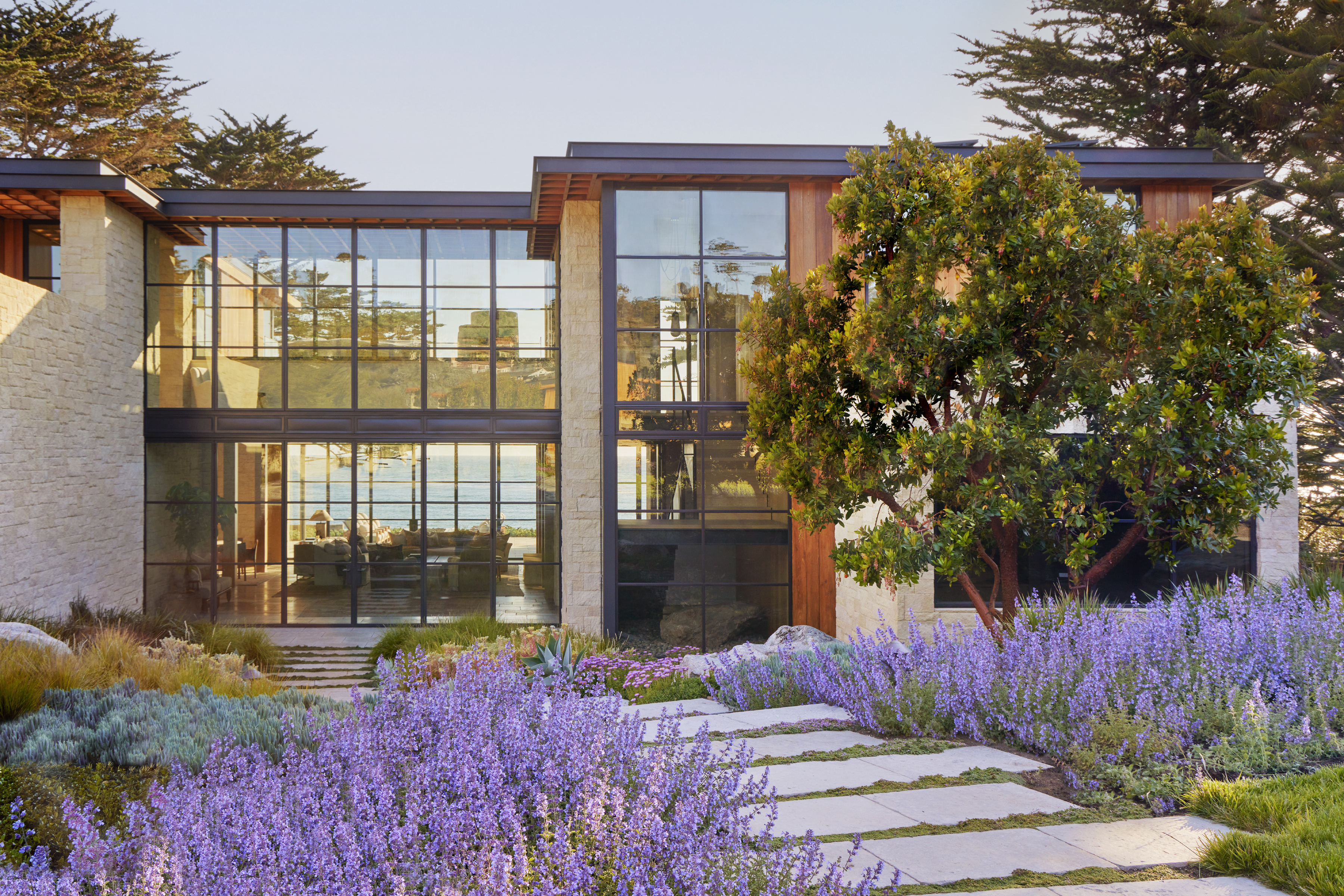
1/14
Lavender Alternatives — 6 Other Purple Flowers That Are Just as Beautiful (and Smell Just as Good)
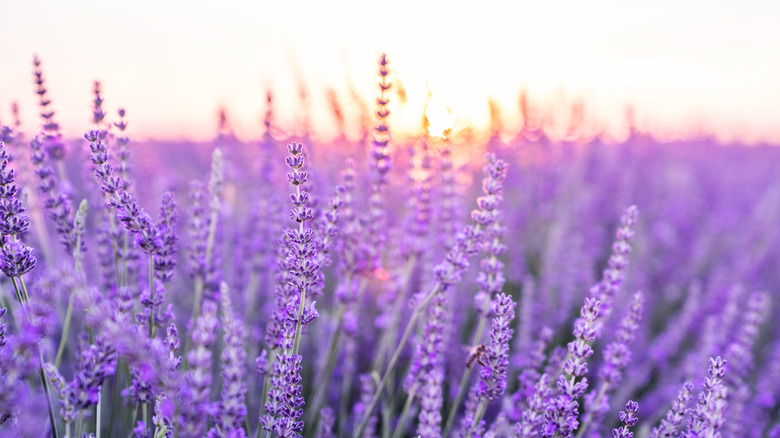
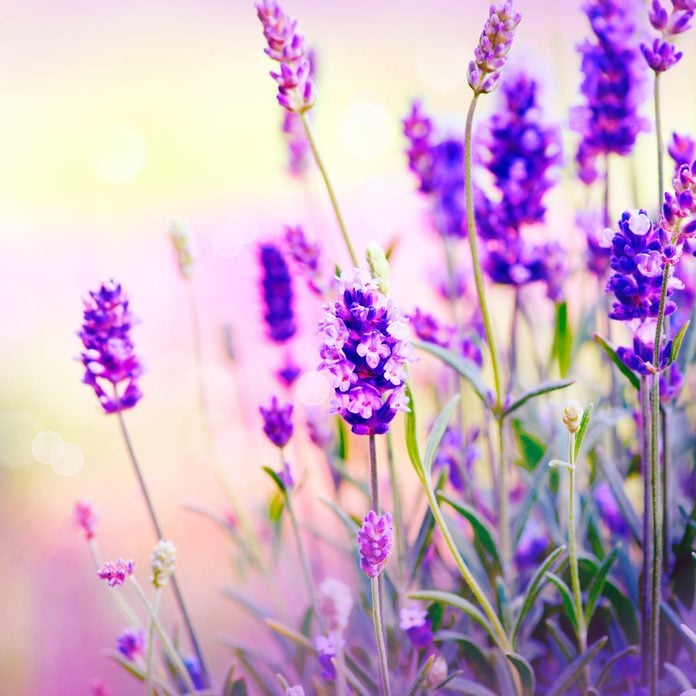
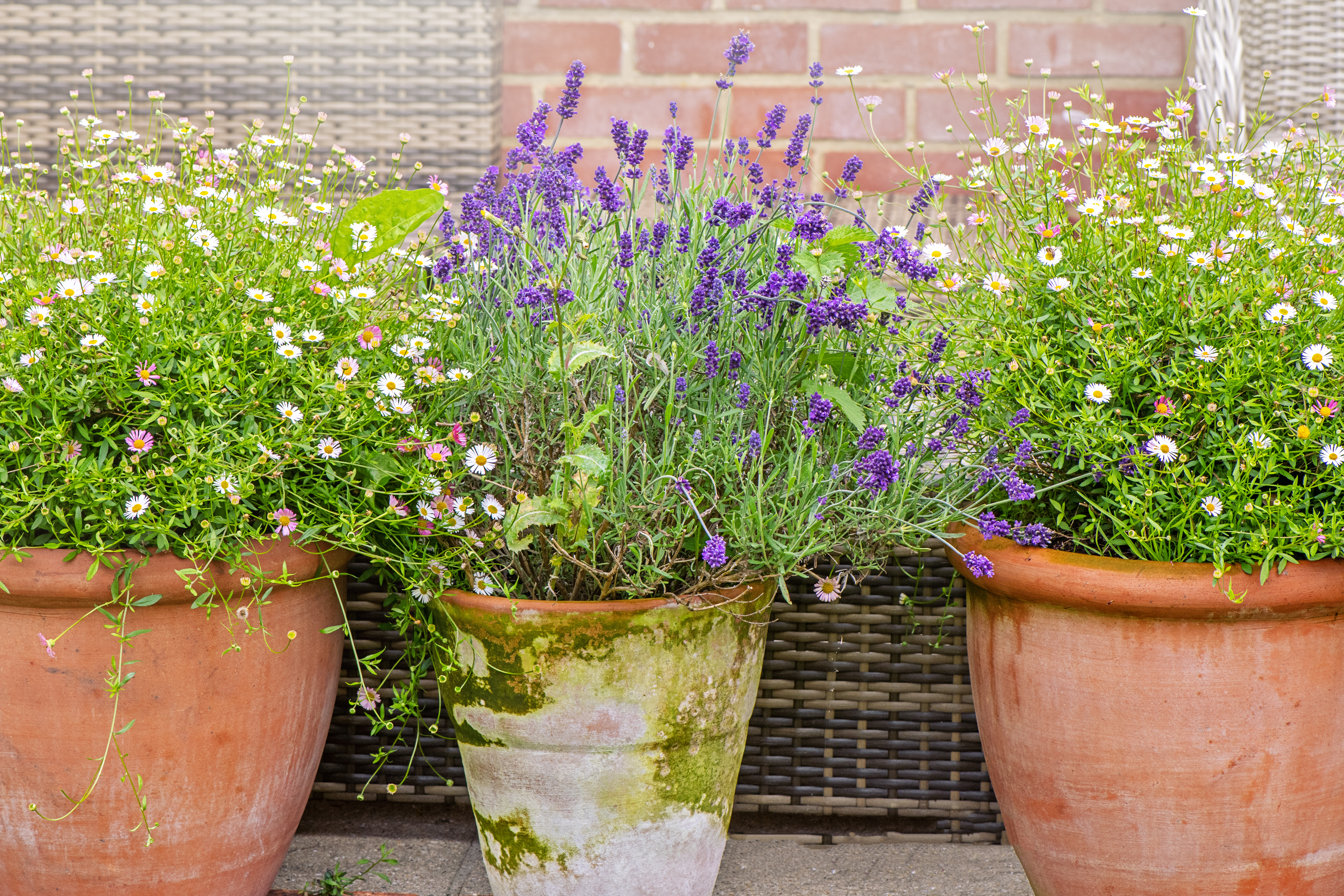
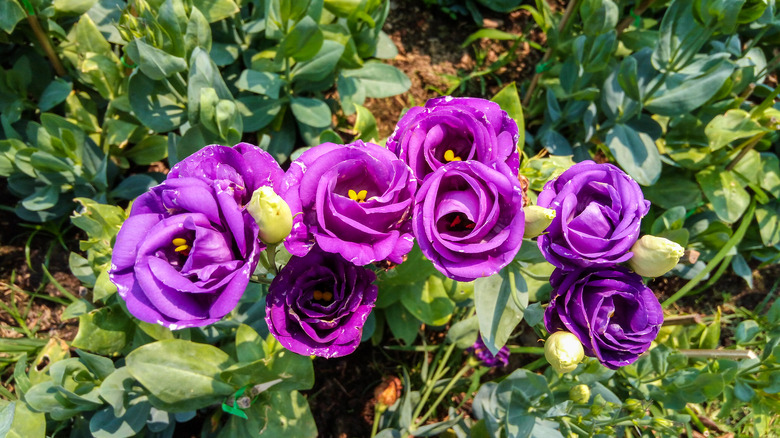
The article presents six alternatives to lavender, a popular plant known for its beautiful purple blooms and aromatic qualities, offering similar aesthetic and olfactory benefits for gardens. Lavender is widely used across various garden styles due to its scent and vertical blooms. However, gardeners may sometimes wish to explore different options that provide comparable vibrant hues and captivating fragrances. The suggested alternatives are recommended by gardening experts and cater to diverse gardening preferences and conditions.
First among the alternatives is Russian Sage (Hardiness Zones: 4 - 9). Alexander Betz, a planting expert, describes it as an ideal substitute for lavender, citing its airy structure and aromatic, silvery foliage. It features tall, spiky purple-blue flowers and is particularly suited for xeriscapes due to its drought tolerance. Russian sage thrives in well-drained soil, full sun, and hot, dry climates, requiring minimal water once established.
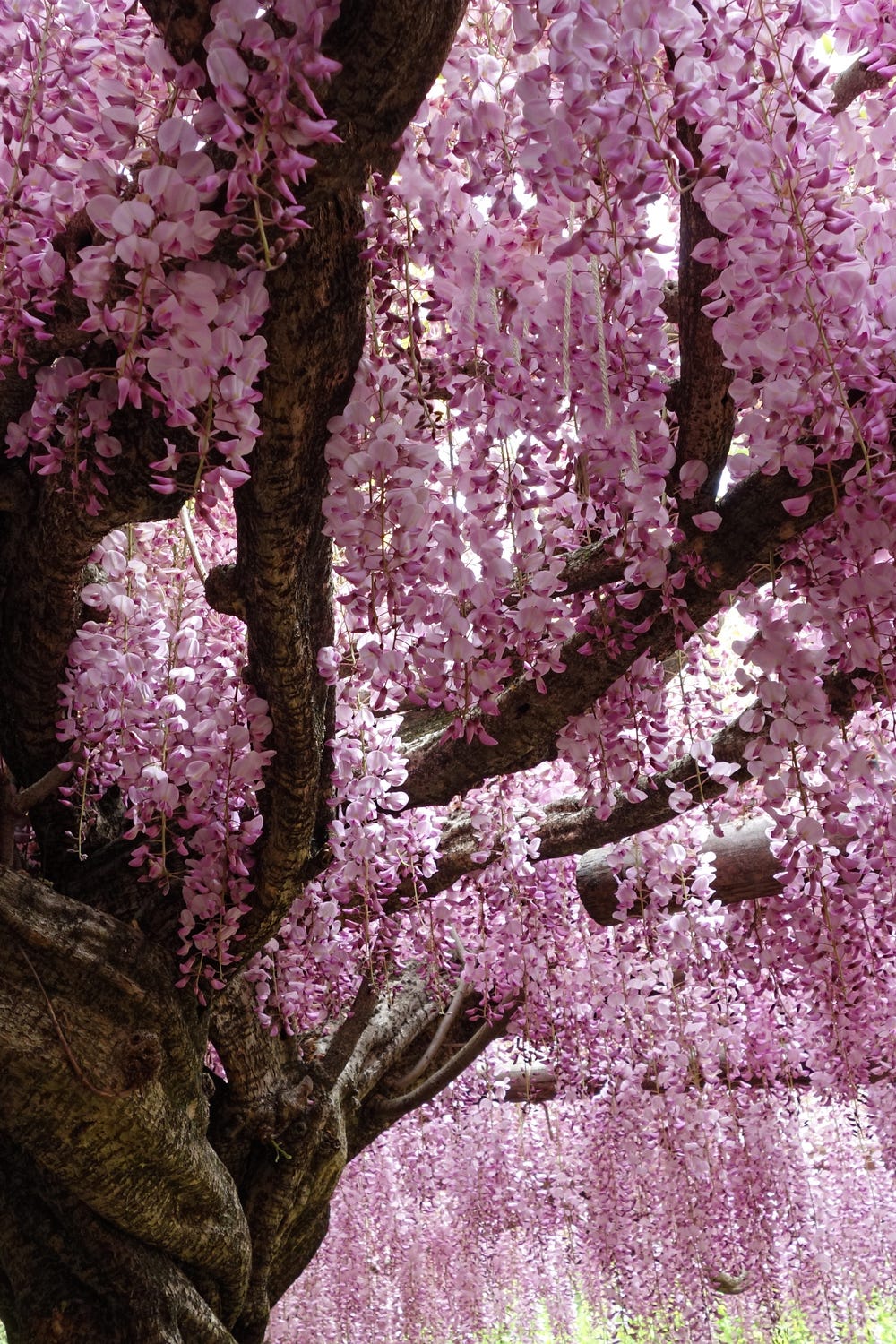
Next is Wisteria (Hardiness Zones: 5 - 9), a vine recommended by Kelly Funk, president and CEO of Jackson & Perkins. The 'amethyst falls' variety is highlighted for its fragrant, vivid flowers that bloom in spring and continue throughout the summer. Wisteria is versatile, suitable for arbors, garden structures, and sturdy trellises. It can also be trained into a free-standing tree with proper staking and pruning. It prefers moist, well-drained soil in full sun to partial shade, with light, infrequent watering.
Catmint (Hardiness Zones: 3 - 8) is another robust alternative. Alexander Betz notes its hardiness, making it capable of withstanding both heat and cold, similar to lavender. It has aromatic, gray-green foliage and spikes of purple-blue flowers. Planting catmint in spring or fall and cutting it back after flowering encourages a second bloom. It thrives in well-drained soil in full sun to partial shade, needing occasional watering once established.
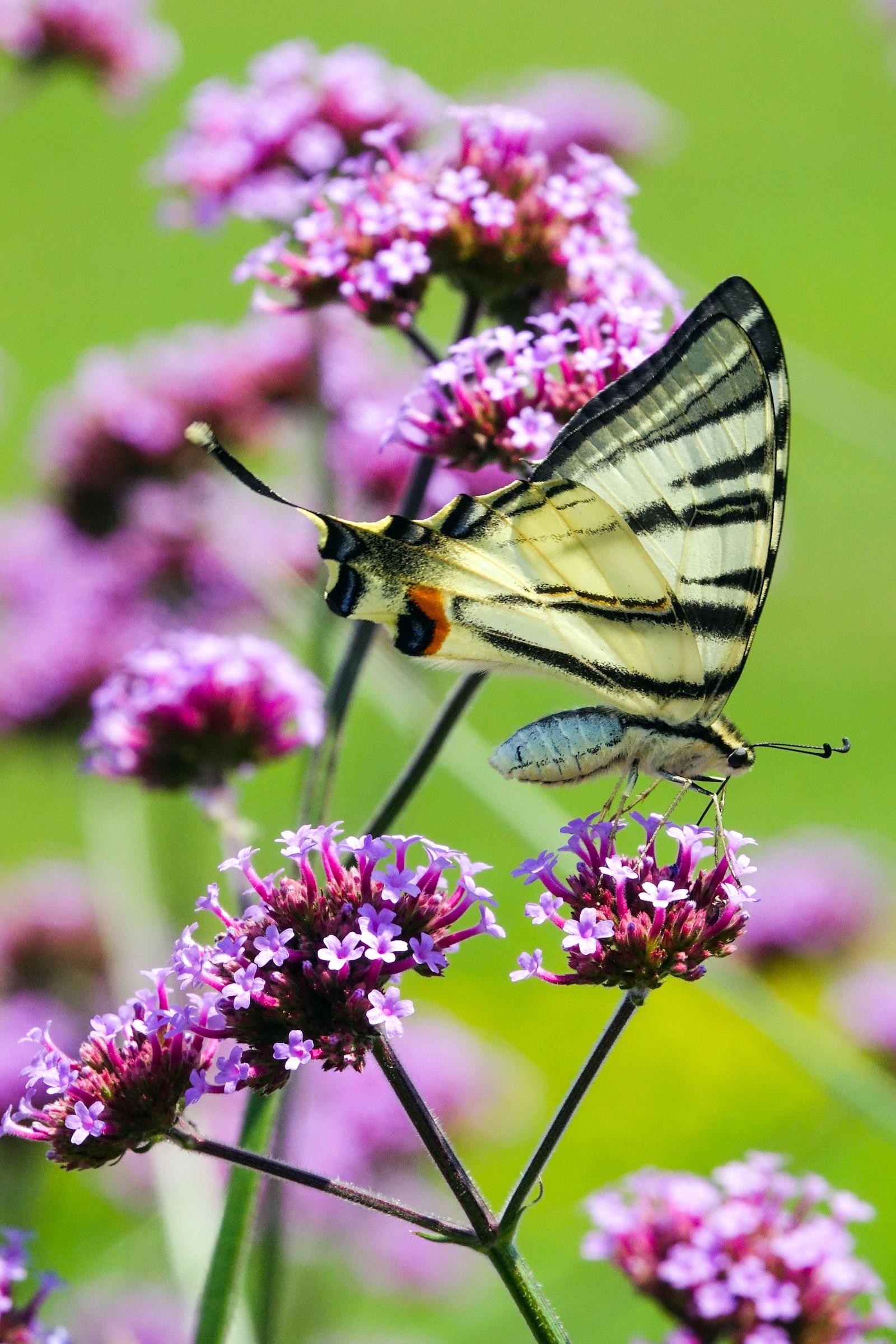
Buddleia, or butterfly bush (Hardiness Zones: 5 - 9), is presented as a plant that adds personality to a garden and attracts beneficial insects like bees and hummingbirds. Kelly Funk emphasizes its extra-large flower spikes supported by thick, sturdy stems, which enhance its winter survival in colder regions. Buddleia prefers full sun and medium moist, well-draining soil, offering a lovely fragrance and being highly pollinator-friendly.
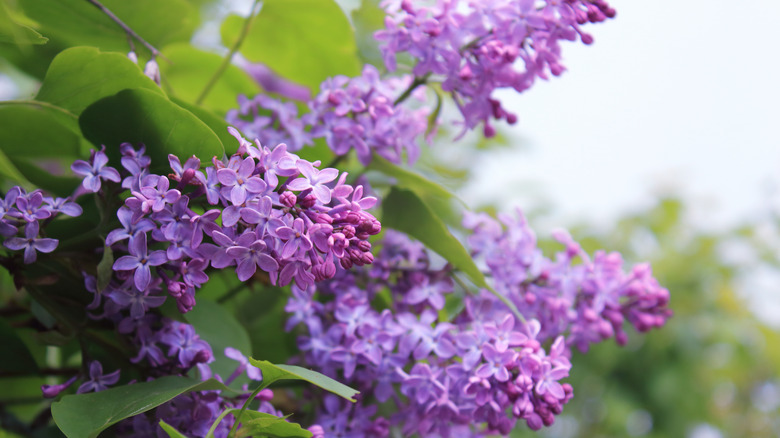
Lilacs (Hardiness Zones: 3 - 7) are suggested not only as excellent privacy bushes but also as a lavender substitute. They produce tubular panicles of purple flowers and are renowned for their strong fragrance. To flourish, lilacs require a sunny spot and well-draining soil. Consistent care, including adequate sunshine and water, is essential to maintain their vibrant color and robust growth, creating an enchanting ambiance.
Finally, Agastache 'Blue Fortune' (Hardiness Zones: 5 - 9), also known as anise hyssop, is highlighted for its resemblance to lavender and its captivating scent. This perennial is easy to grow and hardy, featuring unique bottle-brush flowers. Its low-maintenance nature means it benefits from deadheading to encourage continuous blooming. It grows best in well-draining soil, with mulch recommended during colder months for protection. These alternatives offer diverse options for creating a picturesque and fragrant garden space, suitable for various outdoor activities.
#LavenderAlternatives #PurpleFlowers #AromaticPlants #GardenDesign #DroughtTolerantPlants #FragrantPlants #PerennialFlowers #PollinatorFriendly #GardeningTips #LavenderAlternatives #PurpleFlowers #AromaticPlants #GardenDesign #DroughtTolerantPlants #FragrantPlants #PerennialFlowers #PollinatorFriendly #GardeningTips
Hay 0 comentarios en total
 Aún no hay comentarios
También te puede gustar
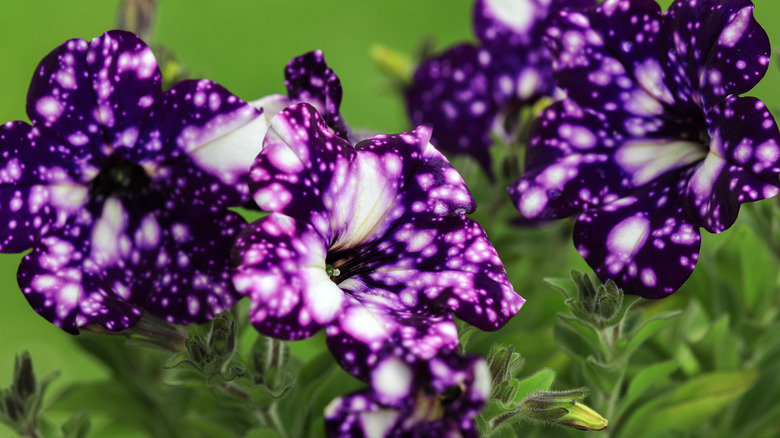
15 Best Purple Plants For Your Flower Garden
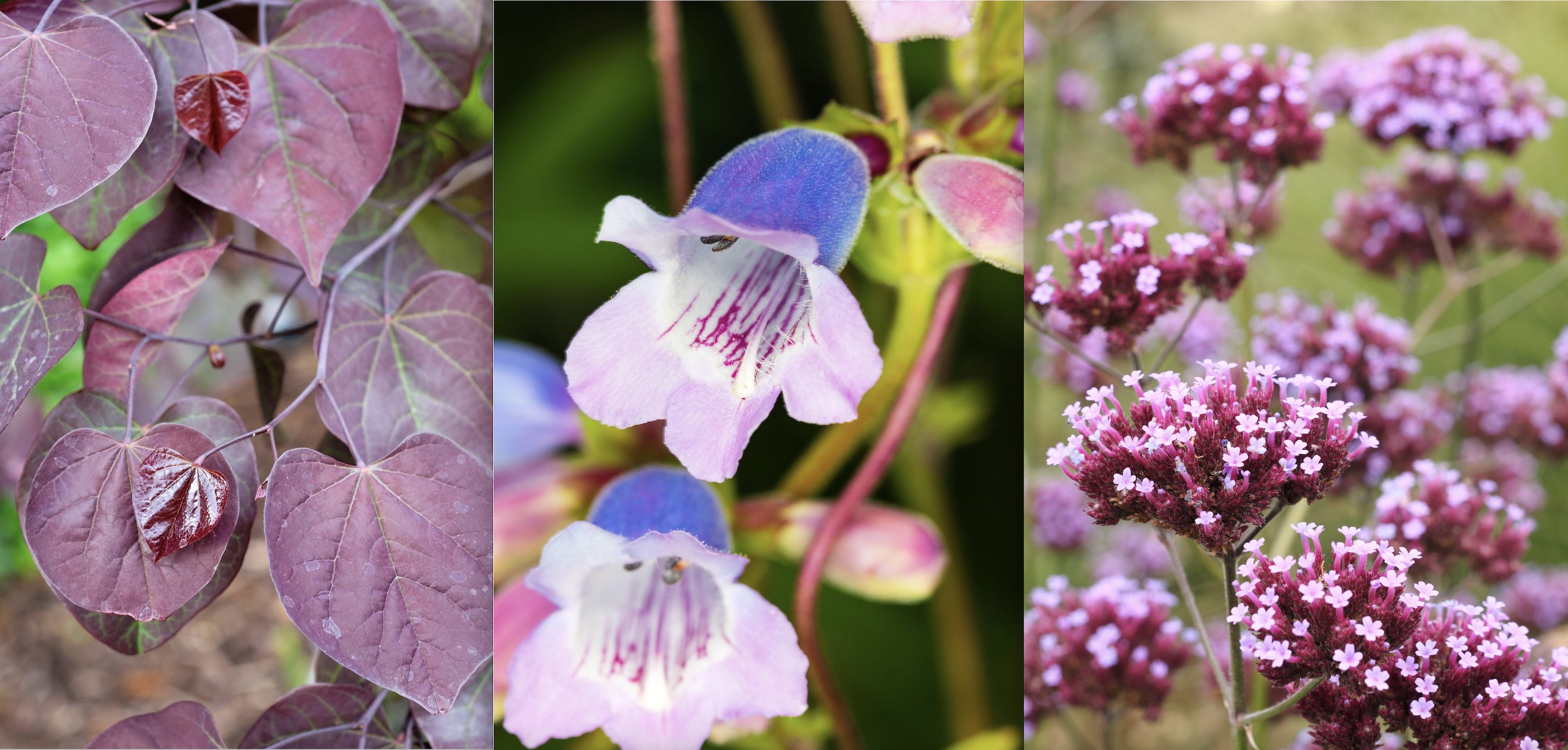
Purple plants – 5 best to choose for the perfect purple border

Purple bedroom ideas: 11 designs that prove lilac and plum aren't granny or glum

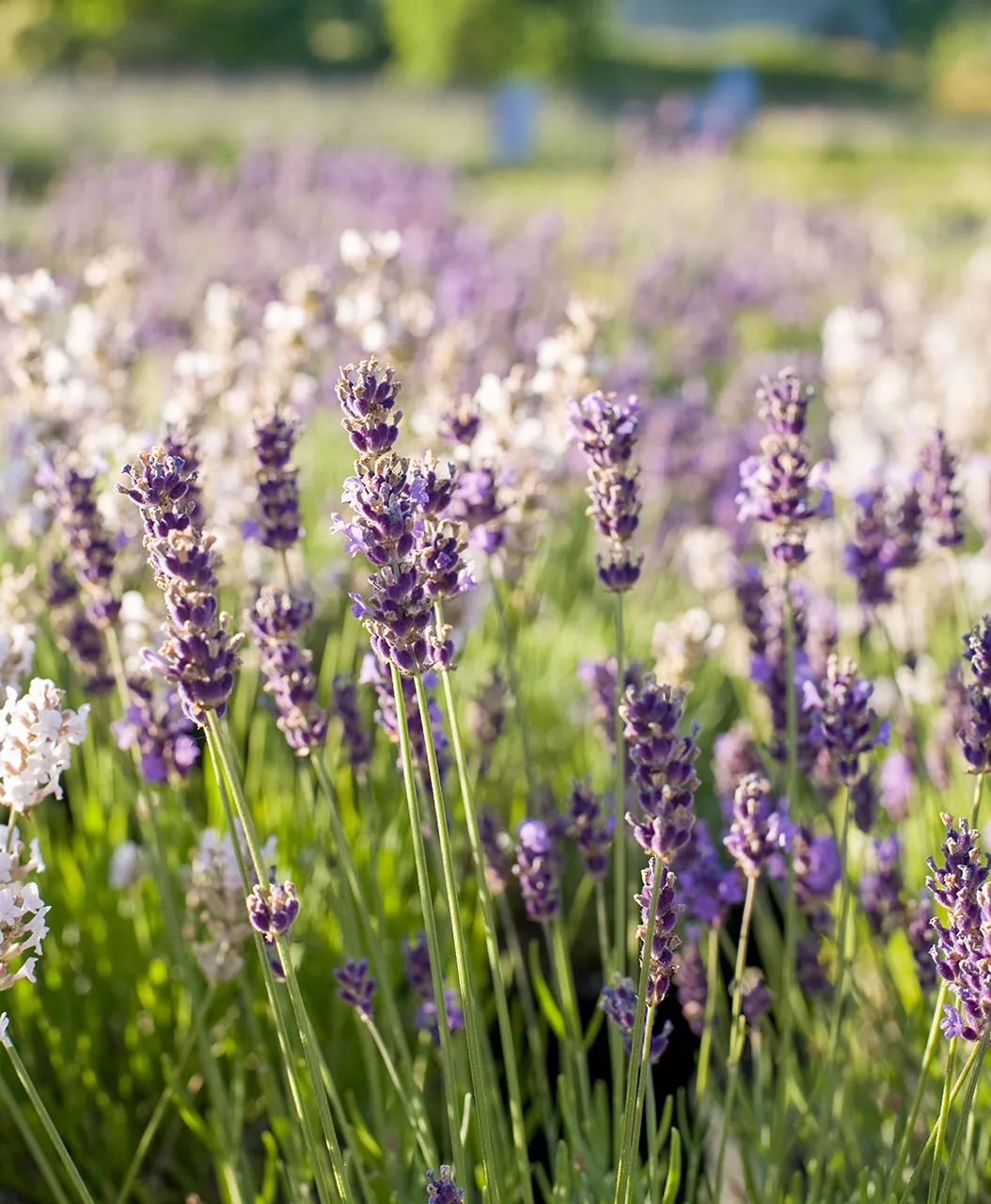
23 Lavender Varieties for a Fragrant Garden

10 Pretty Purple Flowers That’ll Make Your Garden Pop

11 Beautiful Purple Flowers and Plants That Attract Hummingbirds
11 Pretty Purple Flowers to Plant in Your Garden
We Found the BEST Pink Flowering Trees to Boost Your Curb Appeal

What Are the Different Types of Lavender? 5 of the Main Varieties That Look Best in a Modern Garden

11 Pretty Purple Flowers to Plant in Your Garden
15 Annuals That Bloom With Bold Purple Flowers
16 Best Fast-Growing Purple Plants For A Beautiful Shade Garden In No Time
11 Pretty Purple Flowers to Plant in Your Garden

Purple Flowers That Hummingbirds Find Irresistible
5 Unexpected Ways to Display Flowers, No Vase Required

Flower home decor ideas – 12 blooming looks that'll add instant cheer to your home

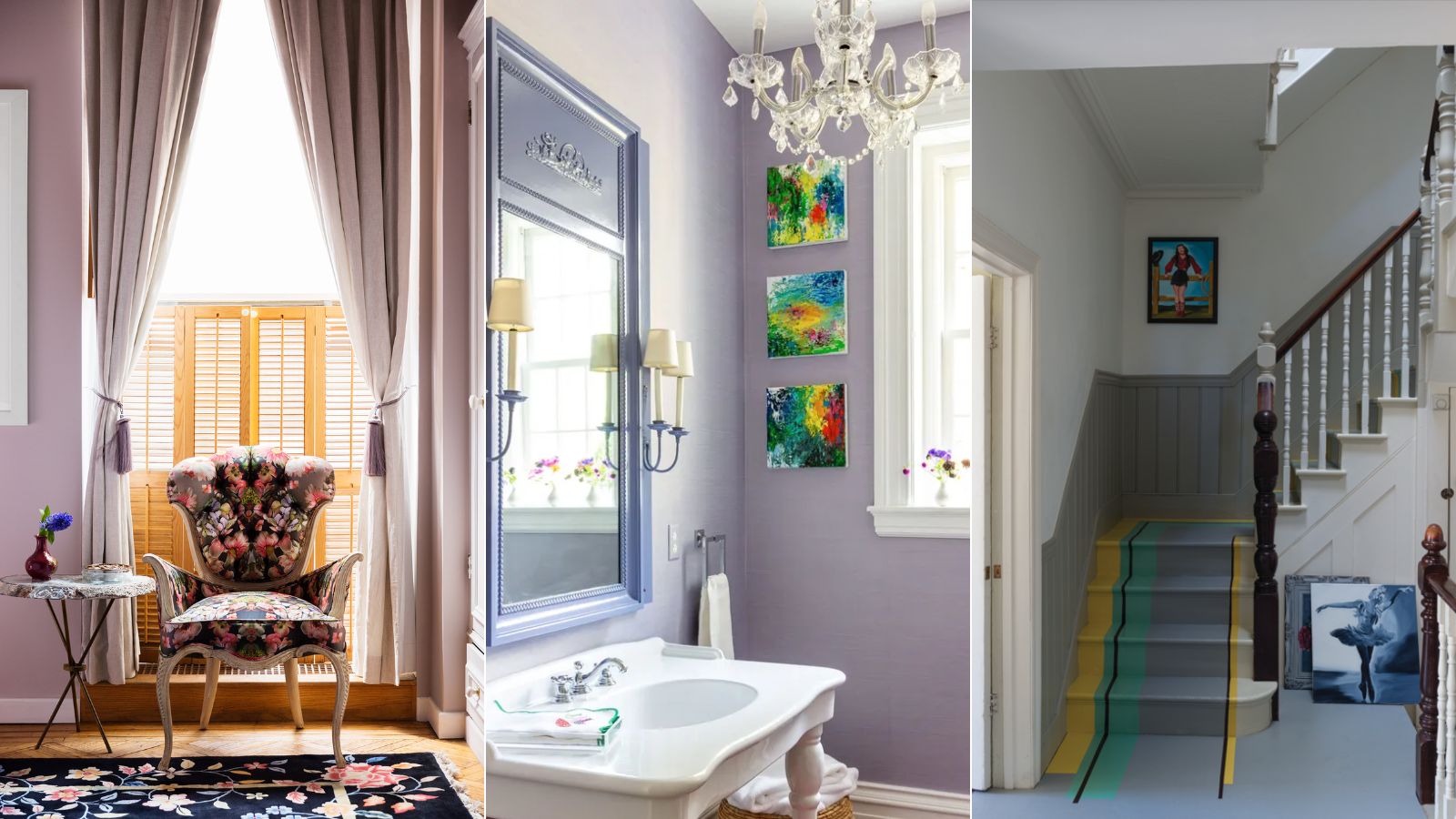
Best lavender paints as chosen by designers – 6 favorite varieties of this calming, pastel color

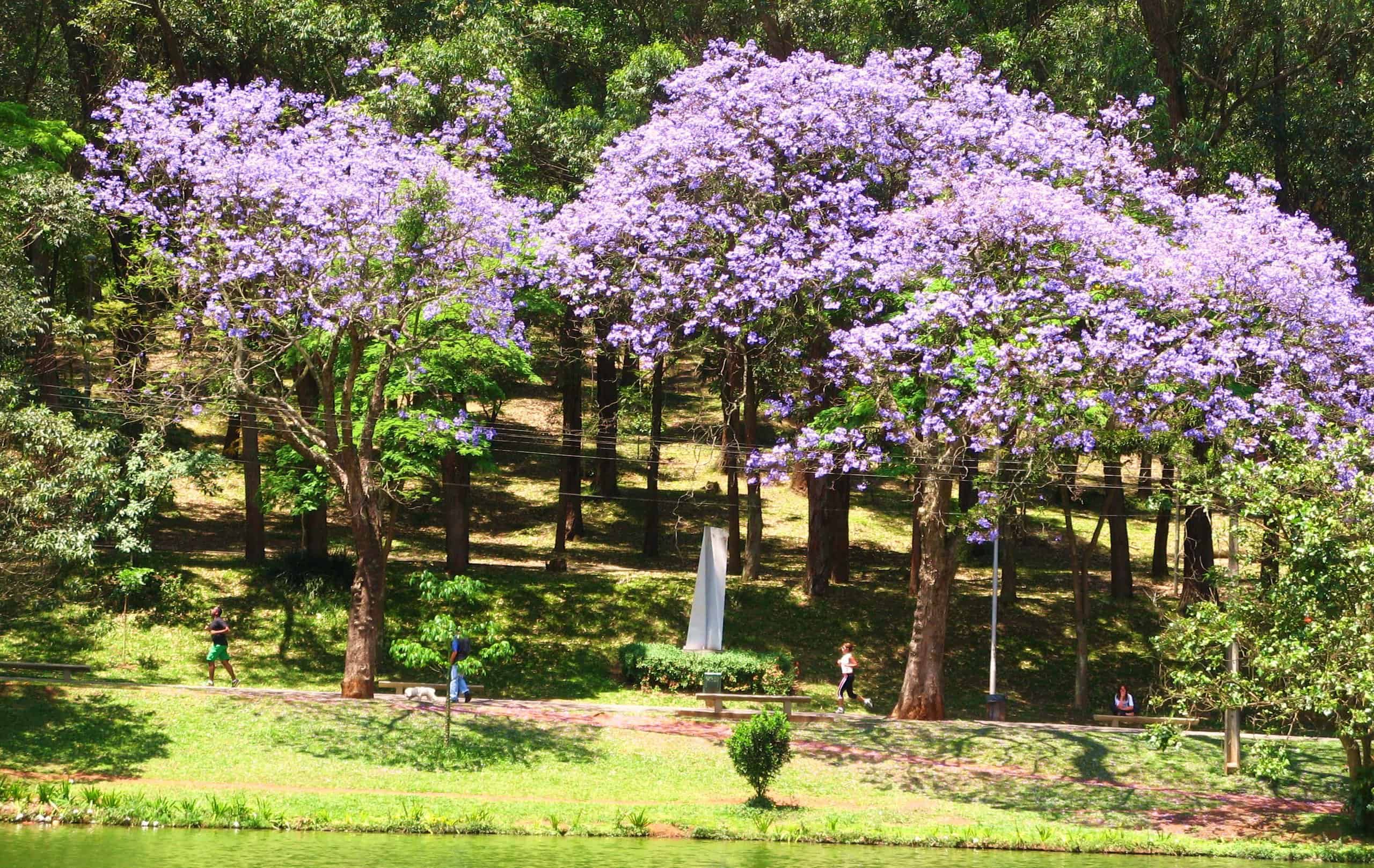
The 11 Best Purple Flowering Trees in Florida
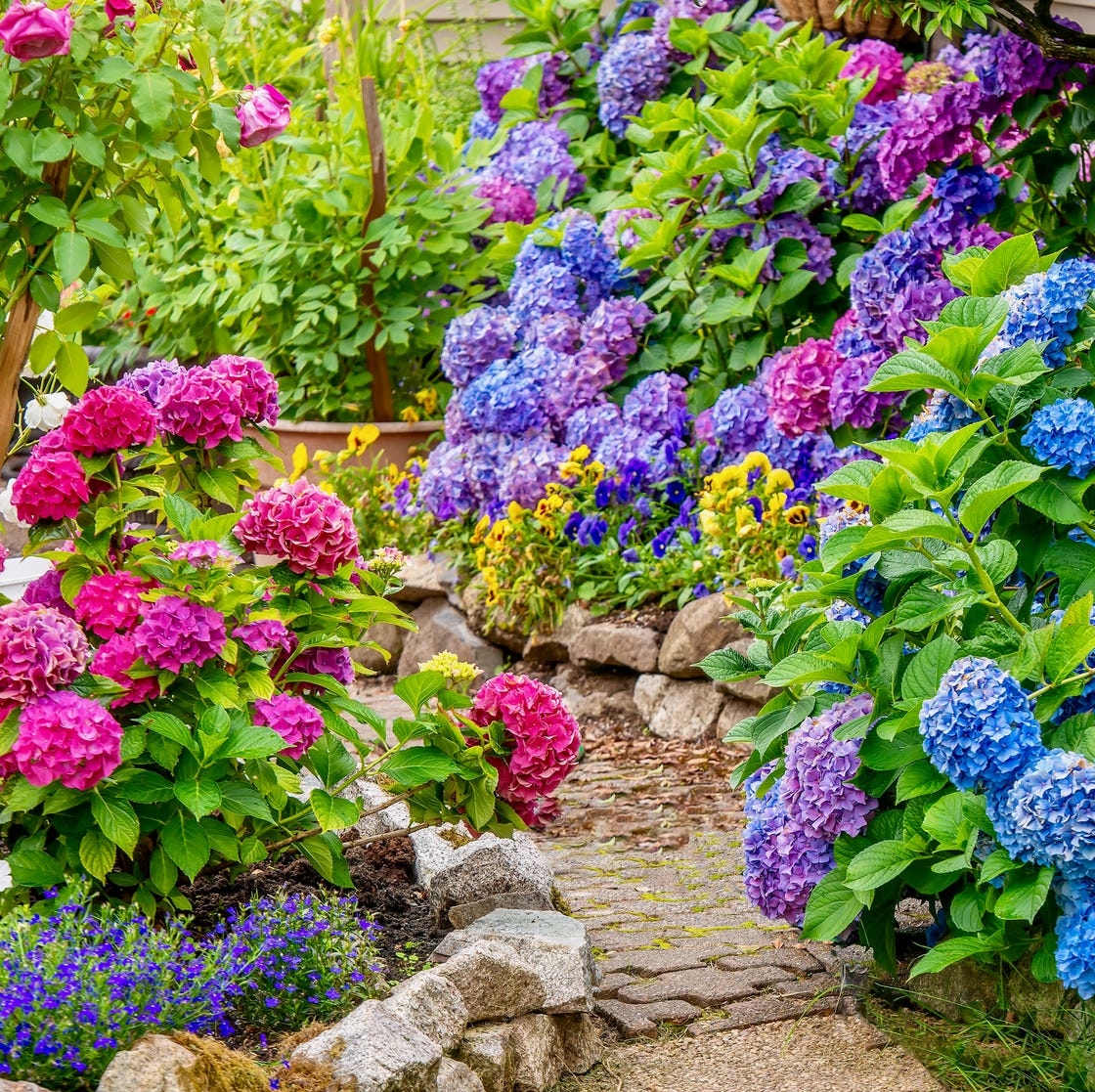
These Beautiful Flowering Shrubs Will Add Major Color to Your Garden

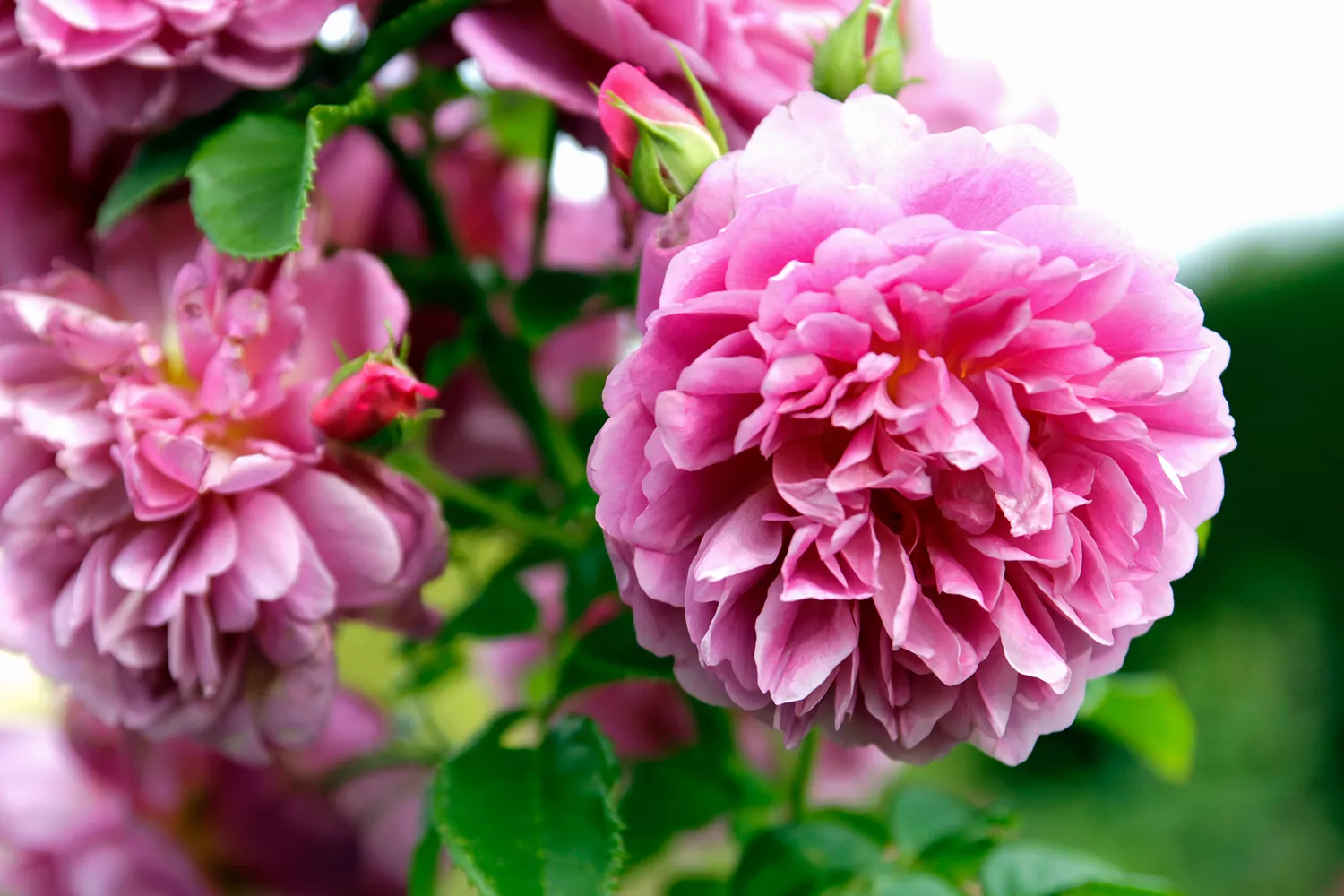
19 Fragrant Flowers That Will Make Your Garden Smell–and Look—Amazing