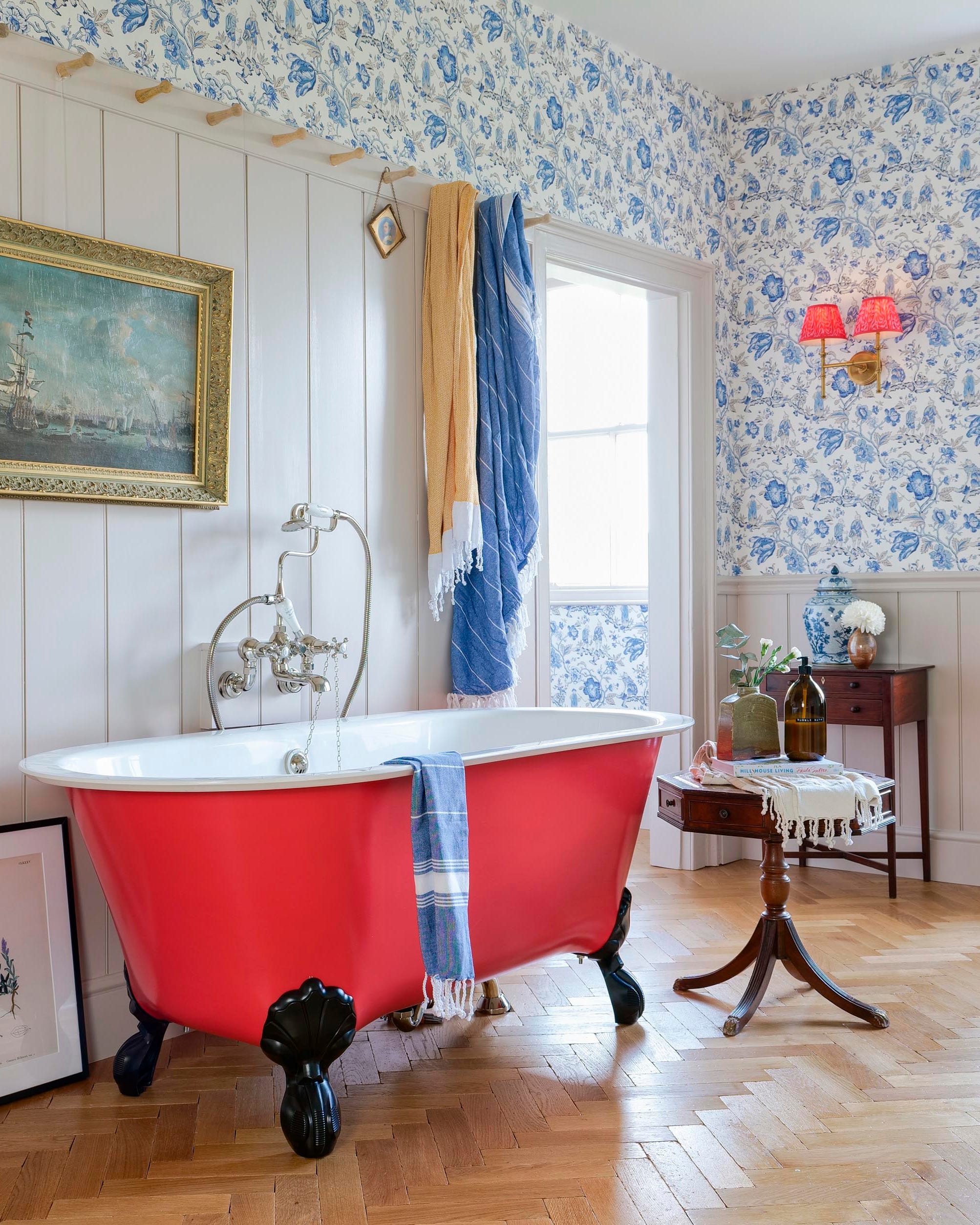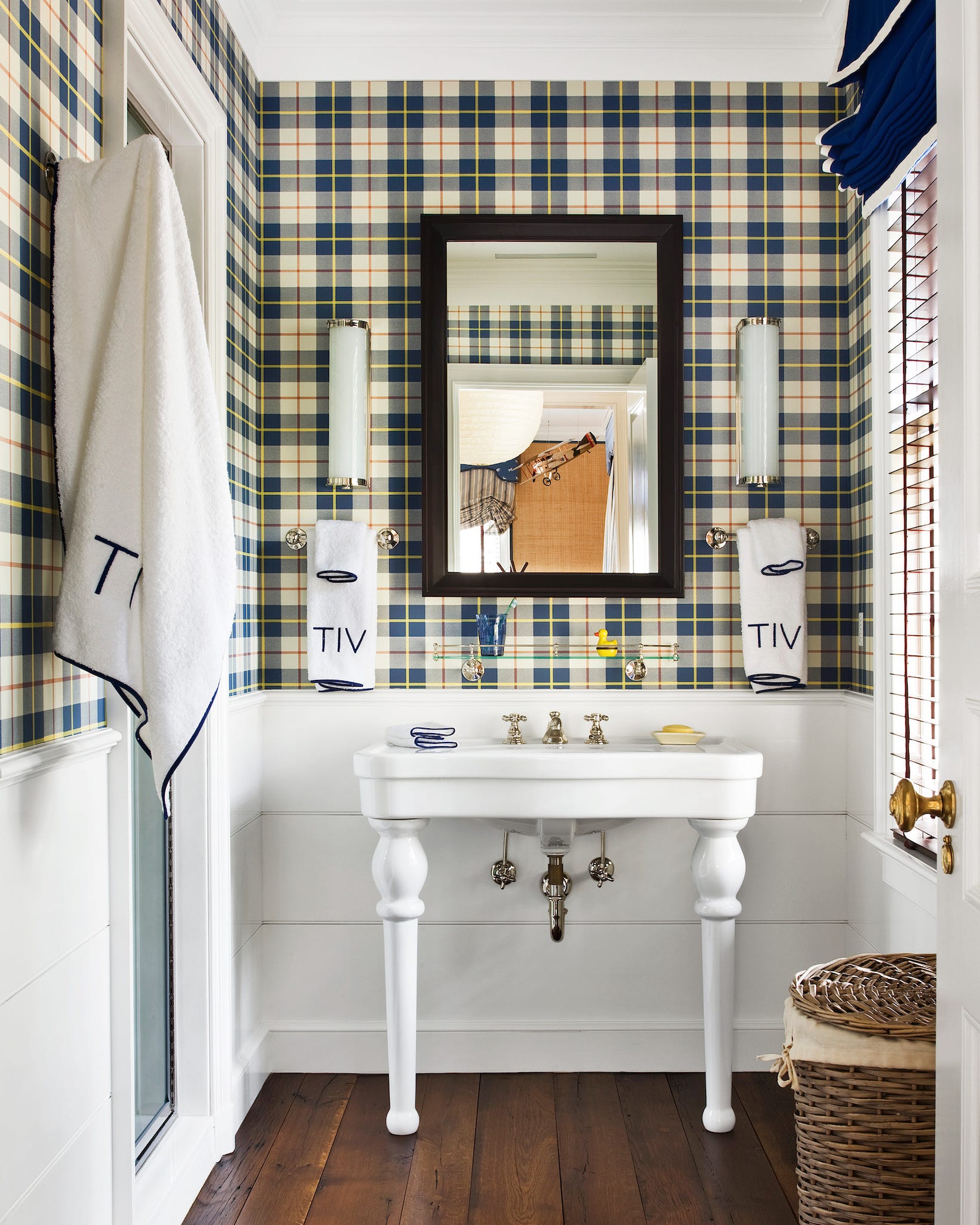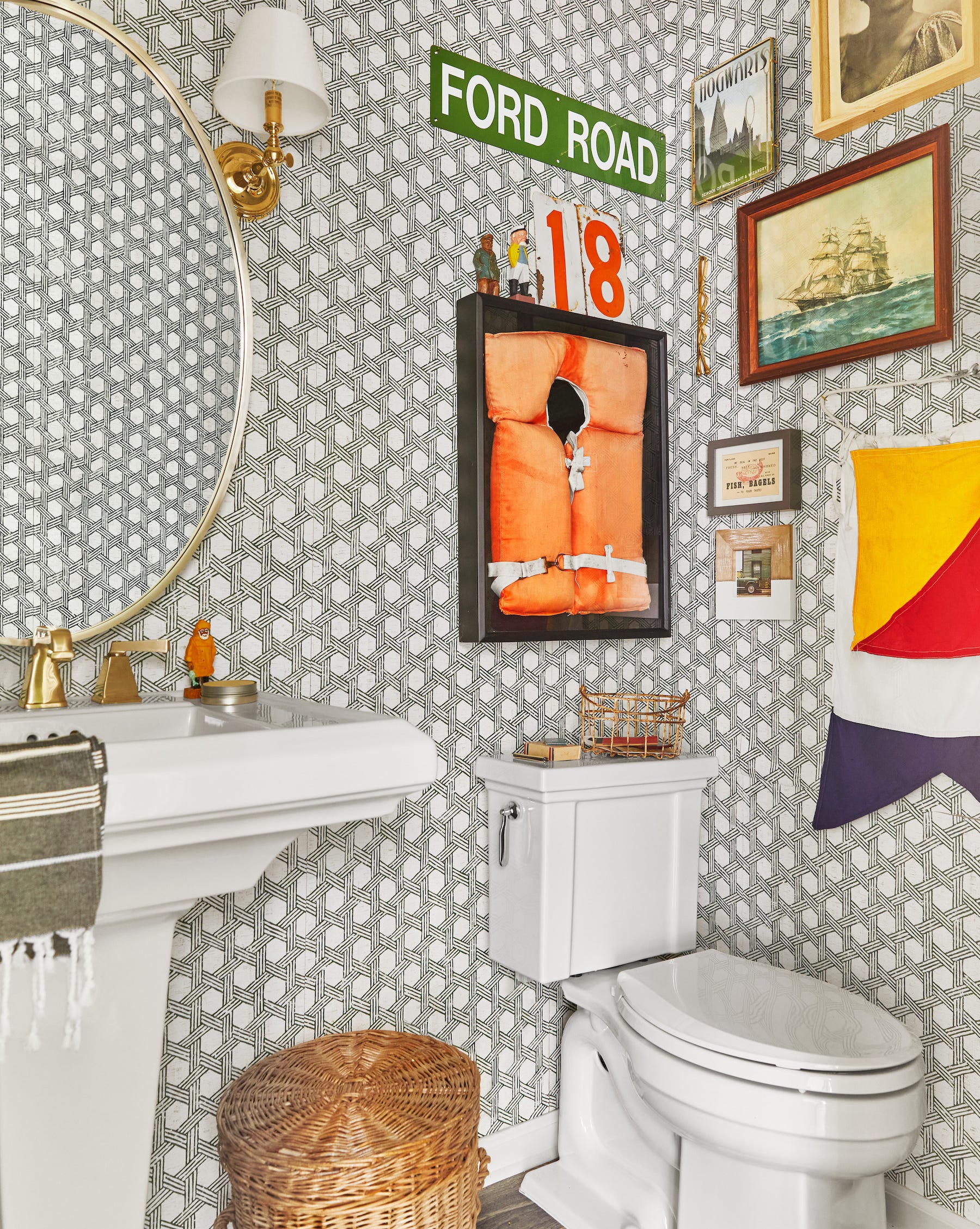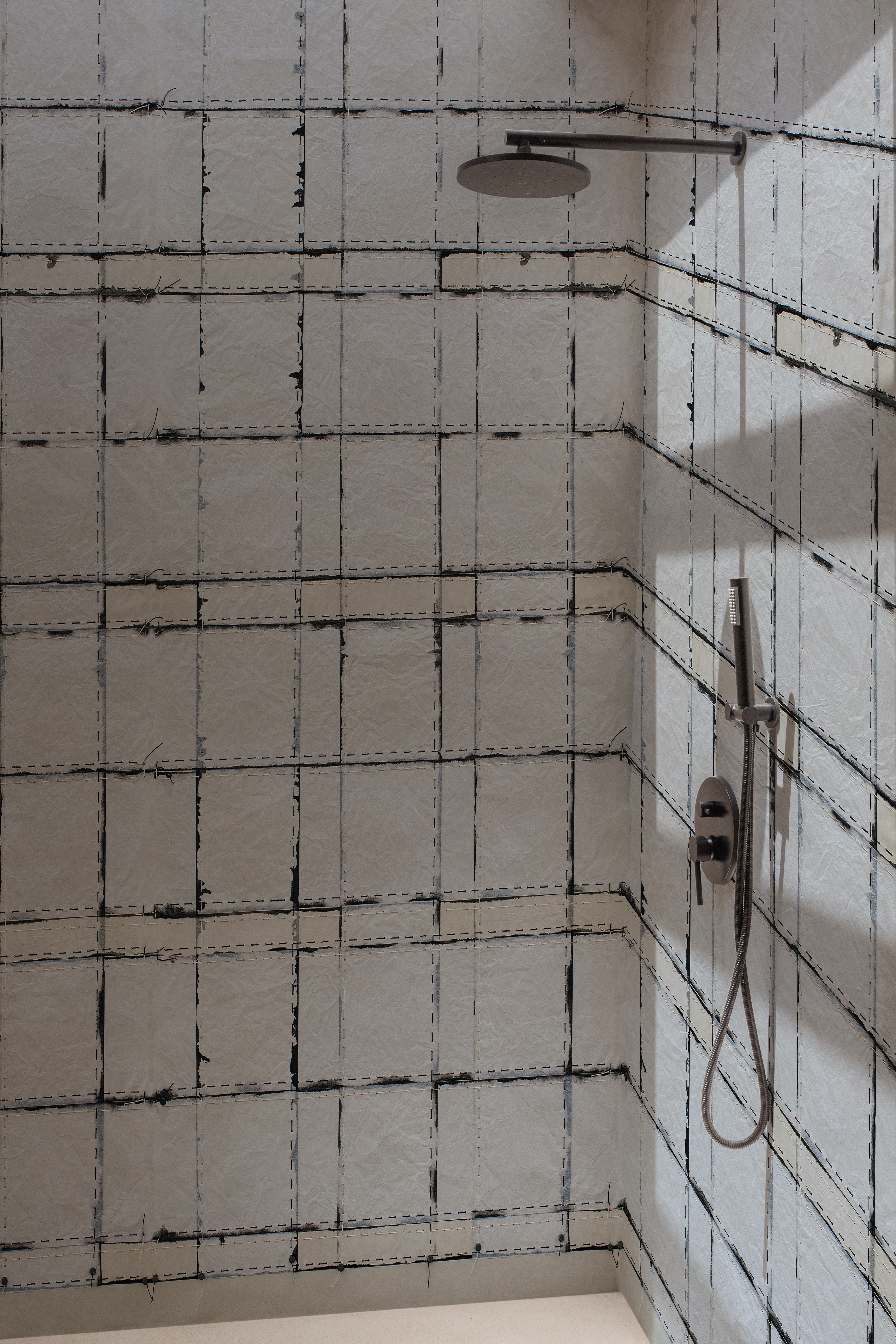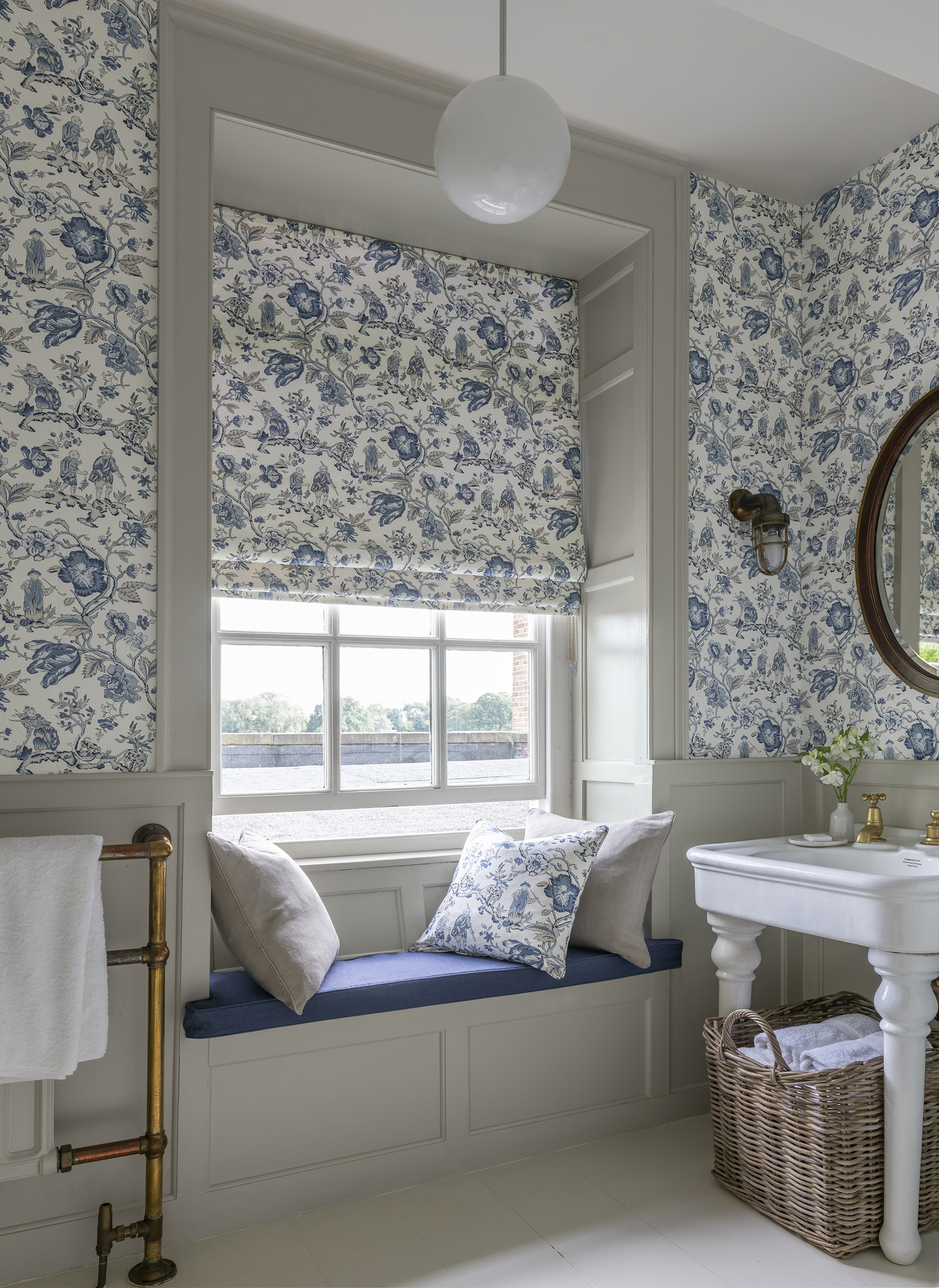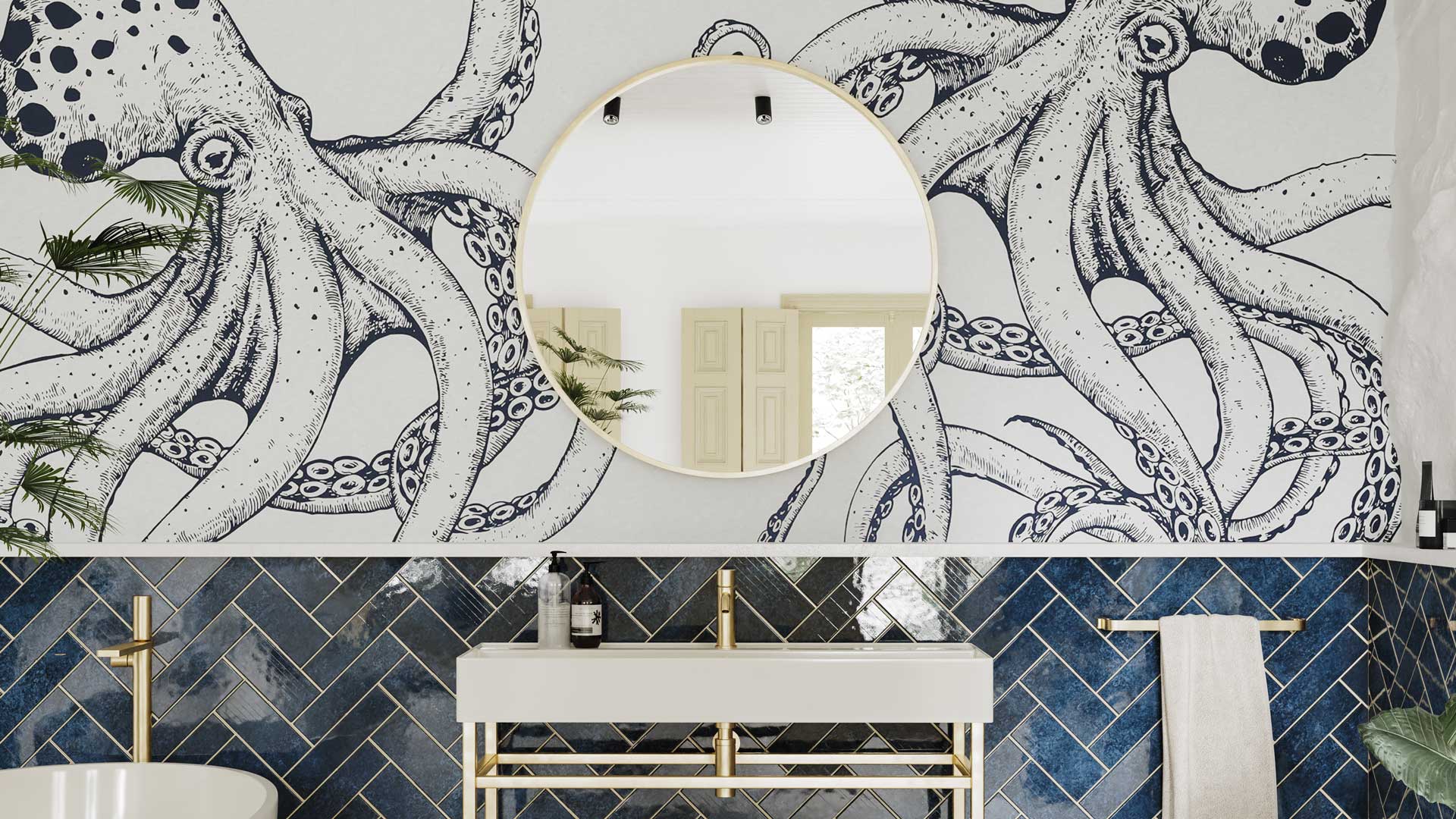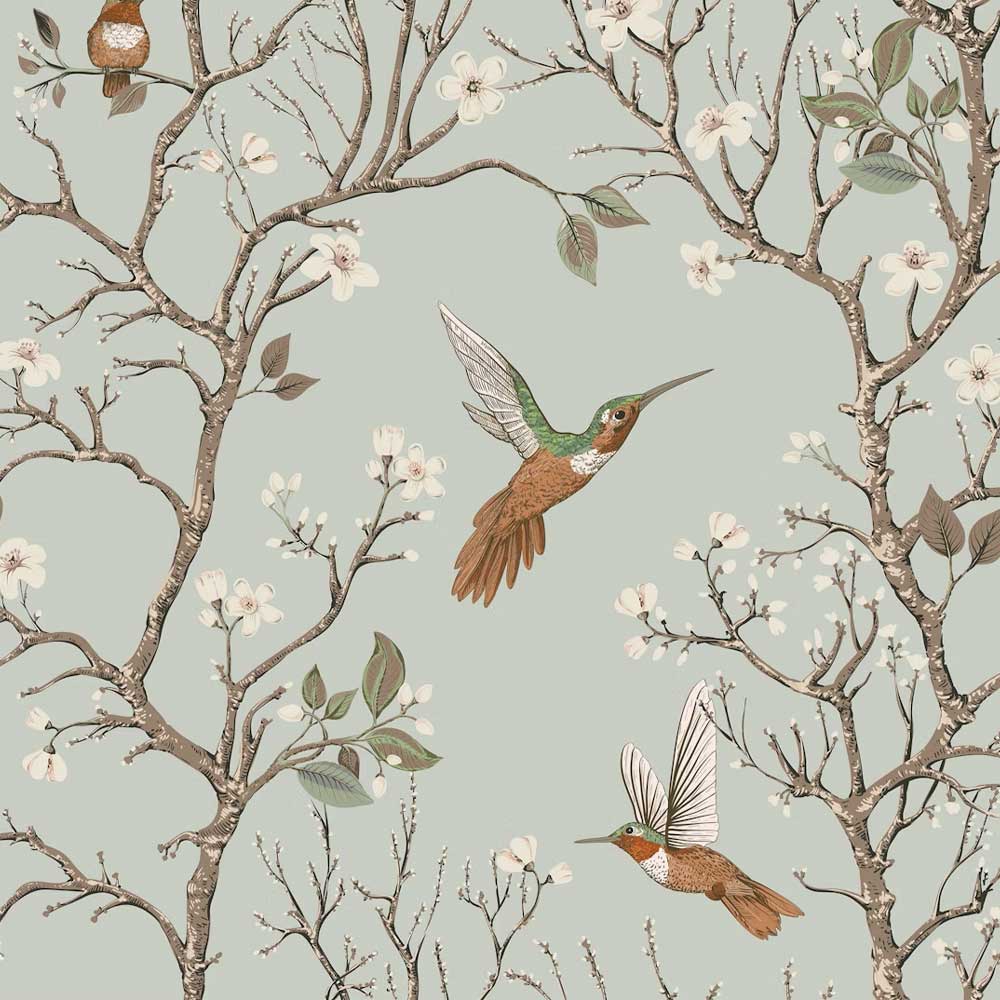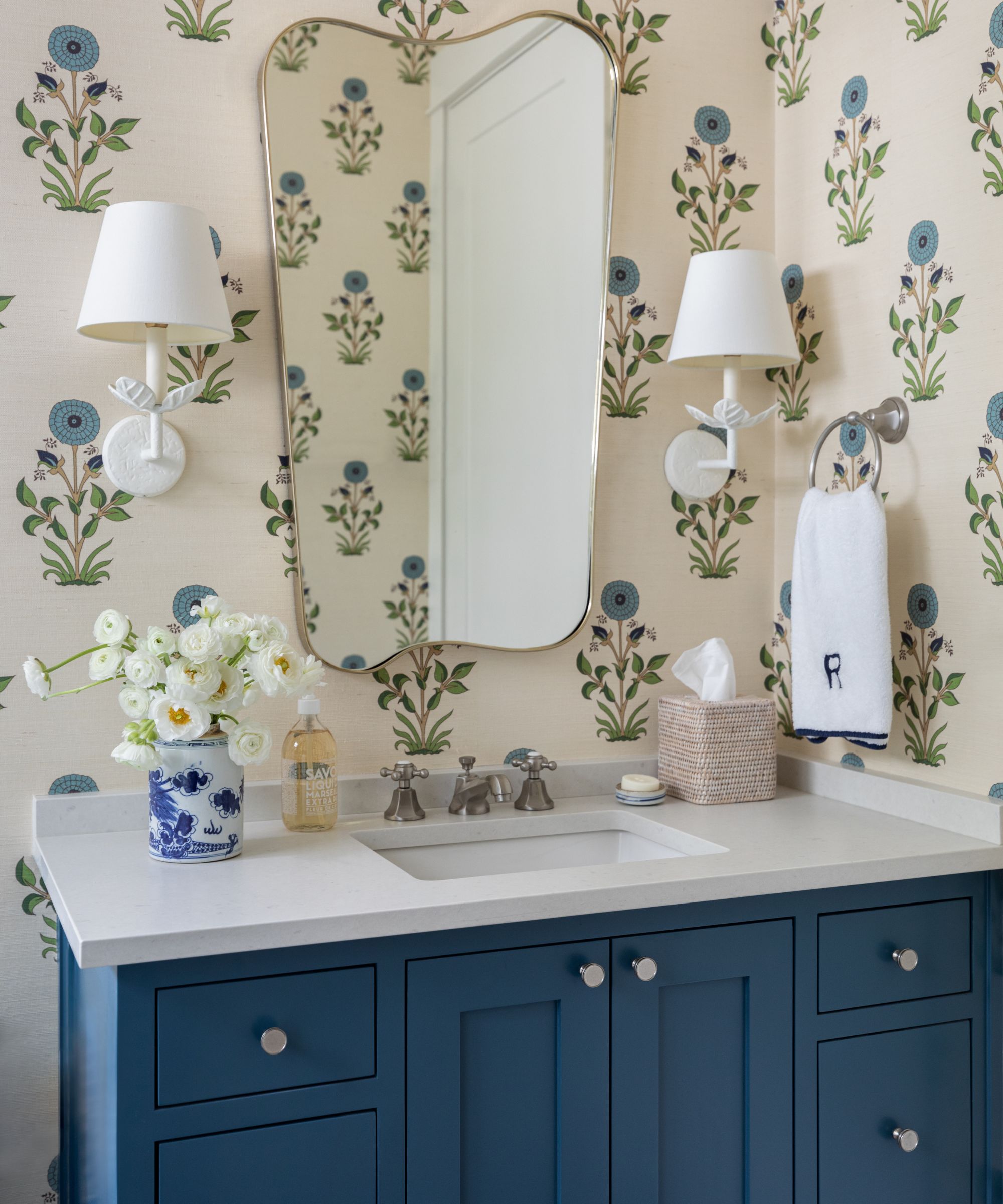
How To Use Wallpaper In The Bathroom
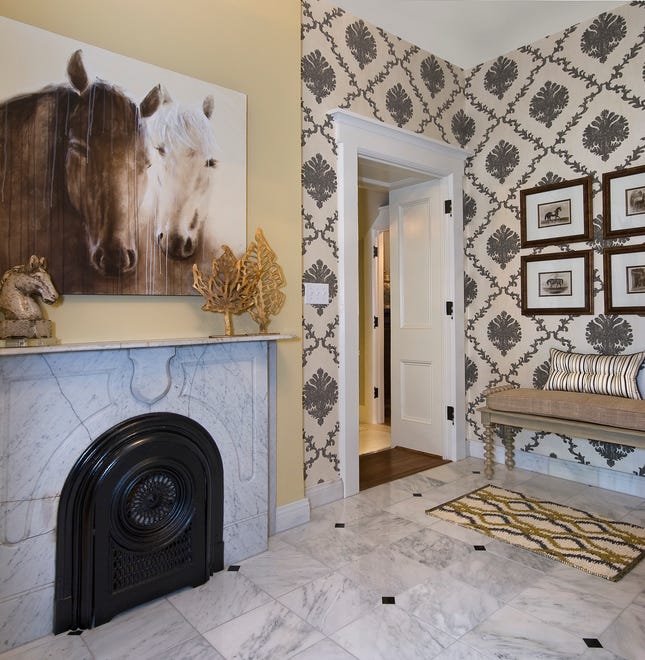
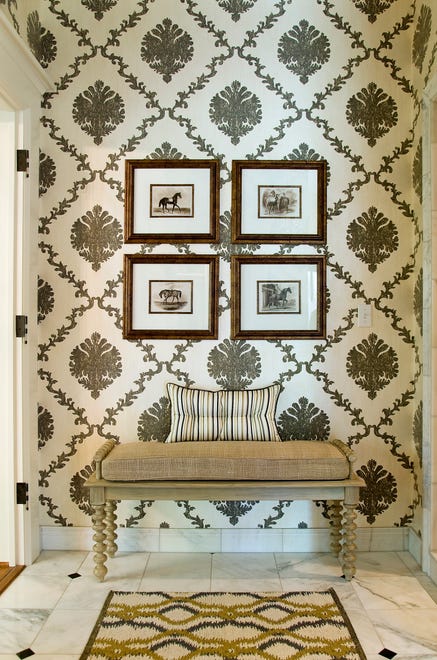
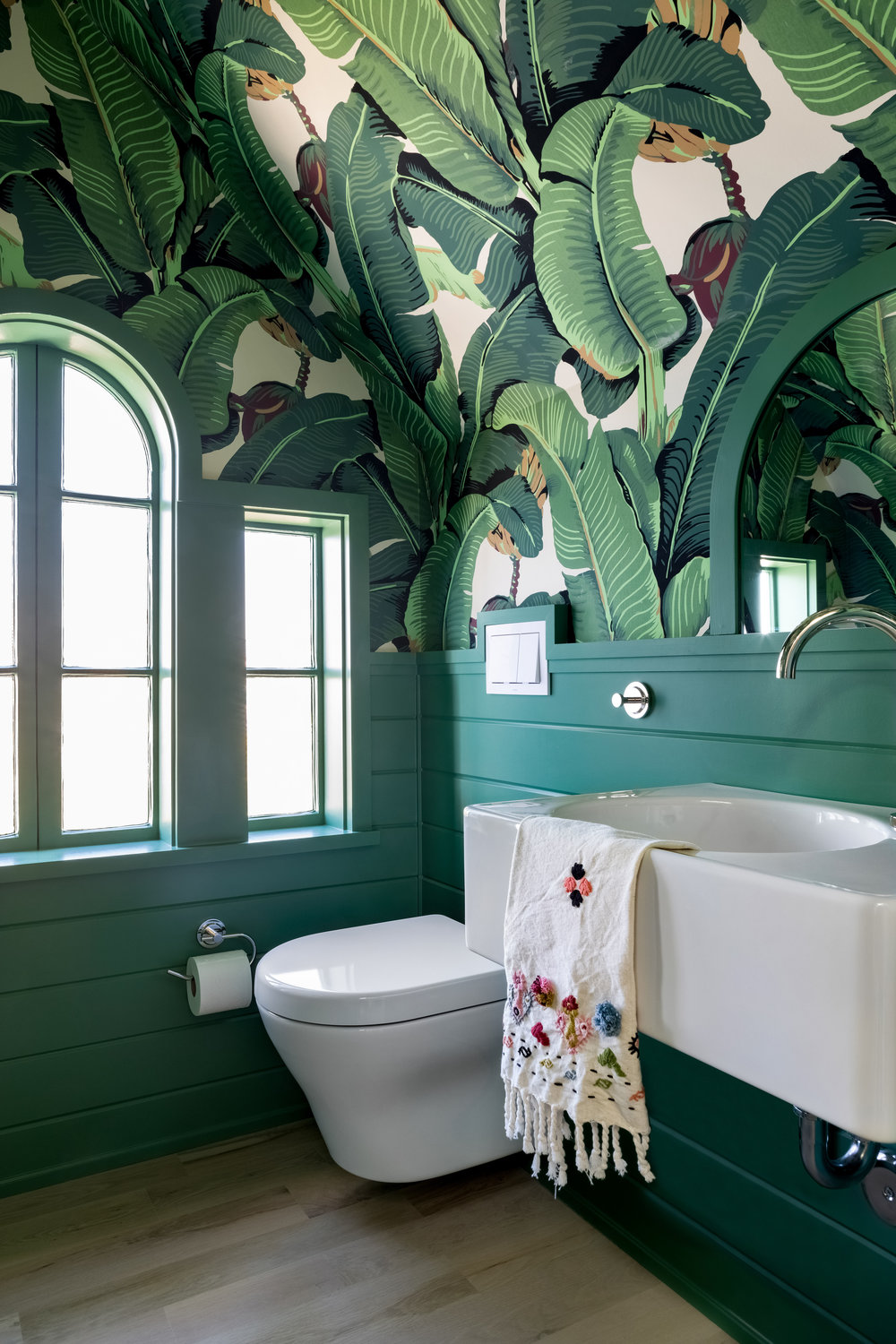
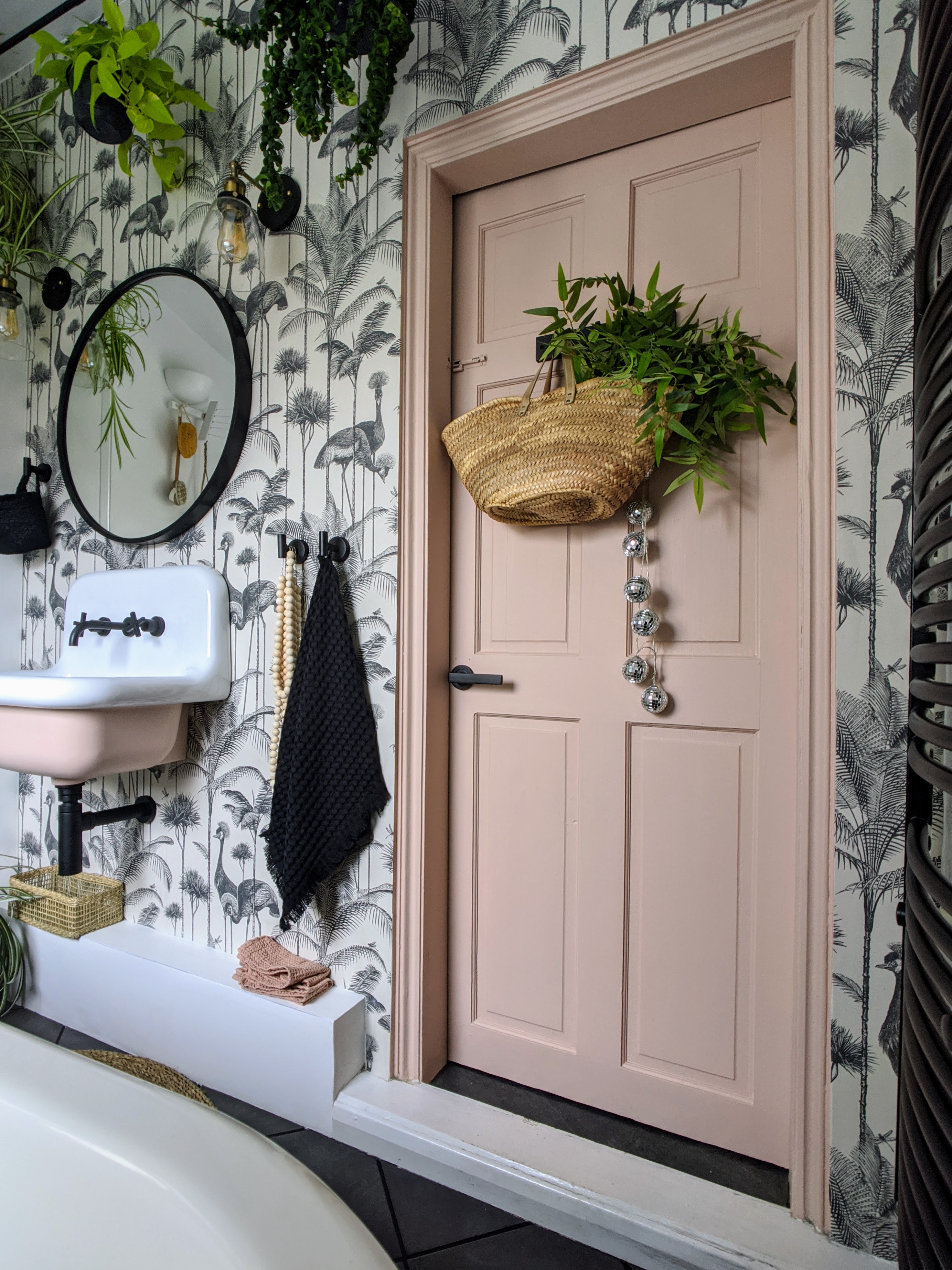
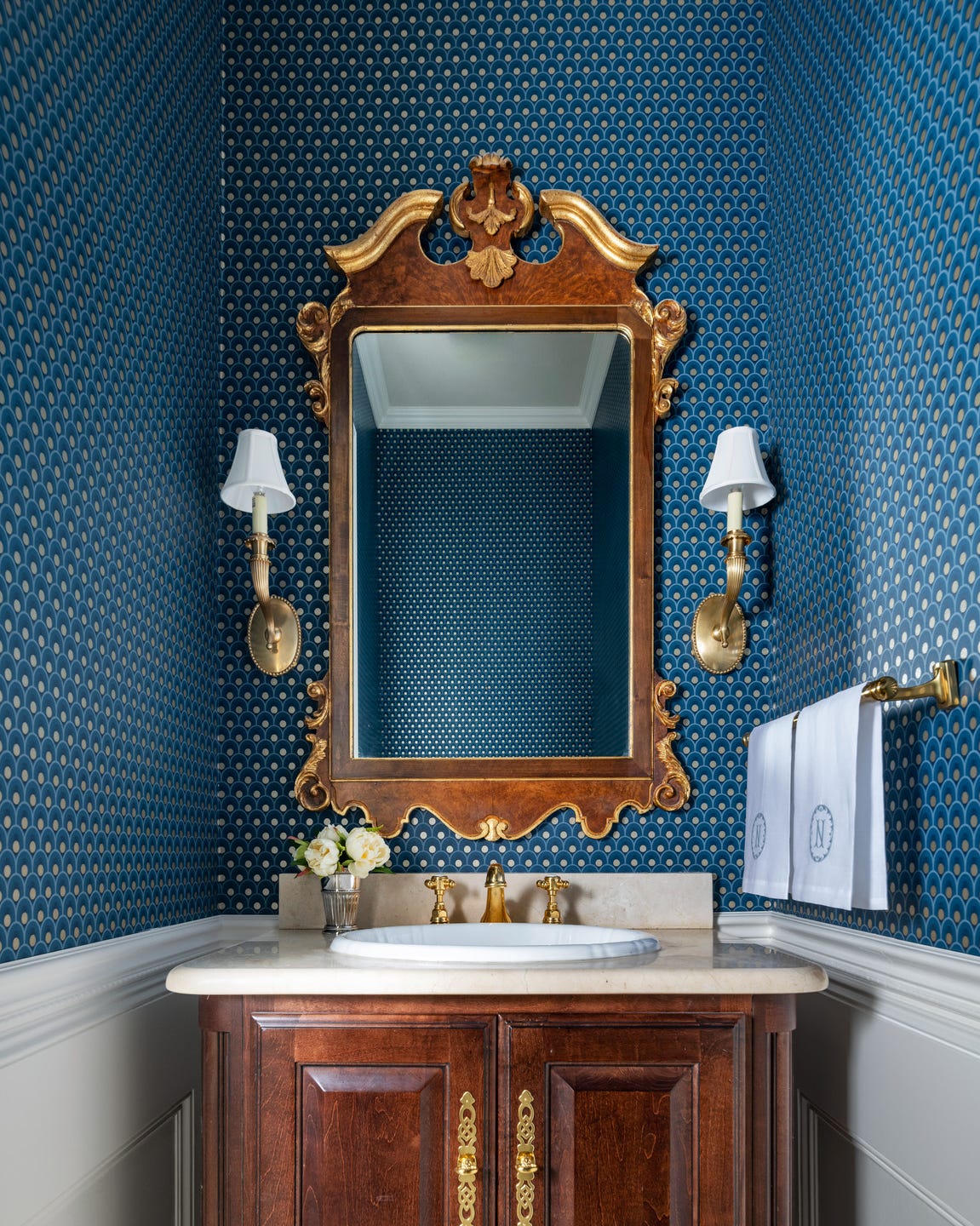
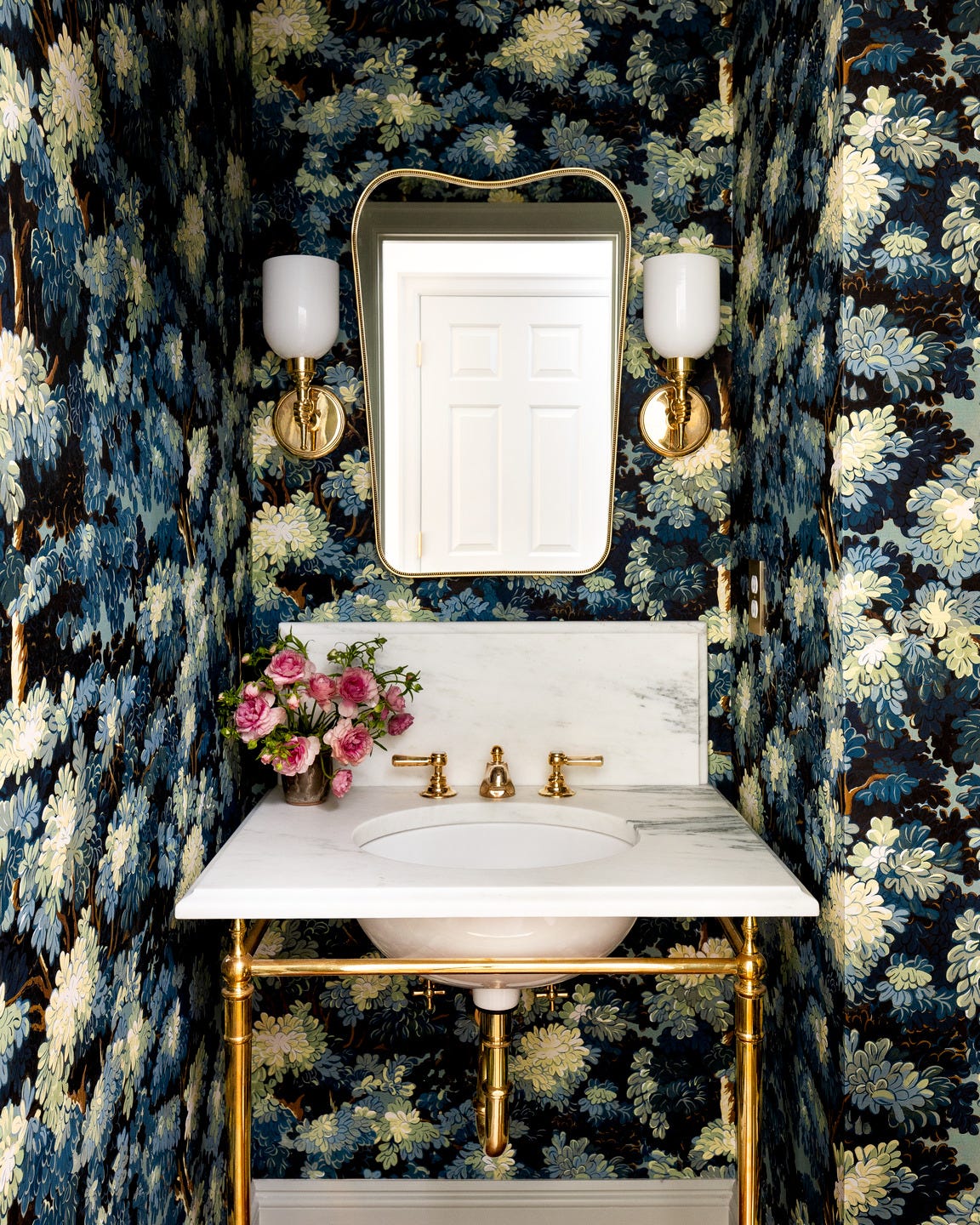
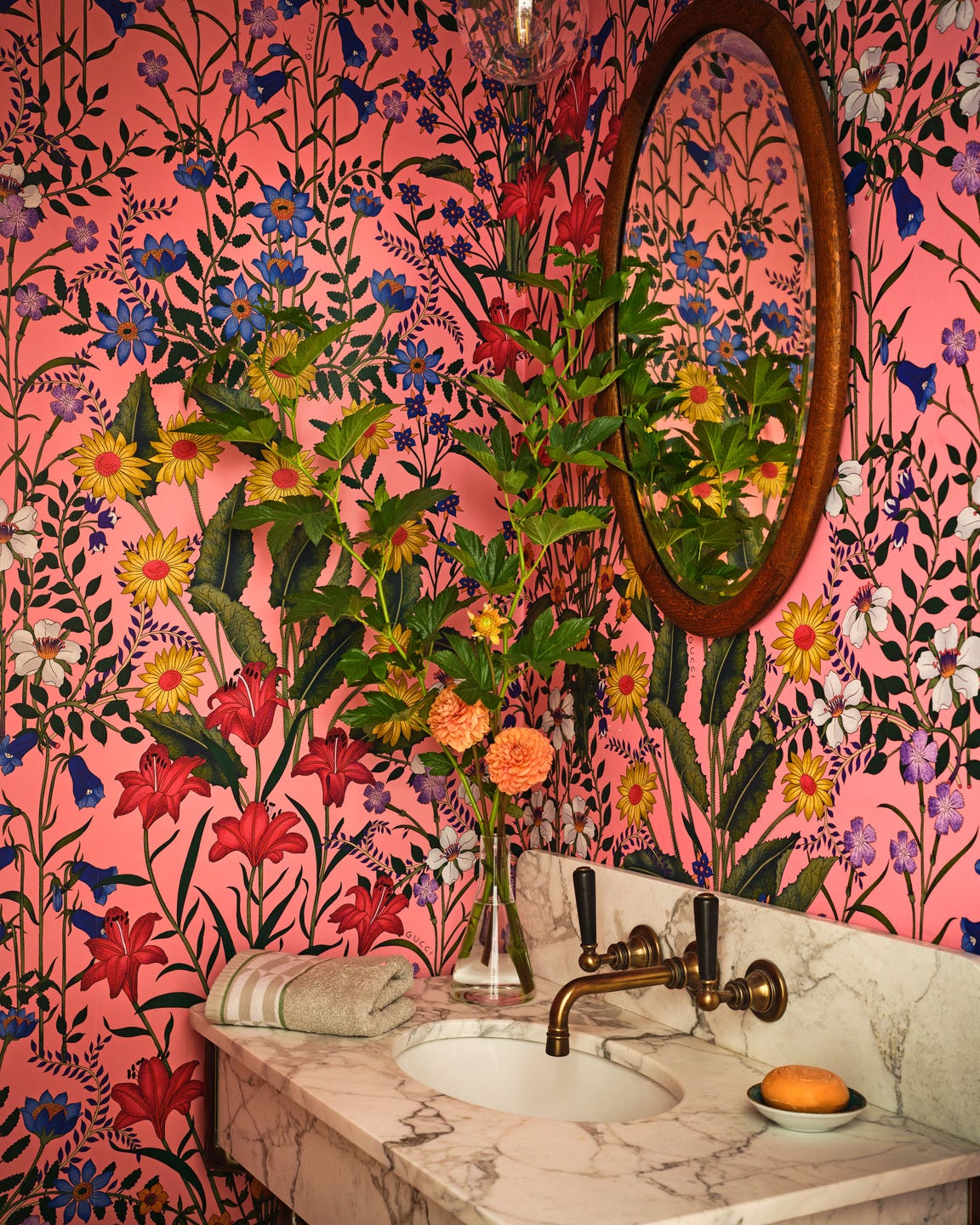
This article discusses the application of wallpaper in bathrooms, addressing its suitability, types, benefits, drawbacks, and installation guidelines. It challenges the perception of wallpaper as an outdated design element, suggesting its potential to enhance a space when used appropriately. The central theme revolves around mitigating the risks associated with high humidity and moisture in bathroom environments when applying wallpaper.
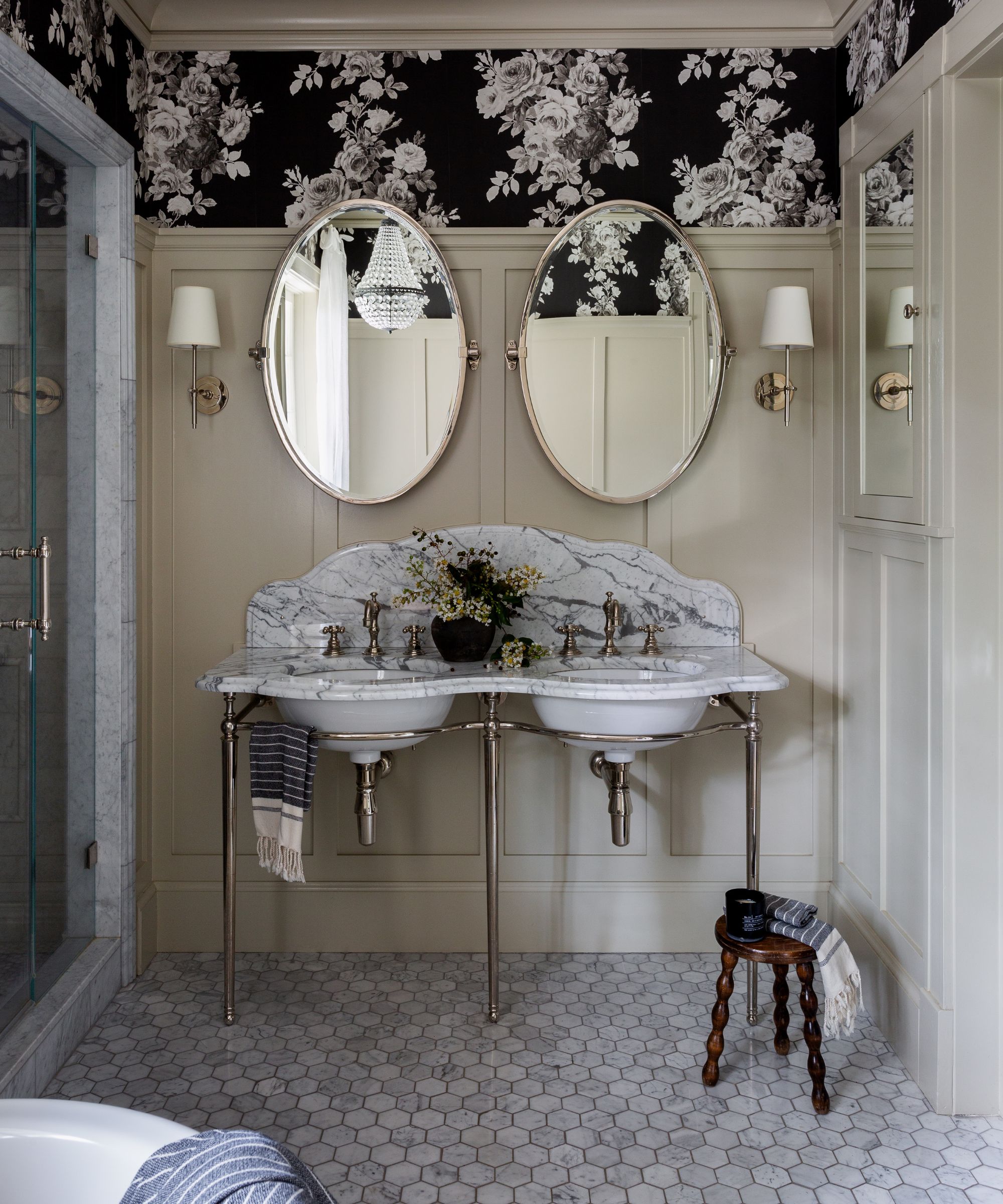
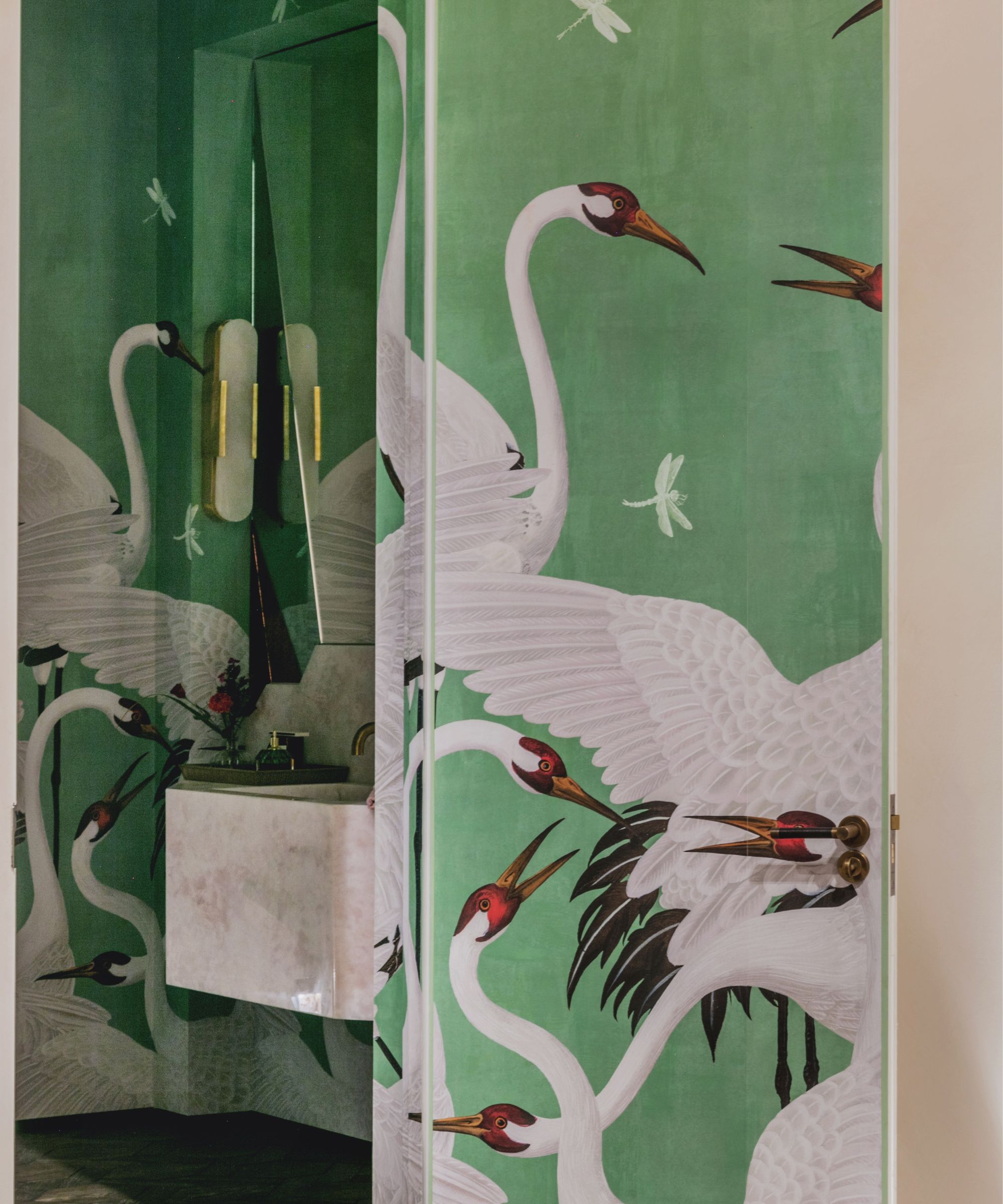
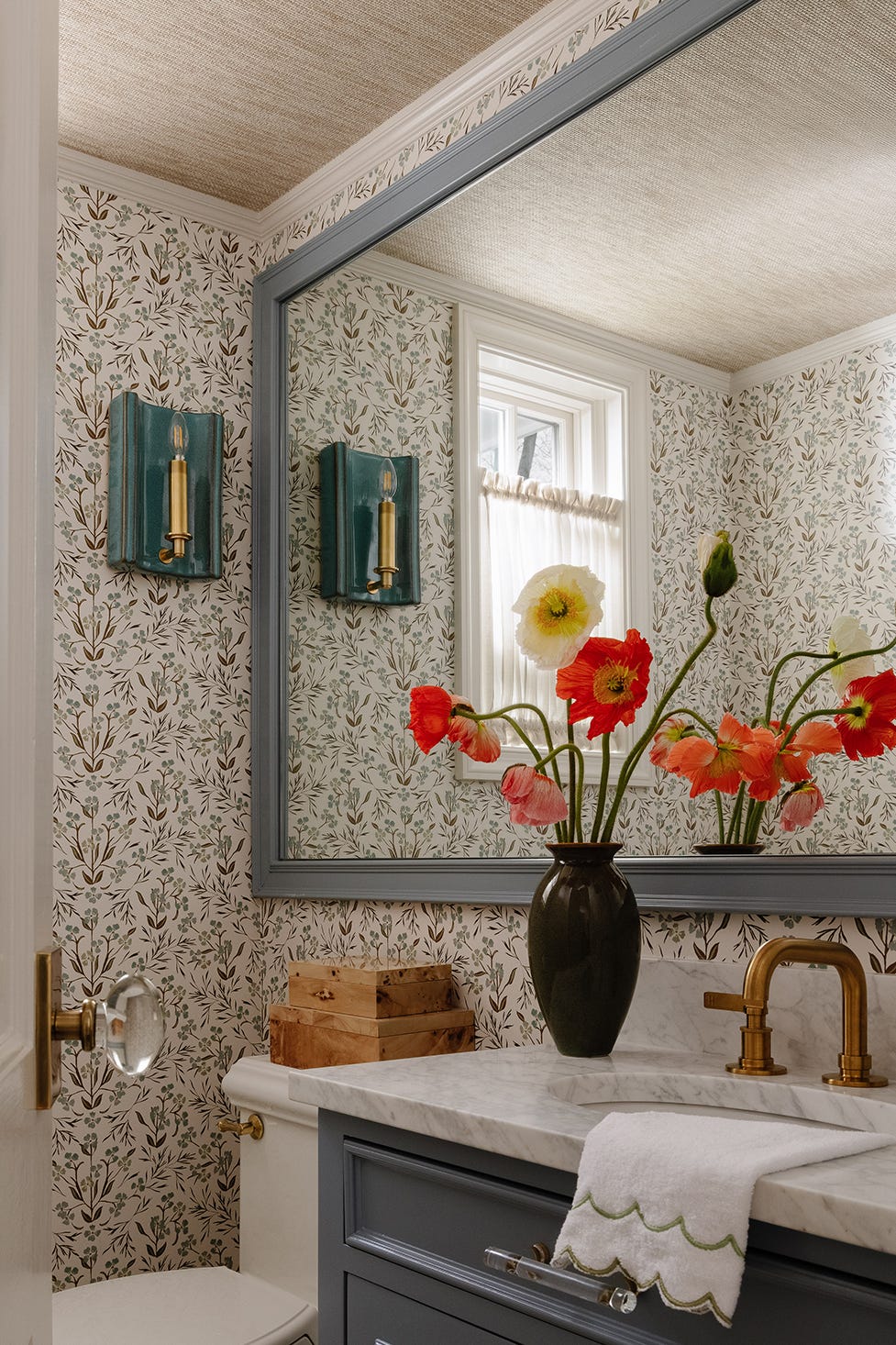
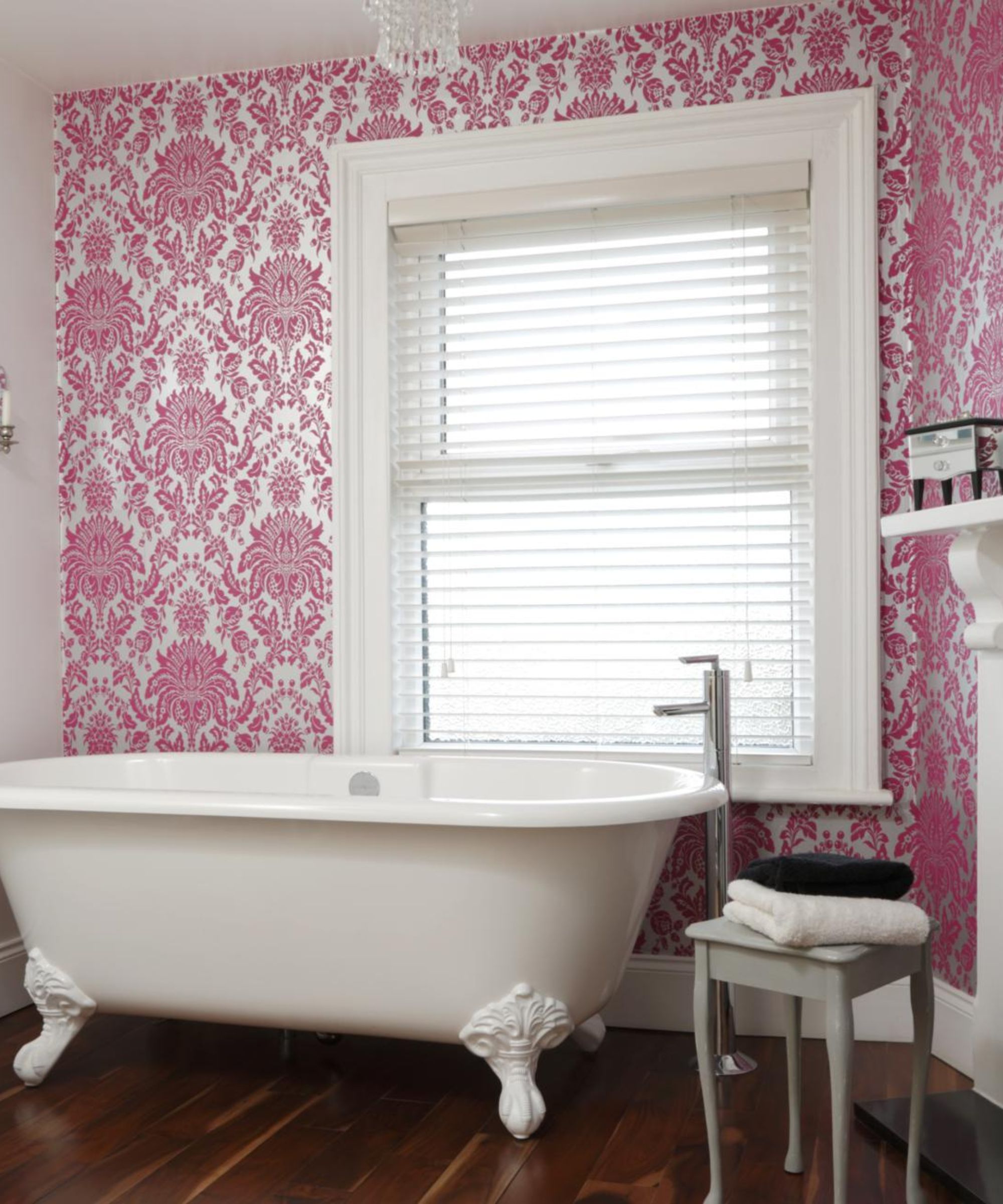
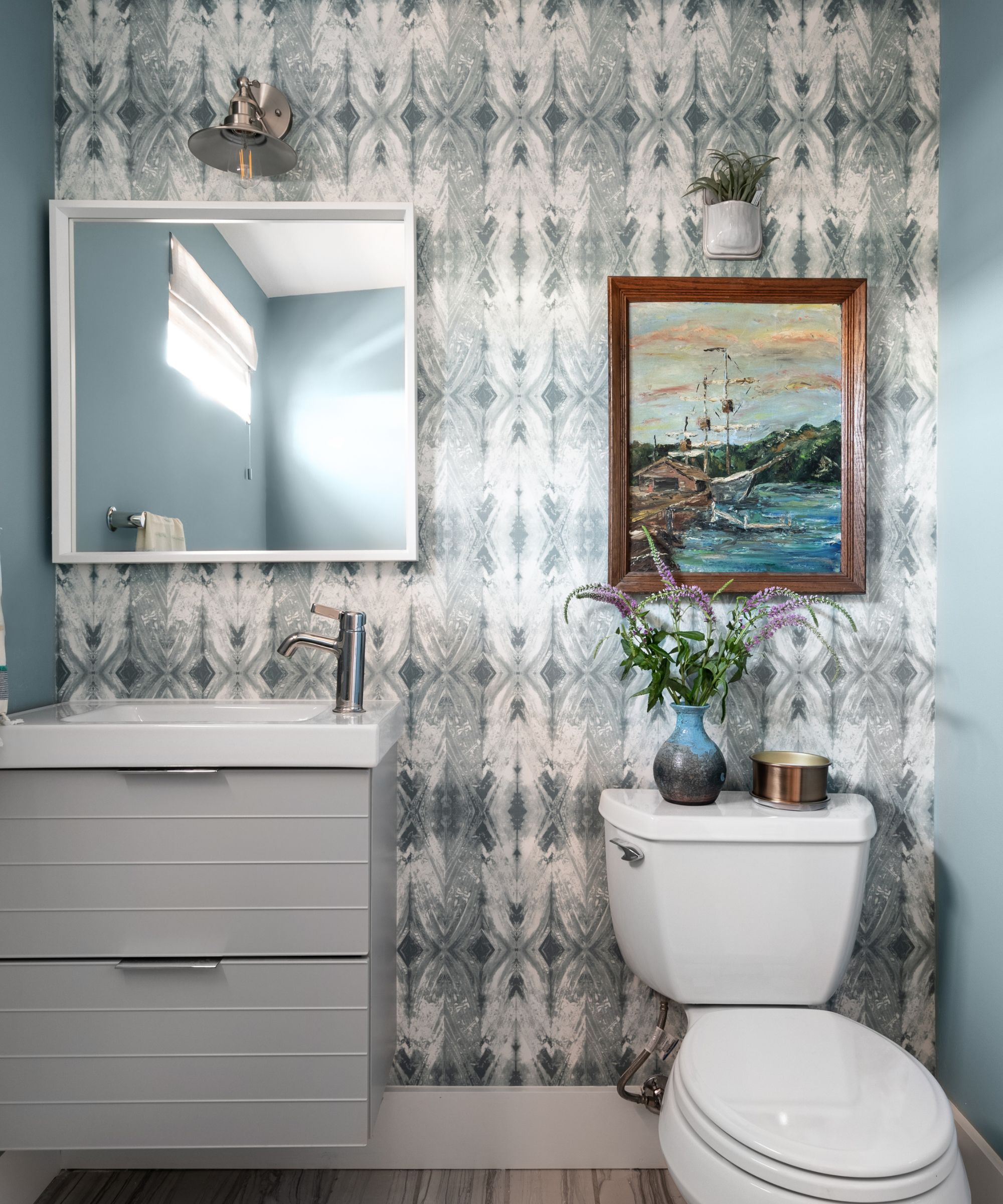
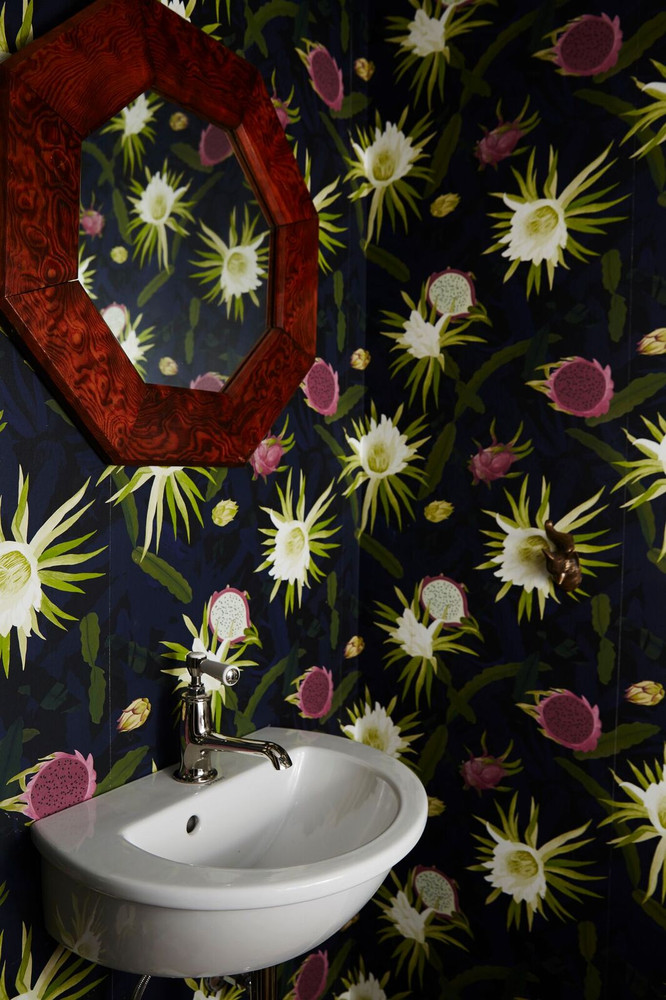
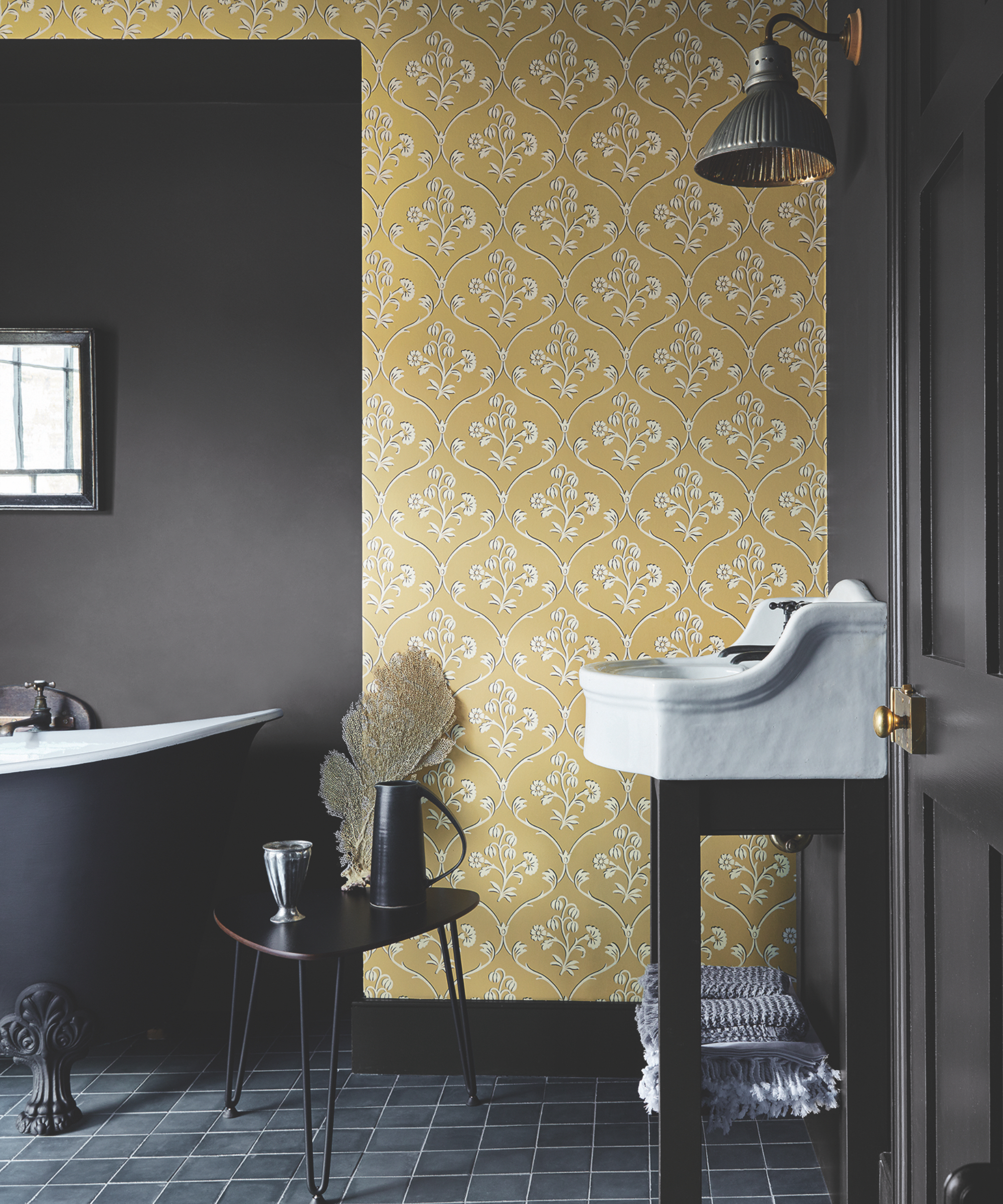
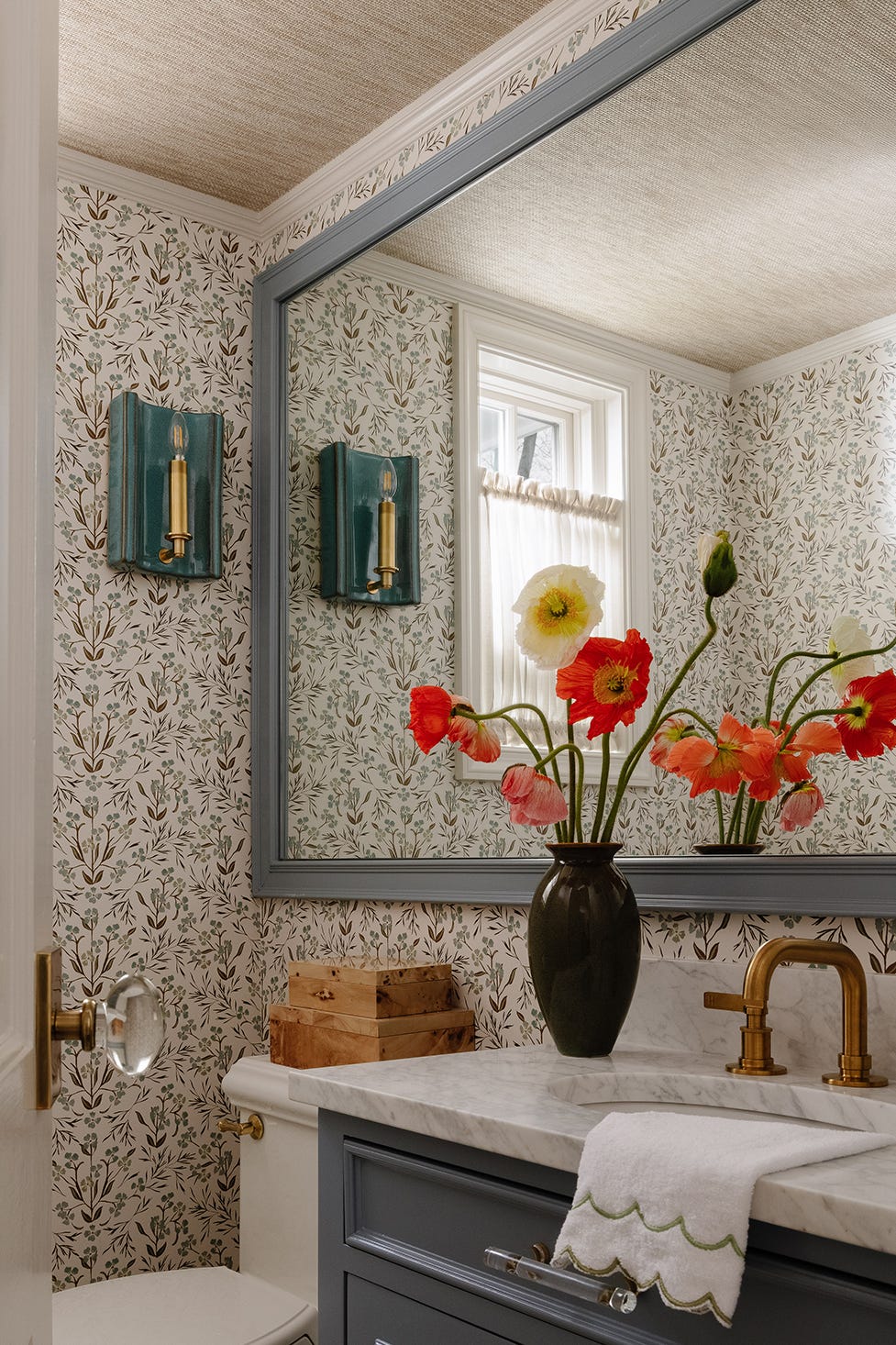
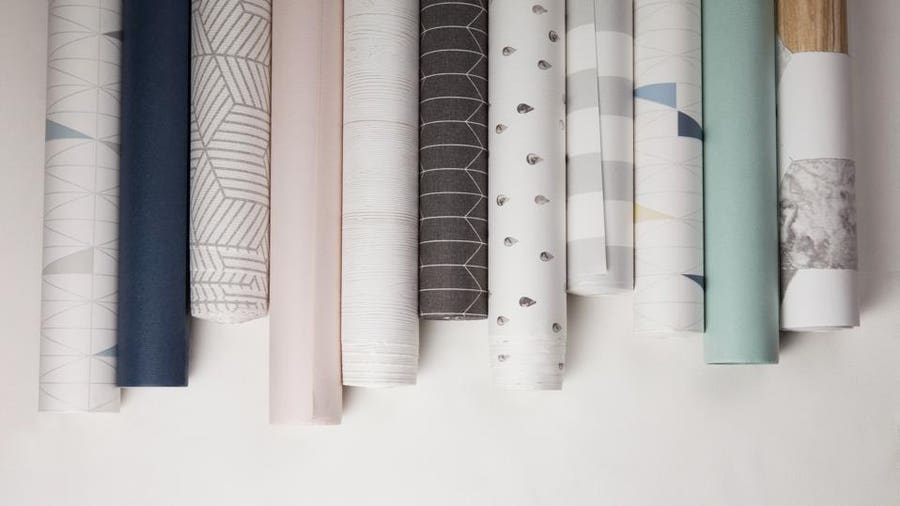
The article clarifies that wallpaper can be used in bathrooms but with careful consideration due to humidity levels. It suggests that wallpaper is a good option for half-baths or less frequently used bathrooms, where moisture exposure is minimal. It distinguishes between two primary types of wallpaper for bathroom use: vinyl and paper. Vinyl wallpaper is presented as the superior choice for high-moisture areas due to its paper-free composition, making it more resistant to humidity. Conversely, traditional paper wallpaper is deemed less ideal for bathrooms unless a clear sealant is applied to protect it from water damage, a process described as potentially lengthy and not guaranteeing complete waterproofing.
The advantages of using wallpaper, such as a wide variety of designs, easy application, and cost-effectiveness, are highlighted. However, the article also outlines significant disadvantages, including susceptibility to water damage, difficulties with minor repairs, and the potential for peeling and mold growth, especially in humid conditions.
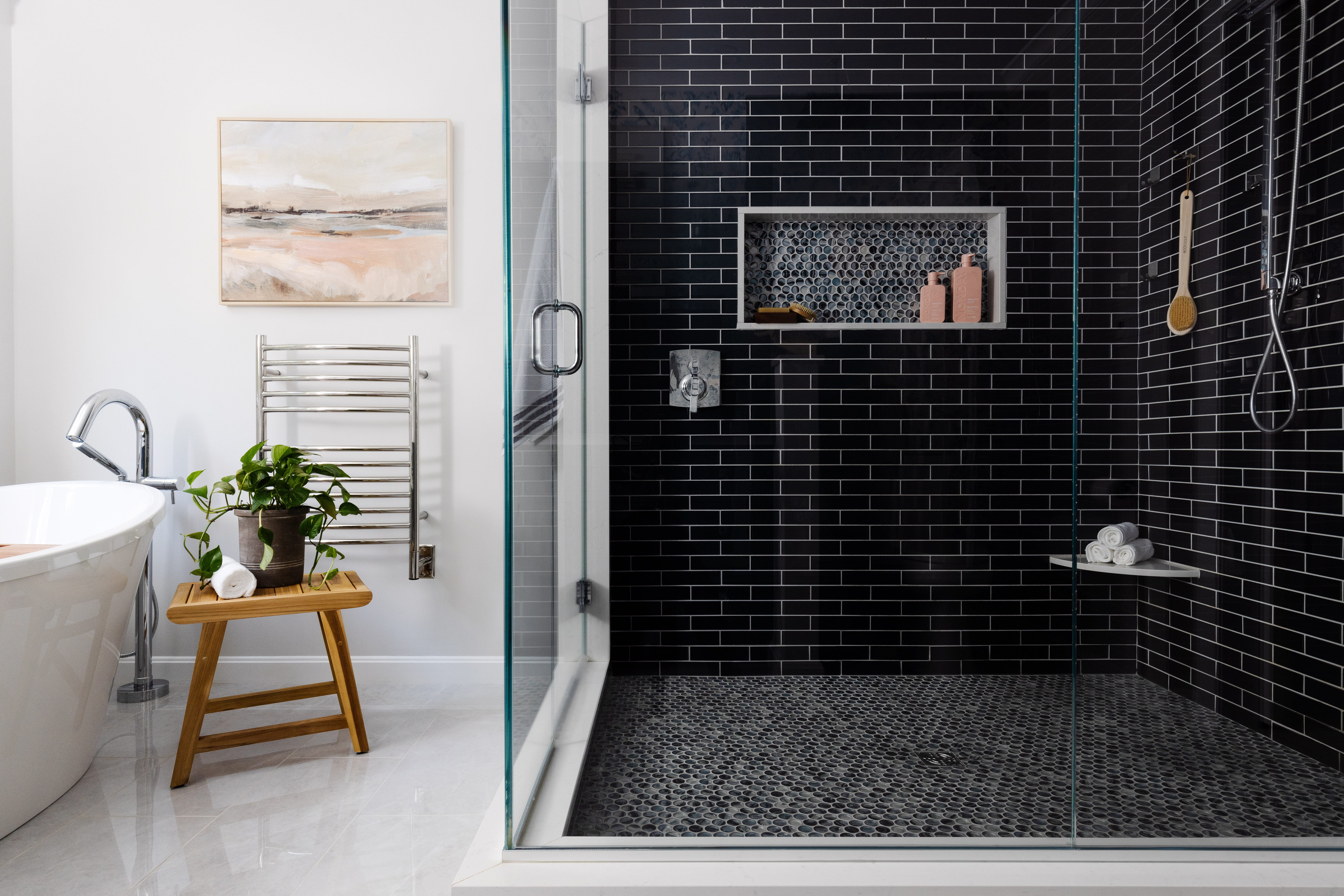
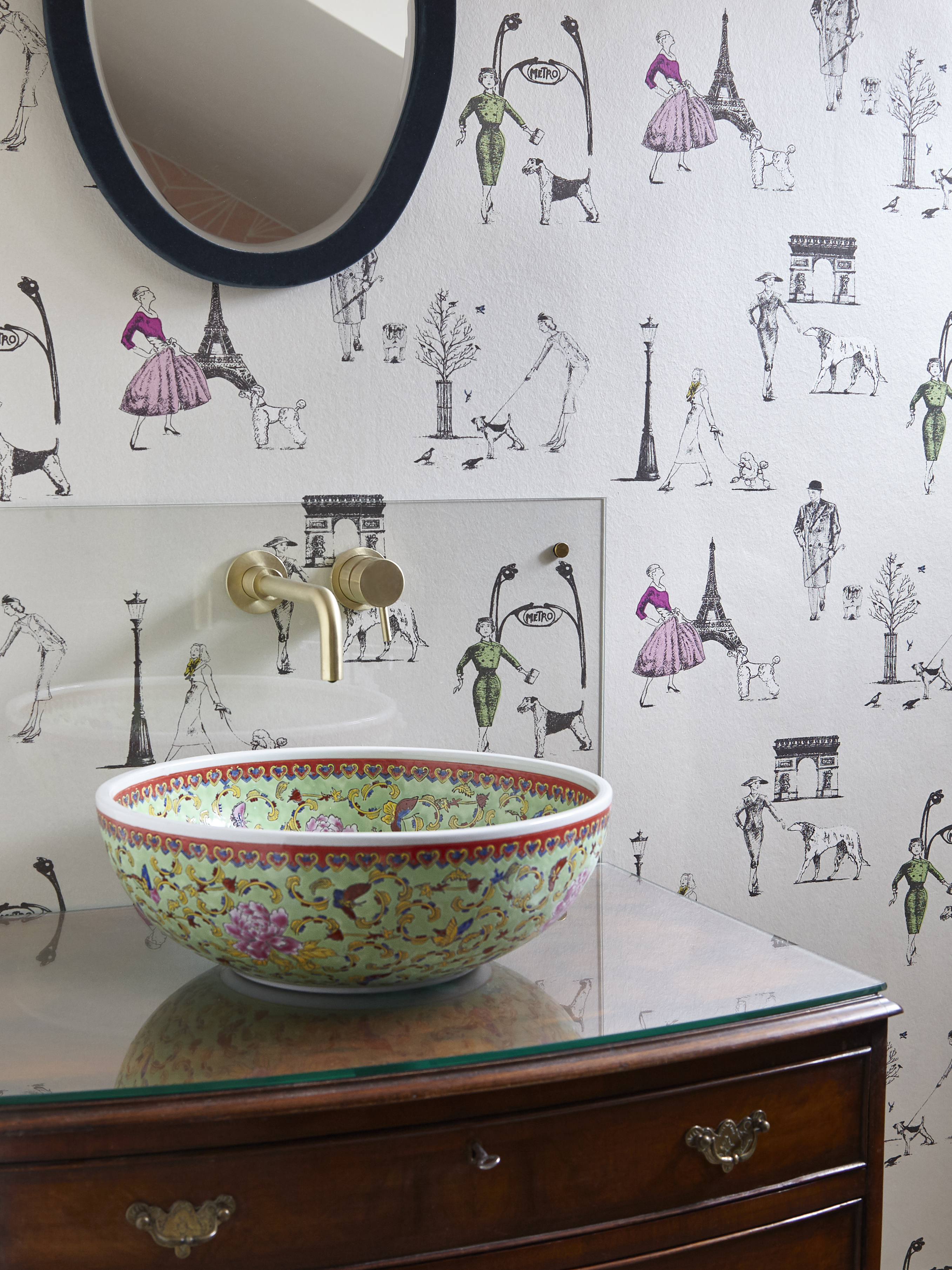
The article then provides practical solutions to common problems associated with bathroom wallpaper. For humidity control, it recommends installing or utilizing exhaust vent fans, considering external dehumidifiers, and wiring exhaust fans to light switches to ensure their activation. Regarding water splashing from showers, tubs, and sinks, it advises prioritizing tile installation in splash-prone areas and applying a clear sealant over non-vinyl wallpaper if used near these water sources. Installing a backsplash behind sinks is also suggested. To combat excess heat, which can also damage wallpaper, the article recommends incorporating a window for ventilation during remodels, lowering water heater temperatures to reduce steam, and installing multiple vent fans in larger bathrooms.
Finally, the article offers a step-by-step guide for wallpaper installation in a bathroom to enhance its durability. It emphasizes preparing walls with a mold-proof primer paste, activating pre-applied adhesive on wallpaper with water, and using a smoothing tool to eliminate air bubbles. For non-vinyl wallpapers, applying a finishing varnish is crucial for moisture protection. The last step involves sealing all edges and seams with clear silicone caulking to prevent lifting and curling, ensuring a more resilient and long-lasting application.
#BathroomDecor #WallpaperInstallation #HomeImprovement #InteriorDesign #MoistureControl #DIYHome #BathroomDecor #WallpaperInstallation #HomeImprovement #InteriorDesign #MoistureControl #DIYHome
Hay 0 comentarios en total
 Aún no hay comentarios
También te puede gustar
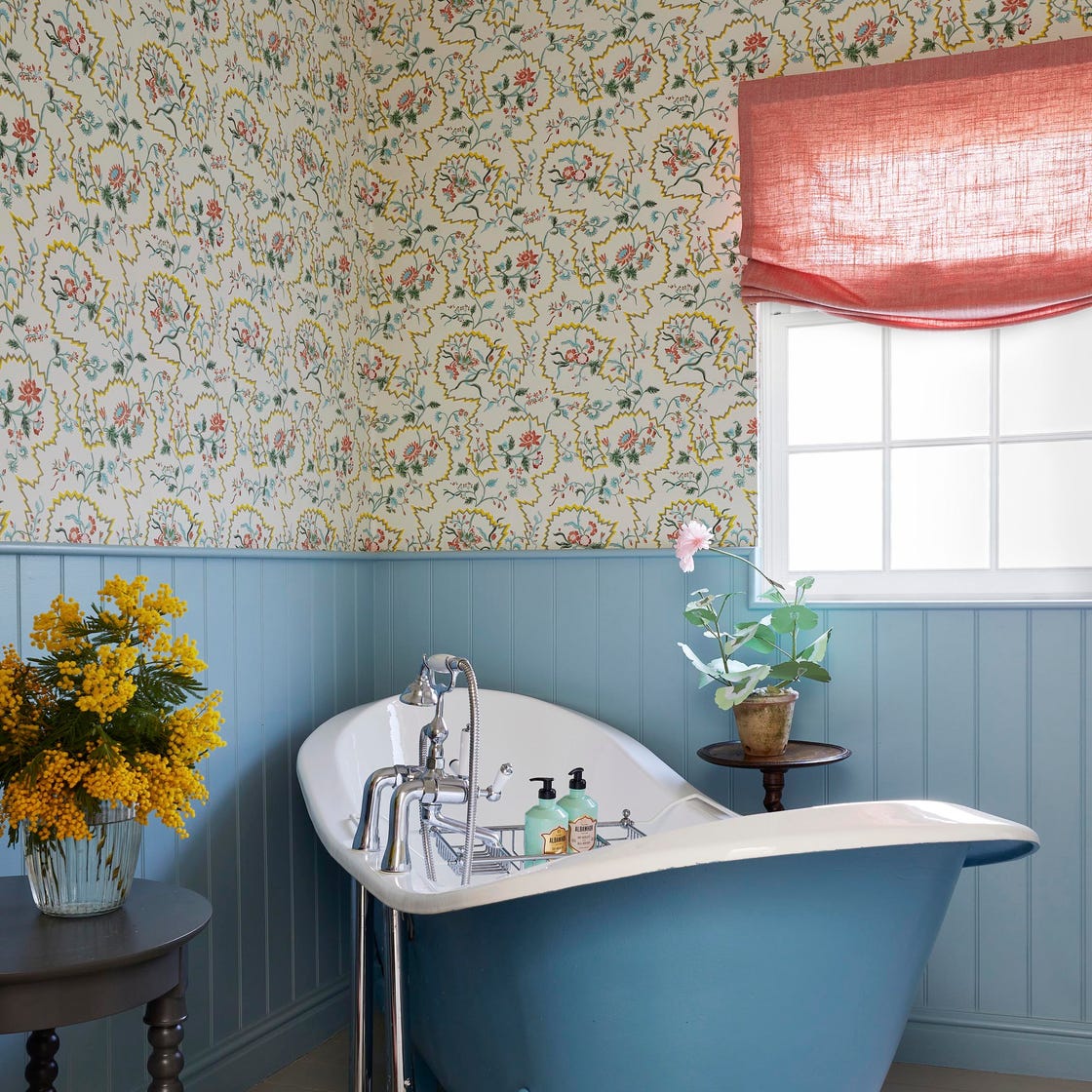
Goodbye, White Walls. Hello, Personality!
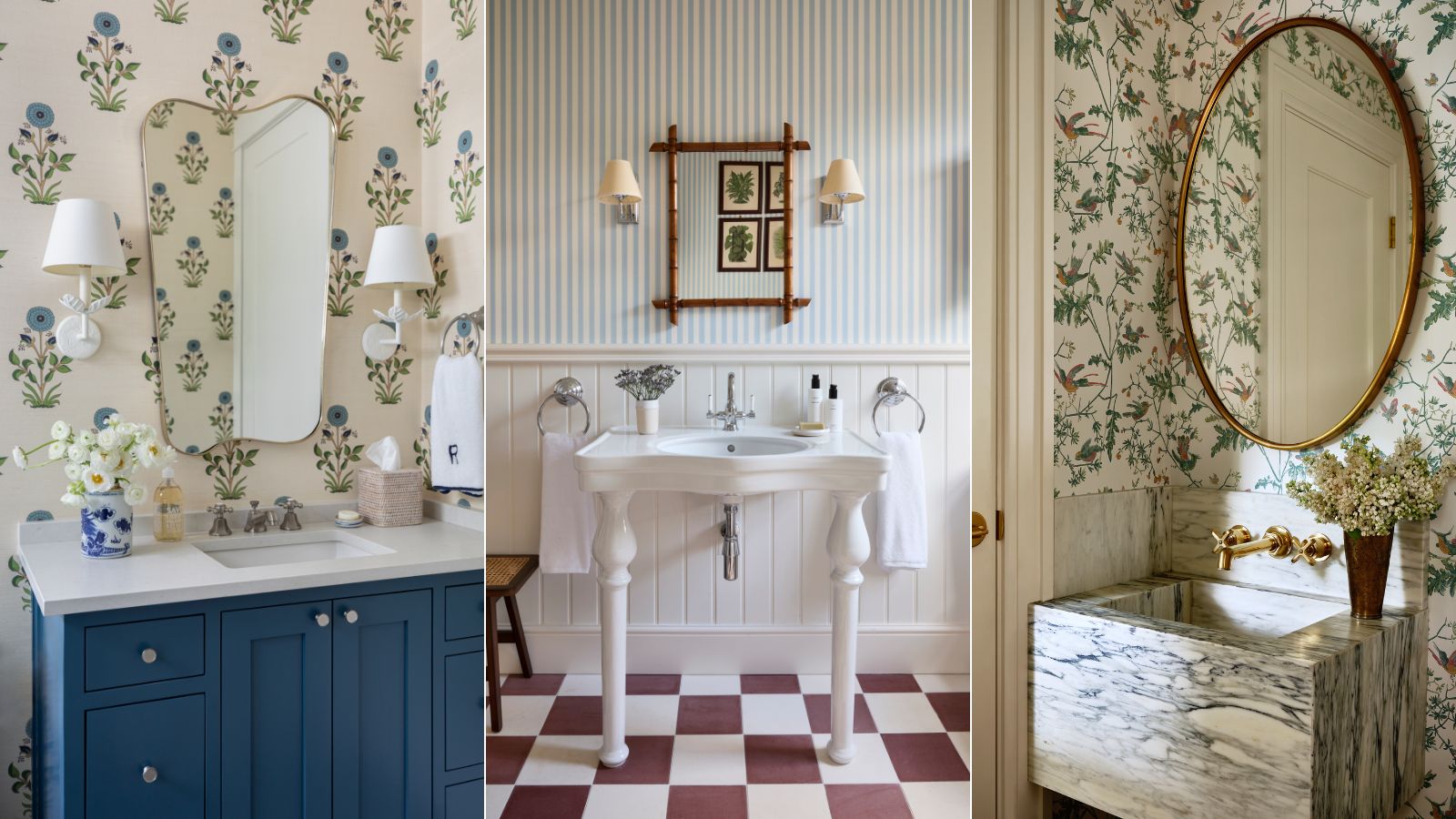
Is bathroom wallpaper still on trend? Interior designers share how to invite pattern into the bathroom in 2024

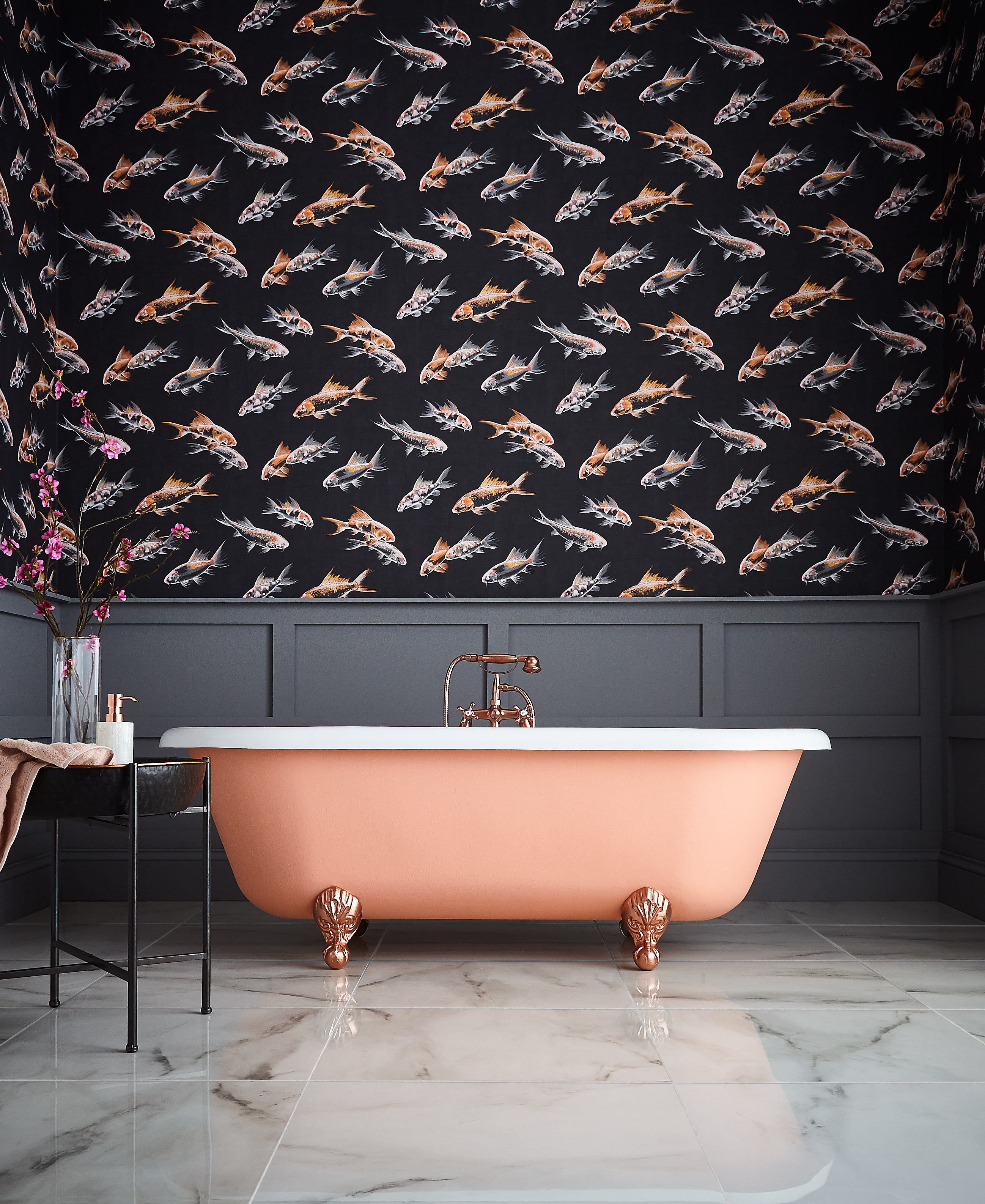
17 bathroom wallpaper ideas – the best designs to style a space small

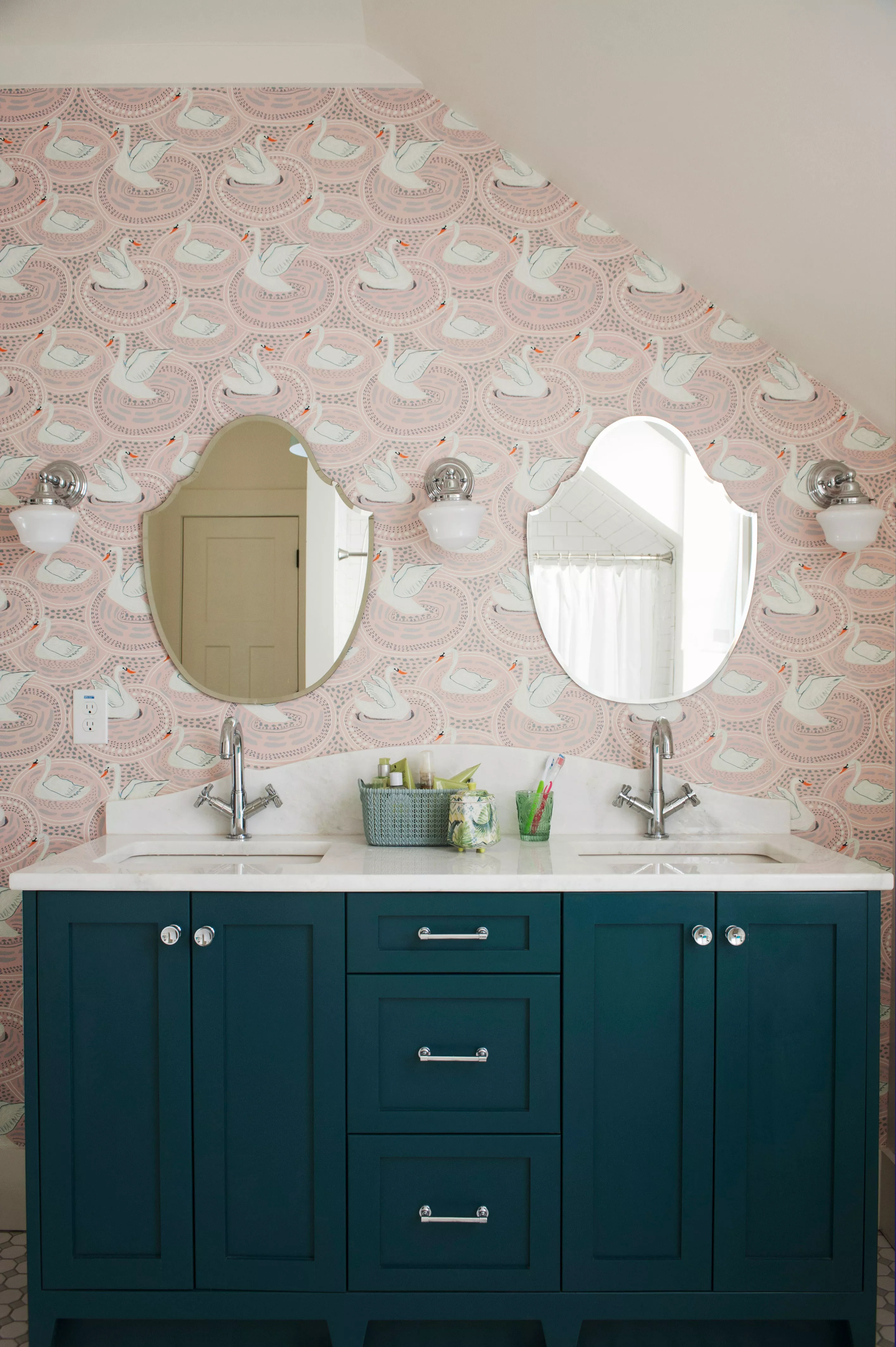
37 Bathroom Wallpaper Ideas to Add Updated Pattern and Color

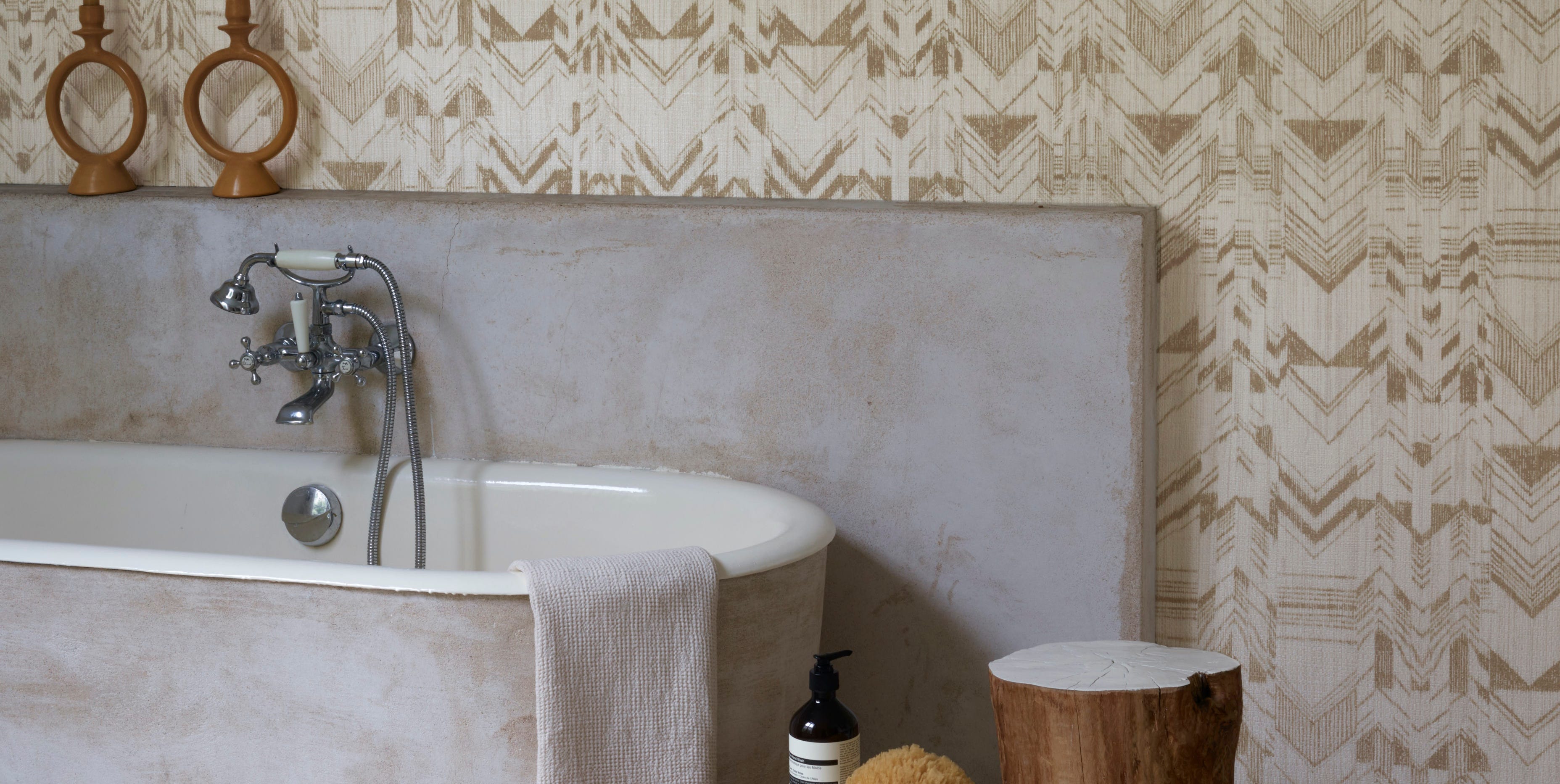
13 of the best wallpapers for bathrooms

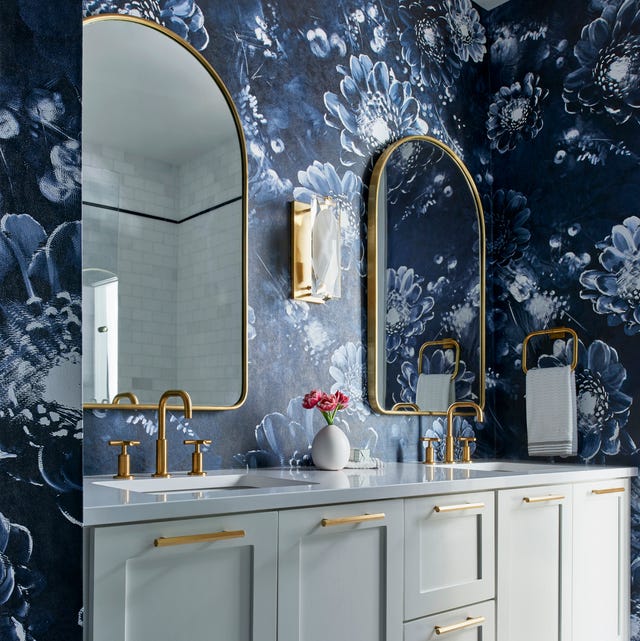
Interior Designers Say These Will Be the Top Bathroom Design Trends of 2022

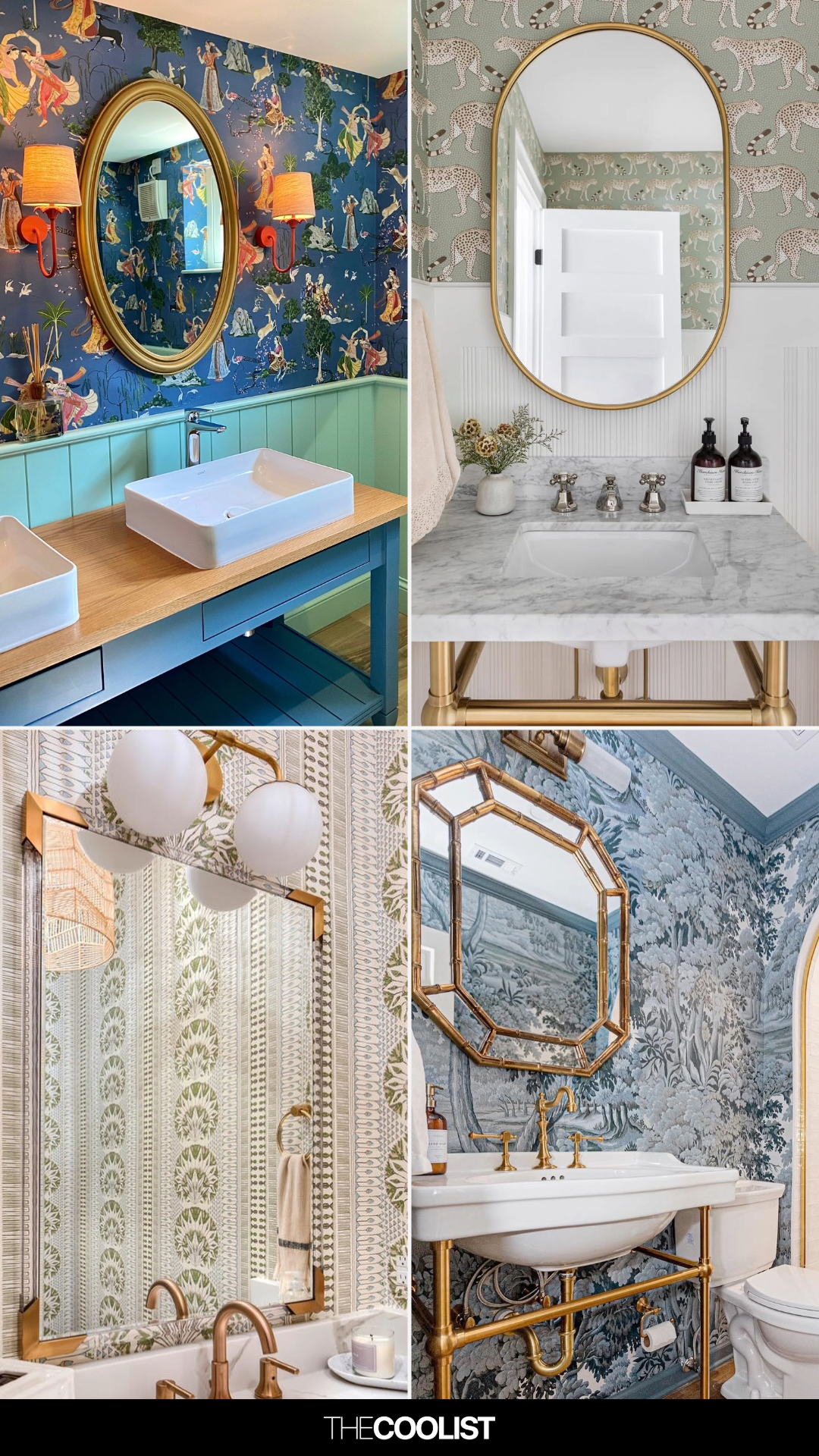
21 Ridiculously Pretty Bathroom Wallpaper Ideas That Scream “Main Character Bathroom”
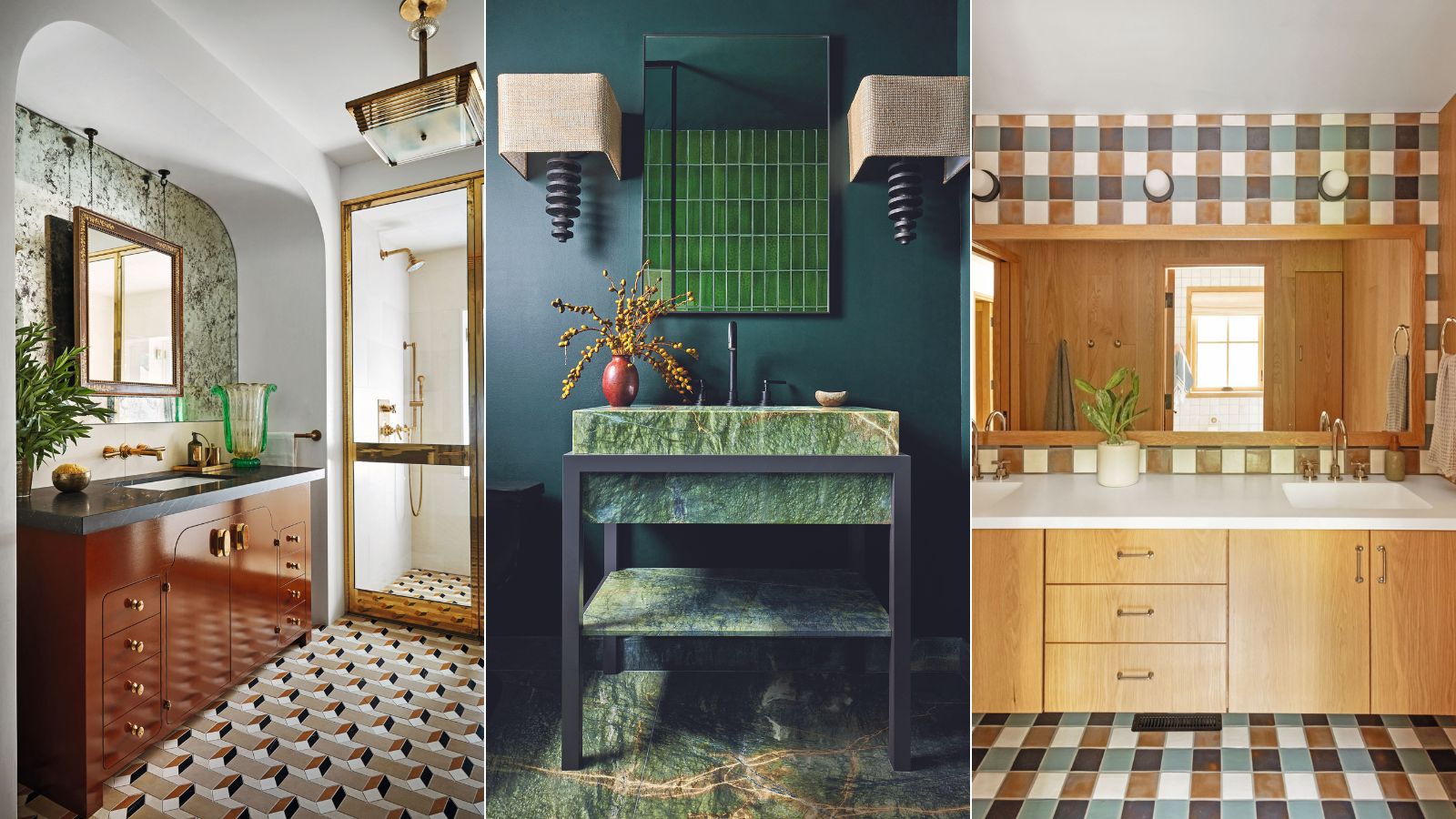
Patterned bathroom ideas – 10 perfectly patterned wash spaces
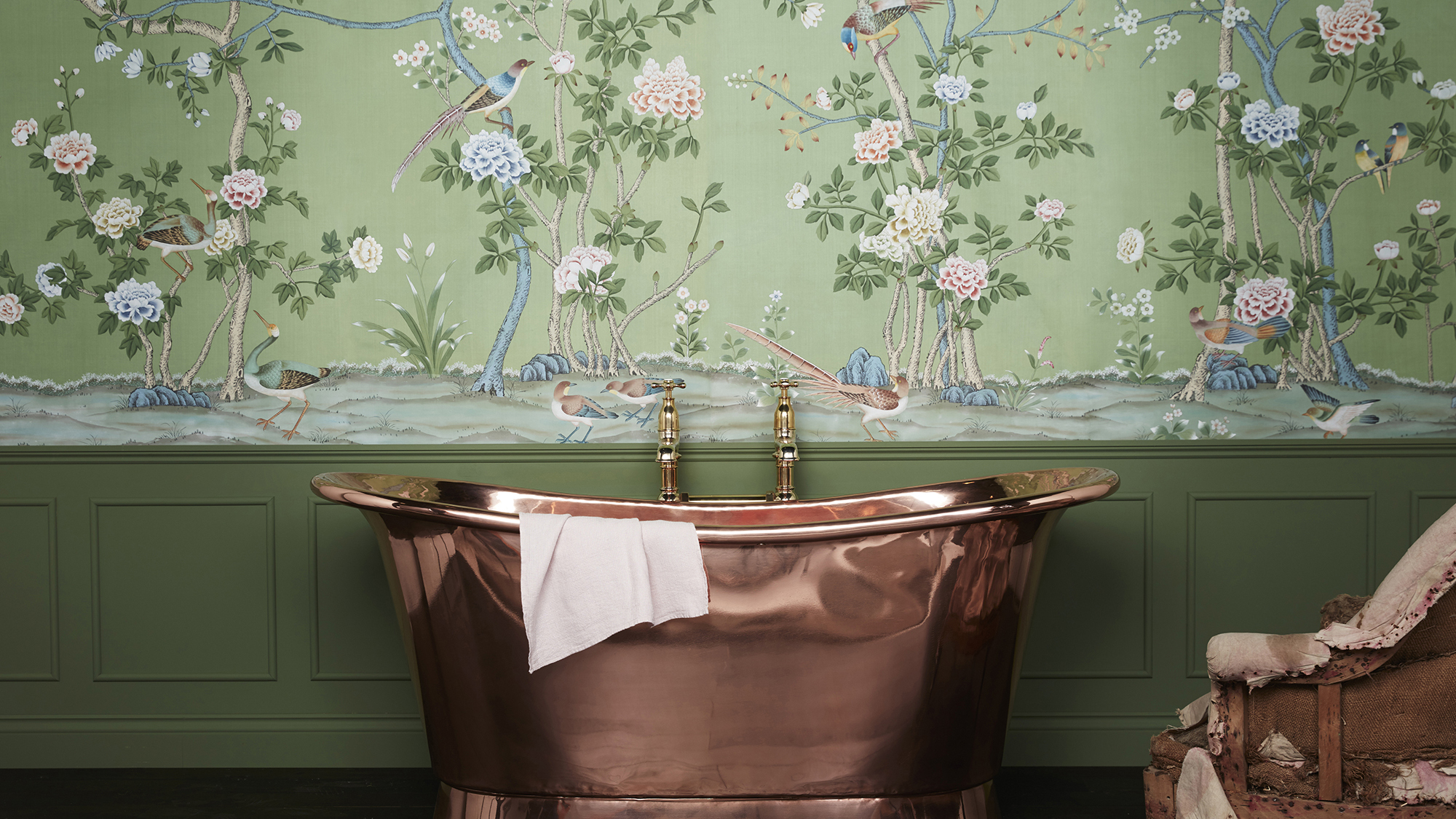
Bathroom wallpaper ideas – 11 ways to bring personality to practical spaces
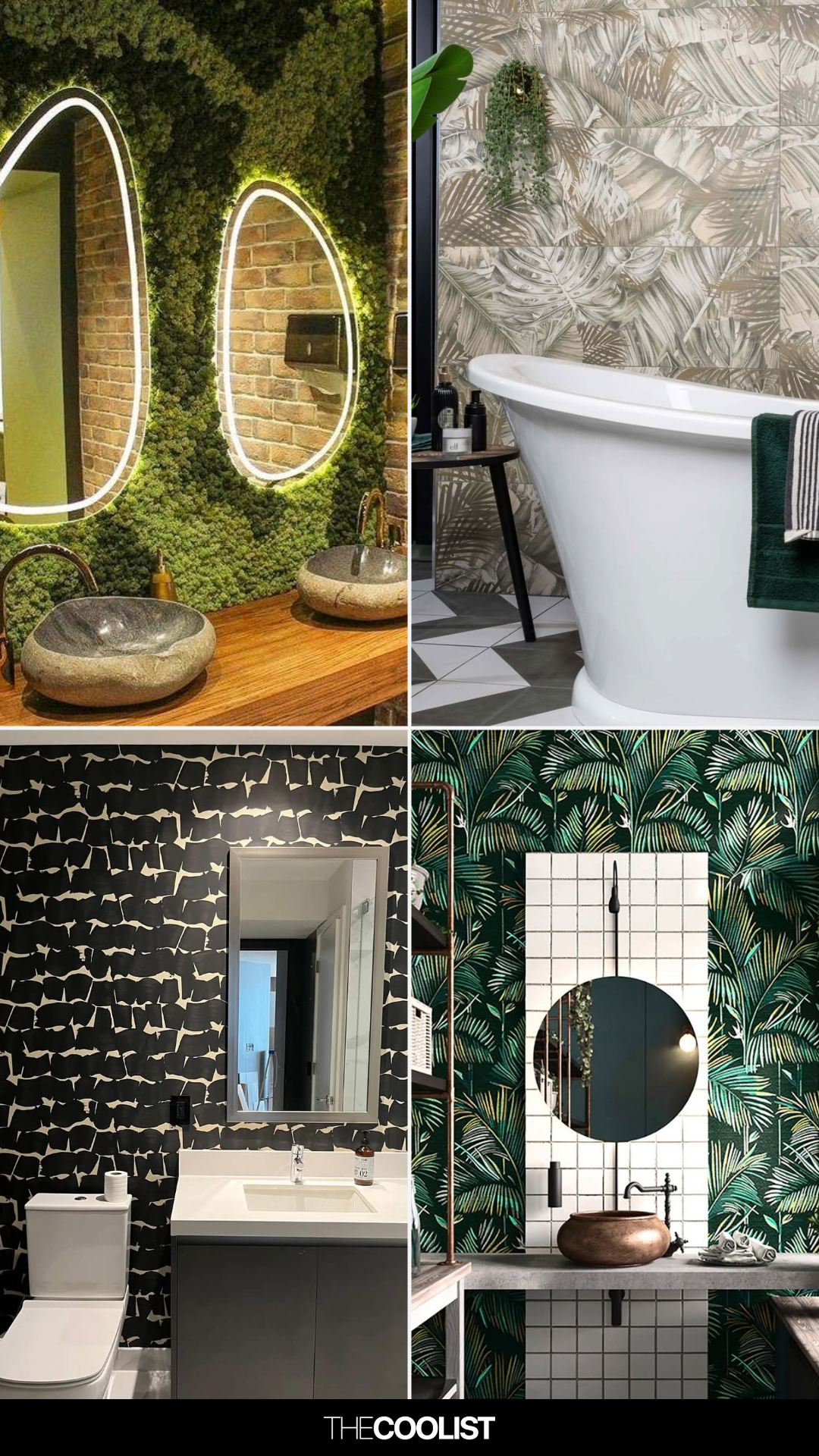
23 Seriously Good Bathroom Wall Decor Ideas That You’ll Want to Shower Twice a Day
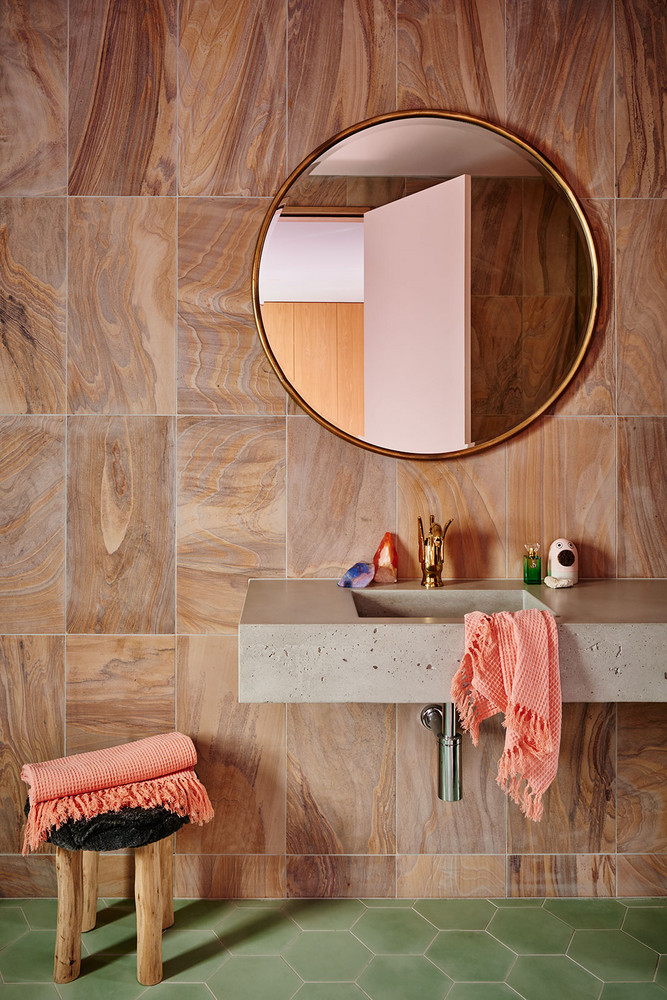
15 of the Best Bathrooms We Saw All Year
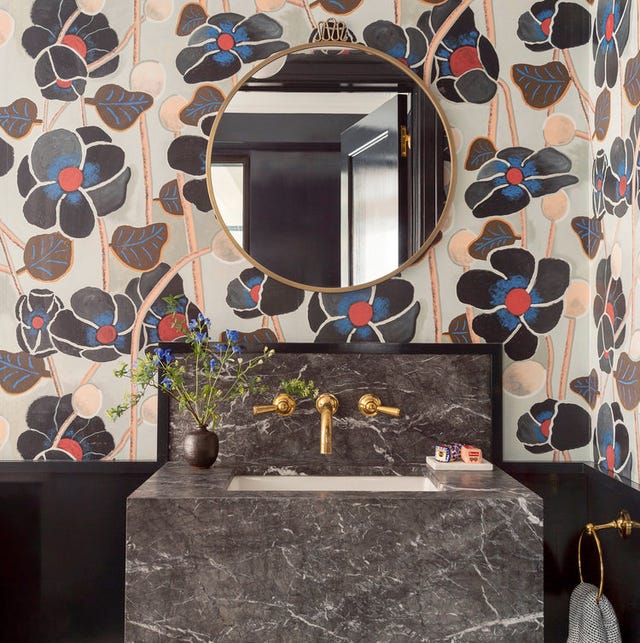
20 Gorgeous Powder Room Wallpaper Ideas You'll Love

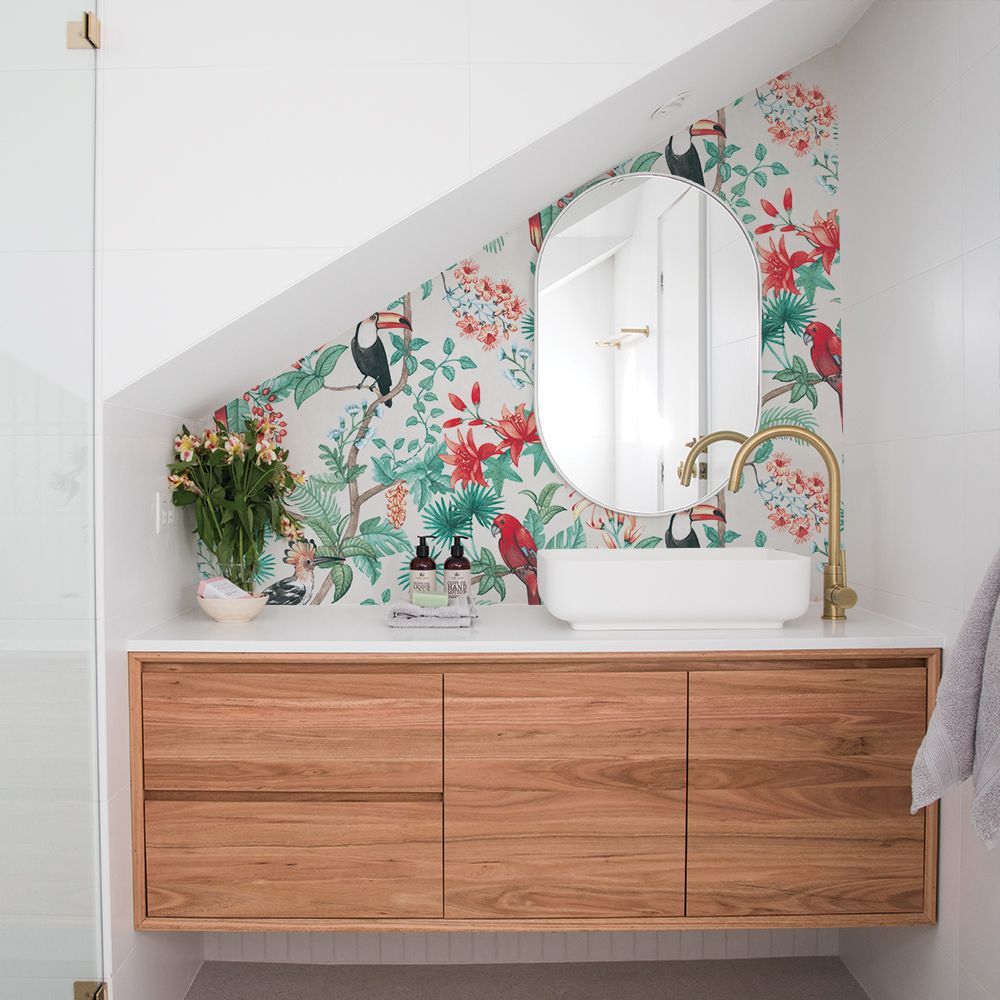
The Do’s and Don’ts of Bathroom Wallpaper: How to Install It and More

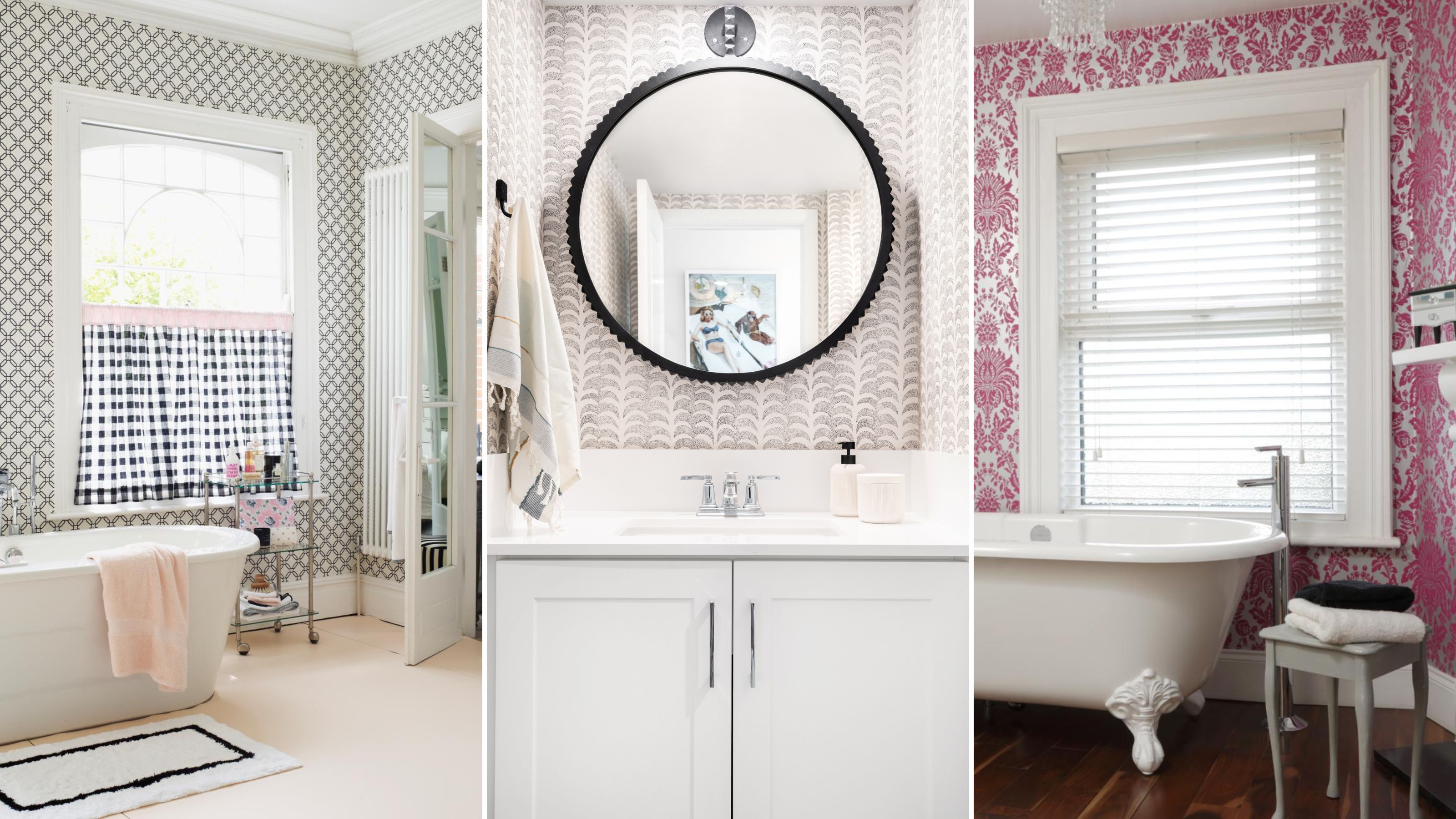
6 small bathroom wallpaper ideas to inject style into your space
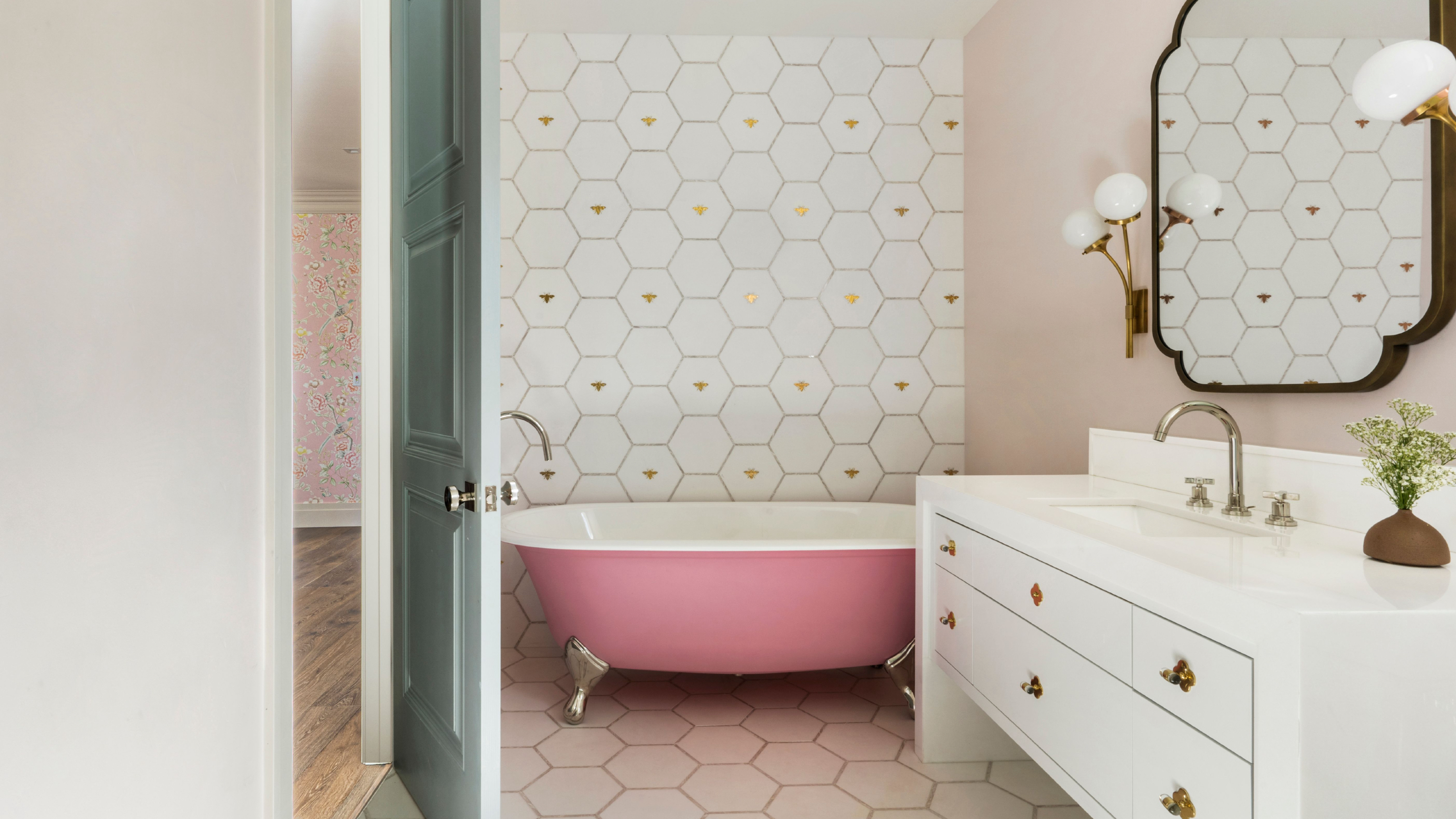
10 bathroom accent wall ideas – perk yours up with paint, tiles or wallpaper
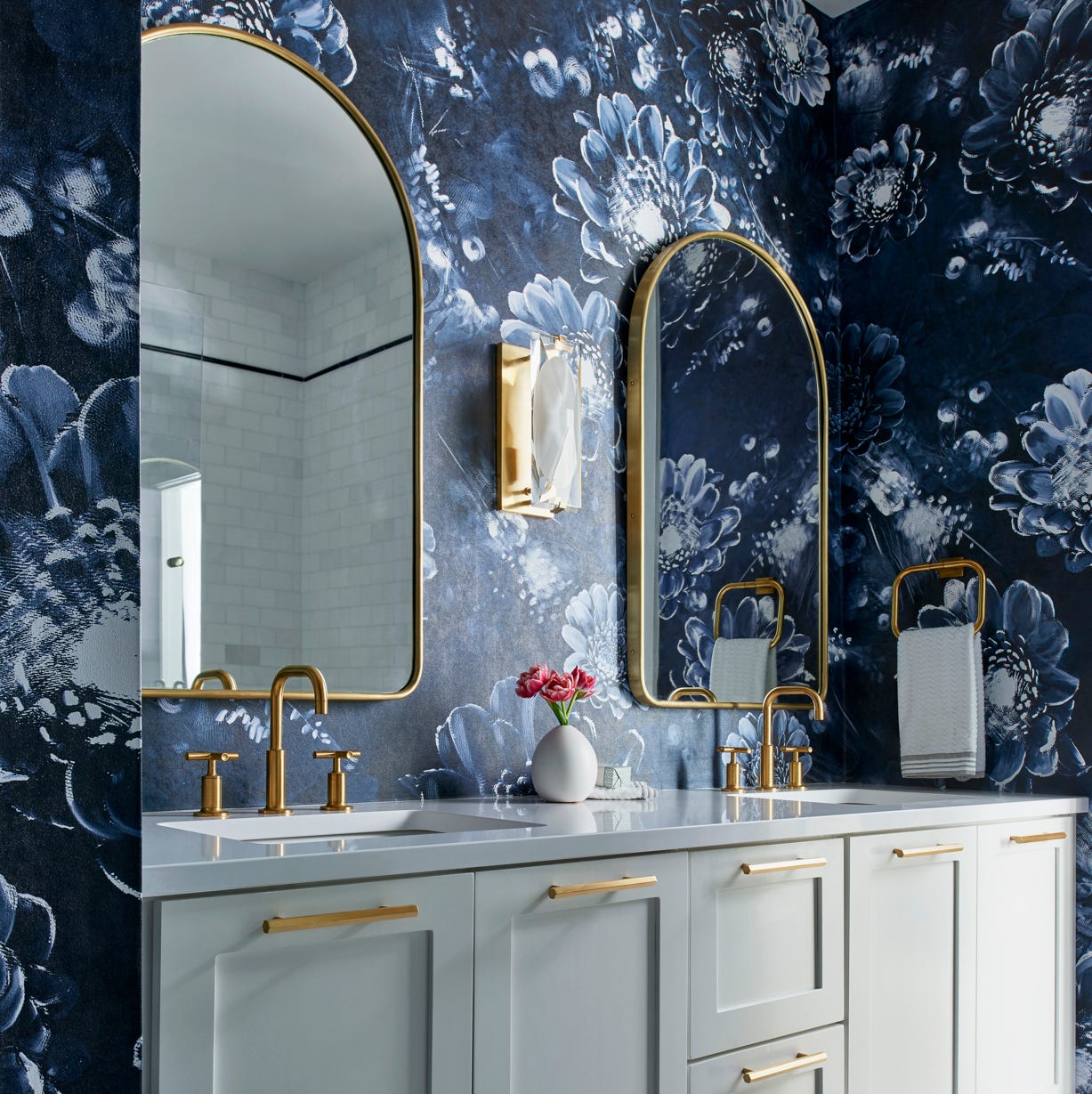
27 White Bathrooms That Showcase Crisp, Timeless Style
Can you wallpaper a bathroom? Is it a bad idea or the answer to decorating dilemmas? Experts reveal all

PHOTOS: How 3 distinct looks completely transformed these bathrooms
17 Modern Bathroom Wall Ideas

20 Jewel Box Bathroom Ideas That Make This Small Space Feel Lavish