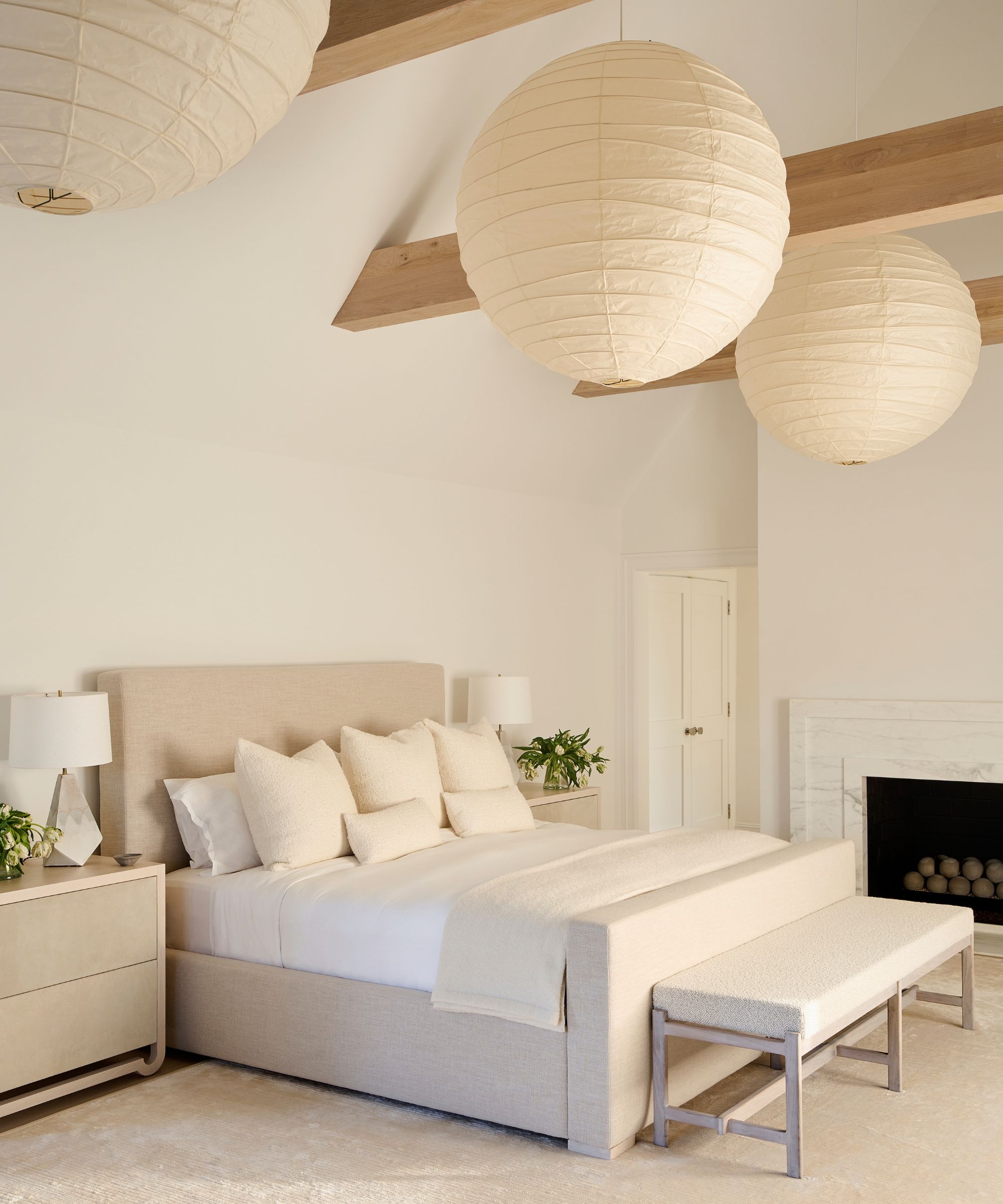

1/20
Best Furniture Design History Lessons Learned in 2023
This article reflects on significant historical furniture designs and how they solved various problems in the past, offering a retrospective look at the evolution of furniture. It presents a curated selection of vintage and antique furniture designs that were highlighted in 2023, showcasing how these pieces pushed the industry forward or provided innovative solutions.
The review begins with early ergonomic considerations, featuring desk designs from 800 years ago that addressed user comfort. It then moves to Early American furniture, presenting a primitive cooling chair from around 1786. The article highlights a 19th-century DIY height-adjustable stool recovered from a German farm by industrial designers Kyra Heilig and Lenn Gerlach, illustrating ingenuity in a rural setting. Another notable design from around 1820 is a library table that ingeniously transforms into a ladder, demonstrating early concepts of multi-functional furniture.
The discussion continues with 19th-century campaign furniture by Ross and Co. of Dublin, which pioneered flat-pack designs without compromising aesthetics. The trend of massive unfolding desks with numerous cubbyholes from the late 1800s is also featured, indicating a historical demand for organized workspaces. The article then delves into pre-Eames bentwood furniture, specifically Gerald Summers' one-piece plywood chair from 1934, recognizing its pioneering role in bentwood technology.
The re-release of Steelcase's Racine Collection, originally designed by Frank Lloyd Wright in 1939, is mentioned, emphasizing the enduring relevance of classic designs. The Veliero bookcase, designed and built by Italian architect Franco Albini in 1940, is presented as an example of a piece reverse-engineered and put into production in the 21st century by Cassina. Hans J. Wegner's iconic Wishbone Chair, designed in 1949 and continuously produced, is highlighted with Carl Hansen & Son's special edition release for Wegner's birthday.
The article also touches upon the presence of Mid-Century Modern furniture in popular culture, citing Charlie Brown's world as an example of its widespread appeal. A practical innovation from the 20th century is discussed: leather surfaces on furniture that can be re-tightened as they stretch over time. Permanent outdoor concrete furniture by Danish designer Poul Kjærholm from the 1950s is showcased for its durability and design.
Further celebrating Wegner's legacy, Carl Hansen & Son's 60th-anniversary edition of the CH07 Shell Chair, designed in 1963, is featured. The underappreciated JG Folding Stool by Jørgen Gammelgaard from 1970, still in production, is recognized for its classic design. The journey through design history continues with Dan Svarth's 1972 Wire Chair, a design that waited 50 years for material science to catch up before going into production. Knud Holscher's 1970s Roller Cabinets, initially for office use, are noted for their successful re-marketing for domestic use.
Luigi Colani's 1975 Rappelkiste, a multi-functional children's bed/workstation/closet, is presented as an innovative space-saving solution. The Fan Man shelving unit, designed in 1977 by Ueli Berger and Susi Berger-Wyss, is introduced as a repudiation of modernism that remains in manufacture. Finally, Mario Botta's 1980s/'90s Robot chest of drawers is highlighted for its surprising storage features. The article concludes by expressing an intent to continue exploring historical furniture designs in the future.
#FurnitureDesign #DesignHistory #VintageFurniture #AntiqueFurniture #ErgonomicDesign #MultiFunctionalFurniture #FlatpackFurniture #MidCenturyModern #IndustrialDesign #FurnitureDesign #DesignHistory #VintageFurniture #AntiqueFurniture #ErgonomicDesign #MultiFunctionalFurniture #FlatpackFurniture #MidCenturyModern #IndustrialDesign
Hay 0 comentarios en total
 Aún no hay comentarios
También te puede gustar
Interior Designers on the Most Iconic Furniture of All Time
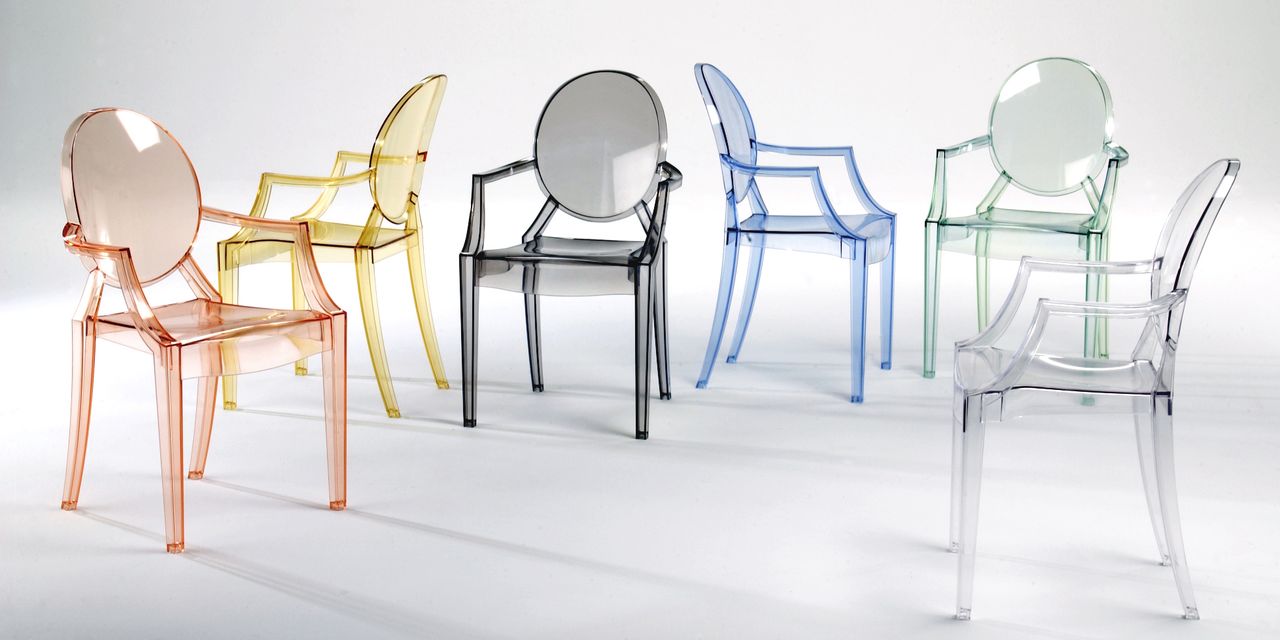
23 Types of Chairs, Explained

Outdated Furniture Pieces That Are Having A Comeback

designer hanne willmann details the expanded freifrau nana collection
Top Interior Design Stories of 2023
Where do interior designers shop for furniture? 23 designers share their favorite stores

10 Furniture Styles That Instantly Make Your Home Look Outdated

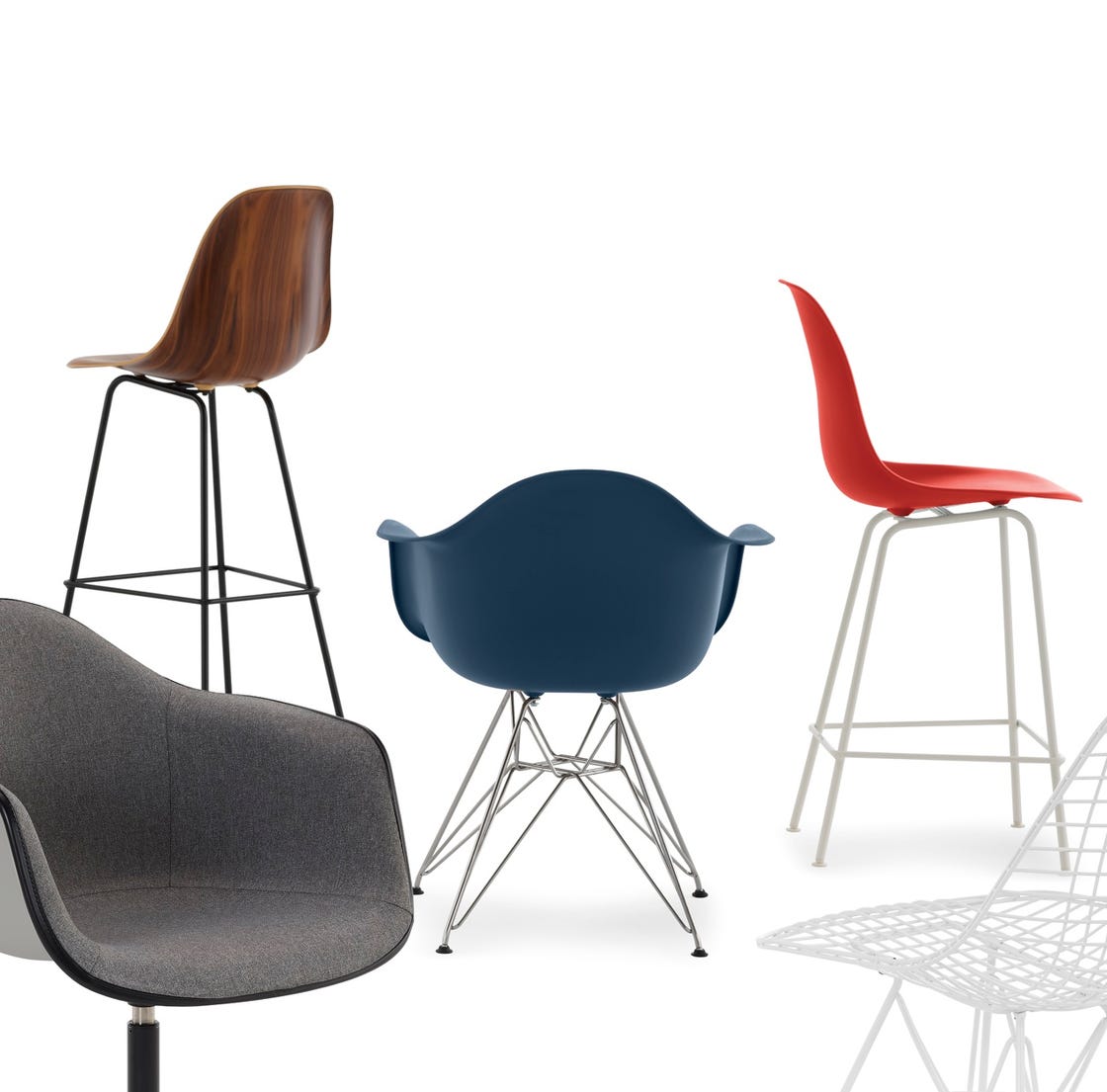
23 of the Most Important Chair Designs of All Time


15 future furniture and home decor design classics to invest in now

5 Things You Should Never Do When Buying New Furniture, Designers Spill

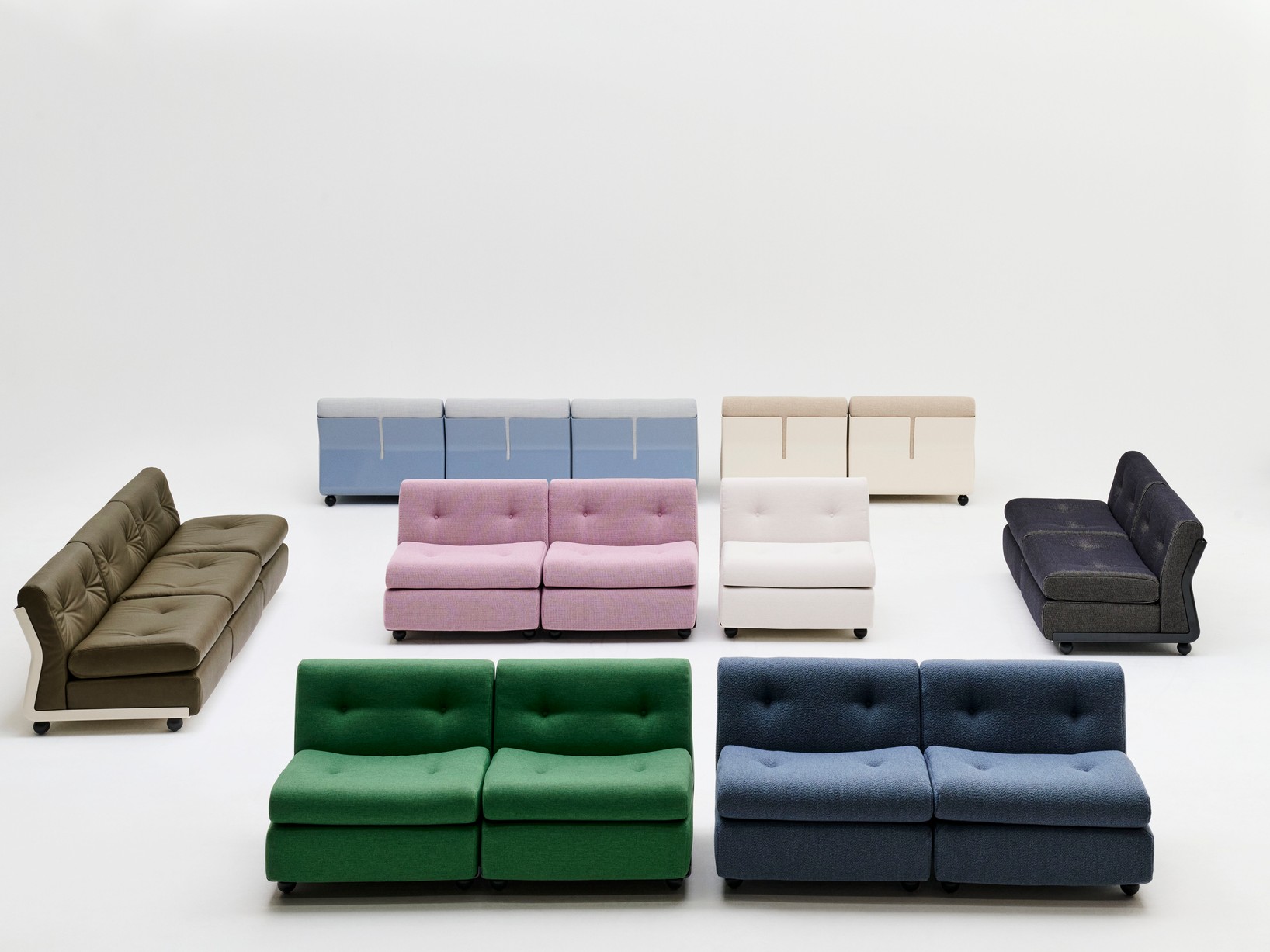
5 great furniture reissues from 3 Days of Design 2025

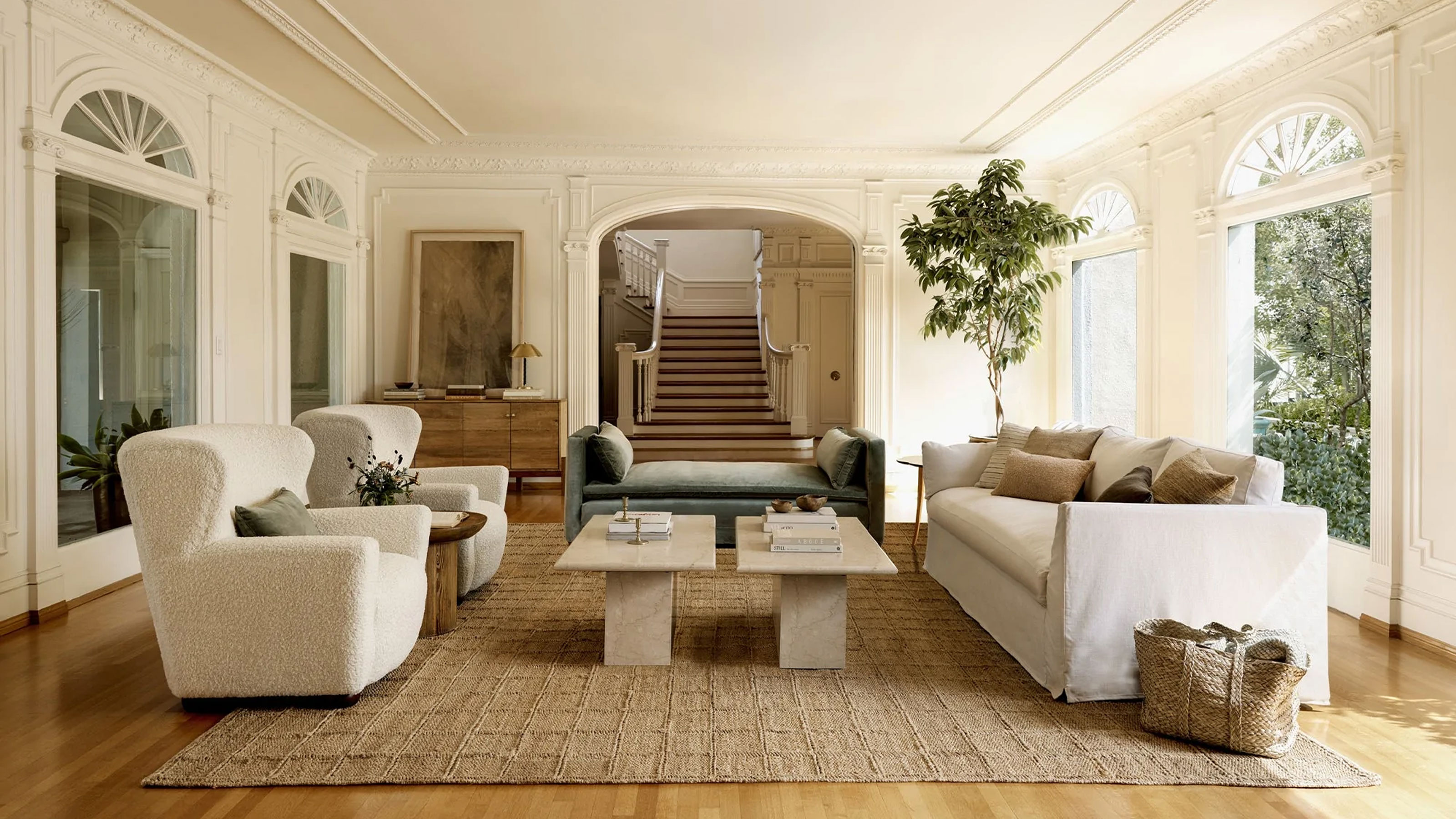
Best indoor furniture stores – 15 of the best places to shop indoor furniture
18 "Outdated" Furniture Trends That Need To Go In 2025

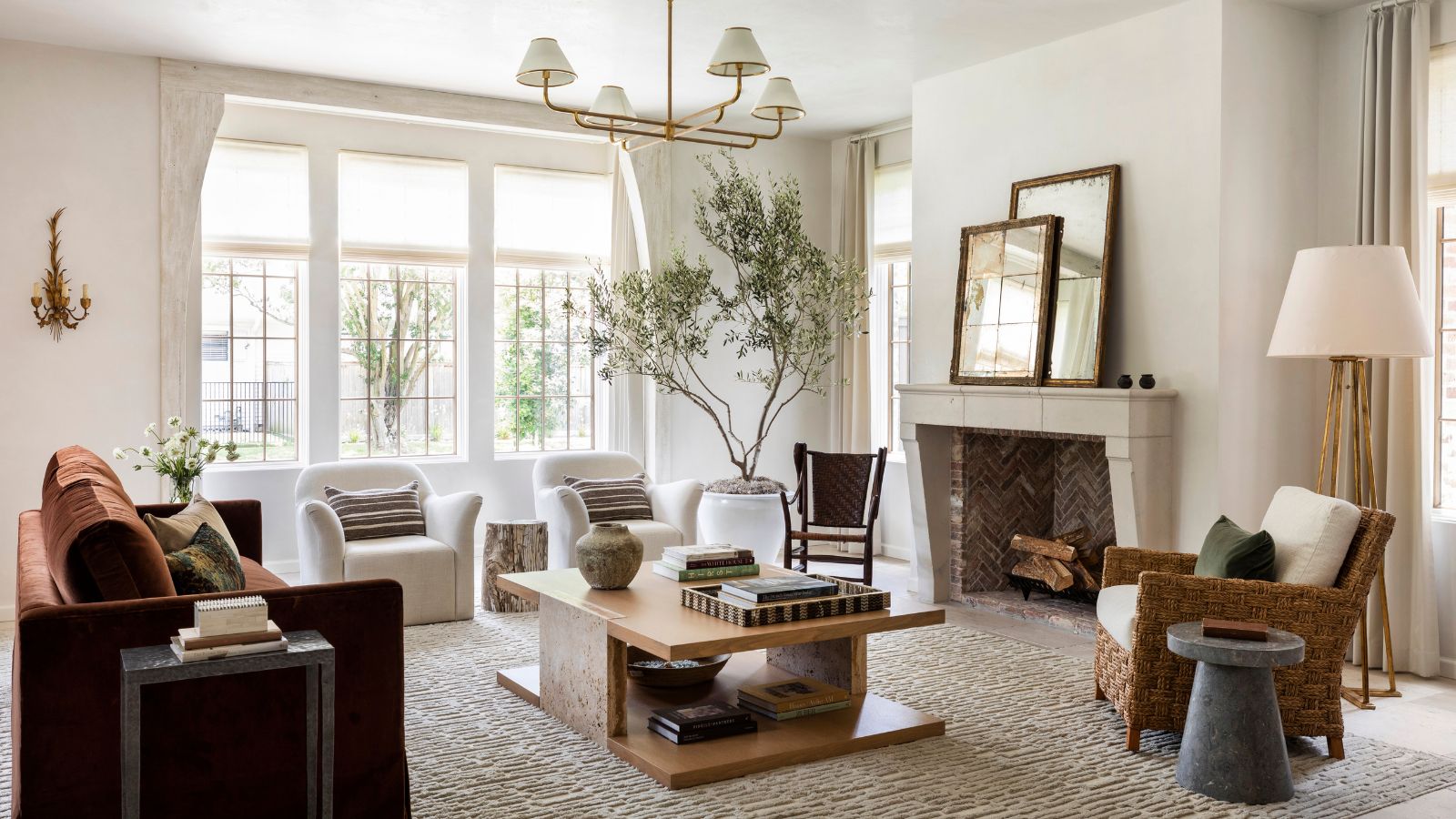
10 furniture trends that designers are loving for 2025
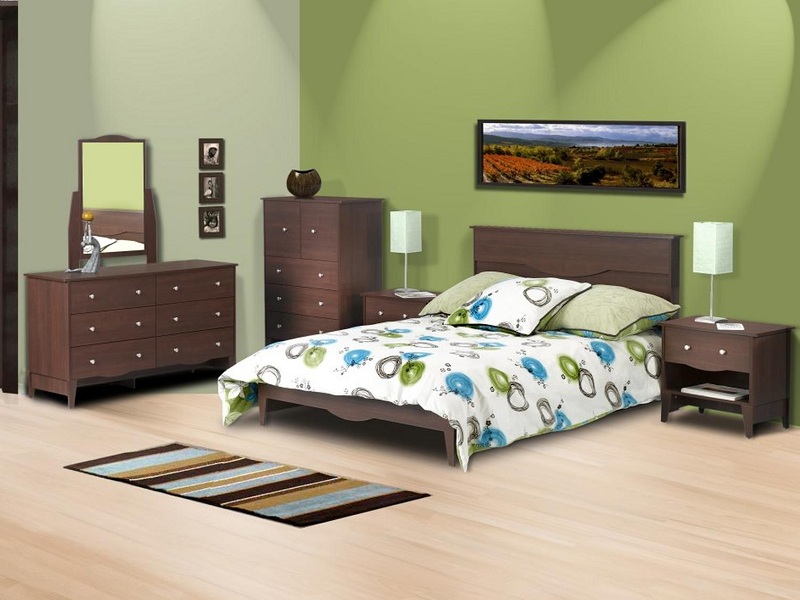
20 Latest Bedroom Furniture Designs With Pictures In 2023
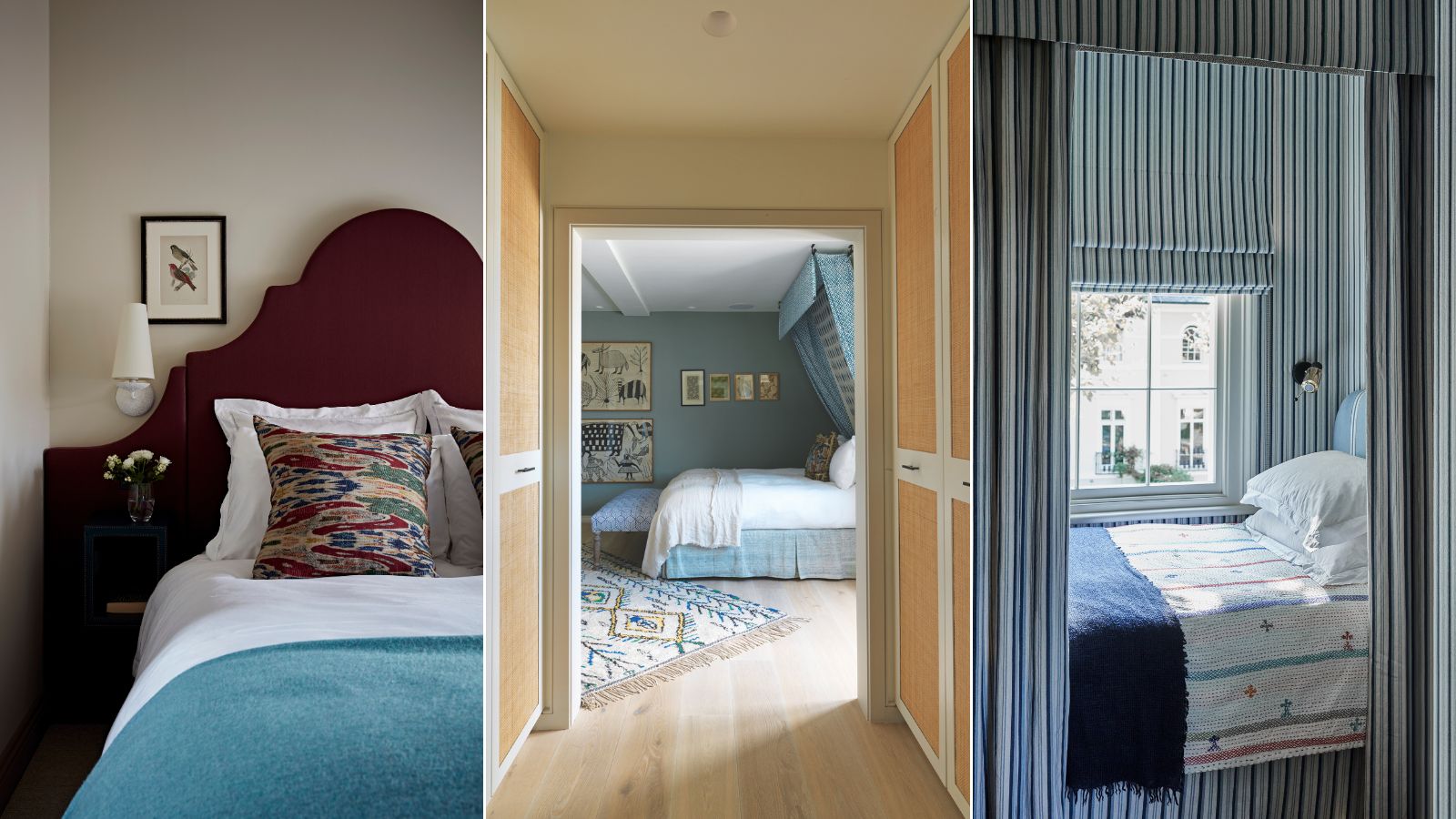
10 designer-approved bedroom furniture trends to take note of in 2025
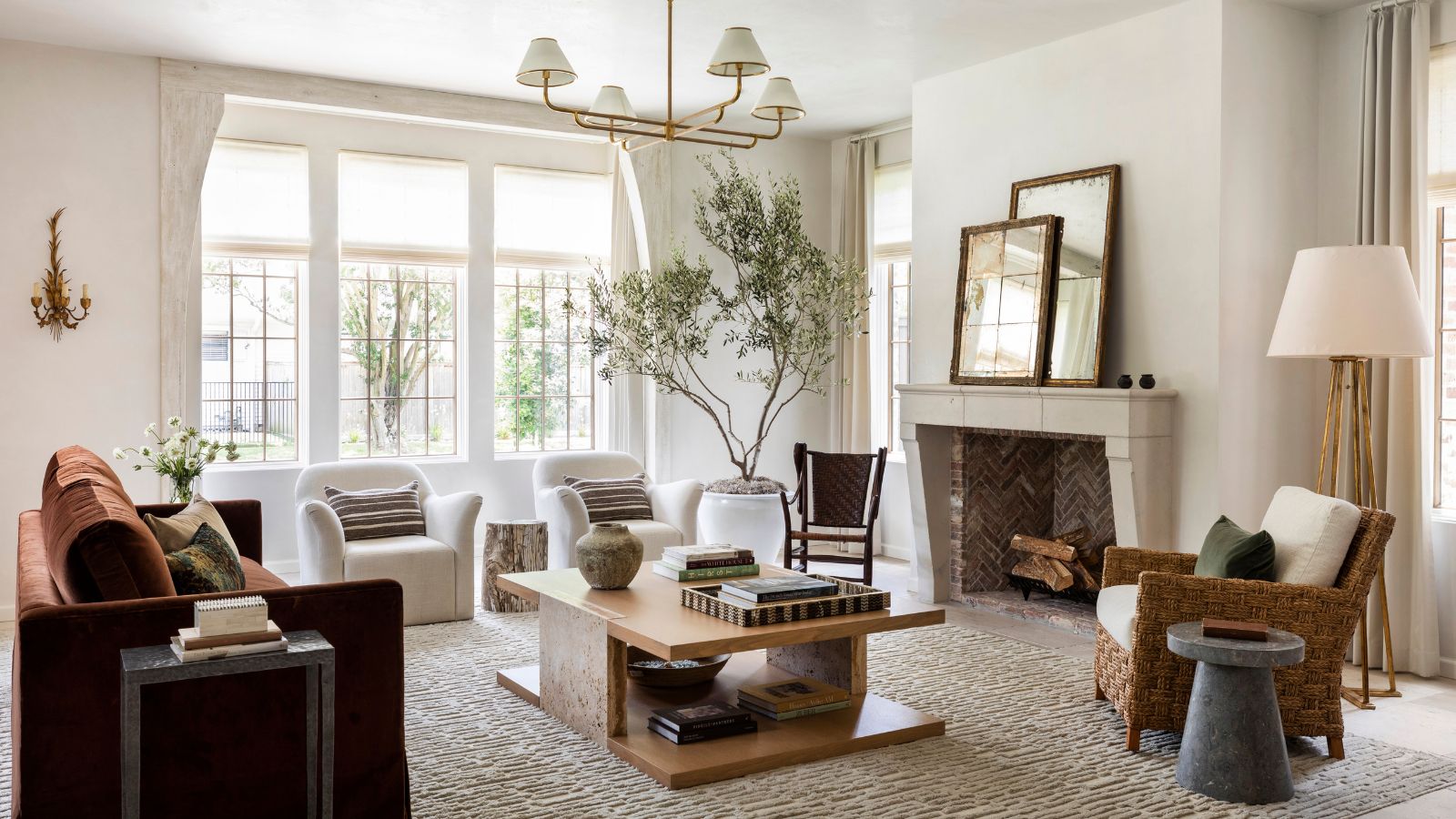
10 furniture trends that designers are loving for 2025 and beyond
The 7 Furniture Trends You Need to Know for 2025, According to Design Pros

These are the top living room design trends for 2023

6 Furniture Trends Interior Designers Are Tired of Seeing Everywhere