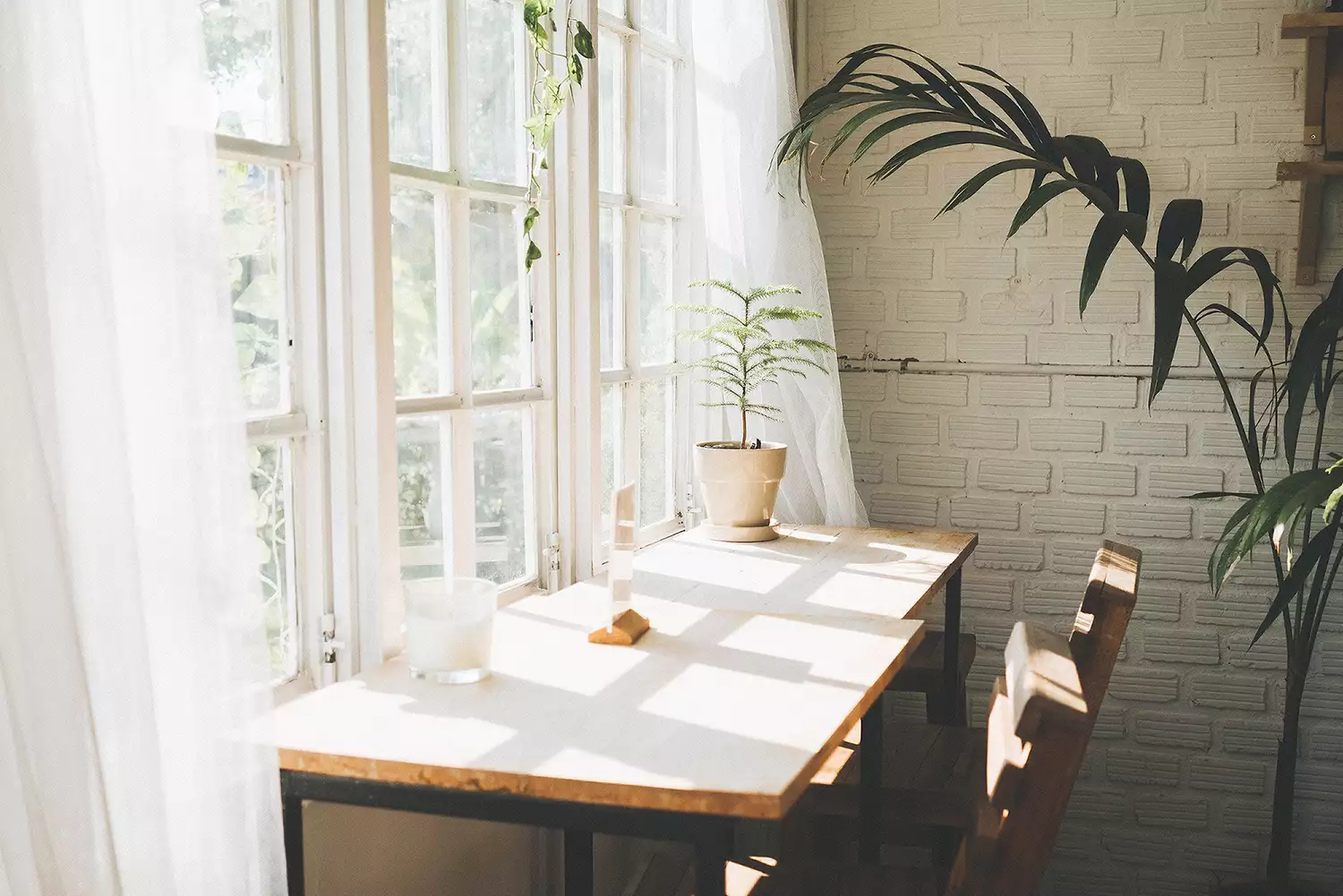
8 Home Design Fixes That Keep Pests Out and Look Great
Pests can be a significant nuisance in a home, but by integrating smart design choices and maintenance practices, homeowners can effectively deter them while simultaneously enhancing the aesthetic appeal of their living spaces. Several experts in home improvement, pest management, and entomology offer practical advice on how to achieve a pest-free environment through strategic design. These methods extend beyond traditional pest control, focusing on preventive measures that blend seamlessly with home aesthetics.
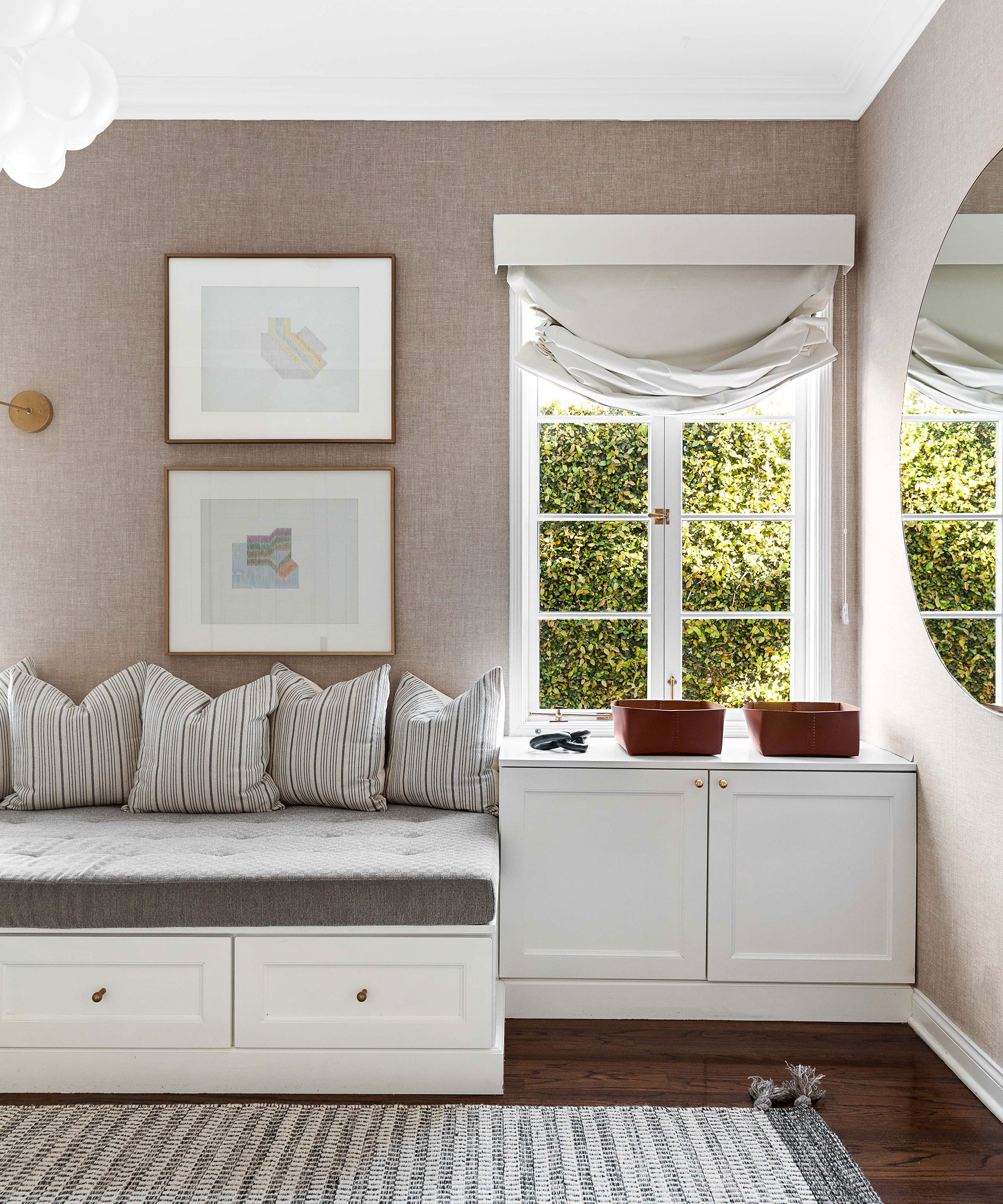
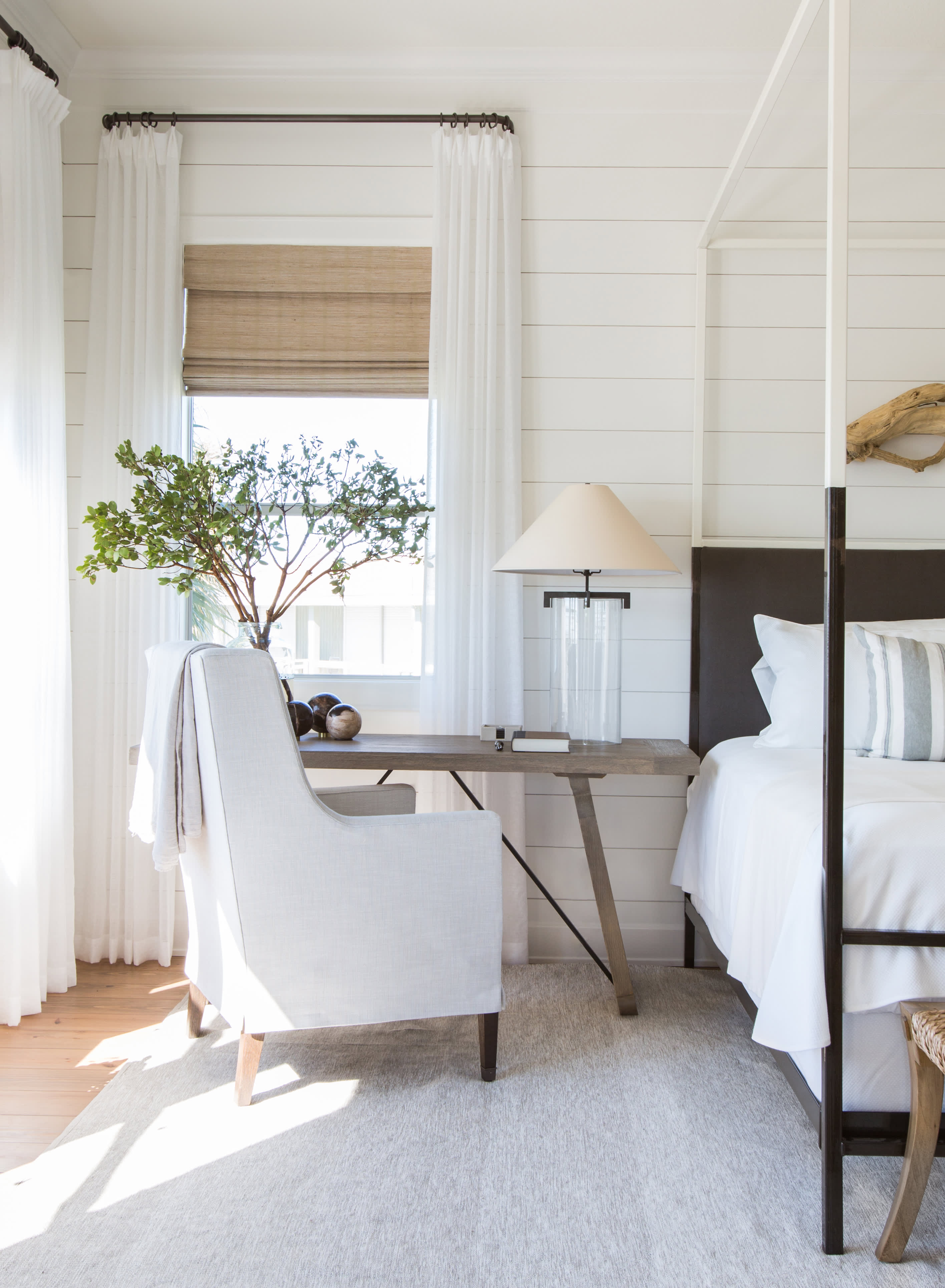
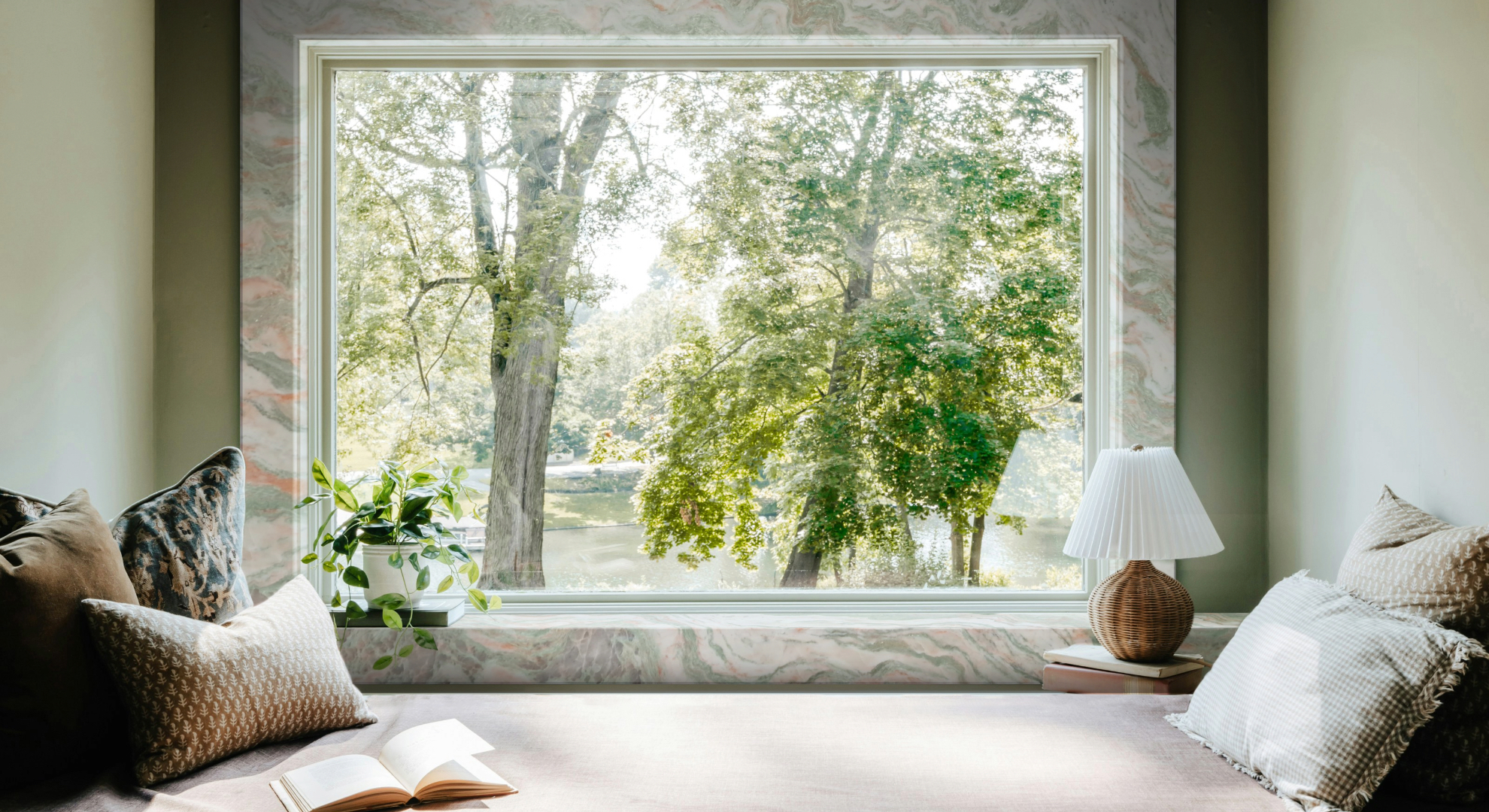
One crucial area for pest prevention involves upgrading screens and windows. Faulty windows can create air leaks that attract various pests. Replacing old, damaged windows with lab-tested ones featuring fusion-welded corners and durable weatherstripping can form a robust barrier against insects and other critters. Architectural trim can be utilized to conceal sealing work, addressing tiny cracks that bugs exploit for entry without compromising interior design. Instead of leaving visible caulk or foam, homeowners can use decorative trim, baseboards, or facade details to cover these necessary fixes, making them an integrated part of the home's design.
Lighting choices also play a role in pest deterrence. Bright white exterior lights are known to attract bugs. Replacing these with warm-toned, energy-efficient options like LEDs, especially for entry points such as doorsteps and garages, can significantly reduce insect activity. Motion-sensor or solar-powered lights for patios and gardens further limit continuous illumination, maintaining a cozy ambiance while keeping pests away. Additionally, stylish door sweeps can be installed to create barriers around doors and windows. Available in various finishes, these low-profile sweeps effectively block pests without detracting from the home's appearance.
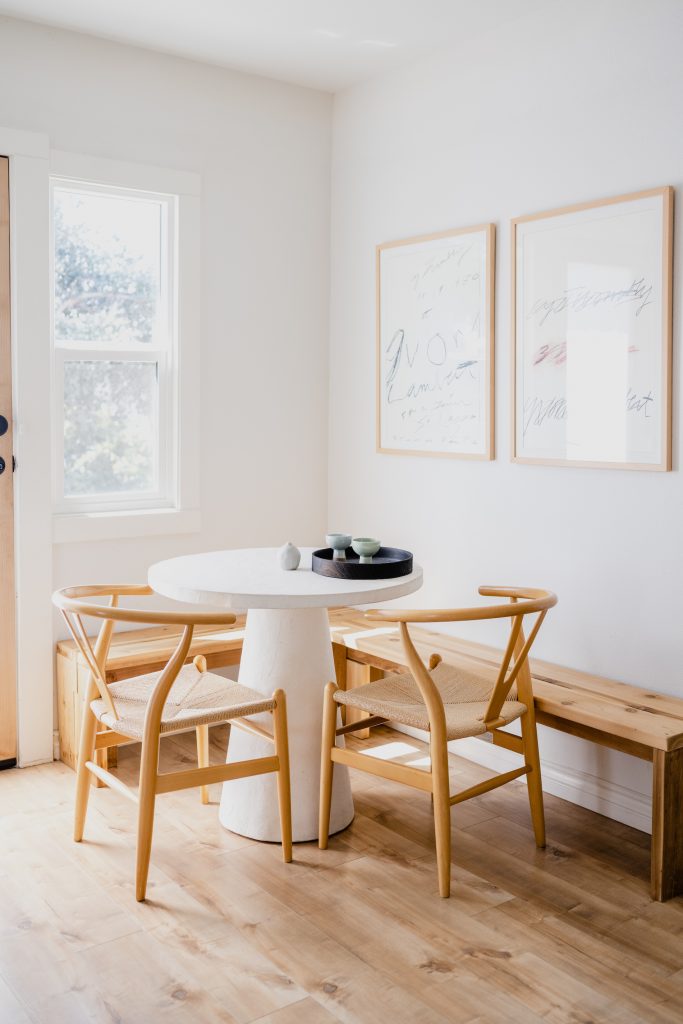
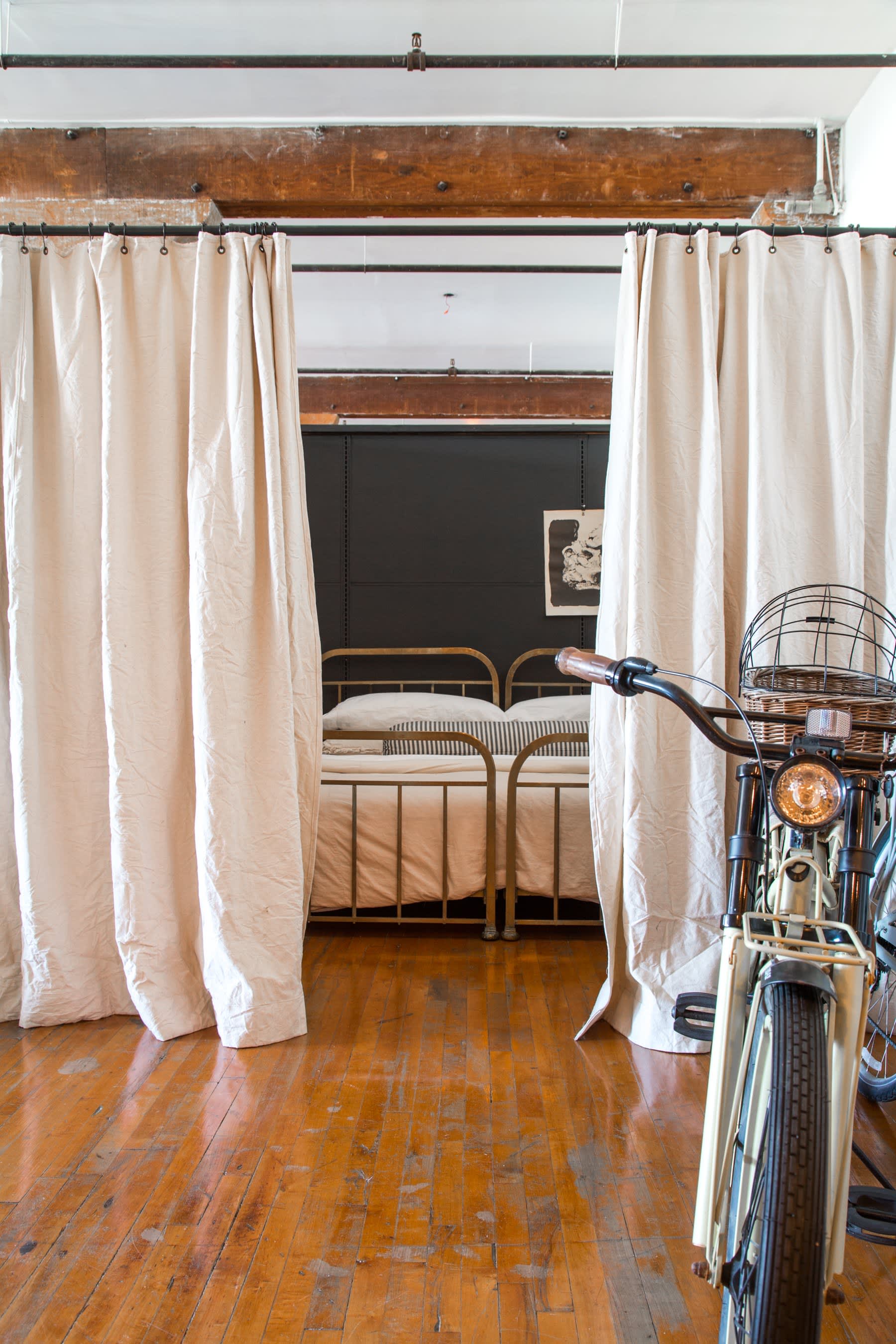
Interior flooring choices impact pest attraction. Carpets, while comfortable, can harbor crumbs, dust, moisture, and pet dander, which attract bugs, dust mites, and carpet beetles. Switching to hard flooring options like hardwood, luxury plank, or tile makes cleaning easier and lasts longer. While rugs can be used for comfort, seasonal deep cleaning is recommended. Maintaining a clean border around the home's exterior is equally important. Mulch or dense vegetation placed directly against the house creates ideal conditions for pests to thrive. Trimming back tree branches and avoiding storing firewood close to the foundation helps to remove potential habitats and entry points for critters.
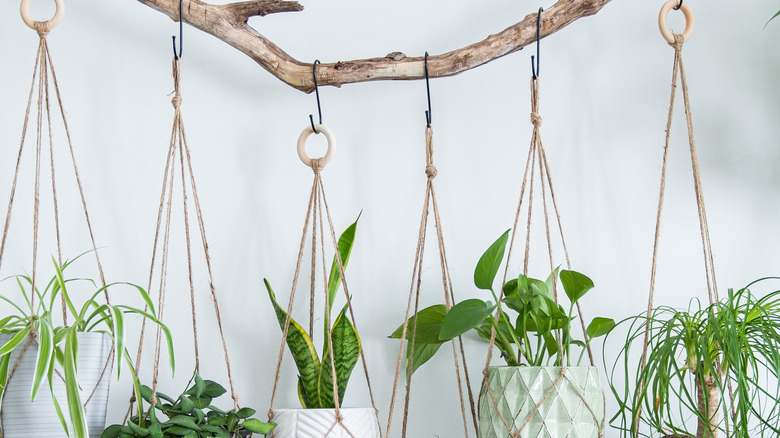
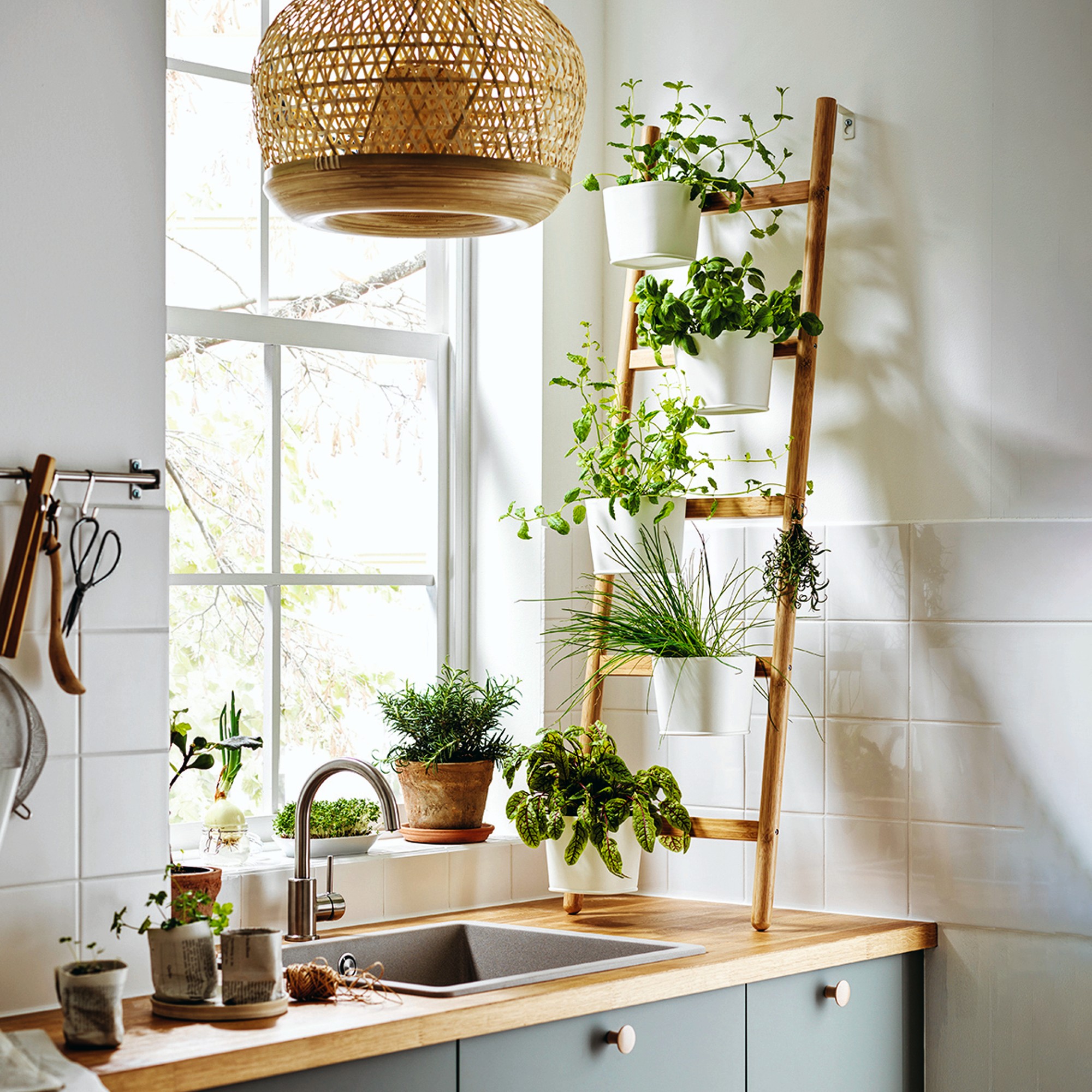
Indoor plants, while decorative, can attract gnats and ants if overwatered. Using planters with built-in drainage trays, avoiding clustering plants in dark corners, and displaying them on elevated stands help manage moisture levels. Grouping plants in balanced arrangements also improves airflow, reducing soil moisture that attracts pests. Lastly, proper gutter maintenance is essential. Regularly inspecting and cleaning gutters ensures effective drainage, preventing standing water and moisture buildup that attract pests. Incorporating French drains, downspout extensions, and gravel perimeter trenches (dry moats) around the foundation can further reduce pest pressure by creating dry buffer zones, discouraging burrowing pests like moles and insects.
#PestControl #HomeDesign #PestPrevention #HomeImprovement #InteriorDesign #ExteriorMaintenance #WindowUpgrade #SmartLighting #PestControl #HomeDesign #PestPrevention #HomeImprovement #InteriorDesign #ExteriorMaintenance #WindowUpgrade #SmartLighting
Hay 0 comentarios en total
 Aún no hay comentarios
También te puede gustar
11 Pretty Ways to Hide Clutter in Every Corner of Your Home, According to an Interior Designer

Designers Share 6 Ways to Rid Your Home of Hidden Toxins
The best 5 ways to repel mice from a house — pest pros swear by these tips

10 Easy Ways to Keep Cluster Flies Out of Your House for Good This Fall
5 things people with clean home storage always do to protect belongings, curb hidden mold, and prevent pests

This often-overlooked bedroom spot could be teeming with bed bugs
8 ways to freshen up your home through natural biophilic design

The 10 Best Hacks To Control Gross Smells In Your Home

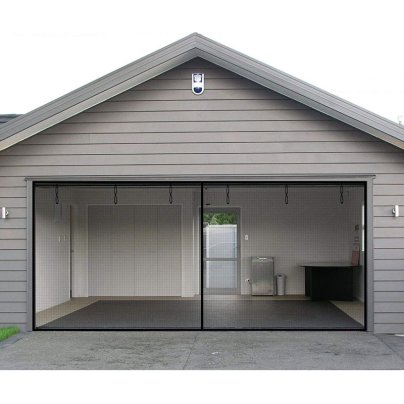
This Inexpensive Upgrade Keeps Bugs Out of Your Garage Year-Round

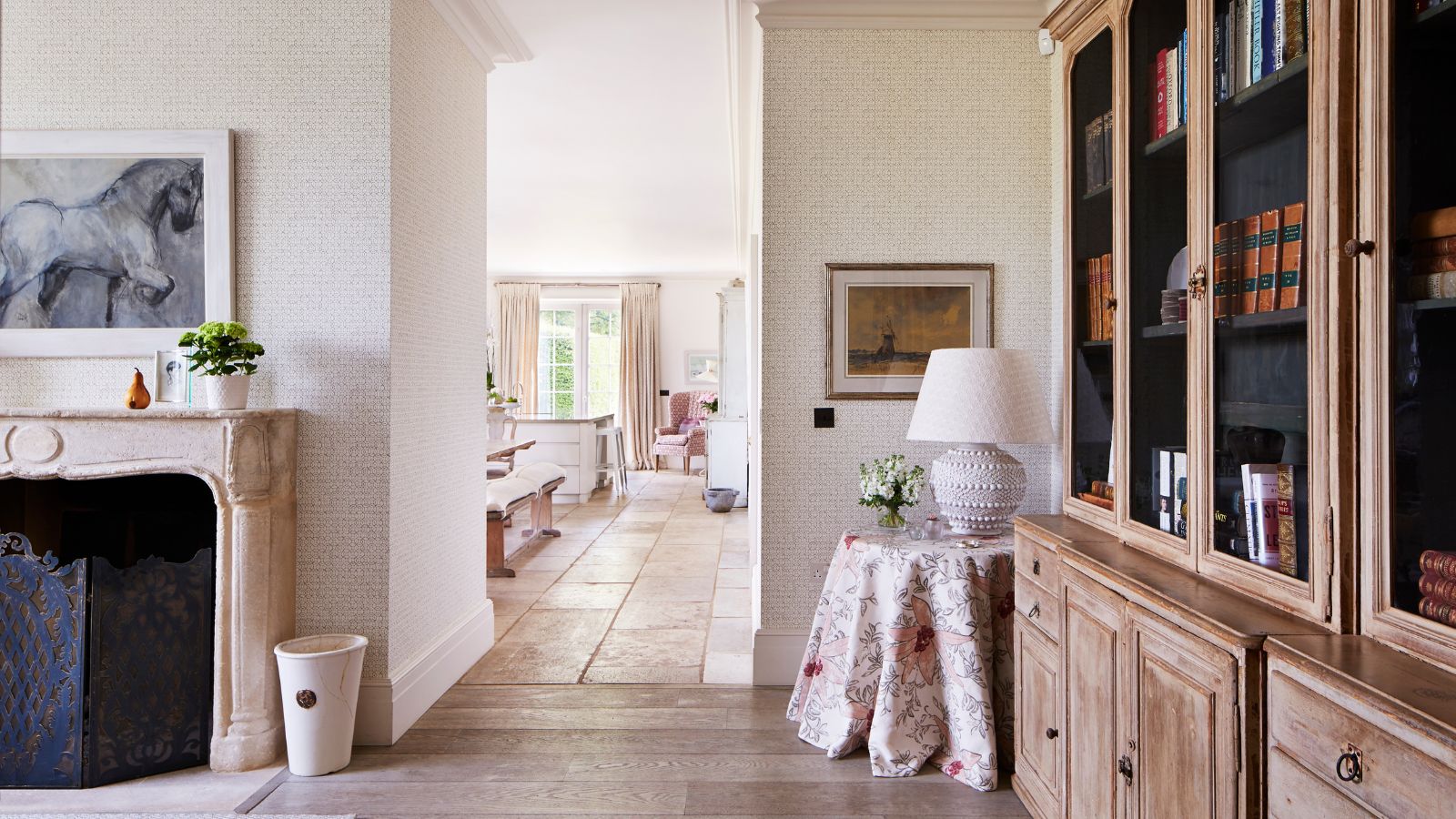
The reason you need to vacuum your baseboards this month
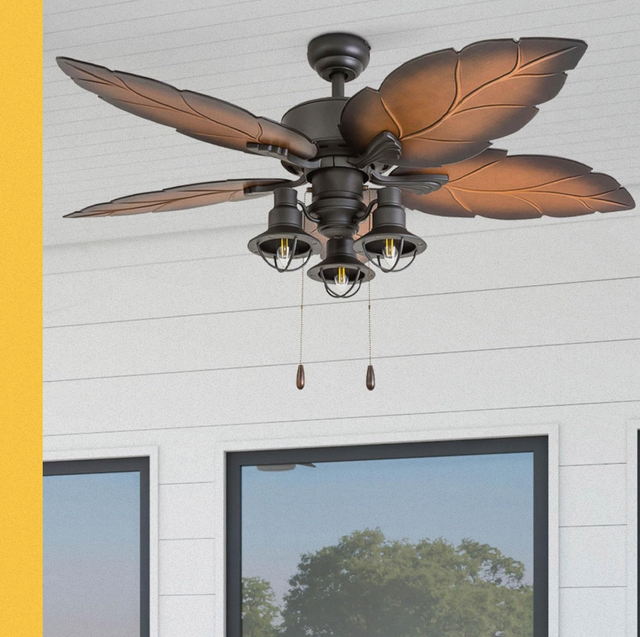
The Unsung Hero of Keeping Bugs Away from Your Porch or Patio? An Outdoor Ceiling Fan
Create a Healthier, Safer Home With These Smart Indoor Projects
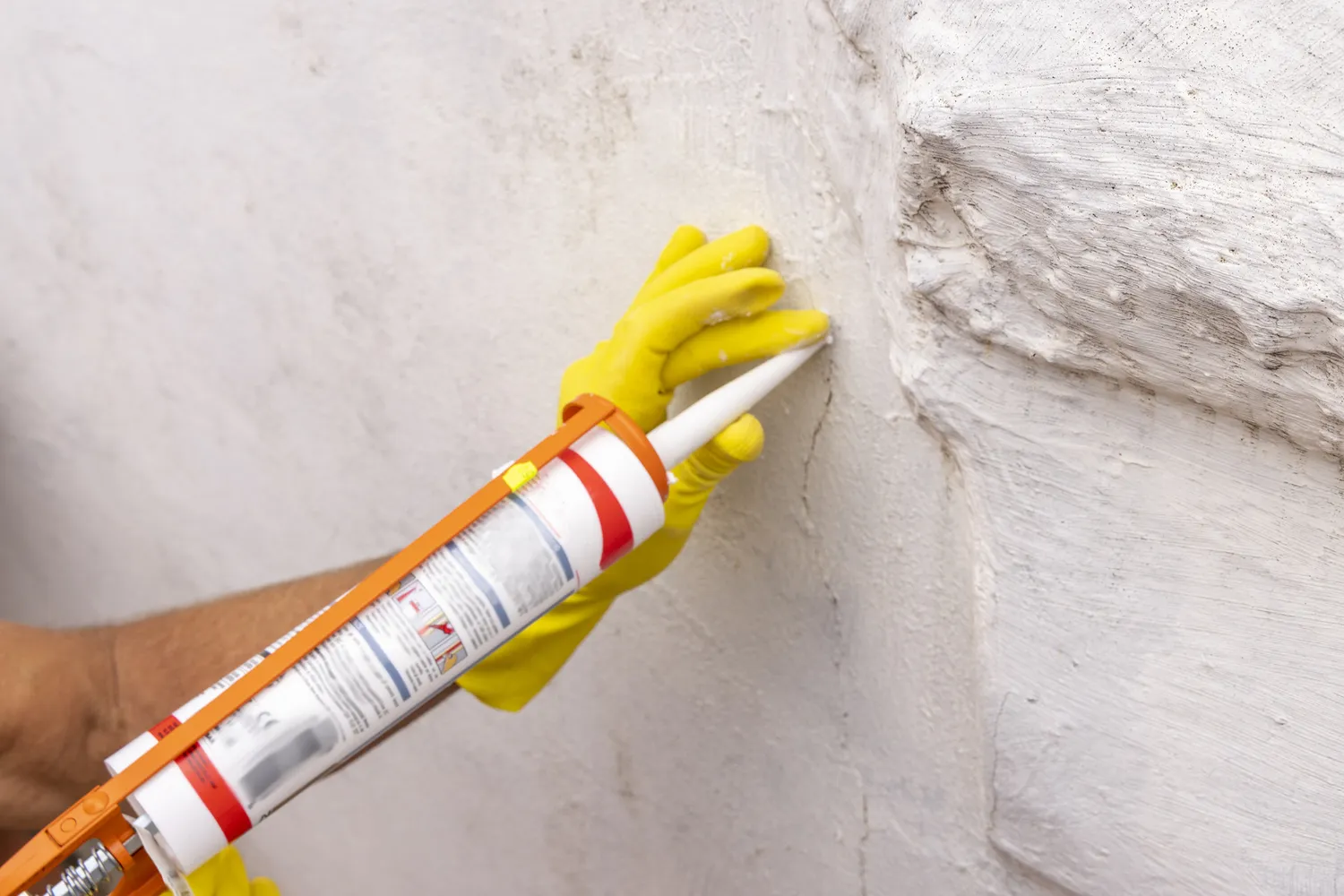
Stop Pests Before They Move In: 5 Places You Need to Seal Around Your Home Right Now

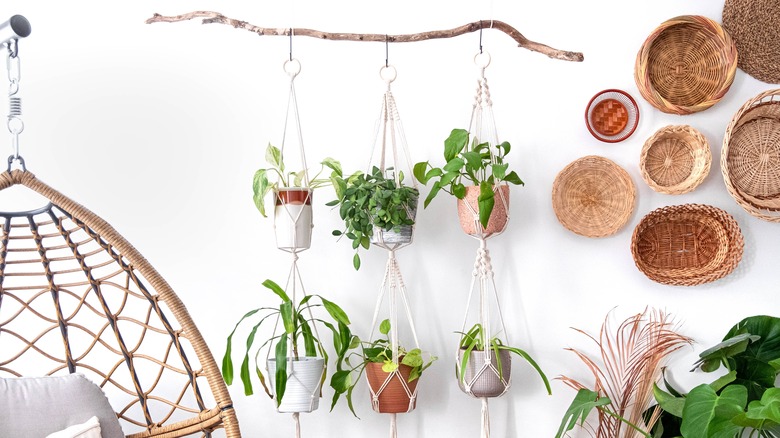
Damage-Free Ways To Hang Plants In Your Rental
How to get rid of cluster flies – simple expert-approved methods to banish these pests
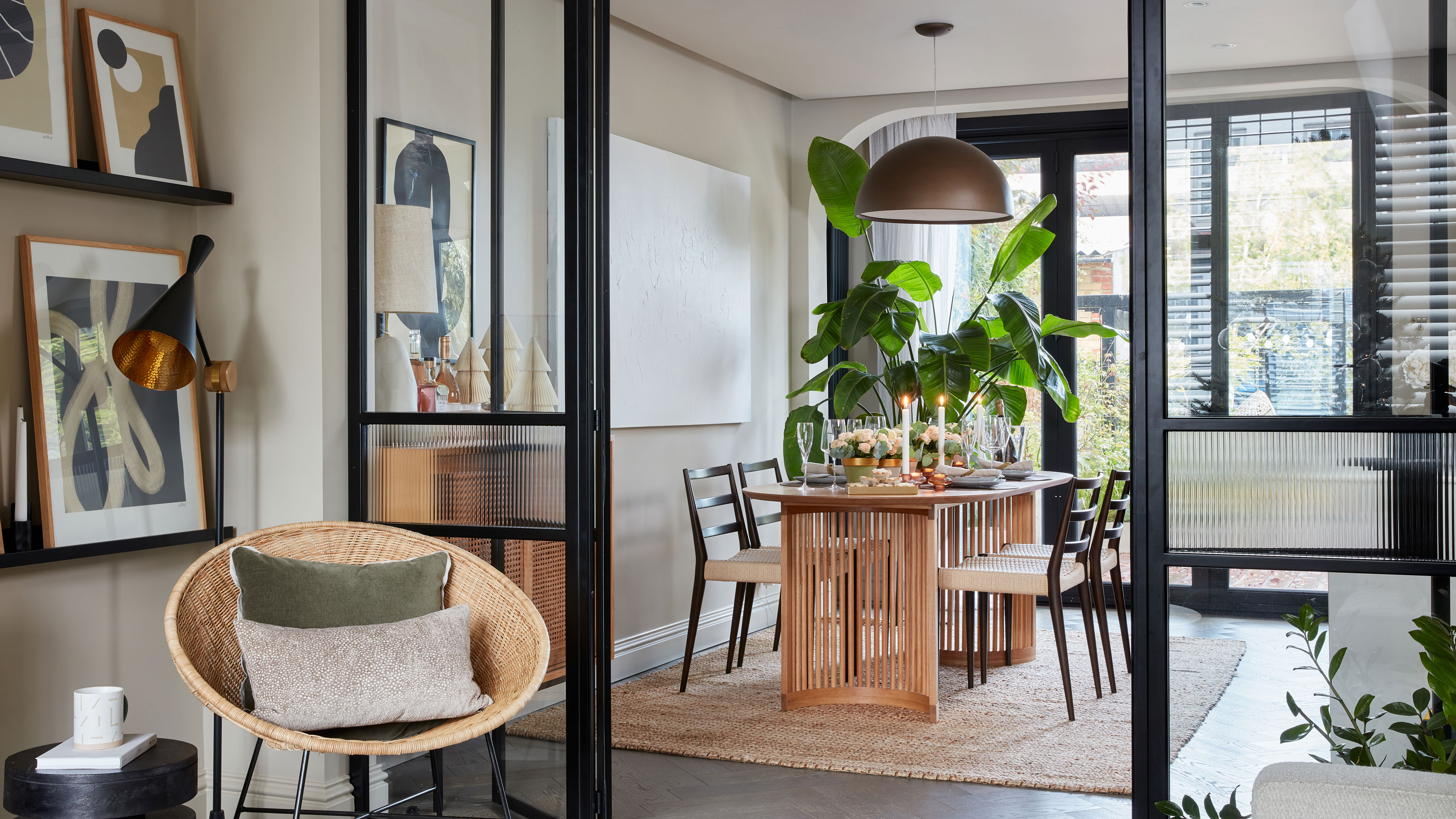
Biophilic design ideas - clever ways to bring nature into your home for a calming space

These Top-Rated Magnetic Screen Doors Are an Easy Way to Keep the Bugs Out
Stunning biophilic design ideas to help you bring the great outdoors into your home

8 Ways To Create More Privacy in Your Home, According to Designers
5 Easy Tricks to Keep Bugs Off Your Patio All Summer, According to Pest Pros