The false promise of the Nancy Meyers kitchen
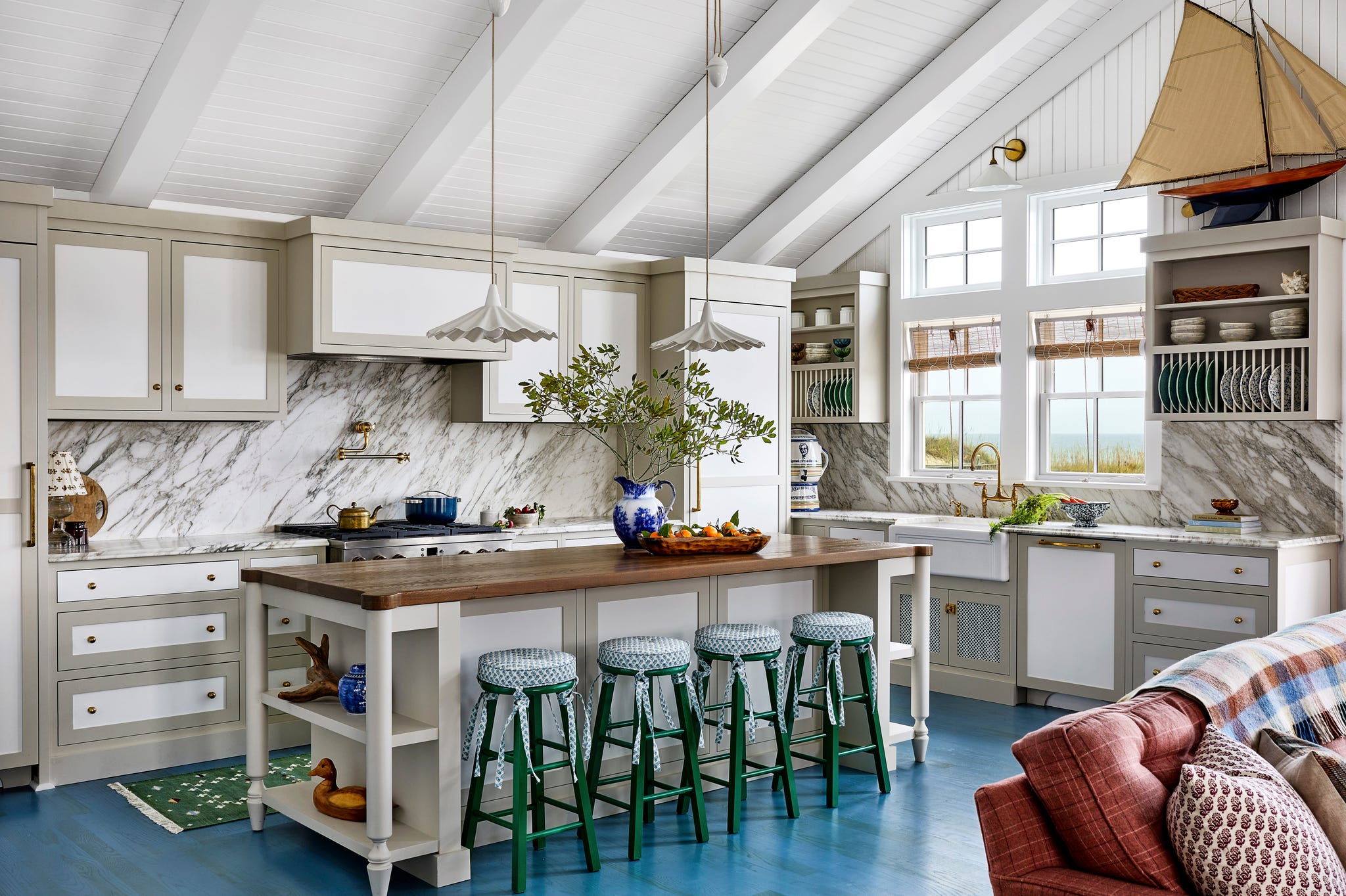
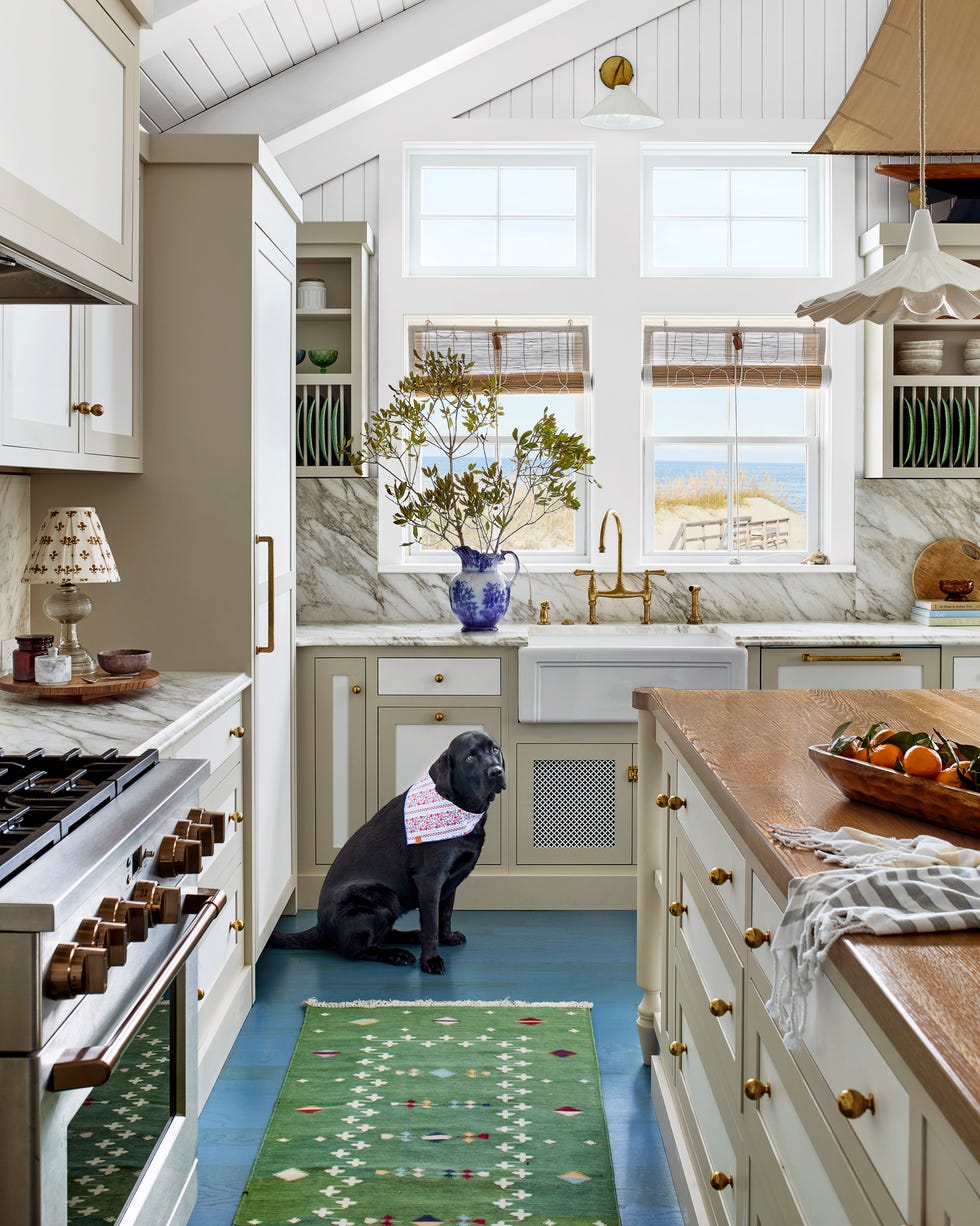
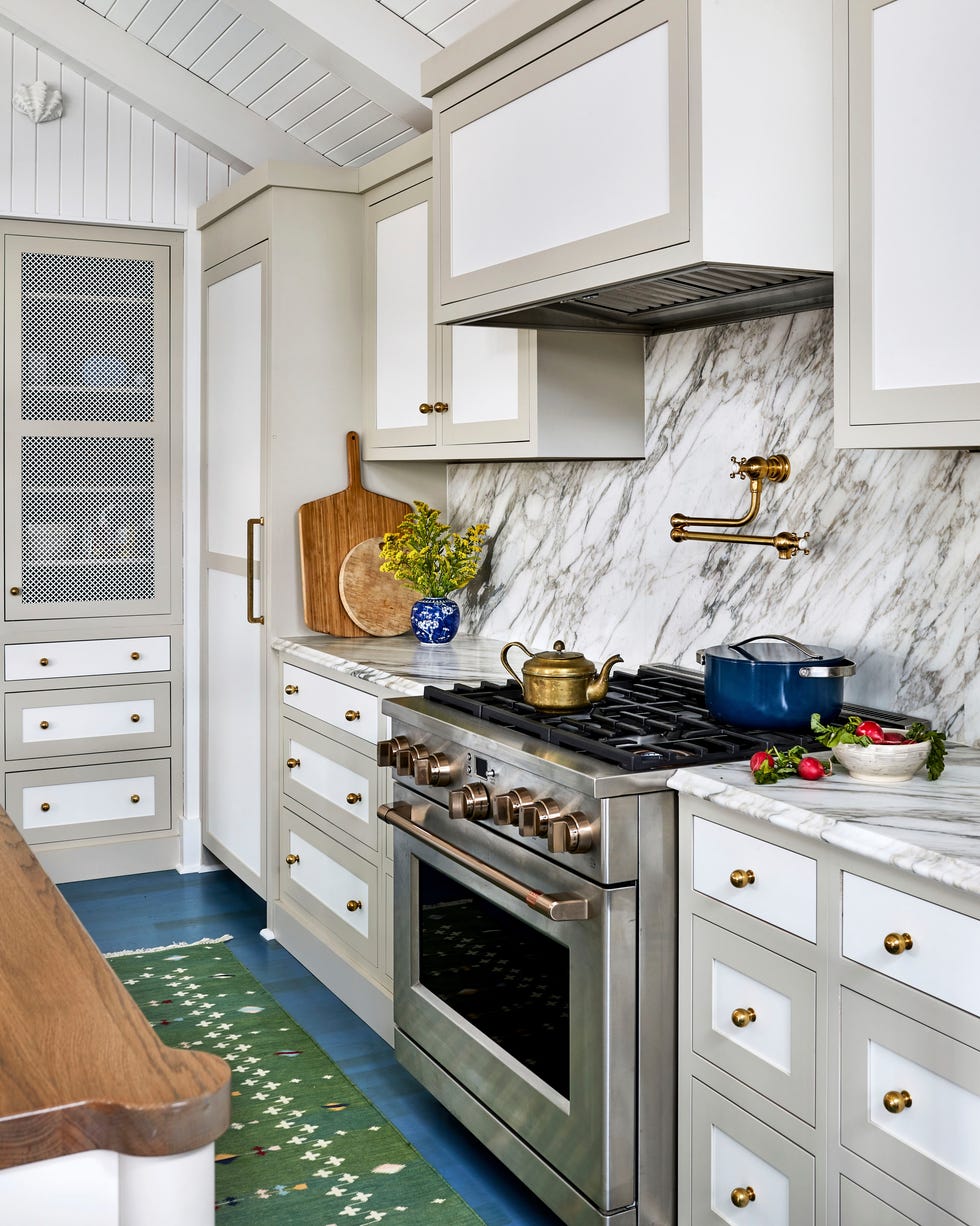
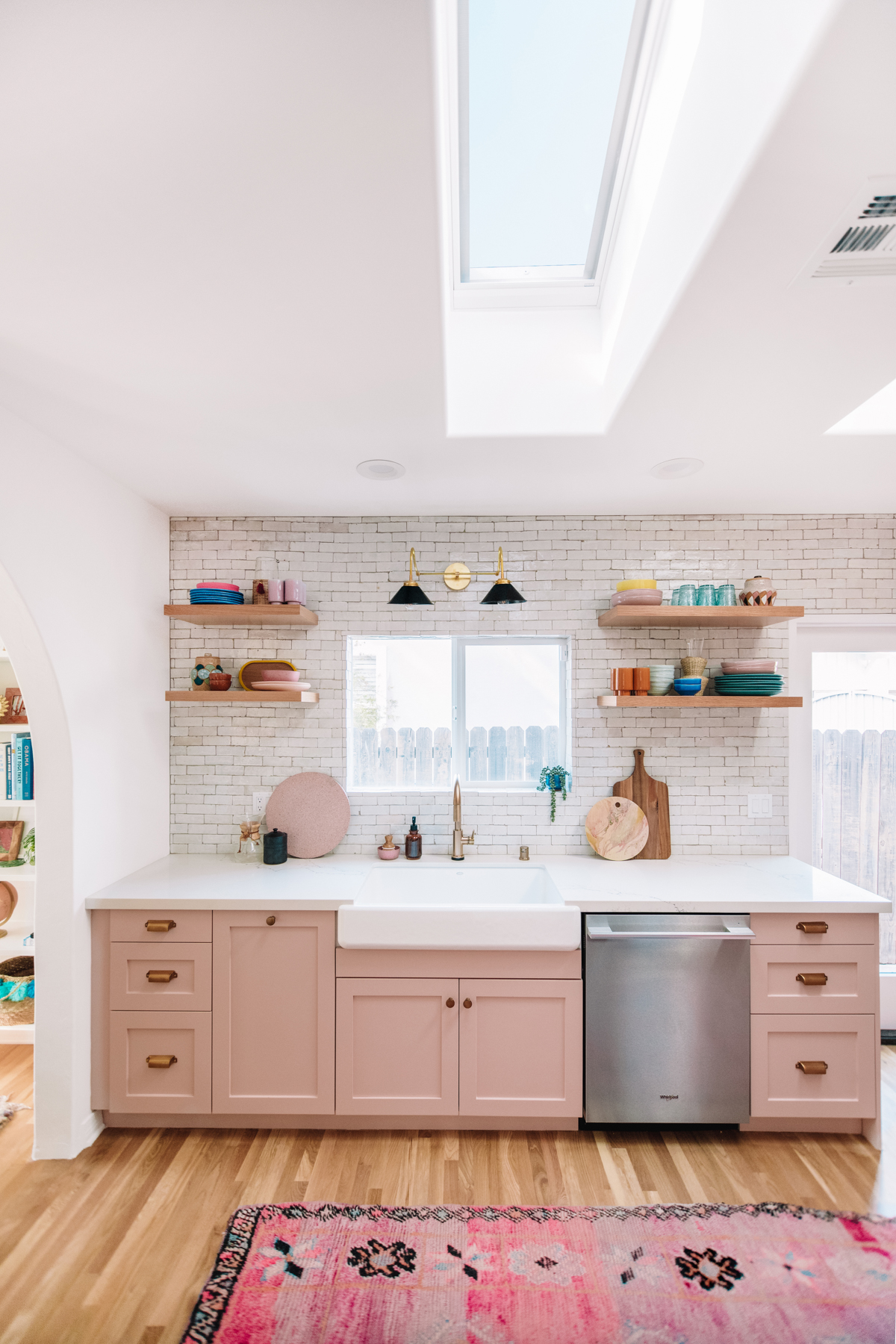
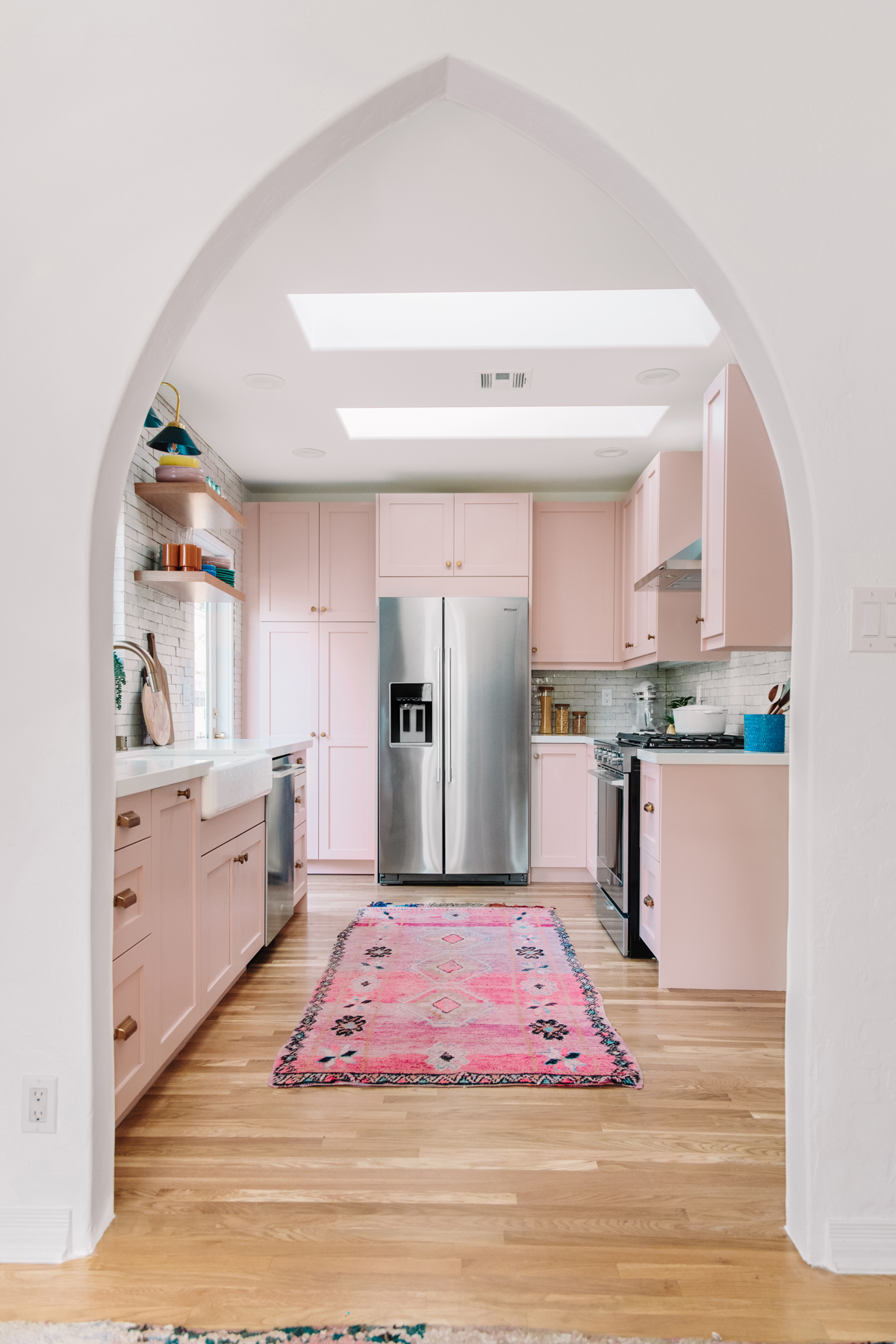
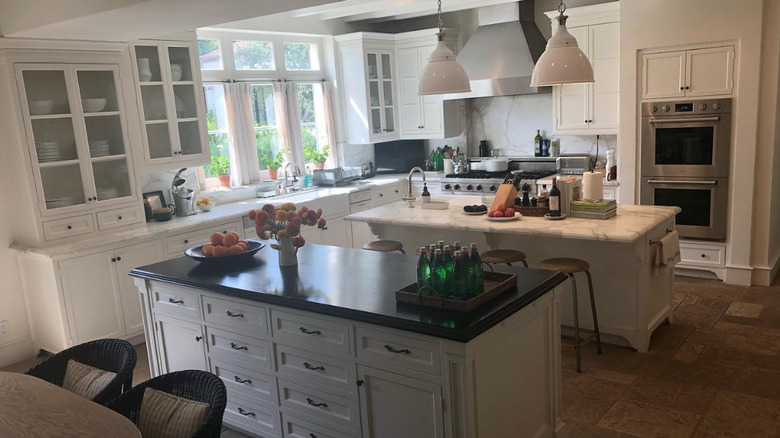
This article delves into the idealized portrayal of kitchens, particularly those associated with Nancy Meyers's films, and examines the disparity between these aspirational spaces and the realities of everyday life. The author begins by describing her own significantly less glamorous kitchen, setting a personal and relatable contrast to the meticulously designed, expensive kitchens often featured in popular media and aspirational Instagram posts. The piece highlights a recent internet fascination with Nancy Meyers's personal kitchen, characterized by its lavish features like two islands, a large range, and numerous matching accessories. The author notes that online comments were overwhelmingly positive, equating Meyers's personal kitchen with the cinematic ideal she creates. This observation prompts a deeper inquiry into the underlying meaning and impact of such perfect kitchens.
To explore this, the author consults two friends: 'Best Taste,' known for her discerning eye, and 'Two Islands,' who possesses an even larger and more luxurious kitchen than Meyers. Two Islands initially offers an analytical perspective, connecting Meyers's kitchen aesthetics to her film narratives. She suggests that these kitchens symbolize a woman's arrival at an idealized, independent life, often after overcoming personal challenges. However, this analytical facade eventually gives way to a more personal and vulnerable reflection from Two Islands, revealing the potential for loneliness and disillusionment even within these seemingly perfect environments. She admits that while her own opulent kitchen offers utility for cooking and gathering, it also serves as a poignant reminder of a past marriage and current solitude.
The narrative takes a turn when 'Best Taste' begins to express her own strong, critical opinions through text messages. Her perspective is far less romanticized, viewing the perfectly staged kitchens as symbols of inequality, privilege, and an unrealistic pursuit of a 'Pinterest-perfect' life. She questions the authenticity of these spaces, pointing out the absence of the 'dirt, the pet stains, the one dish that isn’t alabaster,' which are common in real homes. Best Taste argues that such idealized representations contribute to a societal longing for an unattainable lifestyle, diverting attention from real-world issues. This critical viewpoint resonates with the author, who observes the discomfort it causes 'Two Islands.'
Ultimately, 'Two Islands' acknowledges the underlying sentiment of loneliness and the hope that perfection might lead to happiness. She confesses that her dream kitchen, acquired during a past marriage, has become a symbol of her current isolation, ironically mirroring the very loneliness she felt Meyers's kitchens might evoke. The article concludes with a personal anecdote involving 'Two Islands' receiving texts from a former, 'nice' ex-husband, suggesting a potential shift in her life, but she maintains that the fantasy associated with her kitchen ends abruptly with reality. The author implies that the desire for these perfect spaces often masks deeper emotional needs and that while visually appealing, they can represent unattainable ideals or even serve as monuments to personal struggles rather than pure domestic bliss. The piece thoughtfully explores the psychological and societal implications of coveting idealized domestic spaces.
#InteriorDesign #NancyMeyers #KitchenDesign #IdealizedHomes #SocialCommentary #Privilege #Loneliness #AspirationalLiving #InteriorDesign #NancyMeyers #KitchenDesign #IdealizedHomes #SocialCommentary #Privilege #Loneliness #AspirationalLiving
0 Kommentare insgesamt
 Noch keine Kommentare
Das könnte Ihnen auch gefallen
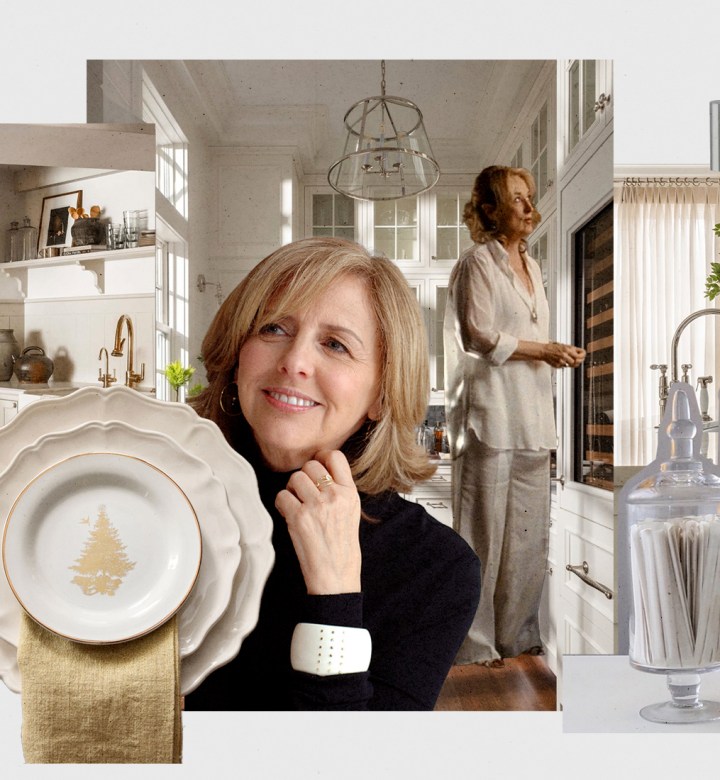
Obsessed With Nancy Meyers's Kitchens? Same. Here's The Secret Sauce That Makes Them So Swoon-Worthy

Drew Barrymore’s Kitchen Reno Plans Confirm She’s Team Open Shelving

HGTV's Hilary Farr Doesn't Want Homeowners To Focus On This 'Distracting' Kitchen Feature

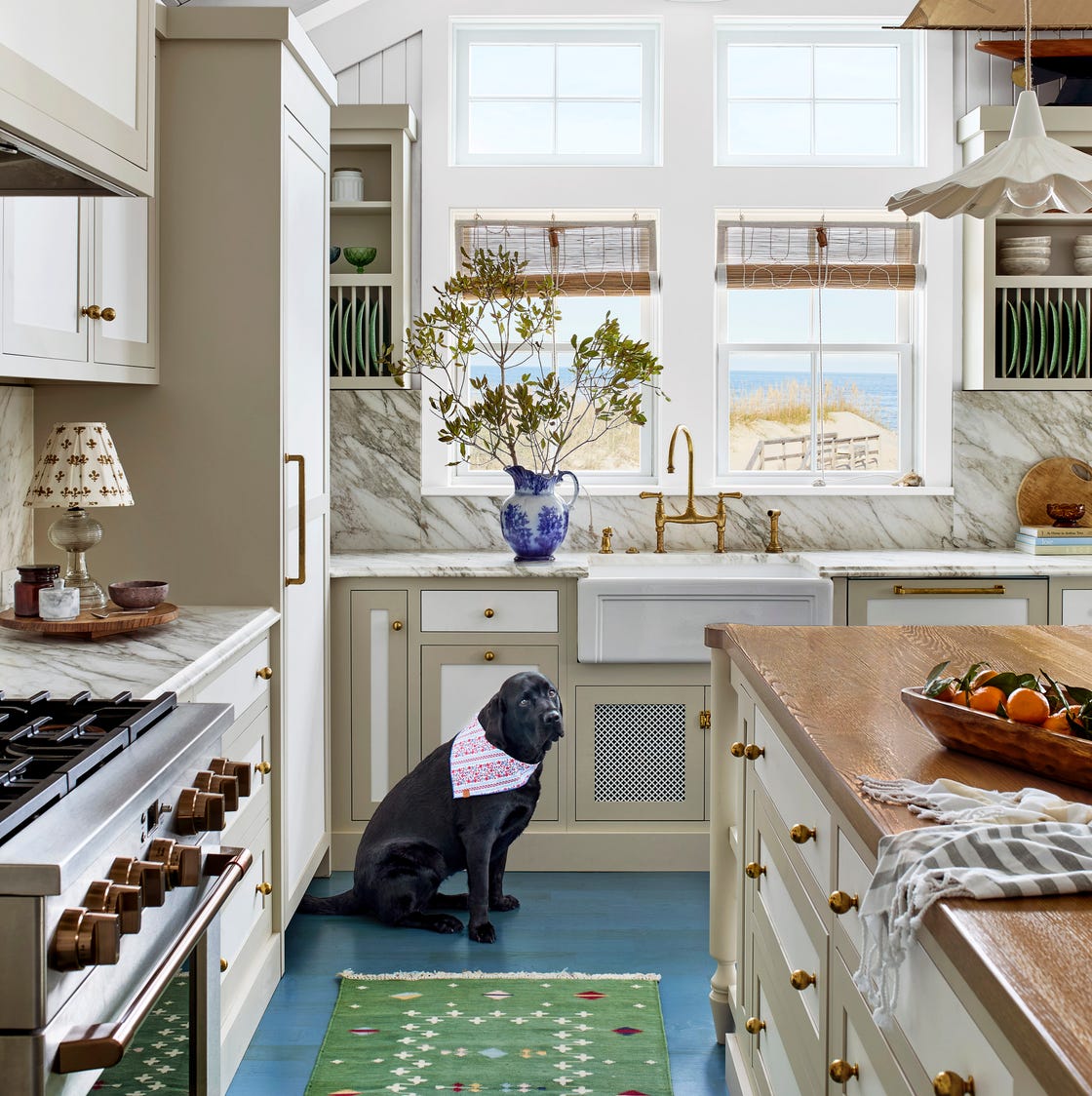
This Breezy Coastal Kitchen is Basically a Nancy Meyers Movie IRL
This Forgotten Kitchen Feature Is Popping Up More and More

The Kitchen Countertop Materials Martha Stewart Swears By

The Mindwelling: Our Kitchen Reveal!
It's Not Complicated—How to Get the Nancy Meyers Kitchen of Your Dreams


Where's the Fridge?
No Demo Reno's Jenn Todryk Is A Sucker For This Kitchen Design Choice
Turns Out, There’s a Secret Formula to Creating a Nancy Meyers-Inspired Home

The 2000s Rom-Com You Should Remodel Your Kitchen After