1/2
The Kitchen Countertop Materials Martha Stewart Swears By
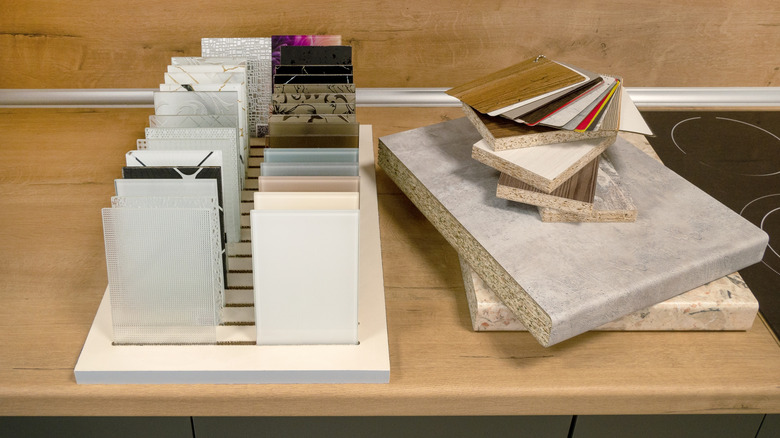
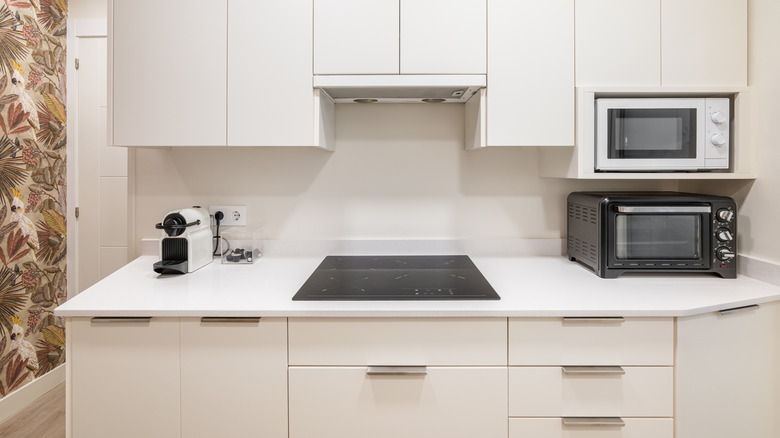
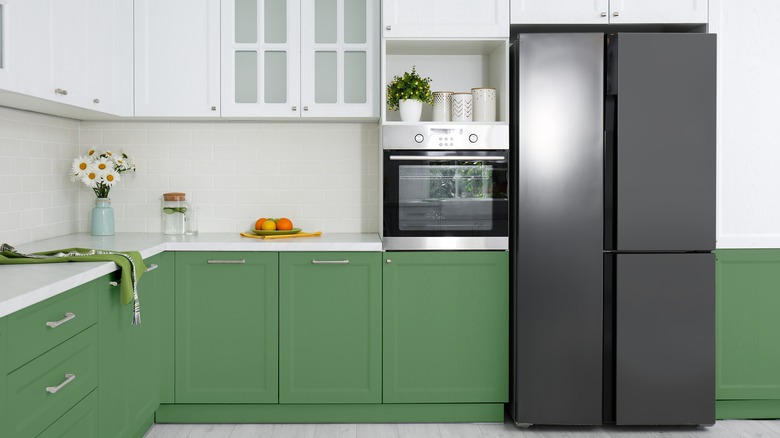
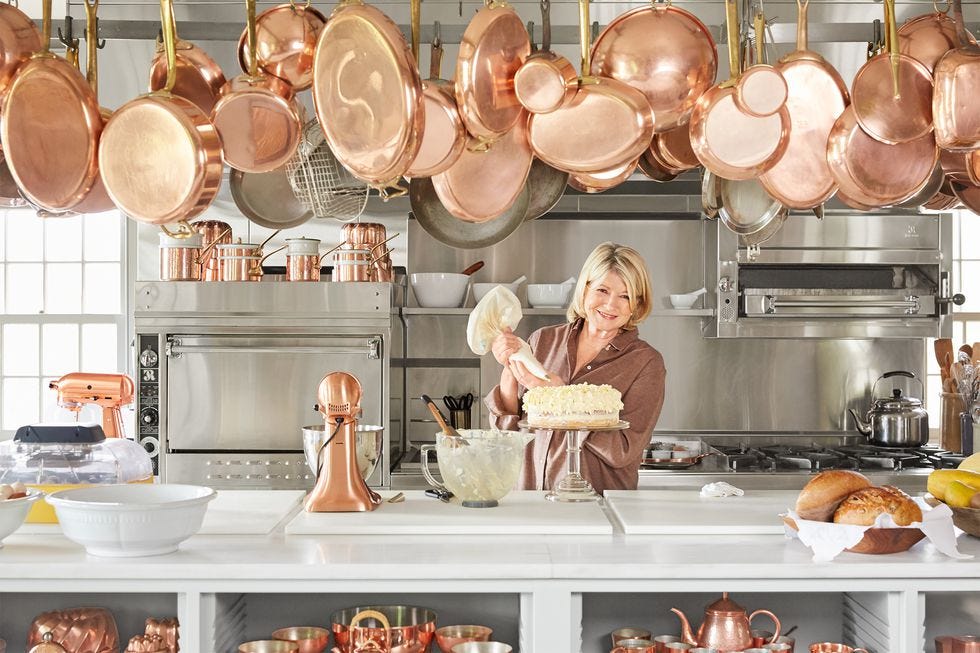
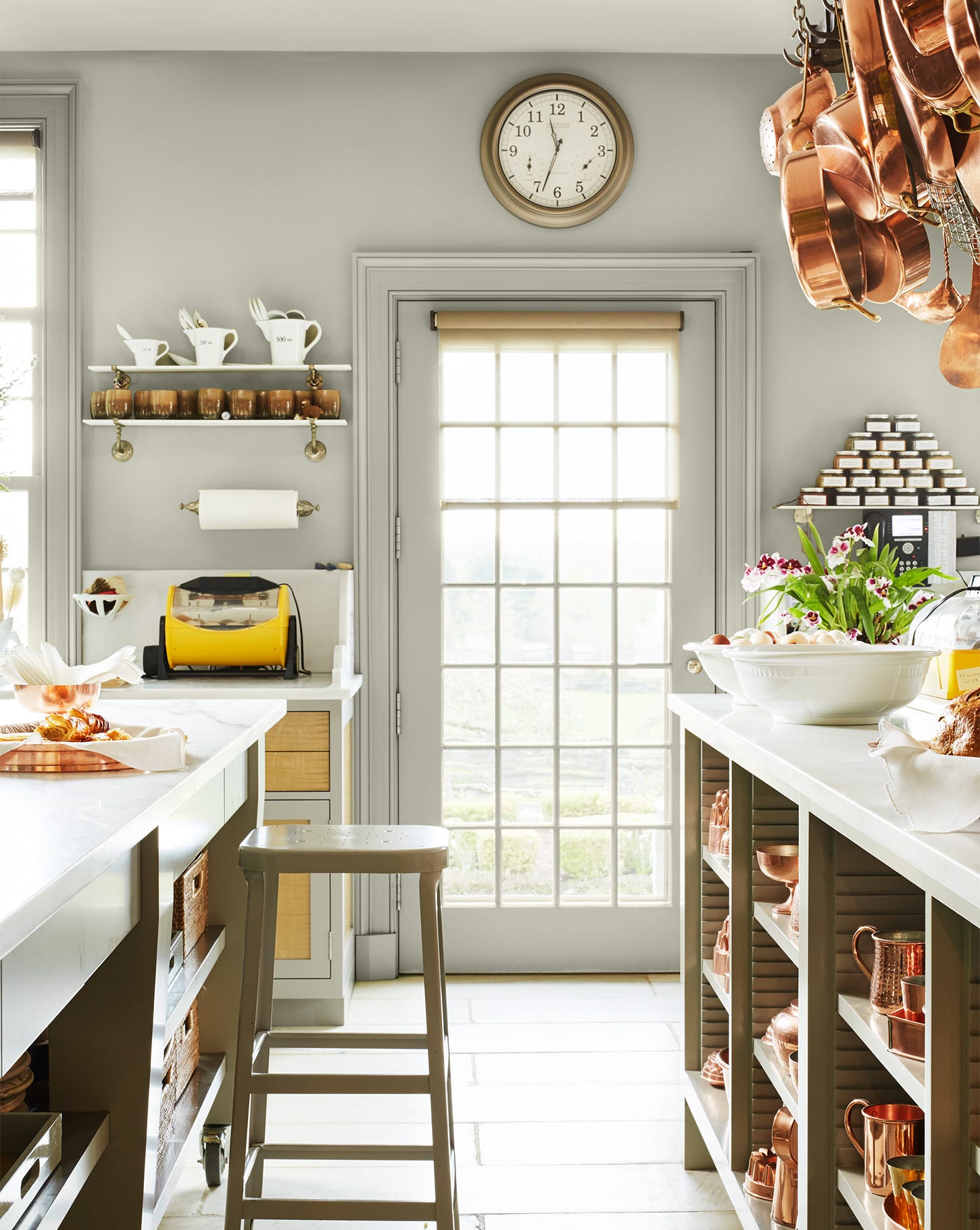
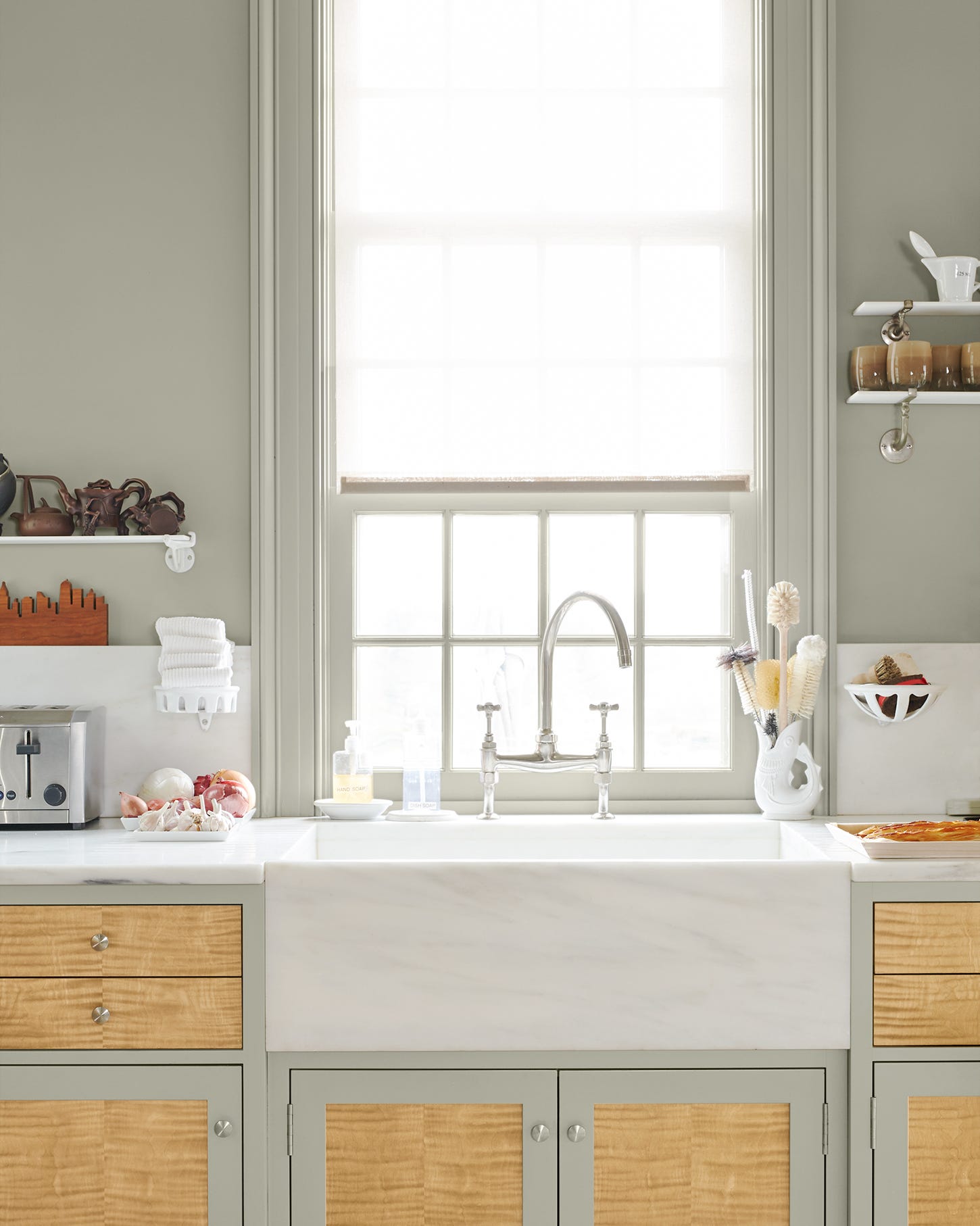
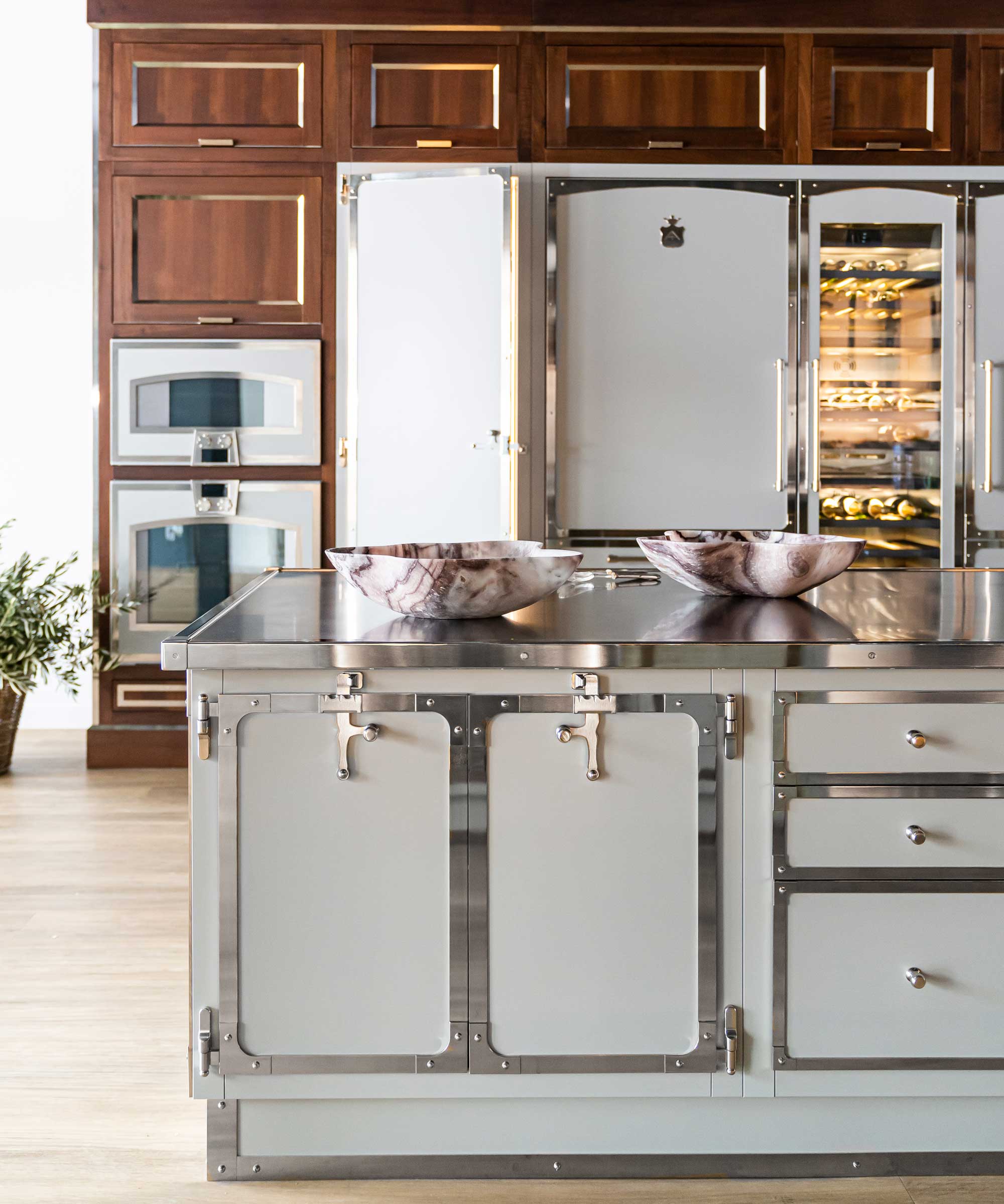
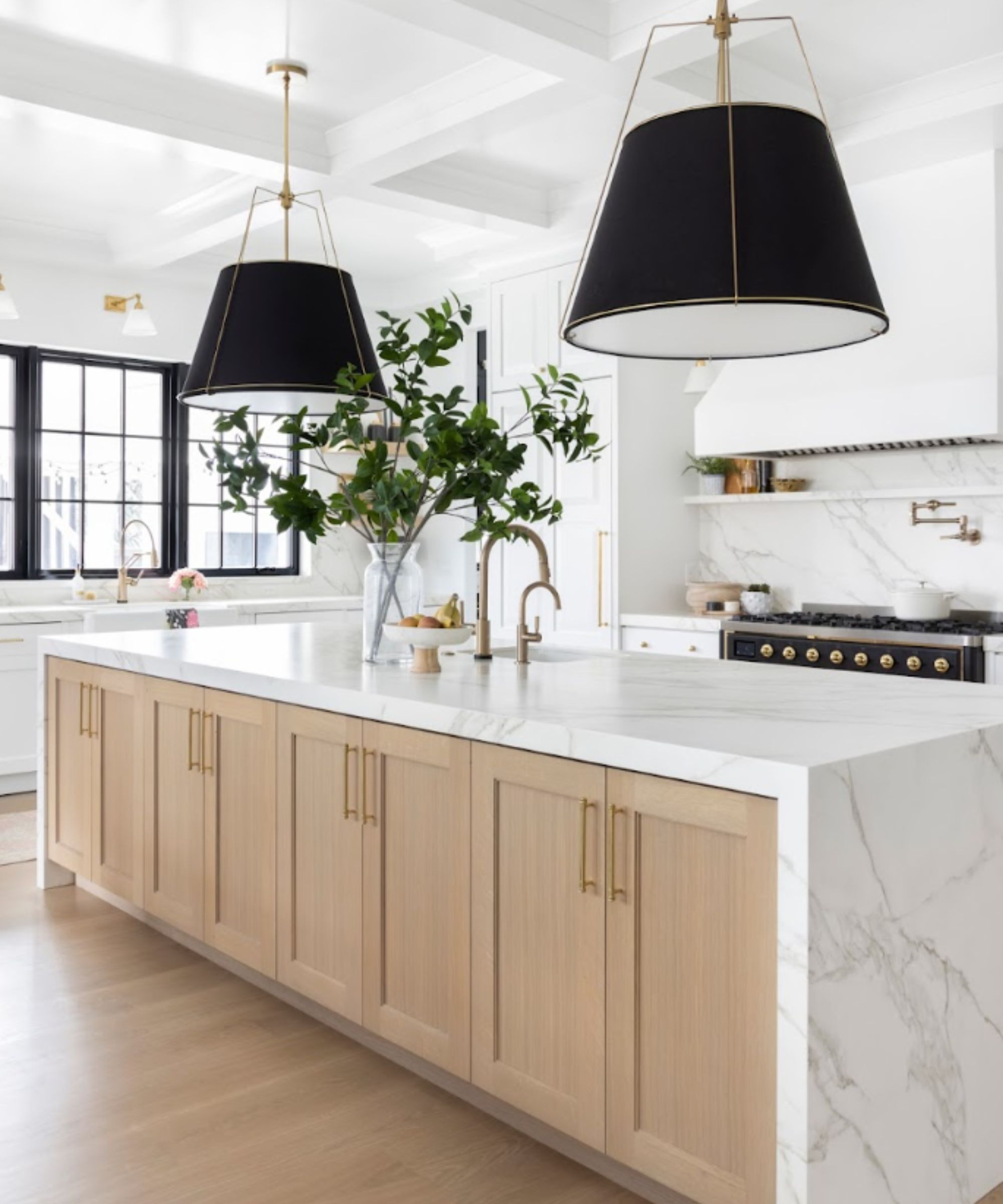
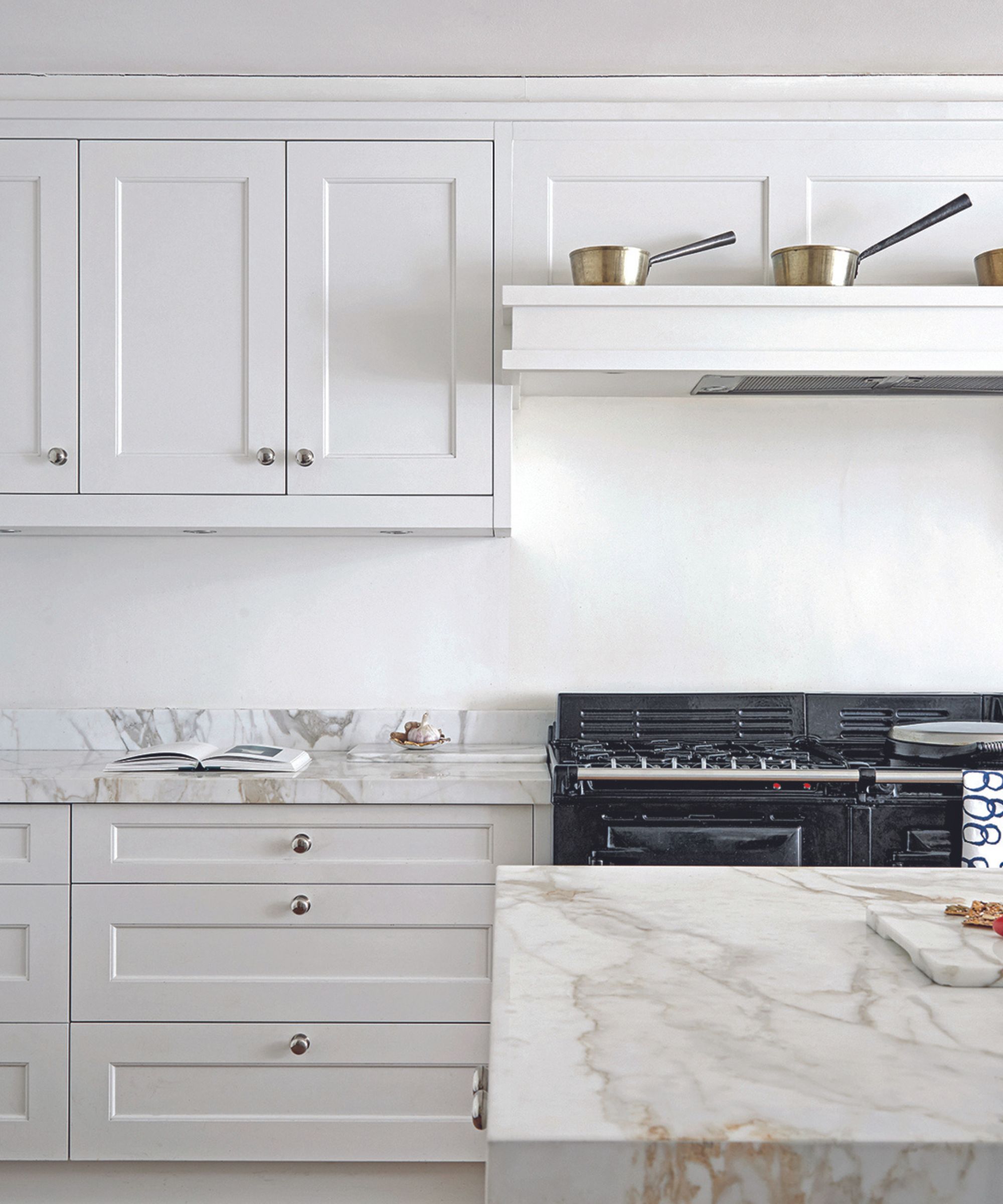
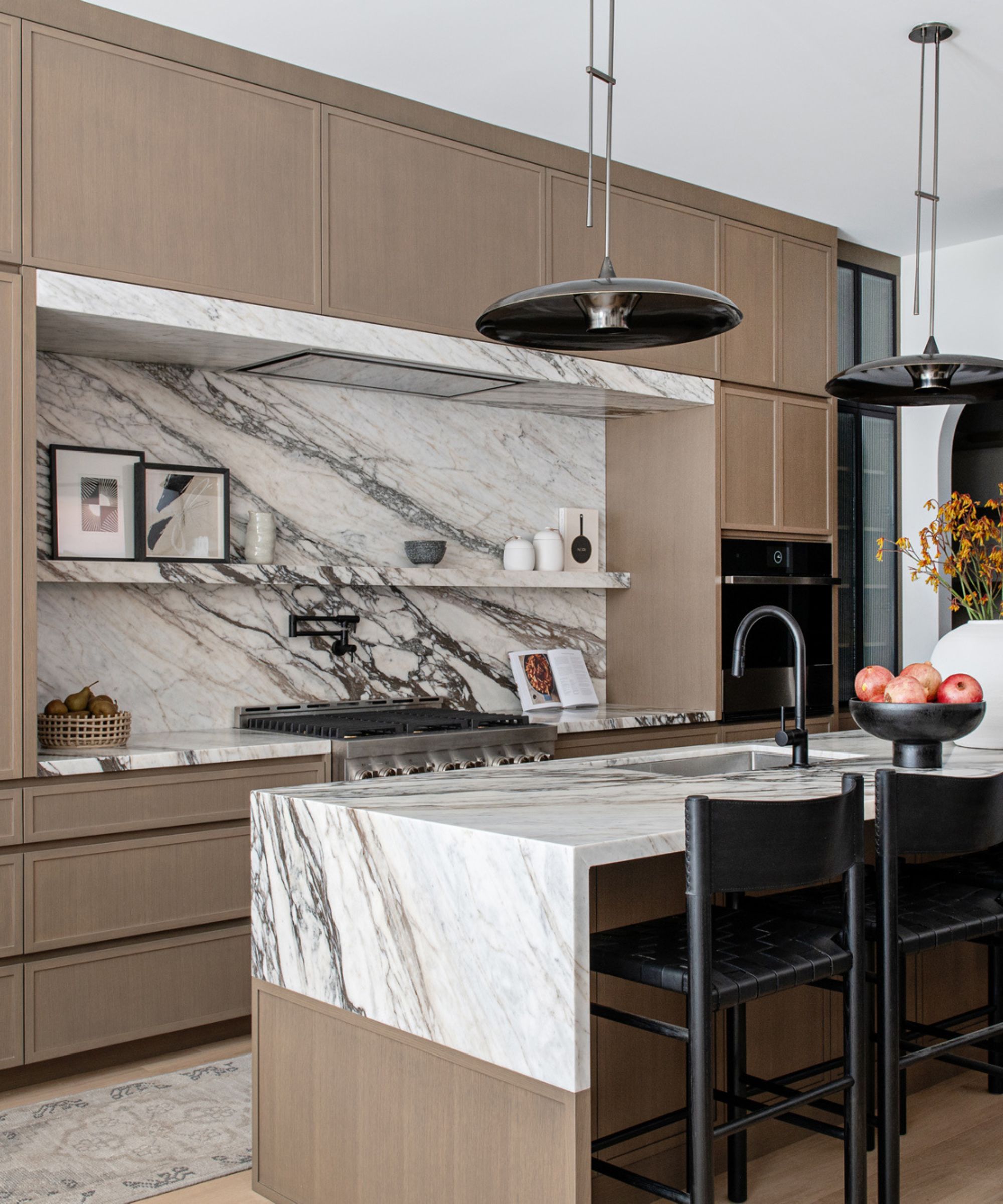
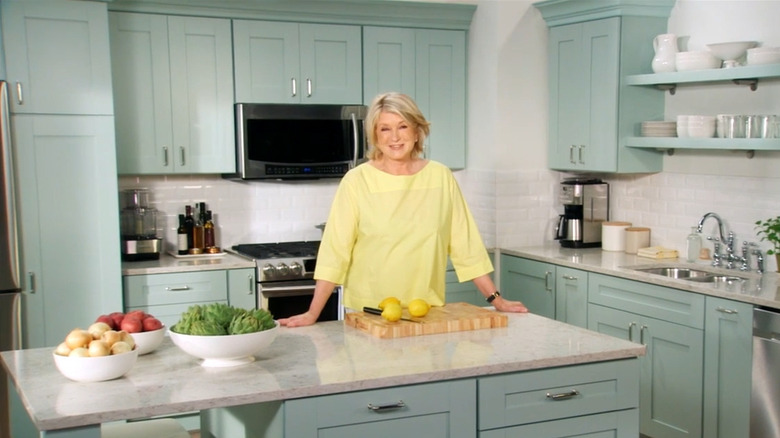
The choice of kitchen countertops significantly influences both the aesthetics and functionality of a kitchen space. While numerous materials exist beyond popular options like marble, consulting lifestyle experts such as Martha Stewart can provide valuable inspiration. Stewart, renowned for her comprehensive lifestyle advice encompassing culinary and gardening aspects, prioritizes functionality in kitchen design. Her preferred countertop materials are stone and zinc, each offering distinct advantages and disadvantages.
Stewart's past experiences with various materials, including marble, soapstone, and wood, have led her to favor stone for its ease of cleaning compared to wood. She also highlights her appreciation for zinc, particularly for its practical benefits in baking. Zinc countertops, present in her Maine home, are described as the "baker's choice" due to their non-stick properties, allowing dough to be rolled without additional flour. This preference underscores her emphasis on utilitarian design over purely decorative elements.
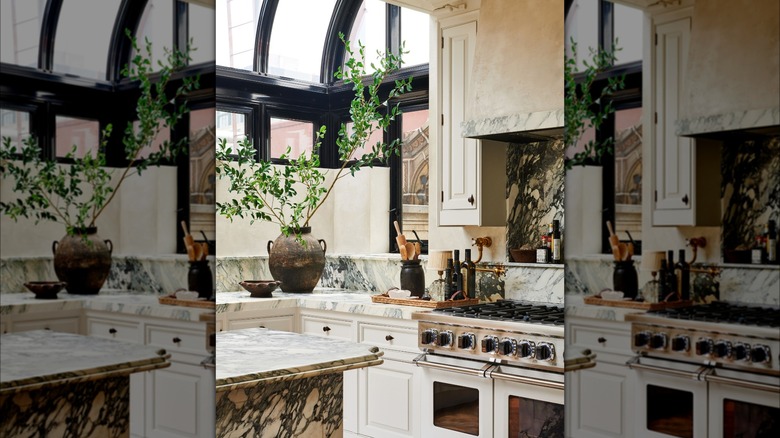
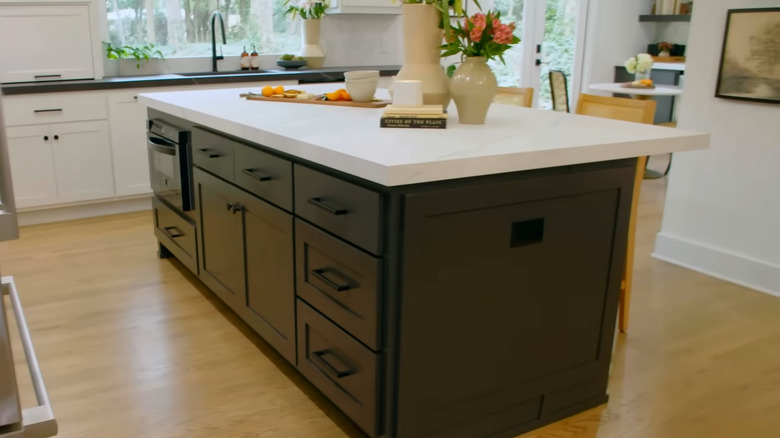
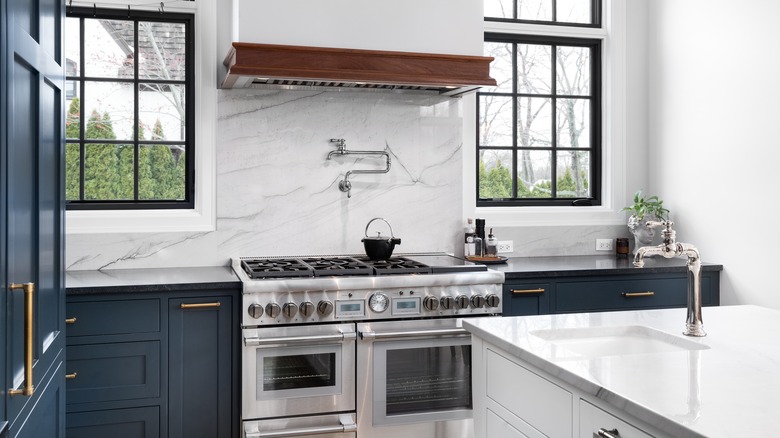
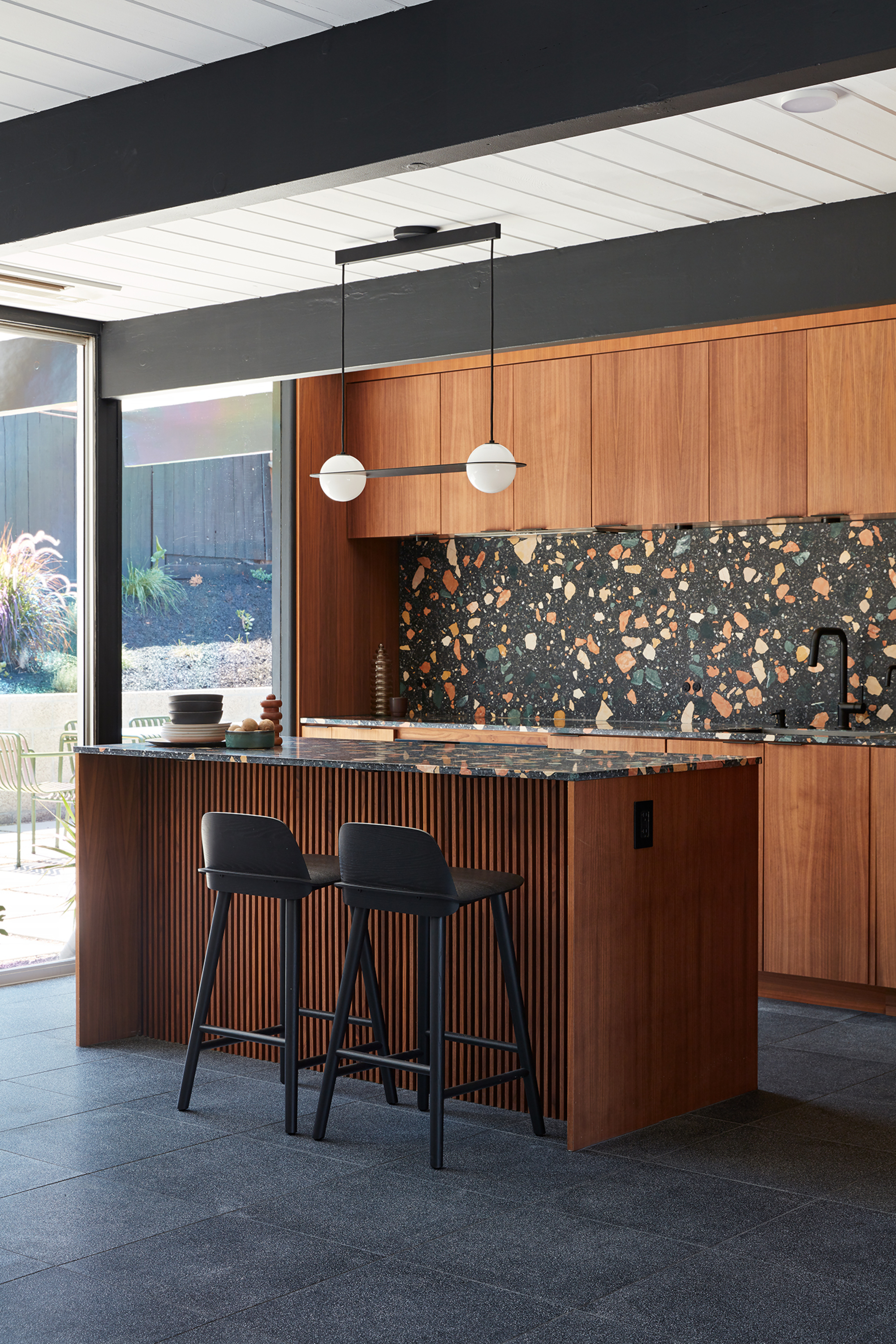
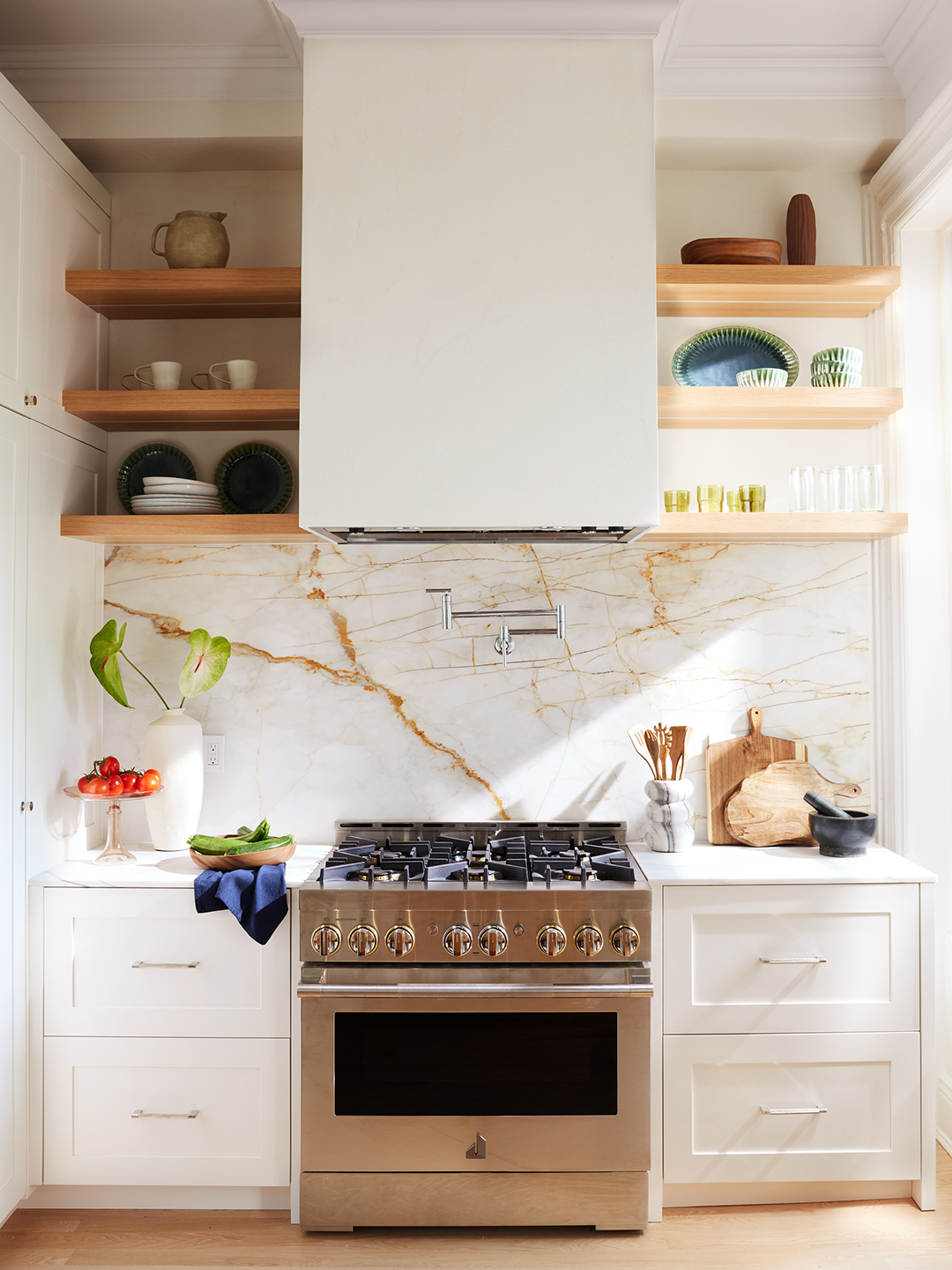
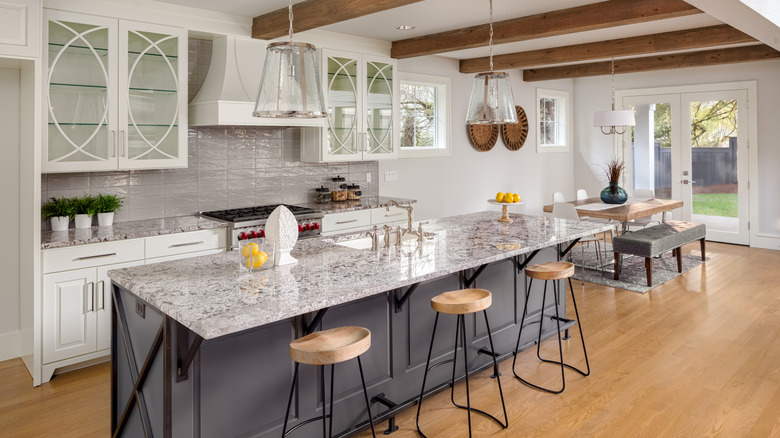
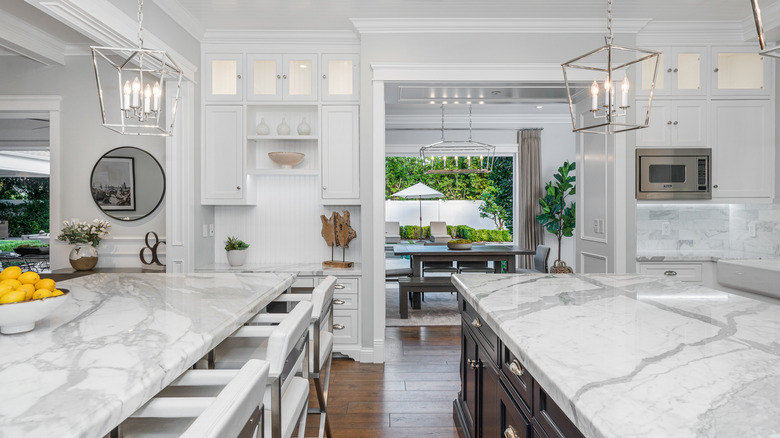
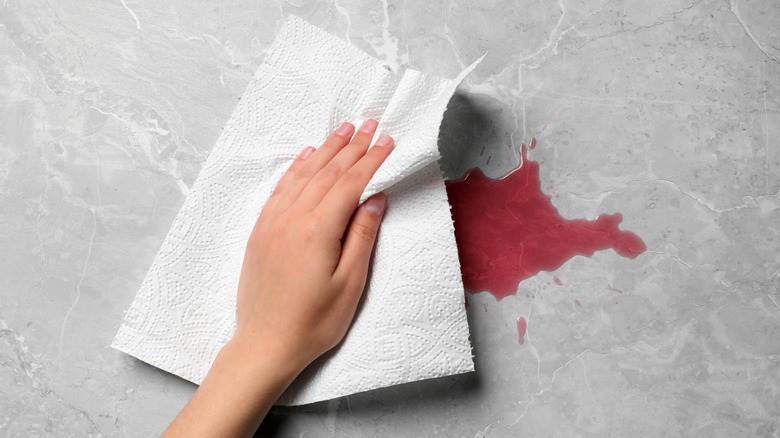
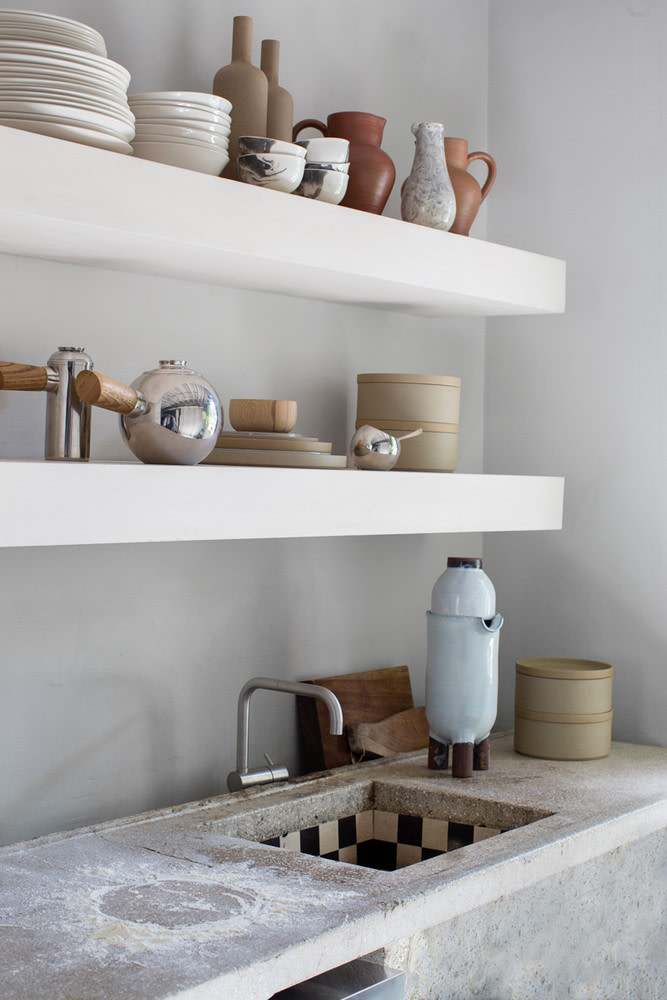
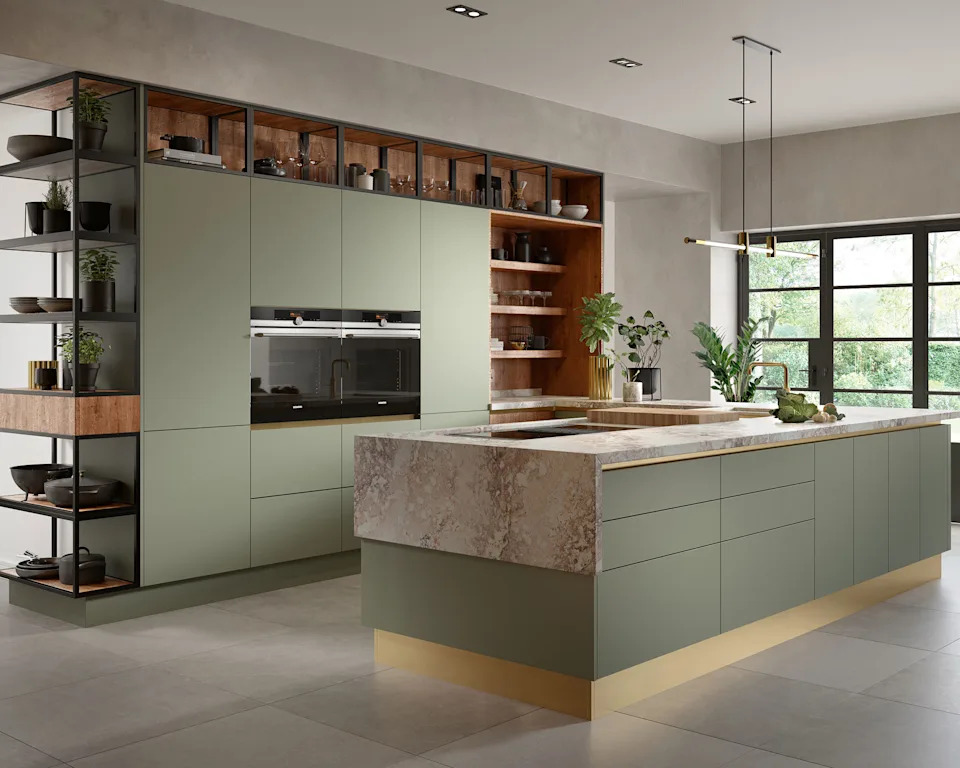
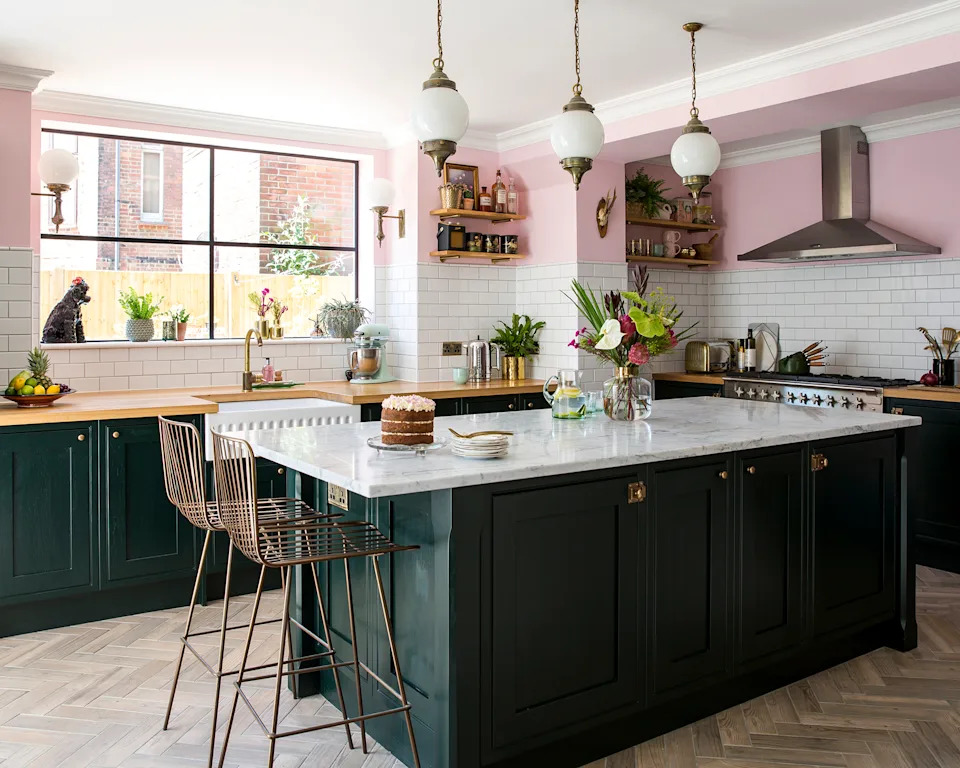
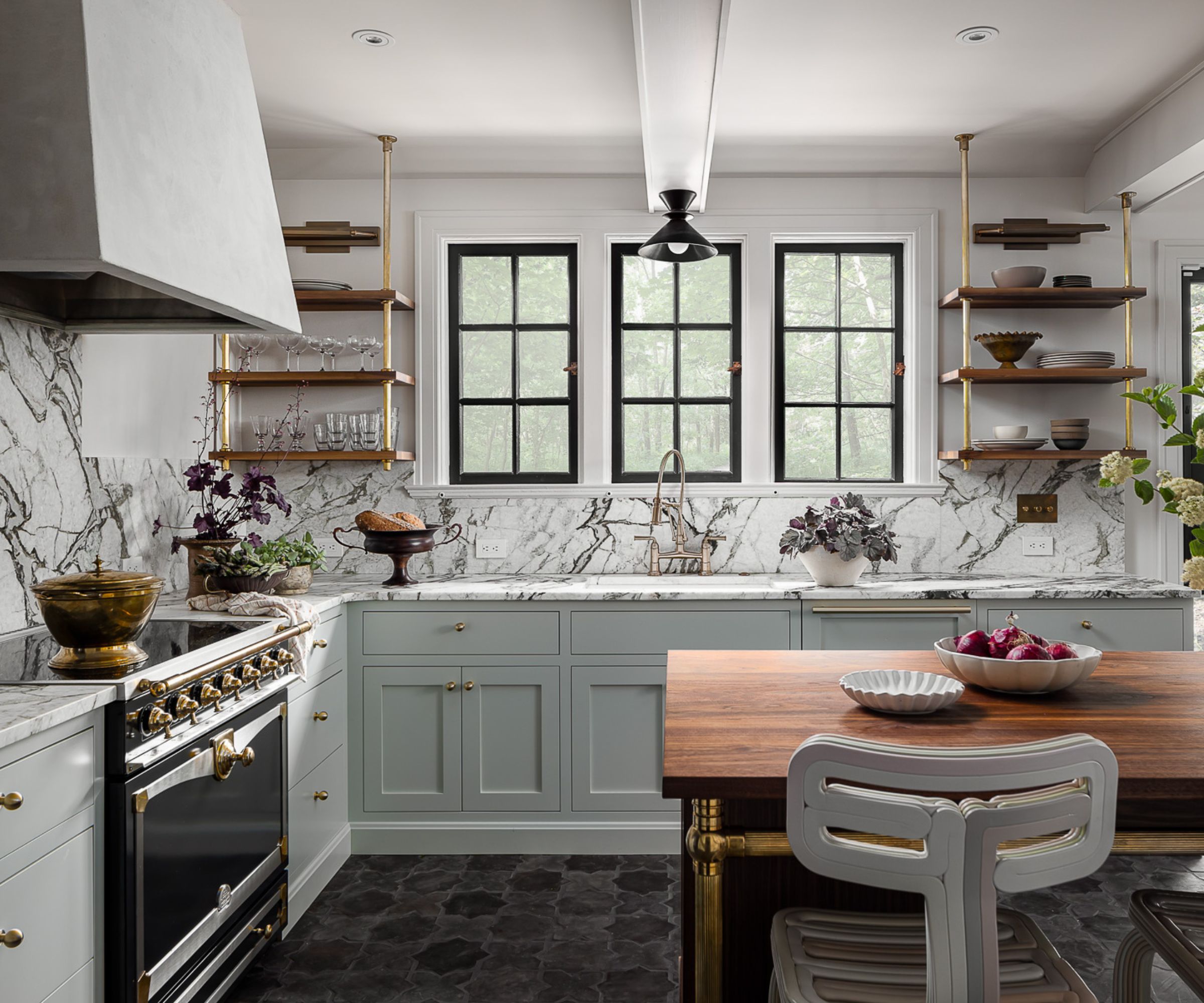
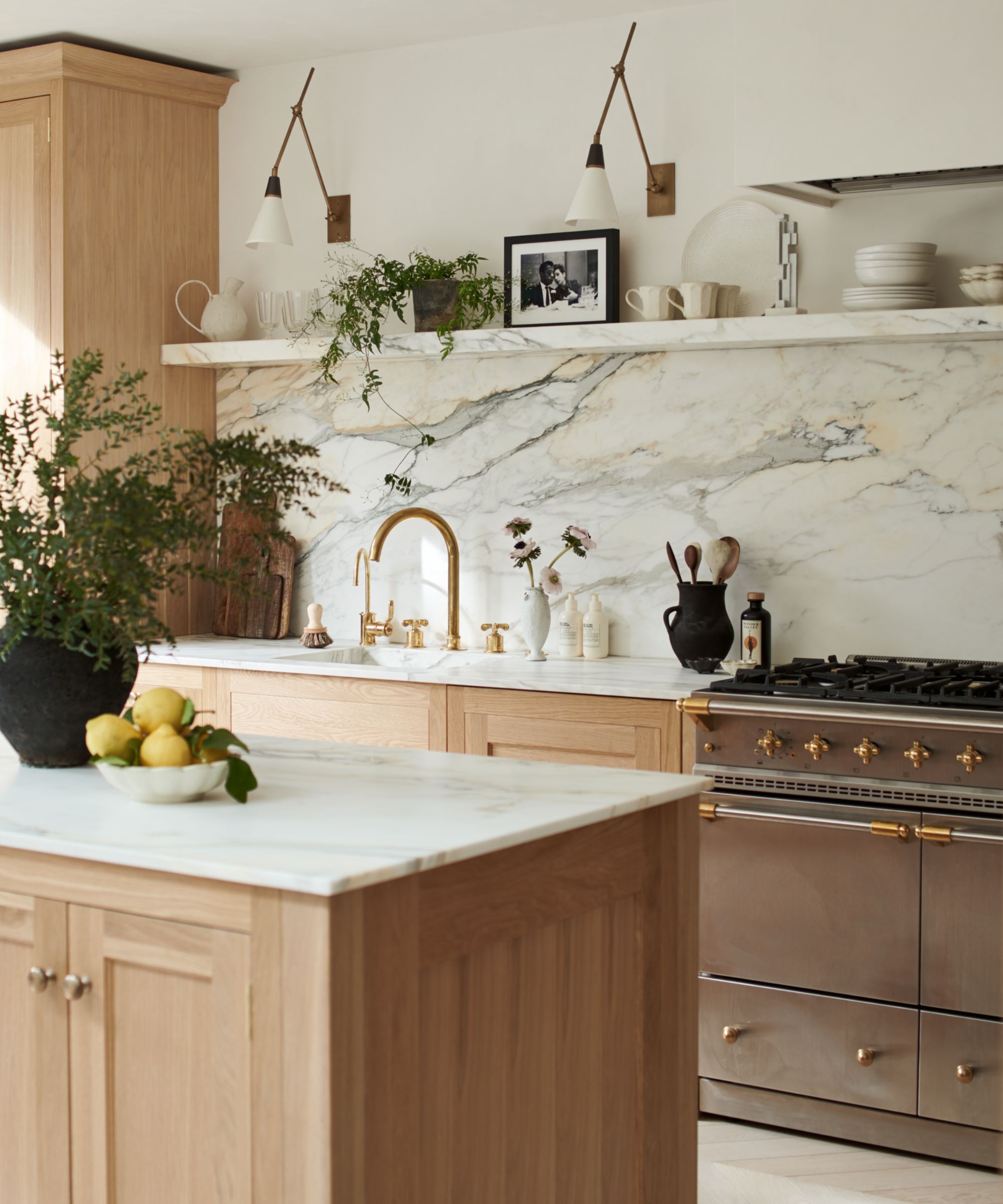
Both stone and zinc countertops contribute significantly to a kitchen's functionality, though homeowners must consider their respective pros and cons. Stone countertops are available in two primary forms: engineered and natural. Engineered stone is a man-made composite of materials like quartz, bound by resin and pigments, while natural stone consists of solid rock slabs. The main differentiator between these two types is cost, with natural stone typically being more expensive. Both engineered and natural stone offer durability, elegance, and easy-to-clean surfaces. However, their considerable weight can make installation challenging. Furthermore, a high-end natural stone countertop might paradoxically be a less desirable feature when selling a home, requiring homeowners to consider long-term goals.
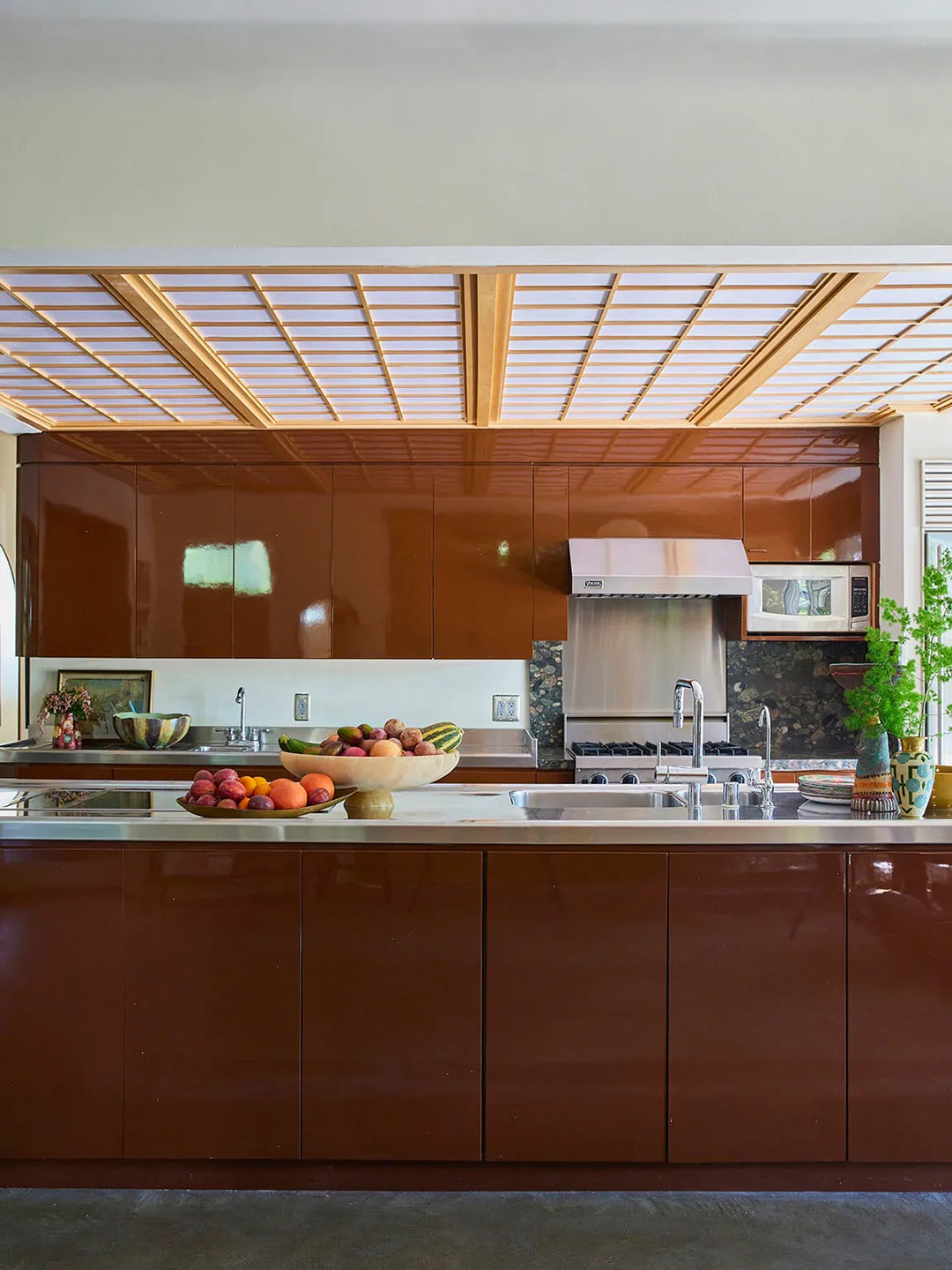
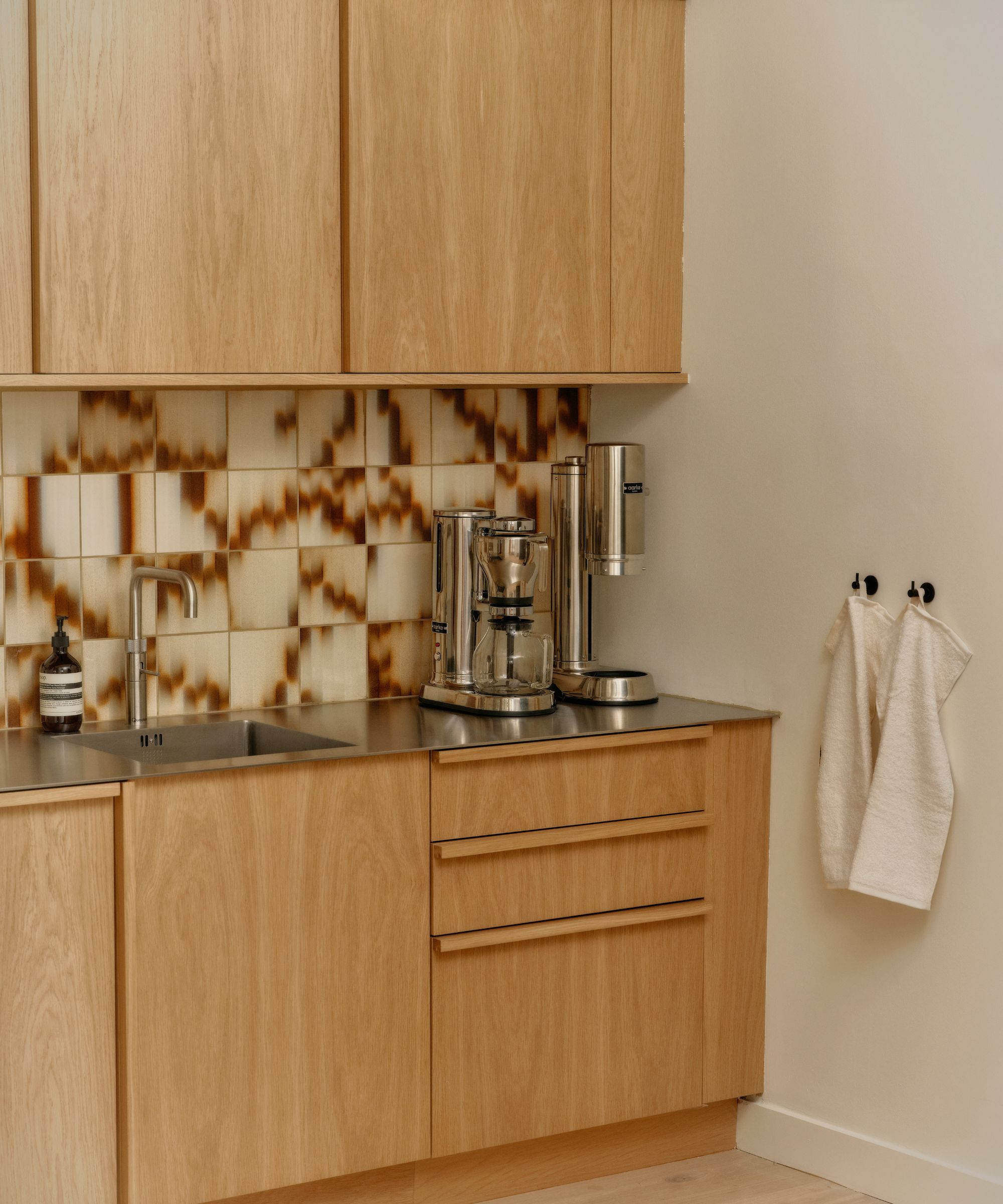
Zinc countertops, in contrast, provide an industrial aesthetic that develops a unique patina over time, varying based on environmental factors. Zinc's non-porous surface and antibacterial properties make it easy to clean and suitable for food preparation. Nevertheless, its softer composition makes it susceptible to scratches. Ultimately, the selection of kitchen countertop material, whether stone, zinc, or another option, is a crucial upgrade that offers a wide array of choices to align with individual preferences and practical needs.
#MarthaStewart #KitchenDesign #CountertopMaterials #StoneCountertops #ZincCountertops #HomeRenovation #KitchenFunctionality #InteriorDesign #MarthaStewart #KitchenDesign #CountertopMaterials #StoneCountertops #ZincCountertops #HomeRenovation #KitchenFunctionality #InteriorDesign
0 comment in total
 No comments yet
You may also like

Martha Stewart's kitchen cabinets utilize 'every inch'

These 5 Martha Stewart white kitchens are eternally in style

What's replacing granite countertops? These are the materials interior designers want to see more of

Martha Stewart's butter yellow kitchen will dominate color trends in 2026

Martha Stewart’s 1980s Powder Blue Kitchen Is the Design Blueprint for the Modern Maximalist Movement – It's Never Felt More Inspiring

Martha Stewart designed a chic stool that's a 2026 must-have

Martha Stewart's 20-year-old kitchen looks like 'it was made yesterday' – and it's all thanks to her timeless cabinet color choice

Martha Stewart is 'in love' with this classic French cooking staple
Gorgeous Countertop Materials Your Favorite HGTV Stars Swear By

Martha Stewart says this classic cabinet color is timeless
4 Kitchen Countertop Materials About to Make a Comeback

Kitchen countertop ideas – 14 worktops in marble, granite and composite materials

The One Material Martha Stewart Avoids For Countertops — And What She Uses Instead


See Inside Martha Stewart’s Farmhouse Kitchen Before Her Big Return to TV
How To Pick The Perfect Countertop Material For Your Kitchen

5 kitchen countertop materials that are out of style for 2025, according to designers
14 Of Martha Stewart's Favorite Kitchen Design Tips
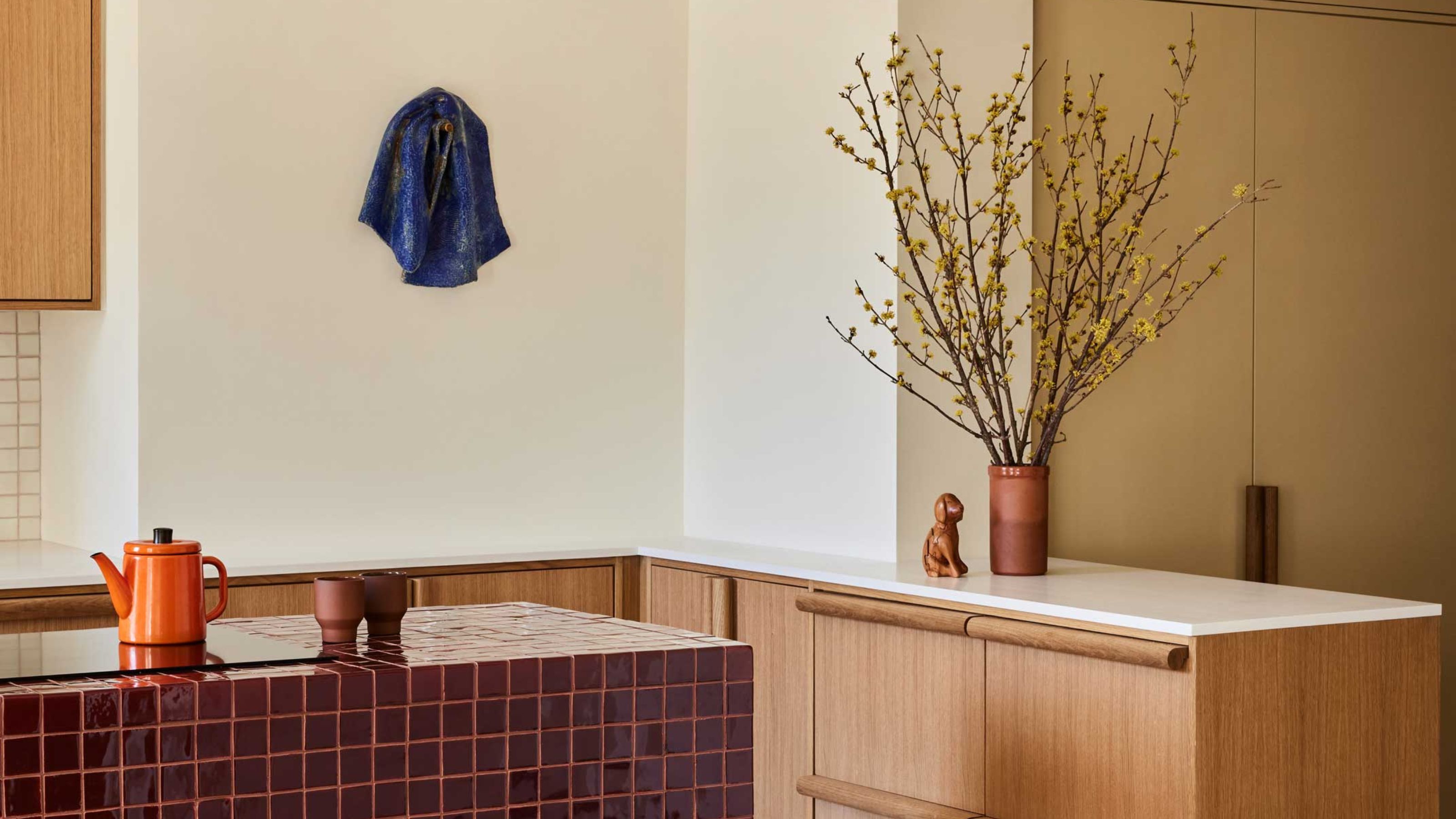
Move Over Granite (and Quartz)! These Alternatives Are What We're Dreaming of For Design-Forward Kitchens

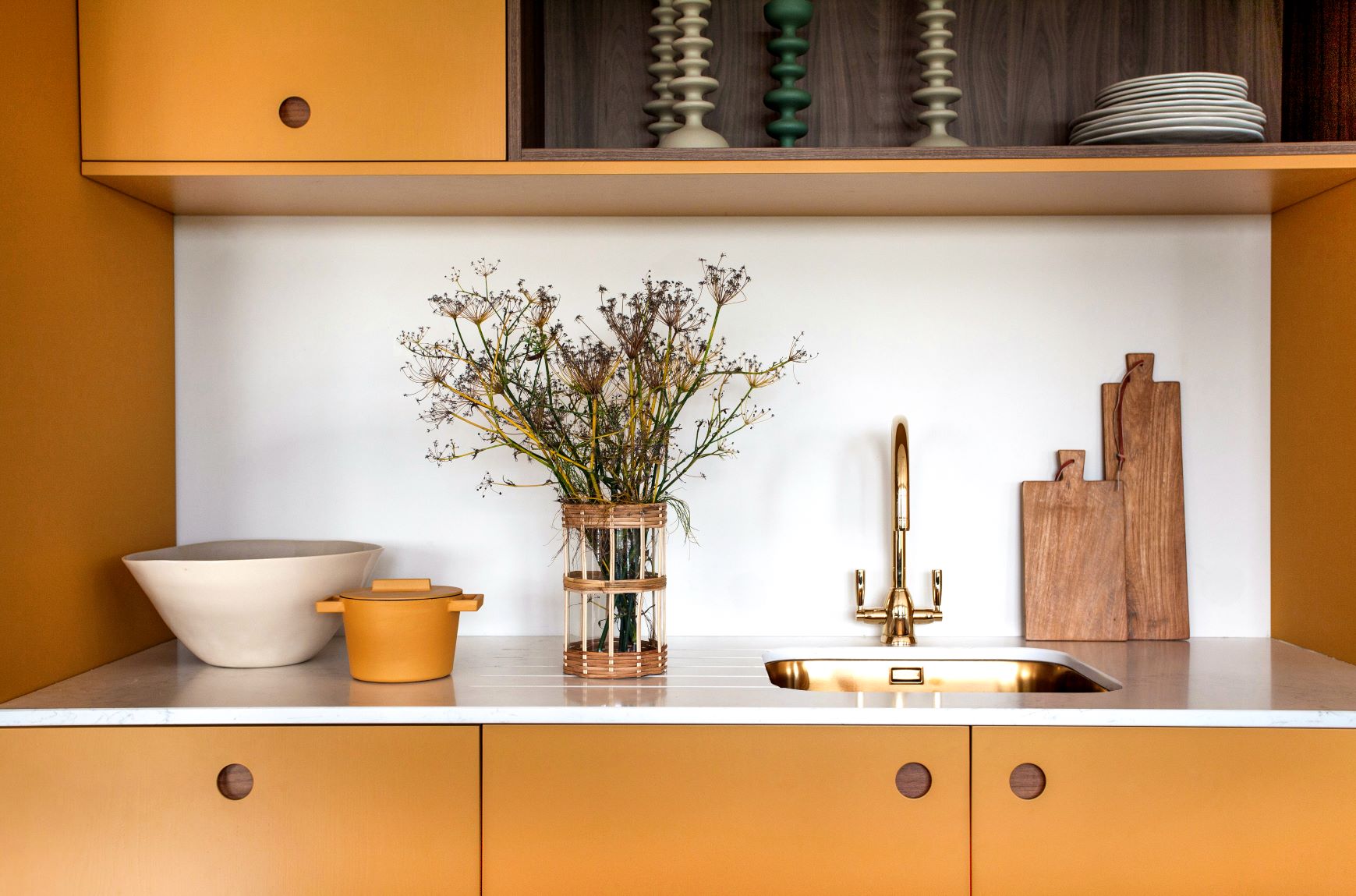
A Crash Course in Choosing Kitchen Countertops

Martha Stewart's Preferred Style Of Kitchen Cabinet Is A Timeless Classic