1/10
Snug room ideas – 9 ways to design and furnish our favorite room in the home
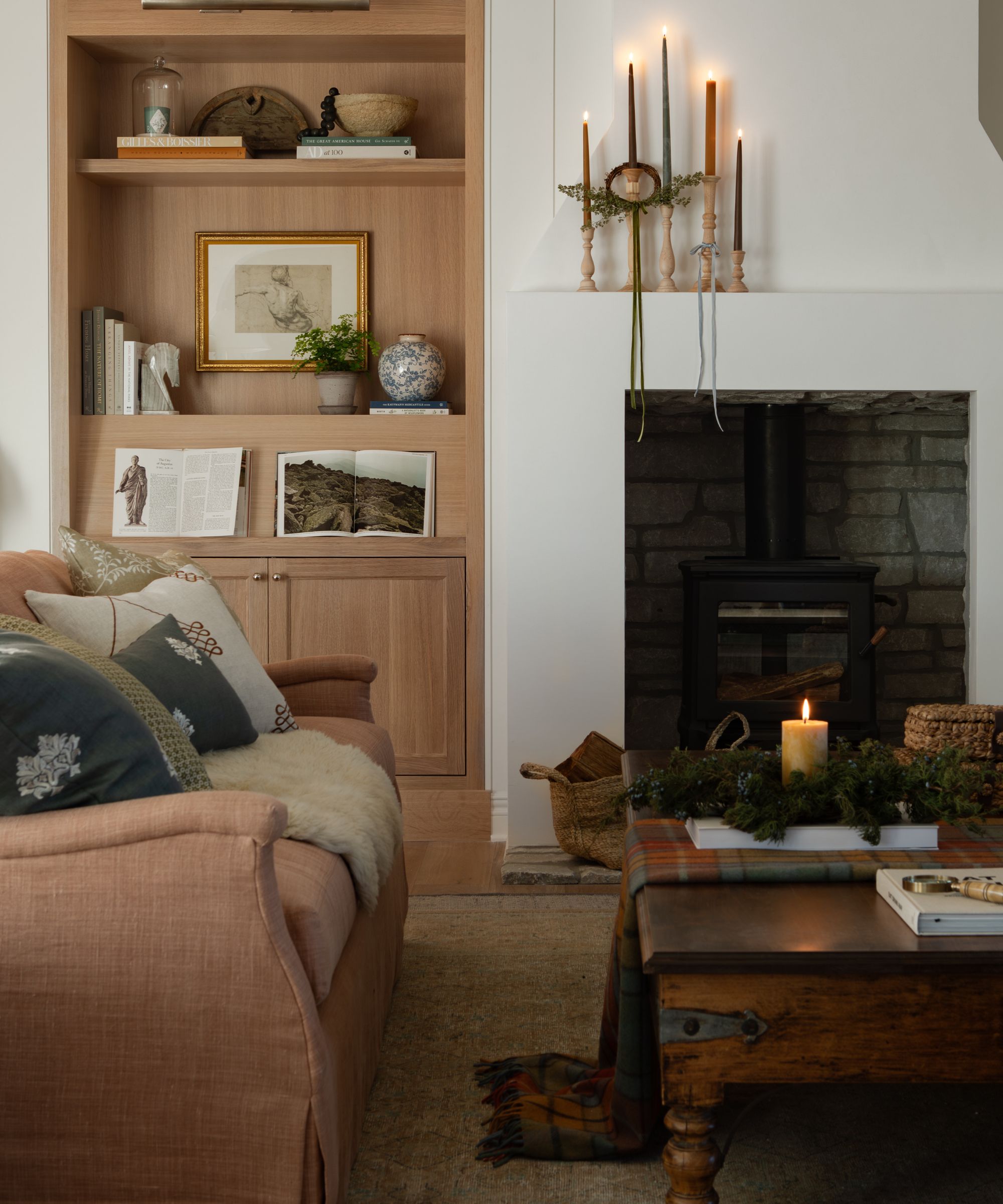
The article explores various design strategies to create a warm, cozy, and inviting 'snug room' within a home. A snug room is characterized as a space for relaxation, conversation, and personal comfort. The primary focus is on maximizing comfort and intimacy in smaller, dedicated spaces, rather than larger, potentially uncomfortable family rooms. Key considerations include furniture selection, seating arrangements, color palettes, use of patterns, and the integration of soft furnishings.
One significant aspect of designing a snug room is selecting appropriate furniture. Mike Fisher, creative director at Studio Indigo, emphasizes the challenge of getting furniture right, suggesting that pieces should be stylish yet contribute to the room's personality and harmony. He advises using large-scale furniture sparingly in smaller snugs to create an illusion of grandeur, noting that people often prefer snugs due to their intimate and cozy feel compared to larger family rooms.
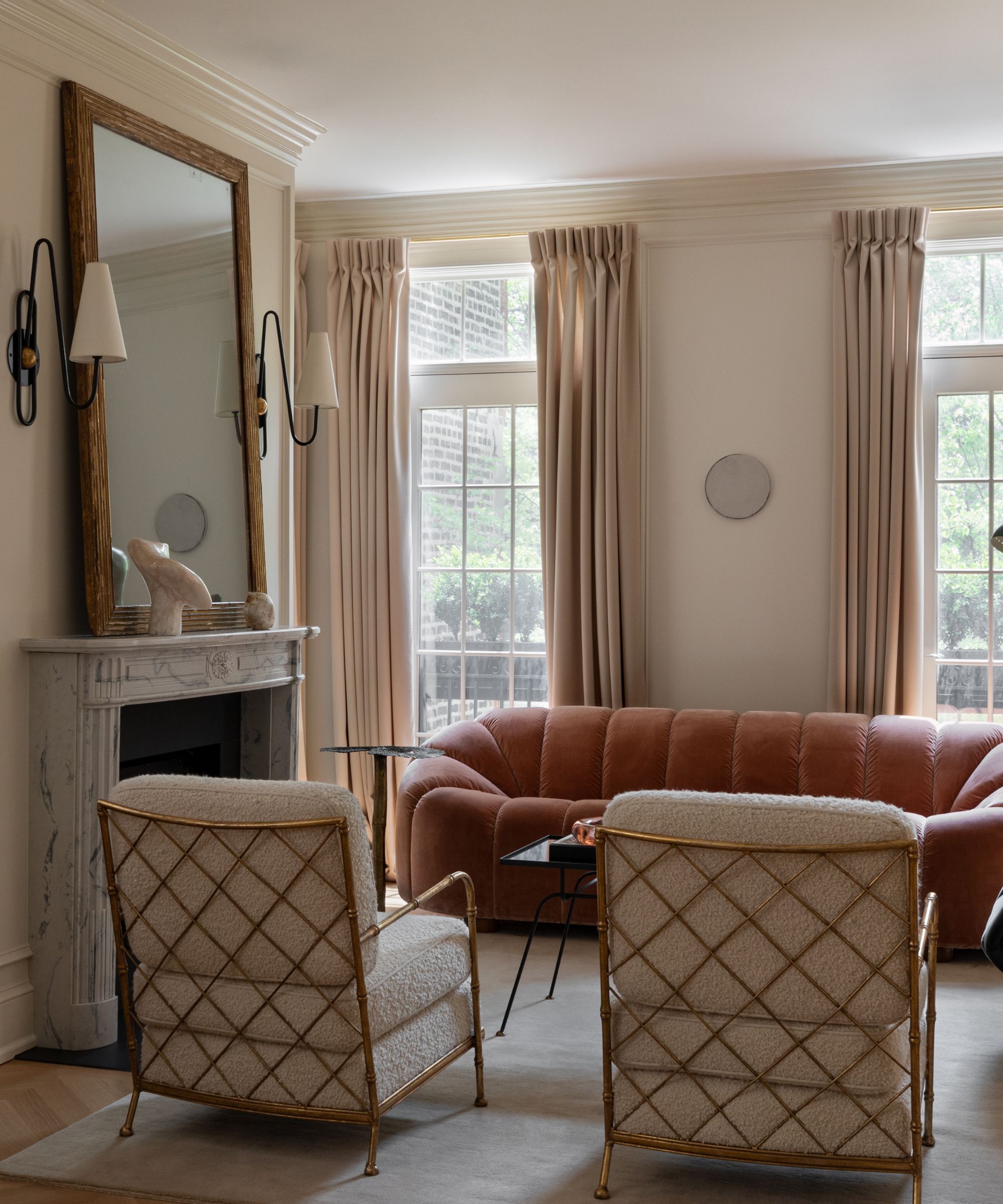
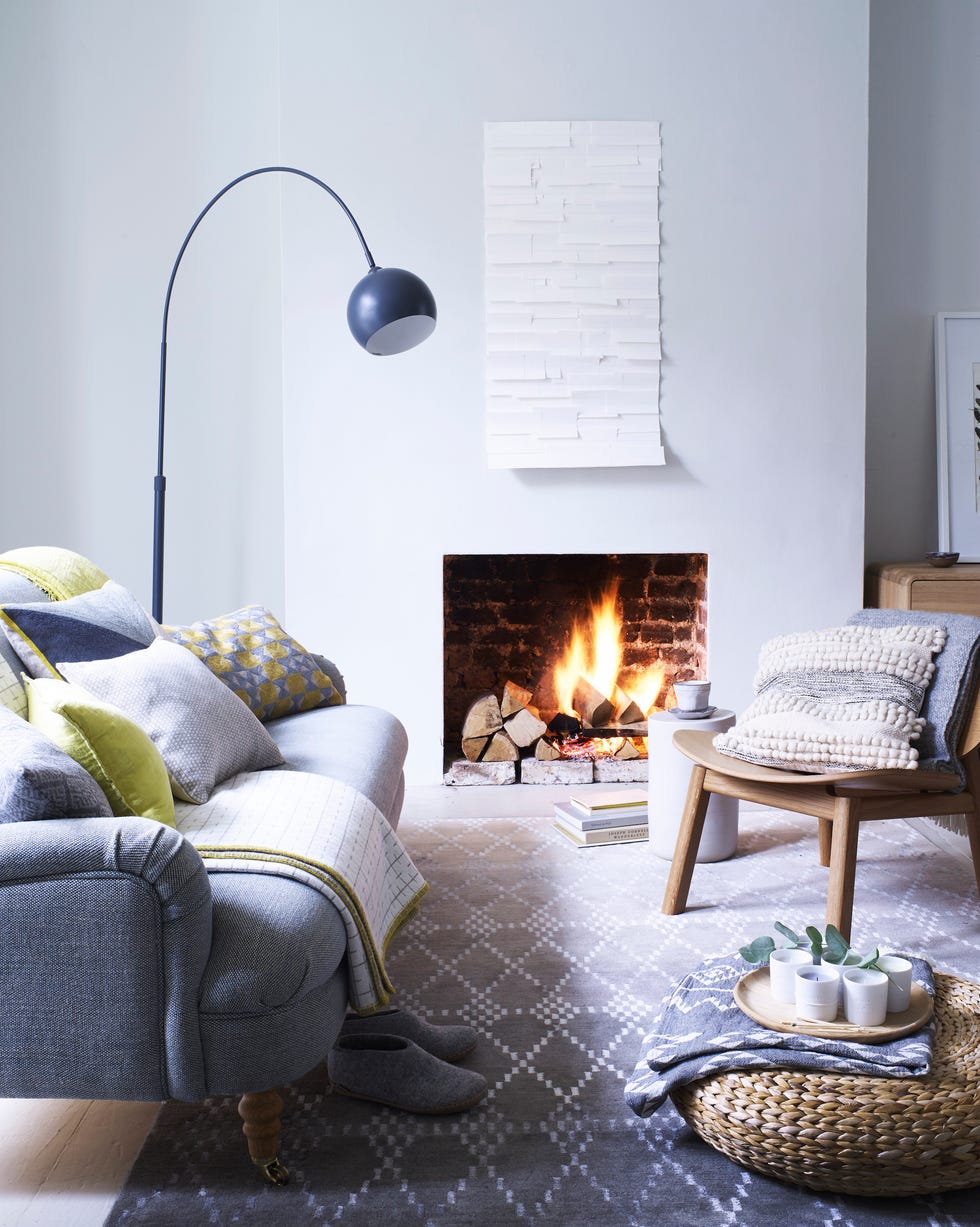
Conversational seating is highlighted as crucial for snug rooms, particularly for social gatherings. Legendary interior designer Nina Campbell stresses the importance of thoughtful seating plans, akin to dinner table arrangements, to encourage conversation. She suggests a central focal point like a fireplace, with seating arranged in groups of three, such as chairs on either side of the fireplace and a smaller 'chauffeur' chair, alongside a moderately deep sofa or a corner banquette for larger groups. The goal is to facilitate comfortable interaction among guests.
The article also presents alternative uses for snug spaces, such as creating a cozy dining corner. Henry Prideaux, an interior designer, advocates for subtle and ambient lighting in dining snugs, preferably dimmable, to accommodate various occasions from informal family meals to intimate dinners. This flexibility ensures the space can be adapted for different moods and functions.
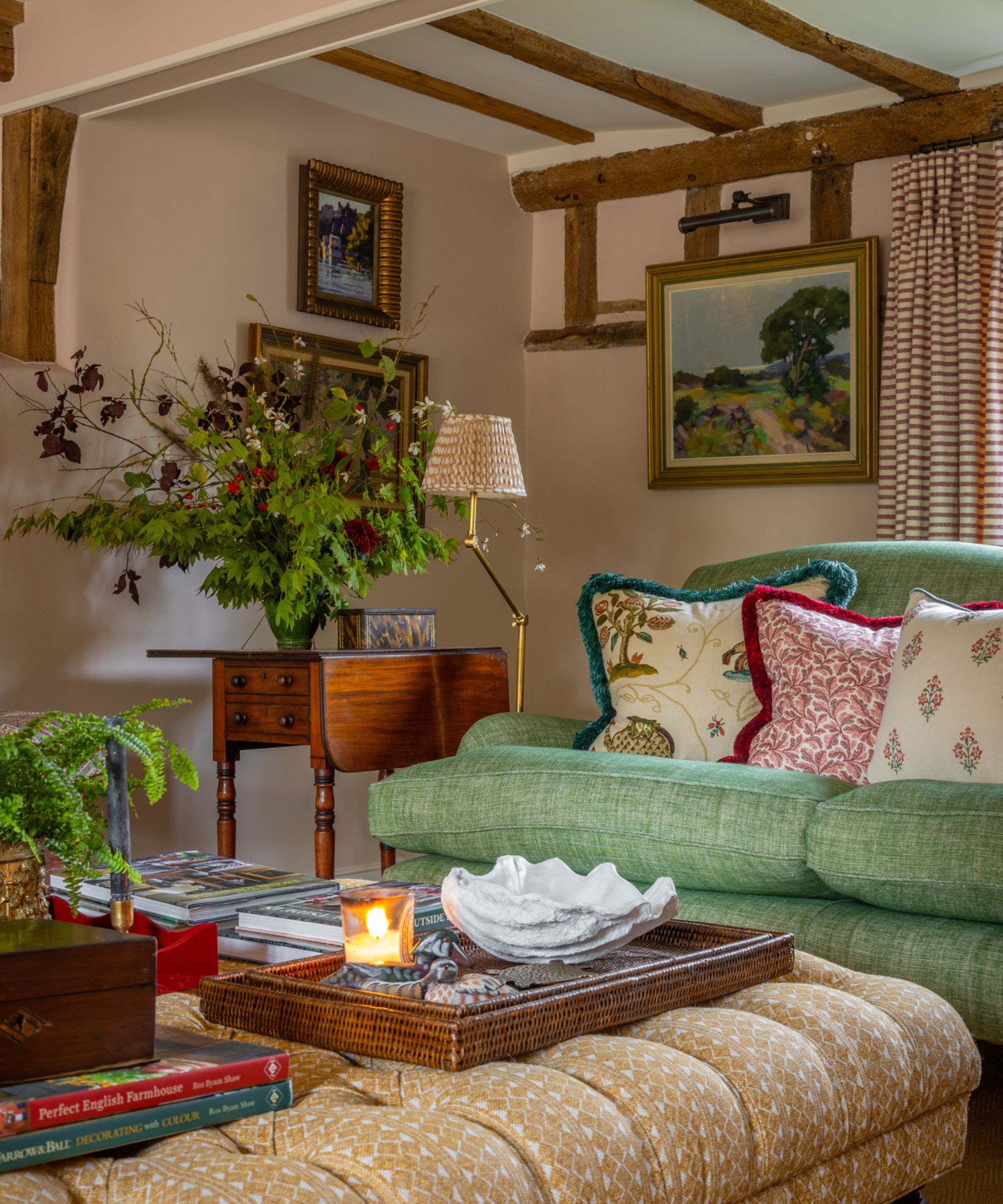
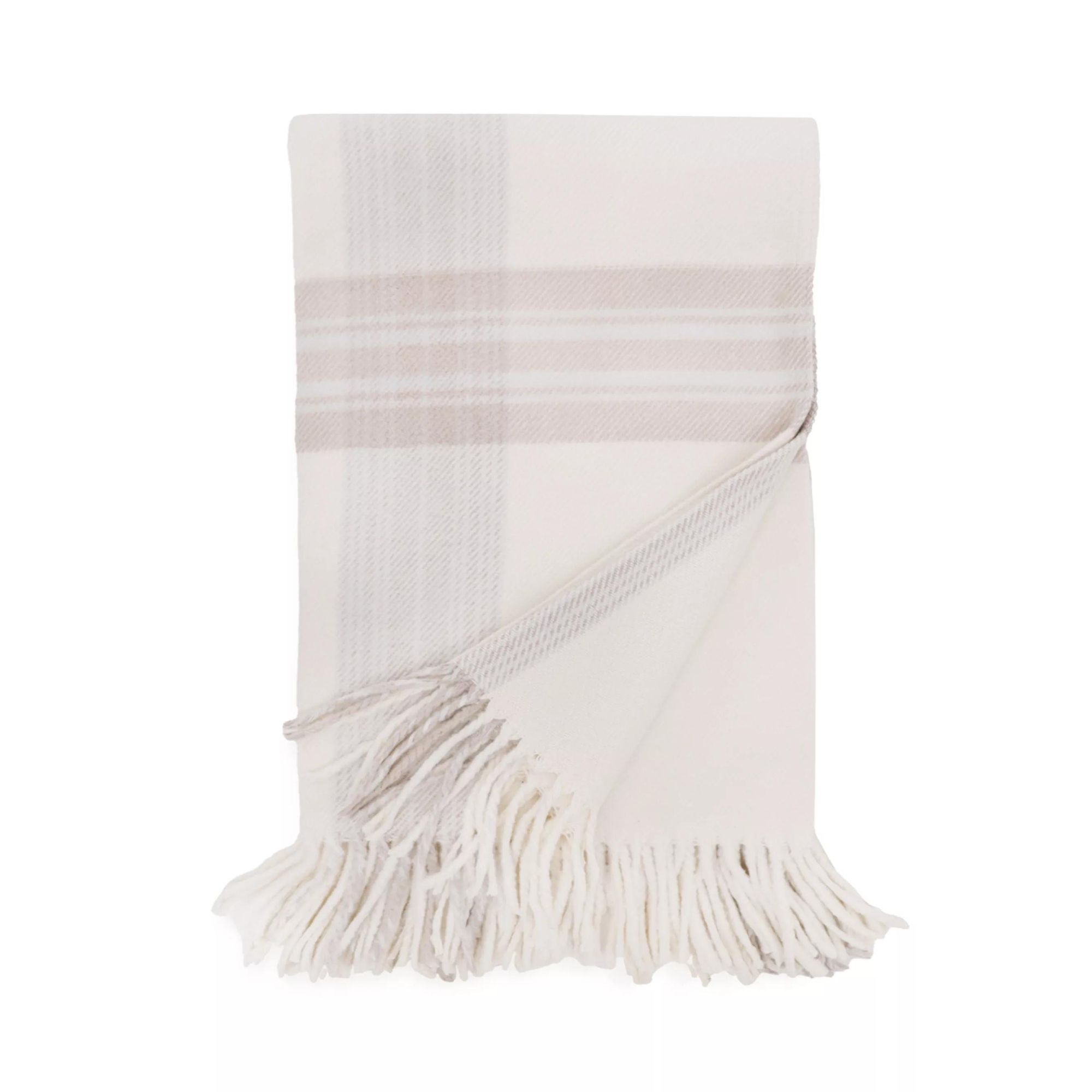
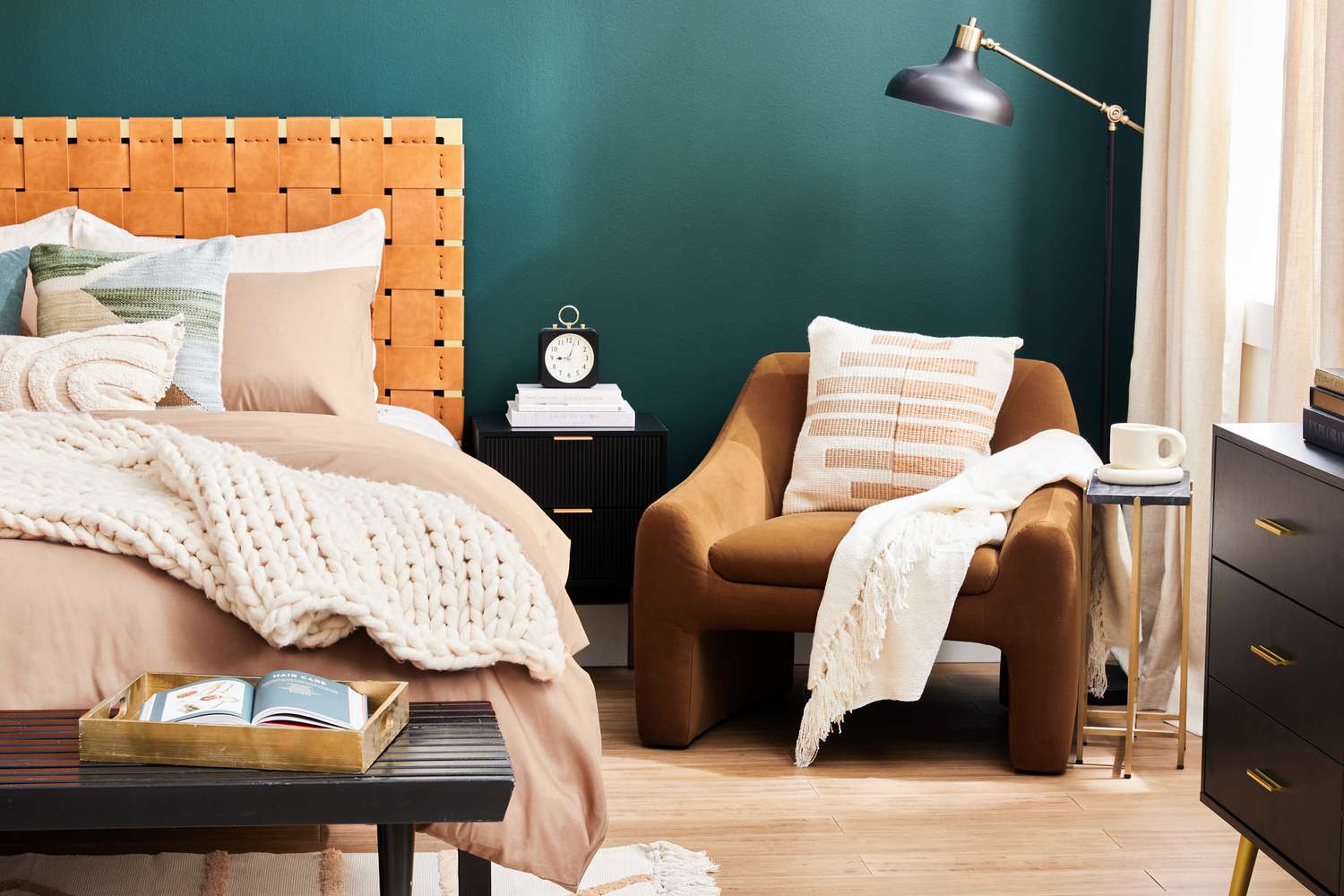
Customizing the snug with cushions is another effective way to enhance comfort and luxury. Nina Campbell notes the complexity of coordinating different fabrics and textures in cushions, which can significantly alter a room's feeling without extensive redecoration. She recommends rich colors and varied textures, particularly wool for winter, to promote coziness and prevent creasing.
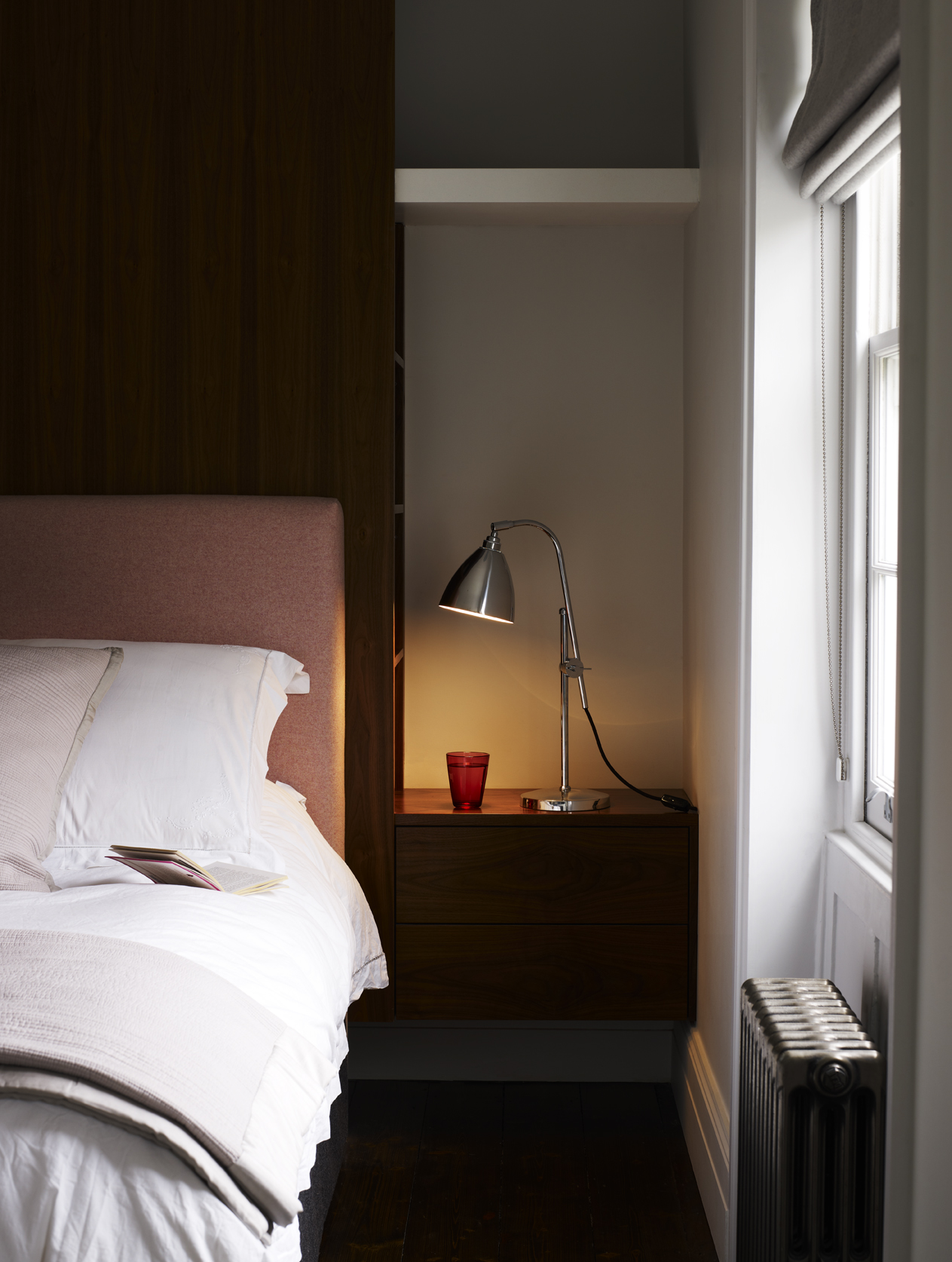
Color choices play a vital role in setting the mood of a snug room. Amelia McNeil, an interior designer, suggests painting small rooms in dark colors to make them feel cozy and snug. She even extends this to painting window frames and architraves in the same dark hue, allowing elements like wallpaper to become the main focal point. This approach creates a cohesive and enveloping atmosphere.
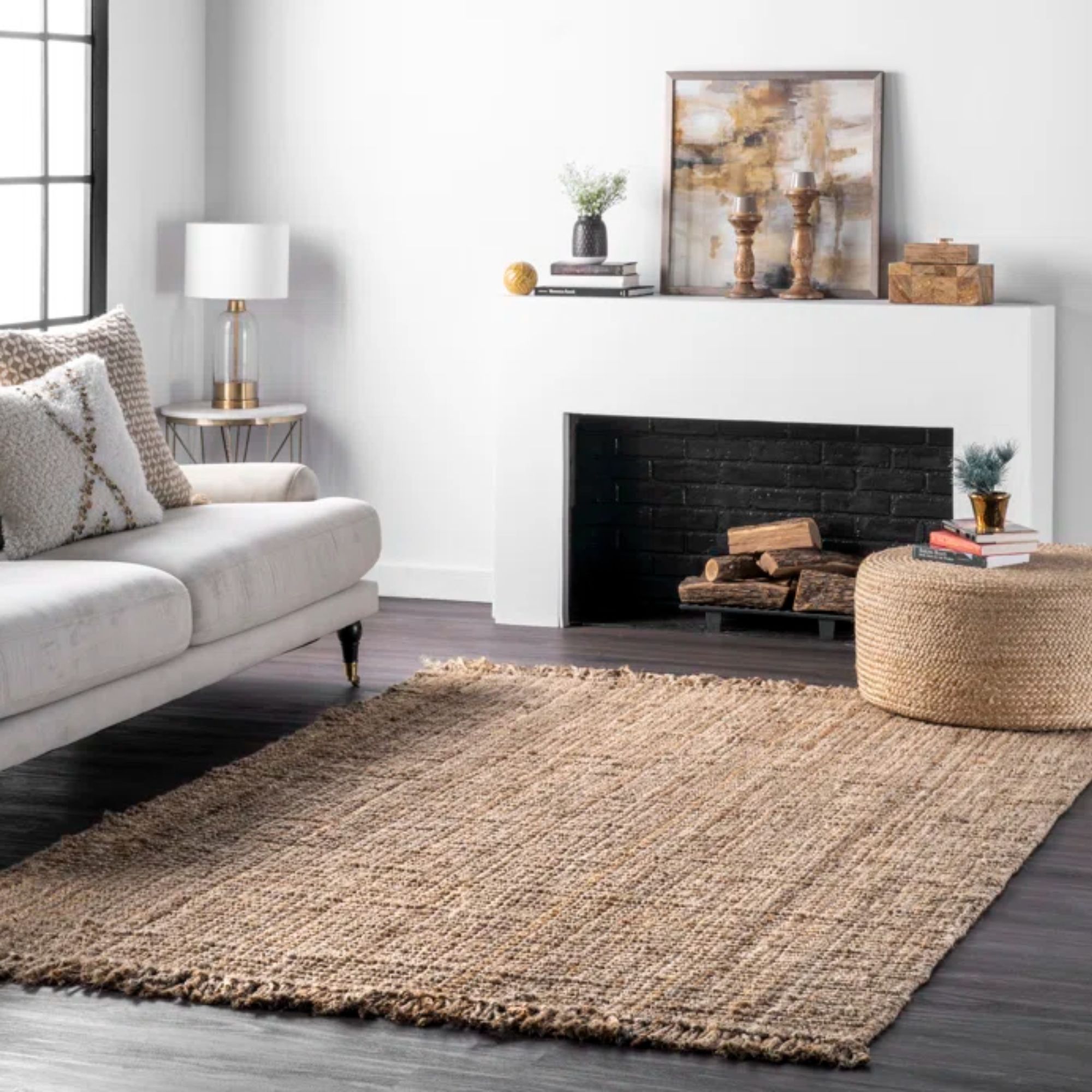
Contrary to common belief, filling a snug room with large-scale furniture can actually make it feel more spacious. Sheena Murphy of Nune advises against small-scale furniture, suggesting that a fully sized rug and a three-seater sofa, if space permits, will look better and provide more comfort than smaller alternatives. Lonika Chande supports this, adding that armless sofas and floor lamps can be more space-efficient than armchairs and table lamps in a small snug.
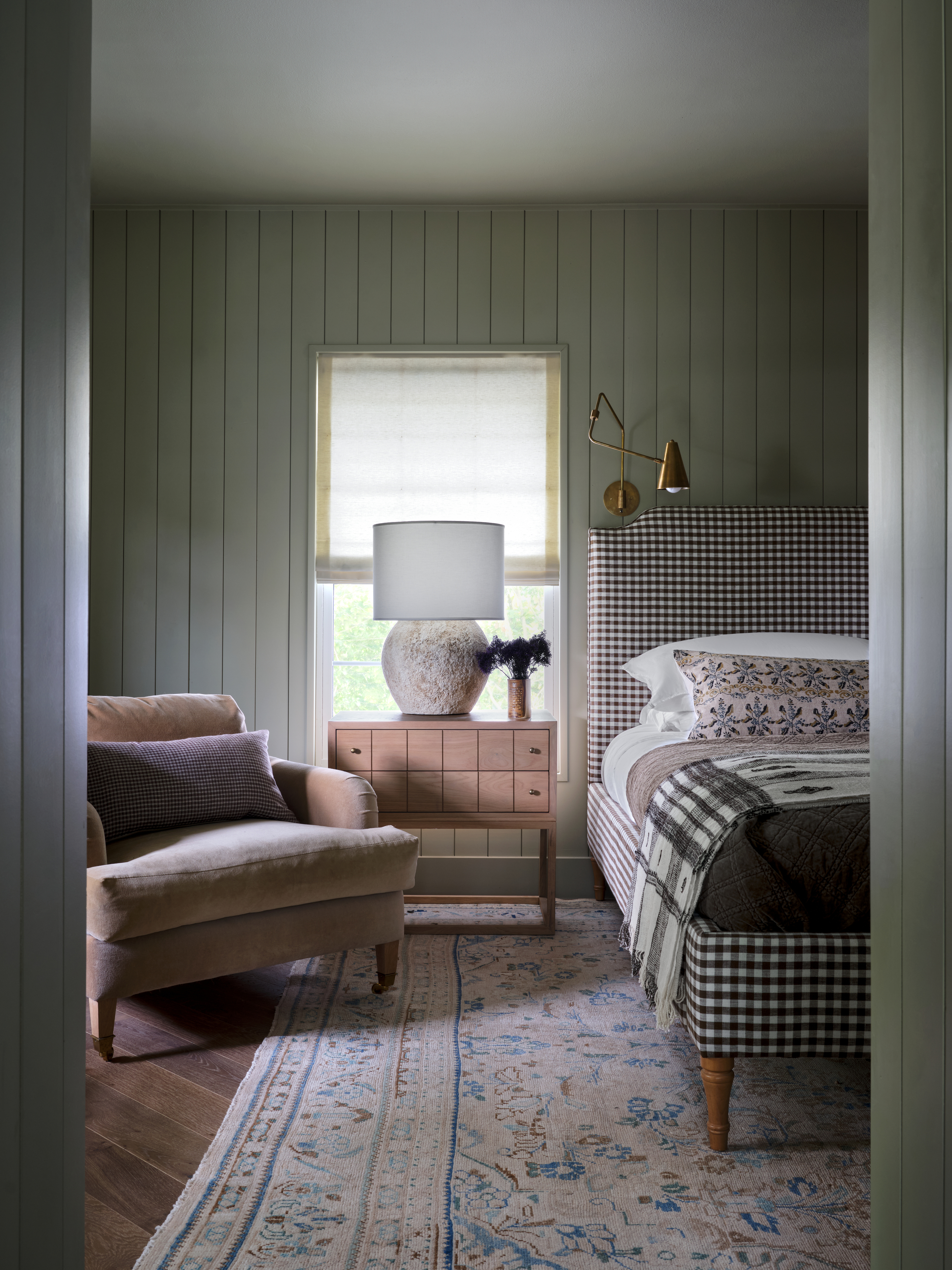
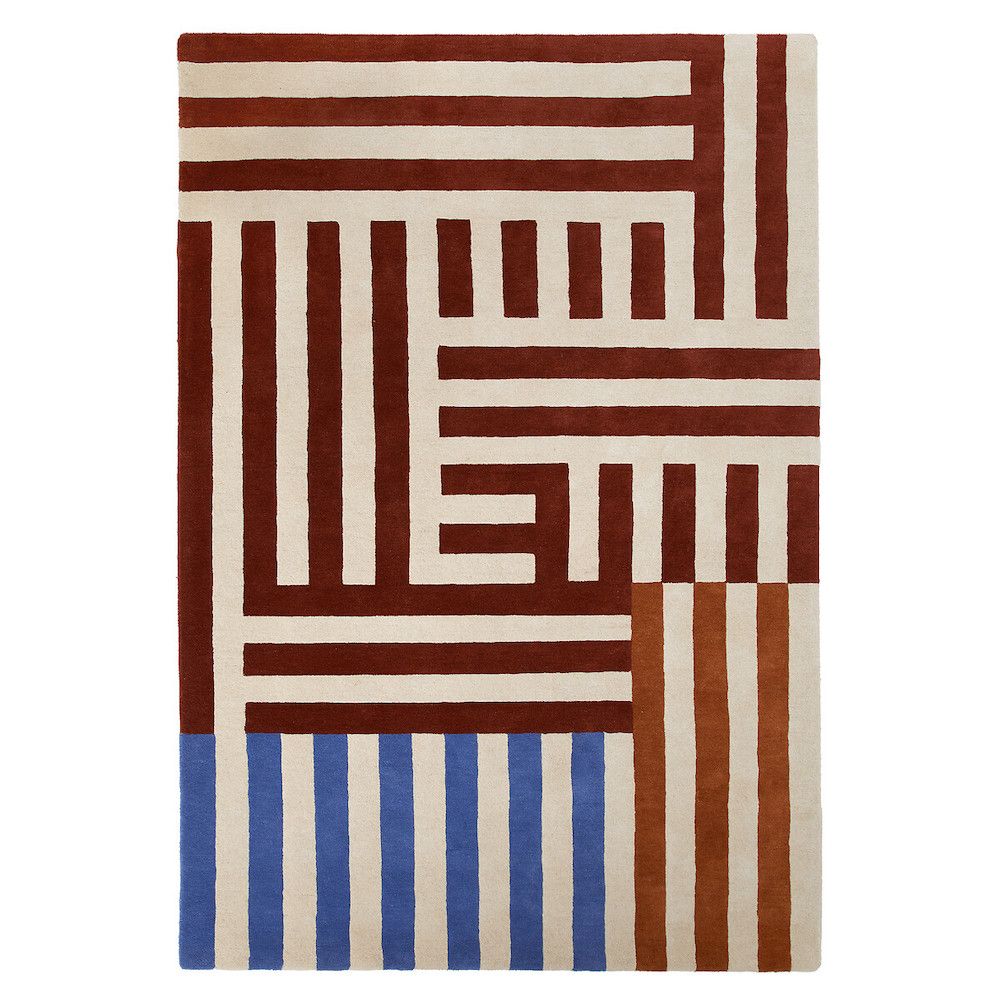
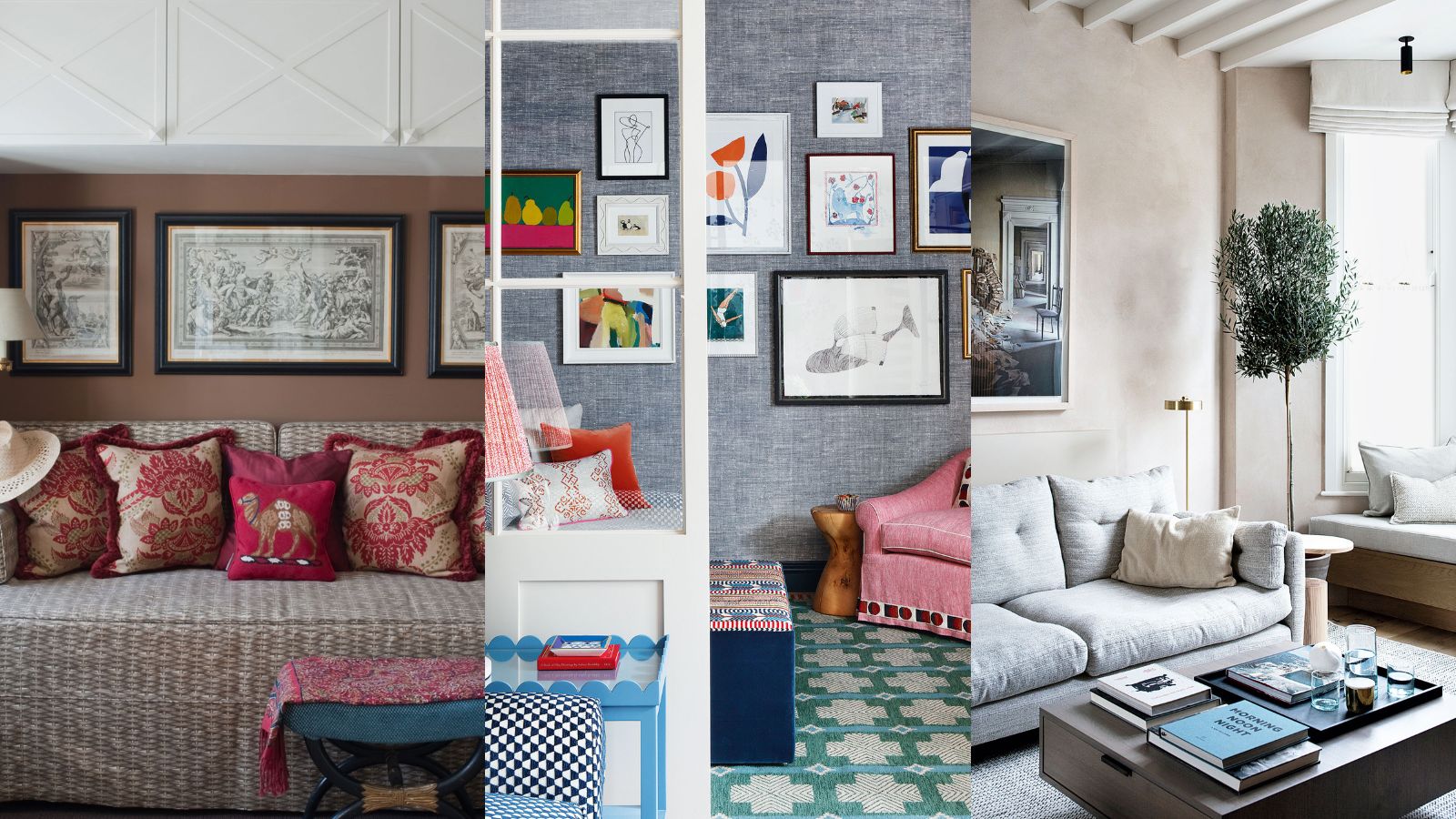
Daring to decorate with plentiful patterns is encouraged to reflect the personalities of the inhabitants and add a playful element. Eva Sonaike suggests using patterned scatter cushions, upholstered occasional chairs, and pouffes, with these themes echoed in accessories. This approach allows for creative expression and makes the room feel functional and fun.
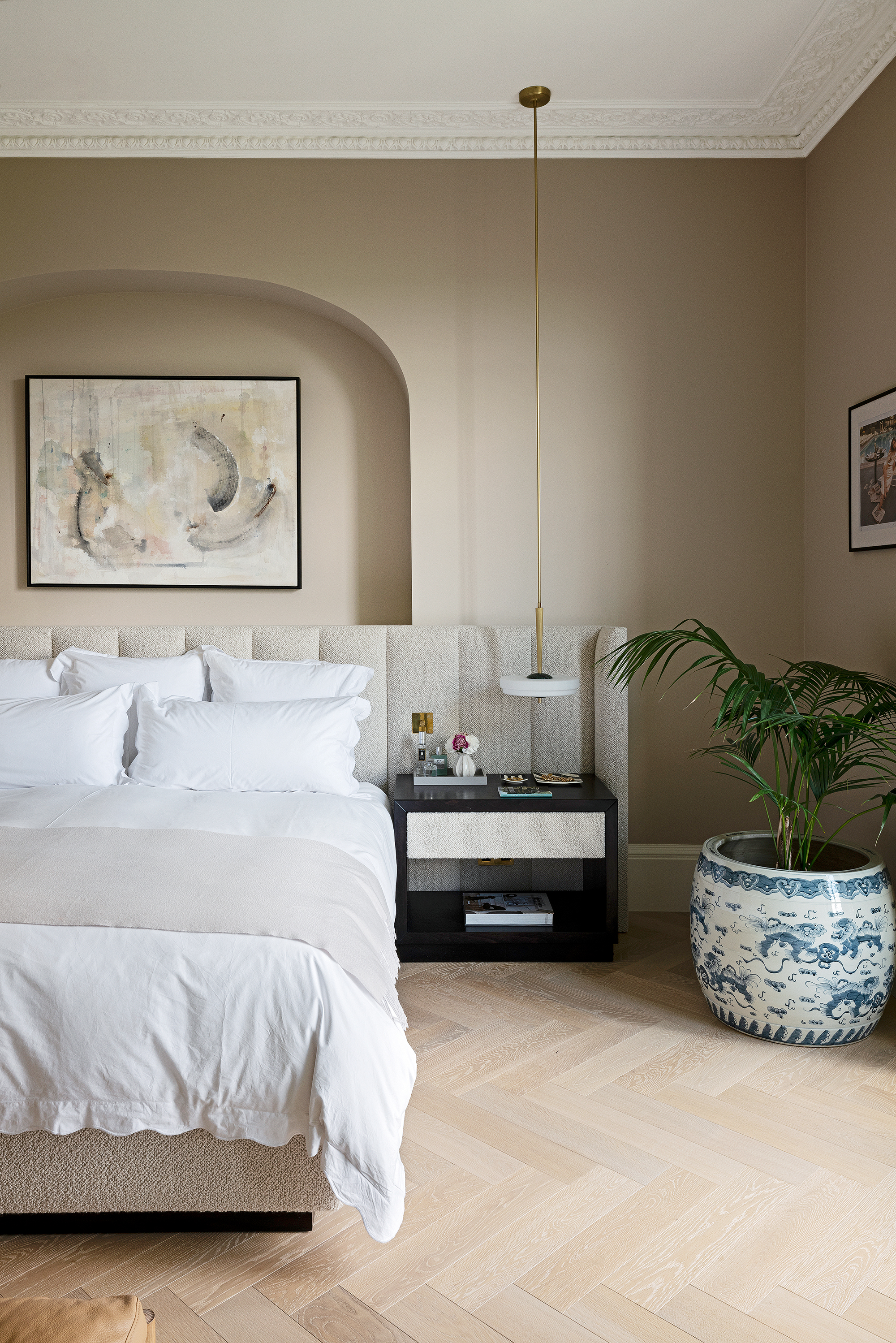
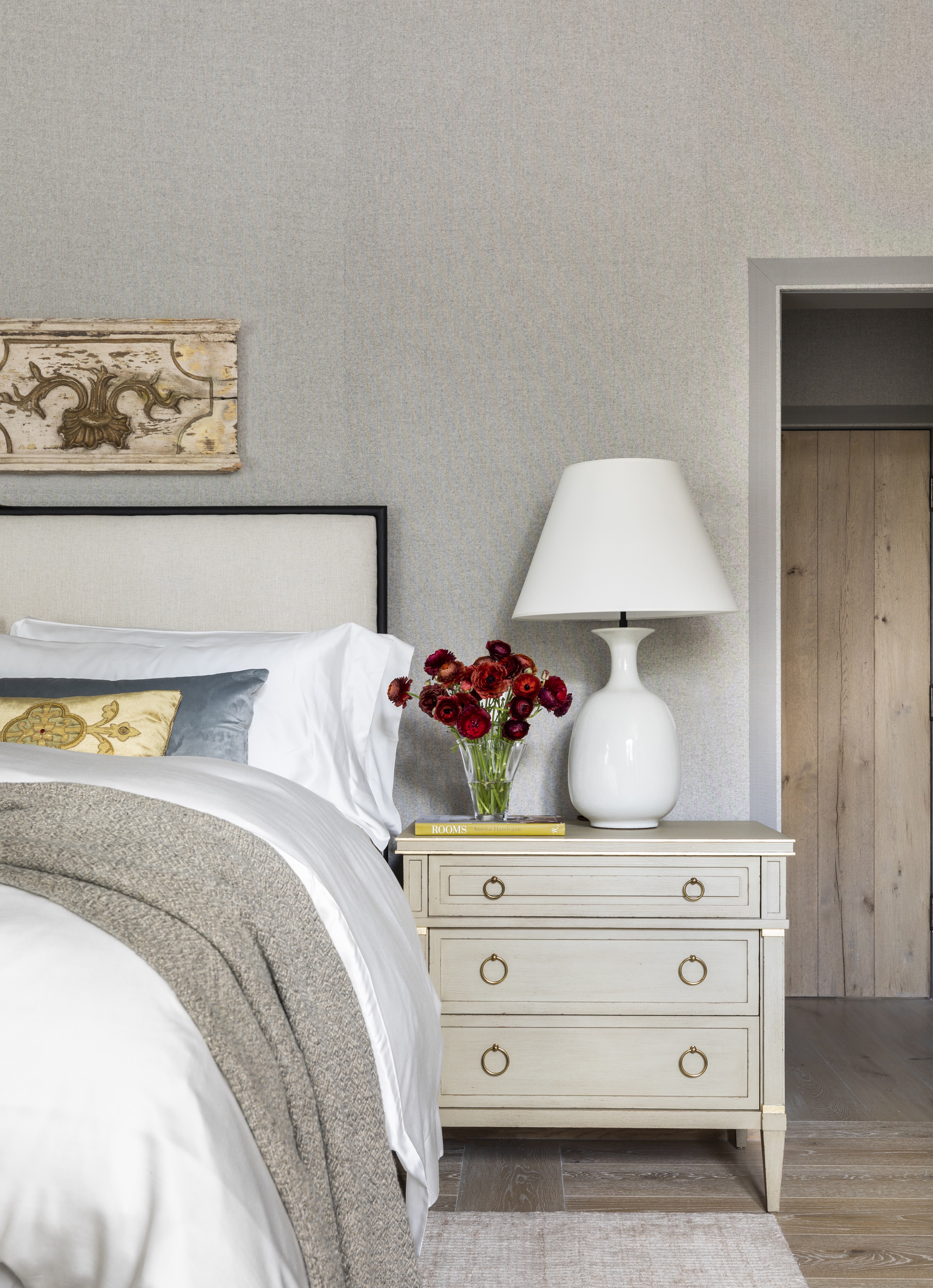
For those preferring a calmer aesthetic, a neutral color palette can be equally effective. TR Studio designed a space using Dune by Clayworks on the walls, demonstrating how warm and light neutrals can create a texturally rich setting when combined with rustic accessories, art, and antique furniture. This allows for easy changes to the room's look over time.
A decorative approach to design involves drawing inspiration from personal comforts, colors, and materials. Sarah Peake of Studio Peake suggests playing with pattern, texture, and color, and using a gallery wall with varied frames as a focal point to create a homely and unique space.
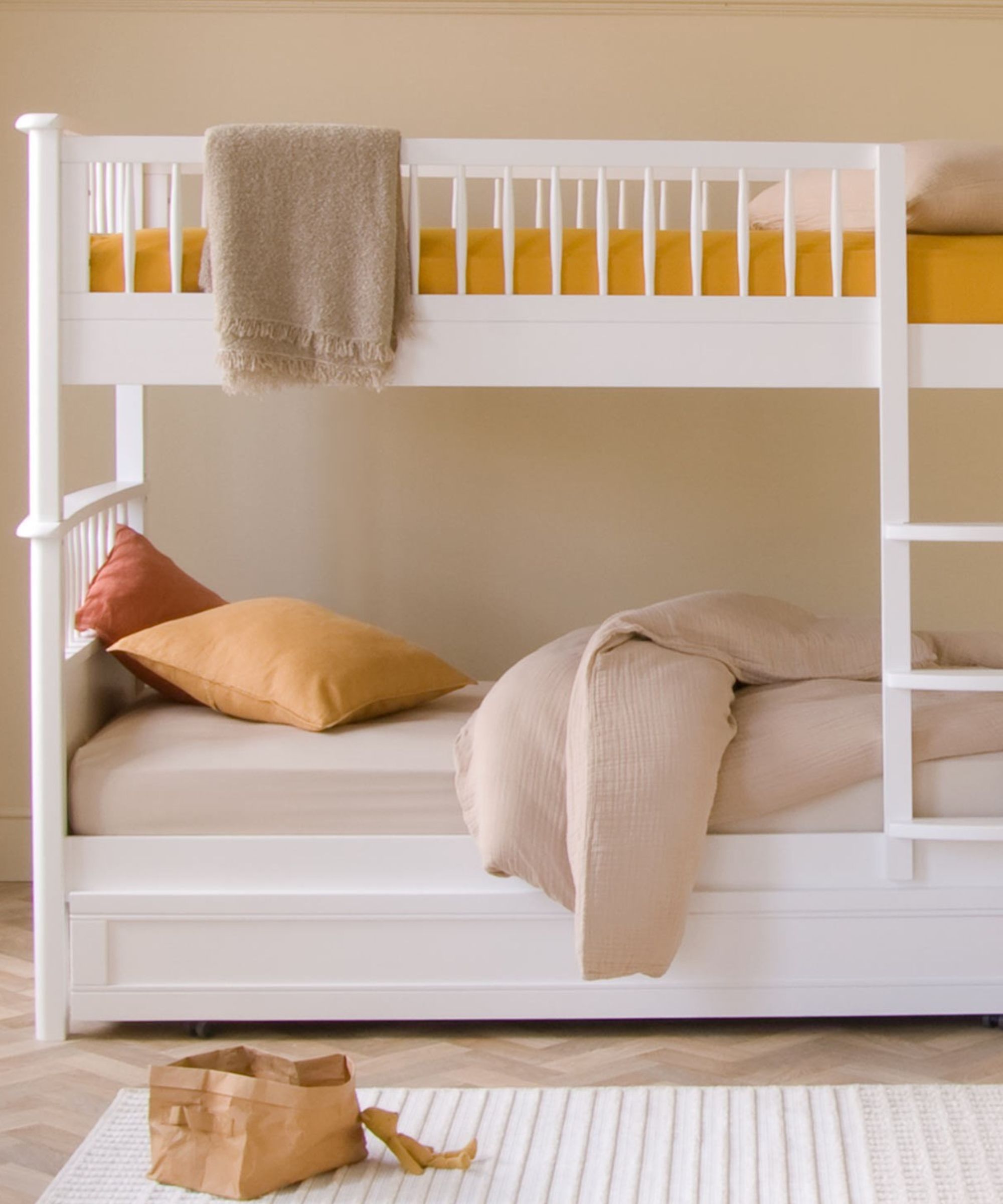
Finally, the article touches on creating a cozy corner for family film nights, emphasizing the importance of comfortable seating. Kevin Dumais designed a snug with a giant U-shaped sofa to maximize seating in a square space, suitable for movie nights or relaxation. For guests, incorporating a sofa bed with a thick mattress is recommended to ensure comfort equivalent to a regular bed, with designs that allow the bed to be easily folded away for convenience.
#SnugRoomIdeas #InteriorDesign #CozySpaces #FurnitureArrangement #ColorPalette #HomeDecoration #SeatingSolutions #CushionStyling #PatternIntegration #SnugRoomIdeas #InteriorDesign #CozySpaces #FurnitureArrangement #ColorPalette #HomeDecoration #SeatingSolutions #CushionStyling #PatternIntegration
0 Kommentare insgesamt
 Noch keine Kommentare
Das könnte Ihnen auch gefallen
Small bedroom layout ideas — 9 ways to utilize your space

7 narrow bedroom ideas that will take your space from cramped to cozy

15 Genius Space-Saving Room Ideas
11 Easy Ways to Make Your Bedroom Extra Cozy

15 chic and cozy living room ideas to help you snuggle up in style this fall
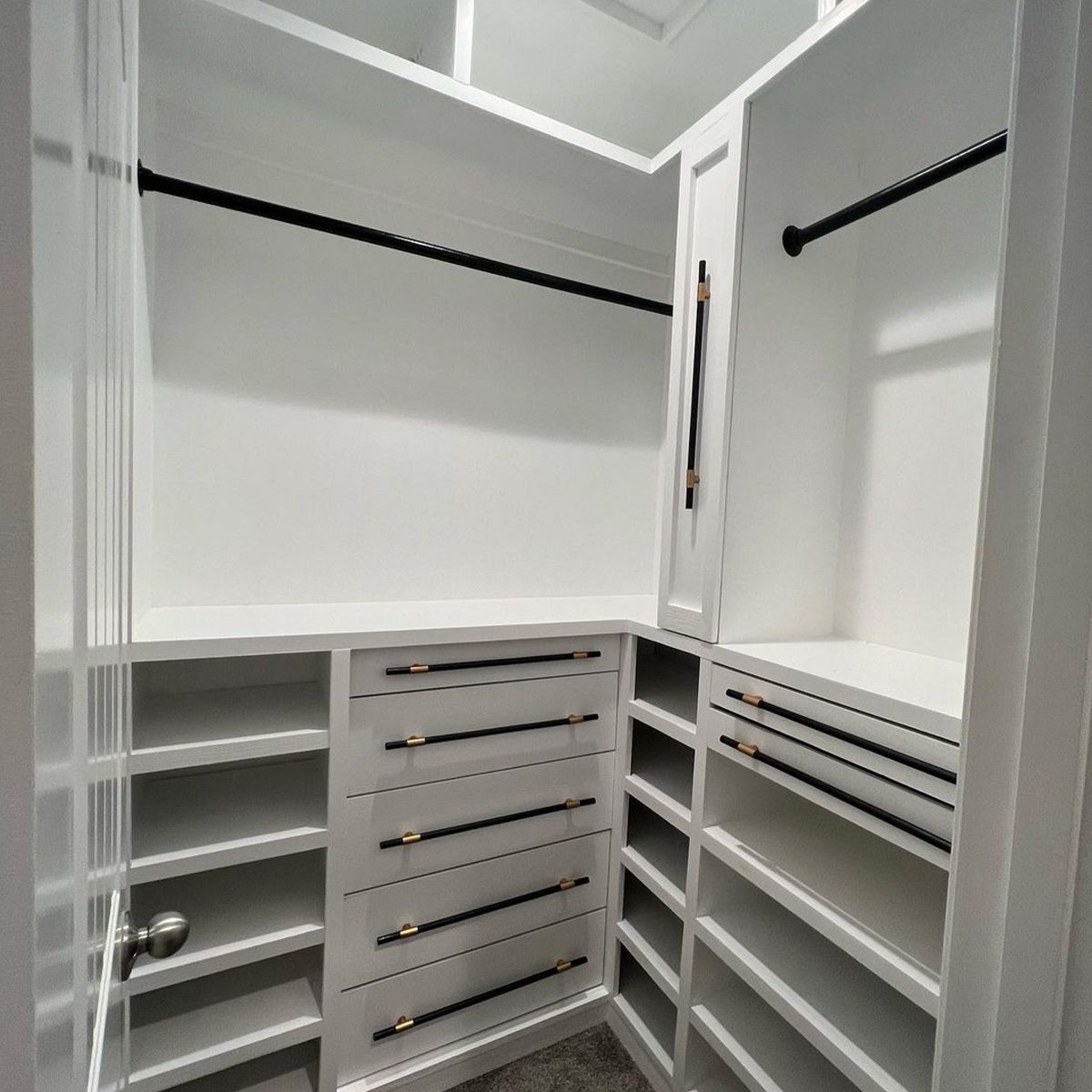
10 Bedroom Closet Ideas to Optimize Your Space

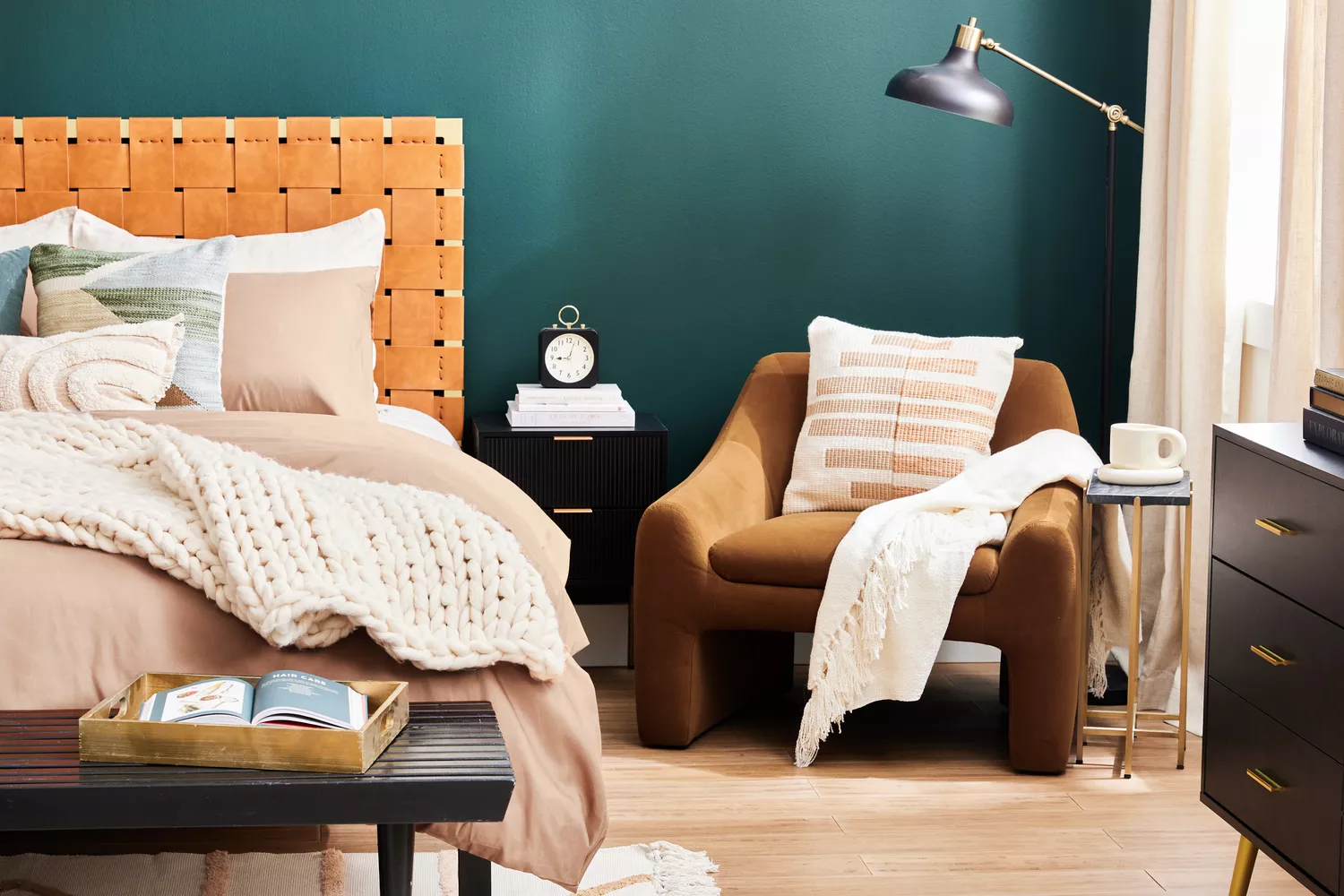
6 Clever Tips for Creating a Cozy Nook in Any Corner of Your Home, According to Designers

9 Cool Gadgets To Turn Your Bedroom Into A Zen Den

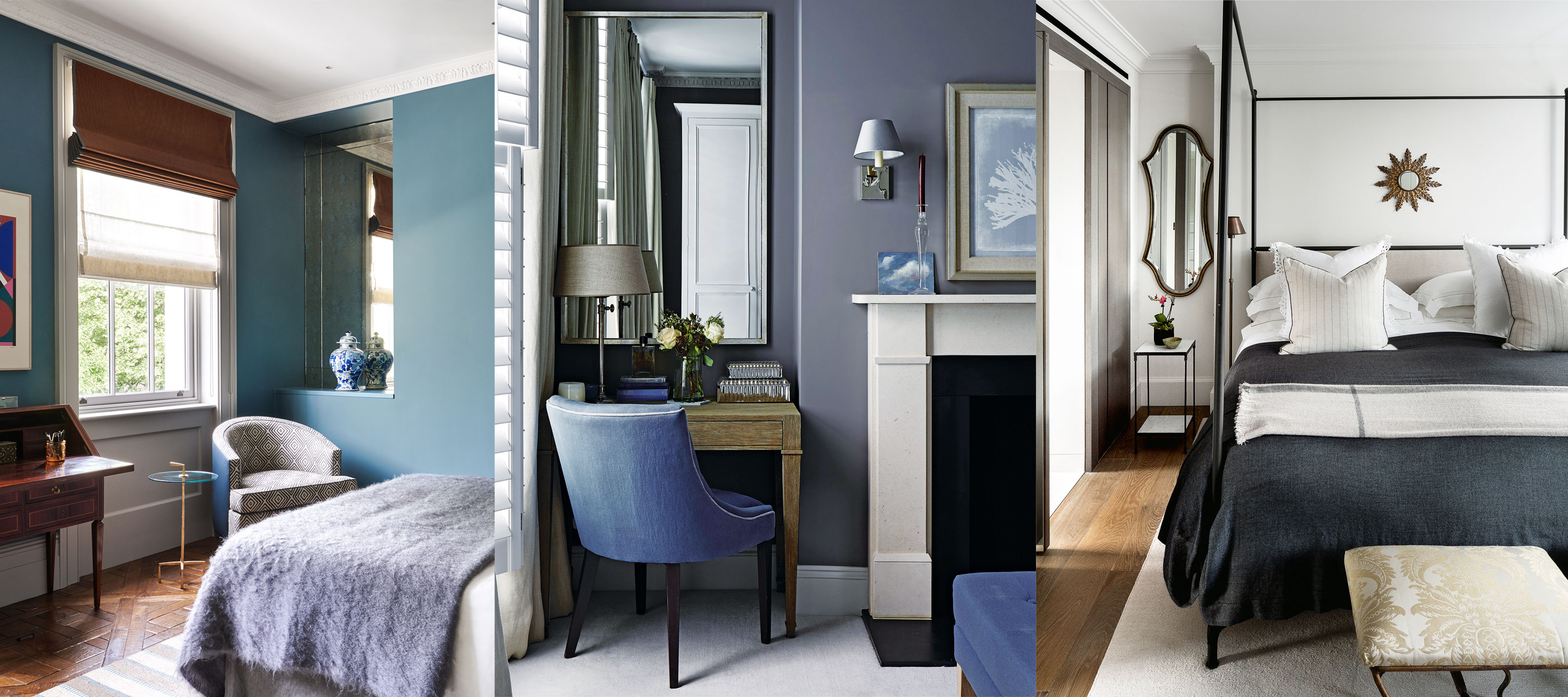
Bedroom alcove ideas – 10 ways to decorate, design and use nooks and niches
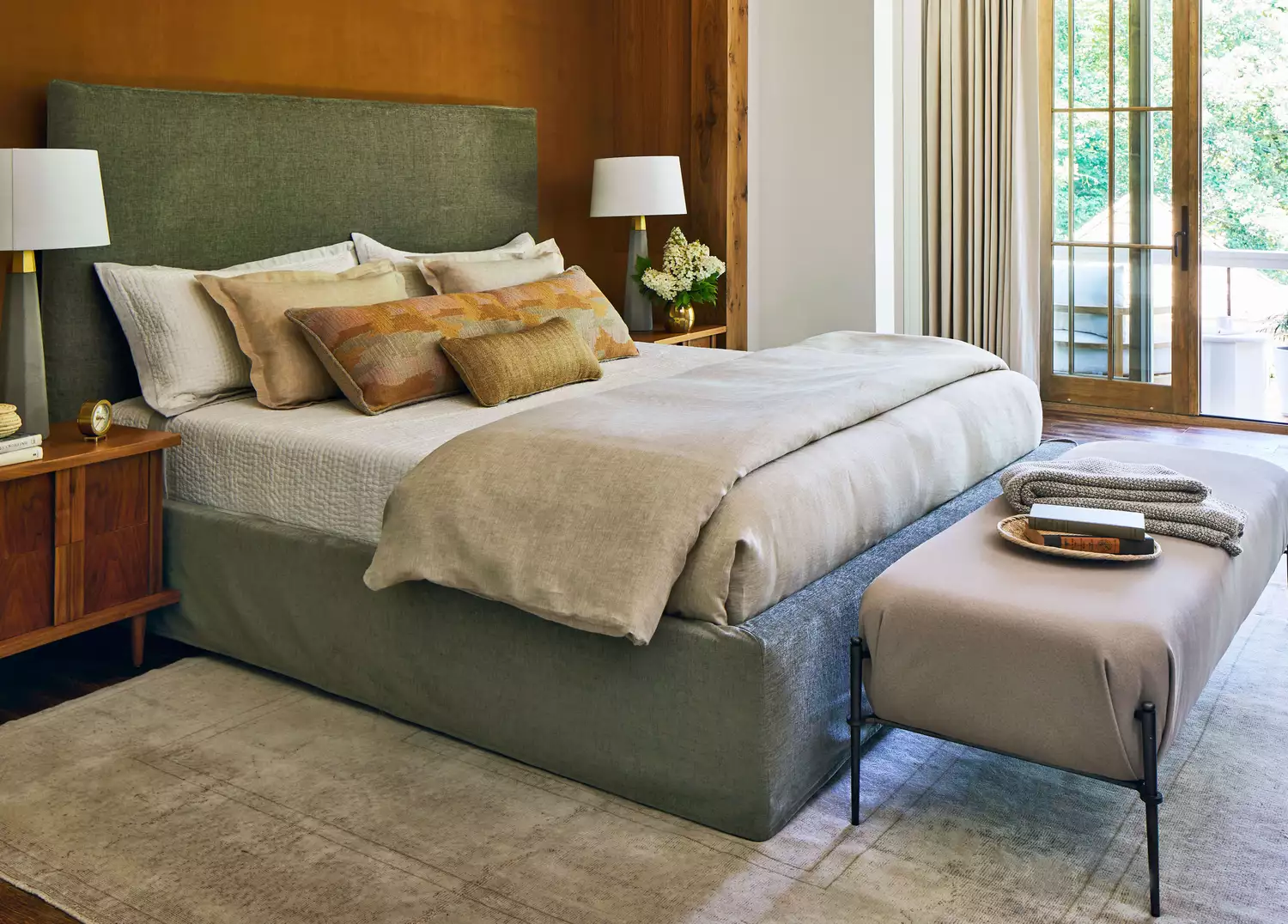
16 Best Ways To Your Bedroom Feel Extra Cozy
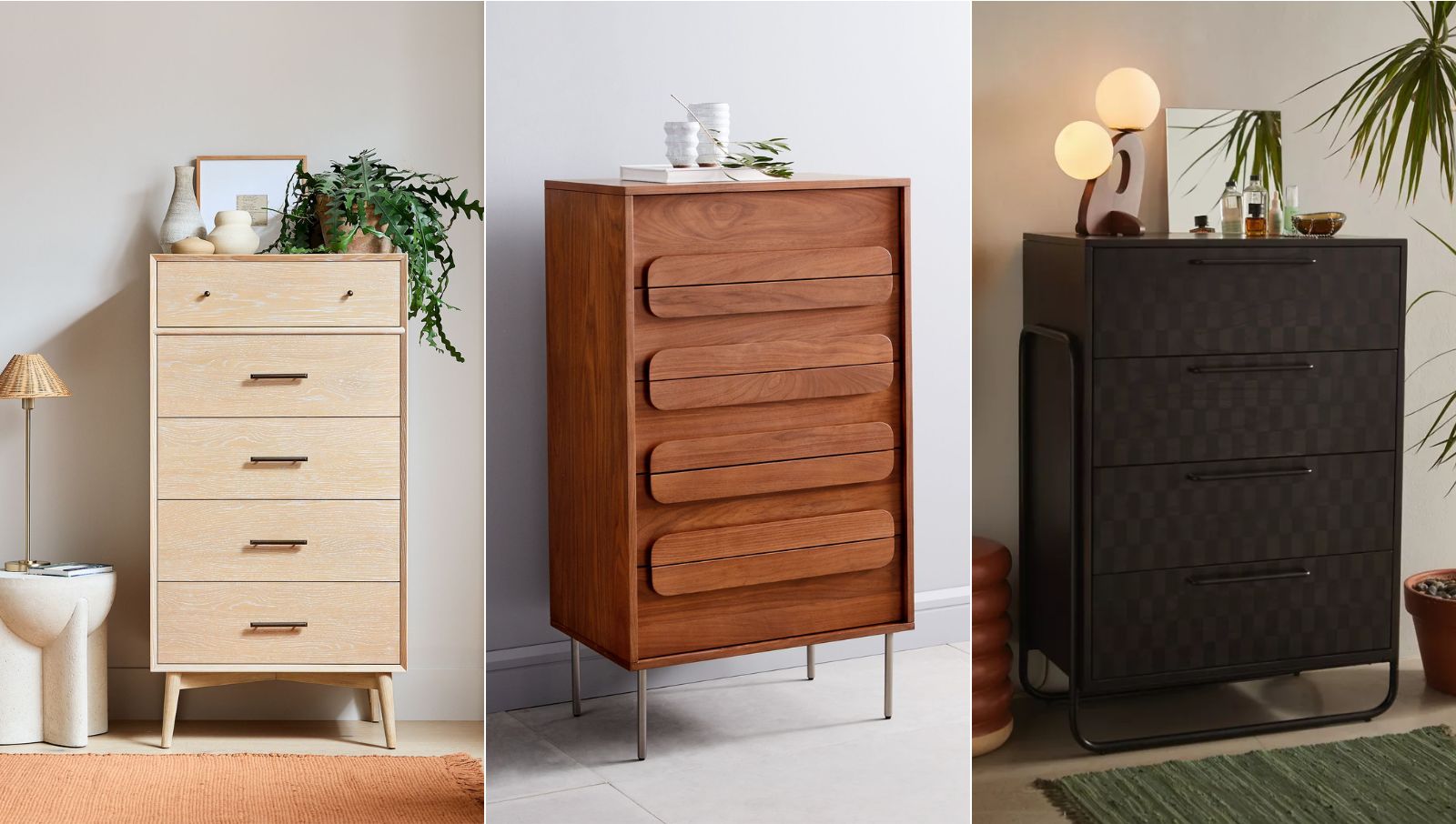
Best small space dressers – our style editor has found 9 styles perfect for those awkward, tiny rooms
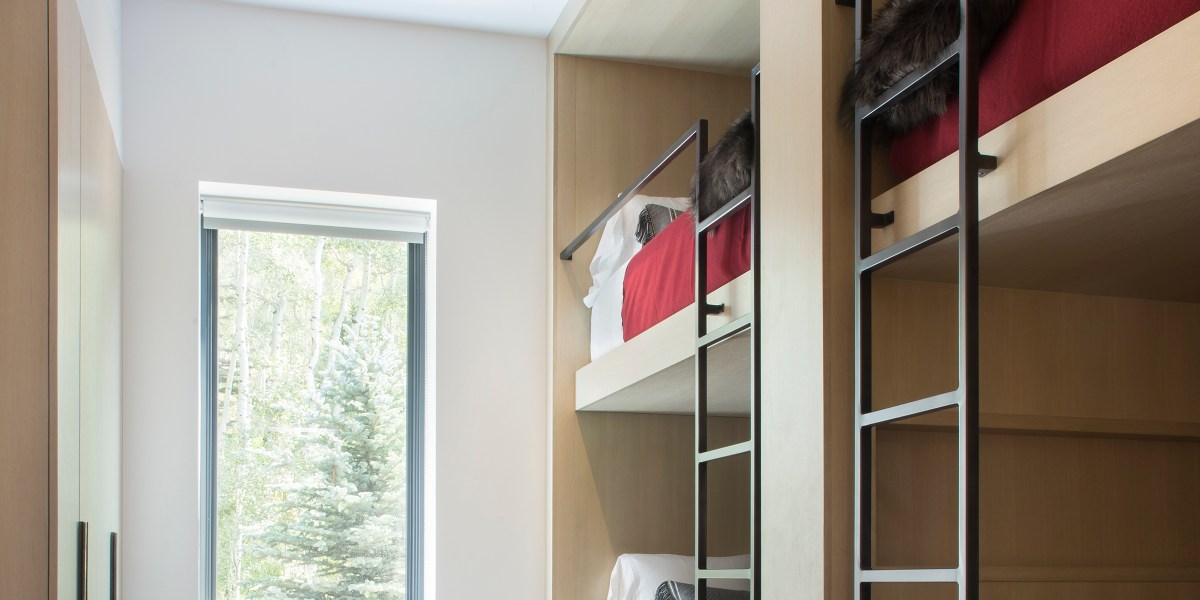
Built-in Bunk Rooms Make Space for More Family, More Friends, and More Fun

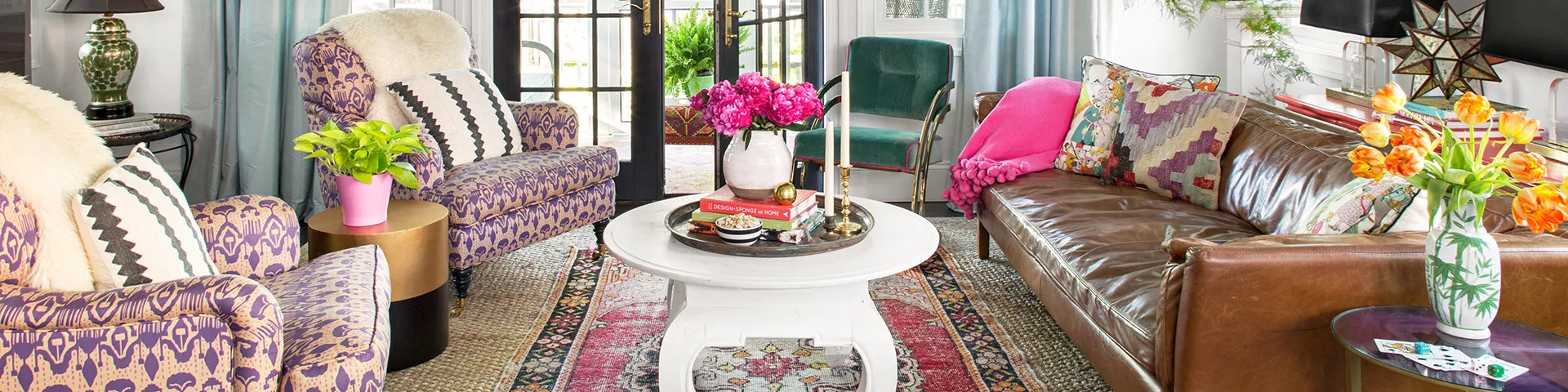
Room Decorating and Design Ideas

How to Build the Ultimate Bunk Room, According to Designers
Transform small spaces with the help of these 9 clever and chic room dividers
25 Storage Hacks for When You've Absolutely Run Out of Closet Space

12 Cozy Bedroom Ideas That Will Make Your Space Feel Like a Warm Hug

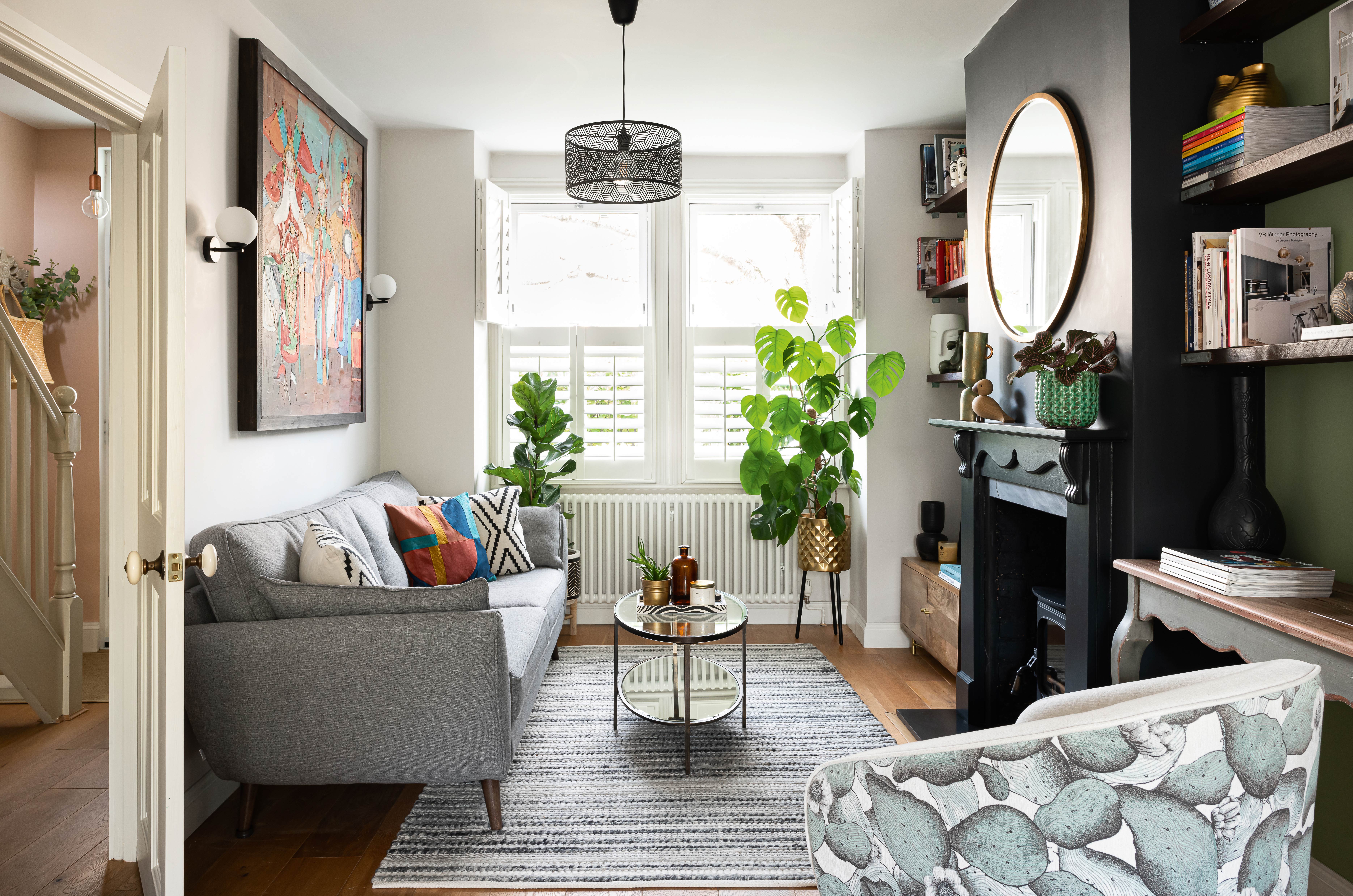
8 narrow living room ideas to make the most of an awkward space
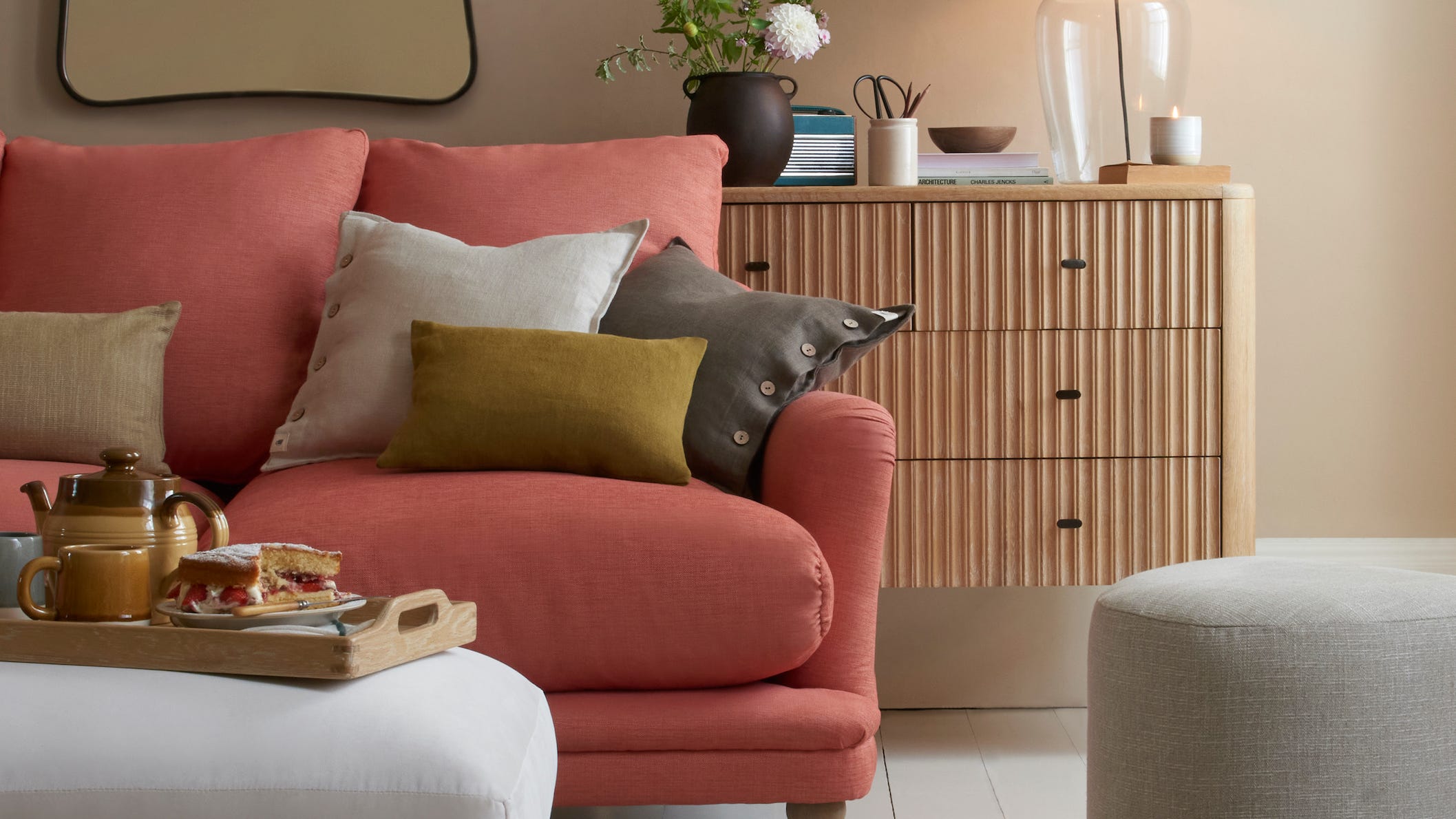
19 Cosy Living Room Ideas For Your Home
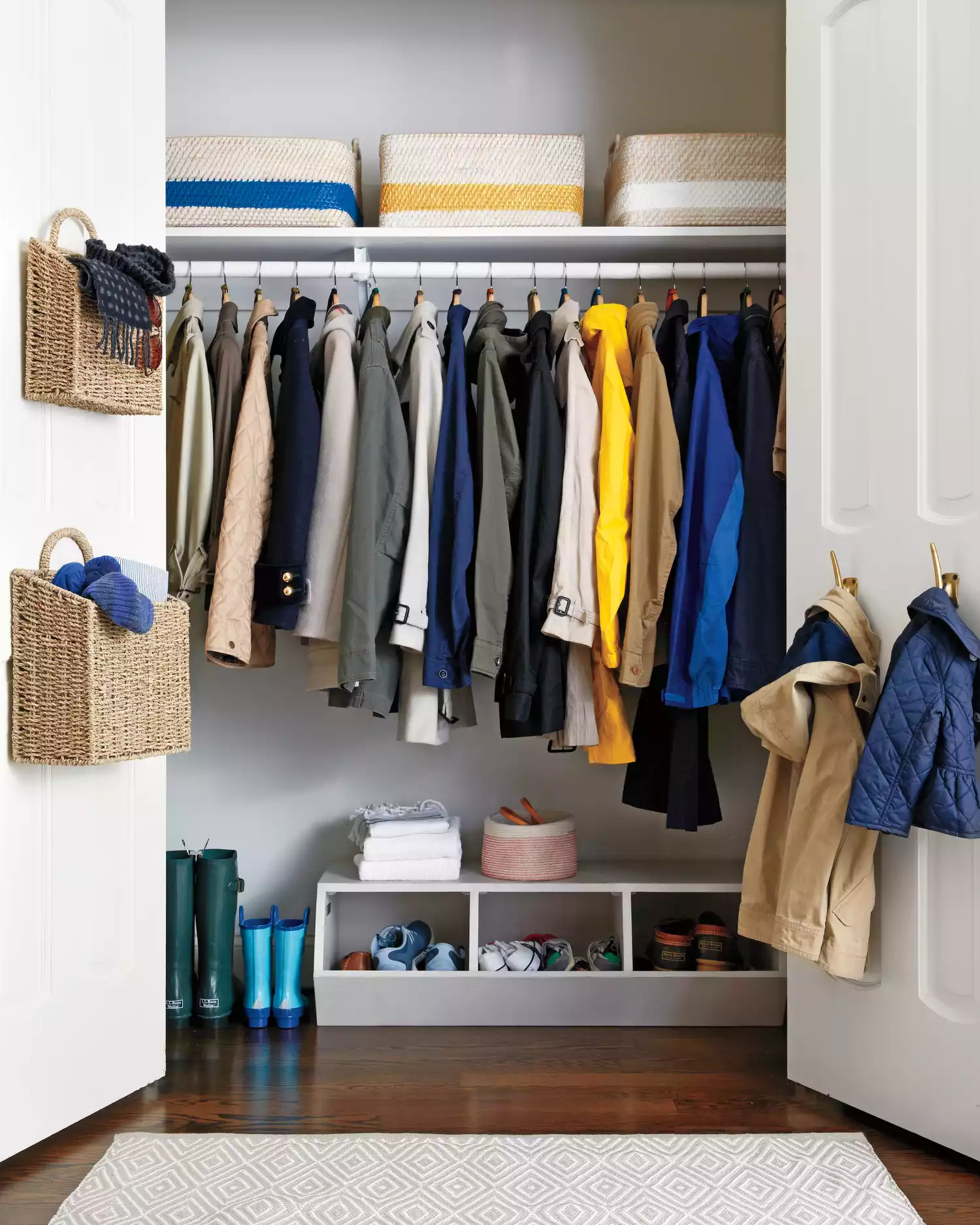
10 Small Closet Organization Ideas to Make the Most of the Space You Have