1/4
Should You Have Lights Over The Kitchen Island? Designers Unanimously Agree If They Are Worth Budgeting For
The article discusses the importance of lighting over kitchen islands, a feature often overlooked in kitchen design despite its significant functional and aesthetic benefits. Experts emphasize that dedicated island lighting is crucial for both practical illumination and enhancing the visual appeal of the kitchen space. This is particularly relevant given that kitchen islands serve as multi-functional areas for cooking, dining, and other activities.
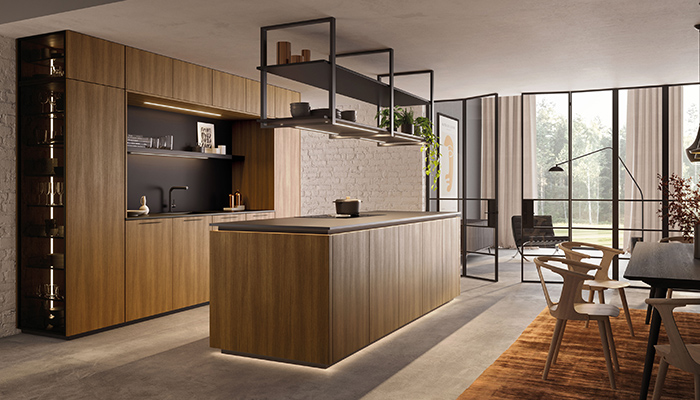
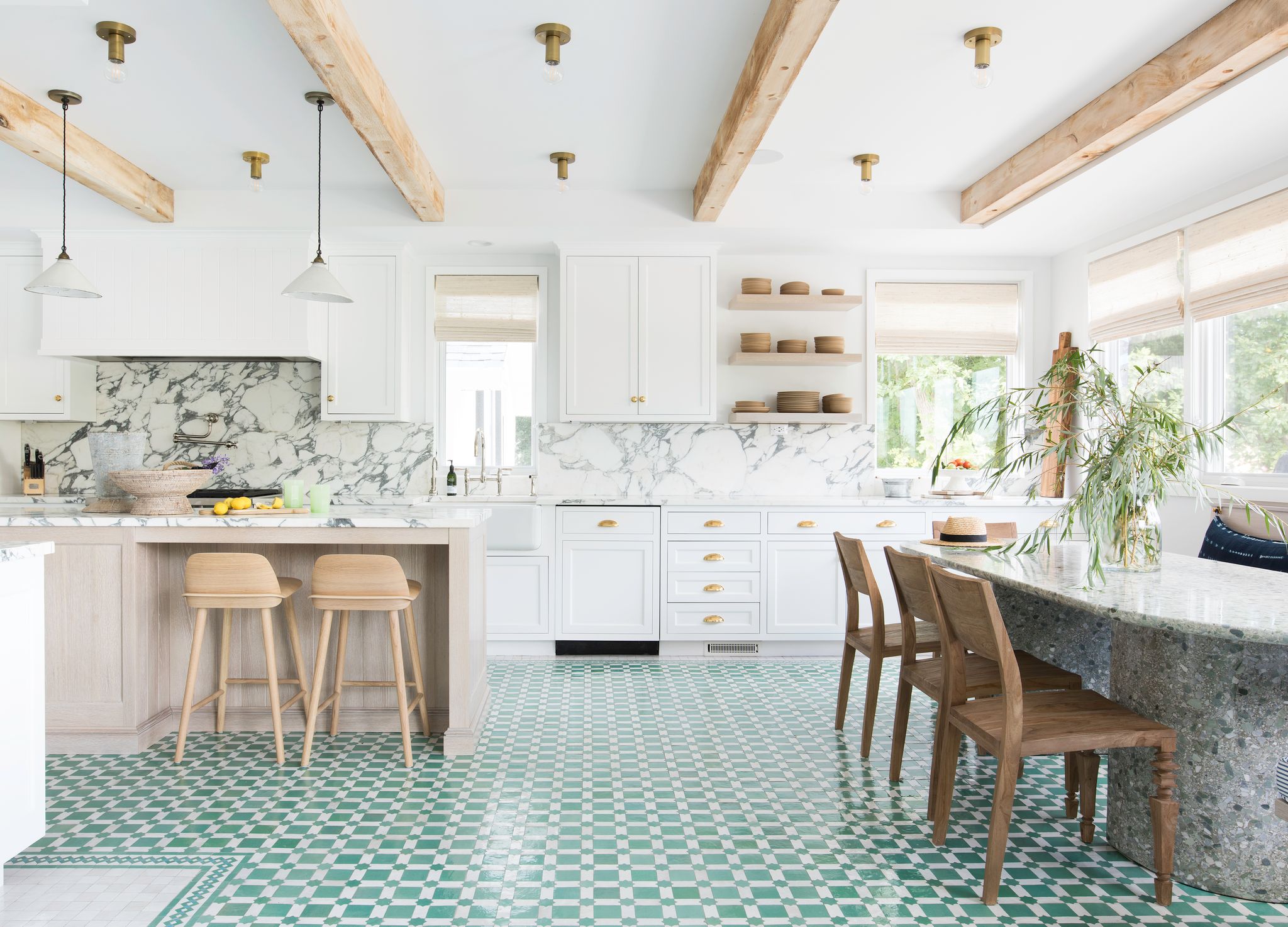
Julia Mack, founder of Julia Mack Design, highlights two primary reasons for incorporating island lighting: providing adequate illumination for various tasks performed on the island and adding a design element that prevents the surface from appearing plain. Good lighting can draw attention to the material and craftsmanship of the island, especially if it features bespoke design elements. Jane Lockhart, founder of Jane Lockhart Design, further elaborates on the functional aspect, stating that focused lighting is essential for tasks such as chopping food, dining, and even children completing homework, all of which commonly occur on kitchen islands. This directed light ensures that these activities can be carried out efficiently and comfortably.
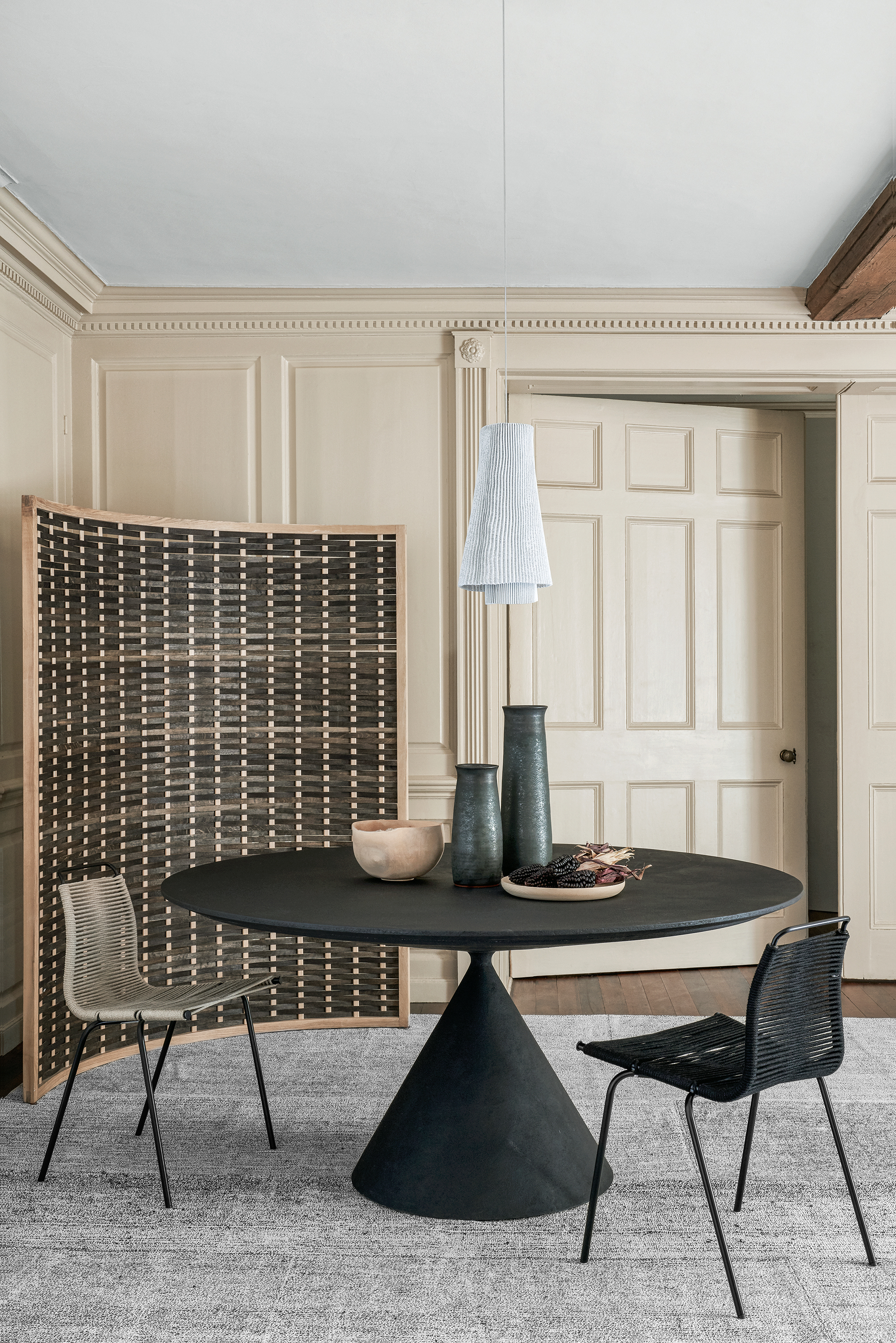
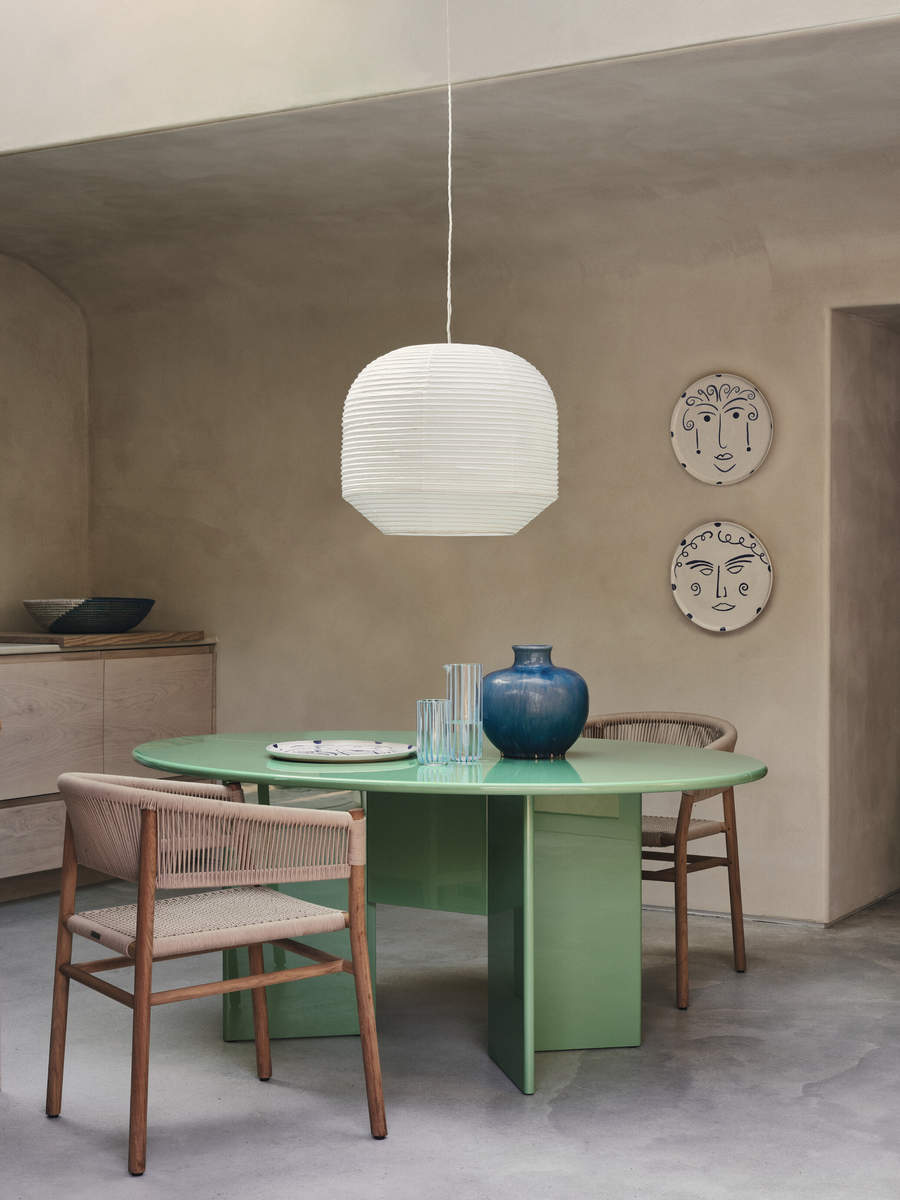
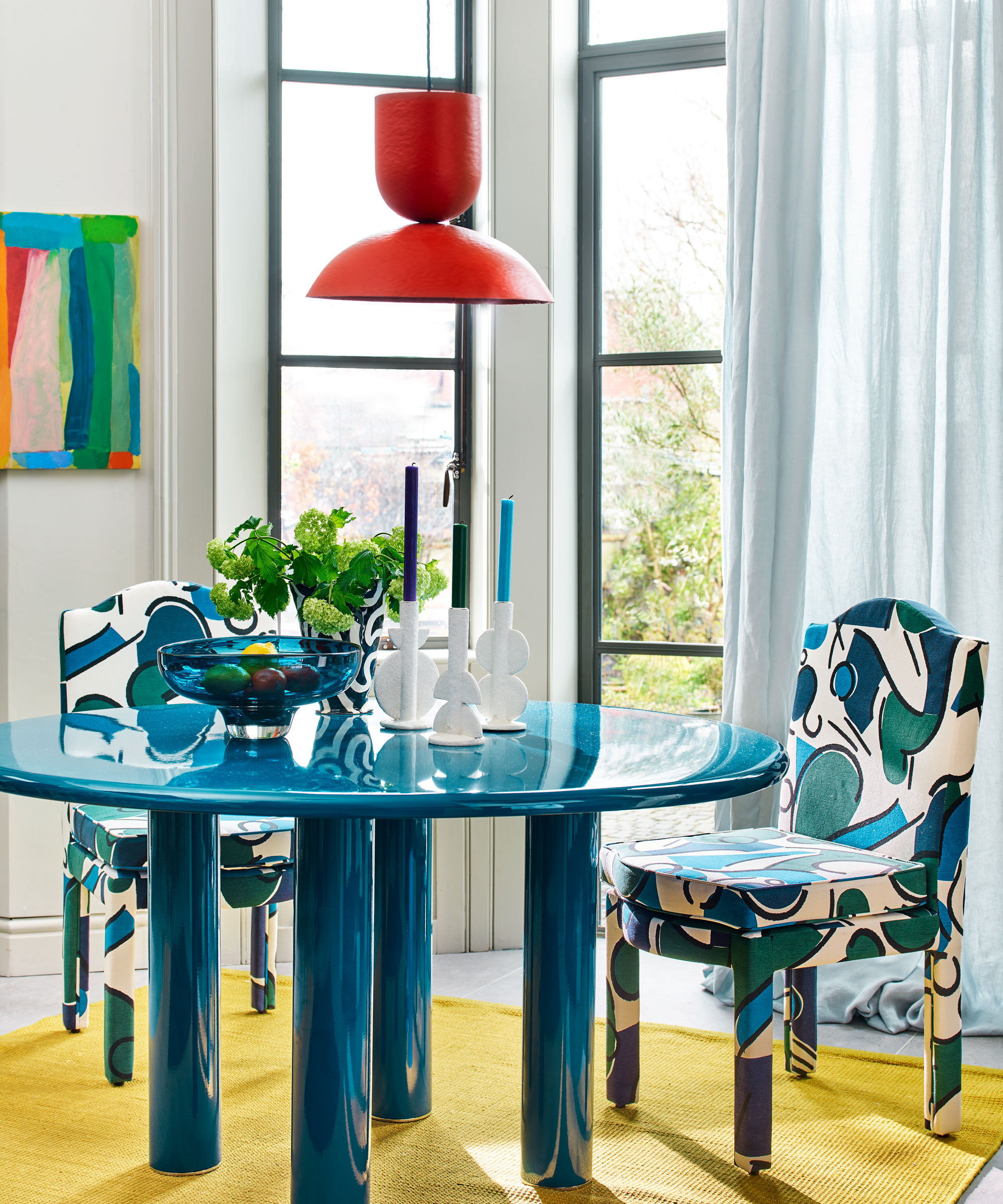
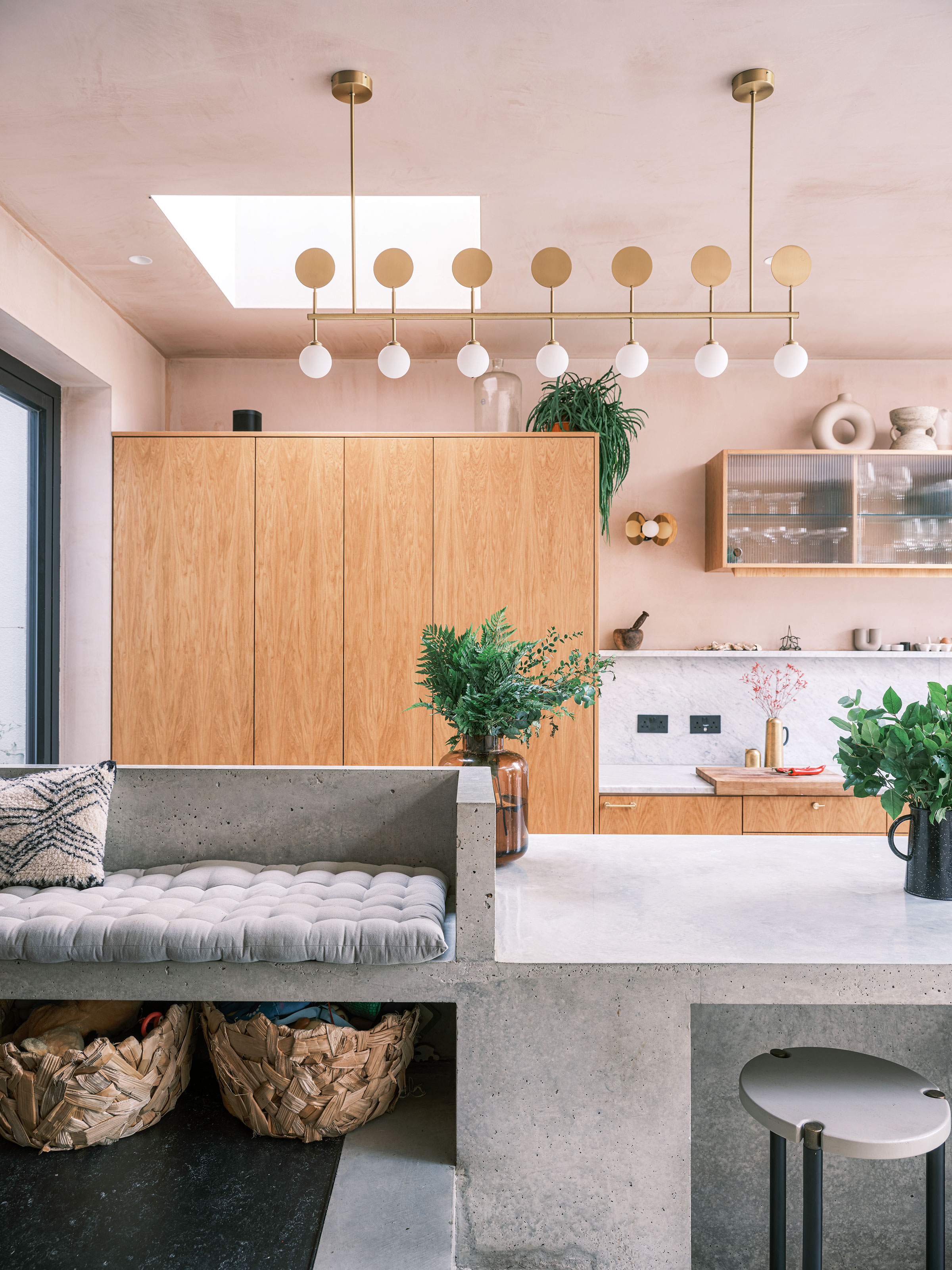
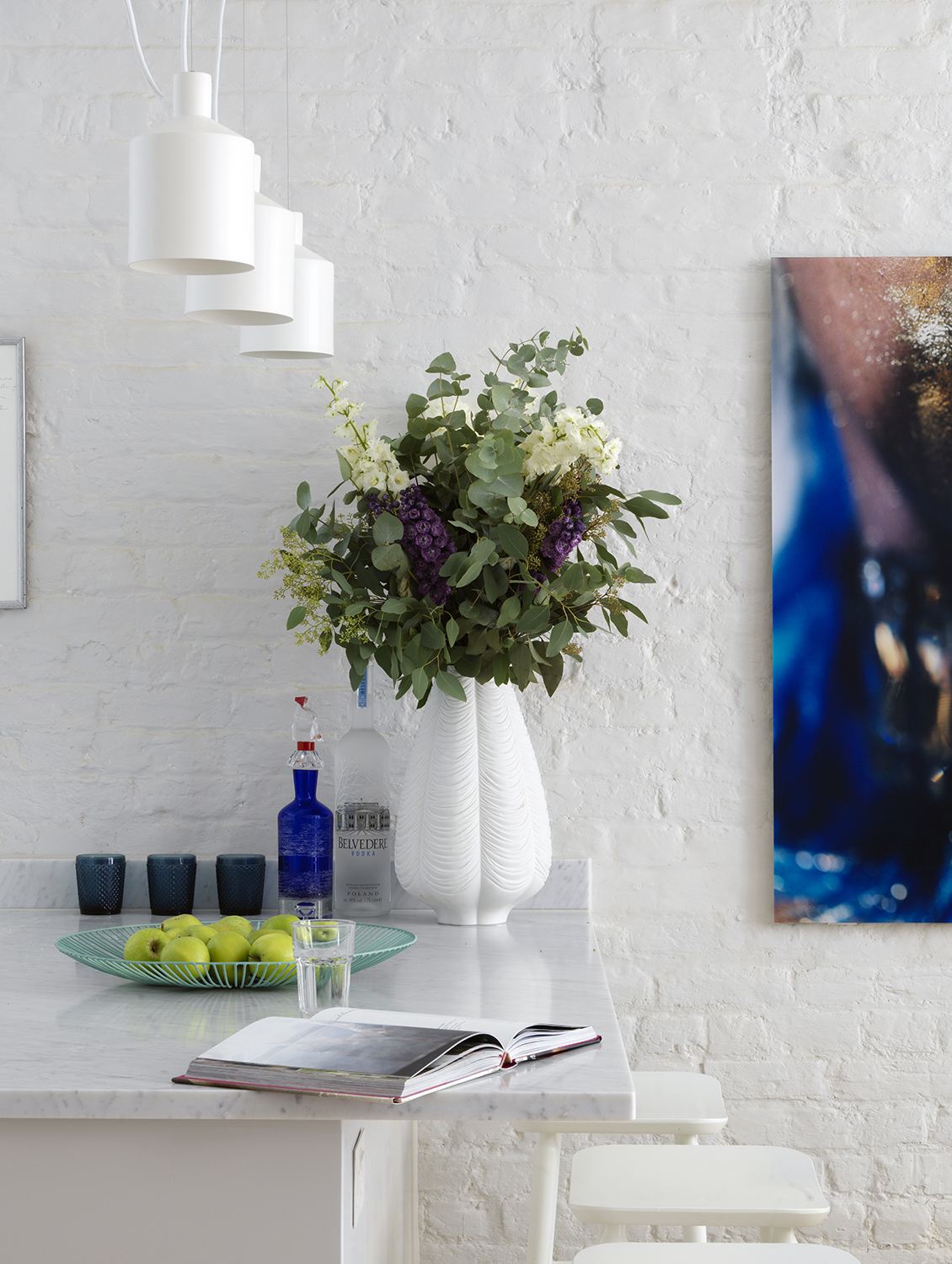
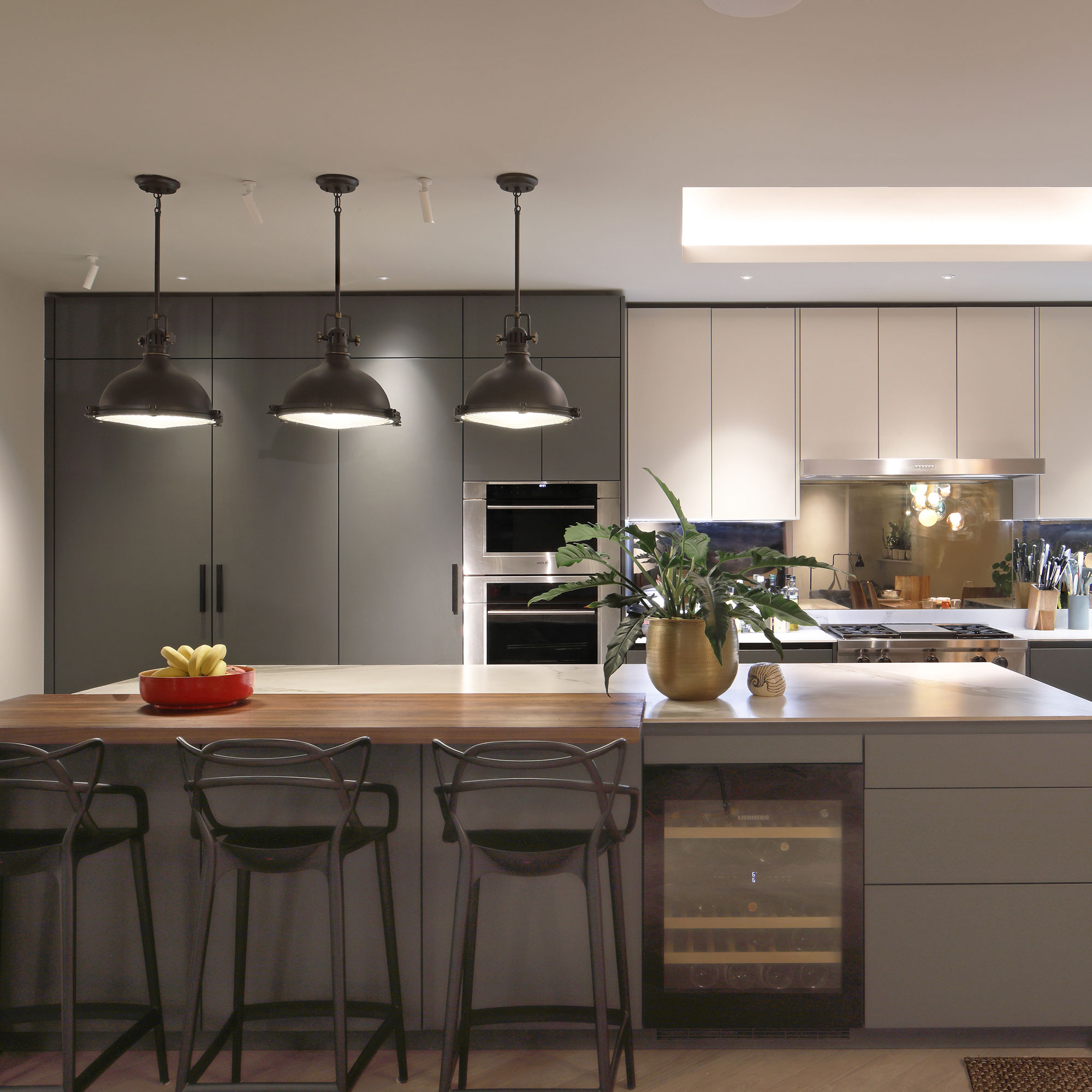
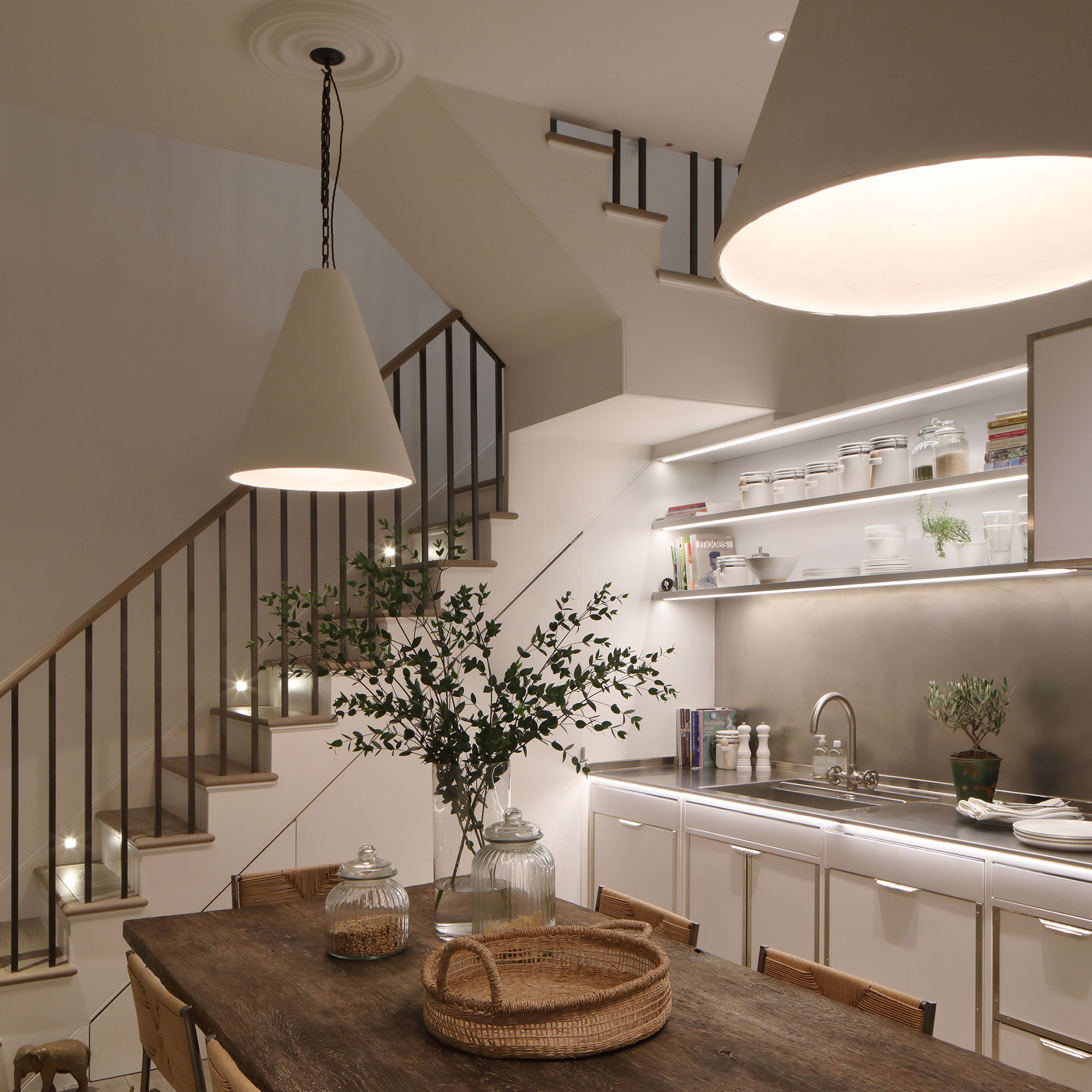
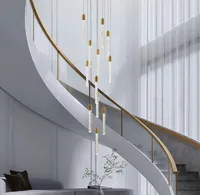
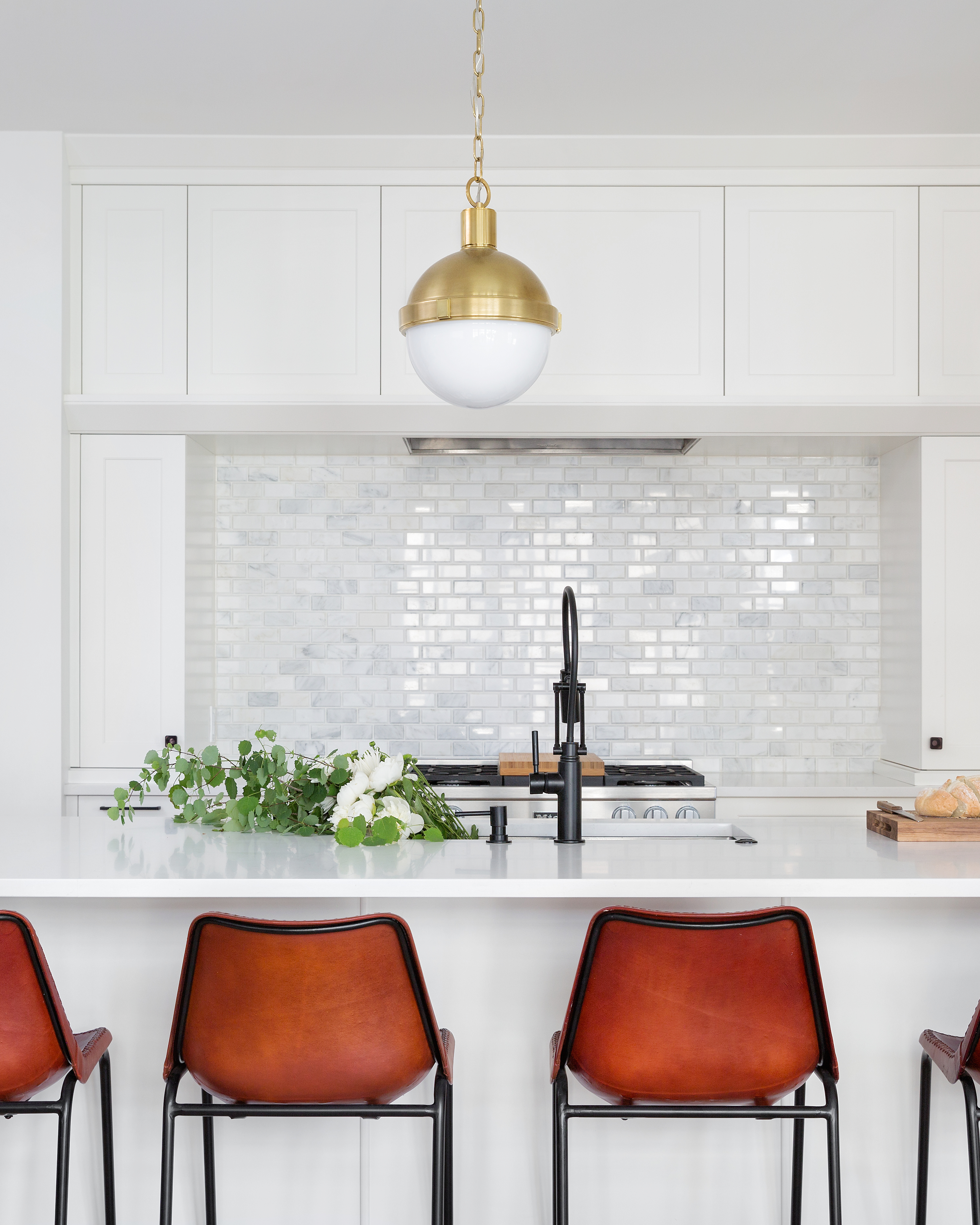
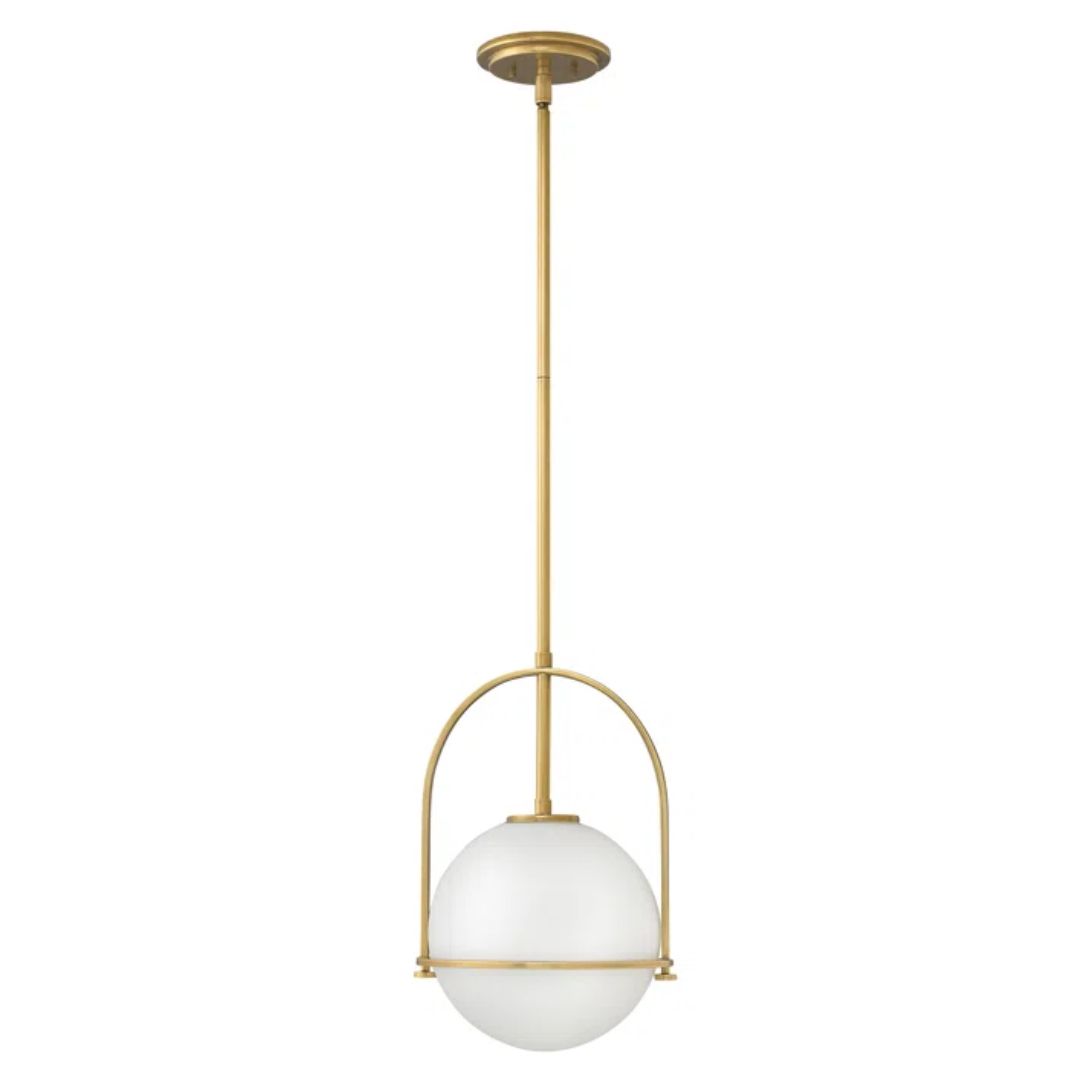
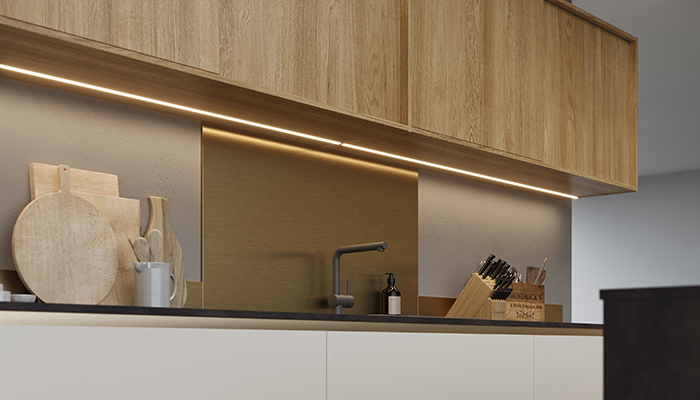
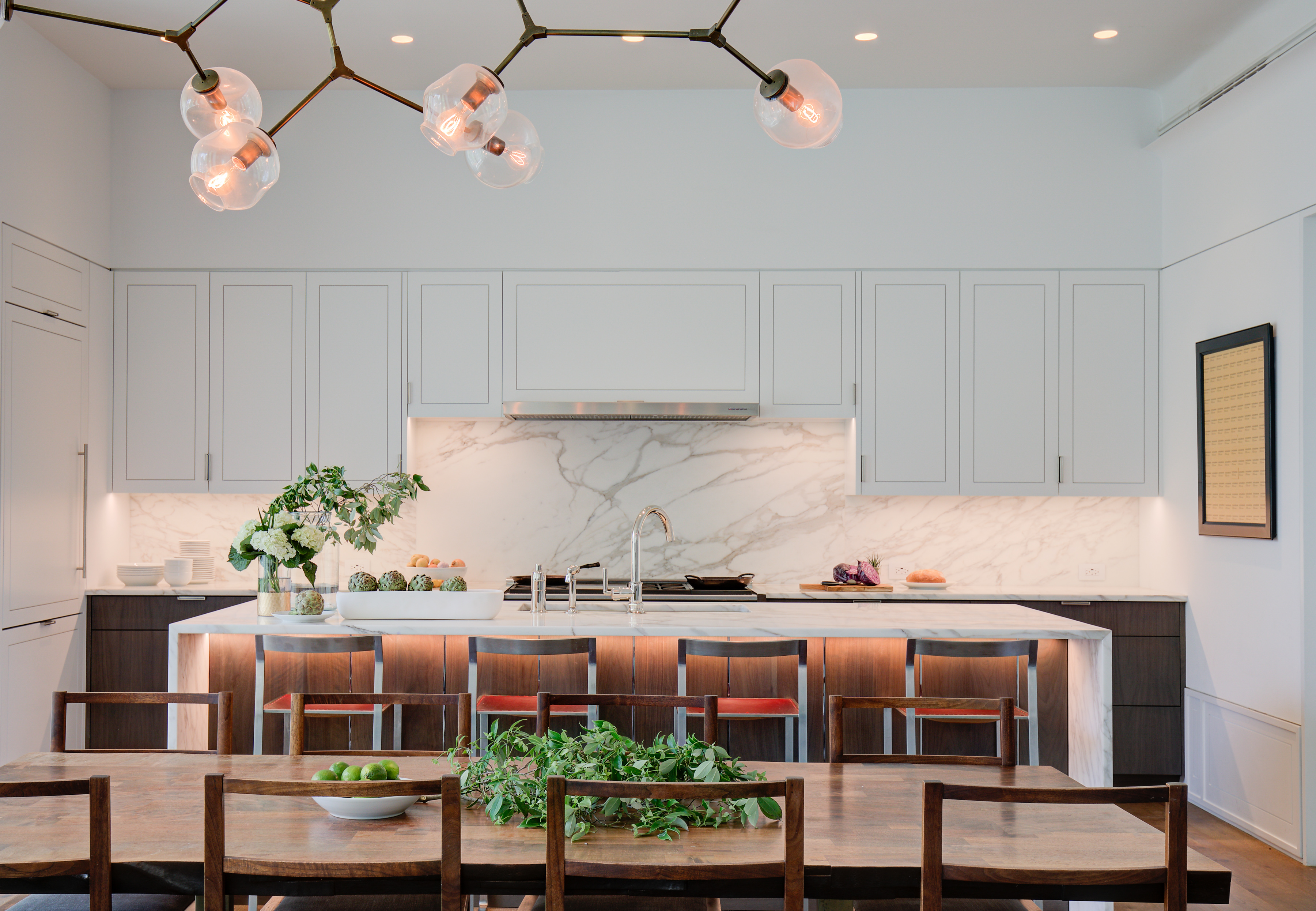
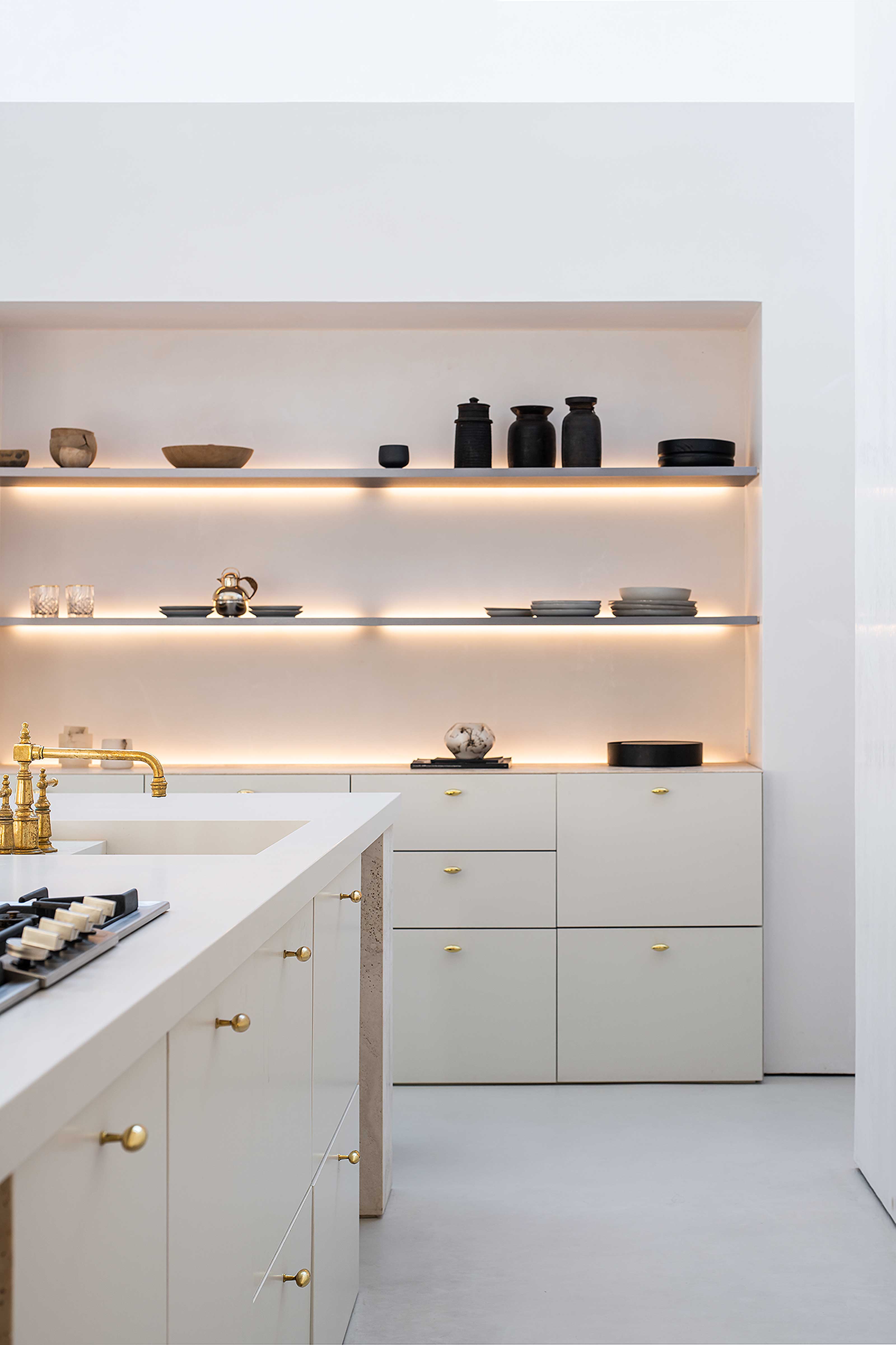
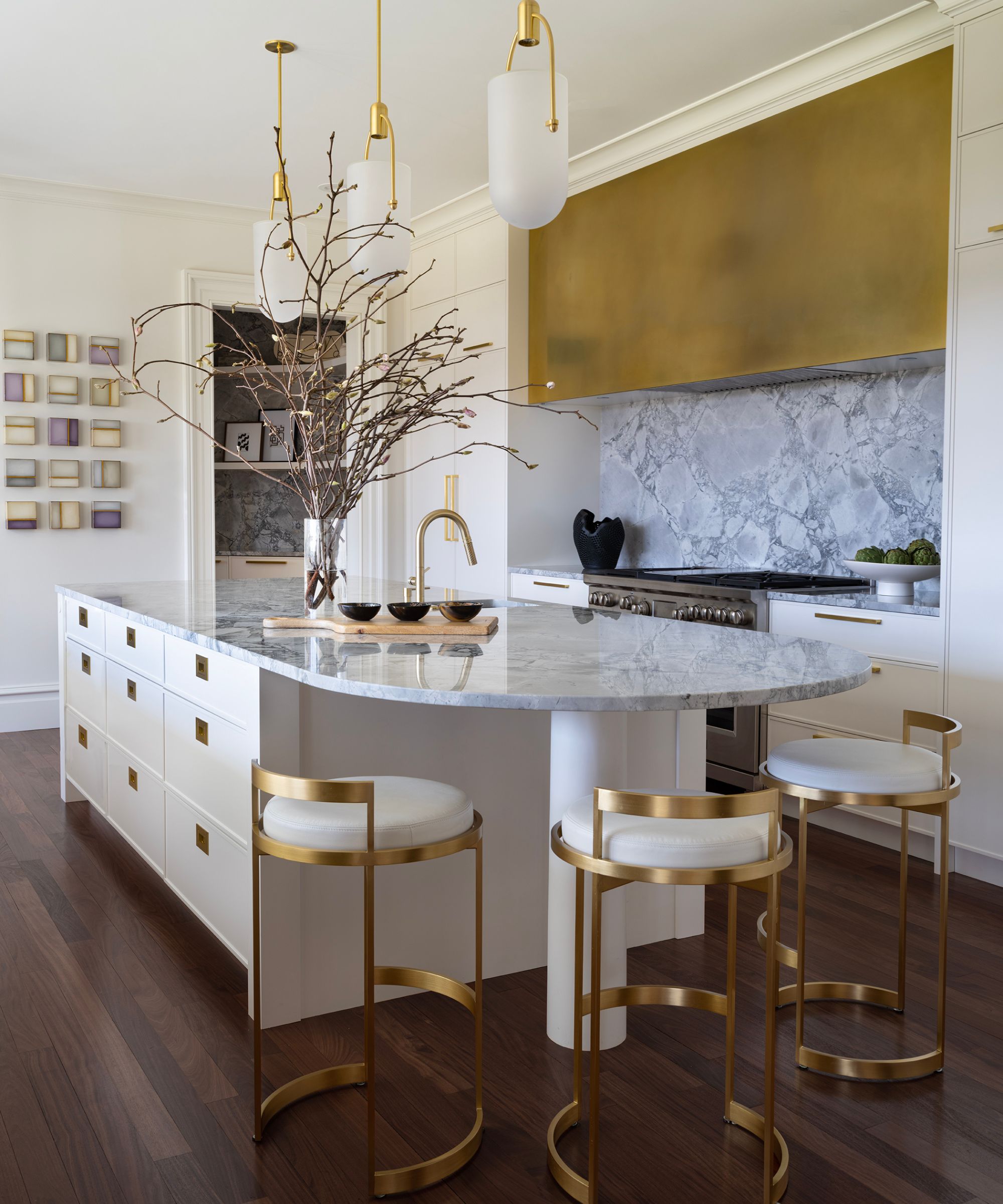
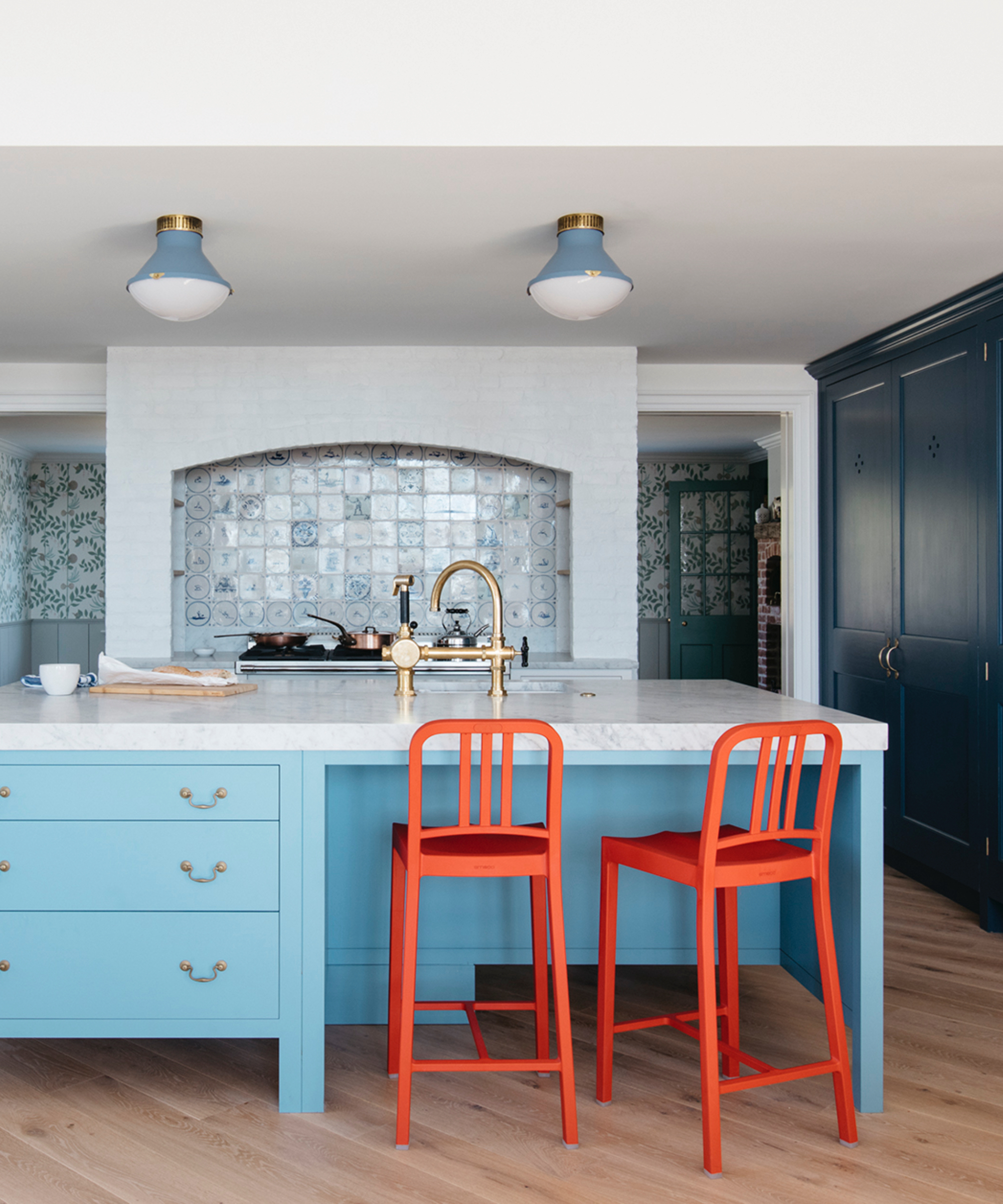
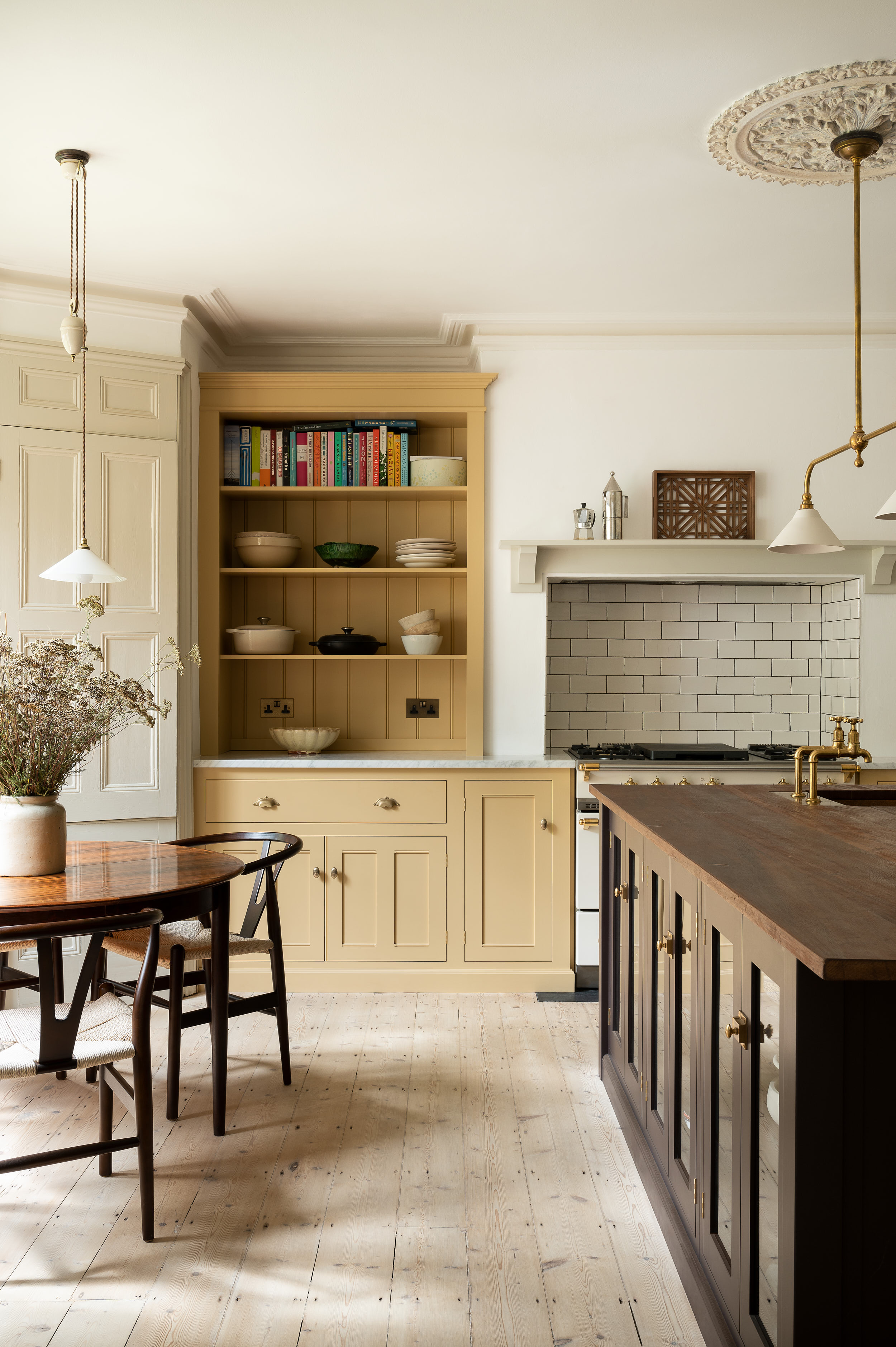
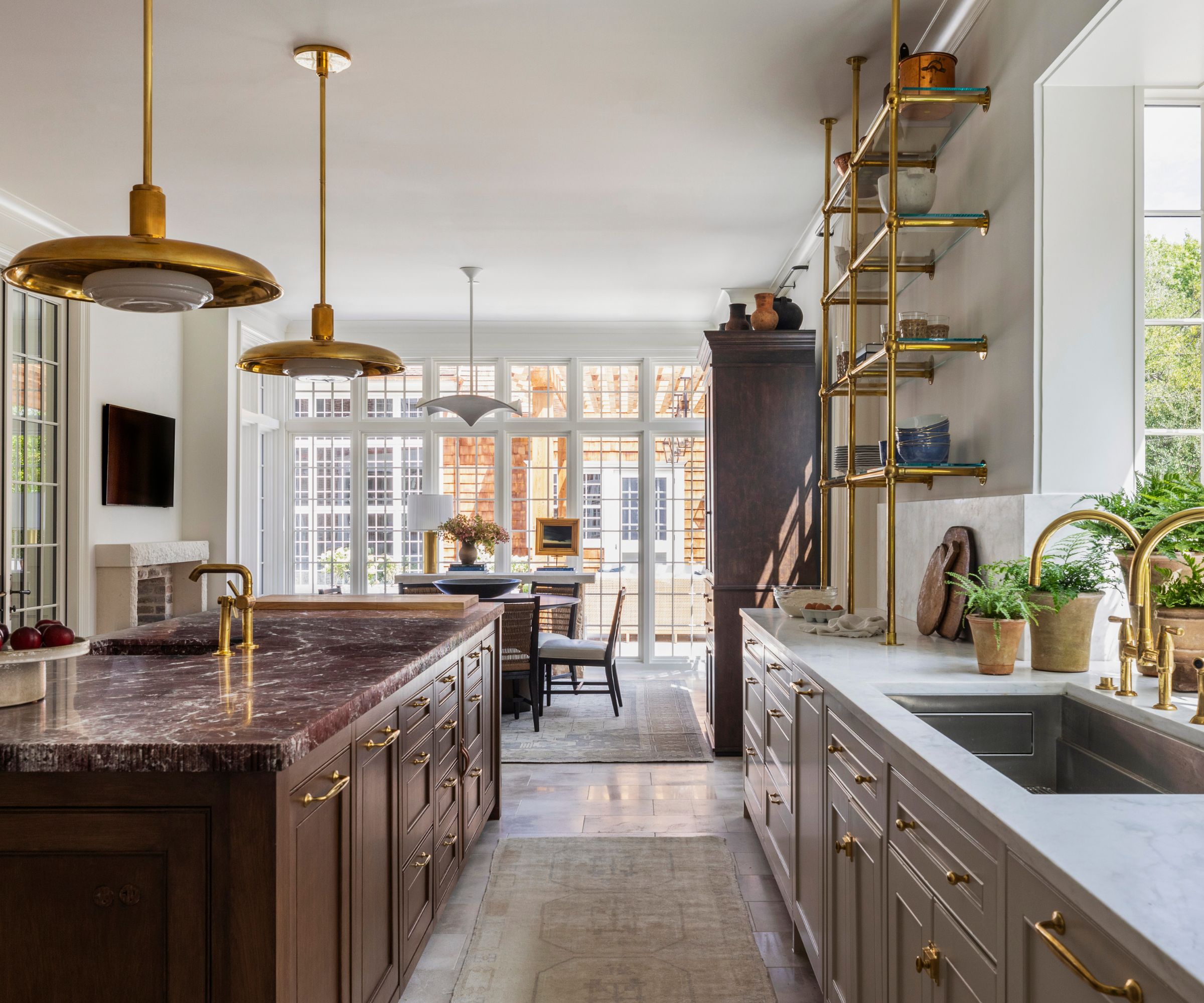
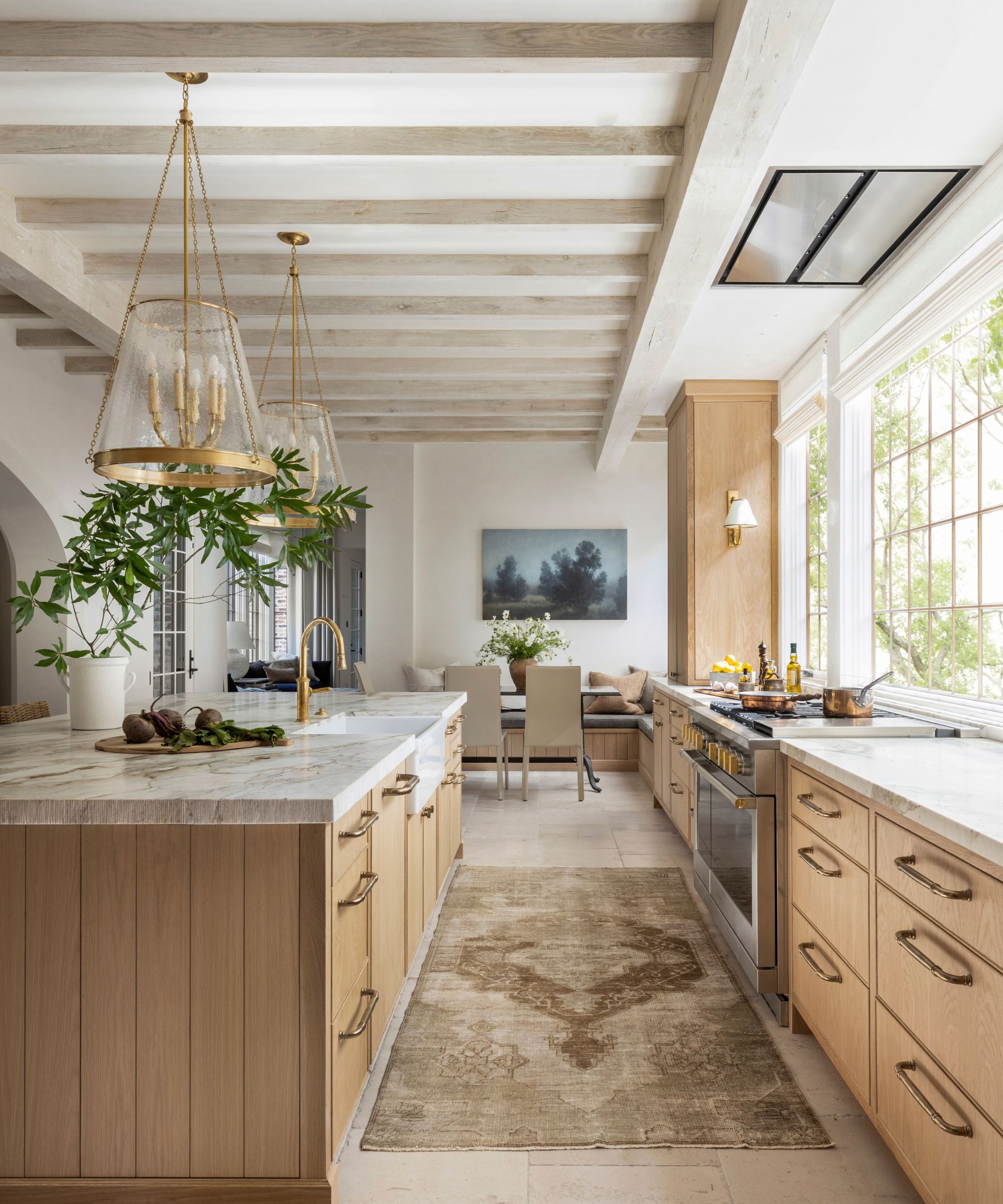
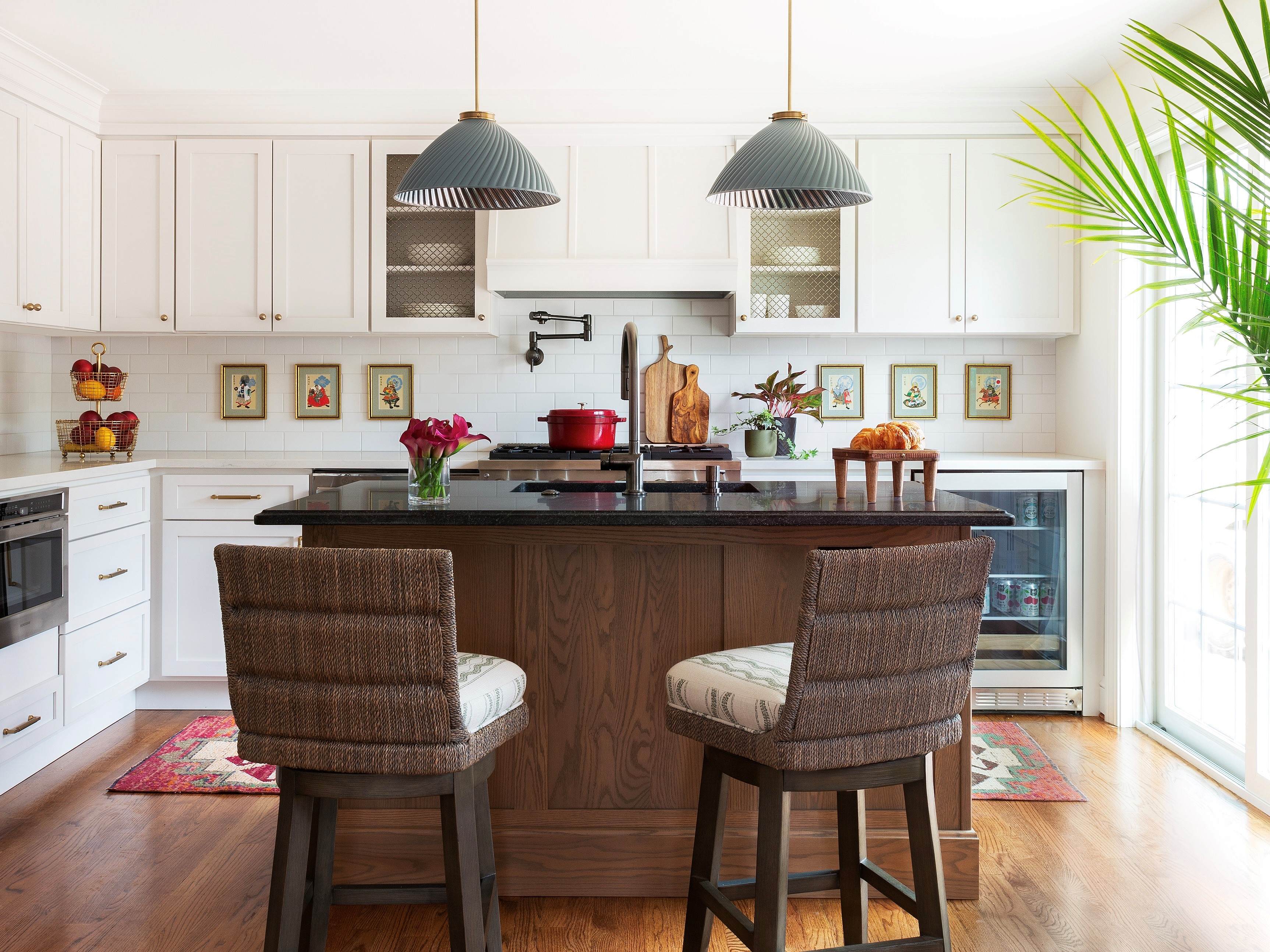
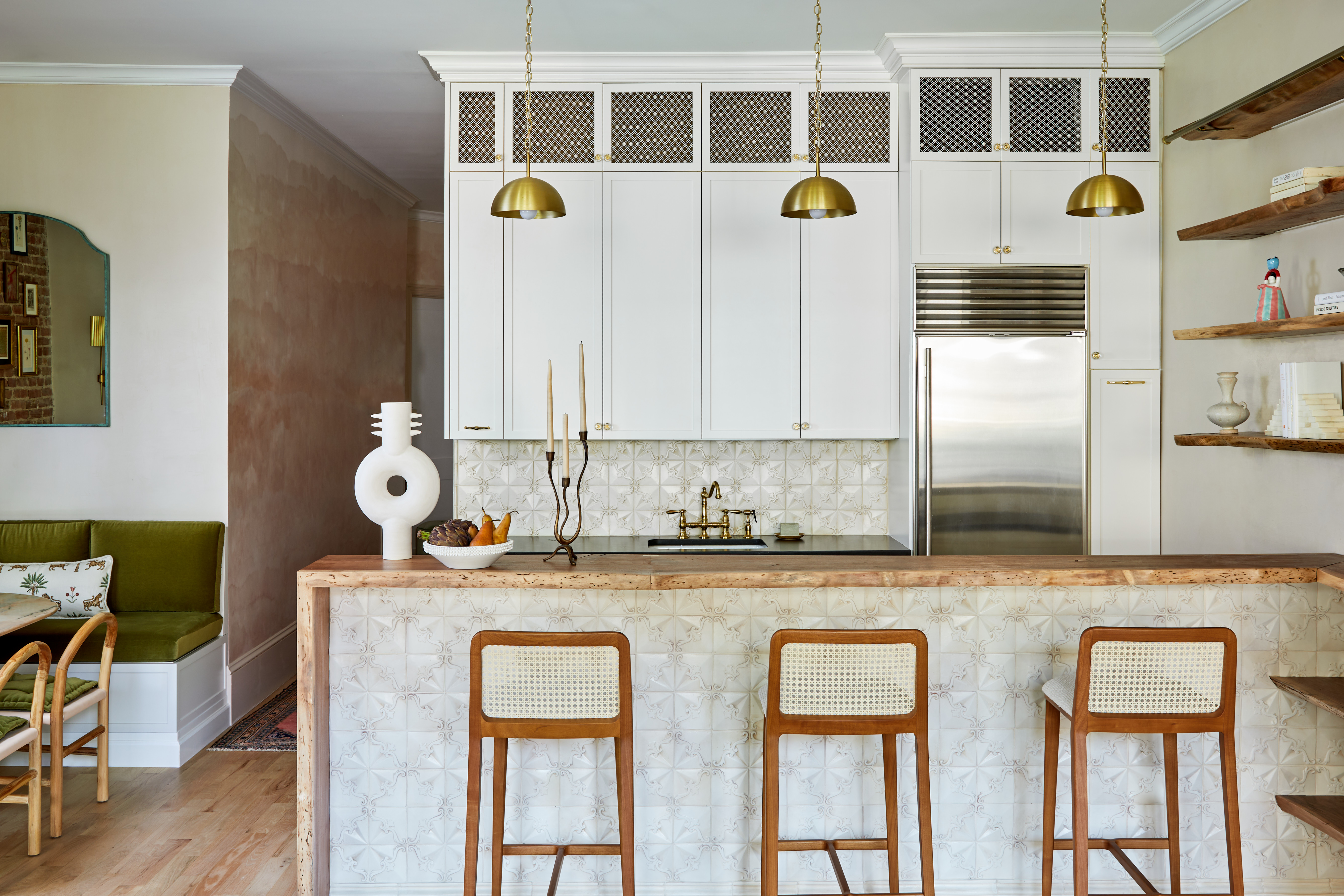
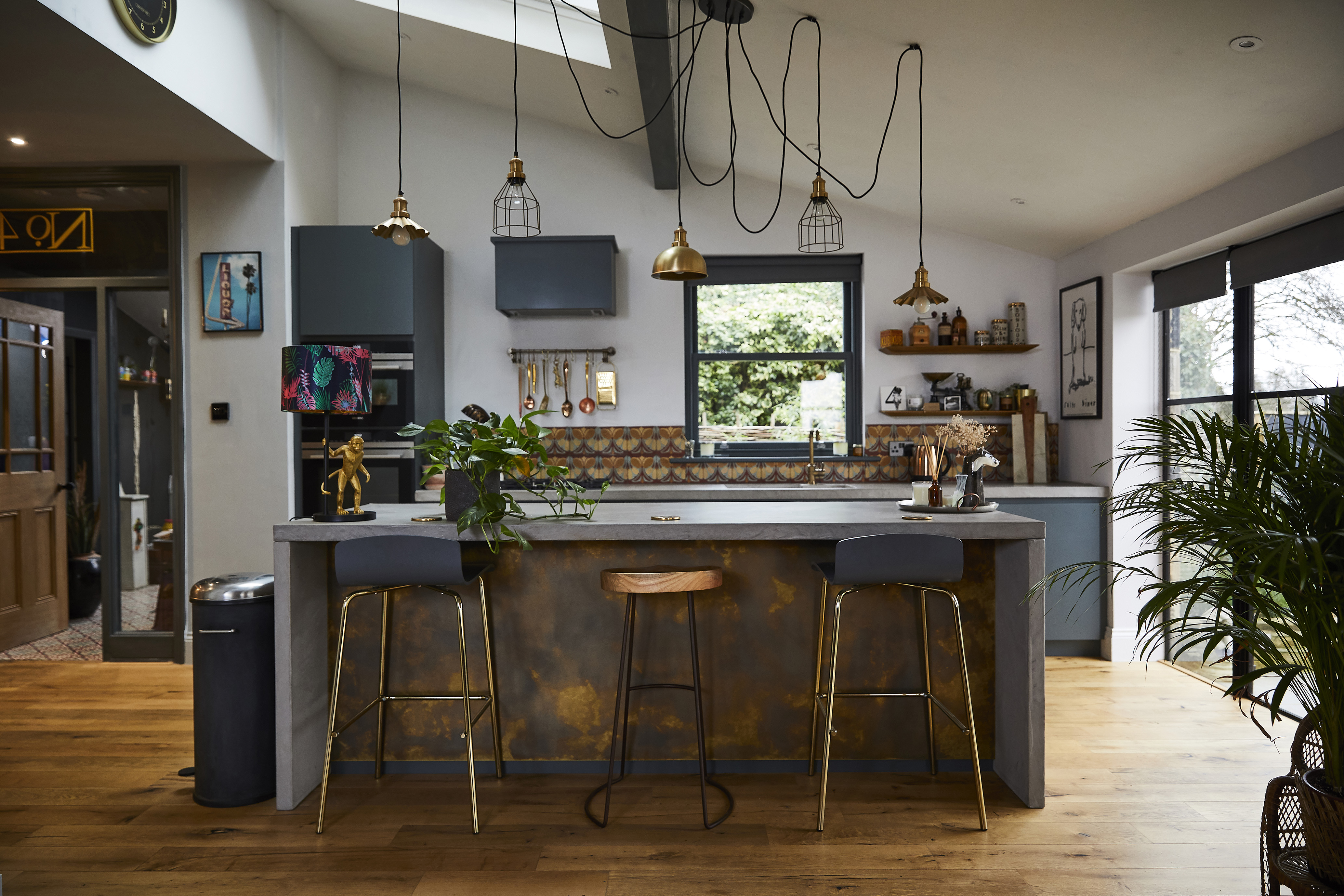
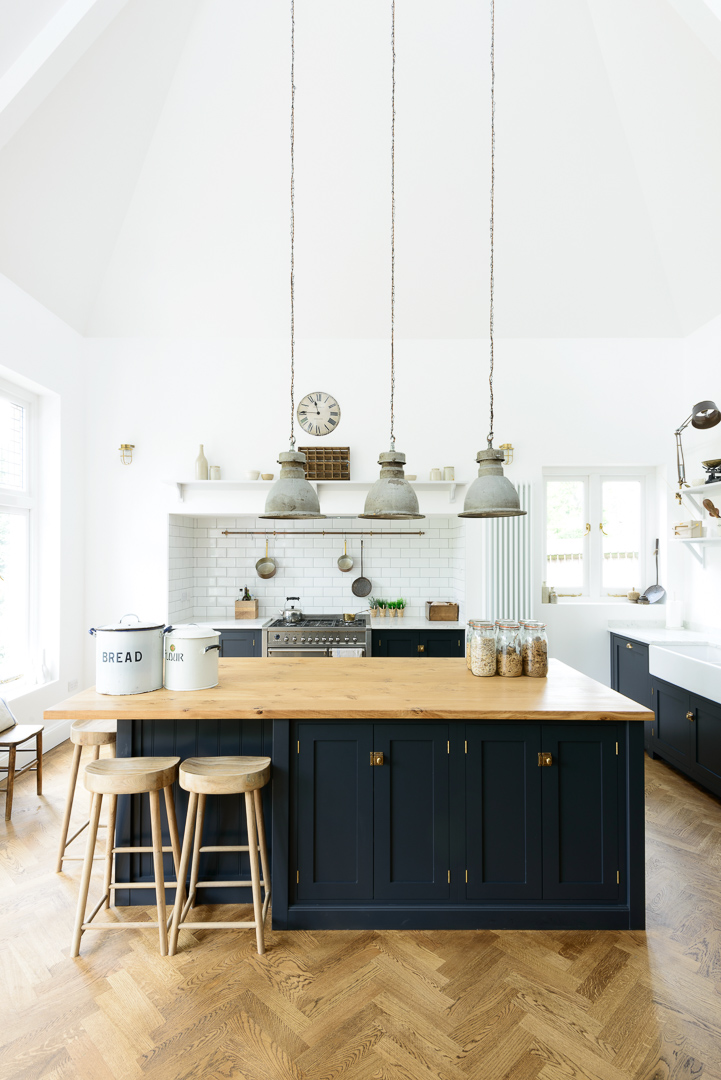
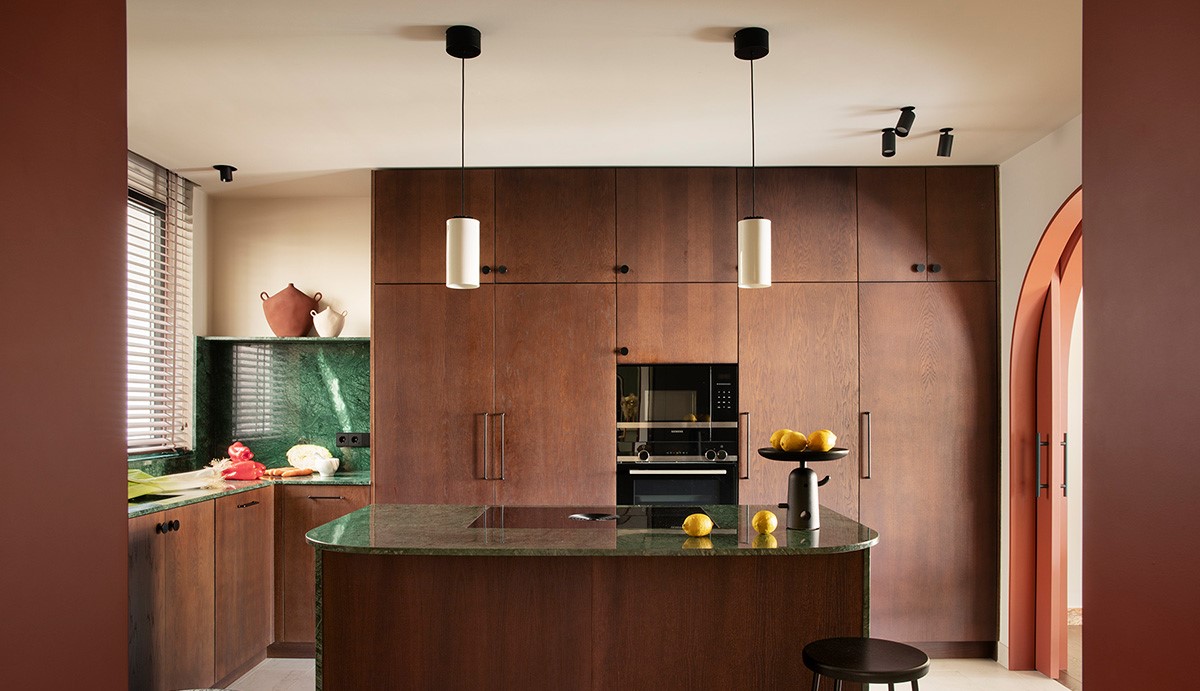
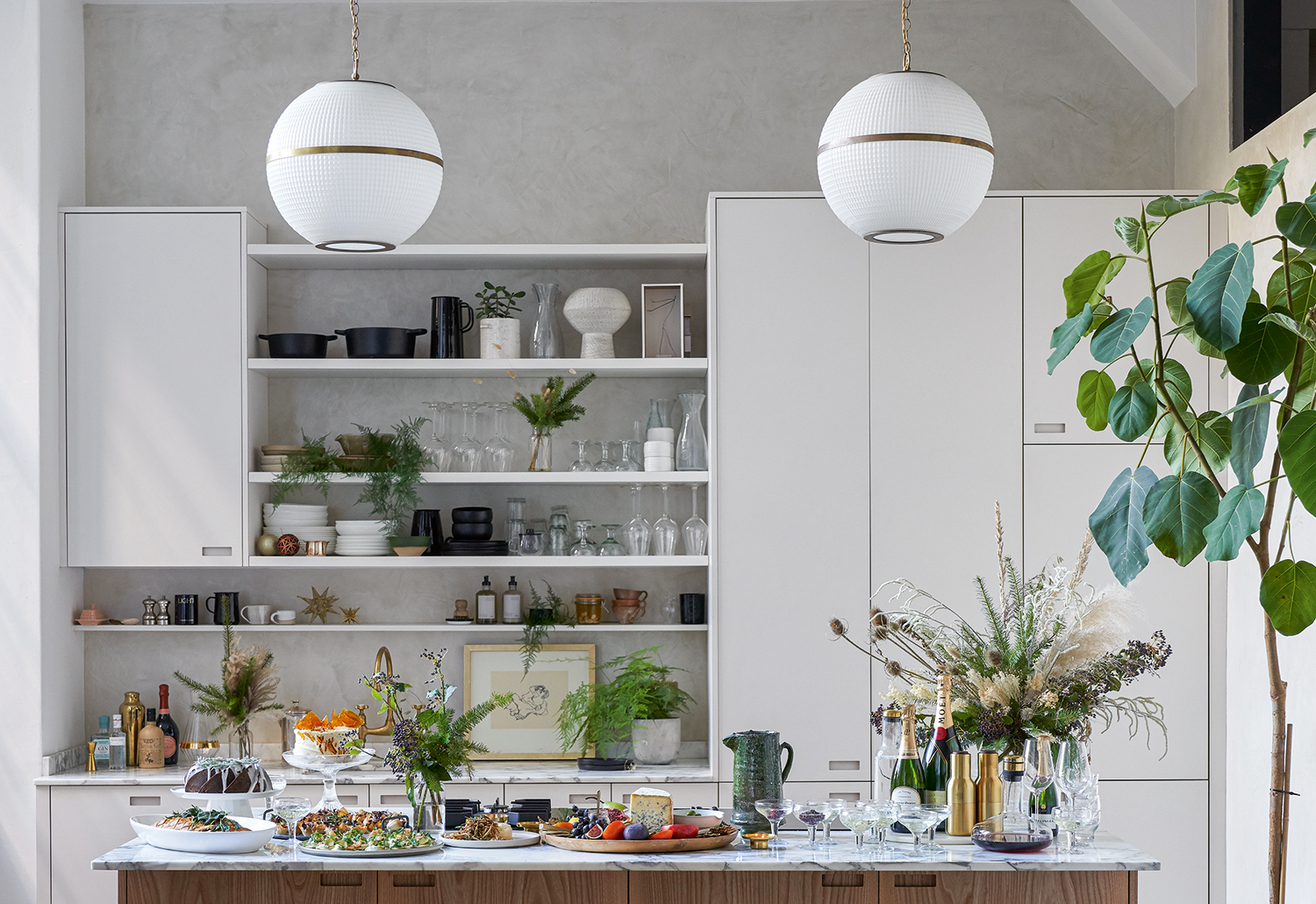
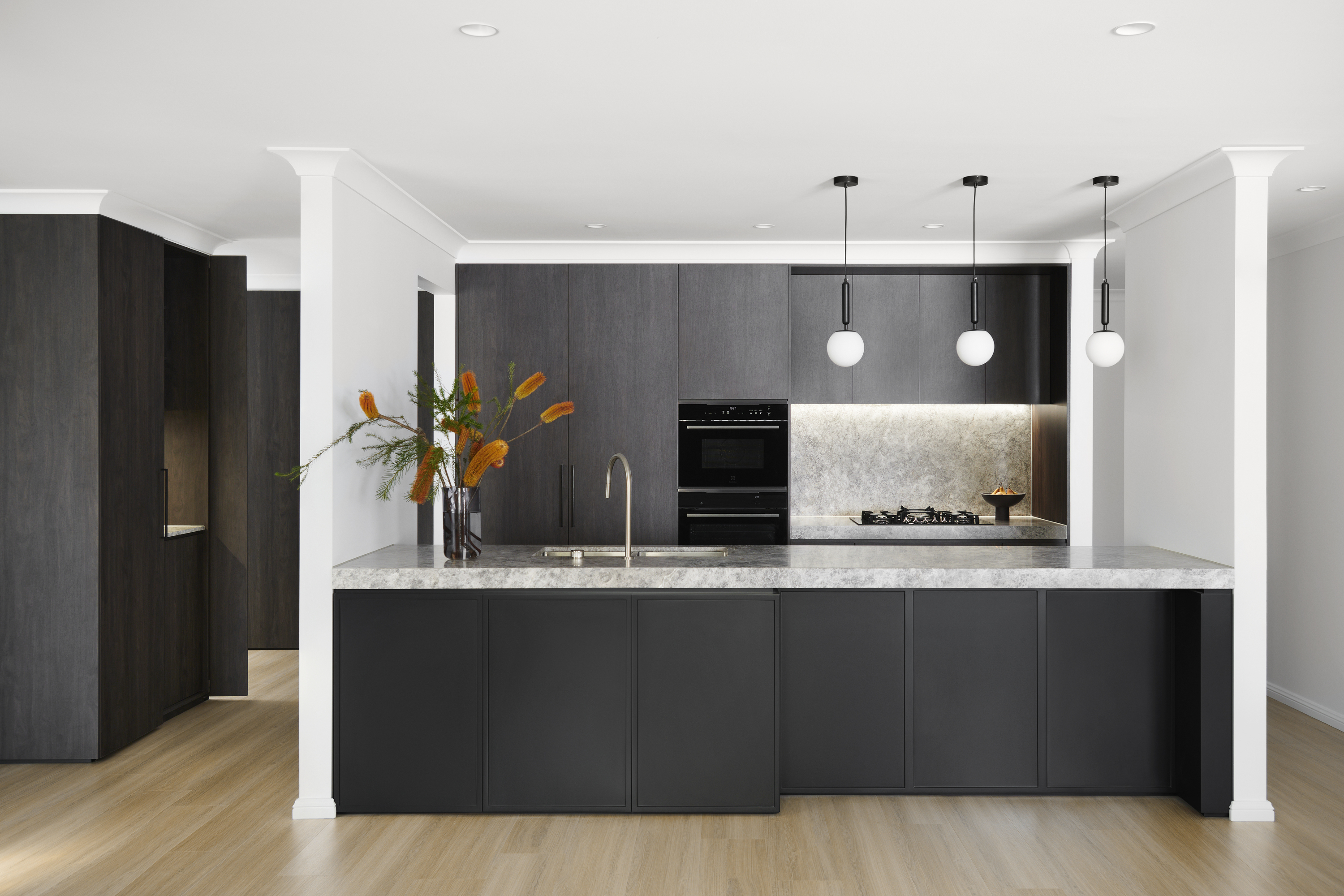
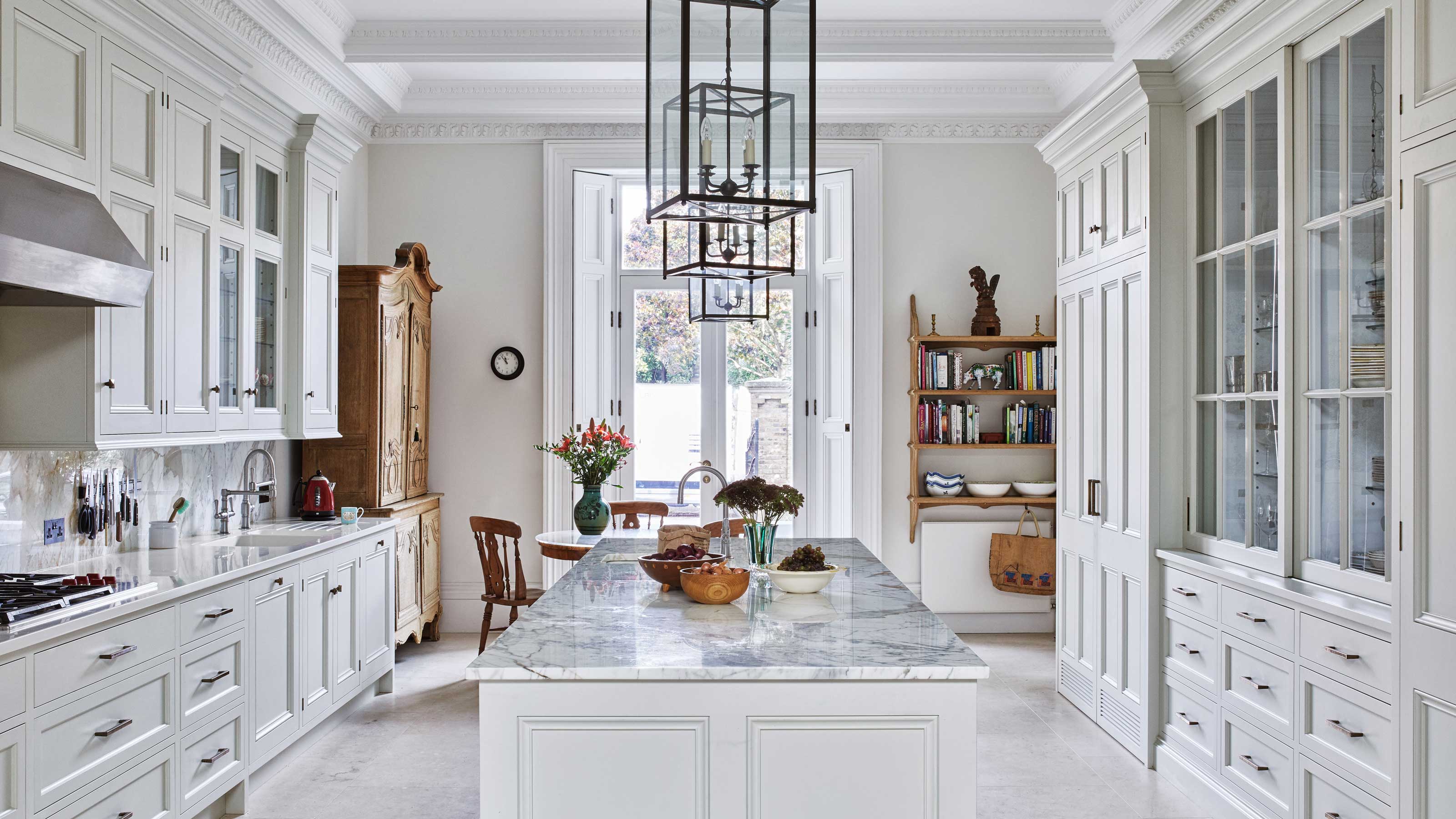
Three main types of lighting fixtures are commonly used for kitchen islands: pendants, chandeliers, and track lights. Each type offers a unique combination of style, functionality, and versatility. Pendants, often installed in a series, remain a popular choice, providing direct light and a contemporary aesthetic. For more modern kitchens, linear strip lights that provide continuous illumination across the counter surface are gaining popularity. Track lights, with their individual, adjustable fixtures, offer flexibility, allowing users to pivot them to direct light precisely where needed. Chandeliers are also a viable option, adding an ornamental touch to the room while dispersing light throughout the space. The market offers a wide variety of chandeliers, including rectangular and cluster designs, to suit different design preferences.
When determining the number and type of lights for a kitchen island, several factors need to be considered. Julia Mack advises assessing the kitchen island's layout, its dimensions, and the ceiling height. These measurements are crucial for selecting light fixtures that are proportionate to the space. High ceilings, for instance, can accommodate multi-light pendants, whereas lower ceilings might be better suited for simpler linear fixtures. Additionally, opting for fixtures with multiple bulbs instead of a single bulb can enhance both task lighting over the island and general illumination in the kitchen.
Specific rules apply to the installation of lights above the kitchen island. Jane Lockhart stresses the importance of proper spacing and height for pendant lighting. Fixtures should be spaced equally and hung high enough to prevent people from bumping their heads, typically starting at 36 inches above the island, though this height can be adjusted upwards. The placement of the fixtures should also complement the shape and function of the countertop, with central positioning of a couple of pendants often being the most effective approach to highlight the area below them. The article concludes by listing examples of available kitchen island lighting products, including a long white pendant light, track lighting, and a rectangle crystal chandelier, demonstrating the variety of choices for homeowners.
#KitchenIslandLighting #InteriorDesign #HomeLighting #KitchenDesign #PendantLights #Chandeliers #TrackLighting #HomeImprovement #DesignTips #KitchenIslandLighting #InteriorDesign #HomeLighting #KitchenDesign #PendantLights #Chandeliers #TrackLighting #HomeImprovement #DesignTips
0 Kommentare insgesamt
 Noch keine Kommentare
Das könnte Ihnen auch gefallen
Do you need a light over a dining table? Designers offer their expert advice

Designers say that lighting is the easiest way to elevate your kitchen
Does every room need a ceiling light? There's one in particular that really doesn't, these designers agree
Goodbye, Fluorescent Lighting; Hello, Beautiful Kitchen Pendants

How many lights should there be in a kitchen? Designers agree on how to get it right
Should a living room have a ceiling light? Finally, design experts settle the debate
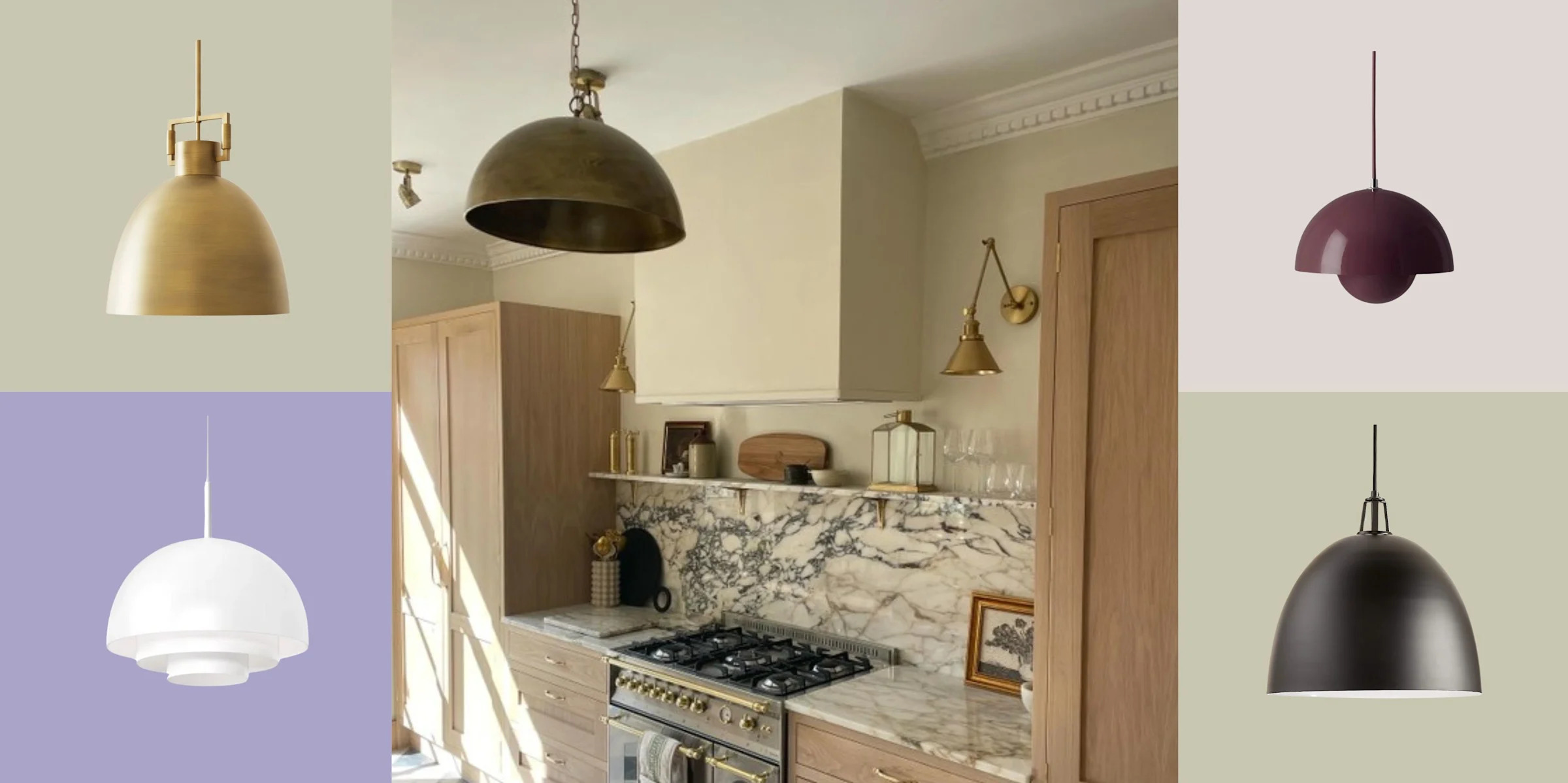
Channeling Fancy Restaurant Style, Dome Lights Are Always My Pick for Kitchen Islands — Preferably One of These 6

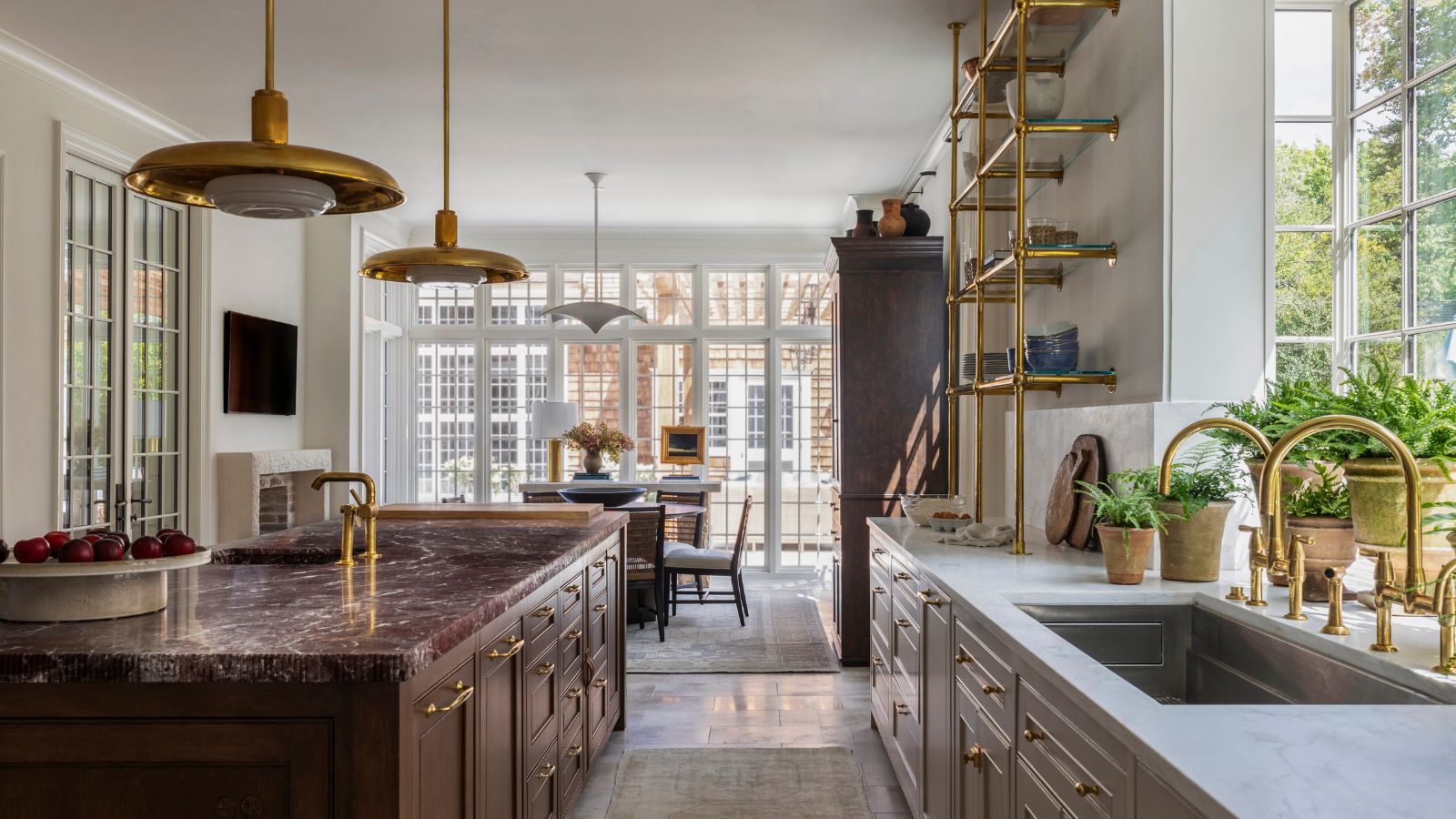
The Kitchen Lighting 'Rule Of 3' Will Instantly Make Your Space Look Expensive – And Designers Swear By It For A Perfectly Layered Scheme
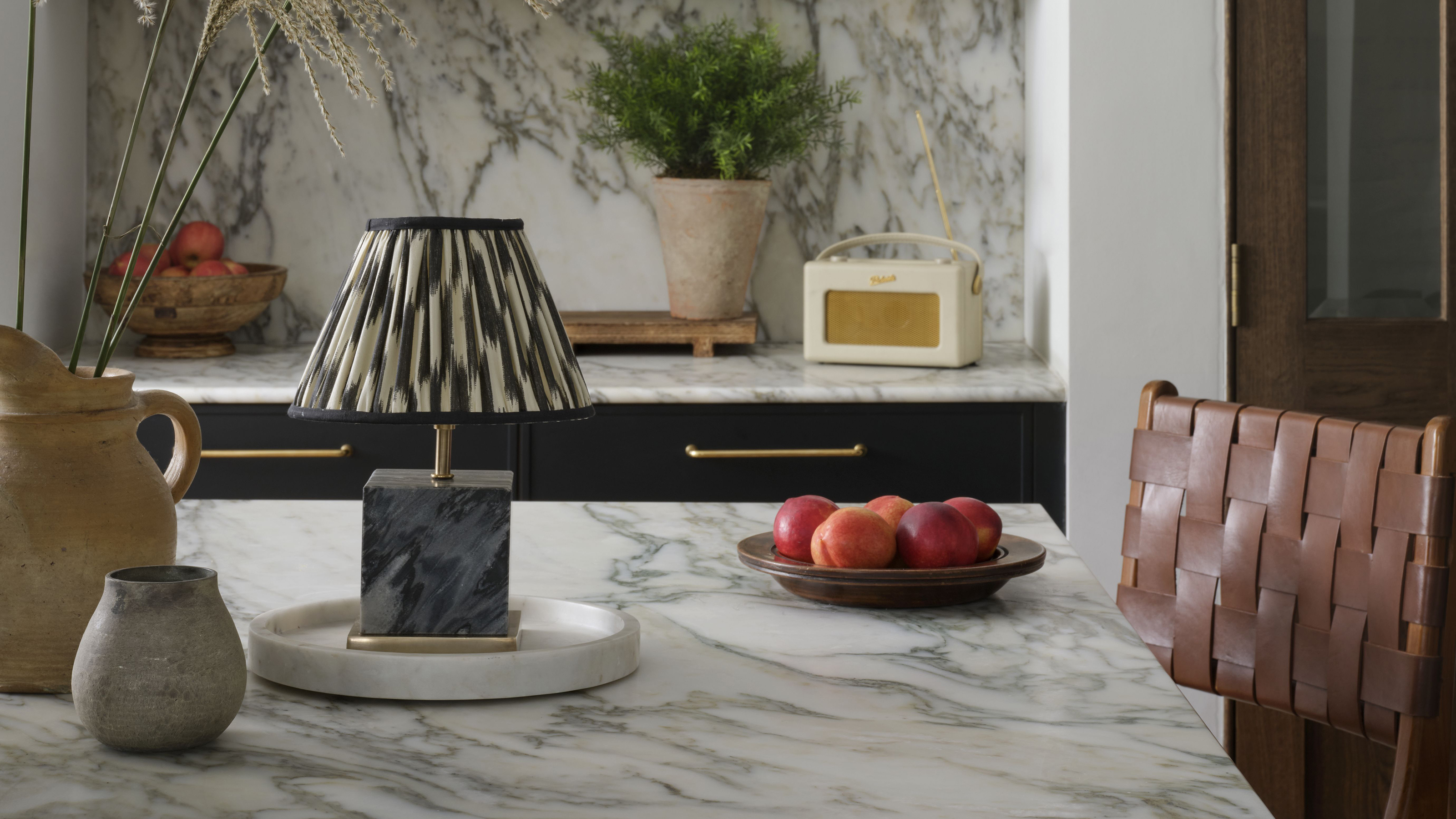
This is my big kitchen lighting ick, and interior designers agree it's an impractical choice – what you should buy instead
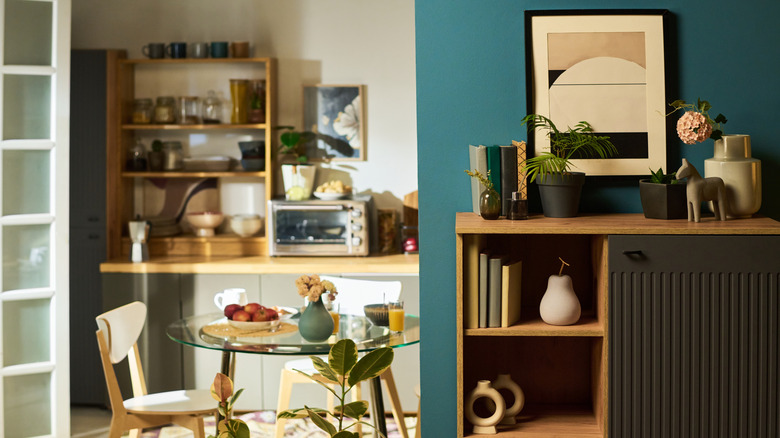
Should You Light Kitchen Artwork The Same Way You Do In The Rest Of Your Home?

Why Everyone Needs a Kitchen Lamp
5 Kitchen Lighting Design Rules Interior Designers Warn You Should Never Ignore for a Well-Lit Space
Essential Kitchen Lighting Tips, According to Industry Pros

Designers Agree This Type of Bulb is Best in a Kitchen — 'It Makes Tasks Easier,' Say Experts
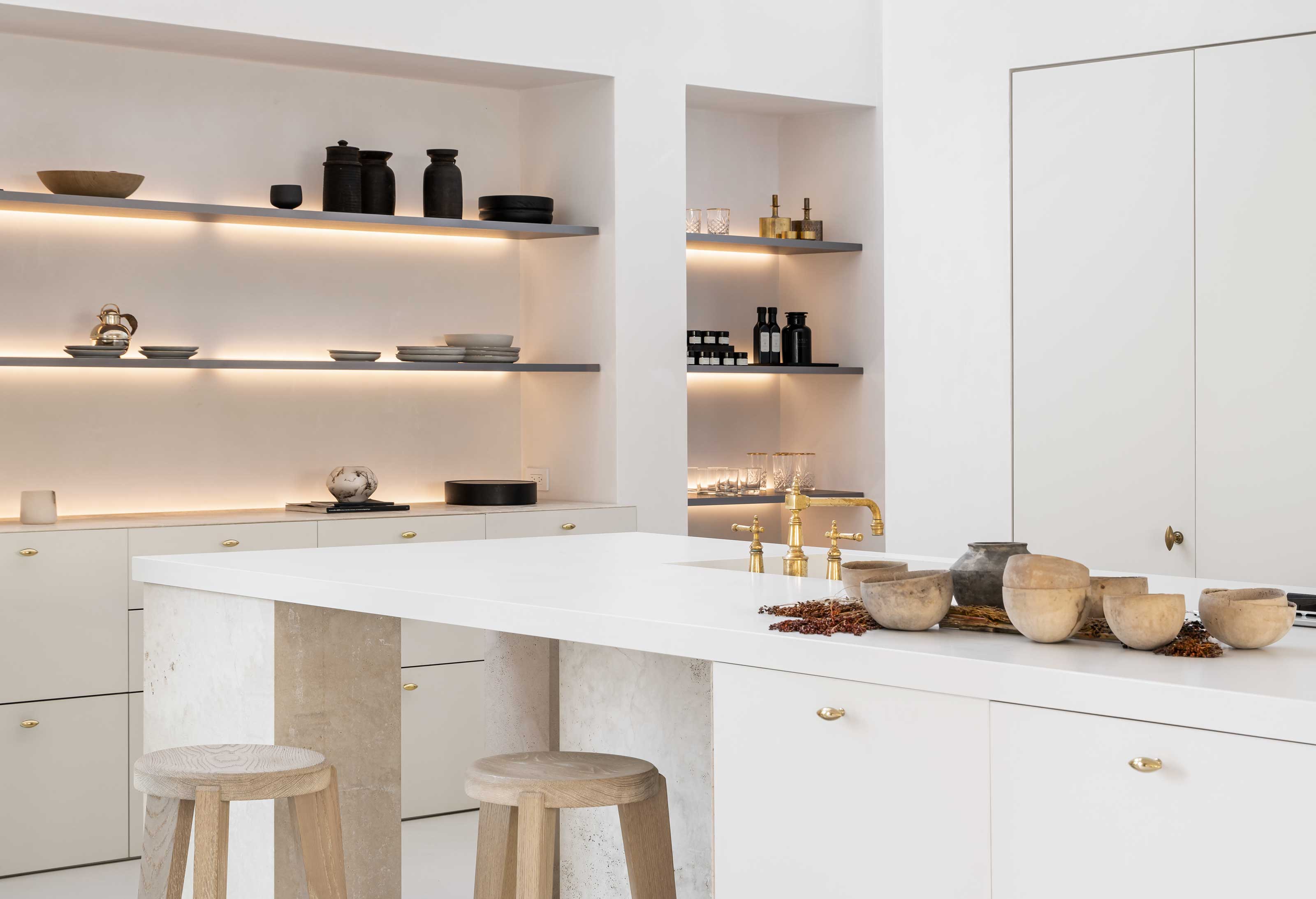
5 ideas for using LED lighting in a kitchen that make me regret not including it in my own remodel
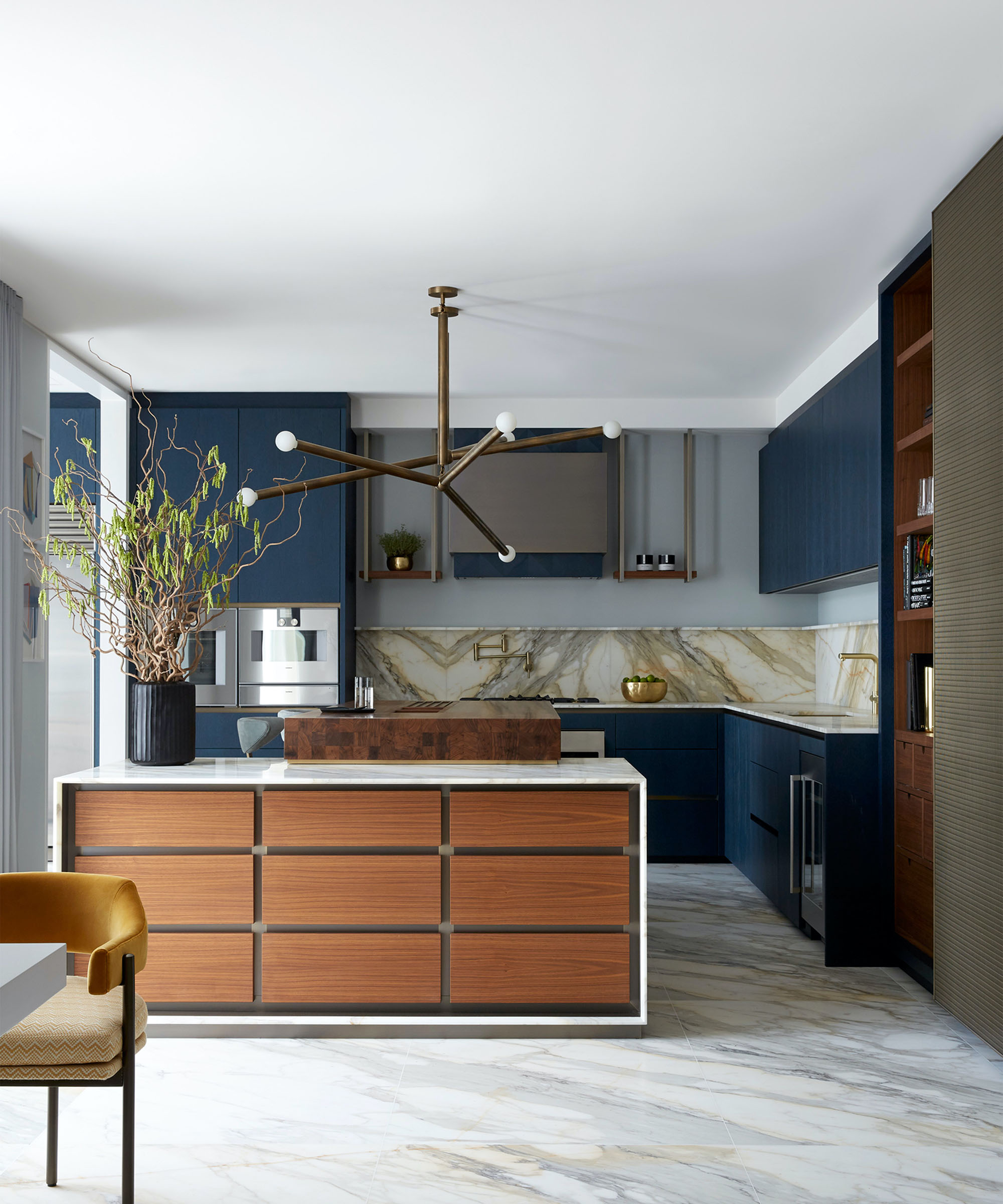
Kitchen island lighting ideas – 20 ways to make it functional and fabulous
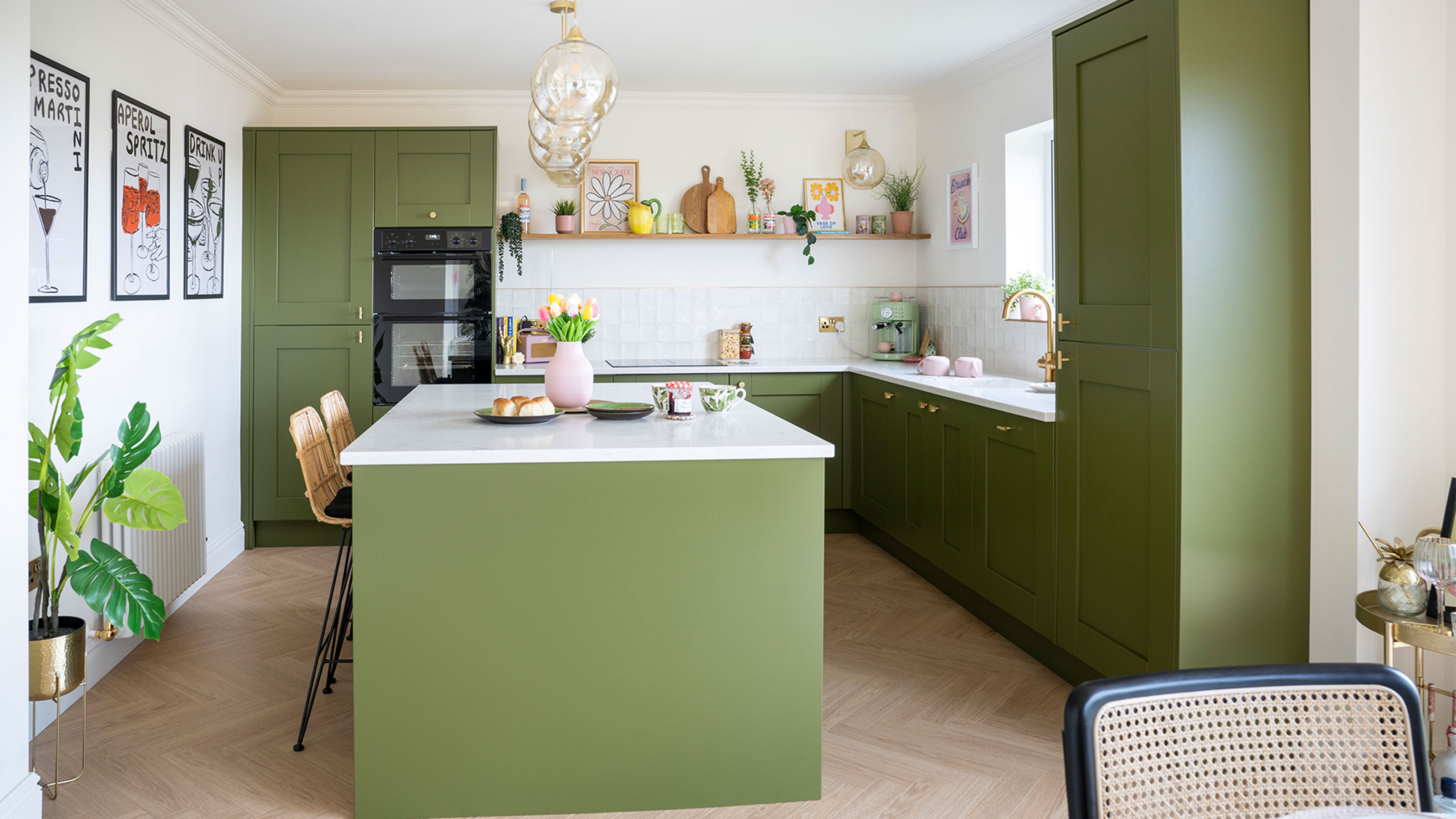
Experts warn this is the biggest mistake people make when choosing lighting for their kitchen
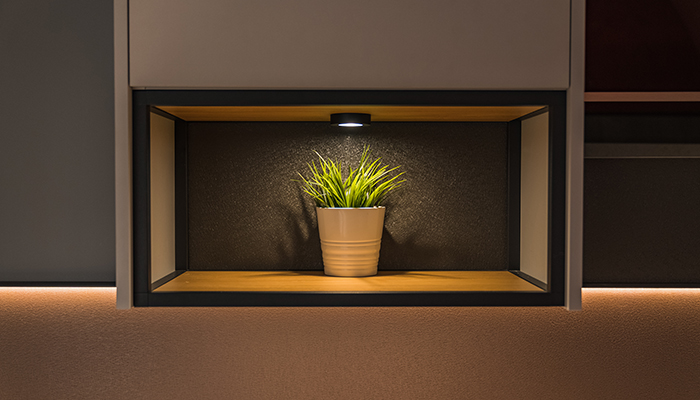
Kitchen focus: Why great lighting is key to a successful design
Do you need a kitchen island? Designers weigh in on are they an essential or are islands becoming outdated
8 Secrets That Will Make Your Kitchen Look Expensive, According to Designers