Purple Flowers That Hummingbirds Can't Resist
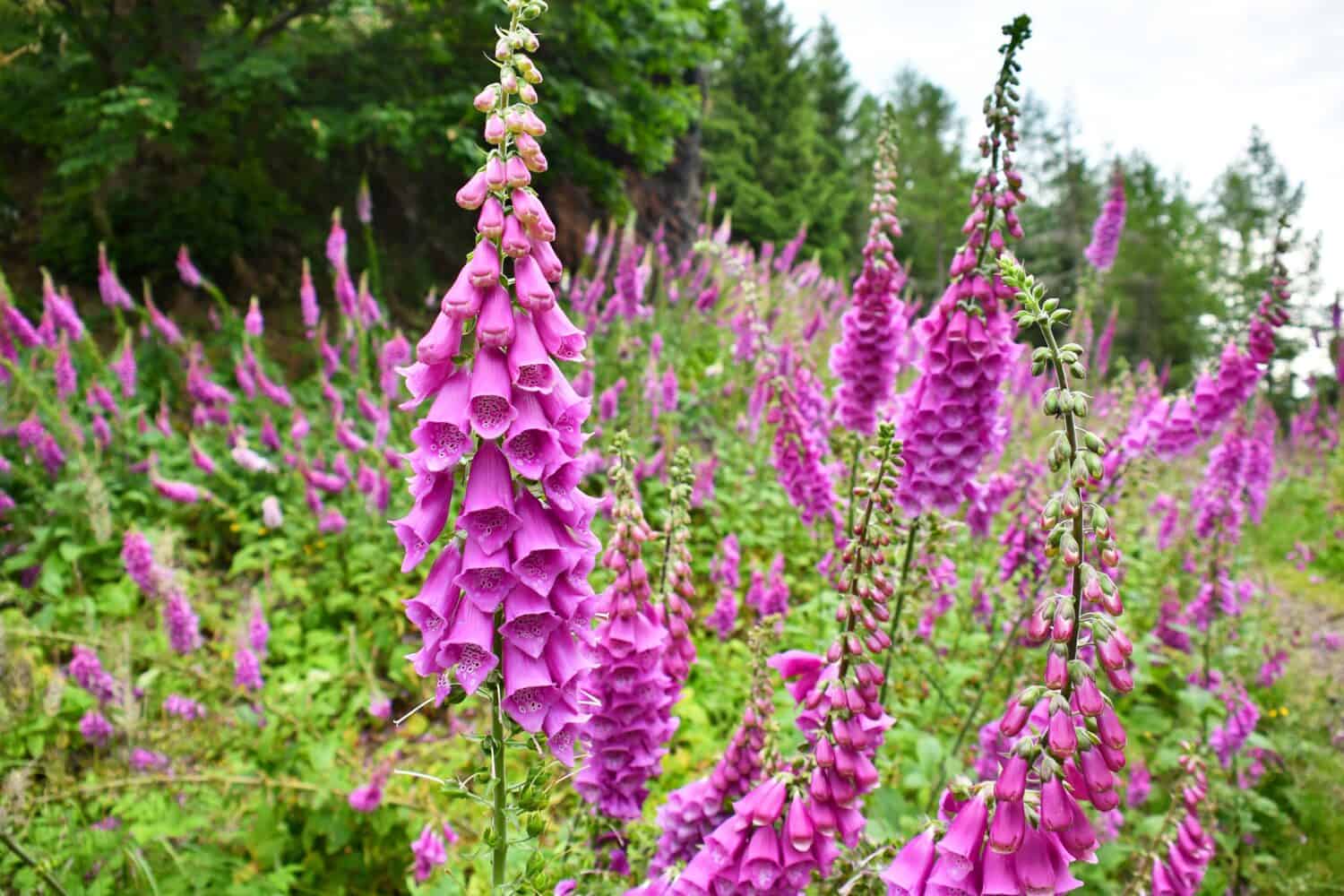
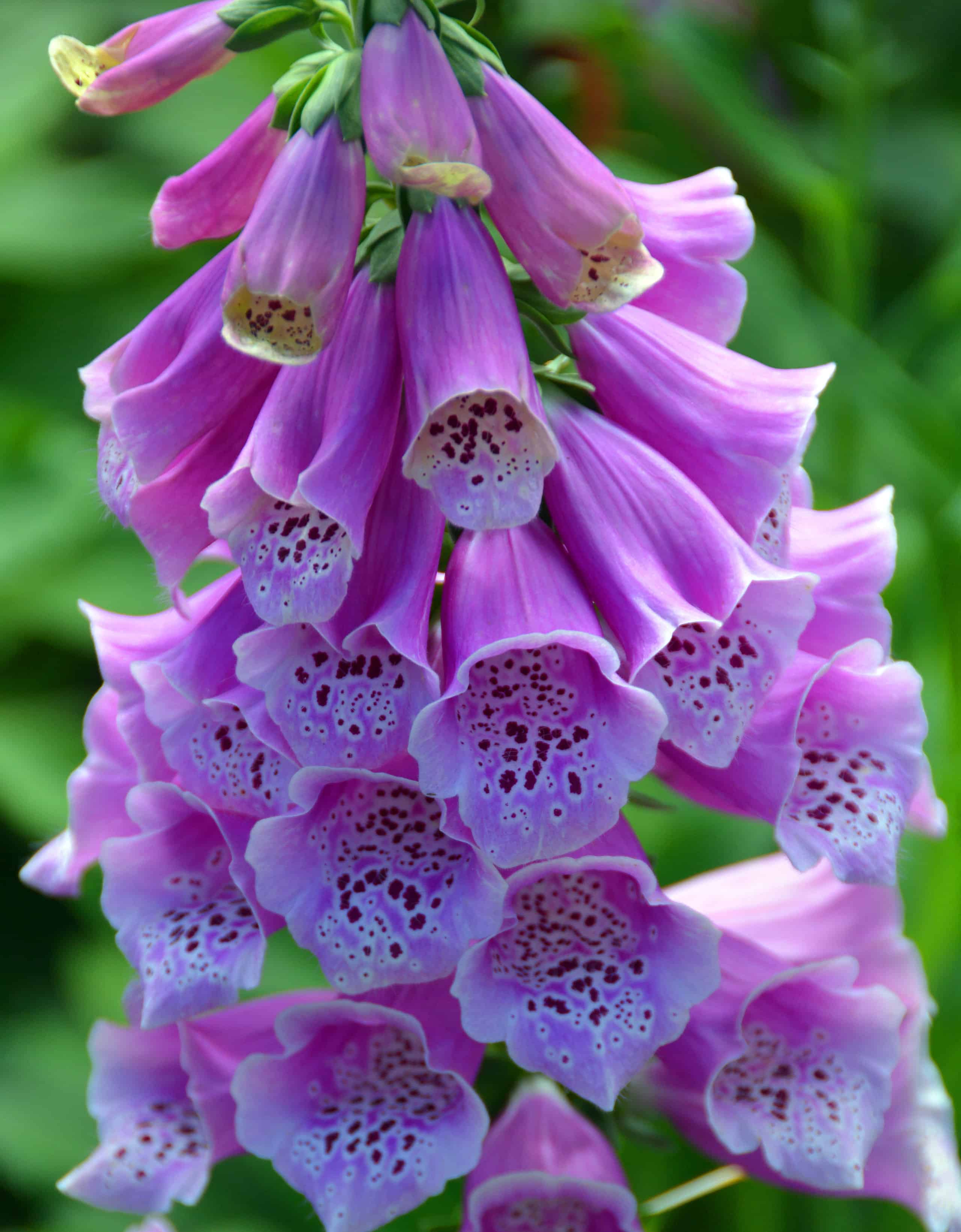
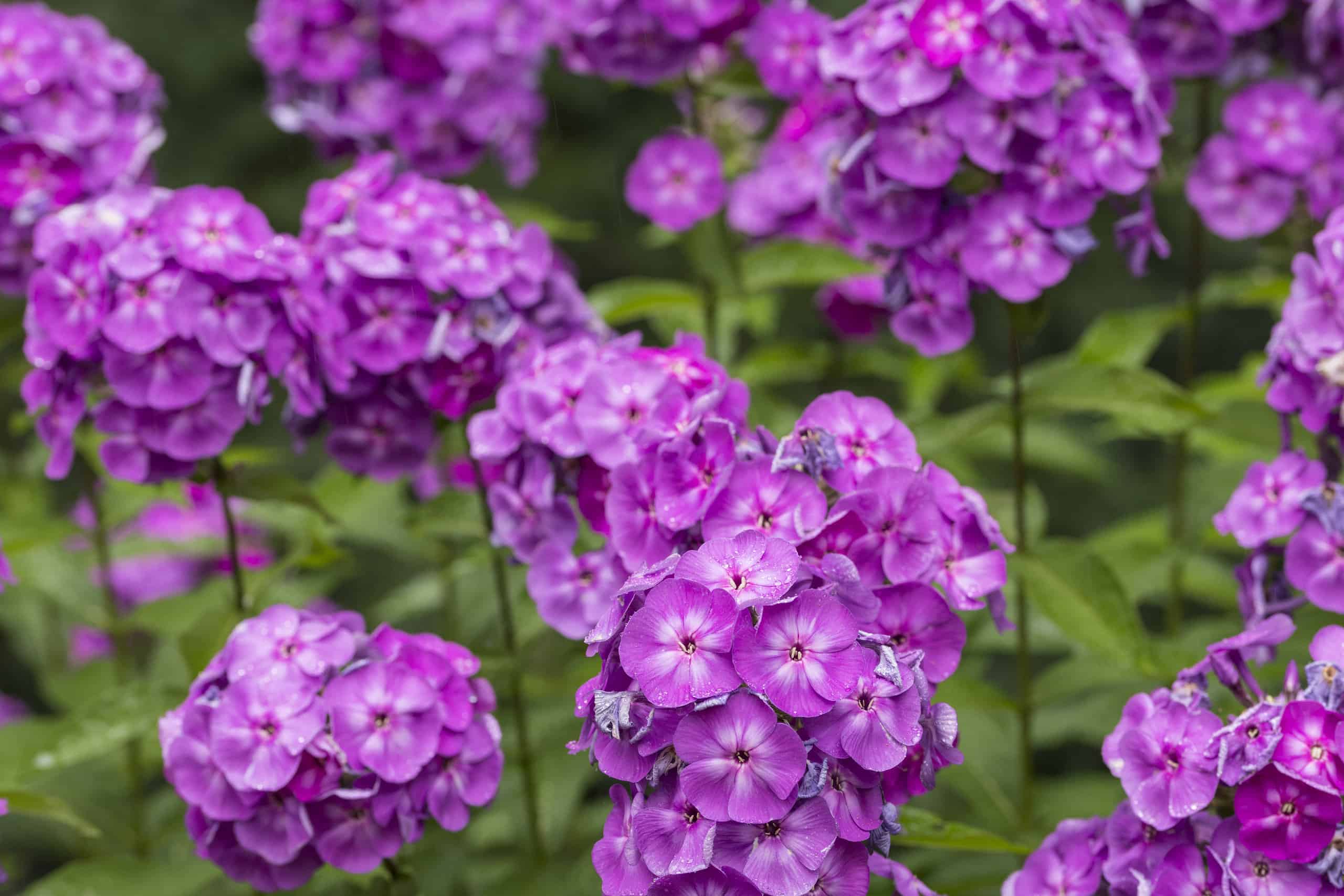
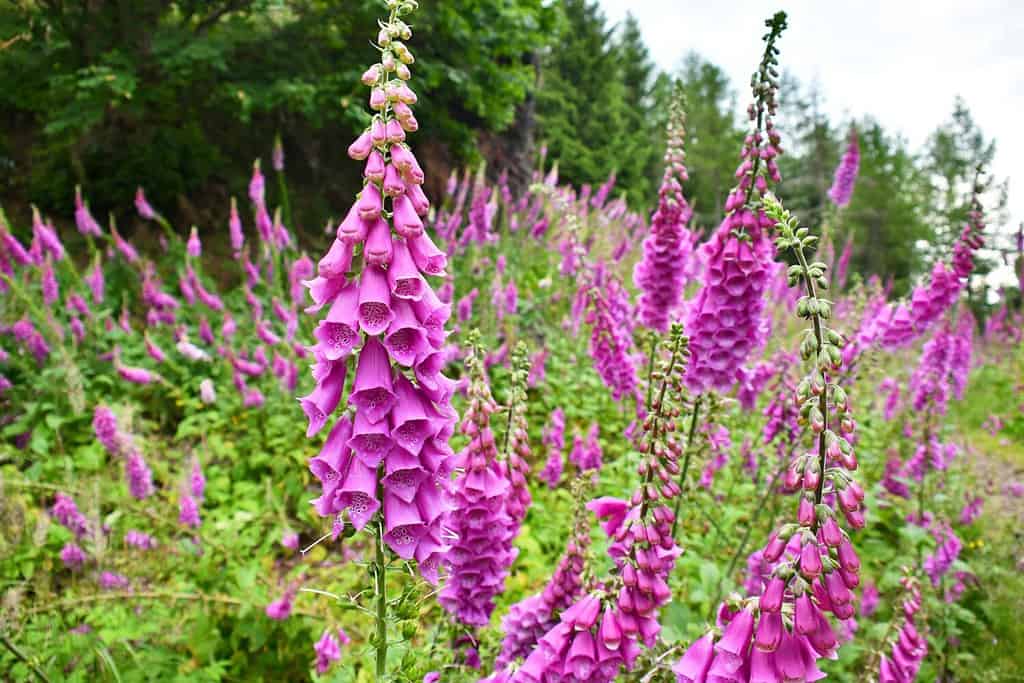
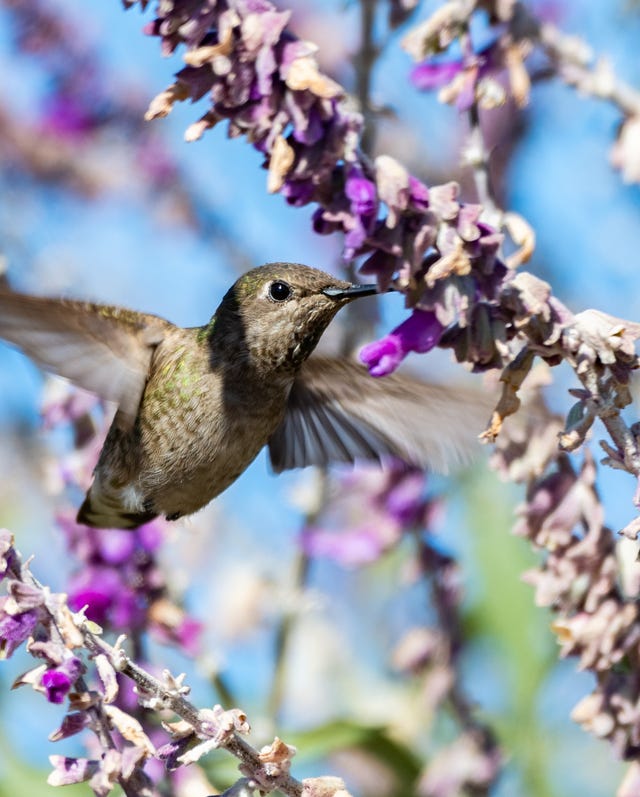
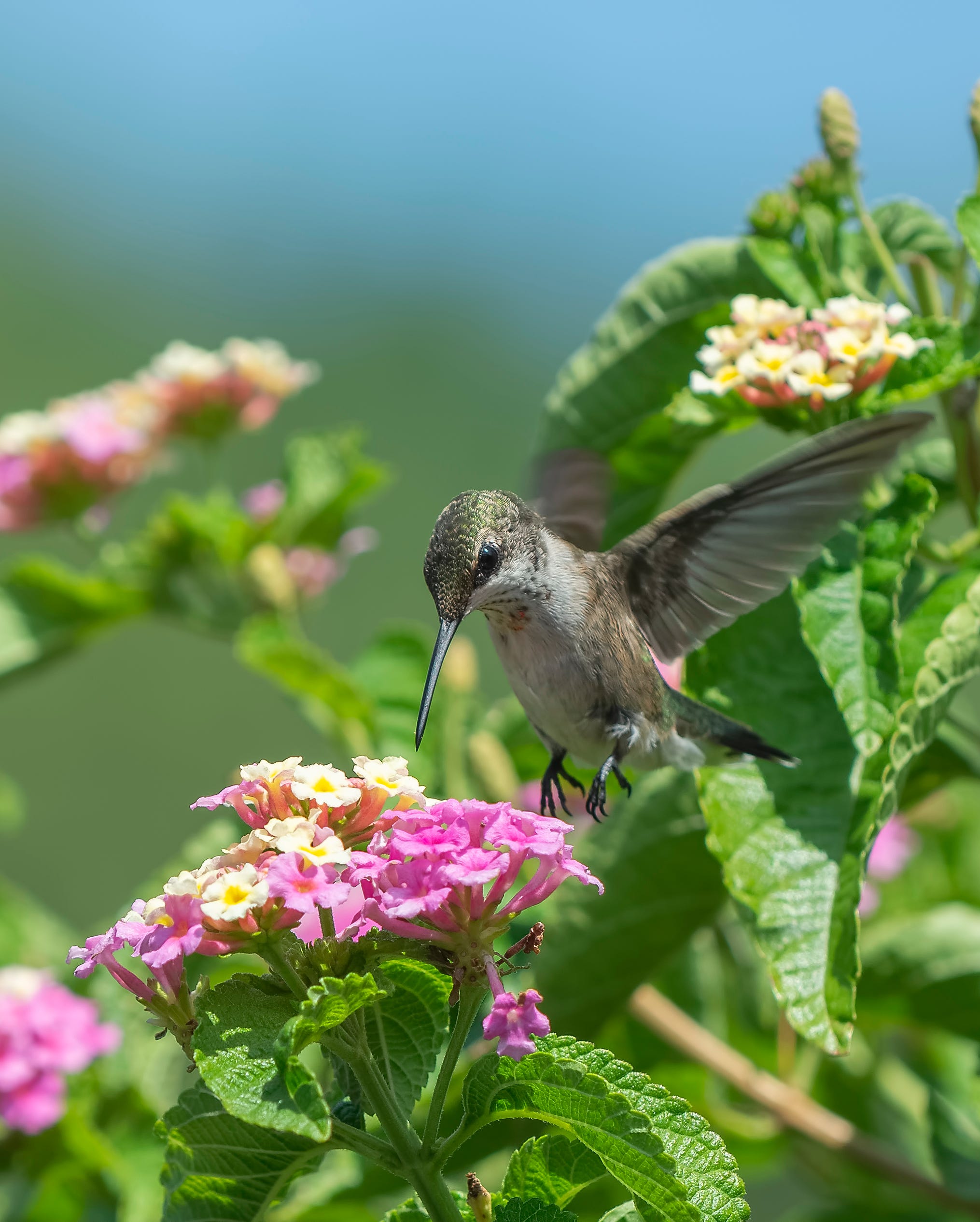
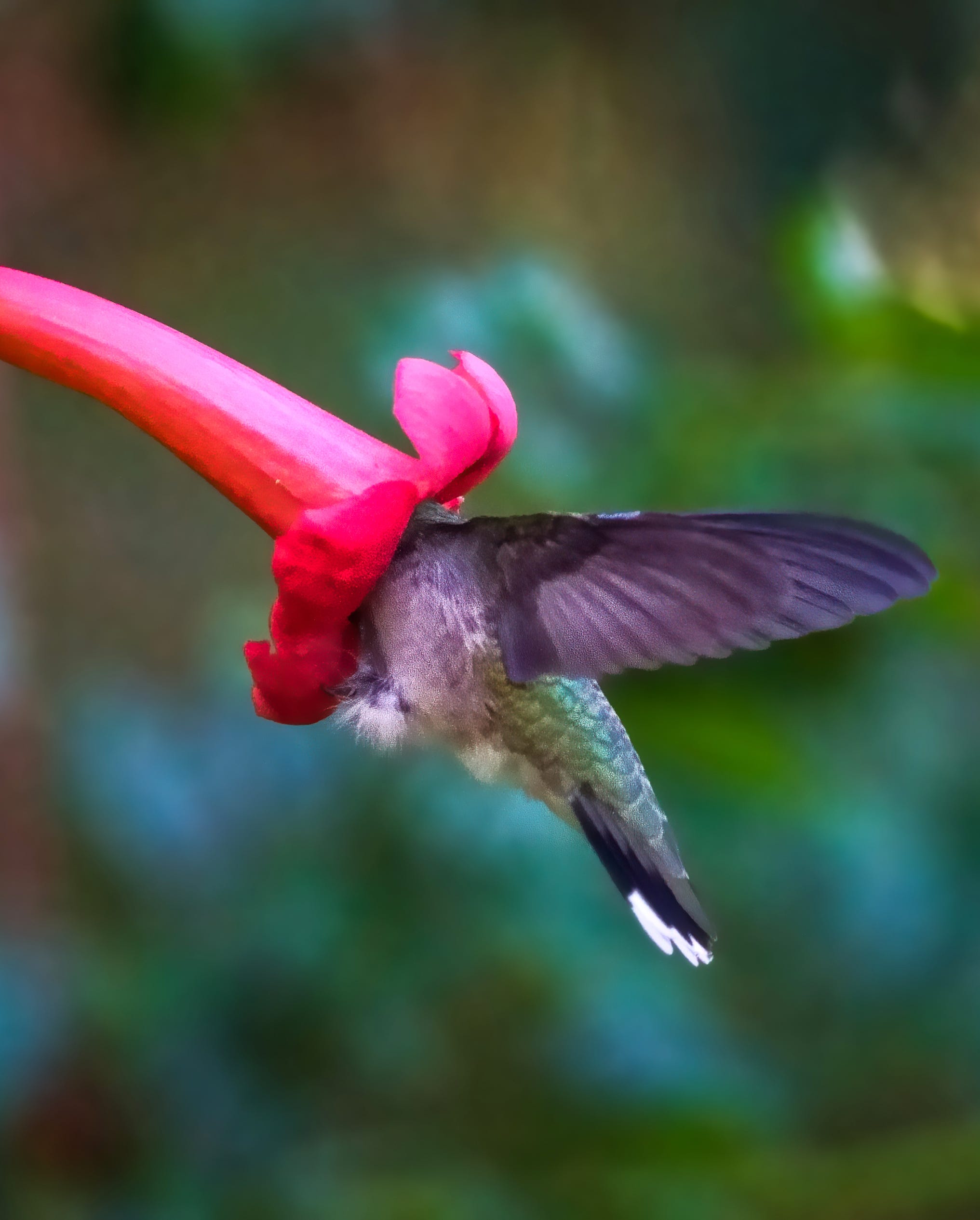
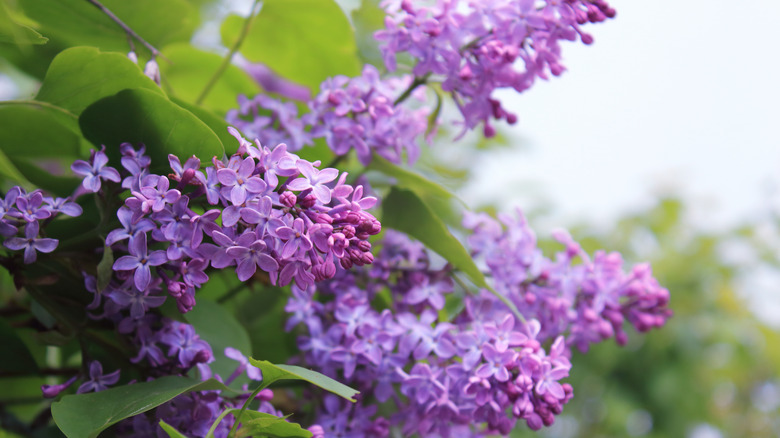
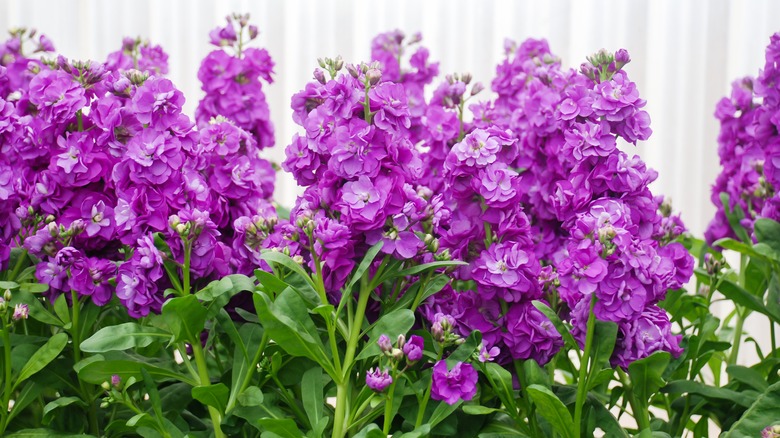
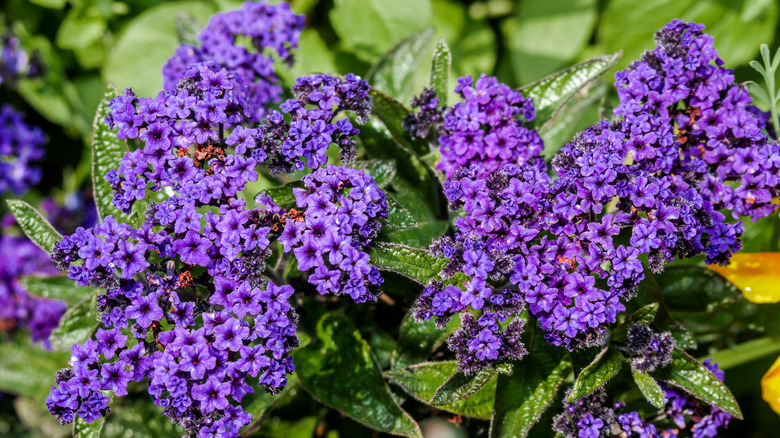
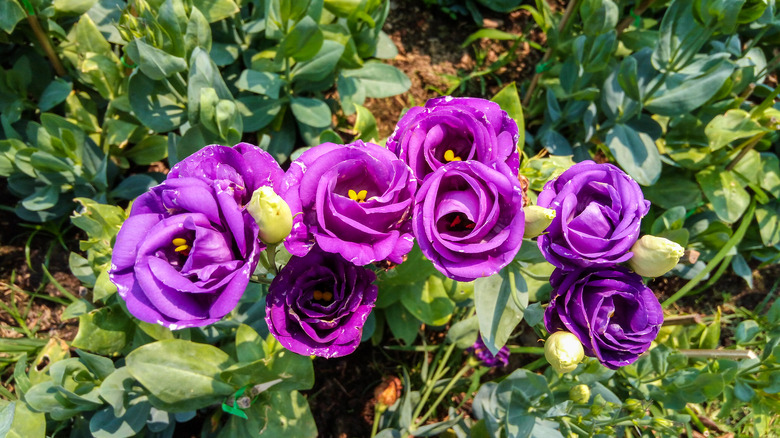
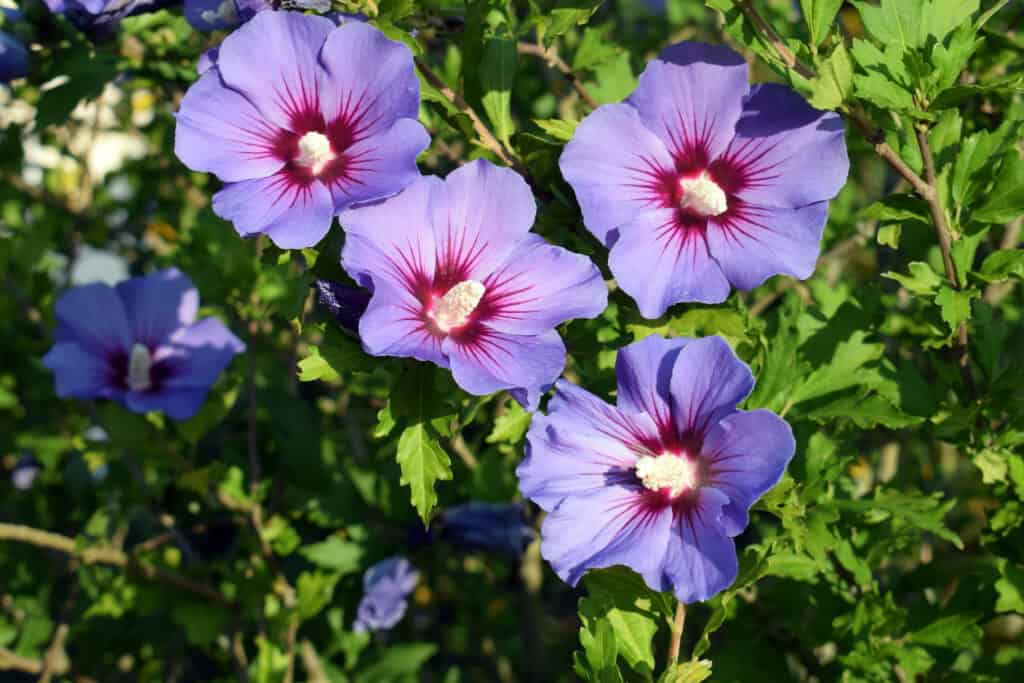
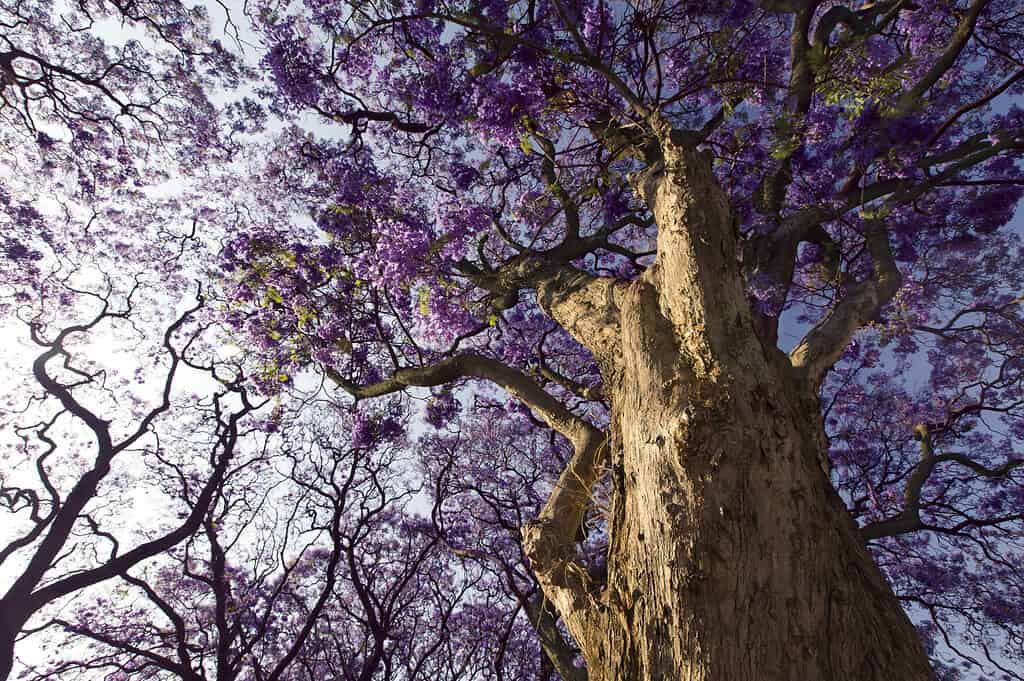
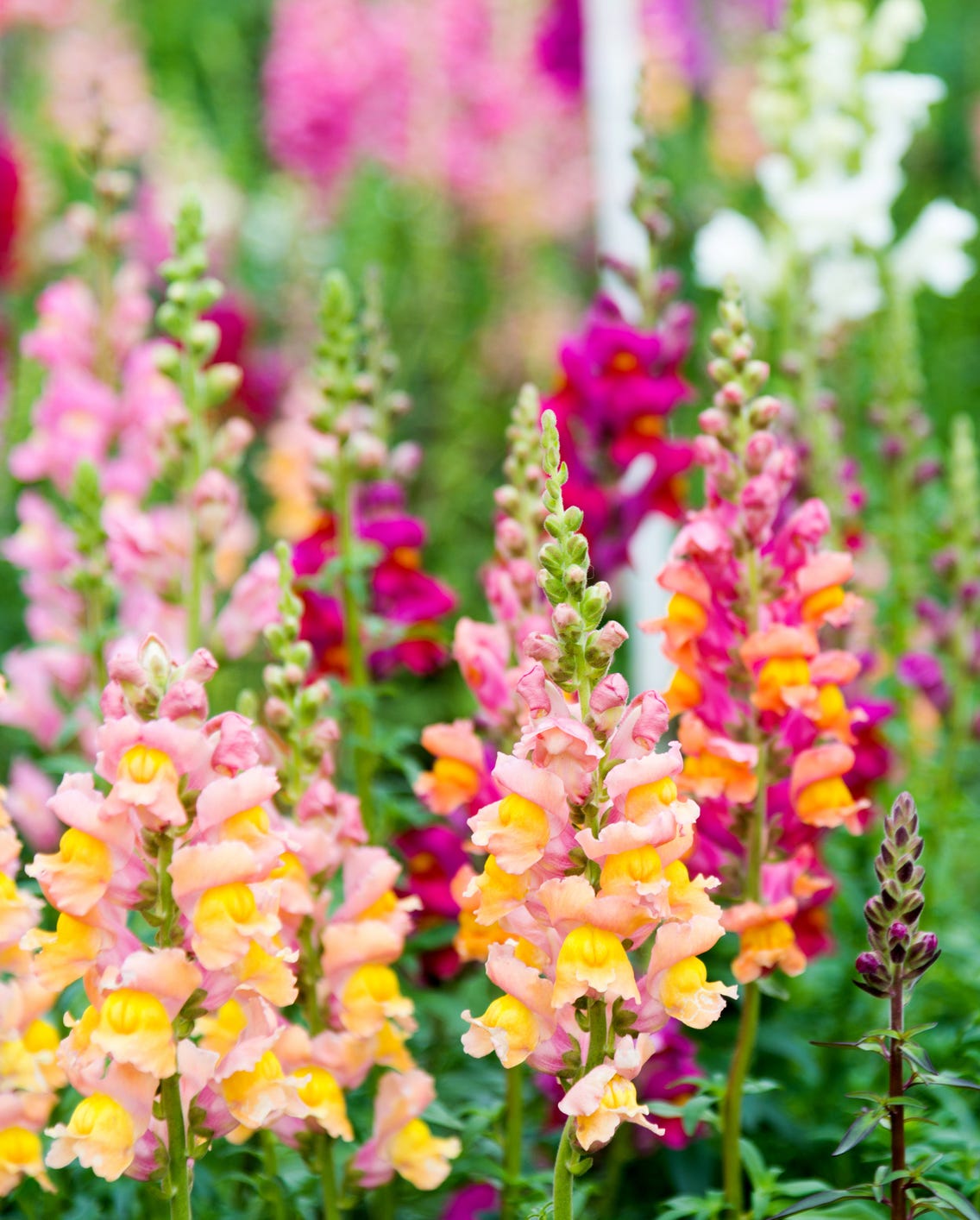
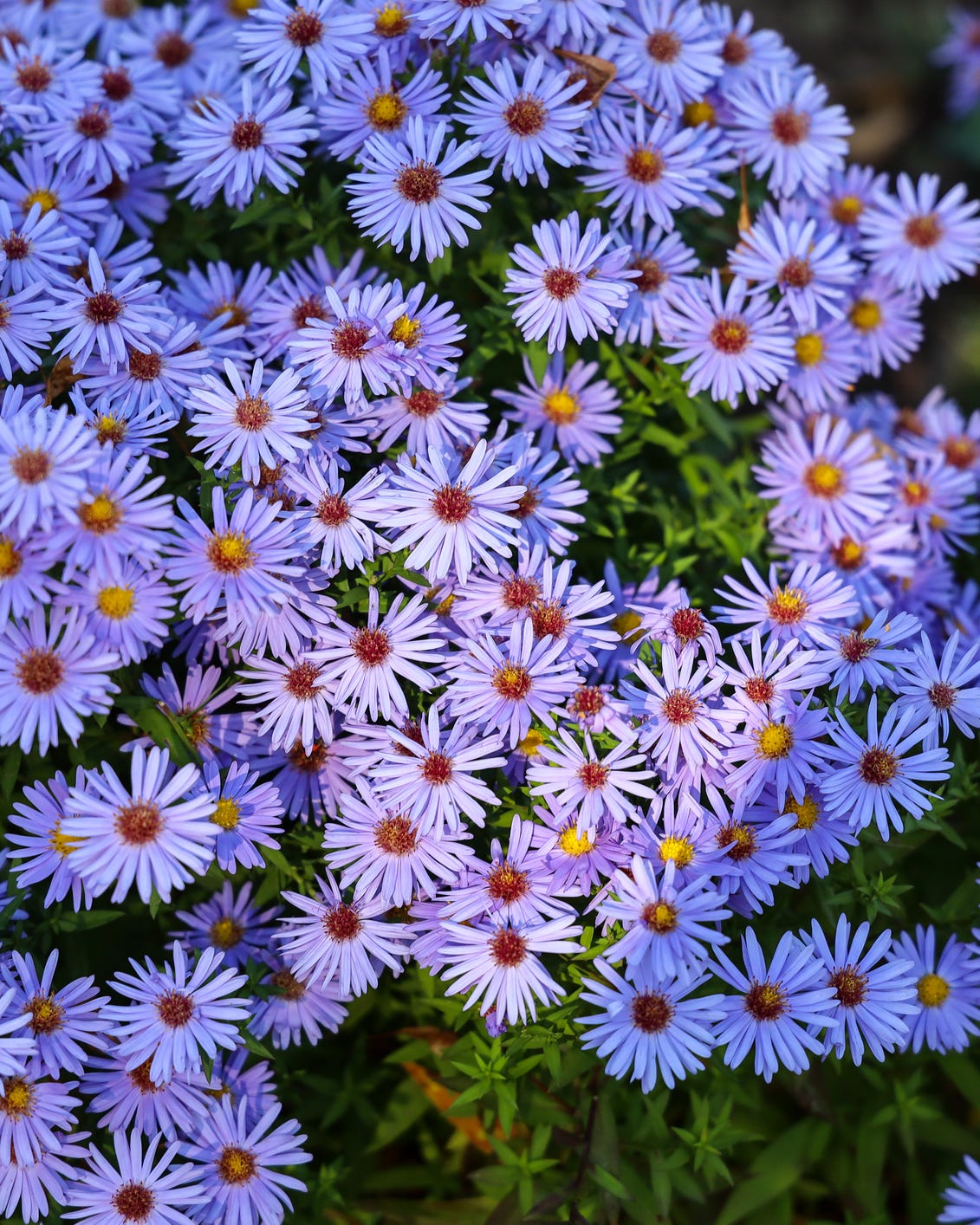
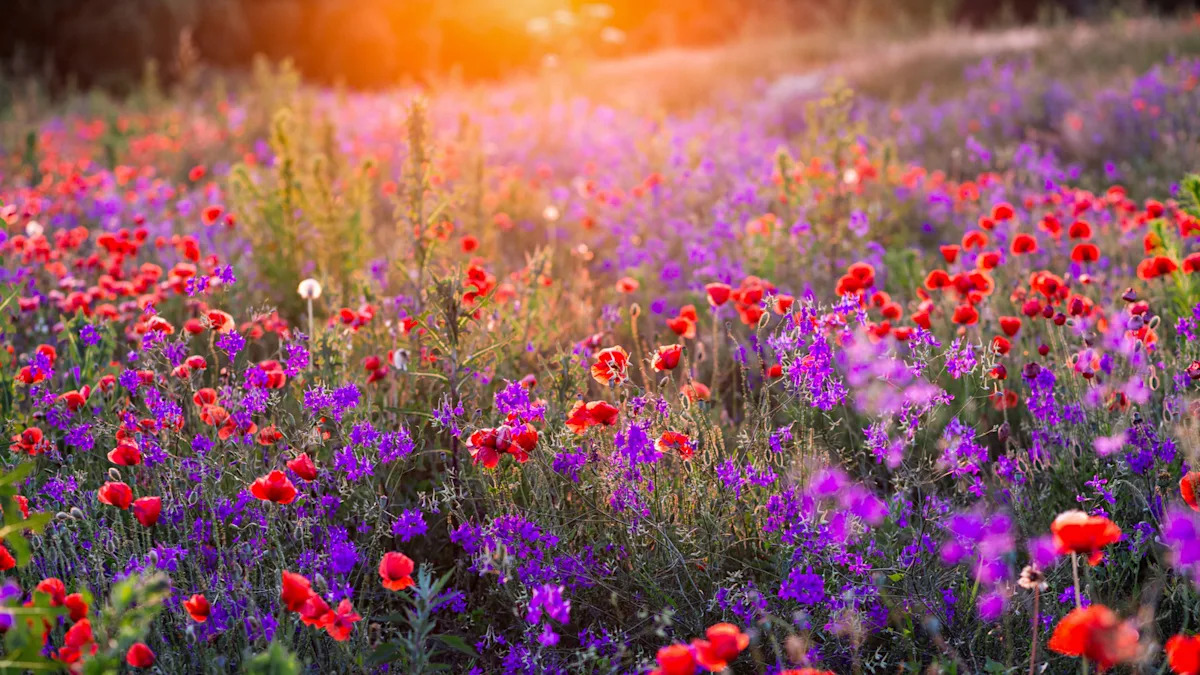
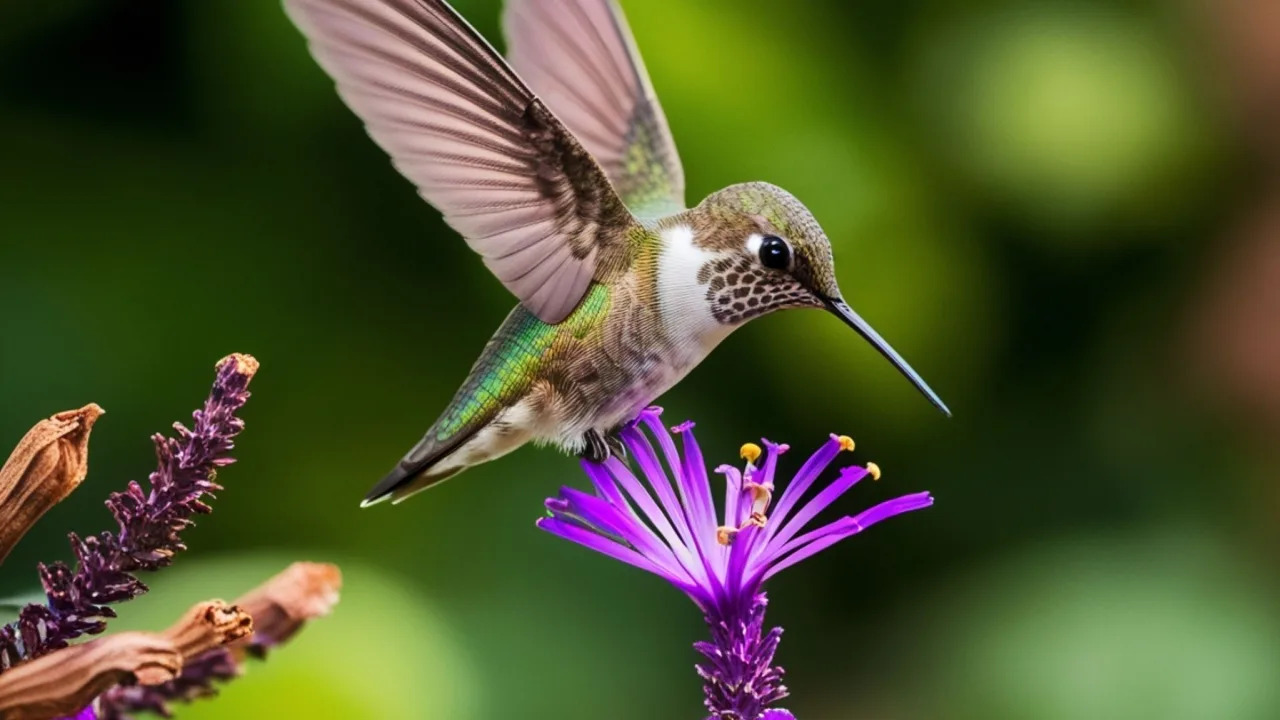
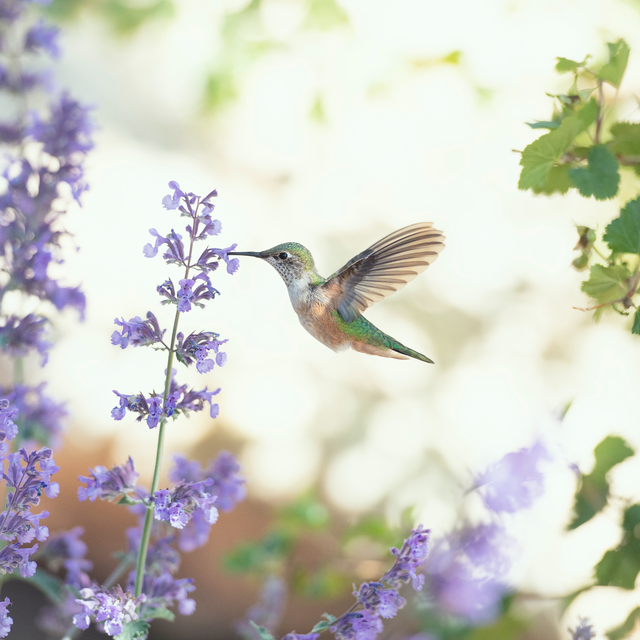
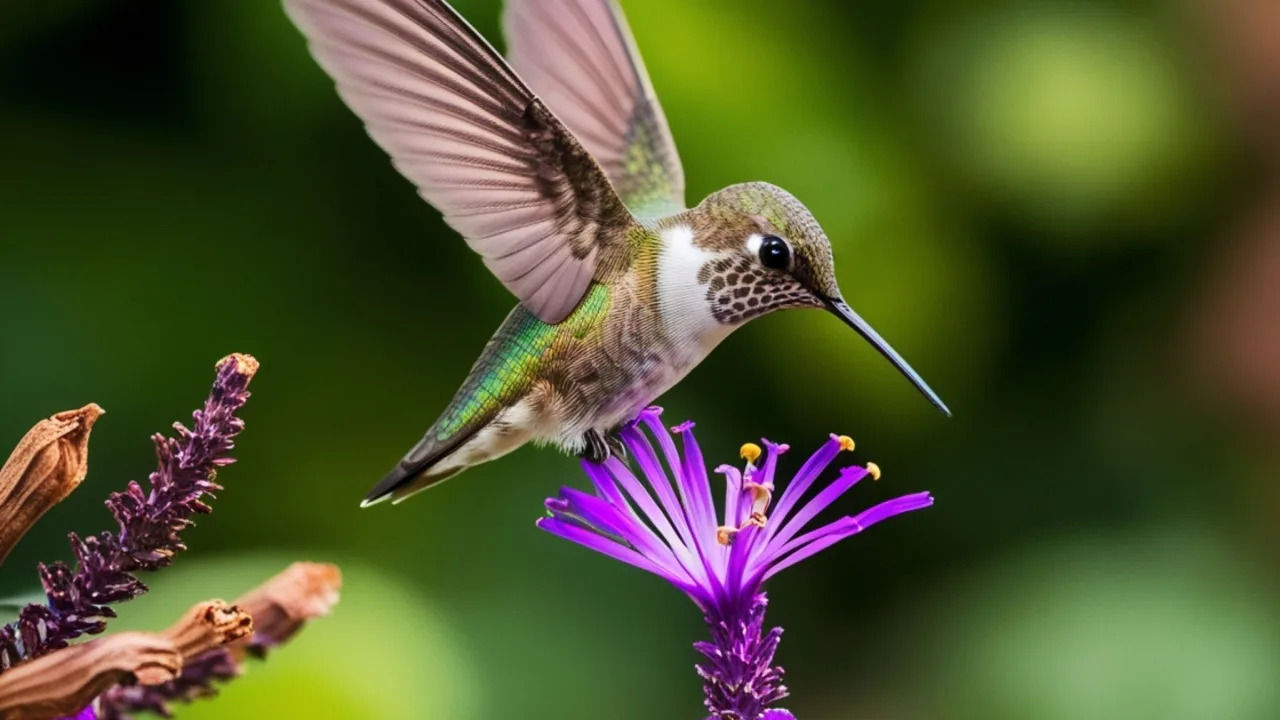
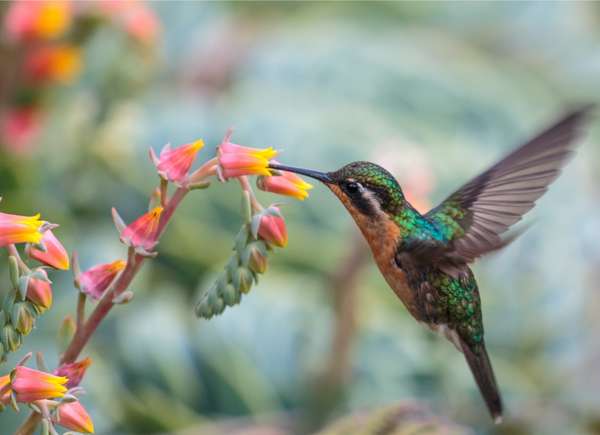
Hummingbirds are attracted to vibrant, tube-shaped flowers, and purple is one of their favorite colors due to their excellent color vision, which extends into the ultraviolet spectrum. Attracting these fascinating birds to a garden enhances its beauty and contributes to pollination. Several purple flower varieties are particularly effective in drawing hummingbirds.
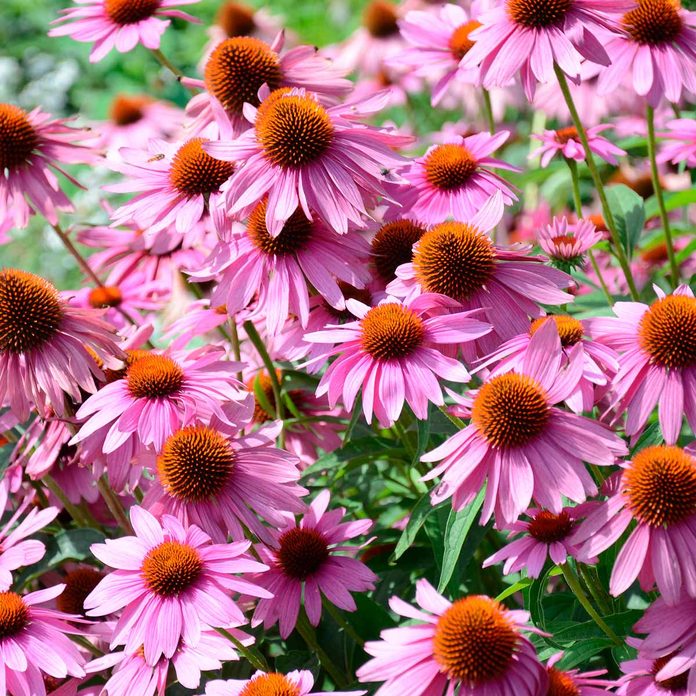
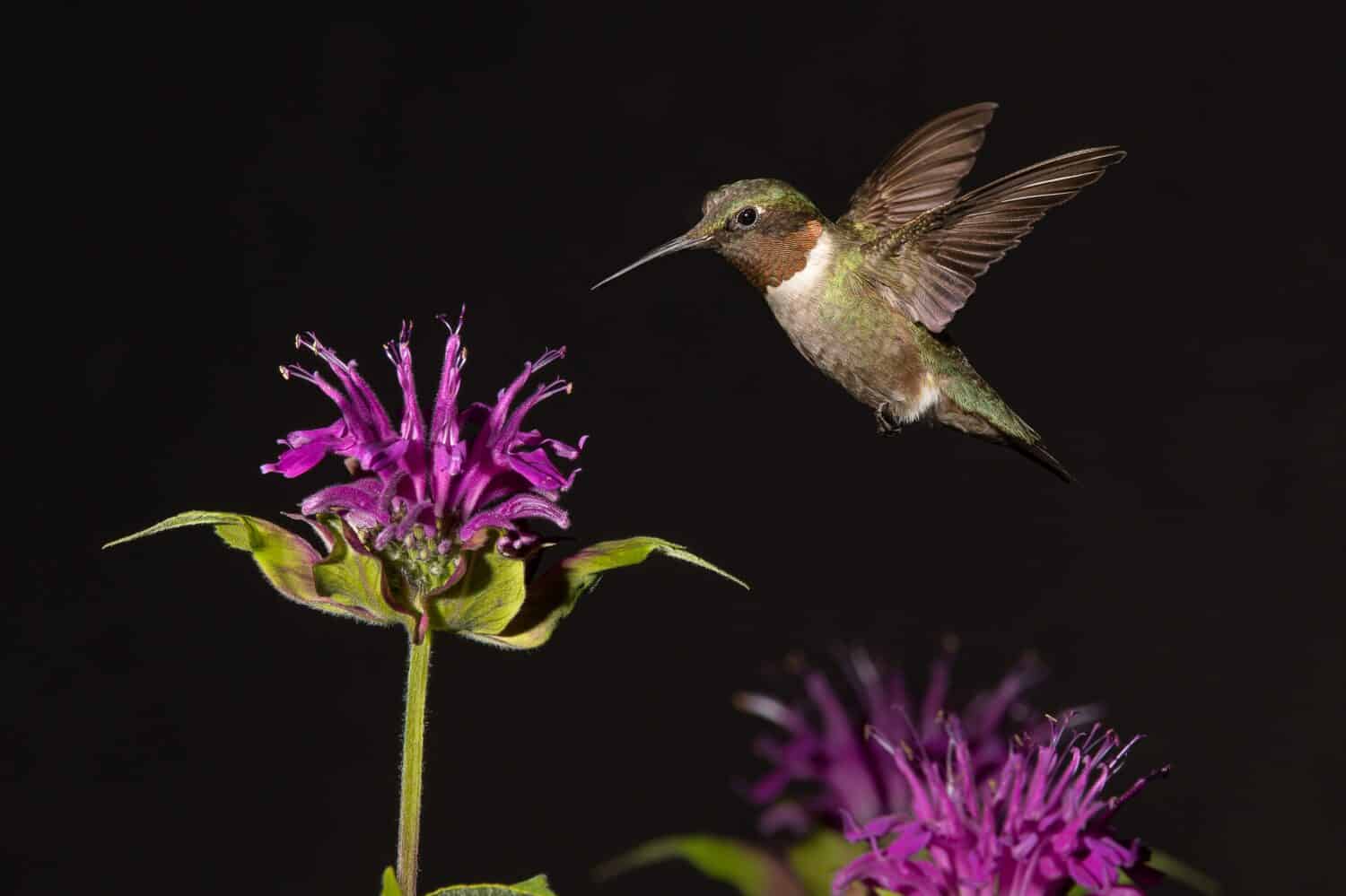
Wild Bergamot, also known as Bee Balm (Monarda fistulosa), is a native perennial herb that thrives in USDA hardiness zones 3-9. It features lavender-purple, tubular flowers arranged in spherical clusters, which are a strong attractant for hummingbirds, bees, and butterflies. This plant prefers full sun to partial shade and well-drained soil, making it a low-maintenance option for many gardens. It can grow up to 2-4 feet tall and wide, providing a substantial floral display.
Common Sage (Salvia officinalis), another excellent choice, is a woody perennial typically grown in zones 5-9. Its delicate purple-blue flowers appear in late spring to early summer and are highly appealing to hummingbirds. Sage plants require full sun and well-drained soil, and they can reach a height and spread of 1.5 to 2.5 feet. Beyond its aesthetic appeal, Common Sage is also a popular culinary herb, adding a practical dimension to the garden.
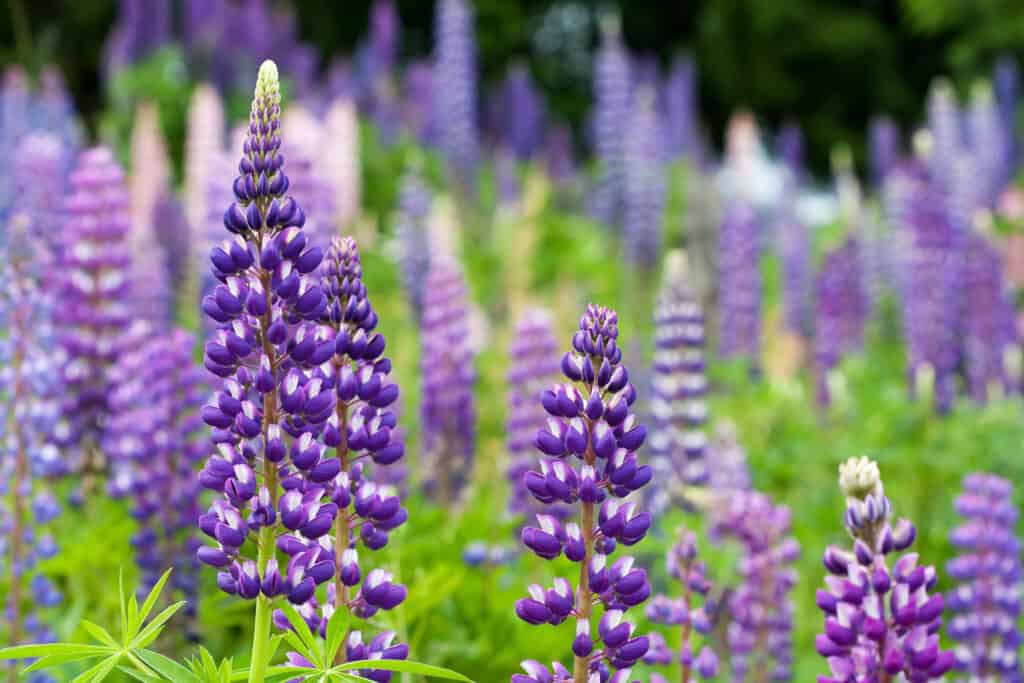
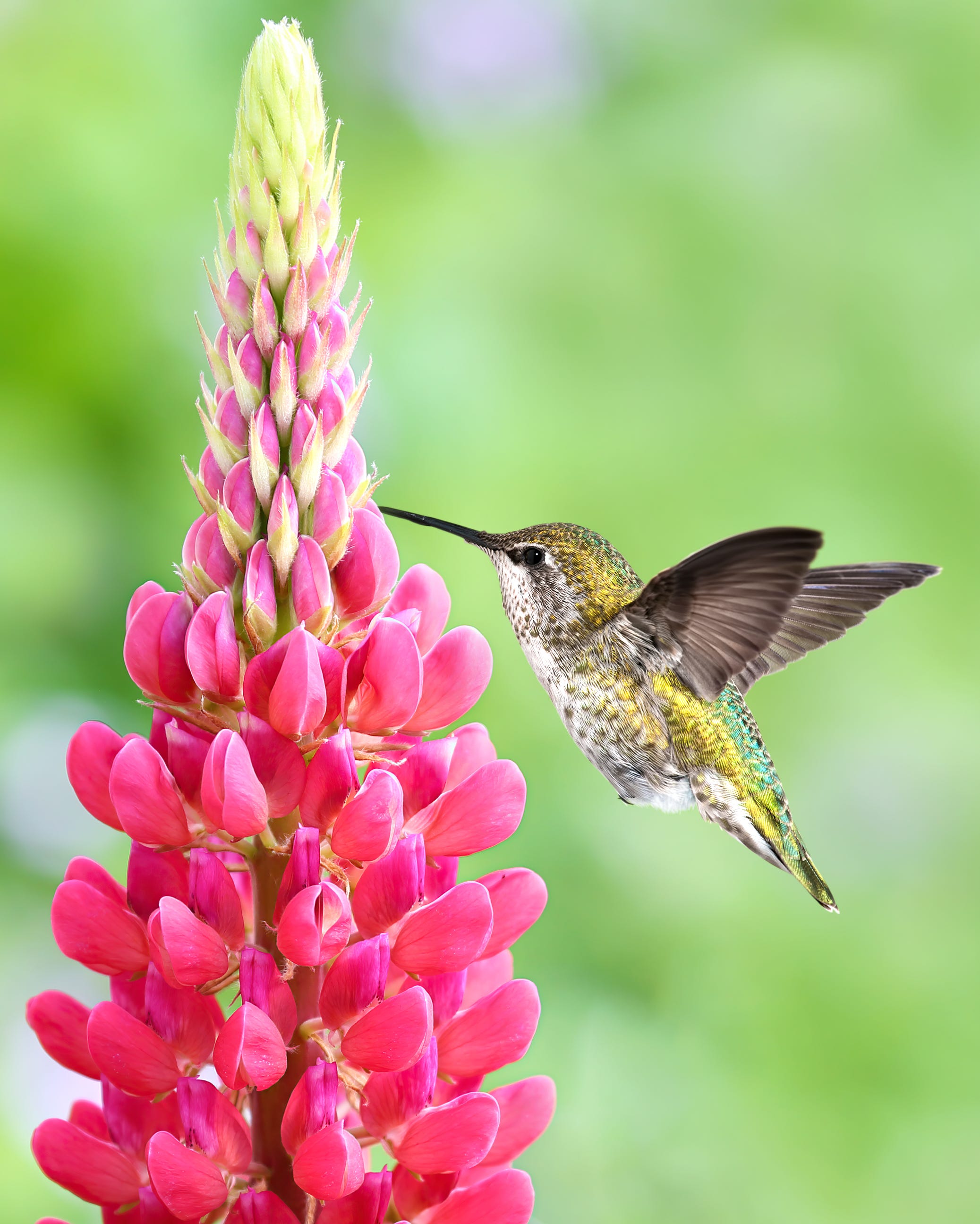
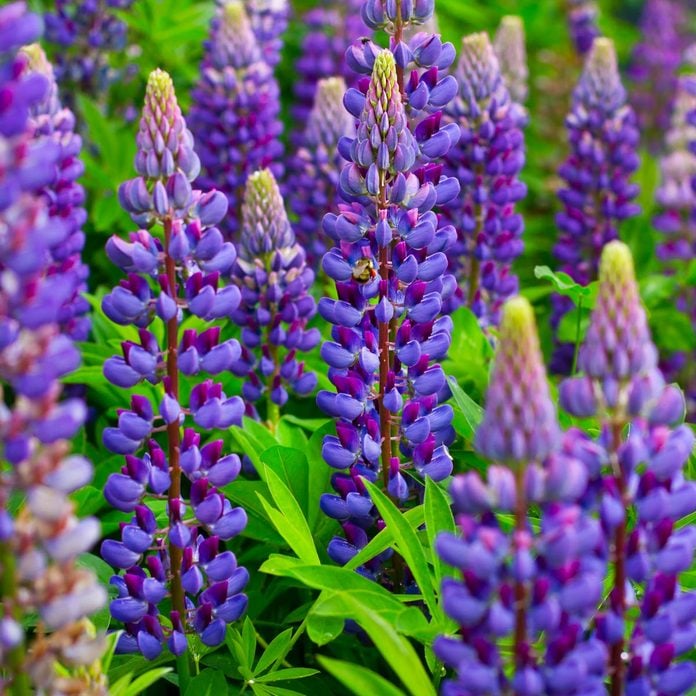
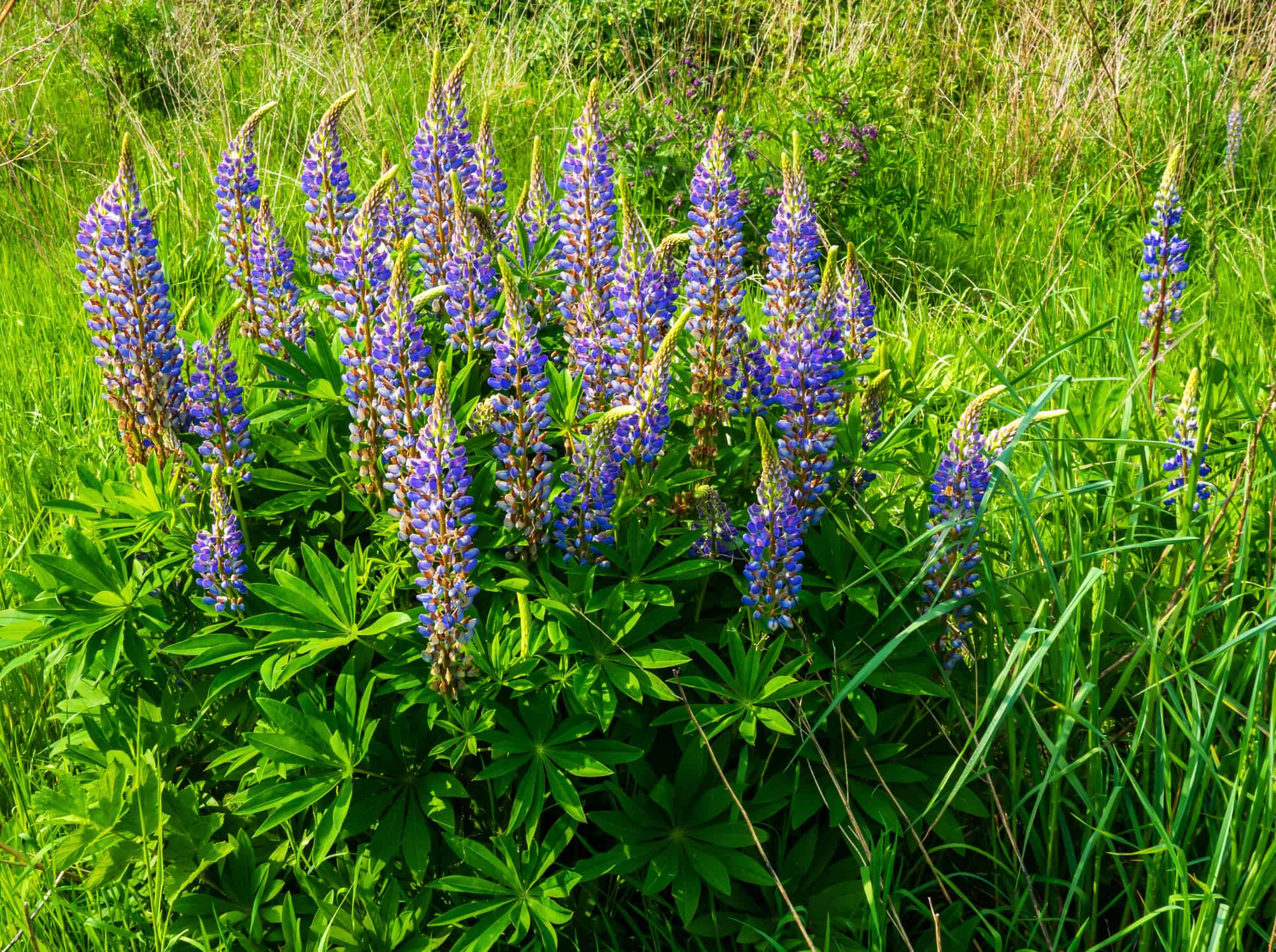
Wild Lupine (Lupinus perennis) is a striking herbaceous perennial found in zones 3-8. It produces tall spikes of densely packed, pea-like purple flowers. These flowers are a rich source of nectar, making them irresistible to hummingbirds. Wild Lupine prefers full sun to partial shade and well-drained, slightly acidic soil. It can grow up to 1-3 feet tall, creating a dramatic vertical element in the garden.
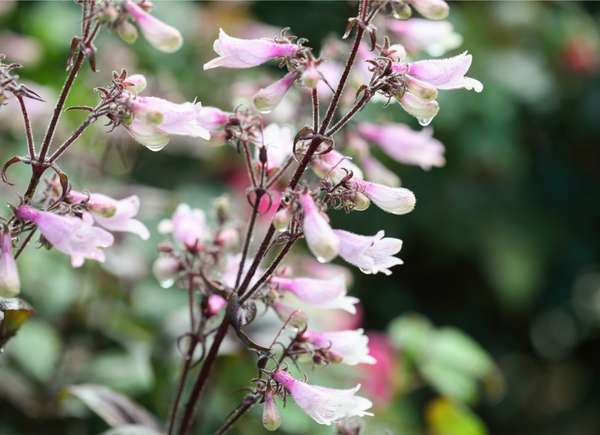
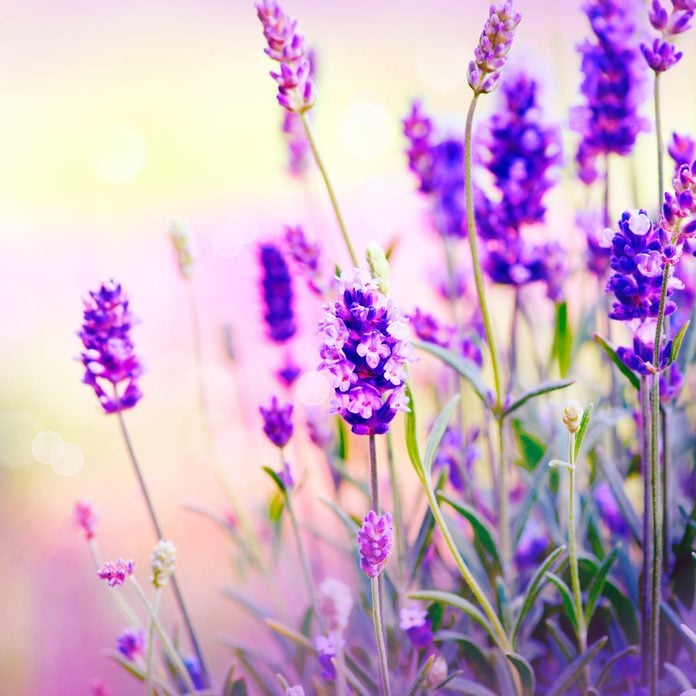
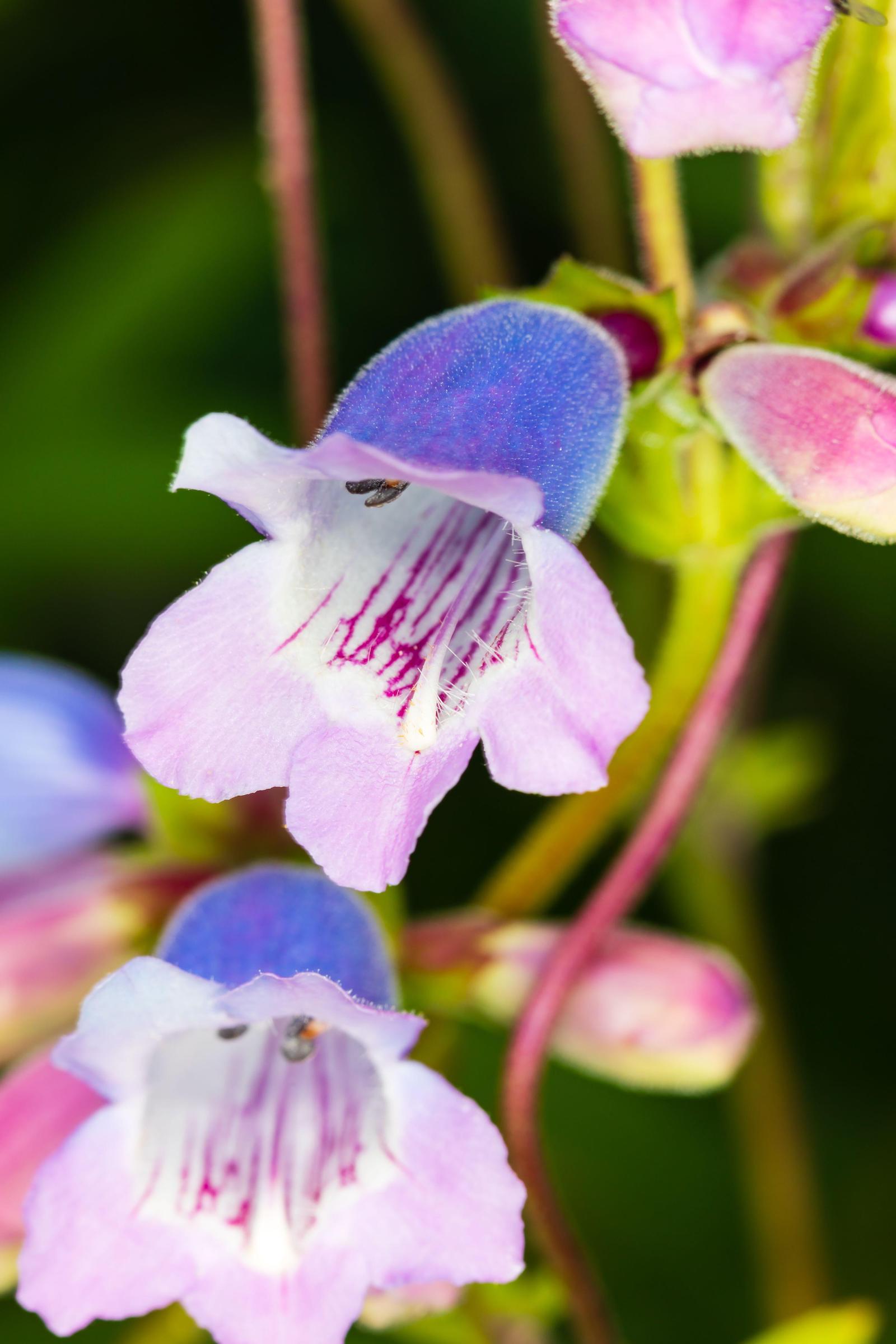
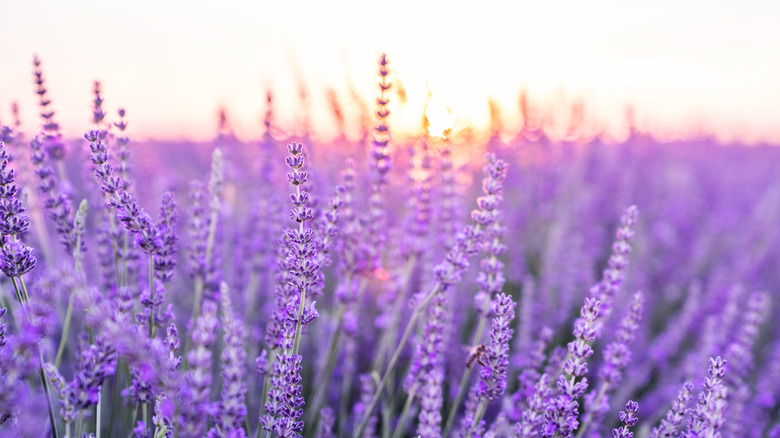
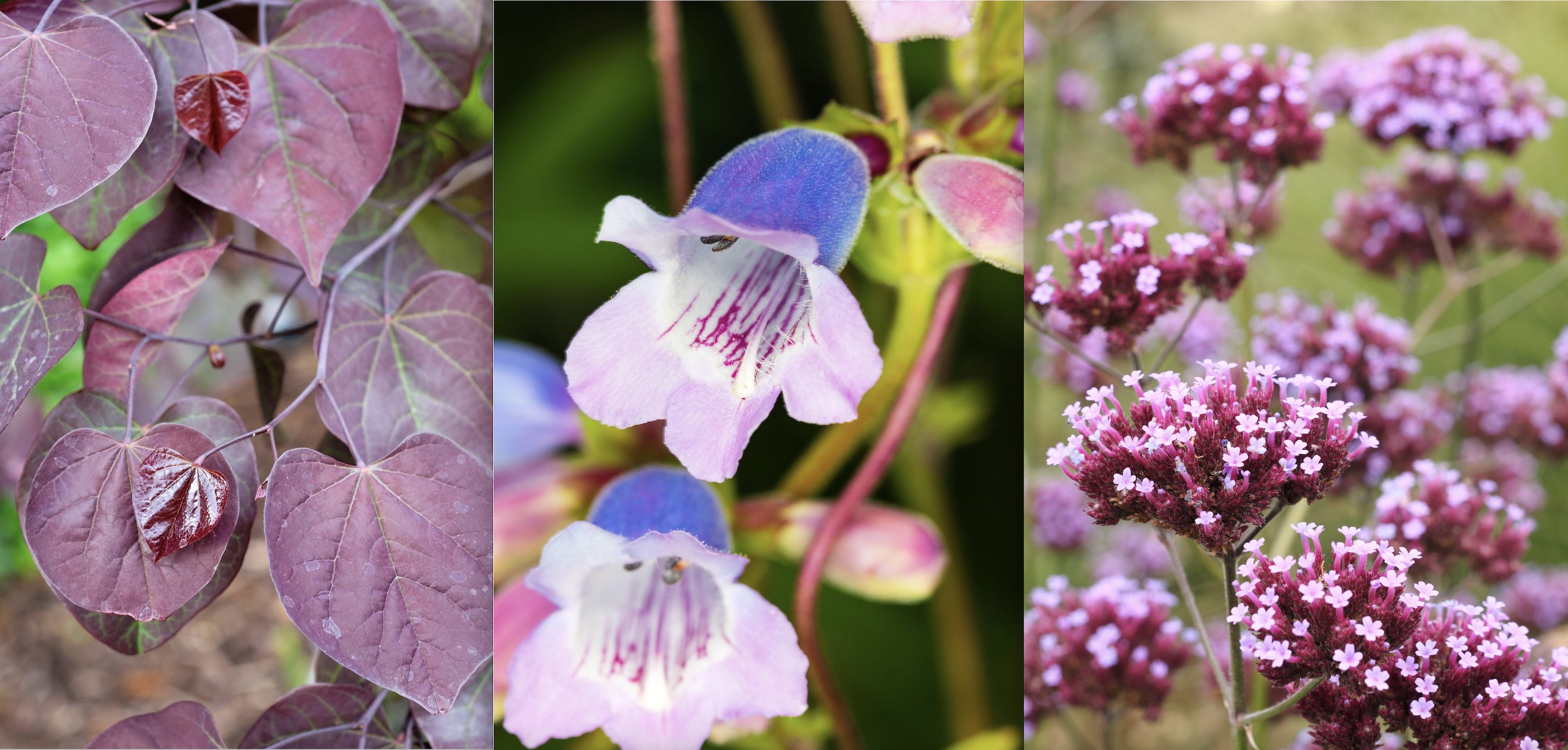
Other notable purple flowers that attract hummingbirds include Anise Hyssop (Agastache foeniculum), which offers lavender-blue flower spikes and a licorice scent, thriving in zones 4-8. Catmint (Nepeta x faassenii) provides continuous blooms of soft lavender-purple flowers throughout the summer in zones 3-8, requiring minimal care. Lavender (Lavandula angustifolia), popular for its fragrant purple blooms, is suitable for zones 5-9 and is drought-tolerant once established. Penstemon (Penstemon digitalis), particularly its purple varieties, features tubular flowers on tall stalks, ideal for zones 3-8.
To maximize the attractiveness of these plants to hummingbirds, it is beneficial to plant them in clusters or masses, as large groupings of flowers are more easily spotted by the birds. Providing a water source, such as a bird bath or mister, and avoiding the use of pesticides further enhances the garden's appeal to hummingbirds. These practices create a welcoming and safe environment, encouraging these tiny pollinators to visit frequently.
#PurpleFlowers #Hummingbirds #WildBergamot #CommonSage #WildLupine #GardenPlants #Pollinators #PerennialFlowers #PurpleFlowers #Hummingbirds #WildBergamot #CommonSage #WildLupine #GardenPlants #Pollinators #PerennialFlowers
0 Kommentare insgesamt
 Noch keine Kommentare
Das könnte Ihnen auch gefallen
Purple Flowers That Hummingbirds Find Irresistible
Want to See Hummingbirds? Plant These Flowers in Your Yard or Garden
15 Annuals That Bloom With Bold Purple Flowers
August Isn't Too Late To Plant These Gorgeous Purple Blooms

11 Beautiful Purple Flowers and Plants That Attract Hummingbirds
10 Pretty Purple Flowers That’ll Make Your Garden Pop

Blue to Purple Perennial Flowers
Turn Your Garden Into a Butterfly Oasis with These Plants
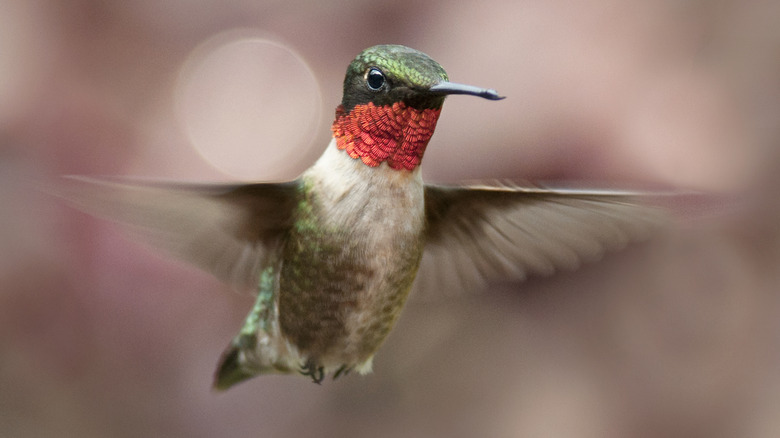
These Colorful Flowers Will Attract Hummingbirds to Your Yard

The Bright Purple Flower That'll Make Your Hanging Baskets Irresistible To Hummingbirds
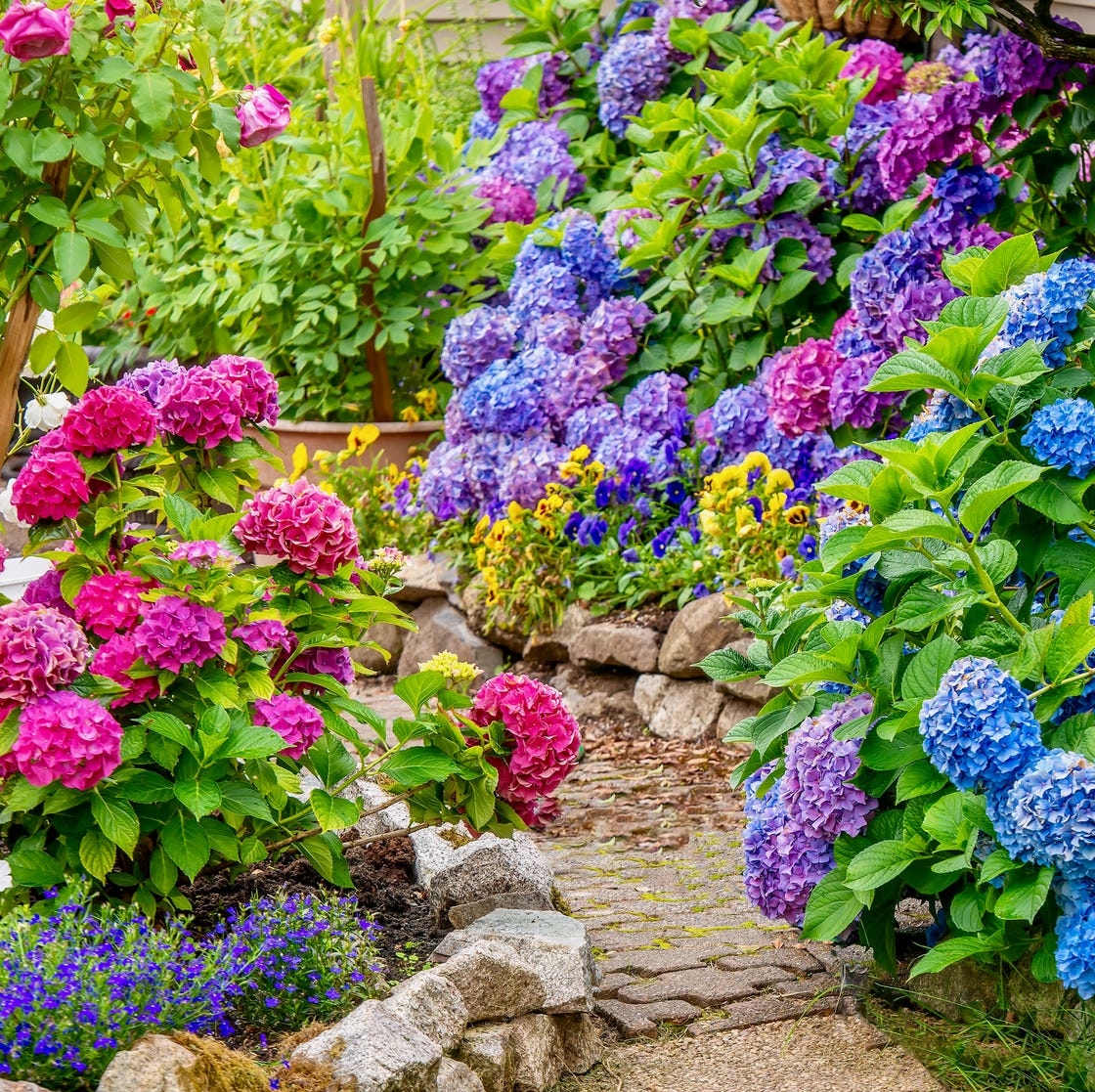
These Beautiful Flowering Shrubs Will Add Major Color to Your Garden

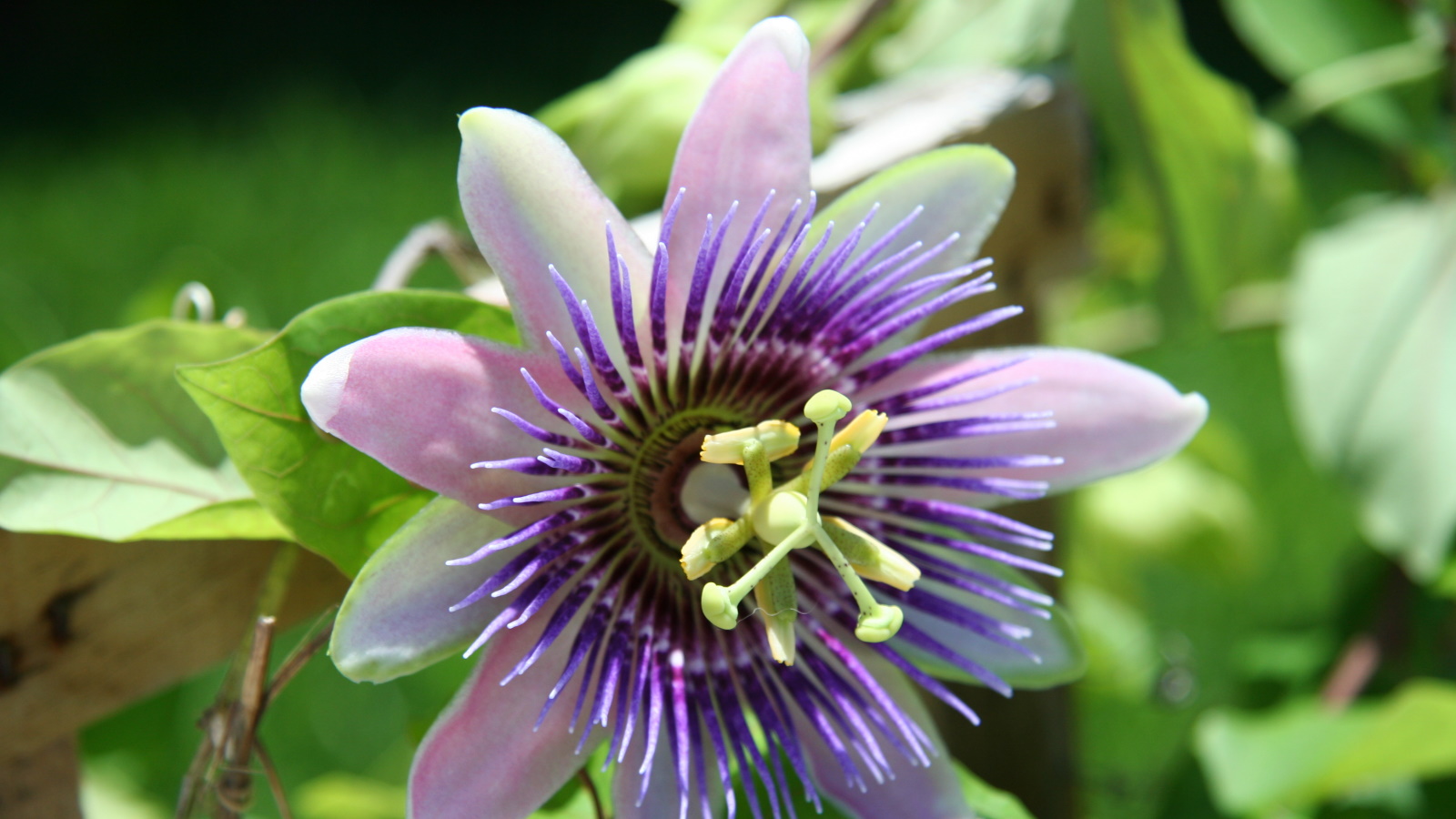
How to grow passion flowers – for a spectacular and other-worldly flowering climber
Purple Flowers That Hummingbirds Can't Resist
Purple plants – 5 best to choose for the perfect purple border
The 11 Best Purple Flowering Trees in Florida
These Pink-Blooming Beauties Are the Ultimate Yard Upgrade
30 Gorgeous Plants That Attract Hummingbirds to Your Garden

15 Best Purple Plants For Your Flower Garden
Hey, Gardeners! Plant These Summer Flowers for a Bright and Beautiful Yard
15 Purple Plants with Leaves that Stay Perpetually Purple