Letter of Recommendation: Glass Bricks (Published 2016)
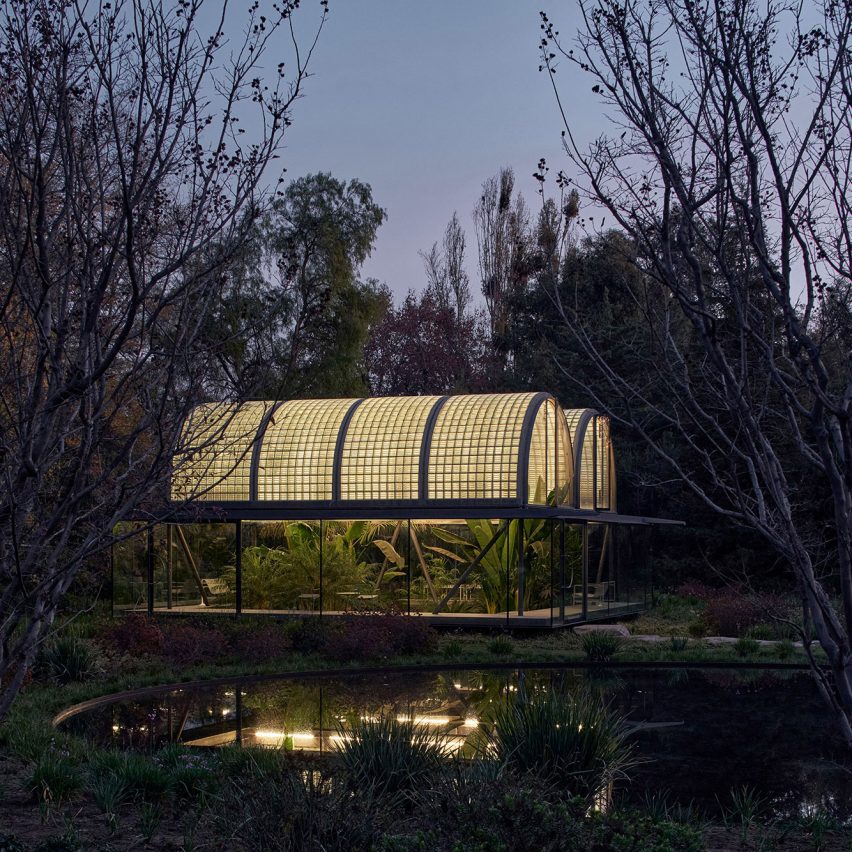
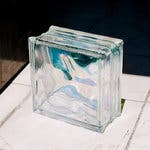
Glass bricks, initially designed in the early 20th century to enhance natural light in factories, evolved to become a significant architectural element. Their sleek, modern aesthetic quickly appealed to Art Deco architects, who integrated them into building exteriors and interior divisions. Early visions, such as those from a 1930 issue of Popular Science, even imagined future skyscrapers constructed almost entirely from glass bricks. However, by the 1980s, these bricks became closely associated with the era's architectural decadence, echoing the streamlined surfaces of Art Deco in a 'retro future' context. Despite their intended pristine appearance, glass bricks often succumb to the effects of time and dirt, acquiring a somewhat seedy reputation, sometimes appearing in unexpected or slightly disreputable settings like corner bars and mini-malls, reflecting artificial lights.
The author's personal fascination with glass bricks stems from their ubiquity in Los Angeles, particularly during her childhood, where they symbolized a blend of yuppie decadence and structural decay. This interest intensified due to a fear of their disappearance amidst Los Angeles's rapid modernization, which saw older structures replaced by new developments. A prime example was the planned demolition of the Los Angeles Memorial Sports Arena, a 1959 building considered historic in the city, which was rich with glass bricks. The author embarked on a photographic quest, capturing images of glass bricks across Los Angeles and beyond, discovering their global presence through social media. This pursuit revealed that glass bricks exist in various locales worldwide, from Amsterdam to Chernobyl, suggesting their enduring, if sometimes overlooked, presence.
For the author and her brother, glass bricks serve as a nostalgic shorthand for the specific atmosphere of 1980s Los Angeles, reminiscent of the then-new, now-dated mansions on Mulholland Drive. This shared memory inspired a series of musical mixes titled "Glass Bricks," featuring artists prominent in the '60s and '70s who adapted their styles in the '80s and early '90s. These synth-heavy, experimental tracks were envisioned as the soundtrack to a fictional film depicting materialist excess in 1980s Los Angeles, further cementing the bricks' symbolic power.
The author's desire for physical ownership of glass bricks led her to bid on an auction for items from the Sports Arena before its demolition. She inadvertently won an 11-foot-tall wall of glass bricks for $10, only to discover the logistical challenges of transporting and storing such a large structure. Further inquiry revealed that the bricks were still integrated into the arena's locker room walls, requiring professional extraction. This realization prompted the author to concede that physical possession was unnecessary. Instead, she found that the true appreciation of glass bricks lies in observing them in their natural environment, hidden in plain sight, where they seamlessly connect memories of the past with visions of the future. The fleeting glimpse of glass bricks, especially during sunset when they reflect the sky, offers a perfect, evocative experience.
#GlassBricks #ArchitecturalElements #LosAngeles #ArtDeco #1980sArchitecture #UrbanExploration #Nostalgia #ArchitecturalHistory #DesignTrends #GlassBricks #ArchitecturalElements #LosAngeles #ArtDeco #1980sArchitecture #UrbanExploration #Nostalgia #ArchitecturalHistory #DesignTrends
0 Kommentare insgesamt
 Noch keine Kommentare
Das könnte Ihnen auch gefallen
Glamorous Glass Bricks Are Booming – Again

Statement bricks are the latest design trend

scholten & baijings present a family of etched + printed glass gradient patterns for skyline design

snøhetta makes tiles out of electronic waste glass in 'common sands – forite'
Ten interiors that use glass-block walls to play with light and shadow
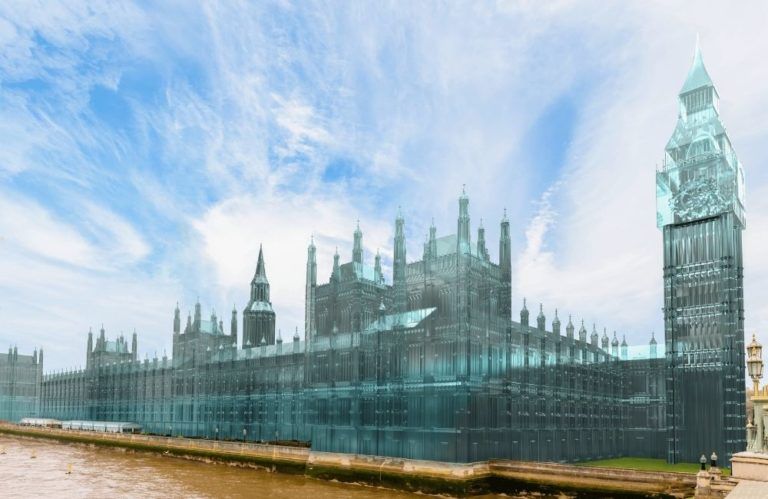
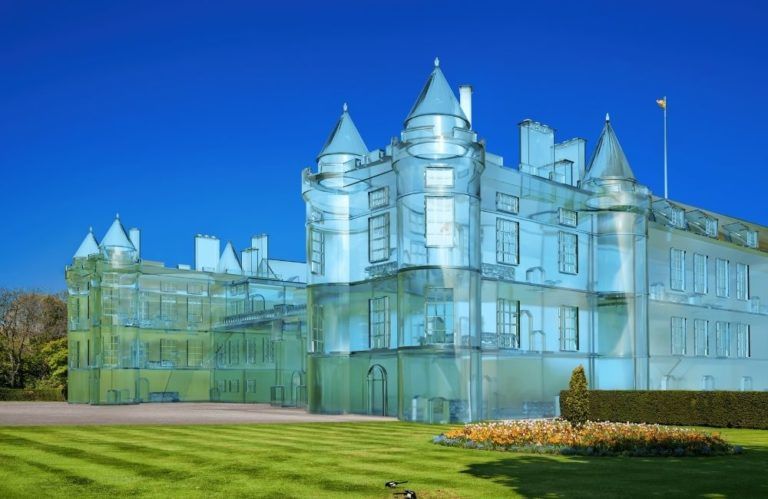
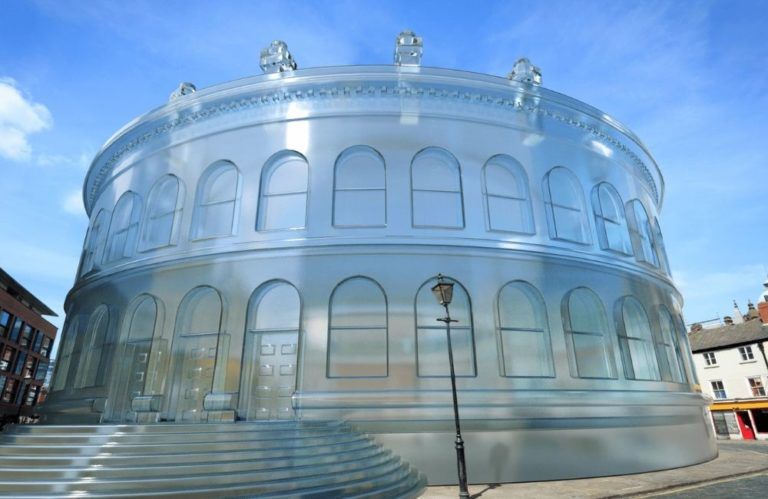
Five UK landmarks if they were made out of glass
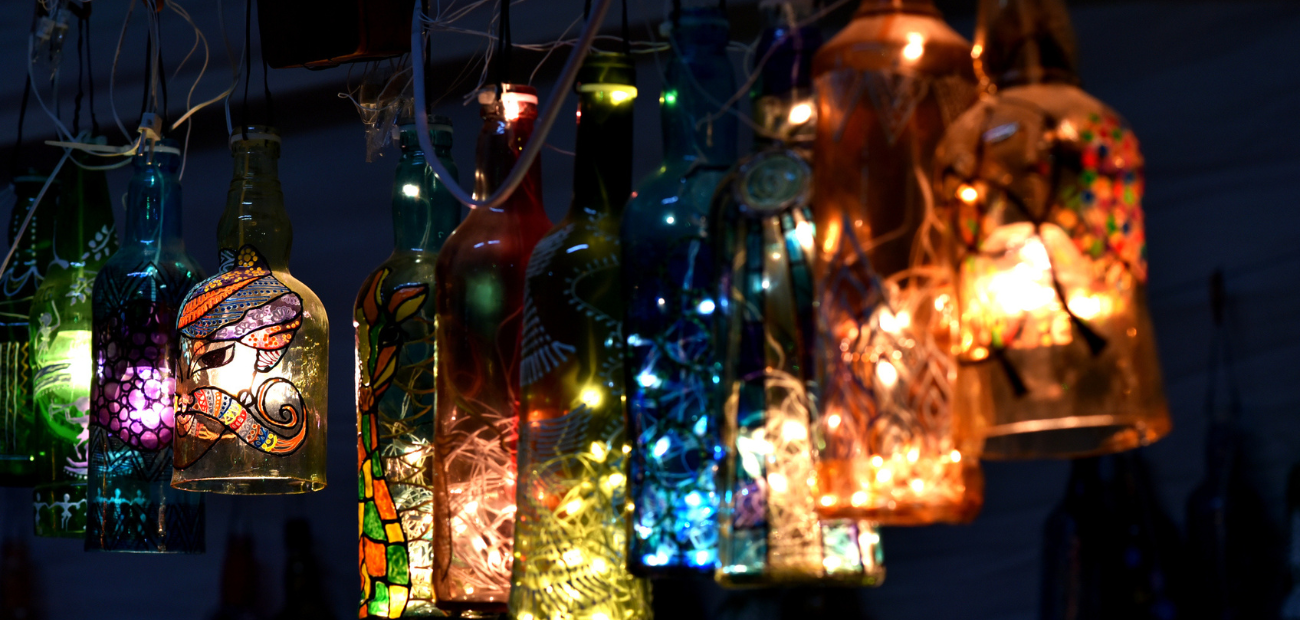
Sustainable Material Spotlight: Recycled Glass
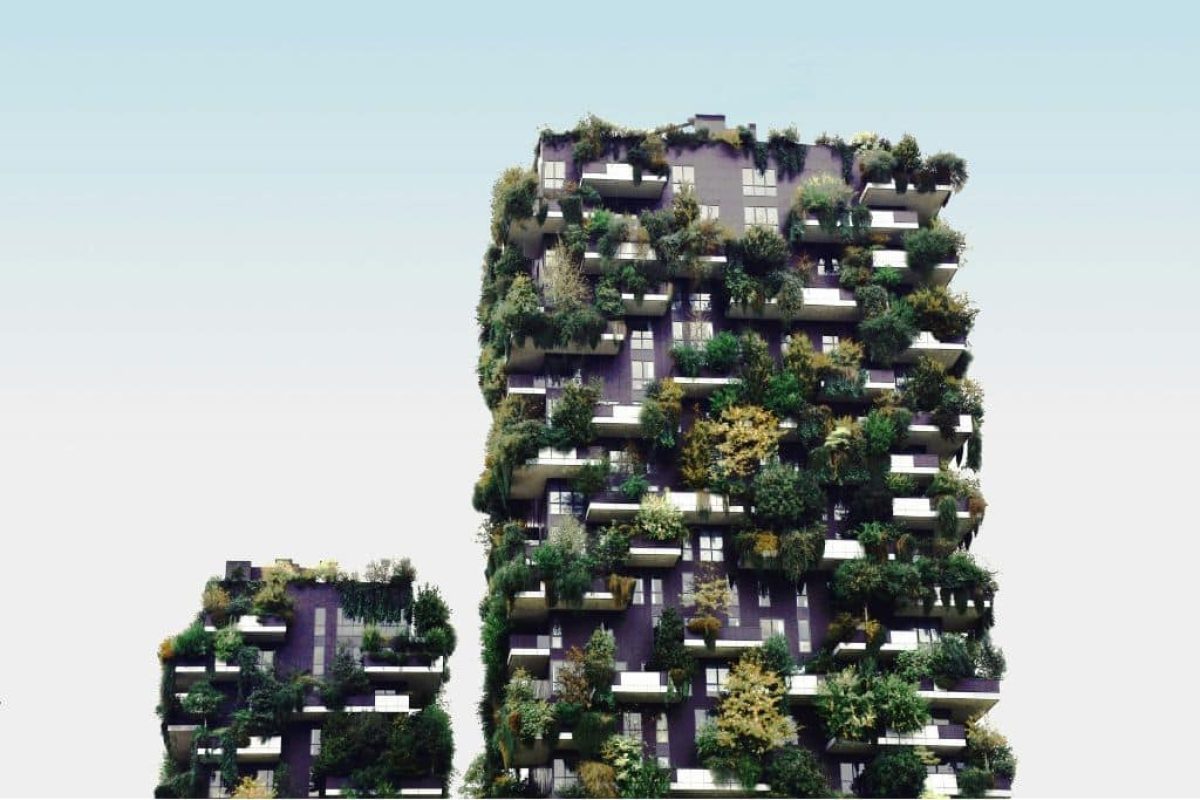
A Guide to Biophilic and Sustainable Design With Low-Emissivity Glass and Other Efficient Materials

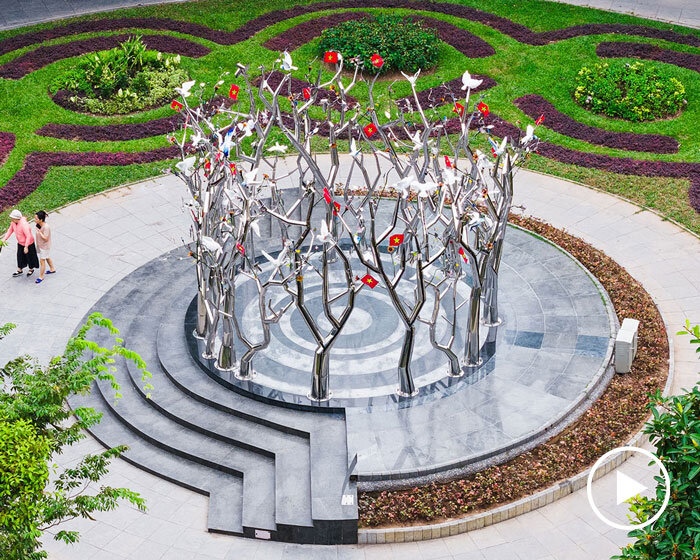
glass art and design Archives

Glass bricks: Love or loathe?
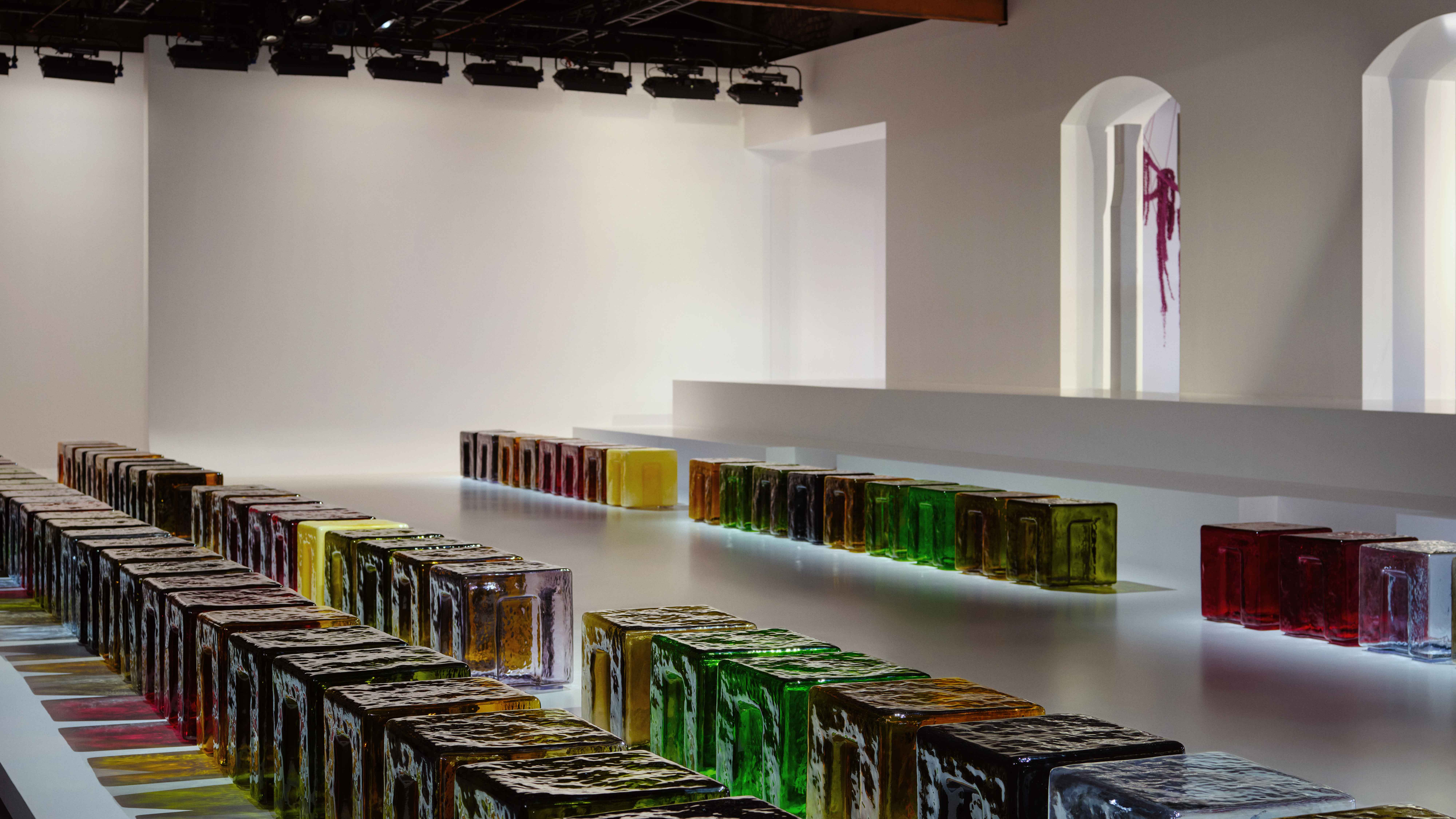
This is the design studio behind those insane glass seats at the Bottega Veneta S/S 2026 show

SUPER SMART PRIVACY GLASS


Glass Bricks: Top 5 Glass Blocks on the Market

LEGO Ideas - "The Flintstones" (21316) Finally Revealed | The Brick Show

Brick Is Back
Marble, Take Note: There’s a New Stone on the Block

Eight buildings bejewelled with glass bricks and blocks

The Bouroullec Brothers Offer a Colorful, Abstract Take on Stained Glass in New Collection

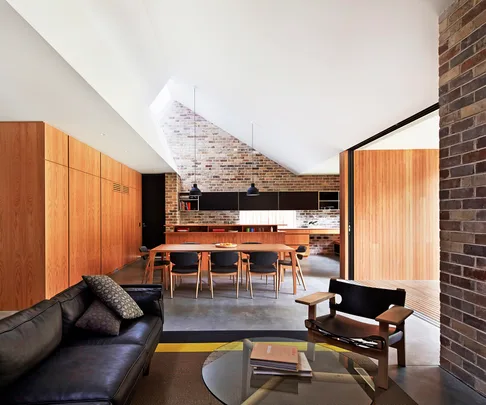
Bricks Are Back: Reviving a Classic Building Material

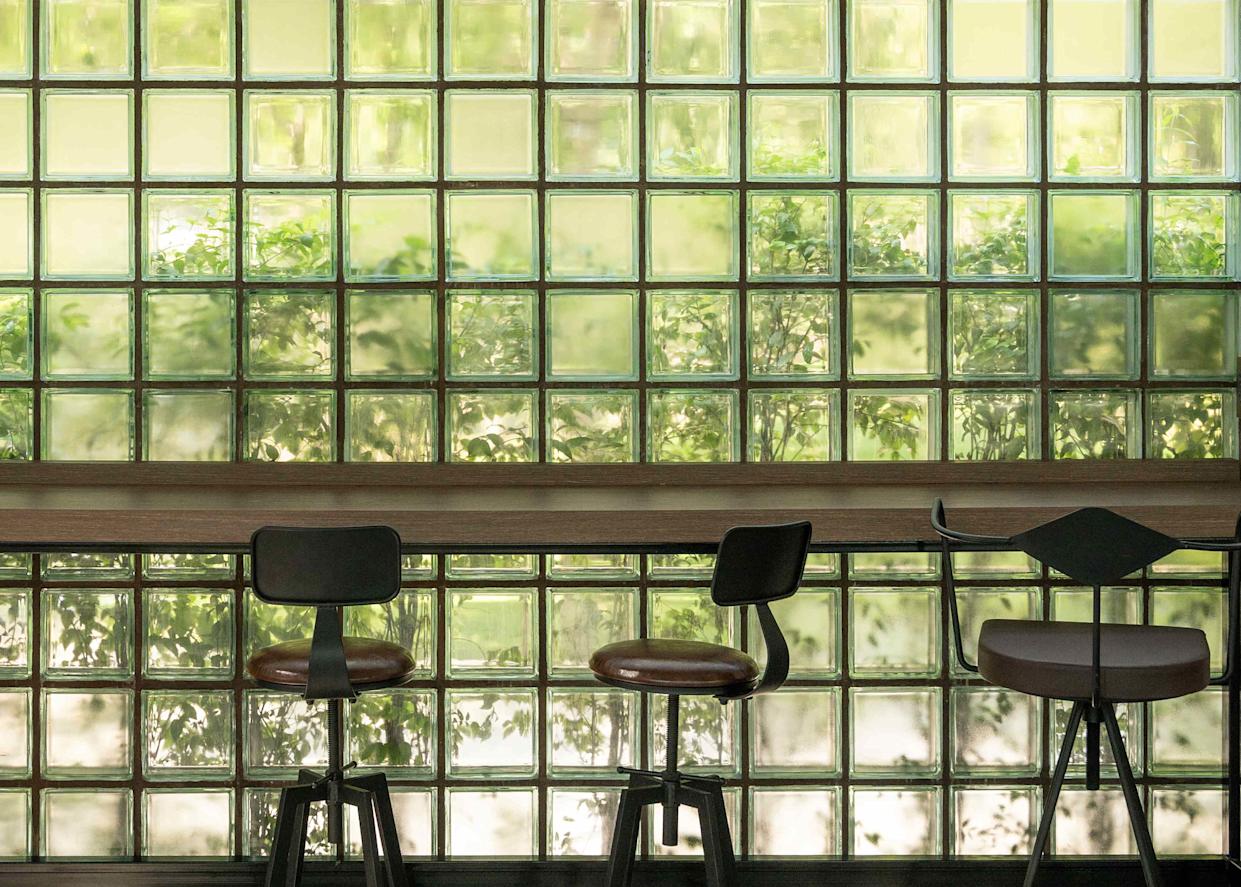
Glass Blocks Are the Vintage Trend We're Loving in 2025—Here's How to Use Them