1/3
SUPER SMART PRIVACY GLASS
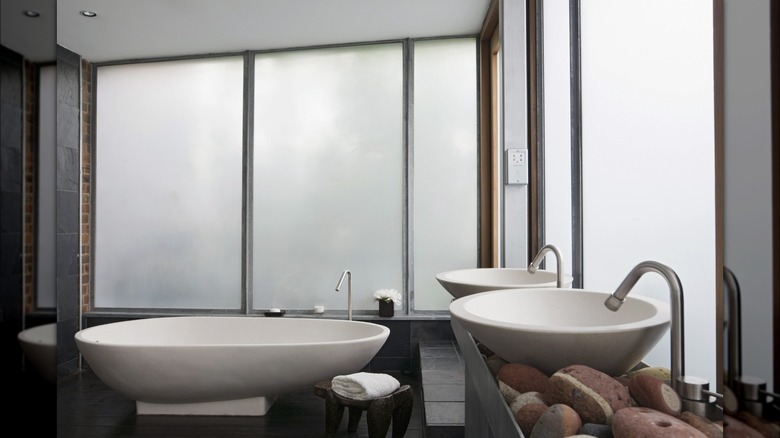
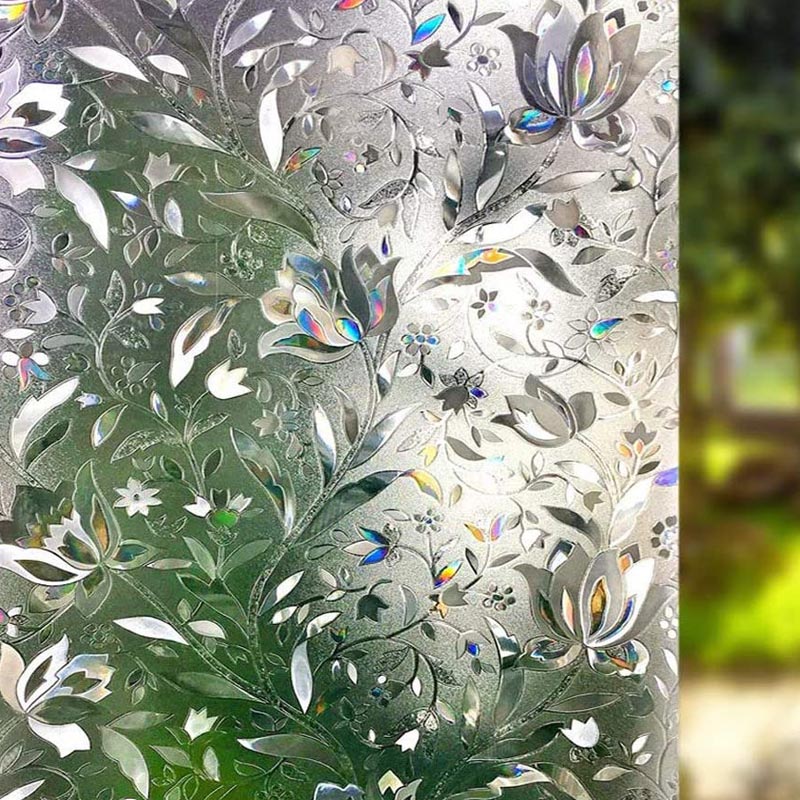
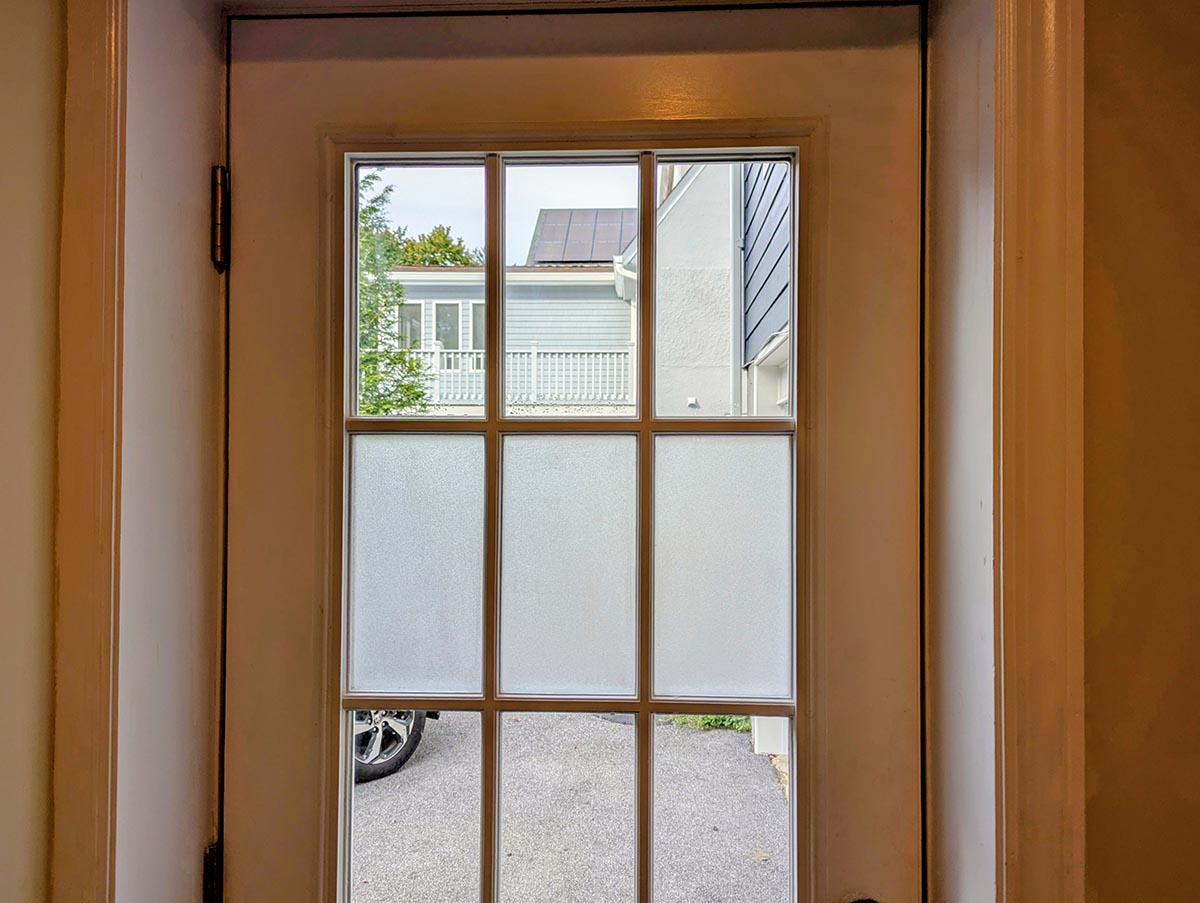
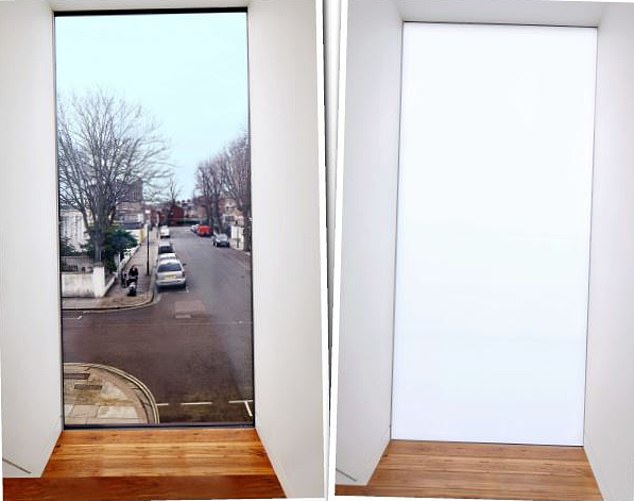
This article discusses the technology and applications of smart privacy glass, a material that can transition from transparent to frosted with an electrical current. While not yet in widespread use, this technology has existed for several years and offers various practical applications. For instance, it can be used for home windows, potentially eliminating the need for traditional blinds. In commercial settings, it could be implemented in storefronts for nighttime privacy or in bathrooms where privacy is paramount, albeit requiring a certain degree of trust in the technology's reliability.
Saint-Gobain, a French company, manufactures an 'intelligent' glass product called Privalite. This glass operates by sandwiching a polymer liquid-crystal film between two glass plates. When an electrical current is applied, the film's liquid crystals align, making the glass transparent. When the current is off, the crystals scatter randomly, resulting in a frosted, opaque appearance. The transition between these states is nearly instantaneous and can be activated as frequently as needed.
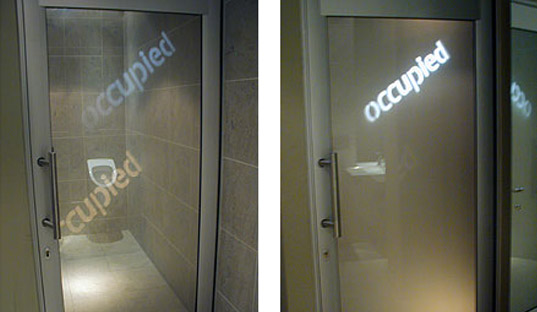
Real-world applications of privacy glass are highlighted, such as its use in the dressing rooms of the Koolhaas-designed Prada flagship store in SoHo, New York. Another notable example is found at Bar 89 on Mercer Street in NYC, where the bathroom doors utilize privacy glass that is activated by an infrared sensor. This demonstrates both commercial and public space implementations of the technology.
The underlying principle of privacy glass is polymer liquid-crystal optics. The laminated glazing consists of two glass sheets, which can be clear or tinted, and a liquid crystal film. The film's surfaces are coated with a transparent, electrically conductive material. When the power supply is off, the liquid crystals are randomly dispersed, diffusing light and rendering the glass non-transparent. When the power is switched on, the crystals align themselves, allowing light to pass through and making the glass completely transparent. The rapid switching capability between opaque and transparent states offers flexibility in managing light and privacy.
Beyond its current applications, this smart glass technology holds significant potential for energy efficiency. By being integrated into residential windows, it could contribute to substantial savings in heating, cooling, and lighting costs. This suggests a future where buildings can dynamically adjust their transparency to optimize indoor climate control and natural light utilization, thus reducing energy consumption and environmental impact.
#PrivacyGlass #SmartGlass #Privalite #ArchitecturalInnovation #InteriorDesign #HomeTechnology #EnergyEfficiency #LiquidCrystalTechnology #PrivacyGlass #SmartGlass #Privalite #ArchitecturalInnovation #InteriorDesign #HomeTechnology #EnergyEfficiency #LiquidCrystalTechnology
0 comment in total
 No comments yet
You may also like
Smart Blinds: Window Covering in the Matter Standard
Best Smart Home Safes for 2026: We Cracked the Code

Shutters vs blinds – what you need to know to dress windows beautifully and practically


High-Tech Windows

Best Security Window Film for Glass
8 Best Smart Blinds


Q+A with Quanex | Advancing Home Security Innovation
Are shutters outdated? Here’s what interior designers say, and how they're decorating for 2023 and beyond

These Smart Blinds Are Great for Privacy—and for Your Energy Bill

Glass that frosts up at the touch of a button gives both privacy and light

Budget Blinds smart cellular shades review: Affordably smart

Best Smart Blinds for 2025, Tested and Reviewed

The Pros And Cons Of Switchable Smart Glass (& If It's Worth Your Money)
The Best Roller Shades

Best smart shades: High-tech, high-fashion window treatments
The Best Window Films Tested for Privacy and More

Amazon-Approved Balcony Screens for Guaranteed Privacy

10 Affordable Blinds On Amazon That Are Actually Worth Buying

Smartwings Smart Roller Shades w/ Matter over Thread (review)

Rosie on the House: Choosing the right glass is important for your project