1/6
How to Style Your Outdoor Space in 5 Easy Steps, According to Interior Designers
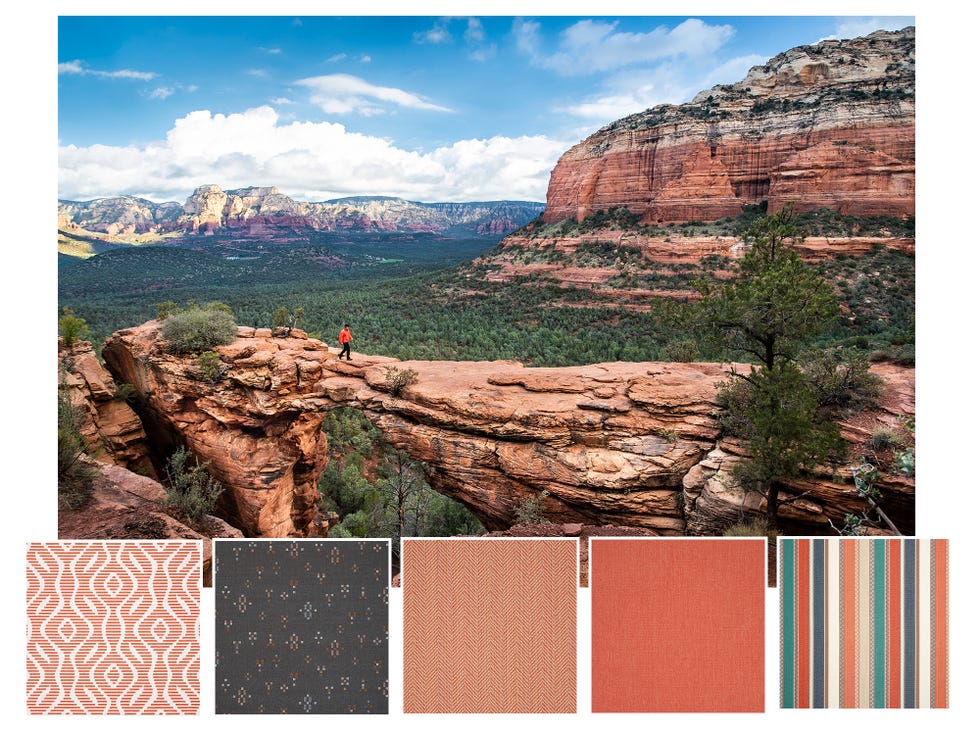
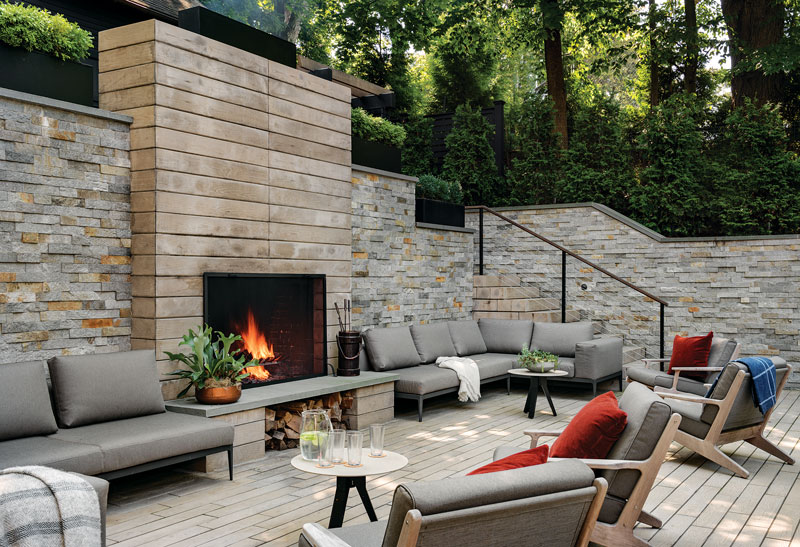
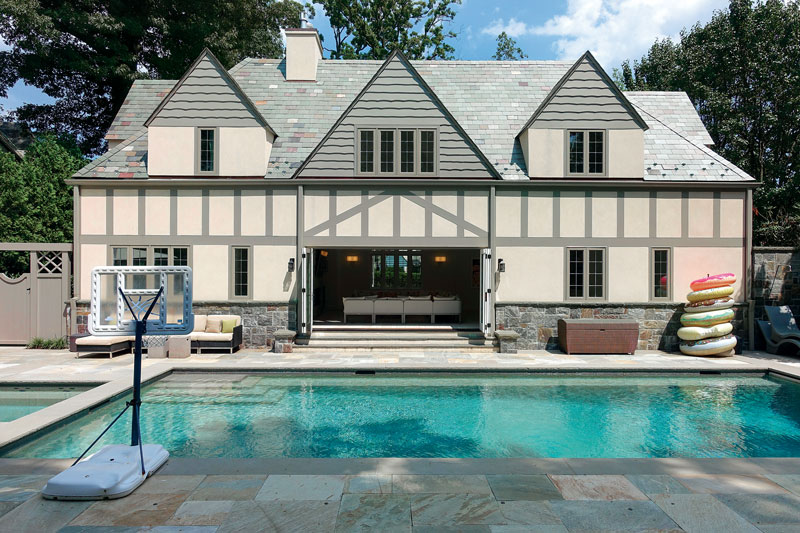
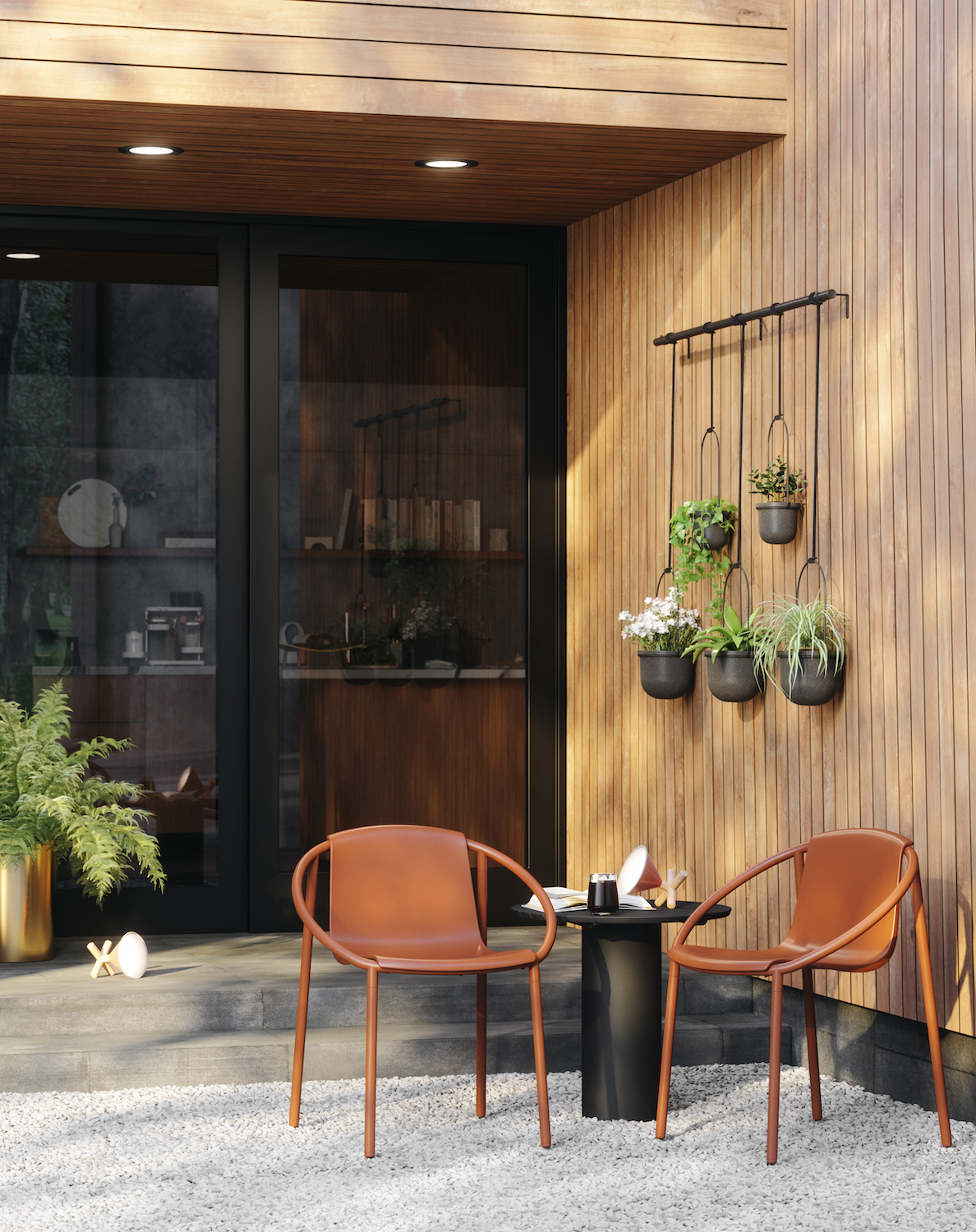
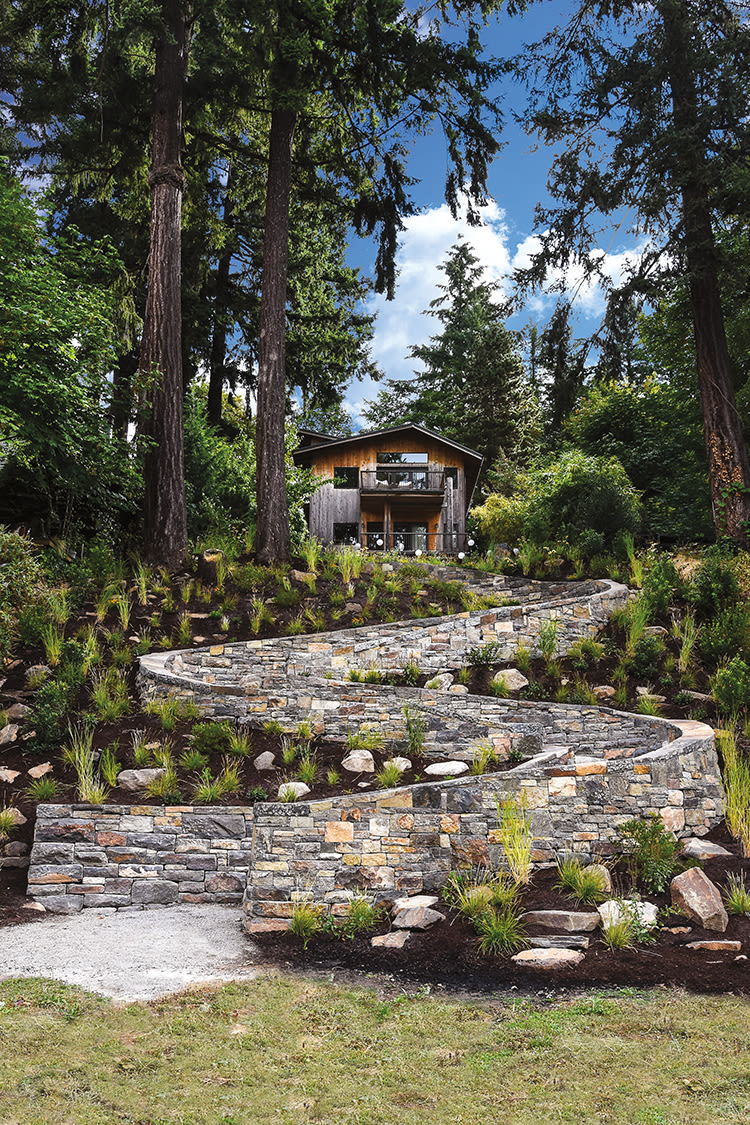
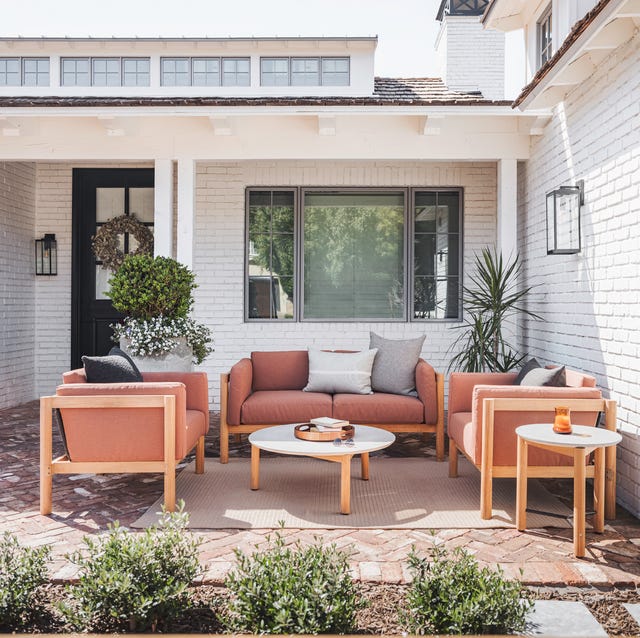
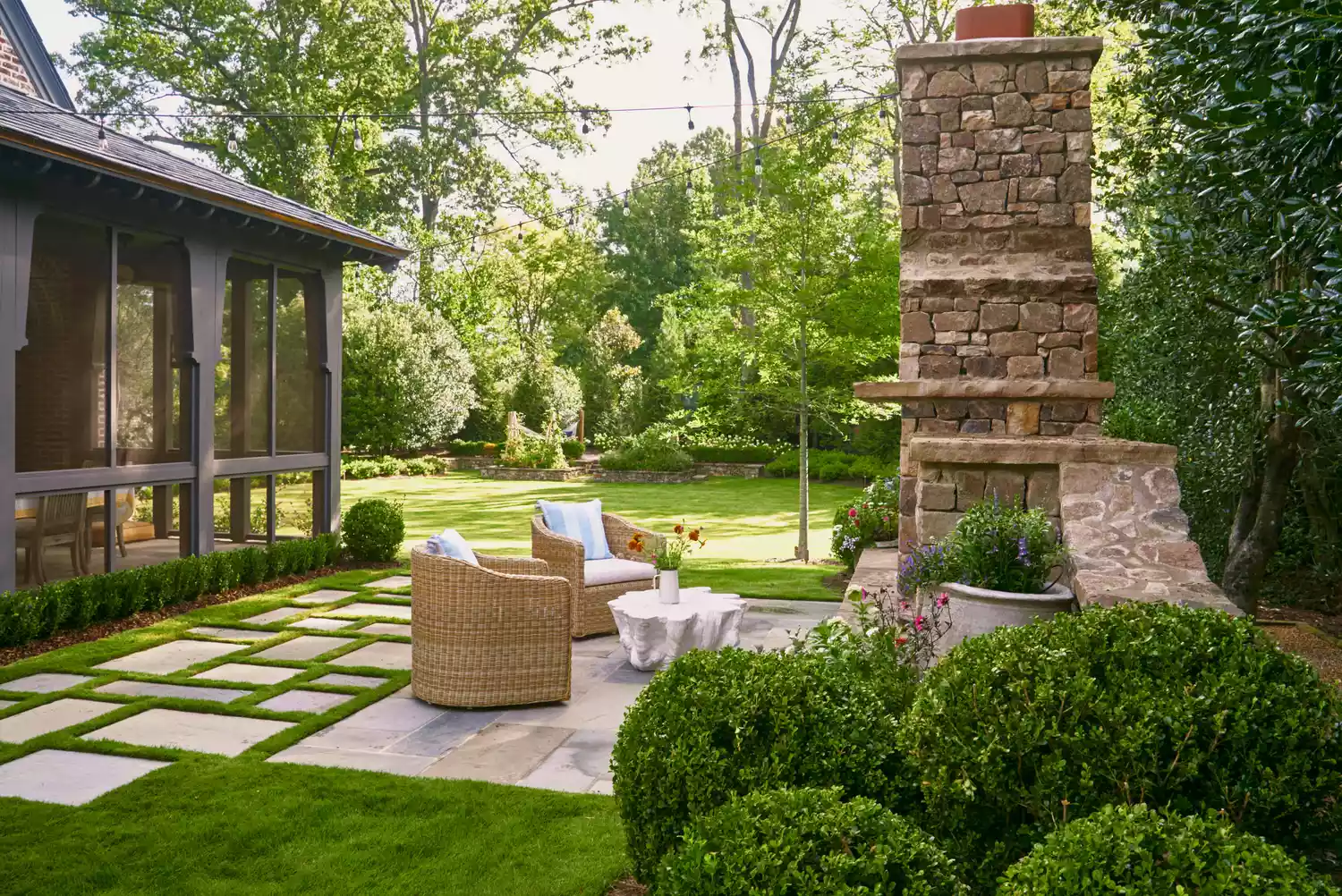
Transforming an outdoor area, whether a sprawling lawn or a compact balcony, into a desirable and functional extension of the home is a key focus for interior designers. This process begins with an initial assessment of the space's inherent characteristics. Designers suggest drawing inspiration from the existing 'bones' of the area; for instance, natural stone can guide a rustic aesthetic with aged planters and wrought-iron furniture, while a brick exterior might lend itself to a sleek, industrial look featuring low-profile seating and clean lines. It is also advised to observe the space through different seasons to understand how colors and elements interact year-round before making significant changes.
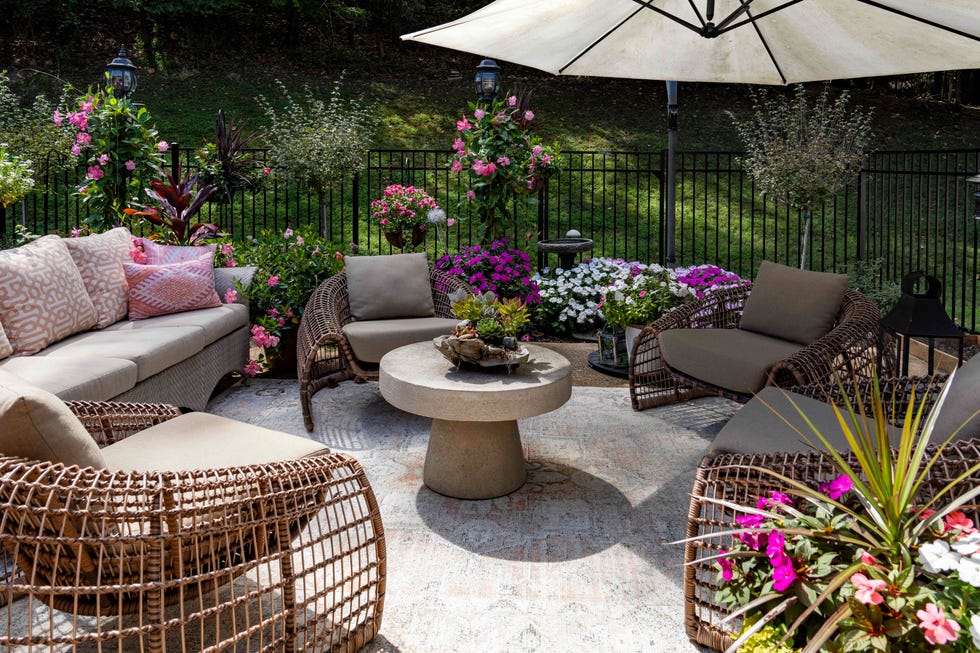
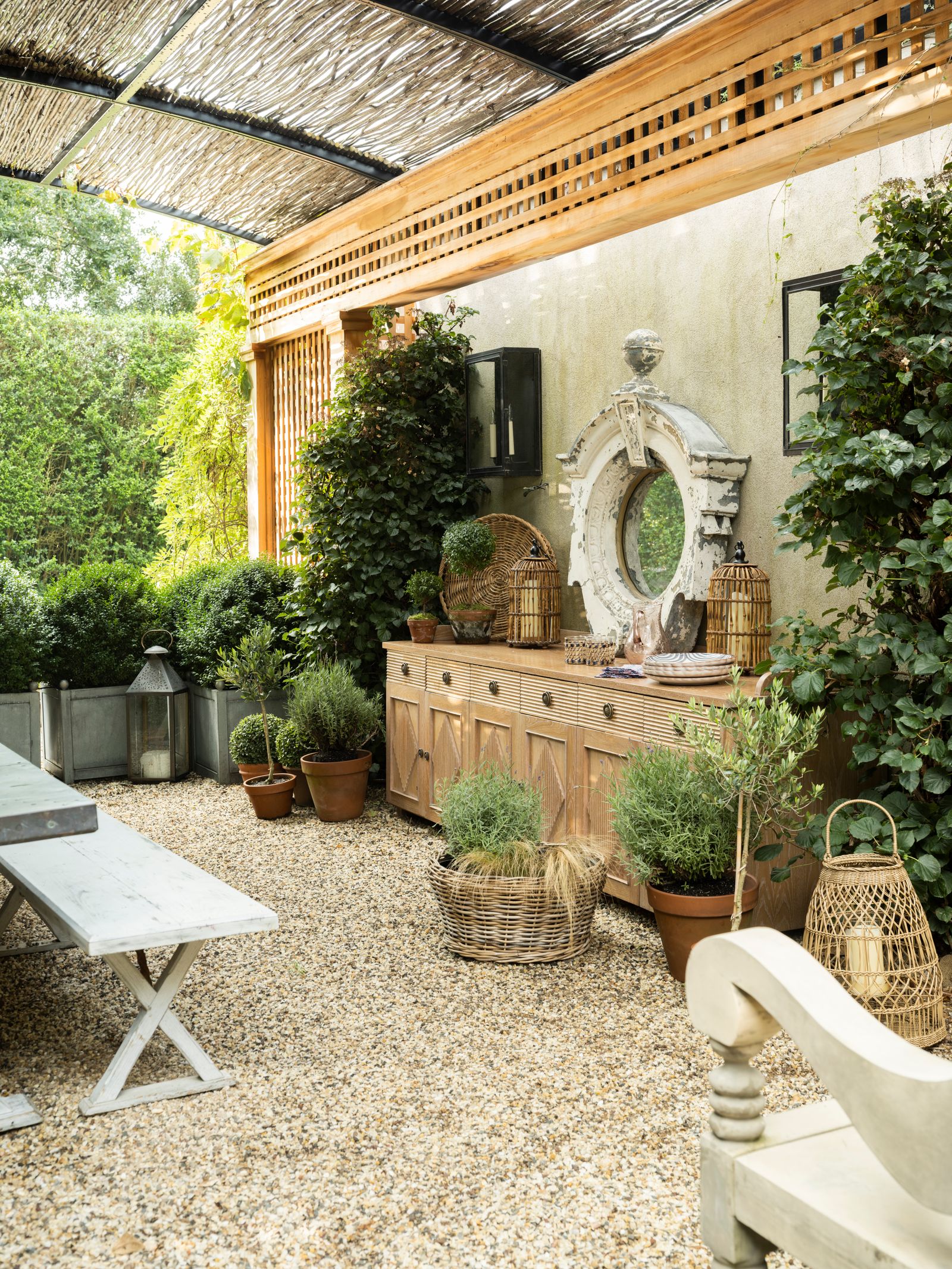
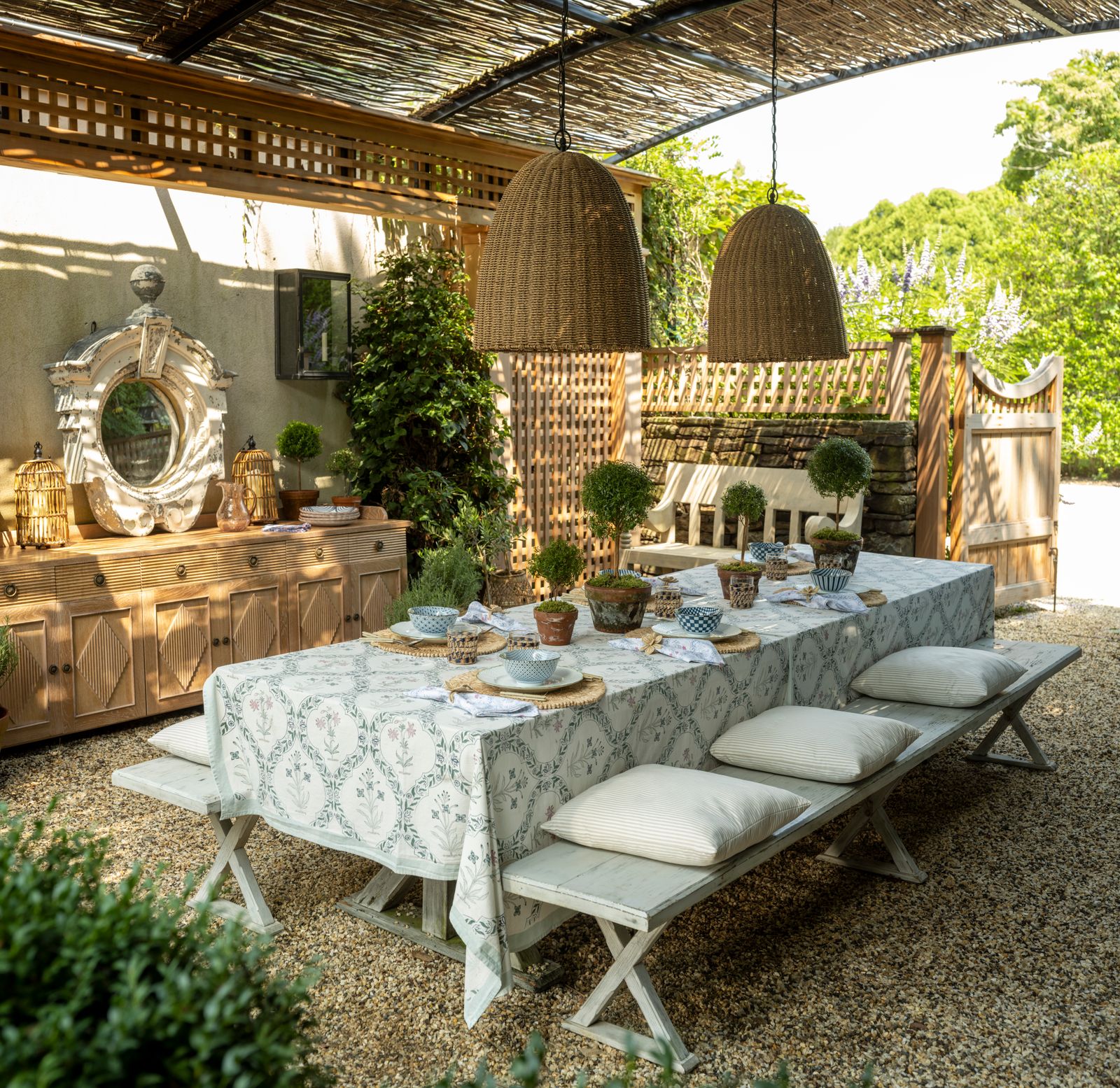
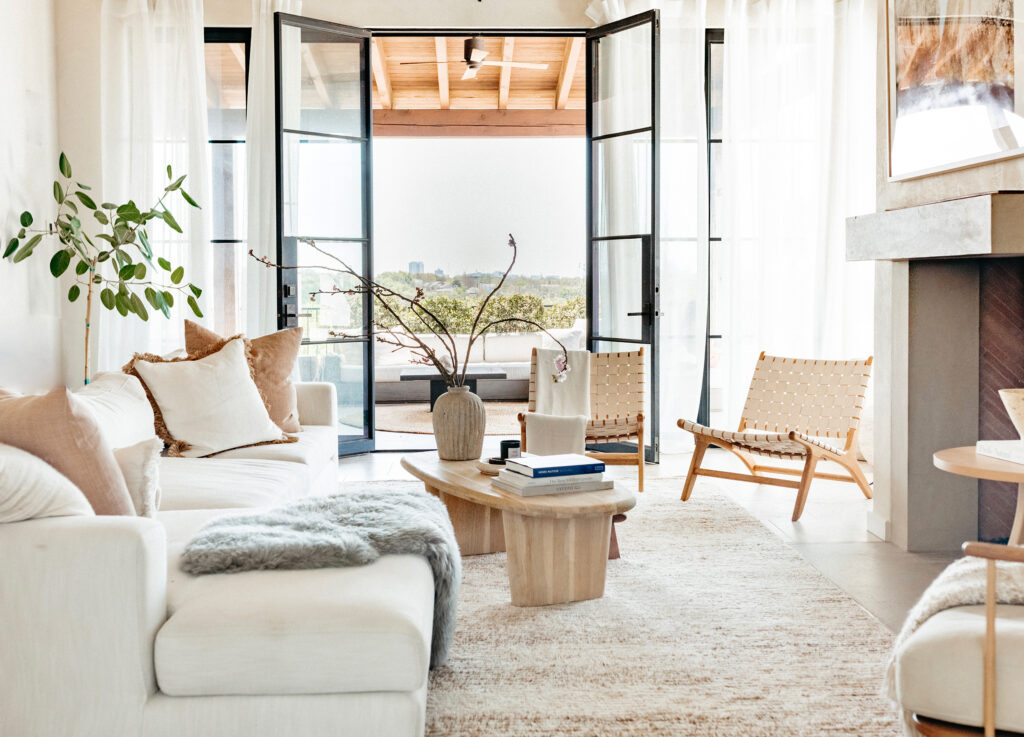
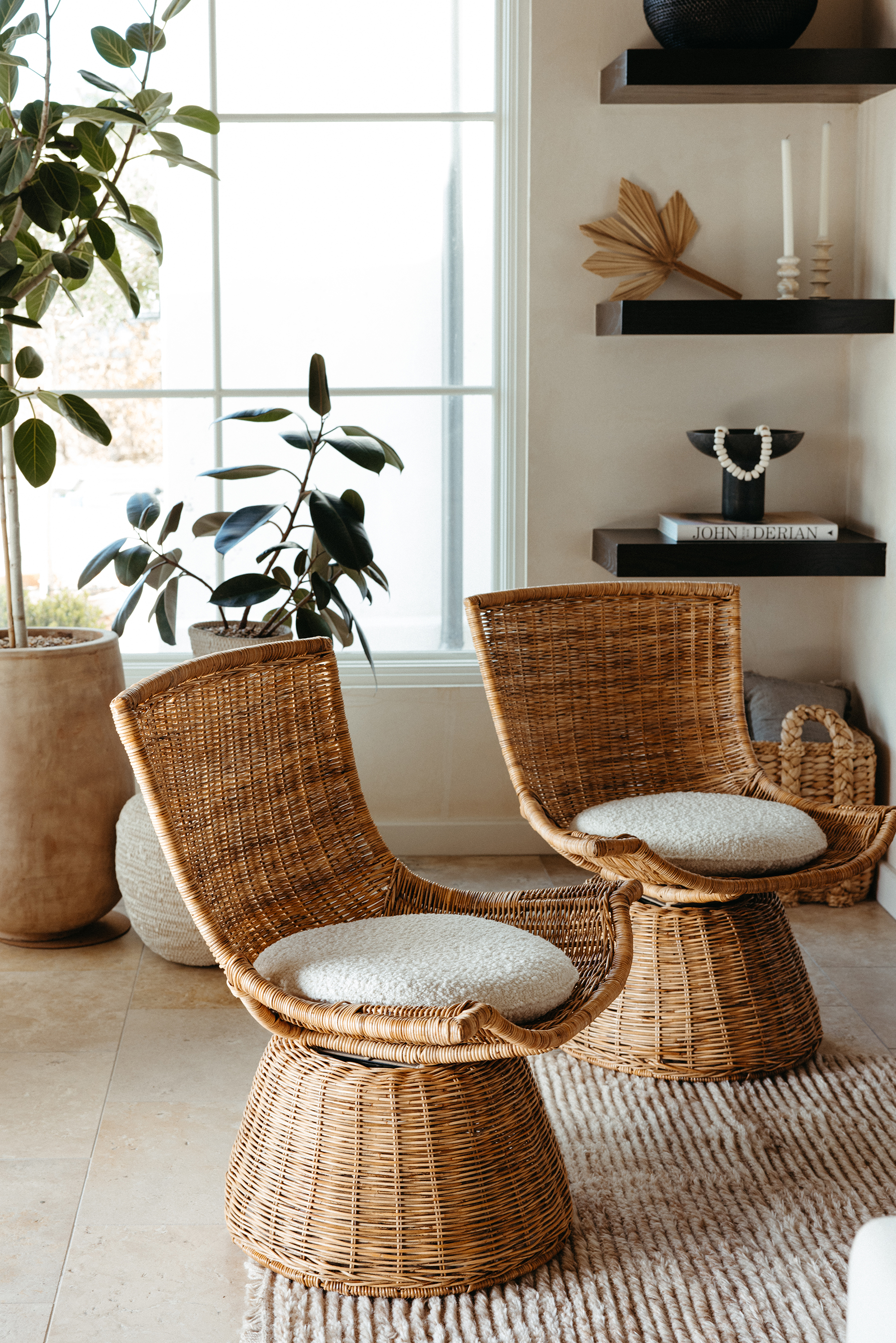
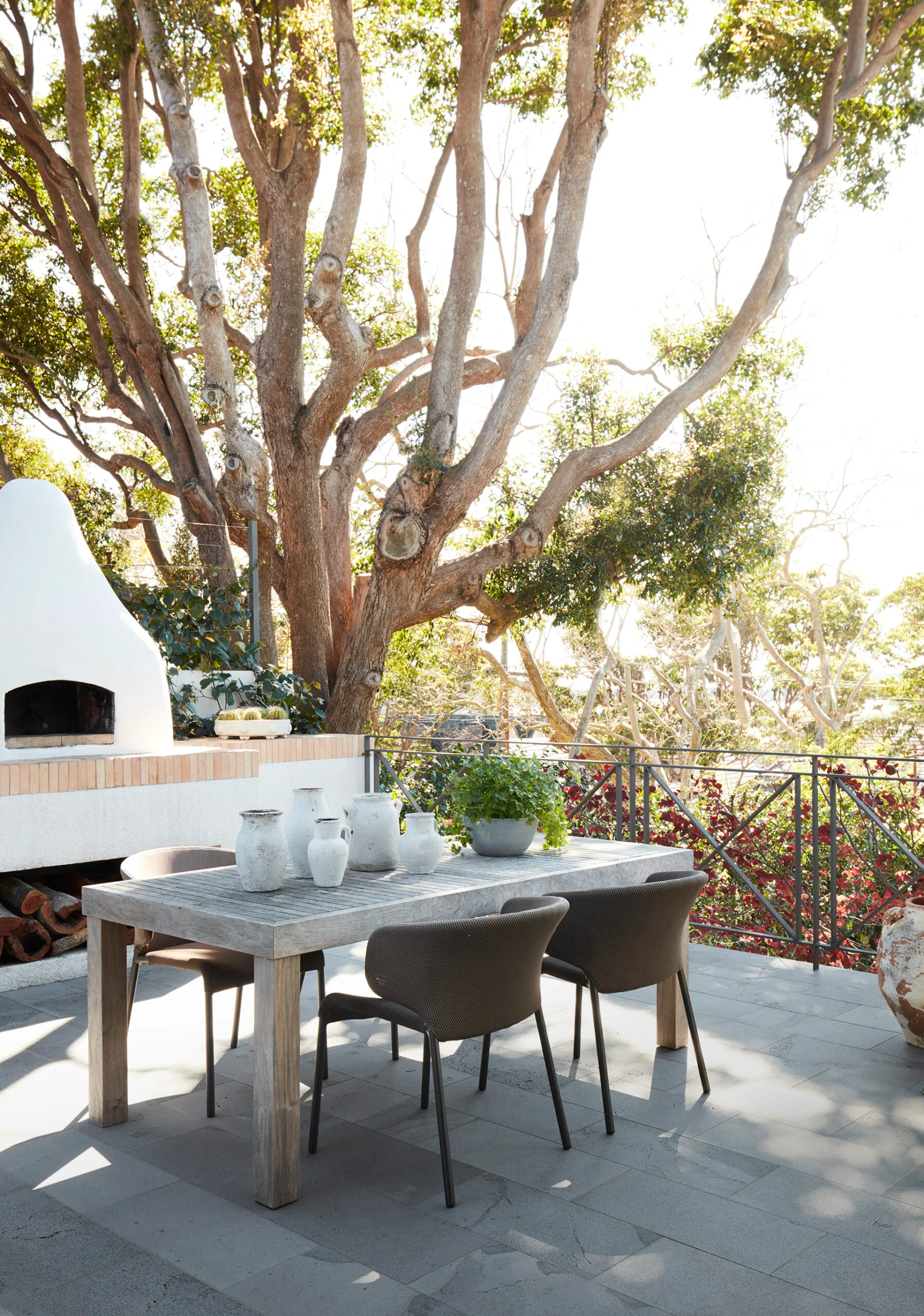
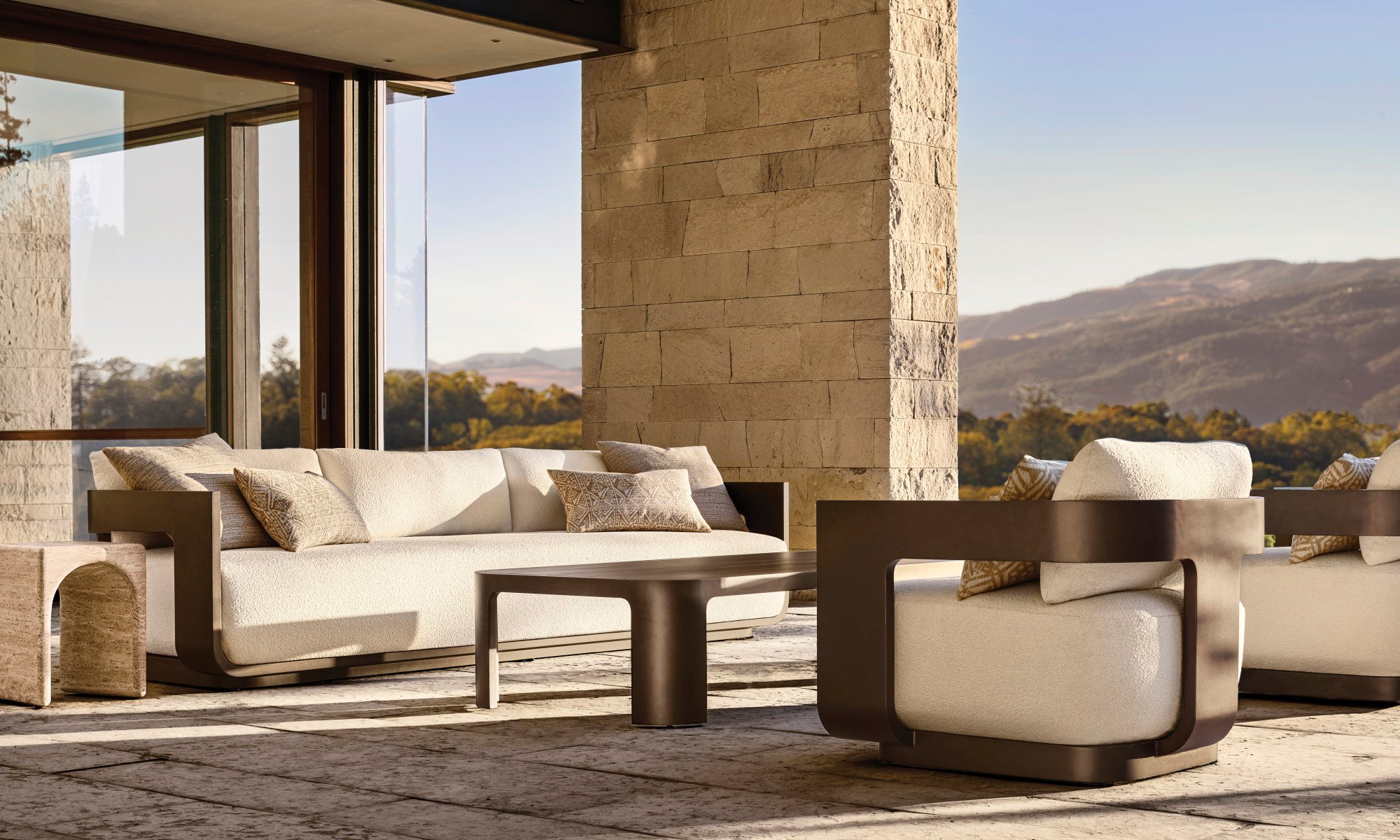
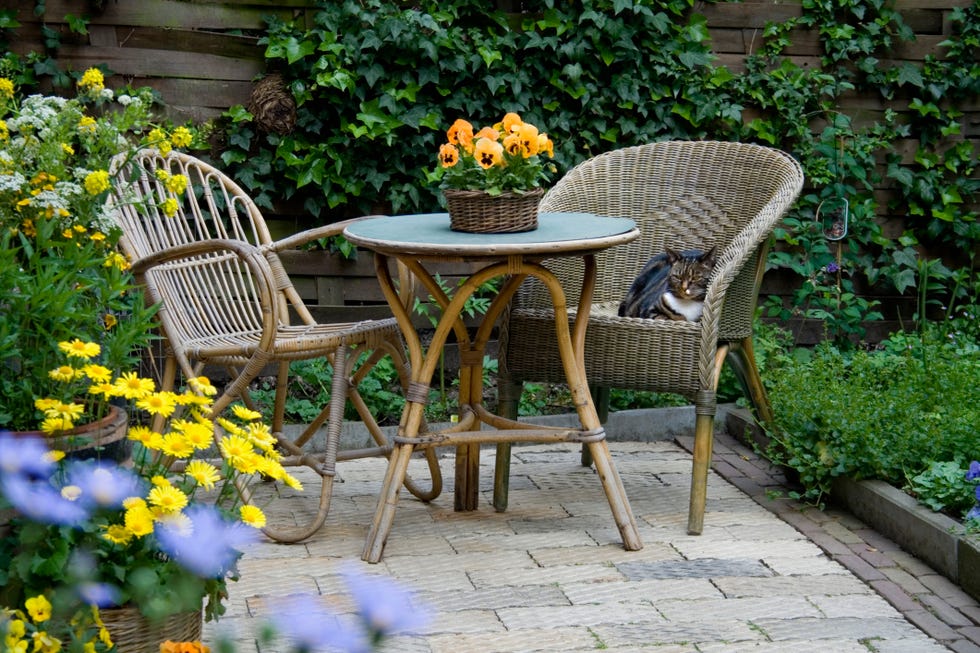
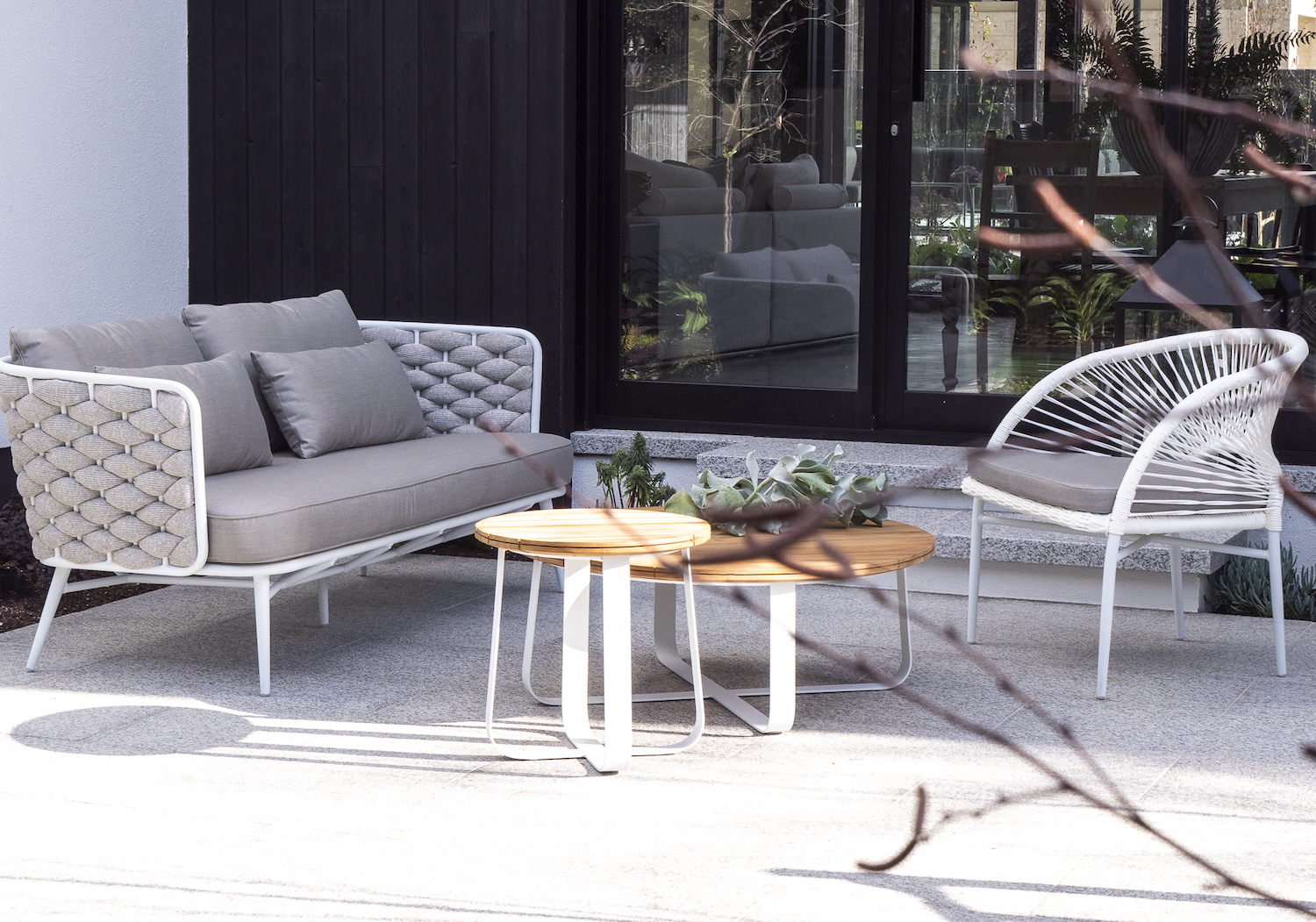
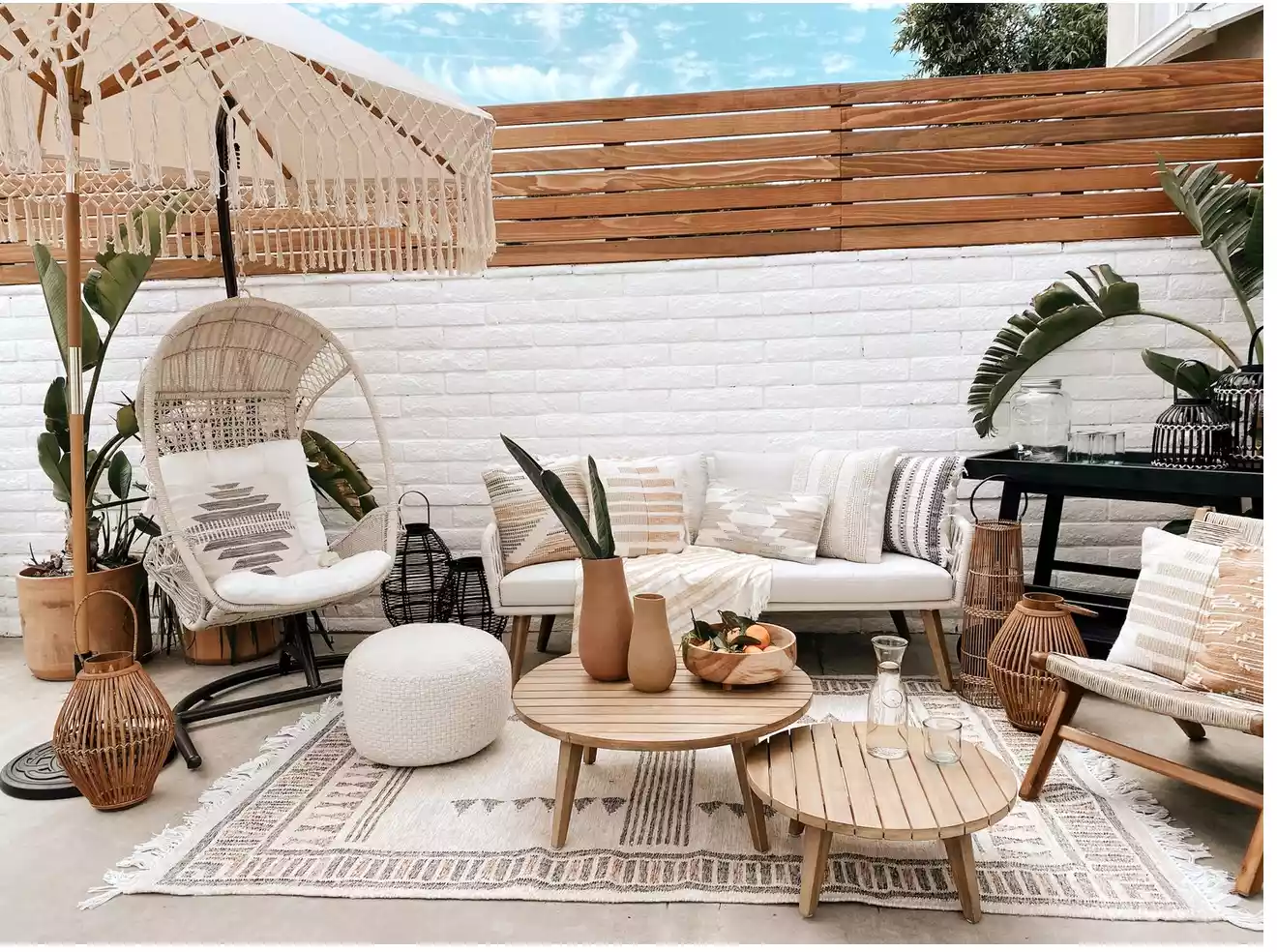
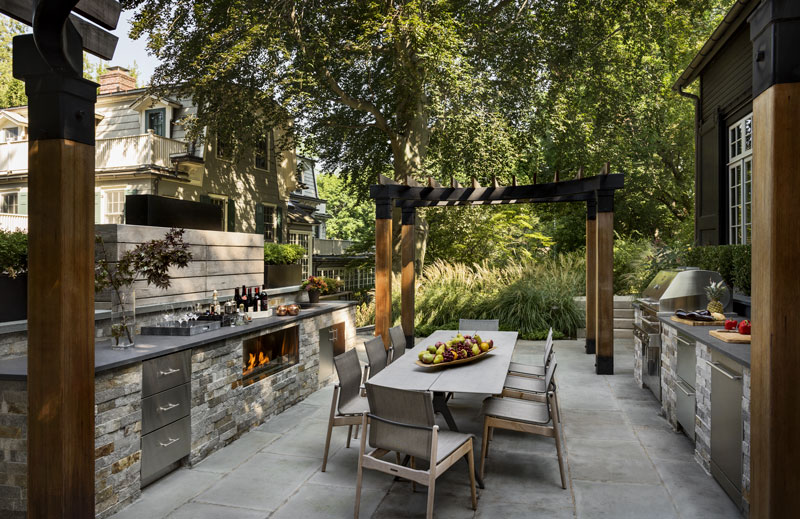
Once the foundational aesthetic is established, the next step involves curating furniture and decor. A core principle is the strategic mixing and matching of materials and heights to create visual interest and depth. Combining elements like stone with fabric, metal with wood, or rattan with terracotta introduces an eclectic, layered feel. Staggering furniture heights, such as a low bench next to a tall planter, and incorporating various textures are essential for adding dimension and warmth, even to smaller spaces. This interplay of materials contributes to a 'lived-in' atmosphere, according to design experts.
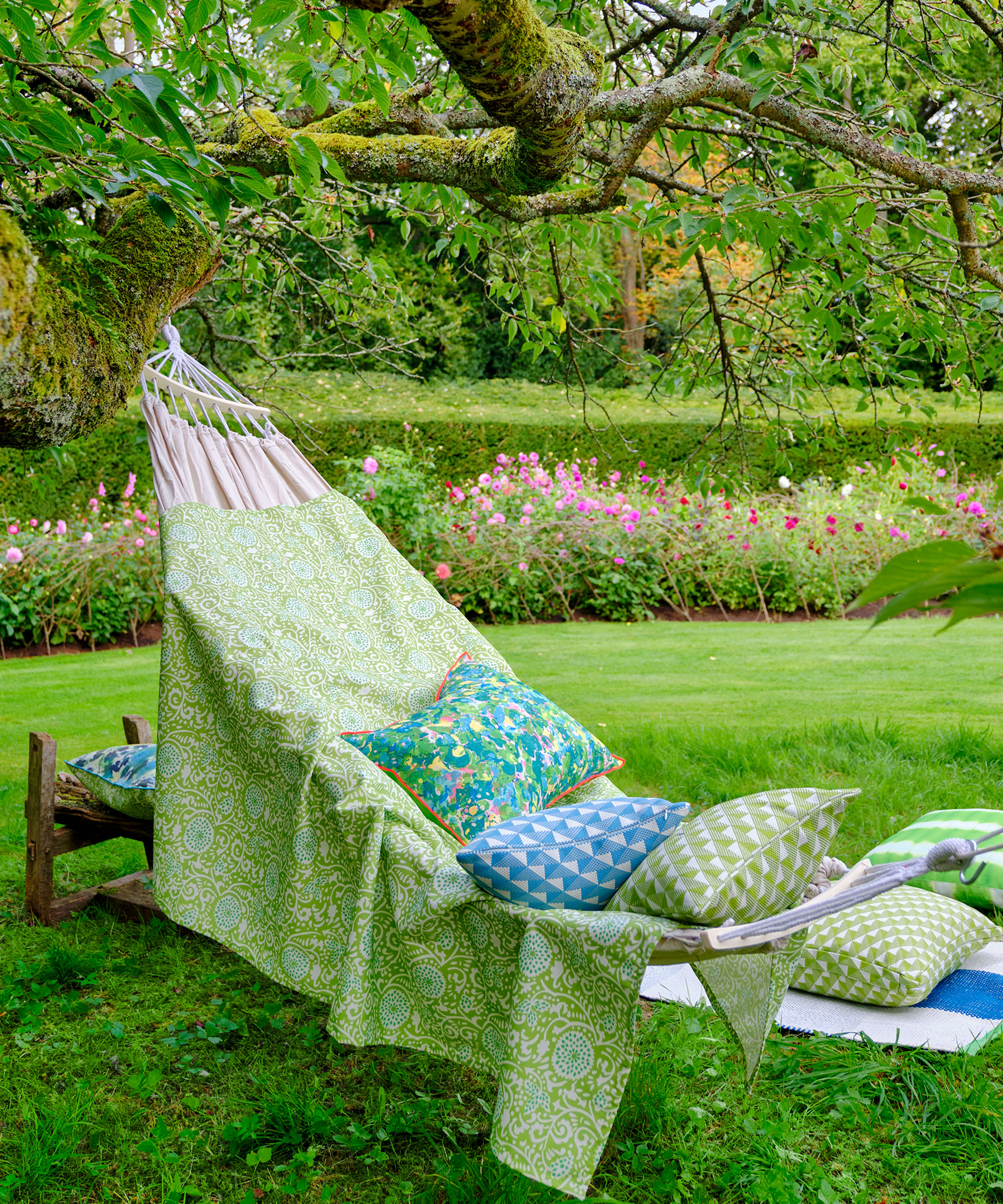
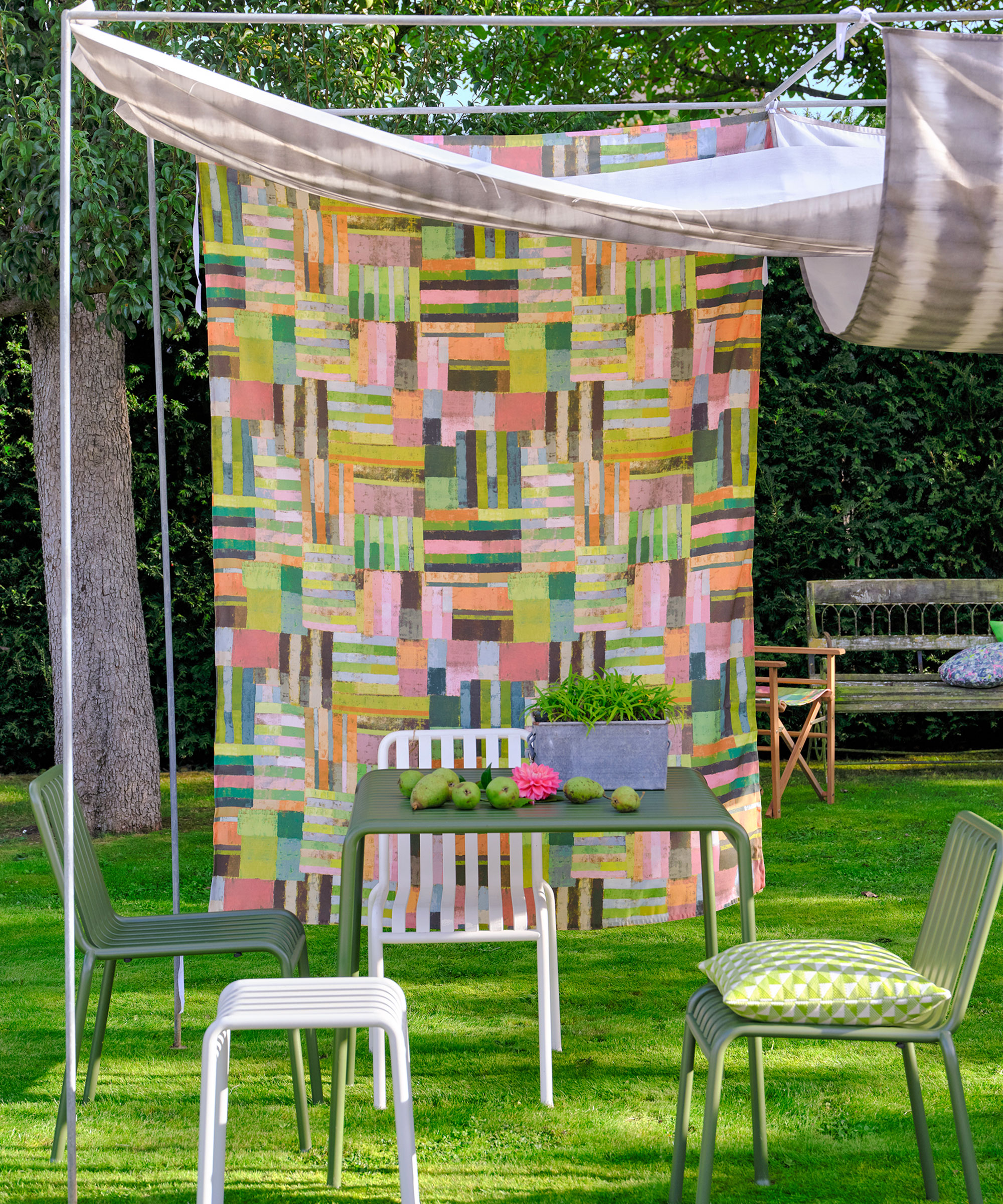
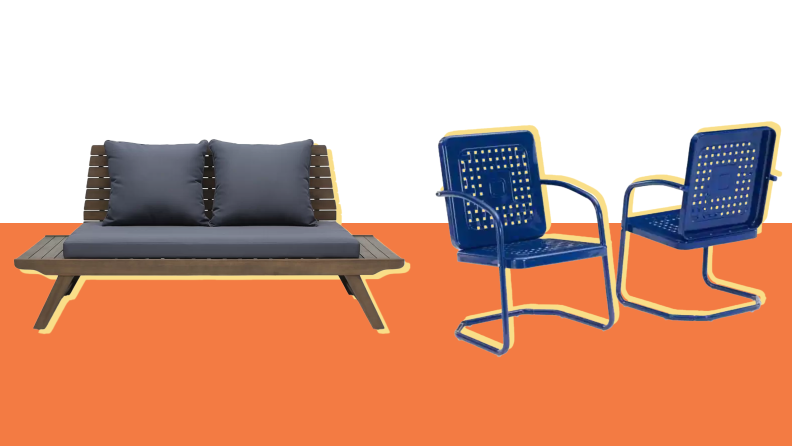
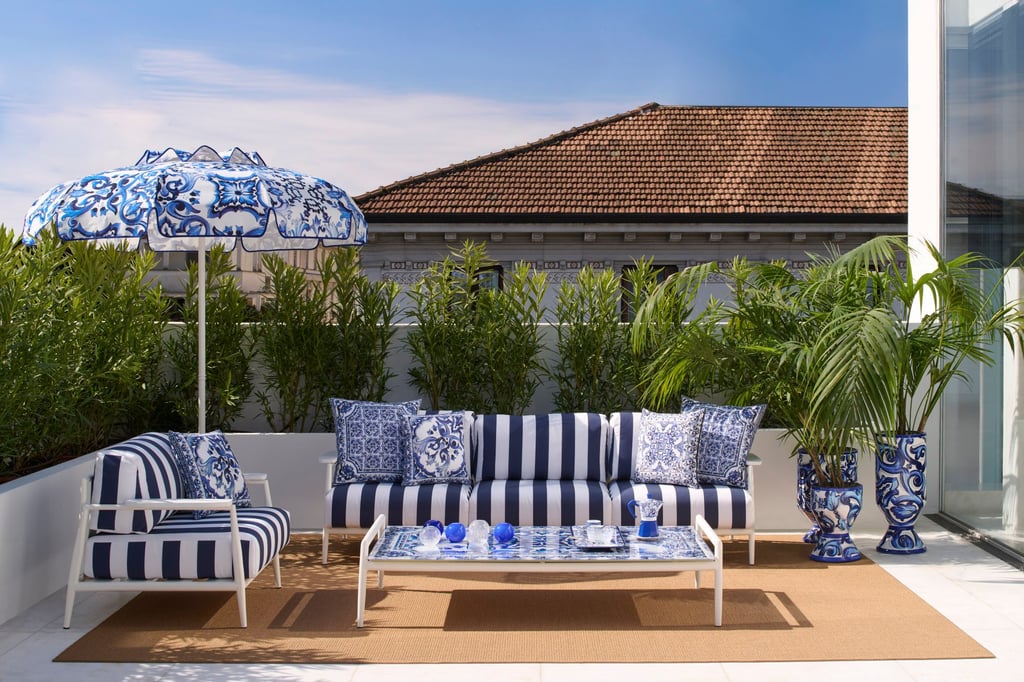
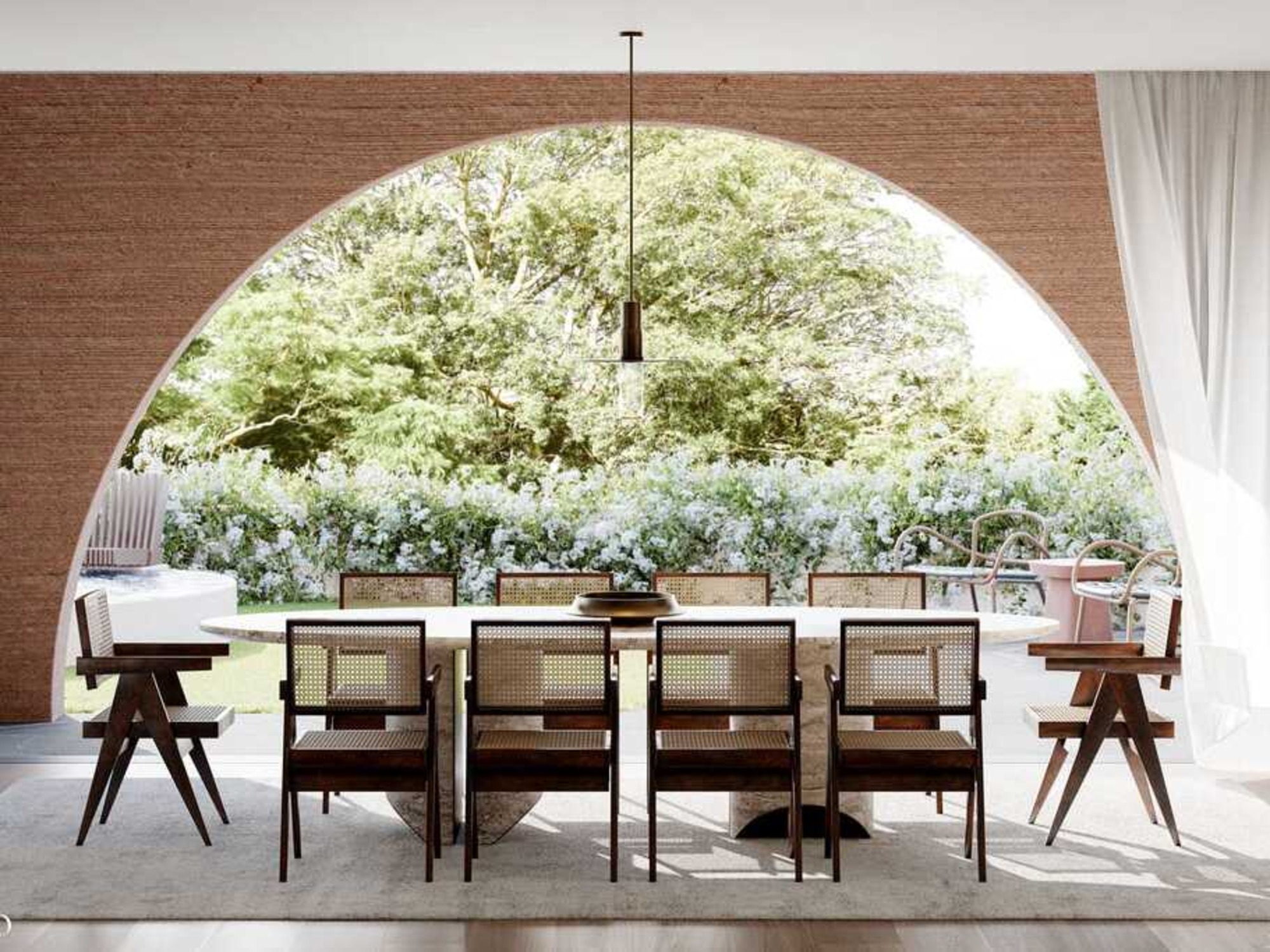
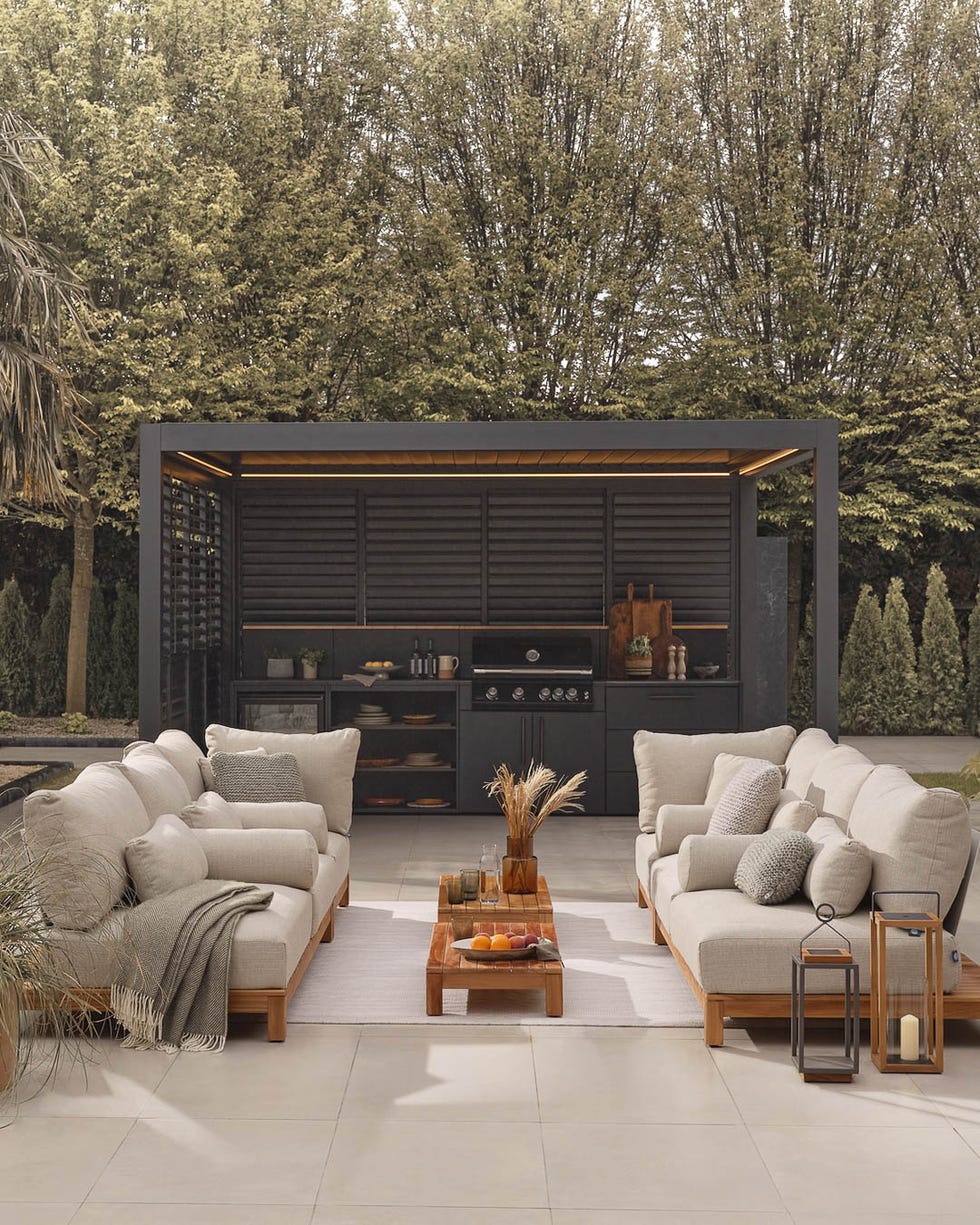
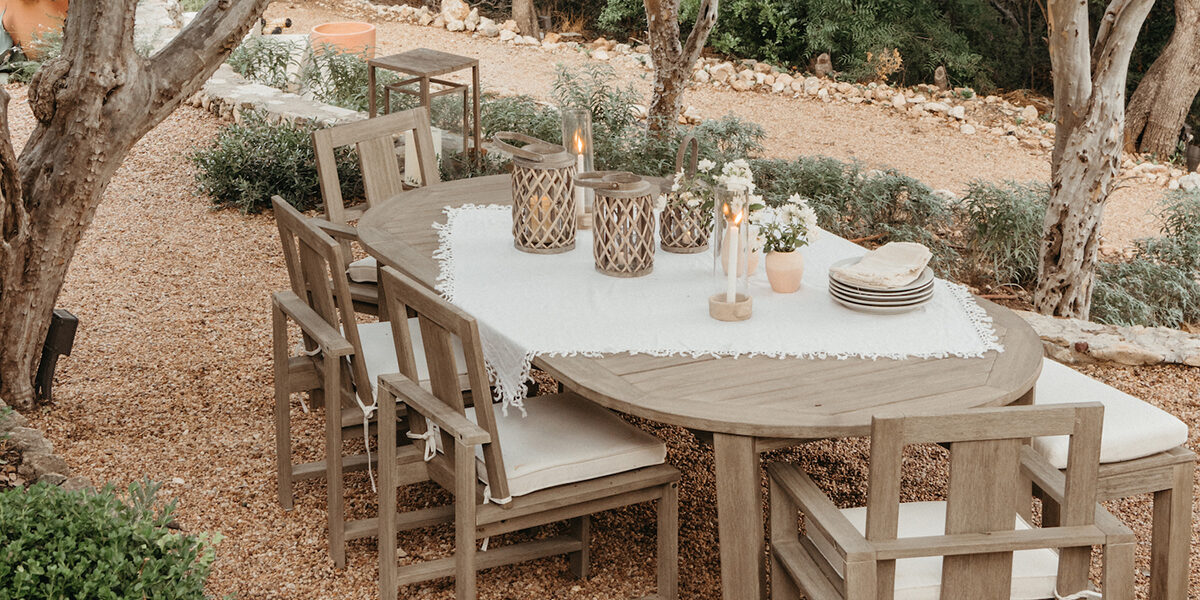
Designers advocate for moving beyond conventional outdoor furniture by selecting pieces that blend indoor and outdoor aesthetics, creating a more curated and intentional environment. The emphasis is on durability, choosing items that can withstand weather conditions, such as sturdy teak dining tables or concrete martini stands designed to mimic natural stone. For smaller decorative elements, versatility is key. Everyday items like favorite table linens, textiles, and even regular pillows can be utilized outdoors and brought inside when not in use, with the option of treating frequently used items for moisture and fade resistance.
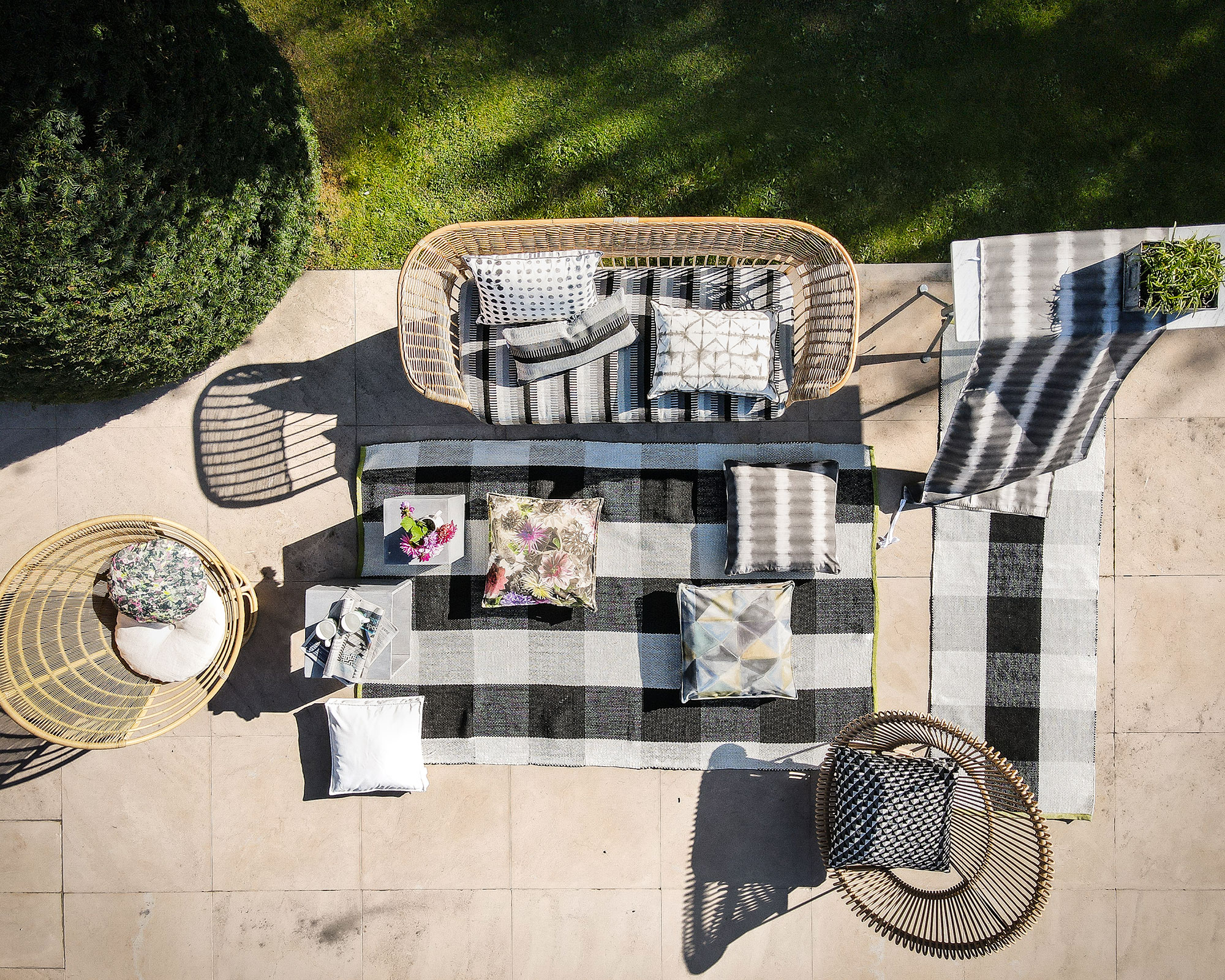
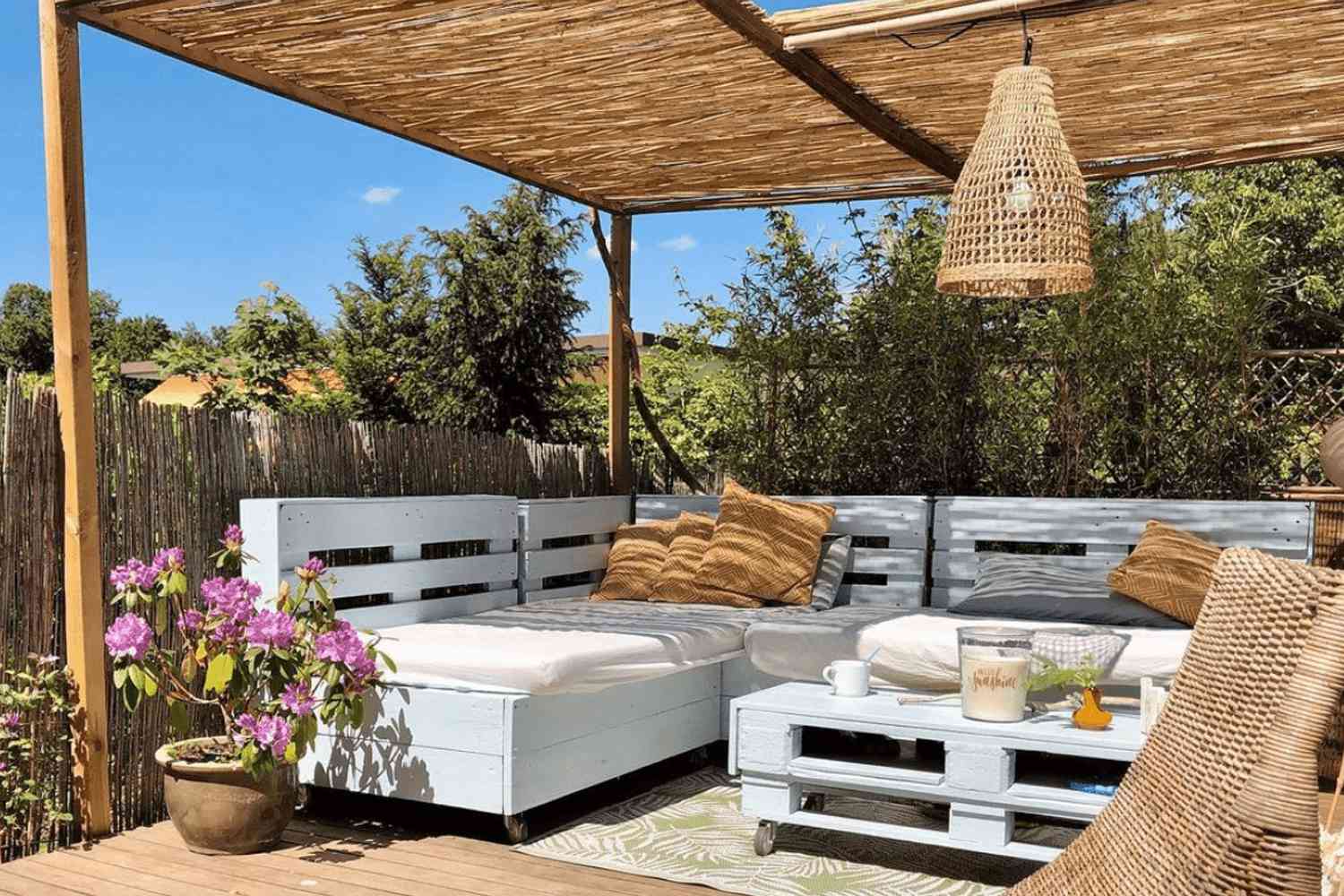
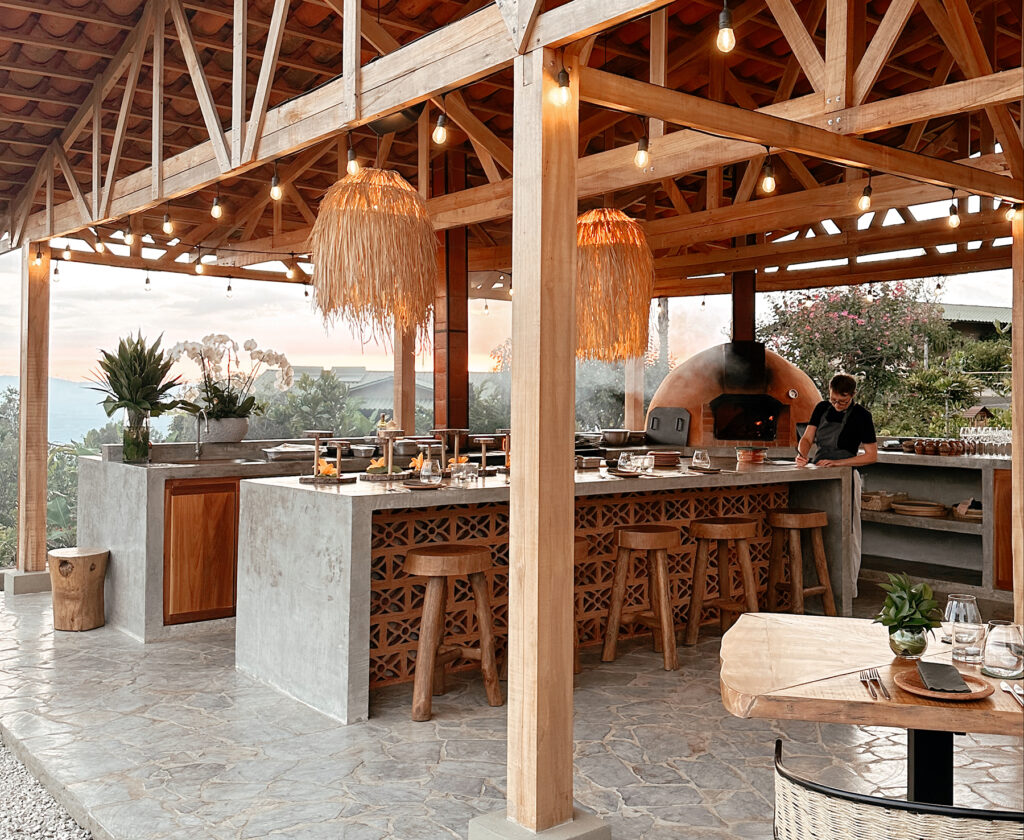
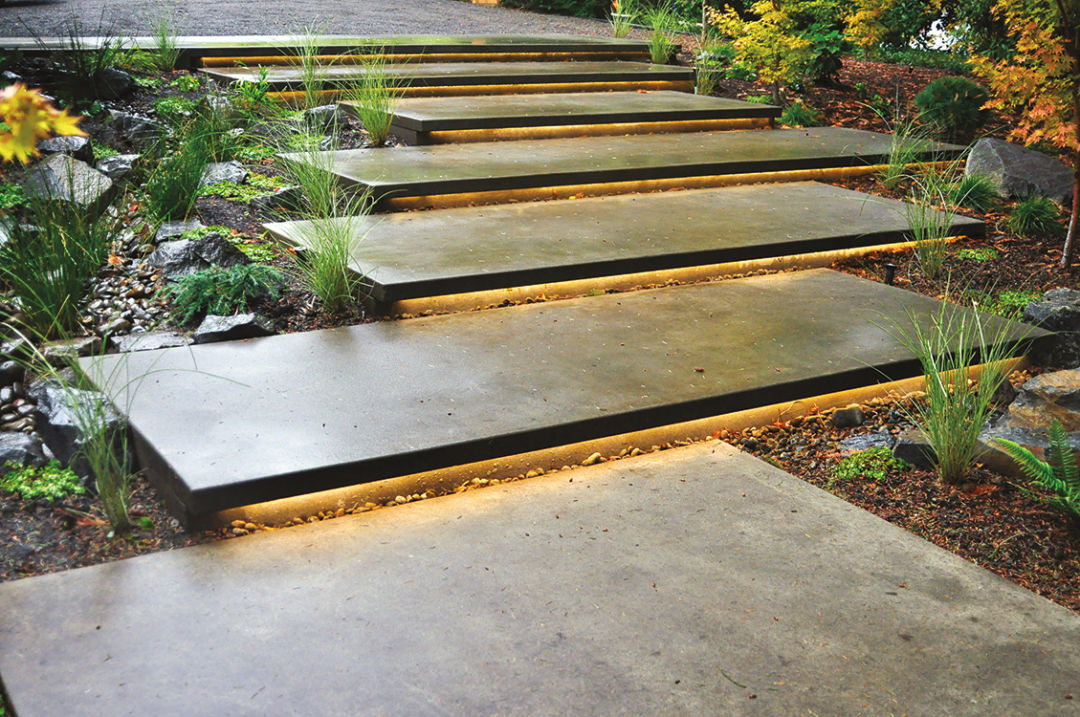
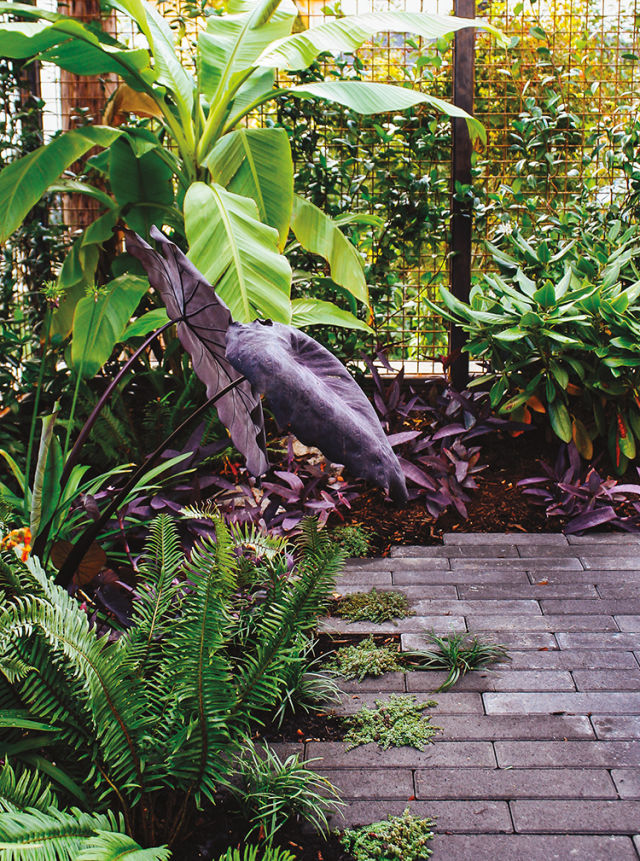
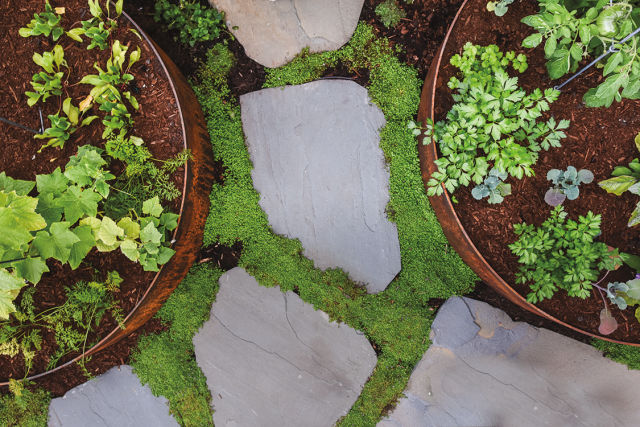
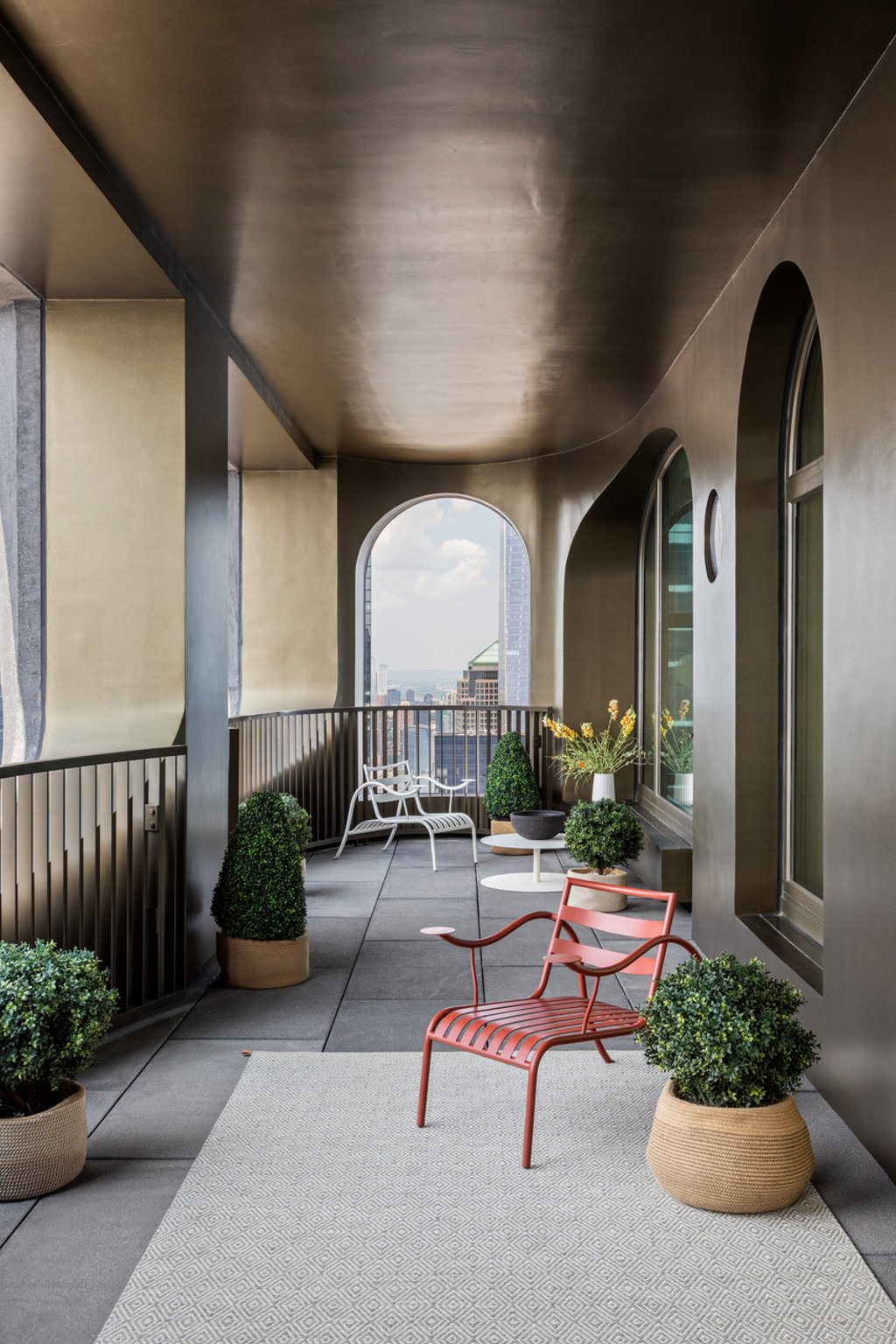
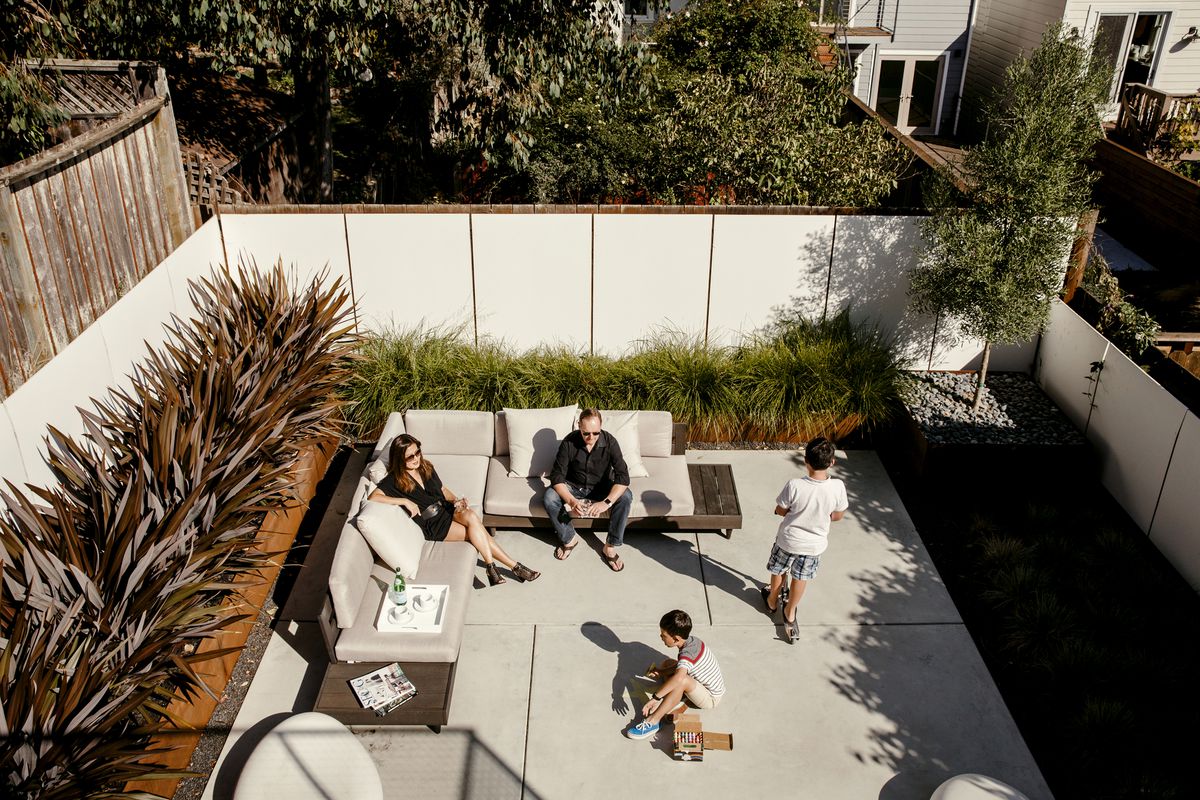
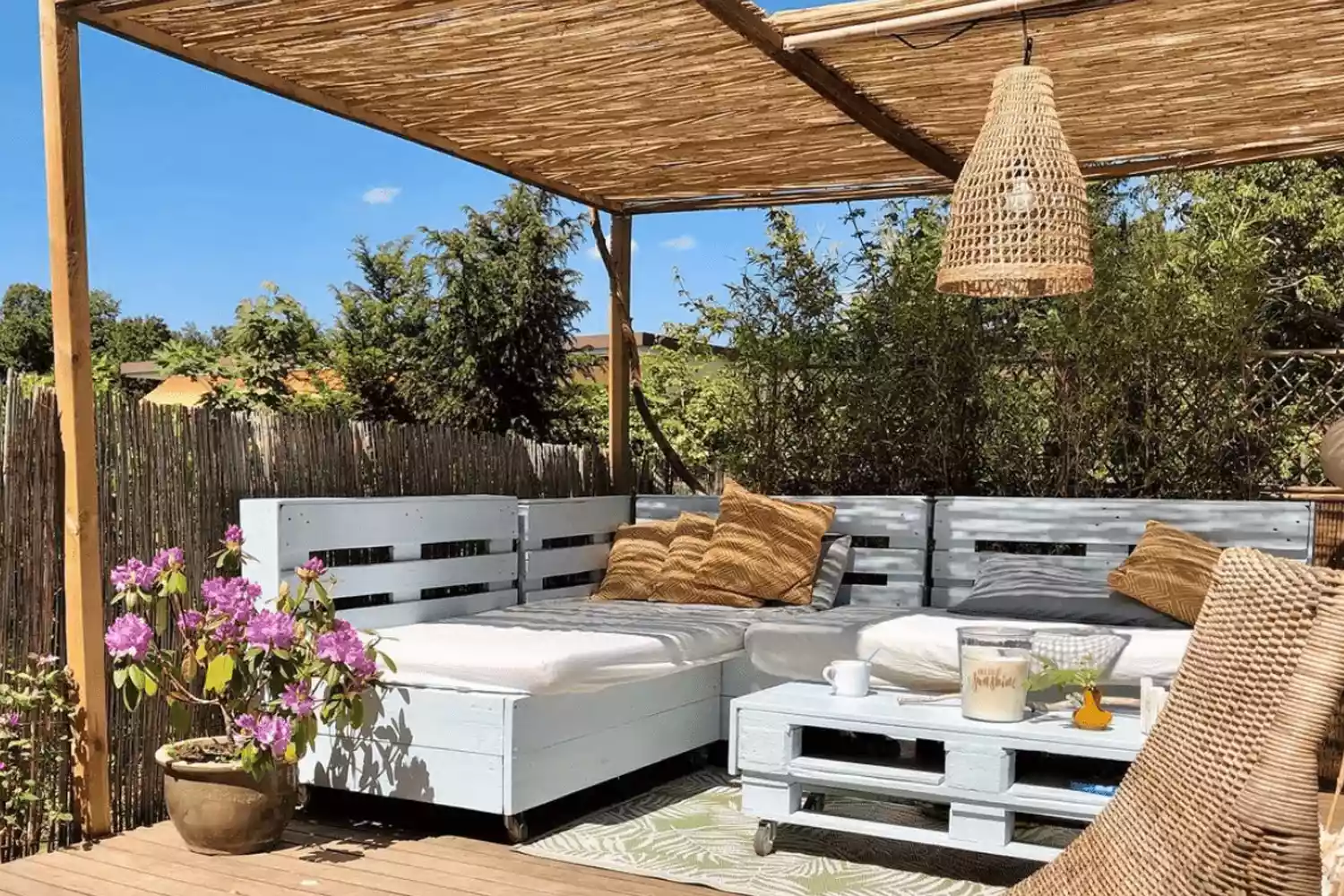
Effective space planning involves creating distinct 'vignettes' or zones within the outdoor area, treating it as an extension of indoor living. This is particularly beneficial for smaller spaces like balconies or shared gardens. Decor elements such as large planters, modern privacy screens, and colorful rugs can define these zones. For a more organic division, landscaping can be employed, such as using longer grass to frame a path and create a terraced effect.
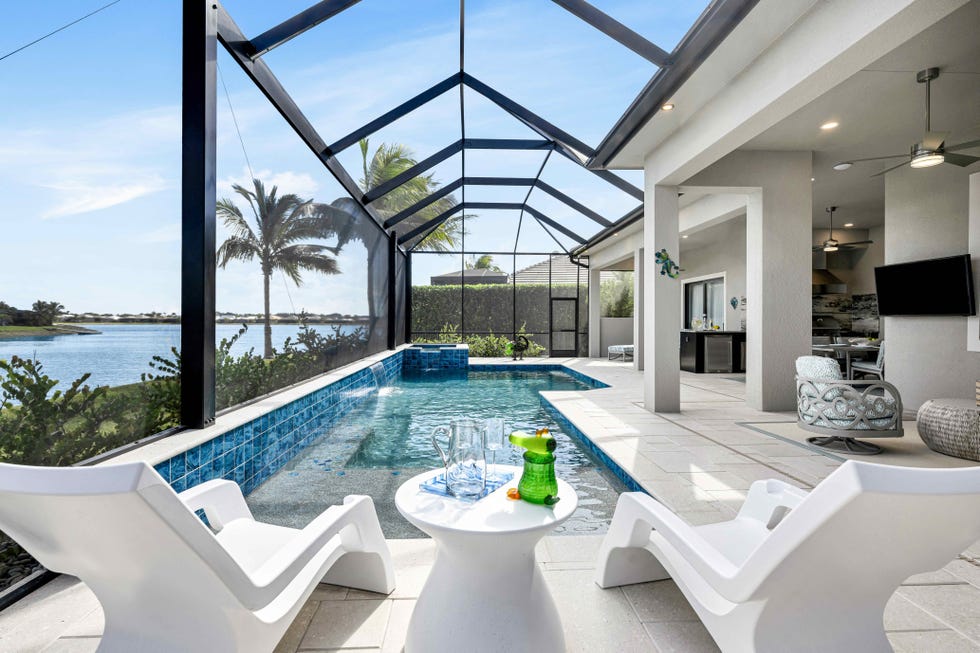
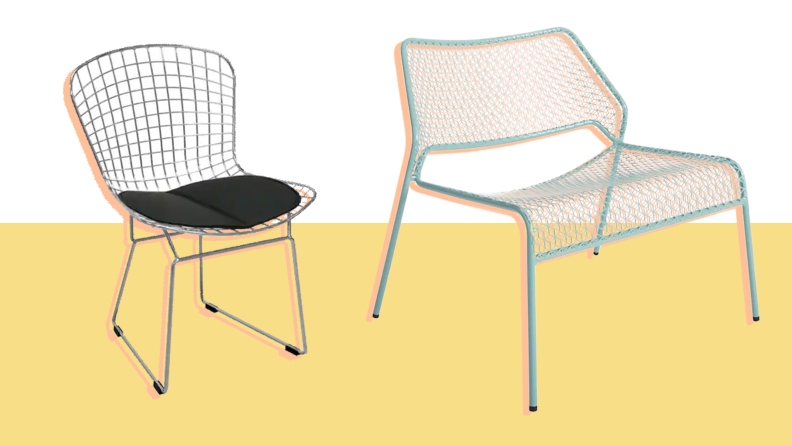

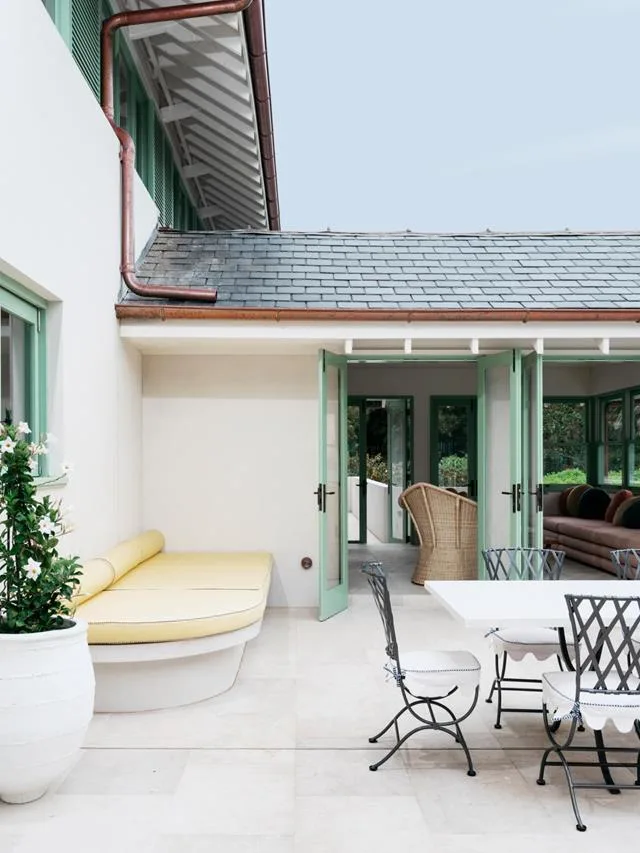
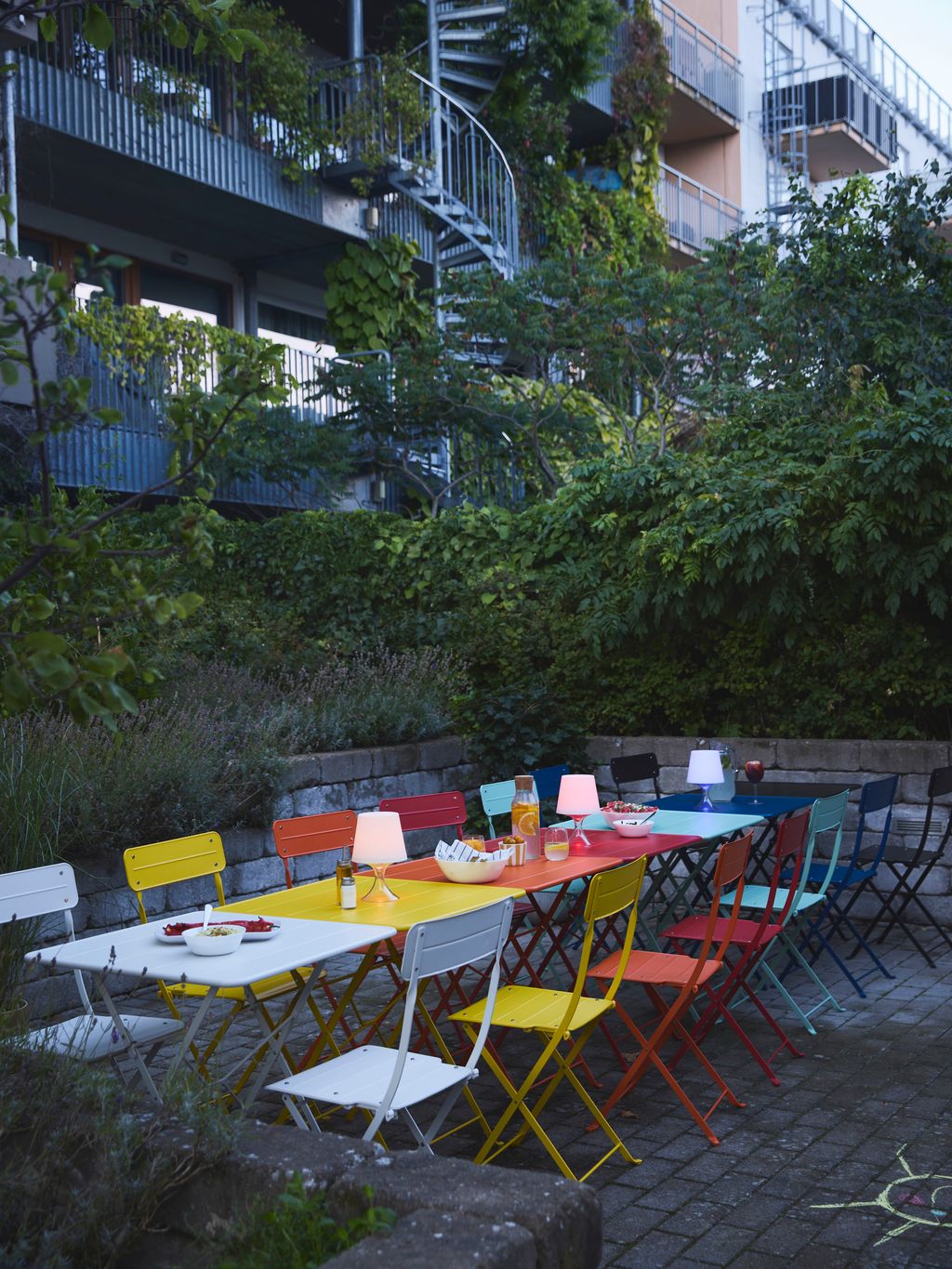
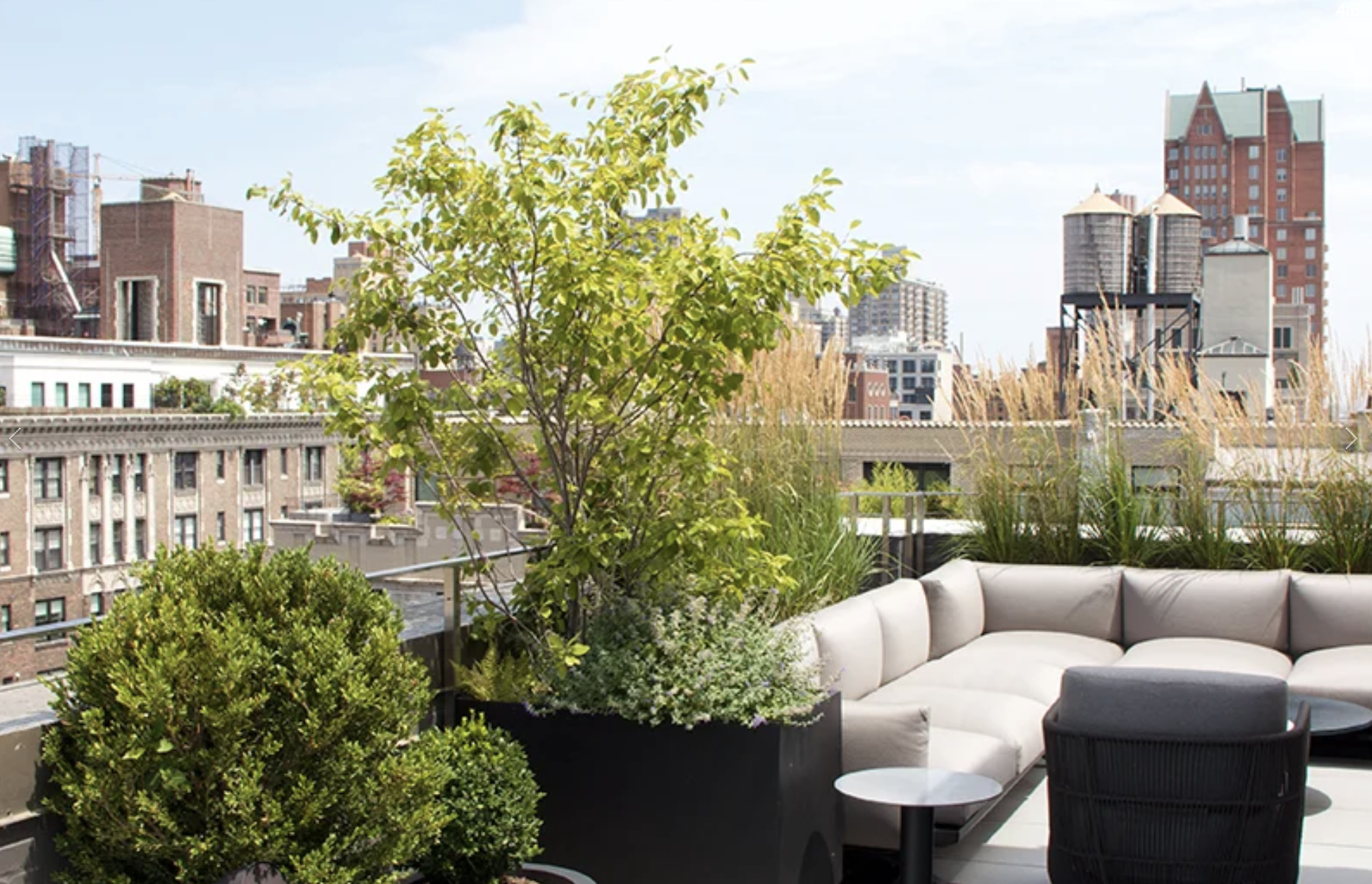
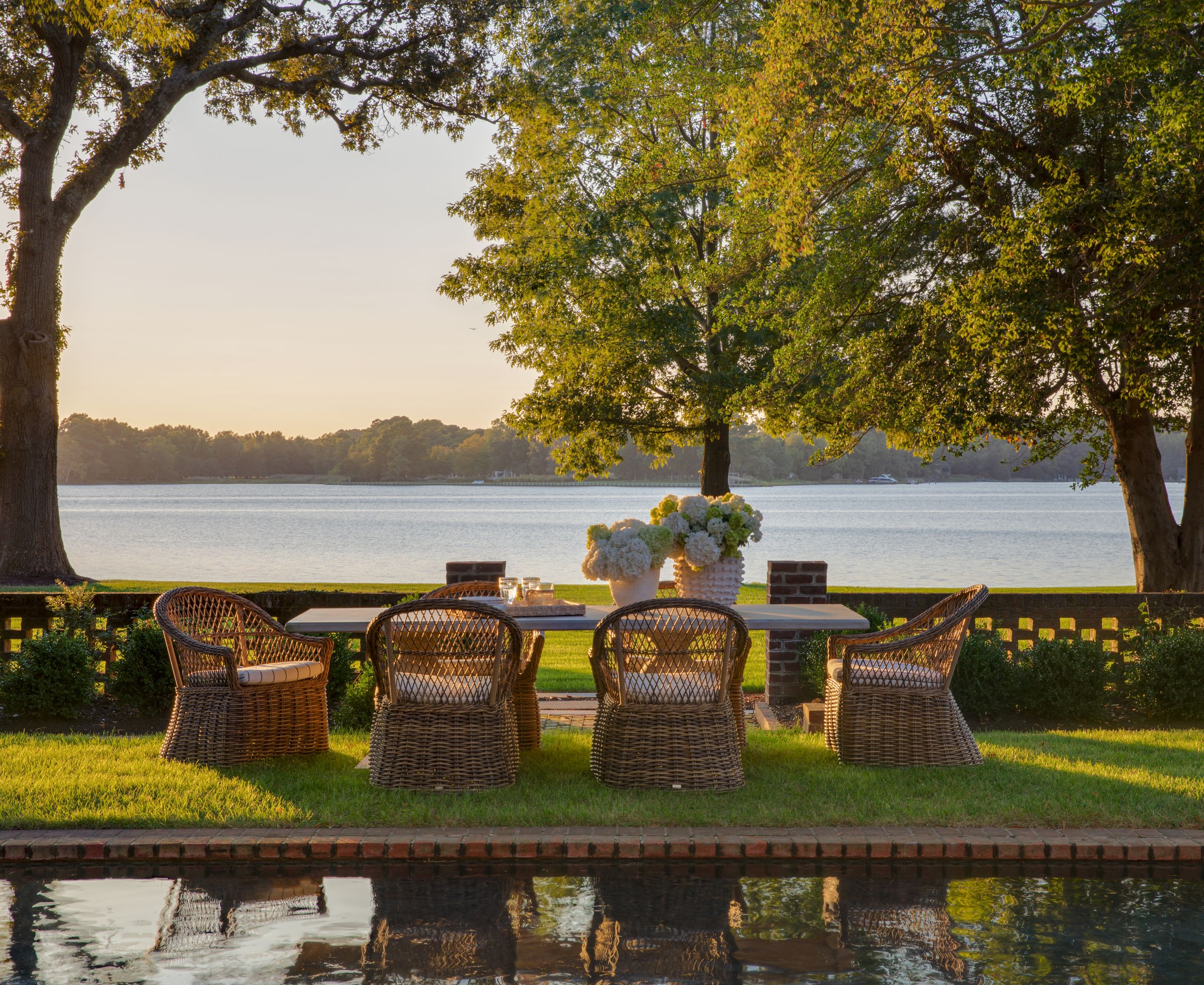
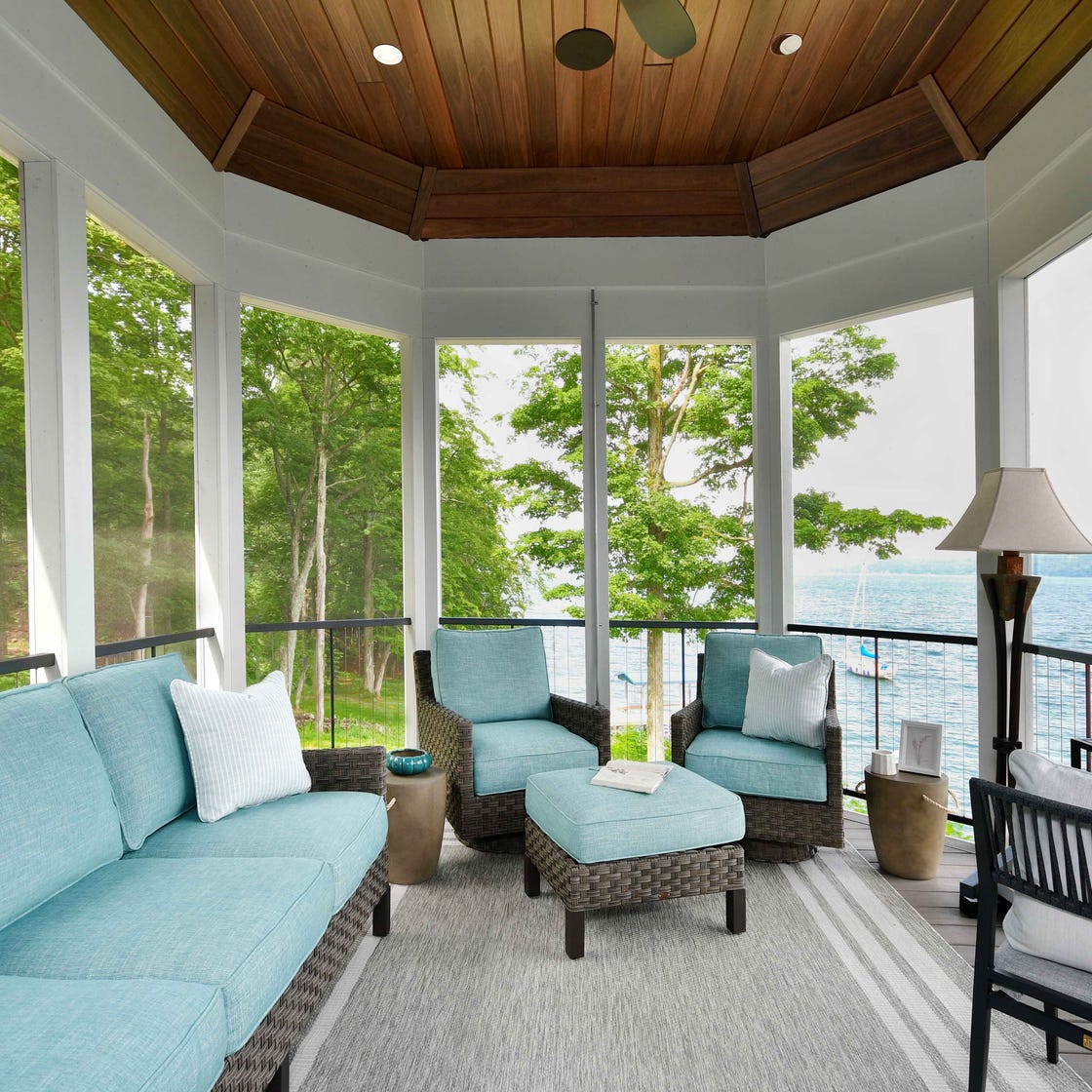
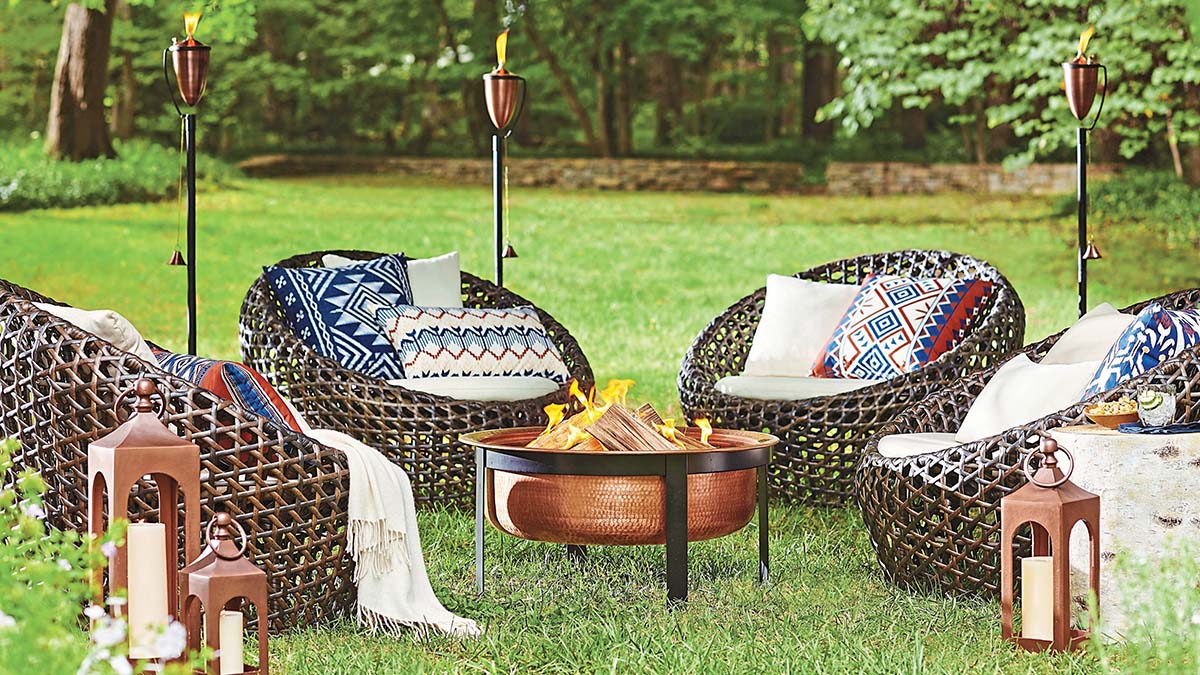
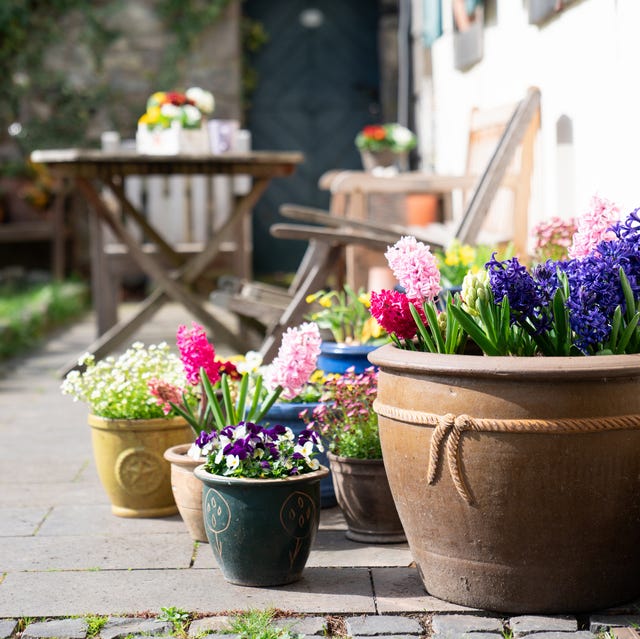
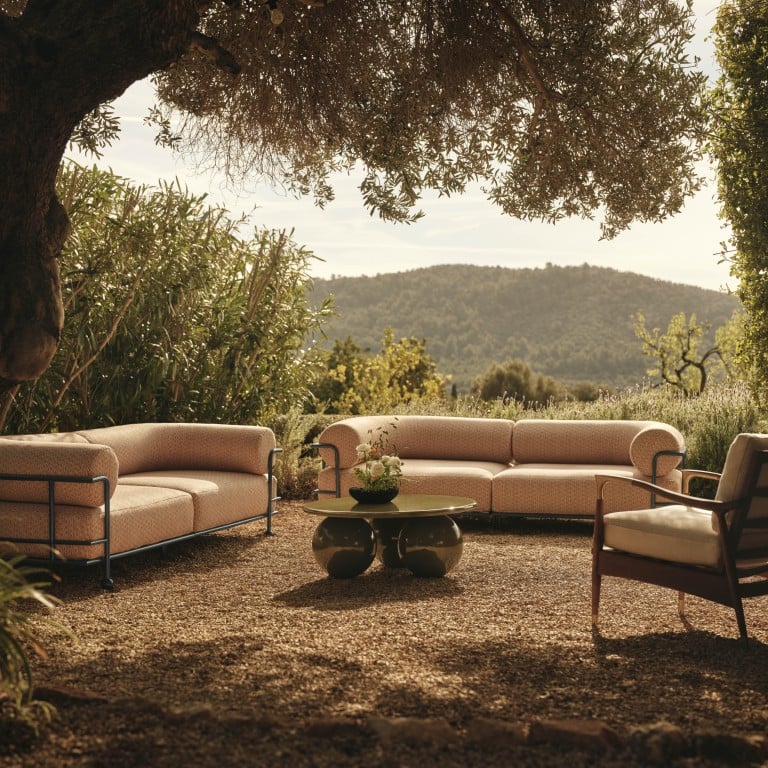
Finally, balancing the scale of furniture and decor with the surrounding landscape is crucial to avoid a sparse or cluttered appearance. The weight of the pieces should harmonize with the environment. For garden terraces or verandas, lighter frames like iron are recommended to complement abundant greenery. Conversely, for spaces with expansive backdrops, such as water views, more substantial pieces with significant 'heft' are preferred to anchor the area without detracting from the natural scenery. The final touches, including lighting and seasonal accessories, are vital for infusing personality and coziness. Layering different light sources, such as string lights, lanterns, and candles, enhances the ambiance, while fresh cut flowers in attractive vases on colorful table linens add a touch of seasonal style and make casual outdoor gatherings feel special.
#OutdoorDecor #InteriorDesign #HomeStyling #FurnitureSelection #OutdoorLiving #SpacePlanning #SeasonalDecor #TexturalElements #LightingDesign #OutdoorDecor #InteriorDesign #HomeStyling #FurnitureSelection #OutdoorLiving #SpacePlanning #SeasonalDecor #TexturalElements #LightingDesign
0 Kommentare insgesamt
 Noch keine Kommentare
Das könnte Ihnen auch gefallen
5 simple ways to decorate your outdoor space for summer entertaining

The 5 Big Trends and 5 Popular Features In The Best Outdoor Spaces
Build Your Perfect Backyard Patio in 5 Easy Steps

How to design an outdoor room
Your Deck Is About to Be the Best Room in the House

I’m Moving My Dining Room Outside—Here Are My 5 Rules for Indoor-Outdoor Living
Design Expert Shares 4 Simple Tips for Turning Any Space Into an Outdoor Retreat

9 patio decorating ideas to transform your space into an outdoor oasis
How to Get Your Outdoor Space Styled for Summer, No Matter the Size
6 Easy Tips for a Stunning Outdoor Space That Designers Always Follow

How to create a private outdoor paradise right at home this summer

5 Great Backyards to Inspire Your Own Outdoor Renovation

5 Easy Ways to Make Your Outdoor Space More Inviting, According to Pros
5 Landscape-Inspired Looks for a Vibrant Outdoor Space

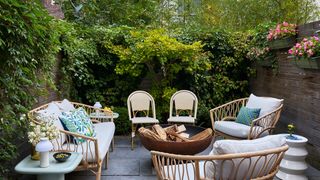
15 Outdoor Decor Ideas That Will Make a Big Impact

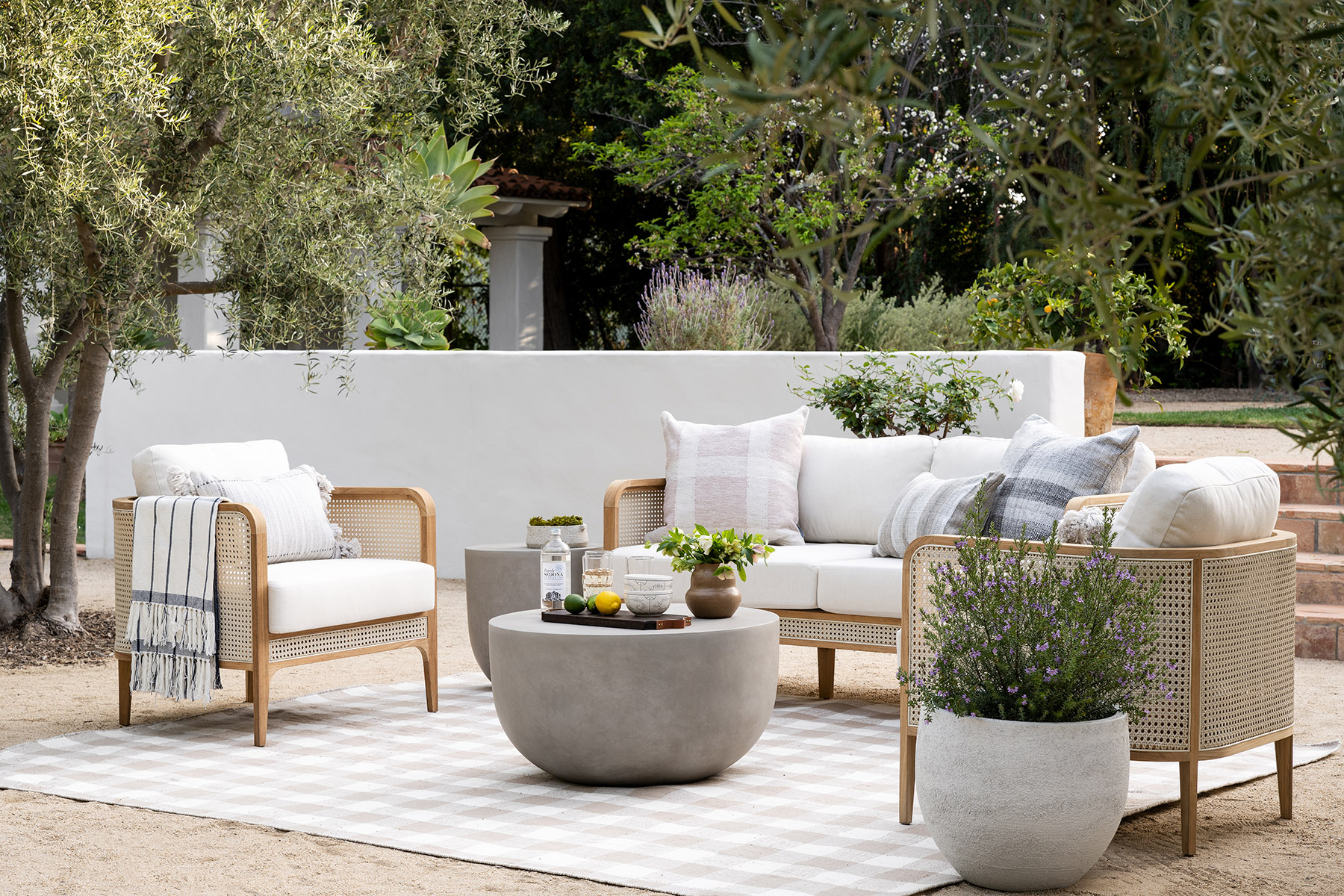
Outdoor Furniture Layout Plans for a Small Patio — 5 Ideas Landscape Designers Say You Should Try

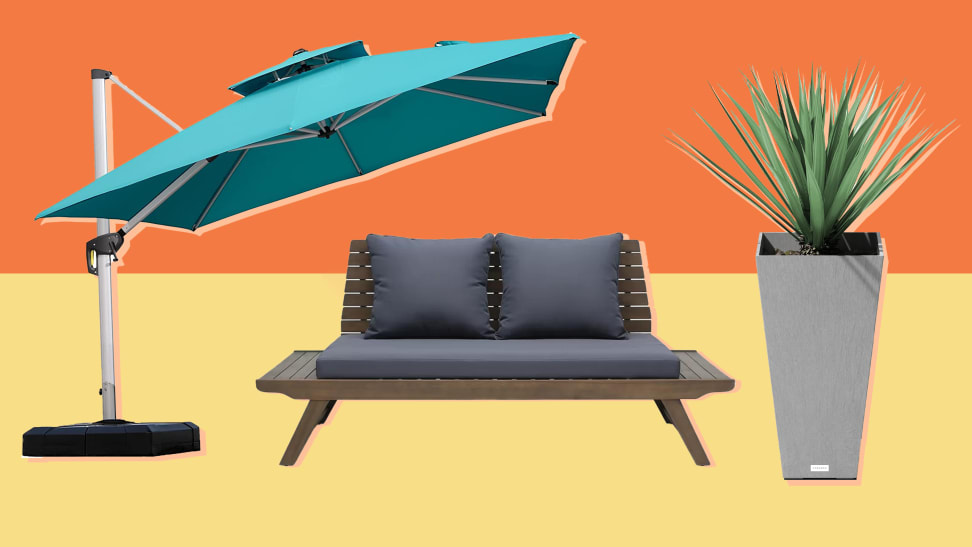
Design experts dish on how to create a mid-century outdoor oasis

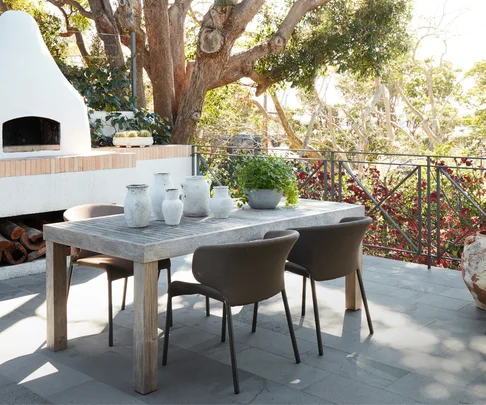
Outdoor patio furniture and styling tips

Outdoor Living - Landscaping, Garden & Backyard Design Ideas
7 Secrets For Maximizing Your Outdoor Space, According To Designers