
1/6
How to Build the Best Multiroom Wireless Speaker System for You | Reviews by Wirecutter
This article provides a comprehensive guide to building a multiroom wireless speaker system, detailing the advantages and disadvantages of both closed and open systems. It emphasizes that the best system depends on individual preferences regarding features, interaction methods, and existing audio components. A multiroom wireless speaker system allows for seamless audio playback throughout a home, enabling users to stream music and podcasts across multiple rooms simultaneously with control via an app or voice commands. Unlike single Wi-Fi or Bluetooth speakers, multiroom systems are designed to work cohesively, offering flexibility to add or remove rooms (zones) and control individual speakers independently.
The guide first addresses who benefits from such a system, differentiating it from single-room solutions like Bluetooth speakers, which typically lack multiroom grouping and direct access to music sources. The core decision for prospective buyers is choosing between a closed system, where all components are from a single manufacturer and managed by their proprietary app, or an open system, which integrates devices from various brands using shared protocols like Apple AirPlay, Amazon Alexa, Google Cast, or DTS Play-Fi.
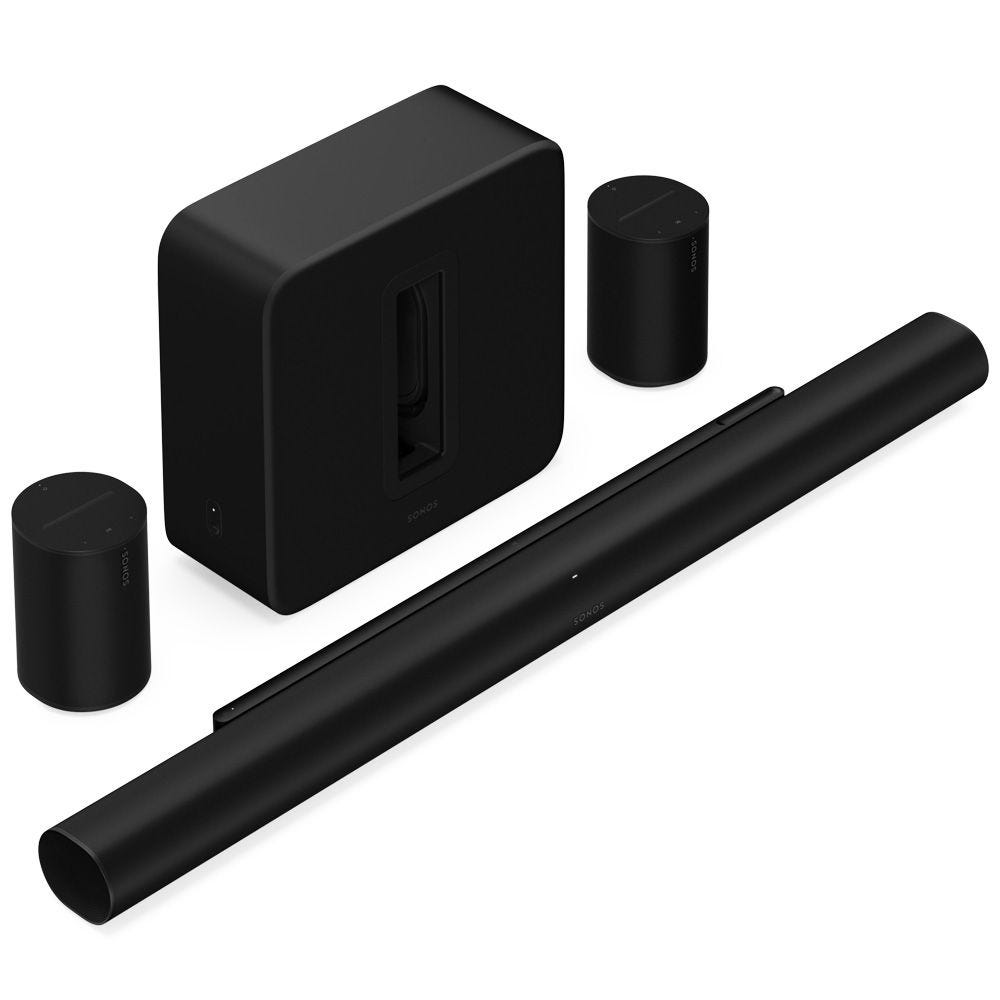
For closed systems, the article highlights ease of setup and use, with everything managed within a single app. These systems often include lifestyle features like timers, accessibility options, and integrated streaming services. They also tend to be better for multiple users and households with diverse mobile operating system preferences, as control apps are typically cross-platform. However, a significant drawback is dependence on a single manufacturer, which carries risks such as platform overhauls that could compromise functionality. Examples discussed include BluOS (noted for high-quality sound and intuitive app but higher cost and limited selection), Sonos (praised for sound quality and speaker variety but criticized for app reliability issues), Heos (suitable for existing Denon or Marantz owners but with limited streaming service integration), and Nest Audio (an affordable option primarily voice-controlled, bridging closed and open systems).
Open systems offer greater flexibility in product selection and avoid vendor lock-in, leveraging mobile device protocols like AirPlay or Google Cast. This approach often means one less dedicated app, with control typically managed through native music or podcast apps. The main challenge is ensuring compatibility among devices. For iOS users, AirPlay is presented as a highly seamless and reliable multiroom platform, with a wide range of compatible devices from various brands. It allows for easy control of individual speaker volumes and grouping. While it offers extensive flexibility, it inherently ties users to the iOS ecosystem. For Android users, Google Cast is available, though it's described as less intuitive for multiroom audio than AirPlay. The recommendation for Android users is to use the Google Home app for initial setup and grouping, then leverage direct casting features from streaming apps like Spotify Connect or Tidal Connect, though this limits dynamic group changes.
Finally, for users who prefer not to be tied to a specific phone OS or a closed ecosystem, the article suggests building an open, platform-agnostic system using operating systems like Linkplay. This often involves integrating audio components with streaming capabilities and passive or powered speakers. Linkplay-based products, such as those from WiiM or Audio Pro, frequently support multiple protocols like AirPlay and Google Cast, offering redundancy and flexibility. While the number of compatible tabletop speakers is currently limited, this path allows for integrating existing audio equipment and often provides more affordable options. The Audio Pro A10 MKII WiiM Edition is highlighted for its flexibility, sound quality, and multiple connectivity options.
#MultiroomAudio #WirelessSpeakers #HomeAudio #SmartHomeTech #Sonos #AppleAirPlay #GoogleCast #AudioSystems #SpeakerSelection #MultiroomAudio #WirelessSpeakers #HomeAudio #SmartHomeTech #Sonos #AppleAirPlay #GoogleCast #AudioSystems #SpeakerSelection
0 Kommentare insgesamt
 Noch keine Kommentare
Das könnte Ihnen auch gefallen
Enhance Your Listening Experience With These Expert Rated Ceiling Speakers

The Ultimate Sonos Setup: Which Speakers Are Best for Your Space?
Focal On Wall 301 loudspeaker review: Thin is definitely in

Pioneer Elite S-IC871A and S-IW871-LR In-Wall Speakers
Tech Lighting Railtones Wireless Sound System Review


How To Integrate Speakers Seamlessly In Your Home Decor, According To An Expert

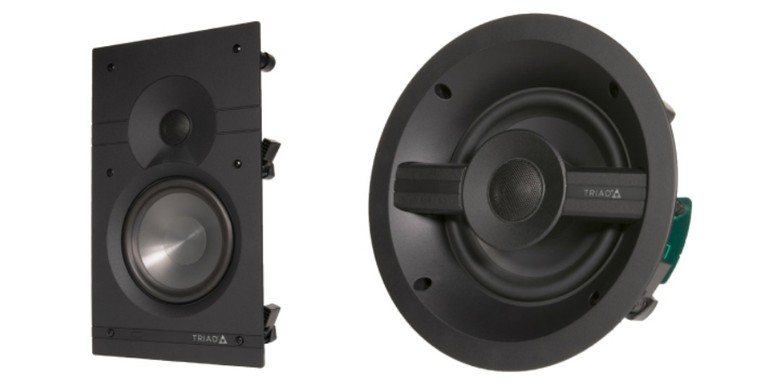
Triad Distributed Audio Series In-Ceiling And In-Wall Speakers Overview

L-Acoustics In-Wall Speaker School

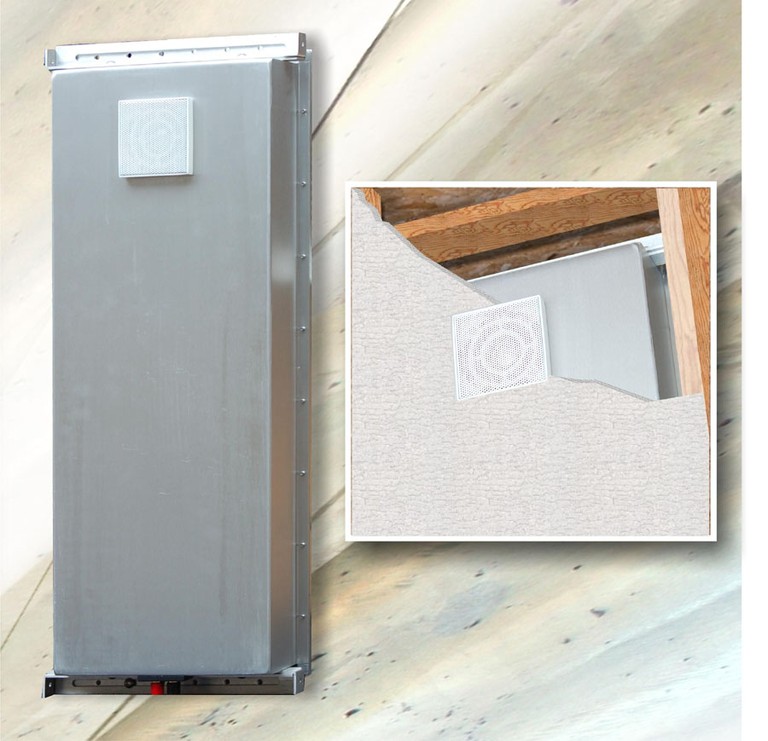
The Truth About In-Wall Speakers
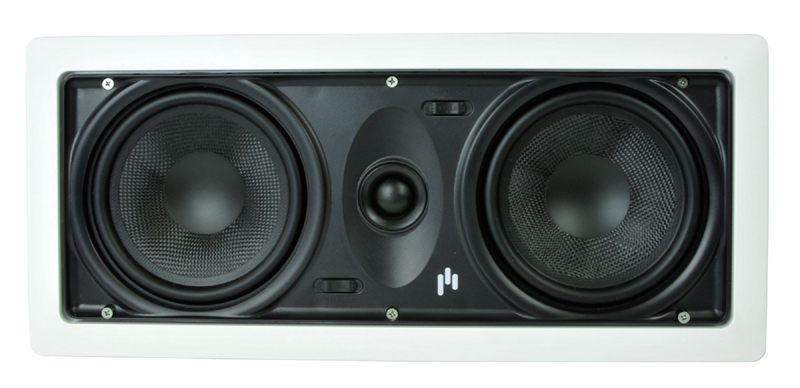
Aperion Audio Intimus 6-LCR In-Wall Speakers
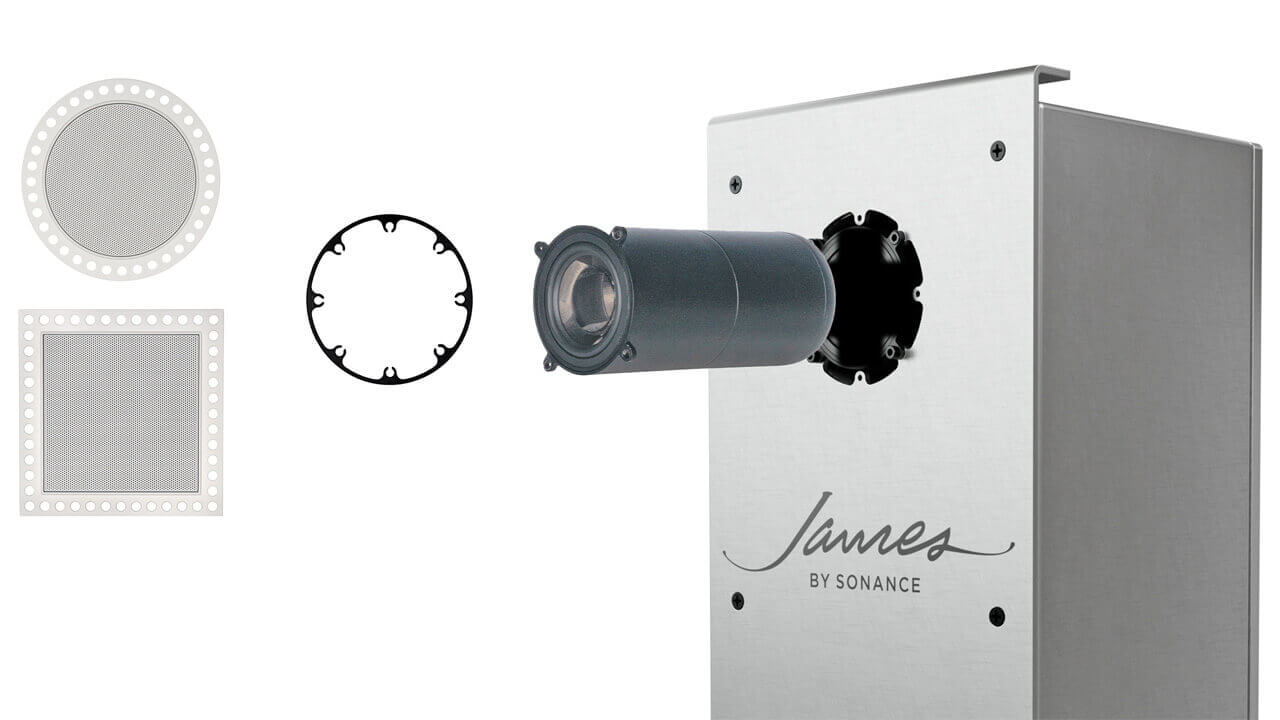
James by Sonance SA68 In-Wall Speaker Delivers Big Sound From Tiny Opening
Best Architectural Speakers & Subwoofers: Editors’ Choice 2025

IKEA hides a Sonos speaker inside the SYMFONISK picture frame

Immerse Yourself in Your Next Binge Watch With The Best Surround Sound Systems

In Praise of Totem

7 Best Speaker Stands To Reduce Unwanted Floor Vibrations in 2025

Best Wall Mount Speakers

The Best Bookshelf Speakers of 2025, Tried & Tested


The 6 Best Smart Speakers for Your Home in 2026 | Reviews by Wirecutter
Valentino’s L’Atelier Sonore and the Art of the Listening Room