1/15
Effects of indoor lighting environments on paper reading efficiency and brain fatigue: an experimental study
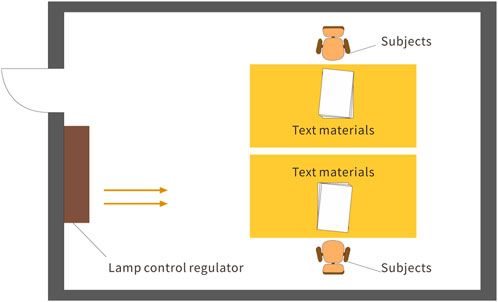
This study investigates the influence of various indoor lighting environments on paper reading efficiency and brain fatigue, aiming to identify optimal lighting parameters for different reading durations. The research was conducted in a Smart Lighting Lab with 12 graduate student participants, aged 18 to 23, under controlled conditions of illuminance and correlated color temperature (CCT) for three distinct reading durations: 15, 30, and 60 minutes. Participants were healthy, had normal vision, and maintained regular routines before the experiment to minimize confounding factors. An L9 (3^3) orthogonal experimental design was used, encompassing three illuminance levels (300 lux, 500 lux, 750 lux) and three CCTs (2,700 K, 4,000 K, 6,500 K). The experimental setup included a full-scale mock-up classroom with adjustable Philips T5 LED lamps and professional blackout curtains to eliminate external light interference. Environmental factors like temperature (23°C–25°C) and humidity (30%–70%) were controlled to ensure participant comfort.
Reading efficiency was measured using a number correction test, assessing both reading speed and accuracy. Physiological methodology involved monitoring participants' electroencephalograms (EEGs) using a 16-channel EEG device to objectively measure brain activity and fatigue levels, focusing on the frontal and central brain regions. EEG topographical representations were used to observe changes in brain function and energy distribution of different rhythm waves, such as theta, alpha, and beta waves, which are indicators of fatigue. The study’s results indicated that both illuminance and CCT significantly affected reading efficiency, with their optimal combinations varying depending on reading duration. For a 15-minute reading task, 500 lux and 6,500 K were found to be most efficient. For a 30-minute reading task, 500 lux and 4,000 K proved most effective, showing the lowest degree of brain fatigue. For a 60-minute reading duration, 750 lux and 6,500 K provided the best conditions, with participants exhibiting shallower red shadows in central and frontal brain regions, suggesting reduced fatigue.
The findings align with existing literature, which suggests that appropriate lighting conditions are crucial for improving learning and work efficiency, and reducing discomfort and visual fatigue. The study highlights that higher illuminance levels become more suitable for longer reading durations, while CCT adjustments also play a critical role in optimizing performance and mitigating fatigue. Recommendations for interior spaces include consistent illuminance of 500 lux for shorter durations (15-30 minutes) and an increase to 750 lux for longer durations (60 minutes). CCT suggestions include 6,500 K for 15-minute tasks, 4,000 K for 30-minute tasks, and returning to 6,500 K for 60-minute tasks. These suggestions can be applied to various reading environments such as libraries, classrooms, and study rooms to enhance the overall reading experience, reduce fatigue, and improve efficiency.
The study acknowledges limitations, including the broad categorization of reading durations and the homogeneous participant sample (graduate students). Future research could explore a wider range of reading scenarios, such as 50-minute classroom lessons or 90-minute examinations, and include participants from diverse age groups to understand the impact of age variability on fatigue. Additionally, incorporating natural light into the experimental design could provide a more comprehensive understanding of its influence on reading efficiency and fatigue, as the current study primarily focused on artificial lighting.
#IndoorLighting #ReadingEfficiency #BrainFatigue #Electroencephalography #EEG #Illuminance #Ergonomics #LightingDesign #CognitivePerformance #IndoorLighting #ReadingEfficiency #BrainFatigue #Electroencephalography #EEG #Illuminance #Ergonomics #LightingDesign #CognitivePerformance
 Noch keine Kommentare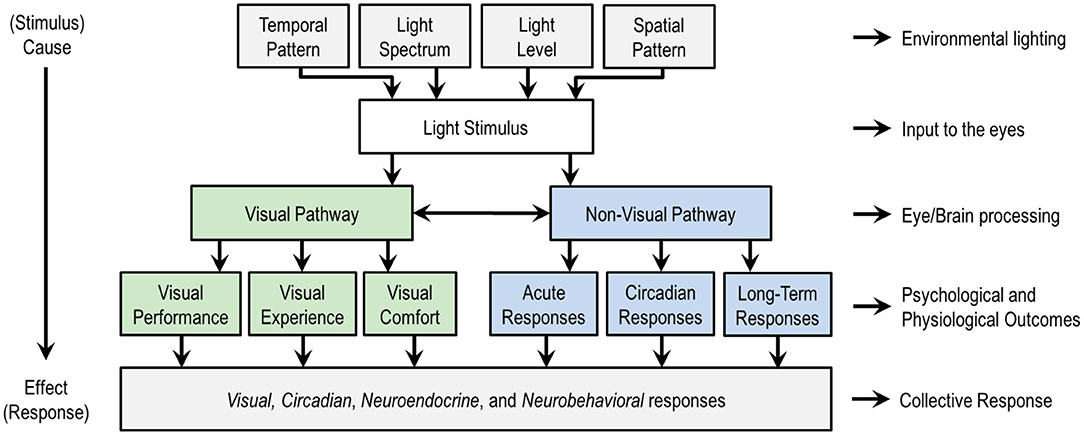
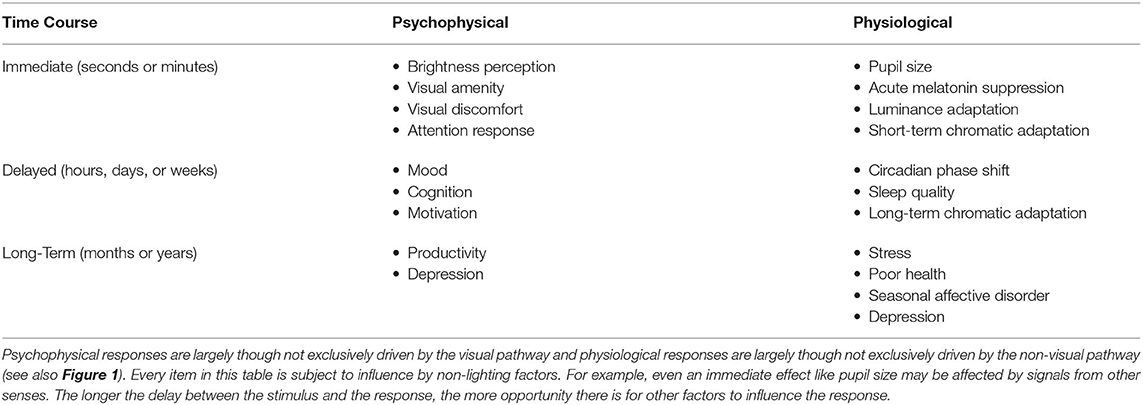
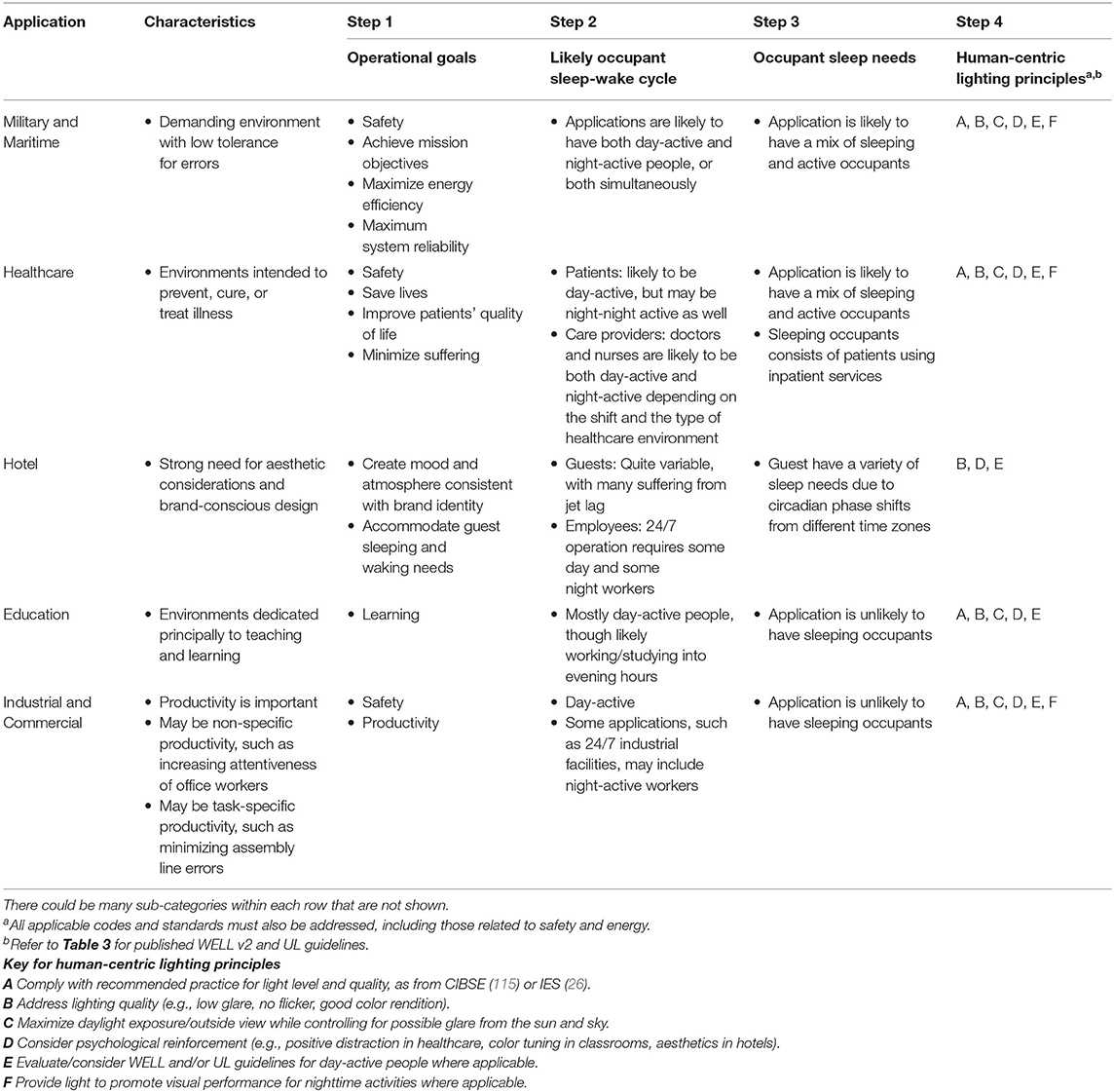
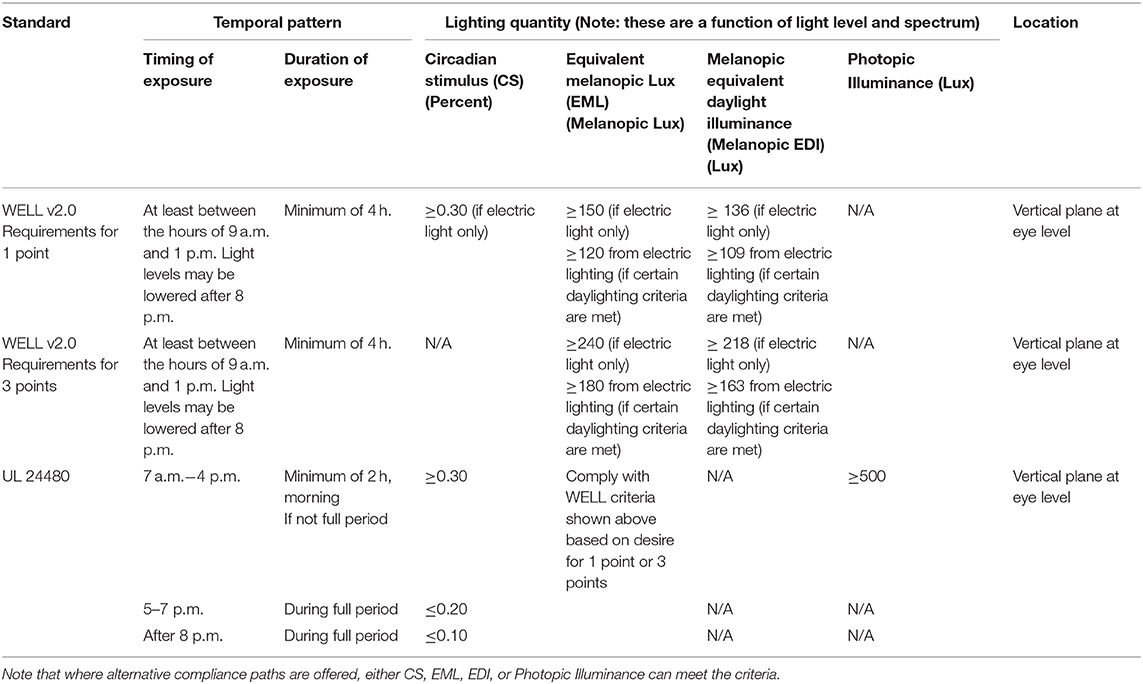
Human-Centric Lighting: Foundational Considerations and a Five-Step Design Process
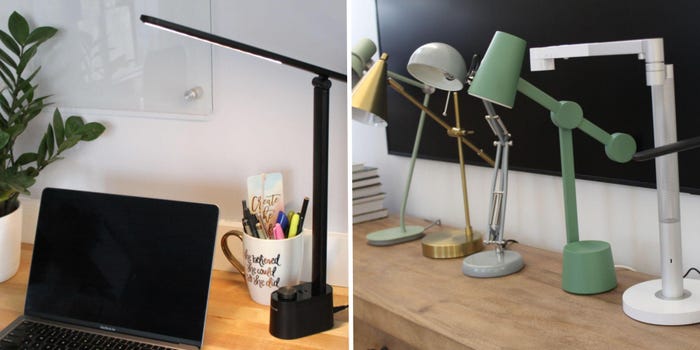
The best desk lamps do more than light up your workspace — our top task lights reduce eye strain and improve focus

Get More Done on WFH Days With These Home Office Lighting Ideas

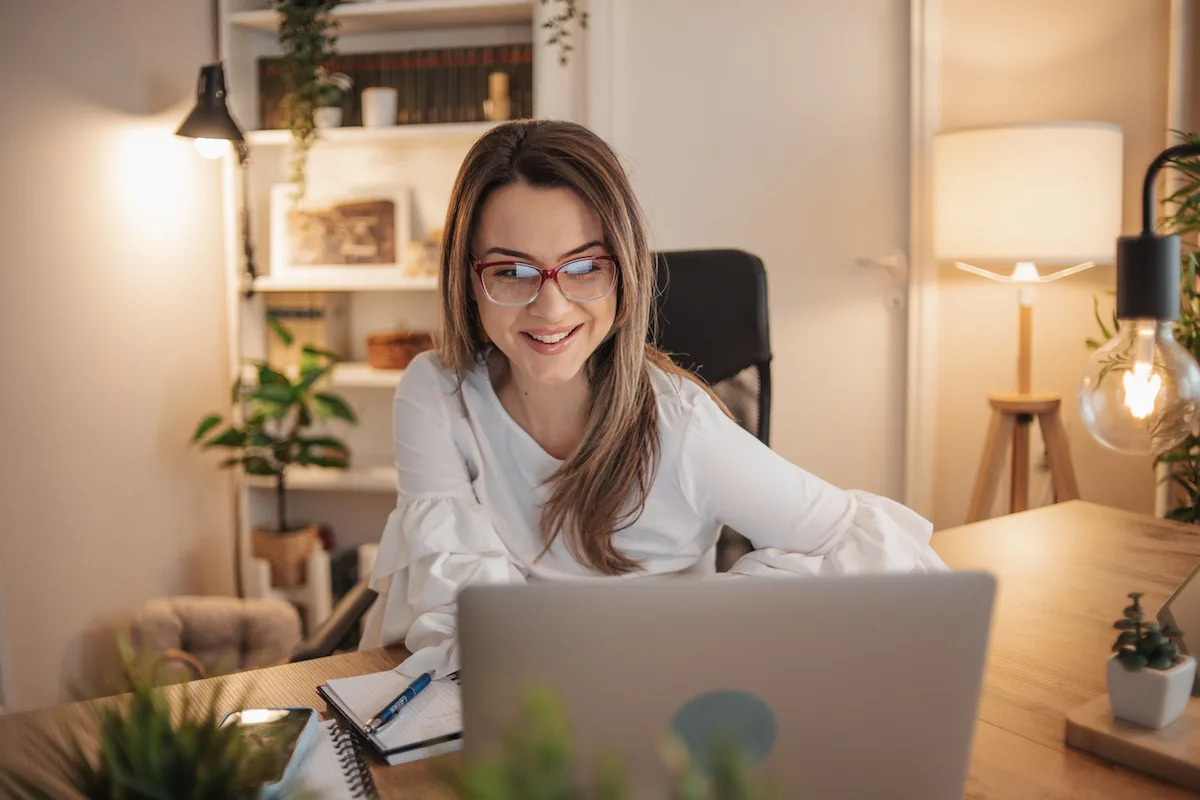
12 Home Office Lighting Ideas for a More Productive Workspace

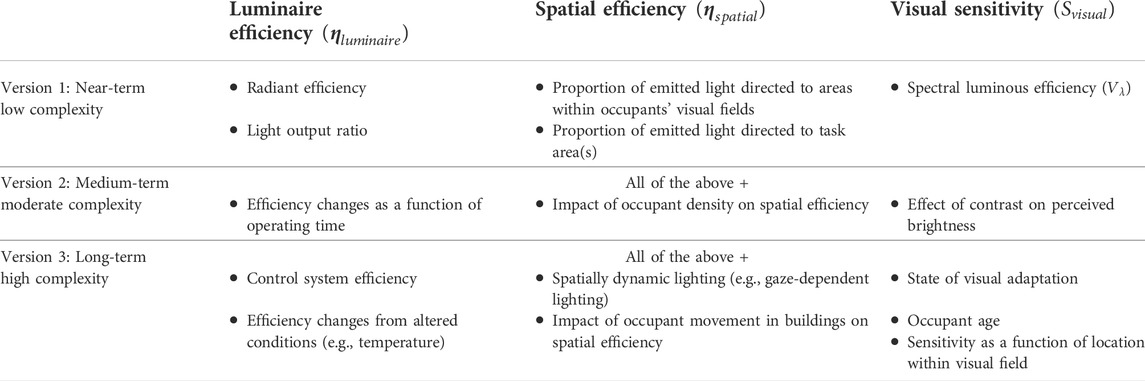
Lighting application efficacy: A framework for holistically measuring lighting use in buildings
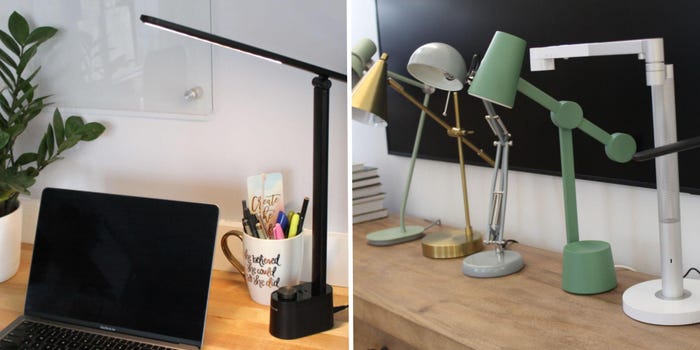
Bright, adjustable, and easy on the eyes, the desk lamps support better work habits from day to night