1/5
Designers Agree This Type of Bulb is Best in a Kitchen — 'It Makes Tasks Easier,' Say Experts
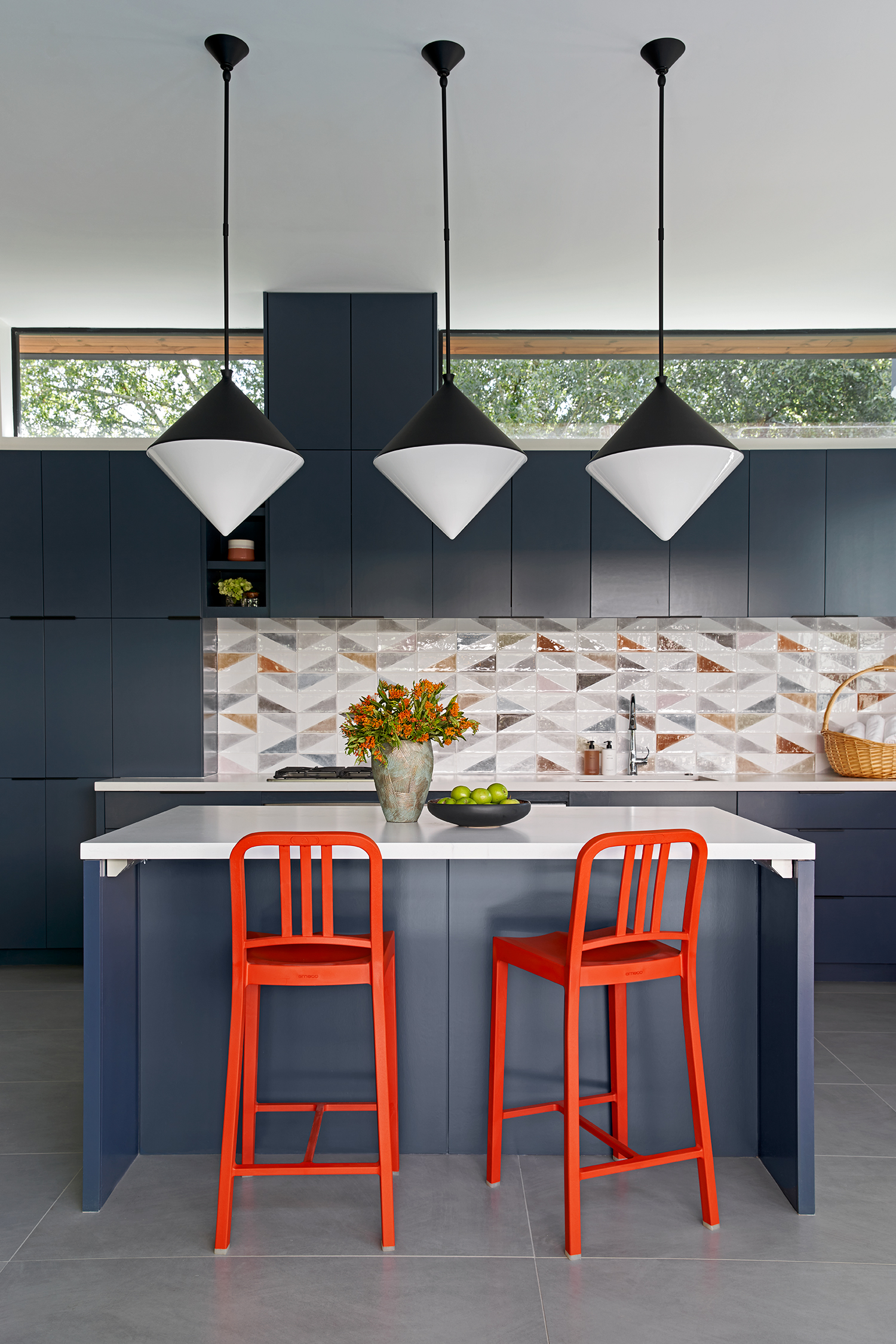
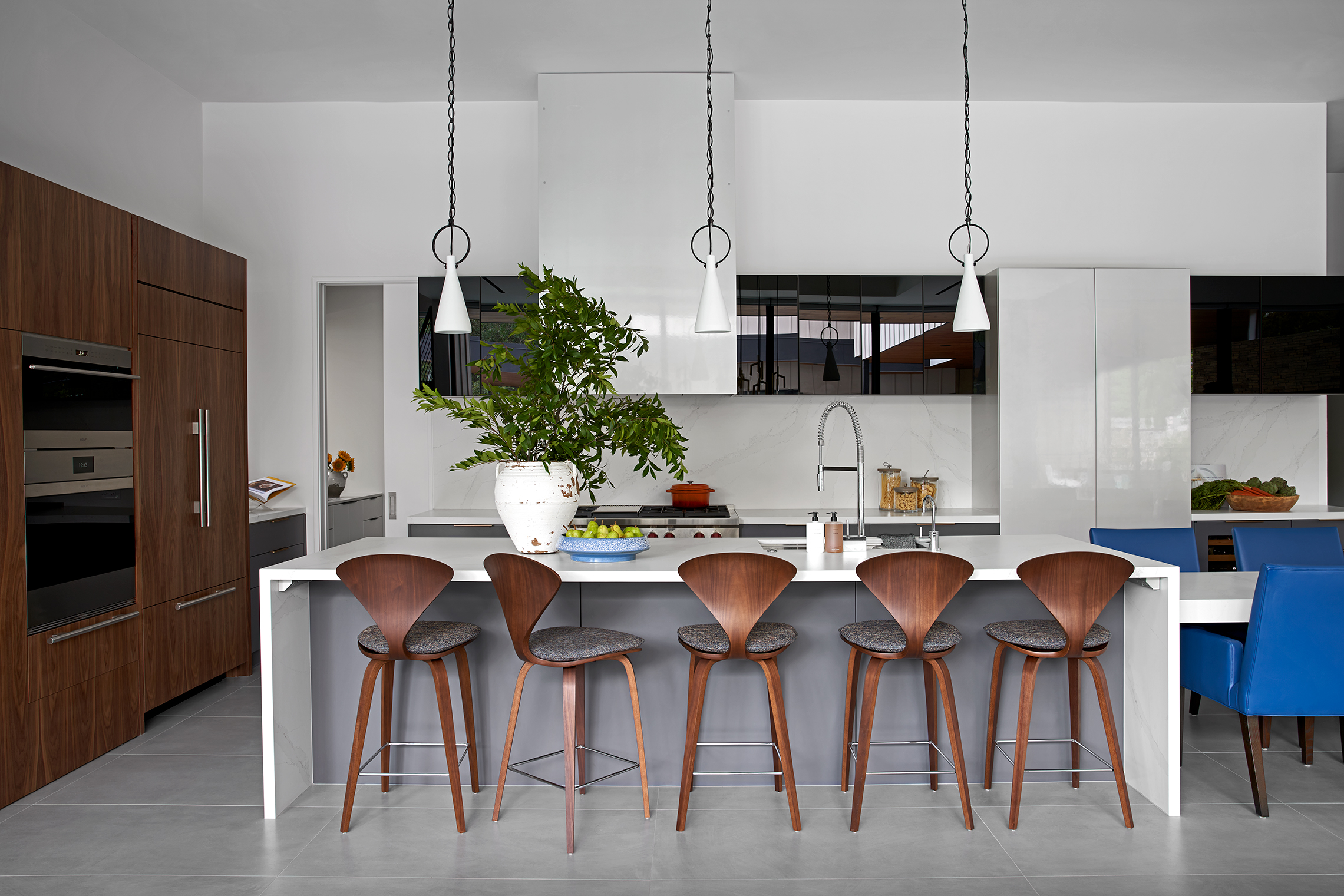
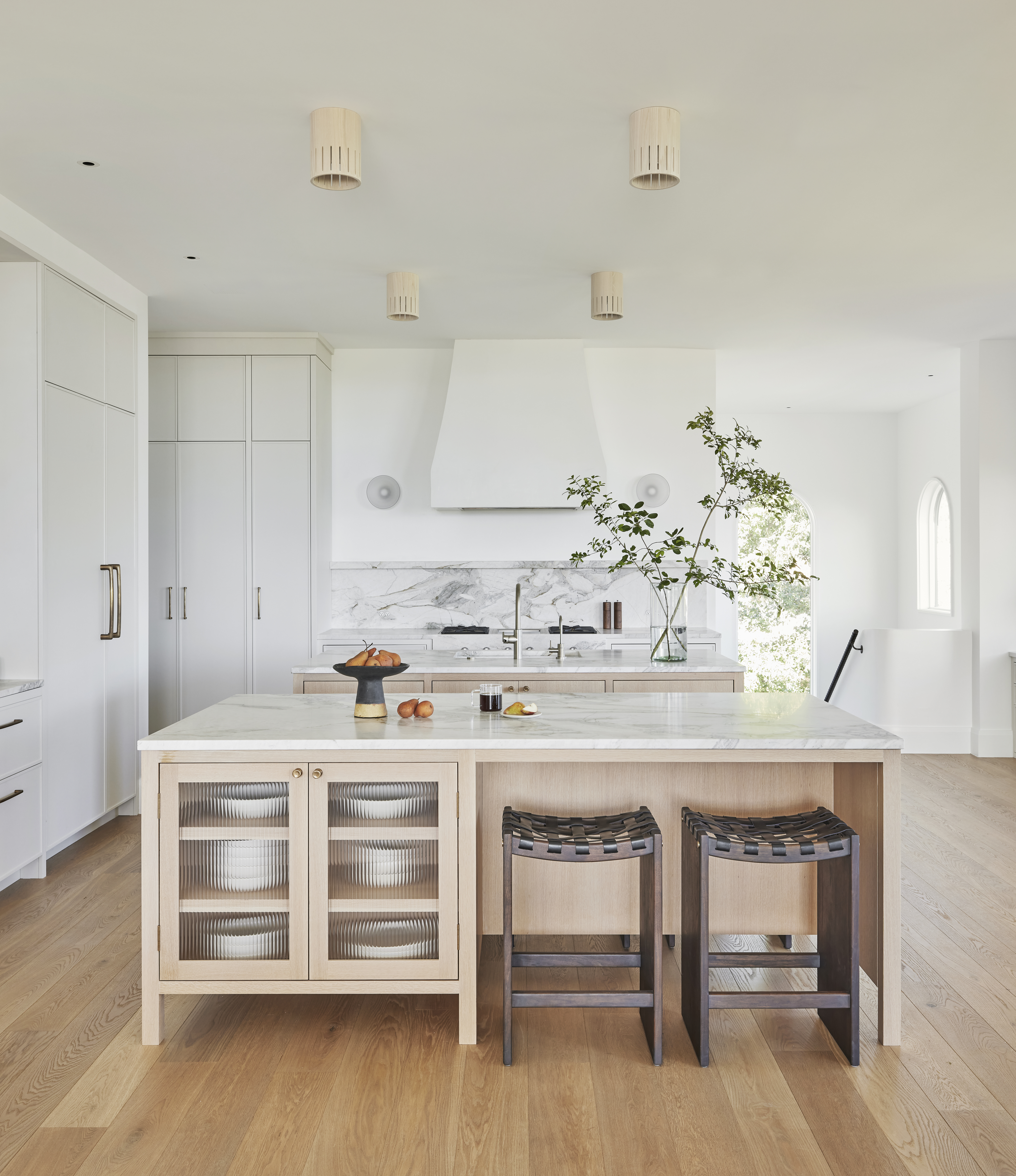
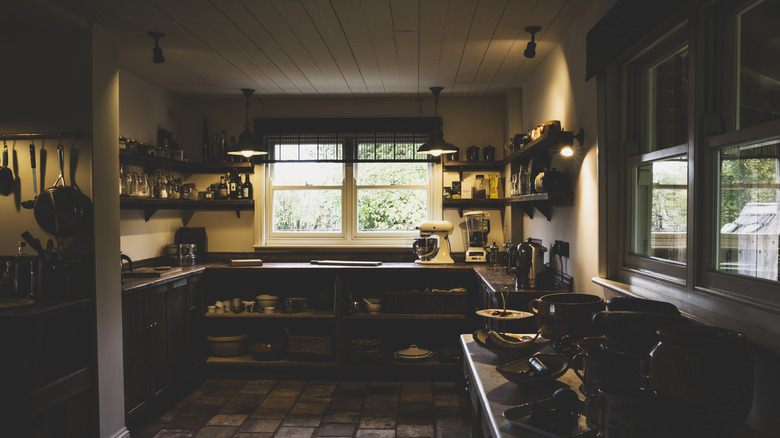
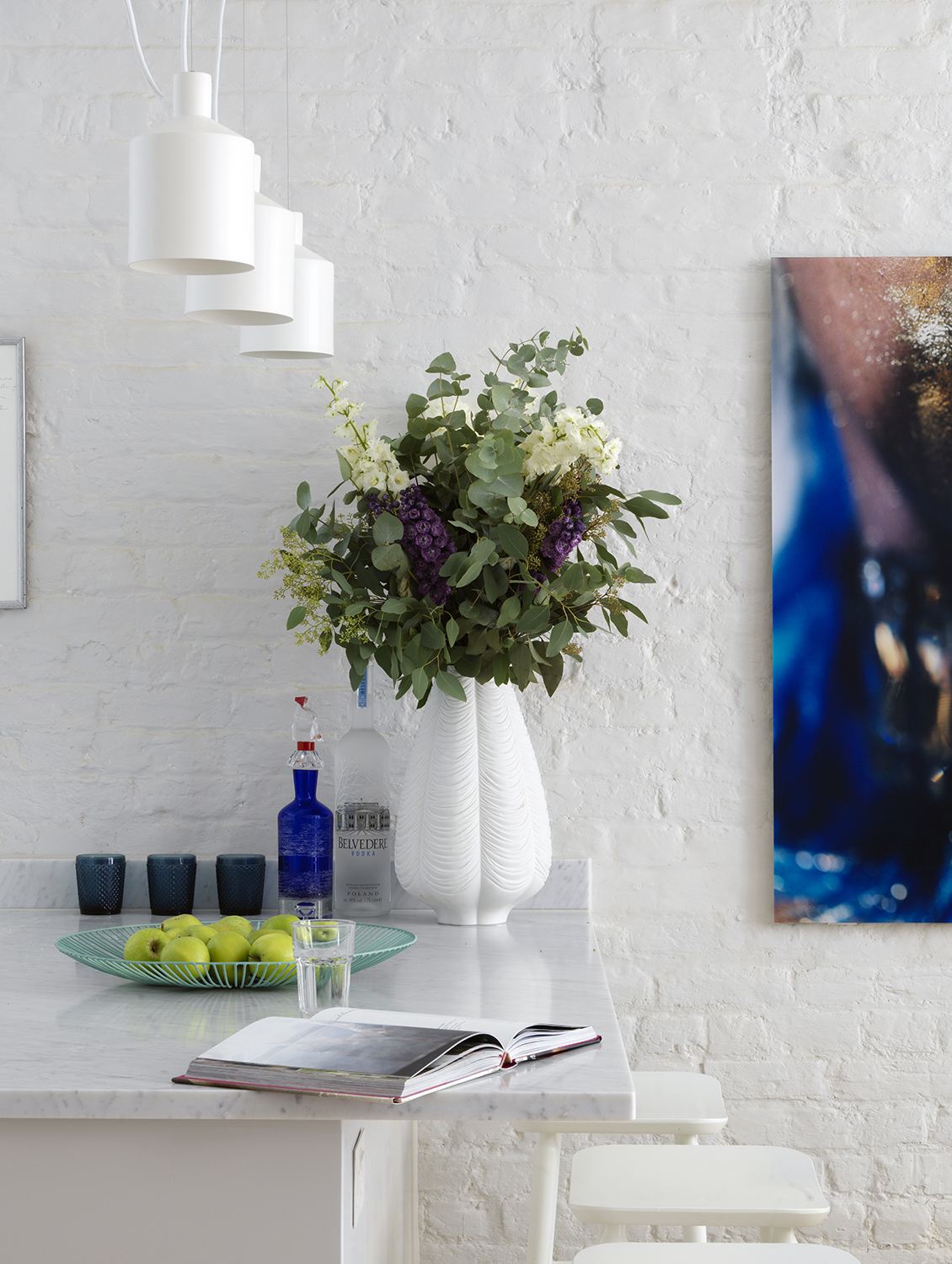
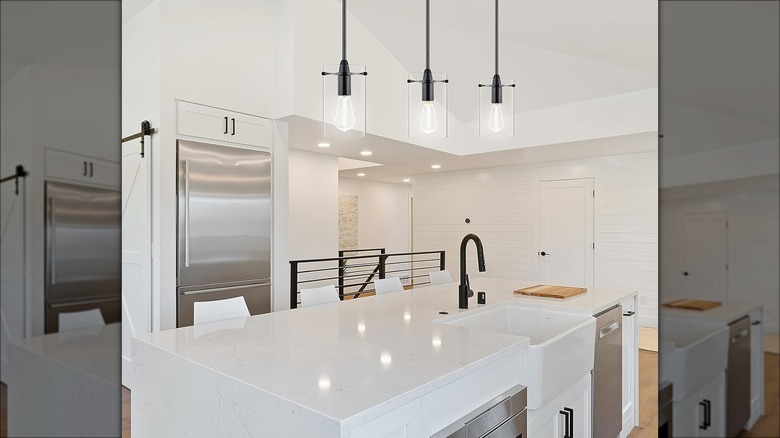
Choosing the appropriate light bulb for a kitchen is essential to ensure both functionality and a welcoming atmosphere. The kitchen, being a high-traffic area, requires lighting that supports various tasks, from food preparation and cooking to cleaning and entertaining. With numerous options available, selecting the most effective bulb type and light temperature can be straightforward with expert guidance.
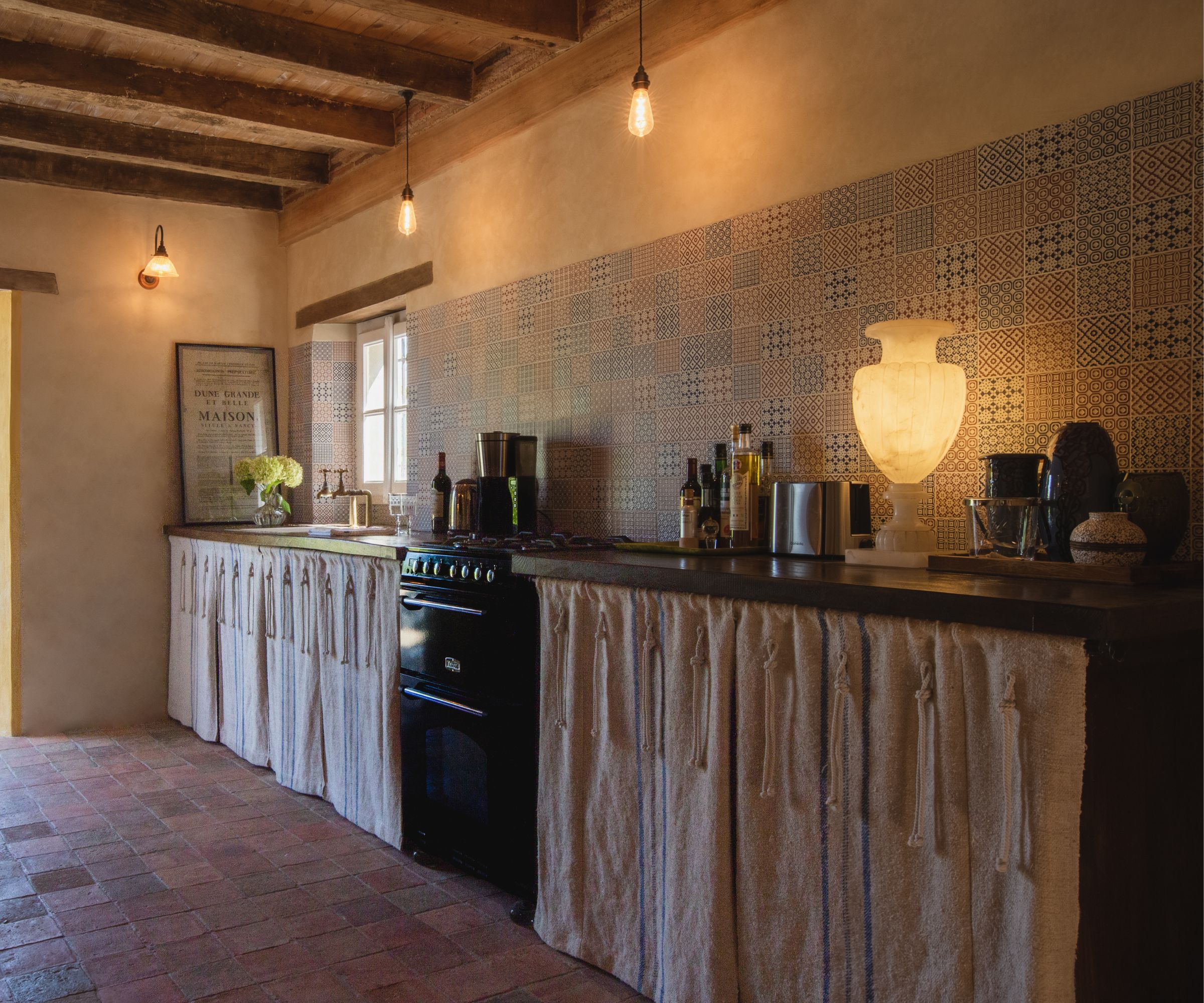
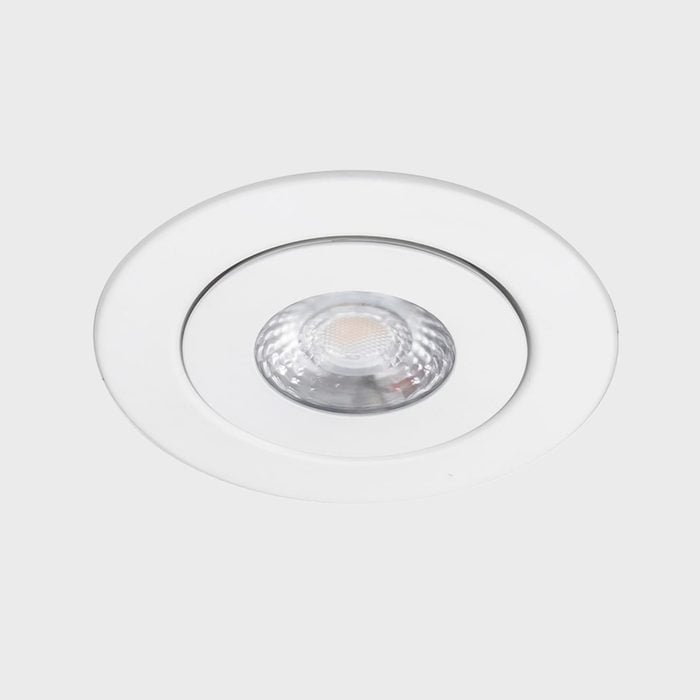
Experts widely recommend LED bulbs as the superior choice for kitchen lighting due to their longevity and energy efficiency. These bulbs are designed to last for up to 20 years and do not contain mercury, making them an environmentally friendly option. LEDs fit standard light sockets and deliver the same light output as incandescent bulbs but at a significantly lower wattage, resulting in reduced energy consumption.
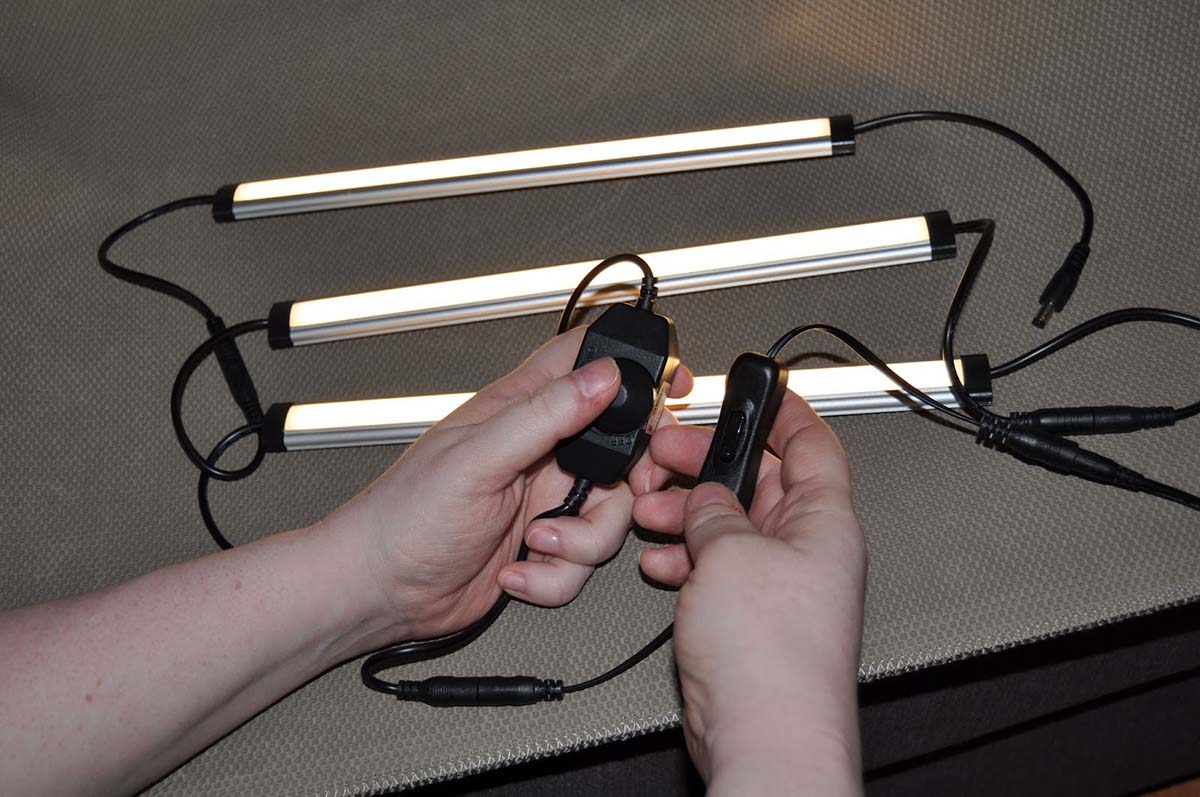
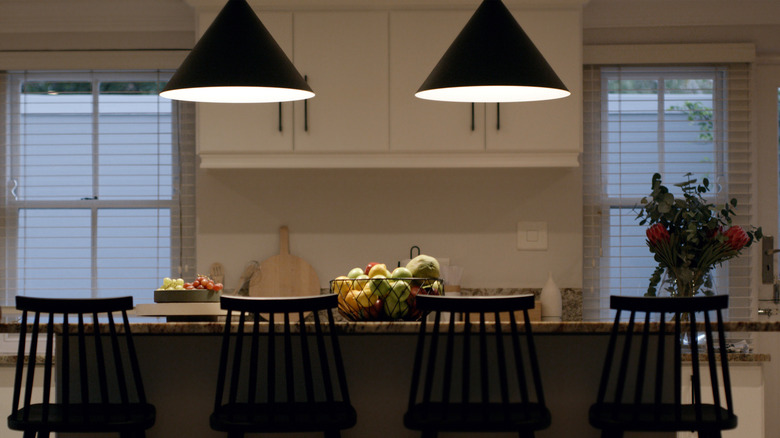
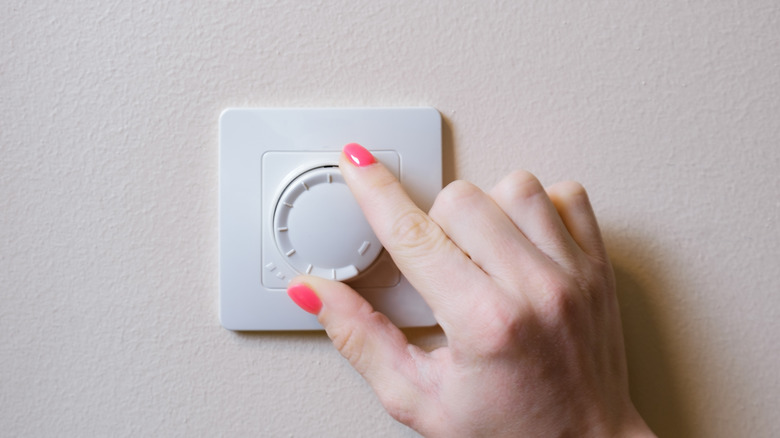
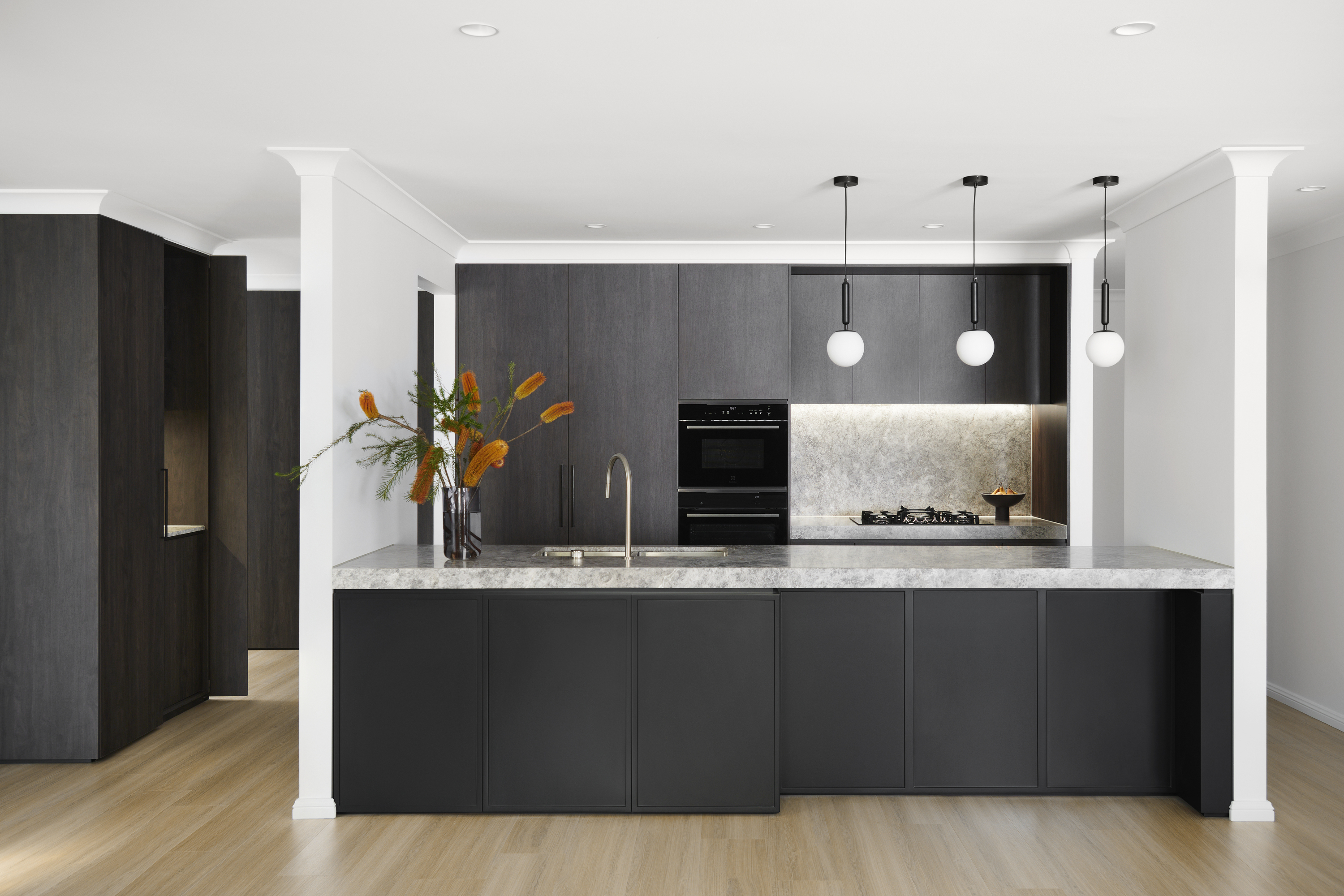
A key feature of modern LED installations is the integration of a dimmer switch. Julia Mack, founder of Julia Mack Design, emphasizes that dimmer switches allow for versatile lighting control. Bright light can be used for task-oriented activities like meal preparation, while the same fixtures can be dimmed to create a soft, warm glow suitable for evening dinners, gently highlighting food, serving pieces, and guests. This adaptability ensures the kitchen can transition seamlessly from a utilitarian space to a social hub.

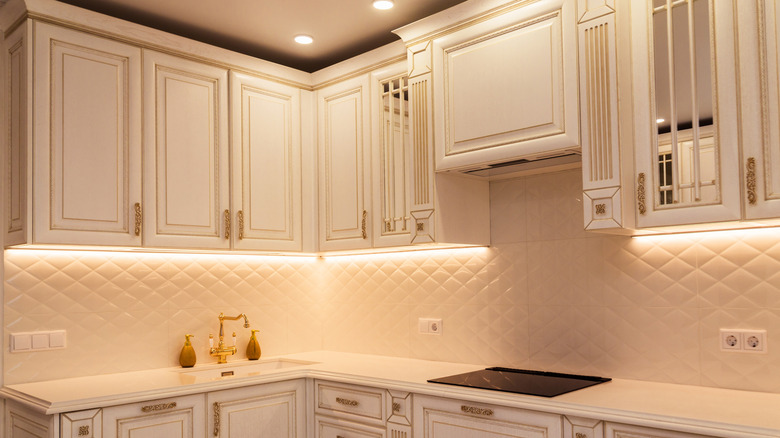
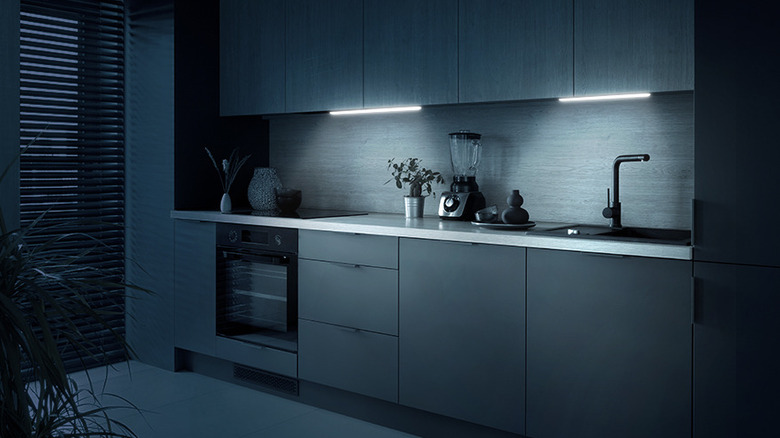
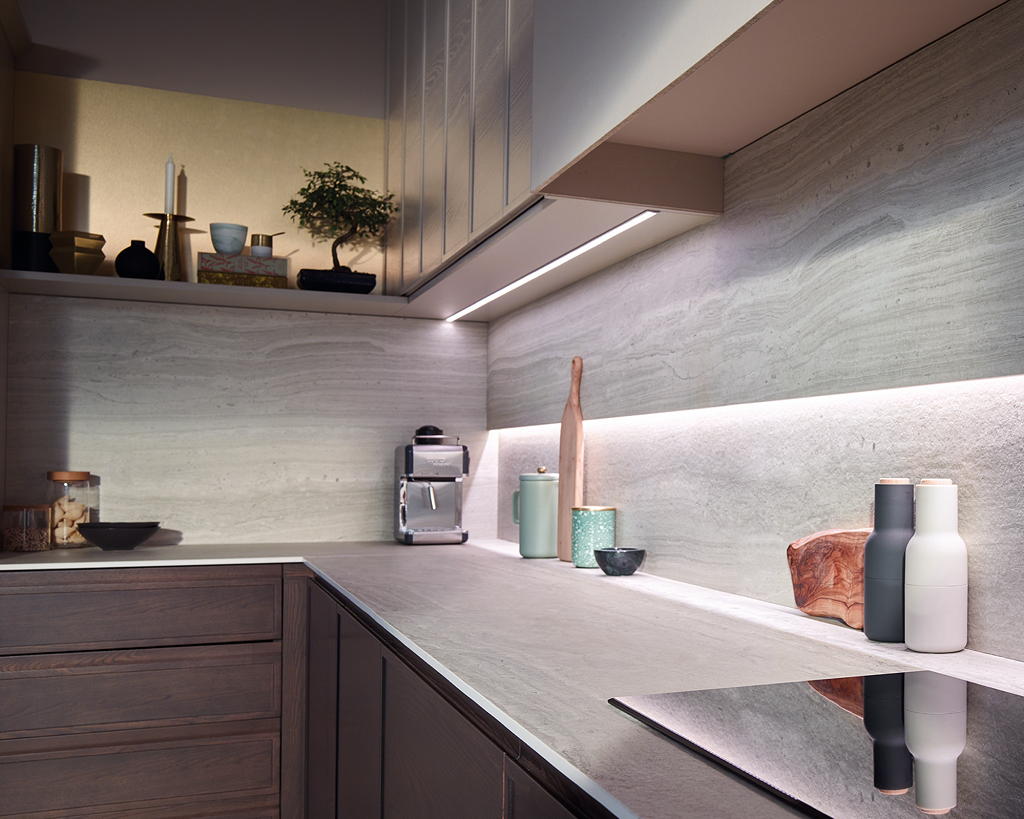
When considering light temperature, it's important to balance task lighting with ambiance. Jane Lockhart, founder of Jane Lockhart Design, notes that while some individuals prefer cooler, bluer light for tasks, a warmer light is generally favored for creating a pleasant atmosphere. For areas directly above kitchen countertops, a light temperature between 3000K to 4000K is recommended. This range provides a warm white to neutral white light that is bright enough for detailed work without being overly stark. For hidden lighting, a warmer color is preferred to produce a soft glow when not performing specific tasks.
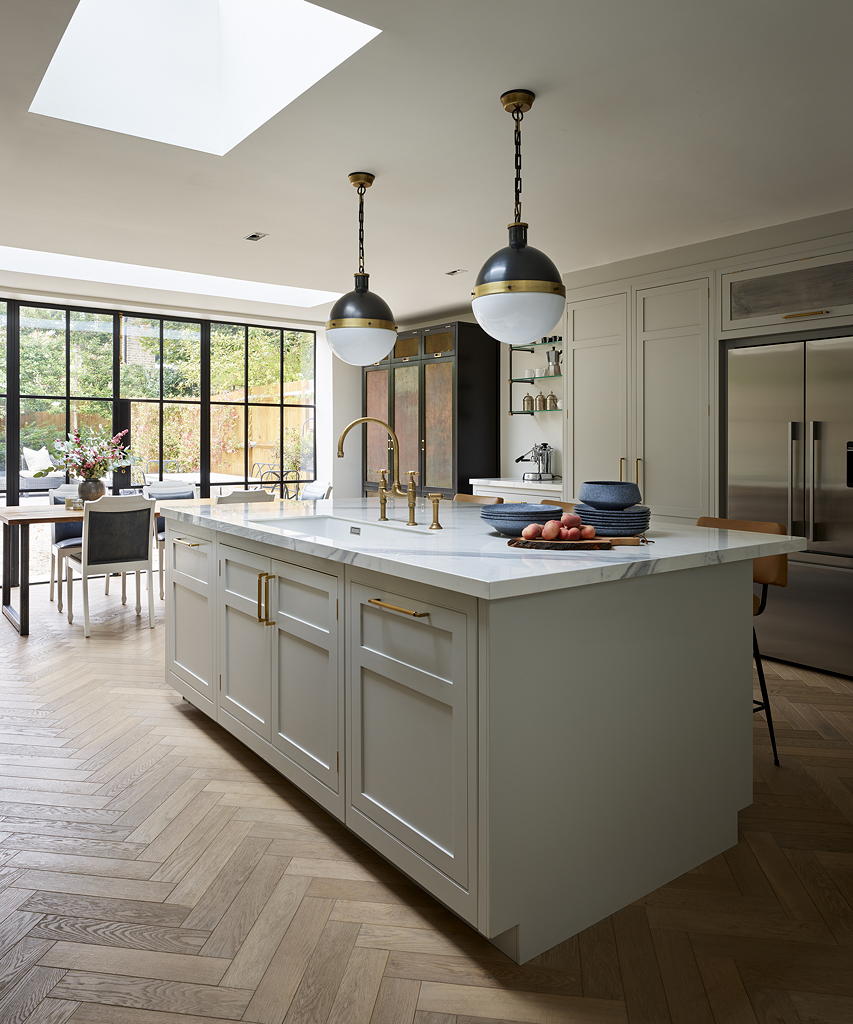
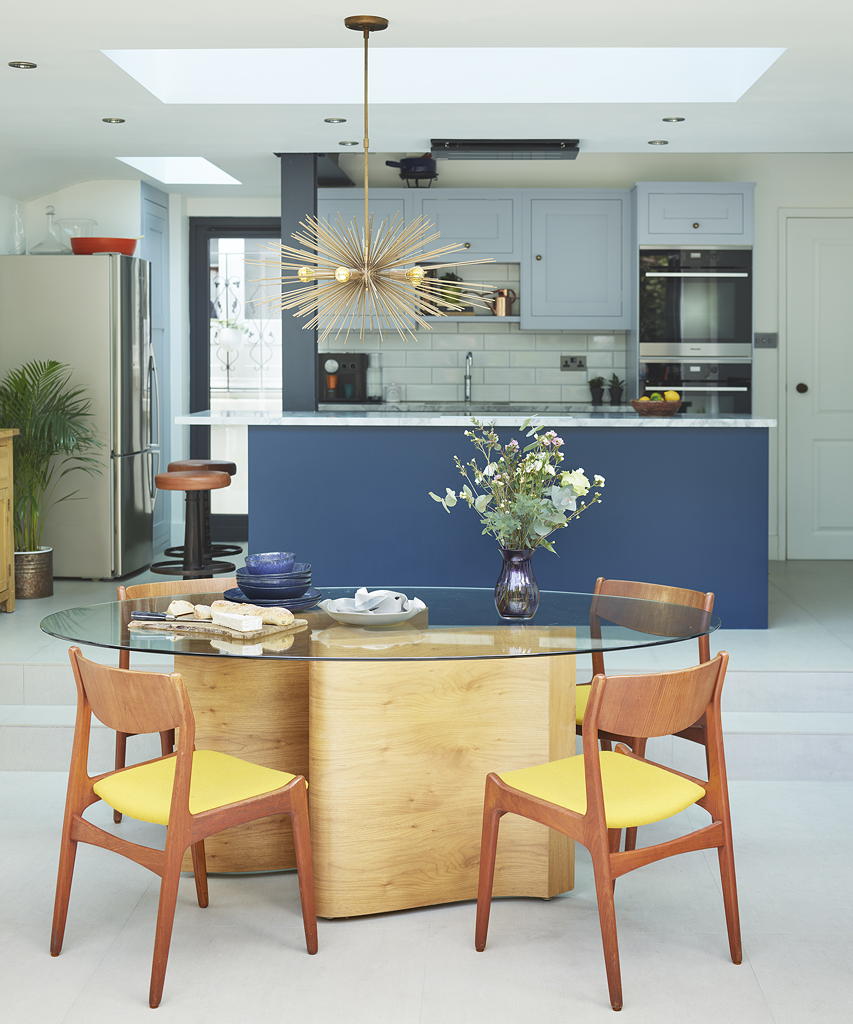
Ultimately, an effective kitchen lighting scheme combines both warm and cool lights to cater to the diverse needs of the space. This layered approach ensures that the kitchen remains functional for everyday activities while also offering a comfortable and inviting environment for socializing. Proper consideration of bulb type, light temperature, and the strategic use of dimmer switches allows homeowners to optimize their kitchen lighting for both practical needs and aesthetic appeal.
The required brightness, measured in lumens, varies depending on the specific area and its intended use. Ian Cameron, creative director at Cameron Design House, suggests that task lighting in kitchens or bathrooms typically requires around 70-80 lumens. However, for accent lighting, such as illuminating artwork, a lower lumen count is advisable to softly showcase the item rather than brightly highlight it. This nuanced approach to brightness ensures that each lighting element serves its purpose effectively within the overall kitchen design.
#KitchenLighting #LEDBulbs #LightTemperature #DimmerSwitch #HomeDesign #InteriorDesign #EnergyEfficiency #TaskLighting #KitchenLighting #LEDBulbs #LightTemperature #DimmerSwitch #HomeDesign #InteriorDesign #EnergyEfficiency #TaskLighting
0 Kommentare insgesamt
 Noch keine Kommentare
Das könnte Ihnen auch gefallen
Why Everyone Needs a Kitchen Lamp
12 Kitchen Lighting Mistakes (And How To Avoid Them)

17 Best Creative Lighting Ideas For Your Kitchen

The Kitchen Glass Lighting Trend That's Primed To Dazzle In 2025

Kitchen cabinet lighting: 8 ideas for a beautifully illuminated space

Designers say that lighting is the easiest way to elevate your kitchen
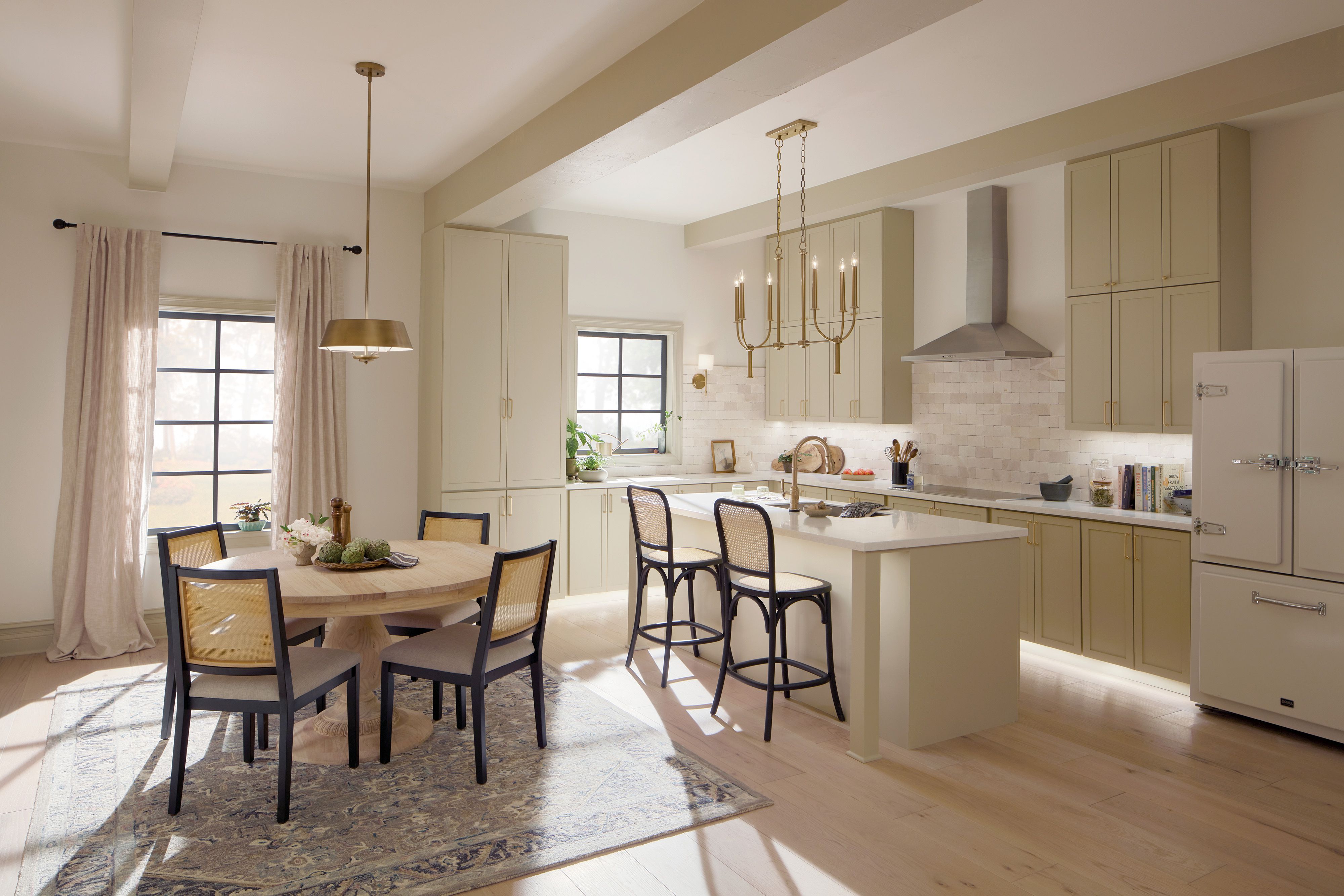
Essential Kitchen Lighting Tips, According to Industry Pros

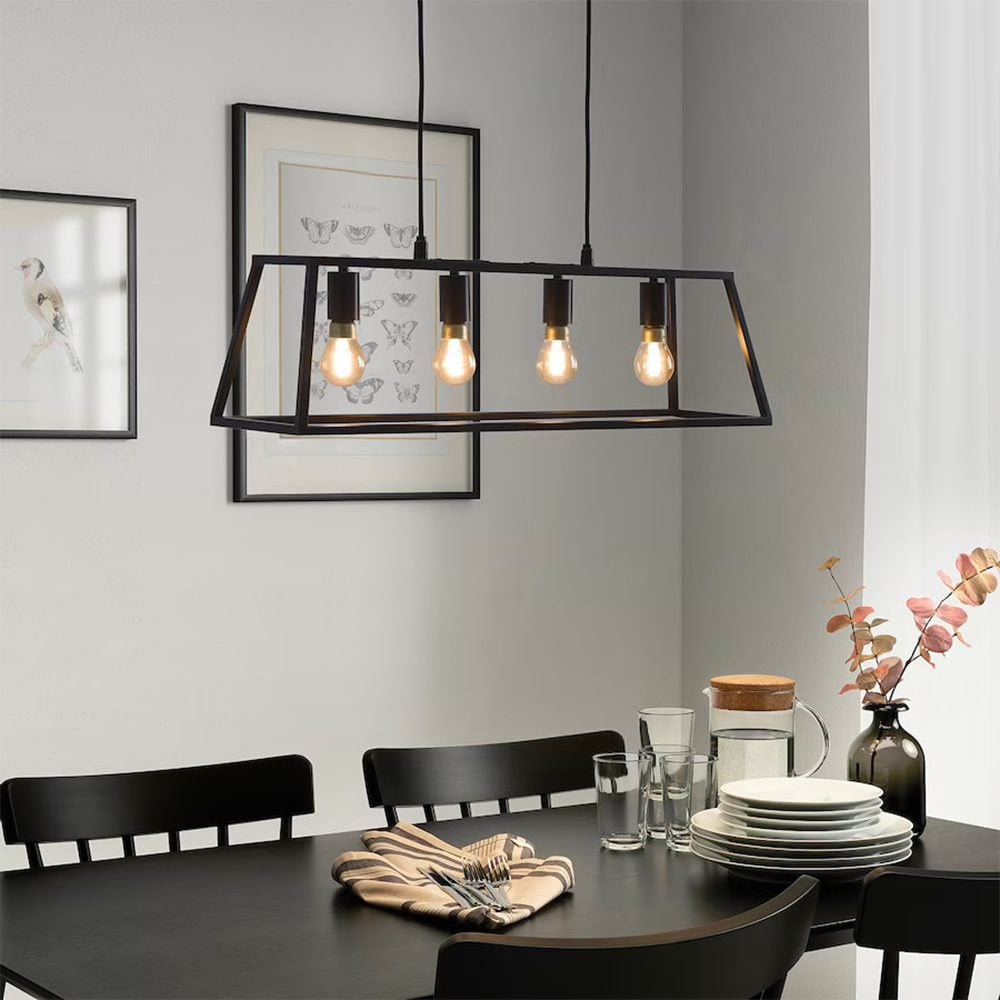
8 Best Kitchen Light Fixtures

'Get This Element Right, and Add The Perfect Finish to Your Kitchen,' Say Designers
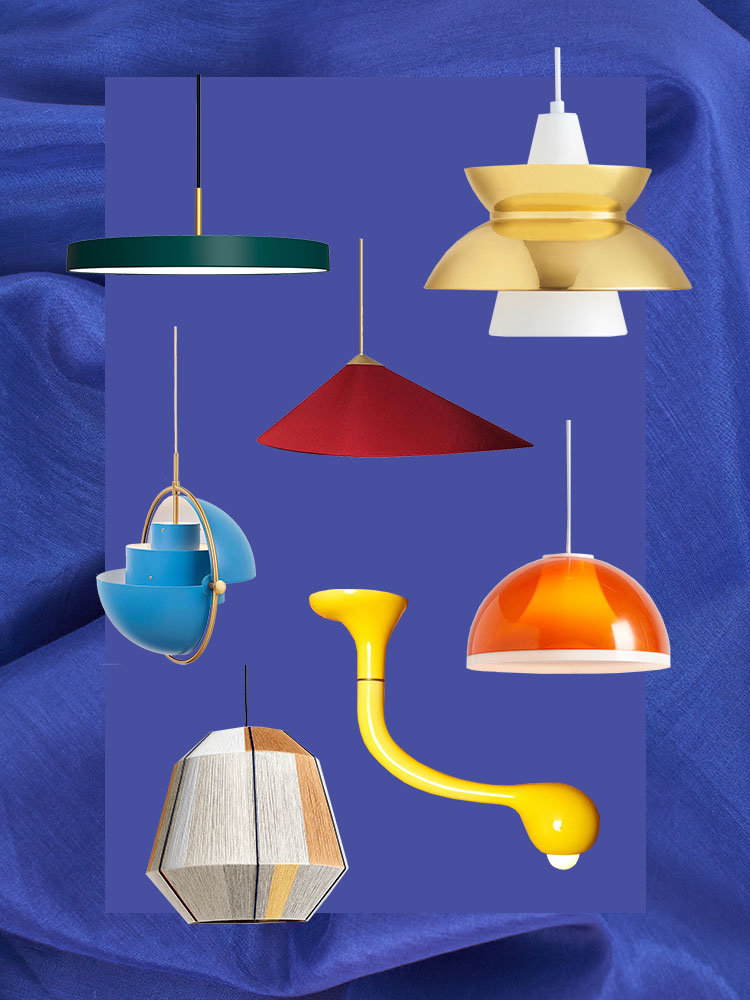
Goodbye, Fluorescent Lighting; Hello, Beautiful Kitchen Pendants

How many lights should there be in a kitchen? Designers agree on how to get it right
How to plan kitchen lighting — create a scheme in sync with your routine

Say Goodbye to Cooking in Harsh Lighting: Cabinet Lights Are Here to Save Your Cookspace’s Ambiance
Lighting ideas for small kitchens – 10 ways to brighten up compact rooms
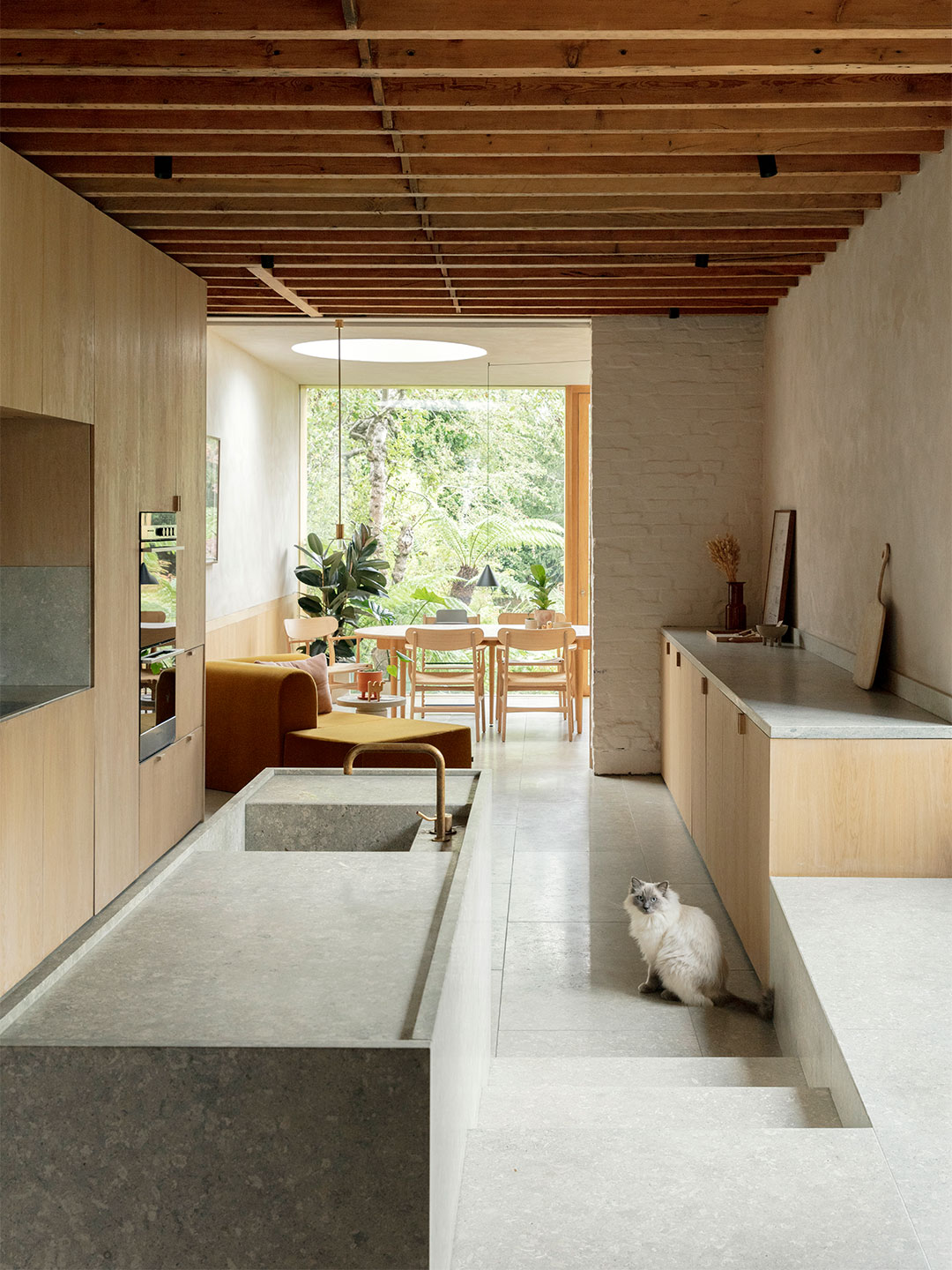
This Divisive Lighting Style Is Fast Becoming an It Kitchen Addition

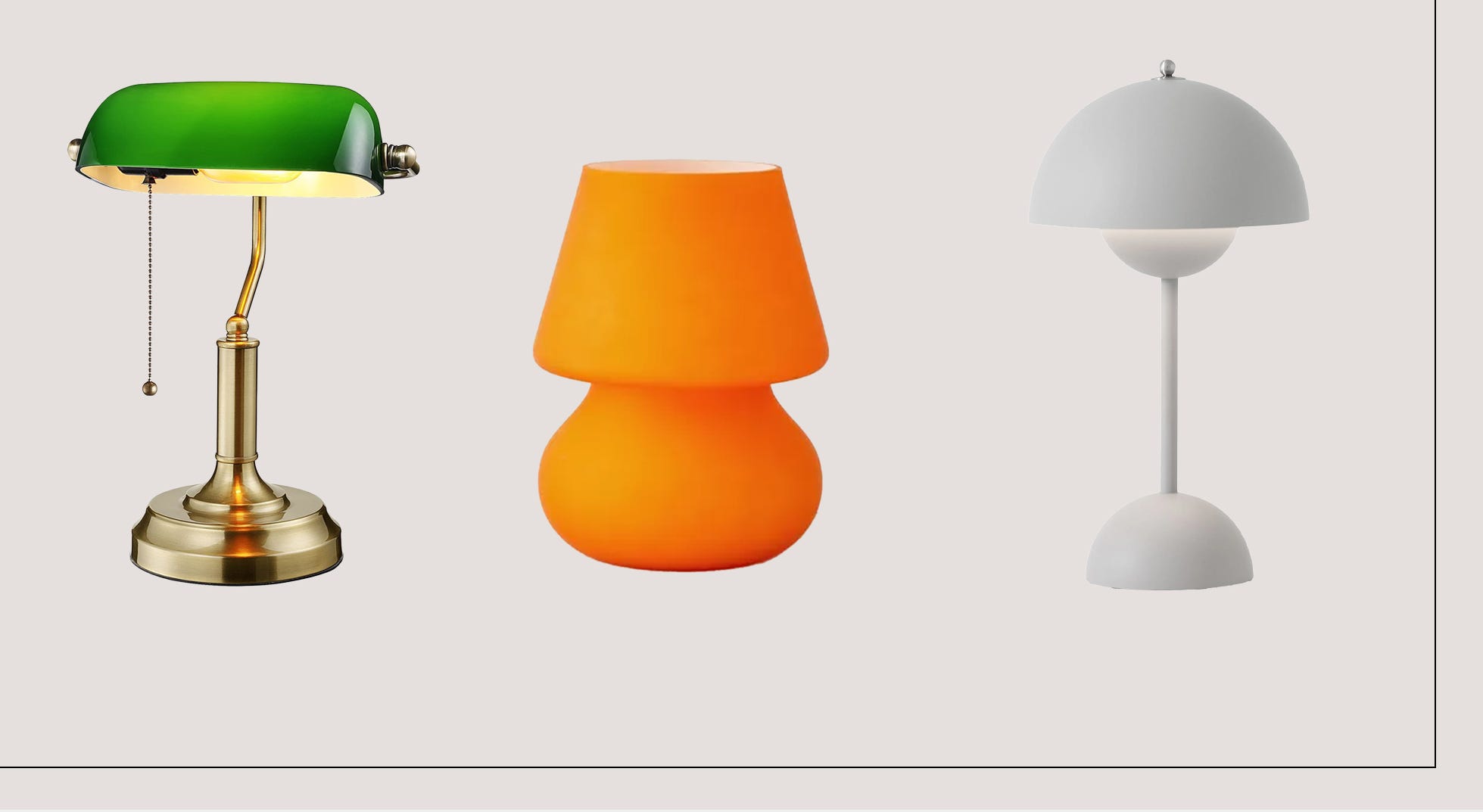
What Your Lamp Choice Says About Your Design Style
The Best Home Essentials Products Tested in 2022

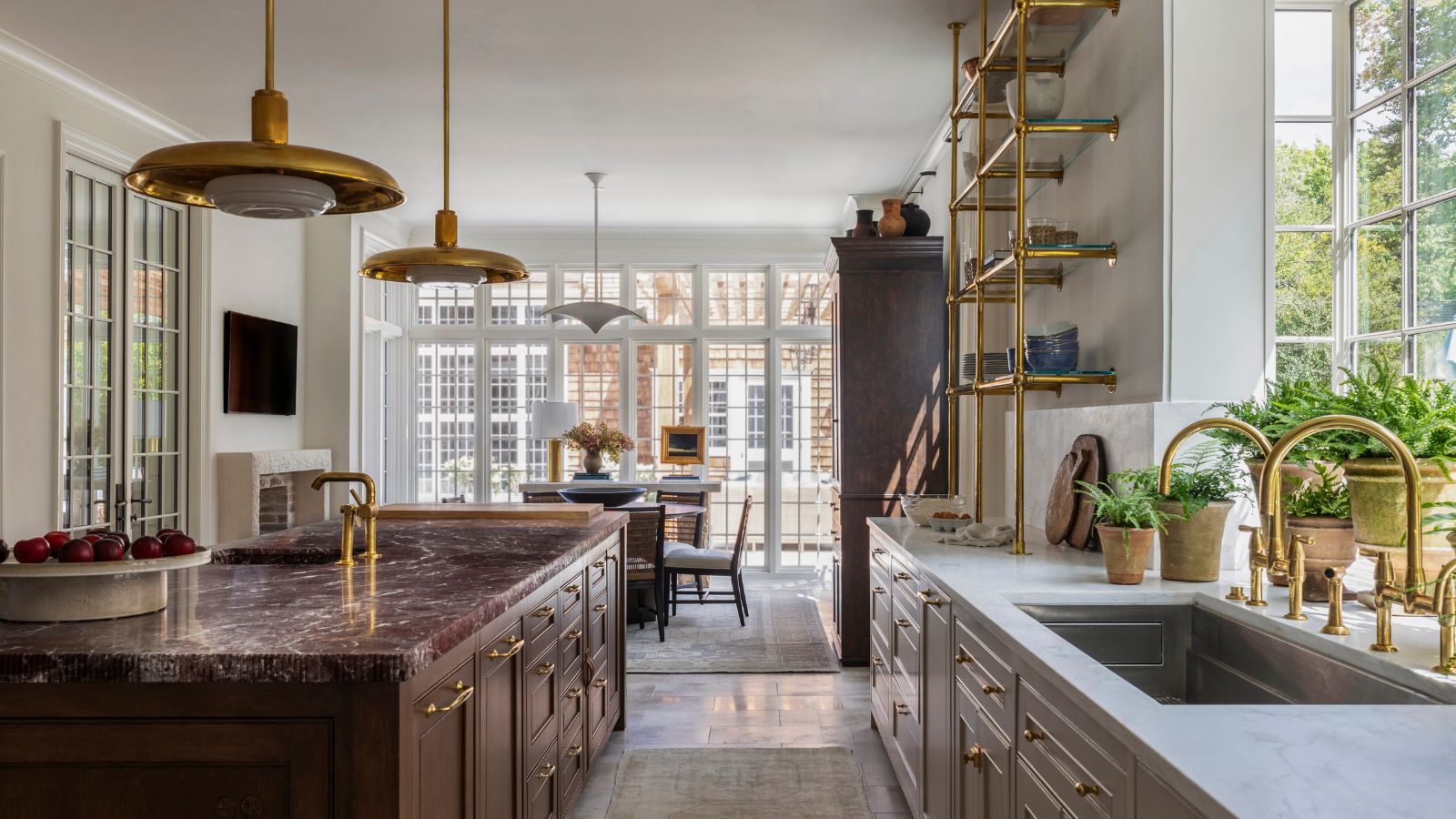
The Kitchen Lighting 'Rule Of 3' Will Instantly Make Your Space Look Expensive – And Designers Swear By It For A Perfectly Layered Scheme

5 Trending Kitchen Light Fixtures That Will Add Spark To Your Home
Pendant lighting not just for kitchens anymore