1/5
Dampproofing and Waterproofing for Foundation Walls
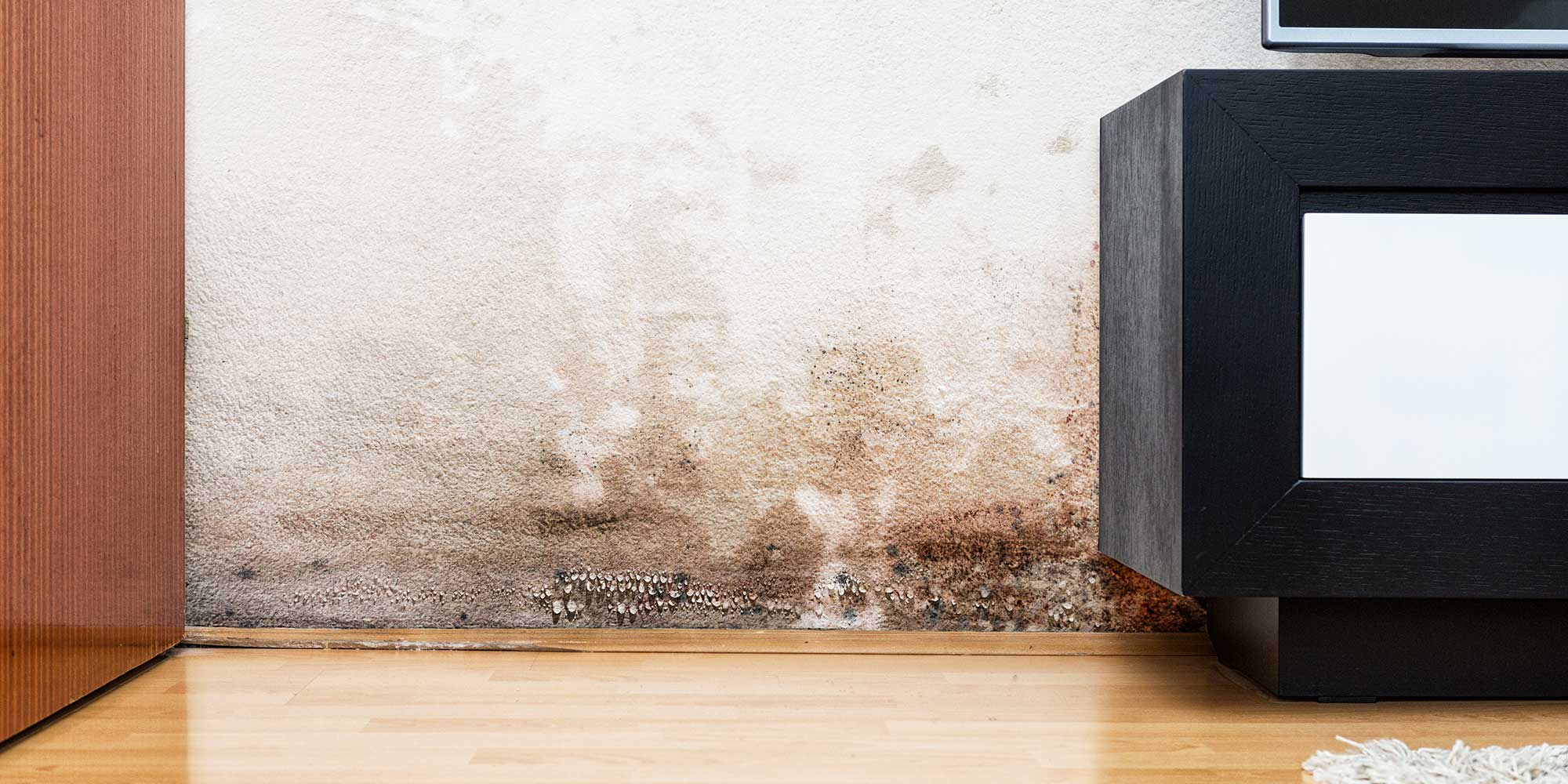
The article discusses the critical differences between dampproofing and waterproofing foundation walls, emphasizing that preventing water intrusion from the exterior is generally more effective and economical than interior solutions. Homeowners' expectations for basements have evolved from simple storage areas to finished living spaces, making robust moisture control more important than ever. While the International Residential Code (IRC) mandates dampproofing, this primarily addresses liquid water not under hydrostatic pressure, using materials like bituminous coatings. These coatings are common and cost-effective but cannot span cracks or withstand hydrostatic pressure, which is why they are not considered full waterproofing.
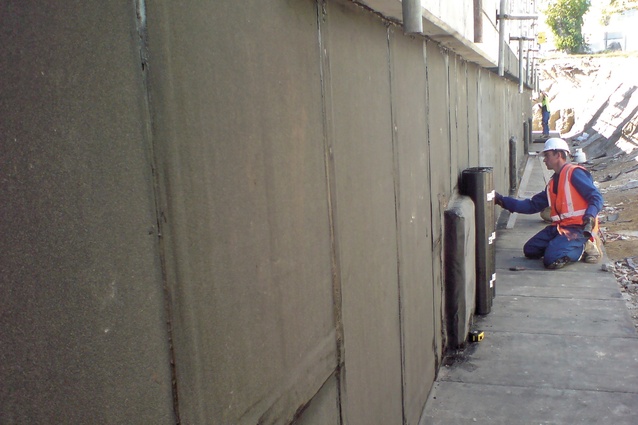
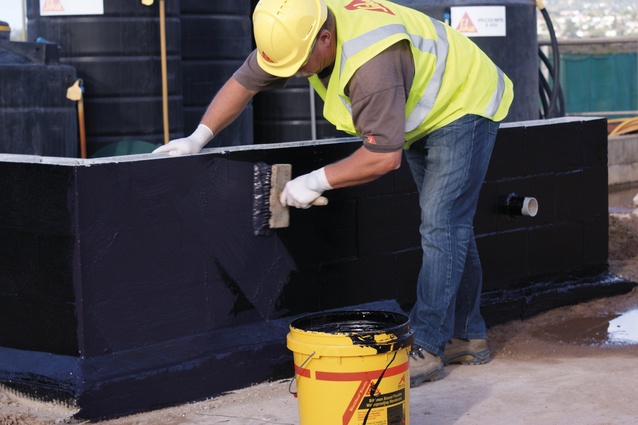
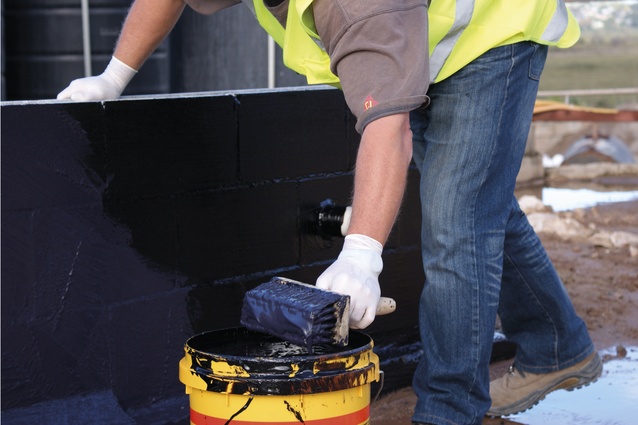
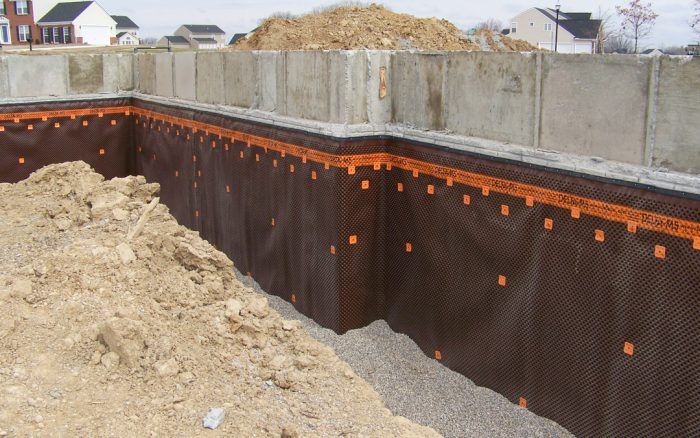
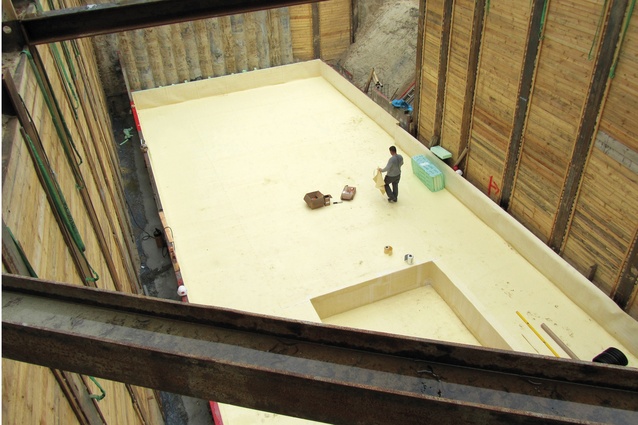
Waterproofing, on the other hand, is necessary in areas with high water tables or significant rainfall, and it involves materials designed to resist hydrostatic pressure. These include liquid-applied membranes (like styrene-butadiene rubber compounds) and peel-and-stick sheet membranes. Liquid-applied options offer seamless coverage but depend on consistent application, while sheet membranes require careful detailing of seams. Both types are often applied over primers, and some can be used in low temperatures. It is important to note that for a basement to be truly watertight, a waterproofing layer should also be applied beneath the slab to prevent water from being forced up through the floor by hydrostatic pressure.
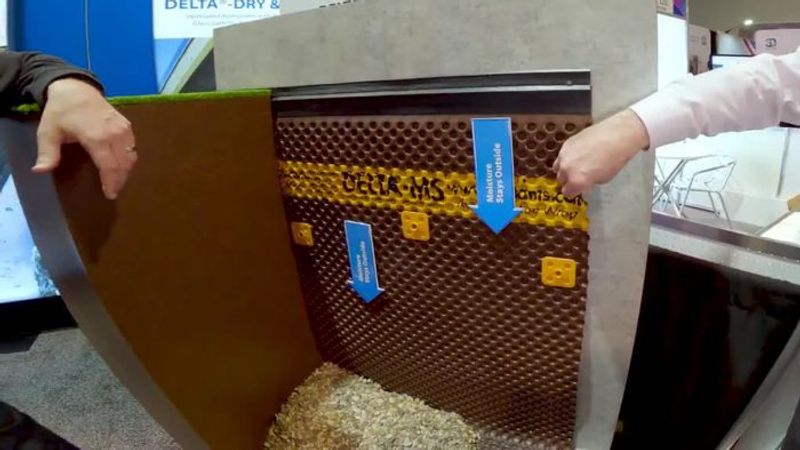
The article outlines a 'good-better-best' approach to foundation protection, starting with a basic dampproofing layer combined with a drainage membrane (like a dimple mat) and perimeter drains for capillary breaks and vapor barriers. A more advanced level adds a dampproofing layer, a dimple mat, and drainage at the wall's base, with the membrane's top edge sealed to the foundation. For the most challenging conditions or sensitive interior spaces, a multi-layered system is recommended, comprising a dampproofing layer, a dimple sheet for an air gap, and a drainage sheet with geotextile, all directing water to perimeter drains. These perimeter drains, installed below the basement floor level, are crucial in all scenarios.
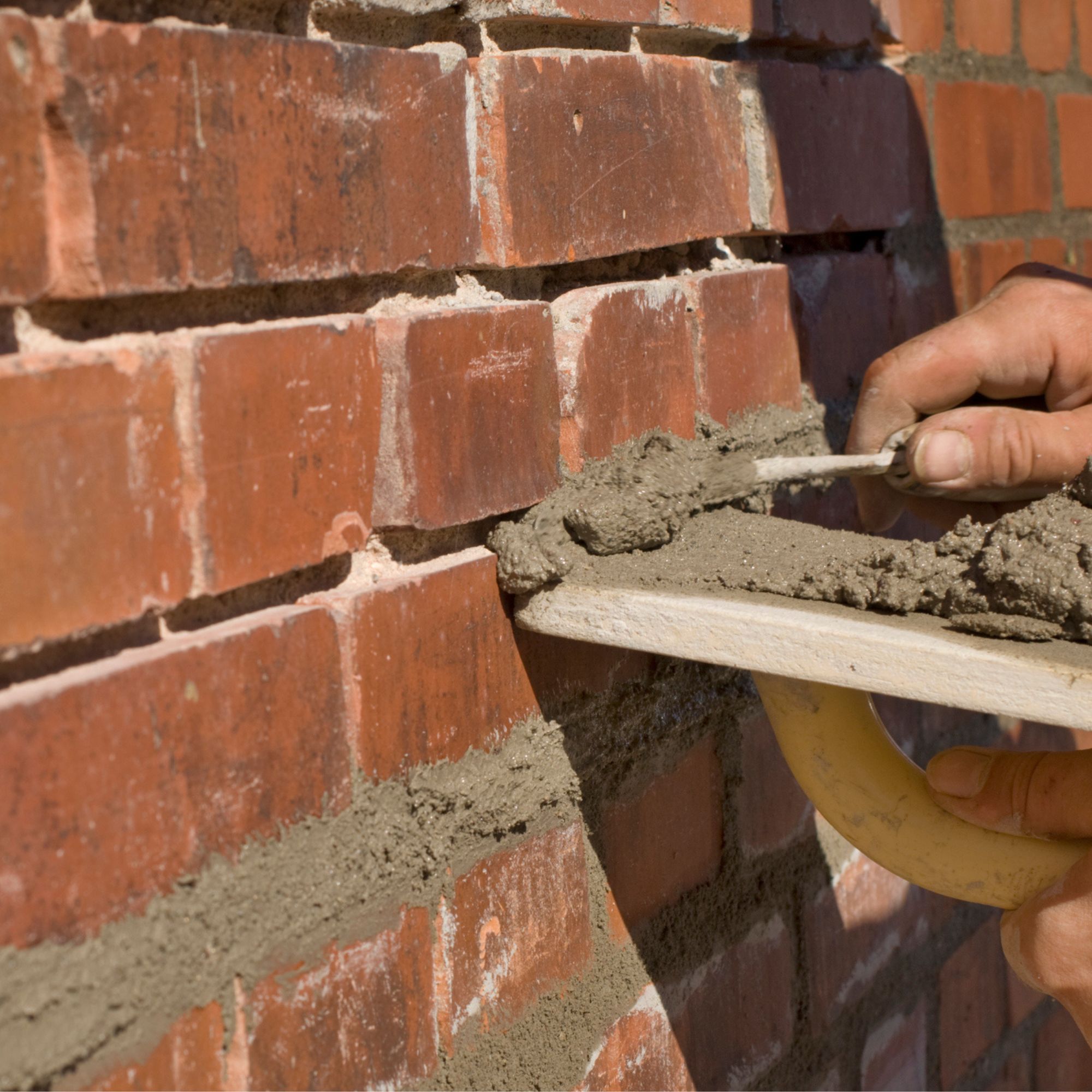
Various professionals integrate multiple layers for enhanced protection. For example, some builders use a liquid-applied or peel-and-stick membrane directly on the foundation wall, sealing joints and voids, followed by an insulation layer, and then a drain board with an integral air gap to protect the waterproofing and relieve hydrostatic pressure. Perimeter drains filled with coarse gravel and filter fabric complete the system. Other waterproofing materials include flexible cementitious coatings and bentonite panels, which expand when wet to create a seal, though their effectiveness can be compromised by repetitive wetting and drying cycles. Thermofusible membranes, requiring skilled application with heat, offer complete coverage but are less common due to complexity and safety concerns.
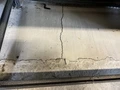
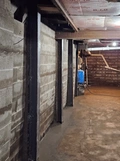
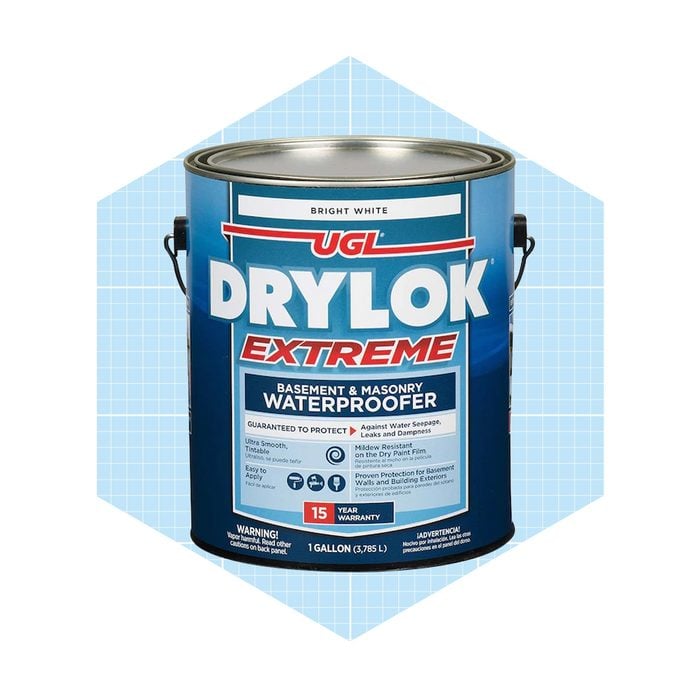
Addressing leaks in existing foundations, or retrofits, presents additional challenges. Before undertaking major structural work, assessing site grading, gutters, and downspouts to redirect rainwater away from the foundation is advised. For minor cracks, external spot repairs with bentonite or internal epoxy/urethane injections can be effective. More extensive internal repairs may involve cutting the concrete slab to install interior perimeter drains and sump pumps, combined with internal drainage layers. However, this approach carries the risk of creating pathways for radon gas, necessitating airtight and vapor-tight seals. Interior coatings like UGL Drylok, Koster NB1 Grey, and Xypex Concentrate are also discussed, with testing indicating varying degrees of effectiveness against hydrostatic pressure and the importance of proper application and curing. The article concludes by stressing that investing in comprehensive waterproofing during new construction is a wise insurance against future water problems, especially given the increased use of basements as finished living spaces.
#FoundationWalls #Dampproofing #Waterproofing #BasementProtection #MoistureControl #BuildingScience #ConstructionMaterials #HomeBuilding #RetrofitSolutions #FoundationWalls #Dampproofing #Waterproofing #BasementProtection #MoistureControl #BuildingScience #ConstructionMaterials #HomeBuilding #RetrofitSolutions
0 Kommentare insgesamt
 Noch keine Kommentare
Das könnte Ihnen auch gefallen

How to waterproof a basement – 5 steps from experts to safeguard this space


How to get rid of damp
5 Best Types of Flooring for Your Basement in 2022

Insulate Your Basement, Part 1

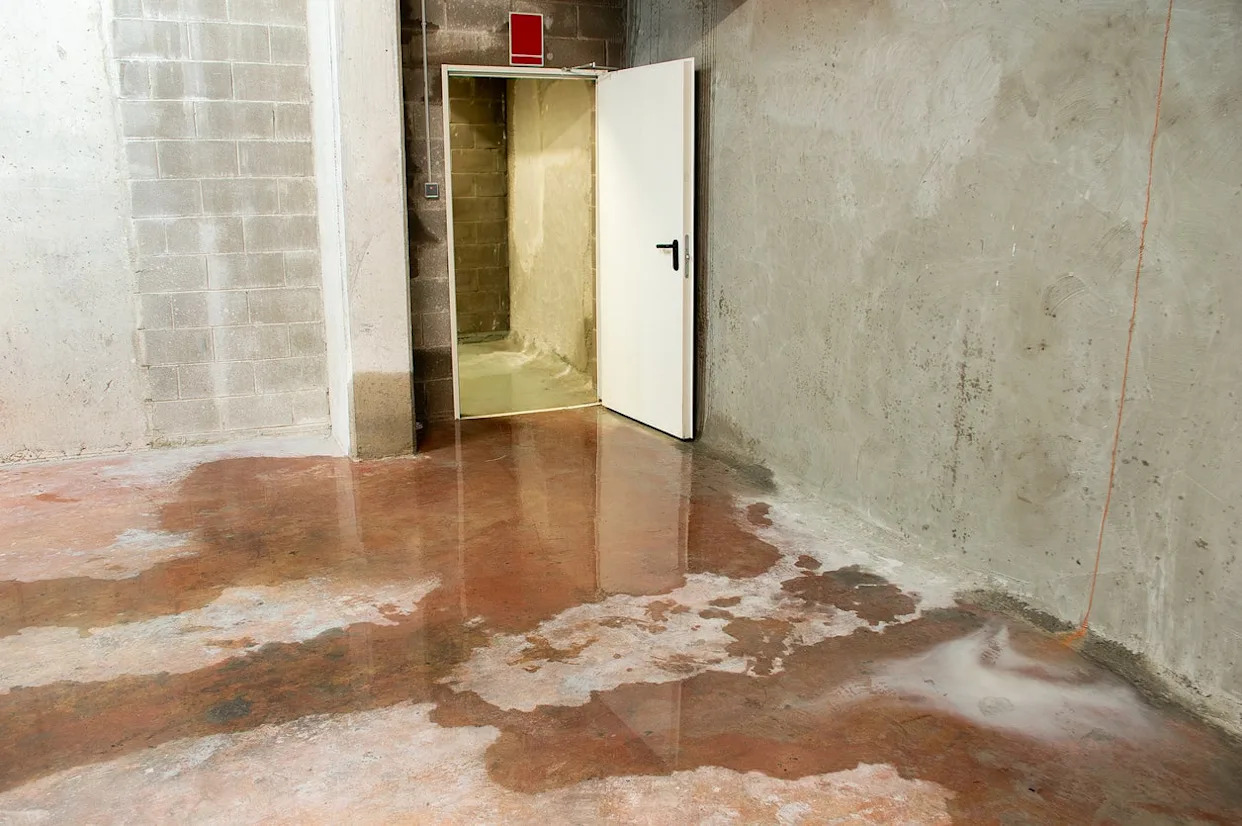
Solved! Here's What to Do About Water Leaking Into the Basement After Heavy Rain
Floodproofing a house — 12 things experts say you can do

With 48 years of expertise, GJ MacRae Foundation Repair sets the bar high for full-service foundation repair and basement waterproofing
Mechanically stabilized earth walls
Solved! Why Is Water Seeping Through My Basement Floor?

Foundation Waterproofing Membrane
8 Basement Flooring Ideas to Elevate Your Subterranean Space

Below ground

Basement Waterproofing and Foundation Repair

The 5 Best Basement Sealers to Waterproof Your Space
How Can Architecture Combat Flooding? 9 Practical Solutions

Worried about your basement flooding? Install these temporary measures before heavy rainfall
Highlander Waterproofing and Foundation Repair - Tribune-Review
Weather-resistant barriers: Advanced technologies for modern construction
12 exterior areas of your home that are prone to leaks in rainy season – and how to prevent moisture getting inside
Kuffa: Simple, inexpensive solutions to a wet basement