Architectural Surfaces: All About Quartz
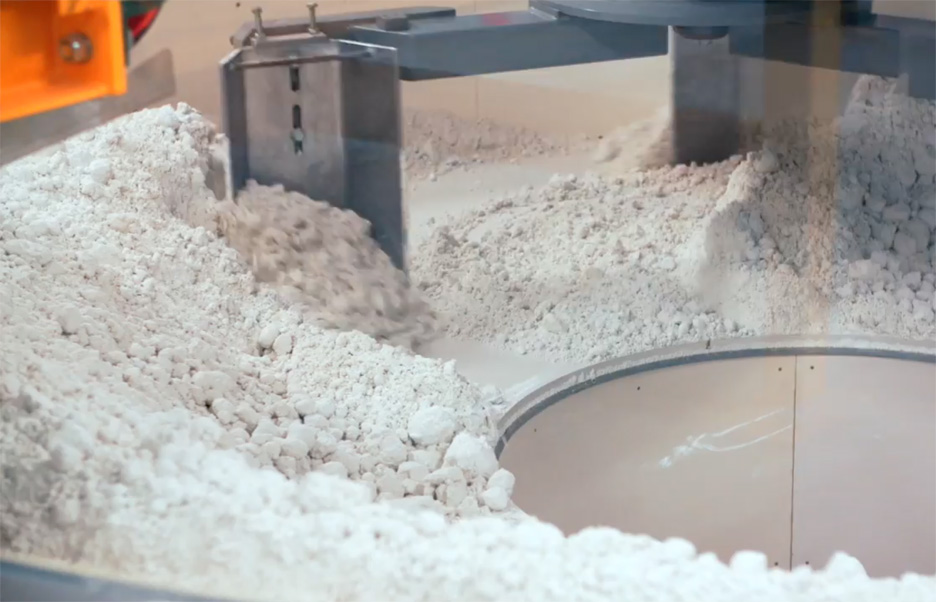
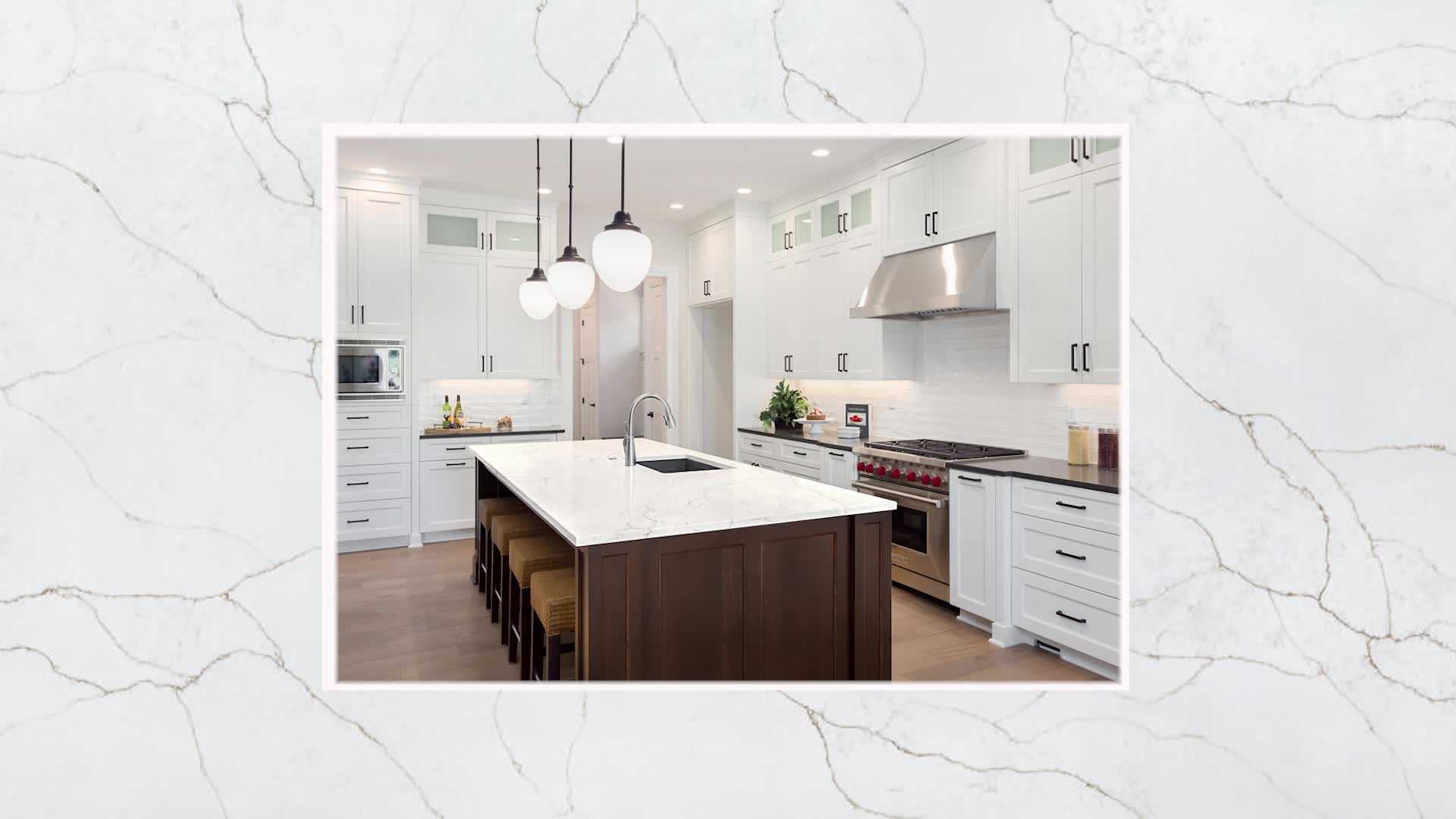
This article from Architectural Surfaces discusses the properties, evolution, and applications of quartz, an engineered stone product. Quartz is primarily composed of quartz sand, quartz powder, resins, and various pigments. The manufacturing process is likened to baking a cake, involving mixing raw ingredients, compressing them into a mold, baking the product, and then polishing the resulting slab. A quality assurance process follows to ensure the product meets industry standards.
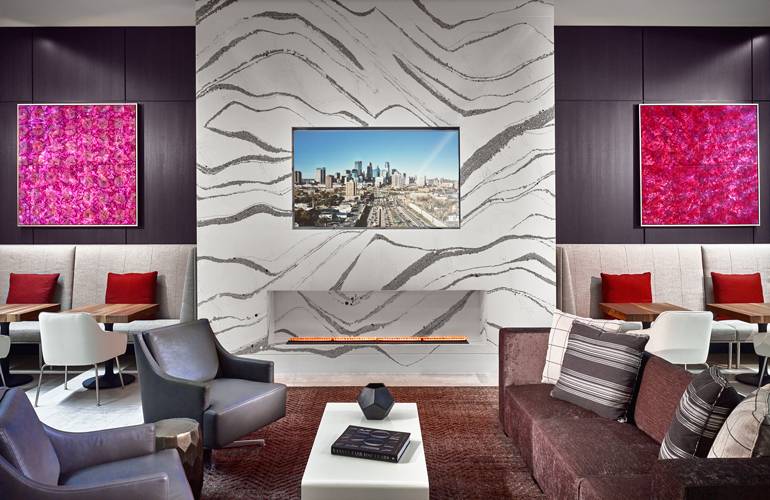
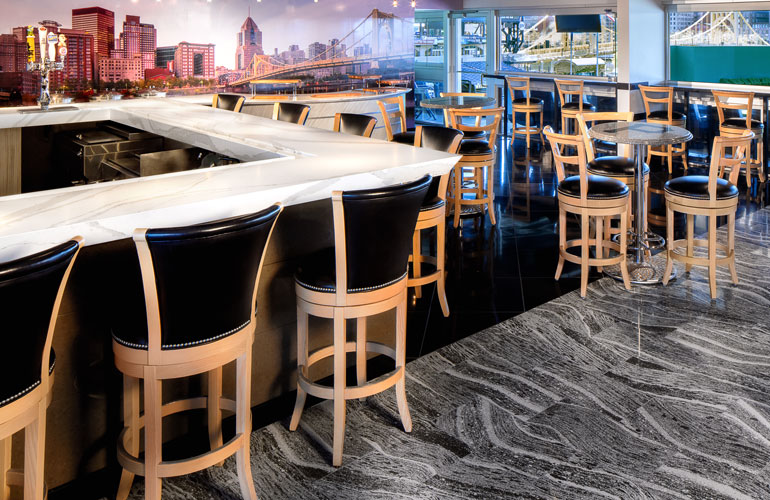
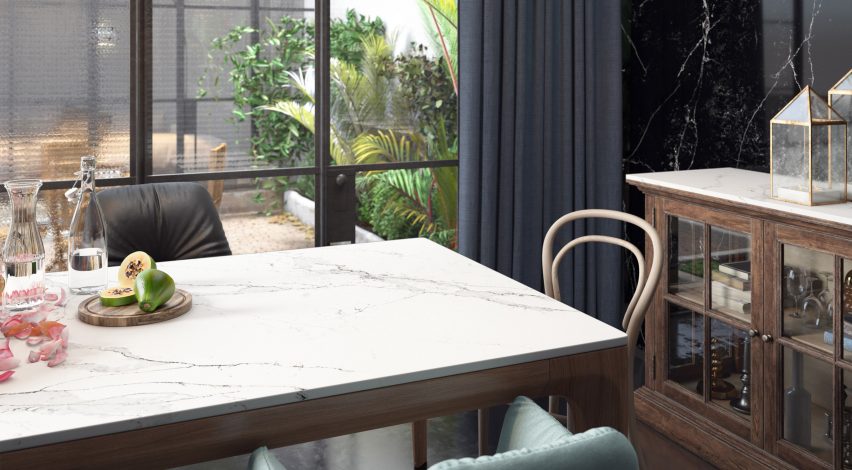
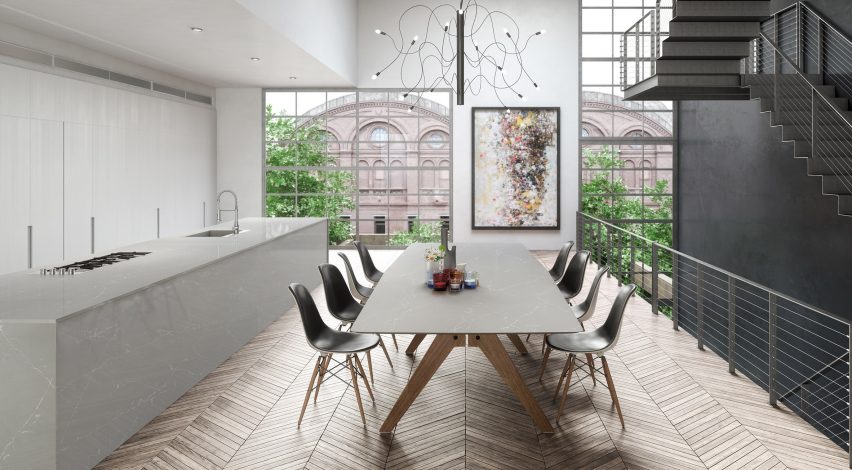
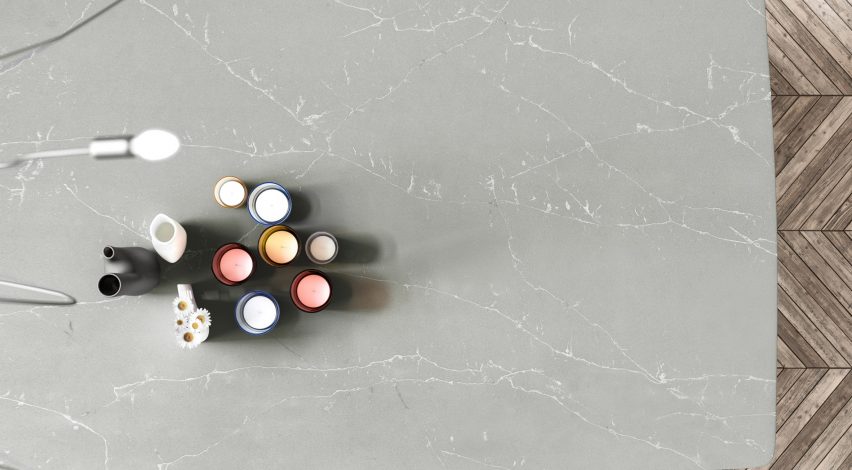
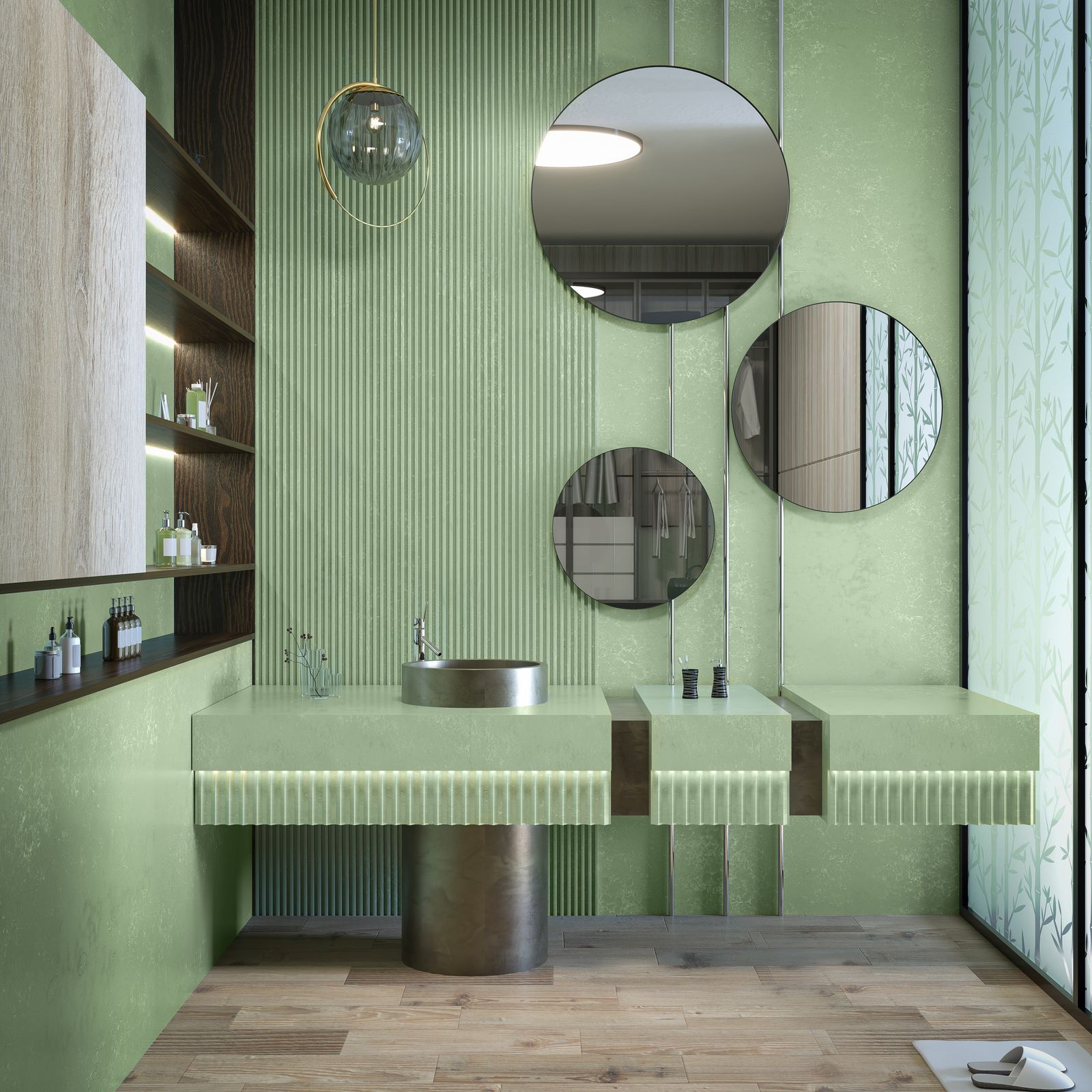
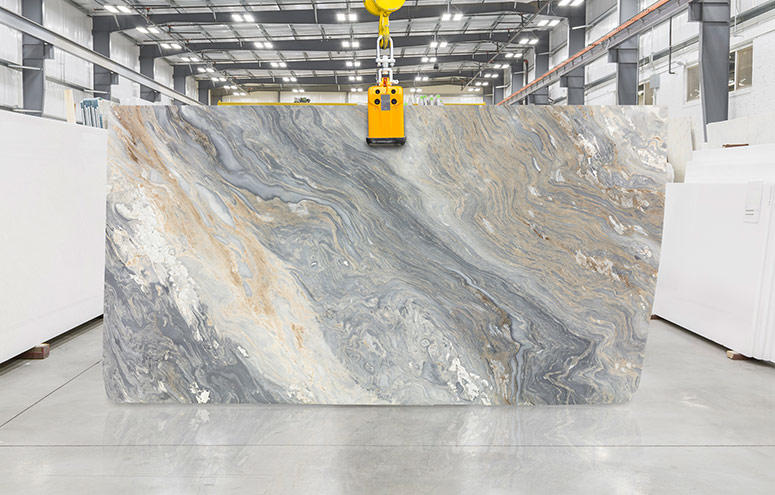
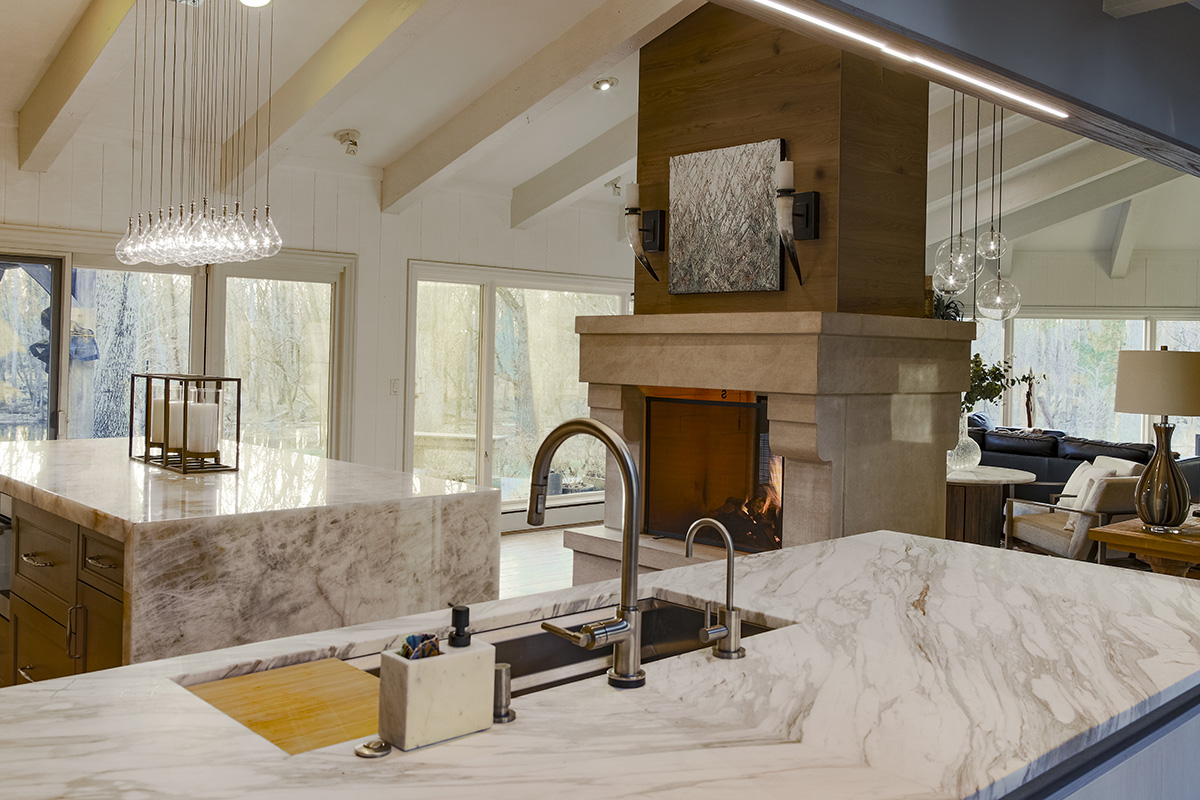
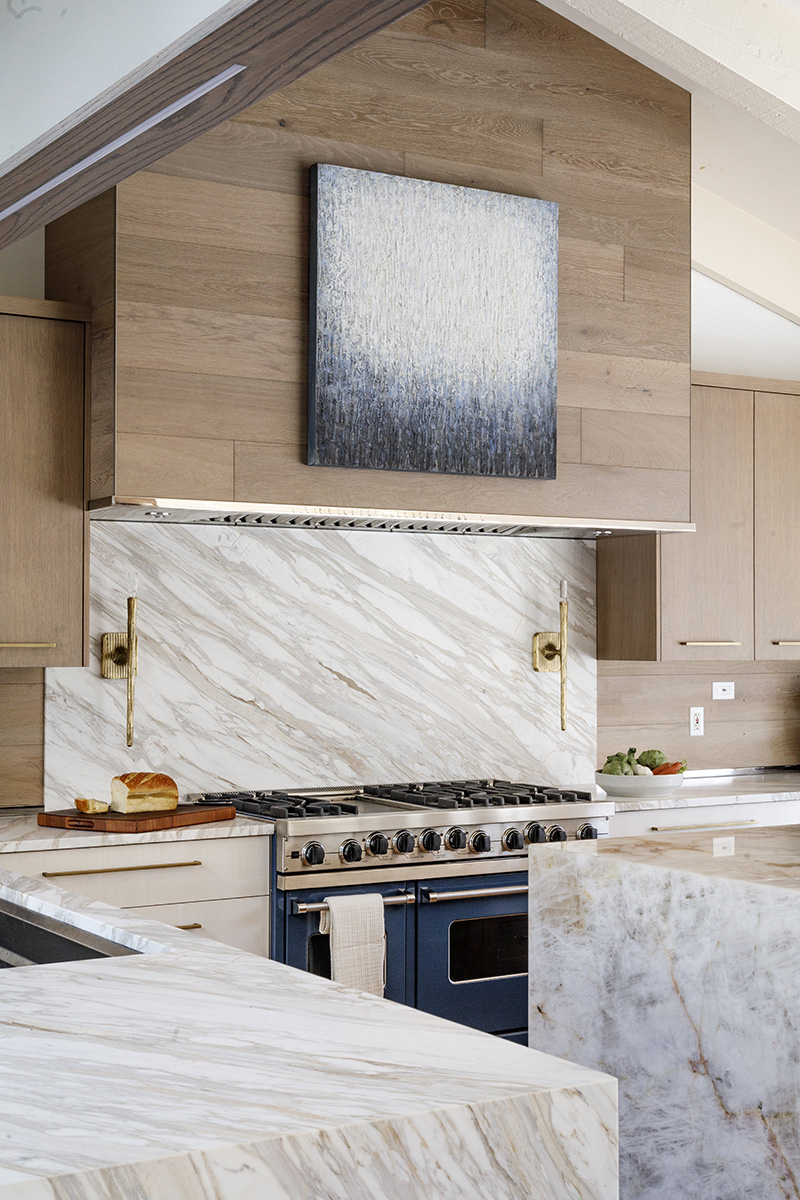
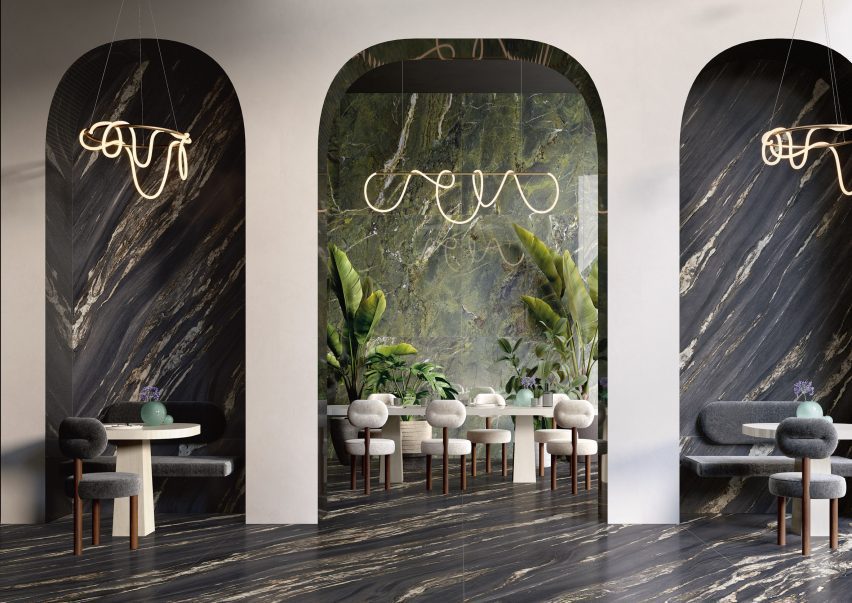
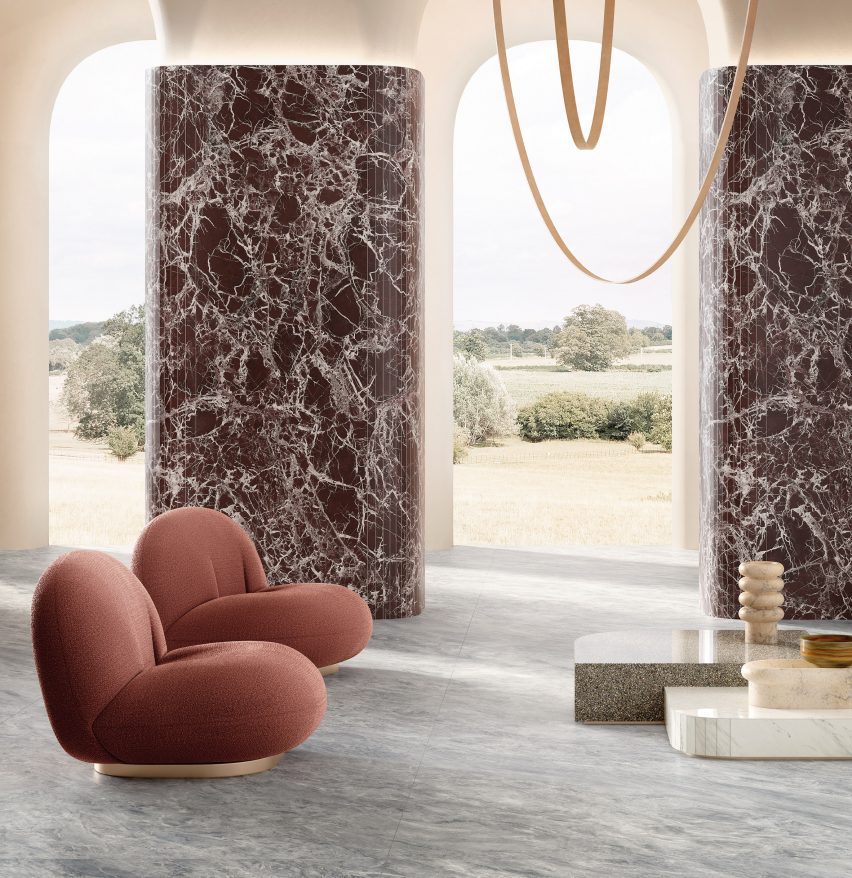
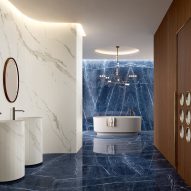
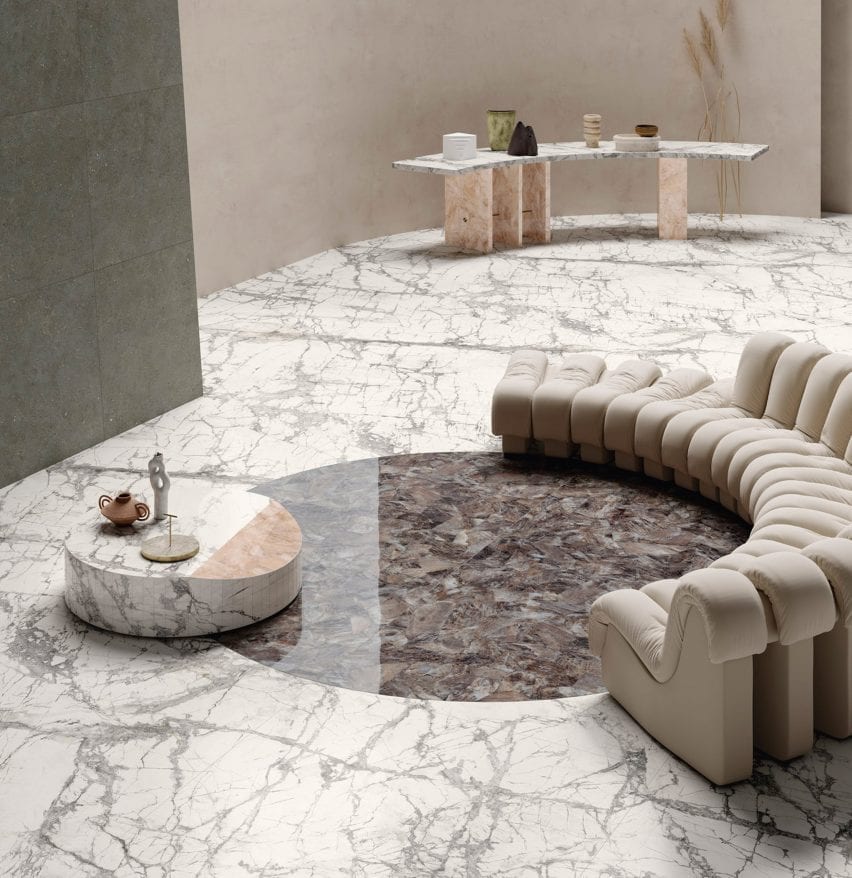
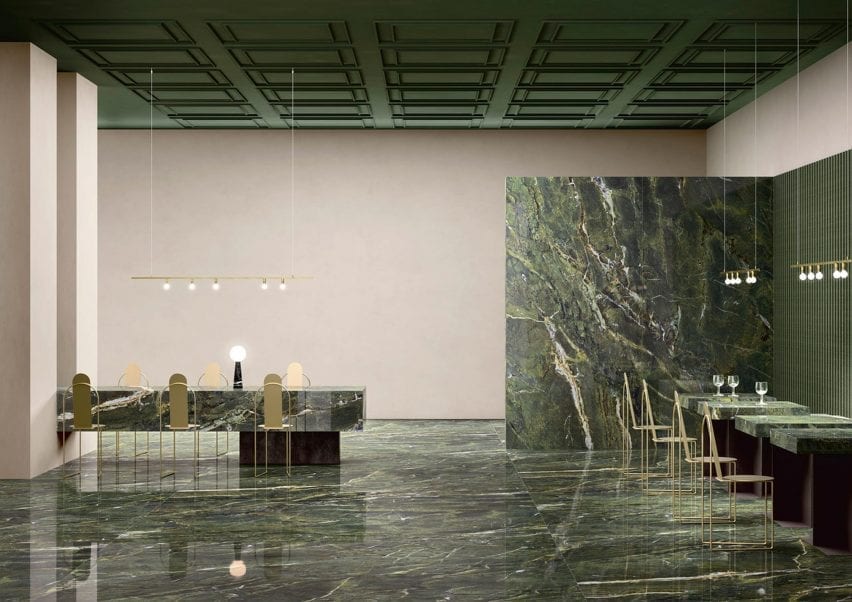
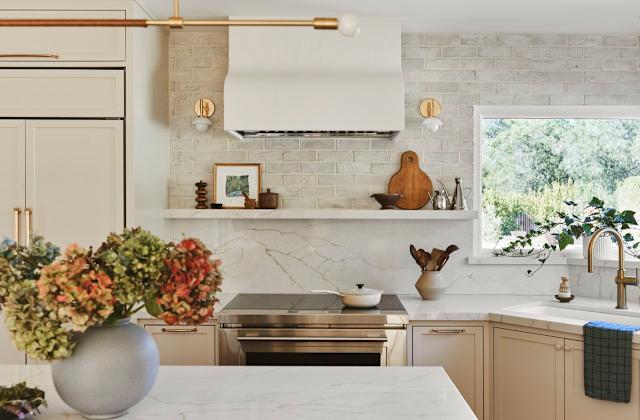
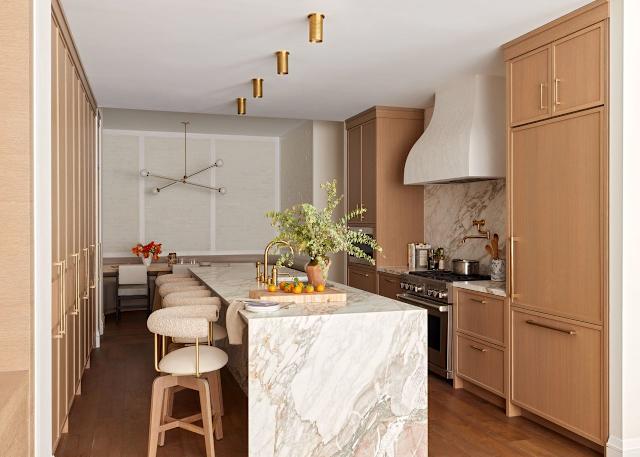
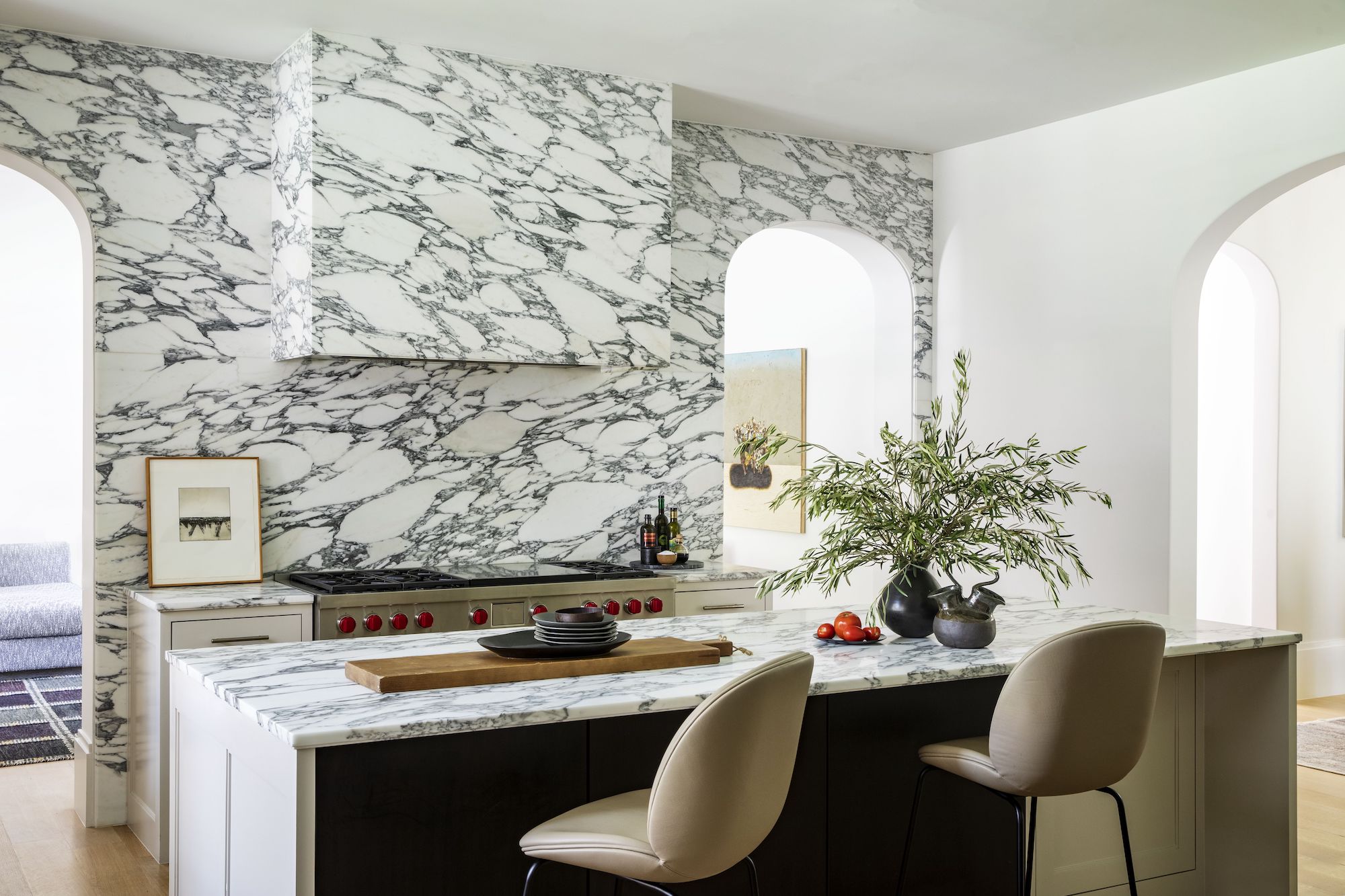
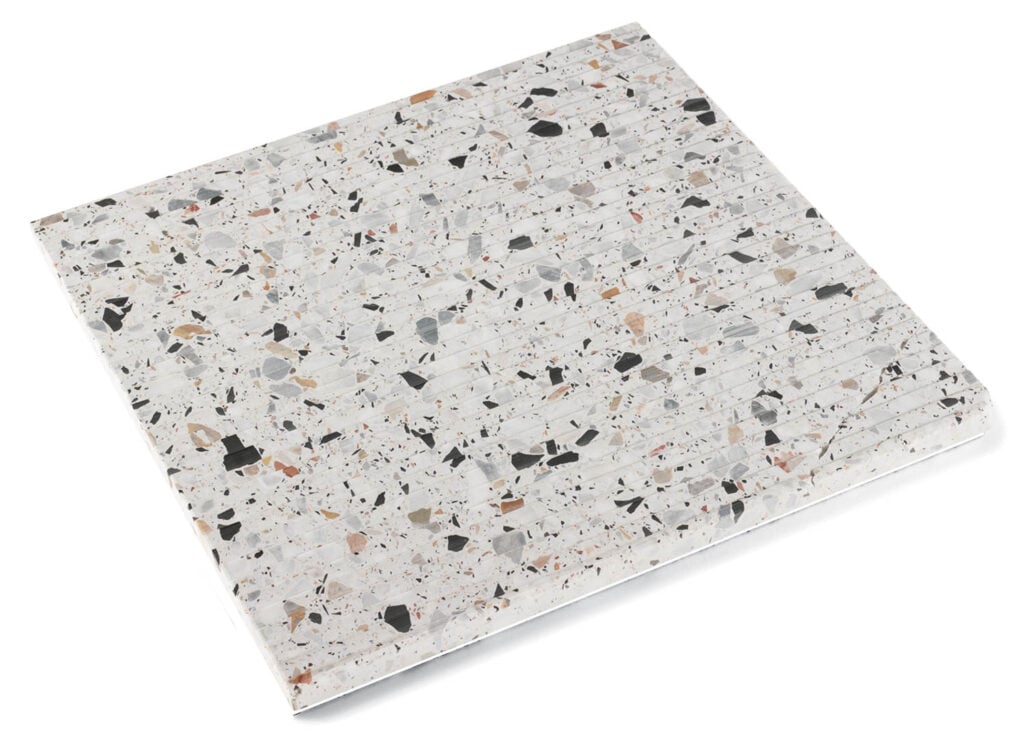
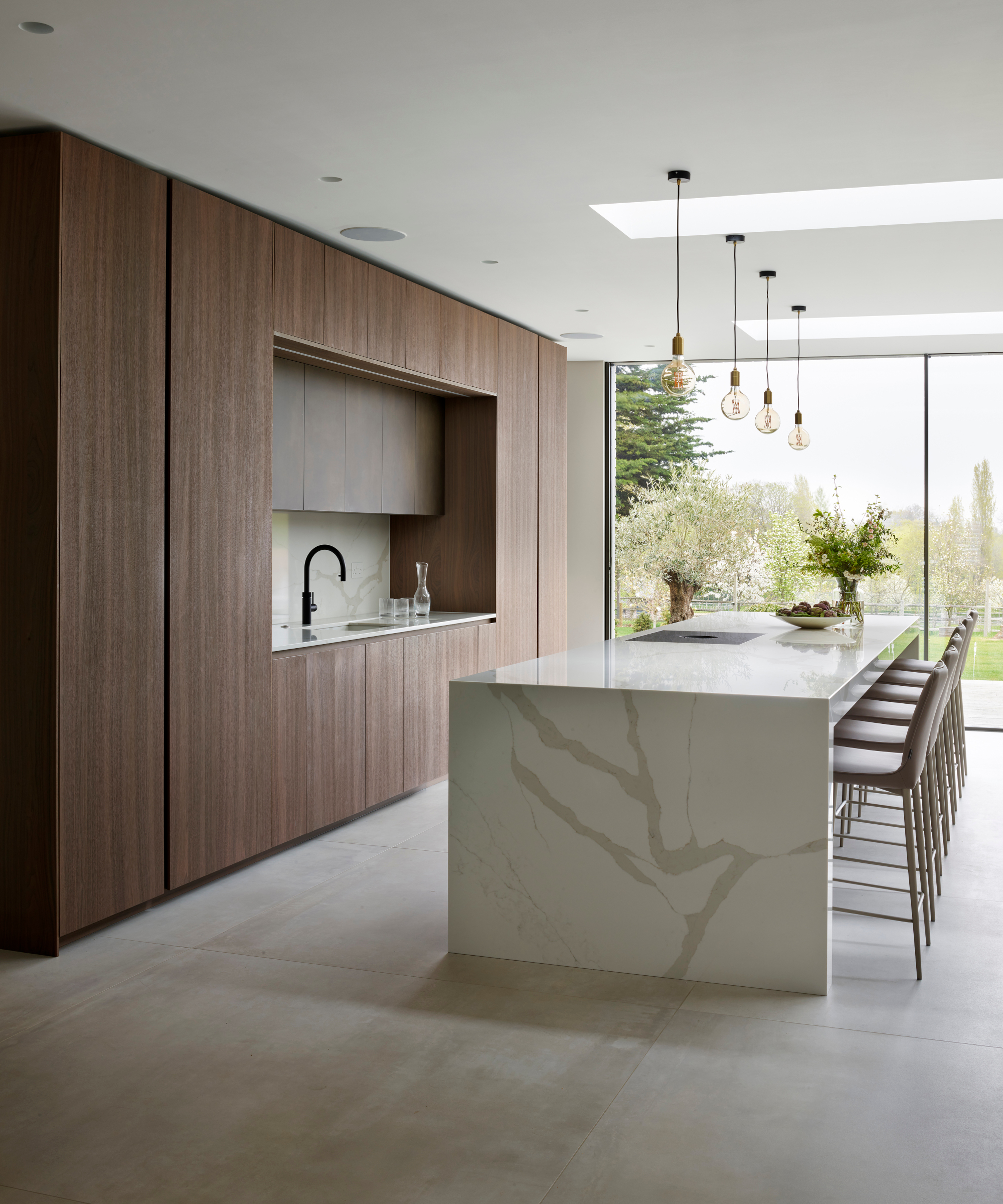
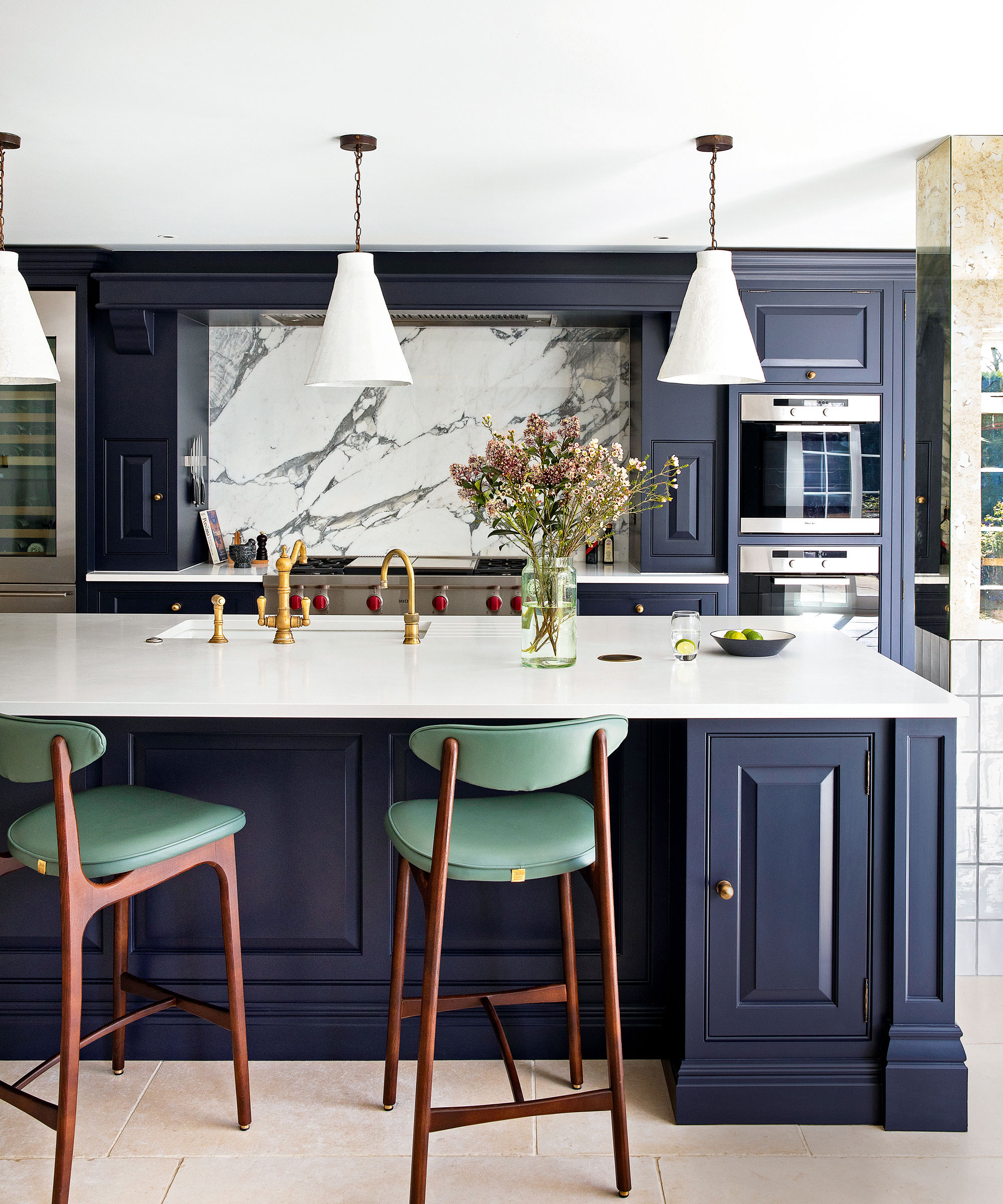
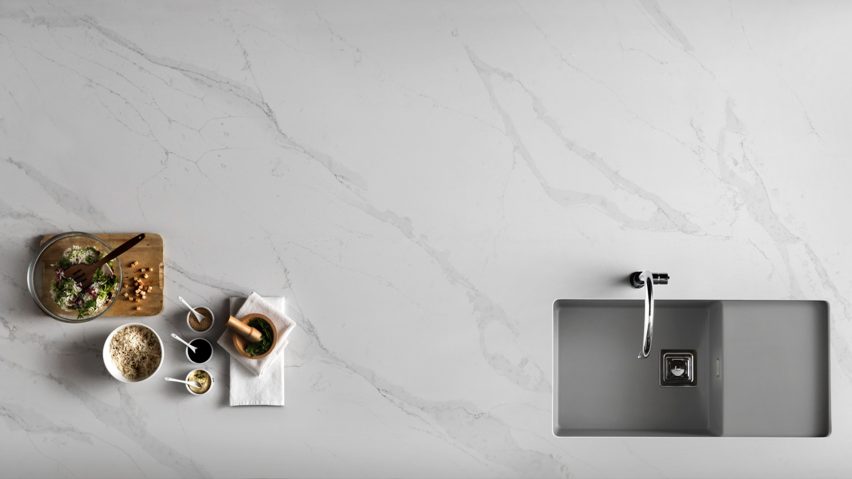
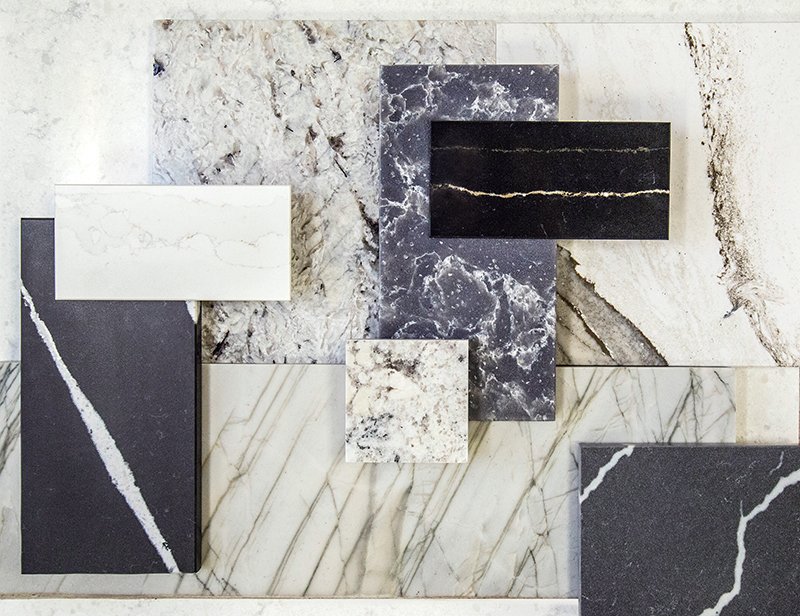
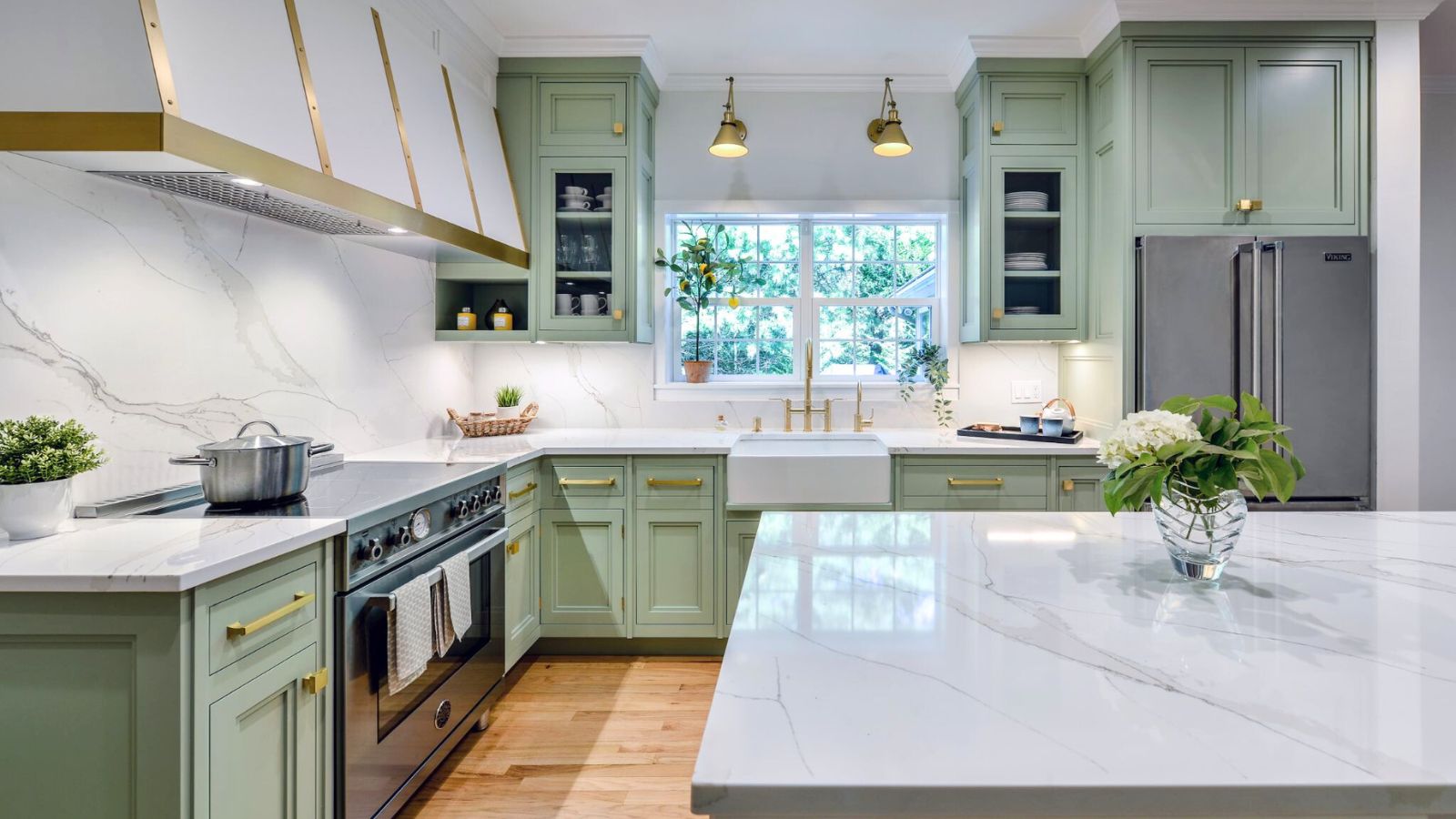
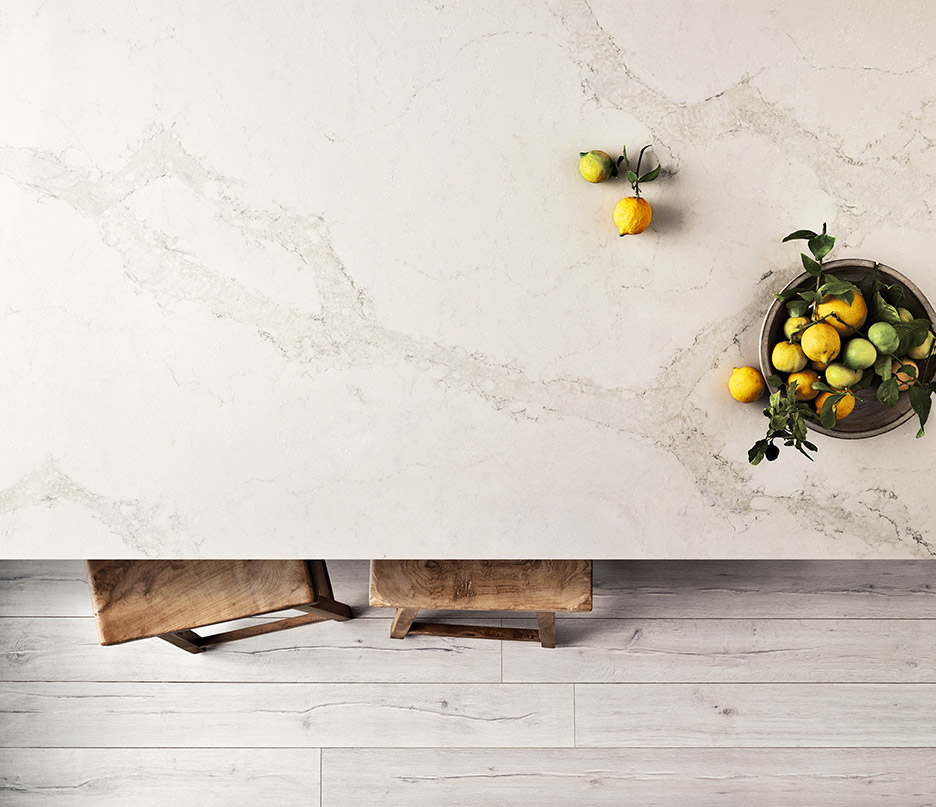
The article highlights the significant advancements in quartz technology over recent years. Initially, quartz was limited to plain white designs, but manufacturers can now create designs that closely mimic natural stone aesthetics. For instance, colors like "Luce Oro" offer depth and replicate the appearance of natural marble. New patterns have also emerged, such as the "Unique Calcutta Blue," which incorporates blue veining. The ability to customize vein thickness and patterns allows for the creation of unique designs that were unachievable just five years ago. In many instances, quartz designs are inspired by nature and are now considered to rival natural stone in appearance and functionality.
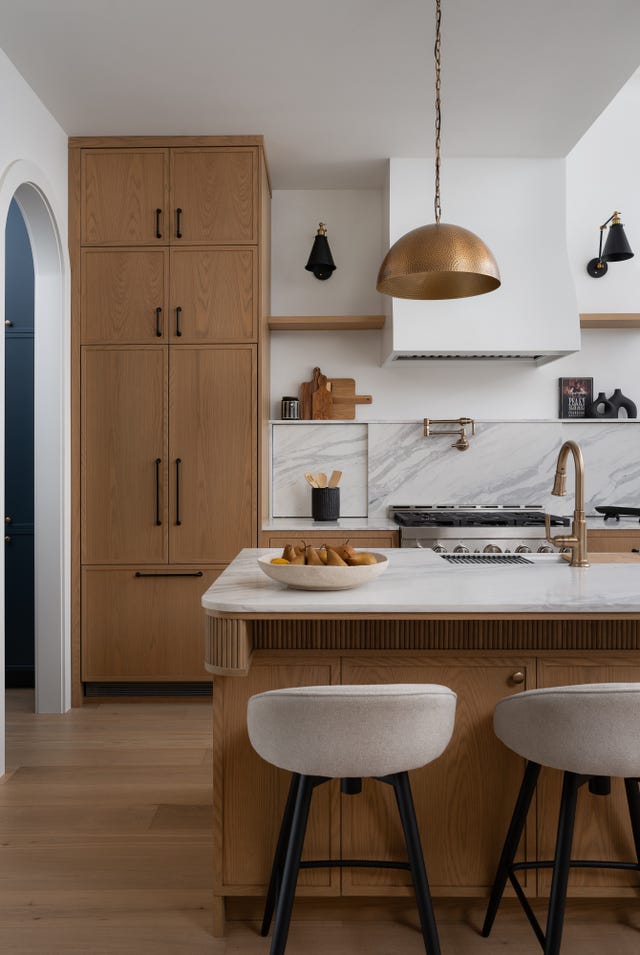
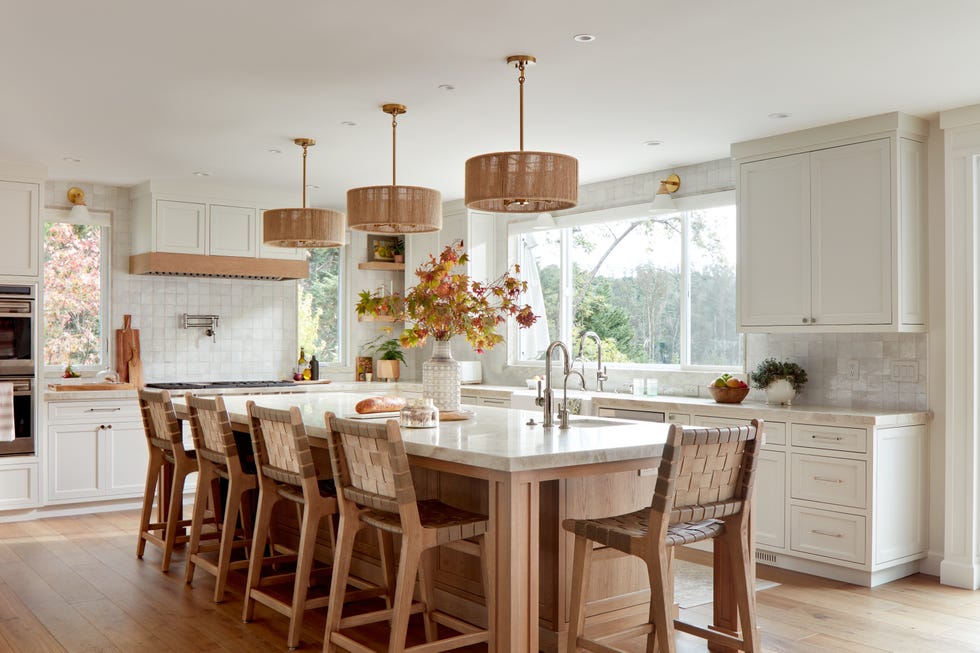
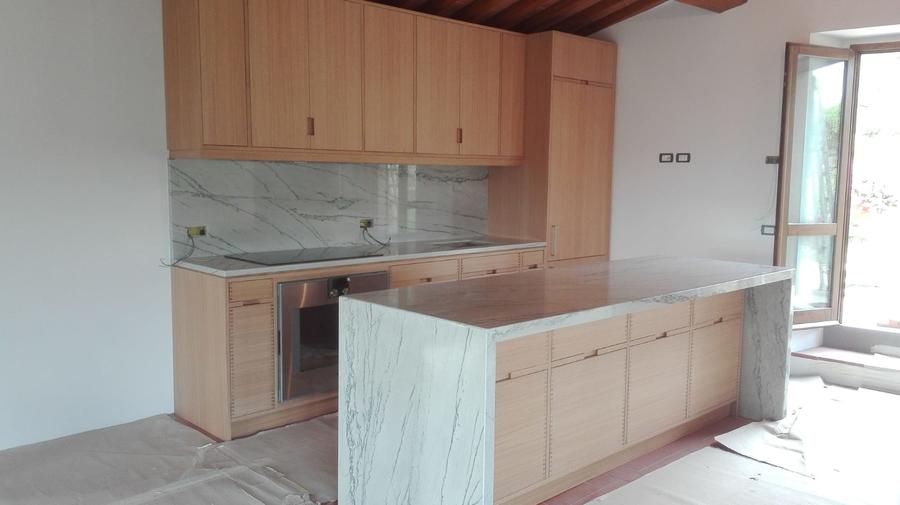
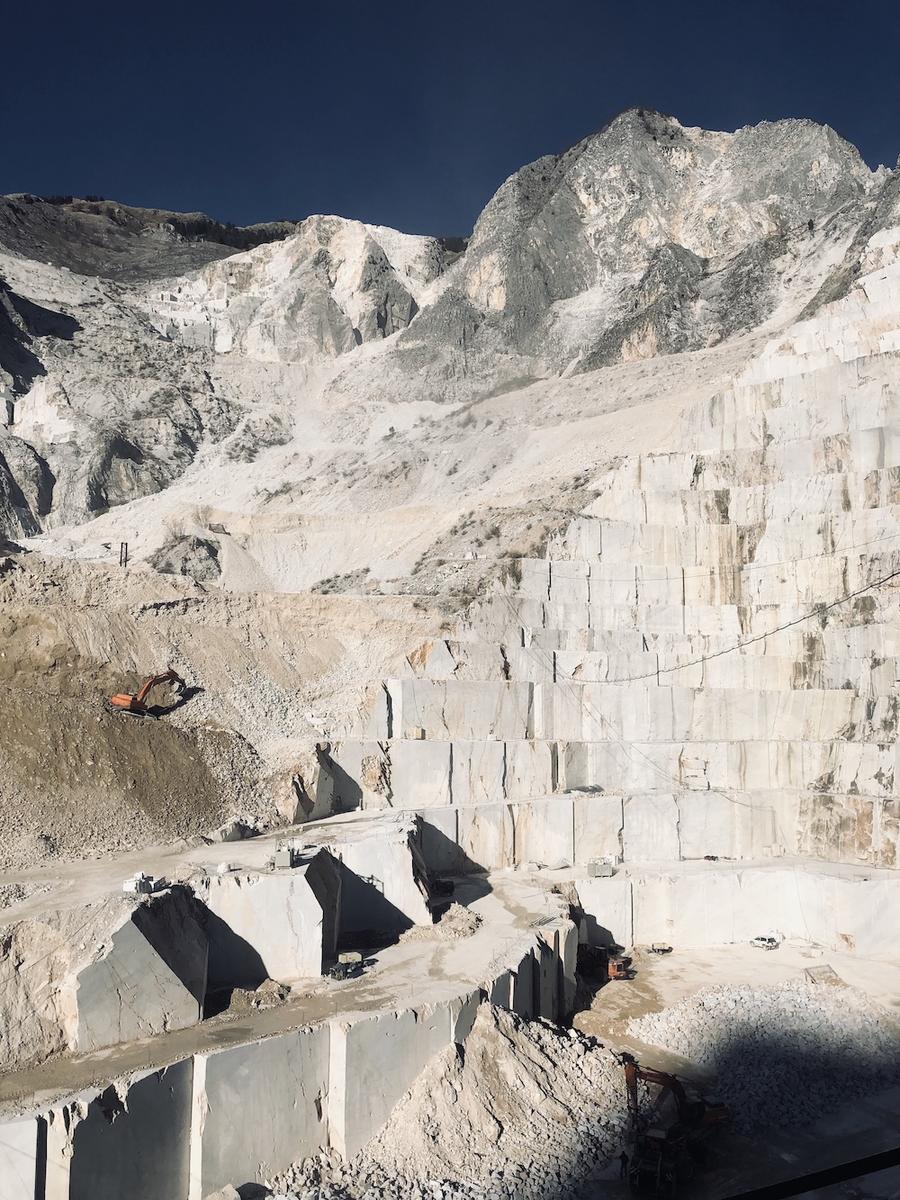
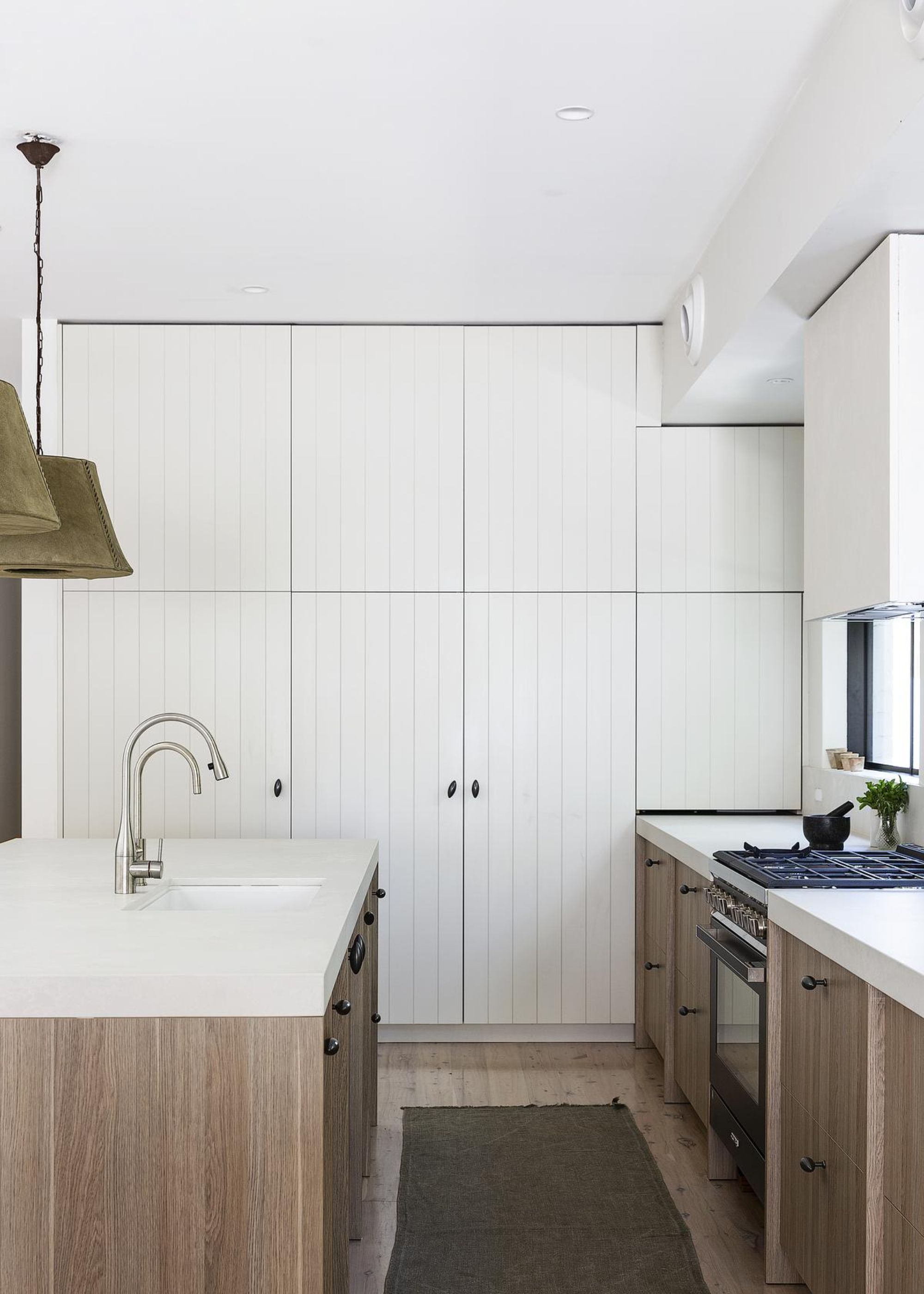
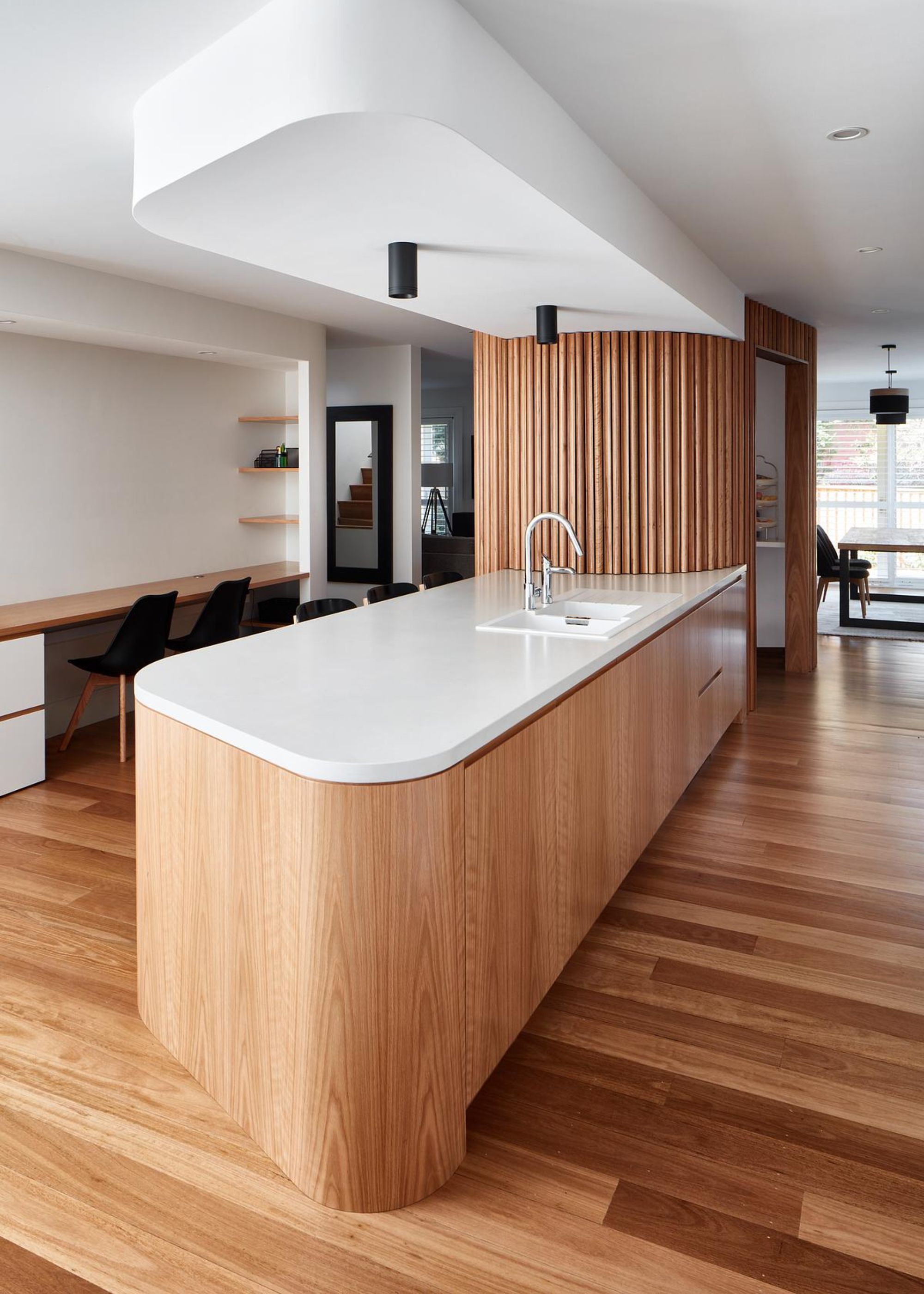
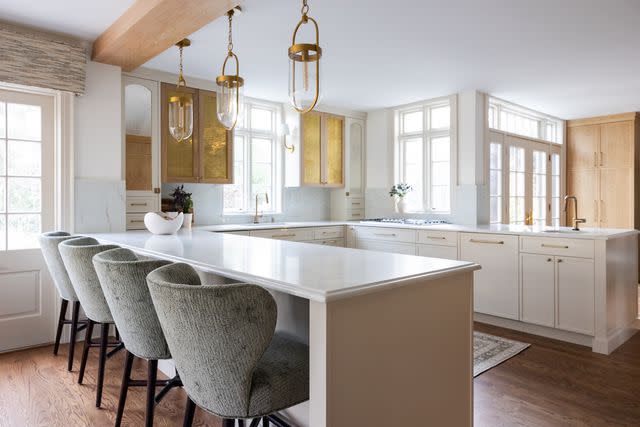
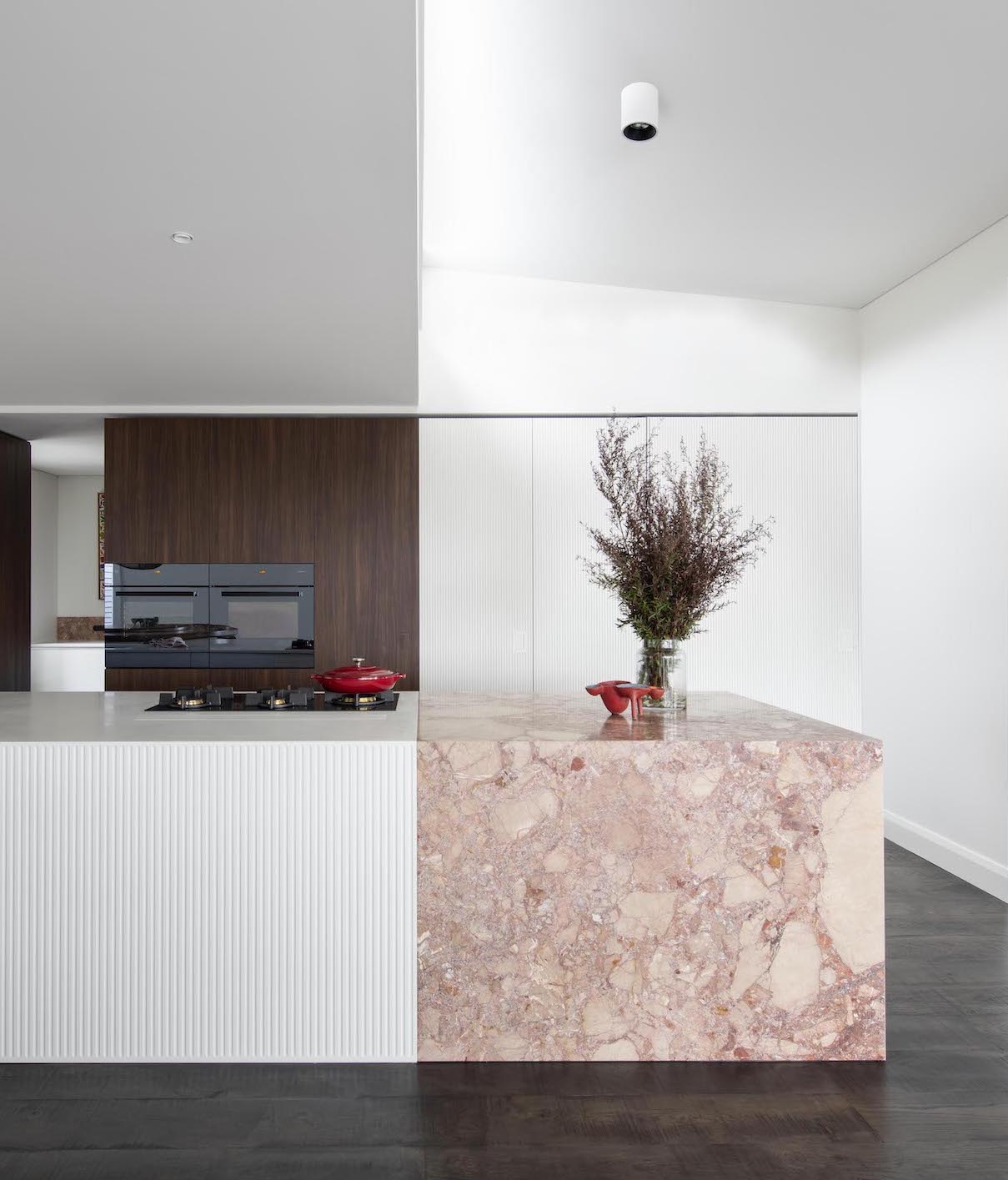
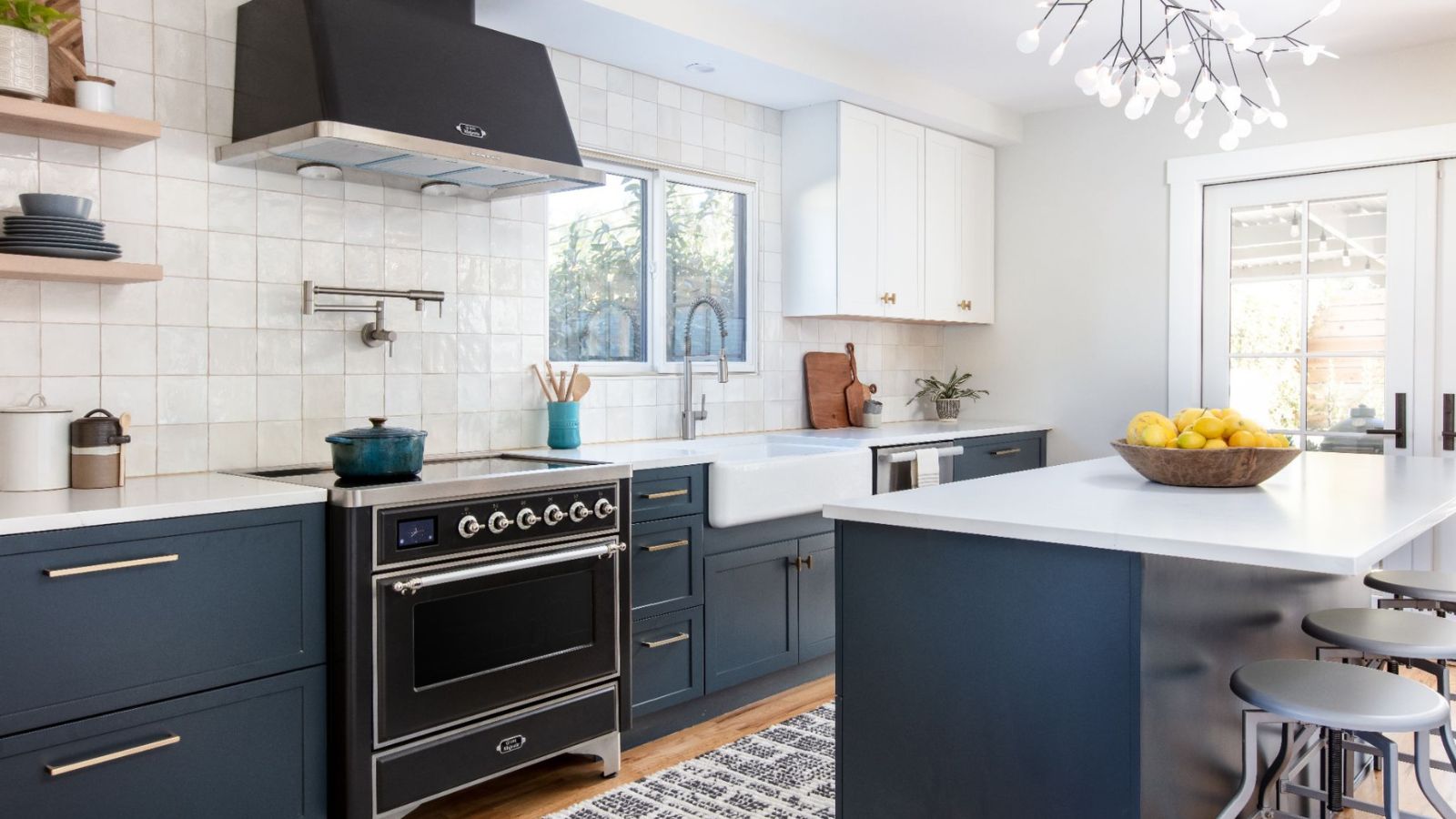
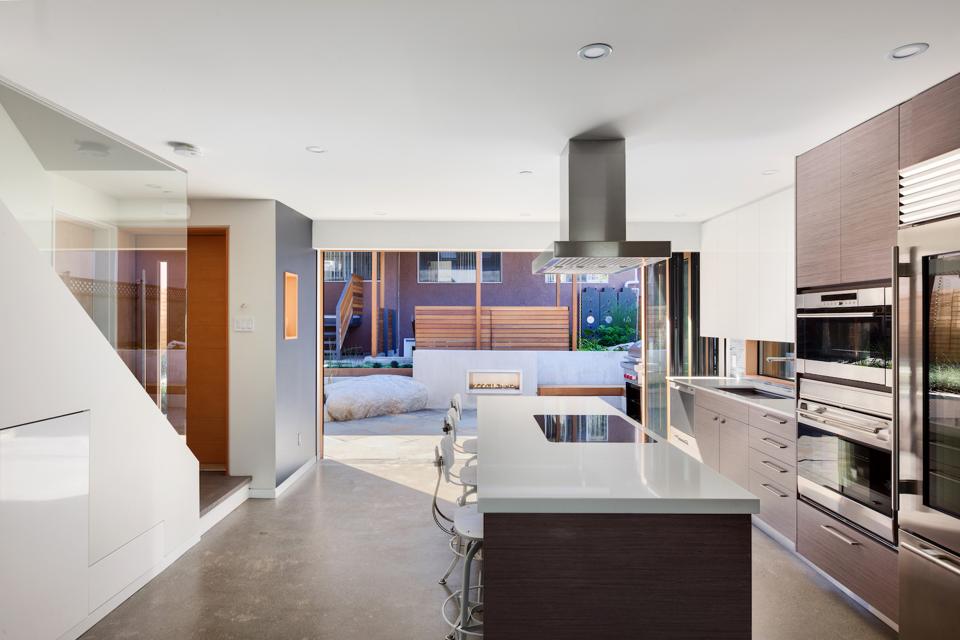
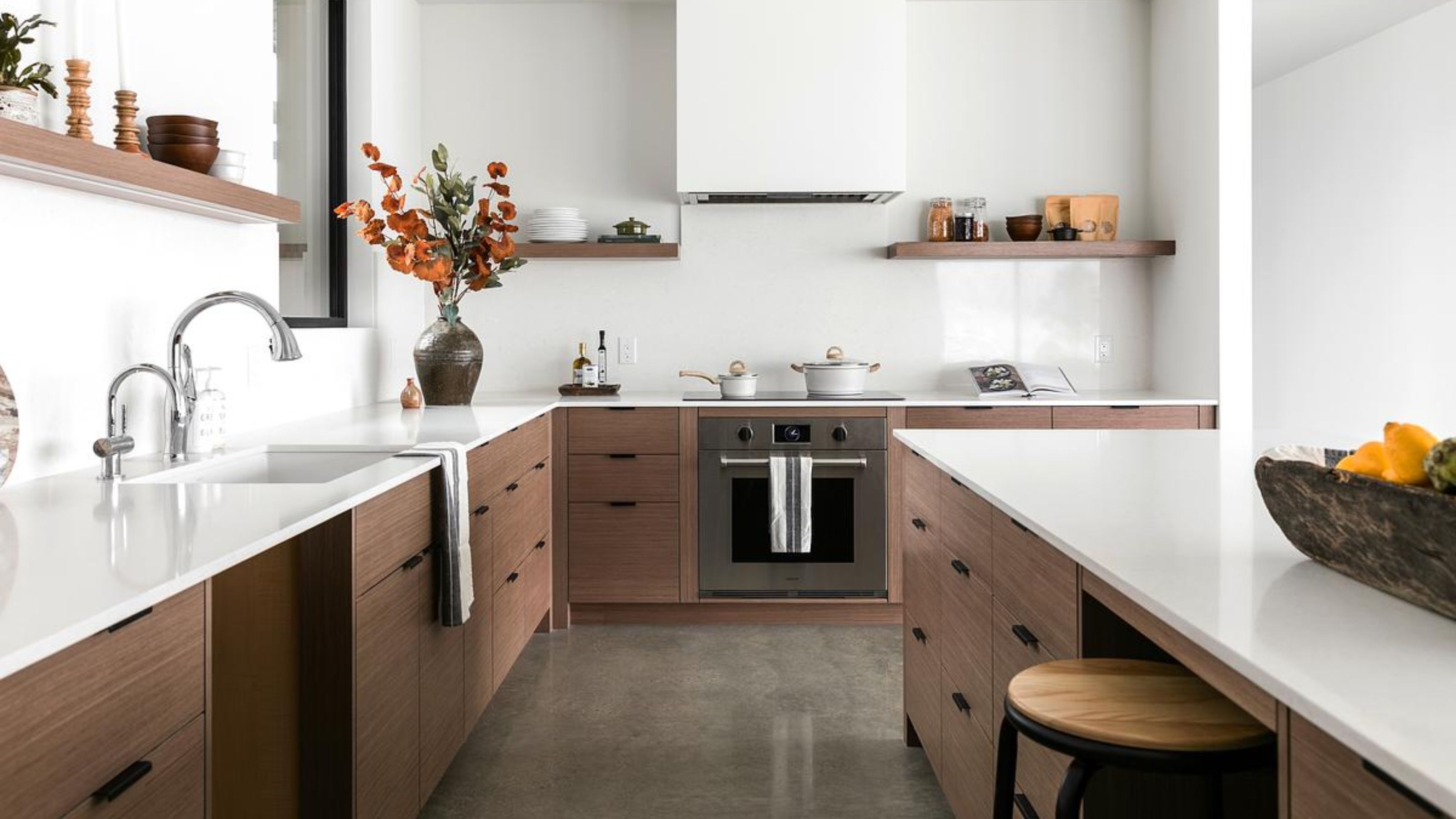
One of the main advantages of quartz is its low maintenance requirements, making it a suitable choice for busy households, especially those with children. It is noted for its stain-resistant and scratch-resistant properties. The demand for quartz in the market continues to grow annually, partly due to its consistent quality. Unlike natural stone, where each slab is unique and requires hand-selection, quartz offers uniformity. Despite the distinct characteristics of natural stone, quartz can be effectively combined with it in design schemes; for example, a natural stone island can be complemented by a quartz surround. The continuous development of new quartz colors further enhances its versatility in design.
The article also addresses the affordability of quartz, stating that there are various price points available to suit different budgets and aesthetic preferences. It acknowledges that while quartz has gained market share due to its advancements over the past five years, the ultimate choice between natural stone and quartz depends on individual family needs and project requirements. The piece concludes by emphasizing the progress quartz has made in material science and design, establishing it as a competitive and popular option for surfaces.
#ArchitecturalSurfaces #QuartzCountertops #EngineeredStone #HomeImprovement #InteriorDesign #KitchenDesign #MaterialScience #HomeServices #ArchitecturalSurfaces #QuartzCountertops #EngineeredStone #HomeImprovement #InteriorDesign #KitchenDesign #MaterialScience #HomeServices
0 Kommentare insgesamt
 Noch keine Kommentare
Das könnte Ihnen auch gefallen
Natural Quartz Surfaces Never Looked So Good

5 brands that are transforming the architectural surfaces of your home

Countertops and Backsplashes: Perfect Partners


Face of Quality Natural Stone: Terrazzo & Marble Supply

Compac launches quartz surface collection based on natural patterns and forms
The new rules of marble

Profiles: Kudos to Countertops
3 Kitchen Stone Trends We’ll See in 2025

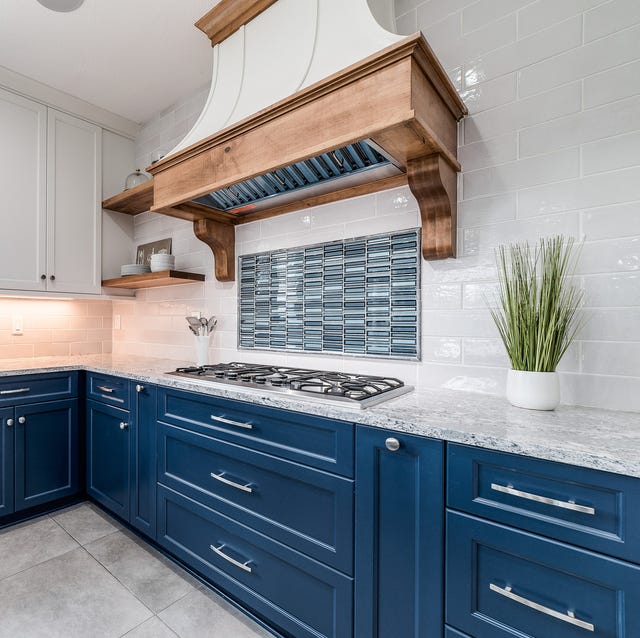
This Stone Is About to Be More Popular Than Marble, According to Designers

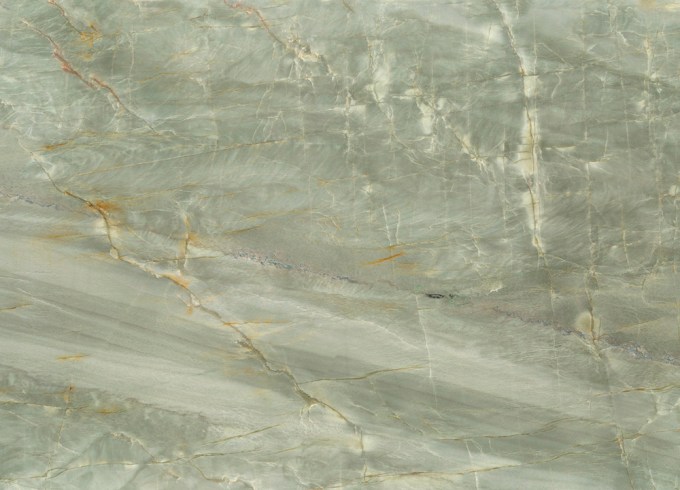
Goodbye, Marble—This Moody Counter Trend Is Taking Over

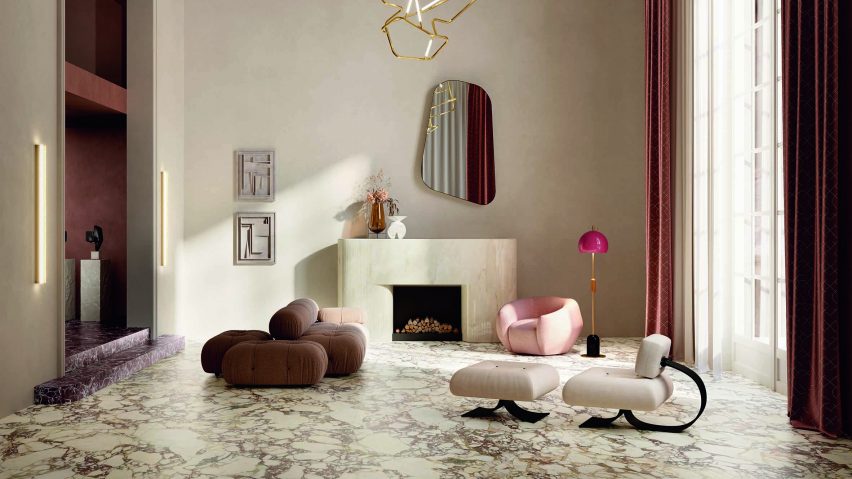
Marmi Maximum tiles by Fiandre Architectural Surfaces
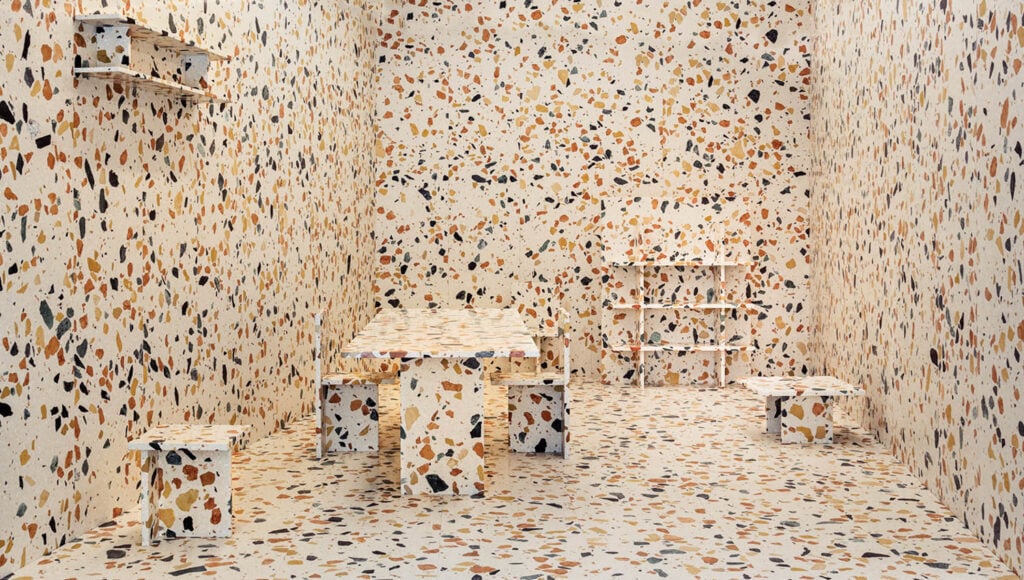
Old-World Style Meets Modern Sentiments in These Flecked Surfaces
Ask the Experts: Hard Surfaces 101

I Picked Quartz Countertops for My New Kitchen, but Was It the Right Choice? Experts Weigh Up the Pros and Cons
Maximum Marmi tiles by Fiandre Architectural Surfaces
Are quartz countertops right for your home? We examine the pros and cons

Cambria offers durable quartz styles for every season
The most important tool in the kitchen is the countertop says Caesarstone CEO
We Asked Designers What Kitchen Countertop Materials Are Out in 2026—Their Answers May Surprise You

Why Quartz Has Become Such A Popular Countertop Stone