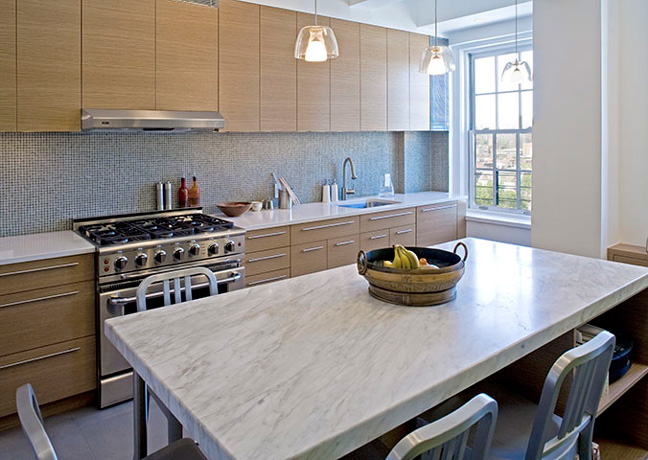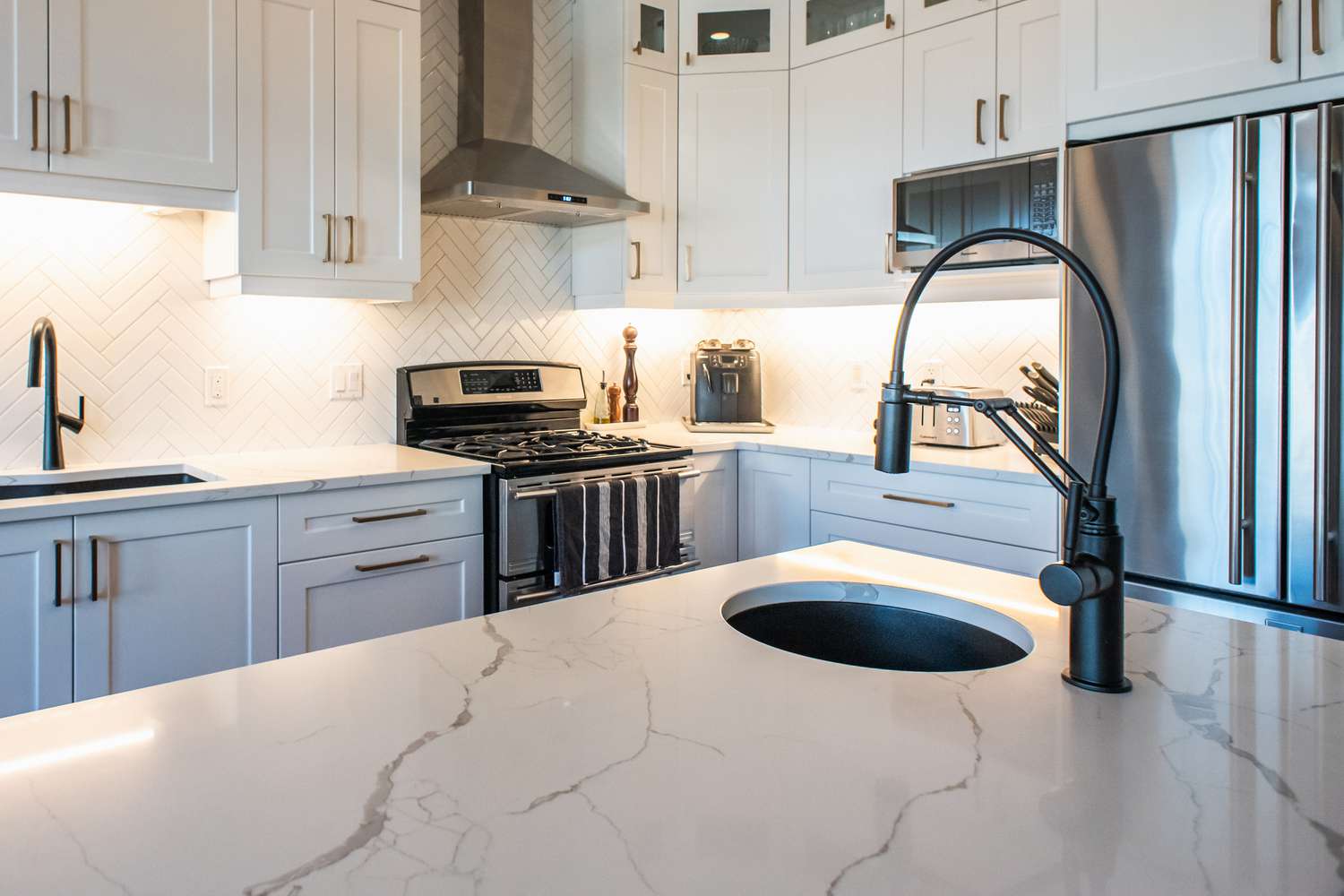
4 Easy-to-Follow Care Tips That Keep Quartz Countertops Looking Like New
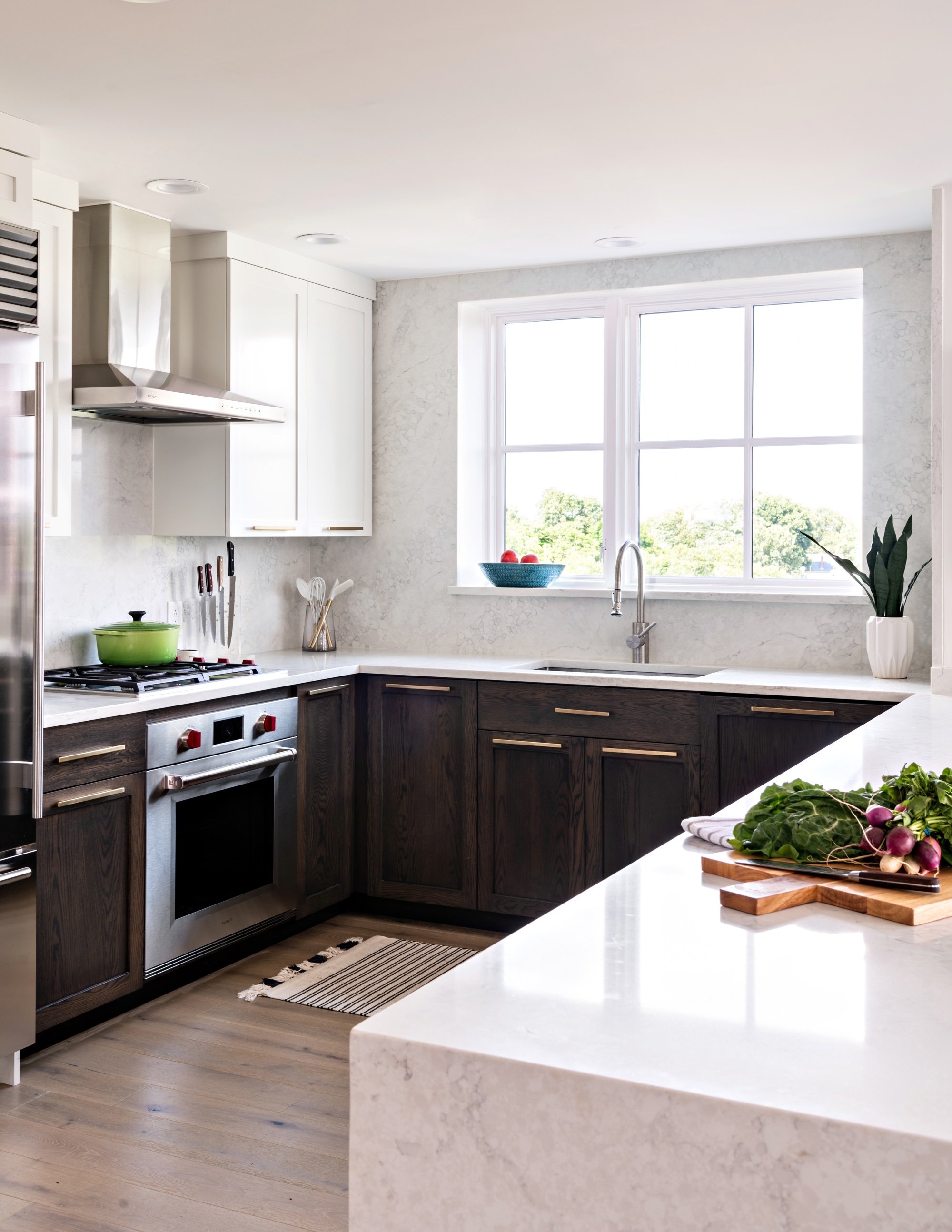
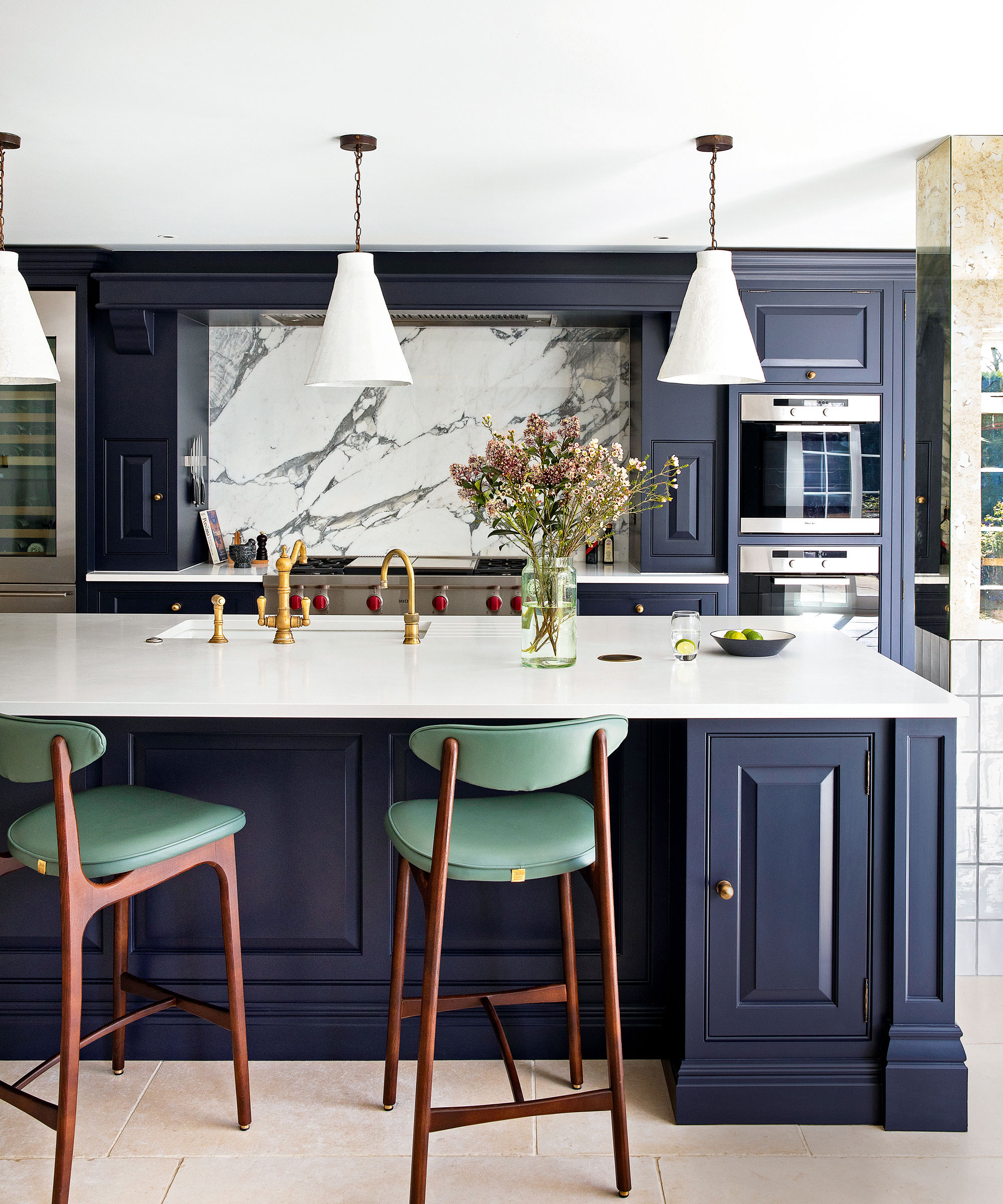
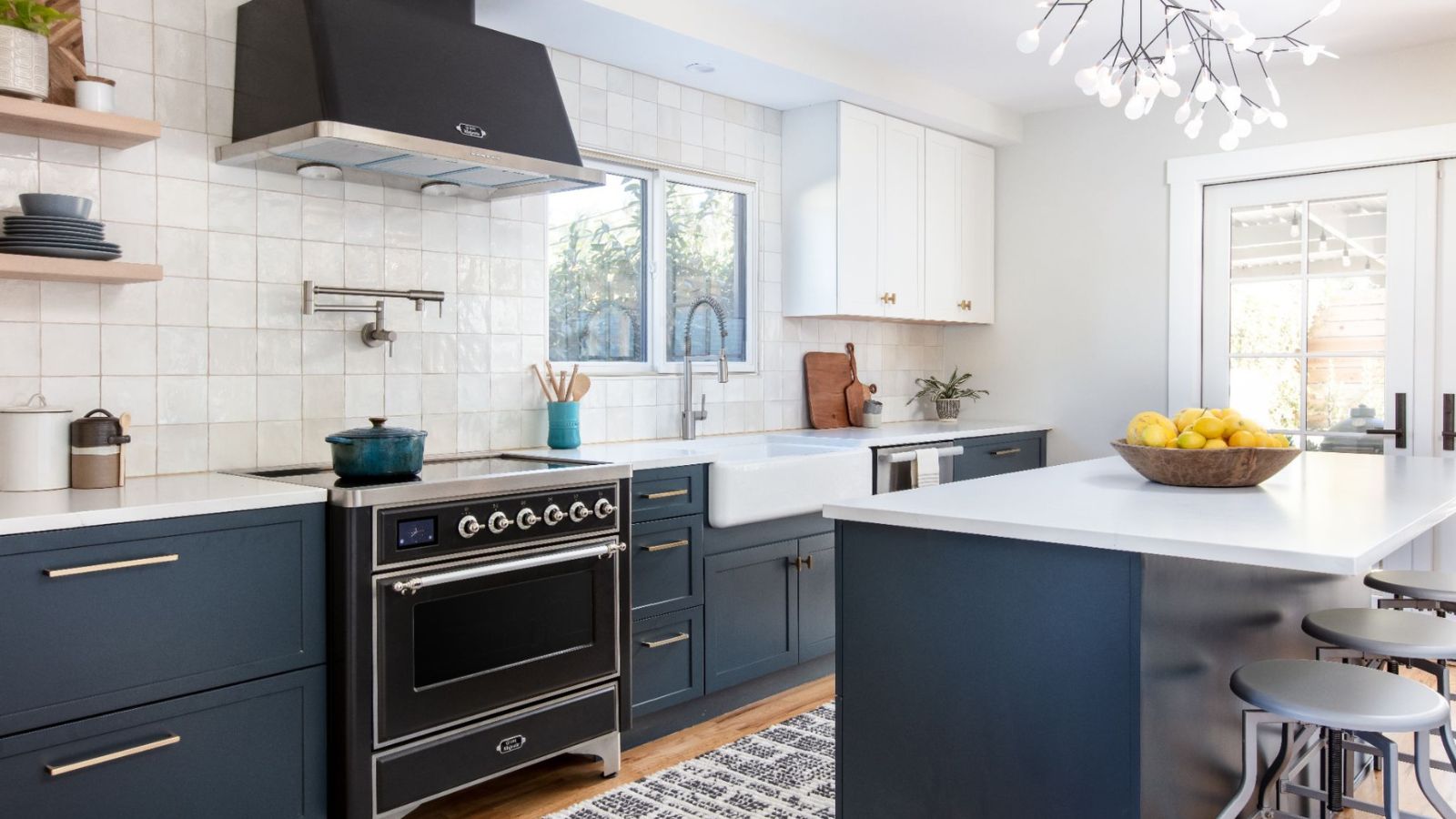
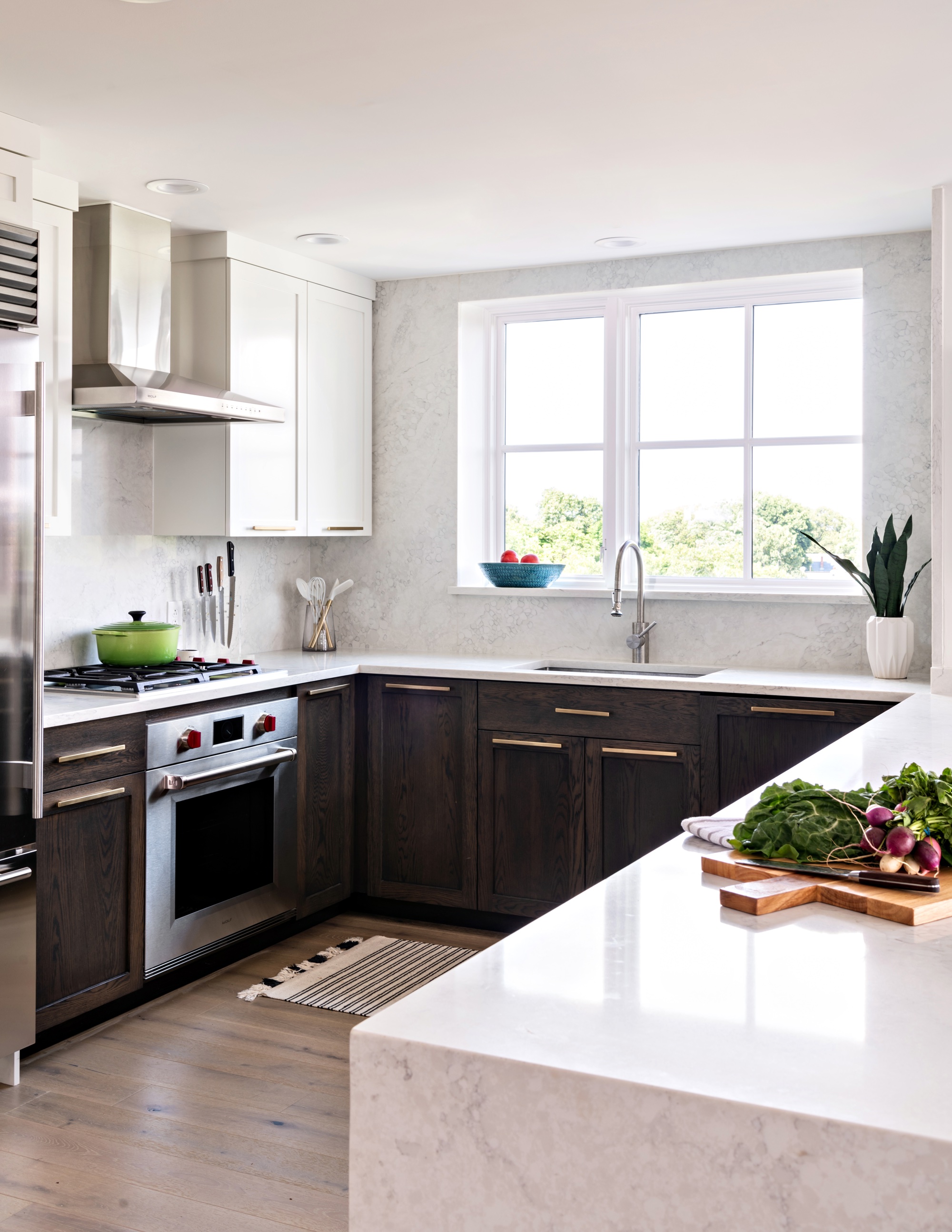
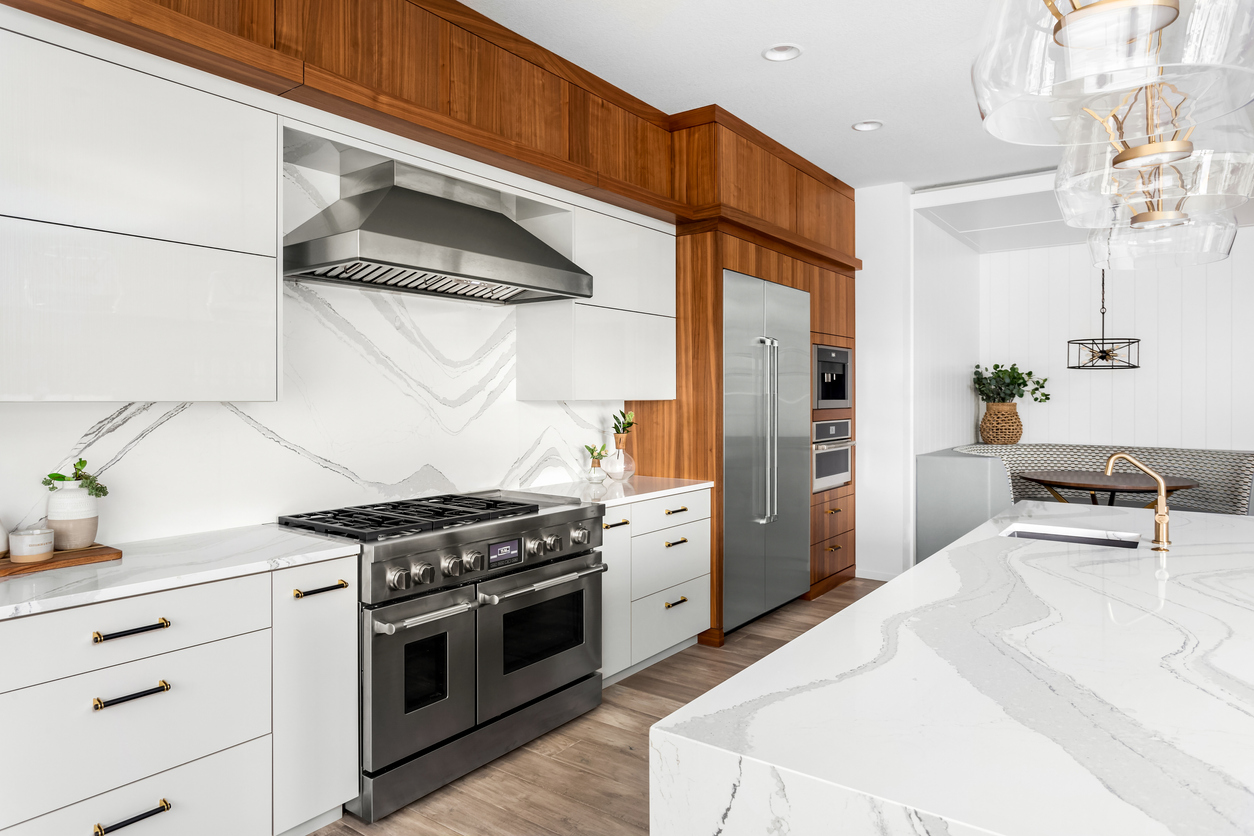
Quartz countertops are an engineered stone, made from ground-up quartz particles combined with resins, offering a durable and often more affordable alternative to natural stones like marble and granite. This engineered composition results in a non-porous surface, making it less prone to staining from liquids such as water, oils, and common household spills compared to natural stone. Despite its inherent durability, proper care and maintenance are crucial to preserve its appearance and longevity.
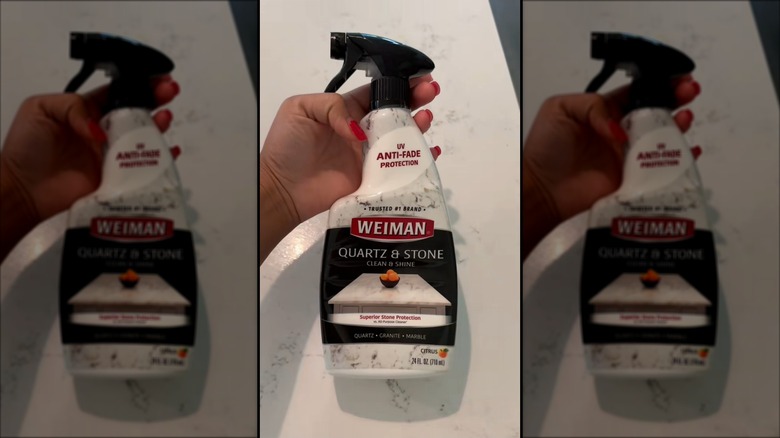
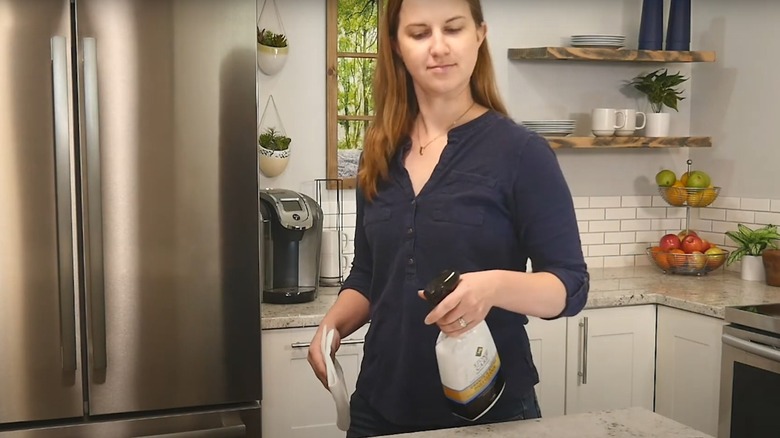
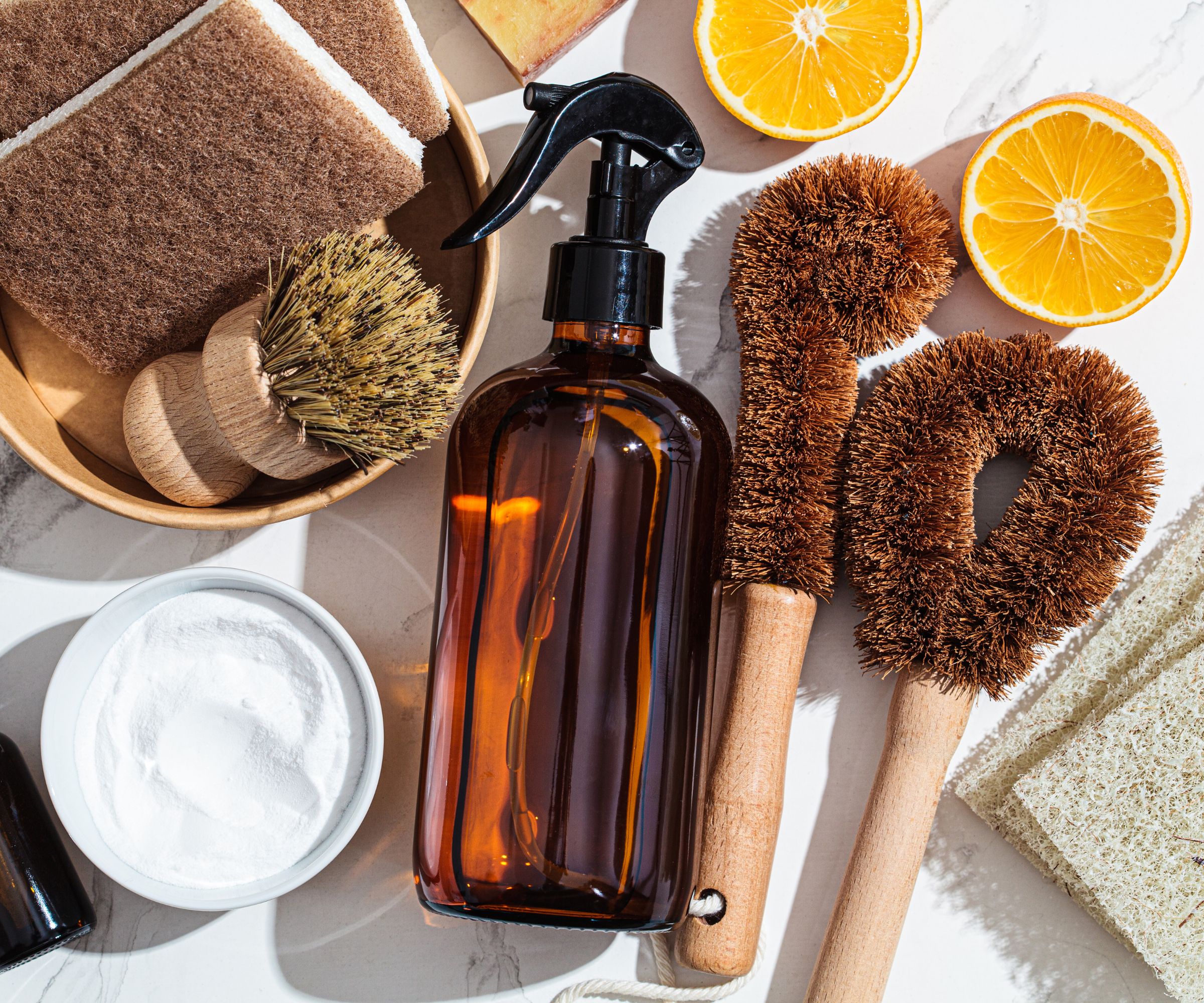
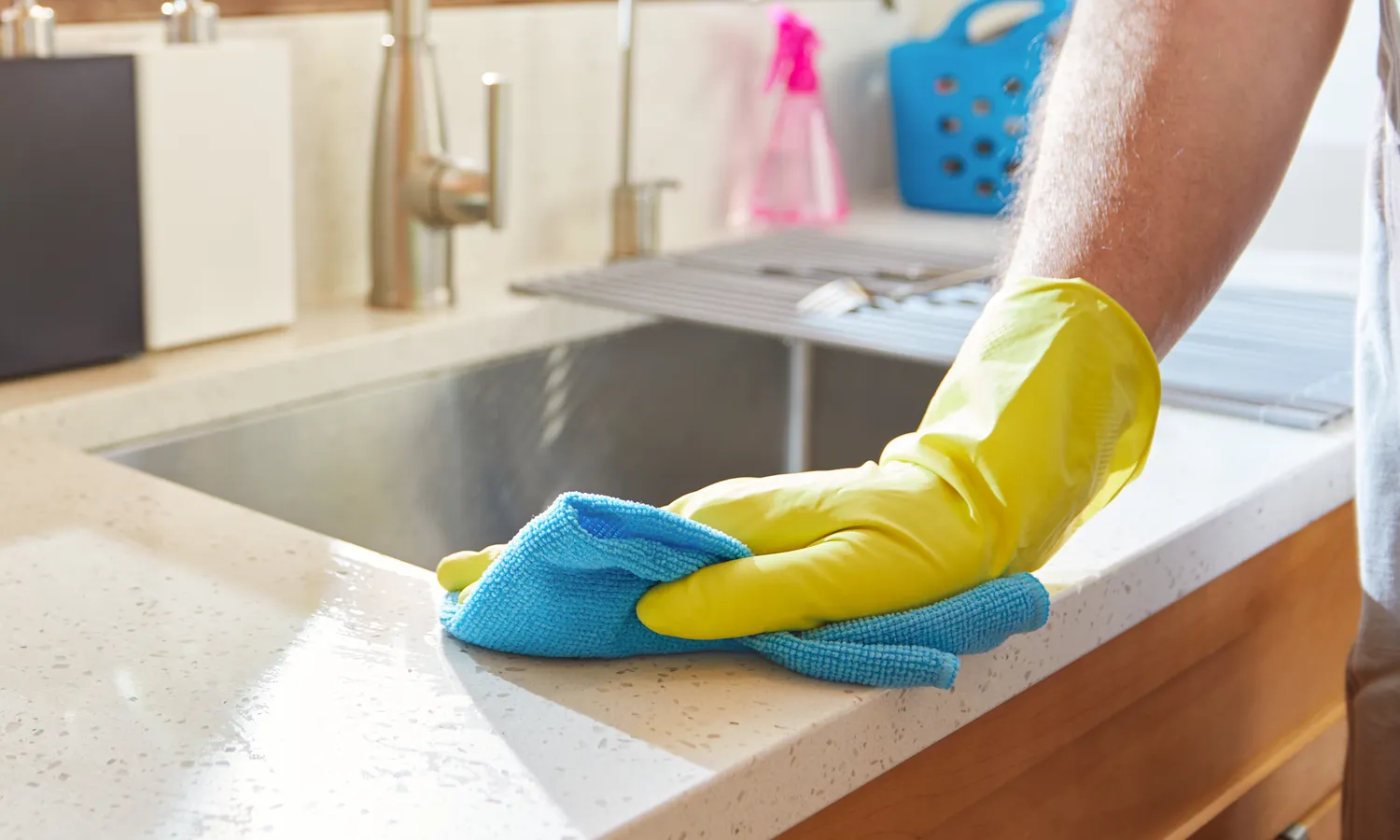
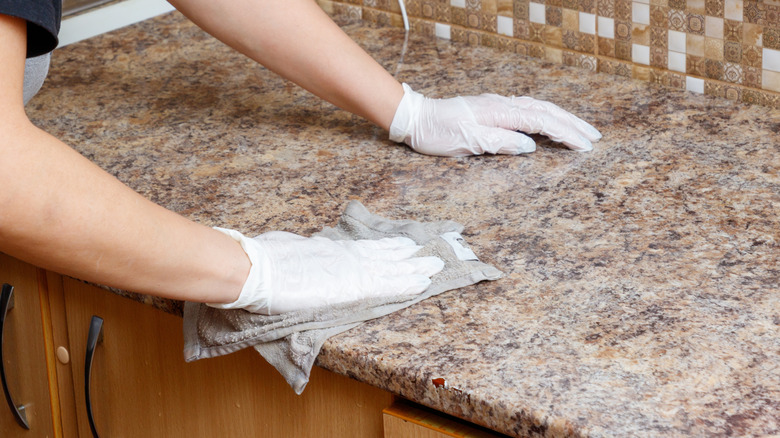
For routine cleaning, a simple approach is highly effective. Quartz countertops can be easily maintained by wiping them down with a soft cloth, soap, and water. For added convenience, a spray bottle filled with water and a small amount of dish soap can be used. Beyond daily cleaning, mild household cleaners like Windex, Green Works, or 409 are acceptable for use. To prevent streaks, it is advisable to wipe the surface dry after each cleaning session. Promptly addressing spills is another critical aspect of quartz countertop care. While Wilsonart Quartz countertops are engineered for stain resistance, substances like wine, coffee, tea, or acidic products such as vinegar can potentially cause stains if left unaddressed. Additionally, standing water, though quartz is non-porous, can lead to water spots or discoloration over time. Therefore, wiping up spills as quickly as possible is recommended to maintain the countertop’s pristine appearance.
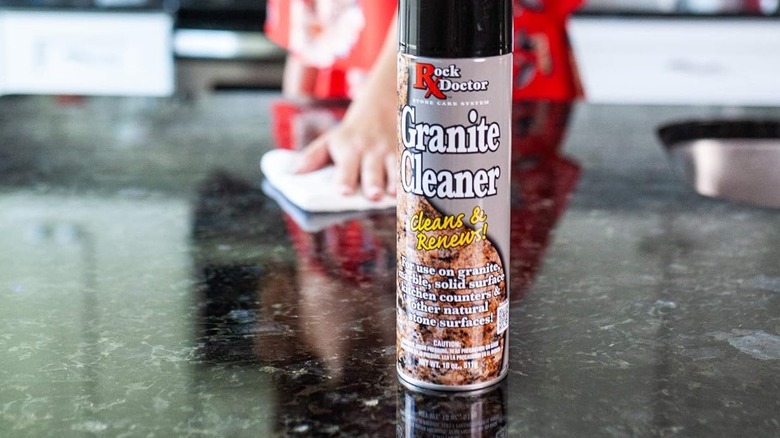
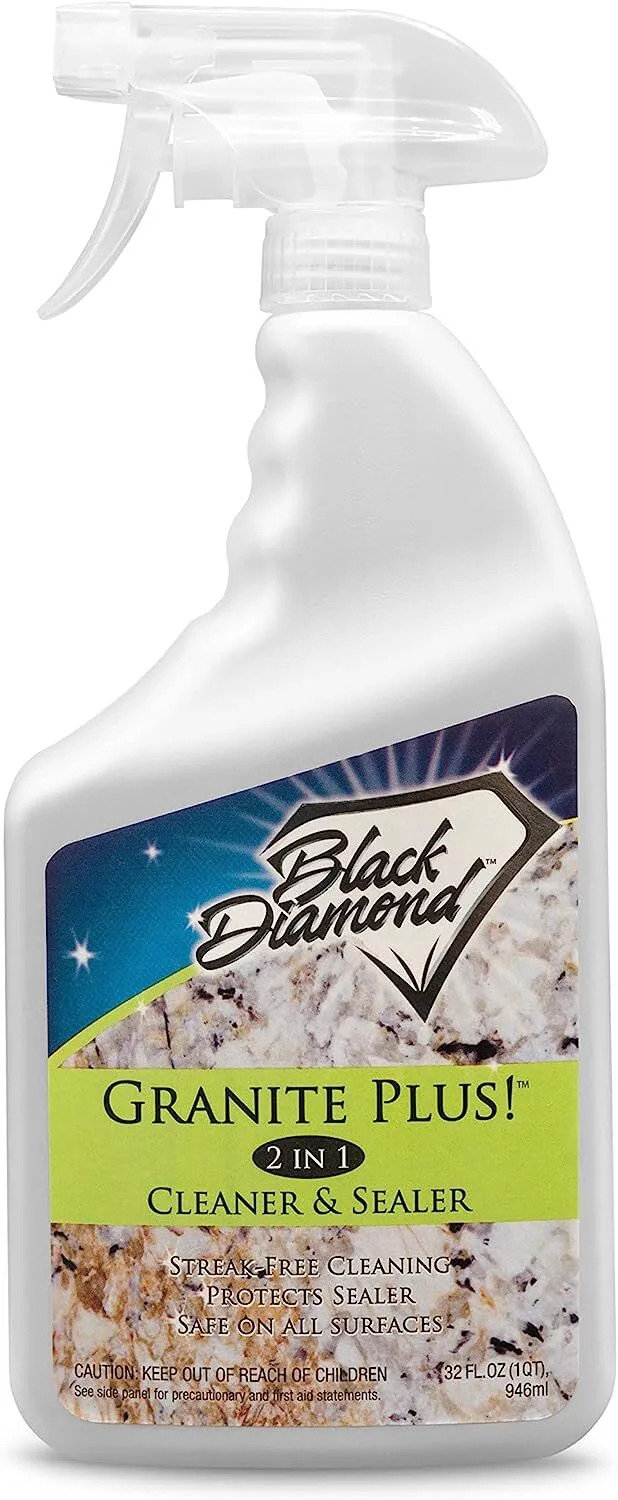
When cleaning quartz countertops, it is essential to use only soft cloths, scrubber-free pads, and sponges to avoid dulling the surface. Microfiber cloths are particularly effective and environmentally friendly alternatives to paper towels. Conversely, certain cleaning agents and practices should be strictly avoided. Harsh cleansers, including bleach, oven cleaners, and abrasive powders like Ajax and Comet, can cause damage and should never be used on quartz. If a stubborn stain or discoloration occurs, consulting the manufacturer or a professional cleaner is recommended instead of attempting to use harsh chemicals.
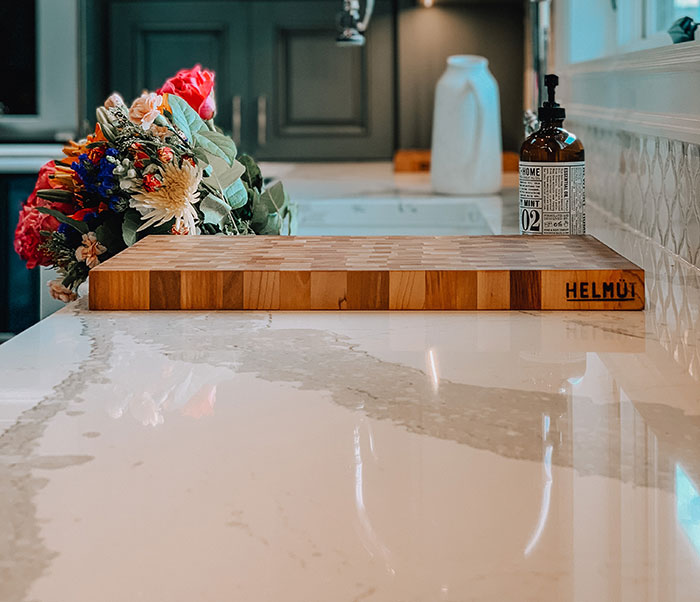
Furthermore, despite its scratch-resistant properties, quartz is not scratch-proof. Therefore, a cutting board should always be used when preparing food to prevent scratches from knives and other sharp utensils. Quartz ranks a 7 on the Mohs Scale of Hardness, indicating good scratch resistance, but it can still be damaged by direct cutting. Finally, placing hot dishes directly on quartz countertops should be avoided. Although durable, quartz is susceptible to heat damage. Always use a trivet or a heat-resistant mat to protect the surface from hot pots, pans, and dishes straight from the stove or oven. Adhering to these guidelines ensures the long-term beauty and functionality of quartz countertops.
#QuartzCountertops #KitchenMaintenance #HomeCare #CleaningTips #SurfaceCare #KitchenDesign #HomeImprovement #QuartzCountertops #KitchenMaintenance #HomeCare #CleaningTips #SurfaceCare #KitchenDesign #HomeImprovement
0 Kommentare insgesamt
 Noch keine Kommentare
Das könnte Ihnen auch gefallen
Quartz Countertops Guide: Maintenance Tips & 15 Chic Decor Ideas

Marble vs. Quartz Countertops: Which Is Better?

Should You Choose Quartz or Granite Countertops? Experts Settle the Debate on These Two Popular Materials

The Right Way To Clean Quartz Countertops, According To Experts

How to Properly Clean Quartz Countertops — And the Products You Should Never (Ever) Use

What is the most low maintenance kitchen countertop? Design experts unanimously agree
This Is How to Clean Quartz Countertops So They Sparkle Like New

Natural Quartz Surfaces Never Looked So Good

Are quartz countertops right for your home? We examine the pros and cons
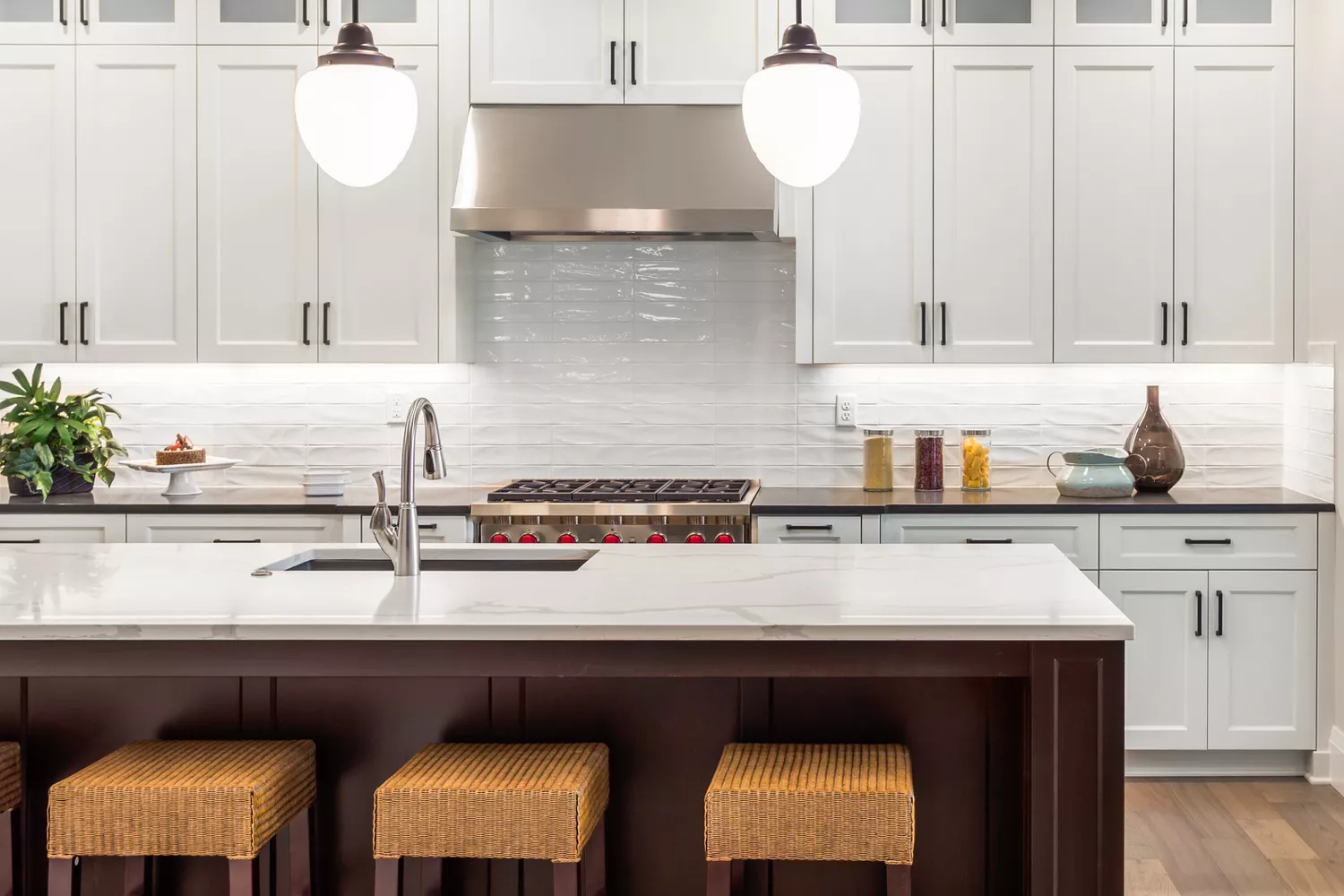
The Right Way to Clean Quartz Countertops
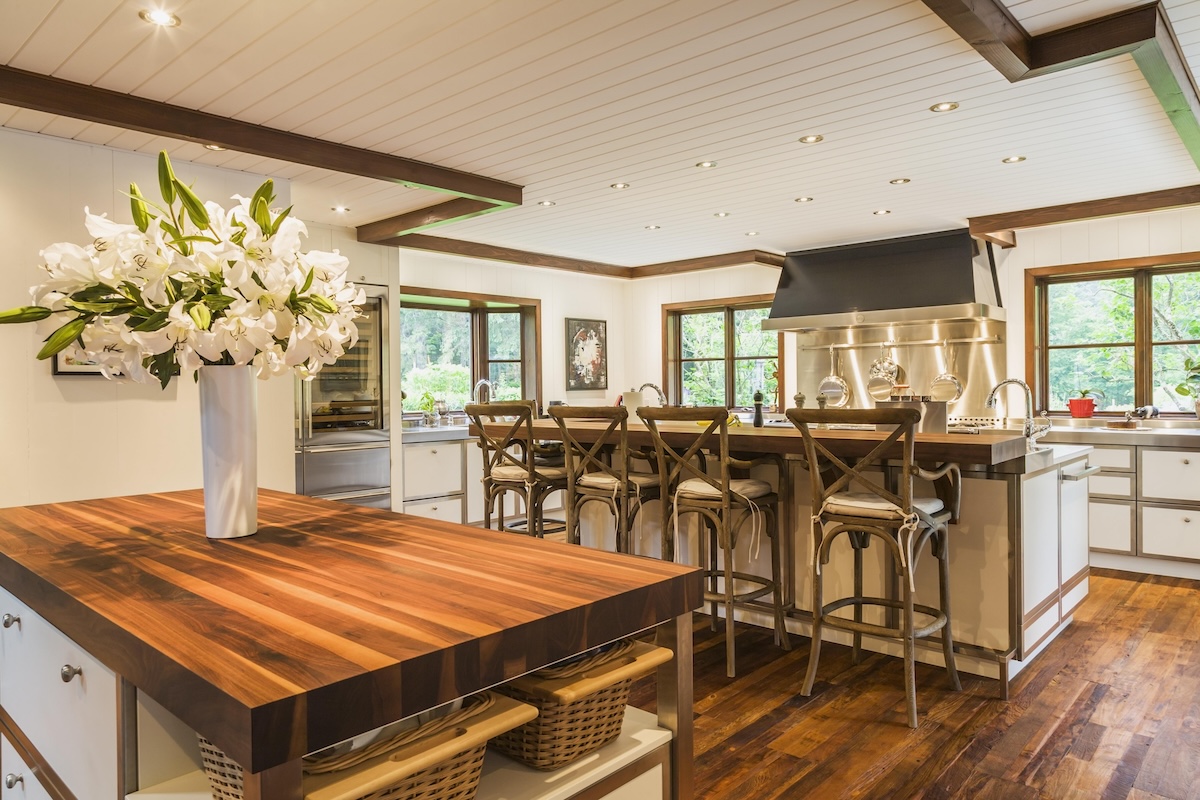
The Best Countertop Materials for Every Type of Kitchen

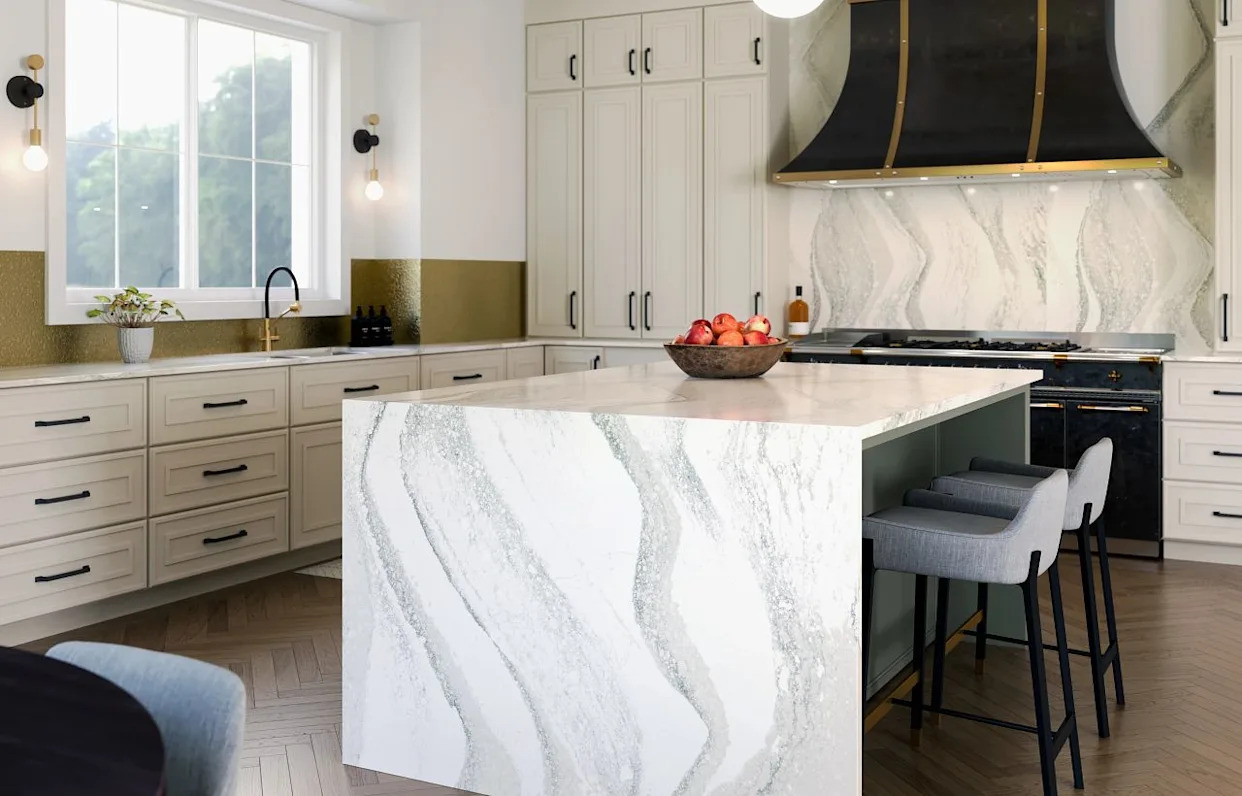
3 once-popular kitchen countertops that have fallen out of favor with designers, and what they're using now instead
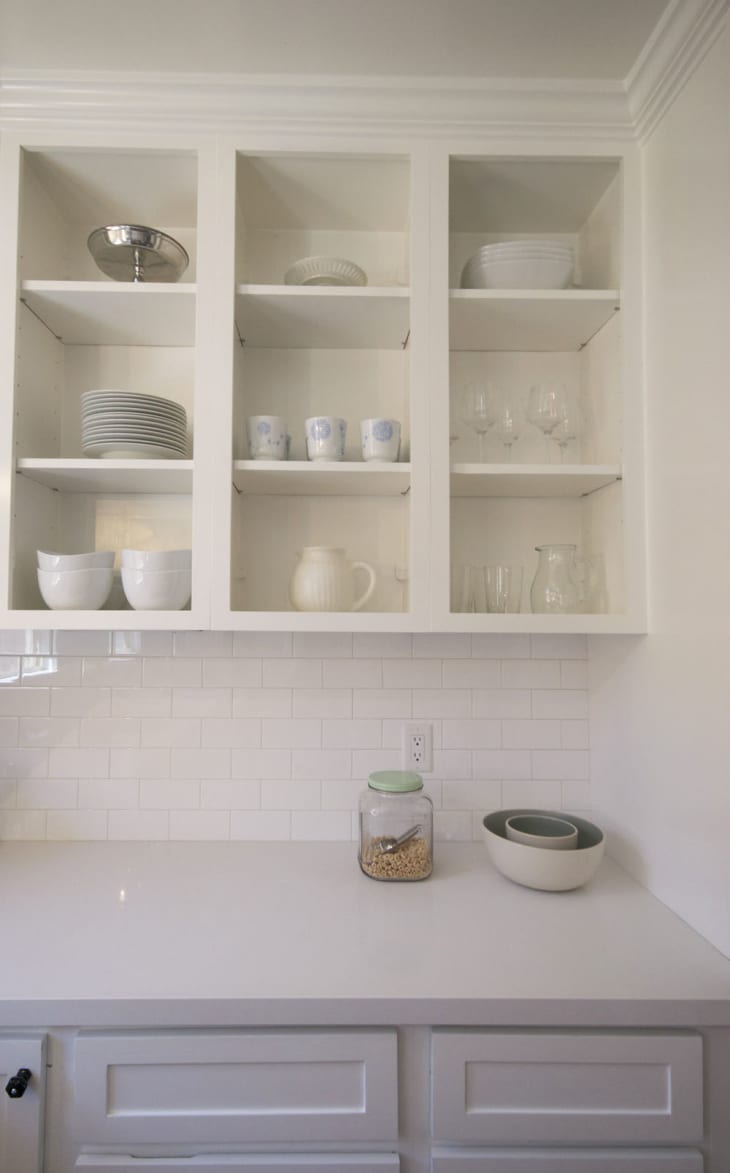
How To Clean & Maintain Countertops: From Corian to Quartz
I Picked Quartz Countertops for My New Kitchen, but Was It the Right Choice? Experts Weigh Up the Pros and Cons
5 cleaning myths that will damage your countertops – and what to do instead

6 great alternatives to marble and granite for your NYC kitchen renovation: quartz, quartzite, porcelain, soapstone & more
The Best Quartz Countertop Cleaners According To Reviews

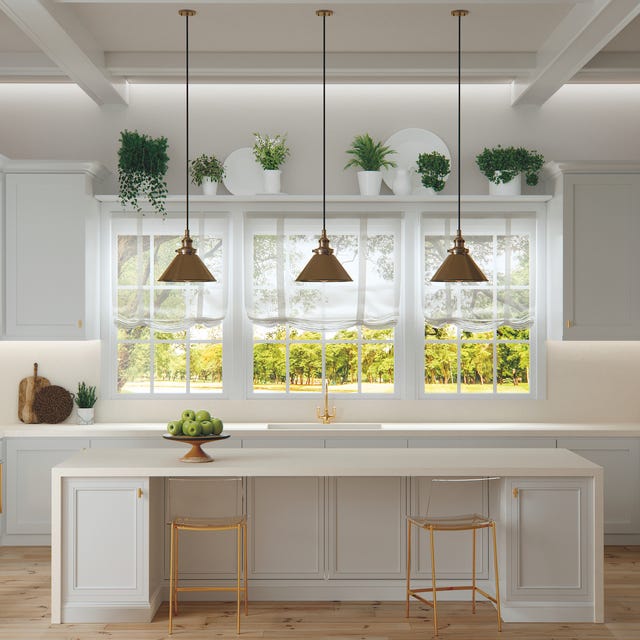
Why Quartz Countertops Will Never Go Out of Style

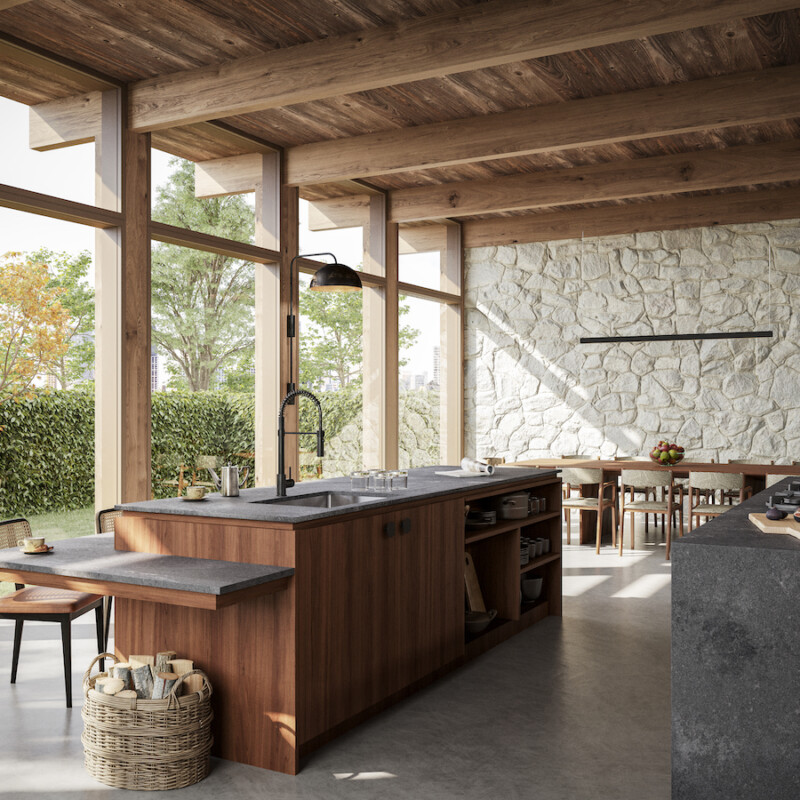
Countertops Can Set the Tone for Your Whole Kitchen—Here’s How to Choose the Right One

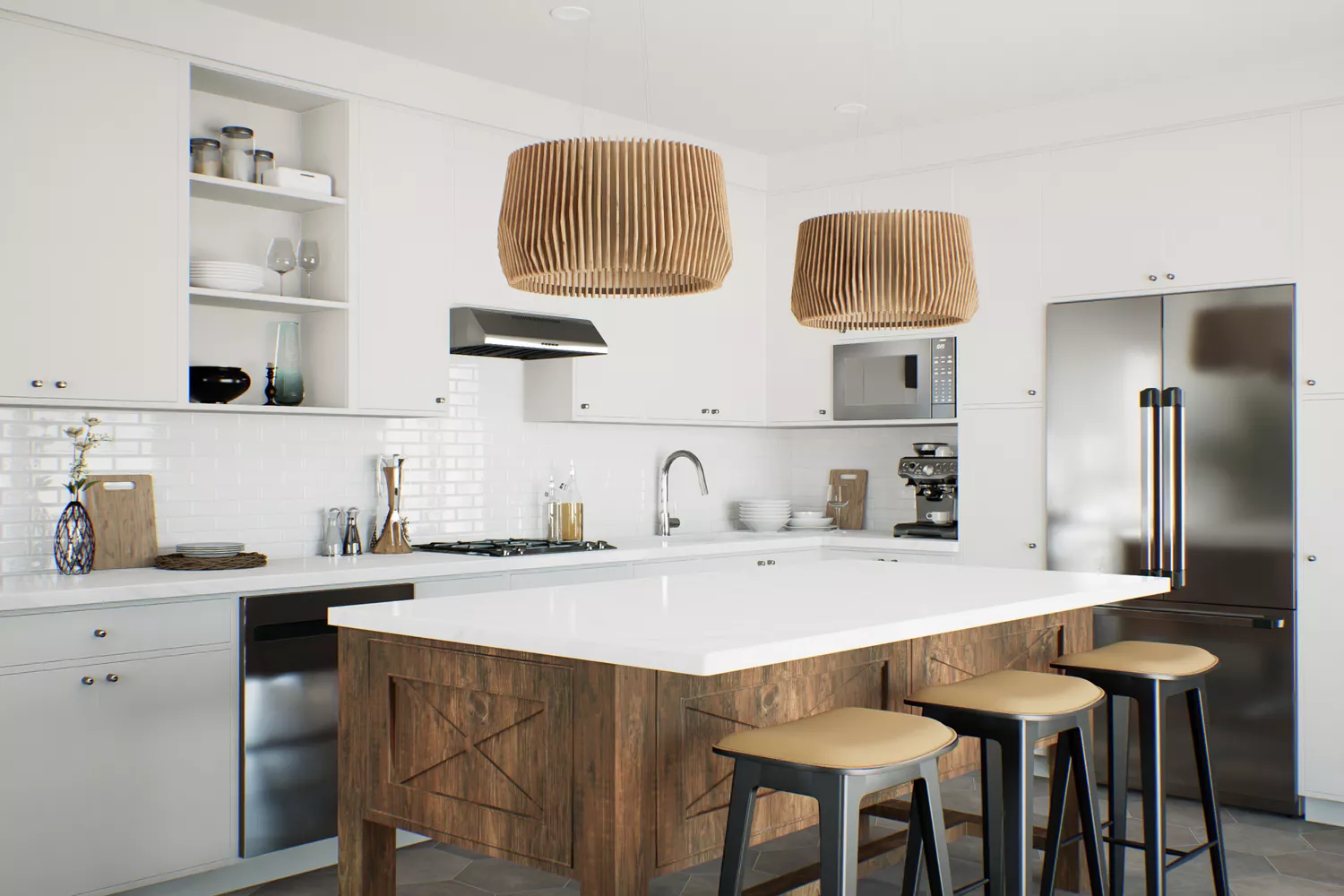
How to Remove Rust Stains From Quartz Countertops, Straight From a Cleaning Pro