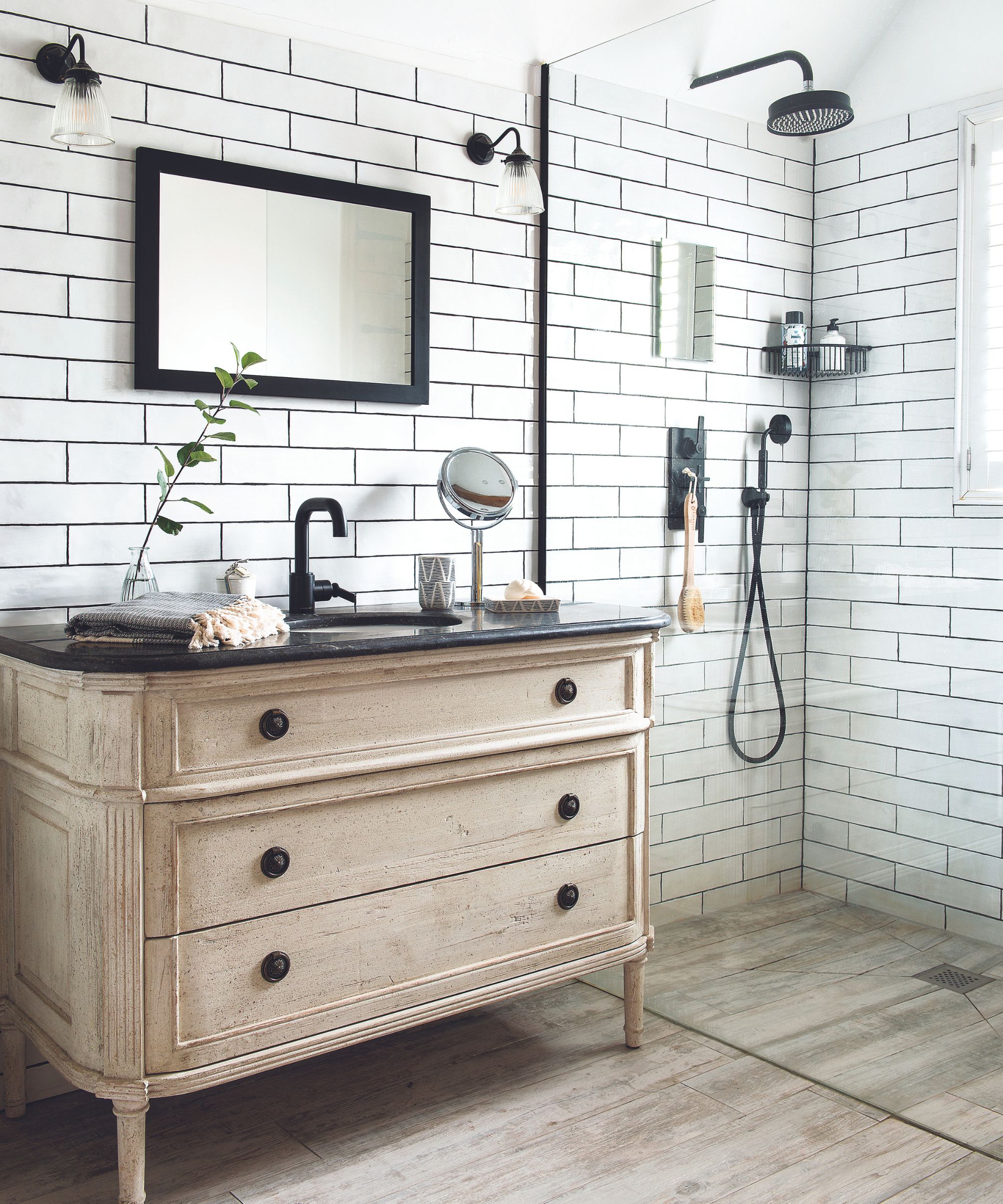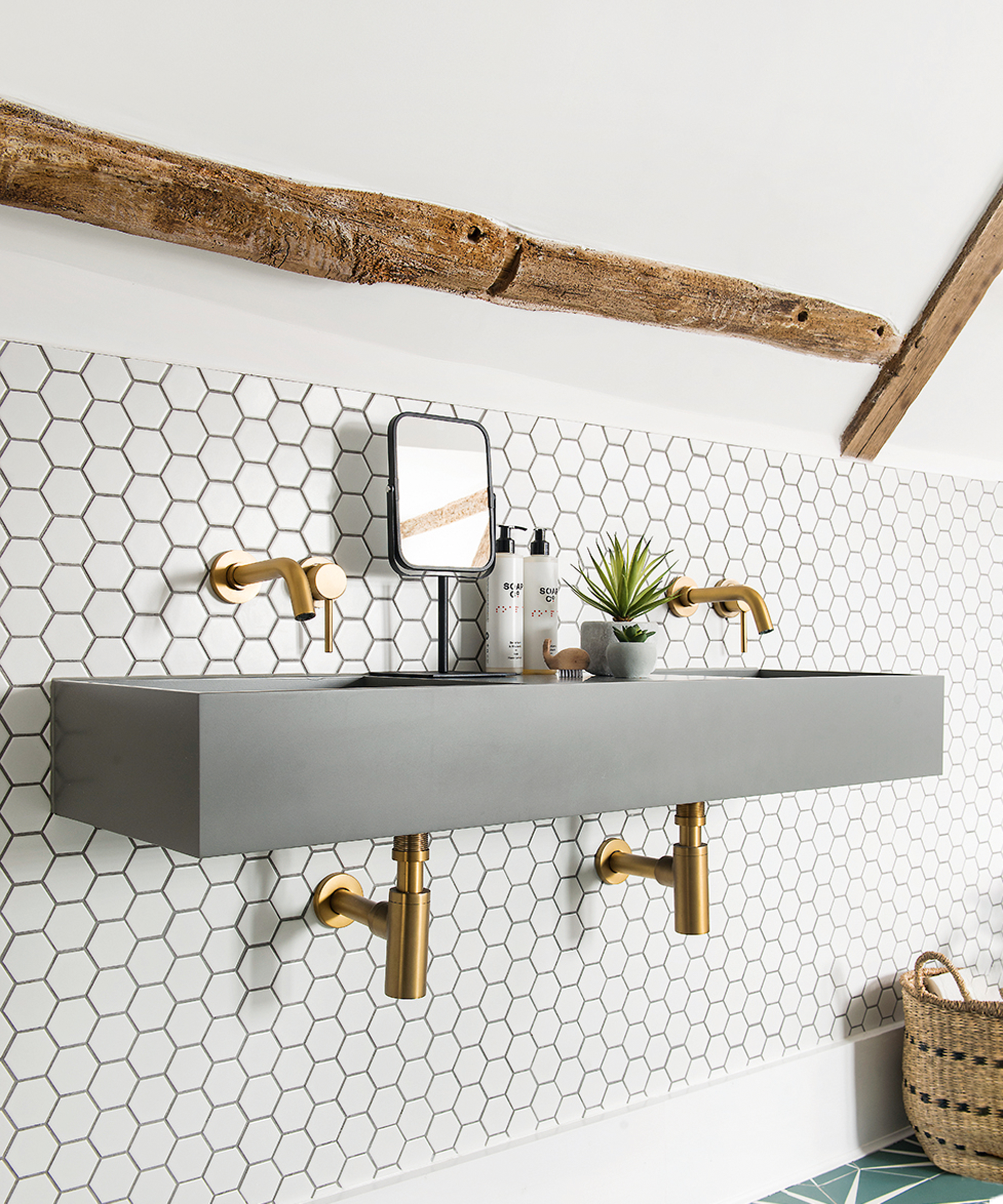
1/5
3 Bathroom Design Ideas for Elderly (& Trends in 2023) by Lixil
This article, presented by Antoine Besseyre Des Horts, Leader of LIXIL Global Design, Asia, explores contemporary trends in bathroom design tailored for multi-generational living environments. The popularity of multi-generational households in Asia, driven by resource pooling and strong family ties, necessitates adaptable living spaces. The recent pandemic has intensified the focus on home environments, highlighting the need for social distancing and personal space, while simultaneously increasing consumer demand for personal wellness and hygiene solutions. This has led to a greater emphasis on innovative bathroom technologies, including antibacterial, cleansing, and touchless features.
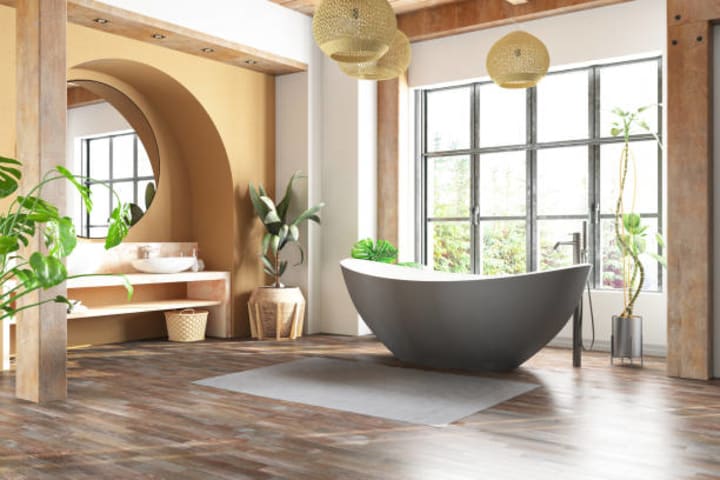
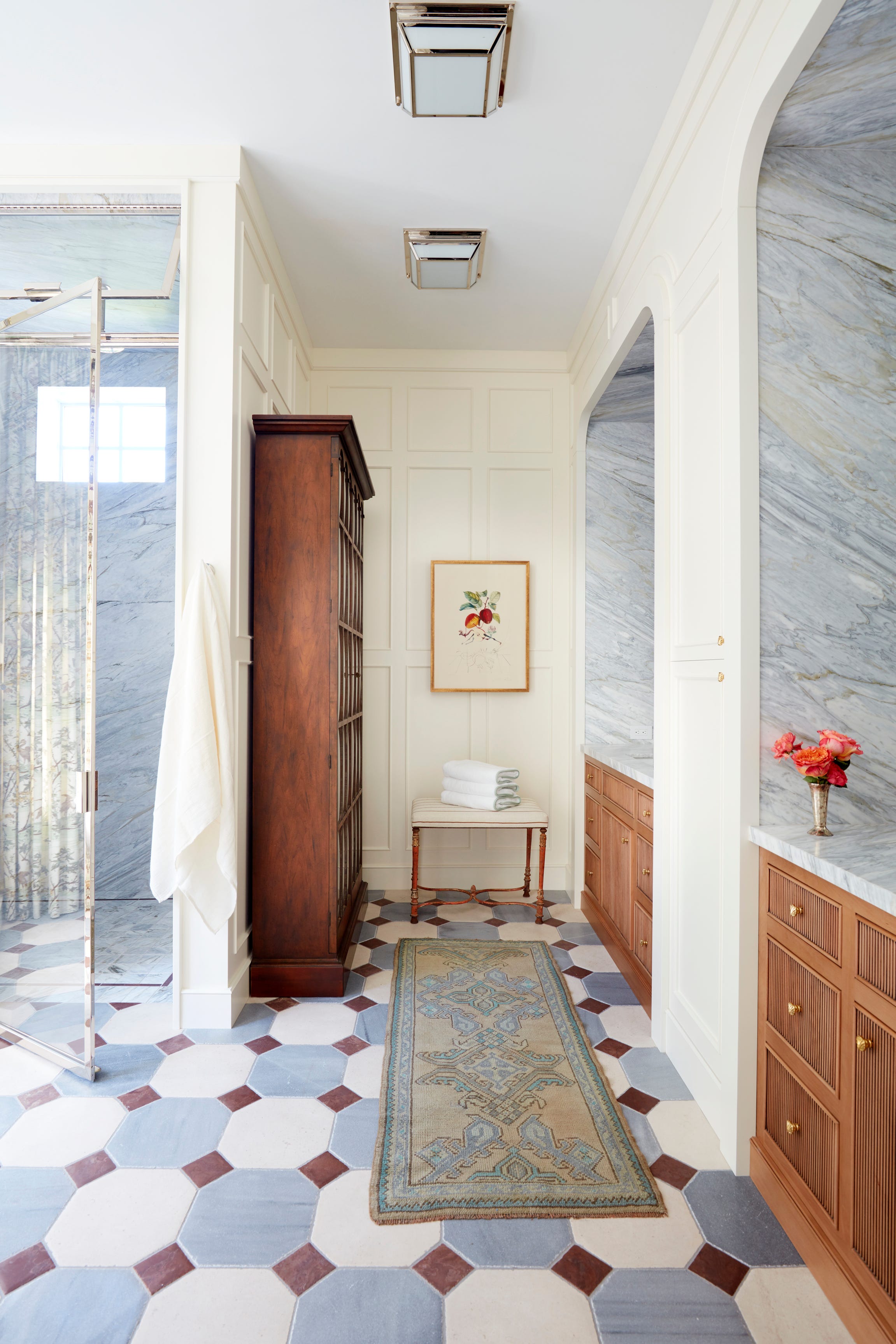
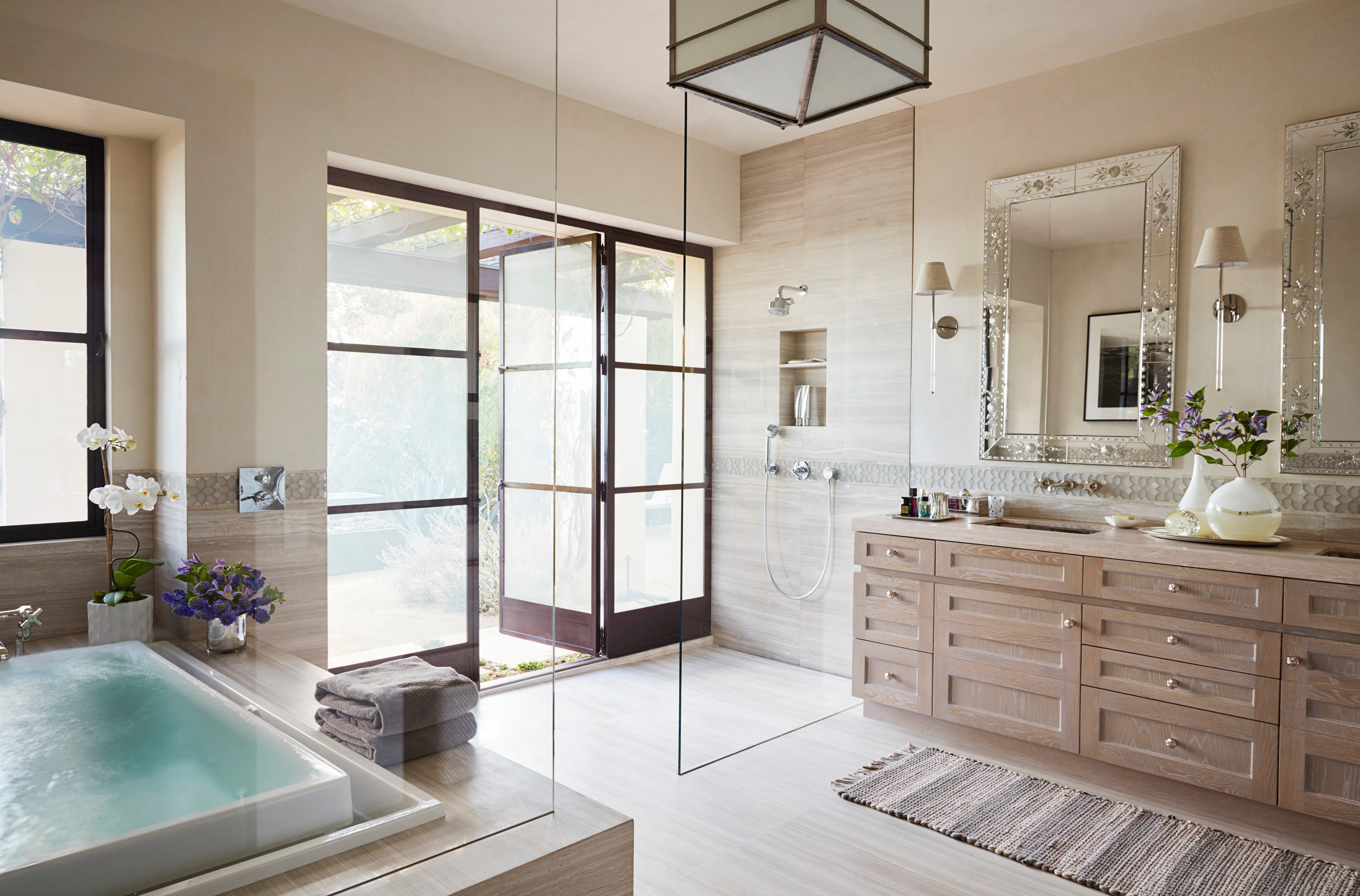
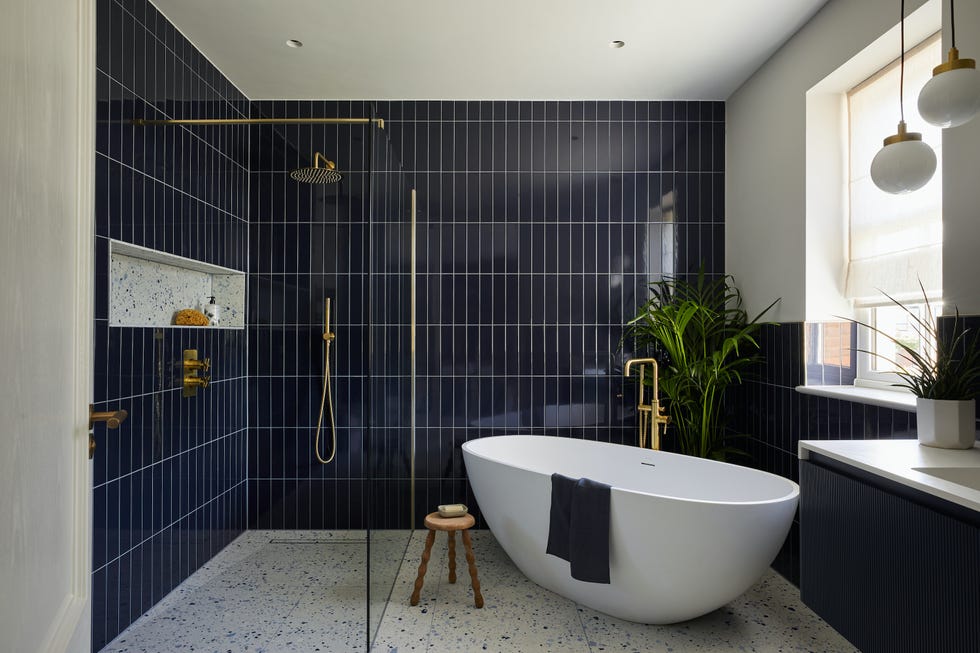
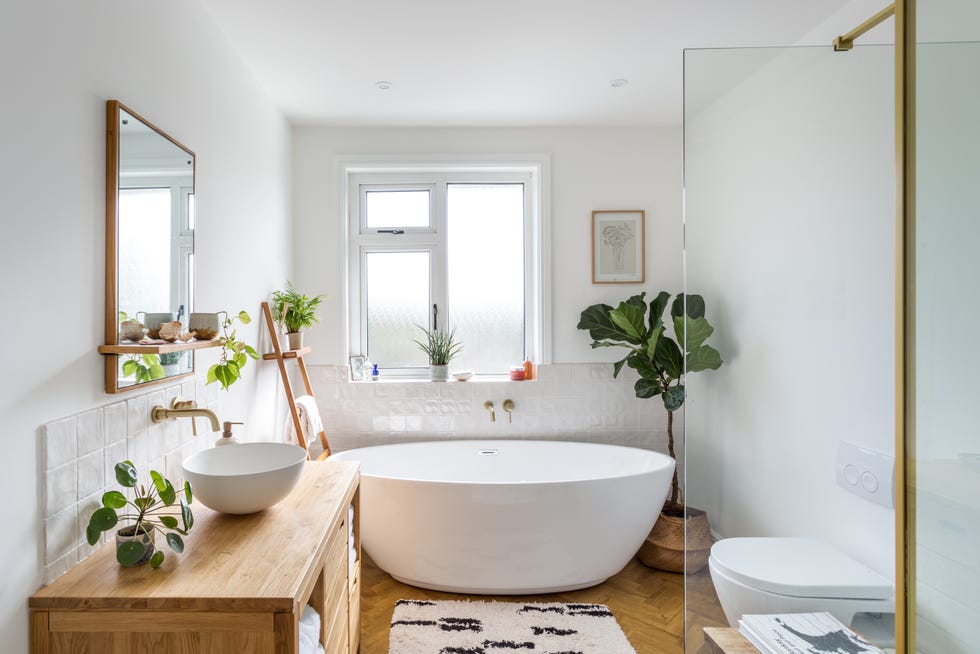
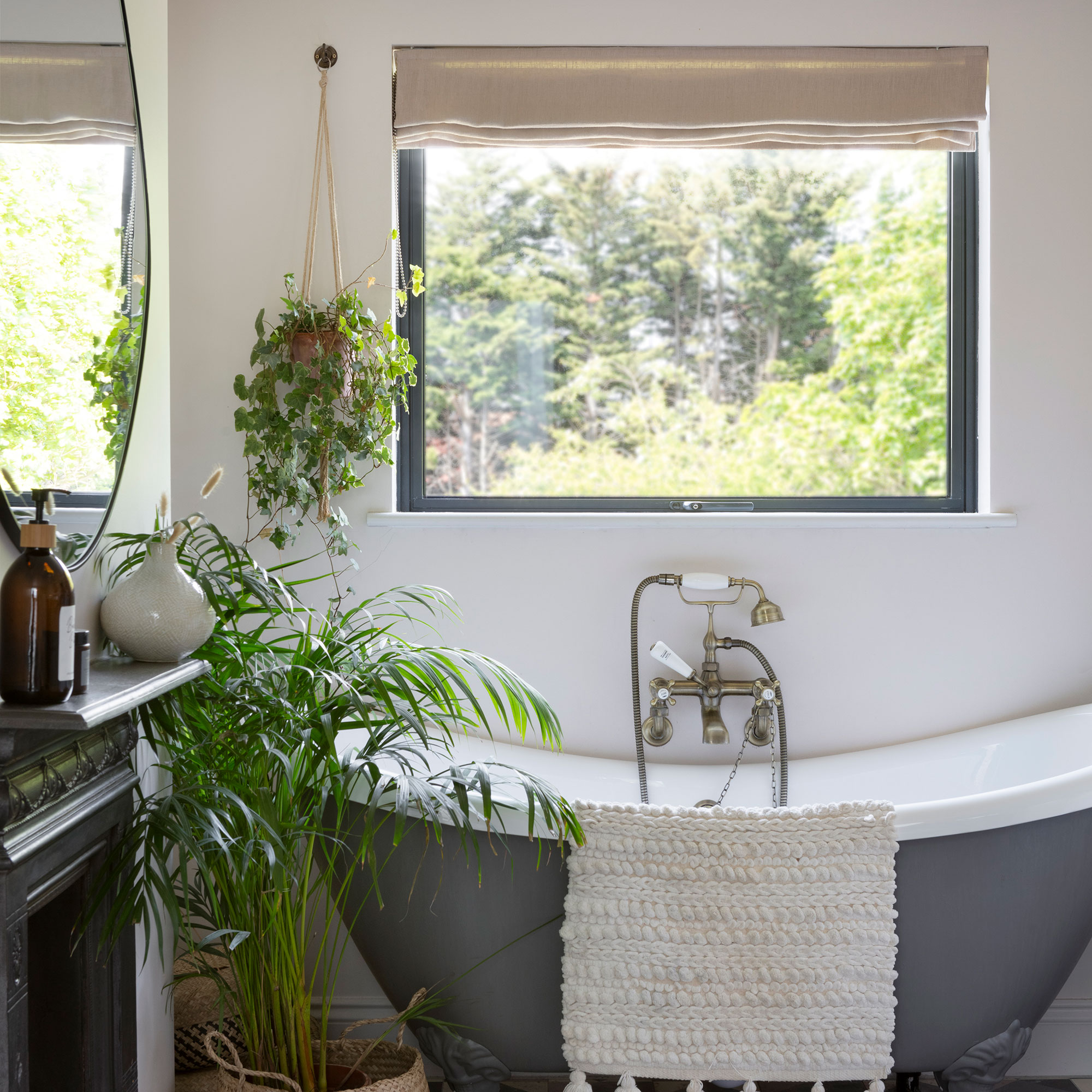
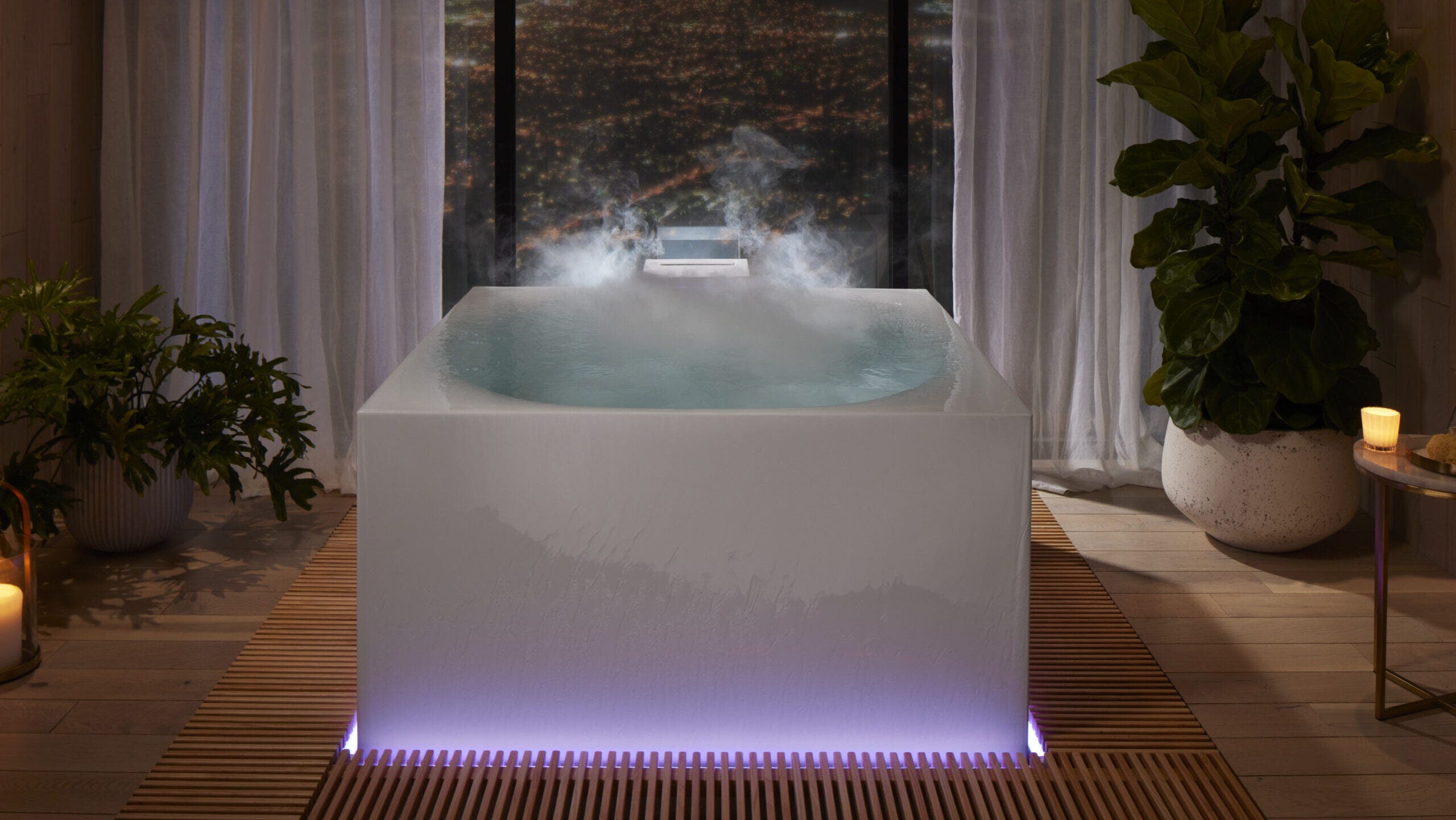
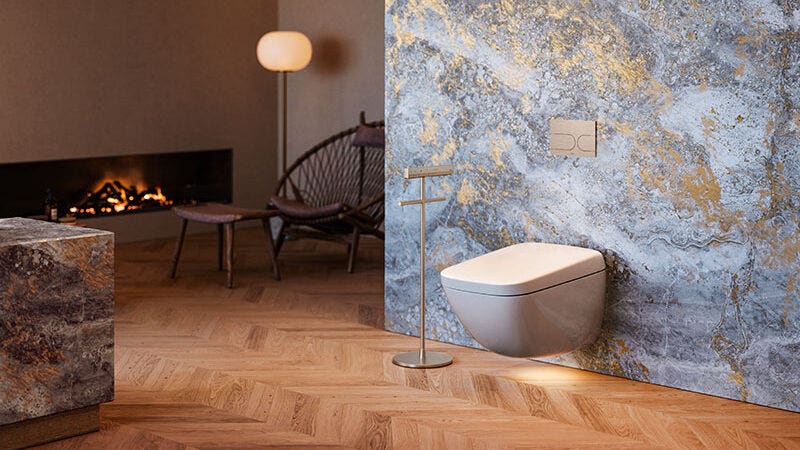
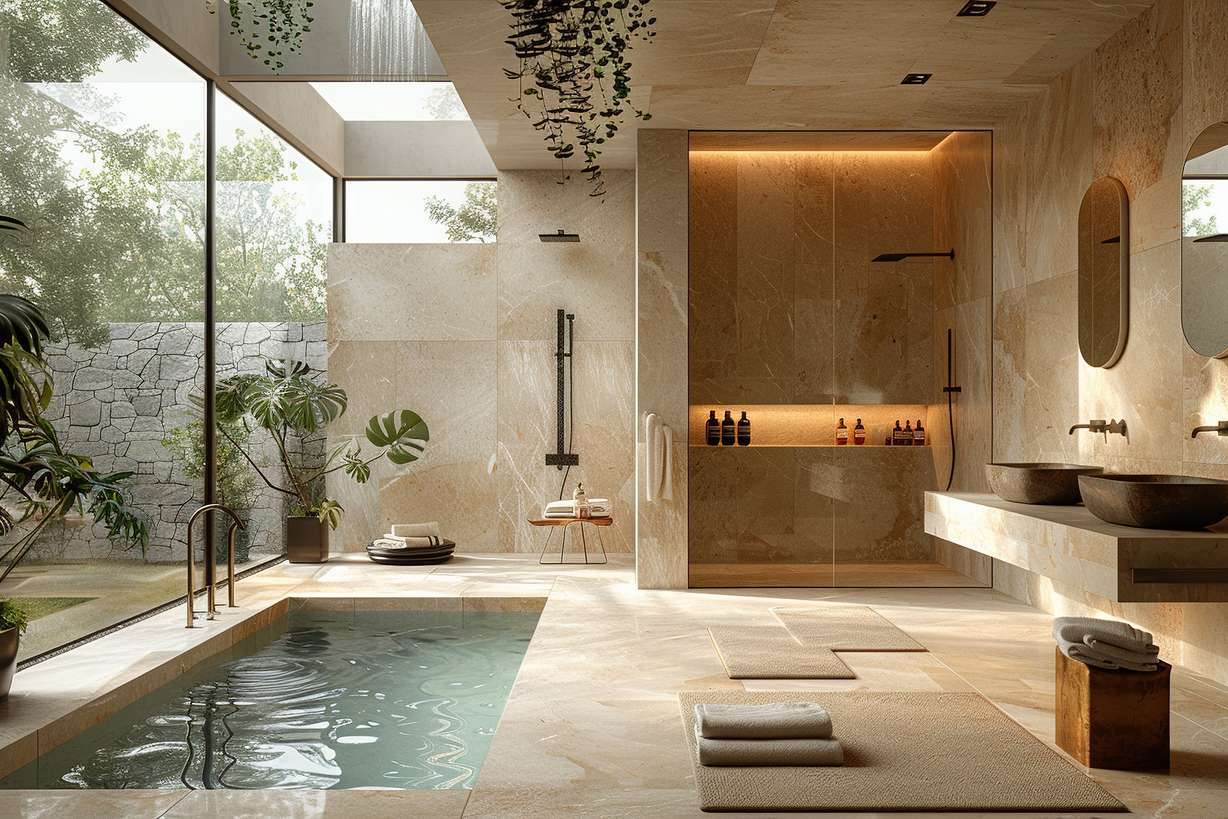
The discussion outlines three key trends in bathroom design for multi-generational homes, starting with health and well-being. A growing interest in healthy homes has been observed, with over 50 percent of consumers seeking germ-resistant materials, automatic faucets, smart toilets, and indoor air-quality monitoring systems. To enhance hygiene, touchless technologies such as IoT-enabled voice control for appliances, motion sensor lighting, non-porous surfaces, and automatic fixtures are recommended. The article notes that bathroom cleaning is often perceived as the most challenging yet important task, prompting the selection of easy-to-clean and disinfect fittings, such as anti-bacterial toilet seats and anti-stain ceramics. Advanced bathroom technologies like touchless flushes and faucets are also becoming more common to ensure consumer hygiene. Furthermore, modern showering solutions with diverse spray types can provide spa-like benefits, while intuitively designed water temperature controls and safety features offer relaxing and secure showering experiences for all family members. The integration of human-centered design principles, such as blurring the lines between indoor and outdoor spaces, is gaining traction. This approach allows residents, particularly seniors who spend more time at home, to connect with nature through elements like natural light, greenery, and ventilation.
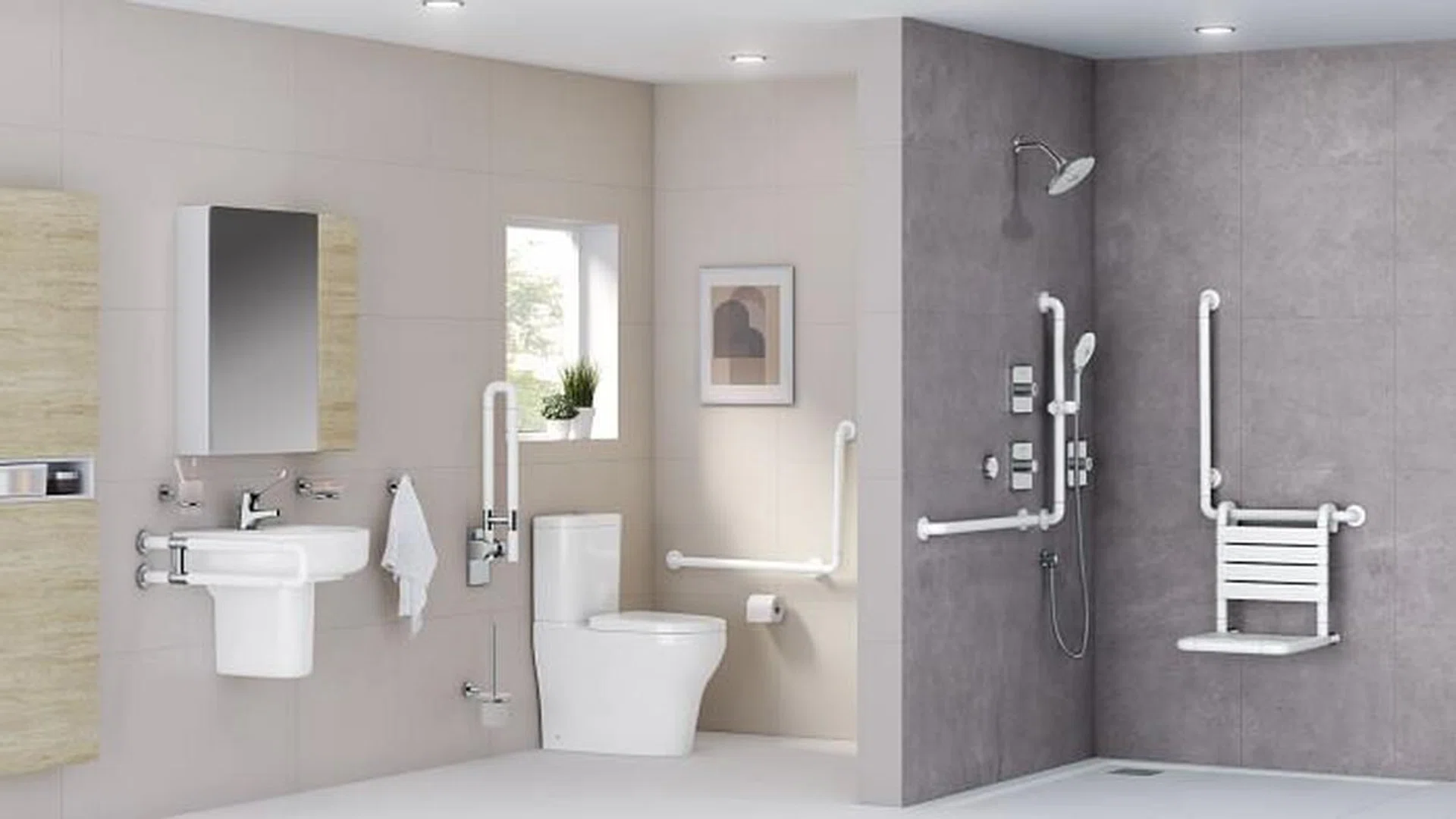
The second trend focuses on bathroom designs specifically for the elderly and seniors, emphasizing safety as a critical factor. The Universal Design (UD) concept, which prioritizes ease of use, understanding, and security for all age groups, is highlighted as a foundational approach. When designing for both children and seniors, particular attention is given to accessibility, changes in height, and the provision of supportive aids. For example, multi-story homes may require lifts or handrails, and wider doorways might be necessary for individuals using mobility aids. Smart technologies, such as sensor faucets, can enhance accessibility and convenience for both elderly individuals and children, automatically activating and deactivating to conserve water. To mitigate risks like accidental scalding in areas frequently used by children, heat-insulated fittings and fixtures, such as Thermostatic Faucets, are suggested.
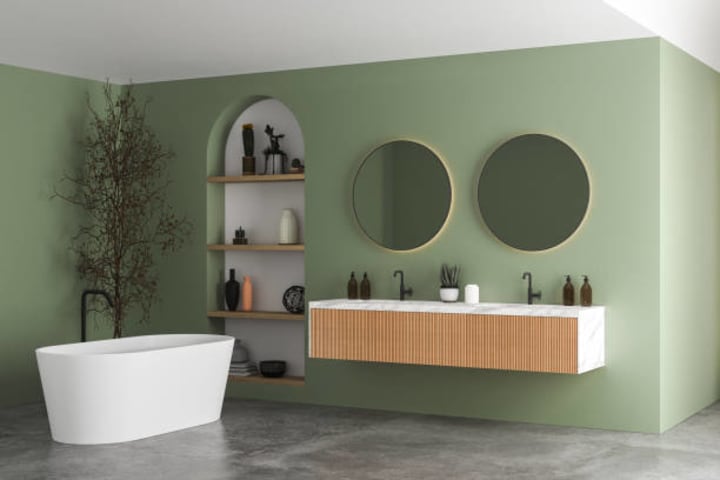
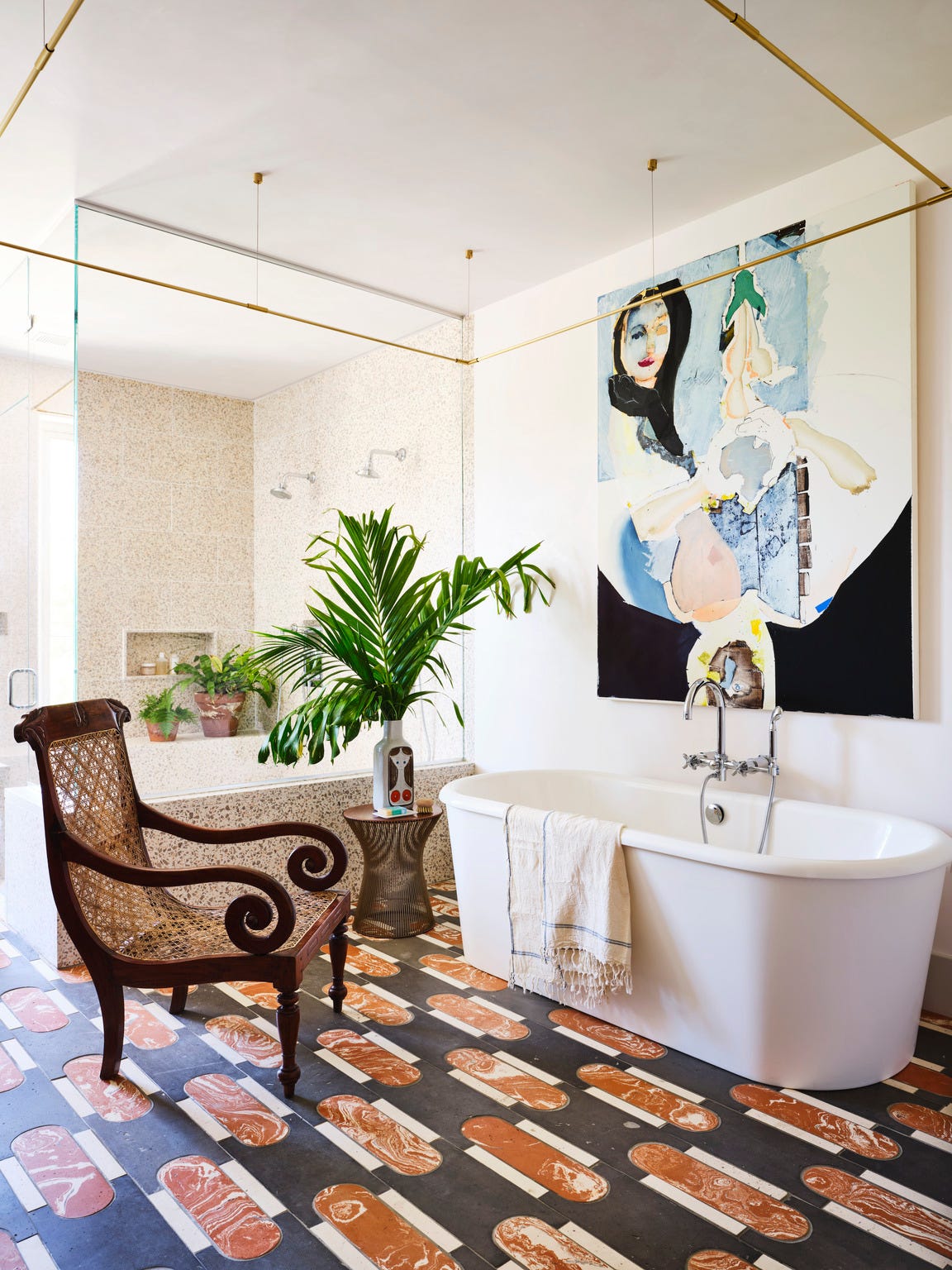
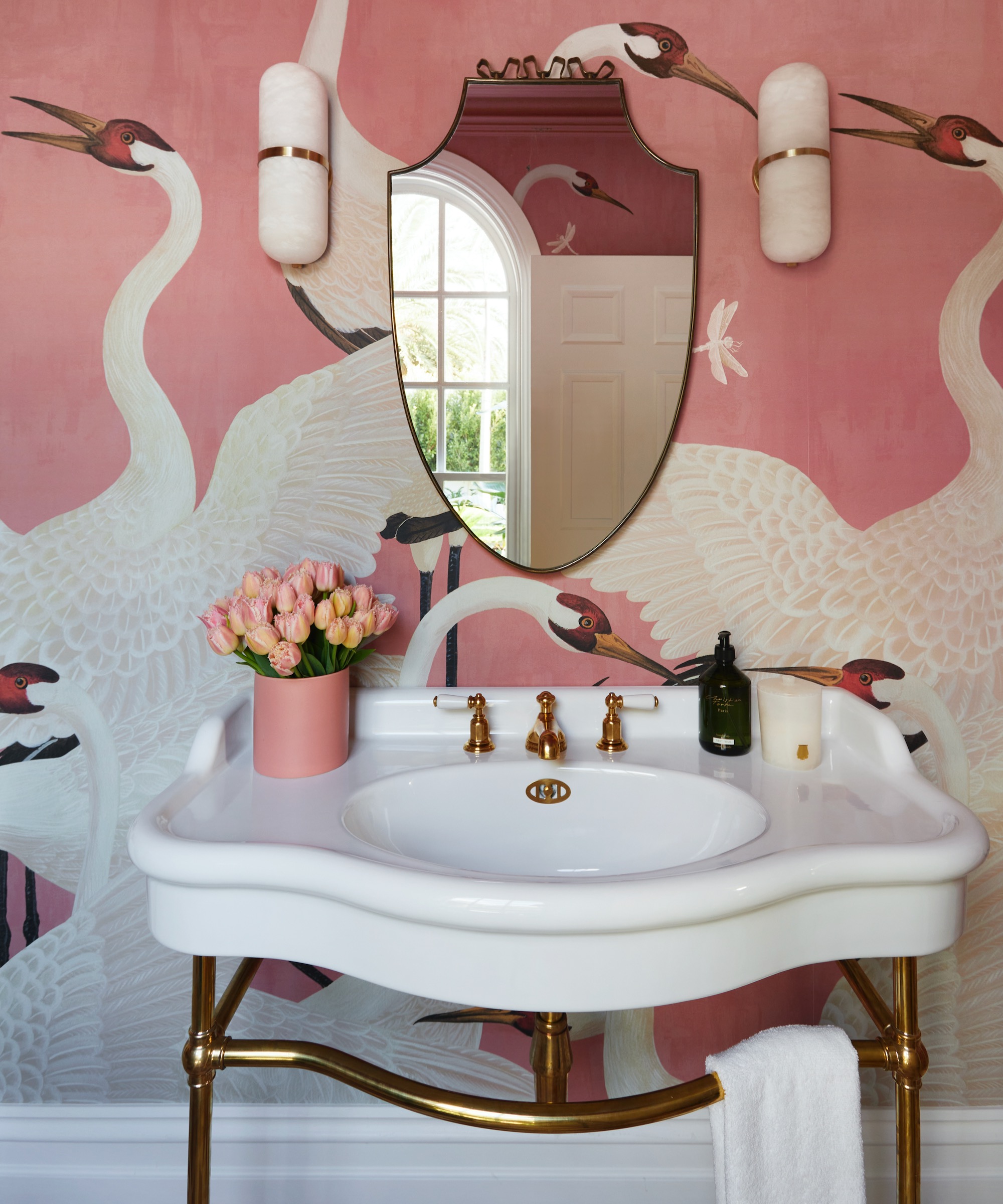
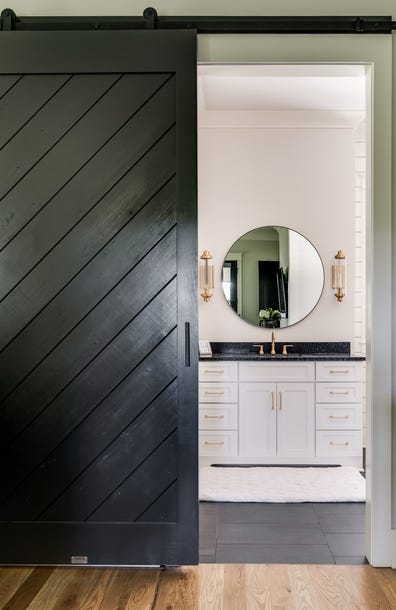
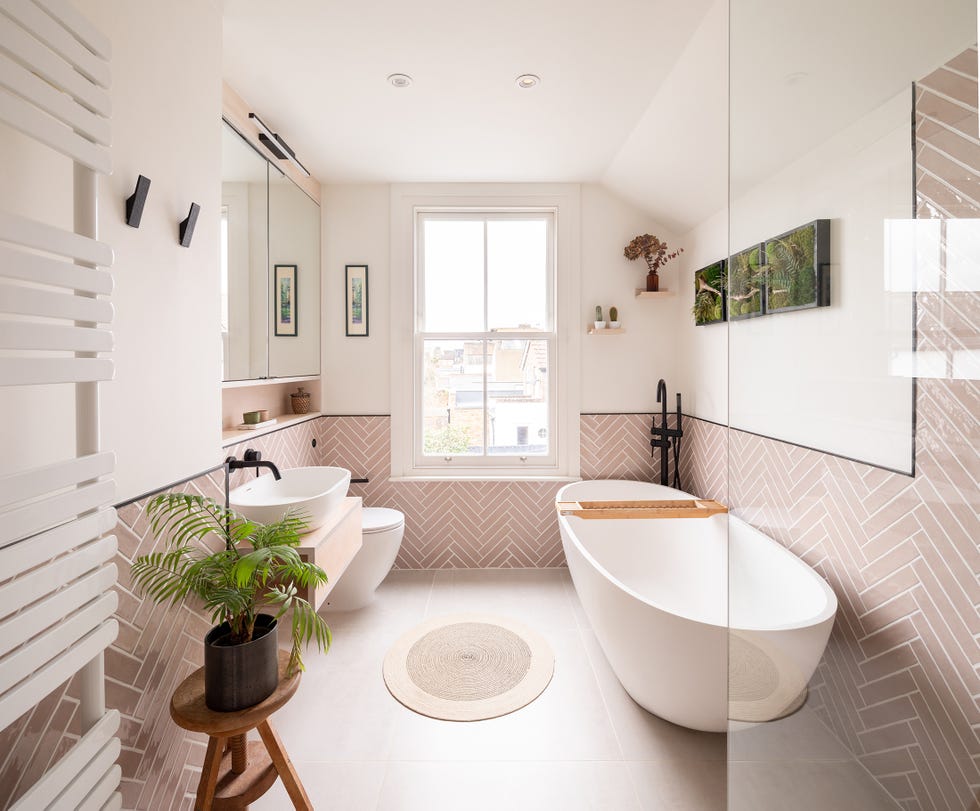
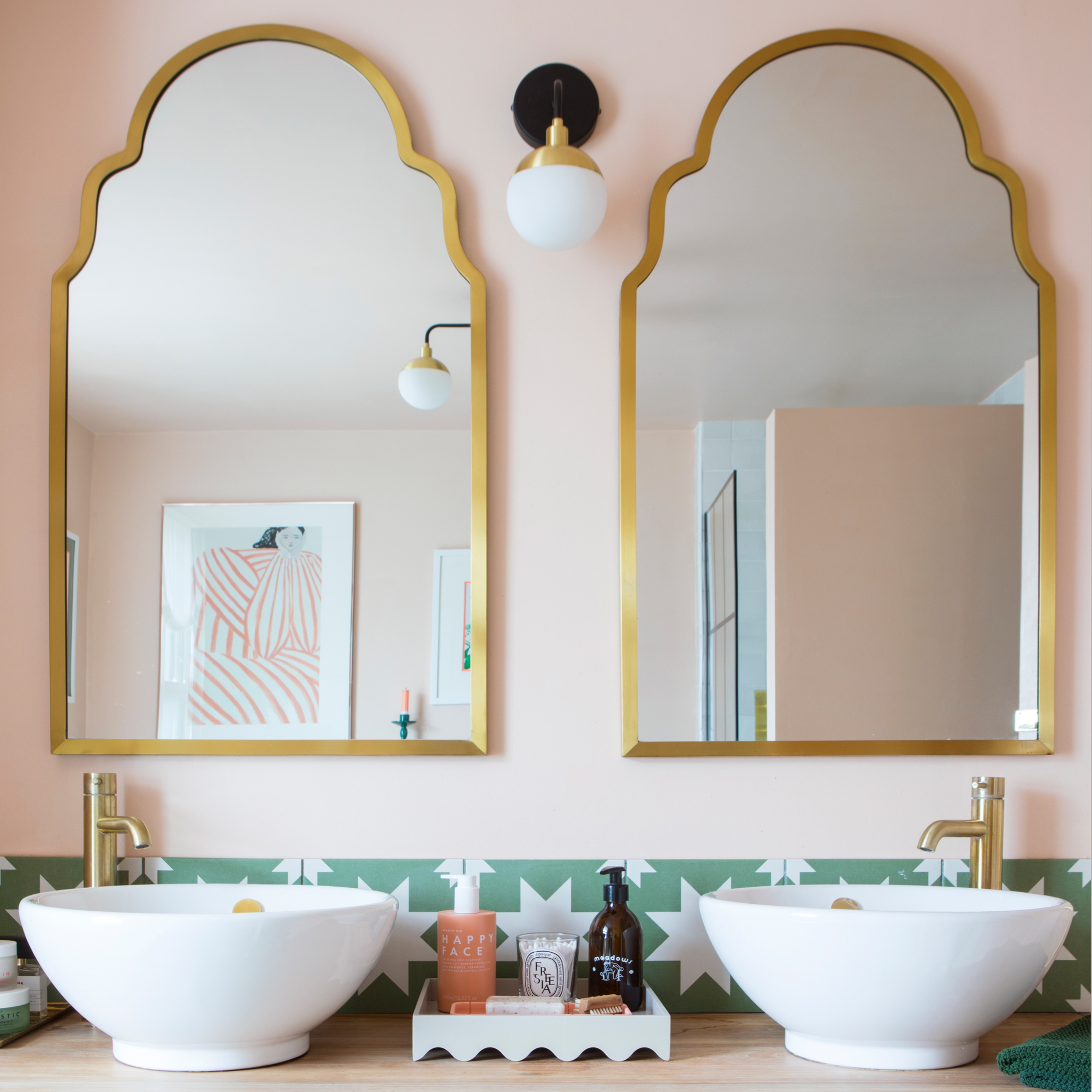
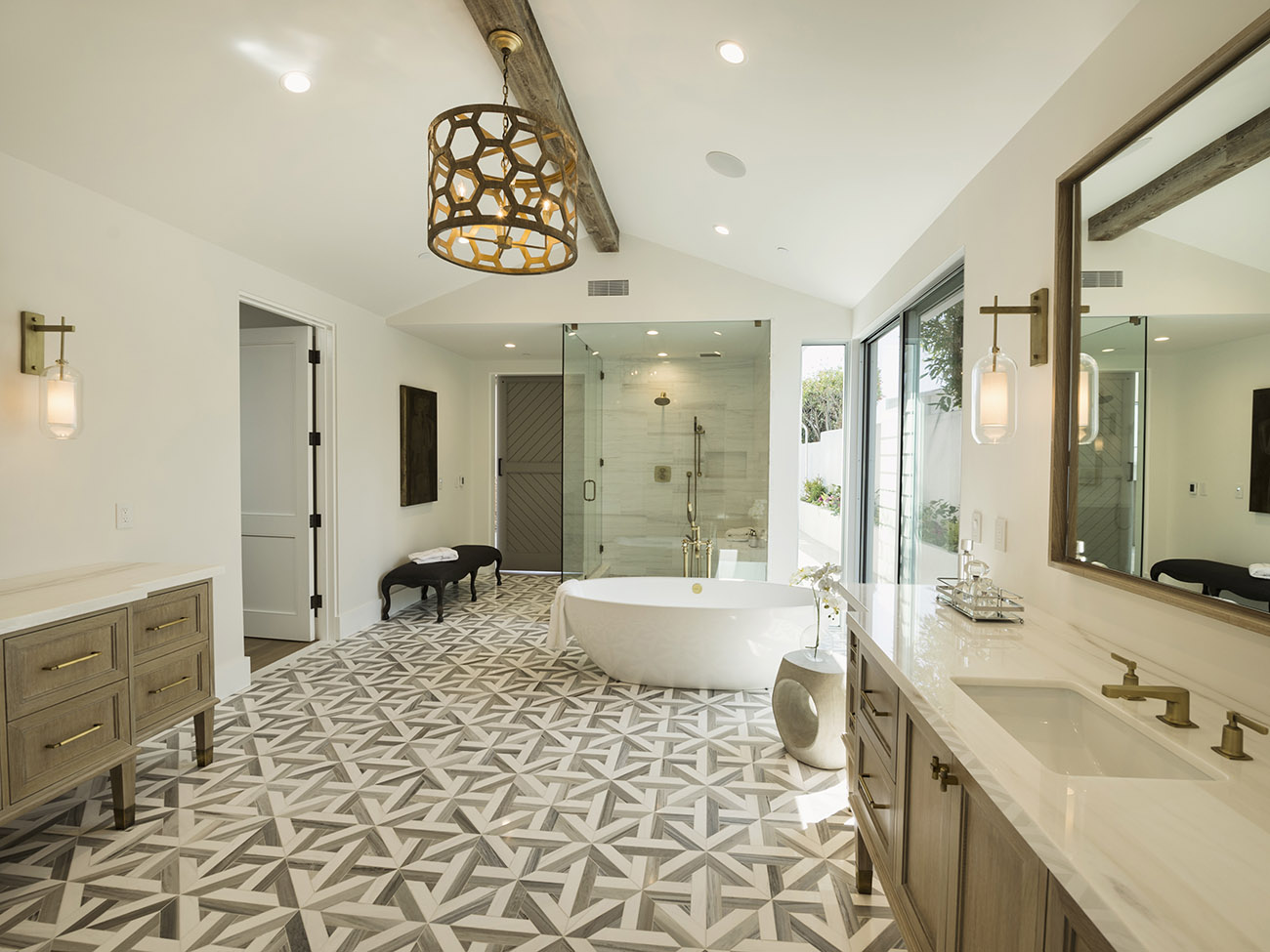
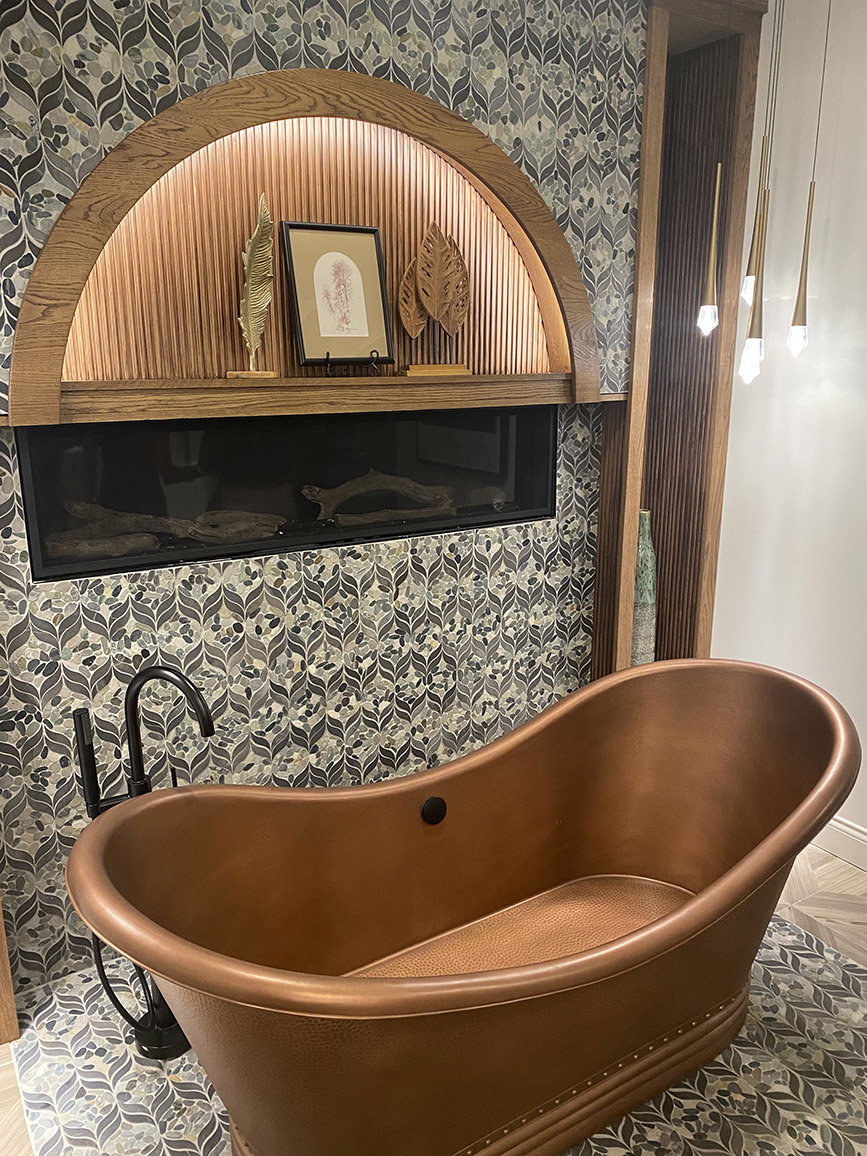
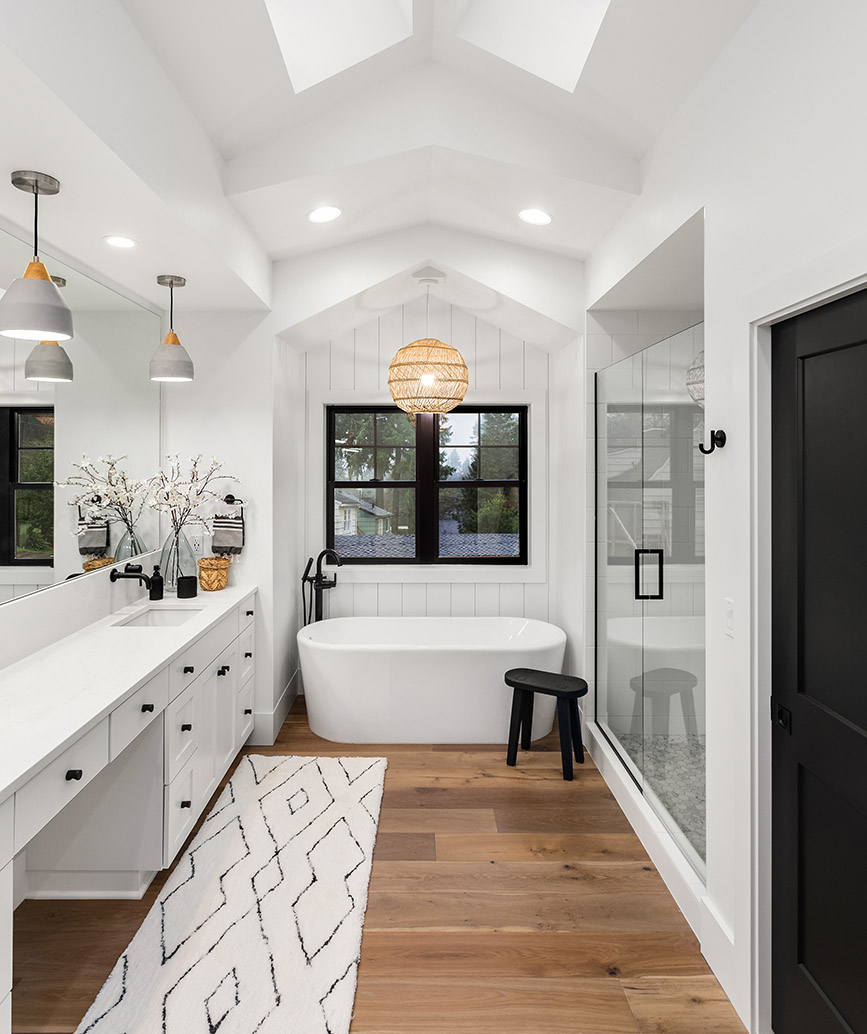
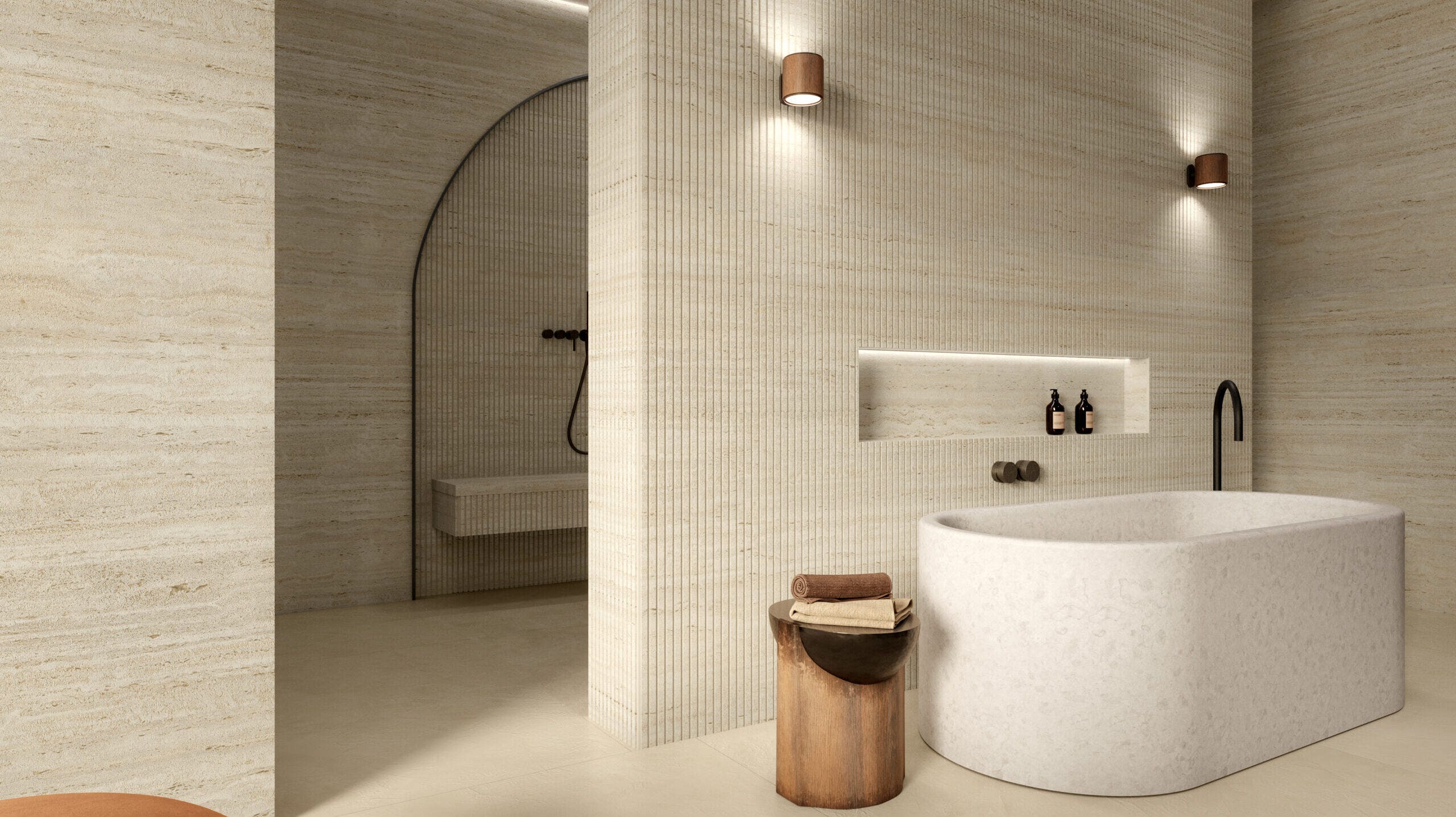
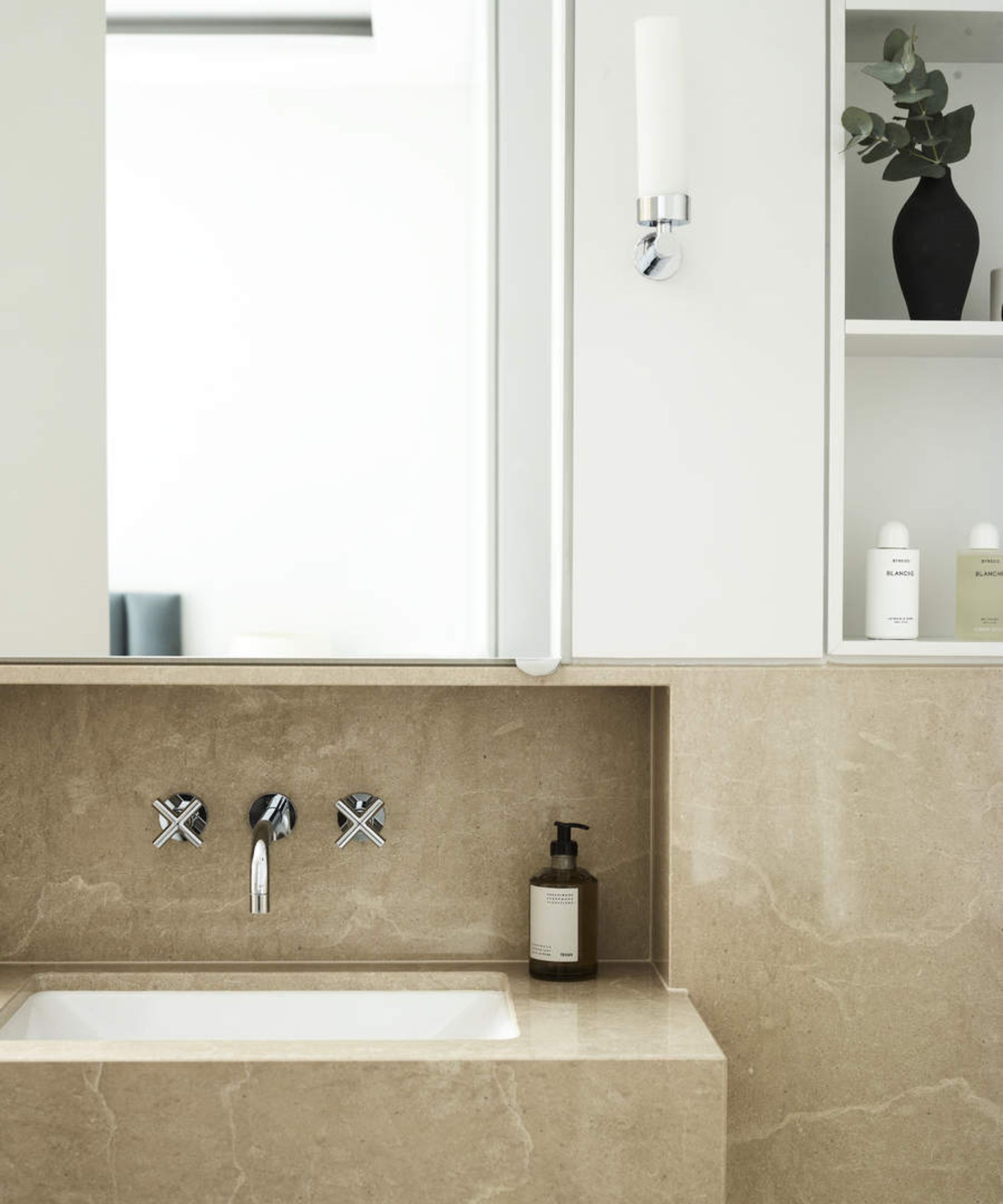
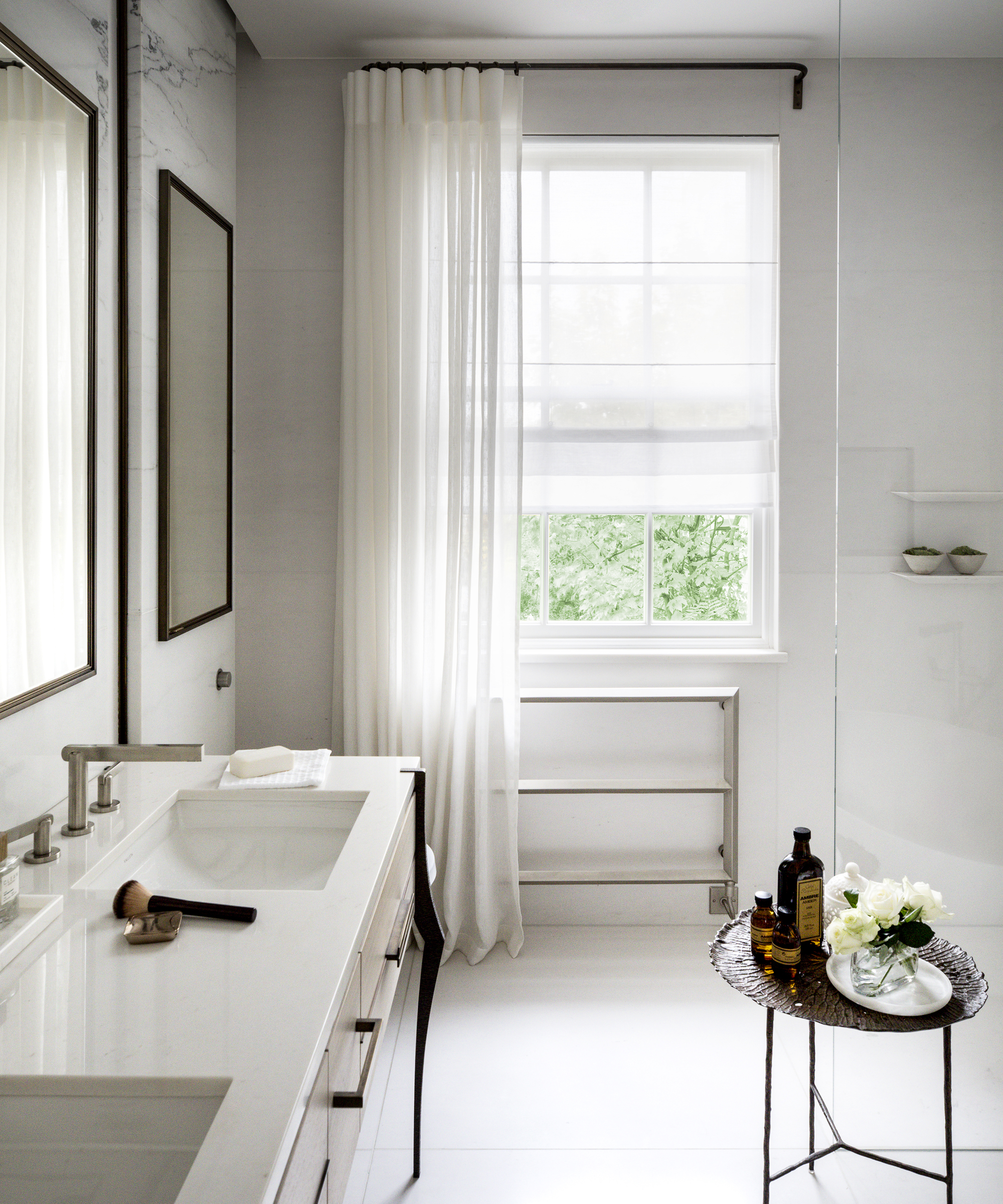
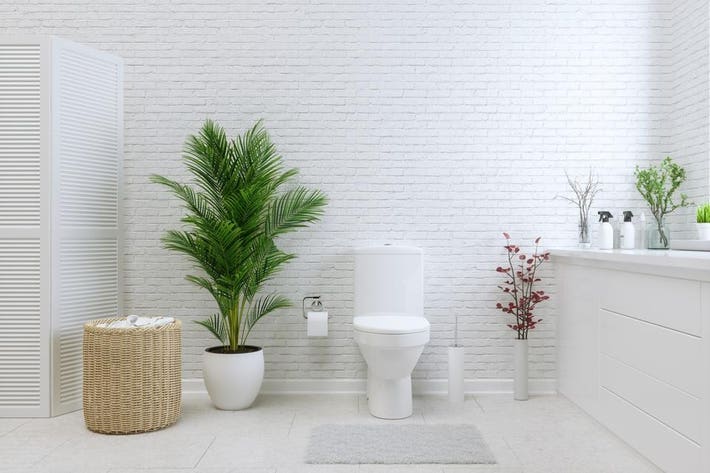
The final trend centers on creating simpler, minimal bathrooms to reduce clutter. As multi-generational families increasingly spend more time together, personal space can become a premium. Homeowners are therefore seeking ways to maximize living areas through features like built-in cabinets, shoe racks, and wardrobes. Minimalist furniture choices help to reduce clutter, offering a neutral canvas that can be personalized with various accessories, materials, and finishes. Additionally, there is a growing trend towards merging living spaces, such as open-concept kitchens and living rooms, to create a more spacious feel and encourage family togetherness. Bathrooms are also evolving beyond mere utility to become personal rejuvenation spaces, leading to increased attention to product selection, materials, and finishes that align with individual tastes and aspirations.
Overall, the article concludes that advancements in research, technologies, and solutions have significantly expanded the potential for designing healthier and safer homes. Many of these technologies are now more accessible and are considered essential for commonly used areas. This presents an exciting opportunity for homeowners, architects, and interior designers to elevate multi-generational living environments, fostering a home that supports a balanced lifestyle encompassing work, life, and play for all occupants.
#BathroomRenovation #BathroomAccessories #BathroomDesign #BathroomFittings #InteriorDesign #Shower #Toilet #MultigenerationalLiving #UniversalDesign #BathroomRenovation #BathroomAccessories #BathroomDesign #BathroomFittings #InteriorDesign #Shower #Toilet #MultigenerationalLiving #UniversalDesign
0 Kommentare insgesamt
 Noch keine Kommentare
Das könnte Ihnen auch gefallen
Mesmerising Modern Bathroom Design Ideas 2023

The 5 Biggest Bathroom Trends for 2023, According to Designers
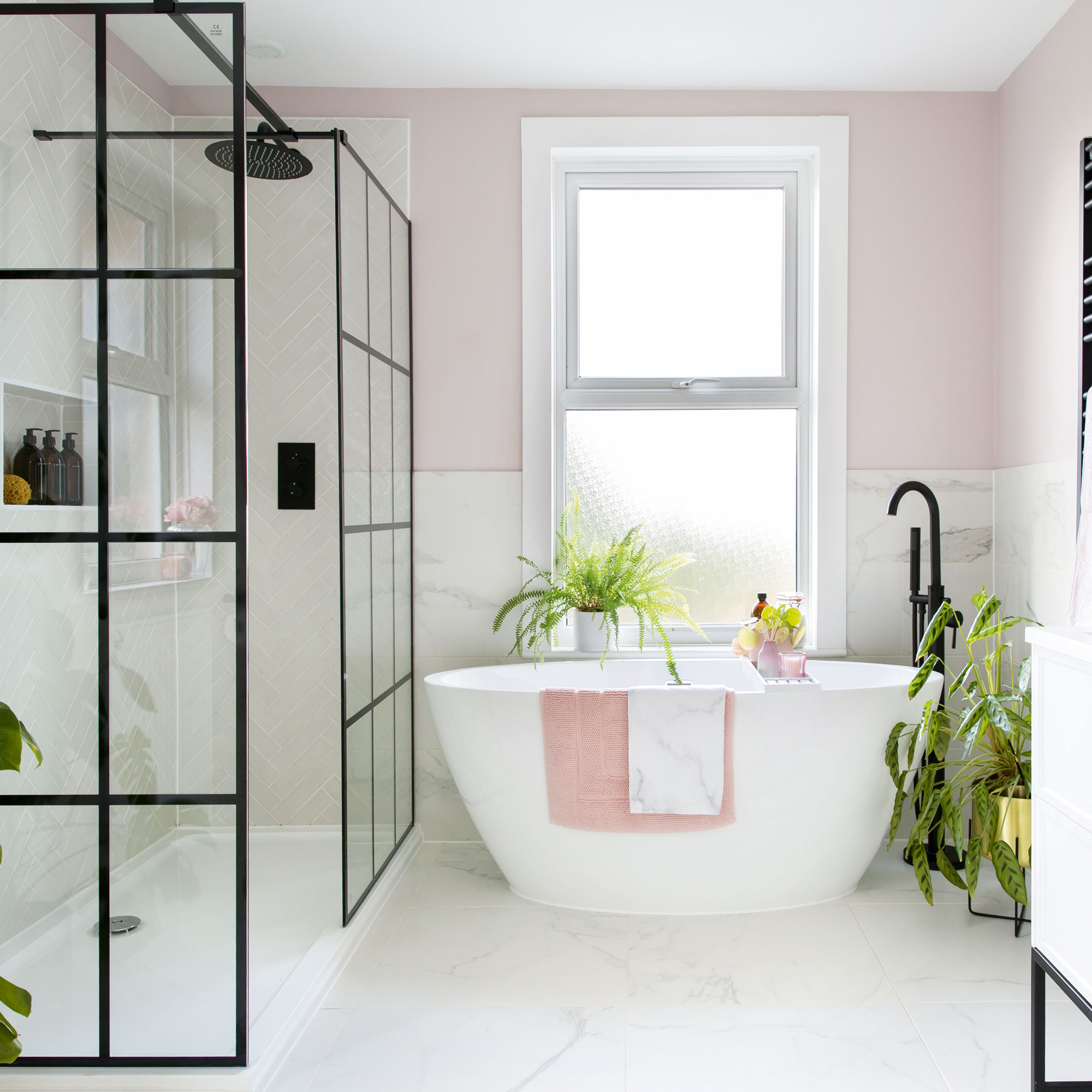
Bathroom Ideas, Designs, Trends and Pictures
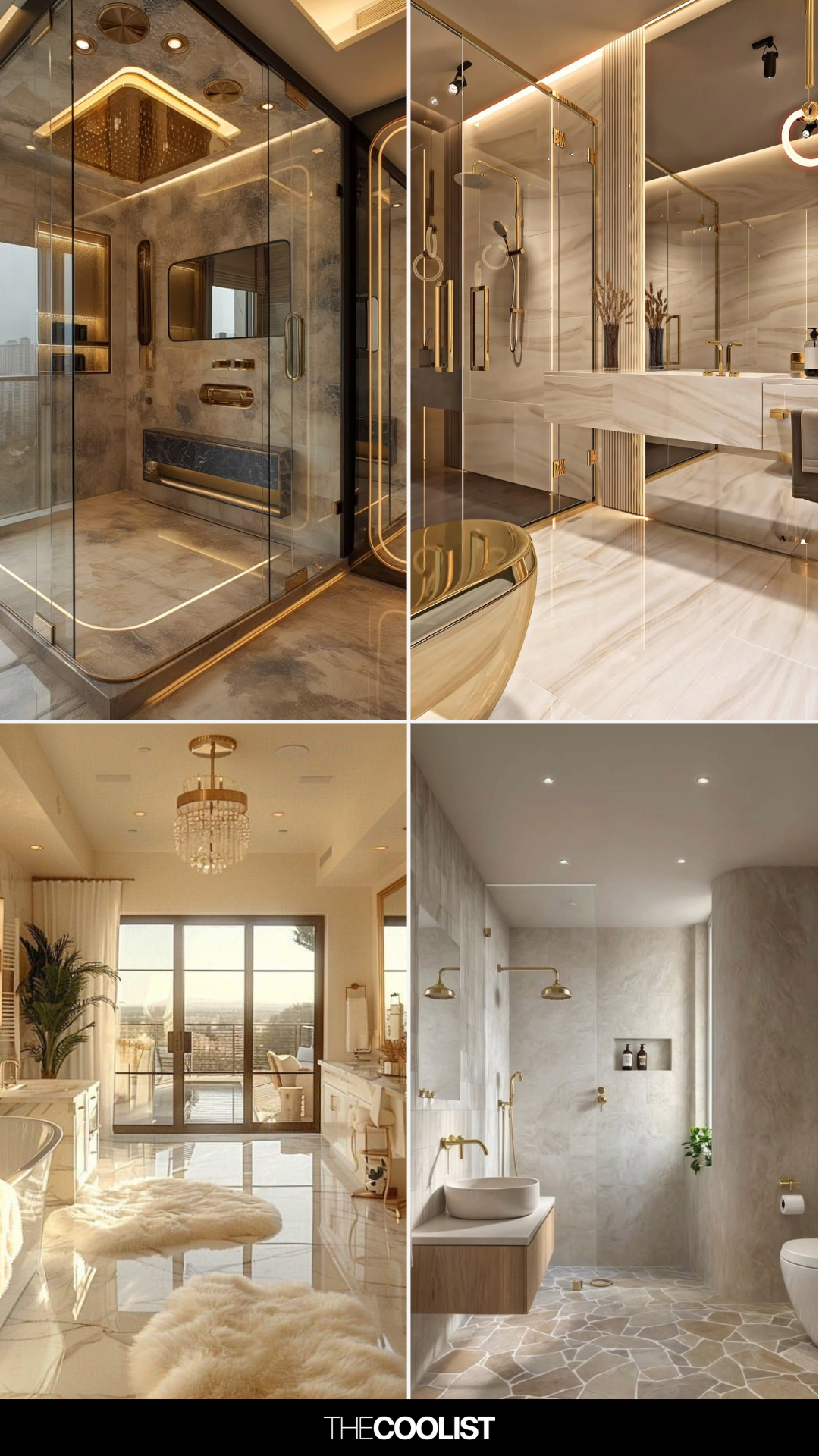
26 Inspiring Bathroom Ideas for 2026 That Designers Use When Clients Say “I’m Bored”

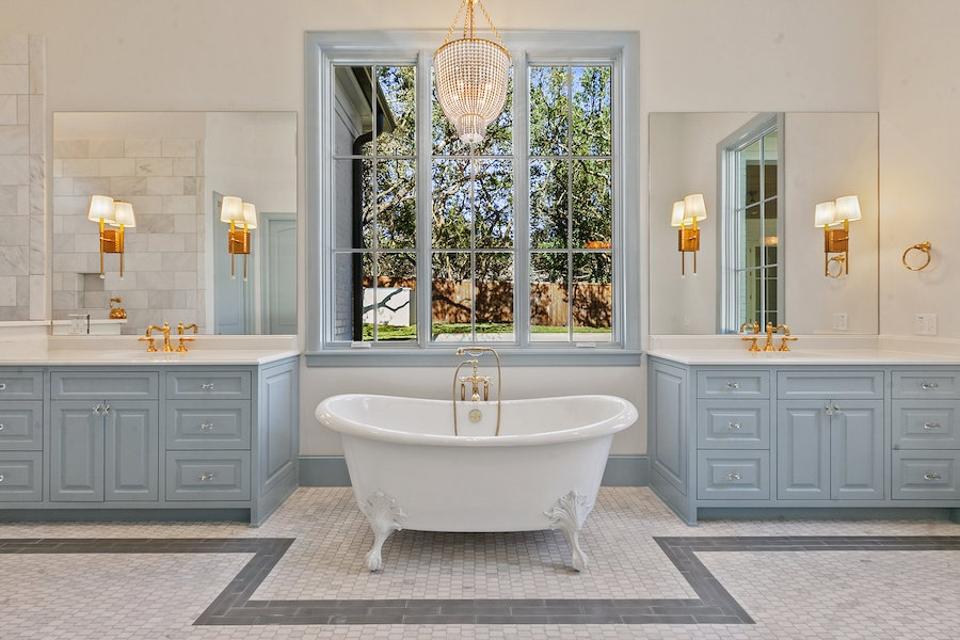
10 Bathroom Design Trends We’ll See In 2023

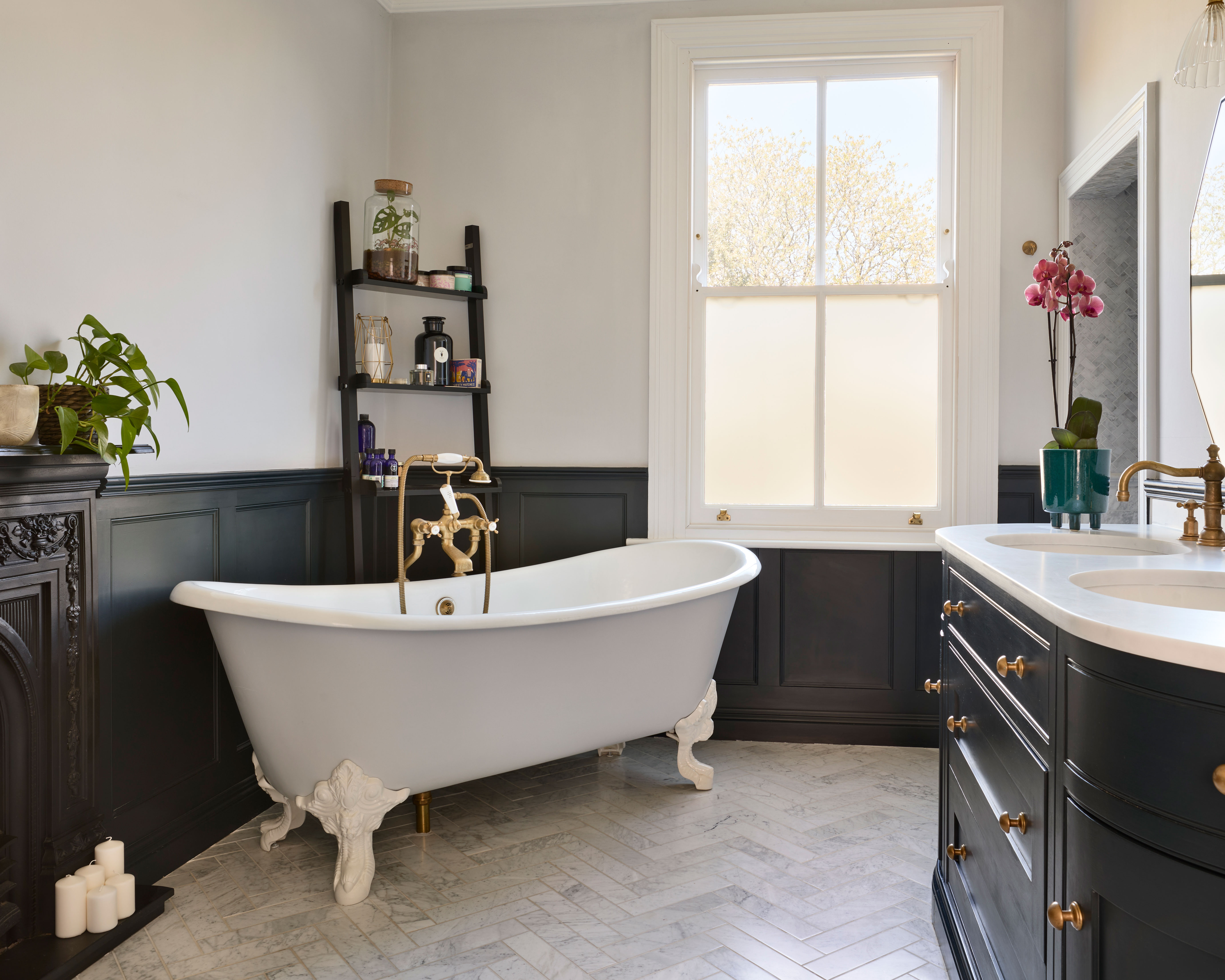
Outdated bathroom trends – 6 overdone looks that designers like to avoid, and here's why you should too

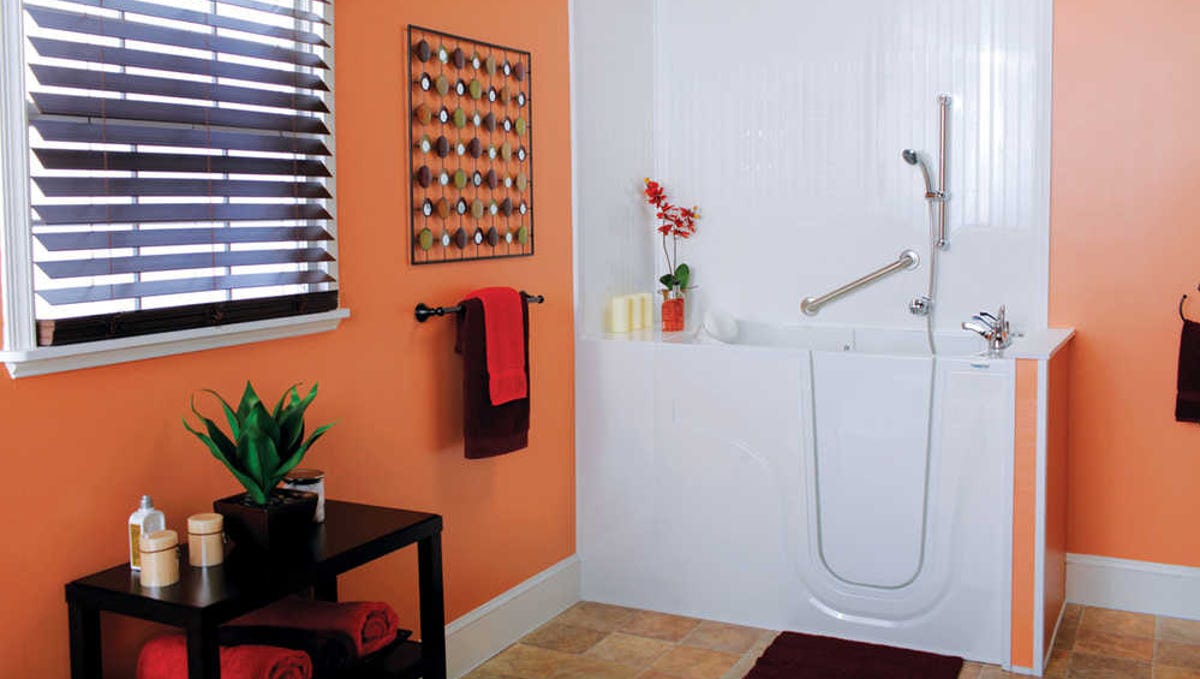
Baby boomers: Bathroom updates that increase livability
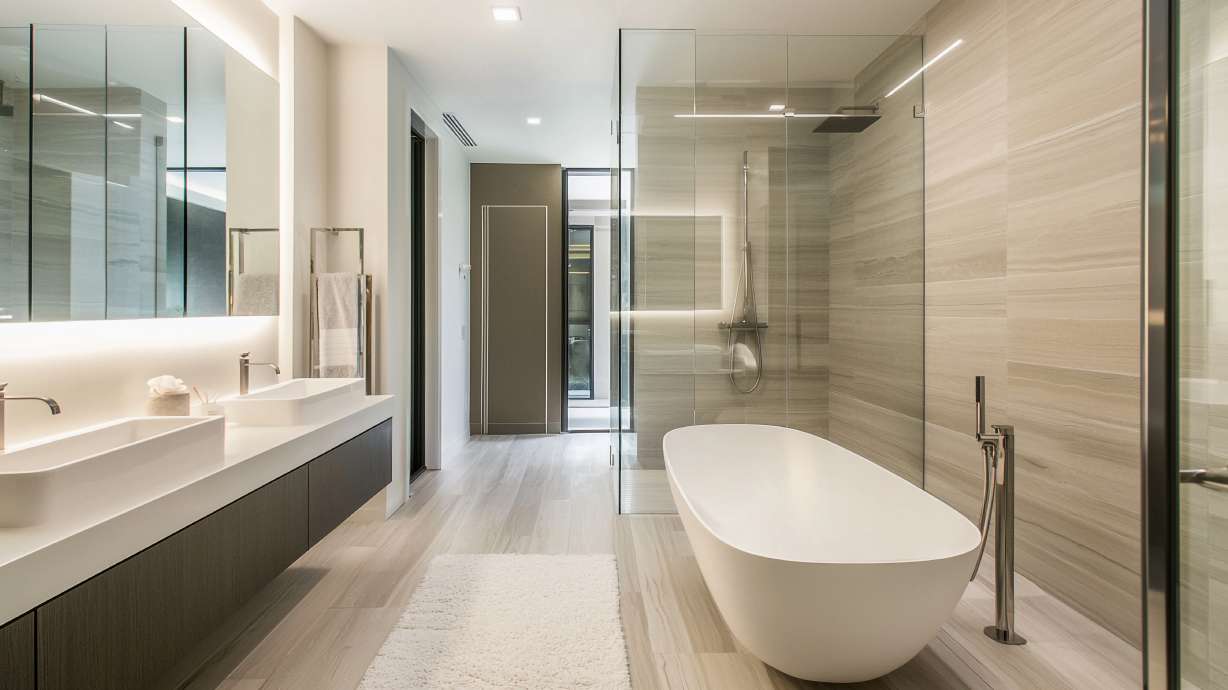
Top bathroom design trends in 2025
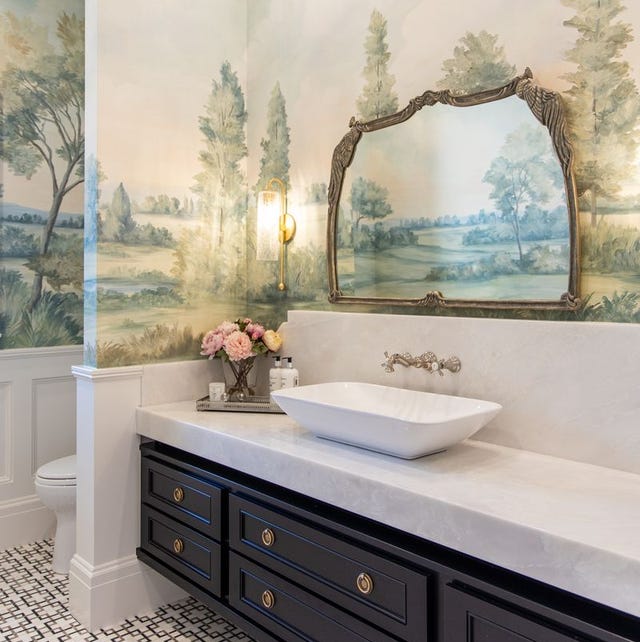
Here Are the Hottest Bathroom Trends for 2023, According to Design Pros

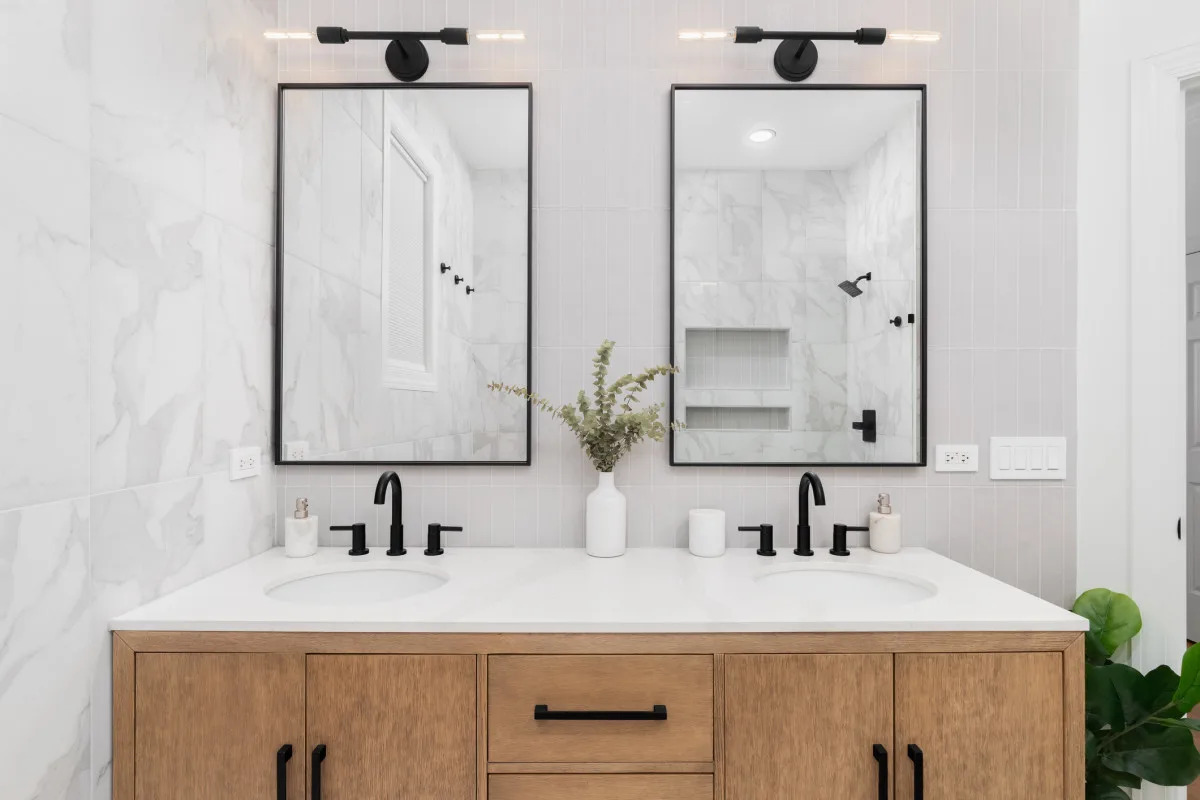
7 Dated Bathroom Trends to Avoid in 2025, According to Designers
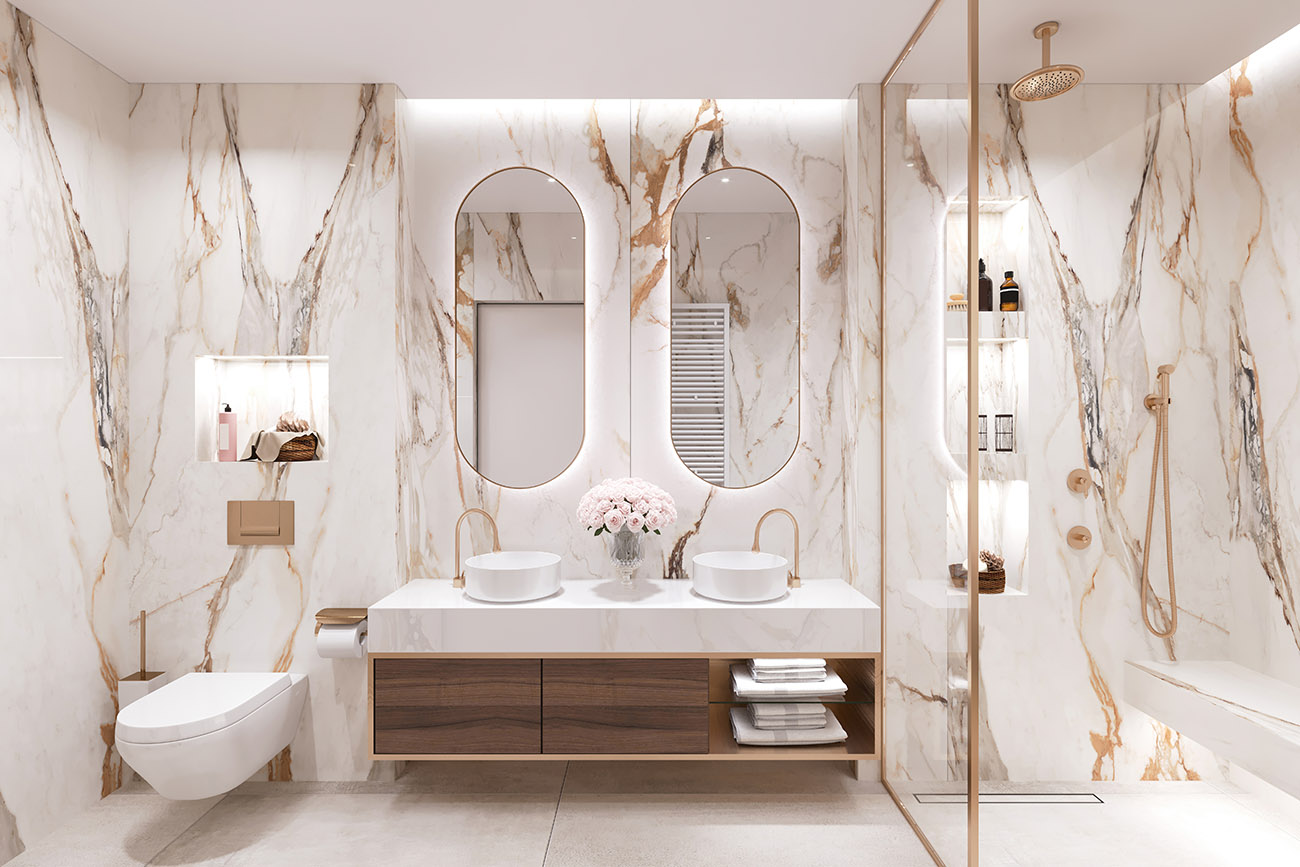
3 Hot Bathroom Trends: Spa-like With Some Organic Feels
The bathroom trends set to dominate from now ’til the new year

The Top 2023 Bathroom Trends, According to Designers

Homes: Bathroom design trends are classic, stylish
Here Are The Biggest Bathroom Design Trends, According To Experts
12 Bathroom Design Trends Going Out Of Style In 2025
Once-Trending Bathroom Designs That Are Being Replaced In 2025

8 bathroom renovation trends defining 2023

3 expert tips for designing a bathroom, according to interior designer Emily Henderson
7 Bathroom Trends Designers Are Leaving Behind In 2026