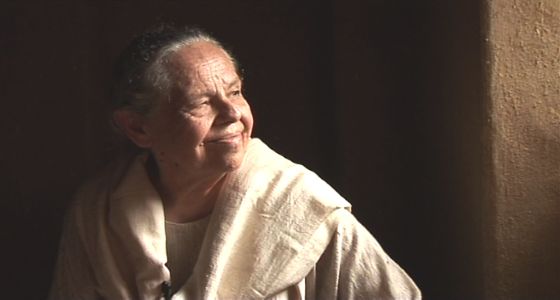
1/4
Didi Contractor: The Self-taught Sustainable Architect
Didi Contractor, a self-taught architect and sustainability advocate, championed vernacular architecture and contextual design through her 30-year career in North India, particularly Himachal Pradesh. Born Delia Kinzinger in Minneapolis in 1929, she initially pursued art at the University of Colorado, Boulder, before moving to India in the 1950s. Her transition to architecture in Sidhbari, Himachal Pradesh, was facilitated by her artistic background, enabling her to understand and manipulate material properties effectively. Contractor's significant contributions to sustainable architecture earned her multiple accolades, including the Nari Shakti Puraskar in 2019 and the WADe Asia Lifetime Achievement Award in 2017. Her work was also featured in two documentary films: "Earth Crusader" (2016) and "Didi Contractor: Marrying the Earth to the Building" (2017).
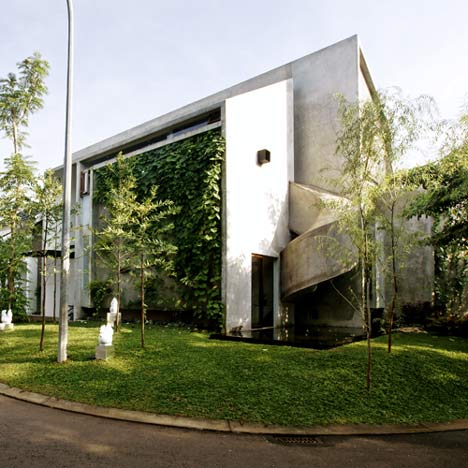
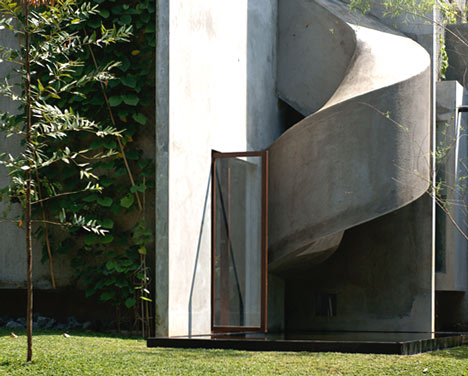
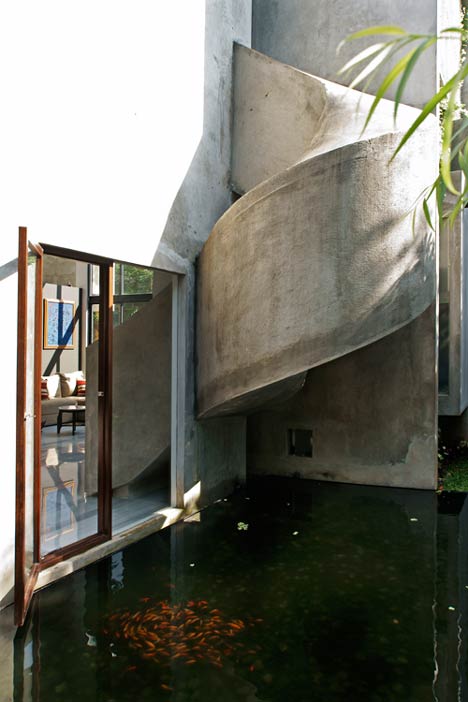
Contractor's design philosophy centered on the belief that buildings should emerge from the earth and coexist harmoniously with nature. She viewed architecture as a dialogue with the natural world, emphasizing landscape integration to bridge built and unbuilt environments. Her inspiration stemmed from traditional and vernacular buildings, which inherently balanced these elements. She considered landscaping crucial for seamlessly blending structures with their surroundings. Empathy, playfulness, and imagination were also hallmarks of her approach. She celebrated materials like earth, clay, slate, bamboo, stone, and adobe, utilizing their inherent qualities to create structures that responded to natural elements such as light, wind, and the surrounding landscape. She aimed to align building construction with natural cycles, reinforcing a symbiotic relationship with the environment. Contractor's designs highlighted the importance of modern architecture and technology remaining sensitive to human emotions and ecological balance, solidifying her role as a key figure in sustainable architecture.
Among Contractor’s notable projects is the Dharmalaya Institute, located in the Himalayan foothills. This institute serves as a model for sustainable living, with its seismically reinforced, earth-built structures designed to optimize solar heating and passive cooling. The use of locally sourced materials minimizes energy consumption and environmental impact from transportation. The campus actively practices sustainable concepts like net-zero energy, recycling, and responsible waste management. In her extensive residential work in Kangra, Contractor developed sustainable home construction techniques using mud and stone, drawing inspiration from local vernacular architecture adapted to the climate and accessible resources. These homes integrated local traditions, art, techniques, and labor, ensuring their relevance and authenticity to their sites. She also contributed to the Sambhaavana Institute of Public Policy in Kandwari, designing rooms with ochre mud walls and high ceilings to provide warmth in the cold climate of Himachal Pradesh, showcasing her ability to combine comfort and tradition with functionality.
Didi Contractor's work is a testament to the enduring value of contextual design. Her keen observational skills and deep appreciation for Indian culture allowed her to create designs that were both aesthetically pleasing and environmentally responsible. In an era increasingly dominated by technology, her approach offers a timeless lesson in simplistic, responsible planning and building that remains rooted in its environment. Her legacy continues to inspire aspiring architects to embrace their heritage while adapting to modern needs, demonstrating that sustainable architecture can be both innovative and deeply connected to its origins.
#SustainableArchitecture #VernacularArchitecture #DidiContractor #IndianArchitecture #MudAndStoneConstruction #HimachalPradeshDesign #EnvironmentalDesign #ArchitecturalPhilosophy #ContextualDesign #SustainableArchitecture #VernacularArchitecture #DidiContractor #IndianArchitecture #MudAndStoneConstruction #HimachalPradeshDesign #EnvironmentalDesign #ArchitecturalPhilosophy #ContextualDesign
0 Kommentare insgesamt
 Noch keine Kommentare
Das könnte Ihnen auch gefallen
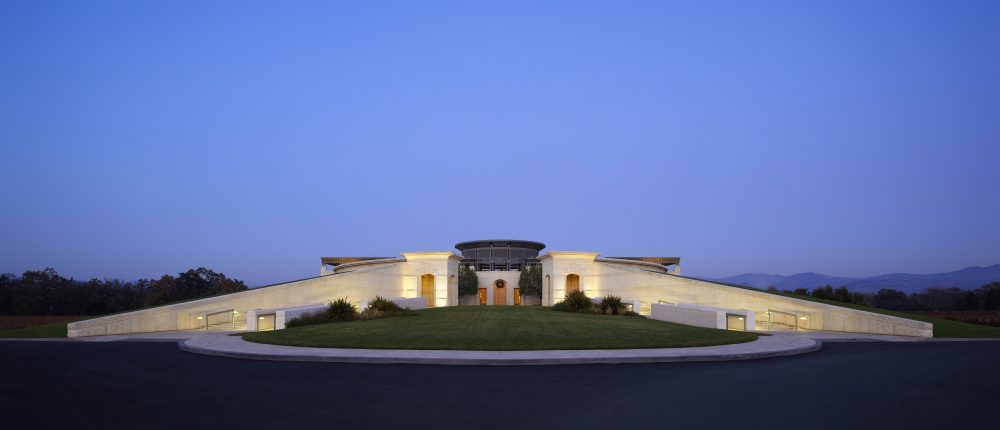
An Architect’s Life in a Diehard Profession

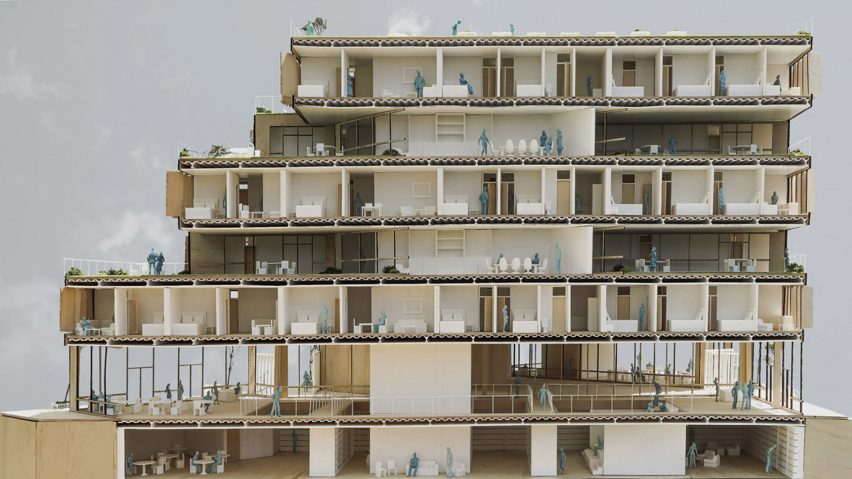
Ten architecture projects by students at the City College of New York

Meet Sabrina MacLean | Interior Designer
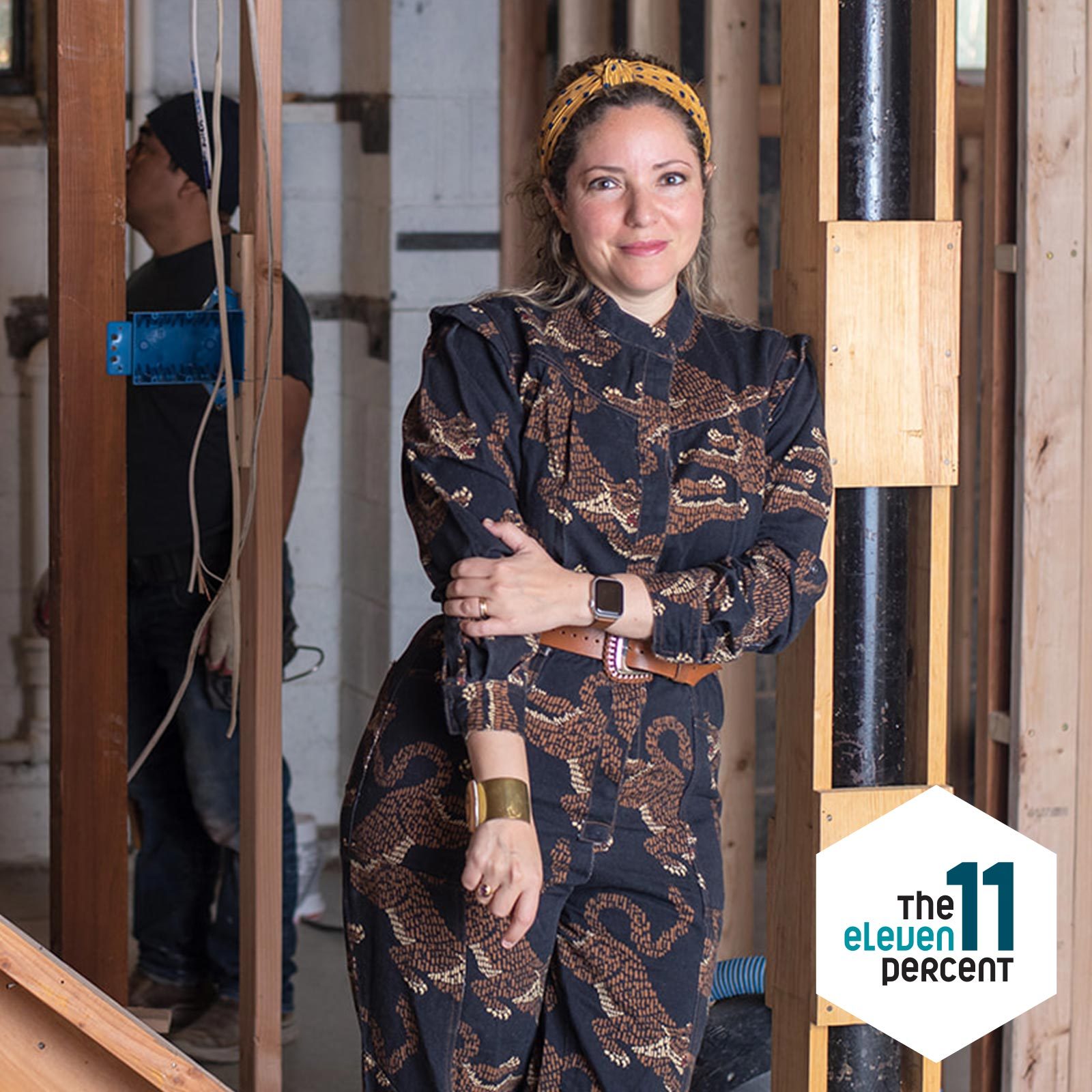
The Eleven Percent: Meet Gabriela Narvaez, General Contractor


Meet Adriana Jacir | Founder & Lead Architectural Interior Designer

Meet Alicia Hylton-Daniel
Material Acts - Elsa Mäki - Stitching: Future Fabrication and Traditions of Reuse
A wide variety of award-winning projects ranging from residential to exhibitions


Meet Joseph Ballard | General Contractor / Designer


Chester Inc.'s design/build approach creates a one-stop shop for architectural, design, and construction needs


Meet Philip Oloo | Architectural Designer, Virtual Reality for Architecture and Licensed General Contractor
Sustainable Buildings: Pioneering a Green Revolution in Urban Design

What Is Sustainable Design? A Look at How Australian Architect Andrew Maynard Does It
My ArchiSchool spotlights 10 architecture and design projects


Explore Your Next Course

Bitable: AI in the design and build world


my archischool experiments with wooden architecture in sustainable urban designs

How to talk to architects, builders and general contractors about sustainability
Playhouse by Aboday
Contemporary Architecture is More Common Than You Think — Here's How to Spot It