1/16
15 Best Purple Plants For Your Flower Garden
This blog post explores 15 distinct purple plants ideal for enhancing a flower garden, offering practical advice for their successful cultivation. It highlights various plant types, including herbs, ornamental flowers, vines, and shrubs, each contributing unique aesthetic and growth characteristics. The article emphasizes considering factors such as USDA plant hardiness zones, sunlight exposure, and soil conditions to ensure optimal growth for each species.
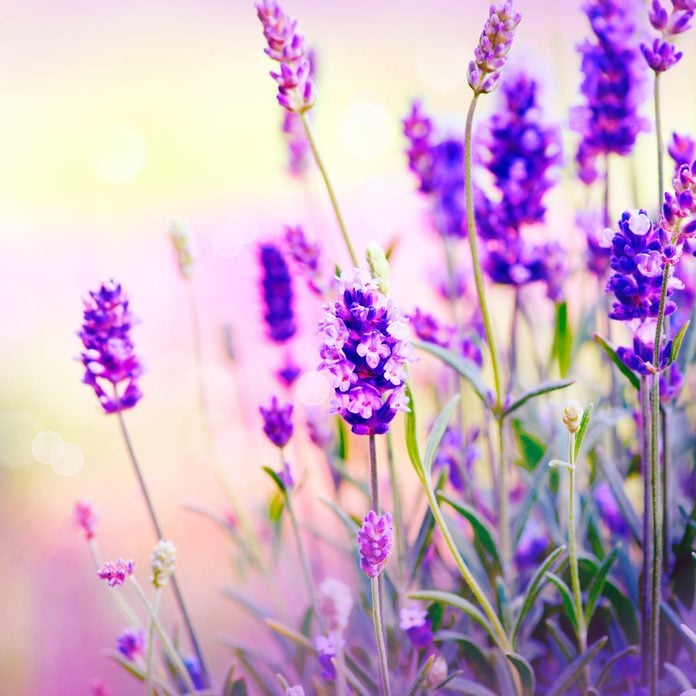
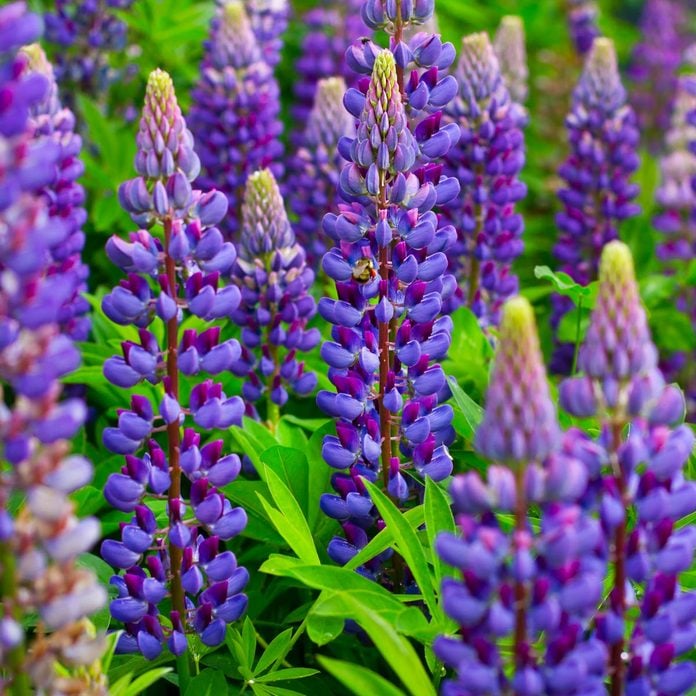
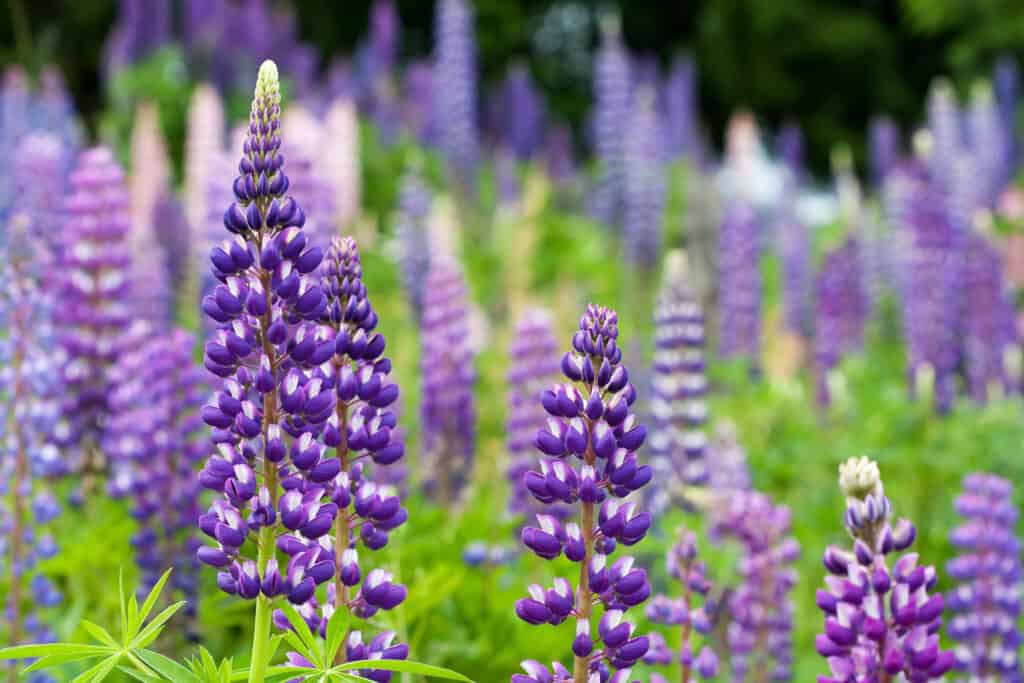
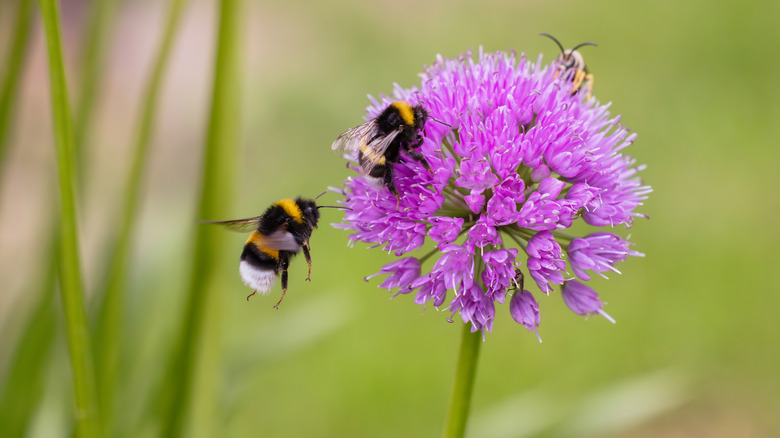
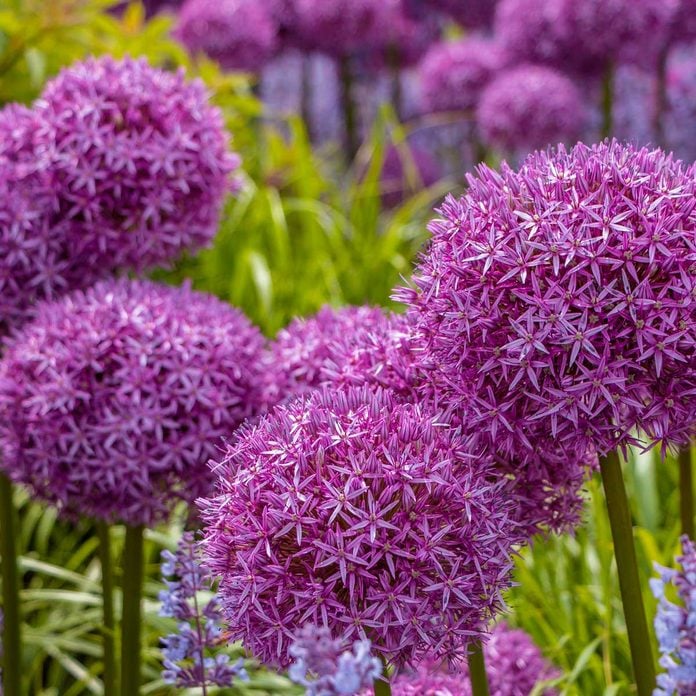
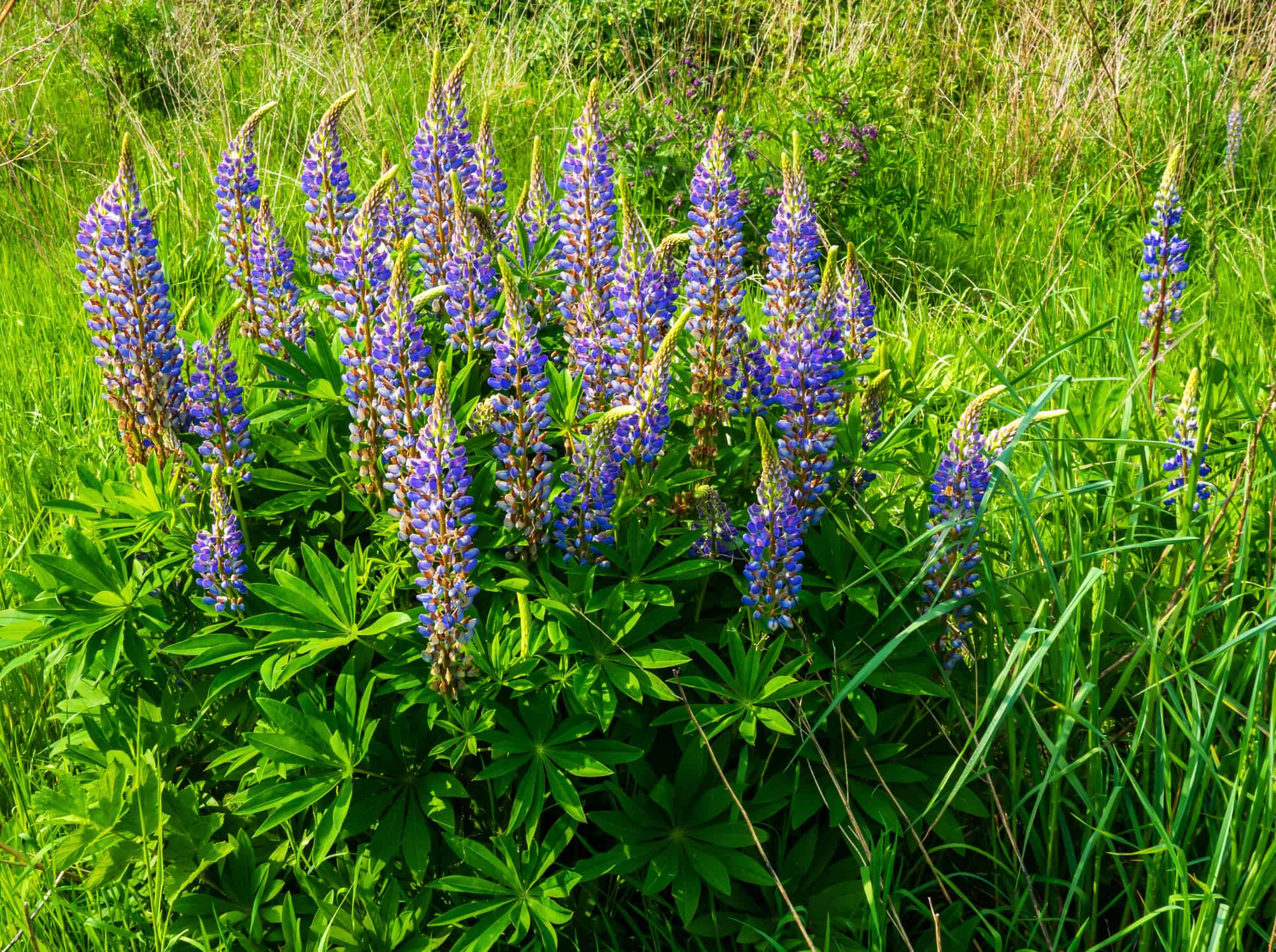
The featured plants range from popular choices like Lavender, known for its fragrance and therapeutic properties, to less common but equally captivating options such as Allium, with its distinctive spherical blooms, and Lupine, recognized for its tall, spiky inflorescences. For each plant, the article provides essential details: its common and scientific names, ideal bloom season, recommended USDA growing zones, specific growing conditions, suitable soil types, and typical size at maturity. For instance, Lavender (Lavandula) thrives in zones 5-9, preferring well-drained soil and reaching 1 to 3 feet in height. Allium, while visually striking, requires caution due to its toxicity to pets, flourishing in zones 3-9 with rich, sunny conditions.
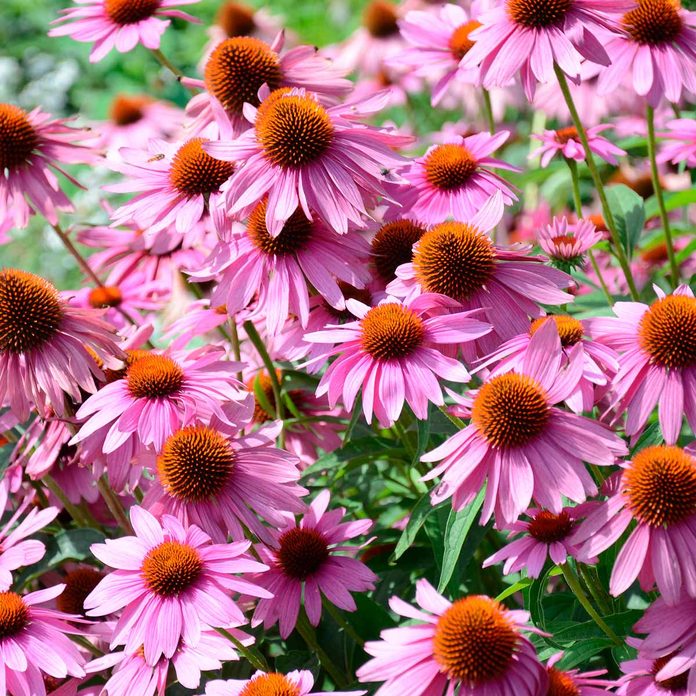
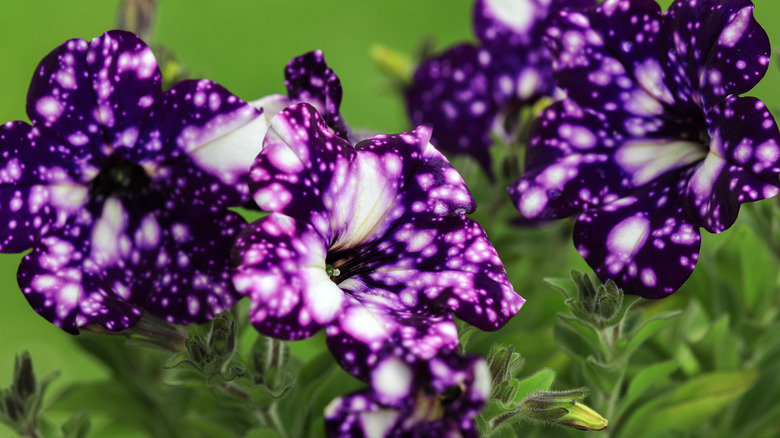
The selection also includes Lilac (Syringa), a fragrant shrub or tree that requires ample space and rich, well-drained soil in zones 3-7. Petunias (Petunia) offer a wide array of colors and patterns, with varieties suited for zones 9-11, demanding sun and regular watering. Purple Coneflowers (Echinacea purpurea) are robust, daisy-like flowers that tolerate harsh conditions in zones 3-8. Clematis, a climbing vine, adds star-like petals to gardens in zones 4-9, needing support for growth. Bellflowers (Campanula) present a bell-shaped bloom in shades of dark purple, ideal for zones 4 and above with full sun.
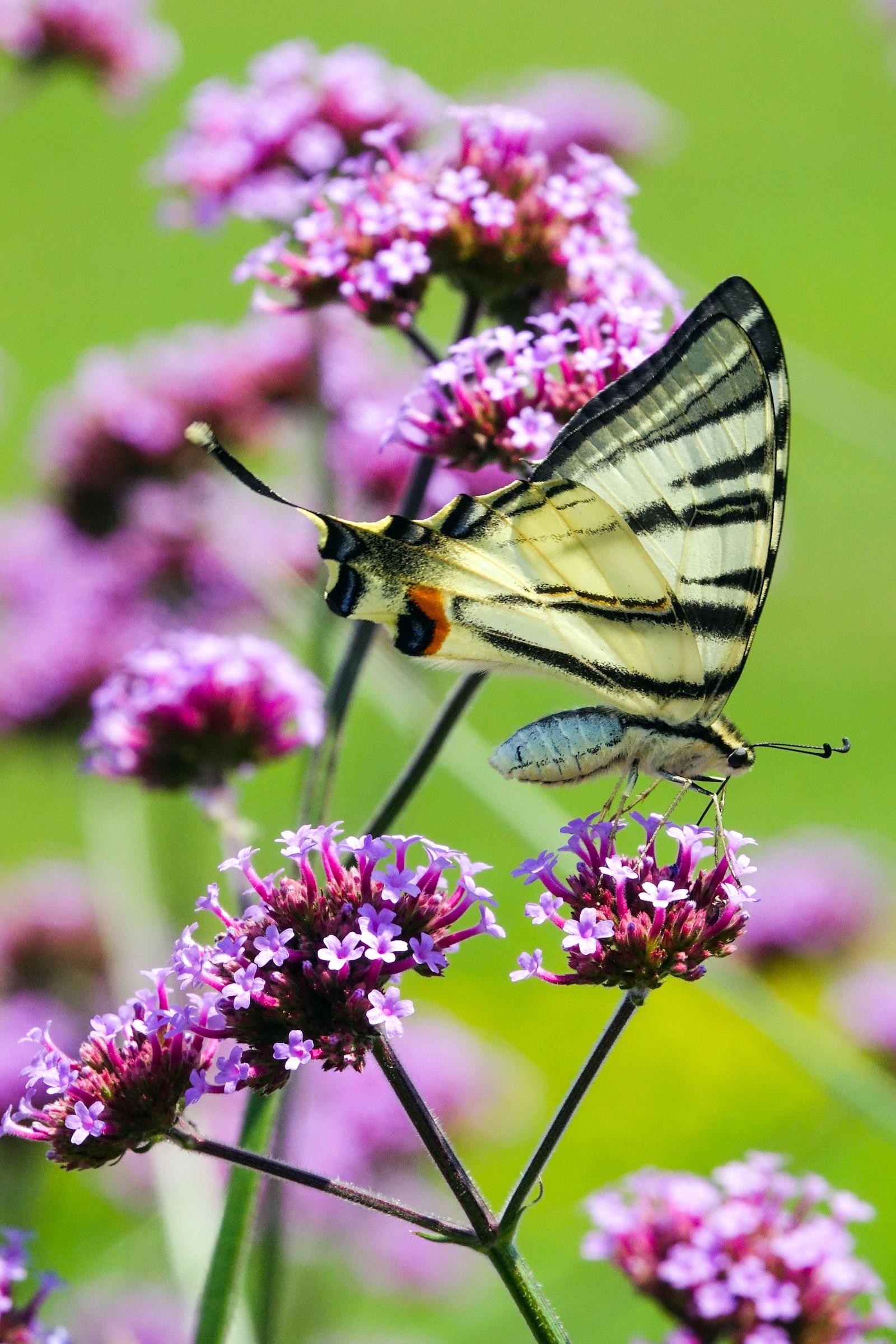
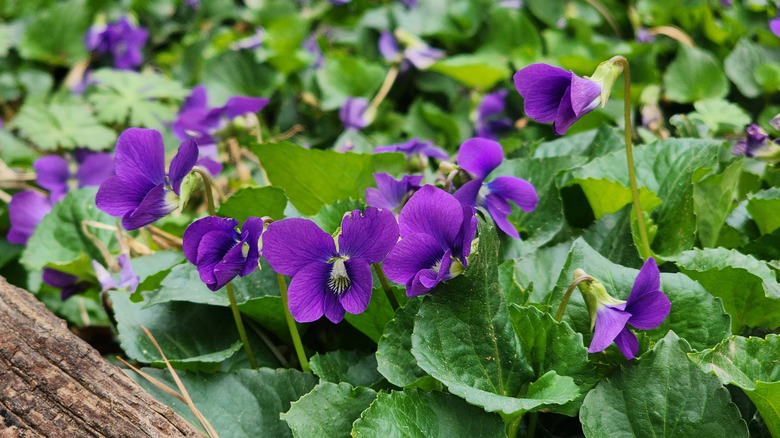
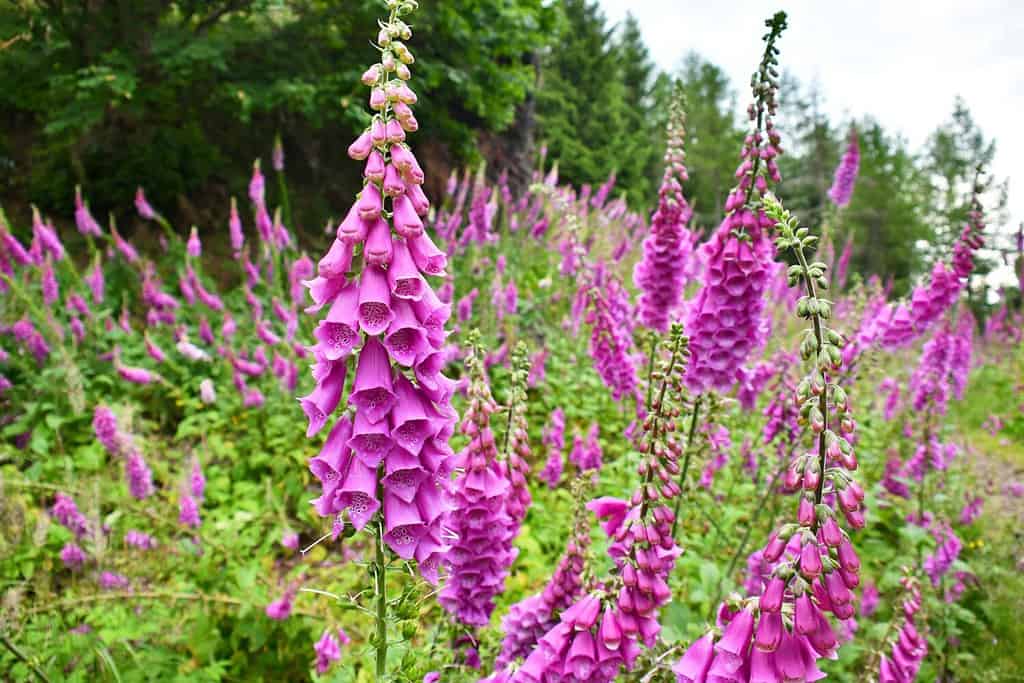
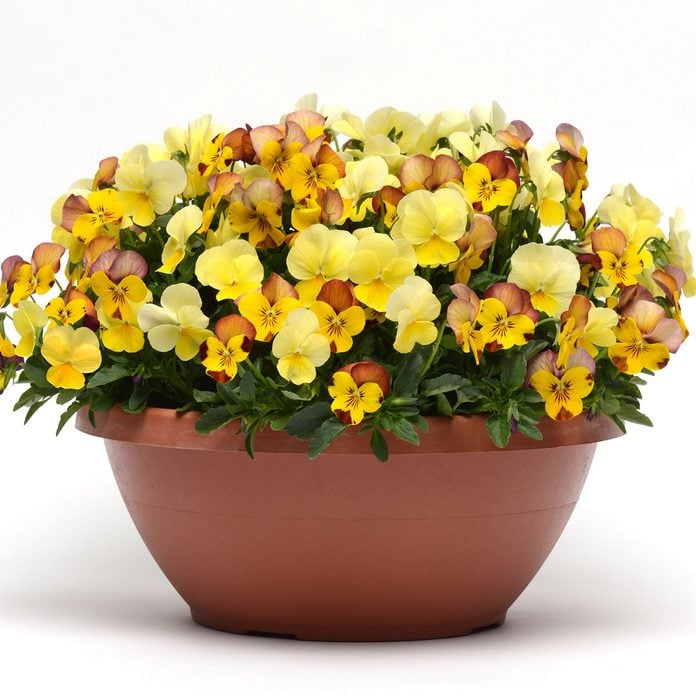
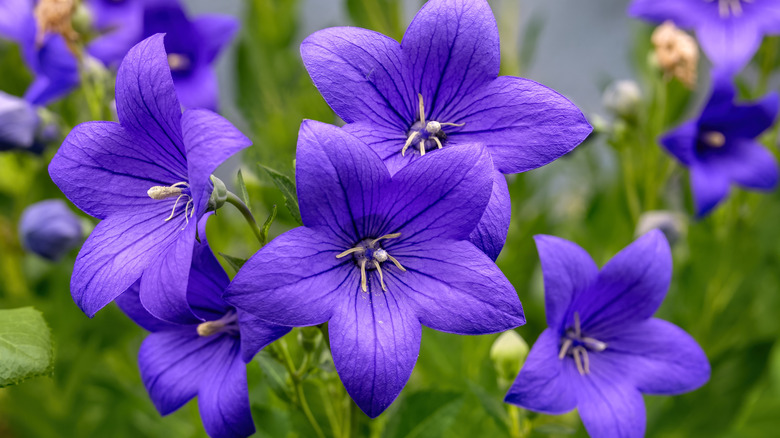
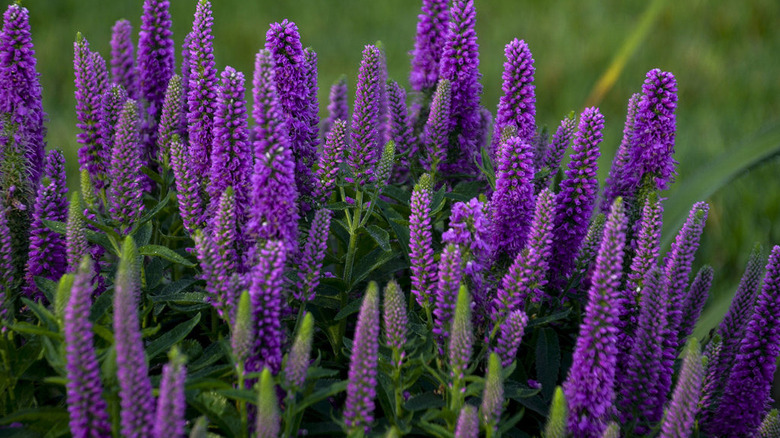
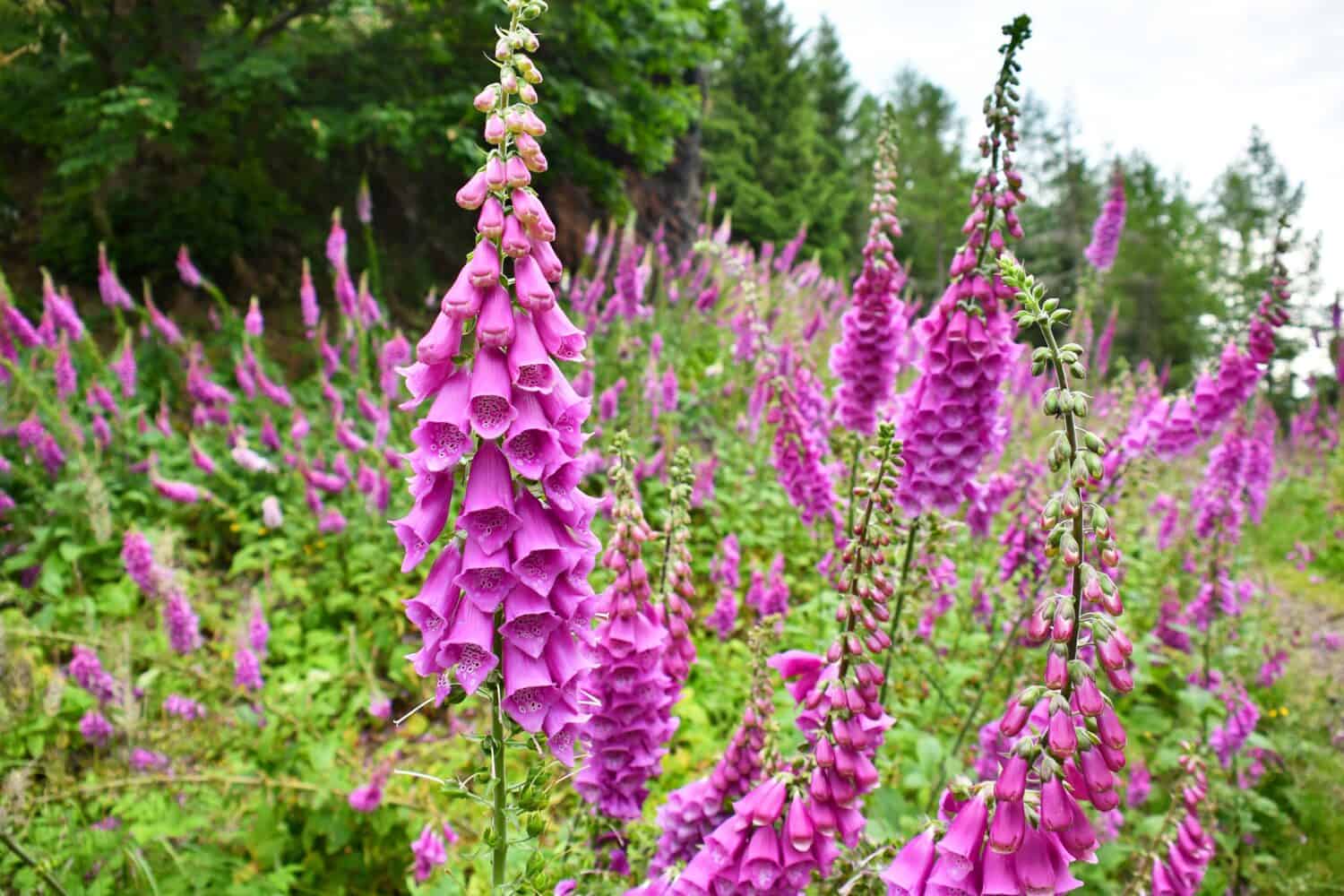
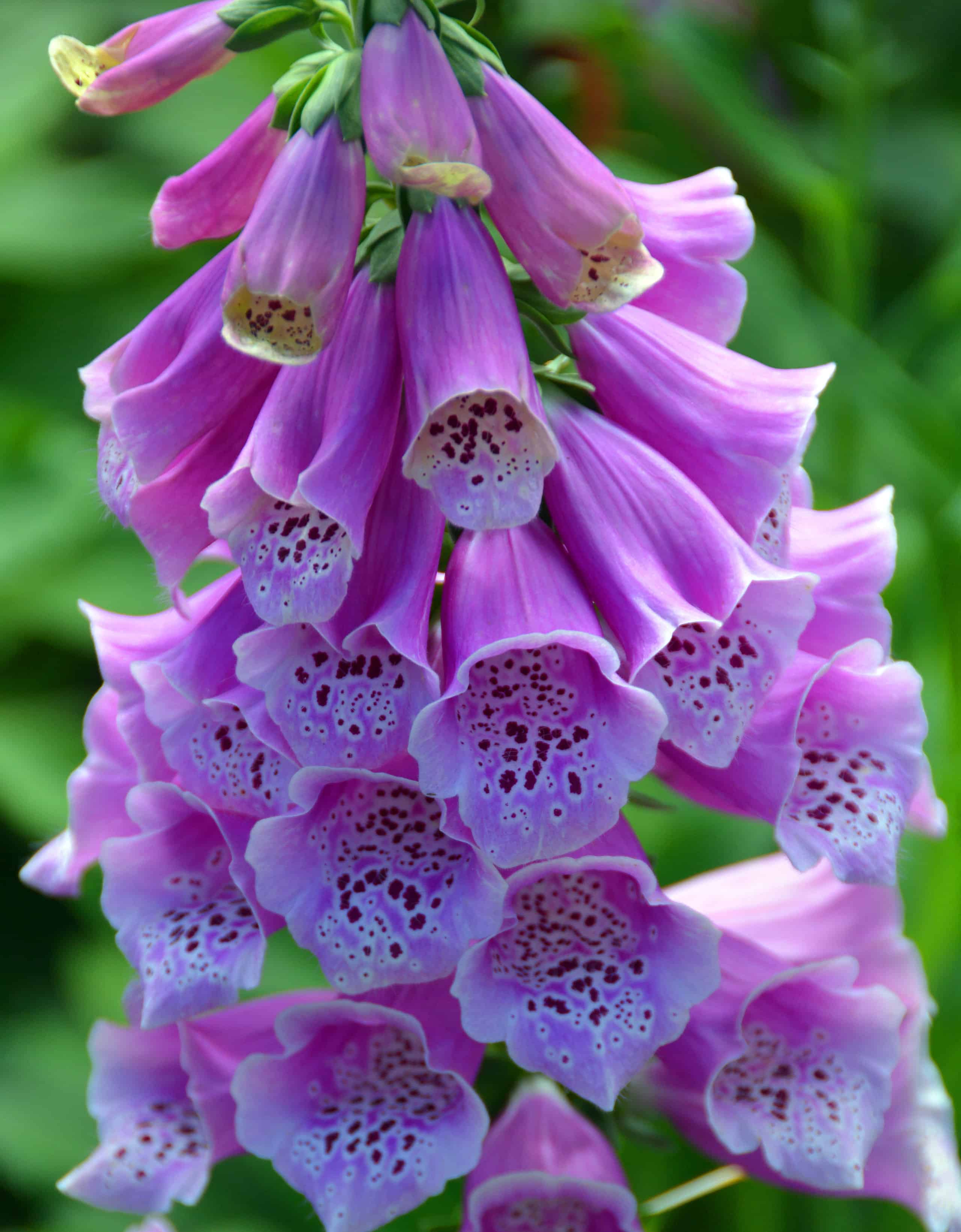
Gladiolus, an iris family member, produces vibrant, frilly flowers on tall stalks, preferring full sun in zones 7-11. Morning Glory (Ipomoea), an easy-to-grow vine, can spread rapidly and is suitable for zones 3-10, though toxic to animals. Purple Pansies (Viola tricolor var. hortensis) come in various purple hues, thriving in cooler spring and fall conditions in zones 4-8. Balloon Flowers (Platycodon grandiflorus) are resilient, star-shaped blooms that inflate before opening, growing well in zones 3-8 in sun or partial shade. Verbena offers clusters of tiny purple flowers, suitable as both annuals and perennials in zones 7-9, requiring full sun and well-drained soil. Cosmos, annuals with long, light purple petals and yellow centers, attract bees and adapt to various soil types in zones 2-11. Finally, Foxglove (Digitalis), with its unique cup-shaped flowers, can be biennials or perennials in zones 4-10, but gardeners are advised to be cautious due to its poisonous nature. The article systematically guides readers on cultivating these beautiful purple plants, ensuring they reach their full potential.
#PurplePlants #FlowerGarden #GardeningTips #PlantCare #GardenDesign #HardinessZones #OrnamentalPlants #PerennialFlowers #AnnualFlowers #PurplePlants #FlowerGarden #GardeningTips #PlantCare #GardenDesign #HardinessZones #OrnamentalPlants #PerennialFlowers #AnnualFlowers
0 Kommentare insgesamt
 Noch keine Kommentare
Das könnte Ihnen auch gefallen
10 Pretty Purple Flowers That’ll Make Your Garden Pop

11 Beautiful Purple Flowers and Plants That Attract Hummingbirds
Purple Flowers That Hummingbirds Find Irresistible
13 Purple Plants to Grow for Bold Color

Purple plants – 5 best to choose for the perfect purple border
15 Colorful Plants to Brighten Up Your Landscape
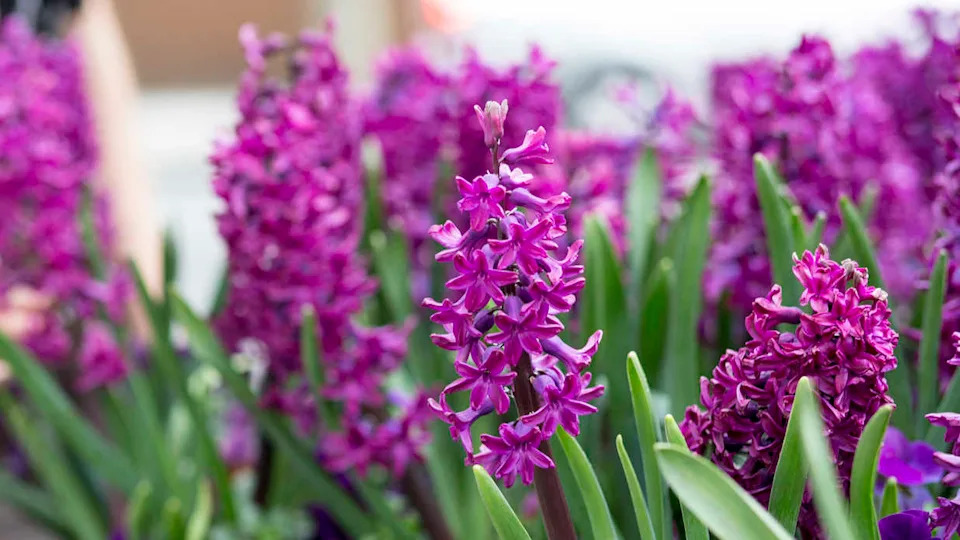
11 Pretty Purple Flowers to Plant in Your Garden

15 Variegated Plants To Spruce Up Your Indoor Spaces

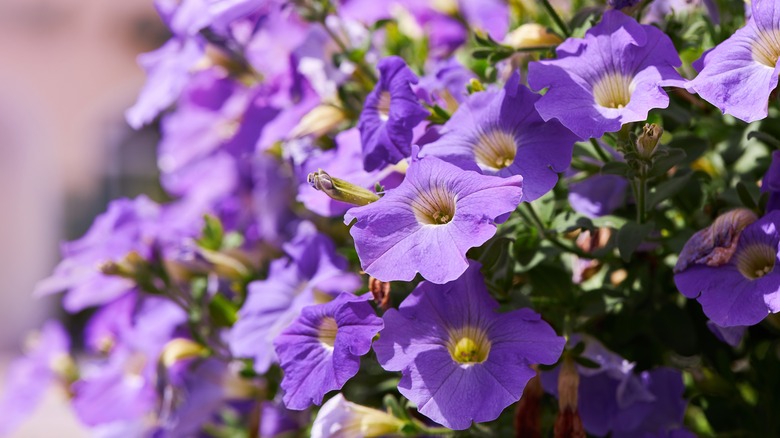
15 Annuals That Bloom With Bold Purple Flowers
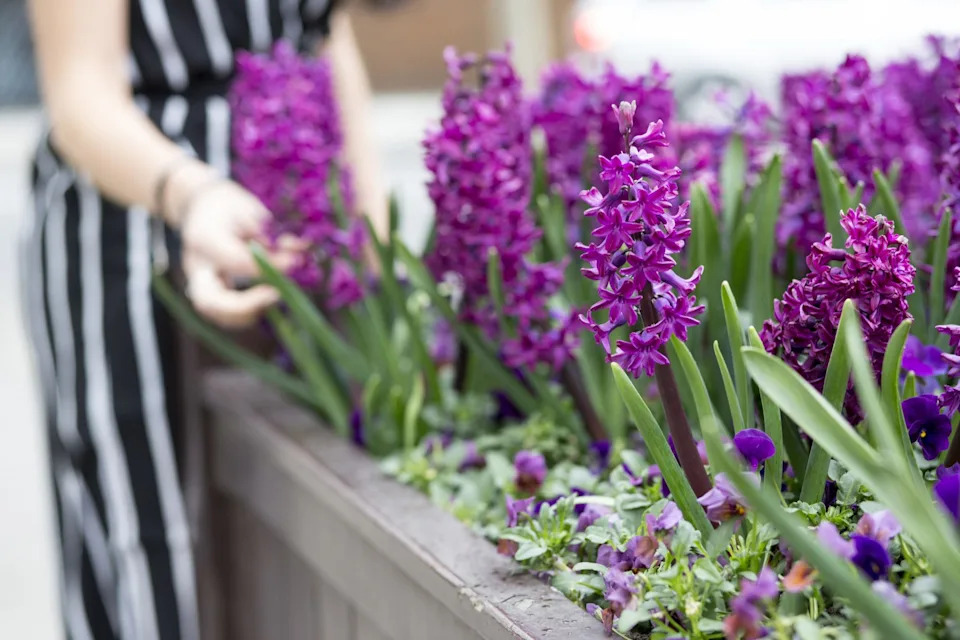
11 Pretty Purple Flowers to Plant in Your Garden
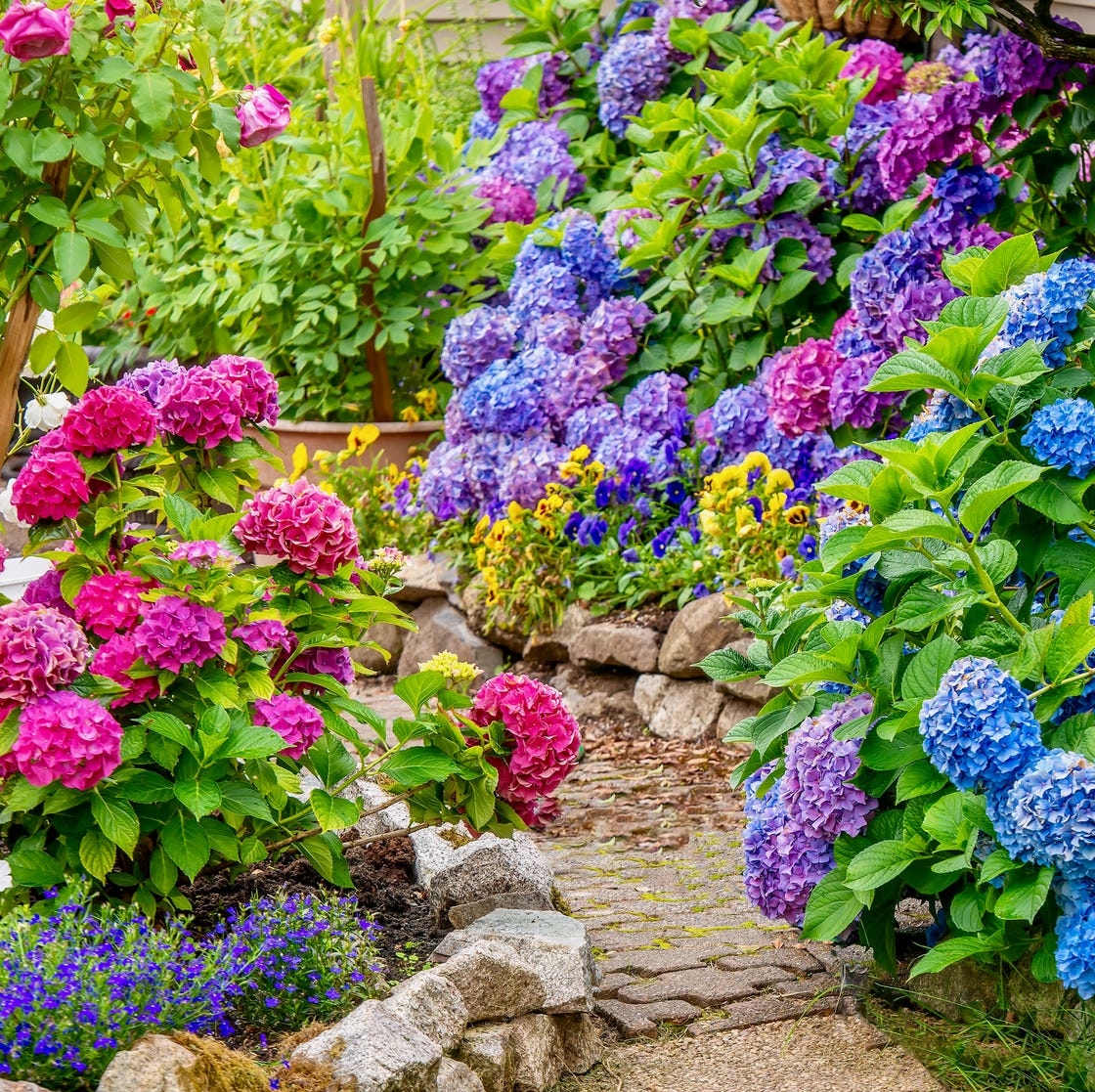
These Beautiful Flowering Shrubs Will Add Major Color to Your Garden

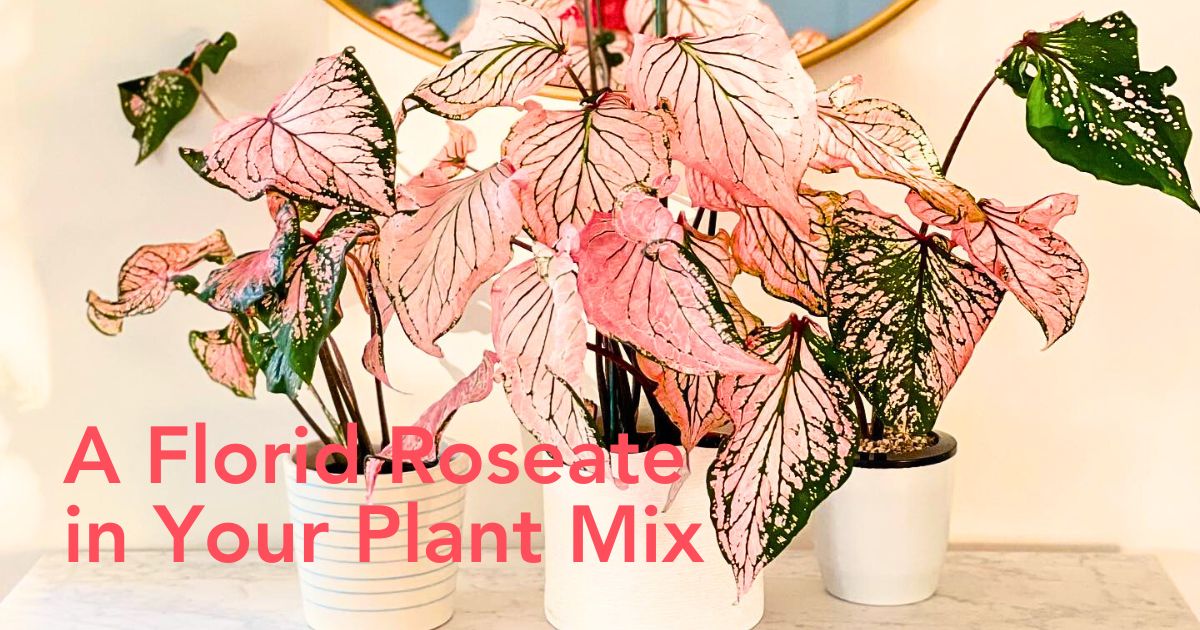
Pretty in Pink - 15 Pink Houseplants That Add a Pop of Color

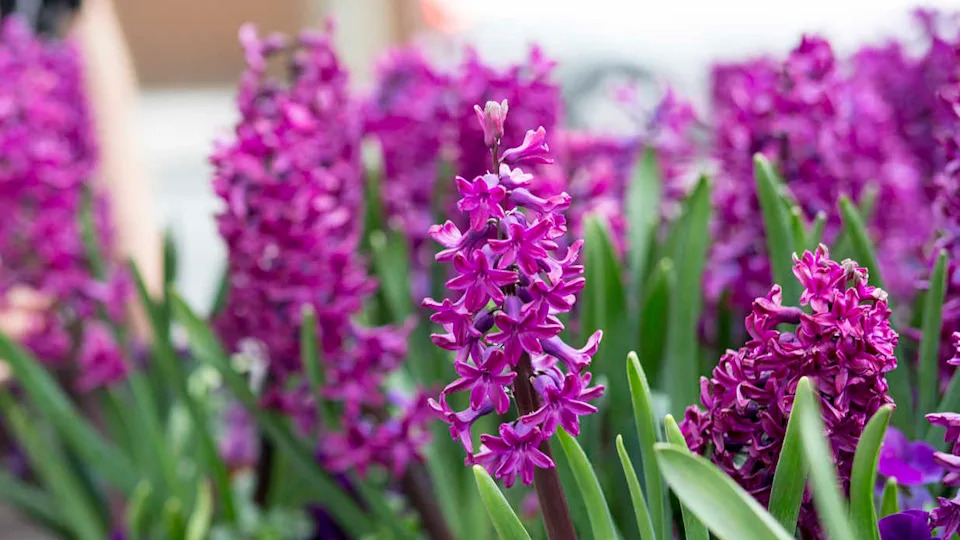
11 Pretty Purple Flowers to Plant in Your Garden
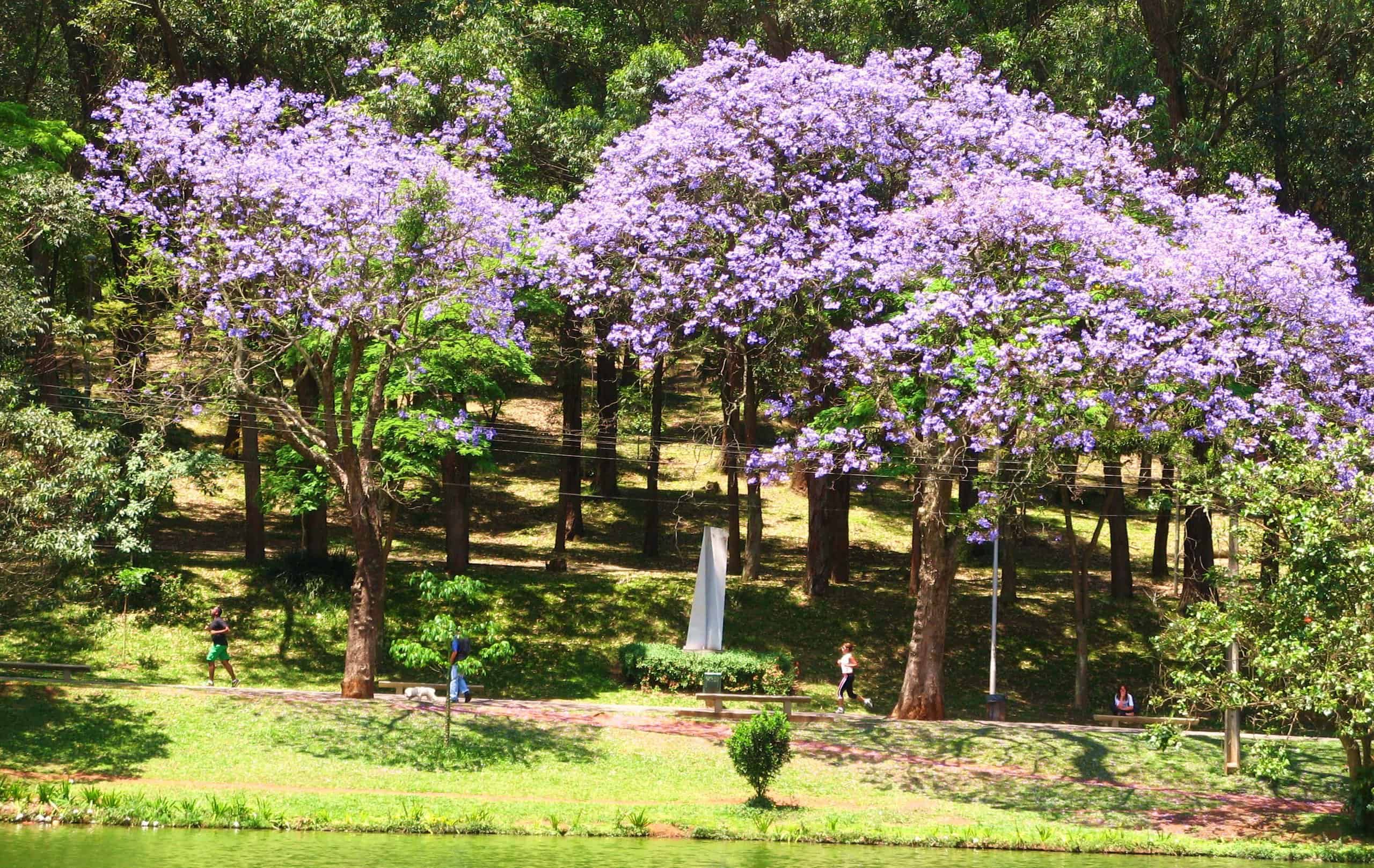
The 11 Best Purple Flowering Trees in Florida
15 Cut Flowers to Grow for Stunning Homemade Bouquets

8 Pink Plants for Your Houseplant Collection

16 Best Fast-Growing Purple Plants For A Beautiful Shade Garden In No Time
15 Purple Perennials To Plant In Fall To Enjoy Year After Year
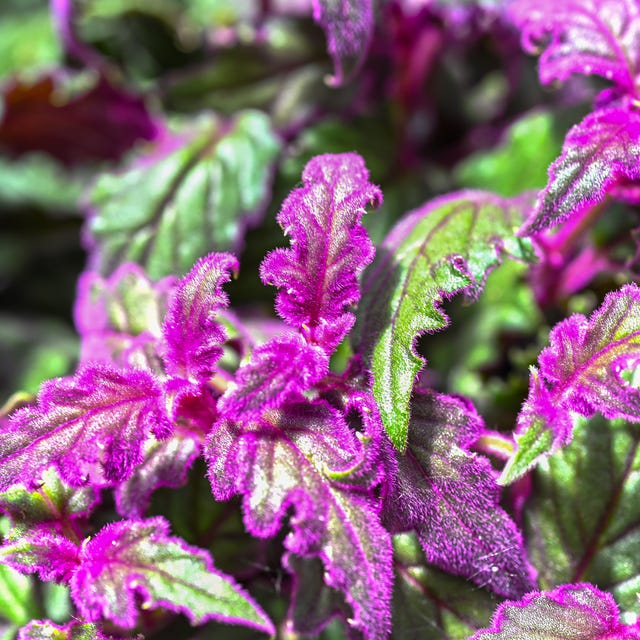
Not Only Is Purple Passion Plant Gorgeous, It's Easy to Grow
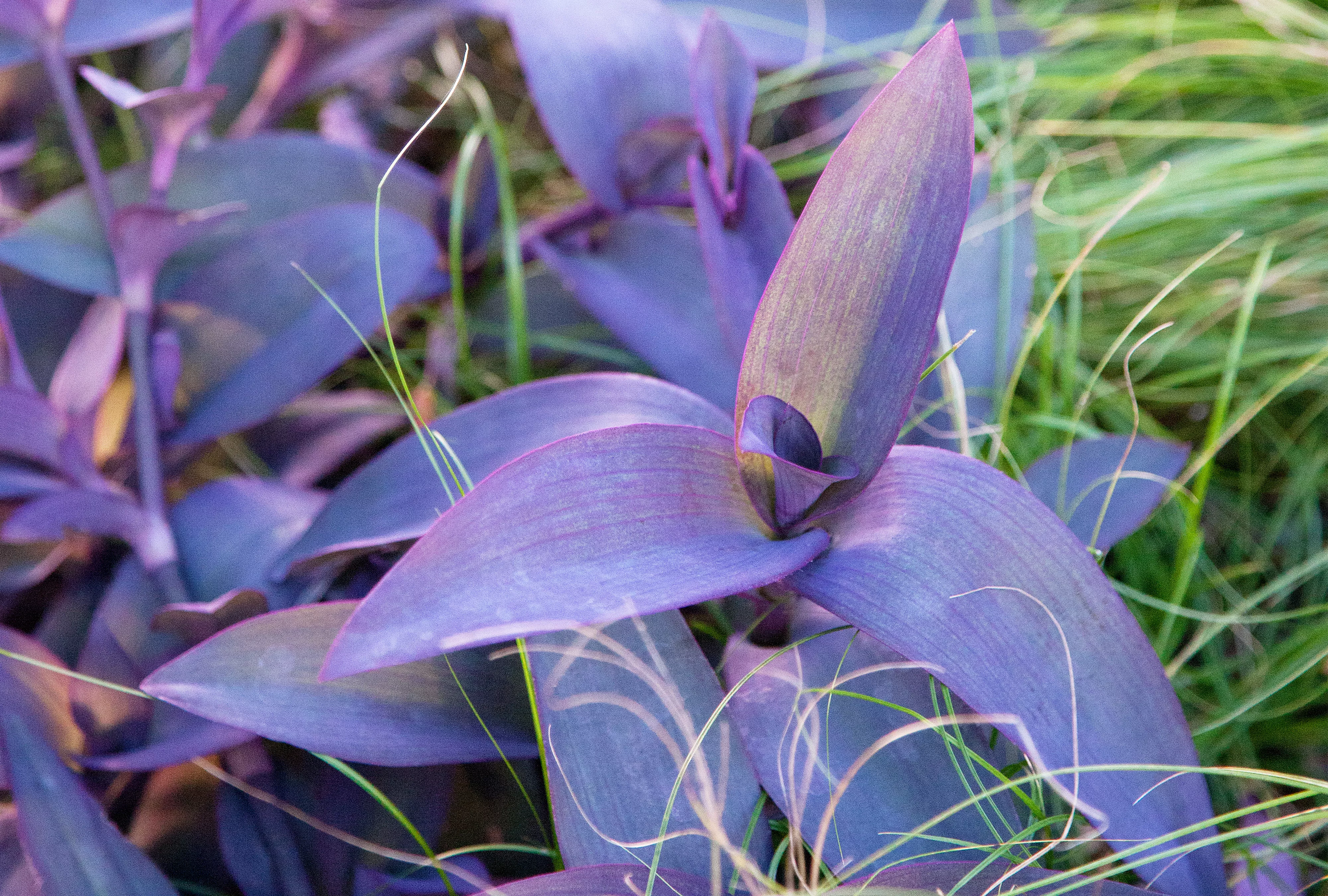
15 Purple Plants with Leaves that Stay Perpetually Purple