1/3
How technology is changing the future of wine cellaring
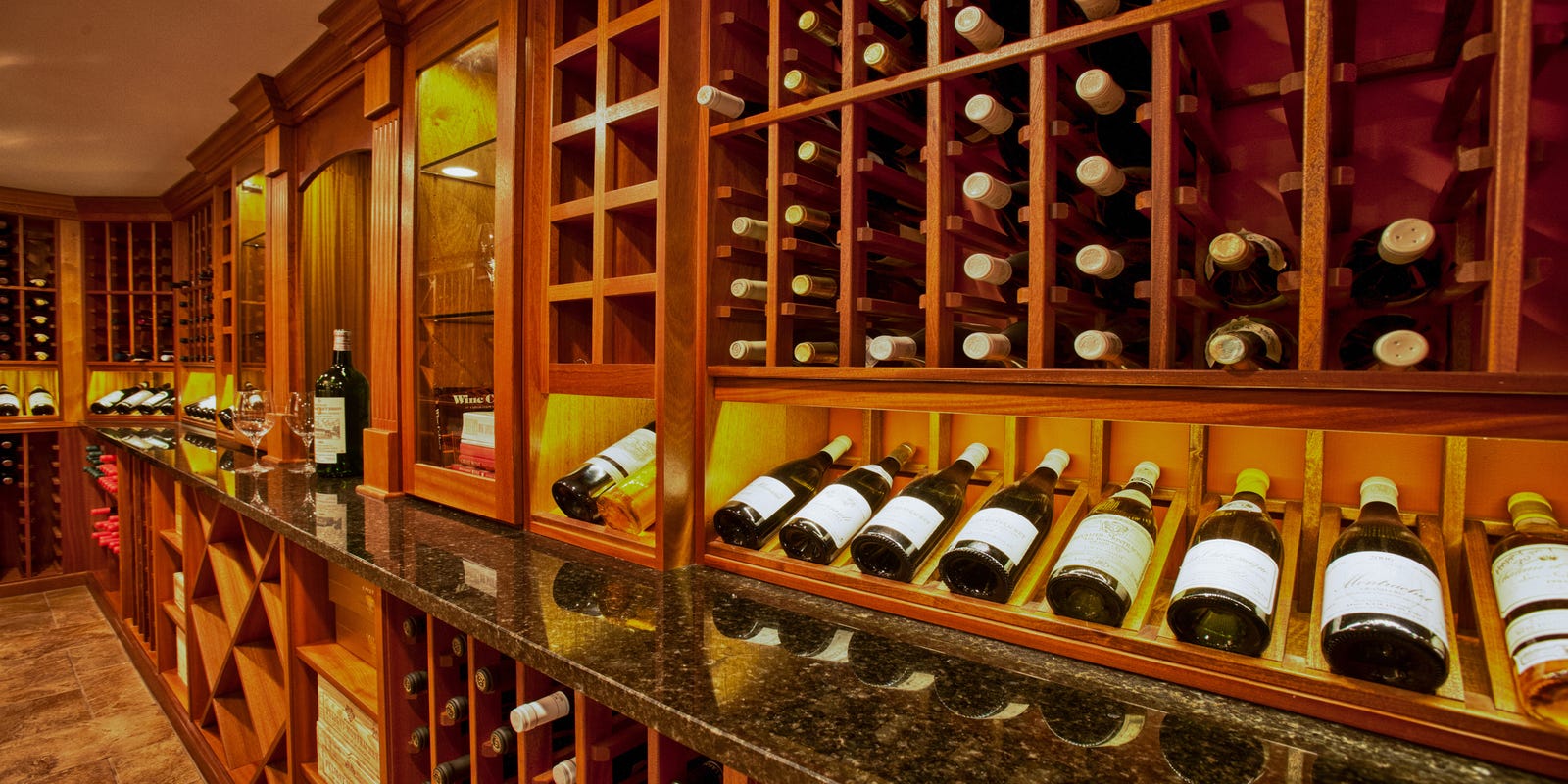
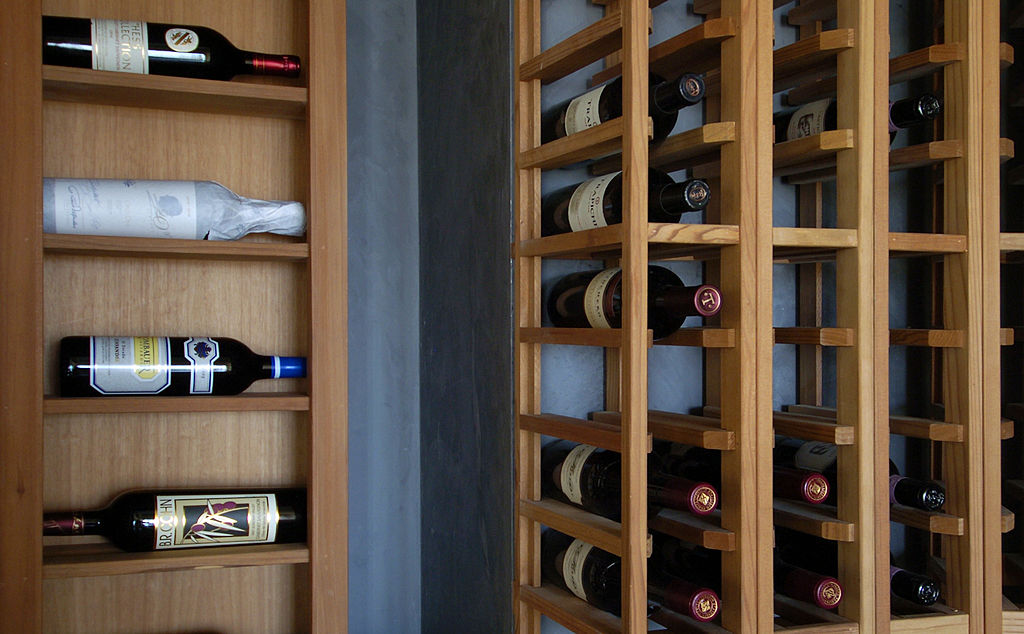
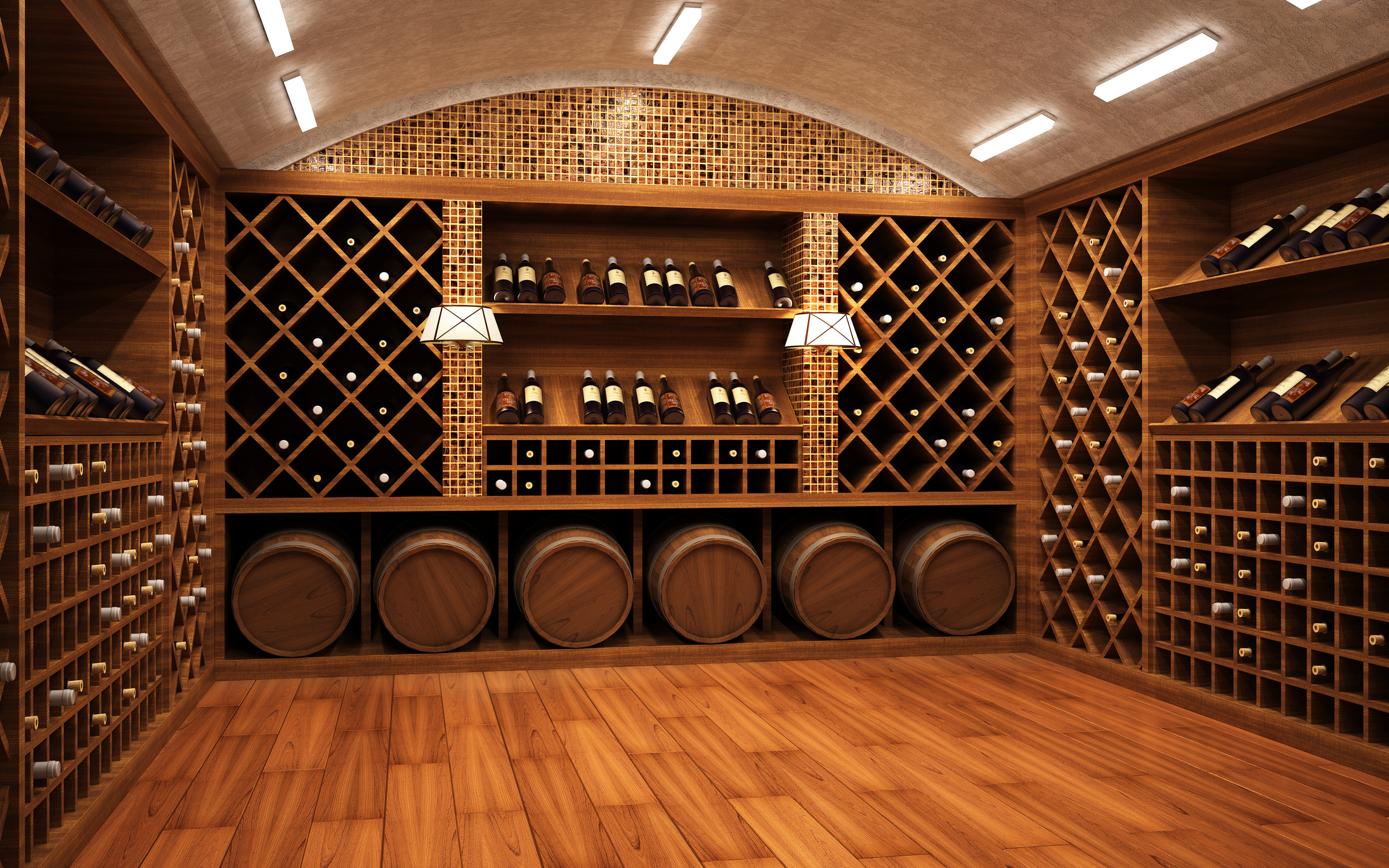
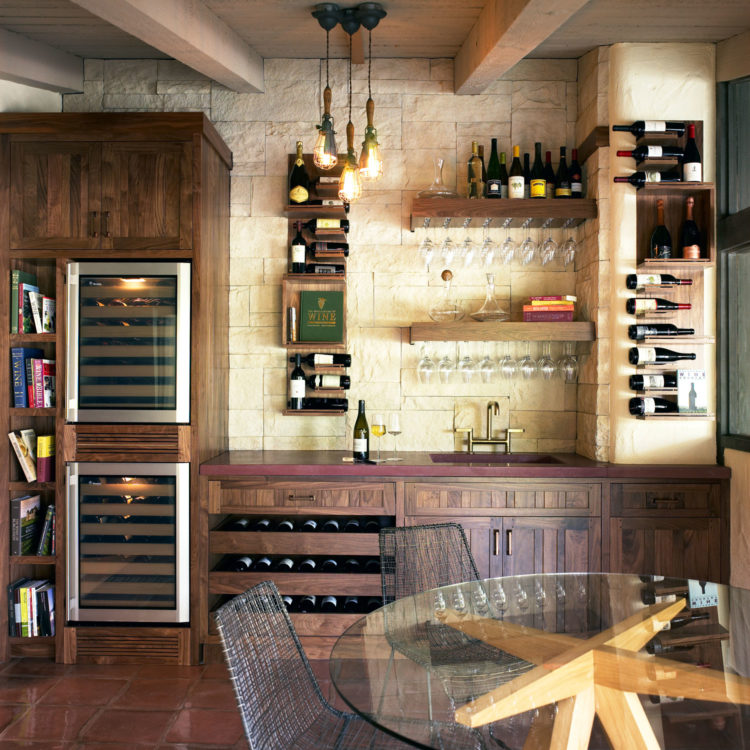
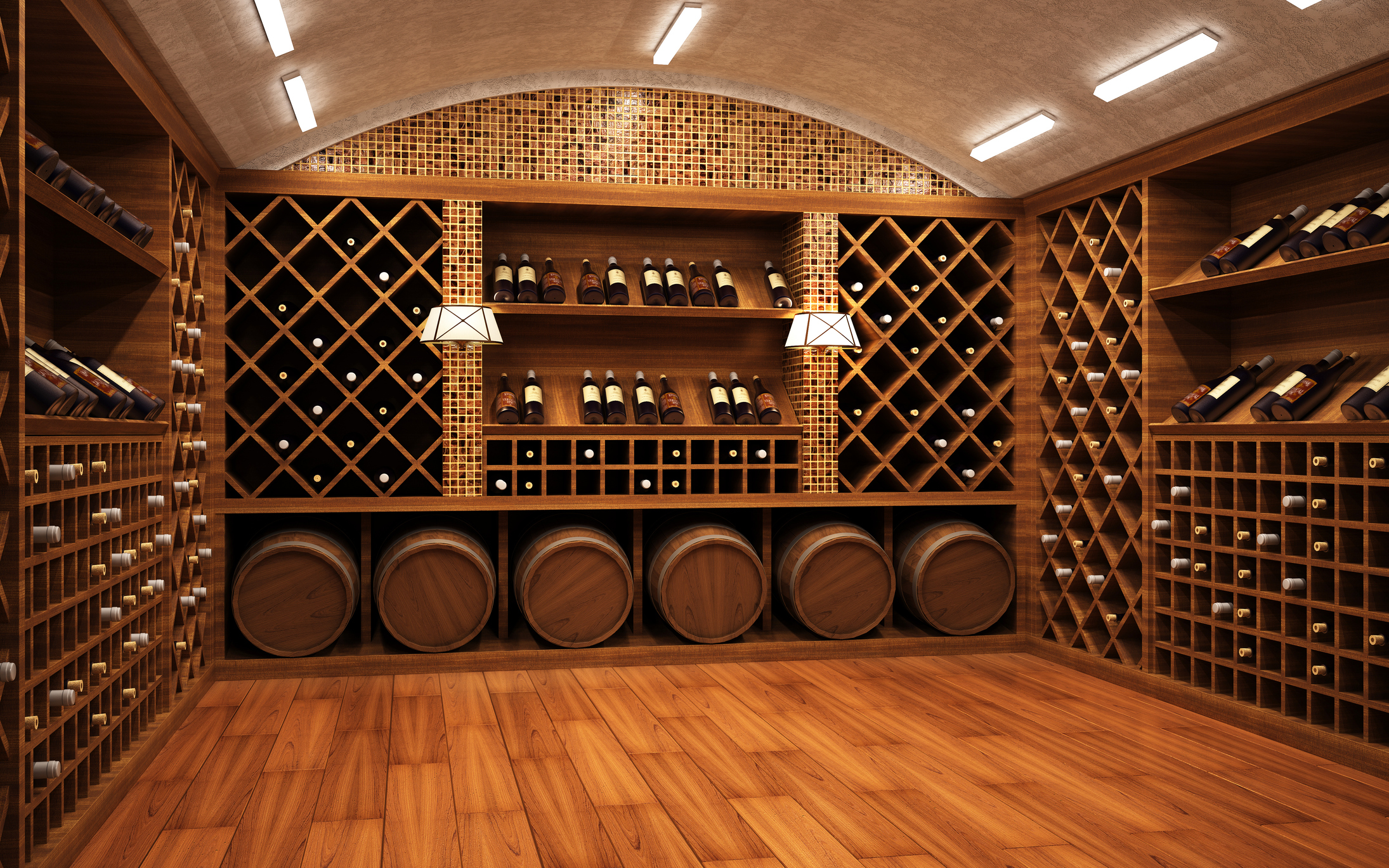
The practice of wine cellaring has undergone a significant transformation, moving beyond traditional subterranean spaces to integrate with modern home design and technology. This evolution provides wine enthusiasts without classic cellars diverse options for storing their collections, ranging from compact wine fridges to elaborate wine walls and custom-built solutions.
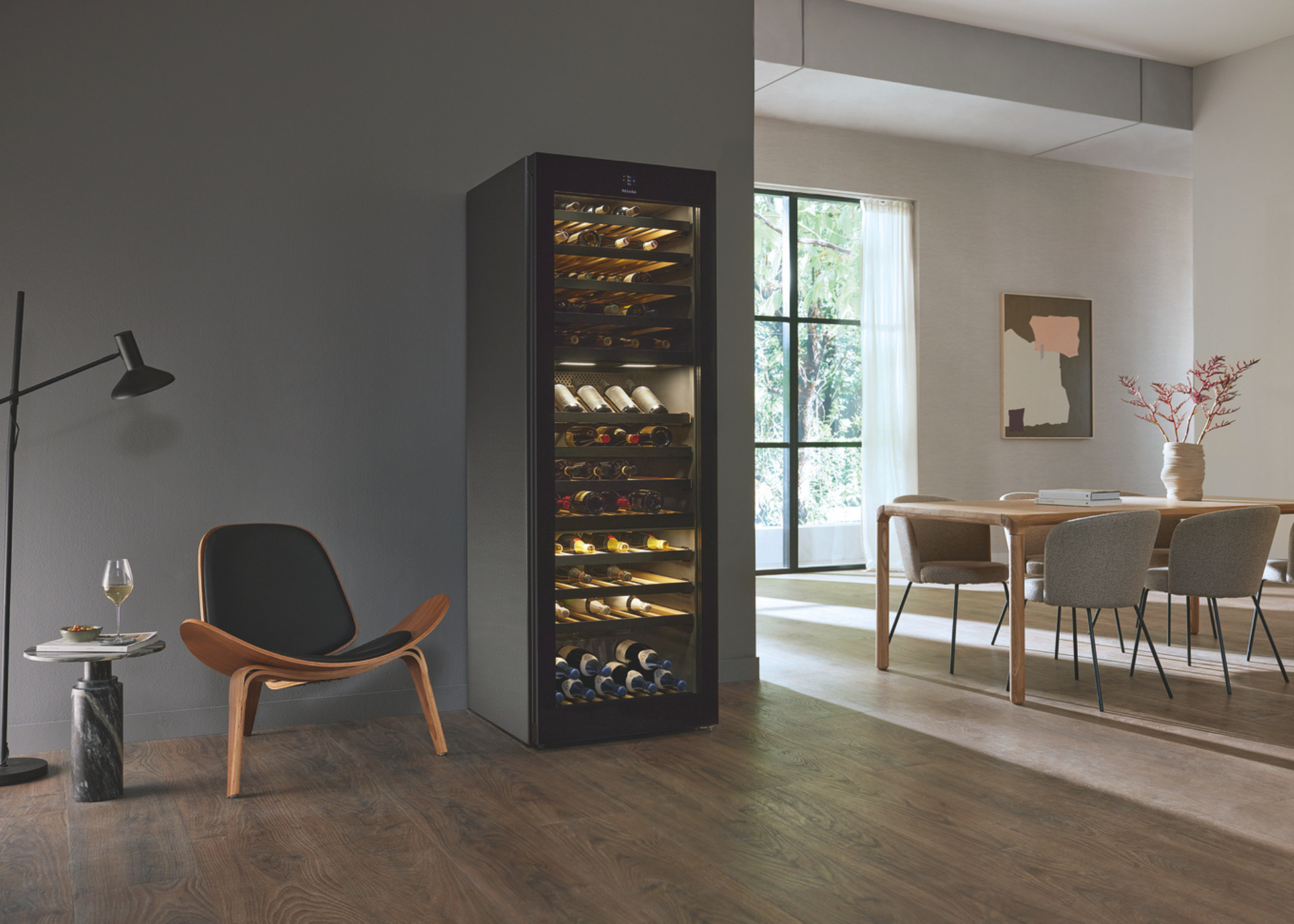
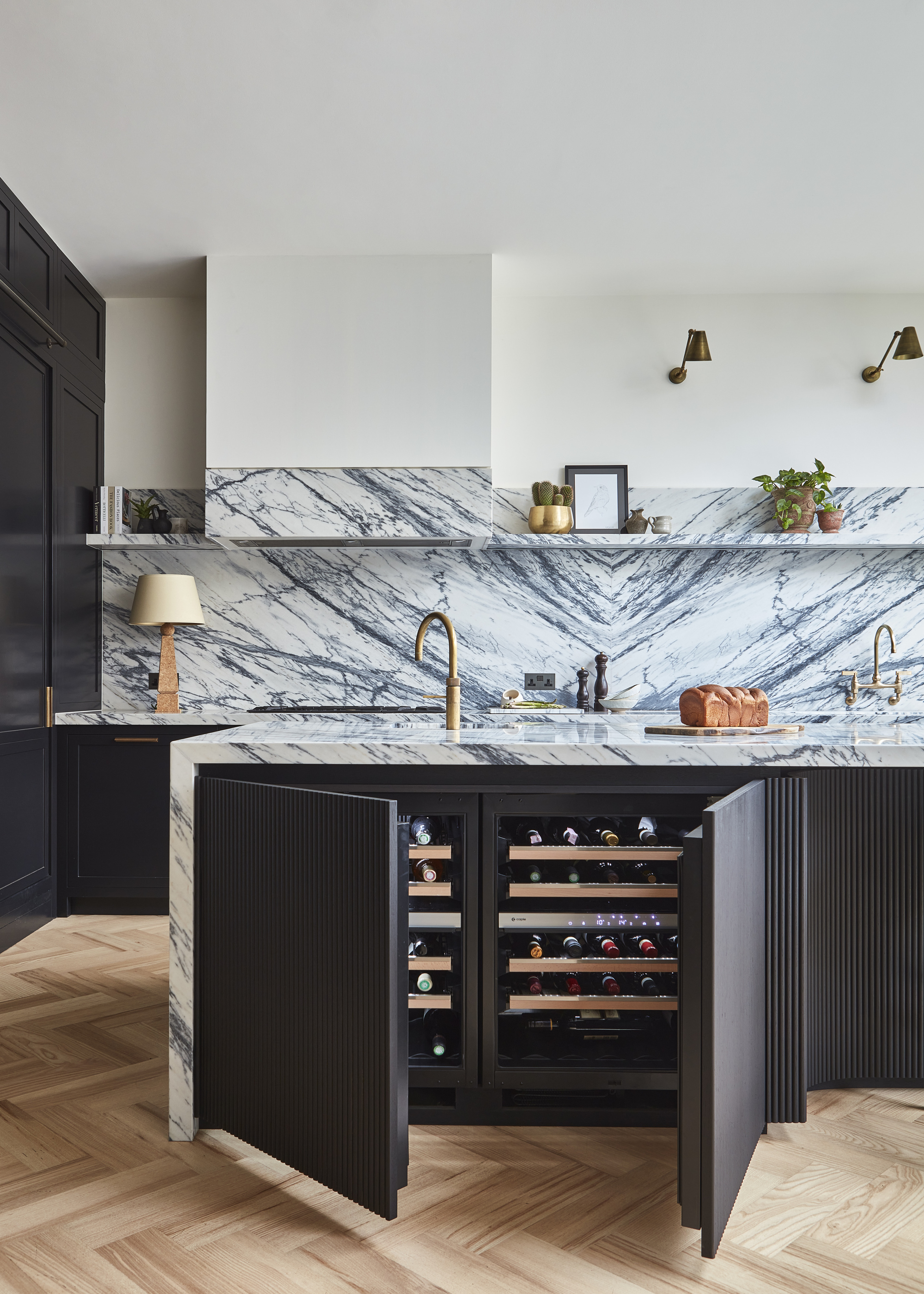
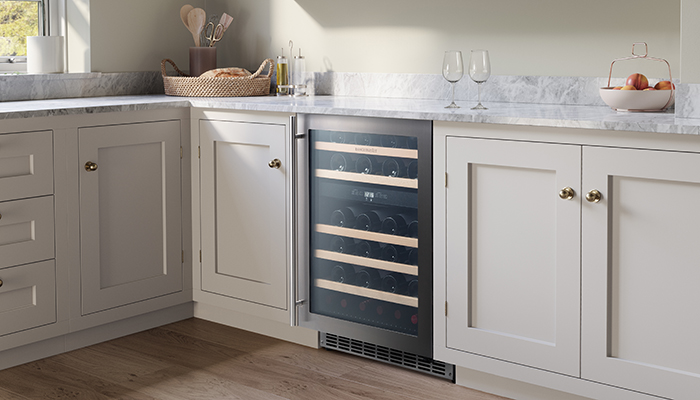
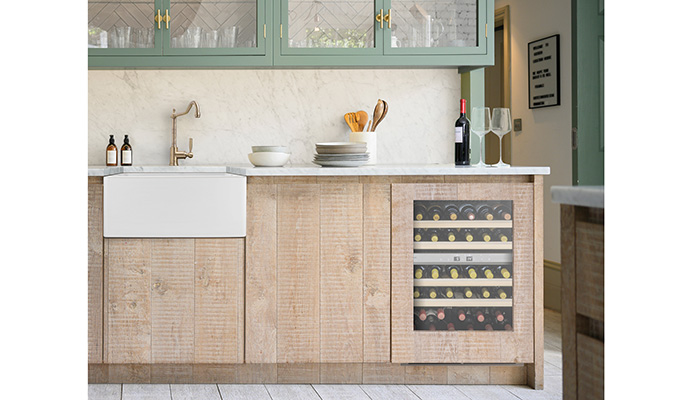
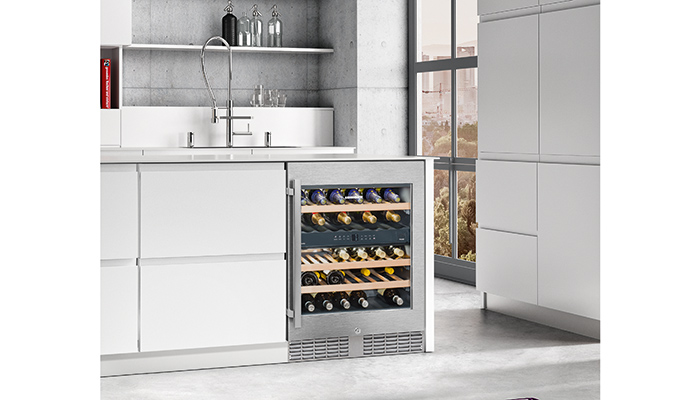
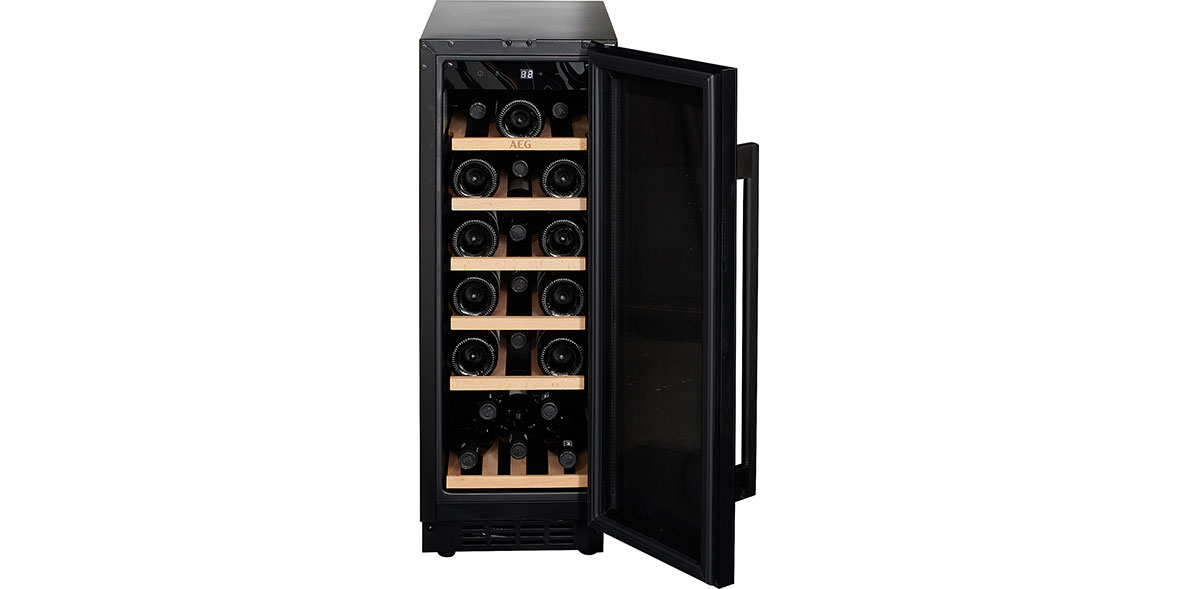
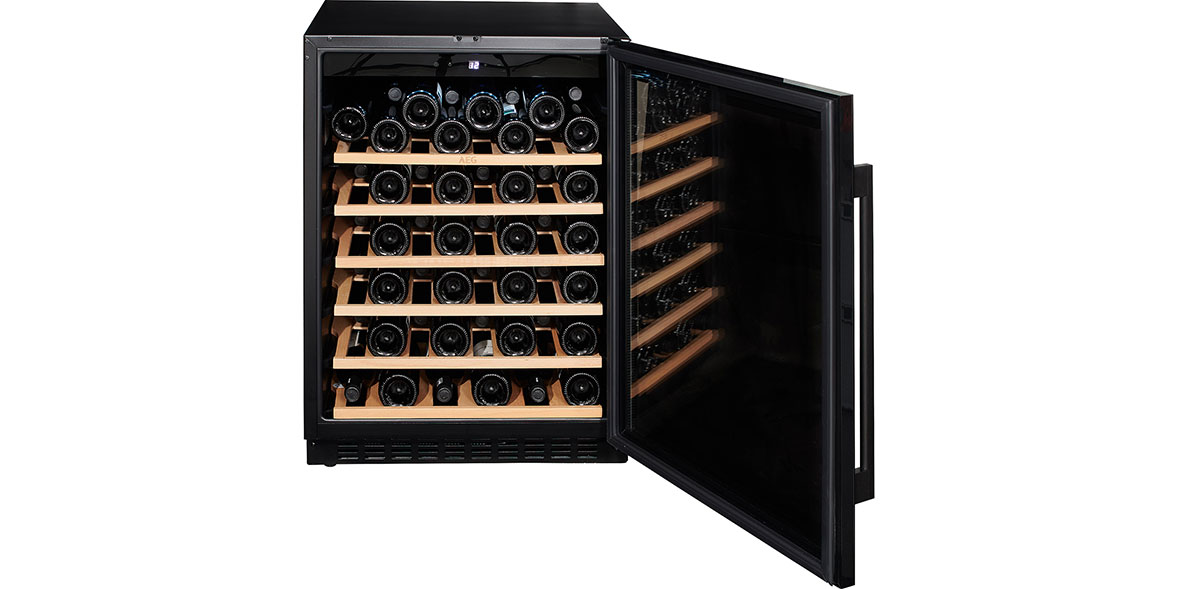
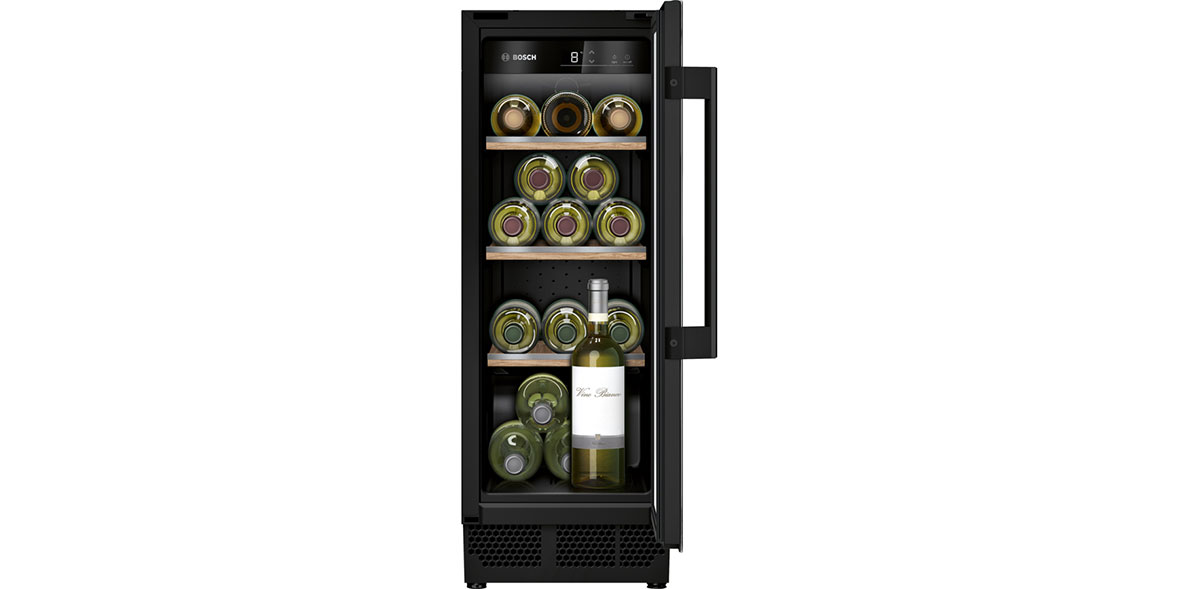
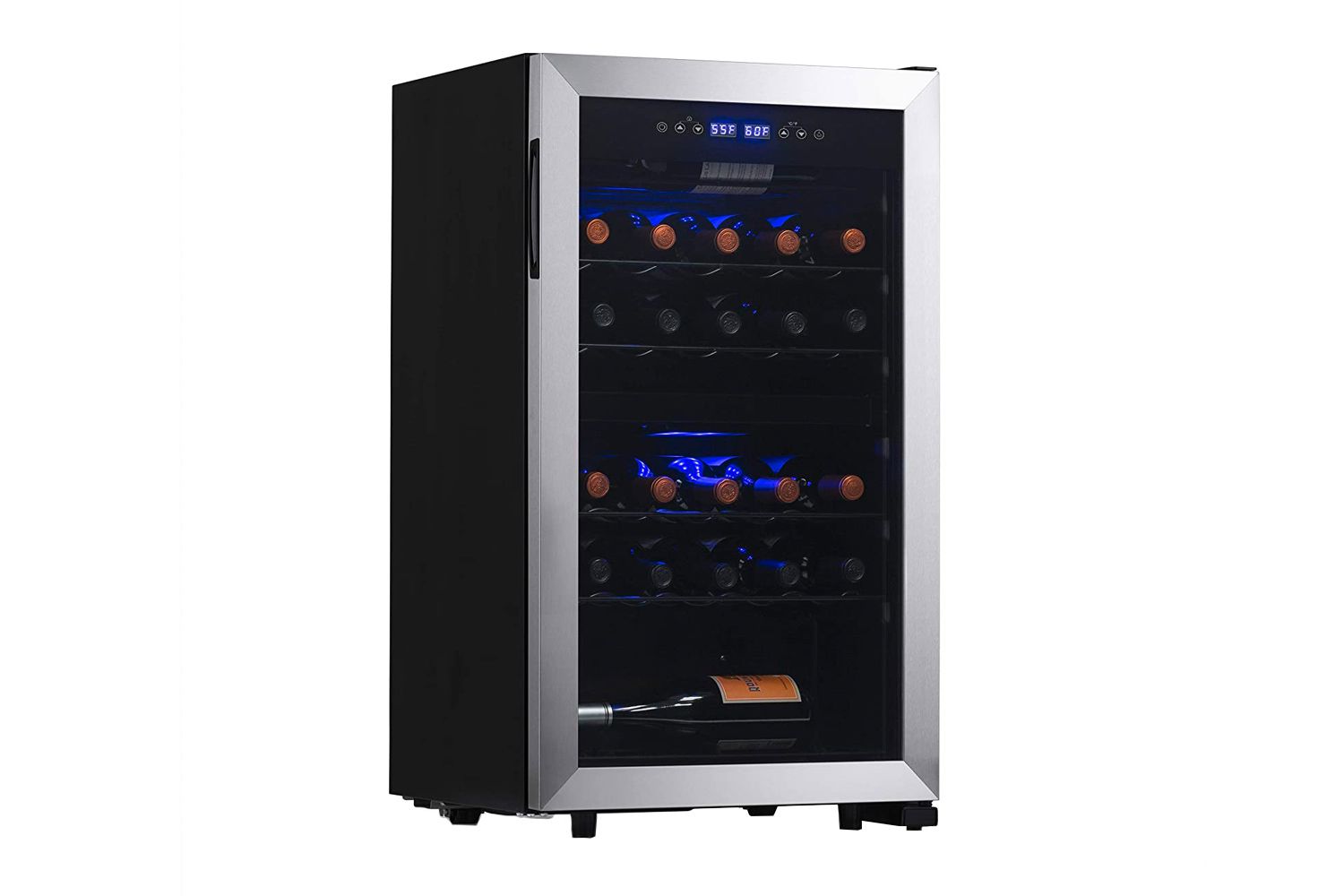
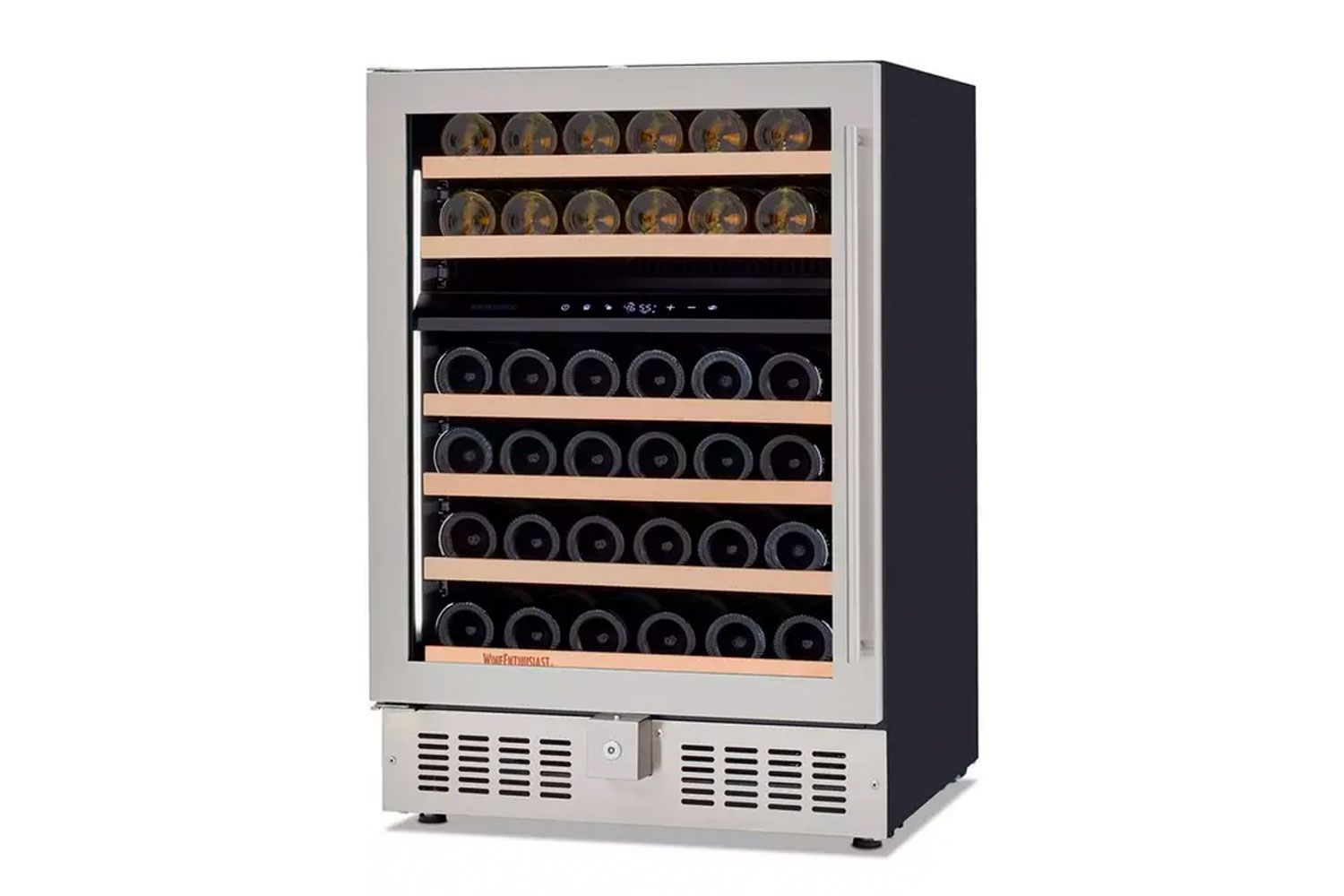
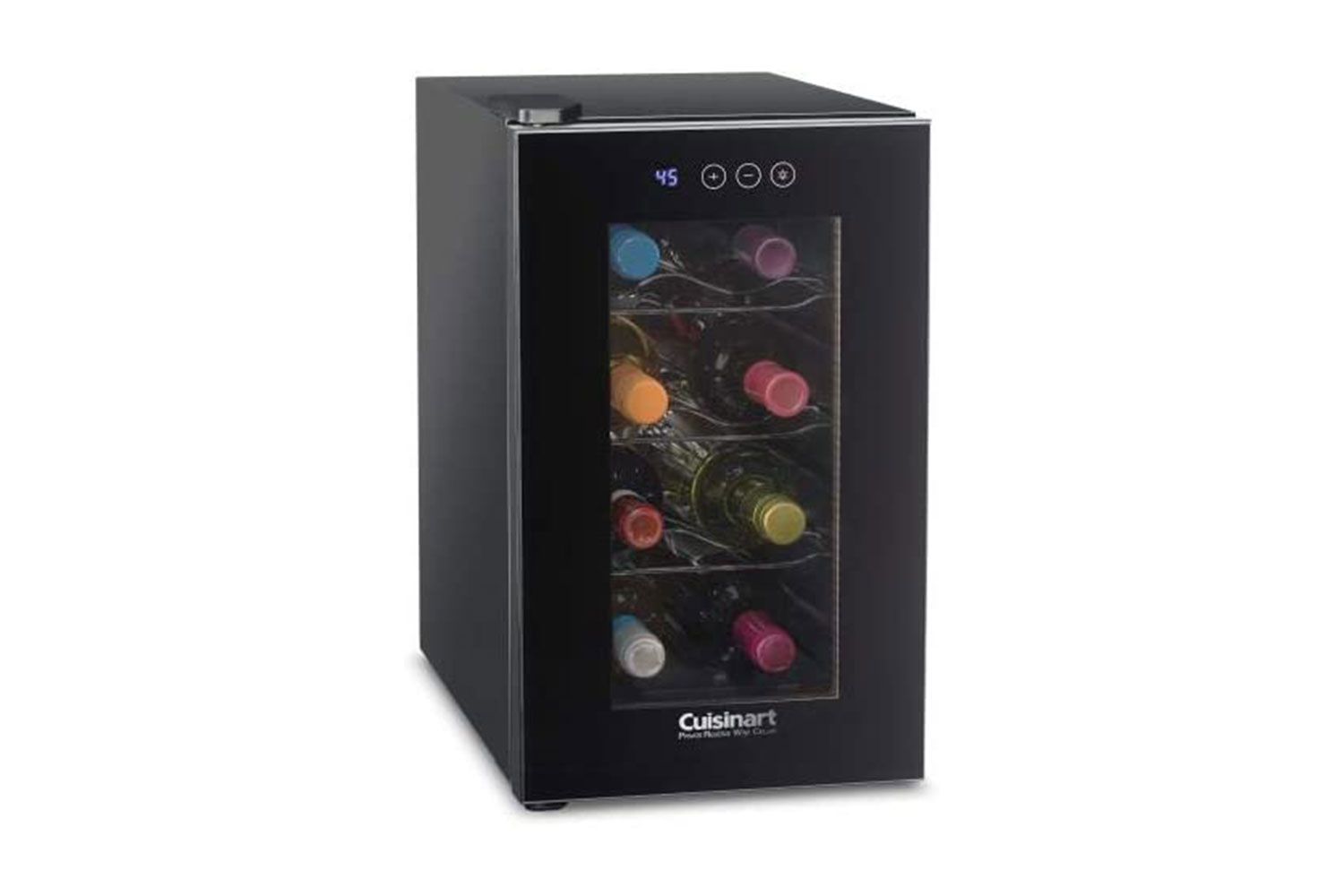
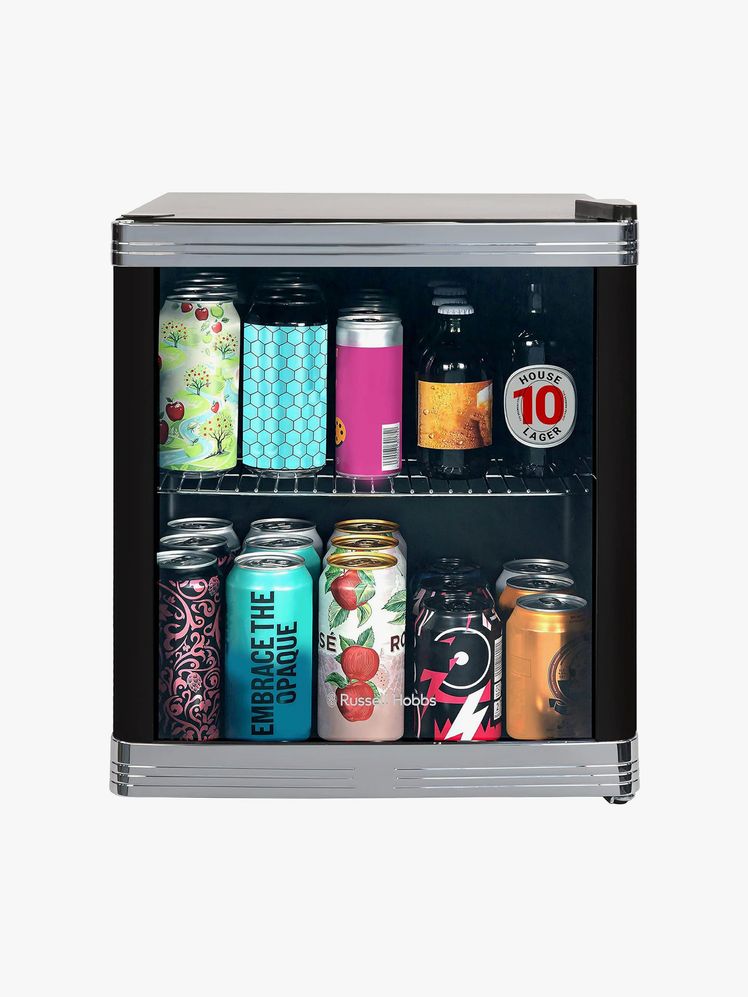
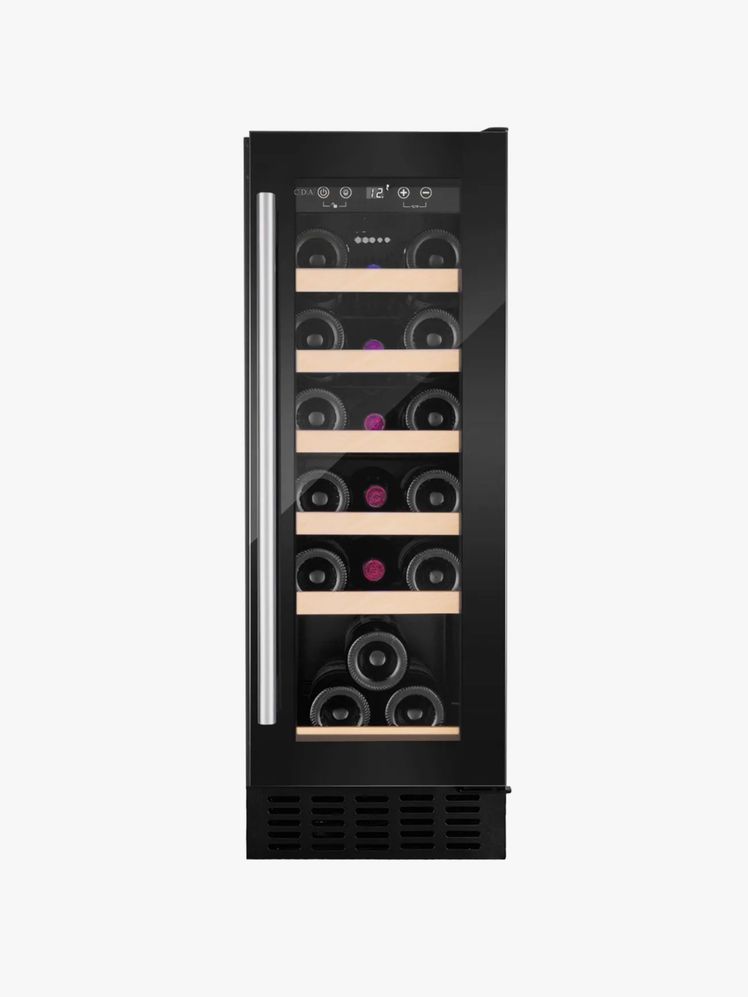
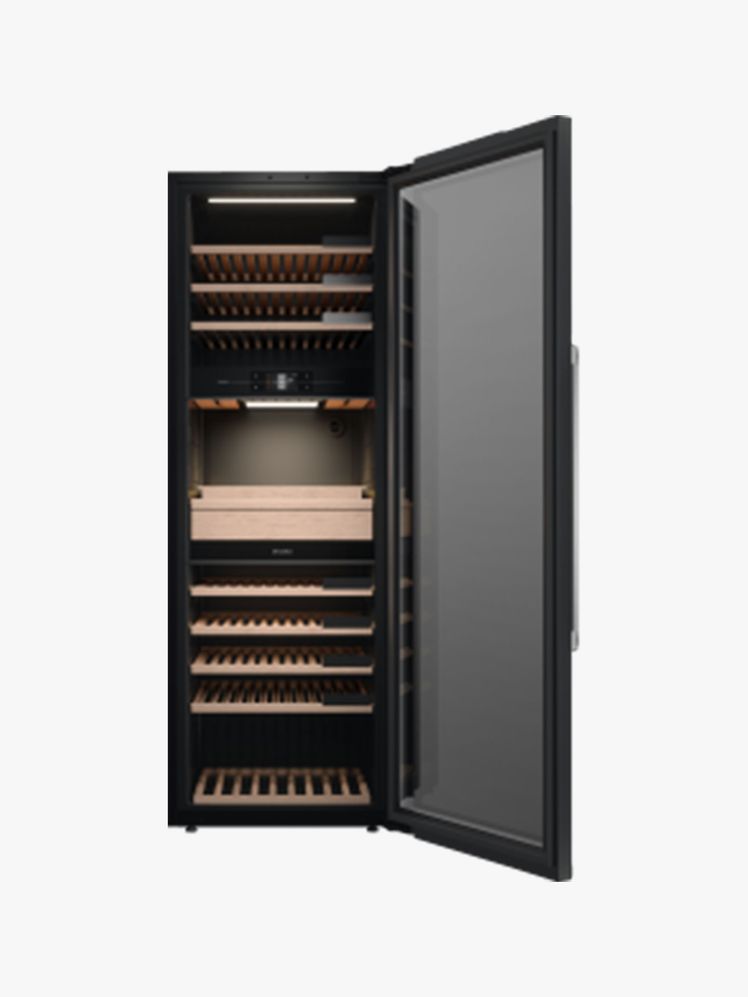
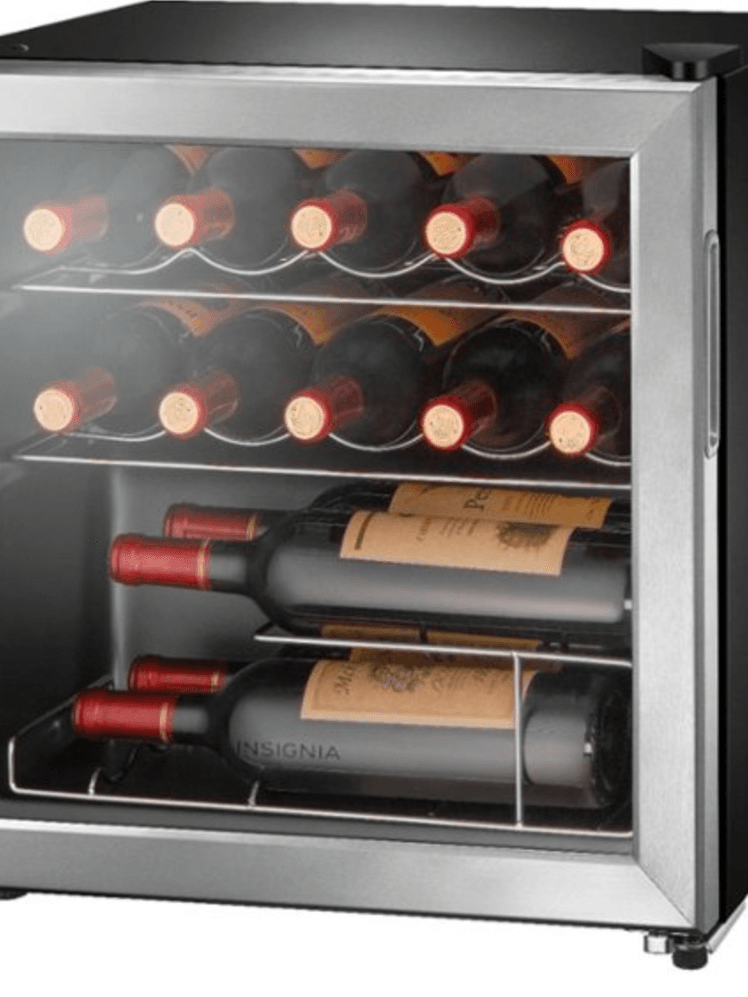
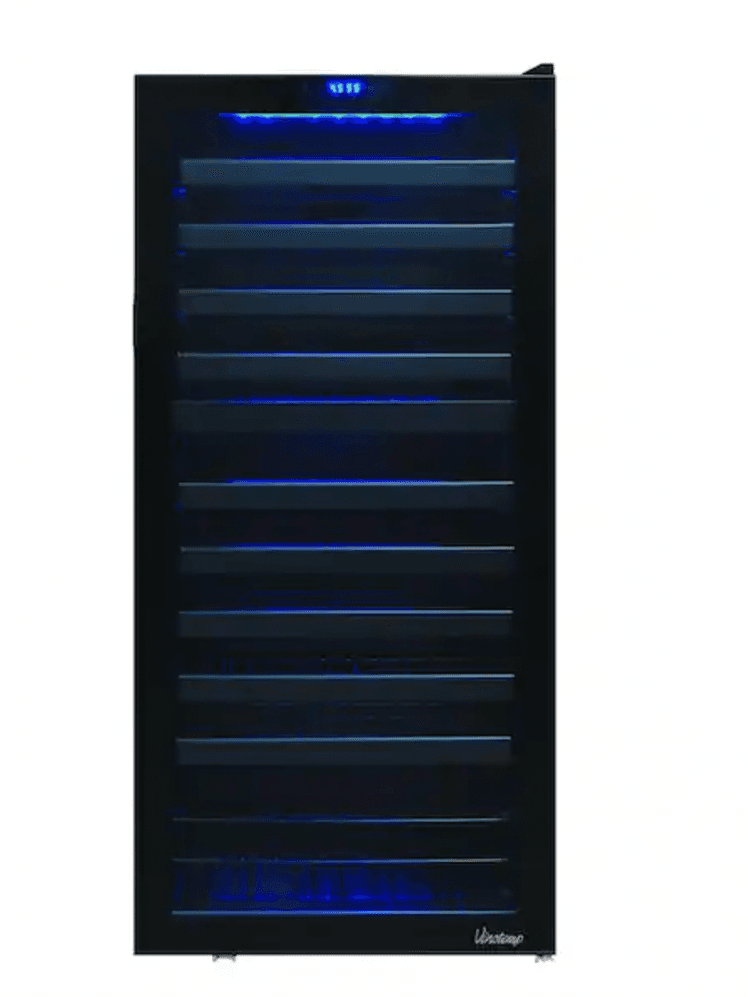
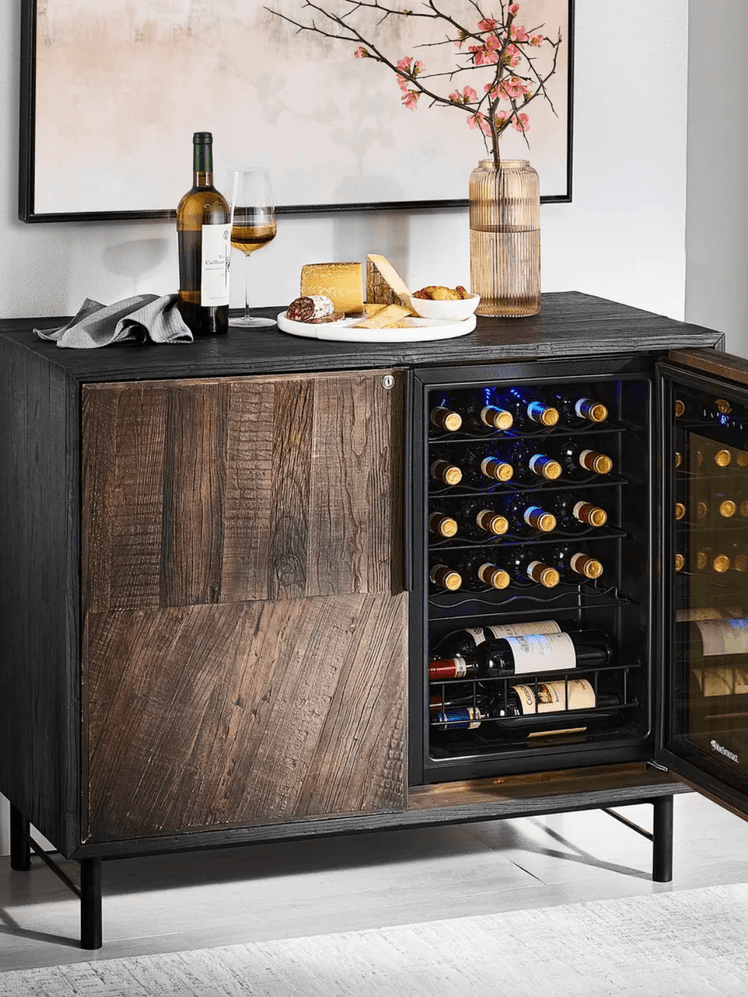
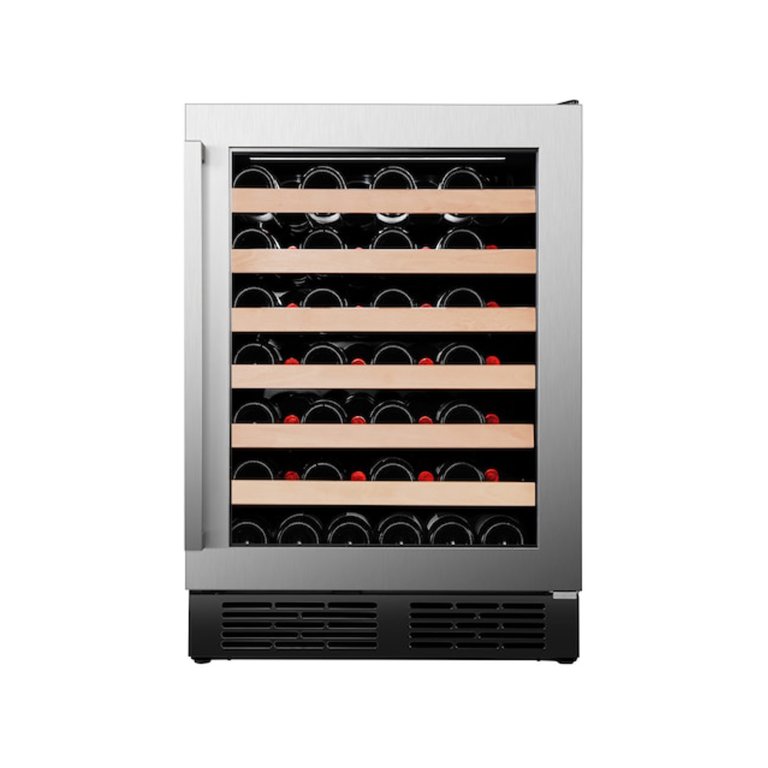
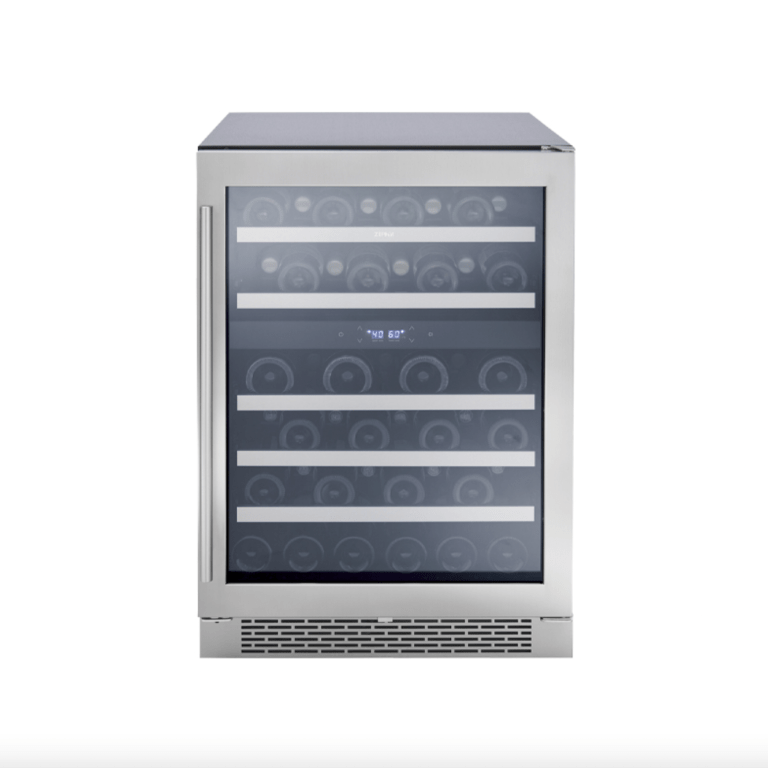
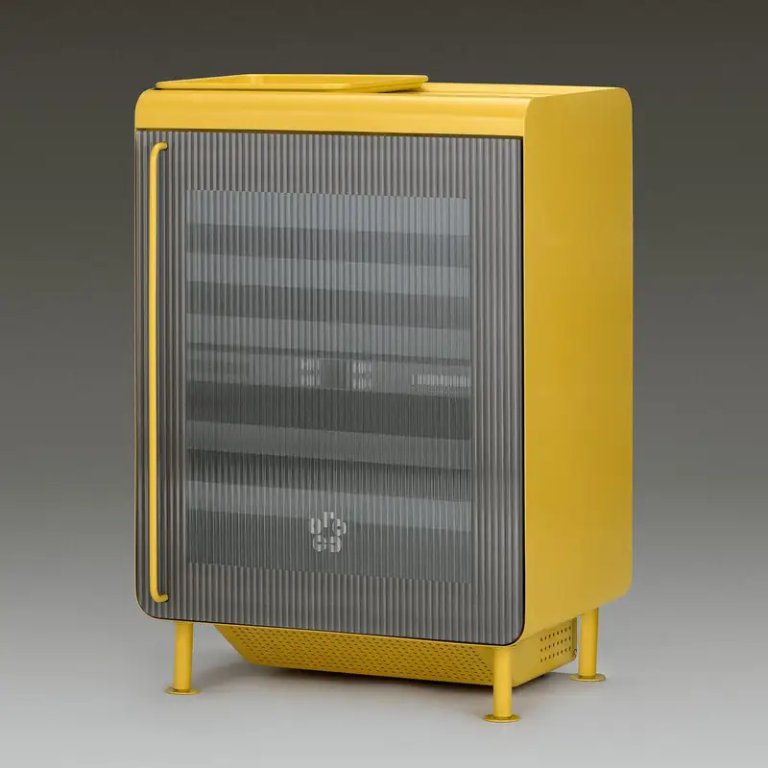
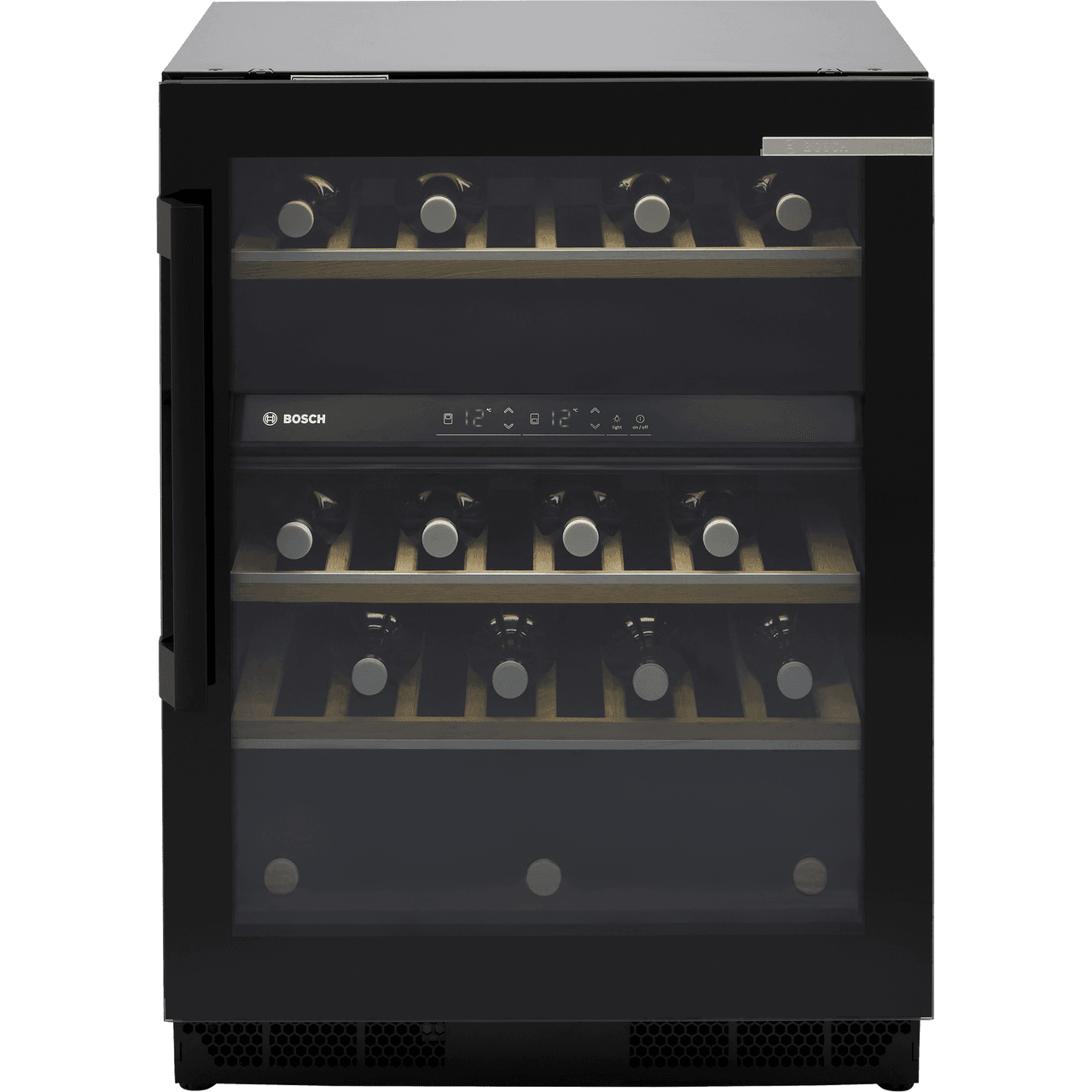
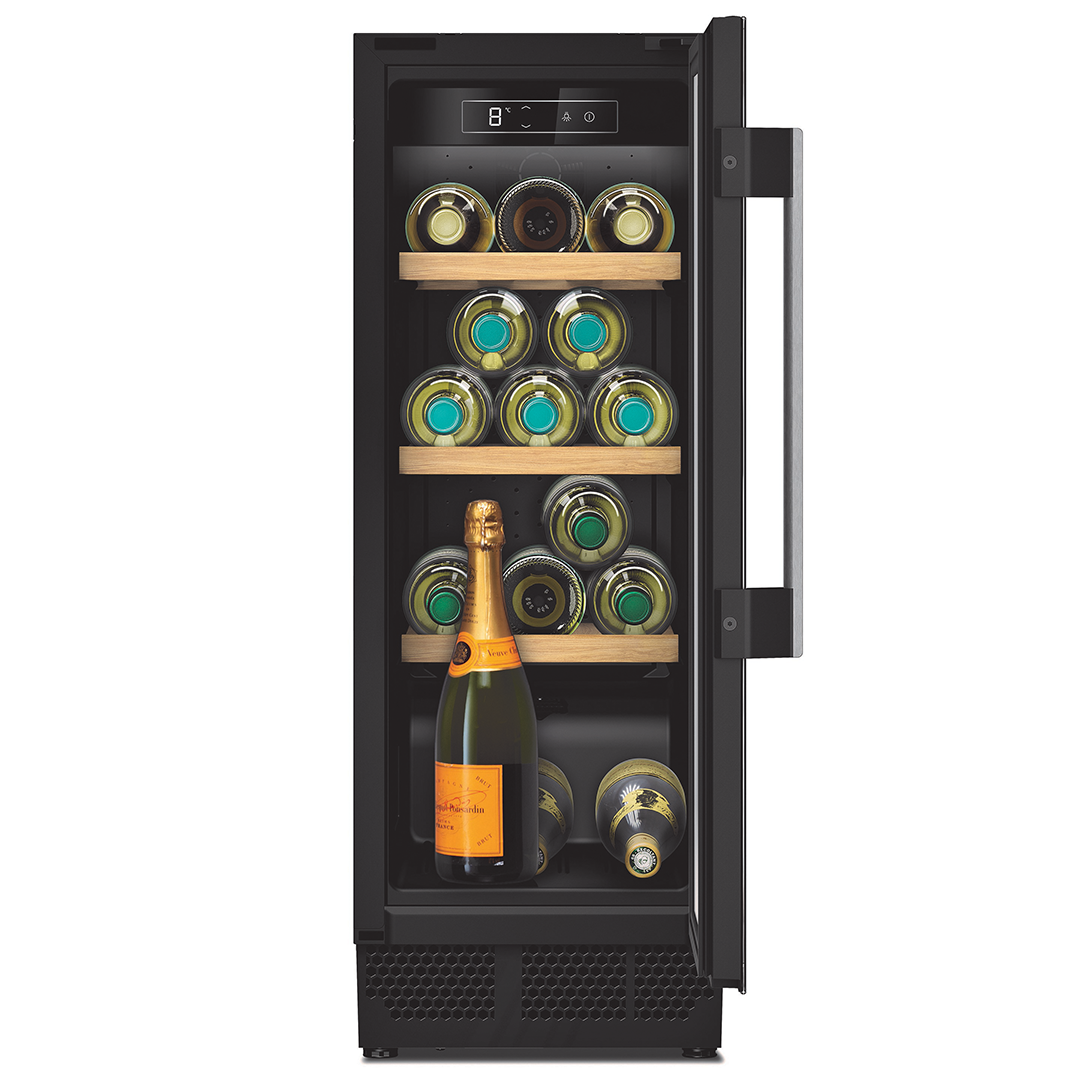
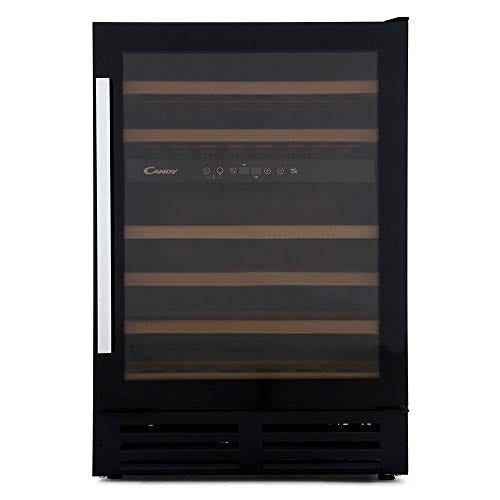
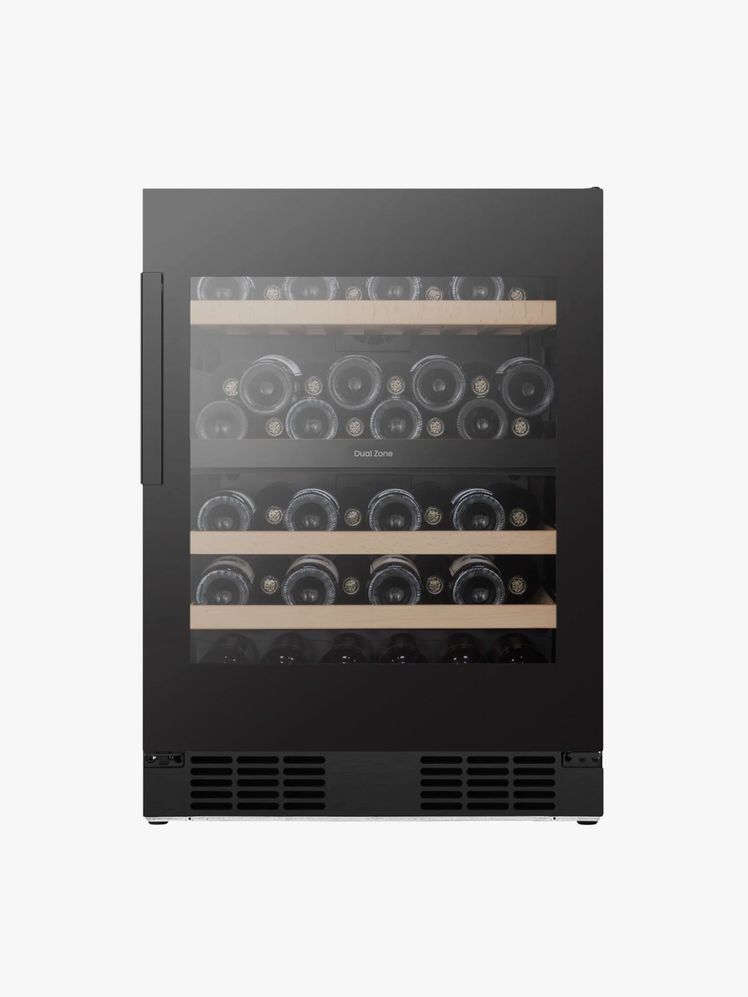
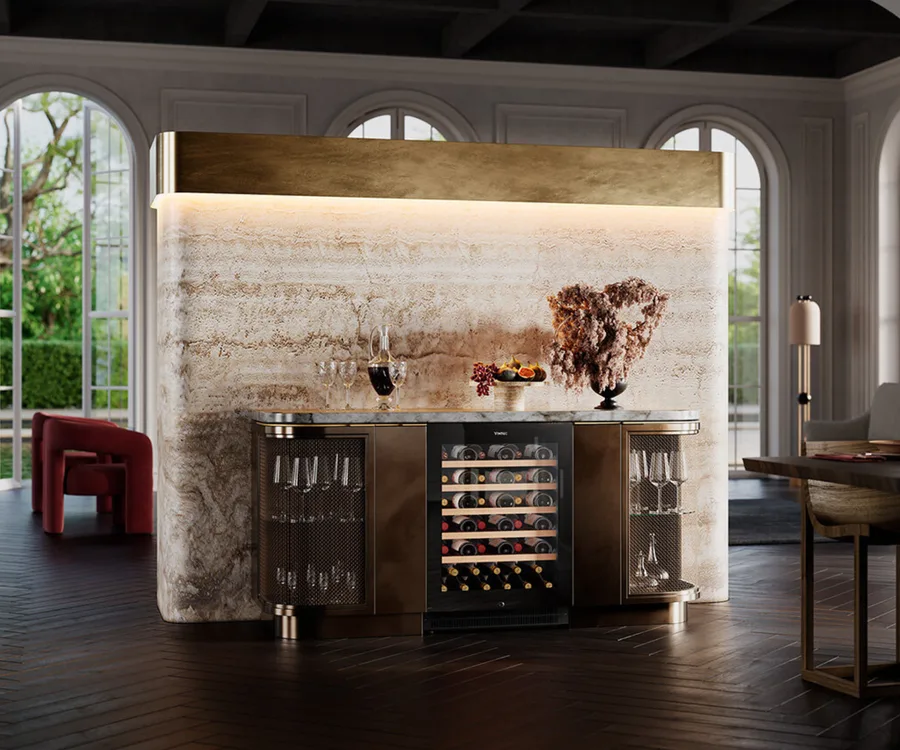
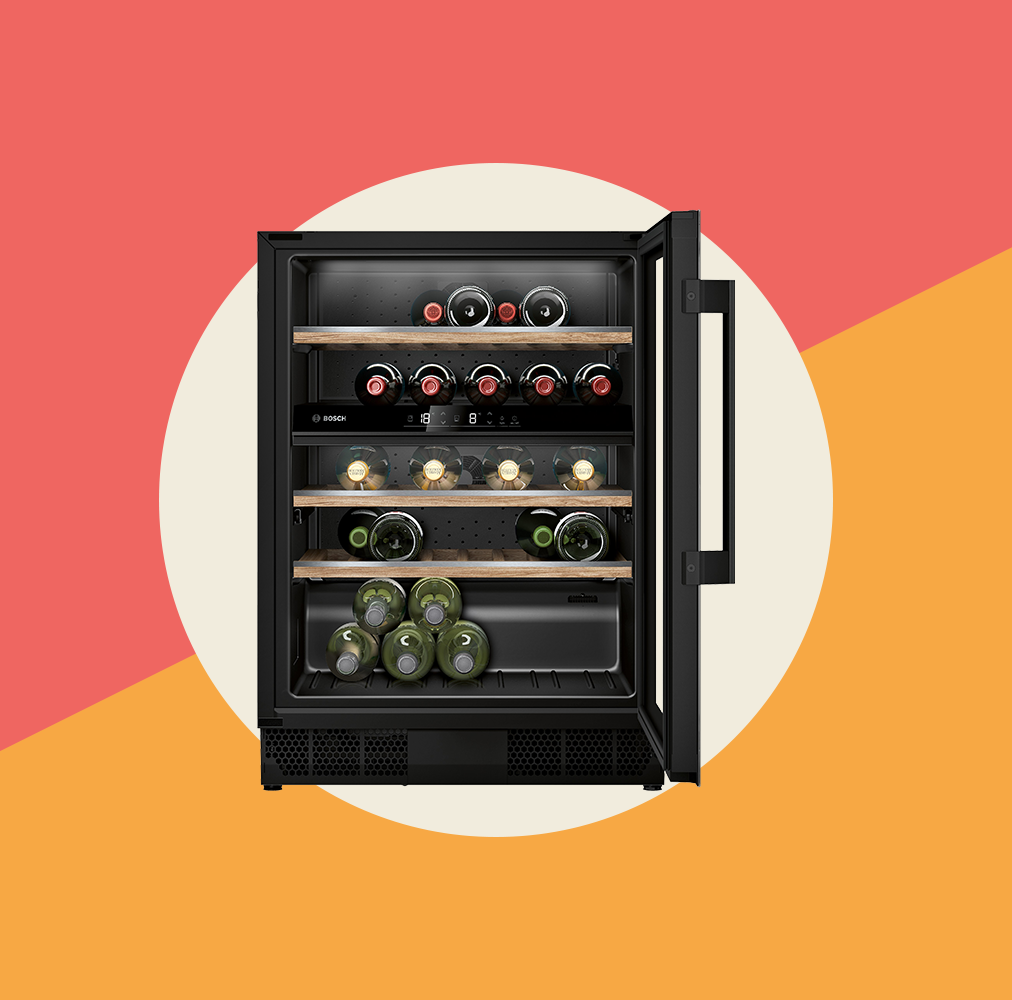
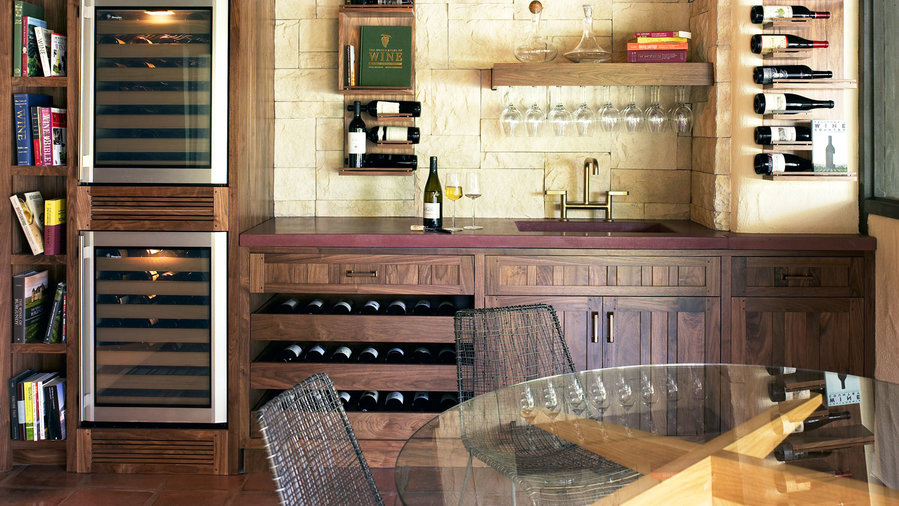
Wine fridges and cabinets serve as the initial step into professional-level wine storage. These appliances vary in size, from small, discreet under-counter units to large models capable of holding over 200 bottles, often becoming a focal point in a room. Contemporary wine fridges feature multi-zone temperature control, humidity regulation, LED lighting with various color settings, charcoal filters to neutralize odors, highly accurate digital temperature control, and anti-UV glass to protect wine from light exposure. Advanced models, like the LG Signature Wine Cellar, incorporate smart features such as voice-activated auto-open doors and smartphone app connectivity for remote temperature adjustments.
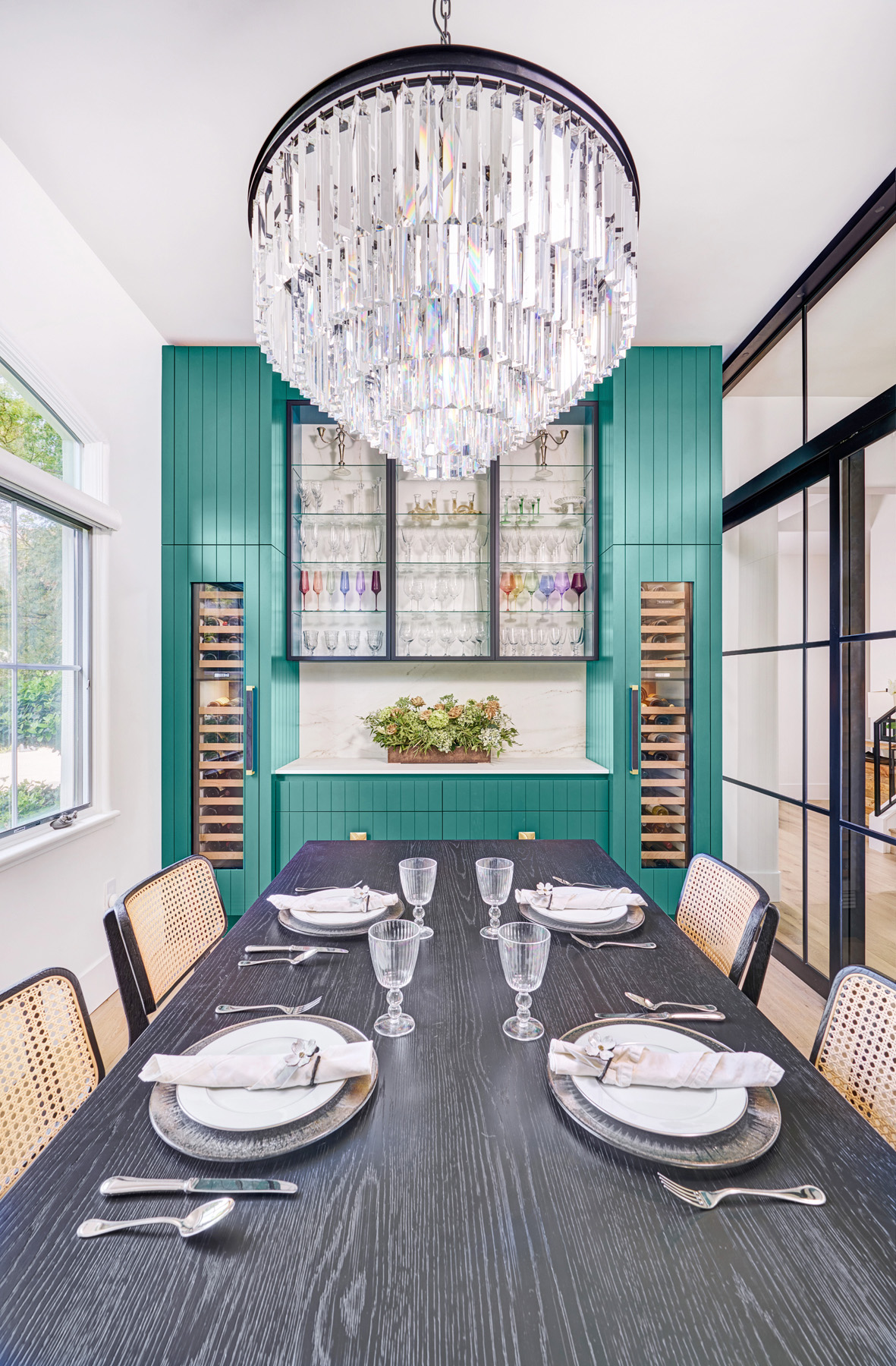
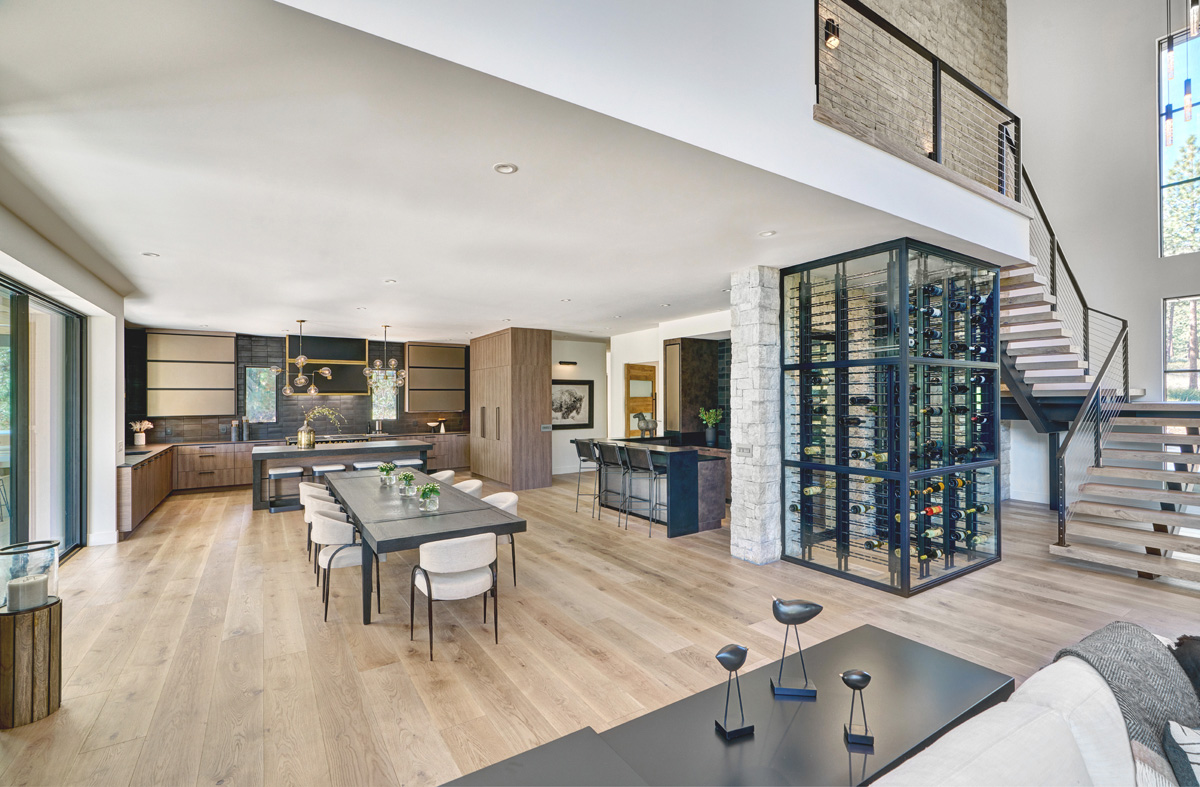
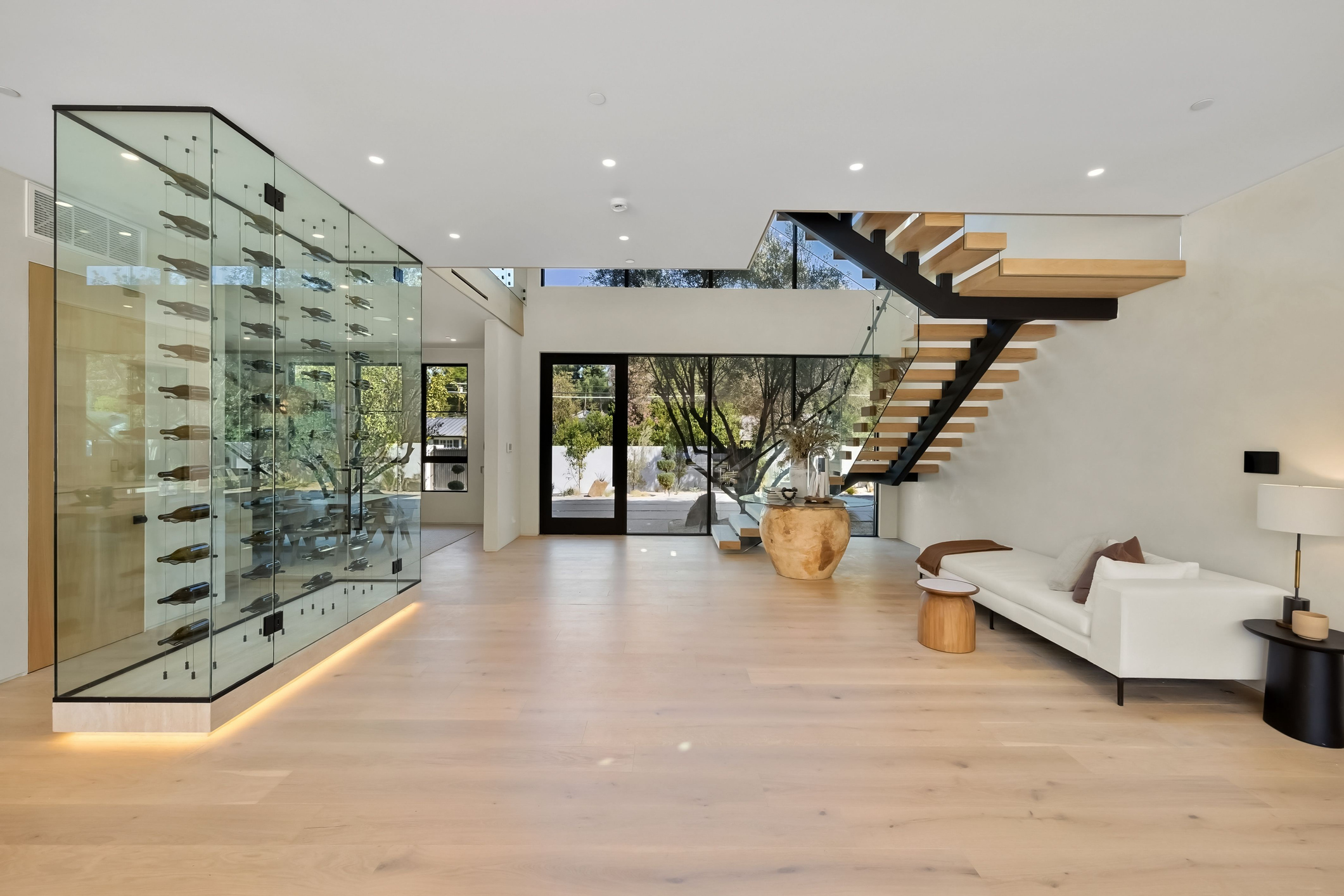
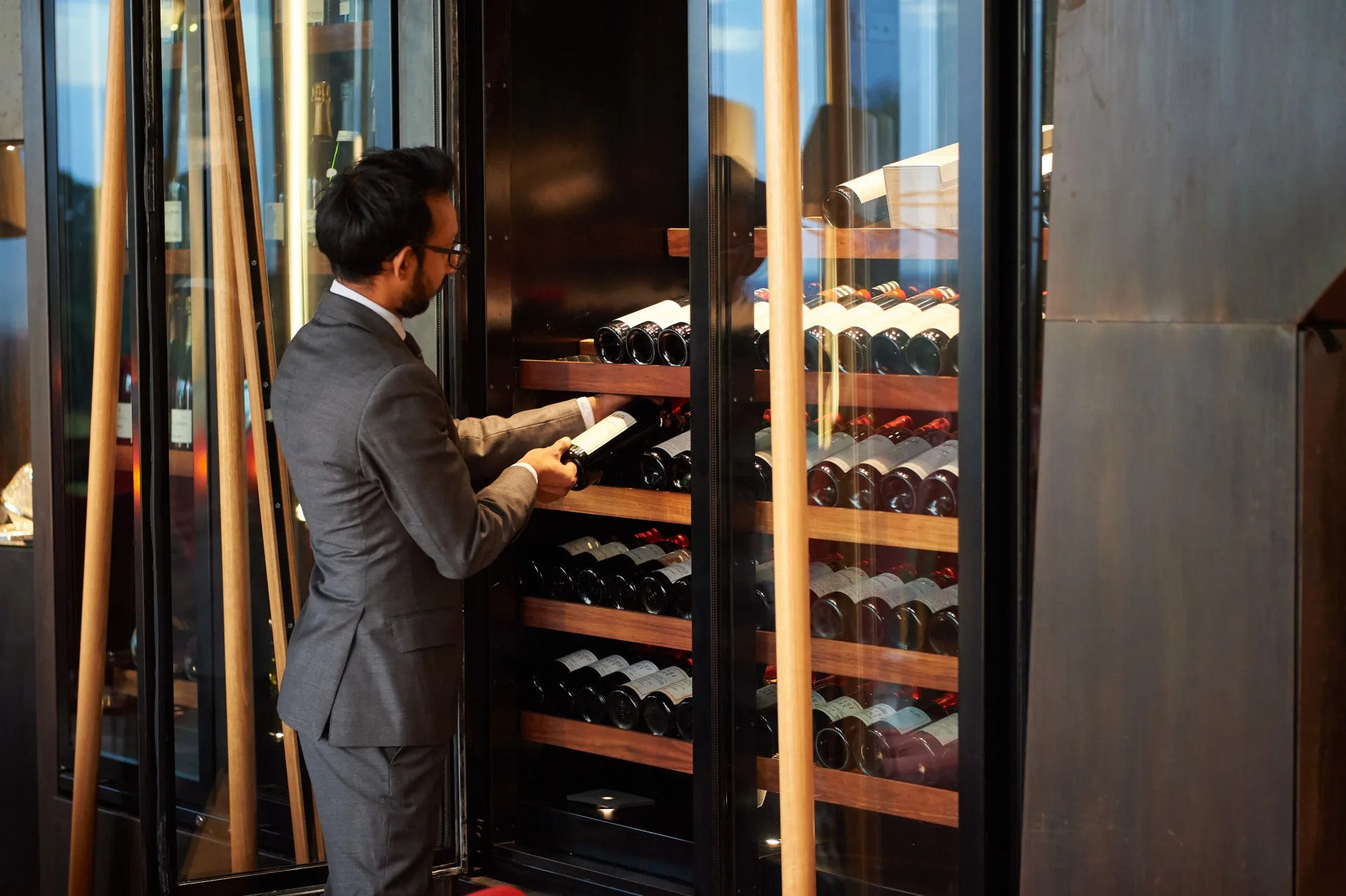
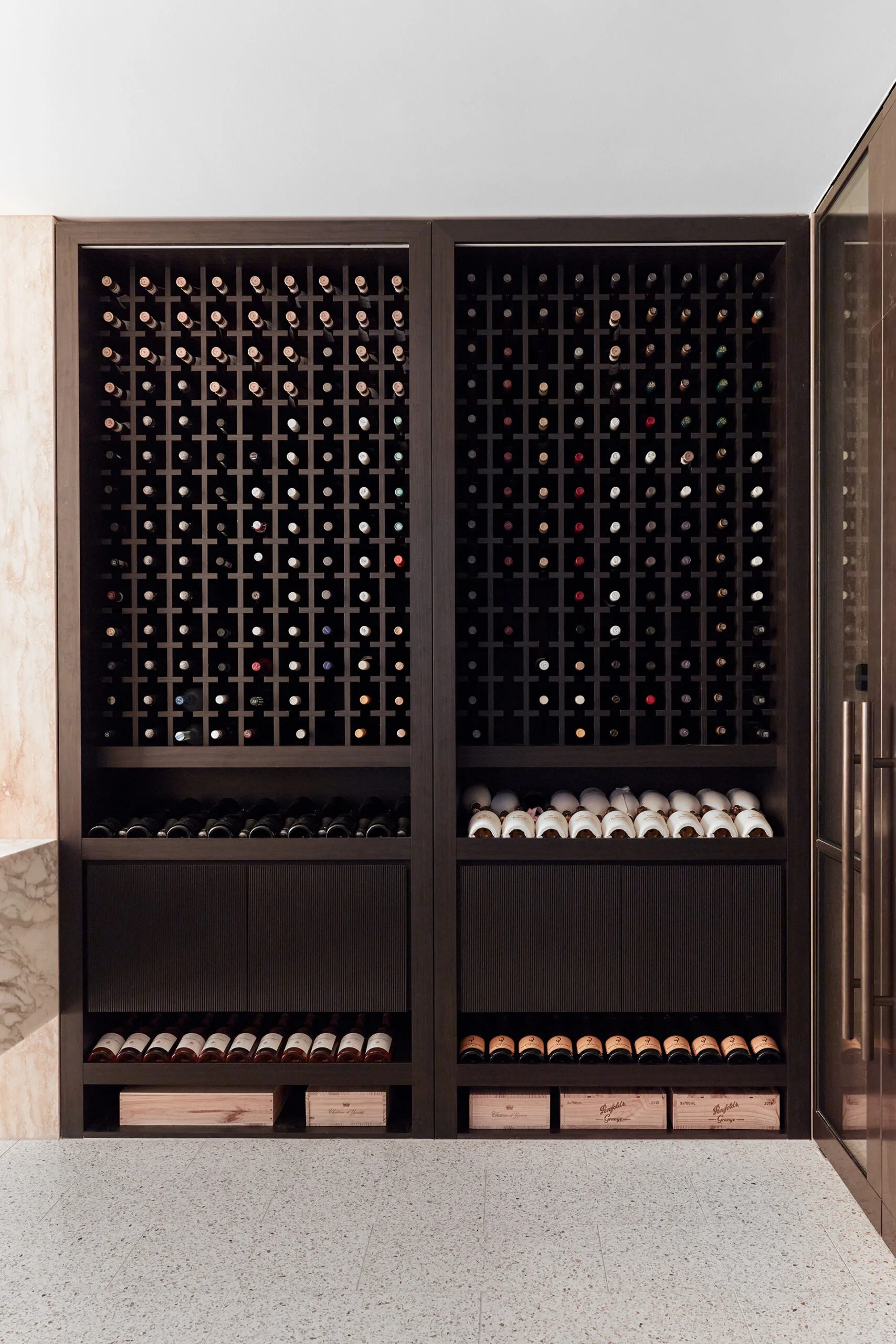
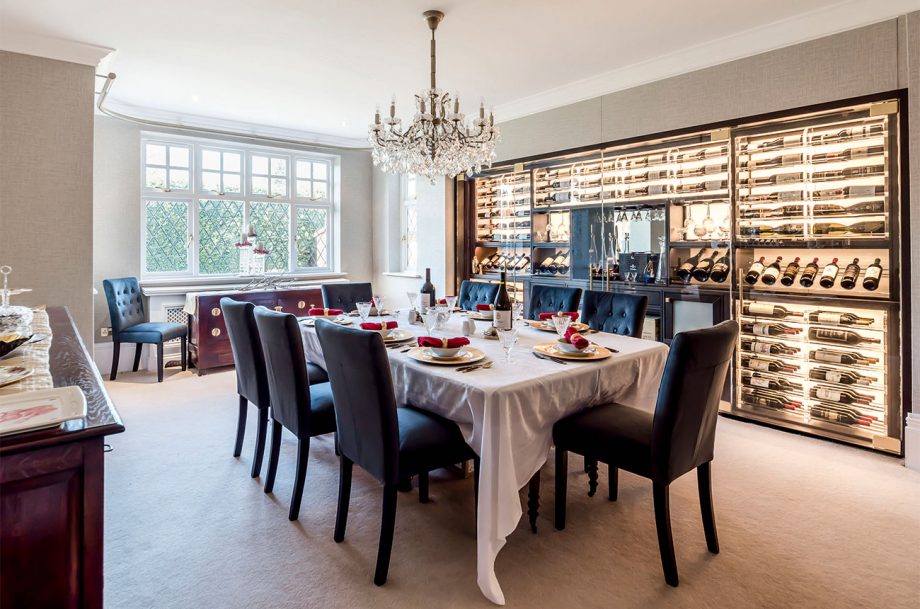
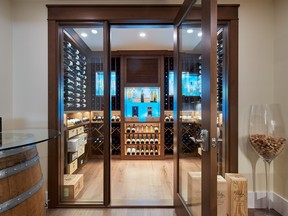
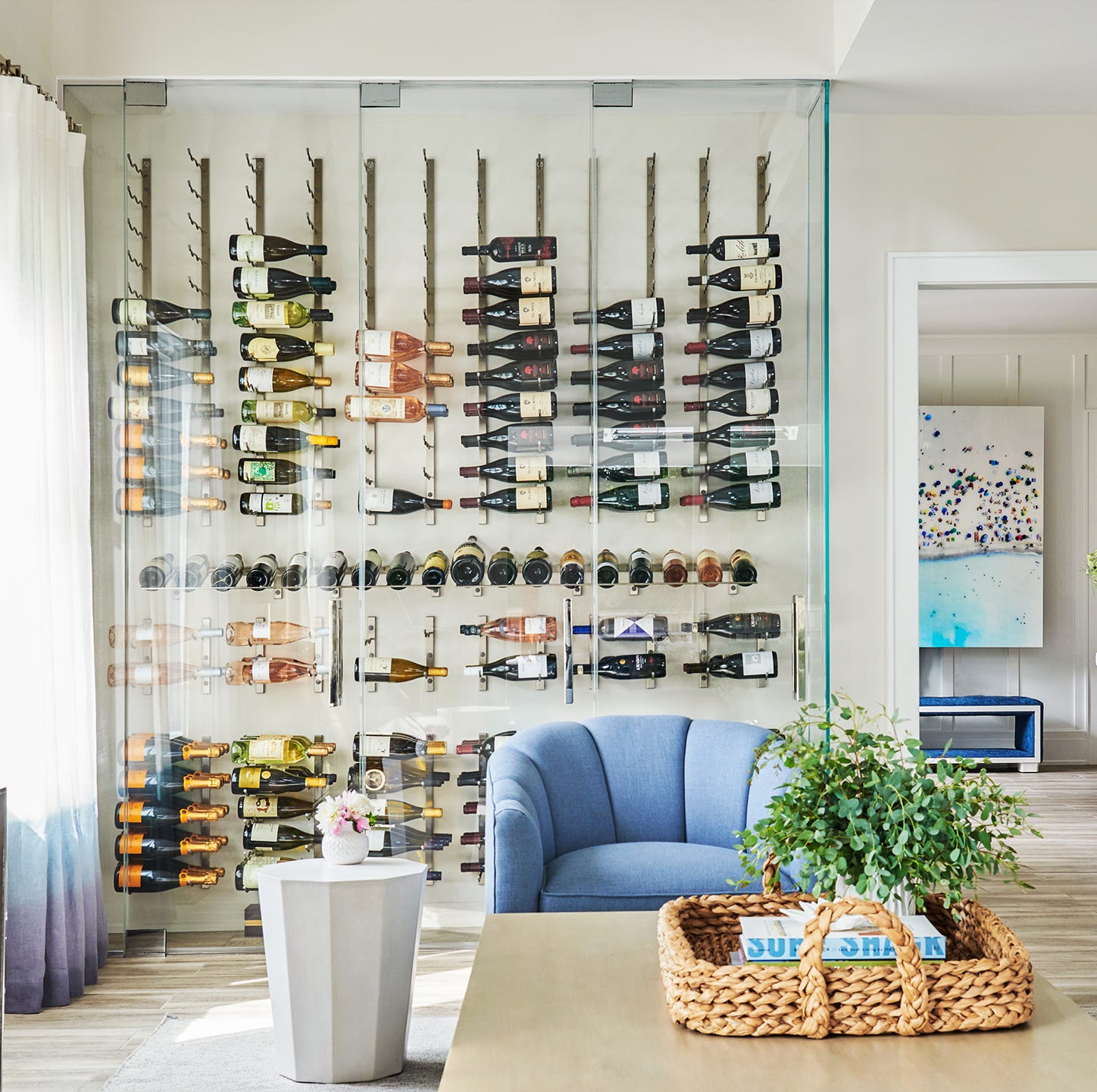
A prominent trend in home wine storage is the 'wine wall,' which displays wine collections behind glass in living areas. Companies like Cellar Maison offer custom wine walls with specialized evaporator systems for uniform cooling and touchscreen controls that can be integrated with remote monitoring. These installations, typically 50cm-65cm deep, offer an aesthetically pleasing way to showcase a curated selection of wines without requiring the vast space of a traditional cellar.
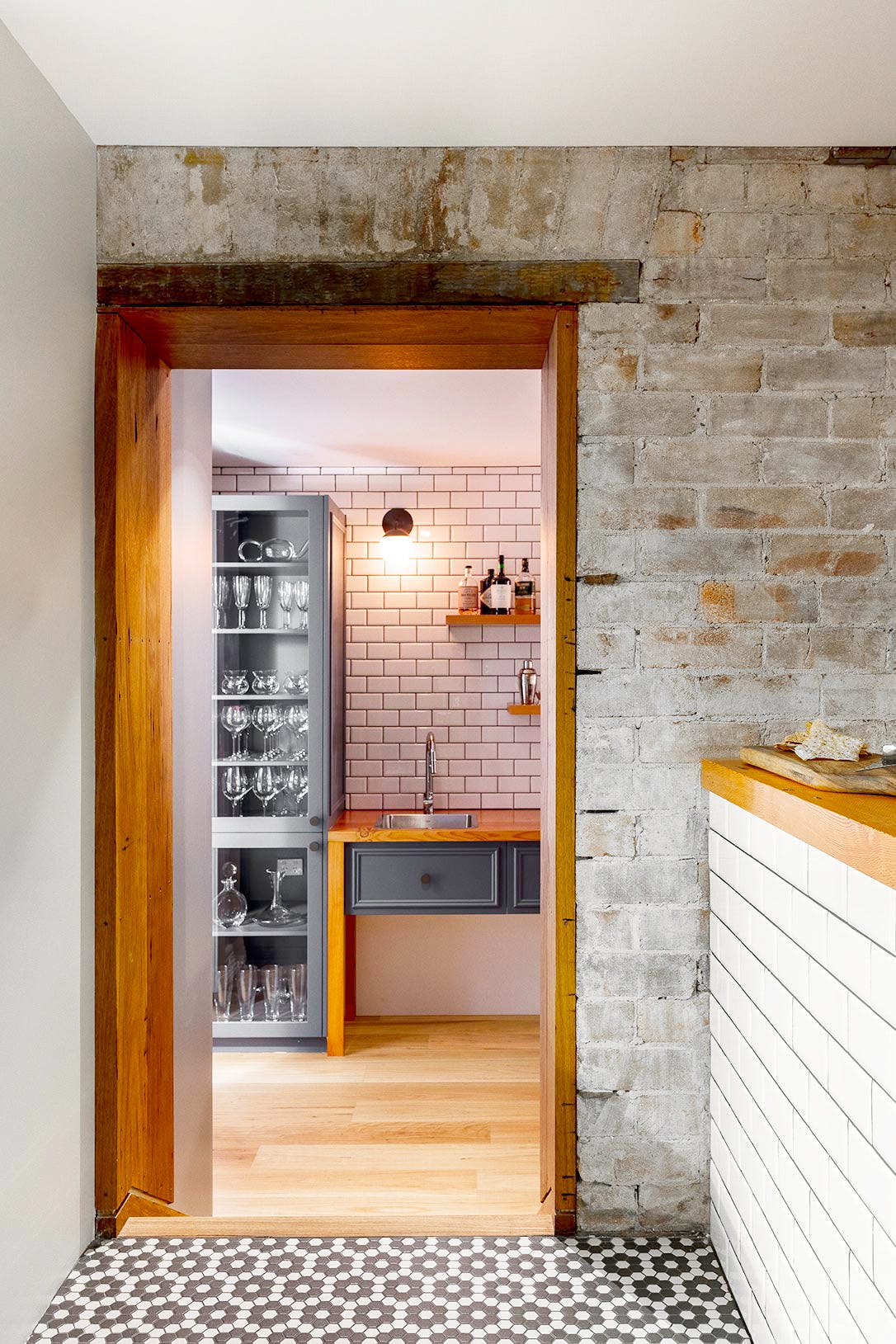
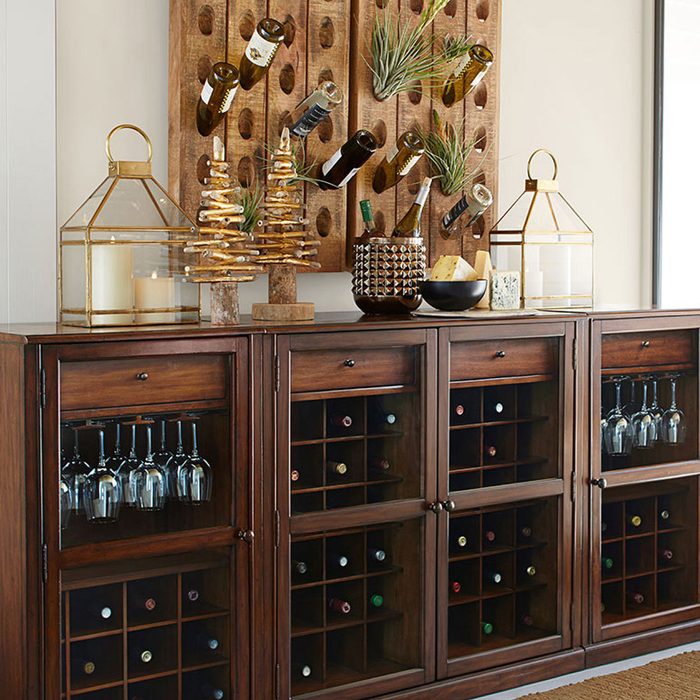
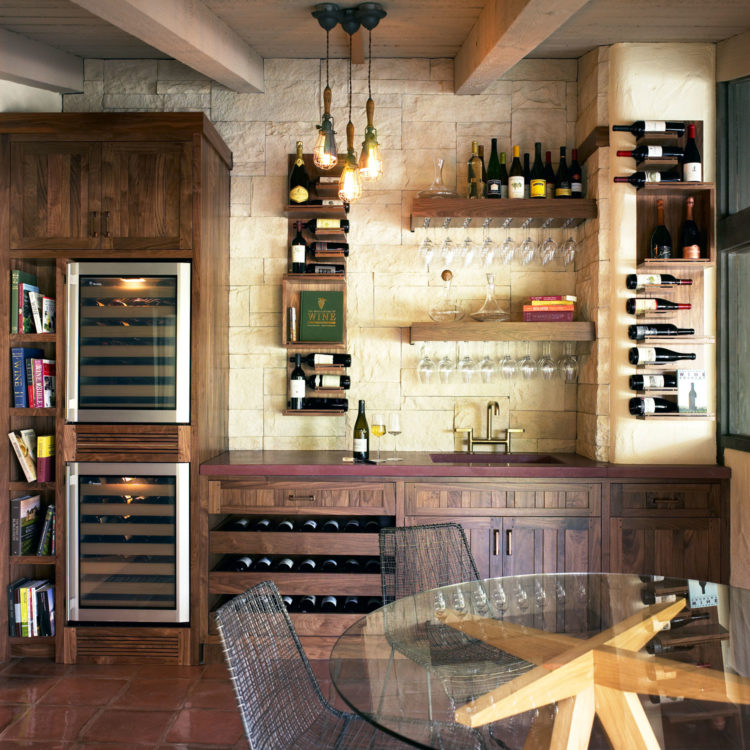
As living spaces become smaller and housing costs rise, maximizing existing space for wine storage has gained popularity. This includes utilizing areas such as cupboards and under-stair spaces. Design firms like Wineware and Sorrells employ CAD and virtual reality technologies, respectively, to create functional and visually appealing storage solutions, allowing clients to visualize their cellars in 3D before construction begins.
Lighting and security are also crucial aspects of modern wine cellaring. UV filters and switchable glass are used to protect wine from harmful light while allowing for display, with the option for a dramatic 'reveal' effect. LED lighting is favored for its efficiency, low heat emission, long lifespan, and customizable color settings, which are ideal for mood lighting or highlighting specific bottles. Toughened glass is used by companies like Smith & Taylor to create 'bird's eye view' underground cellars, controllable via apps for ambient lighting.
Security features for wine rooms have advanced to include keypad and biometric door-entry systems, with options for multiple user codes and smartphone notifications for access. Insurance companies like Chubb are piloting IoT sensor technology to provide 24/7 monitoring of temperature, humidity, and vibration, alerting owners to fluctuations. This technology offers peace of mind and provides a documented history of storage conditions, which can be beneficial for selling parts of a collection.
The growing home improvement market has also led to a demand for more tailored services, with companies like Spiral Cellars offering 'design only' and 'self-build' kits, making professional wine storage solutions more accessible. This trend suggests a future where professionally designed, self-built cellars become a common option for home wine storage. Ultimately, modern technology has transformed wine storage into an integrated part of the home entertainment space, blending functionality with aesthetic appeal, and promising further innovations for wine enthusiasts.
Fingertip control over wine collections is facilitated by inventory software from providers like eSommelier, CellarTracker, VinoCell, and MyCellarMaison. These platforms replace traditional spreadsheets, offering tools for mapping wines, tracking purchase prices, displaying market valuations, scores, tasting notes, drinking windows, and label images. Integration with barcode scanners and label printers streamlines inventory management. Some systems allow bottles to be scanned in and out of a cellar, linking to wine social media and appraisal services. Wine inventory apps extend this control to entertainment spaces, allowing owners and guests to browse collections on tablets and access live information remotely. Cellar Maison is exploring further integration with label recognition, pressure and light sensors, augmented reality, and AI to enhance user experience.
#WineCellaring #HomeDesign #SmartTechnology #WineStorage #InteriorDesign #HomeImprovement #WineInventory #LuxuryLiving #DigitalIntegration #WineCellaring #HomeDesign #SmartTechnology #WineStorage #InteriorDesign #HomeImprovement #WineInventory #LuxuryLiving #DigitalIntegration
0 Kommentare insgesamt
 Noch keine Kommentare
Das könnte Ihnen auch gefallen
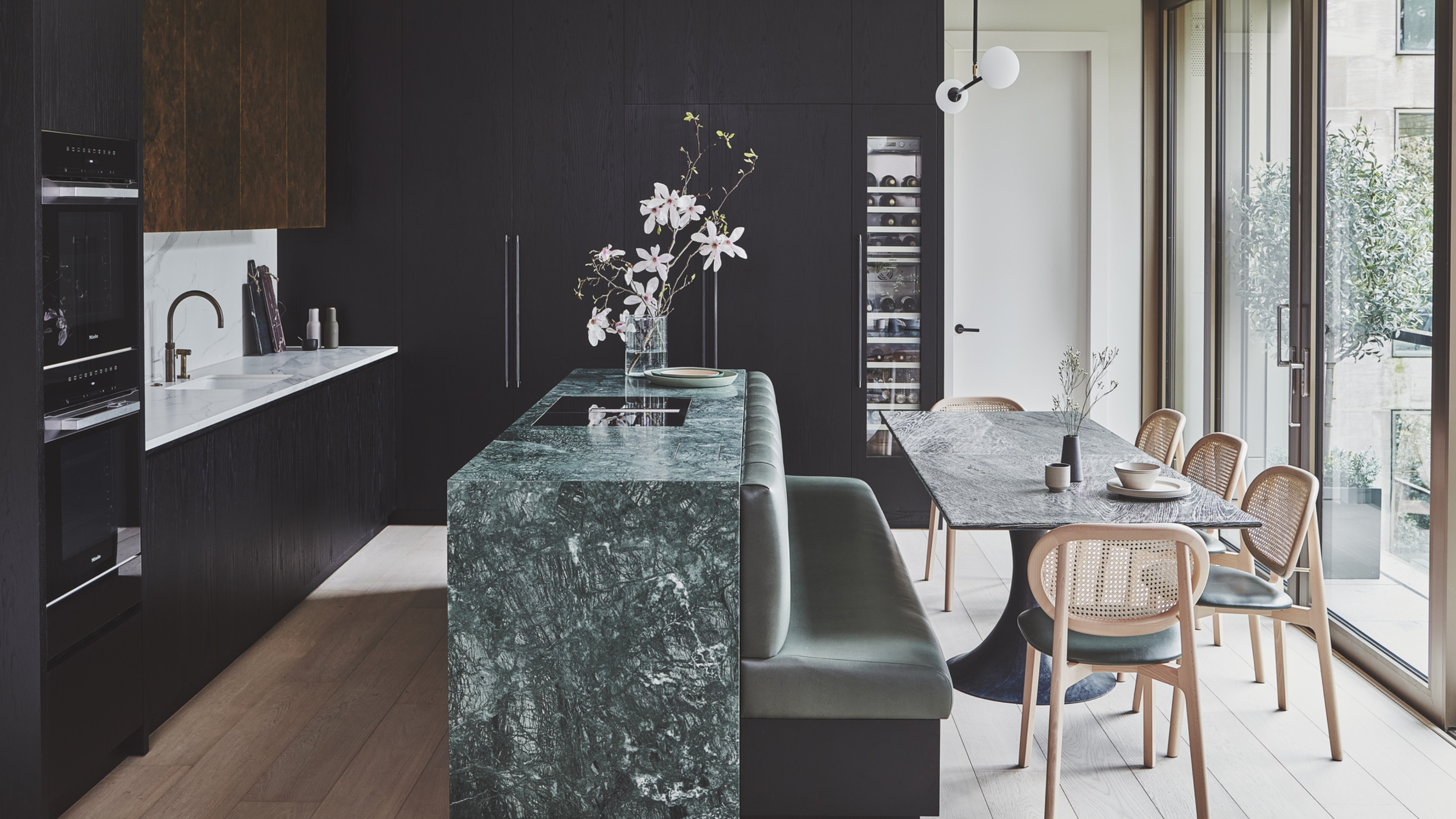
5 Genius Things Wine Fridges Can Do in 2025 You Need to Know About — Especially If You're a Serious Connoisseur

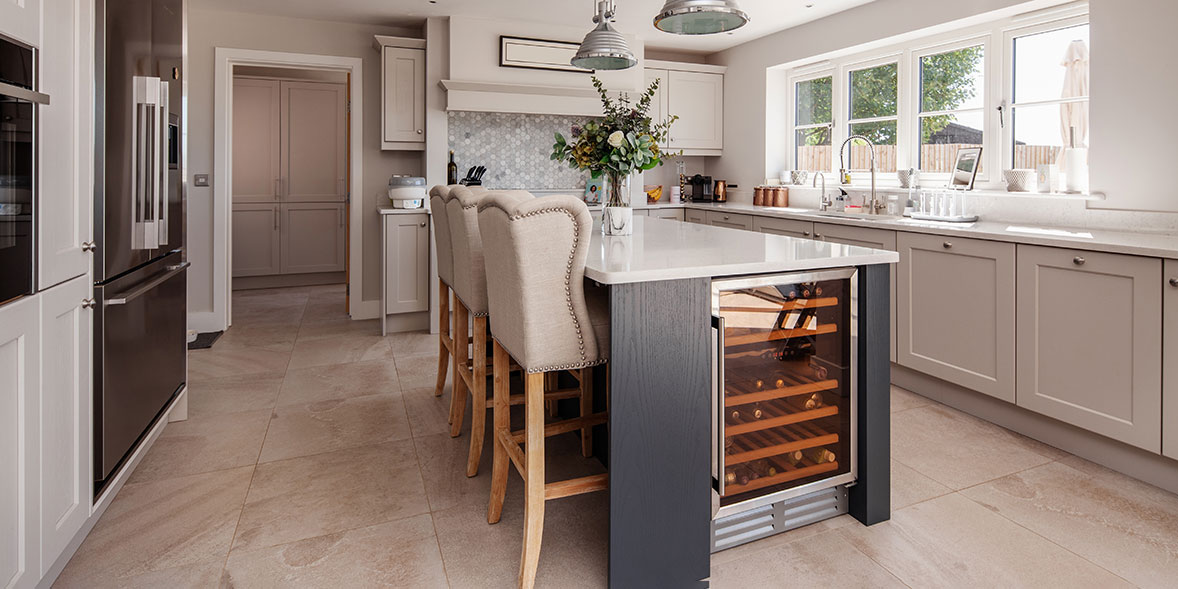
Best wine coolers and wine fridges
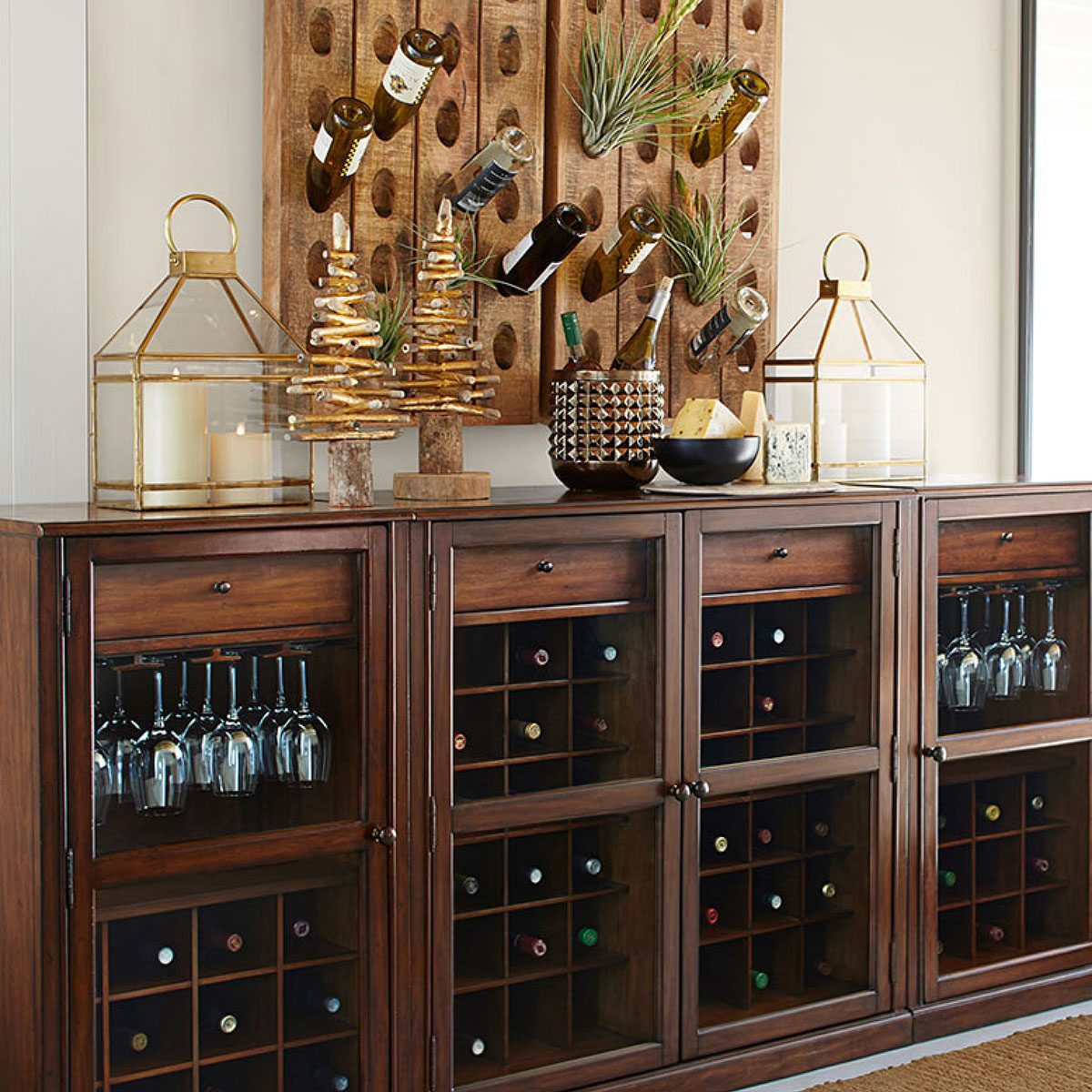
The 9 Best Wine Racks of 2025
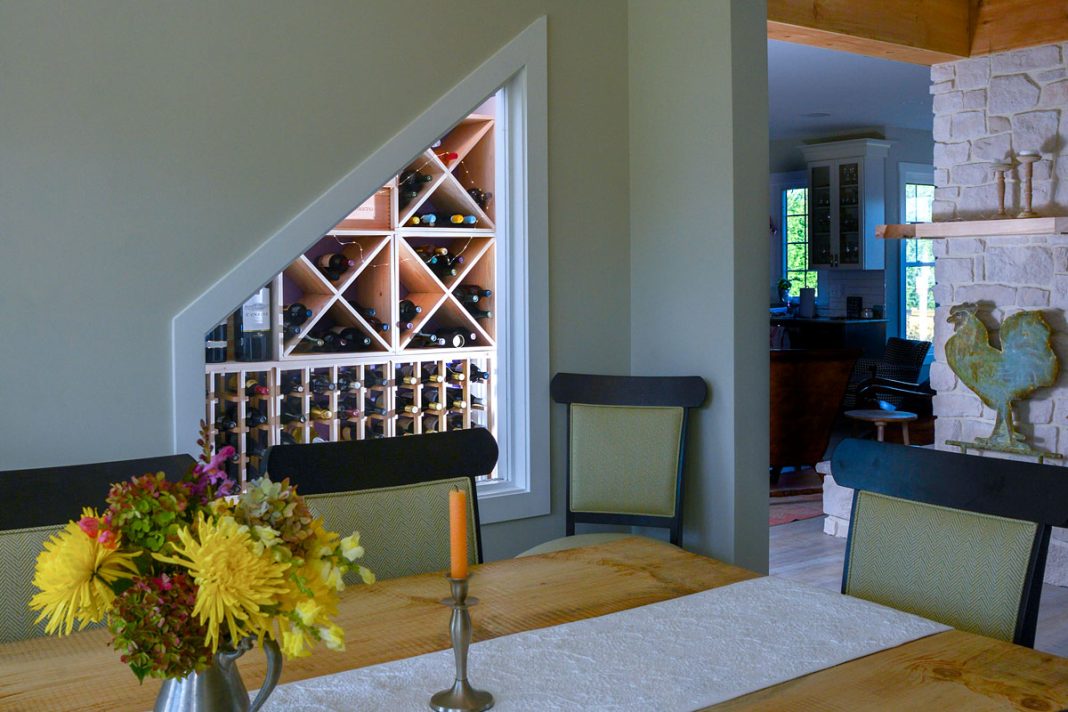
Now This Is How to Upgrade Your Wine Storage at Home
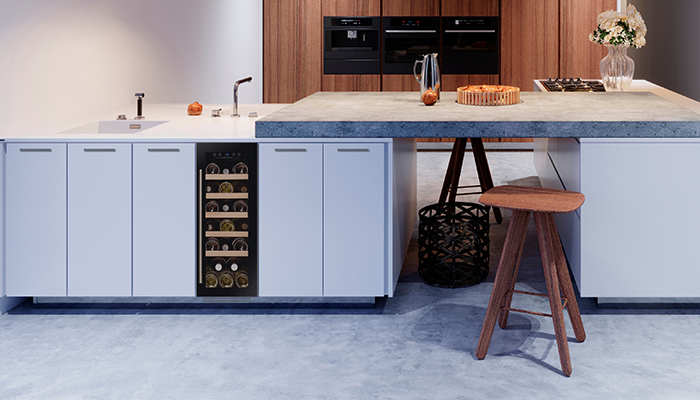
How design-savvy homeowners are after cool ways to chill wine
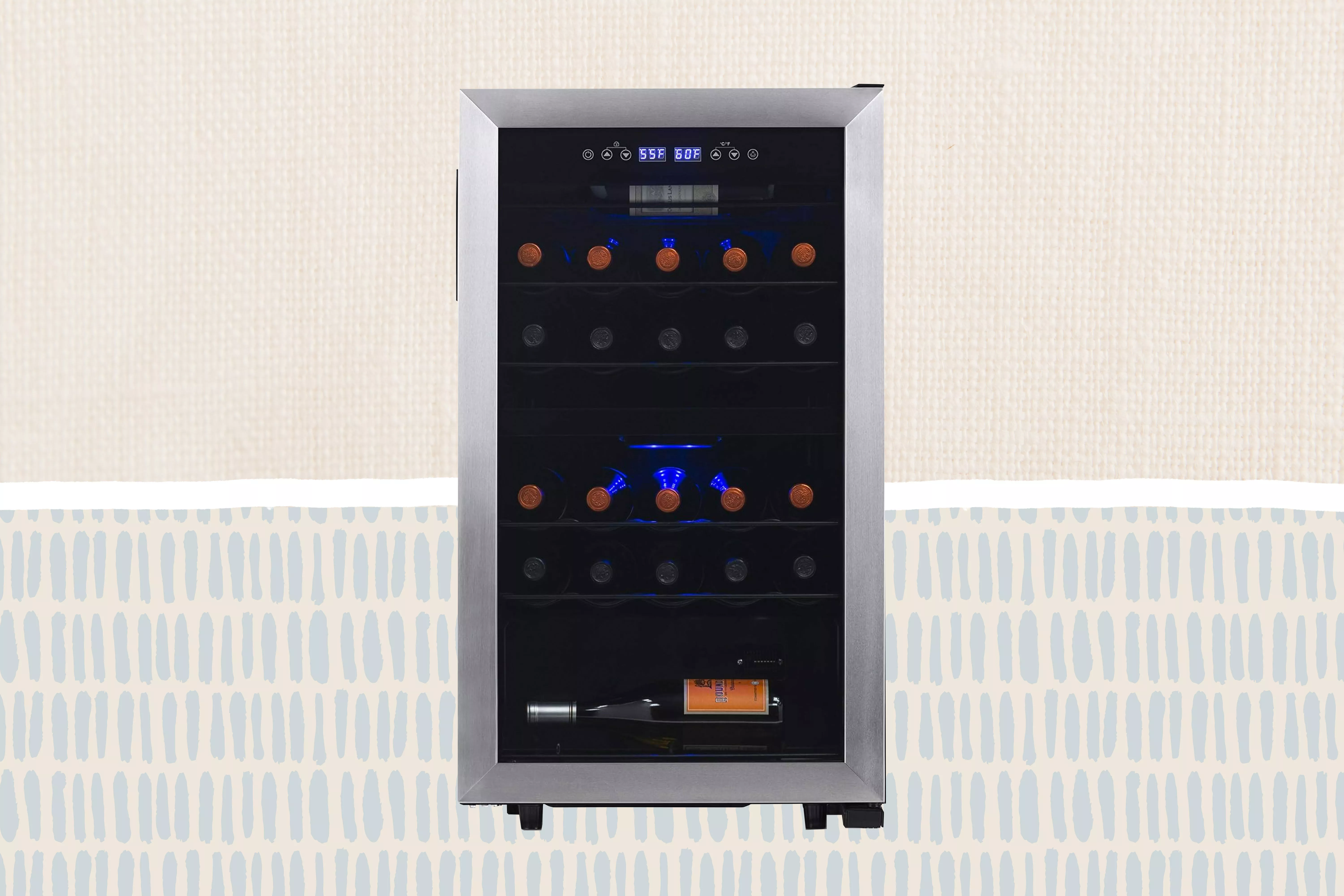
The 3 Best Wine Fridges for Storing All Your Favorite Reds and Whites


The 8 storage mistakes you're making with your wine at home, according to a wine expert

The Best Wine Fridge Will Help You Keep Your Cool

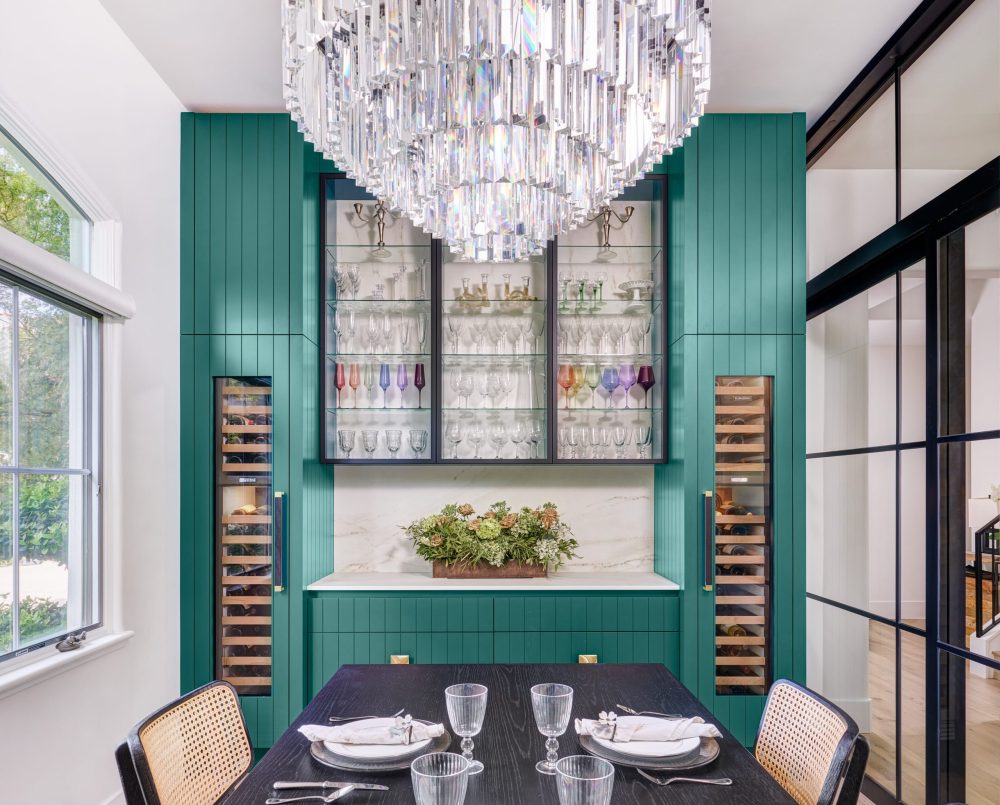
Wine Storage: Tasteful Choices

How to install a wine cellar worth toasting
The Best Wine Fridges for Chilling at Home in 2025
The Best Wine Refrigerators Are Sleek and Keep Your Precious Bottles Safe From Spoilage

At Home: Homeowners’ wine storage rooms have become just as important as the wine itself
15 Designer-Approved Wine Cellar Ideas
Premium wine fridges to hold your finest drops

These wine coolers were made for hosting (and from £215 it won't break the bank!)

The Best Wine Racks of 2025

Is it Worth Having a Wine Cellar? What it Adds to Your Home Value — and Happiness
Design Ideas for Wine Storage and Tasting
Vintage Points