1/8
How to fix low water pressure in an outdoor faucet
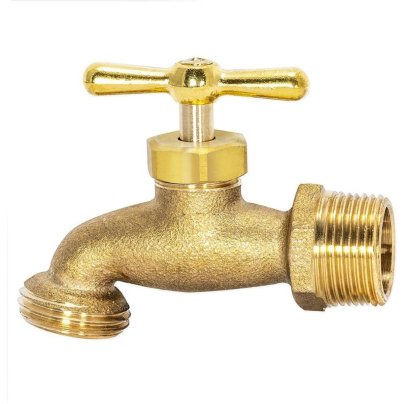
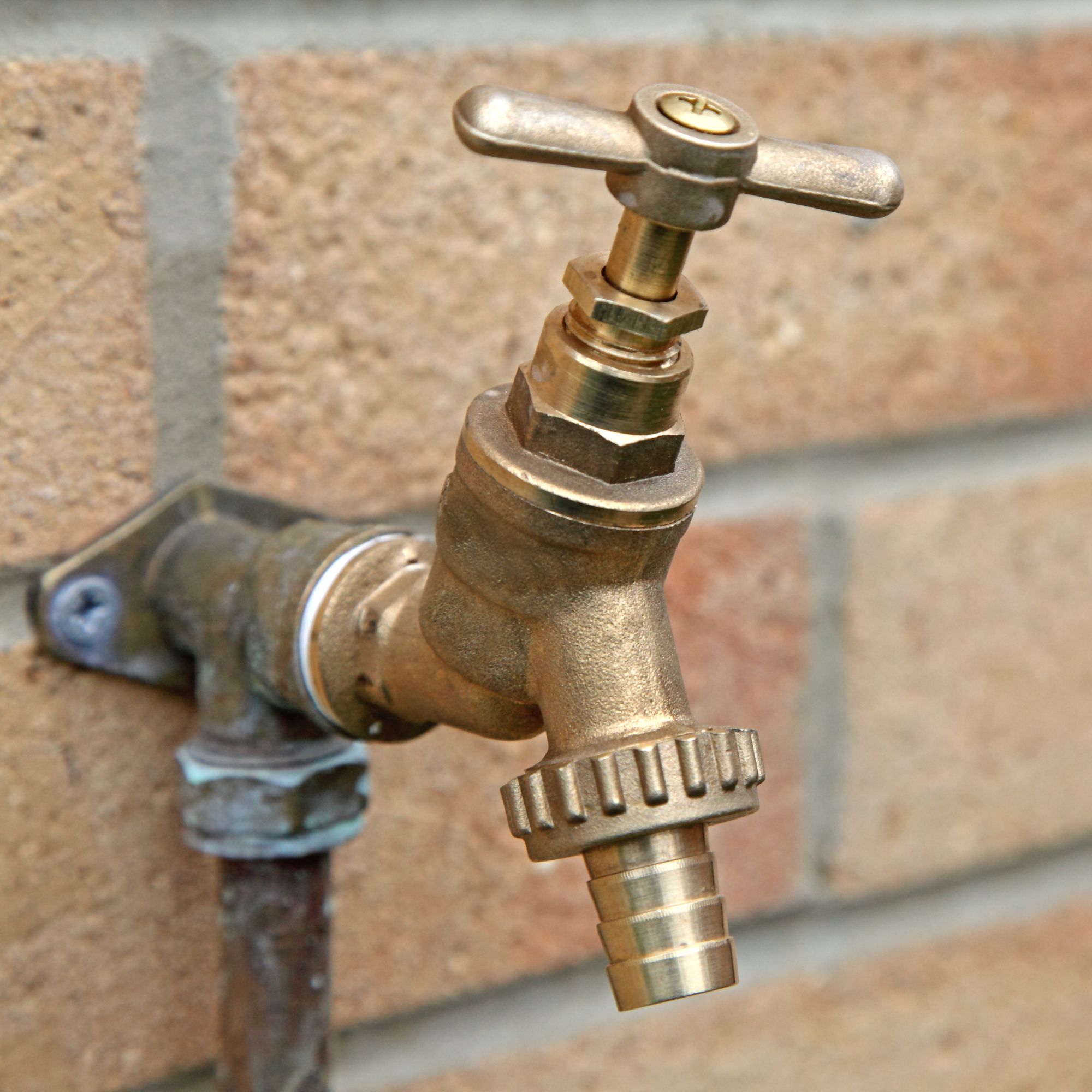
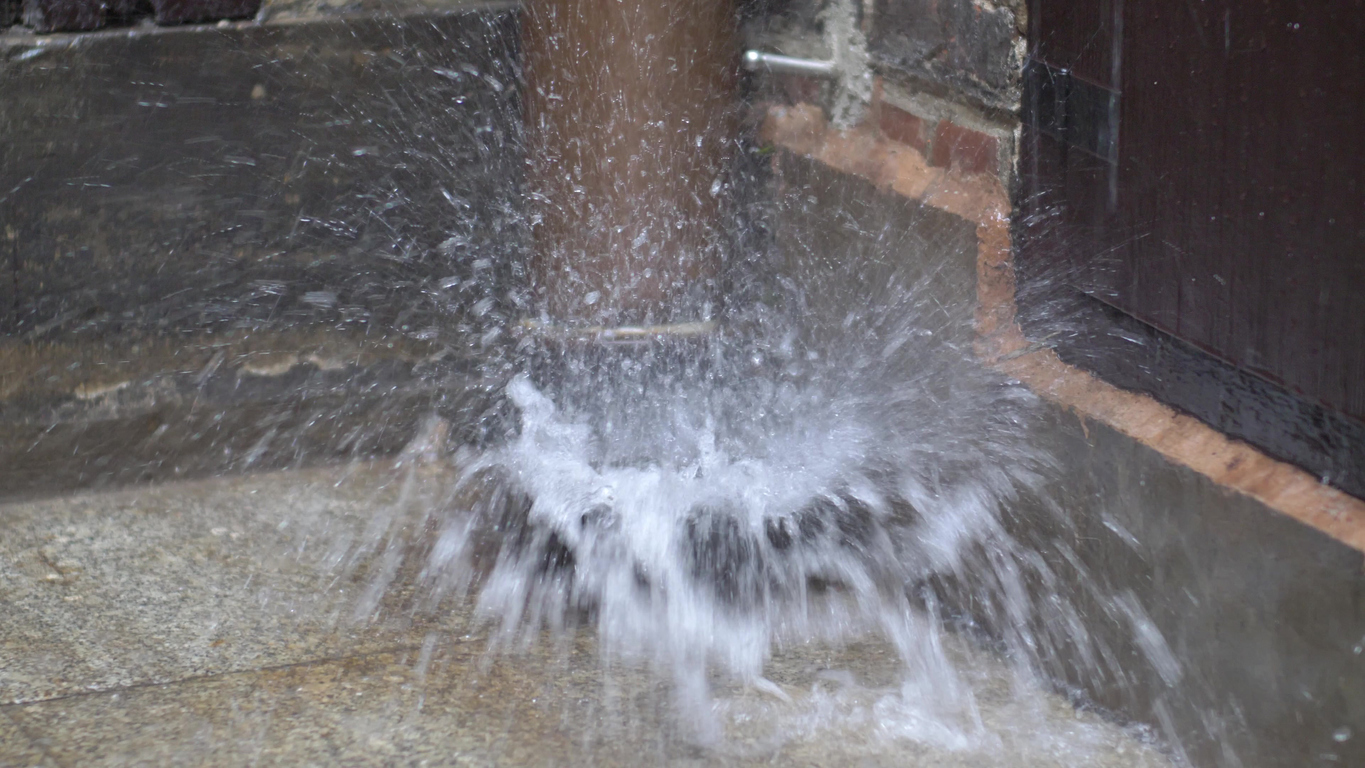
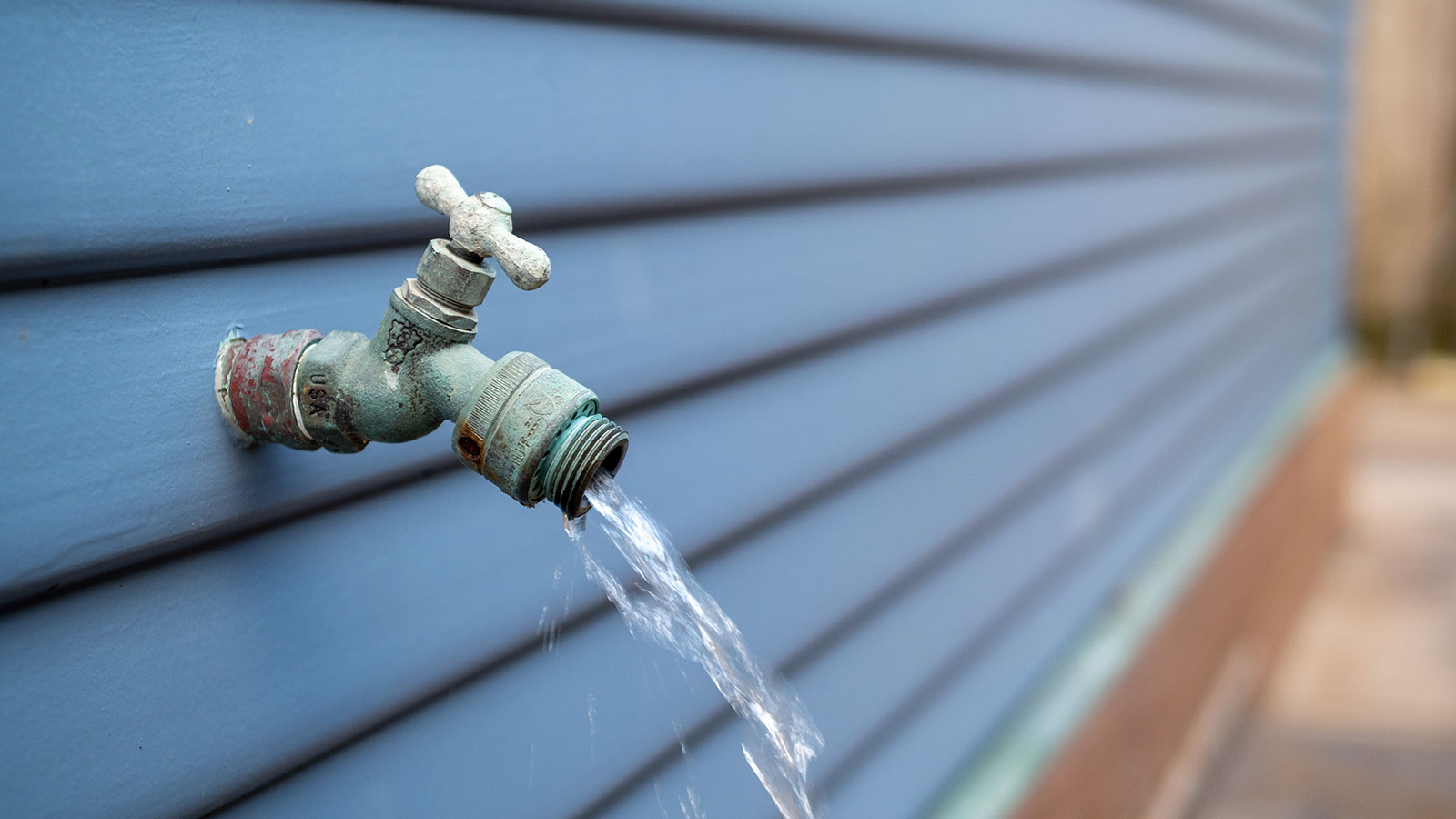
Low water pressure in an outdoor faucet can significantly impede garden tasks like watering the lawn or cleaning patio furniture. This issue often presents as a nuisance, but many common causes can be diagnosed and fixed by homeowners with minimal tools, eliminating the immediate need for professional plumbing services. The repair process begins with determining whether the low pressure is isolated to the outdoor faucet or affects the entire household. If the problem is confined to the outdoor faucet, potential culprits include a clogged aerator or a kinked/blocked hose. If all household faucets exhibit low pressure, a partially closed main shutoff valve could be the underlying cause. Checking and ensuring the main shutoff valve, typically located near the water meter, is fully open can often resolve widespread low pressure instantly.
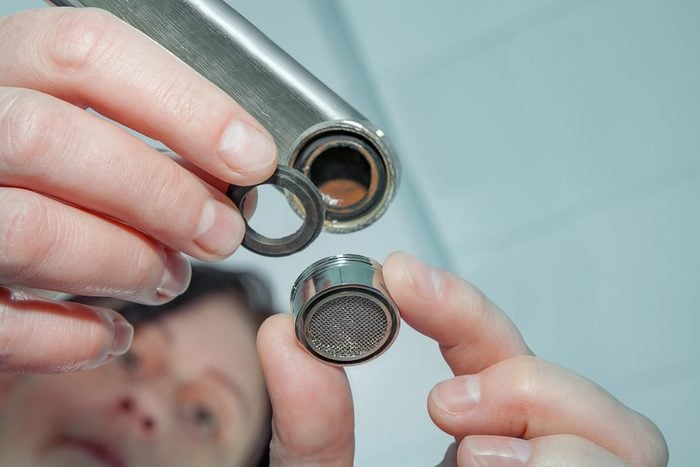
For localized issues, a clogged faucet aerator is a frequent suspect. The small mesh component at the spout can accumulate debris, restricting water flow. Cleaning the aerator can be done using a simple white vinegar and baking soda solution. By immersing the aerator in a plastic bag filled with white vinegar overnight, then scrubbing it with an old toothbrush, mineral deposits and grime can be removed. This method not only restores water pressure but can also improve indoor water flow and potentially reduce water consumption. If cleaning the aerator does not resolve the problem, the garden hose itself should be examined. Hoses can become kinked, blocked by debris, or deteriorate over time. Disconnecting the hose and checking the faucet’s pressure directly helps isolate the problem to the hose. Kinks can sometimes be corrected by gently warming the affected area with a hairdryer and straightening it, while severely damaged hoses may require replacement with a more durable option. Additionally, plumbing experts suggest flushing the hose line after removal to clear any lodged debris that might be impacting water flow.
Water demand and timing can also contribute to temporary low pressure. During peak usage hours in a neighborhood or when multiple household members are simultaneously using water (e.g., showering or running a washing machine), the overall water pressure can drop. Adjusting watering times to early mornings or late evenings when demand is lower can mitigate this. Professional advice emphasizes that staggered water usage can prevent strain on external spigots.
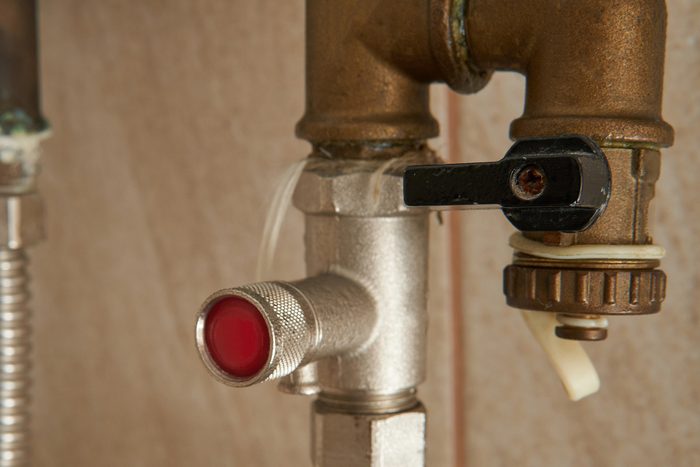
More serious causes of low water pressure, though less common, necessitate professional attention. Outdoor faucets often feature a backflow preventer or vacuum breaker to prevent contaminated water from re-entering the main line. If this device becomes stuck, it can impede water flow. A gentle tap with a rubber mallet may dislodge minor blockages, or the component can be removed and cleaned with warm water and dish soap. However, if low pressure persists throughout the entire house and is not resolved by checking the main shutoff valve, it might indicate issues such as a faulty pressure-reducing valve, corroded or leaking pipes, or problems with the main water line. These complex issues require a licensed plumber to diagnose and repair to ensure compliance with plumbing codes and prevent further complications.
In situations where the outdoor faucet is located far from the main building or uphill from the water tank, a pressure booster pump might be necessary. These pumps, often coupled with a pressure vessel, can significantly increase water flow, ensuring consistent pressure even at remote spigots. This solution is particularly common in larger properties or those with challenging water supply configurations. The installation of a pressure booster pump is a specialized task that should be performed by a professional to ensure proper setup and functionality. To prevent future low water pressure problems, regular maintenance is crucial. Cleaning the aerator every few months, using hose filters to prevent sediment buildup, covering outdoor faucets in winter to prevent freeze damage, and periodically flushing the water line are all effective preventive measures. These simple habits can help maintain optimal water pressure and extend the lifespan of outdoor plumbing components.
#OutdoorFaucet #WaterPressure #DIYHomeRepair #PlumbingTips #GardenMaintenance #AeratorCleaning #HoseCare #HomeMaintenance #WaterConservation #OutdoorFaucet #WaterPressure #DIYHomeRepair #PlumbingTips #GardenMaintenance #AeratorCleaning #HoseCare #HomeMaintenance #WaterConservation
0 Kommentare insgesamt
 Noch keine Kommentare
Das könnte Ihnen auch gefallen
Why Did My Sink Suddenly Stop Working?

Sick of Weak Water Pressure? These Editor-Recommended Shower Heads Are the Answer.
After Researching 20+ Bathroom Faucets, Our Favorite Offers Hands-Free Operation and is Easy to Install


Wimpy water pressure? This luxurious rainfall shower head is $28 (that's 40% off)
The Best Outdoor Faucet is Easy to Install—and It Prevents Hose Kinks
The 10 Best Shower Heads, Tested and Reviewed
The Best Shower Heads of 2026

How a Frost-Free Faucet Can Save Homeowners Thousands of Dollars

How to install an outdoor hot water tap for cleaning your patio, washing the dog, or filling the paddling pool
Why Your Toilet Is Hissing and How to Fix It

Our Tests Reveal The Best Downspout Extensions for Directing Water Away From Your Home
What Is Water Hammer, and How Do You Fix It?
Solved! Why Is Water Seeping Through My Basement Floor?

Start Your Day Fresh—and Refreshed—with the Best Shower Head
How to Fix a Dripping Tap | Fixing Leaking Taps

Give Your Bathroom a Spa-Like Feel Thanks to This Simple and Affordable Upgrade

How To Clean And Prepare Your Patio For Warmer Months Ahead