1/2
Hear Us Out: Home Logos Could Convince You To Ditch Monograms
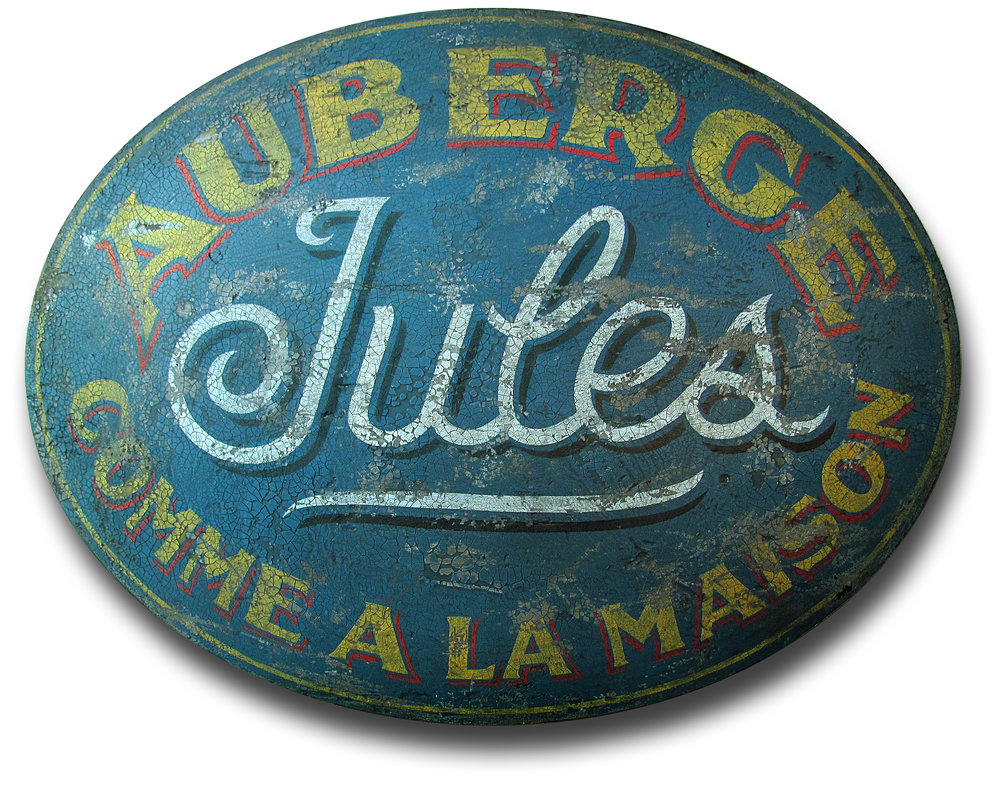
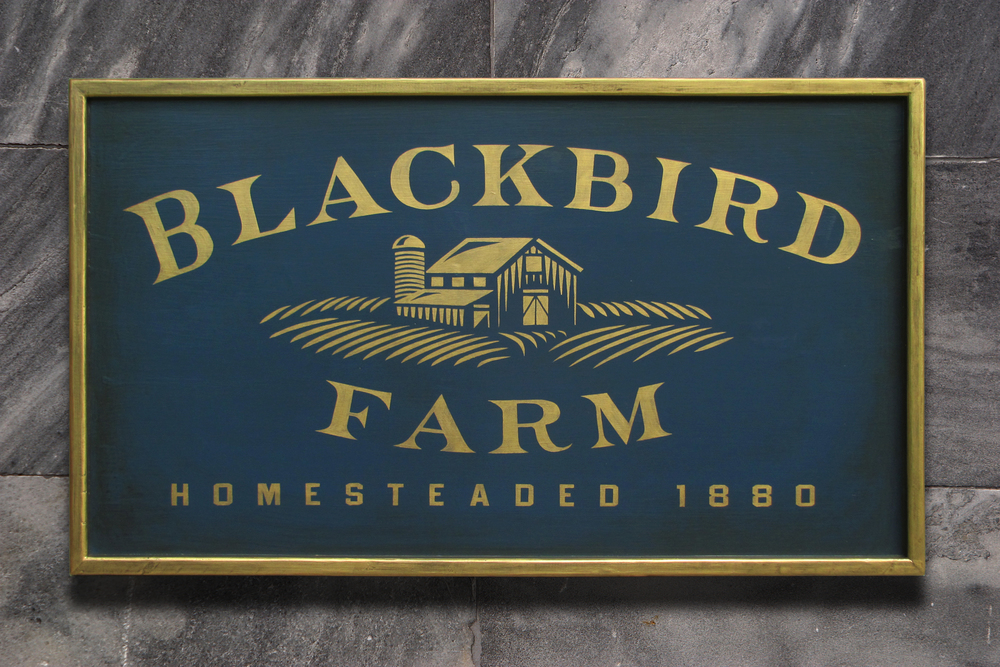
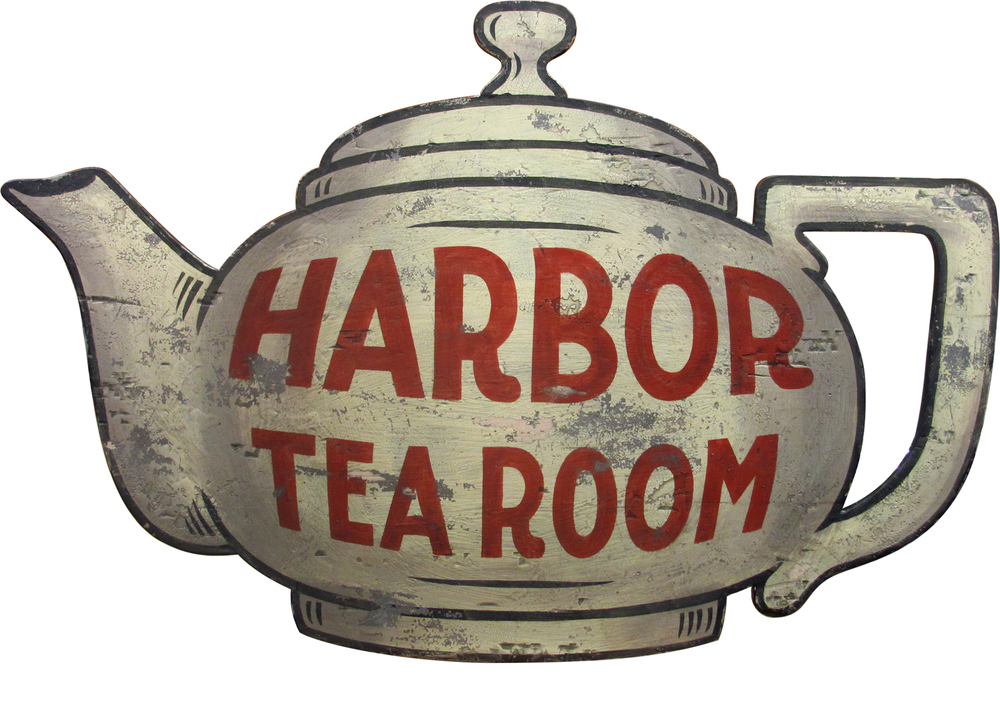
The article explores the emerging trend of personalized home logos as an alternative to traditional monograms, particularly among Southern homeowners. These bespoke emblems are designed to capture the unique essence and character of a residence, moving beyond simple address identification. Atlanta resident Julia Berg exemplifies this trend, with her family having a custom otter-themed logo used on various household items, reflecting their maiden name. Similarly, the author received a logo for her new home, "Hydrangea House," and has applied it to numerous personal items.
The creation of a home logo often begins with giving the residence a distinct name, much like famous estates. For instance, The Biltmore Estate is more recognizable than its address, "One Lodge Street." Many logos incorporate descriptive words like "cottage," "bungalow," "manor," or "hall" alongside local details. Tom Hodgson, a third-generation homeowner of Erymwold, an estate built in 1939, created his own logo featuring three bundles of hay to symbolize the three generations involved in farming hay on the property. The name Erymwold itself is a blend of his grandparents' initials and a Welsh suffix meaning "rolling hills," highlighting the personal and historical significance behind naming and branding a home. Interior designer Maggie Griffin named her Highlands, North Carolina home "Norman Ridge" in homage to its architect, Norman Askins, and its mountain-ridge location.
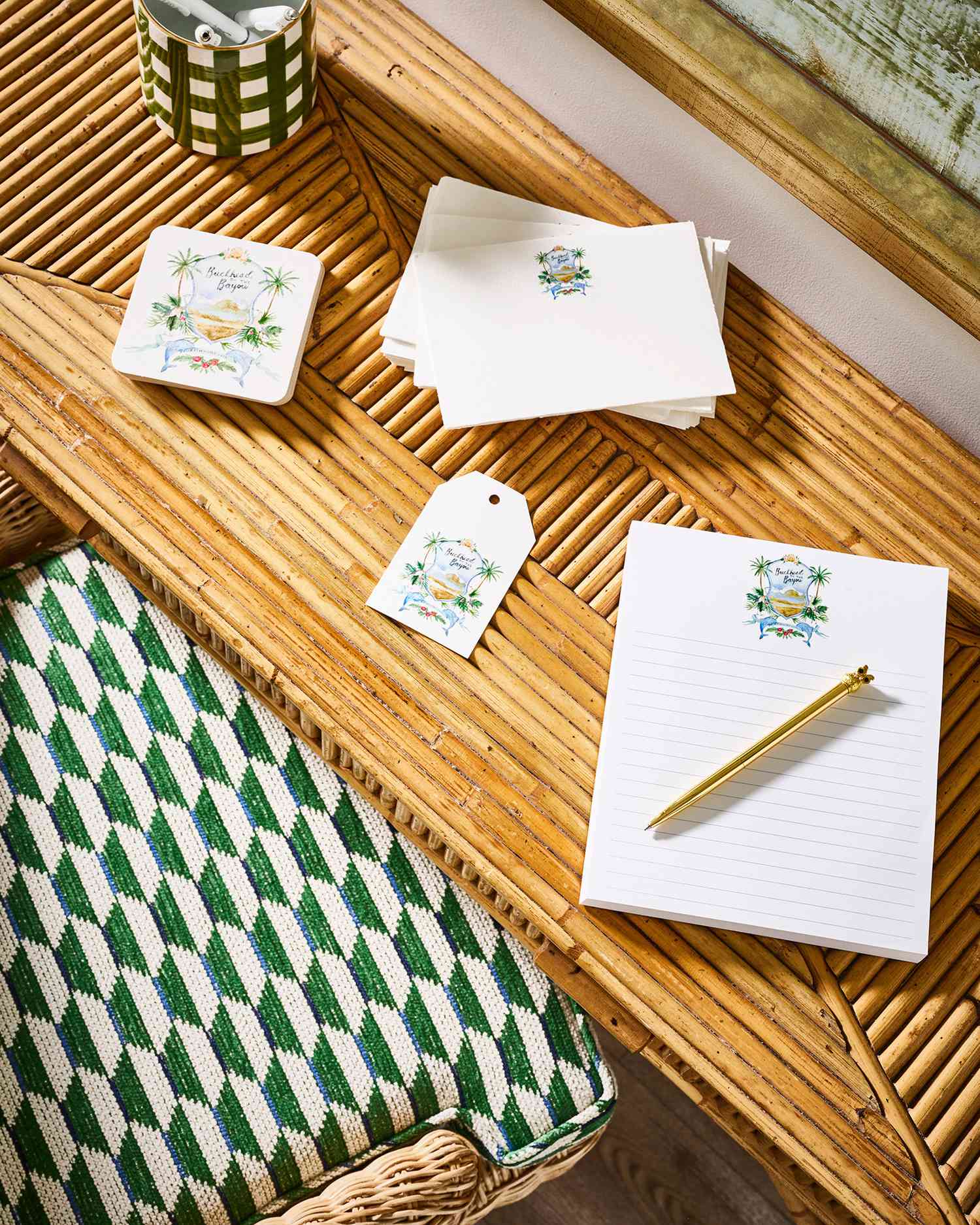
Home logos serve to establish a clear sense of place for both residents and guests. Heather Bien from Virginia, for example, incorporated elements of her vacation rental's rose bushes and river-front perch into her logo, influencing the home's interior decor with brand colors. Griffin emphasizes that home logos feel more personal than monograms, often reflecting the home's history, location, or the owner's personality. The trend also allows for playful creativity, as demonstrated by a friend's home named "MarshMellow" on St. Simons, and designer Steve McKenzie’s client who branded her home "Buckhead on the Bayou." These examples show how wordplay and unique characteristics can be integrated into the logo design.
The versatility of home logos extends to various household items and personal effects. Owners commonly apply their designs to entertaining items and personalized decor. Bien uses her logo on canvas tote bags, notecards, and coffee mugs, with plans for baseball hats. Griffin, whose property is a rental, uses branded items like drink coolers, frosty cups, and notepads as memorable takeaways for guests, offering a small piece of their vacation experience. The author similarly uses matchbooks, coffee mugs, and wine glasses with her home's logo, noting guests' delight. Emily Peters, Vice President of Operations for Vinglacé, a custom drinkware company, suggests that personalized items make recipients feel special and valued. McKenzie adds that home branding allows for greater distinctiveness and personality compared to monograms, conveying the home's ambiance rather than just its occupants.
Individuals can design their own home logos using tools like Photoshop and Canva, or they can seek assistance from professional designers found on platforms like Etsy and Instagram. The article highlights Erin Regal, a custom merchandise designer, as an example of an expert who created the "Hydrangea House" logo. The increasing popularity of home logos signifies a shift towards more individualized and character-rich expressions of home ownership, providing a creative way to celebrate and define a personal space.
#HomeLogos #HouseLogos #Monograms #HomeDecor #PersonalizedHome #SouthernLiving #CustomDesign #HomeBranding #HomeLogos #HouseLogos #Monograms #HomeDecor #PersonalizedHome #SouthernLiving #CustomDesign #HomeBranding
0 comment in total
 No comments yet
You may also like
'Potential buyers may see it as a DIY job gone wrong' – this popular interior trend may be devaluing your home
Sign Design For Interior Design

People Are Defending The "Unpopular" Home Design Trends That Actually Make A Lot Of Sense In Their Own Homes

5 Entryway Decor Choices That Are Making Your Home Look Stuck in the Past, Designers Say

Interior designer says having family photo 'shrines' in your house is tacky

This SURPRISING Feature May Make Your Home Harder to Sell, According to Designers

Interior designer says that having family photo 'shrines' in the house is poor taste
The writing is on the wall(paper) for this rising interior design trend
People Are Exposing The Home Decor Trends That'll "Completely Fade Out" Sooner Than You'd Think
Ask Arlyn: Are Monograms Out of Style?
The Home Trends Designers Want You to Ditch in the New Year

Tile Stickers Are The Budget-Friendly Trend Taking Over Homes In 2025
Beyond Live, Laugh, Love: 6 Ways to Incorporate Word Art in Your Home
Interior designers reveal the home decor trend that will take over 2026 & why it's time to bin off accent walls
Designers say this 1 unassuming and affordable feature will make your home look more expensive

Everything You Need to Know About Staging Your Home on a Budget

Are Statement Details Replacing Bold Prints? Why Designers Say You Need to Try Fringe, Piping, and Contrast Edges in 2026
People Are Defending The "Unpopular" Home Design Trends That Actually Make A Lot Of Sense In Their Own Homes
5 Outdated Home Décor Trends to Rethink in 2022

Why fruit-themed decor is trending in home design