1/21
You're Decorating Your Small Space All Wrong—Here's How to Get It Right
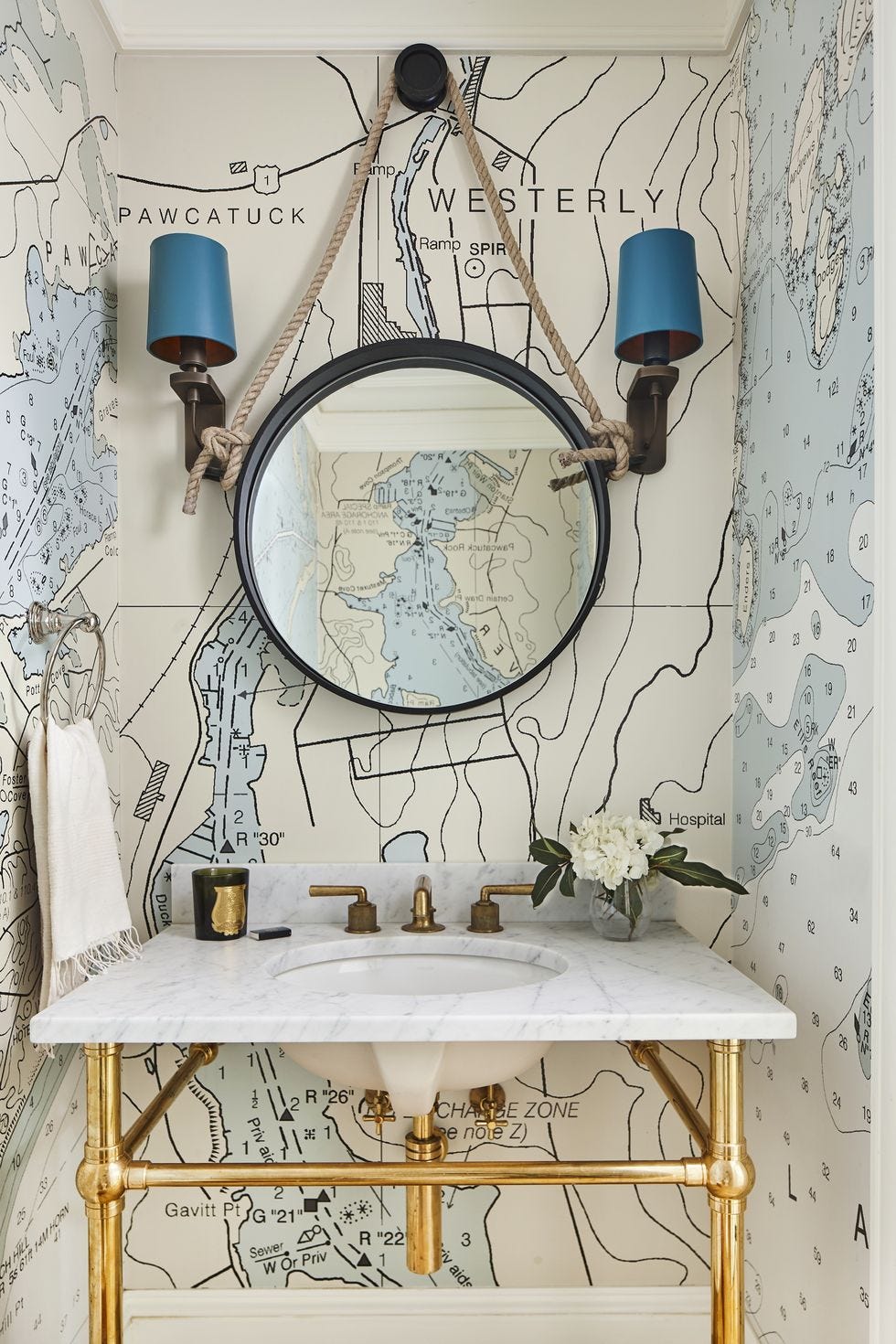
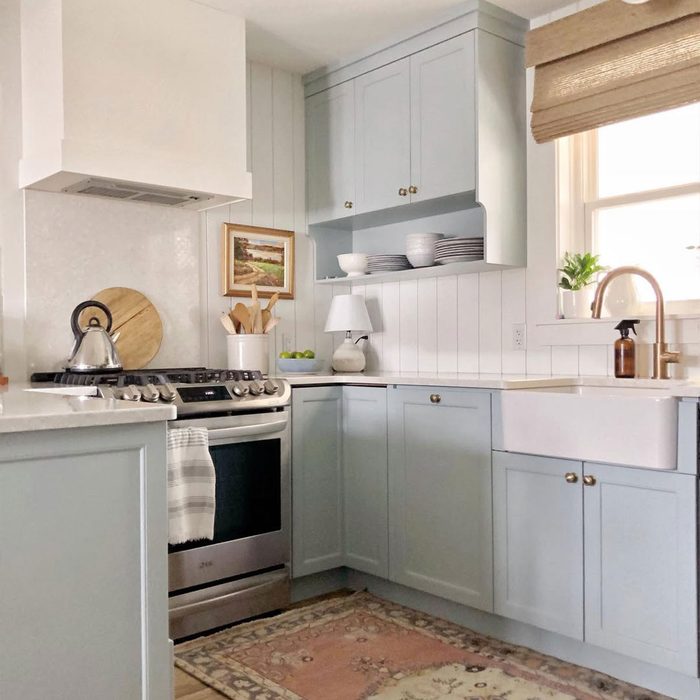
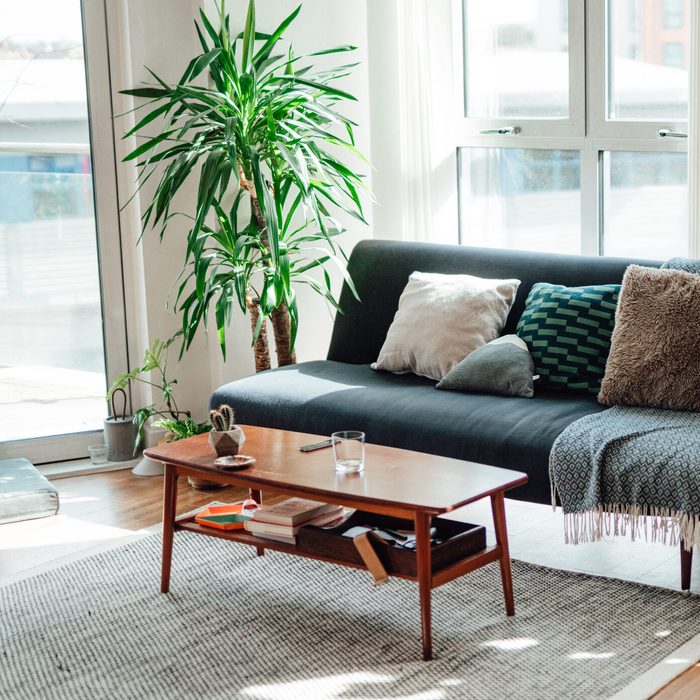
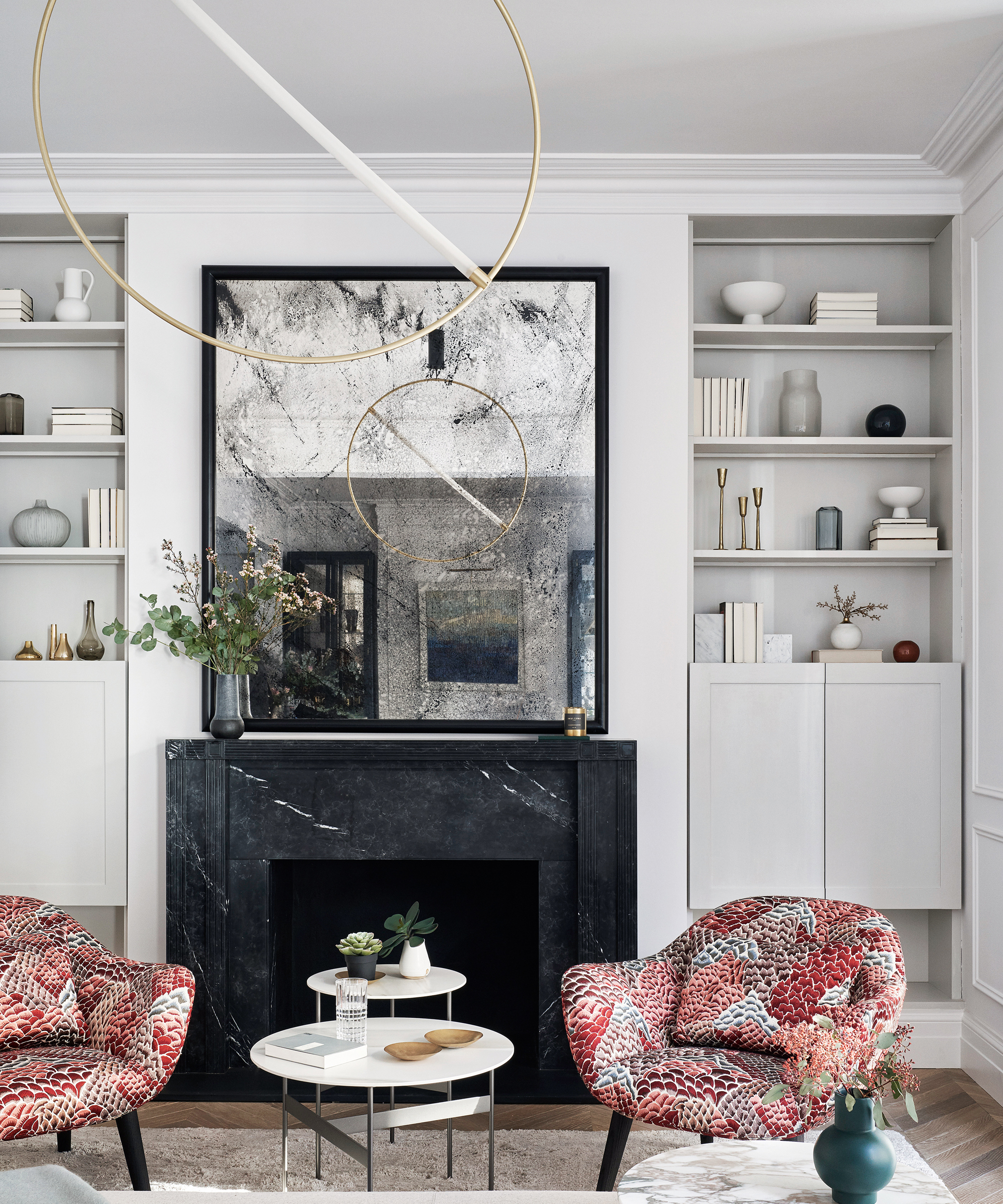
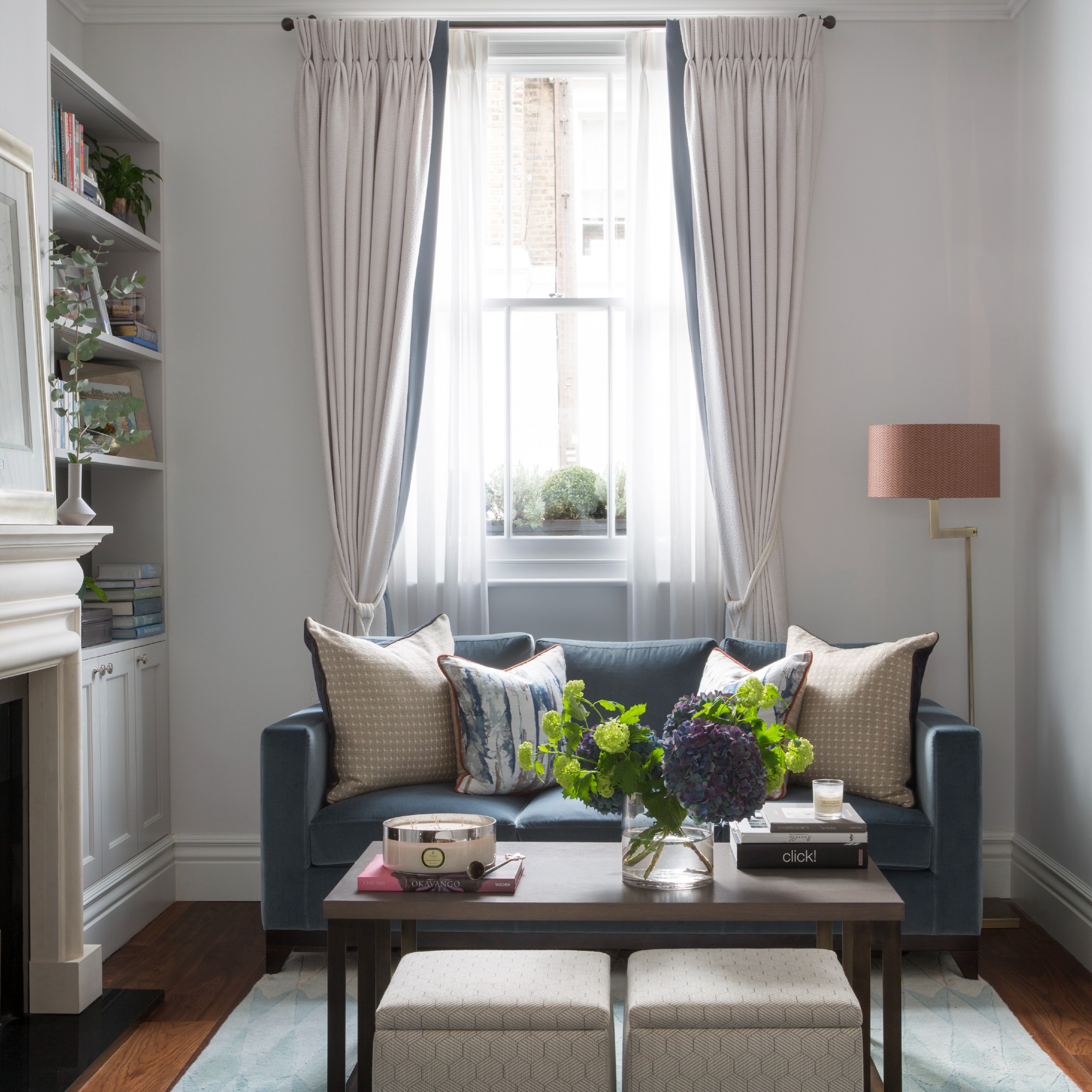
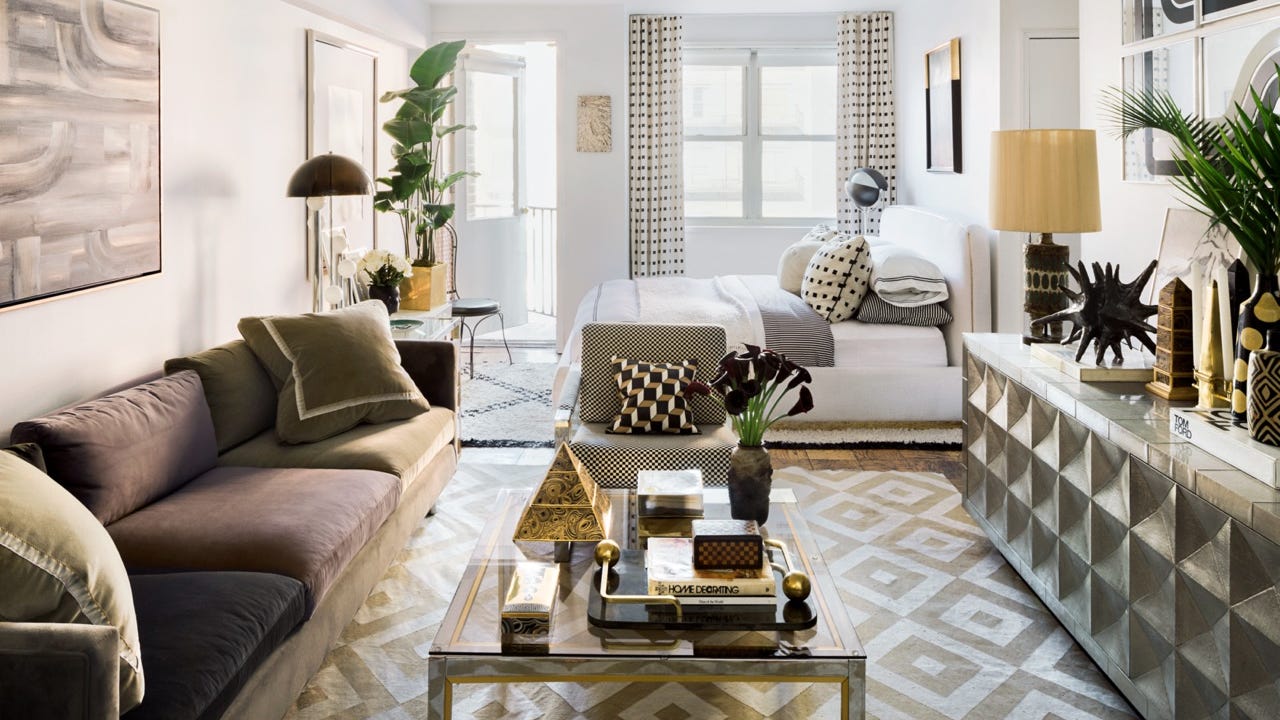
Living in a studio apartment presents unique challenges, primarily due to limited space that must serve multiple functions, including bedroom, living room, and dining area. Maintaining organization is crucial in such compact environments. However, numerous designer-approved strategies exist to maximize both functionality and style. These approaches include the strategic use of room dividers, the implementation of smart storage solutions, and careful consideration of lighting and paint colors to create an illusion of greater space.
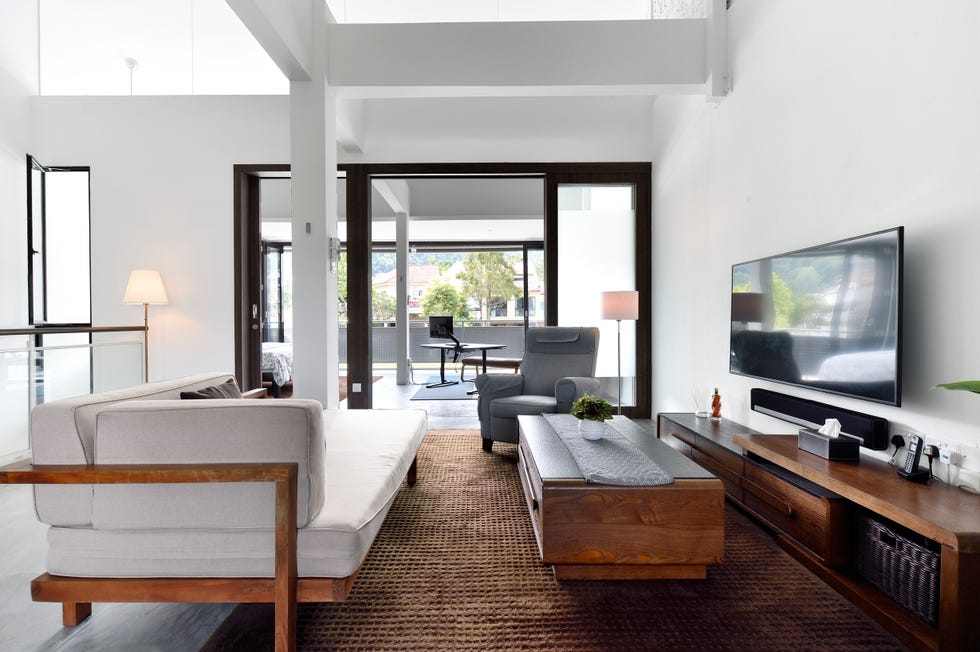
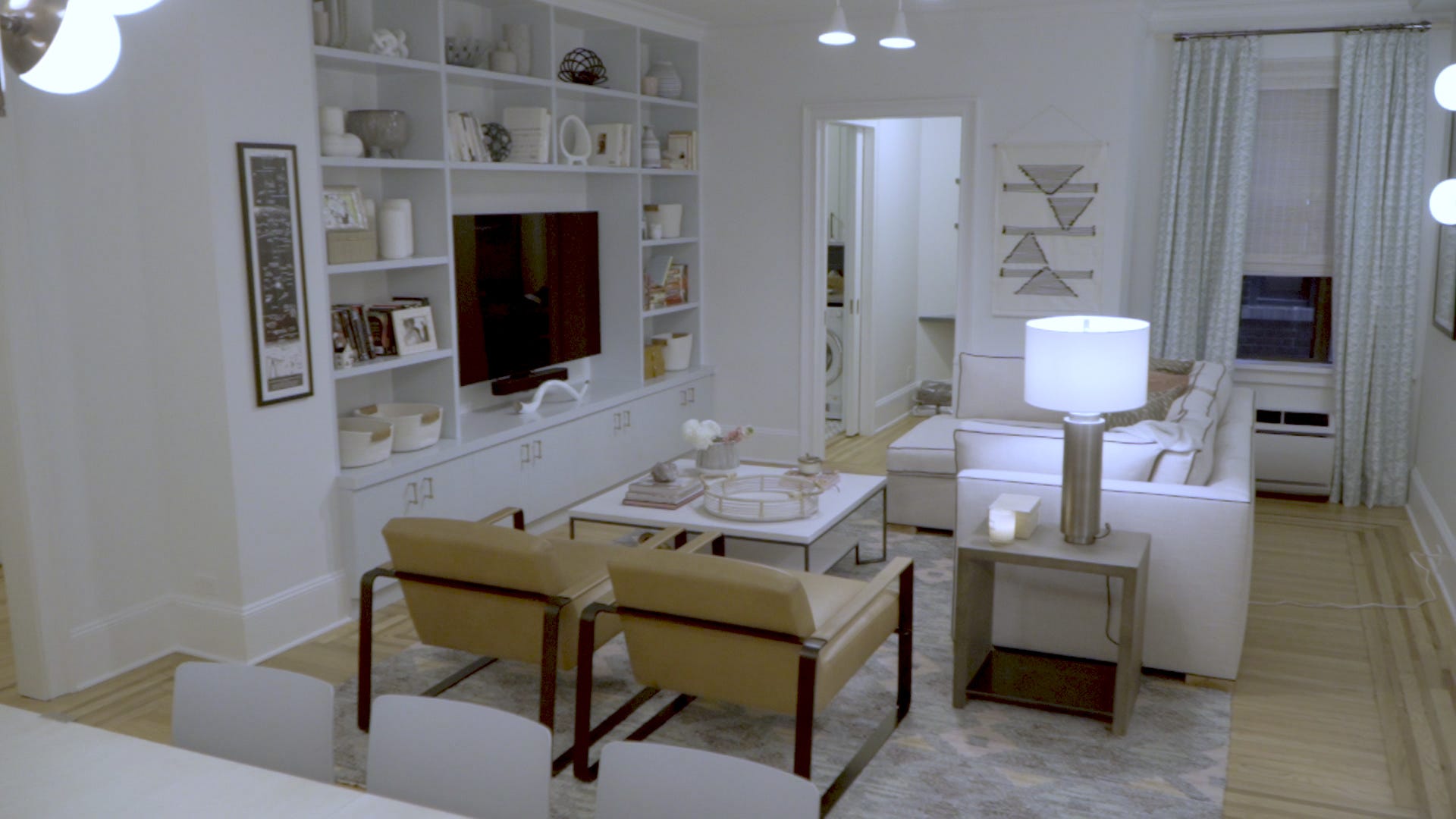
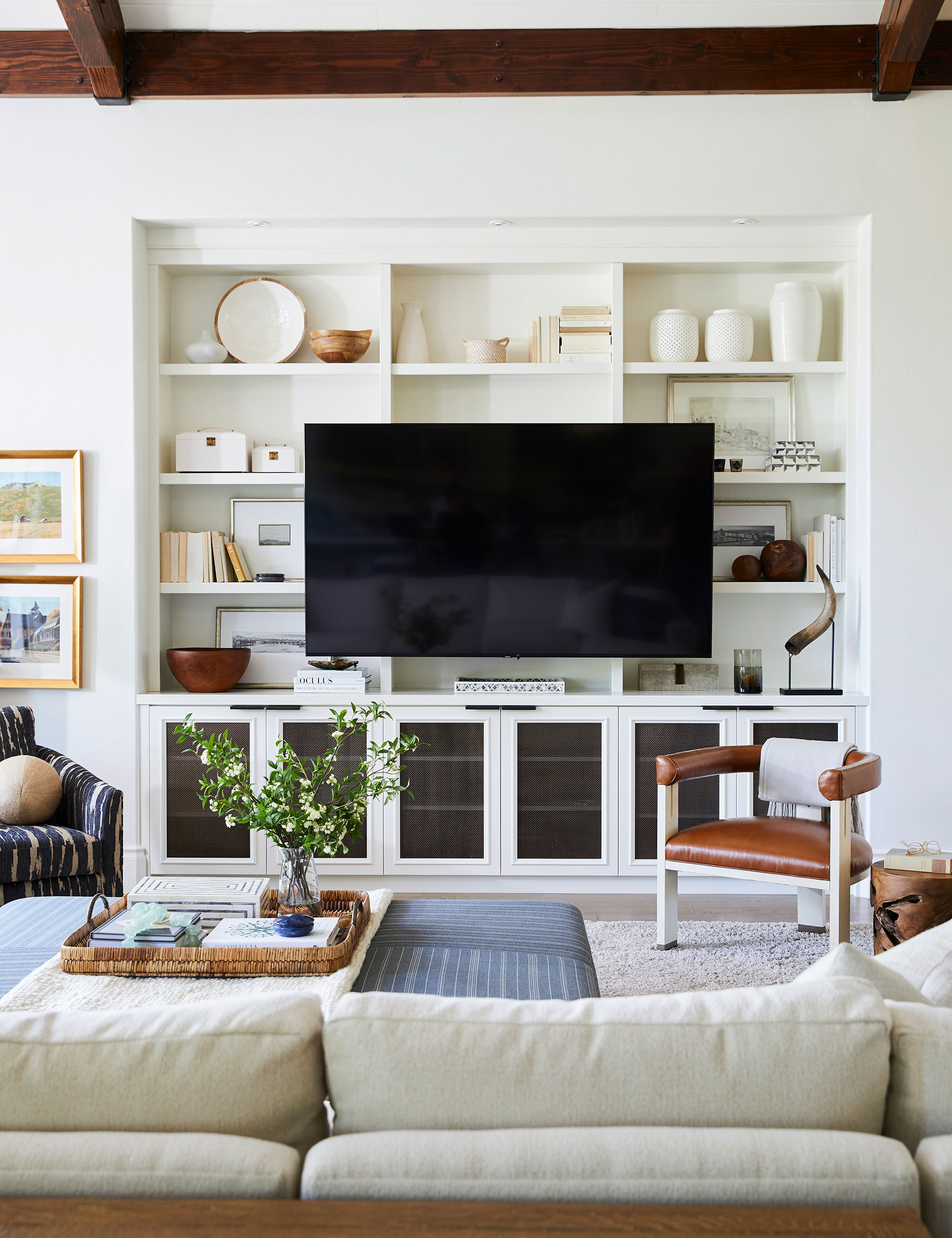
Maximizing vertical space is a key principle in studio apartment design, as it allows for keeping items off the floor and utilizing every available inch. This can involve installing mini built-ins or renter-friendly shelving. The article highlights 45 creative ideas to transform a small space into a desirable home. For instance, opting for a daybed serves as a dual-purpose piece of furniture, functioning as both a comfortable sofa for guests and a bed. This eliminates the need for separate pieces, which can be space-intensive.
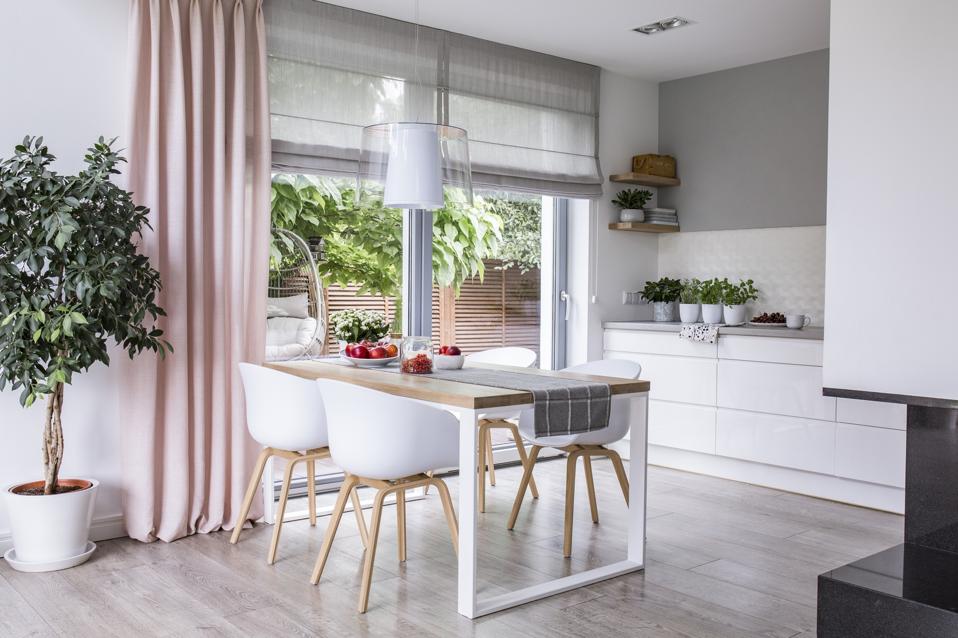
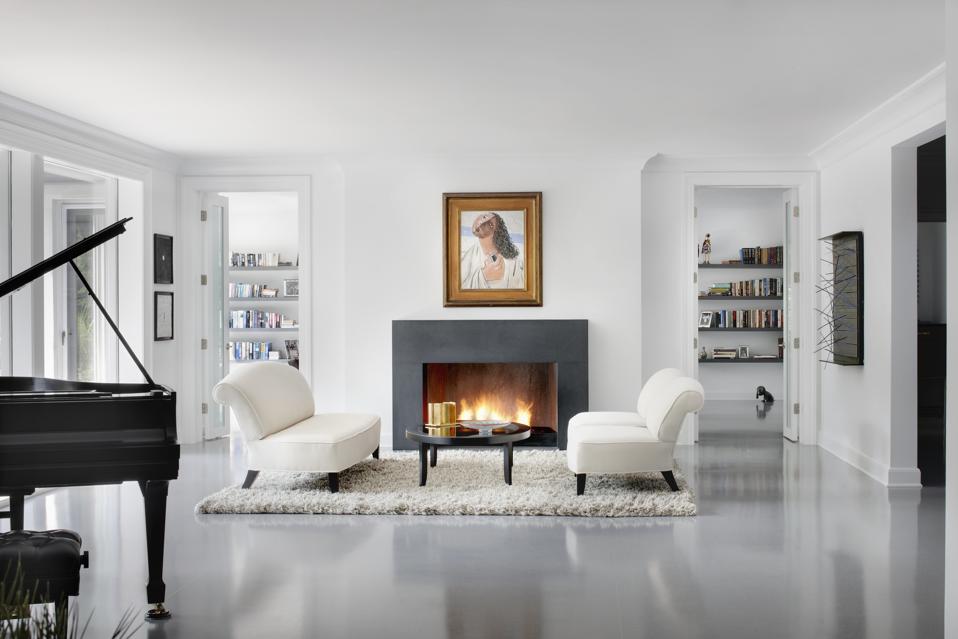
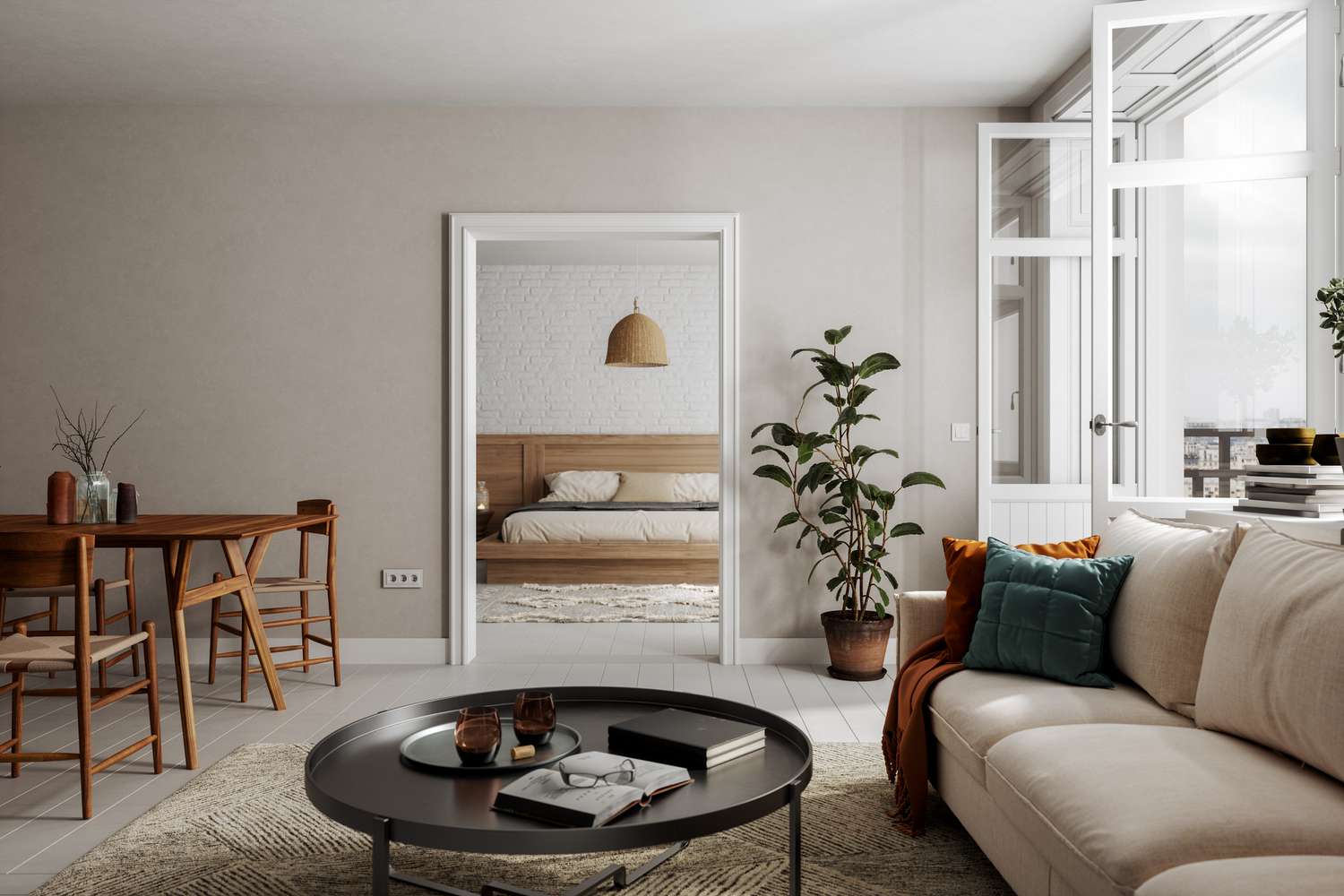
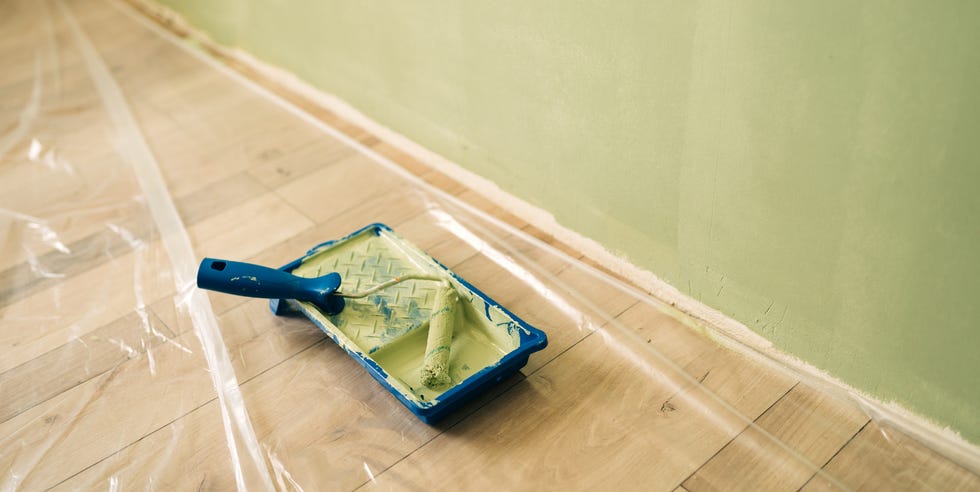
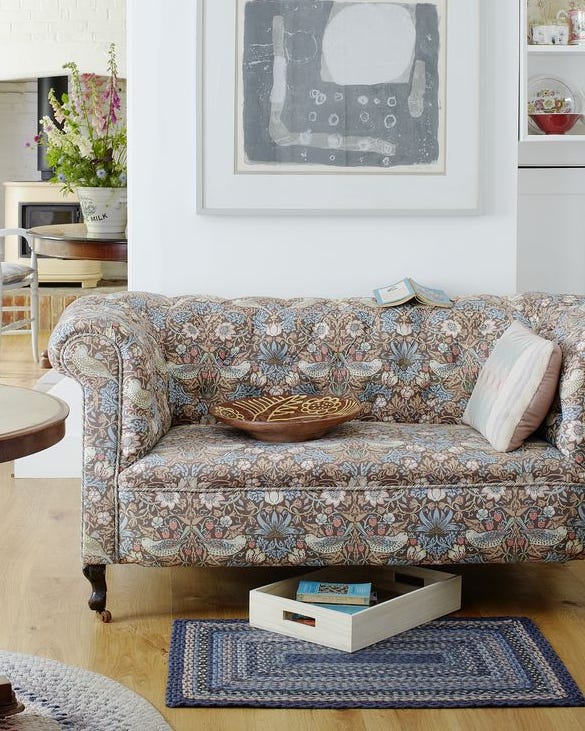
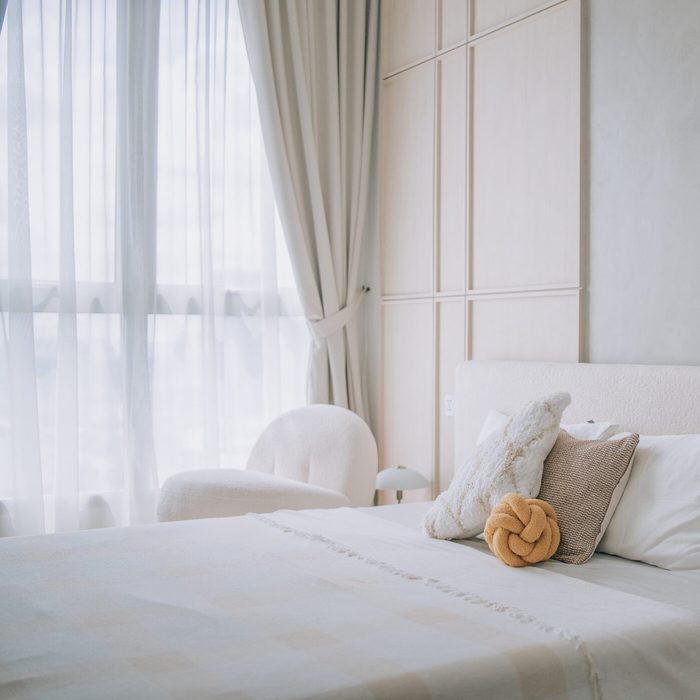
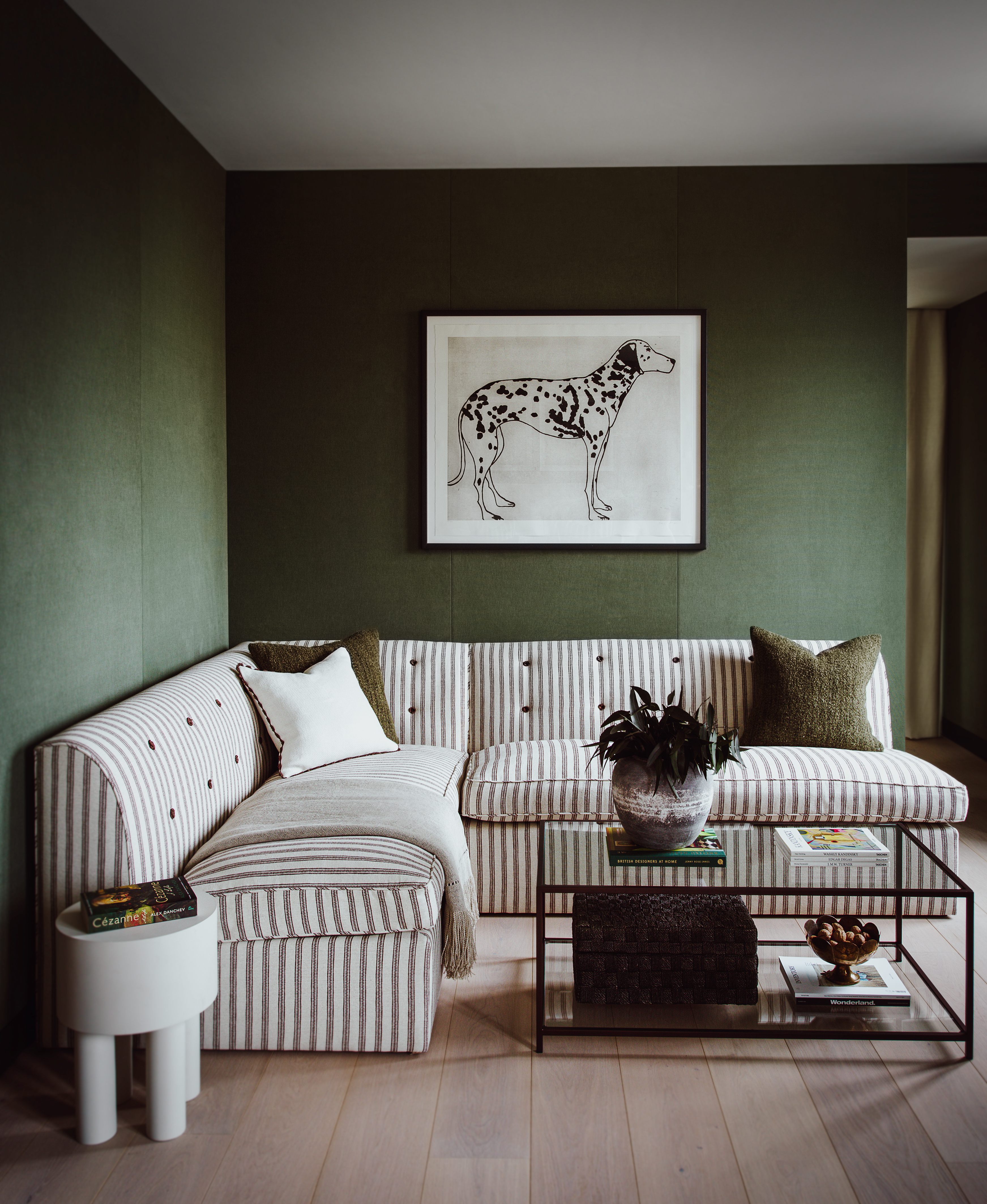
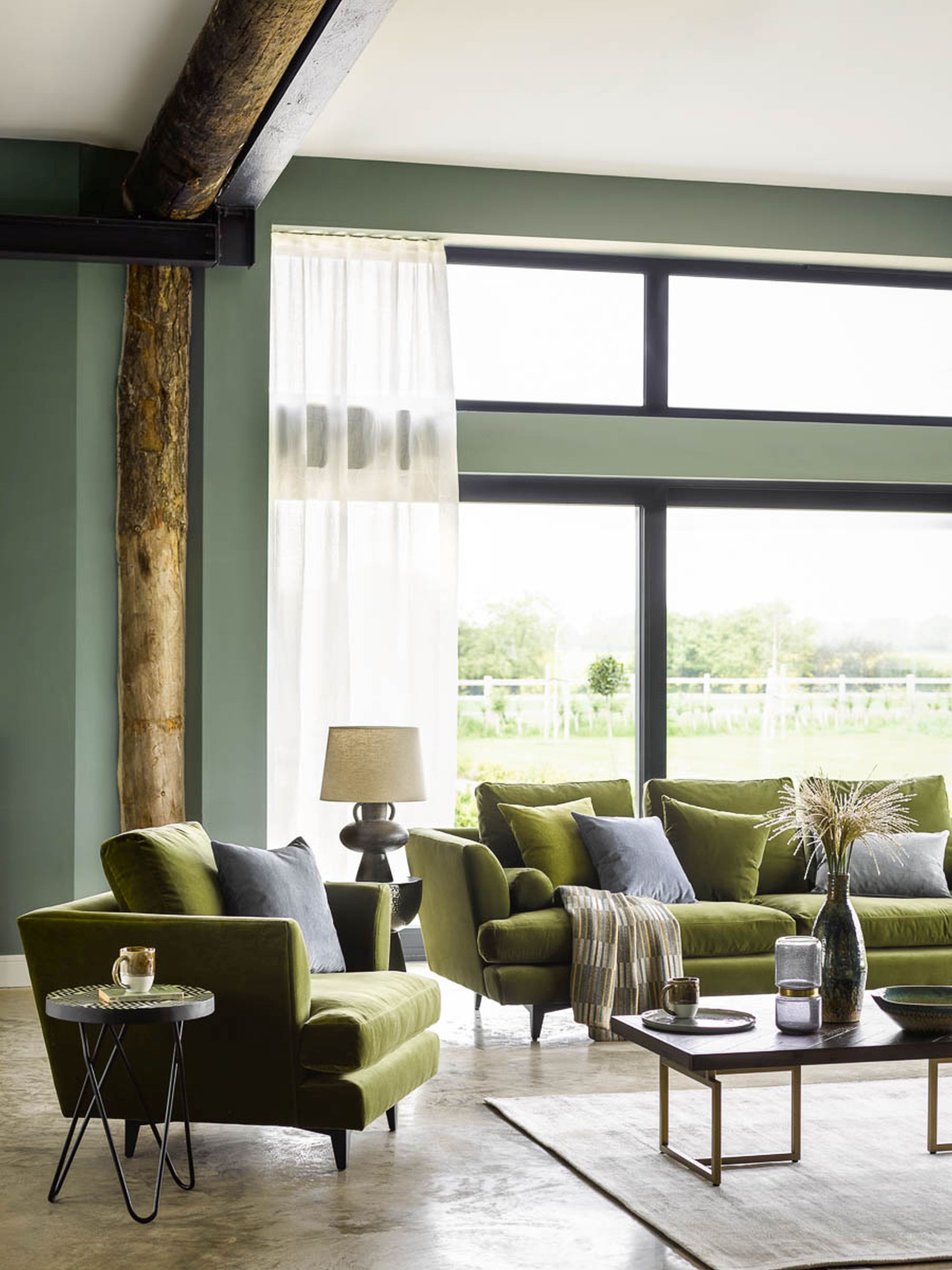
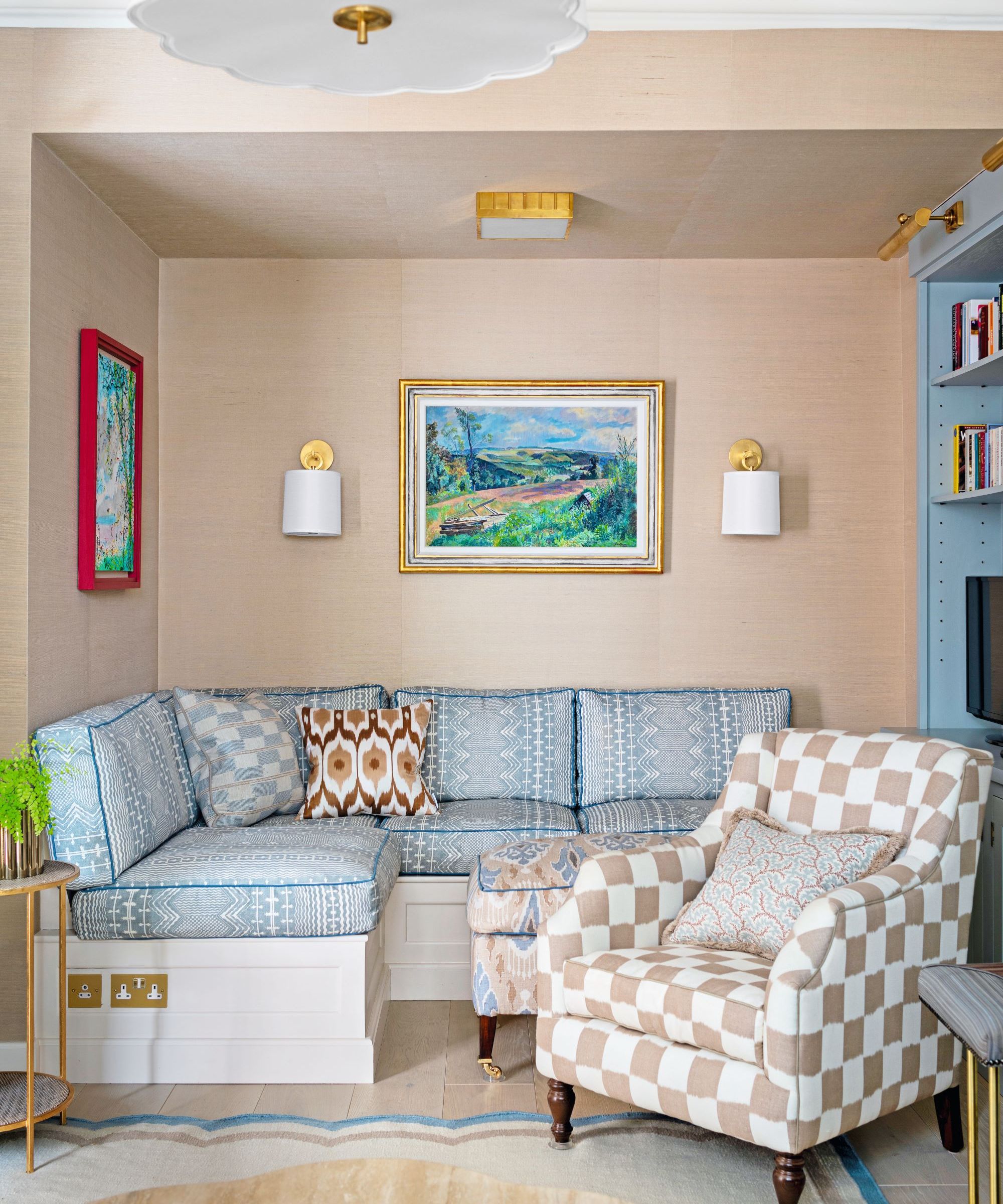
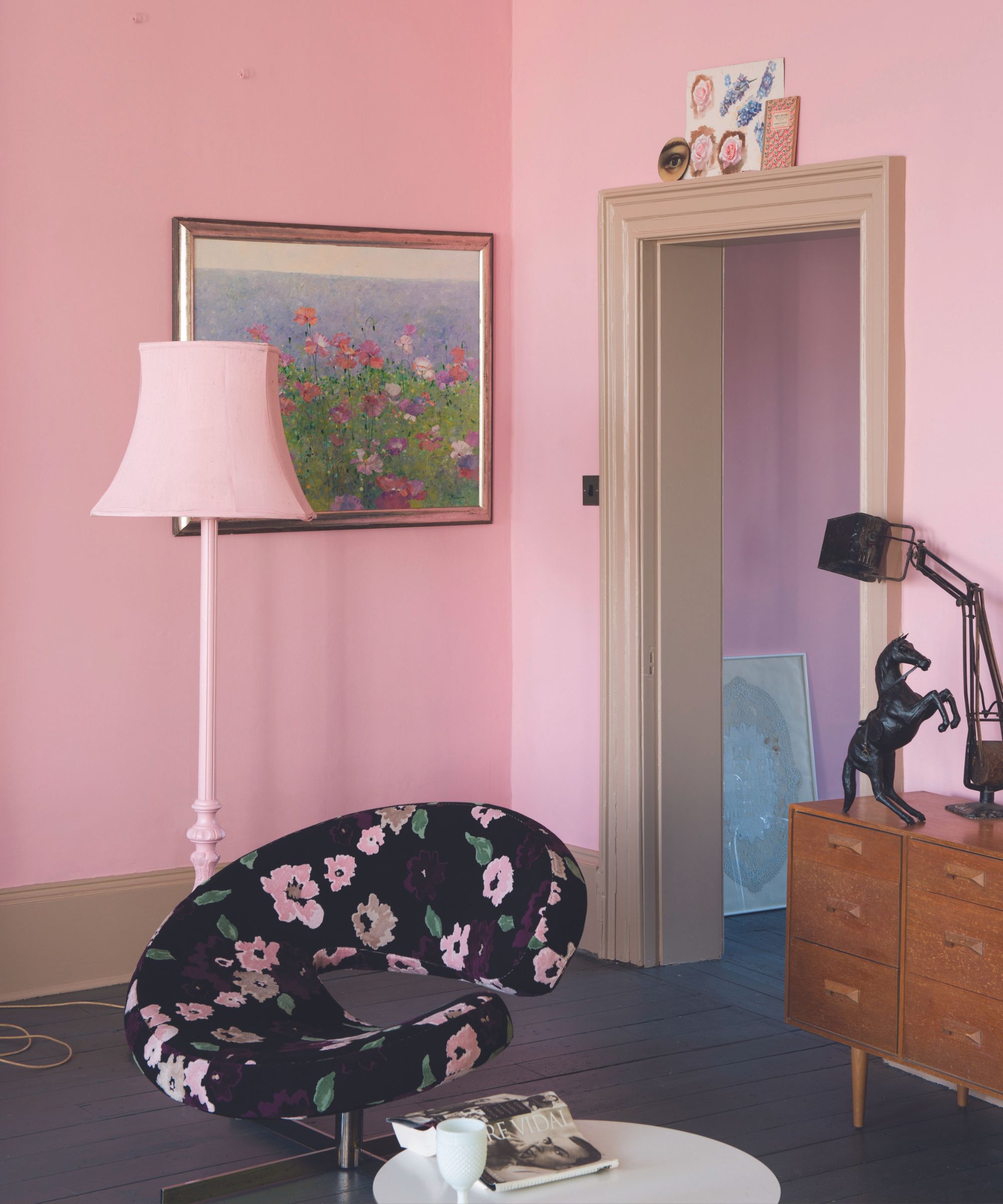
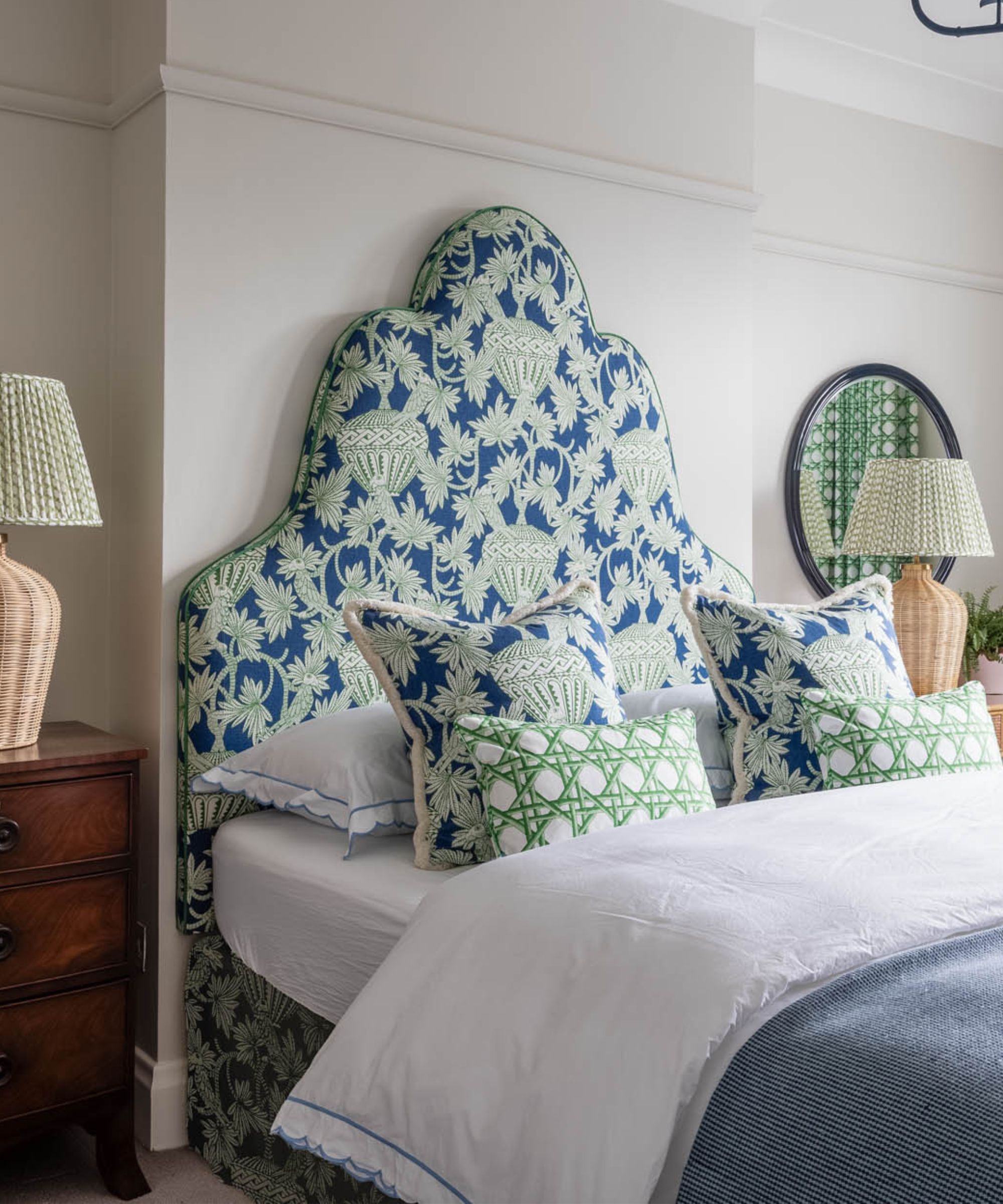
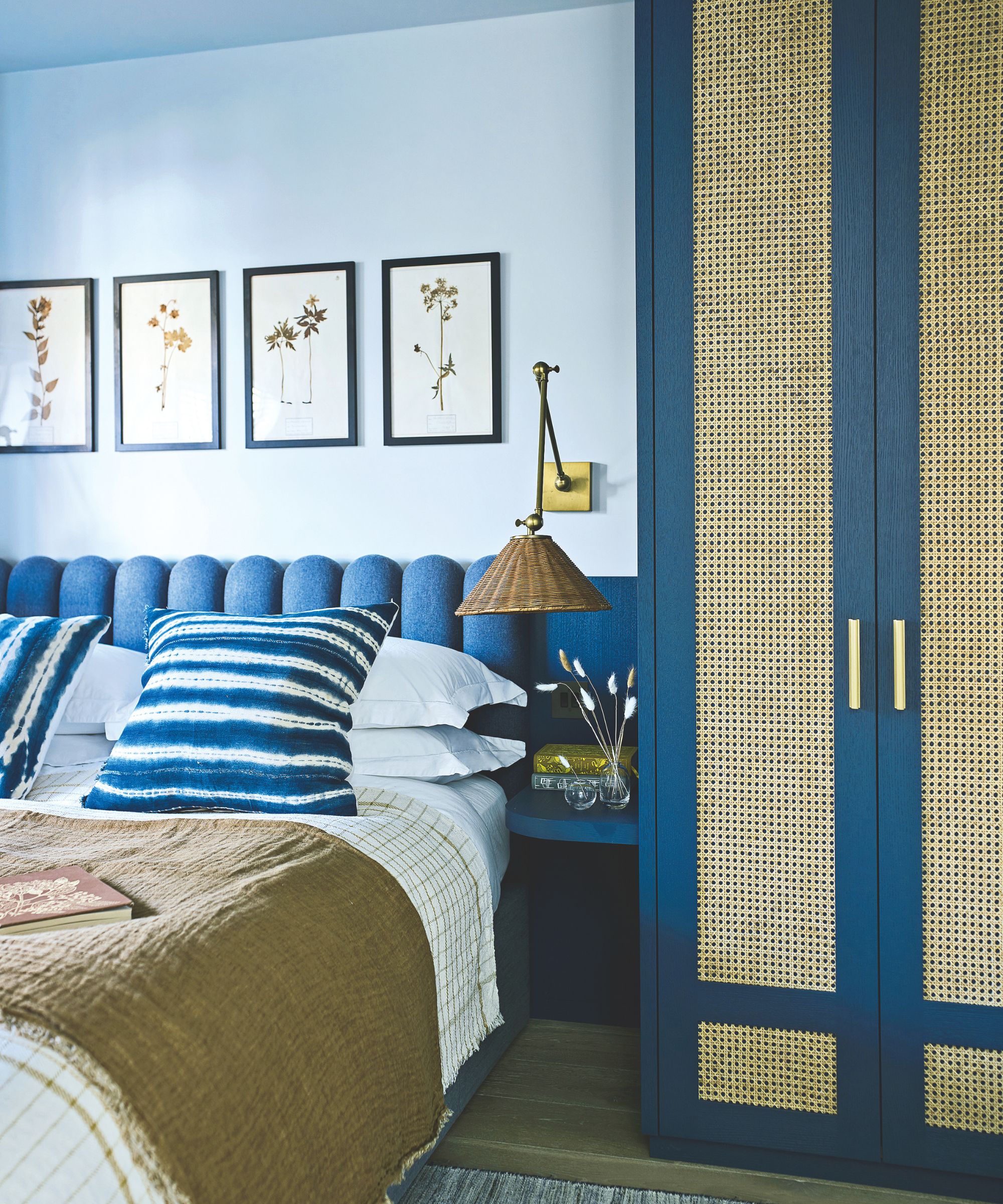
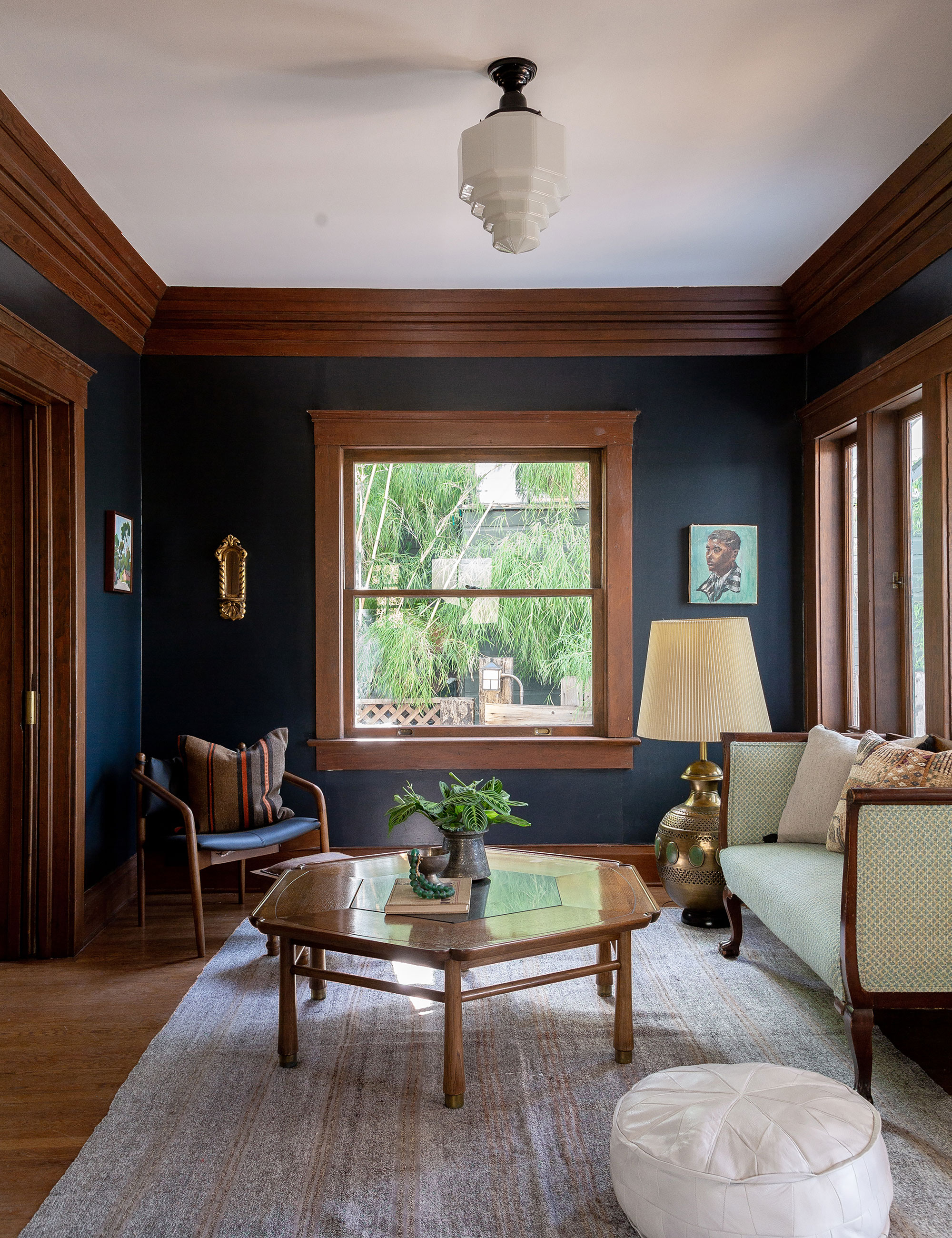
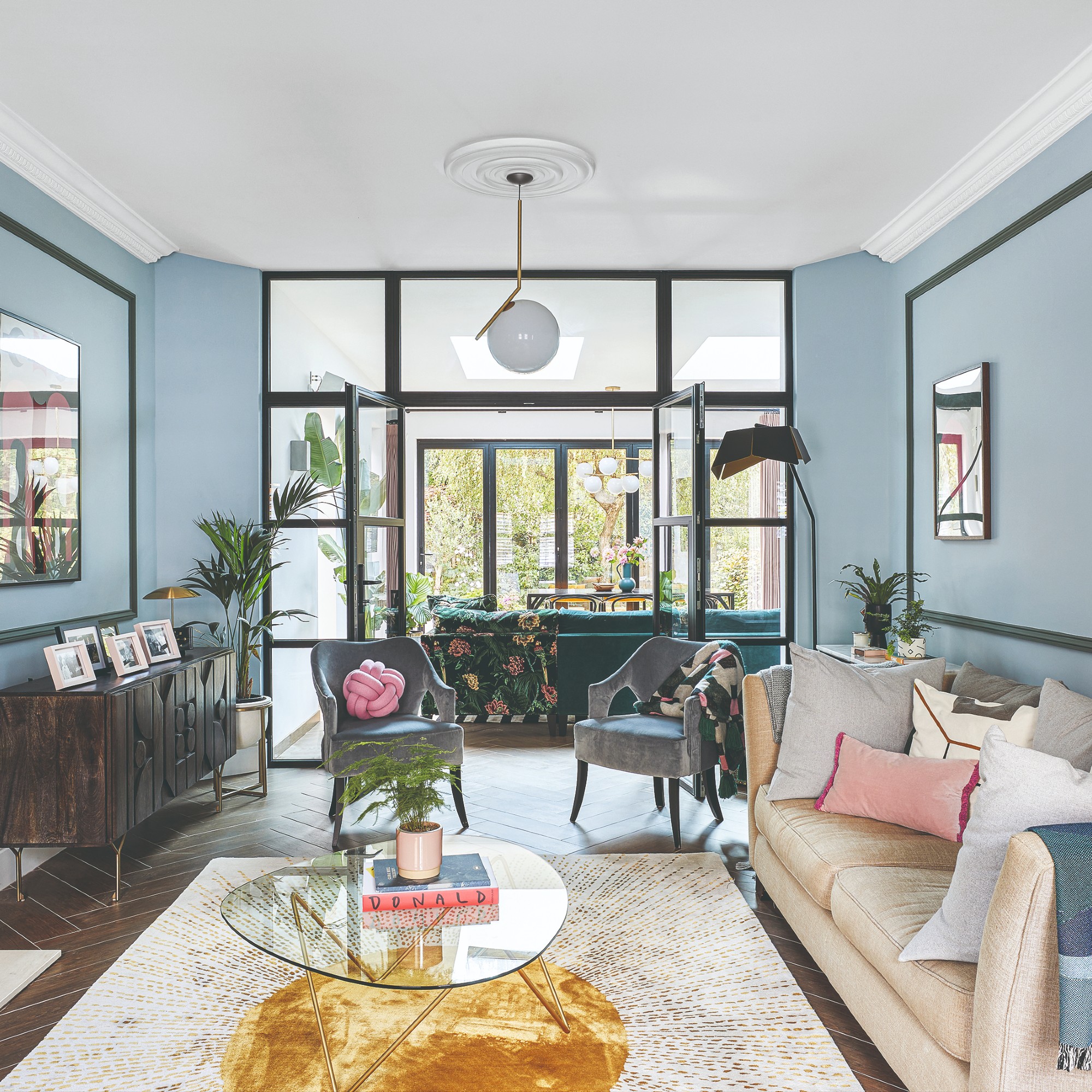
Another effective technique involves swathing the entire space in a single hue or pattern. This creates a cohesive and unified look, preventing the small room from feeling visually chaotic. Utilizing light colors, particularly white paint on walls and light-colored flooring, can significantly enhance natural light reflection, making the apartment feel larger and more airy. Maximizing vertical space is reiterated as essential, with designers suggesting using walls for storage rather than just art, such as integrating desks with built-in shelving.
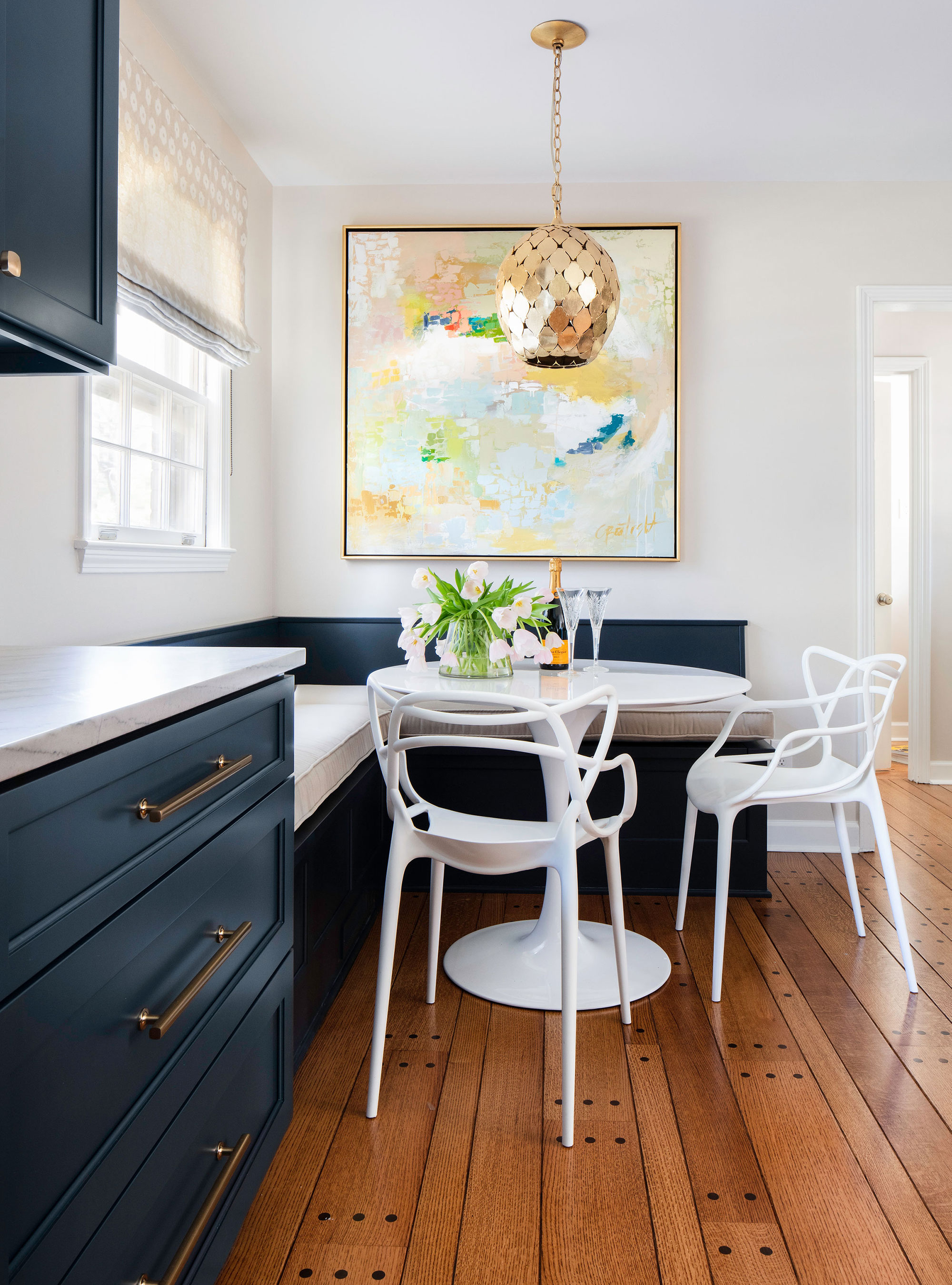
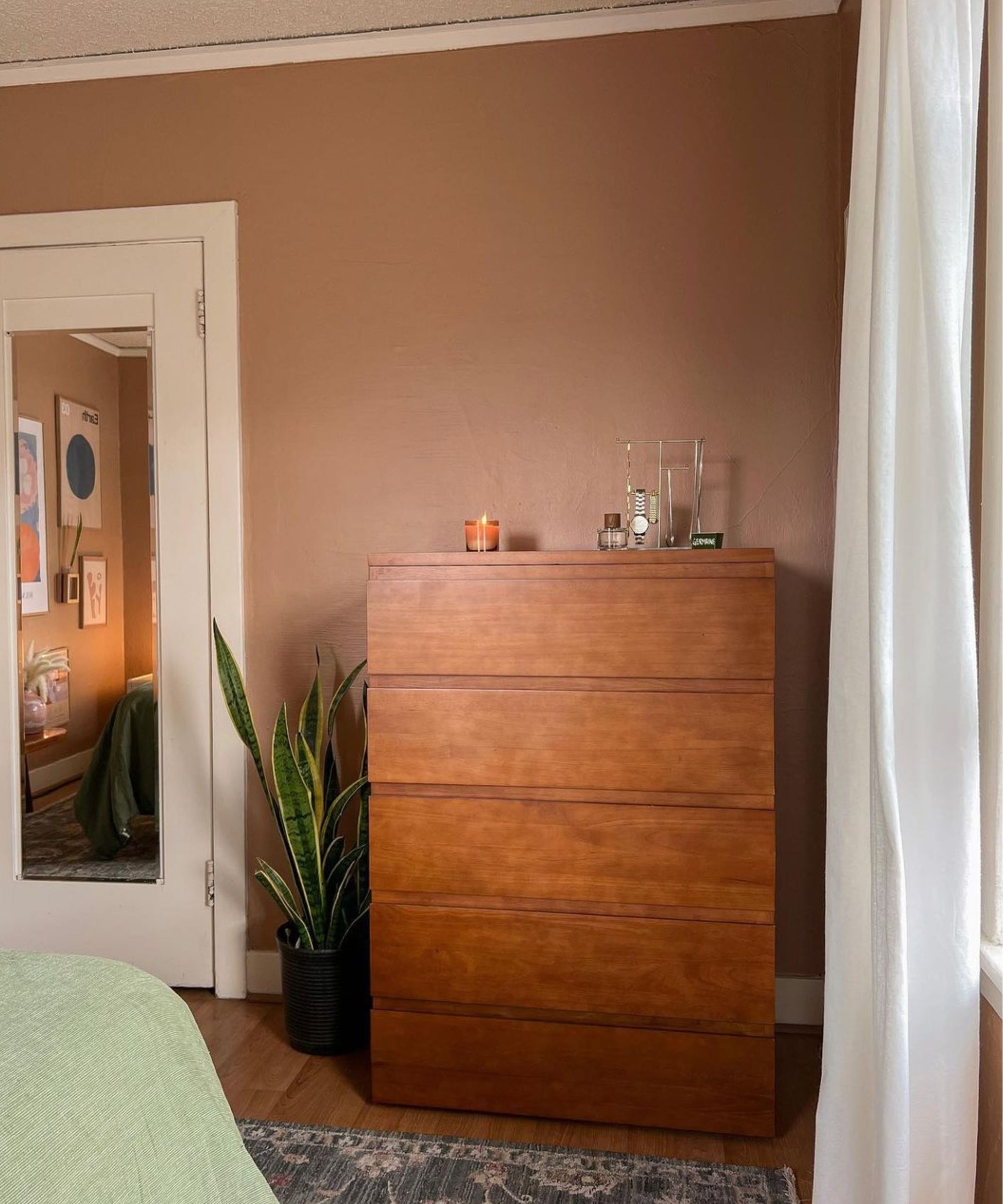
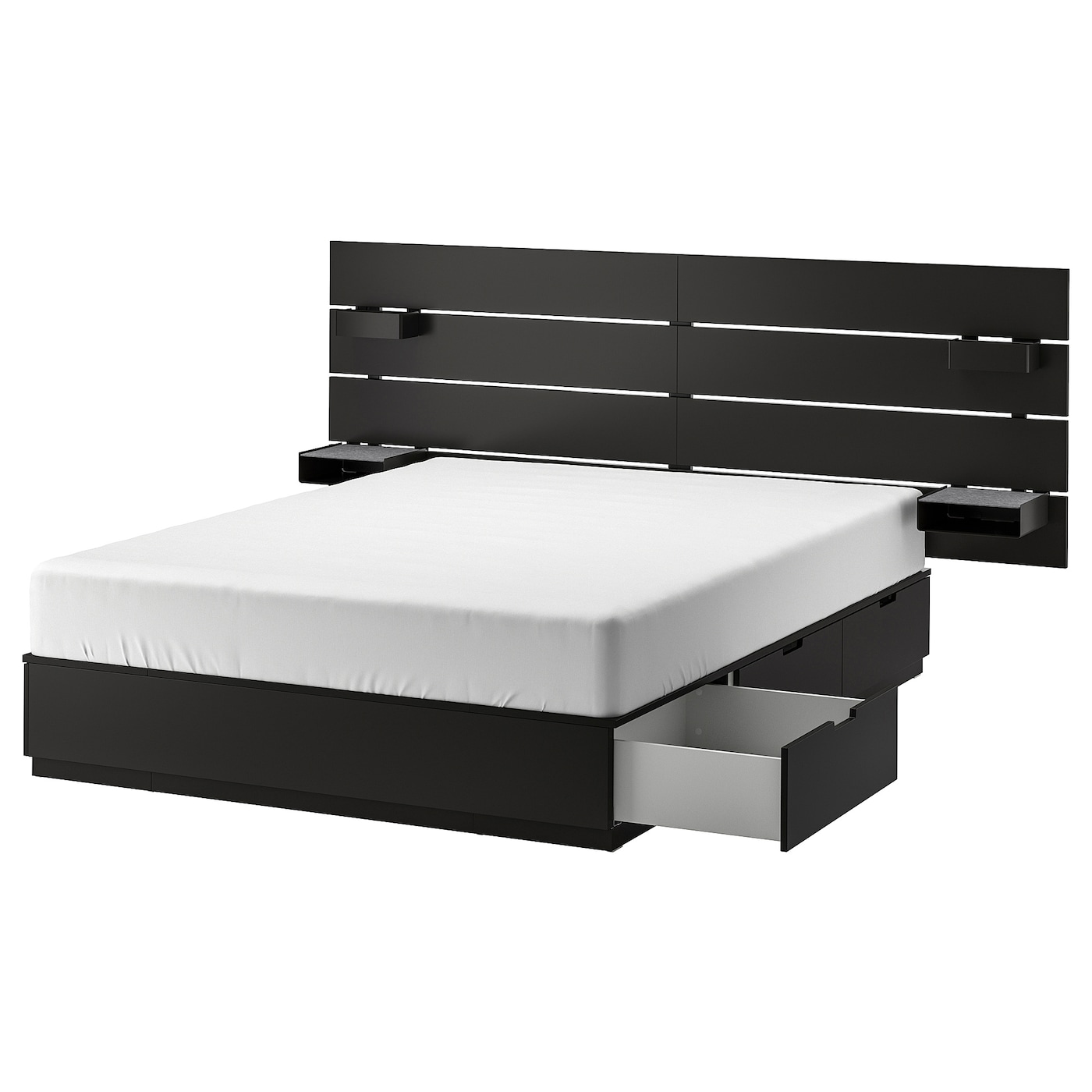
Intentional division of space can be achieved using furniture, like placing a shelving unit at the foot of the bed or installing ceiling-mounted curtains, to visually separate different areas. Smart storage solutions, such as wall-to-wall dressers in nooks, are crucial for managing belongings in apartments with less-than-ideal layouts. Choosing unconventional layouts, such as floating a bed with a dresser behind it to create distinct sleeping and dressing zones, or using an oversized banquette instead of a sofa for dining and lounging, can significantly improve a studio's functionality.
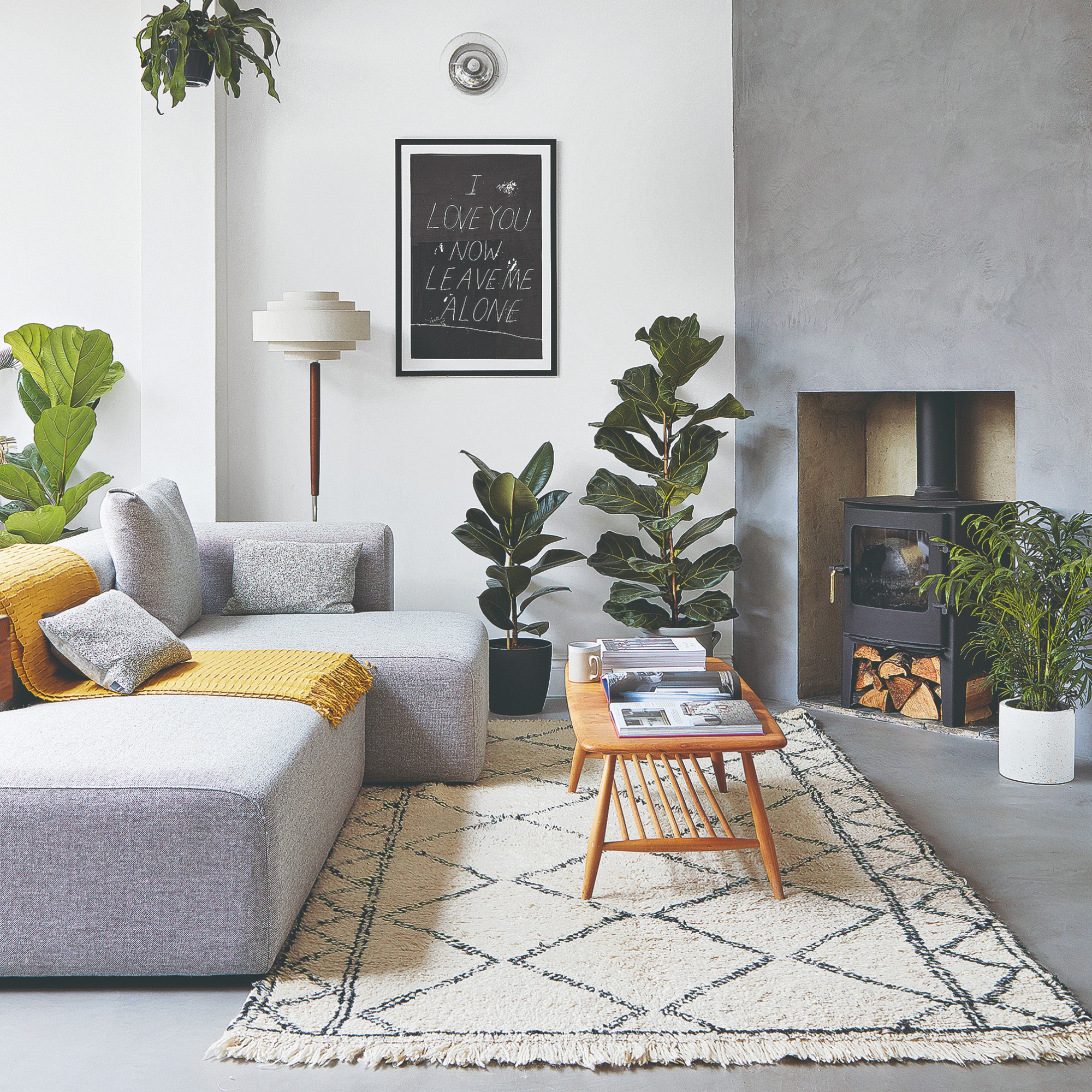
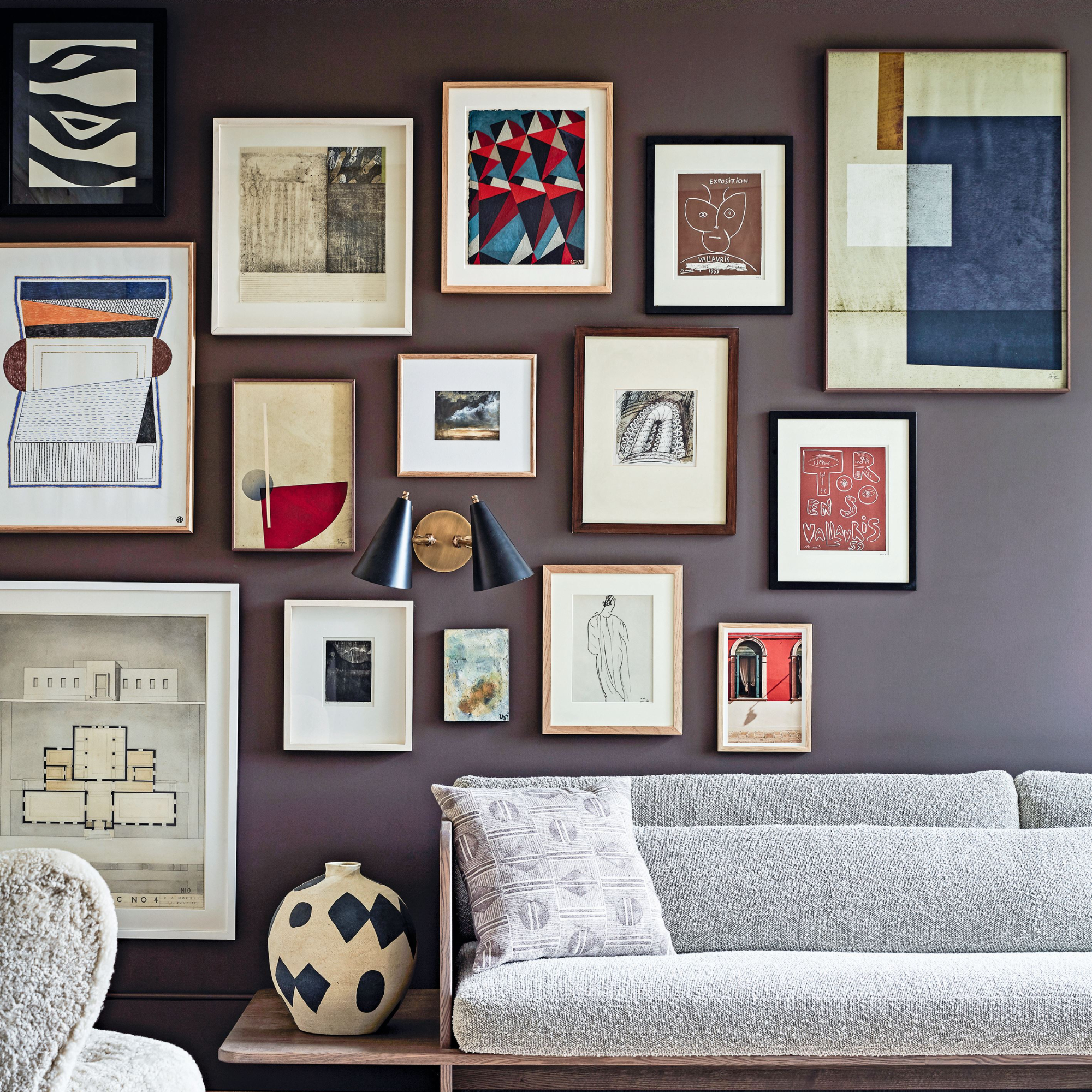
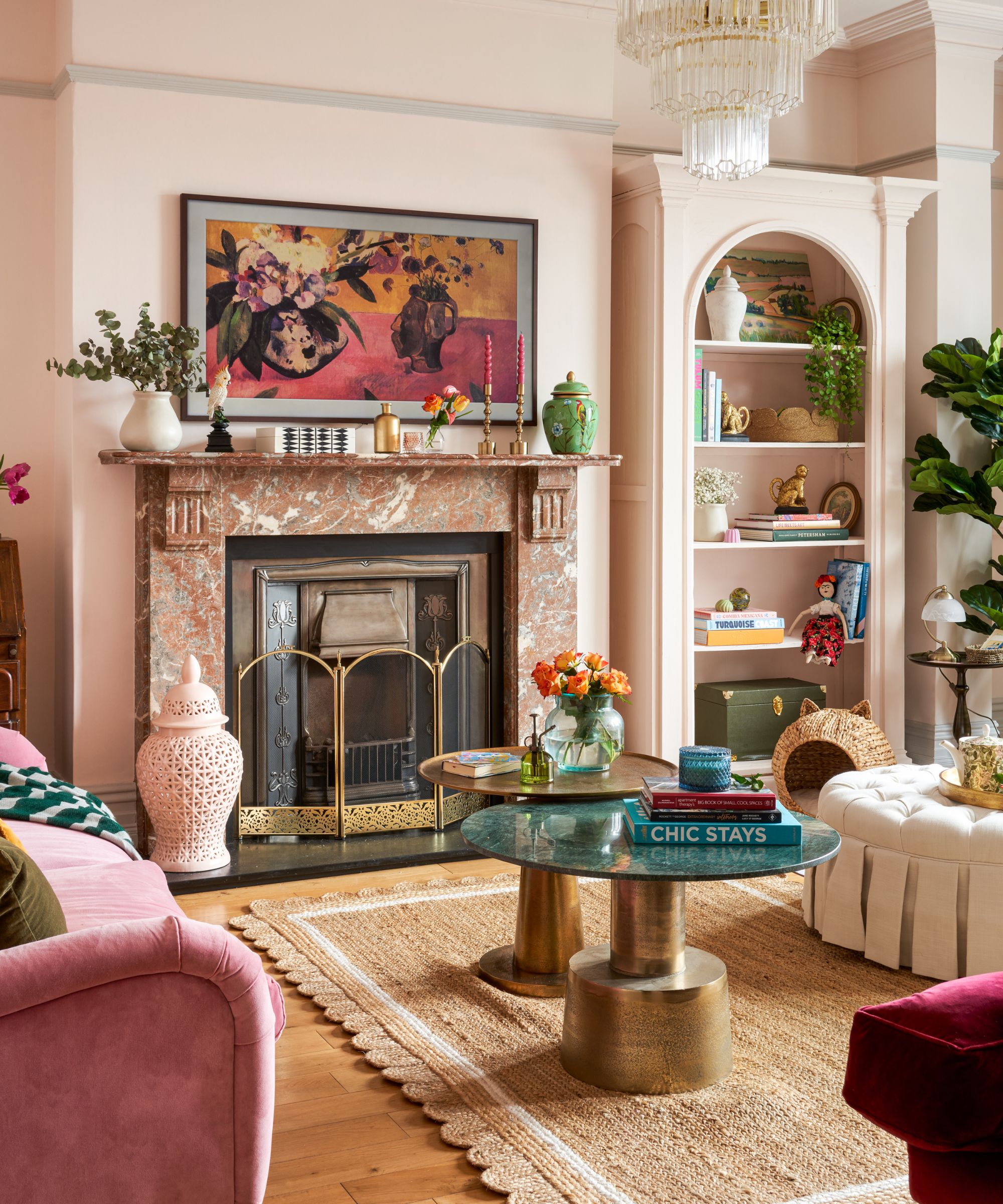
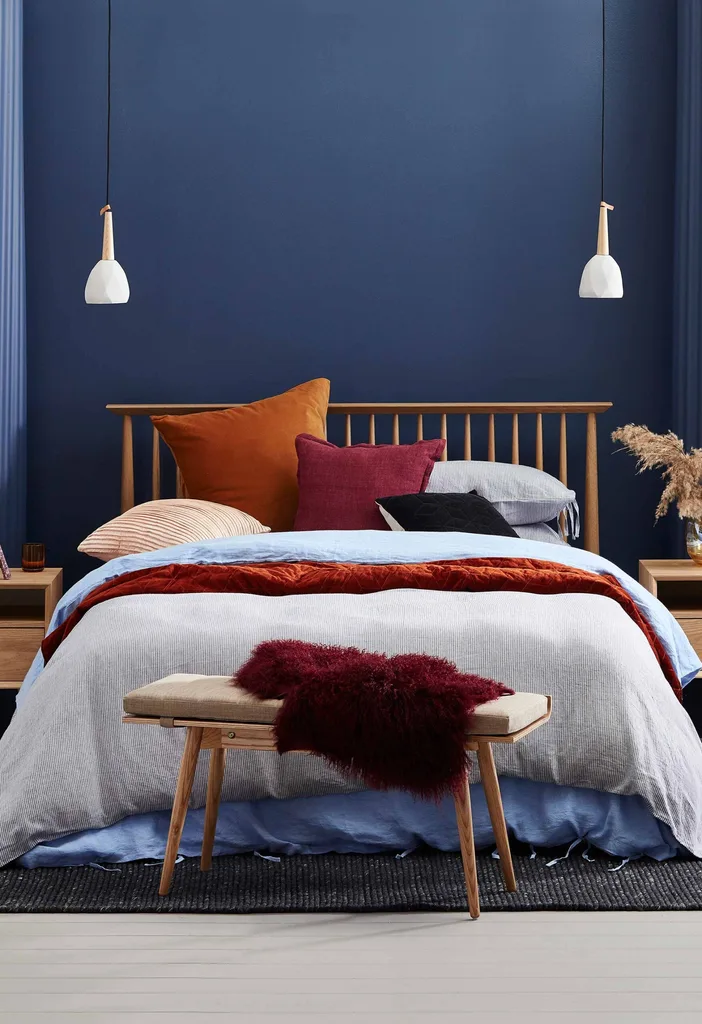
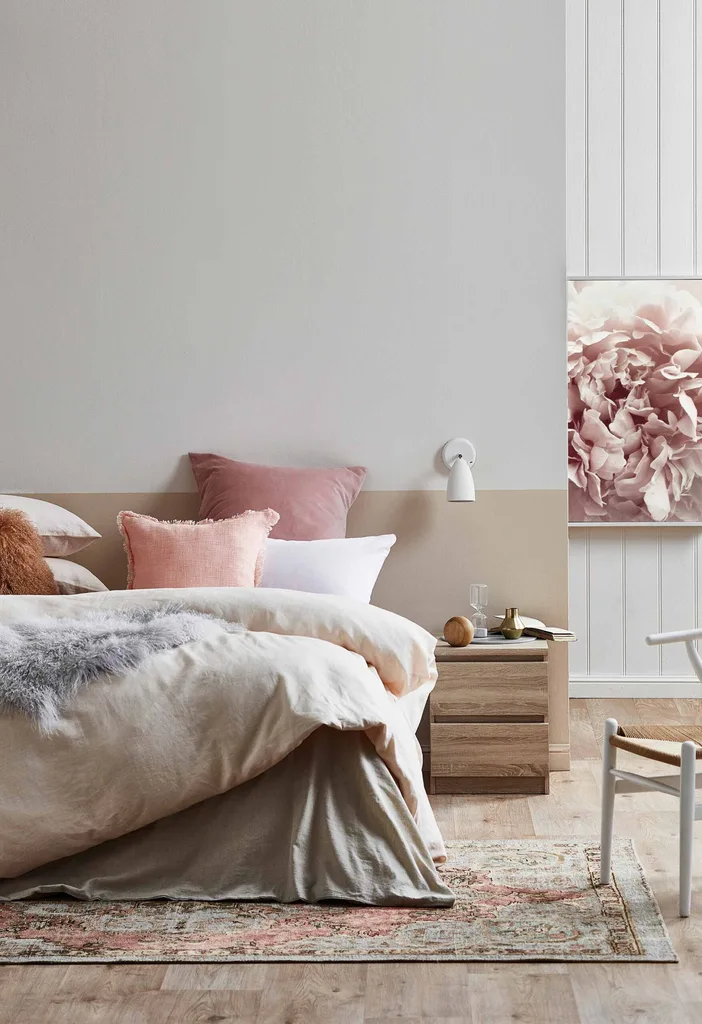
Layering paints, by creating large colored rectangles on walls, can add depth and make the room feel taller. While maximalist decor can seem counterintuitive in small spaces, employing varied scales of furniture can prevent a cluttered feel and make the apartment more dynamic. Multifunctional furniture, like a vintage cabinet serving as both shoe storage and a bar, is highly effective. Selecting smaller, less bulky furniture pieces, such as spindle chairs and square side tables, ensures that spaces like entryways do not feel overwhelmed.
Creative use of seating, where extra chairs double as side tables or nightstands, helps to manage furniture when not in use. Creating illusions, such as using furniture with chrome legs to reflect light and appear to float, can make a space seem larger. Top-shelf storage, like cubby-like bookcases extending over doorways, utilizes otherwise dead space. Varying seating styles with pieces that have plenty of negative space can make a room feel lighter and less heavy, while adding cohesion with paneling can unify different functional zones. Finally, wall-mounted lighting and foregoing a traditional kitchen table in favor of counter stools can further free up floor space, and a Murphy bed provides the ultimate solution for reclaiming floor area when the bed is not needed.
#StudioApartmentIdeas #SmallSpaceDesign #SpaceSavingSolutions #InteriorDesignTips #HomeOrganization #VerticalStorage #MultifunctionalFurniture #PaintColors #RoomDividers #StudioApartmentIdeas #SmallSpaceDesign #SpaceSavingSolutions #InteriorDesignTips #HomeOrganization #VerticalStorage #MultifunctionalFurniture #PaintColors #RoomDividers
0 comment in total
 No comments yet
You may also like
Small-Space Decorating Ideas for Making the Most of What You've Got
Design tips and tricks for decorating a small living room
Top interior design trends 2020

5 Things That Make Your Living Room Look Small—and How to Fix Them
7 Design Mistakes Interior Designers Always Notice

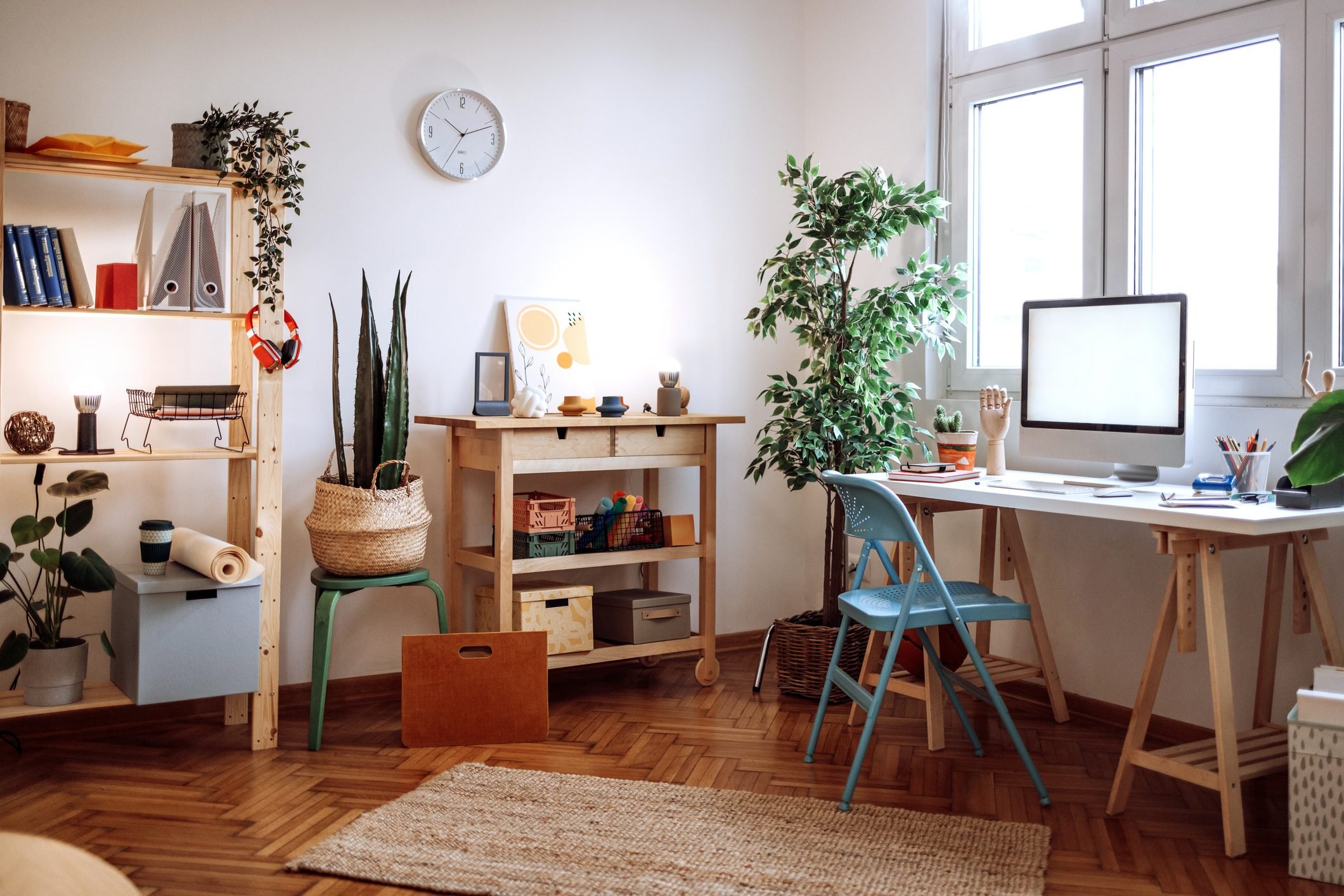
Maximize Your Space: 19 Tips to Make a Small Room Feel Bigger

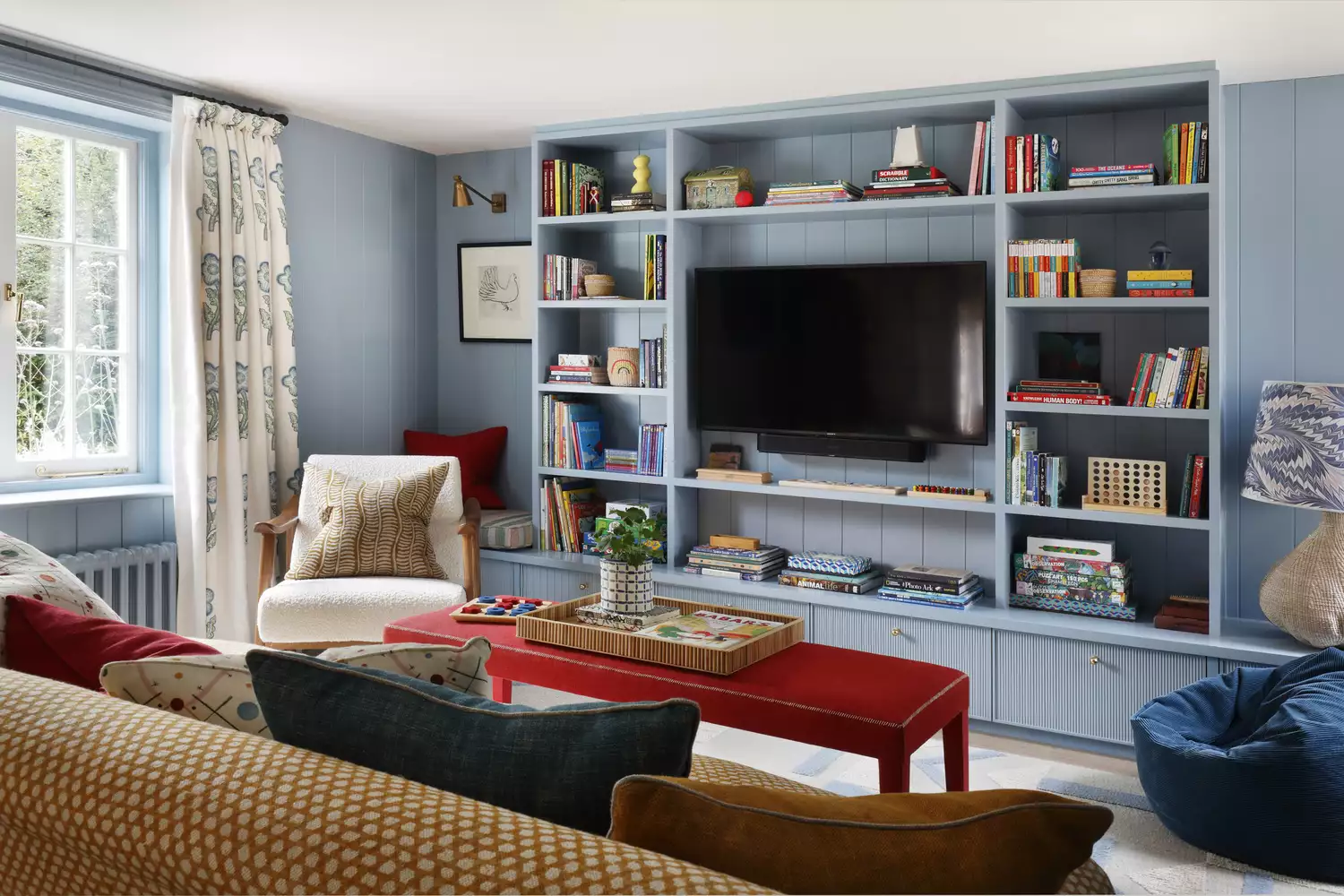
We Asked Designers How to Make a Small Living Room Look Larger Instantly—And We're Trying This ASAP

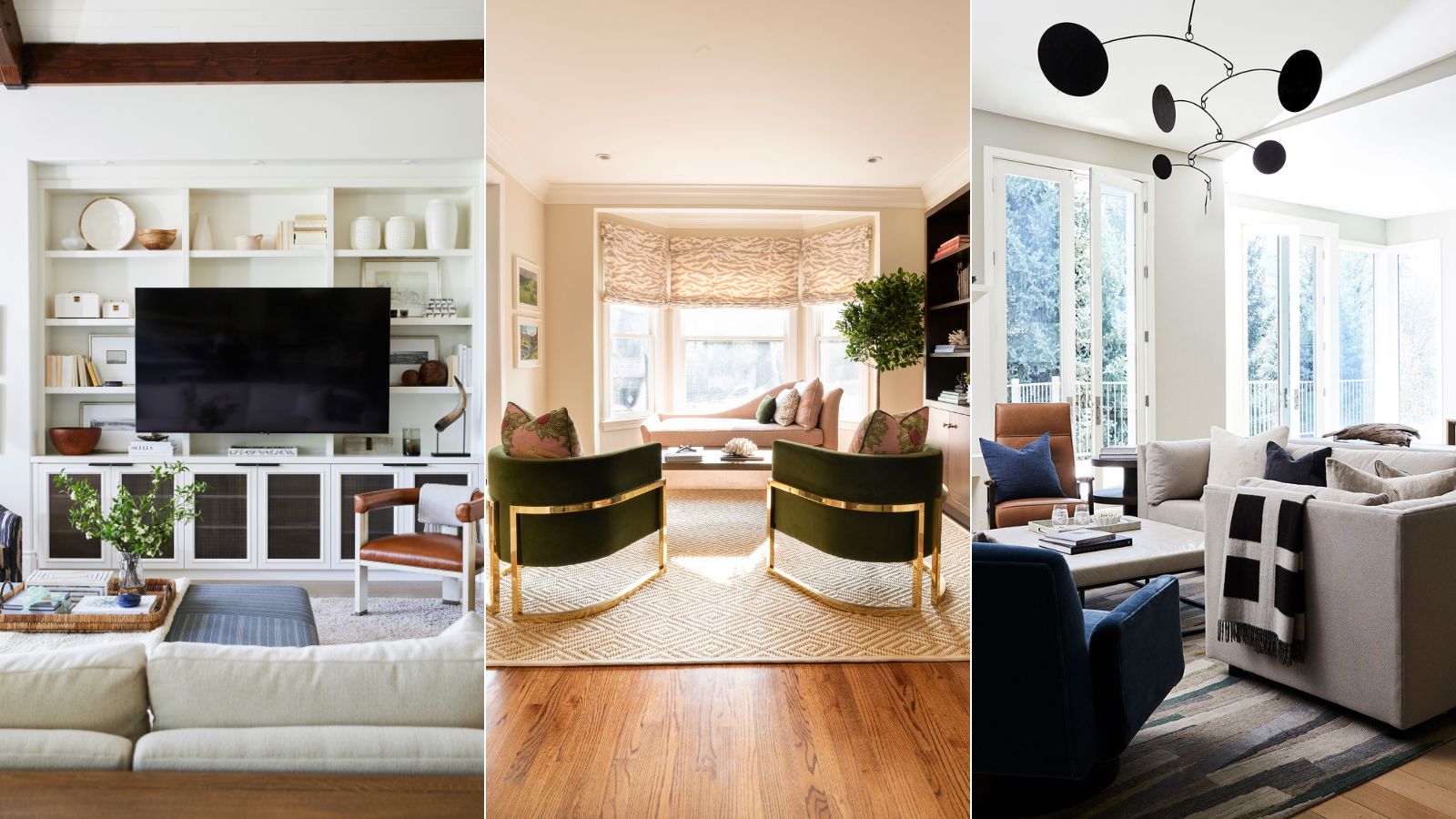
5 small living room mistakes – designers share the worst decorating disasters that we need to stop doing right now

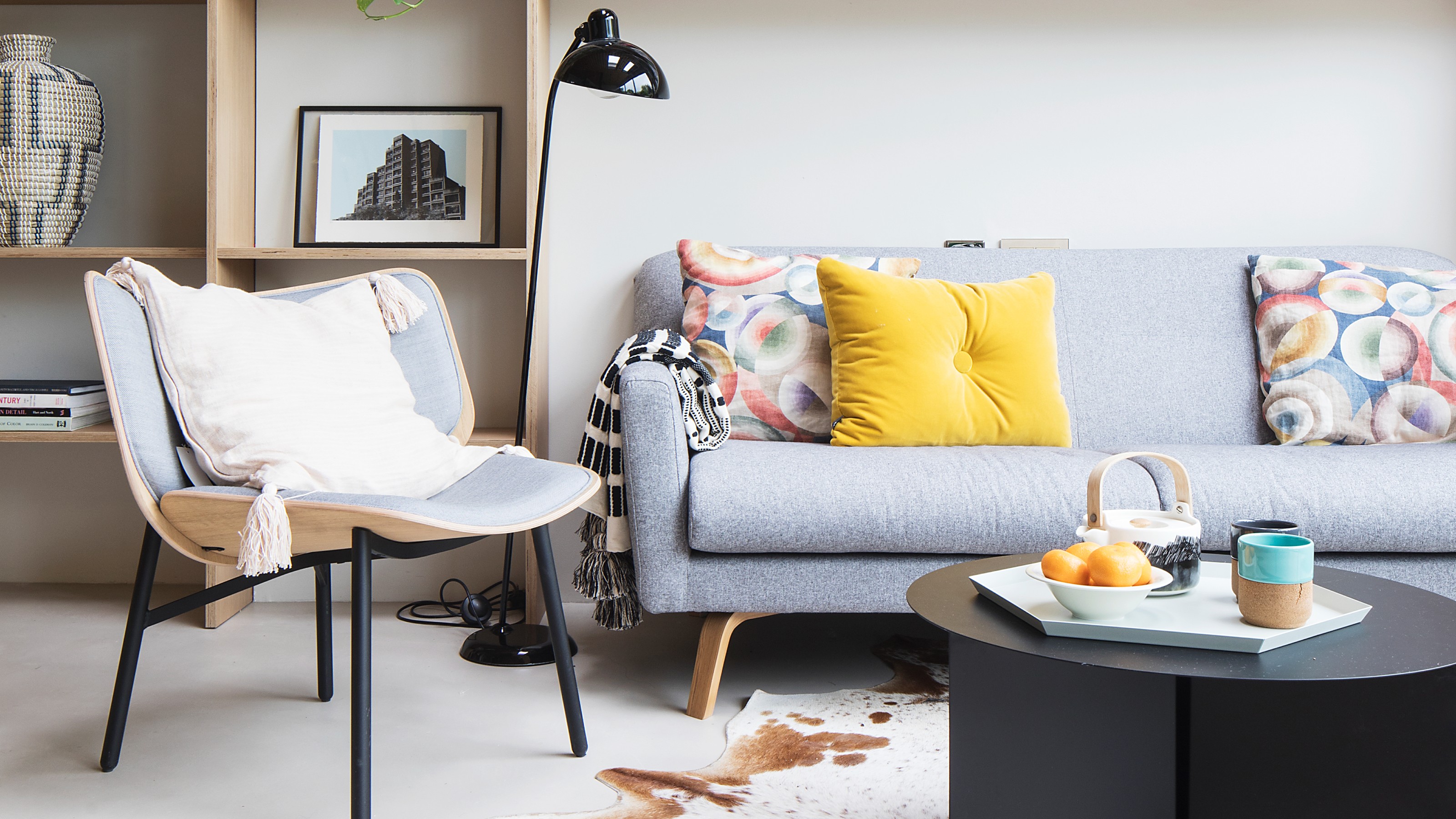
I asked 8 interior designers what you shouldn’t put in a small living room – these 3 things kept coming up
6 Home Décor Mistakes Interior Designers Notice Right Away—and How to Fix Them
Small Room Ideas - Decorating Small Spaces

7 narrow living room ideas – how to turn an awkwardly shaped space into a dreamy lounge
7 Decorating Mistakes That Always Make Interior Designers Cringe
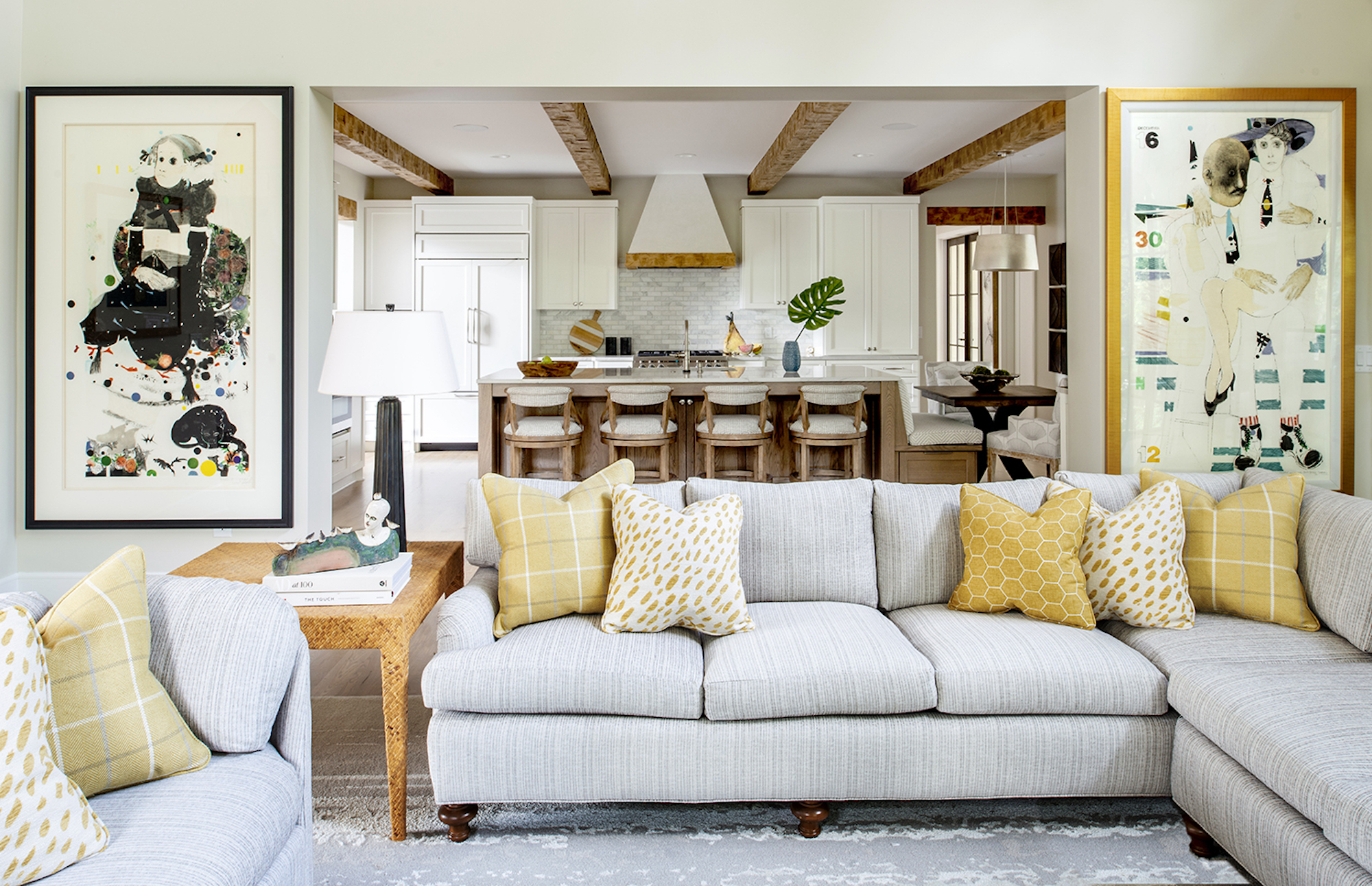
7 small living room layout mistakes design experts want you to avoid – and what to do instead
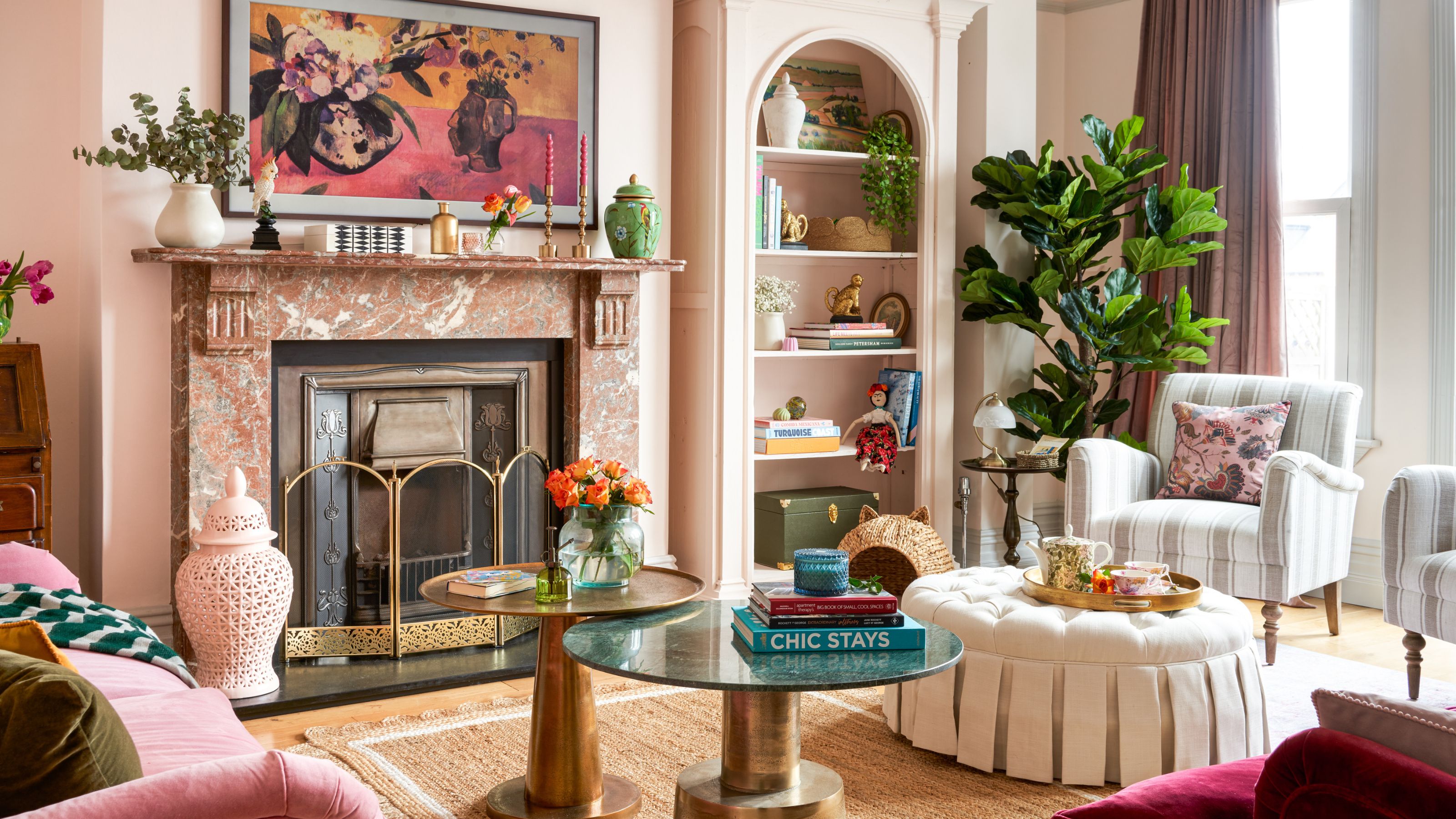
How to refresh a small living room — 5 easy tips designers swear by
7 small space decorating ideas that make a big impact

10 Mistakes Designers IMMEDIATELY Notice When They Walk Into Your Home
10 things designers do to make rooms look bigger – strategies for success from the experts
8 of the biggest small bedroom layout mistakes designers see time and time again
The simple living room switch that will help make the space feel bigger