1/8
Your Guide To The Different Types Of Cooktops, And How To Choose Which One Is Best For Your Kitchen
Choosing the right cooktop is a significant decision for any kitchen, impacting both functionality and aesthetic. This guide explores various cooktop types, detailing their benefits and drawbacks to help homeowners make an informed choice, with insights from design and remodel experts Bar Zakheim, CEO of Better Place Design & Build, and Thomas Borcherding, owner and lead designer of Homestar Design Remodel.
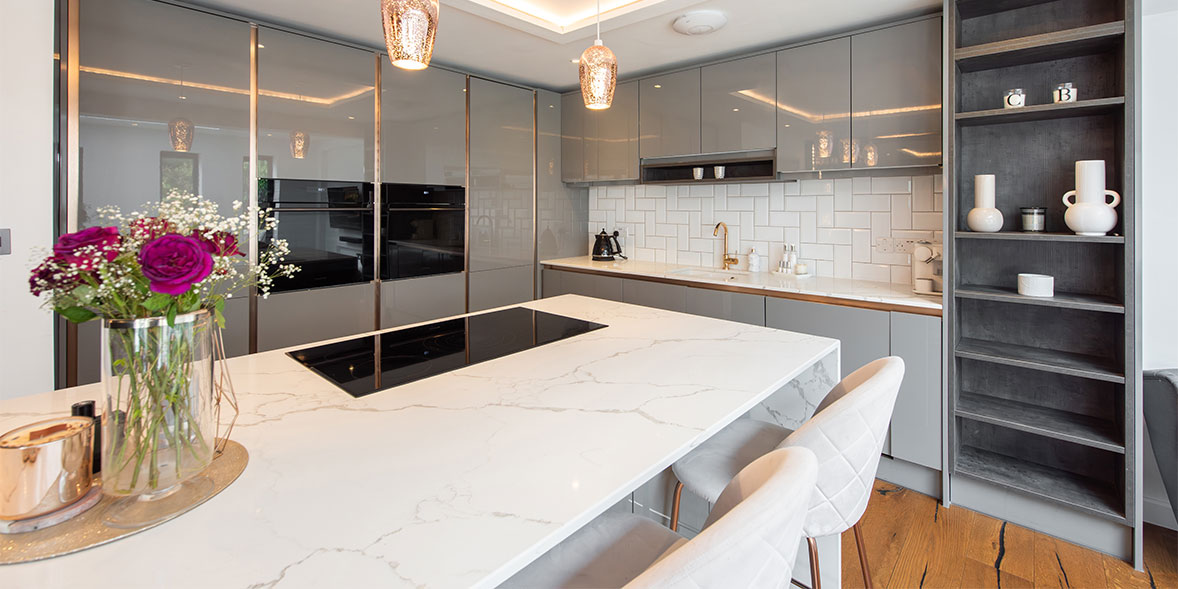
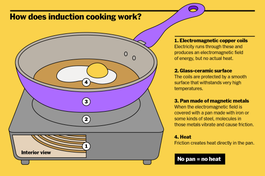
Induction cooktops, increasingly popular in modern homes, utilize electromagnetic energy to directly heat cookware, resulting in high energy efficiency (around 90% energy conversion). They offer precise temperature control and enhanced safety, as the surface remains cooler to the touch. However, they require specific types of cookware (magnetic materials like stainless steel or cast iron), making them incompatible with aluminum or copper pans. The initial investment for induction cooktops can also be higher, though they offer long-term value in terms of speed, safety, and sustainability.
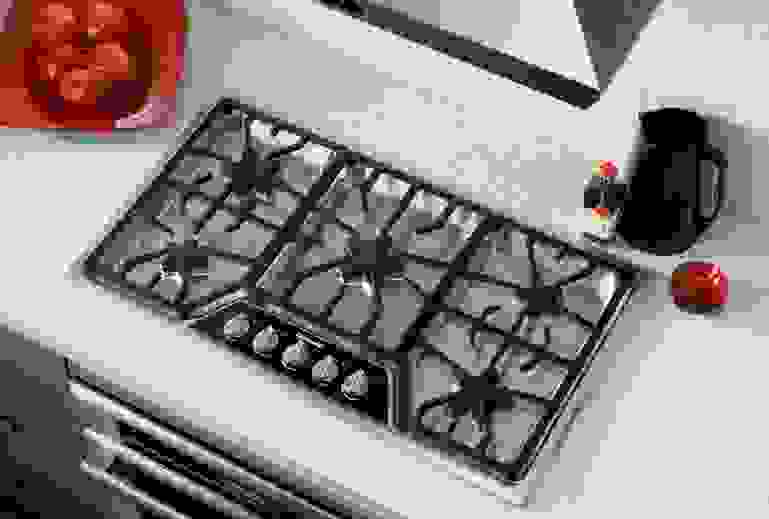
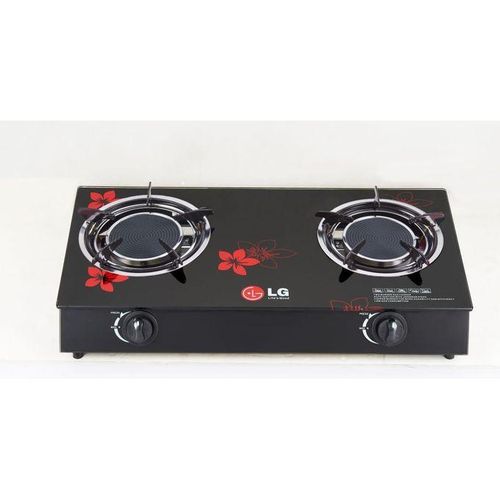
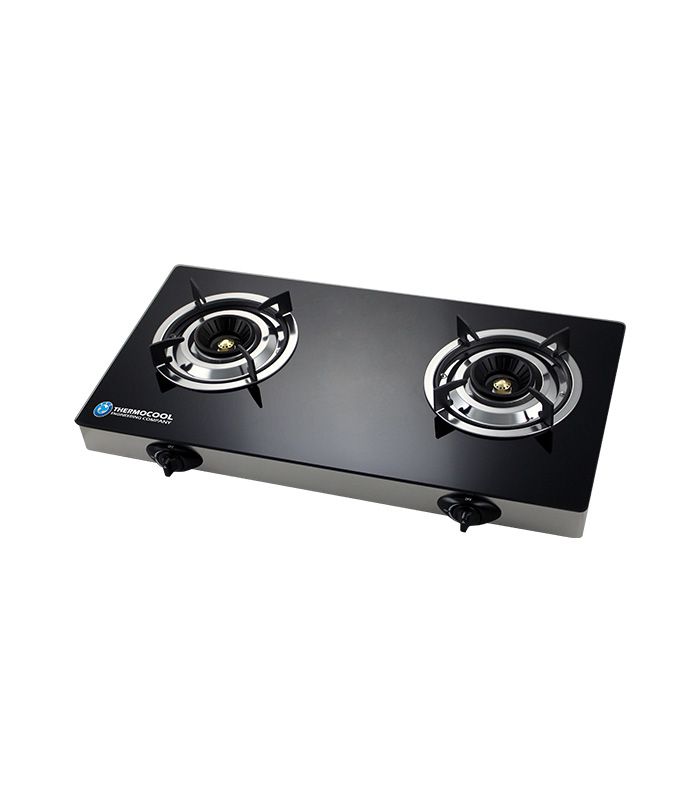
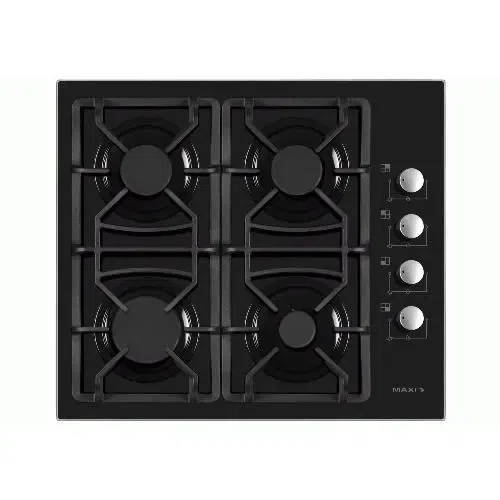
Gas cooktops are favored for their rapid heating and precise temperature control. While energy-efficient, their installation depends on the availability of a gas line, which may not be present in all homes or communities. Concerns regarding indoor air quality are also associated with gas stoves, as they emit small amounts of carbon monoxide and fine particles, including nitrogen dioxide, which some studies link to childhood asthma. Research also indicates gas stoves can leak methane, contributing to climate change and potentially worsening air quality.
Coil electric cooktops represent a budget-friendly and durable option, often found in older homes. They are inexpensive to purchase and install, work with any type of pan, and are robust. However, they are less precise and responsive than induction or gas cooktops, heat up quickly but cool down slowly, posing a safety risk, and can be difficult to clean due to the exposed coils.
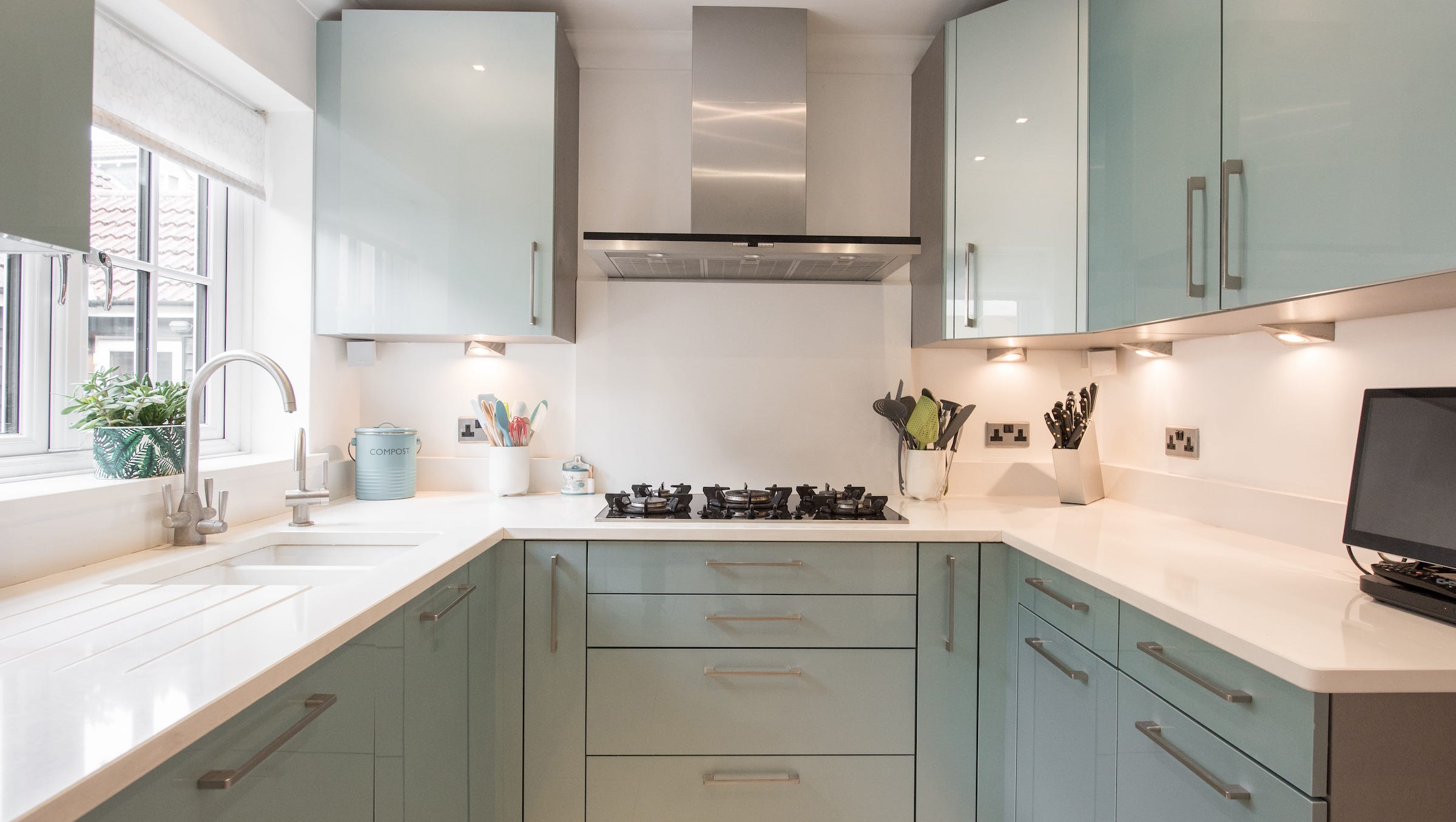
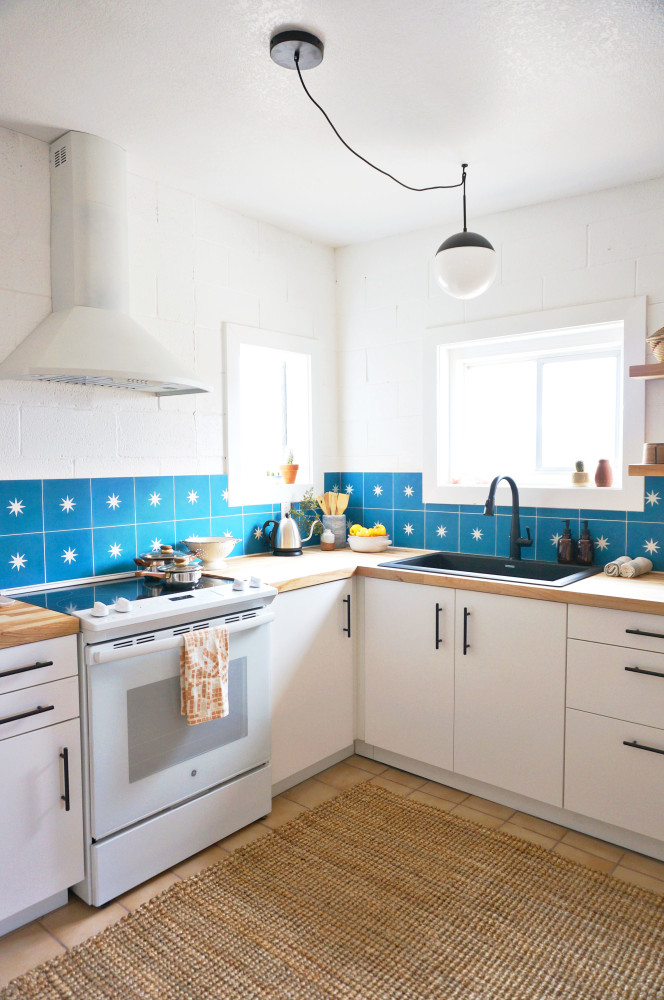
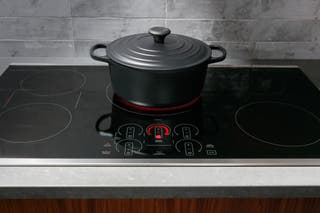
Smooth-top electric cooktops offer a more modern aesthetic than coil models while maintaining affordability. They heat pans more evenly than coil cooktops, although they can take longer to heat up due to their design. Their flat ceramic surface makes them easy to clean, requiring only a wipe-down once cooled. A drawback is their susceptibility to scratches, particularly with heavy cookware like cast iron or ceramic Dutch ovens.
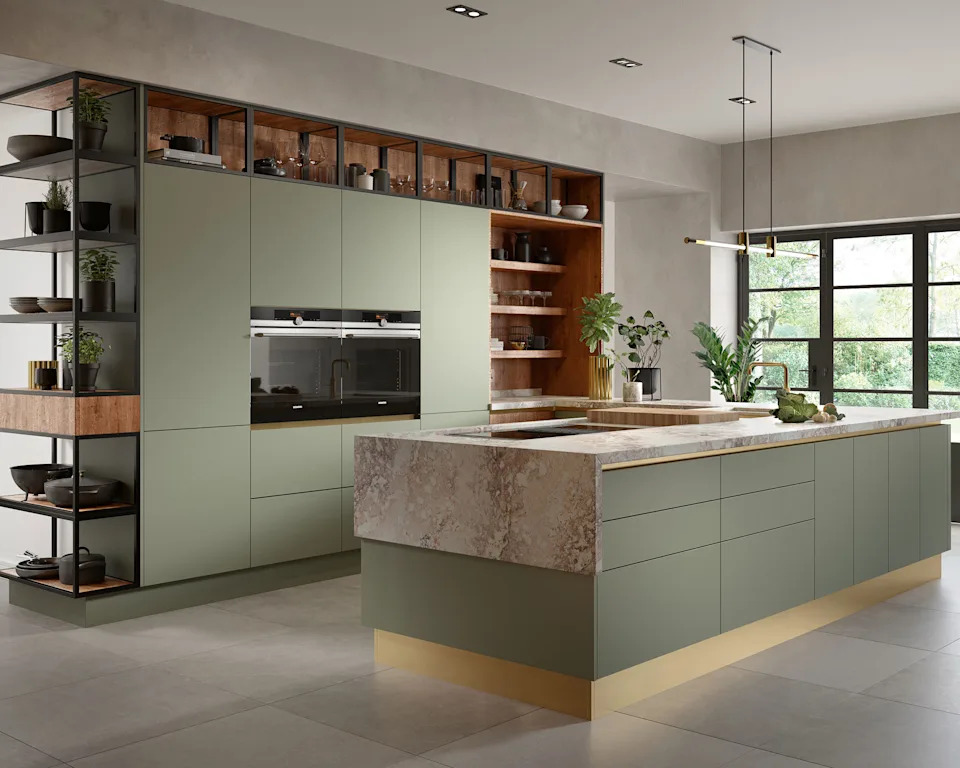
Downdraft cooktops integrate cooking and ventilation, using a built-in exhaust system to pull smoke and odors downward, eliminating the need for an overhead range hood. These are especially suitable for open-concept kitchens or island installations where a traditional hood is impractical. While offering a sleek, futuristic appearance, downdraft systems come with a higher initial cost, more complex installation, and potentially expensive maintenance due to their specialized technology.
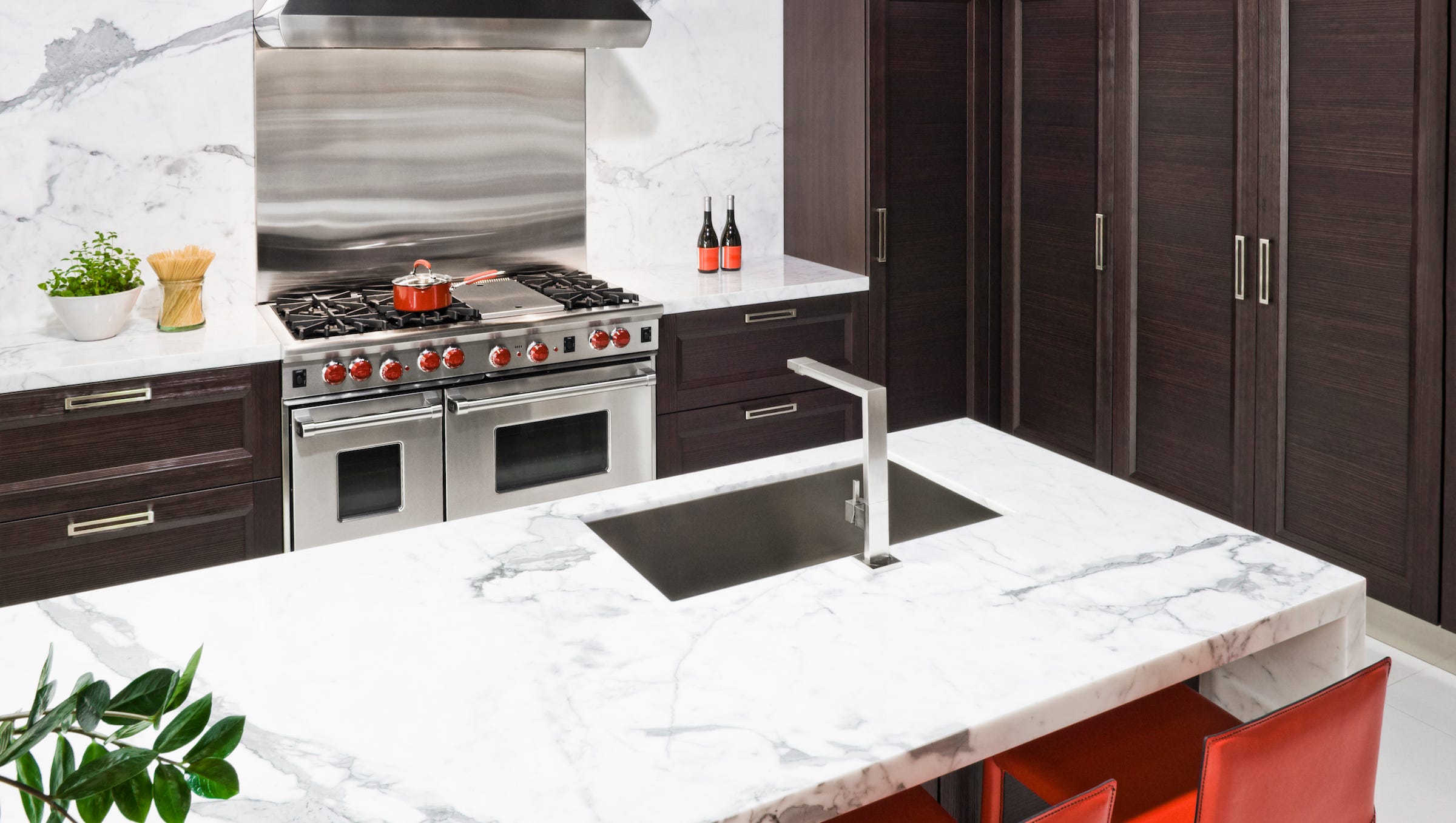
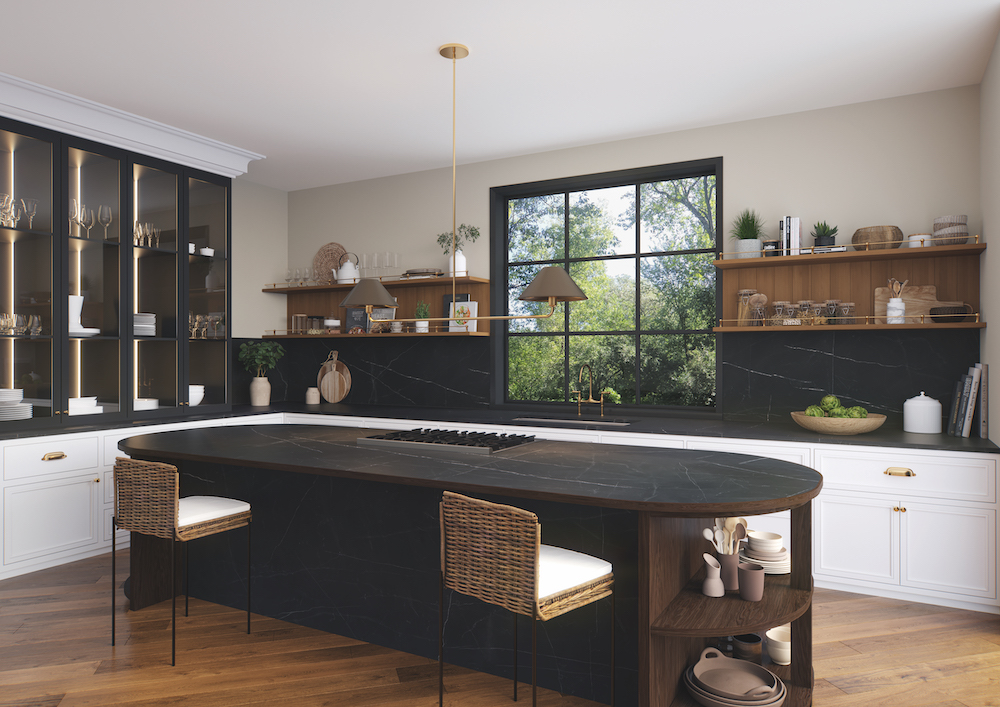
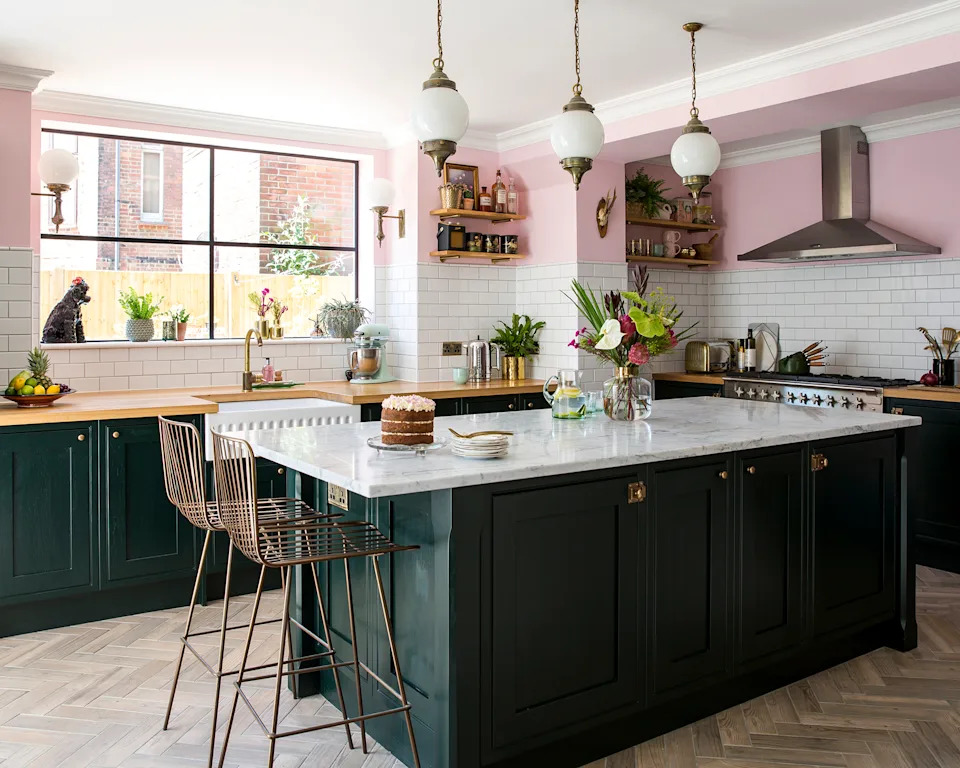
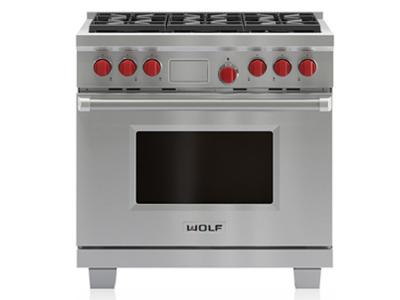
Commercial-style cooktops are designed for those seeking restaurant-grade performance, featuring oversized knobs, heavy-duty grates, and high-BTU burners for rapid heating and precise searing. These units create a striking focal point but come with a significant upfront cost and often require professional installation, including potential ventilation or gas line upgrades. Their size can also overwhelm smaller kitchens.
Ultimately, the best cooktop choice depends on several factors: existing kitchen infrastructure (e.g., gas line availability), ventilation requirements, budget, and personal cooking preferences. Consulting kitchen design professionals and appliance retailers is recommended to tailor the decision to individual needs and space constraints.
#CooktopTypes #KitchenDesign #ApplianceSelection #InductionCooktops #GasStoves #ElectricCooktops #HomeRenovation #KitchenAppliances #HomeImprovement #CooktopTypes #KitchenDesign #ApplianceSelection #InductionCooktops #GasStoves #ElectricCooktops #HomeRenovation #KitchenAppliances #HomeImprovement
0 comment in total
 No comments yet
You may also like
The Best Types of Kitchen Countertops

A Crash Course in Choosing Kitchen Countertops
Kitchen countertop ideas – 14 worktops in marble, granite and composite materials
The Marble Waterfall and Other Countertop Options (Published 2019)

9 Best Types Of Kitchen Countertops

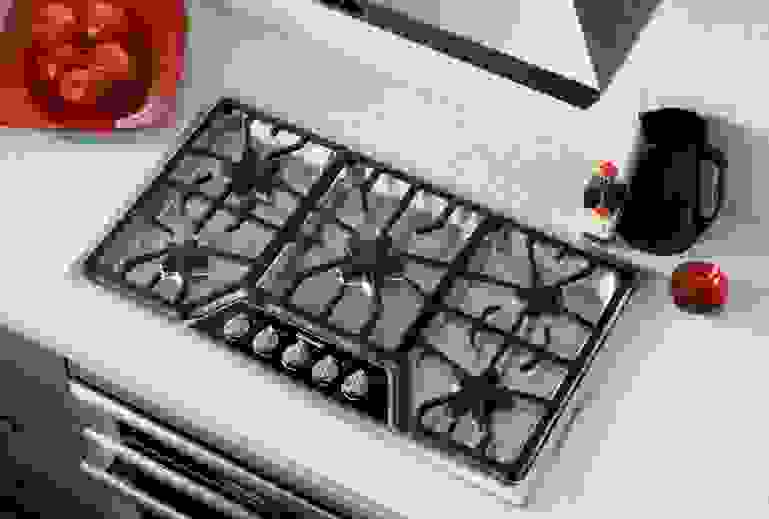
The Best 36-inch Gas Cooktops of 2026


Birch & Barley Chefs Outfit Their Dream Kitchen

All Kitchen worktops

How to choose the best kitchen worktops and cabinets
7 Top Kitchen Countertop Trends In 2021

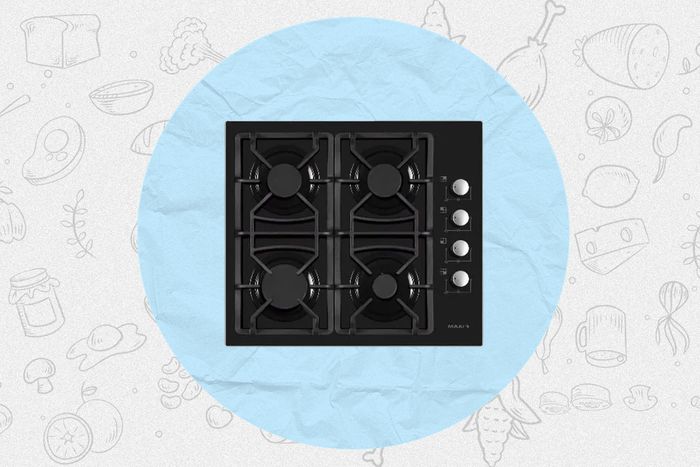
11 Tabletop Gas Cookers for Every Kitchen Need

These Are the 6 Types of Kitchen Layouts You Need to Know — Plus, the Dos and Don'ts of Using Them

Thinking About Upgrading Your Kitchen Countertops? Here Are 15 Types to Consider

Top 9 Kitchens of 2020

10 best cooker hoods for the modern Singapore home
How To Pick The Perfect Countertop Material For Your Kitchen

Countertops Can Set the Tone for Your Whole Kitchen—Here’s How to Choose the Right One


3 Induction Cooktops That Will Upgrade How You Cook
We Asked 15 Designers: What’s the Best-Designed Kitchen Range Out There?


The kitchen’s crown: Anchor your abode with a statement-making hood and range