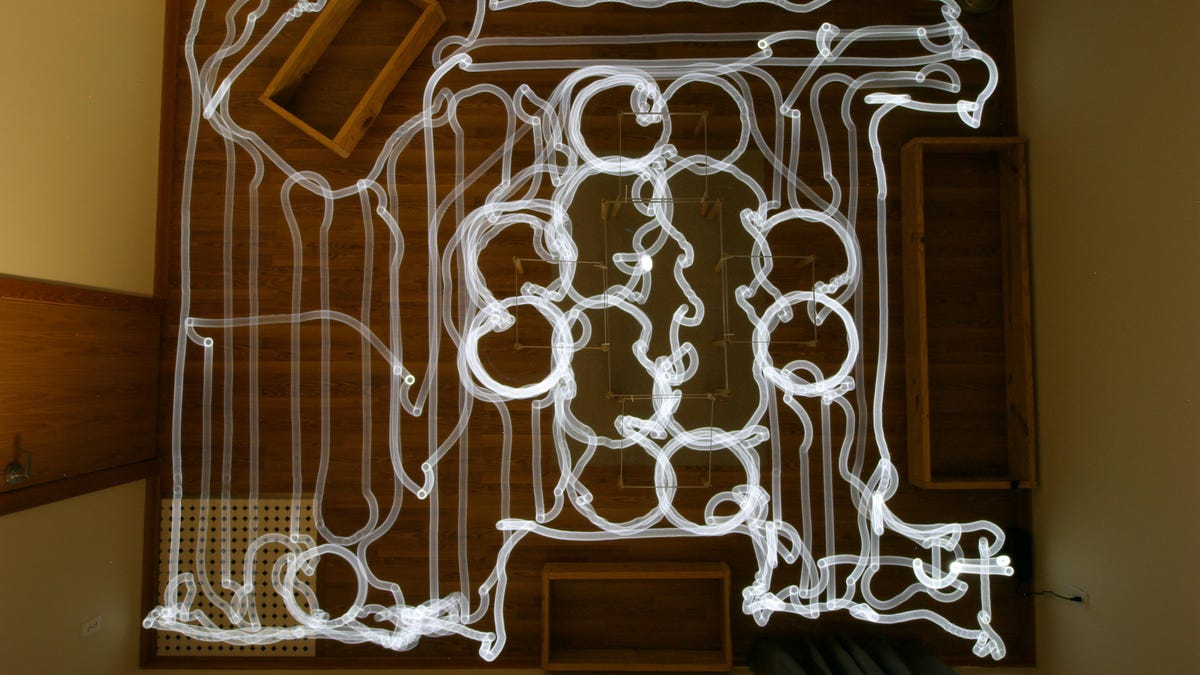
Why your Roomba takes a weird path to keep your floors clean
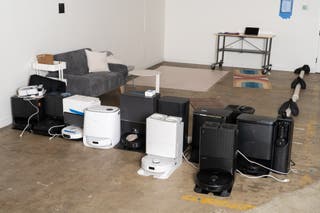
Robot vacuums, despite their apparent random movements, are designed with sophisticated navigation systems that dictate their cleaning efficiency and coverage. Even basic models can remove dirt, but their effectiveness in covering an entire floor varies significantly depending on the navigation technology. CNET's testing in a dedicated warehouse lab helps demonstrate these differences by assessing how various robot vacuums perceive, interact with, and move through a physical space.
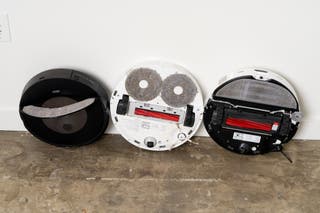
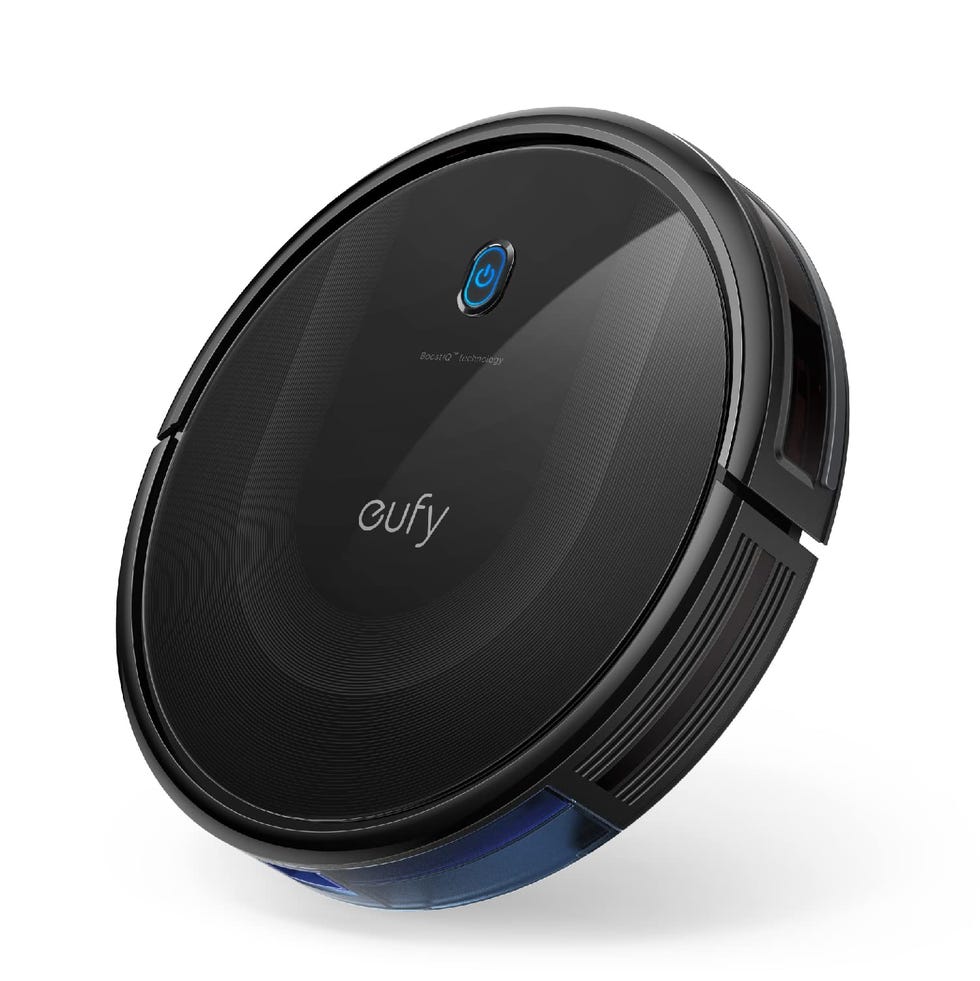
There are three primary types of navigation systems used in robot vacuum cleaners. The most fundamental relies on a collection of collision, wheel, brush, and cliff sensors. These sensors enable the robot to detect obstacles, slow down, change direction, and prevent falls down stairs. Budget-friendly robot vacuums often employ this system, leading to lower costs. However, a significant drawback is their random movement pattern; they bounce off objects, often giving repeated attention to tight spaces while missing open areas entirely. This results in incomplete floor coverage and extended cleaning times, which might be acceptable if cleaning occurs when no one is home and there's ample time, but problematic in time-sensitive situations.
The second type of navigation system enhances basic sensors with a main visual sensor and a lens, utilizing a navigation algorithm called Visual Simultaneous Location and Mapping (VSLAM). This optical system identifies landmarks, gauges distances between walls, and calculates the vacuum's real-time position to create a map as it cleans. VSLAM-equipped robots navigate with greater efficiency, systematically cleaning in logical patterns and avoiding re-cleaning areas already covered. This leads to shorter cleaning times and more thorough coverage. Examples include higher-end iRobot Roomba models. A minor limitation is their reliance on ambient light, making navigation difficult in completely dark rooms, and they typically come at a higher price point than basic models.
Lidar (Light Detection and Ranging) represents the third and most advanced navigation technology, similar to that used in self-driving cars. This system uses a turret-mounted laser to illuminate objects, determining their location, distance, size, and shape. Lidar-guided robot vacuums, such as Neato Botvacs and premium Ecovac Deebots, actively scan their surroundings, covering floors with extreme efficiency. They can complete cleaning tasks in significantly less time compared to their less advanced counterparts. Coupled with SLAM algorithms, these robots create detailed, on-the-fly maps, allowing users to set virtual boundaries and restricted zones. They can also navigate effectively in the dark. The main disadvantage is their premium price, placing them in the ultra-high-end segment of the market.
Finally, some robot vacuums are beginning to integrate hybrid systems that combine multiple navigation technologies, including various sensors and laser emitters. While promising, early models like the Electrolux Pure i9 have shown inconsistent performance in tests, displaying confused movements despite their advanced tech. However, future hybrid systems, such as the Ecovacs Deebot Osmo N8 ProPlus, are anticipated to offer advanced automation and intelligence, including AI-based object recognition that could eventually learn to avoid pet messes and other debris, potentially preventing further damage to flooring. CNET's testing methodology, based on International Electrotechnical Commission standards, uses a specially designed room with various obstacles to accurately assess navigation, coverage, and cleaning duration, confirming that the effectiveness of a robot vacuum's cleaning performance is directly linked to its navigation system.
#robotVacuum #homeCleaning #smartHome #navigationTechnology #lidar #VSLAM #homeAutomation #applianceReview #householdTech #robotVacuum #homeCleaning #smartHome #navigationTechnology #lidar #VSLAM #homeAutomation #applianceReview #householdTech
0 comment in total
 No comments yet
You may also like
We Tested 16 Newfangled Robot Vacuum-Mop Combos. Don’t Buy One. | Reviews by Wirecutter
The Best Robot Vacuums, Tested and Reviewed

5 Best Vacuums for Laminate Floors

6 Places You Should (and Shouldn’t) Store Your Roomba

After 20 Hours of Testing, the Best Hardwood Floor Cleaner Machines Made Our Floors Look Like New
27 Of The Best Hardwood Floor Cleaners If You Want Spotless, Shiny Results
Best Vacuum Cleaners for Carpets and Rugs in 2025

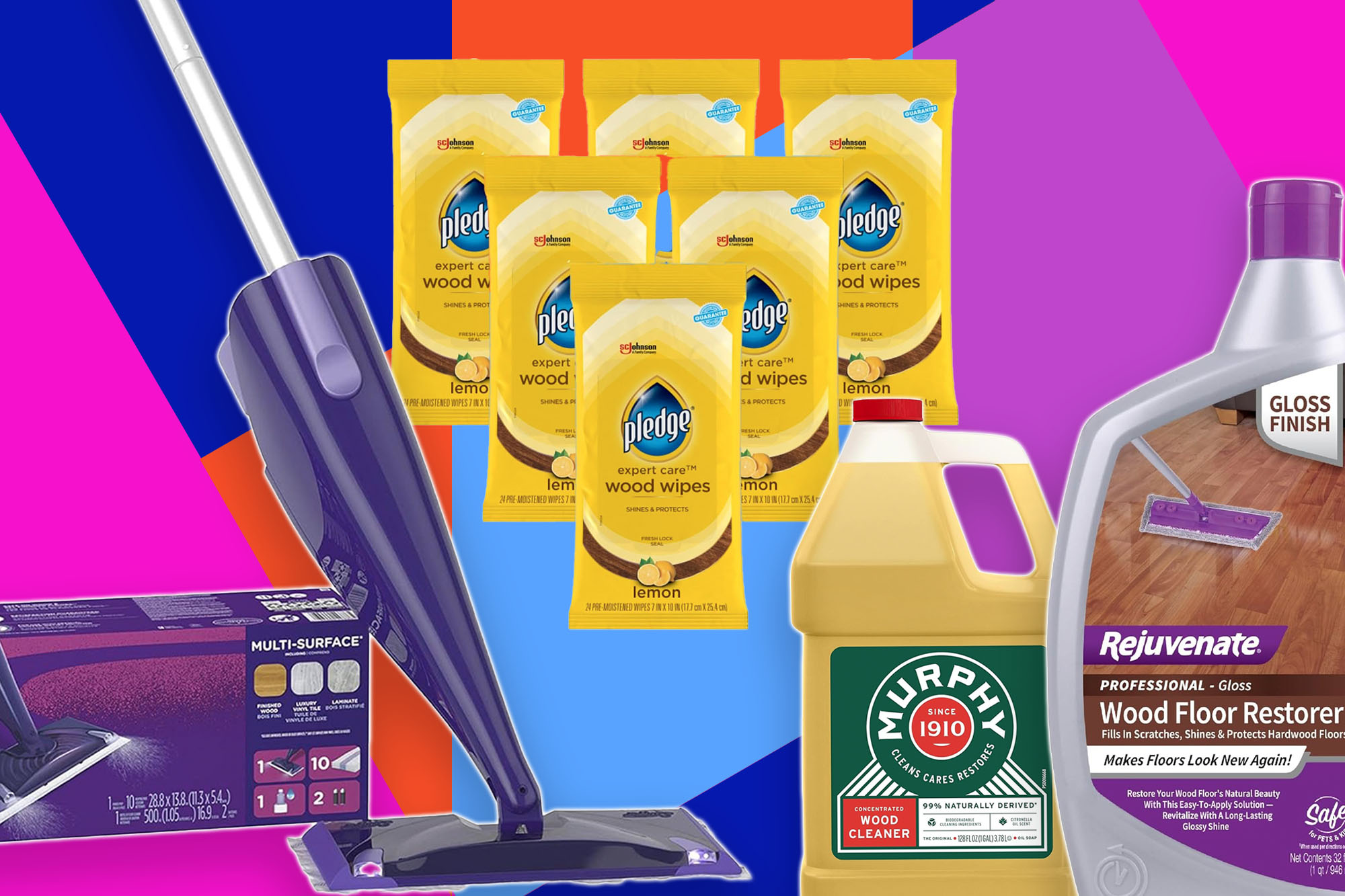
The 12 best hardwood floor cleaners of 2024, per expert testing
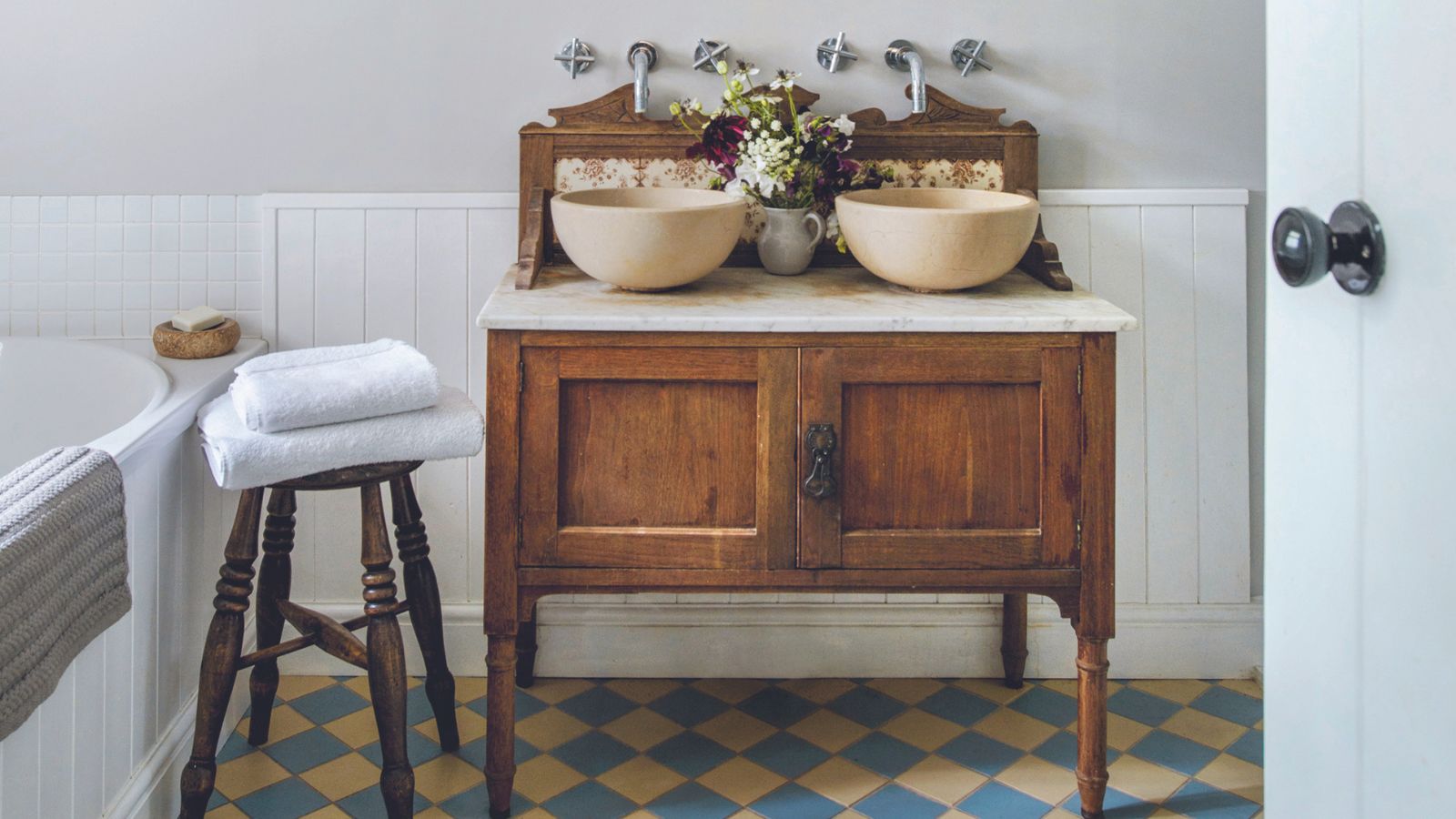
You're cleaning your bathroom floor wrong, experts warn – here's how to get it right

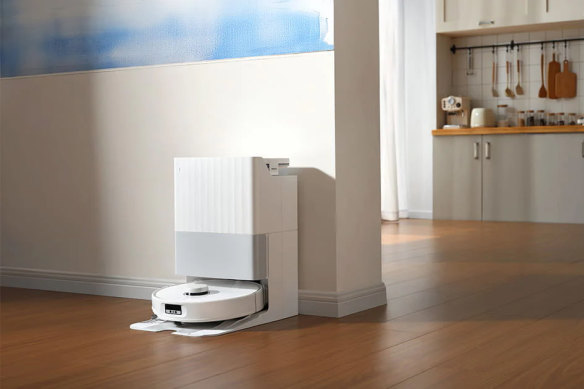
Roborock Qrevo Edge review: This robot vacuum has a new trick, but it won’t stay new for long
What’s the Best Vacuum for Carpets? | Reviews by Wirecutter
The Best Robot Vacuums You Can Buy, Based on Over 300 Hours of Testing

Roomba s9+ vacuum now hugs corners, sending a new Braava to mop up behind

This Is the Best Robot Vacuum I’ve Tested (and Trust Me, I’ve Been Through Many)
The 9 Best Vacuums for Hardwood Floors That Won’t Damage the Finish
12 best hard floor cleaners for keeping your flooring fresh
Floor Scrubbers That Actually Work on the Worst Messes
Robot Mops Make Floor Cleaning Easier. These Are the Best We’ve Found.
Best floor mops for sparkling results, tried and tested

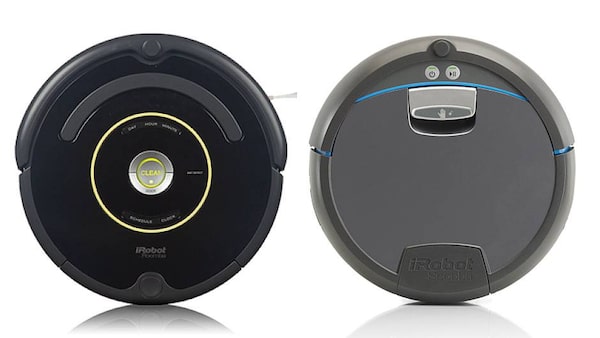
Not all robot maids created equal: Roomba vs. Scooba