1/6
Where to place a Chinese money plant, according to Feng Shui
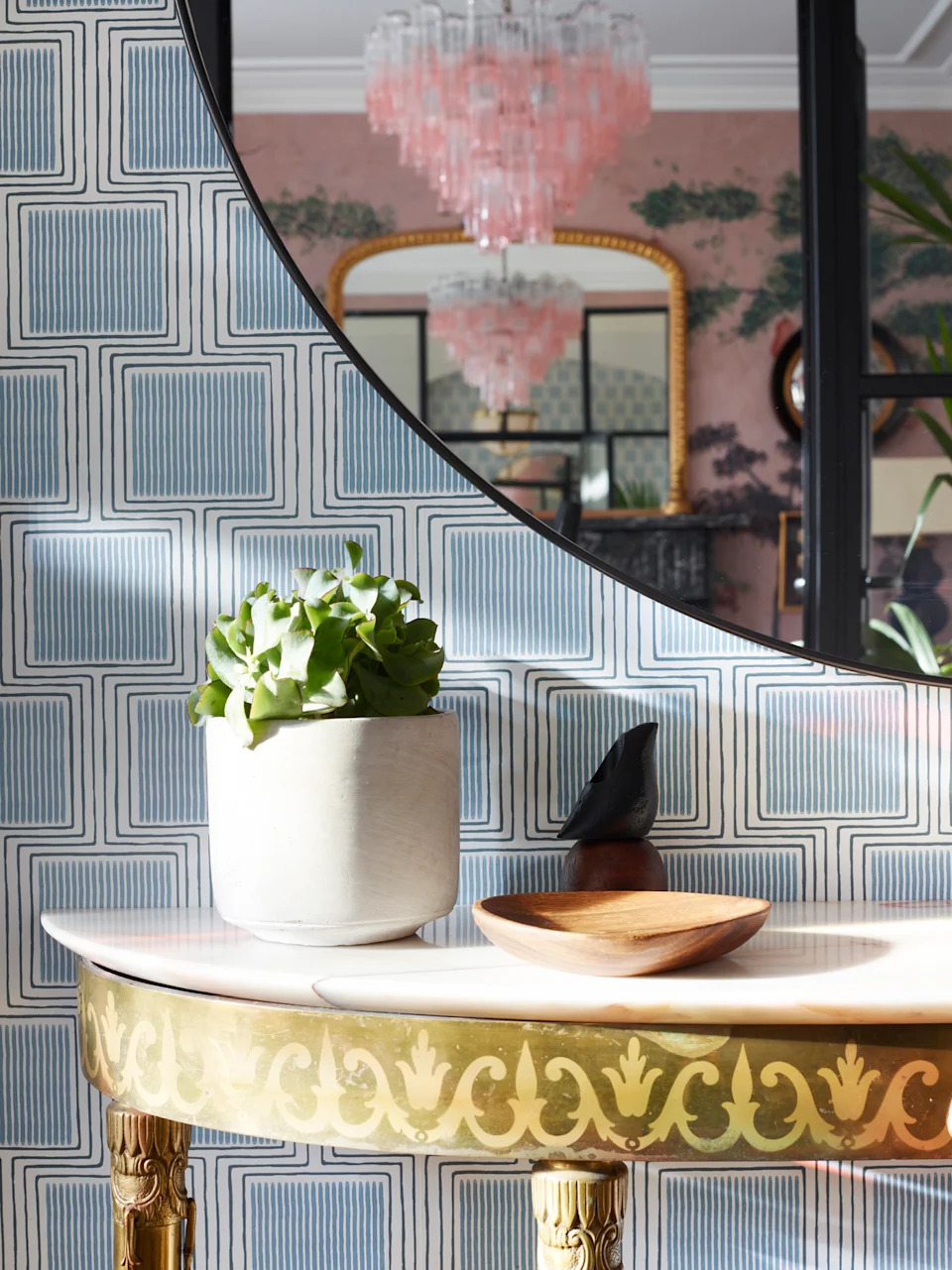
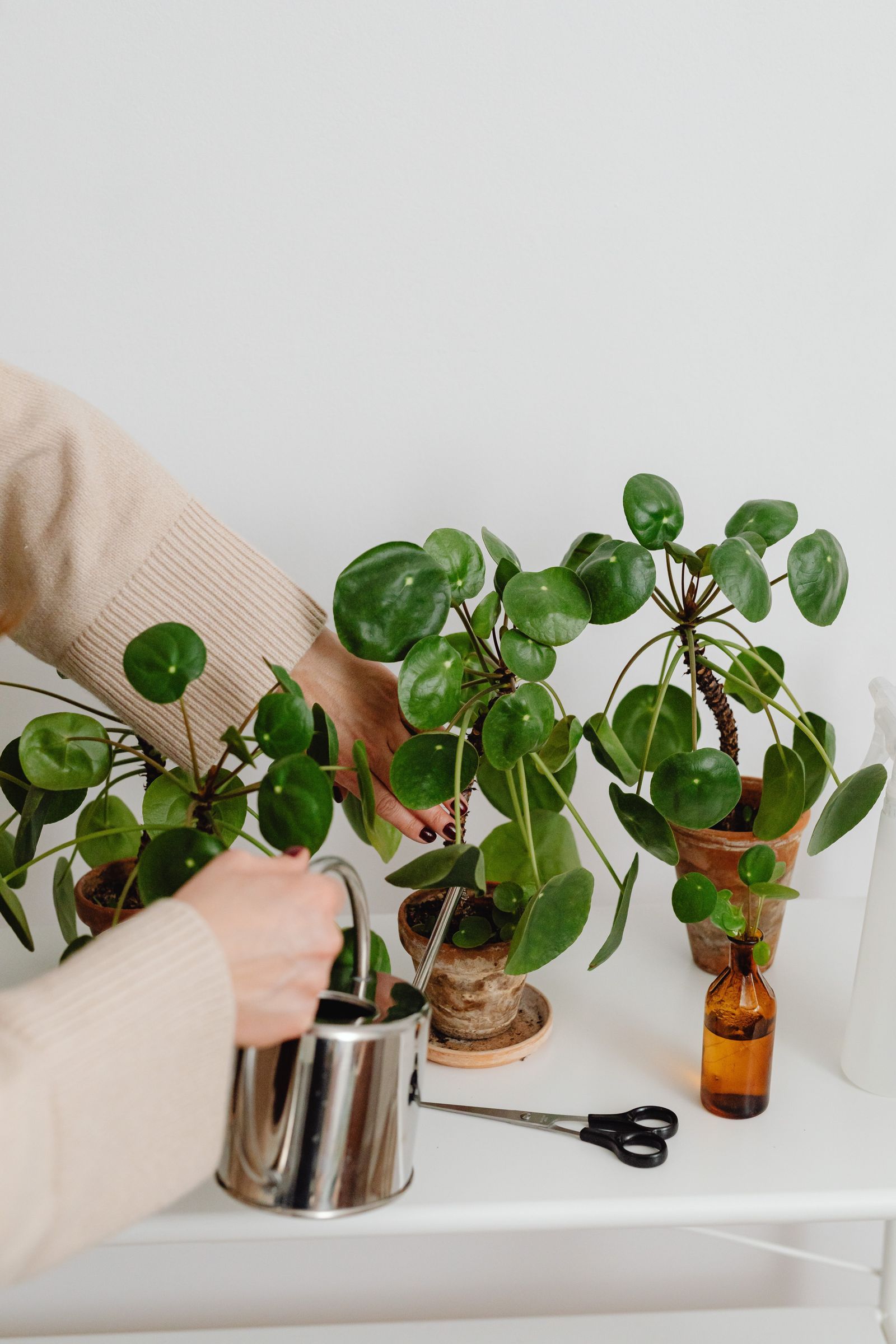
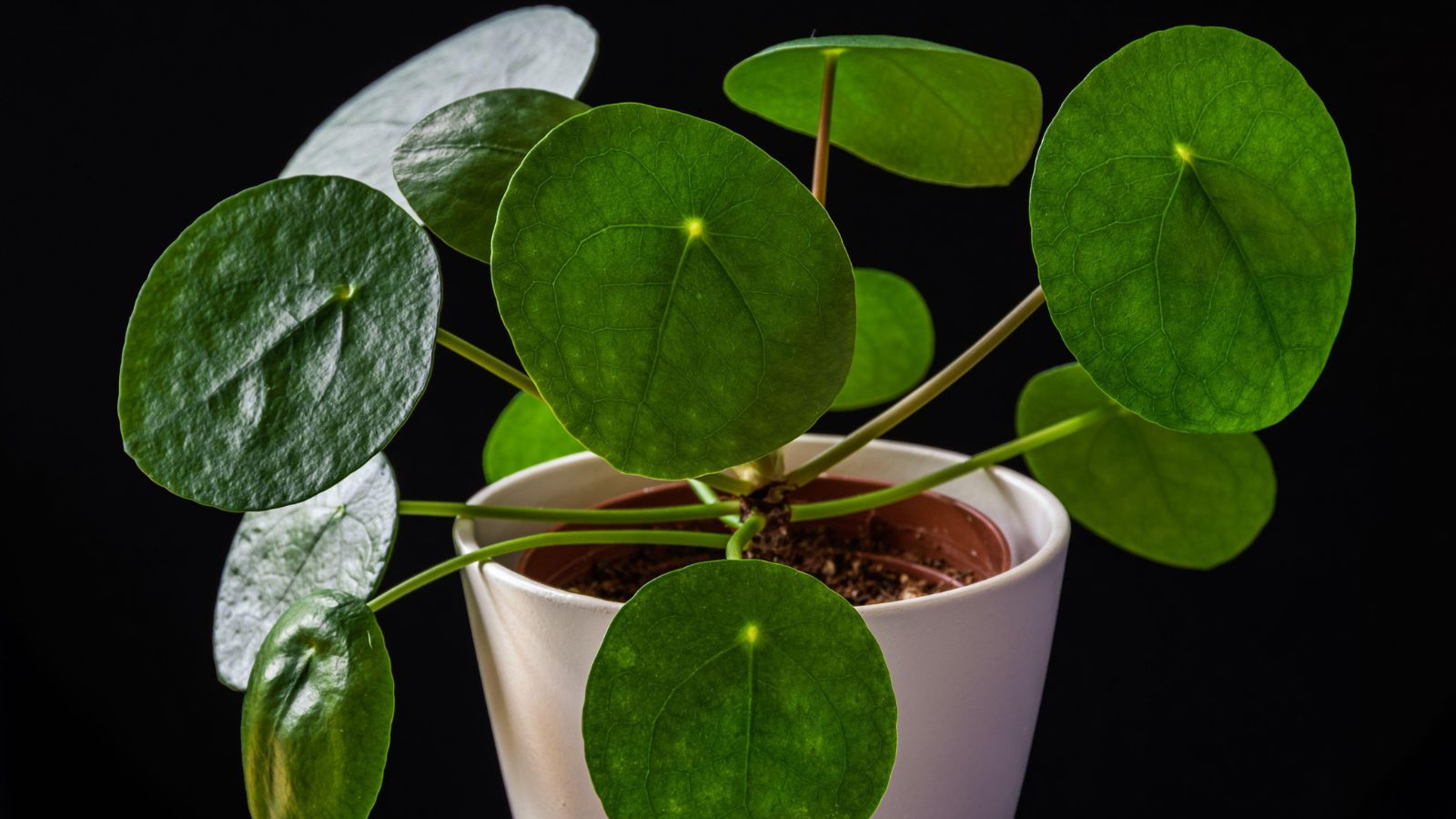
The Chinese money plant, or Pilea Peperomioides, is considered a powerful symbol of prosperity in Feng Shui, capable of attracting wealth, good luck, and positive energy when placed strategically within a home. Understanding how to correctly position this plant is crucial to maximizing its Feng Shui benefits. Various Feng Shui experts emphasize the importance of placement, whether through BTB Feng Shui's bagua map alignment with the front door or traditional Feng Shui's reliance on compass directions.
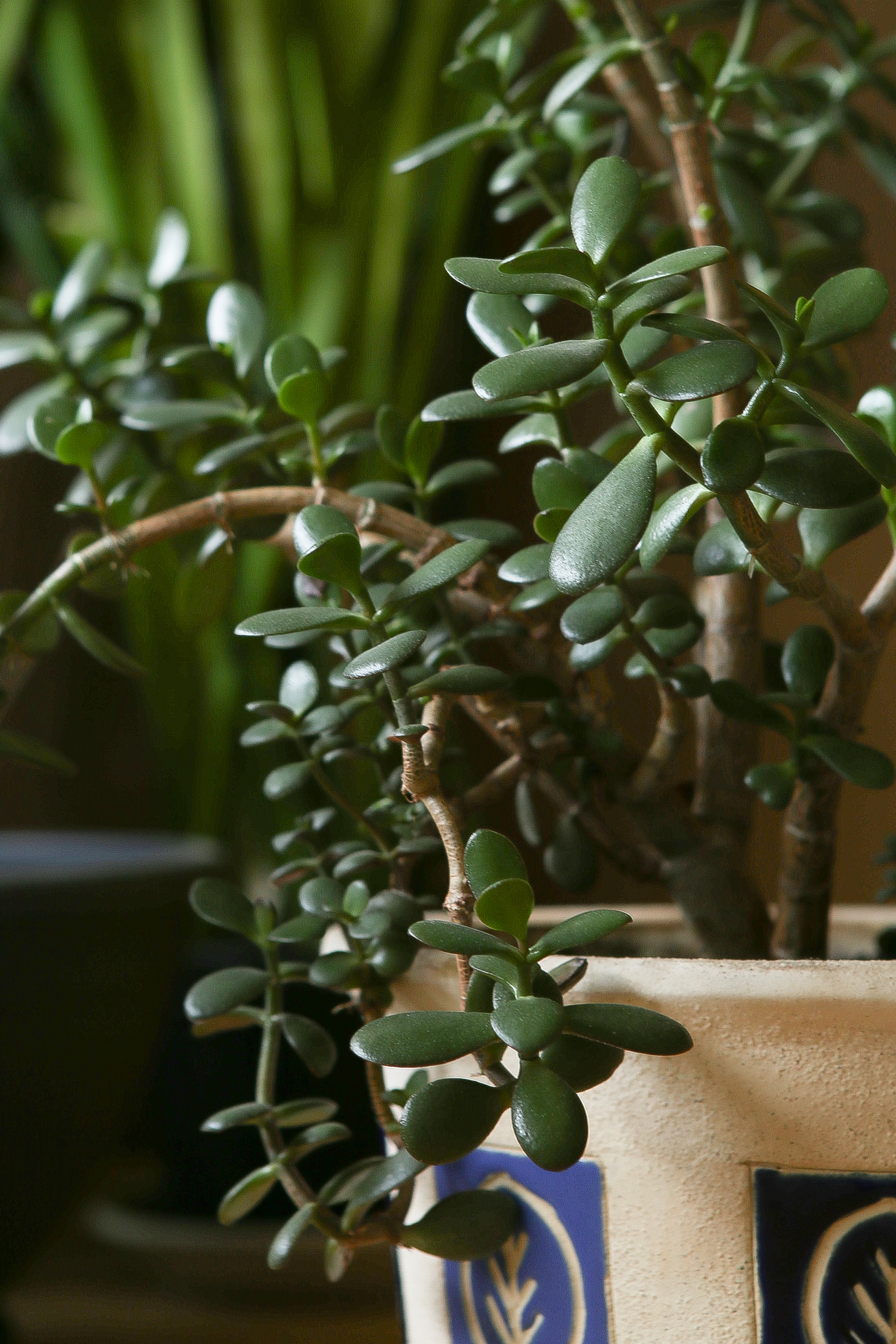
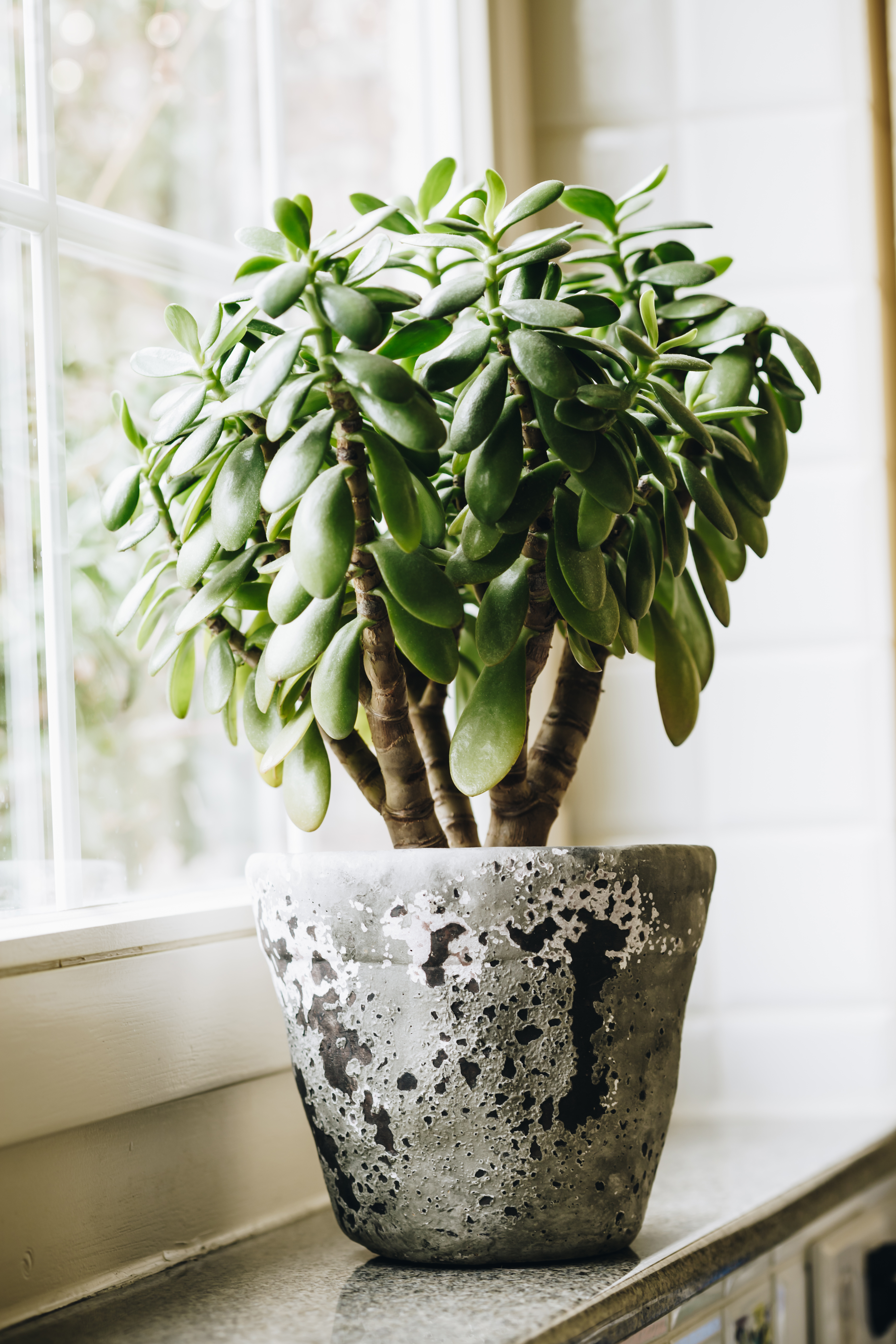
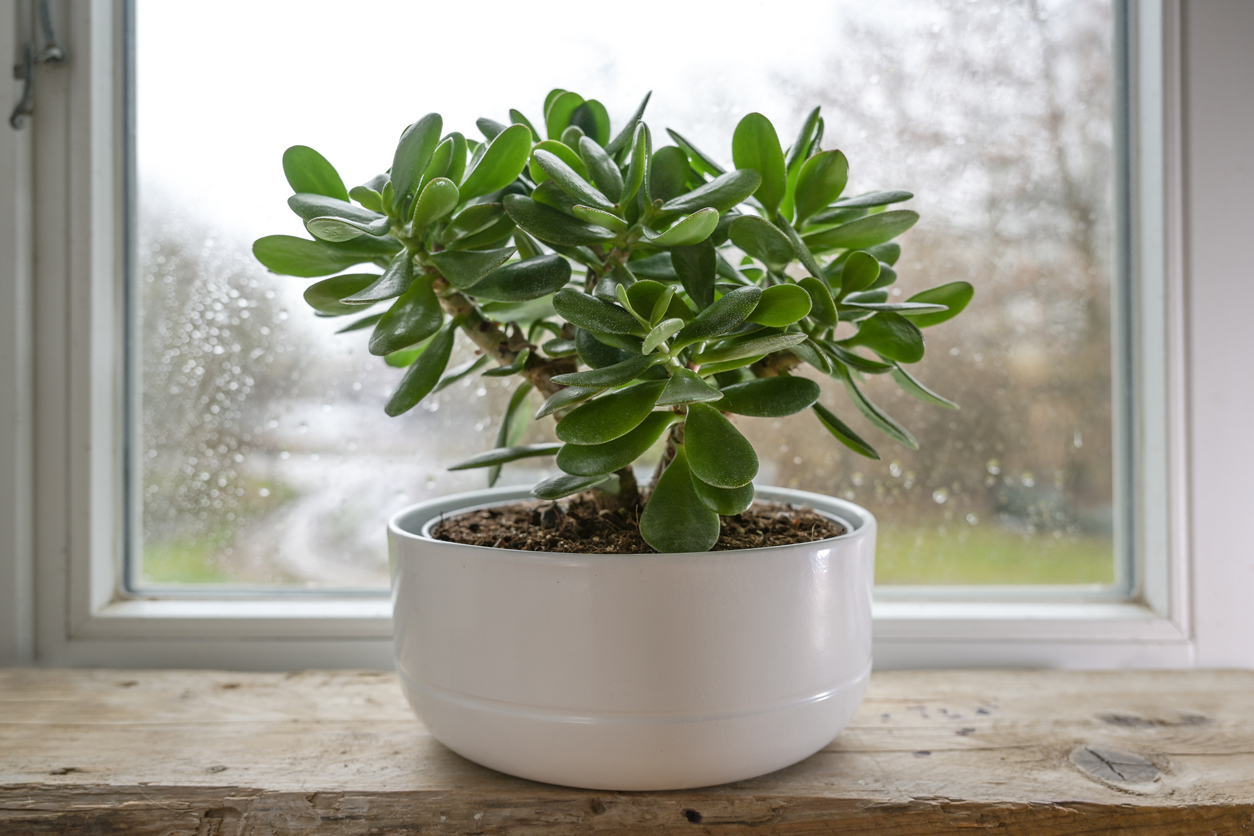
Money plants are considered auspicious due to their round, coin-like leaves, which symbolize financial success and prosperity. Experts like Anjie Cho highlight that living green plants, including money plants, introduce 'life qi' (life force energy) into a home, fostering health, vitality, and growth while connecting interior spaces to nature. Suzanne Roynon points out that the jade plant, a type of money plant, is auspicious not only for its coin-like leaves but also for its ease of propagation, symbolizing an abundance of new growth. Hannah Yang further explains that the round shape of the leaves promotes positive energy flow, contrasting with spiky plants that can disrupt this harmony. Beyond financial symbolism, the lush green leaves represent growth and renewal, and the plant is believed to absorb negative energy and purify the air, contributing to a harmonious and peaceful environment.
For optimal prosperity, several key locations are recommended. The southeast or back-left corner, known as the 'Wealth Area,' is a primary spot. In BTB Feng Shui, this is the top-left square of the bagua grid aligned with the front door, while traditional Feng Shui designates the Southeast sector. This area is particularly beneficial for those seeking to improve financial prospects, as the water element (representing fluidity and abundance) harmonizes with the plant's wood element, supporting wealth accumulation. Kathryn Wilking advises that this personal wealth area should ideally be private and undisturbed.
The east or middle-left corner, the 'Health and Family Area,' is another significant placement. Here, the money plant promotes vitality and stability, strengthening family bonds and overall well-being. Its wood element supports growth and resilience, aligning with the area's focus on relationships and emotional balance. Similarly, the north corner or home office, designated as the 'Career and Life Path' area, is ideal for career advancement and financial stability. The north sector, linked to the water element and new opportunities, helps attract promotions and clarity. Placing the plant on the north side of a desk or in a black or blue container can further amplify career energy.
The living room, functioning as the 'Harmony in Relationships Area,' also benefits from a money plant. Its presence supports the well-being of family members, fostering emotional stability and better communication. If the living room aligns with the bagua grid's center or lower-right corner in BTB Feng Shui, or the southwest sector in traditional Feng Shui, placing a money plant there can enhance harmony. The dining room, associated with wealth and abundance in traditional Feng Shui, is another excellent location. Placing a money plant here, especially if it aligns with wealth-related areas in BTB Feng Shui, invites positive energy for financial growth and stability.
Maintaining the plant's health is as important as its placement. A thriving money plant continuously supports financial growth and positive energy. Neglected plants, with shriveling or dropping leaves, are thought to predict financial hardship. Kathryn Wilking recommends placing money plants in areas with ample light and space to encourage growth and abundance. Propagation of money plants, particularly for gifting, is also encouraged as a way to spread Feng Shui magic, symbolizing the sharing of wealth.
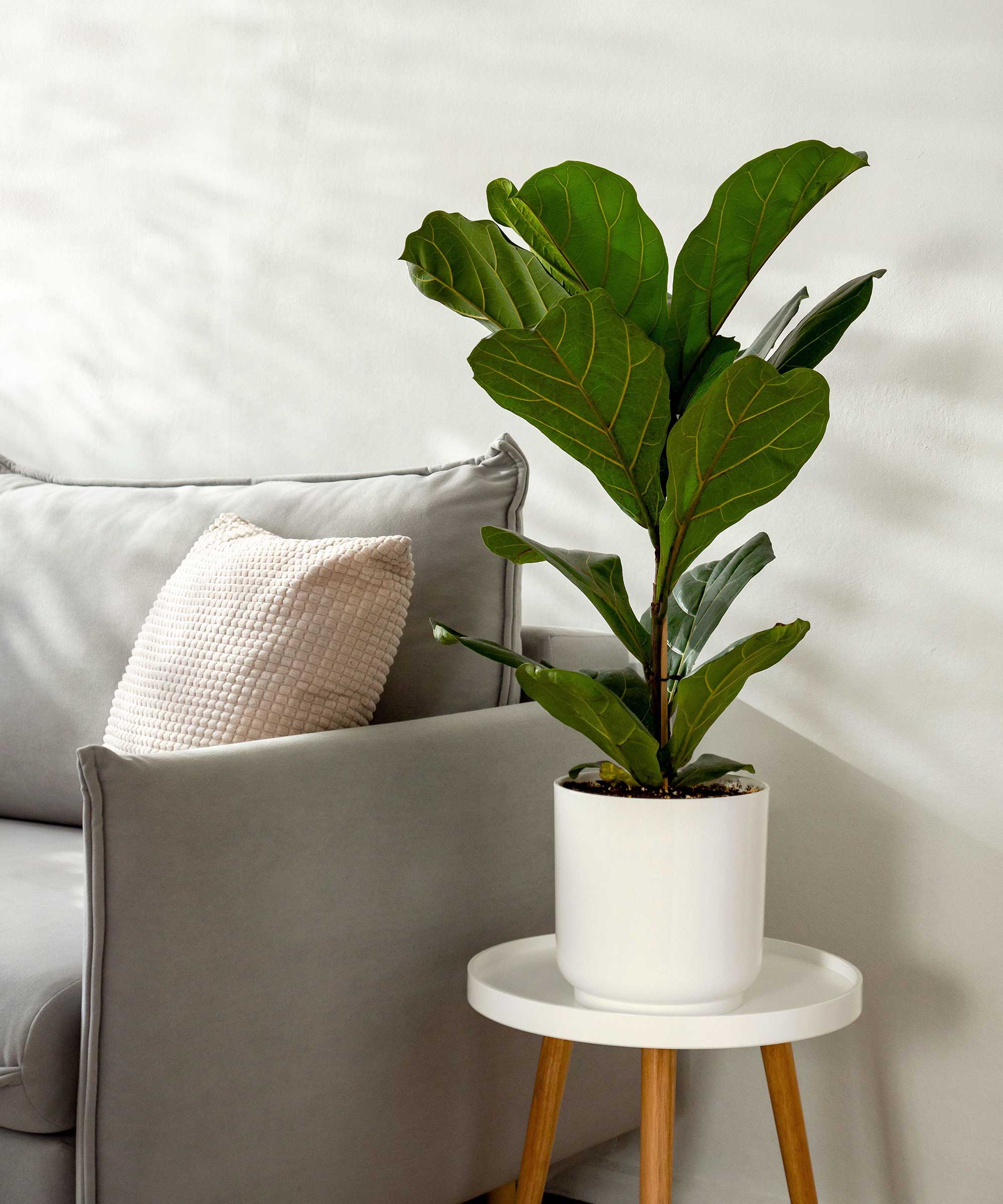
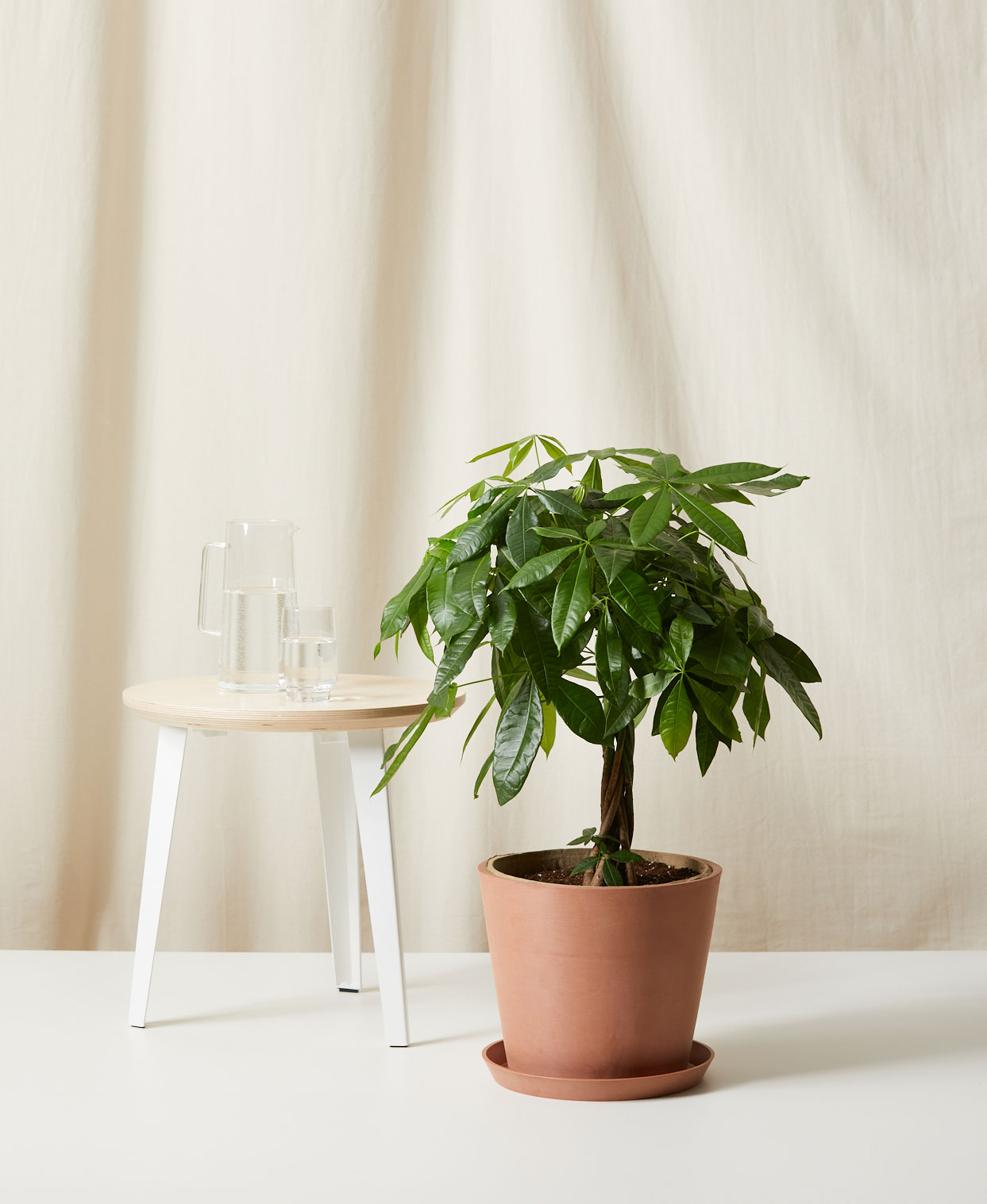
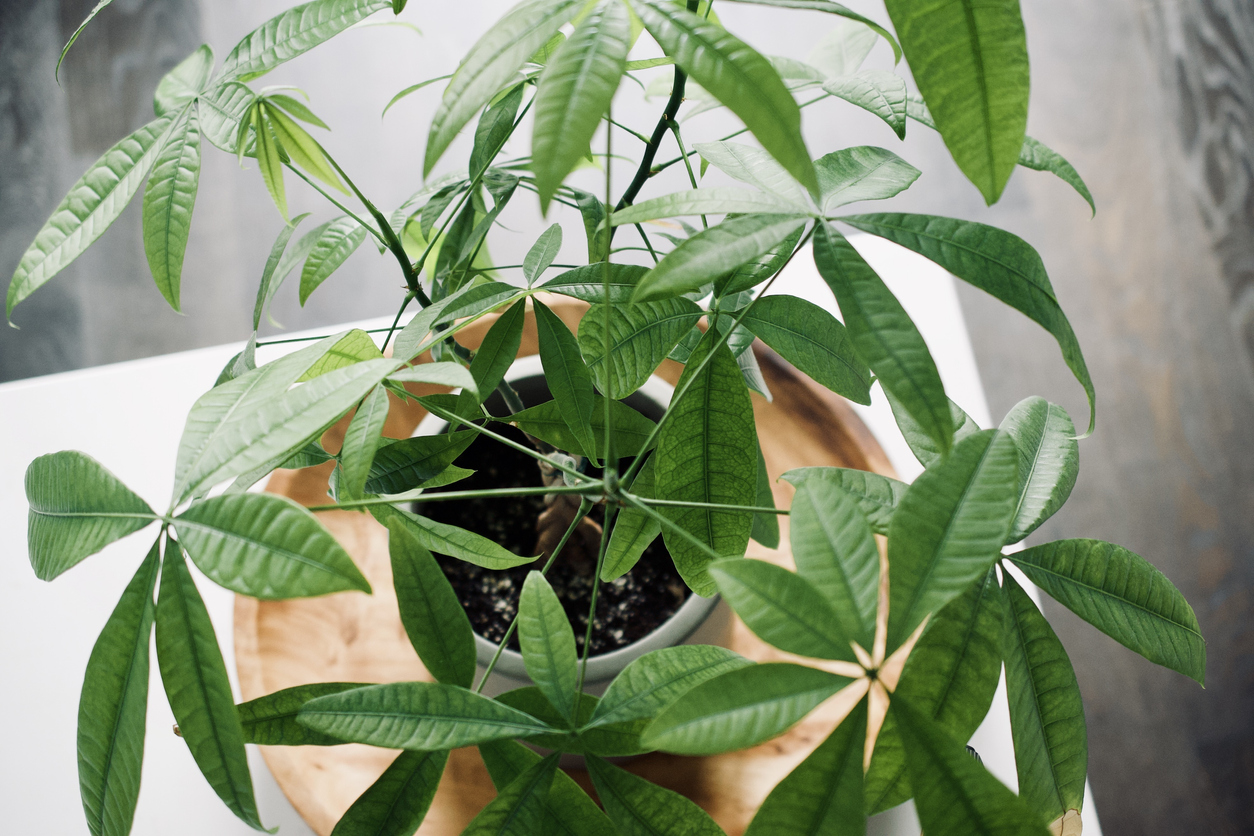
Different species are referred to as 'money plants' in Feng Shui, including Pilea peperomioides (Chinese money plant), Crassula ovata (jade plant), and Pachira aquatica (money tree). Each has unique characteristics and symbolic associations with prosperity. However, certain areas are best avoided, such as bathrooms, due to their association with draining energy. Cluttered or dark spaces should also be avoided to ensure optimal energy flow and prevent diminishing the plant's positive impact. Overall, strategic placement and proper care of money plants, coupled with an understanding of Feng Shui principles, can significantly enhance prosperity and harmony within a home.
#FengShui #ChineseMoneyPlant #HomeDecor #Prosperity #WealthAttraction #Houseplants #InteriorDesign #EnergyFlow #HomeHarmony #FengShui #ChineseMoneyPlant #HomeDecor #Prosperity #WealthAttraction #Houseplants #InteriorDesign #EnergyFlow #HomeHarmony
0 comment in total
 No comments yet
You may also like
Where to place lucky bamboo according to Feng Shui
Where to Put Your Christmas Tree, According to Feng Shui Experts

What should I put outside my front door for luck? 5 tricks believed to bring good fortune
Bring a bit of feng shui into your home
How to find the Feng Shui "money corner" – and what to put in it to unlock your home's prosperity

Discover exactly where to place a fiddle leaf fig for positive Feng Shui in your home
Indoor plants that attract wealth and positivity: Where to place them according to Vastu Shastra in 2026 | Hindustan Times

5 Feng Shui houseplant mistakes to avoid for good fortune
Where to place a monstera according to Feng Shui
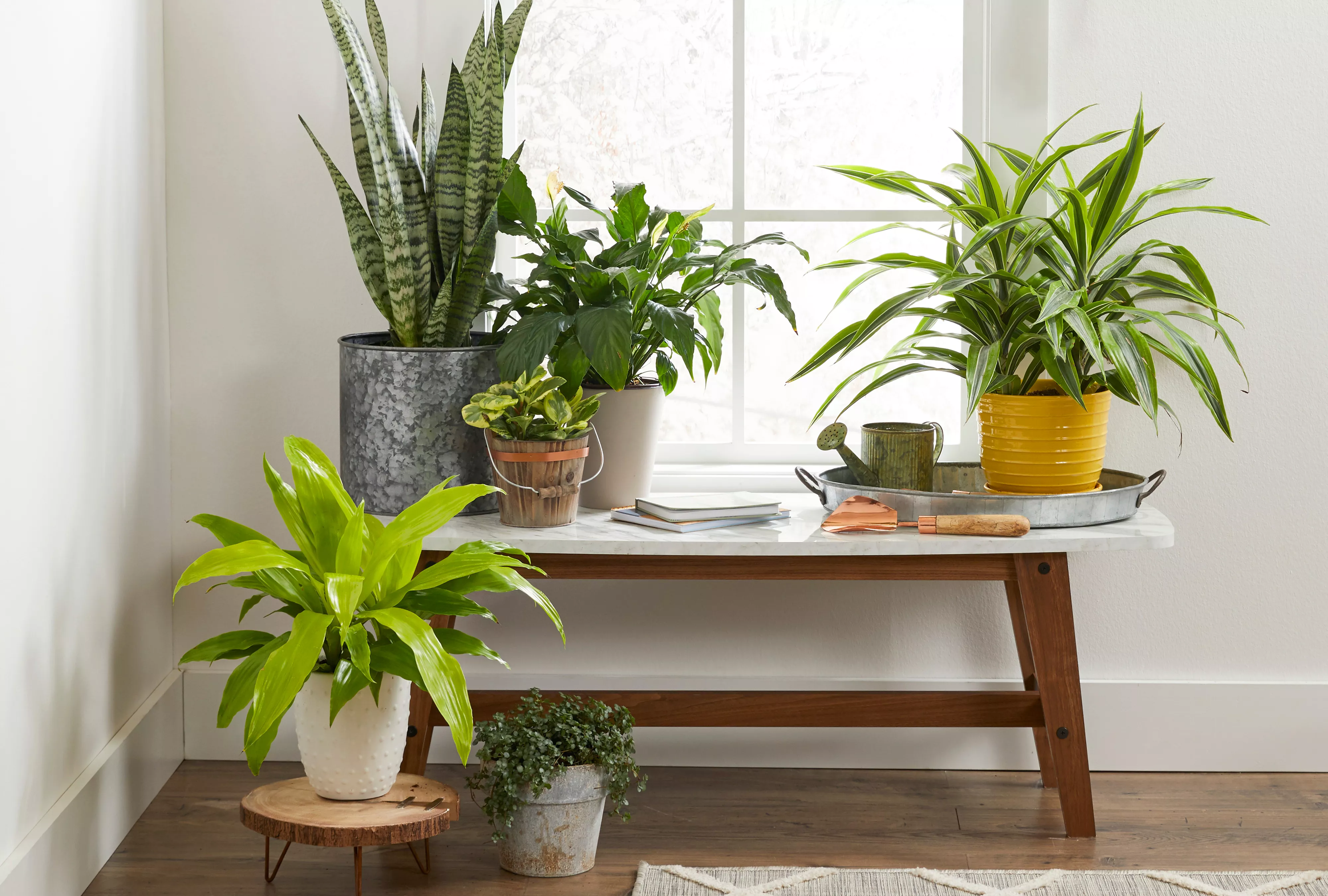
14 Best Plants for Boosting Your Home's Feng Shui, According to Experts

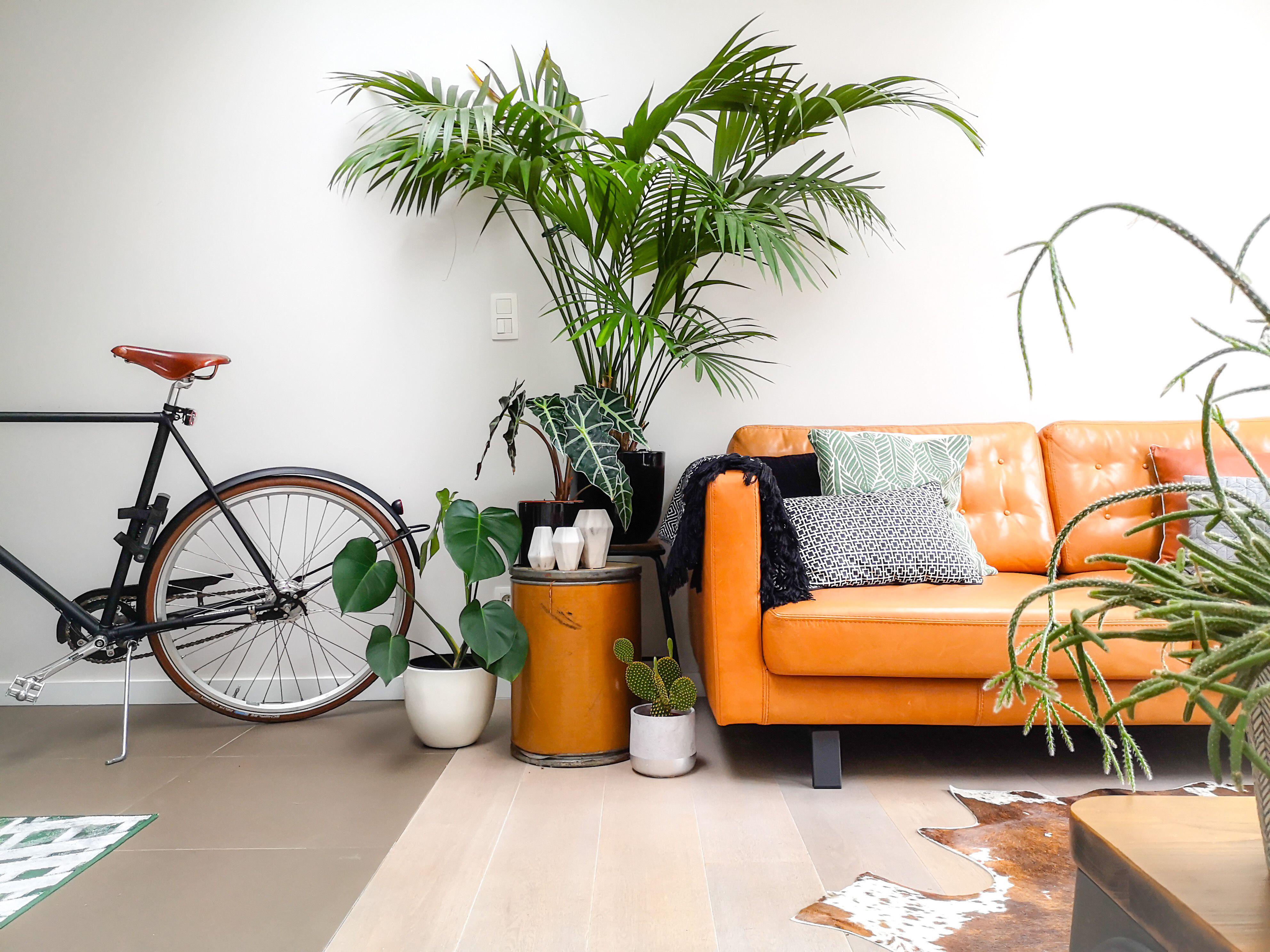
Feng shui plants – 12 of the best plants for positive energy
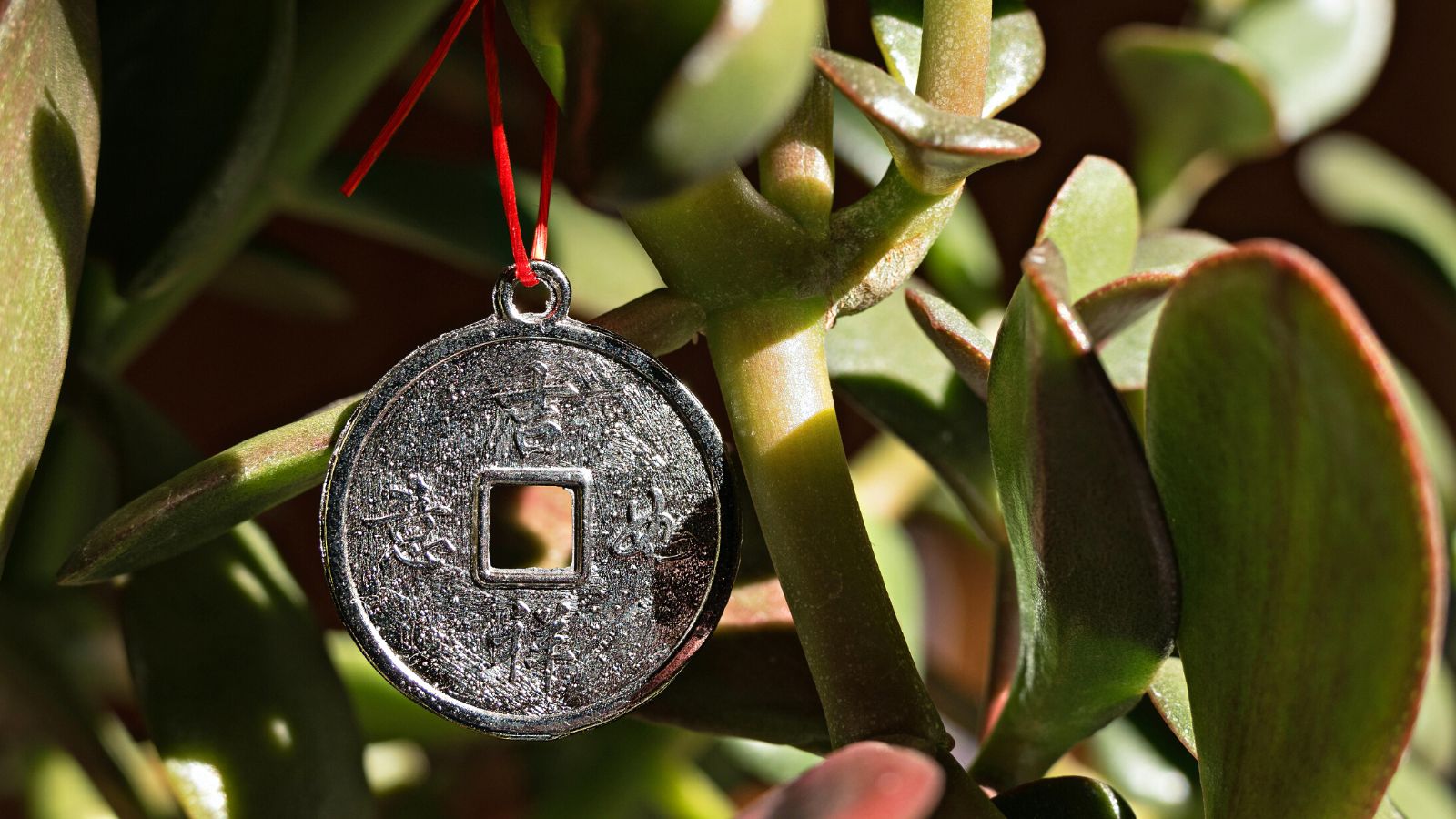
What is the Feng Shui wealth corner and can it make you rich? Feng Shui experts explain
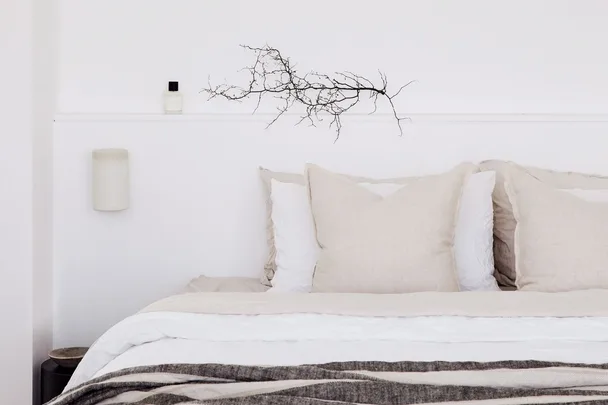
The one room in your home you shouldn’t keep plants

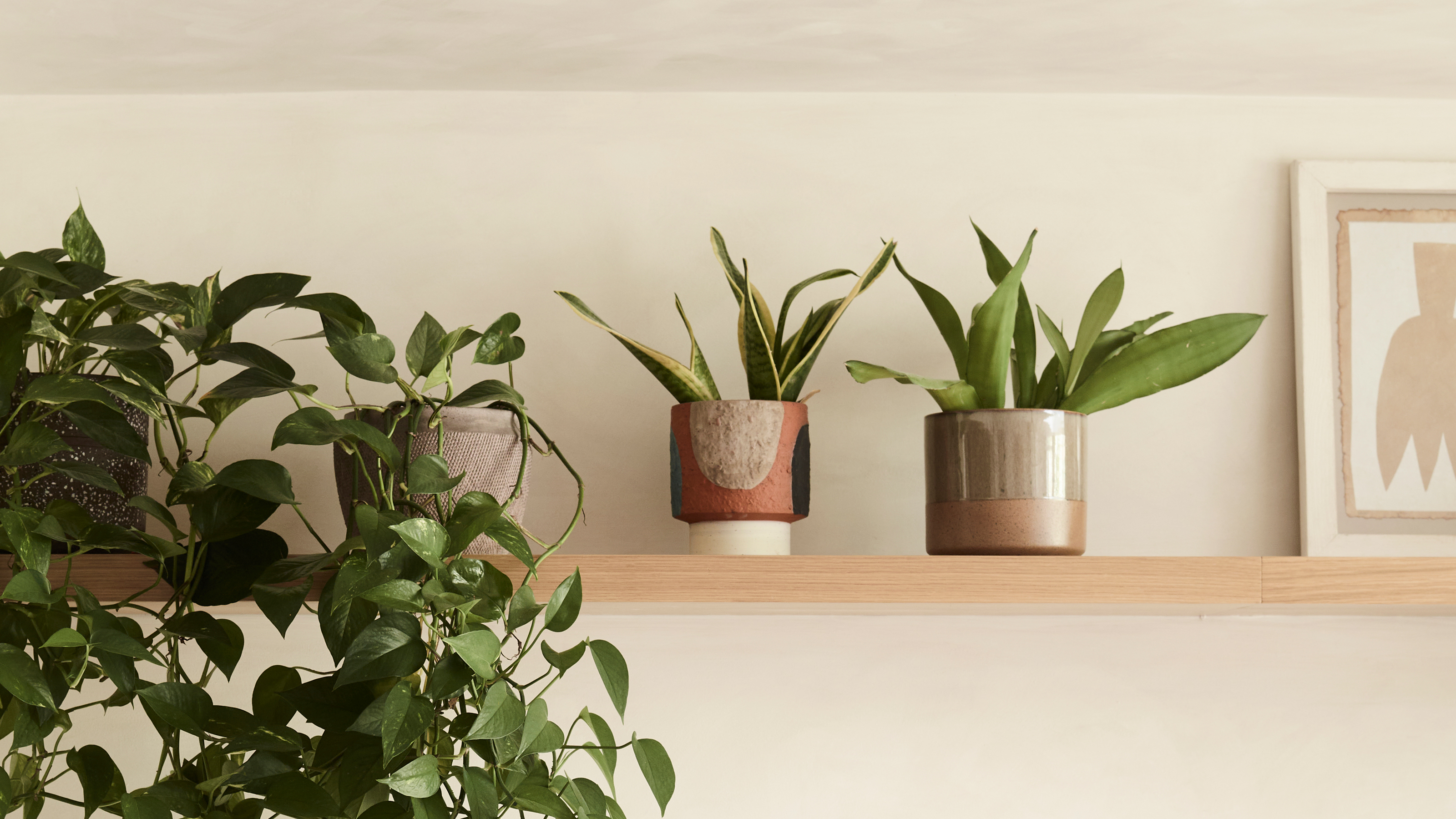
3 Places to Put Snake Plant That Are Meant to Bring You Good Luck, According to a Feng Shui-Practicing Architect
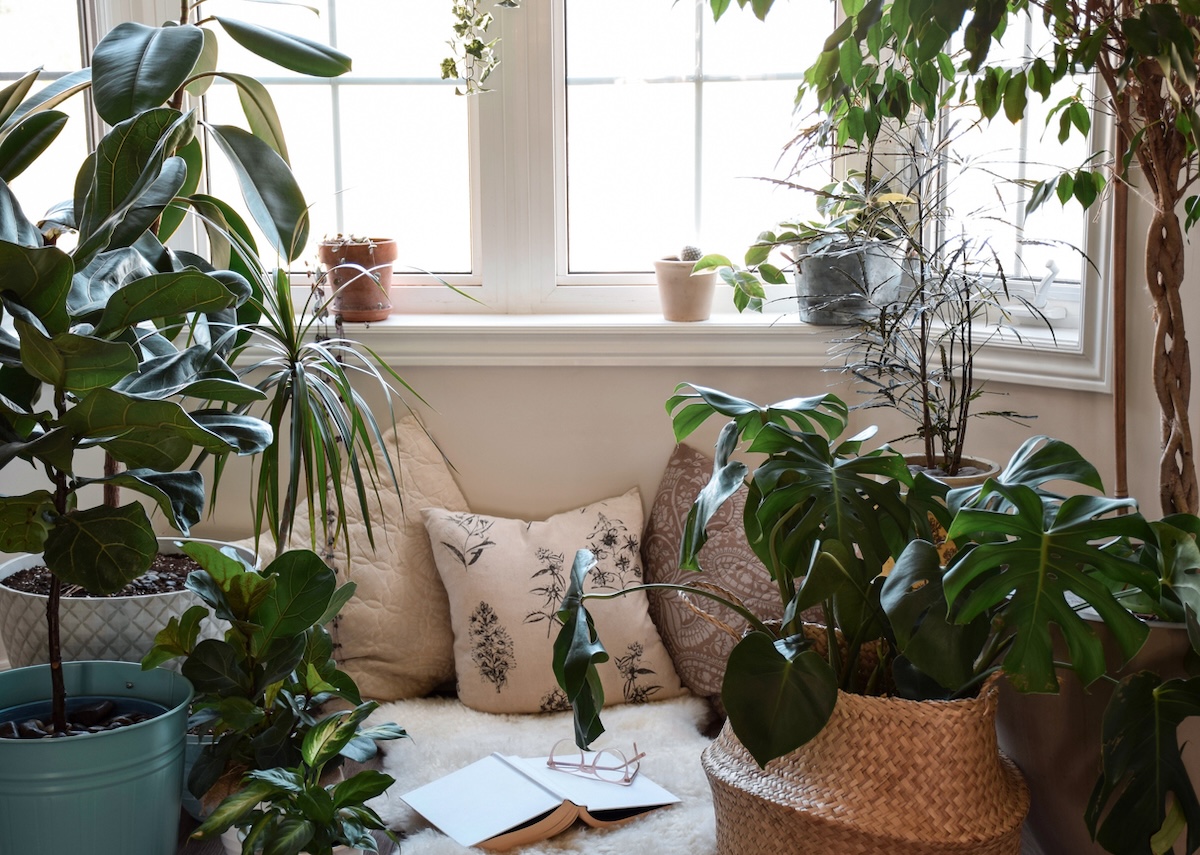
15 Feng Shui Plants to Bring Good Energy Into Your Home

Where to place a rug in the home according to Feng Shui principles – expert advice on balancing energy flow
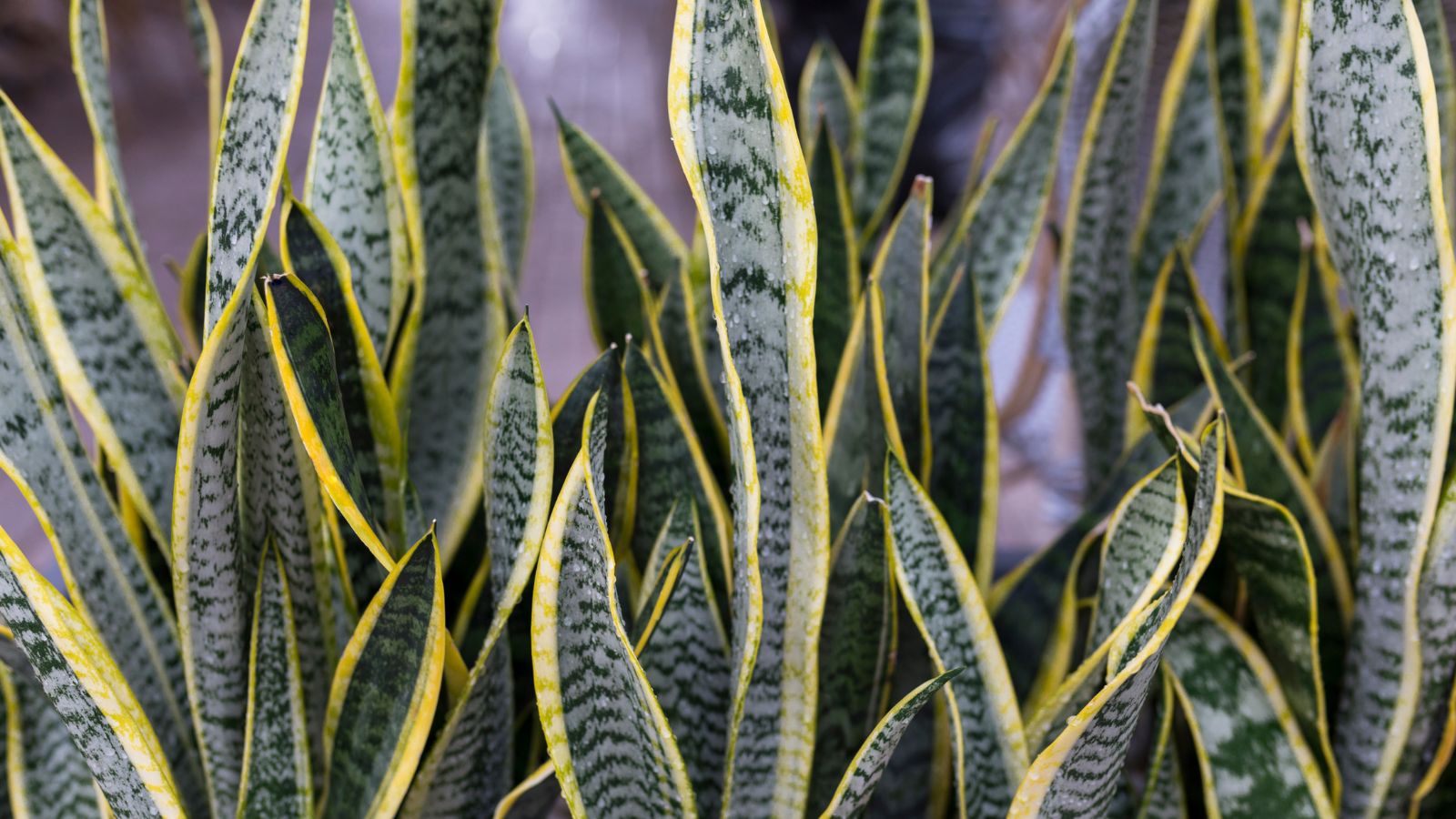
Where to place a snake plant, according to Feng Shui experts
Where Should I Place My Jade Plant? There Are 3 Main Spots in the Home, According to Feng Shui Experts
Feng Shui: These 4 plants will help attract abundance in 2023

Decorative China Is Trending—Here's How to Display and Care for Your Collection