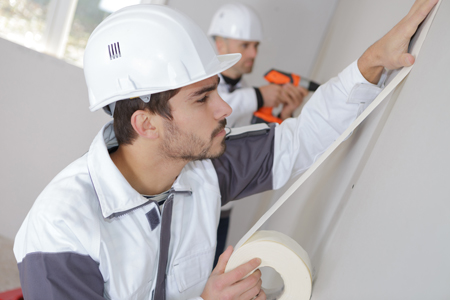
1/2
Using PSA tapes in walls and ceilings
Pressure-sensitive adhesive (PSA) tapes offer versatile applications in wall and ceiling construction, extending beyond traditional drywall usage to include decorative and design purposes. These tapes are engineered with specific performance capabilities to suit various needs. For permanent applications, PSAs like double-sided tissue or acrylic foam tape are available, offering strong, lasting bonds. Additionally, differential PSA tapes, including clean removal varieties, provide temporary or semi-permanent adhesion with minimal surface damage, a benefit often difficult to achieve with other adhesives or mechanical fasteners.
PSA tapes also serve critical functions in barrier and insulation applications. With backings such as aluminum or multilayer films, they can create effective vapor barriers, protecting insulation from harsh internal environments due to their strong adhesion and superior resistance. The performance of PSAs is defined by a balance of adhesive and cohesive forces, specifically tack, peel adhesion, and shear strength. Tack refers to the adhesive's ability to bond quickly, peel adhesion measures its resistance to removal by peeling, and shear strength indicates its ability to maintain position under shearing forces. Tack and peel adhesion are generally correlated but inversely related to shear strength.
According to Graeme Roan, market development manager, PSA tapes are increasingly valuable in conjunction with other bonding solutions for 'hold-in-place' applications, especially with advanced building materials. Research from the Pressure Sensitive Tape Council (PSTC) indicates that using PSA tapes in tandem with other bonding methods enhances strength and creates more permanent bonds. The report also highlights that energy efficiency, moisture and air management, and environmentally sound practices are future drivers for selecting construction bonding solutions, suggesting a growing relevance for PSA tapes due to their secondary benefits.
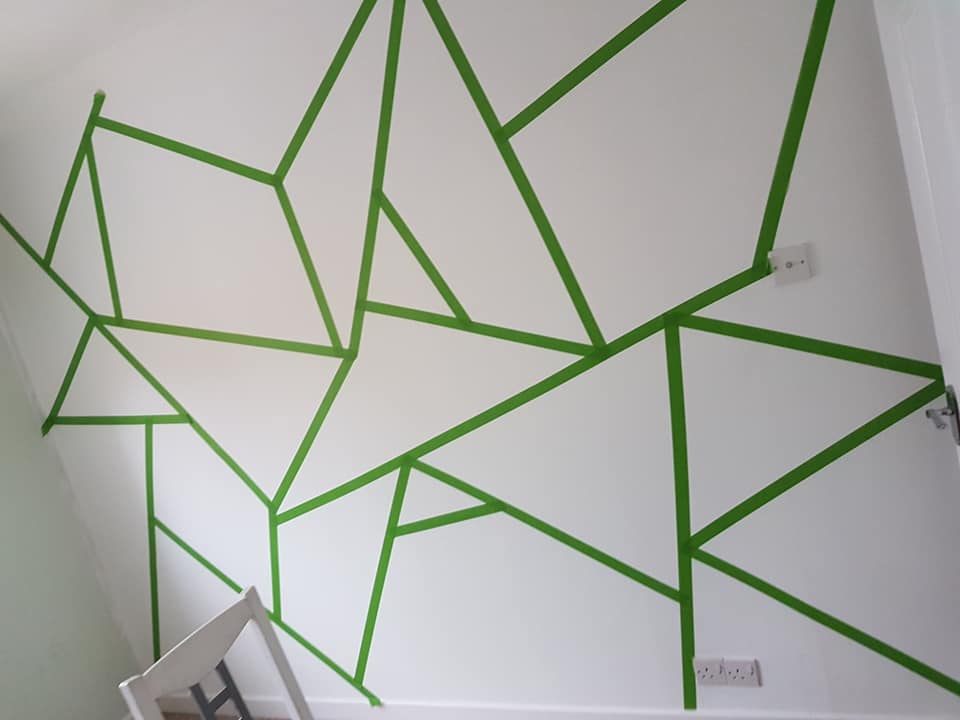
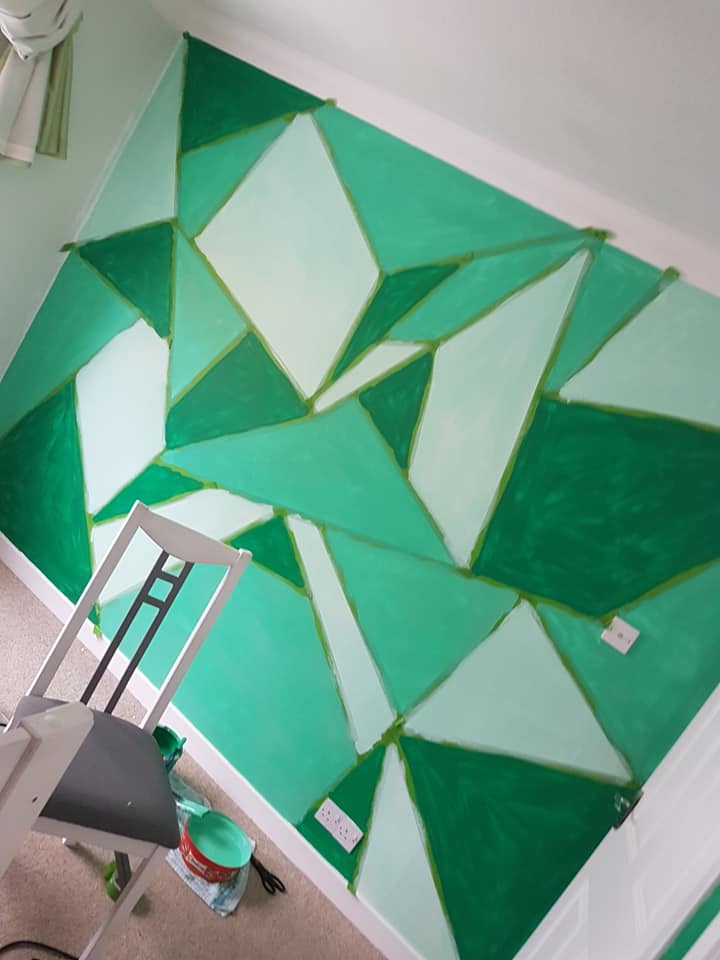
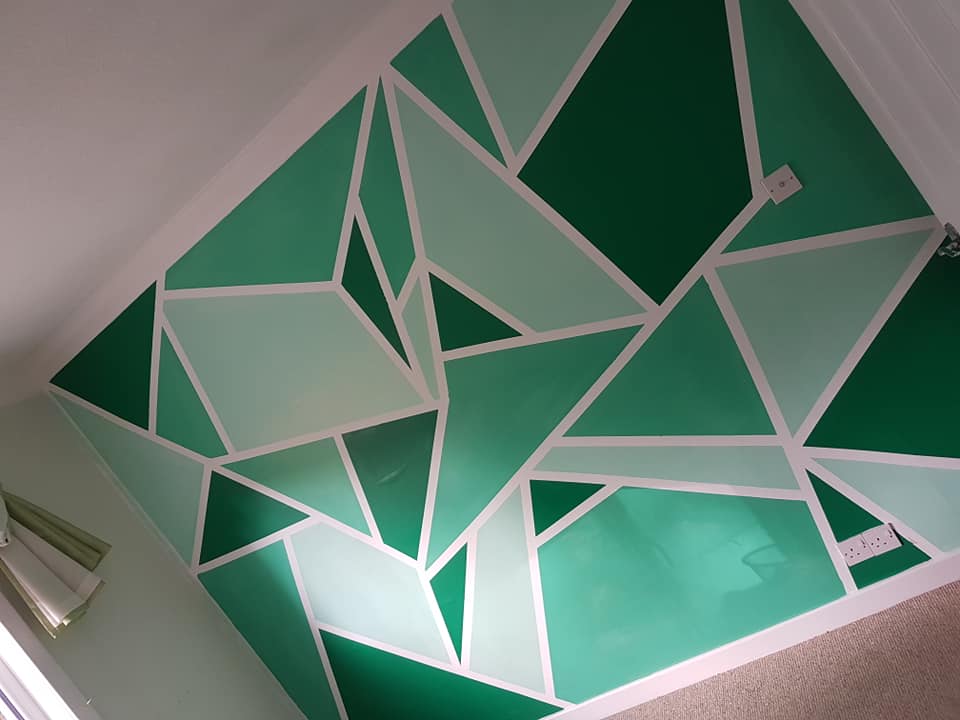
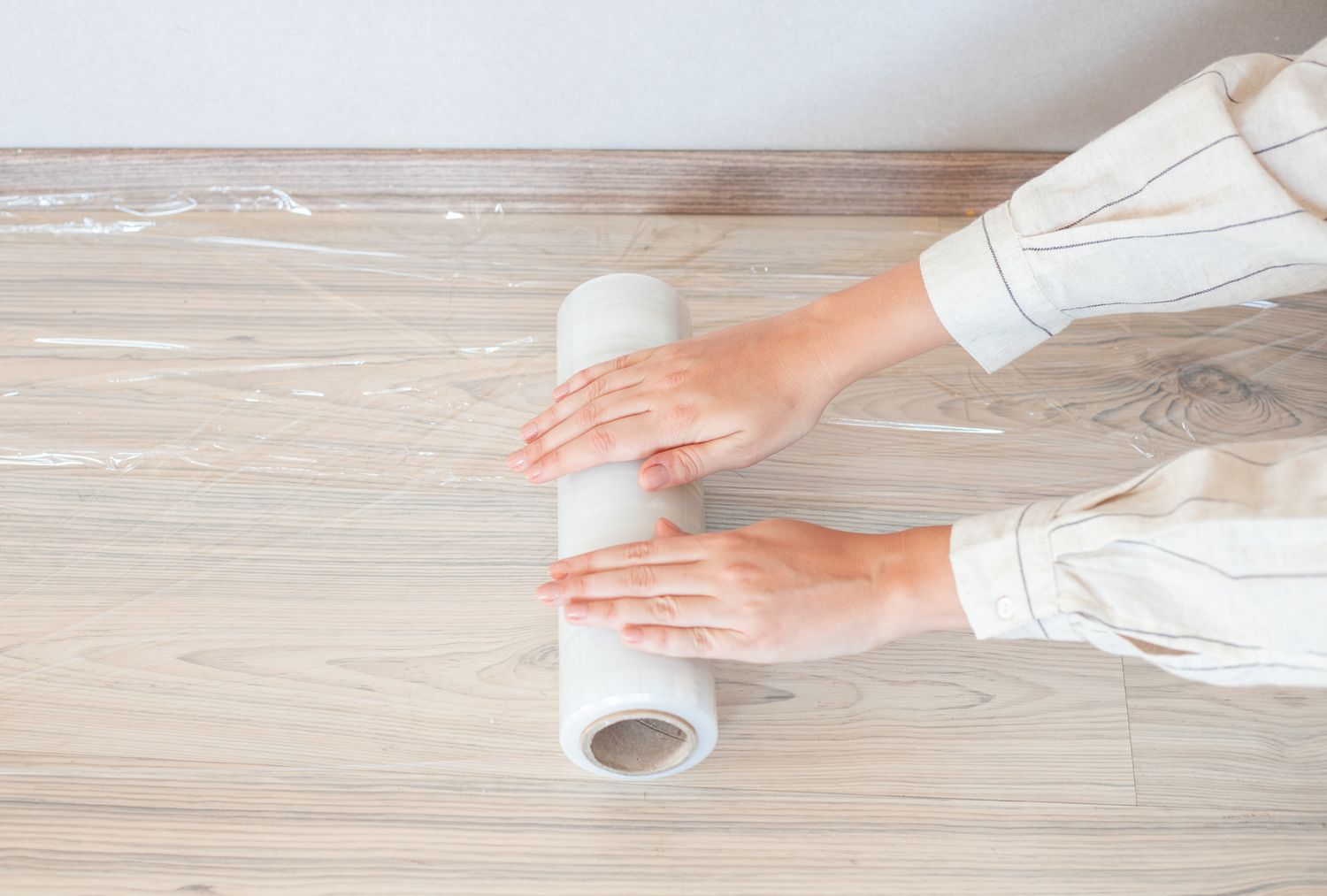
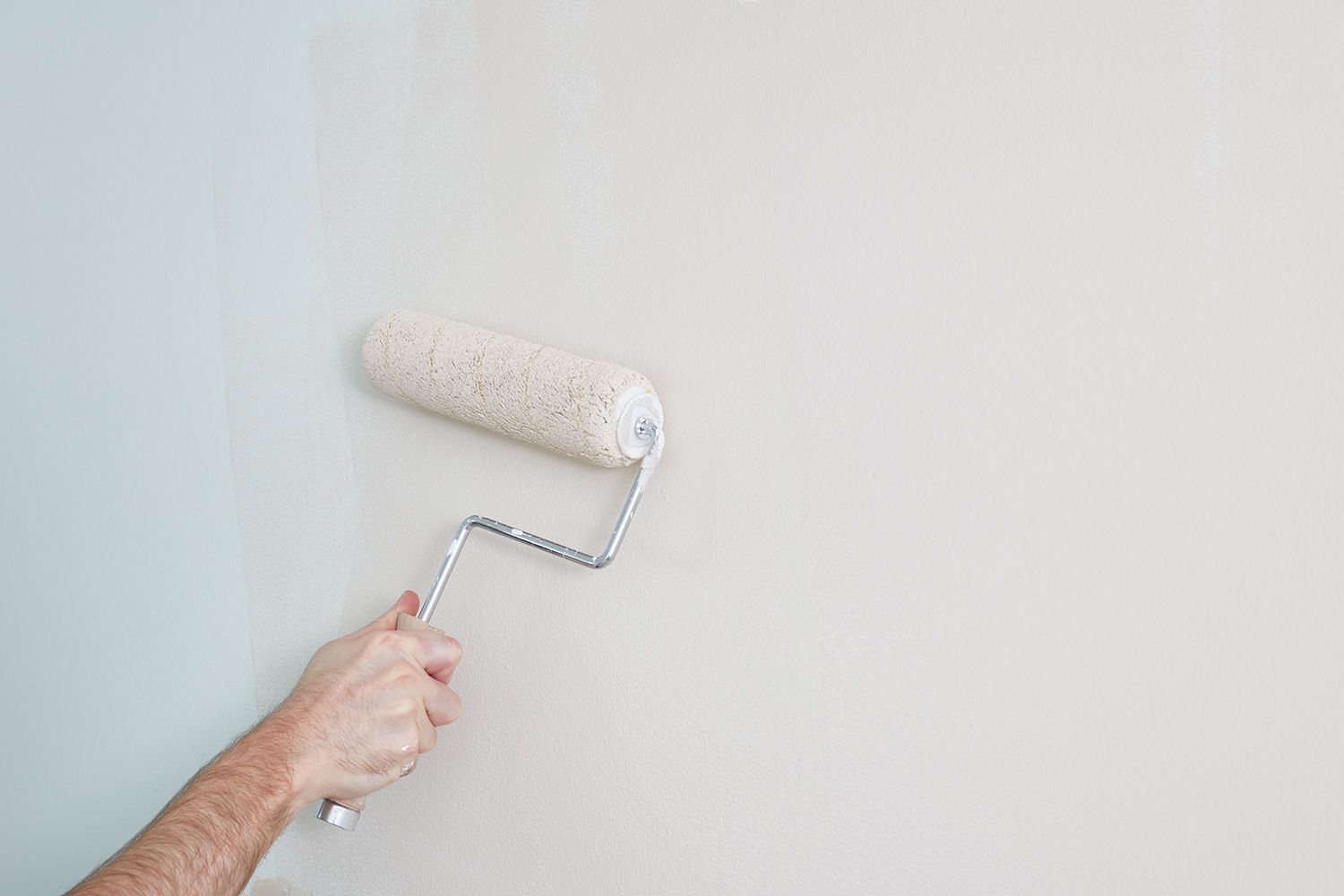
Dennis Schulmerich, a market development director, points to drywall tape with PSA as an example of effective material integration. This type of tape, often a mesh material, can be applied over seams before joint compound, allowing the compound to penetrate through to the drywall and minimizing air bubbles, thus simplifying and accelerating installation. Beyond structural applications, PSA tapes are also used for protecting surfaces during construction and painting. Lightweight plastic sheeting secured with double-coated masking tape offers temporary protection and clean removal, ideal for painting projects where precise lines are required. Single-coated masking tape, commonly known as painter's tape, further prevents paint seepage with its edge-blocking compound.
Decorative applications have also seen a rise in PSA tape usage. While taping lightweight decor might seem straightforward, selecting the correct PSA tape is crucial. Some brands are designed for easy removal, featuring pull tabs, while others are permanent and require cleaning for full removal. Double-sided tape is an excellent choice for architects and builders looking to mount mirrors permanently or affix lightweight decorations temporarily without nails, as it can be easily hidden without compromising adhesive strength. The characteristics of PSA tape, including its adhesives, backings, and primers, can be customized to meet specific application demands, offering solutions to avoid visible seams or nail holes.
#PSATape #ConstructionMaterials #AdhesiveTechnology #WallAndCeilingApplications #BuildingEfficiency #DrywallInstallation #VaporBarrier #SurfaceProtection #PSATape #ConstructionMaterials #AdhesiveTechnology #WallAndCeilingApplications #BuildingEfficiency #DrywallInstallation #VaporBarrier #SurfaceProtection
0 comment in total
 No comments yet
You may also like
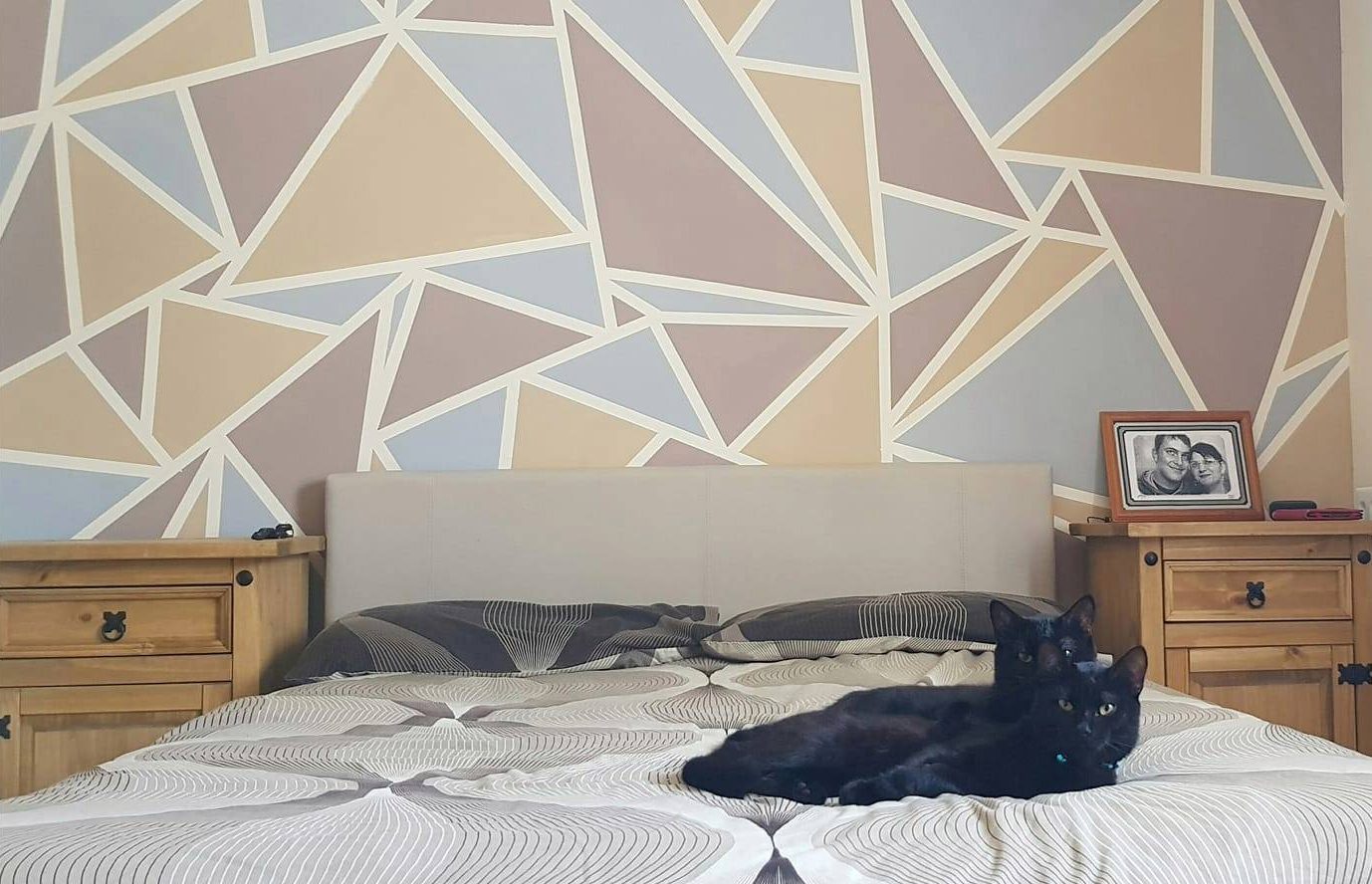
Create incredible feature walls using masking tape and paint testers

Wall Panels

How to Hang Wallpaper (the Permanent Kind!)


Multiple wall panels from Decor Systems support hands-on learning, collaboration, and student wellbeing
Wall panelling ideas for hallways – 11 ways to maximise style, space and durability in your entryway
Practical ways to make panelling look good

8 Common Wallpaper Mistakes (and How to Fix Them)

4 Common Wall Hanging Myths, Busted

How to Hang Wallpaper Yourself in 8 Simple Steps, Straight from a Pro

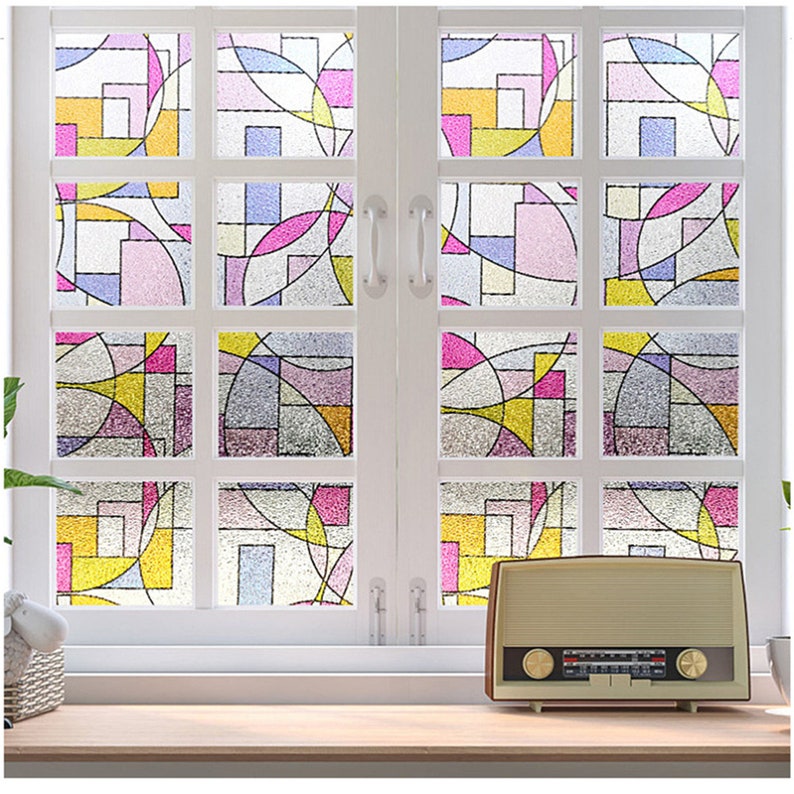
Decorating with decals: Why they're worth a second look
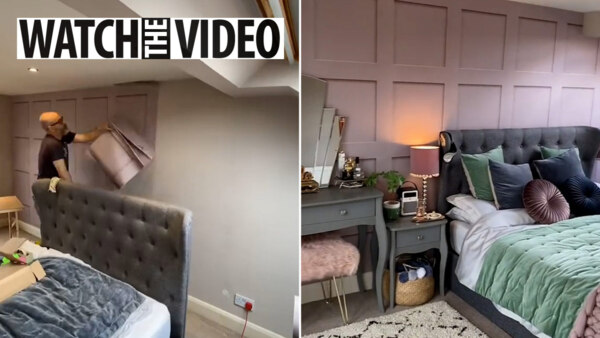
We created a posh wall panel in seconds using a sneaky stick-on hack - everyone is convinced it’s real wood
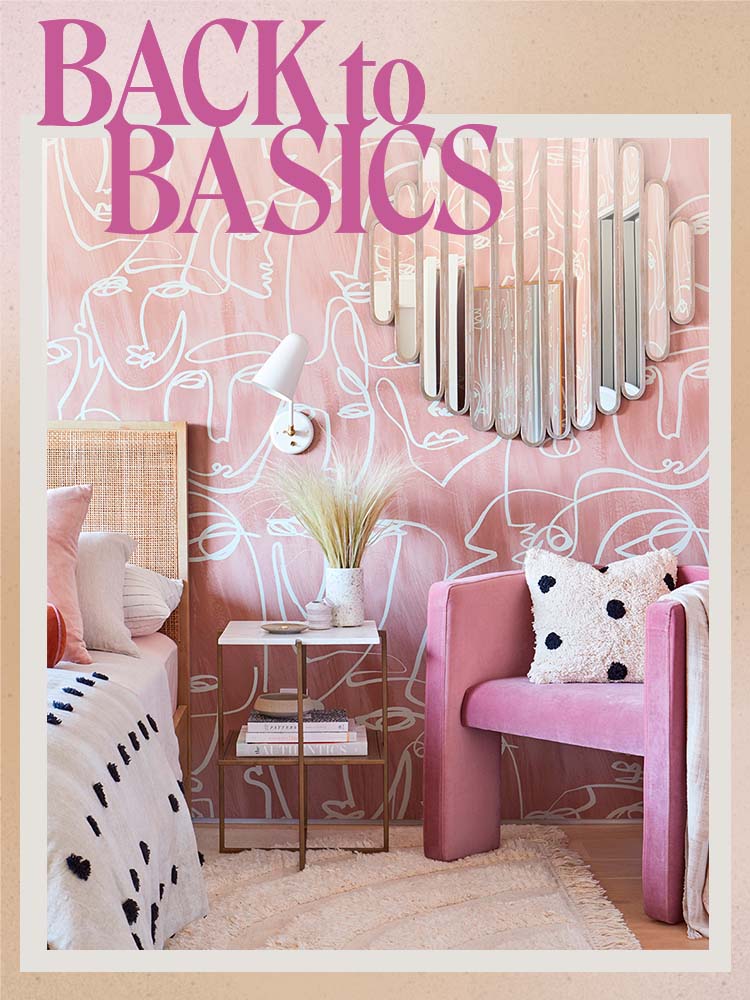
How to Hang Wallpaper (the Permanent Kind!) | domino
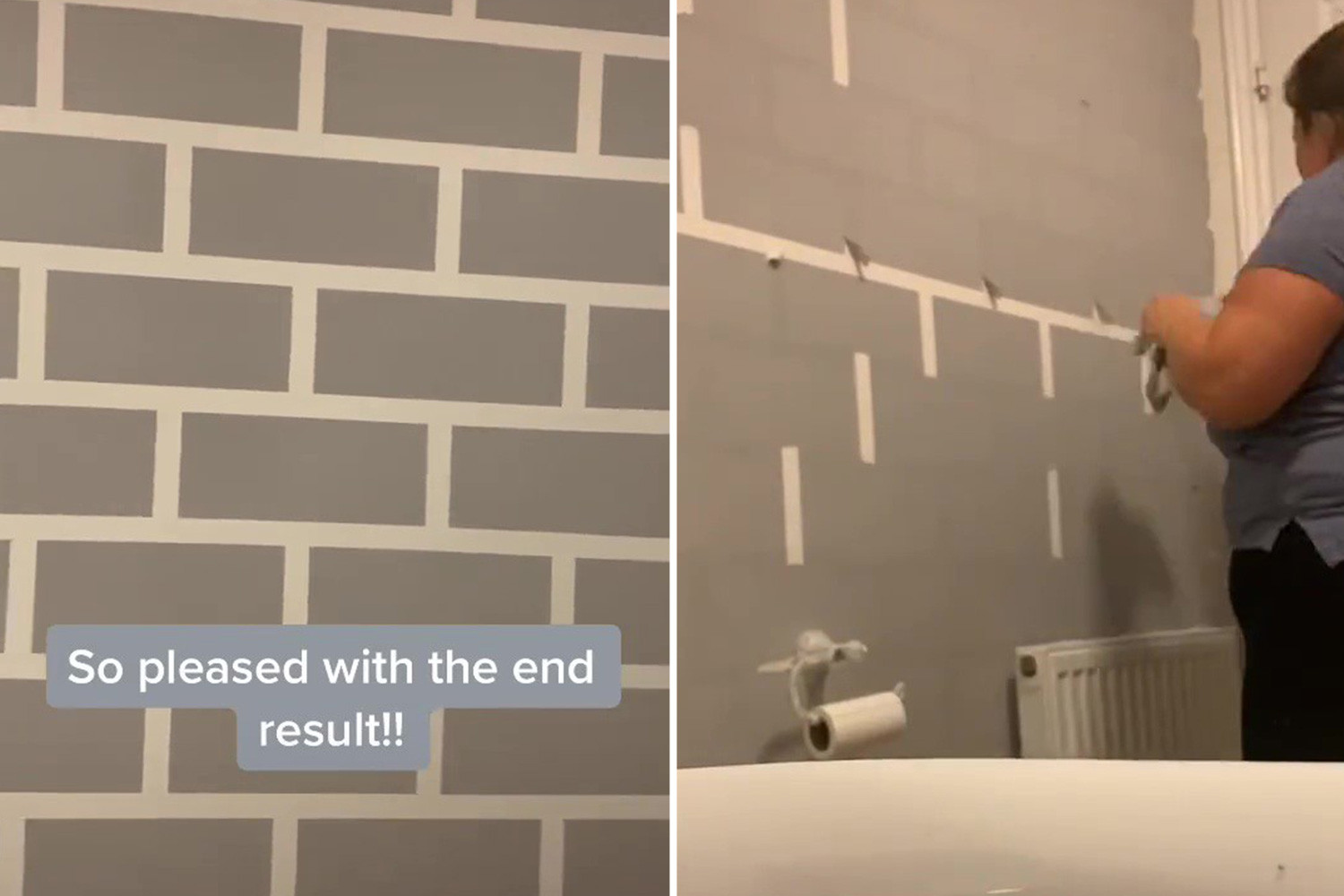
Woman creates stunning brick feature wall using only masking tape

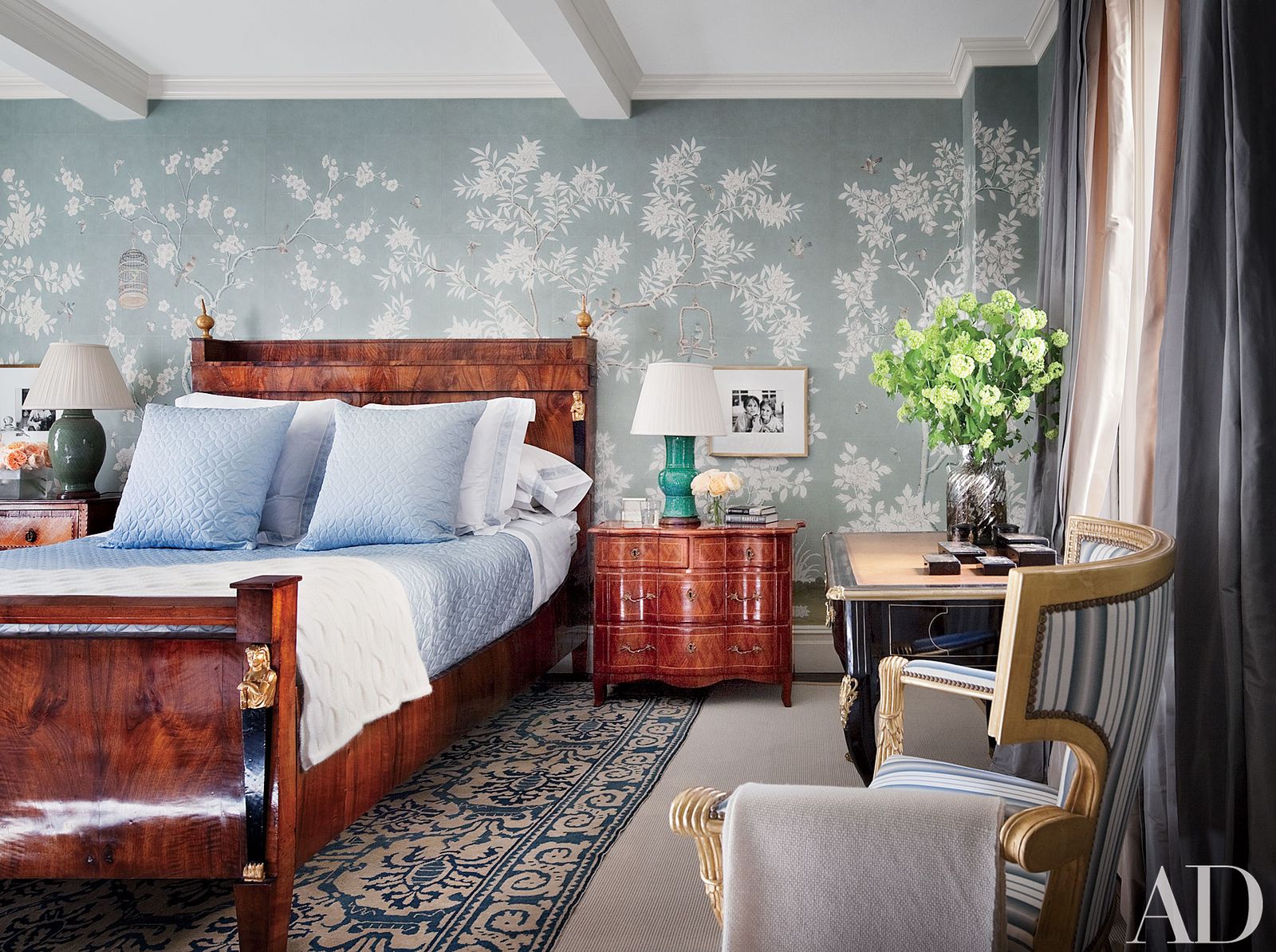
9 Designer Wall Treatments That Will Reinvent Your Interiors
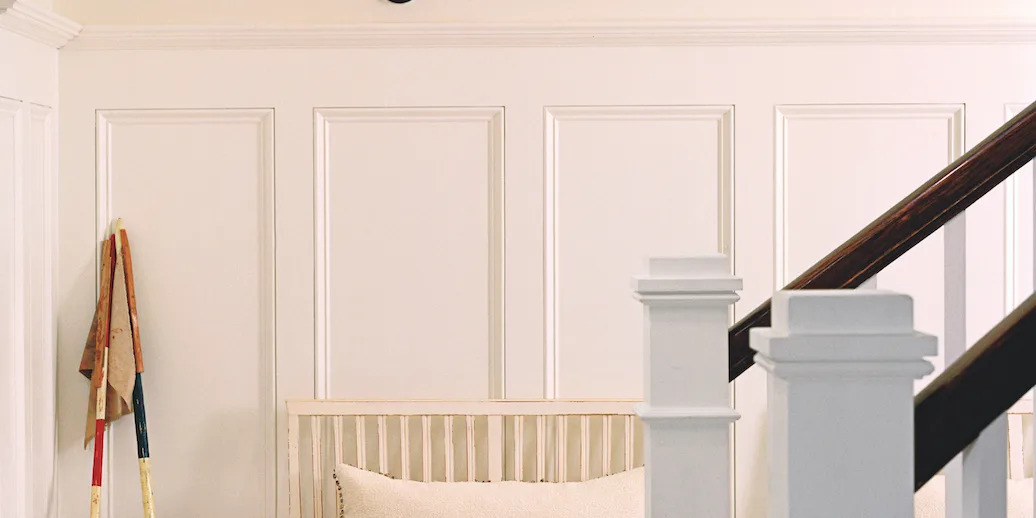
Wainscoting Is Hot Again—Here's What It Costs To Add It to Your Walls

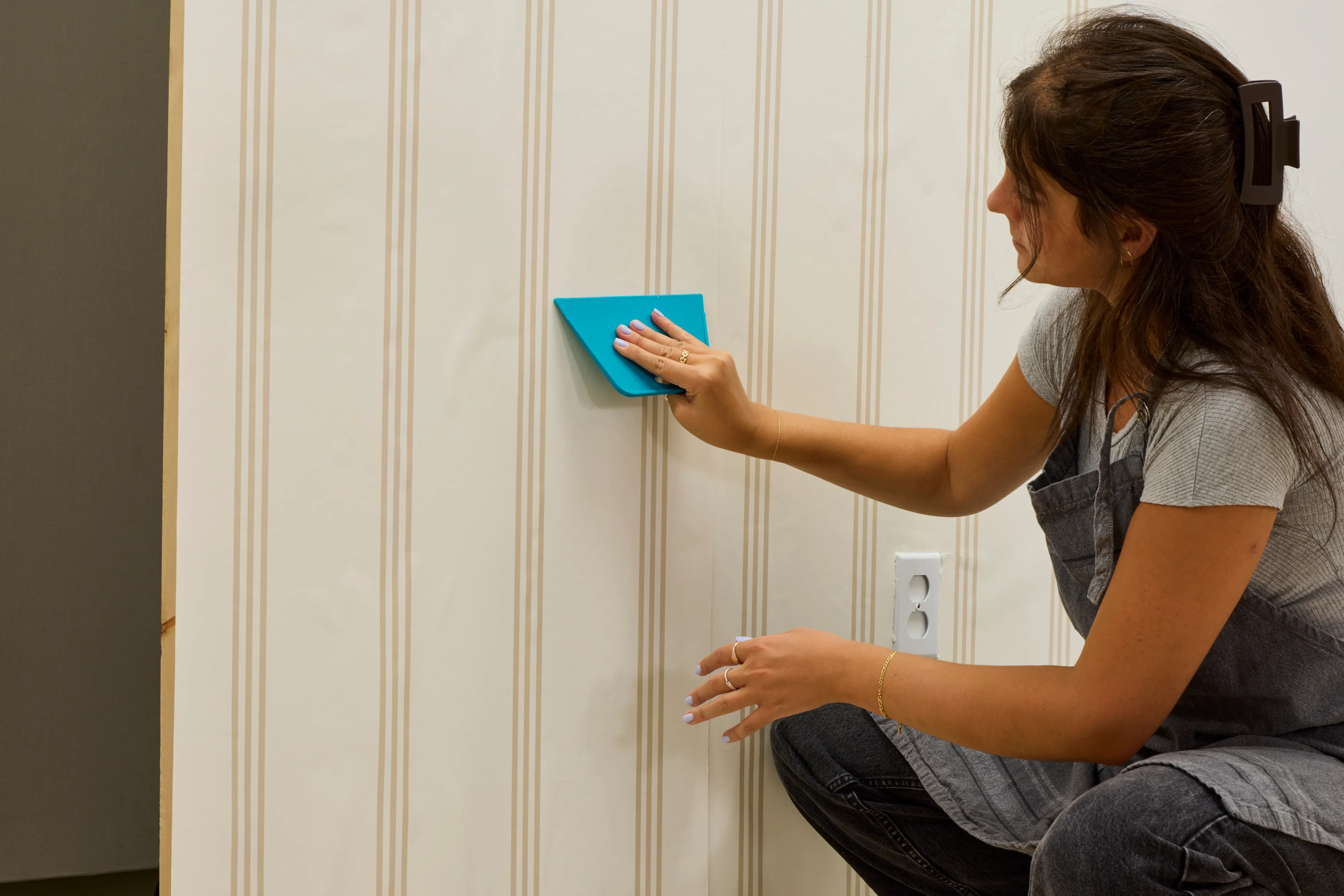
We Installed 40 of the Best Wallpapers—These 12 Deserve a Space in Your Home
This 1 thing helped me hang a stunning plate wall in less than 10 minutes

The Baton Rouge business behind some of the branded walls all over town

MDF Wall Panels | Decorative Wall Panelling
Foam wall panelling is the latest DIY hack going viral on TikTok - the results are impressive, but is it a good idea?