This Simple Change Keeps My Towels Cleaner (Hint: It’s About Storage, Not Laundry)
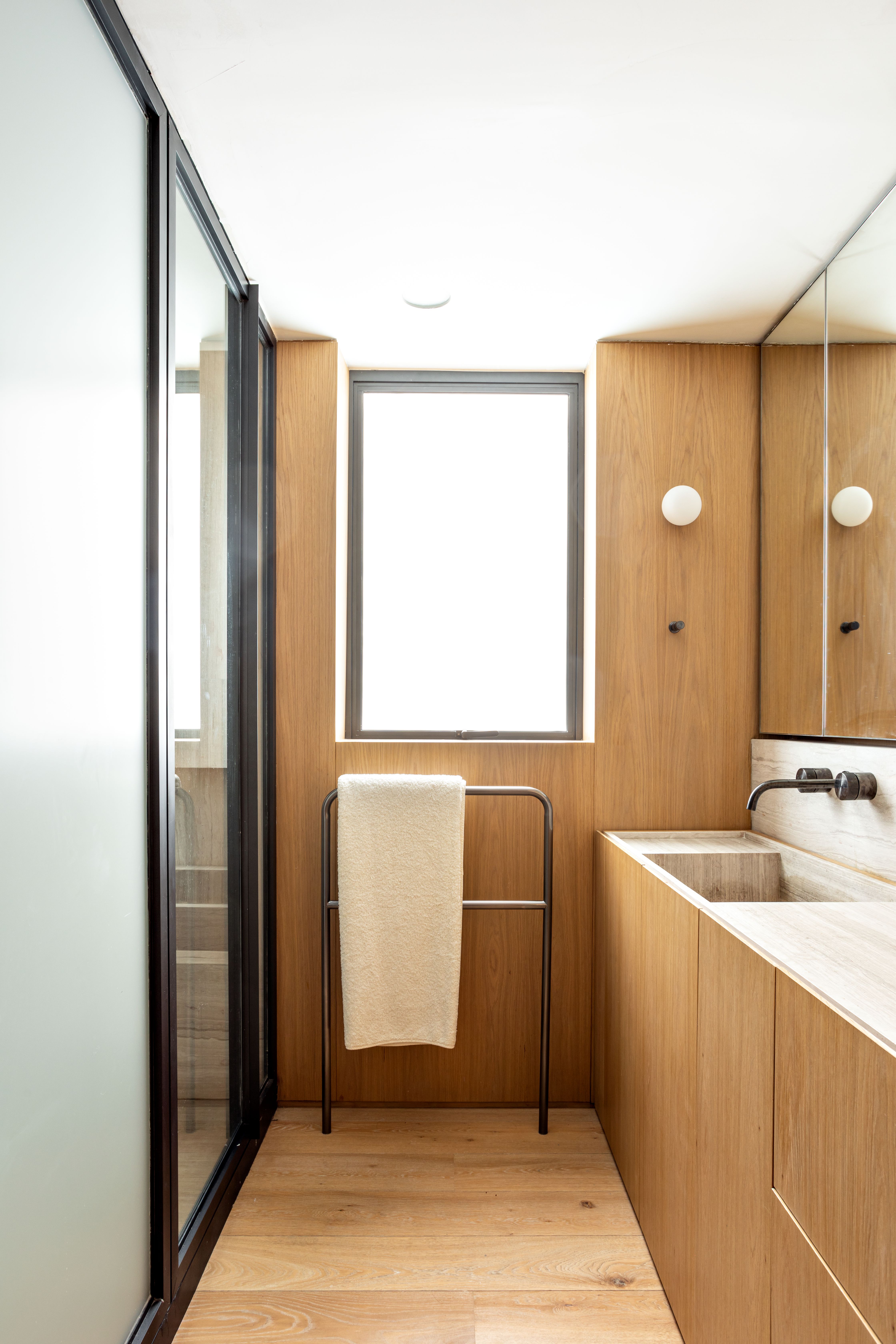
This article details an unconventional approach to towel storage and bathroom maintenance, focusing on preventing musty odors and maintaining cleanliness. The author, Natalia Gonzalez Blanco Serrano, shares her personal habit of not storing bath and face towels in the bathroom, a practice she adopted due to poor ventilation in past apartments.
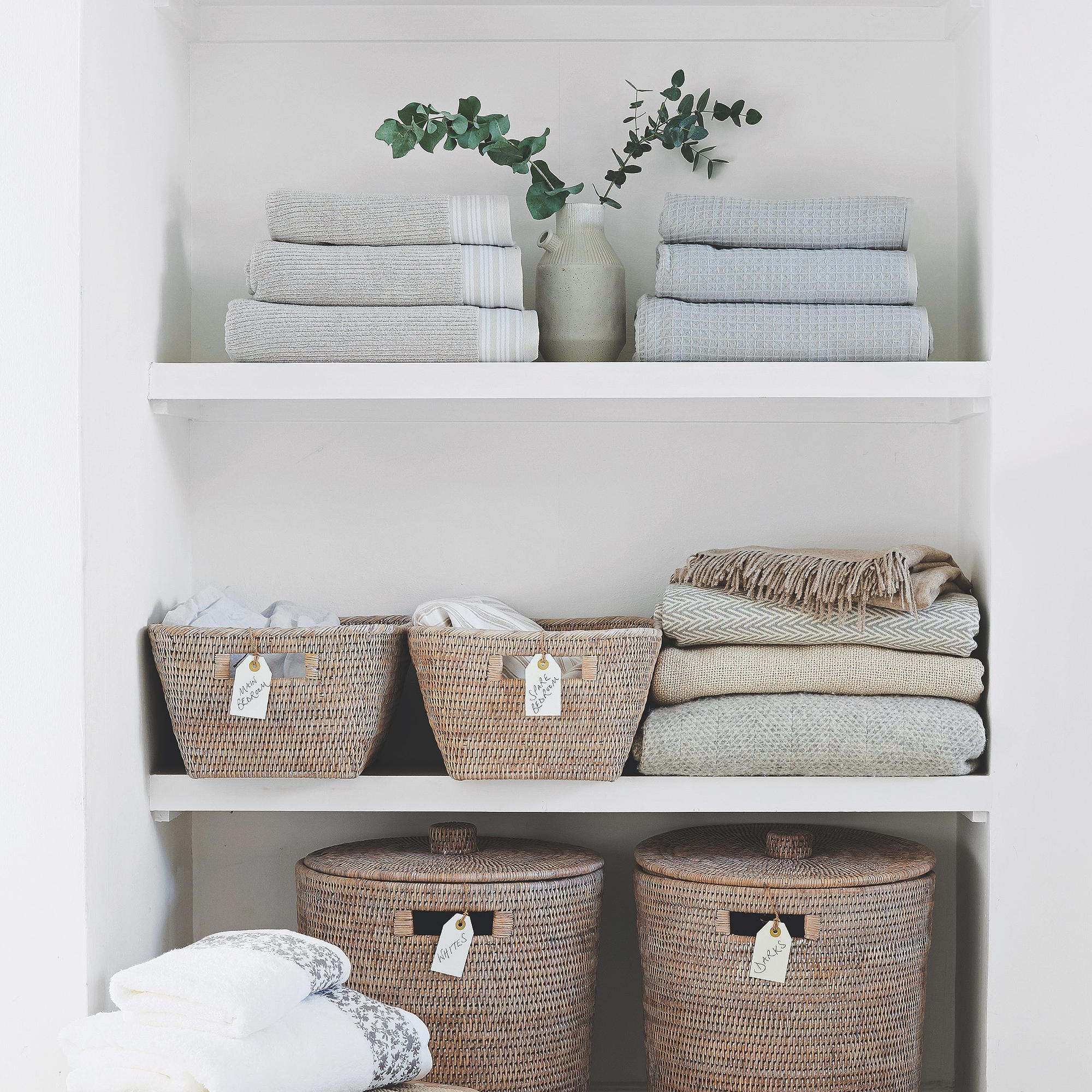
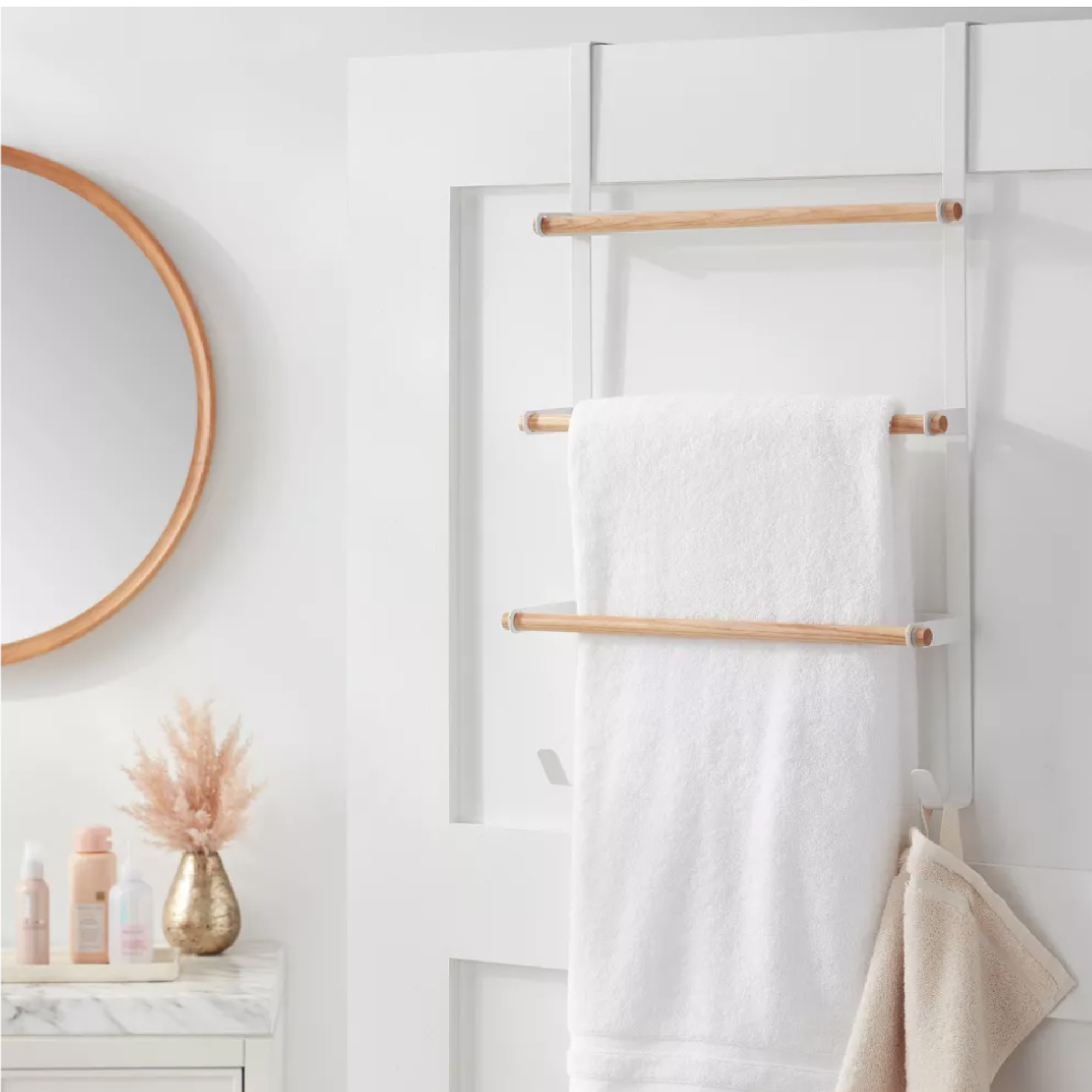
The core problem identified is that towels, especially in bathrooms without windows or exhaust fans, remain damp for extended periods after use. This prolonged dampness creates an ideal environment for mildew and a characteristic musty smell to develop quickly. By relocating bath and face towels to better-ventilated areas like a bedroom or closet, the author found that towels dried more thoroughly and stayed fresh for a longer duration, reducing the frequency of washing and preventing unpleasant odors.
Beyond towel storage, the article offers practical tips for preventing mustiness in a poorly ventilated bathroom. A key strategy is the consistent use of a dehumidifier after showers to remove excess moisture from the air. Keeping the bathroom door open when not in use also aids in air circulation, helping to dry out the space naturally. Regular bi-weekly deep cleaning sessions are emphasized as crucial for maintaining overall hygiene and preventing the buildup of mildew and grime in small, humid environments.
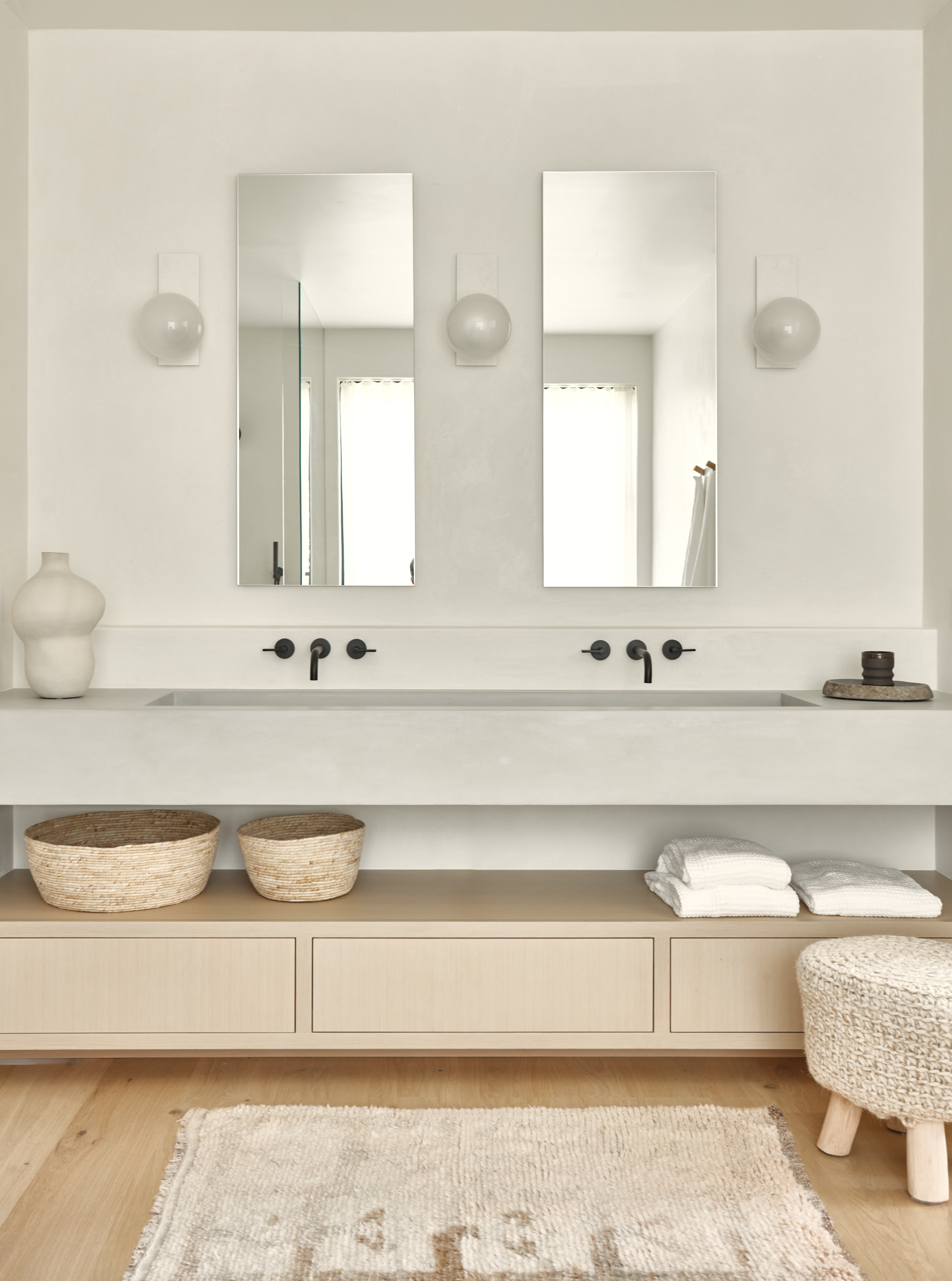
The author also extends this philosophy of selective storage to other items commonly found in bathrooms, advocating for their removal or alternative placement for hygiene and aesthetic reasons. Toothbrushes, for example, are stored in a medicine cabinet to keep countertops clear and to protect them from airborne bacteria. Medicines are kept outside the bathroom, typically in a bedroom or first aid kit, not only for privacy but also to ensure they are taken regularly, as proximity to the bedside serves as a reminder. Makeup, if used, is also stored outside the bathroom, mirroring the approach taken with toothbrushes to prevent bacterial contamination and maintain a clutter-free space.
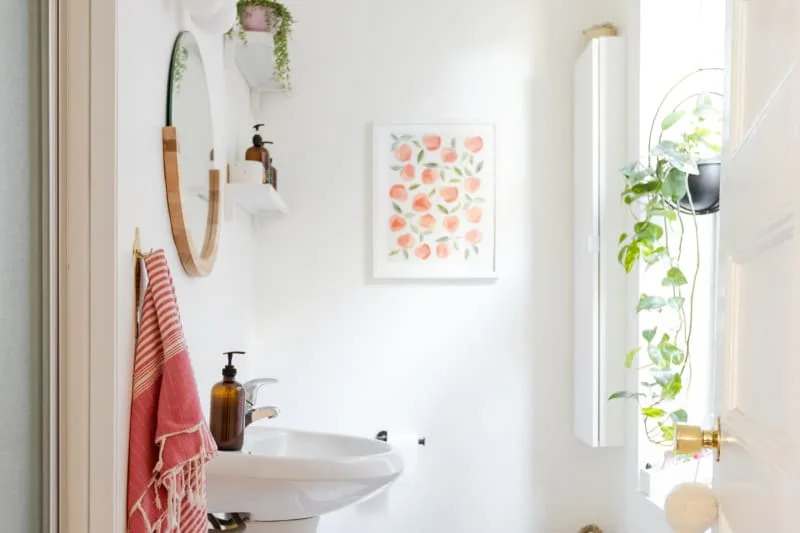
Conversely, the article lists items that are deemed appropriate for bathroom storage, often due to necessity or specific design considerations. These include shower essentials like shampoo, body wash, and loofahs, which remain in the shower area. Skincare and haircare products are organized in bins on shelves for accessibility without clutter. Oral hygiene products, such as floss and retainers, are stored in the medicine cabinet alongside perfumes, which are cycled seasonally. Essential items like menstrual products and extra toilet paper are kept in an easily accessible cabinet under the sink. Bathroom-specific cleaning tools, such as a plunger and toilet wand, are stored discreetly next to the toilet. Finally, small decorative elements like plants and ceramic pieces are used to add a personal and less sterile touch to the space.
Overall, the article promotes a minimalist and hygiene-focused approach to bathroom organization, emphasizing ventilation, strategic storage, and consistent cleaning to maintain a fresh and clean environment, particularly in bathrooms lacking adequate natural airflow.
#BathroomHygiene #TowelCare #HomeOrganization #CleaningTips #MildewPrevention #SmallSpaceLiving #Ventilation #BathroomHygiene #TowelCare #HomeOrganization #CleaningTips #MildewPrevention #SmallSpaceLiving #Ventilation
0 comment in total
 No comments yet
You may also like
I thought I knew how to roll a towel until I tried these 4 popular hacks – one was a gamechanger
10 Best Bathroom Towel Storage Ideas

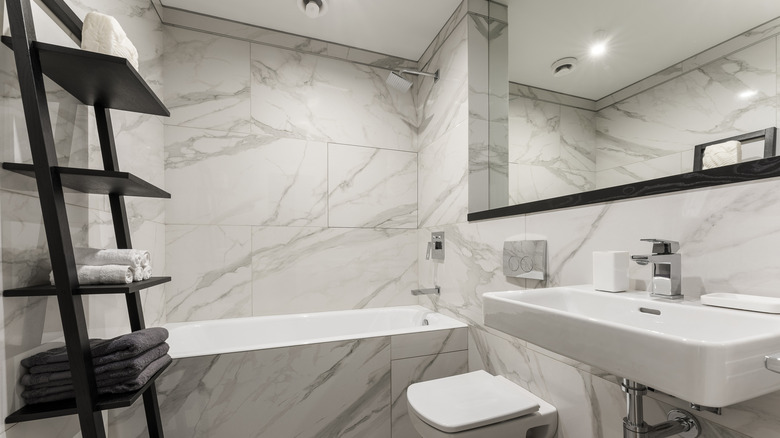
Swap Your Traditional Towel Bar For One Of These 8 Alternatives To Maximize Space
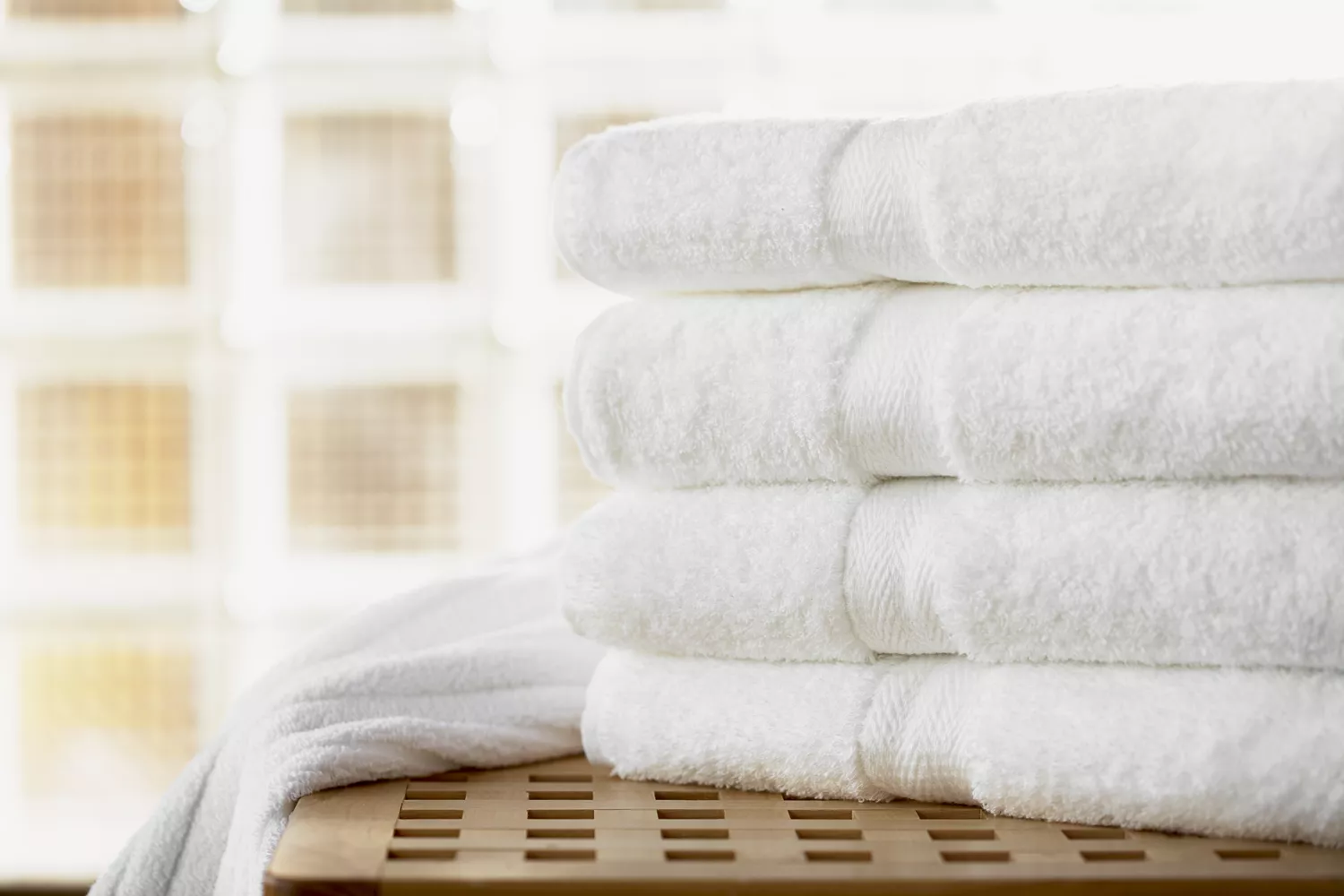
How Many Bath Towels Do You Really Need? Here's What 3 Professional Organizers Said
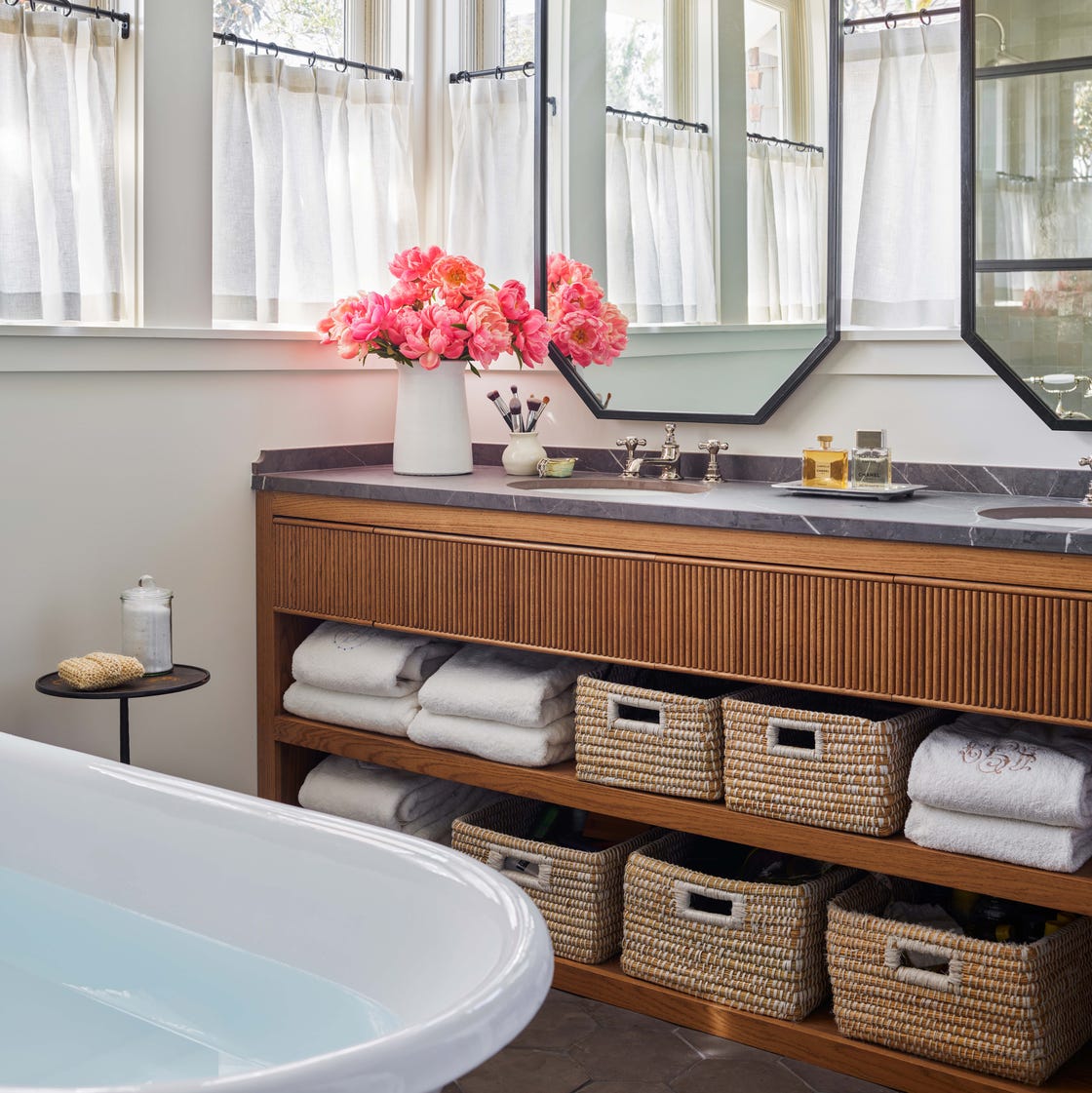
15 Genius Ways to Store Towels and Declutter Your Bathroom

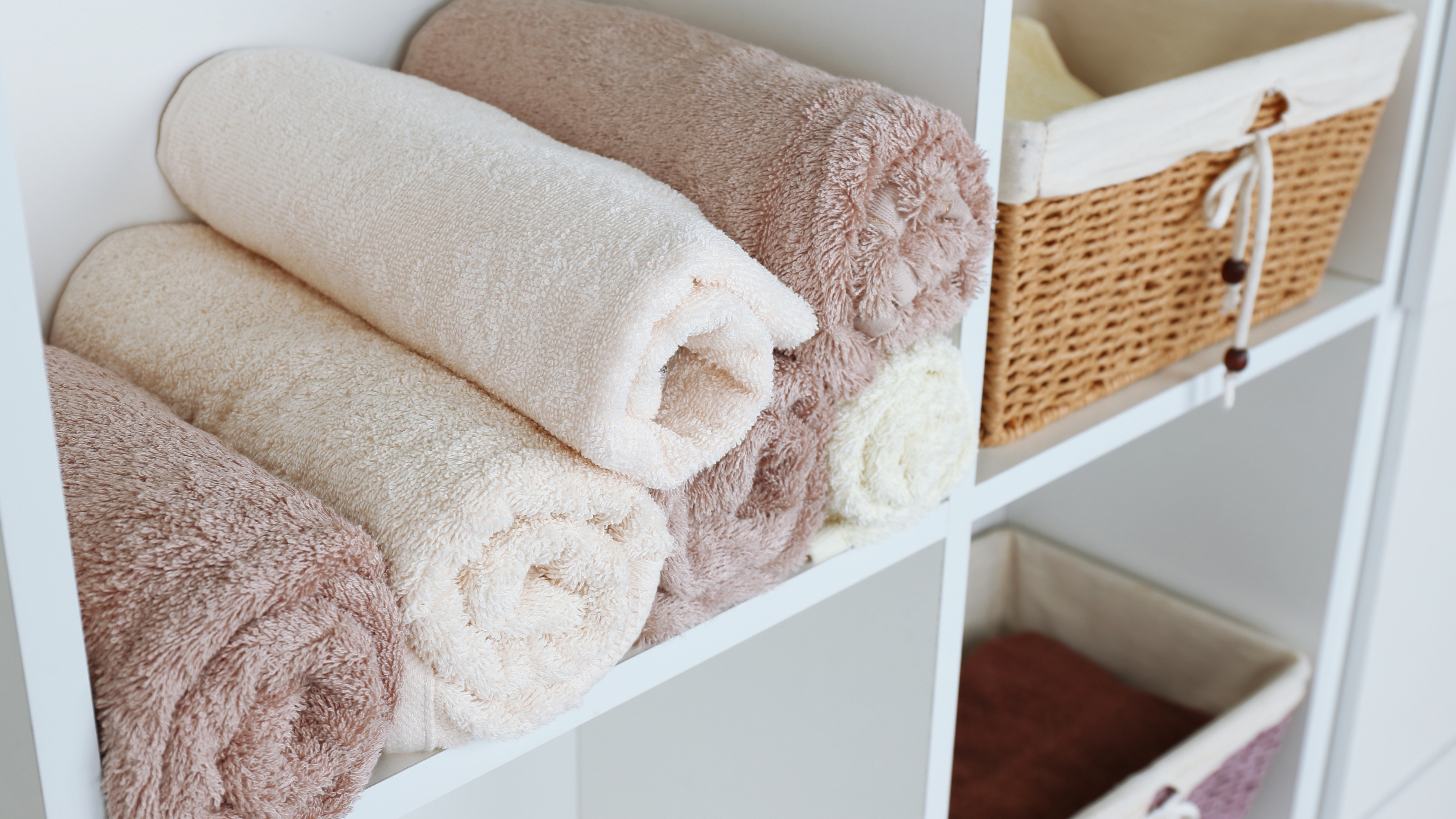
Small bathroom towel storage ideas to keep your space organized and stylish

8 Towel Storage Tips To Help Keep Them Neat And Organized

12 Clever Dollar Tree Paper Towel Holder Hacks That Maximize Closet Storage Around The Home
Towel storage ideas – 12 ways to neatly store and organize towels

8 Smart Towel Storage Tips For A Neat, Organized Bathroom

Organizing the Bathroom: 13 Designs for Taming the Towels

Transformed laundry room maximizes storage

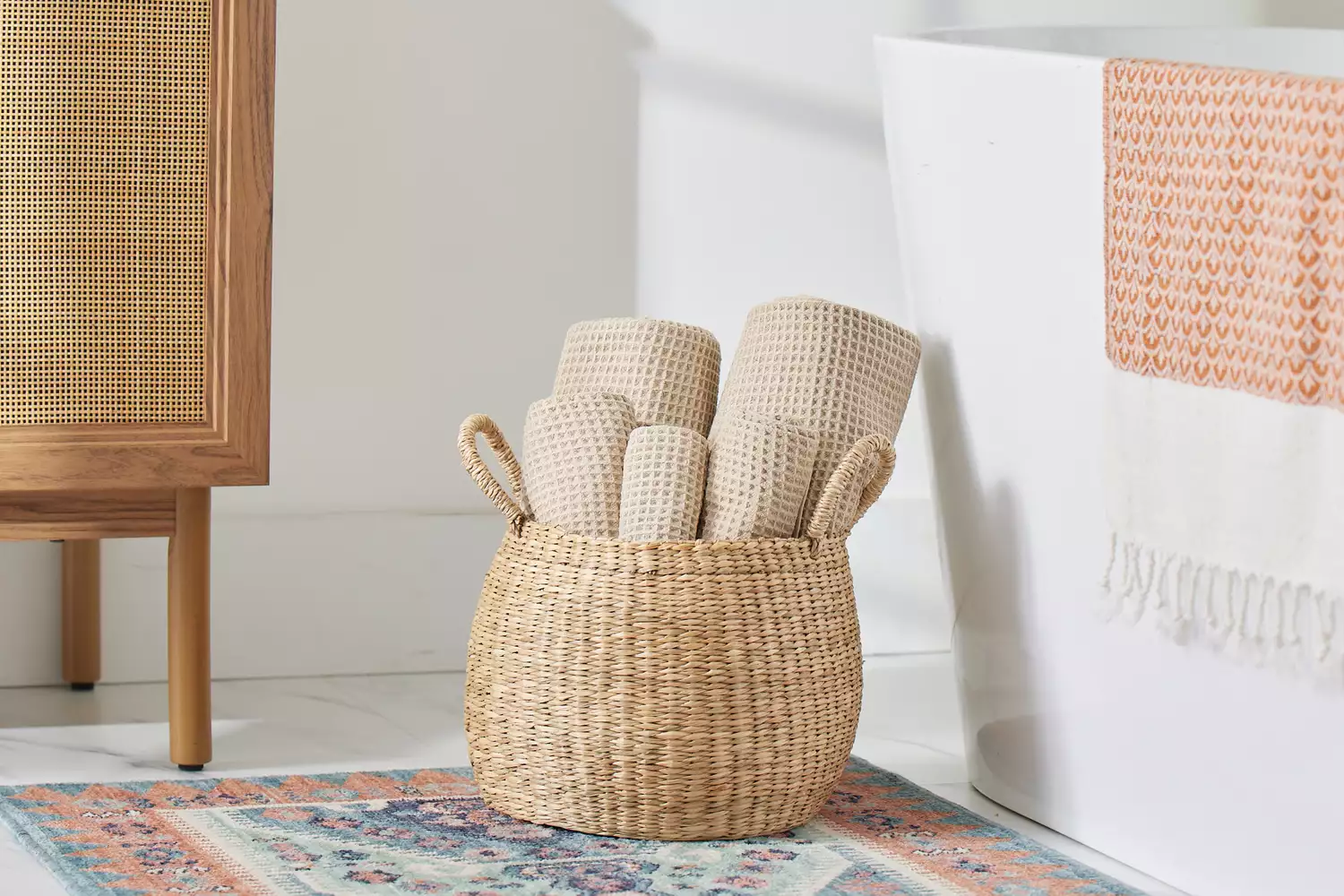
32 Ideas to Improve Your Towel Storage
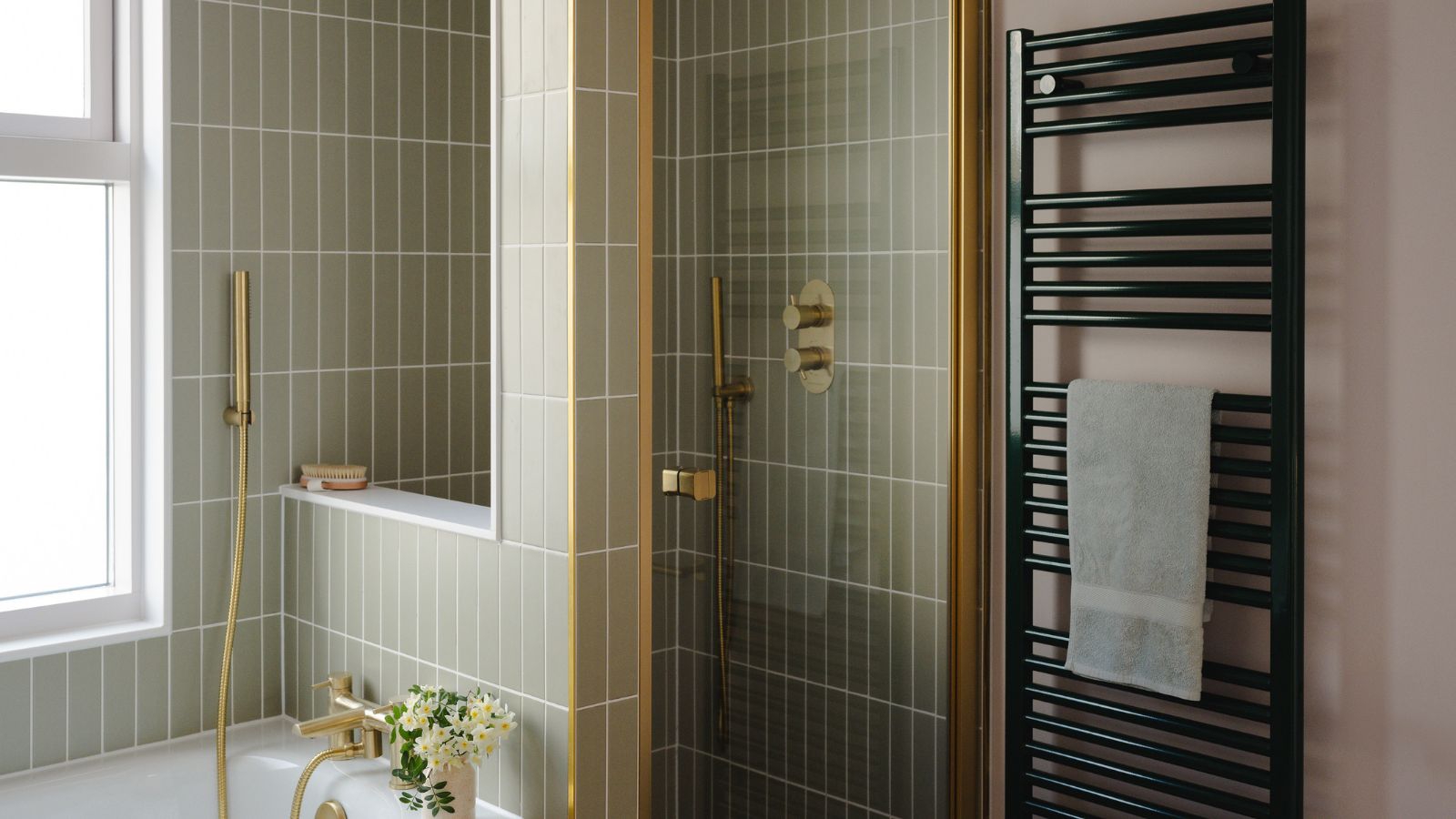
I Don’t Have Space in My Tiny Bathroom Storage for Towels, but These $7 Collapsible Gems Are the Perfect Fix

This Brilliant, Space-Saving Laundry Room Feature Makes Ugly and Clunky Drying Racks a Thing of the Past


This Game-Changing Storage Hack Will Give Your Closet The Best Upgrade
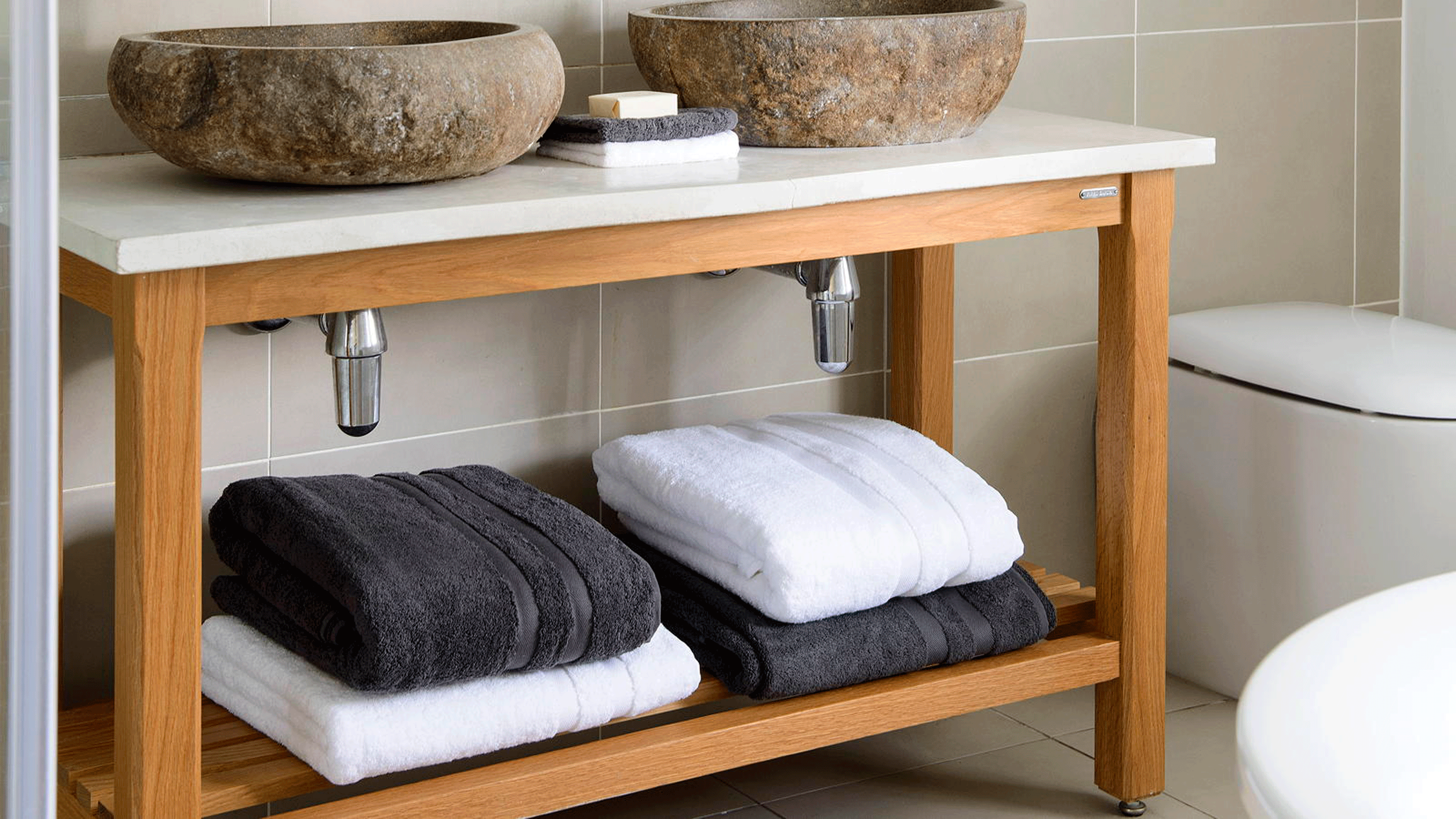
8 towel storage ideas to make your bathroom beautifully neat and tidy
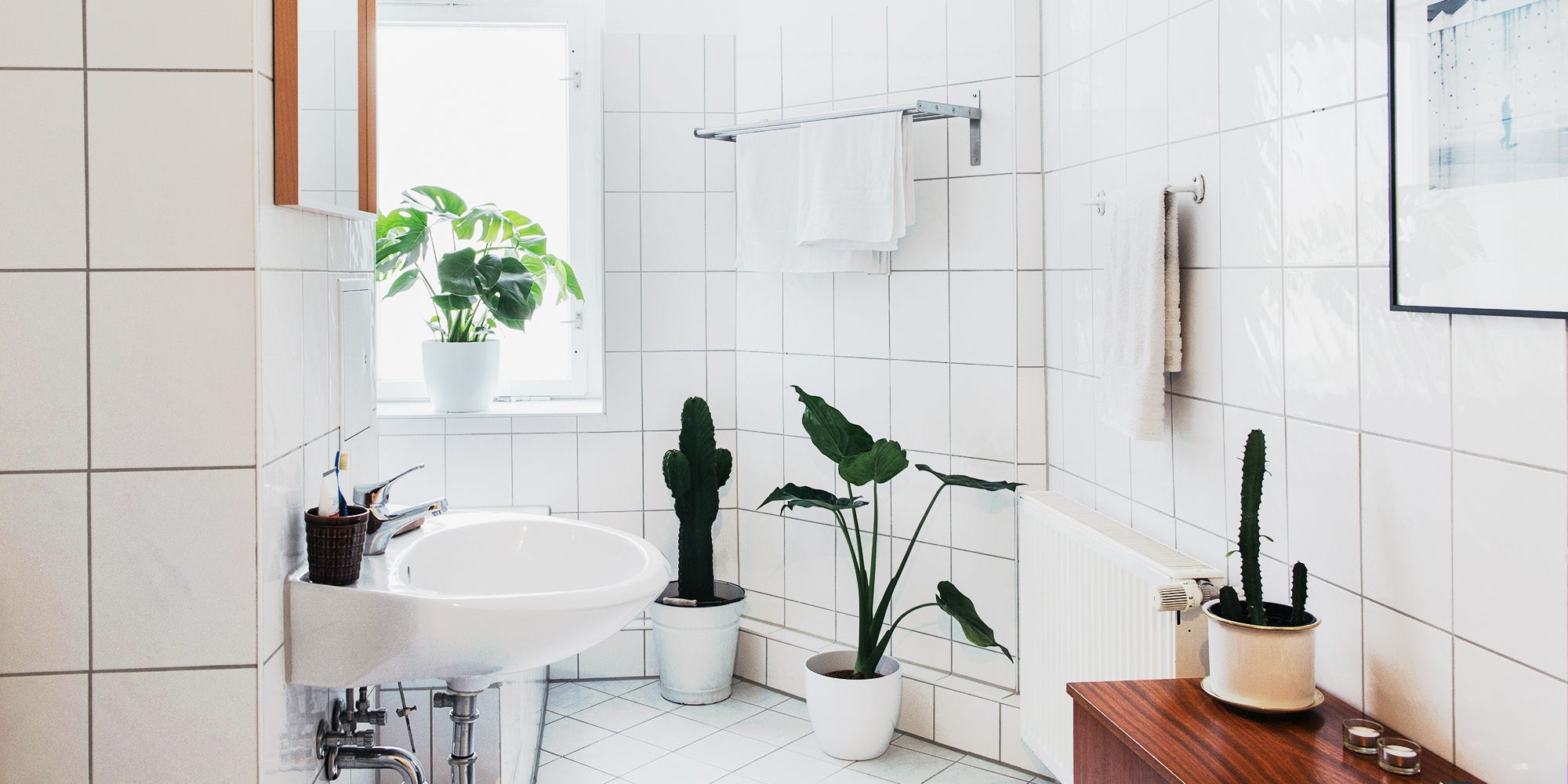
These Bathroom Storage Racks Give Your Towels the 5-Star Treatment They Deserve

5 ways interior designers add towel storage that will make your bathroom feel 'like a spa'
I Had No Towel Storage in My Tiny Bathroom Until I Found This $27 Solution