1/15
This Designer Trend for Mismatched Accent Chairs is the Secret to Elevating Your Living Room's Style
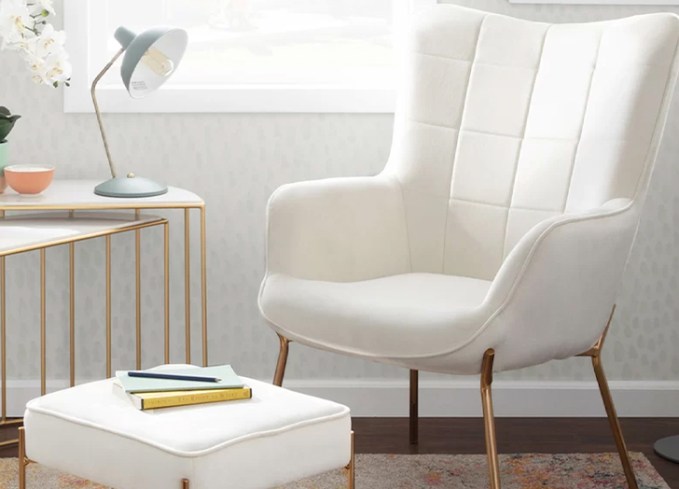
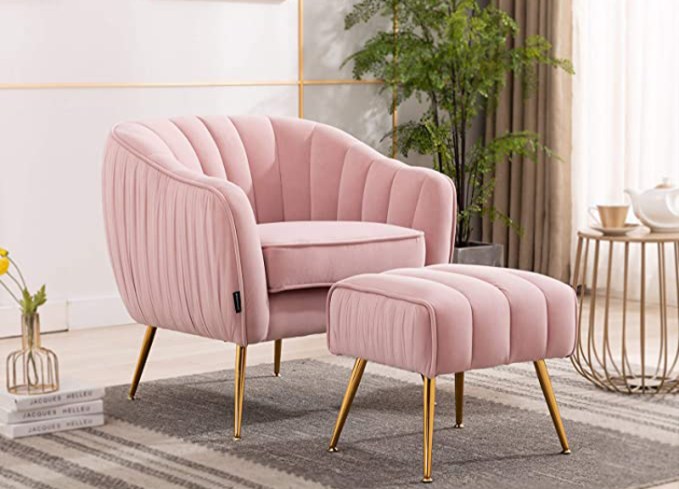
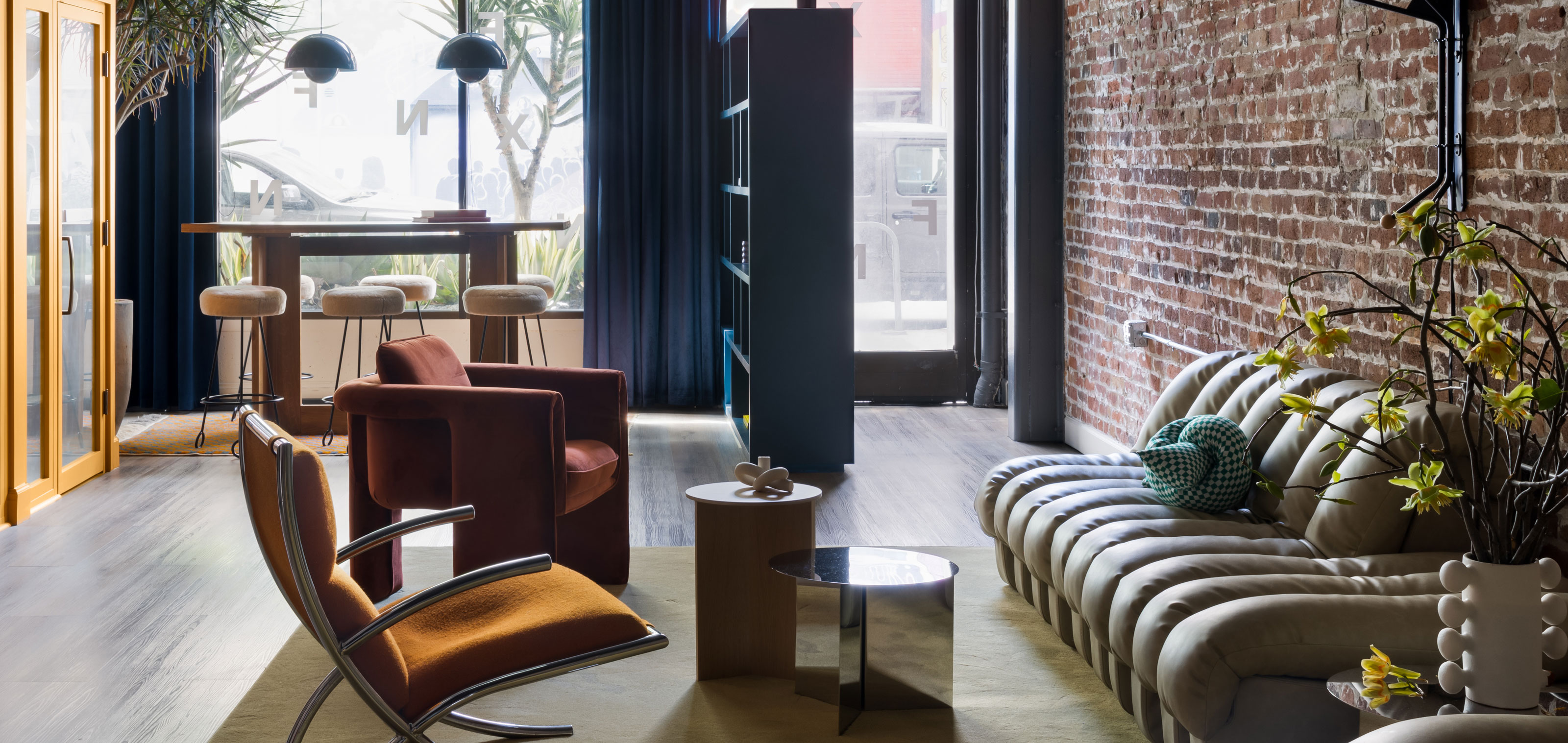
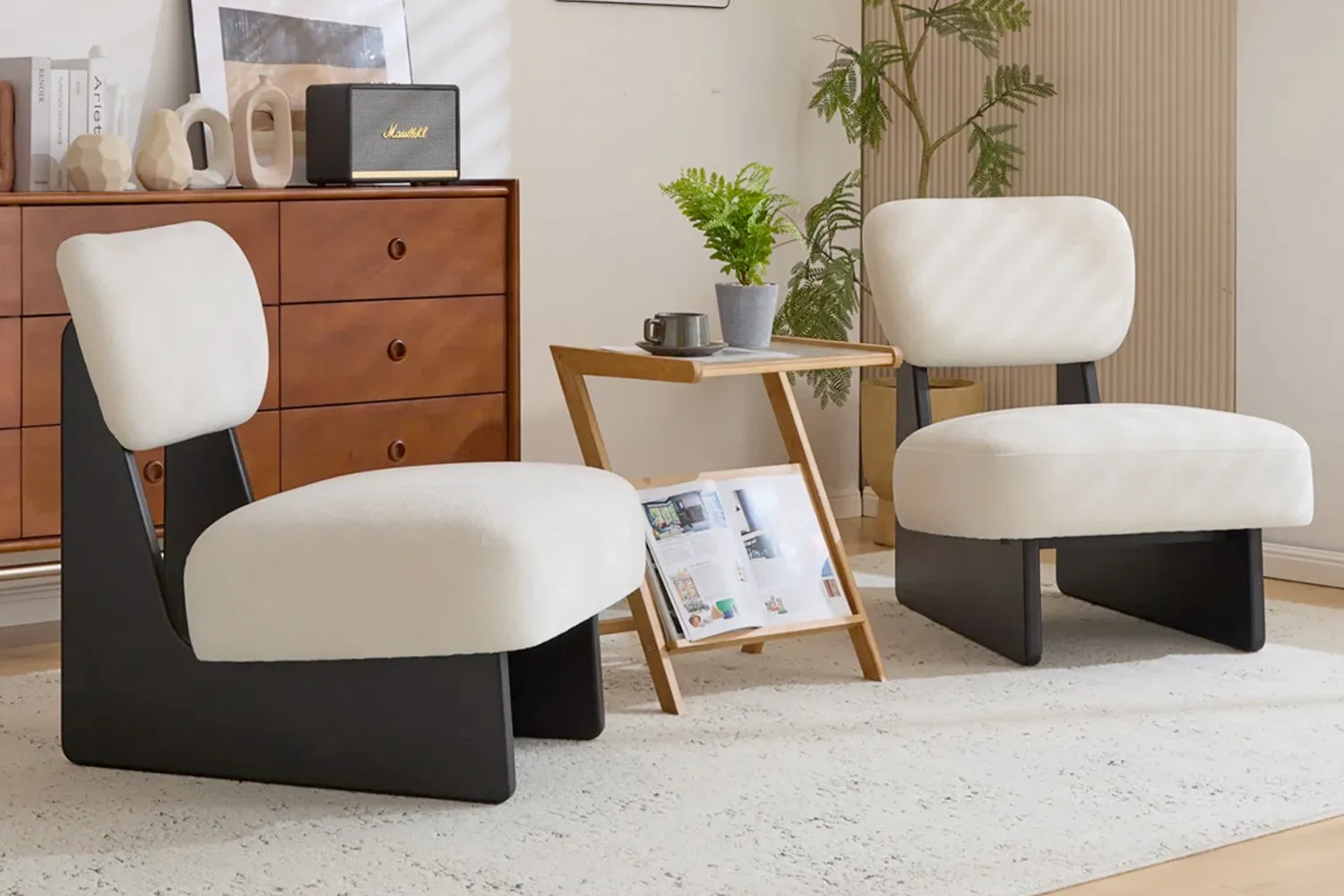
The article explores the growing trend of incorporating mismatched accent chairs into living room designs to enhance style and individuality. While traditional interior design often favored matching furniture sets, modern aesthetics embrace the curated look achieved by combining contrasting yet complementary accent chairs. This approach allows homeowners to infuse personality and a sense of collected history into their spaces, moving beyond the safe and often generic choice of matching sofas.
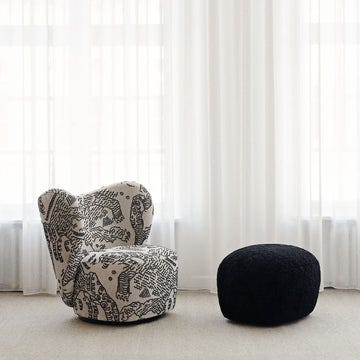
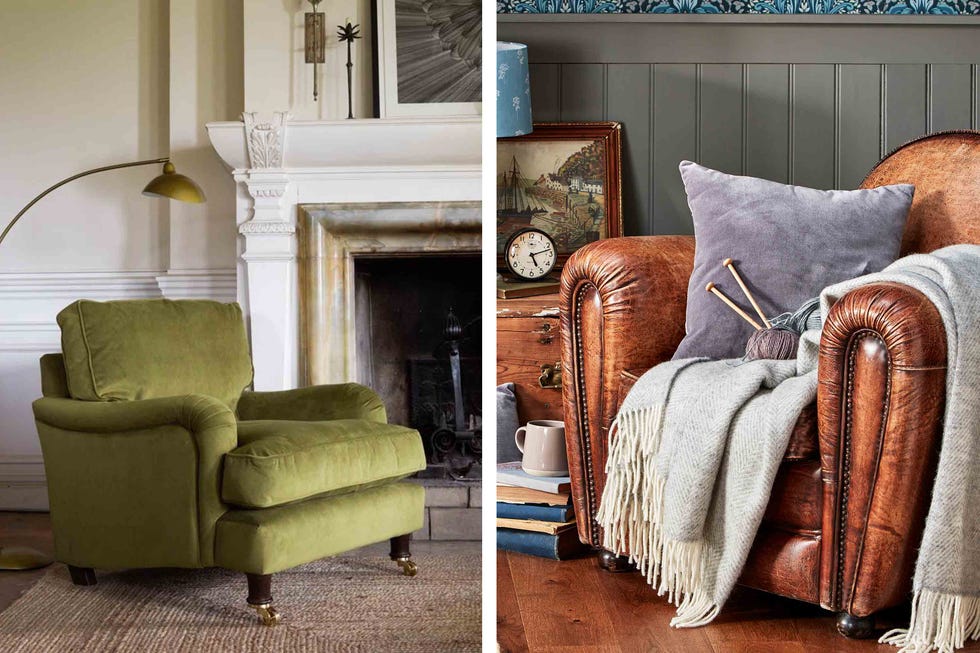
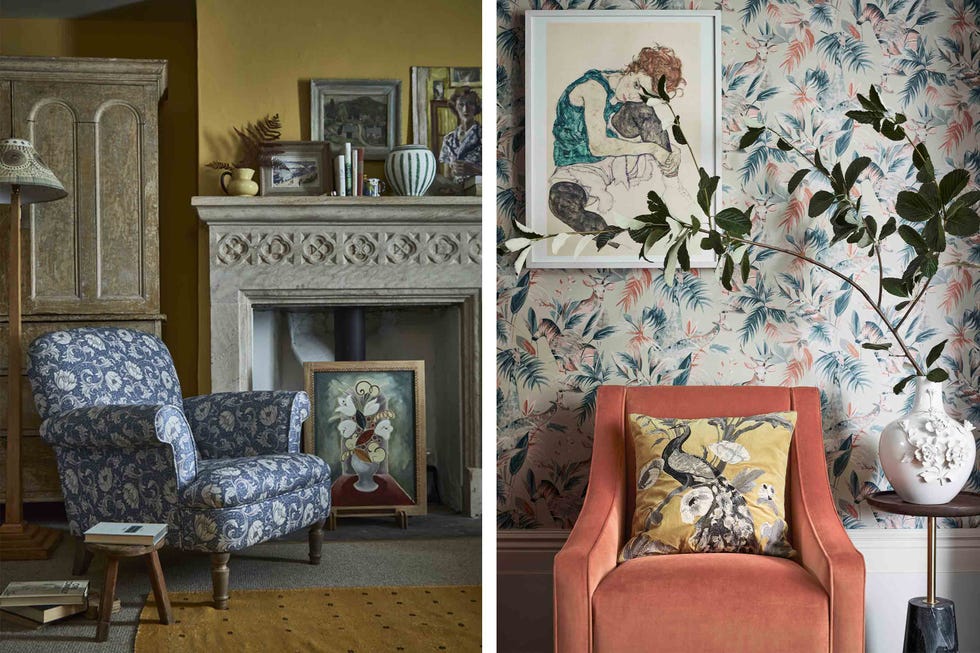
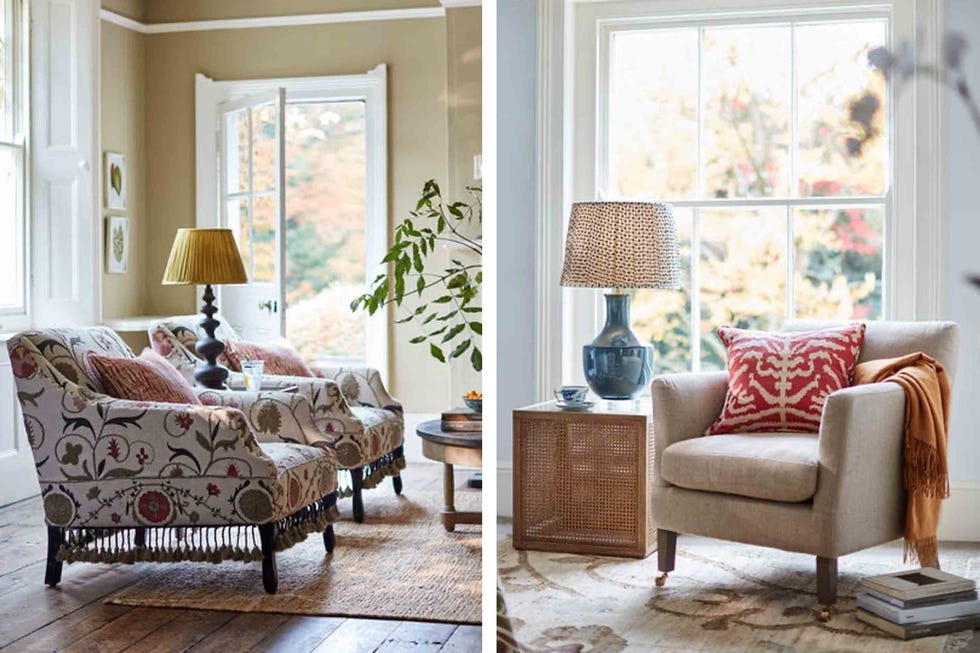
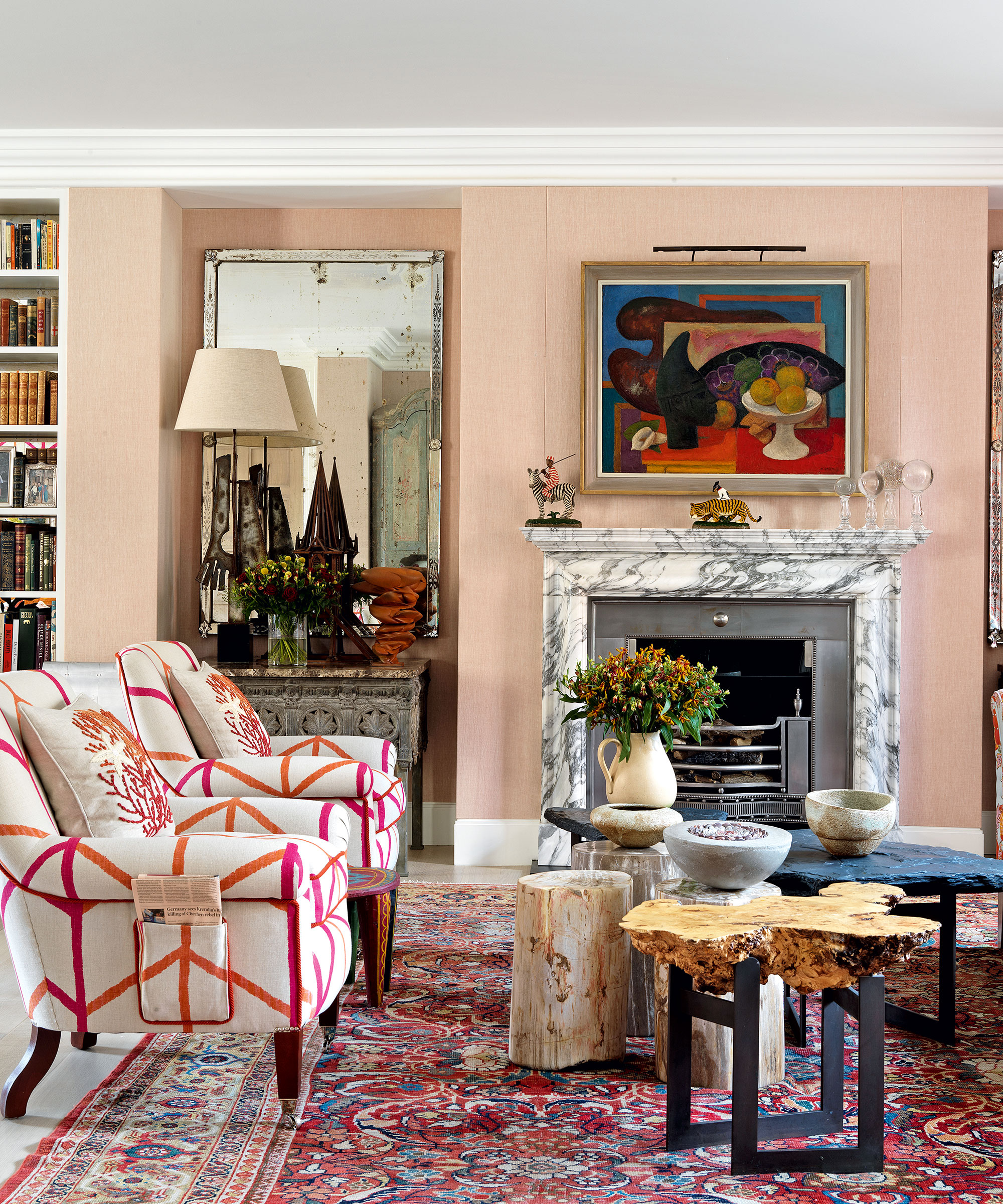
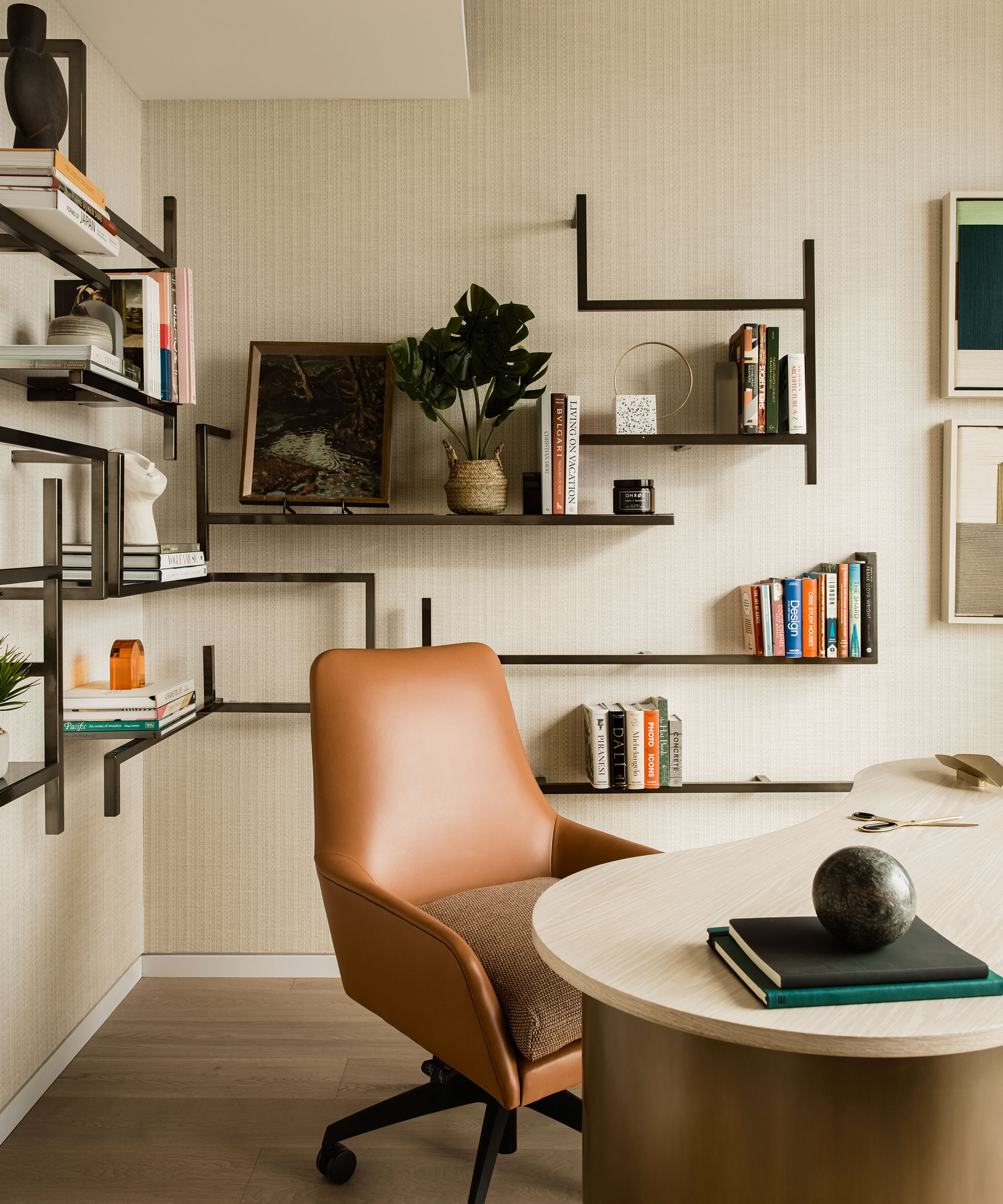
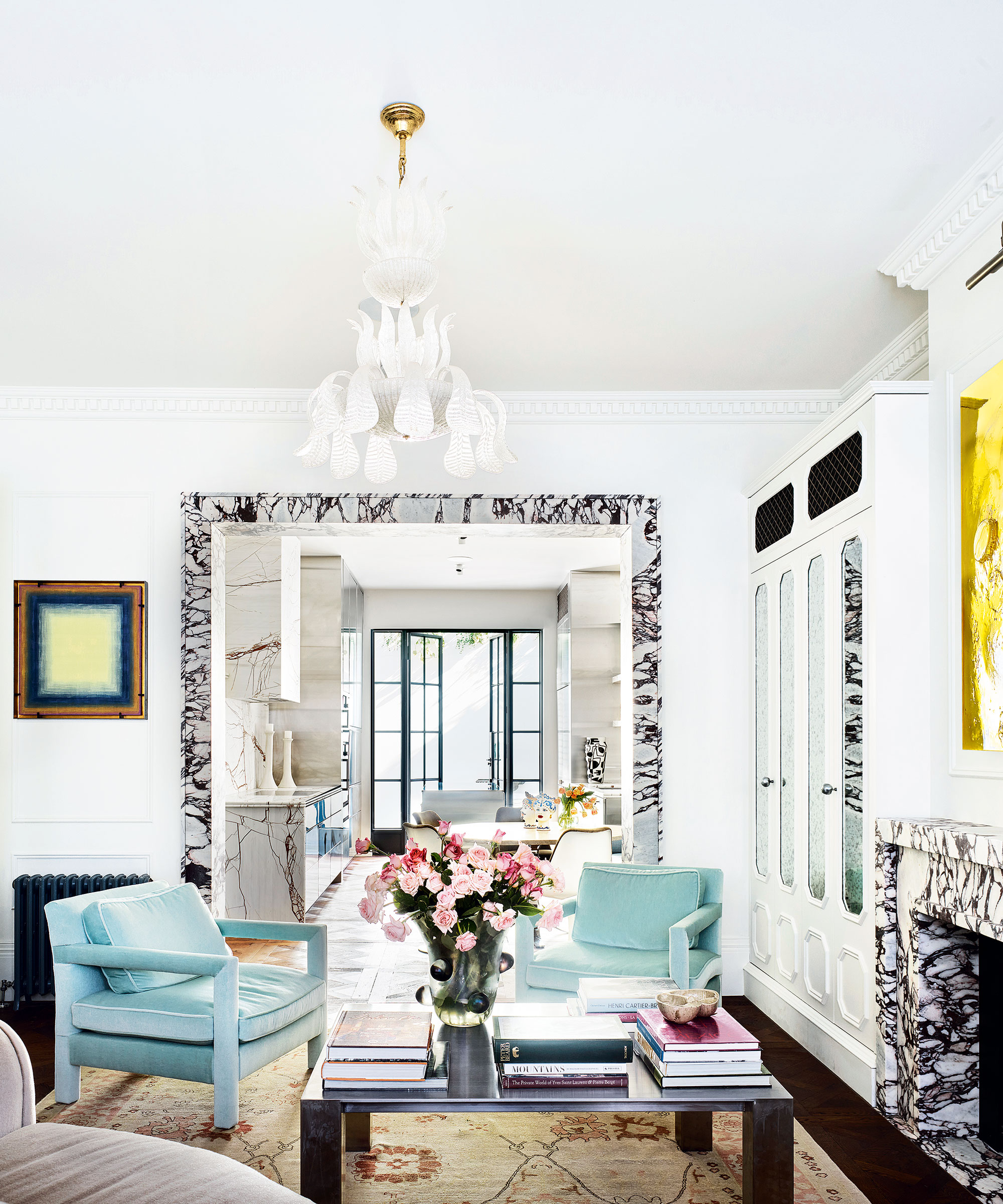
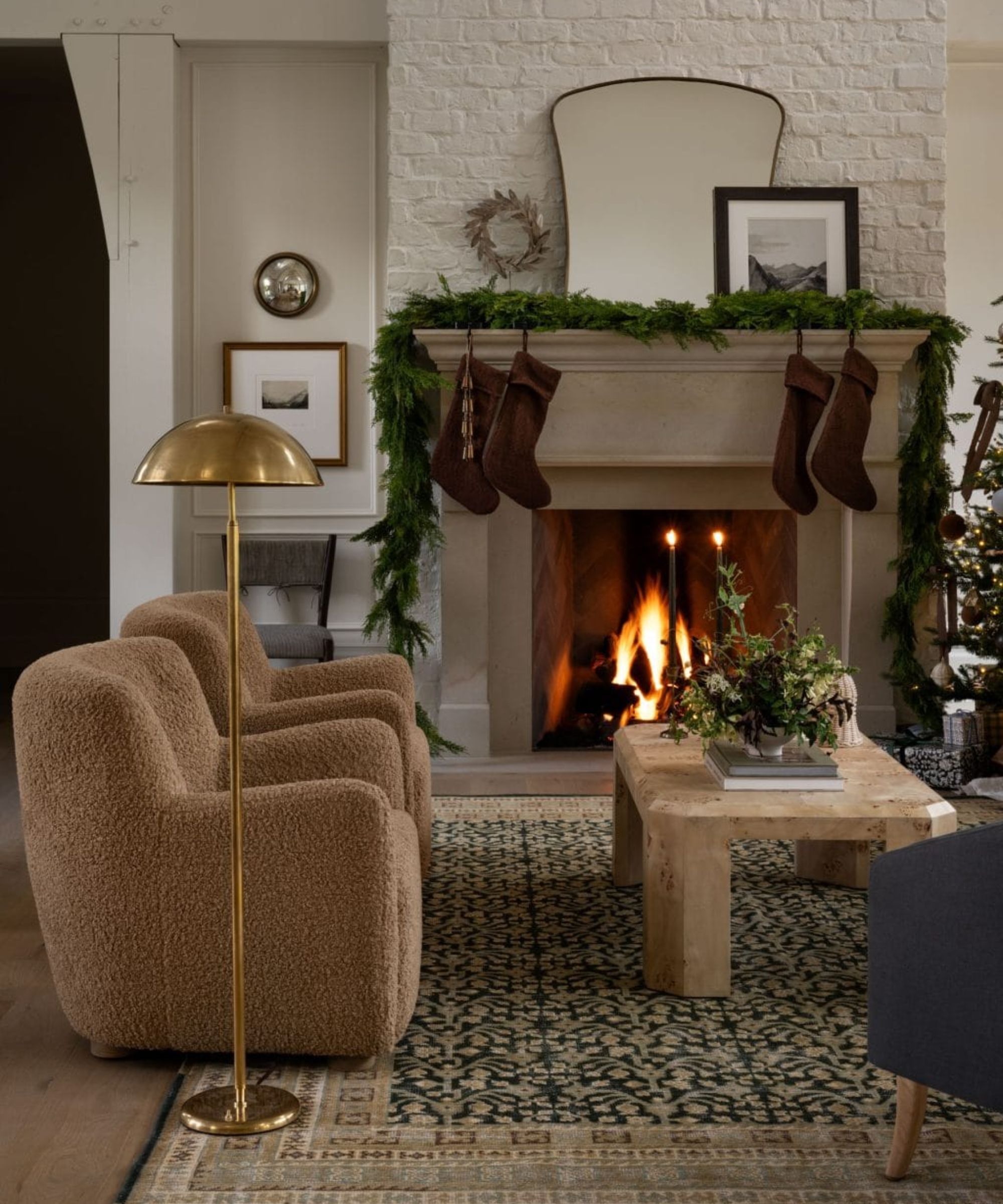
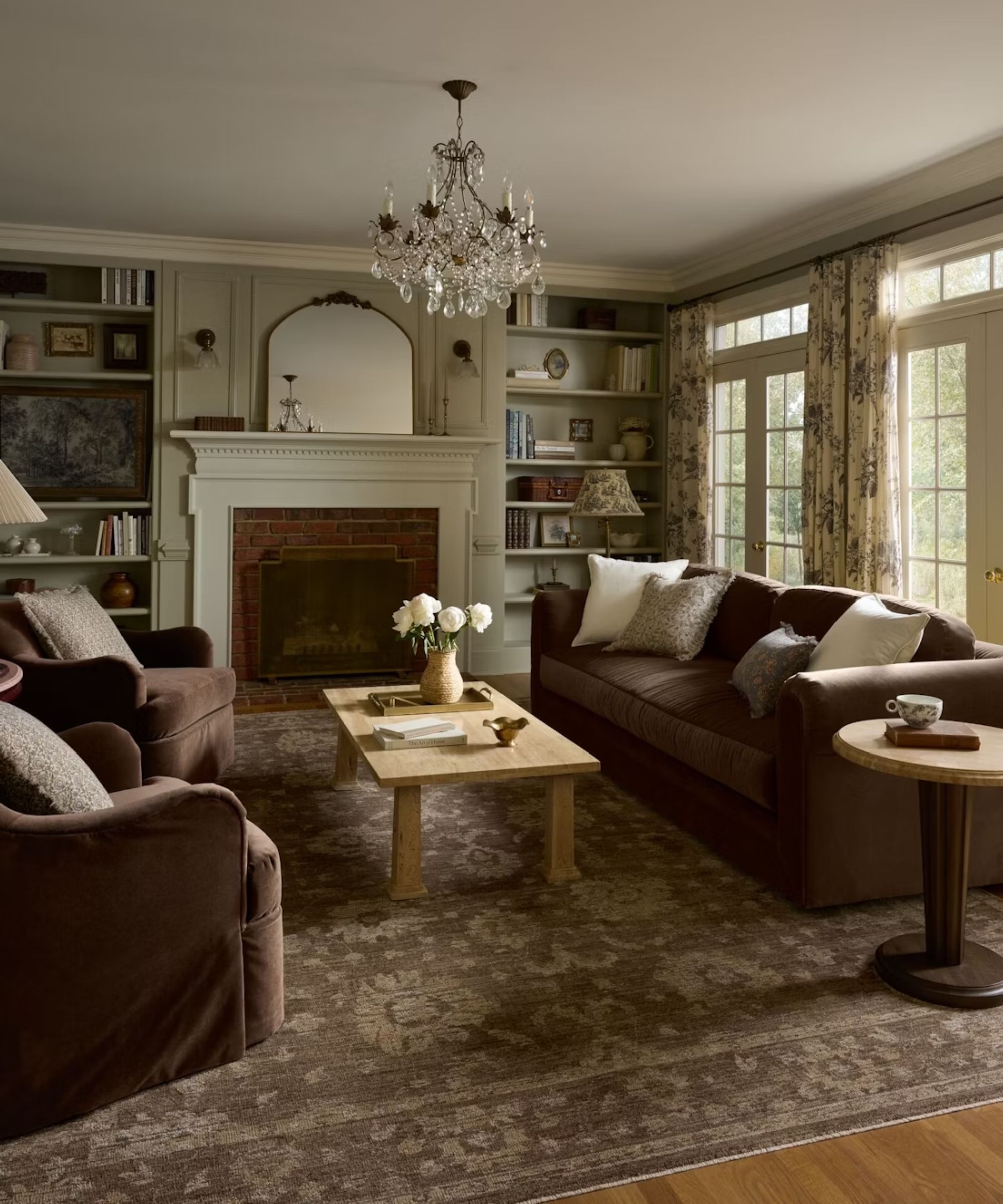
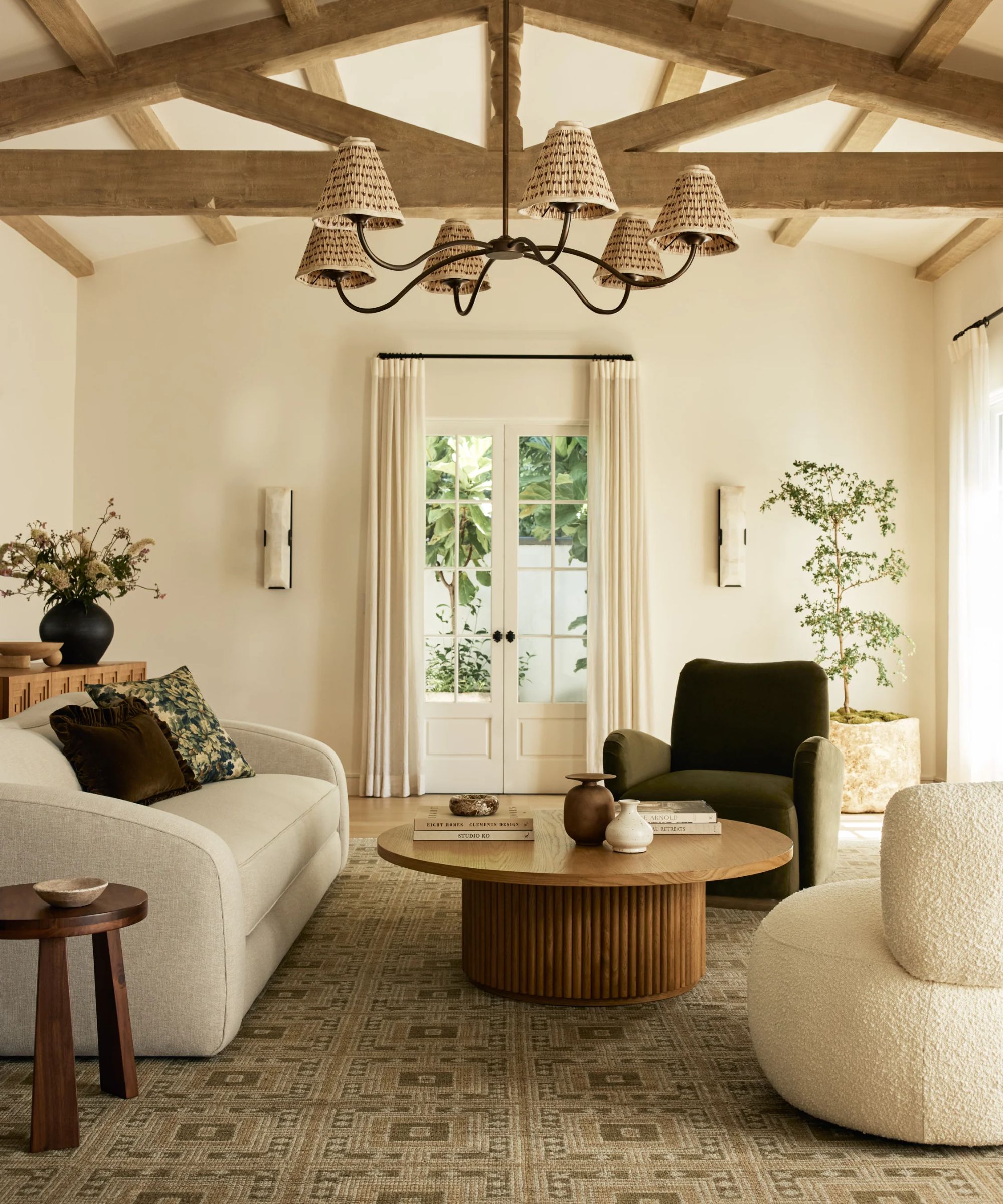
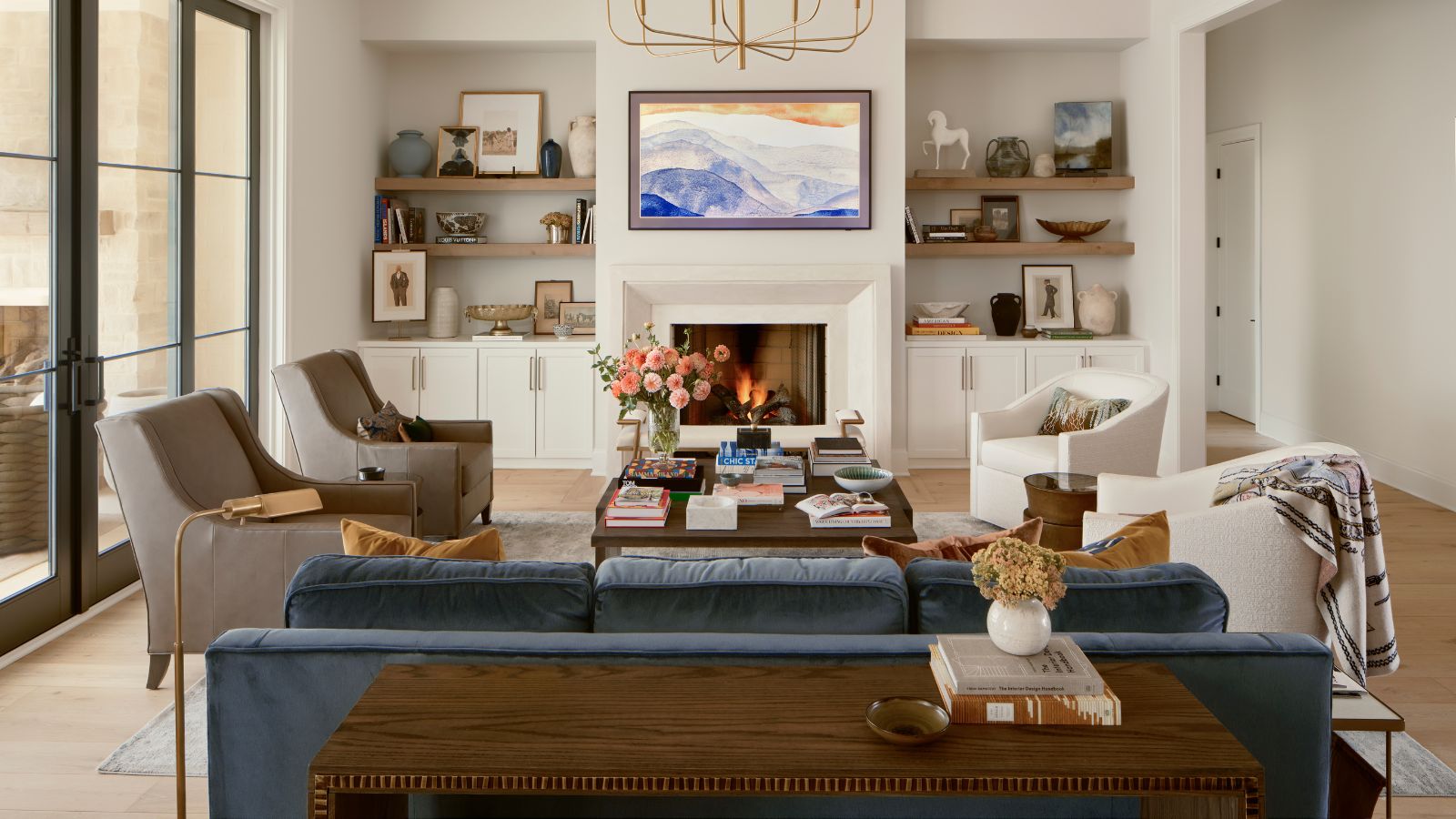
The core principle behind successfully integrating mismatched accent chairs lies in achieving a harmonious balance rather than a random assortment. Designers emphasize the importance of considering the entire seating arrangement holistically, ensuring that each piece, despite its differences, contributes to a cohesive overall design. Interior designer Cathie Hong suggests starting with the sofa as the foundational piece, chosen for its functional requirements and timeless style. From this base, interesting accent chairs and stools are introduced, varying in silhouette, textile, finish, and size to create a collected and balanced appearance. This intentional layering extends to other living room elements, such as coffee tables, lamps, and rugs, all of which should align with the desired aesthetic.
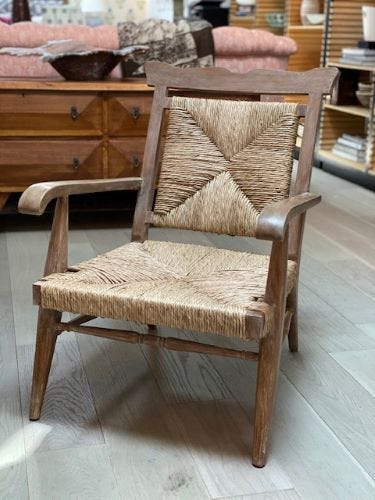
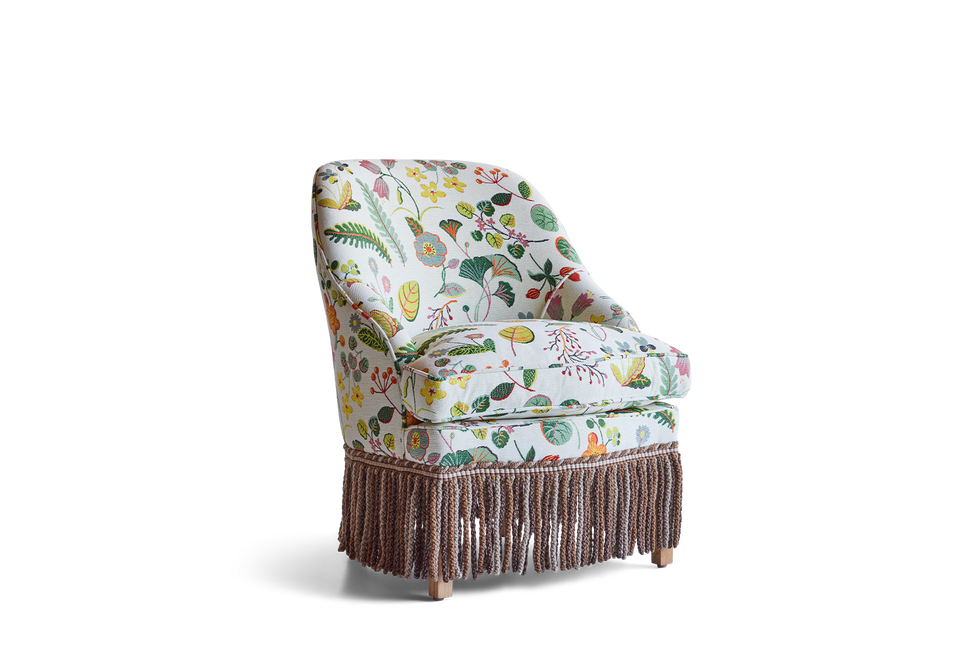
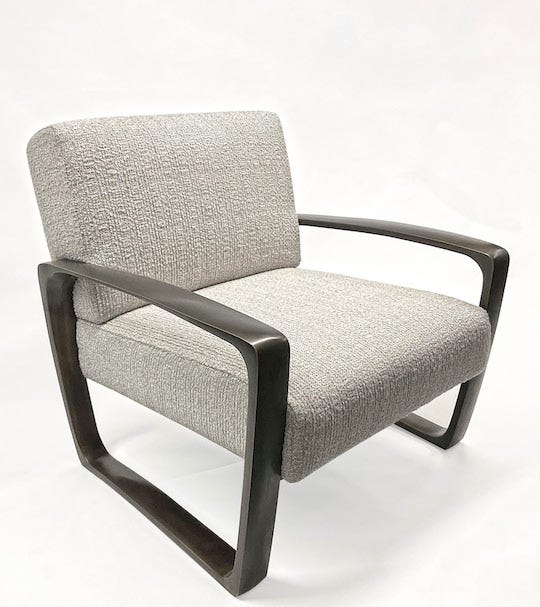
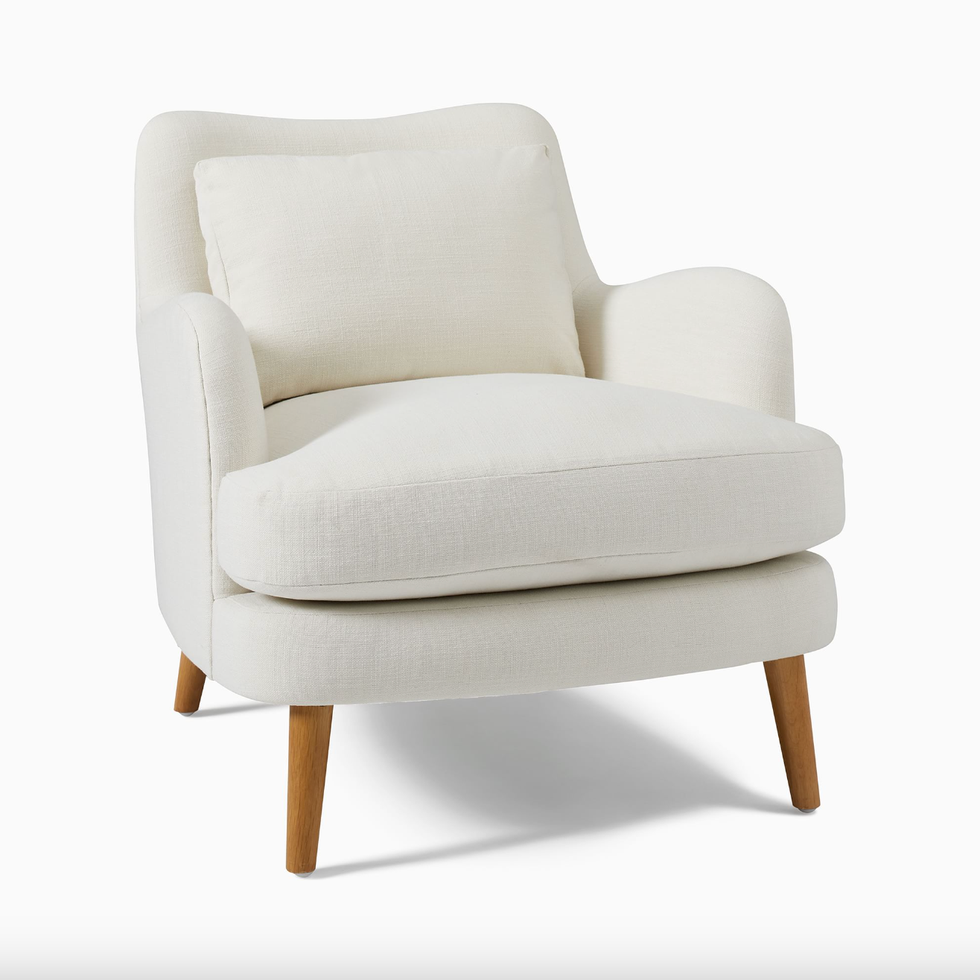
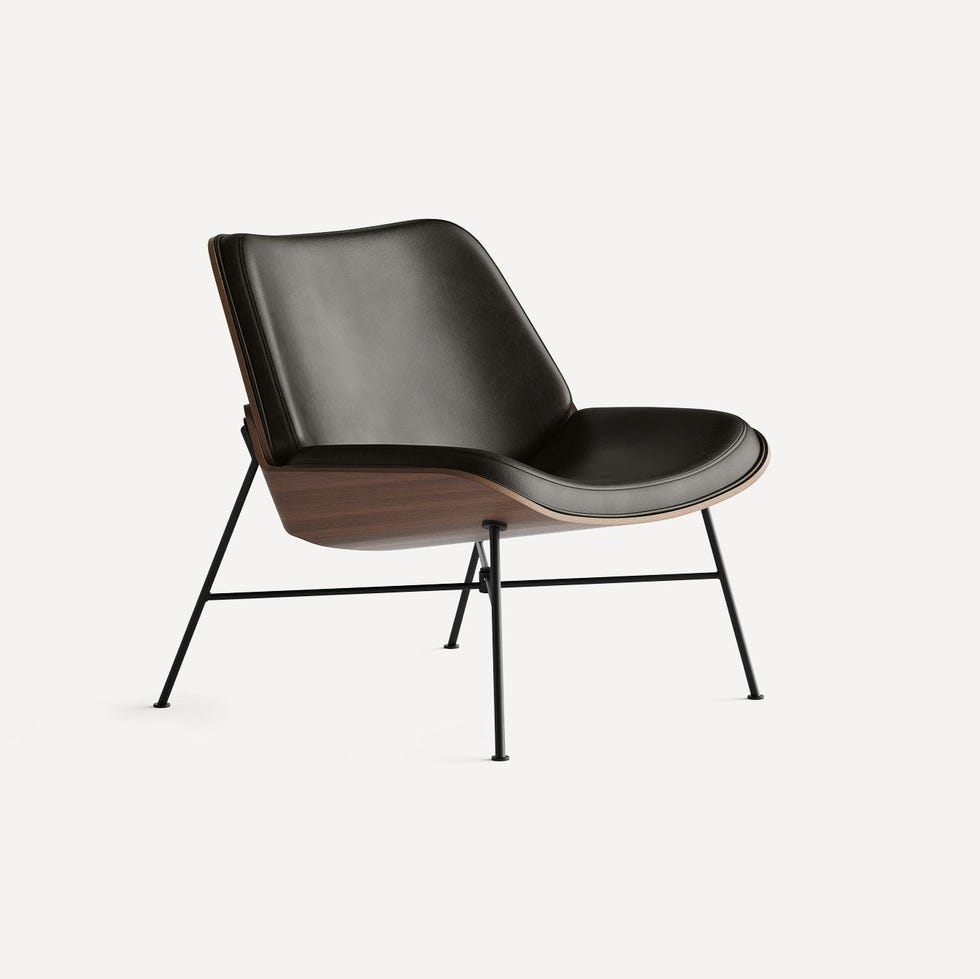
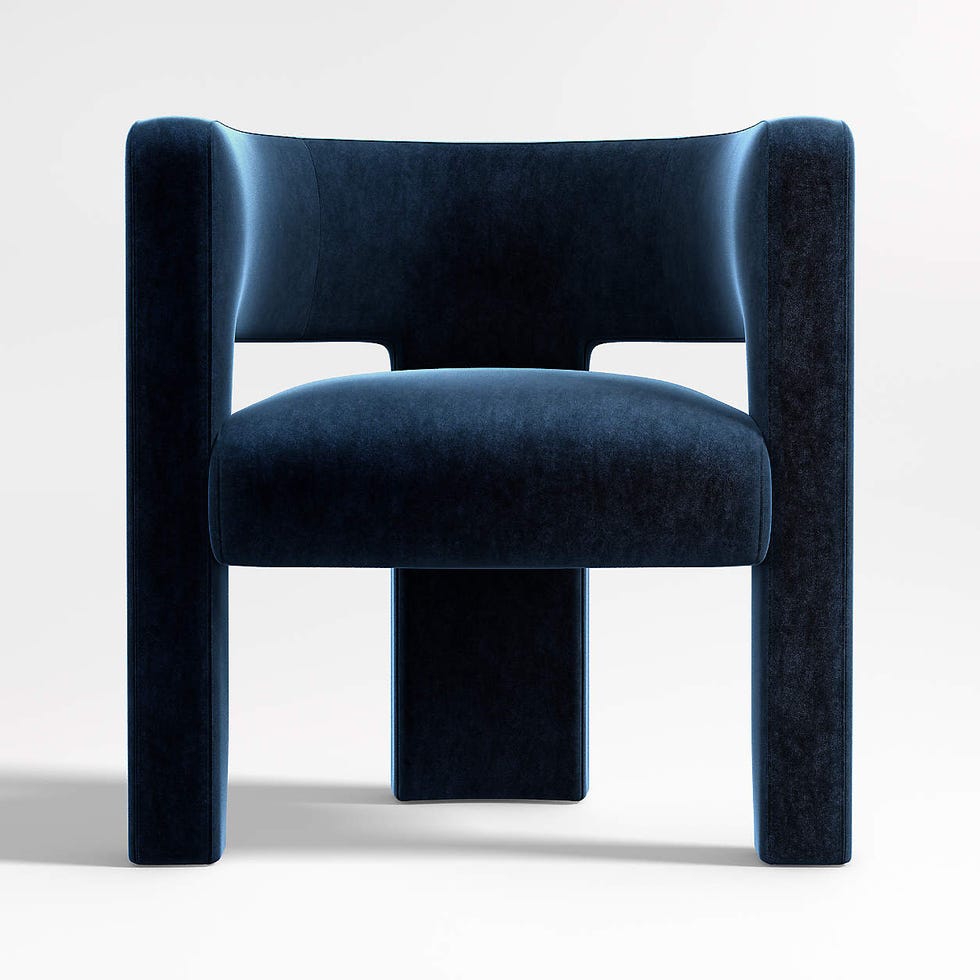
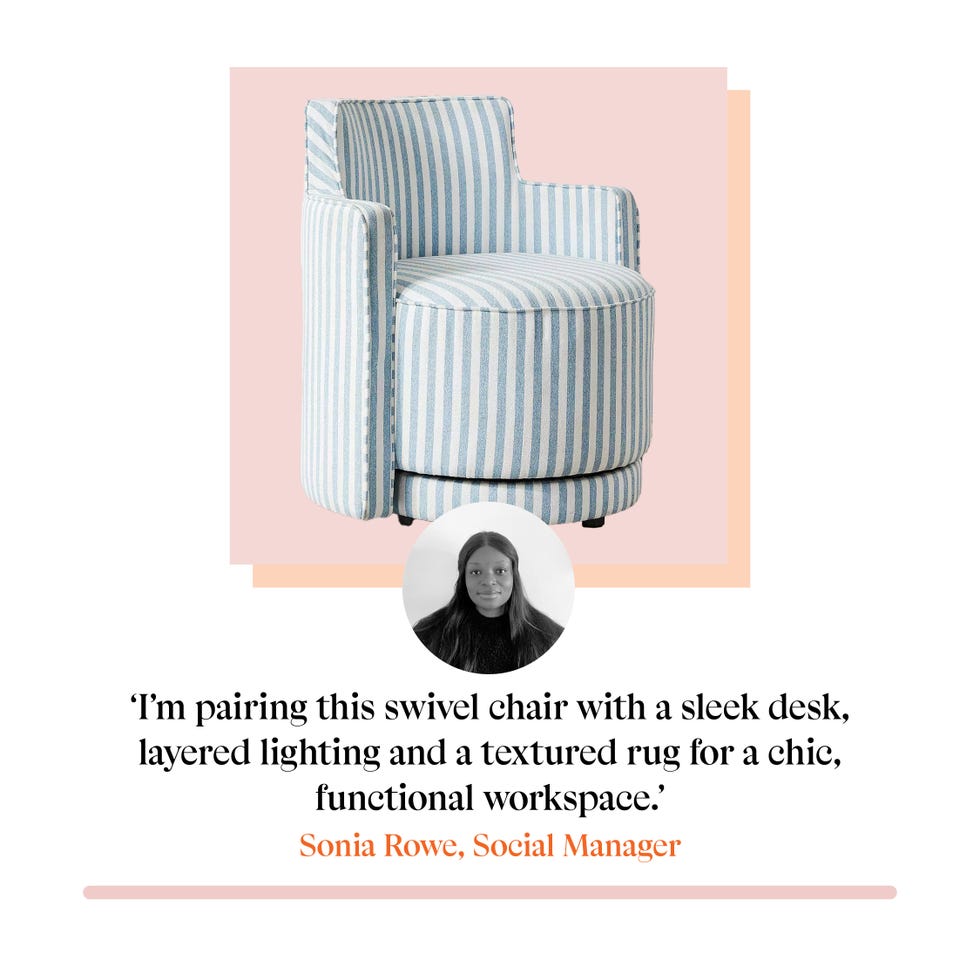
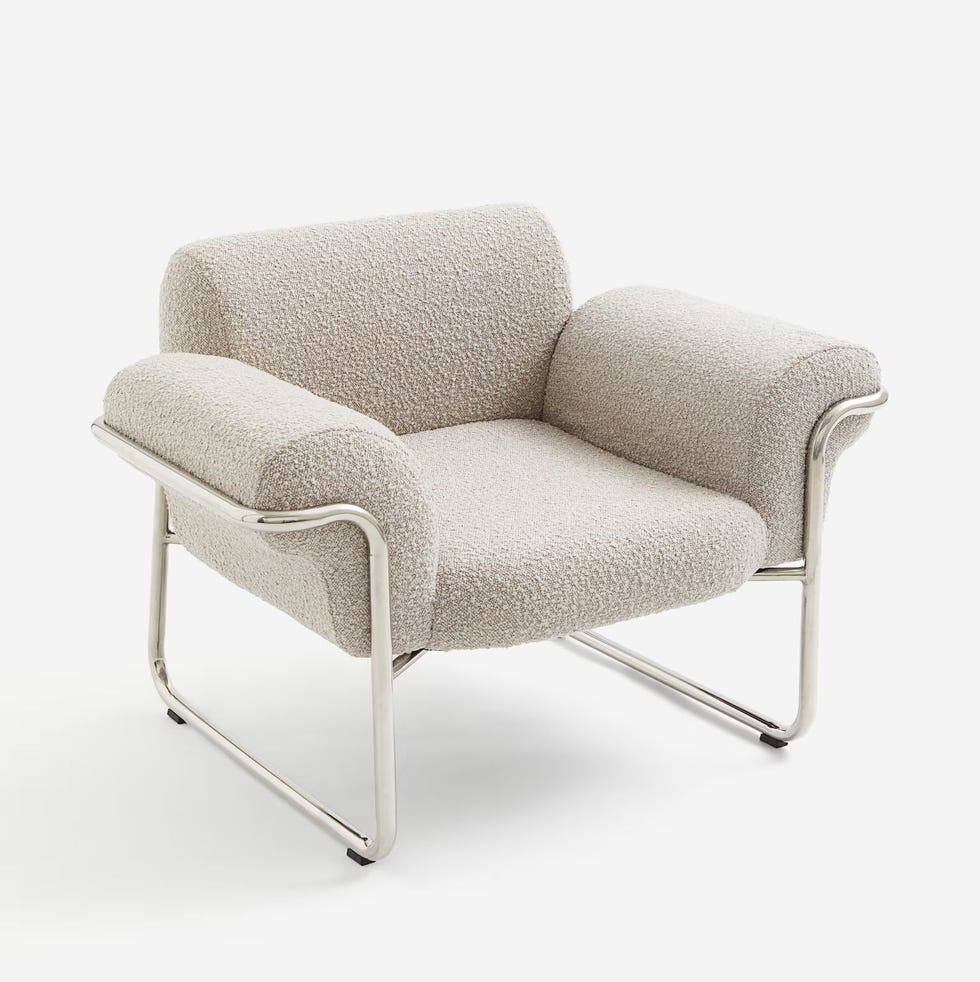
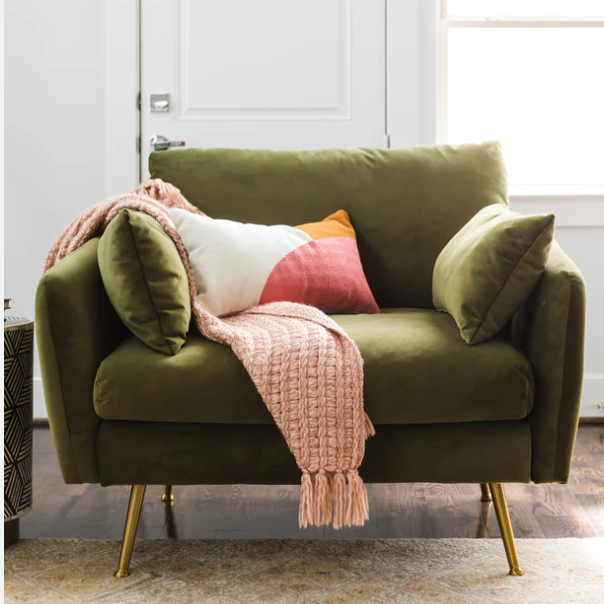
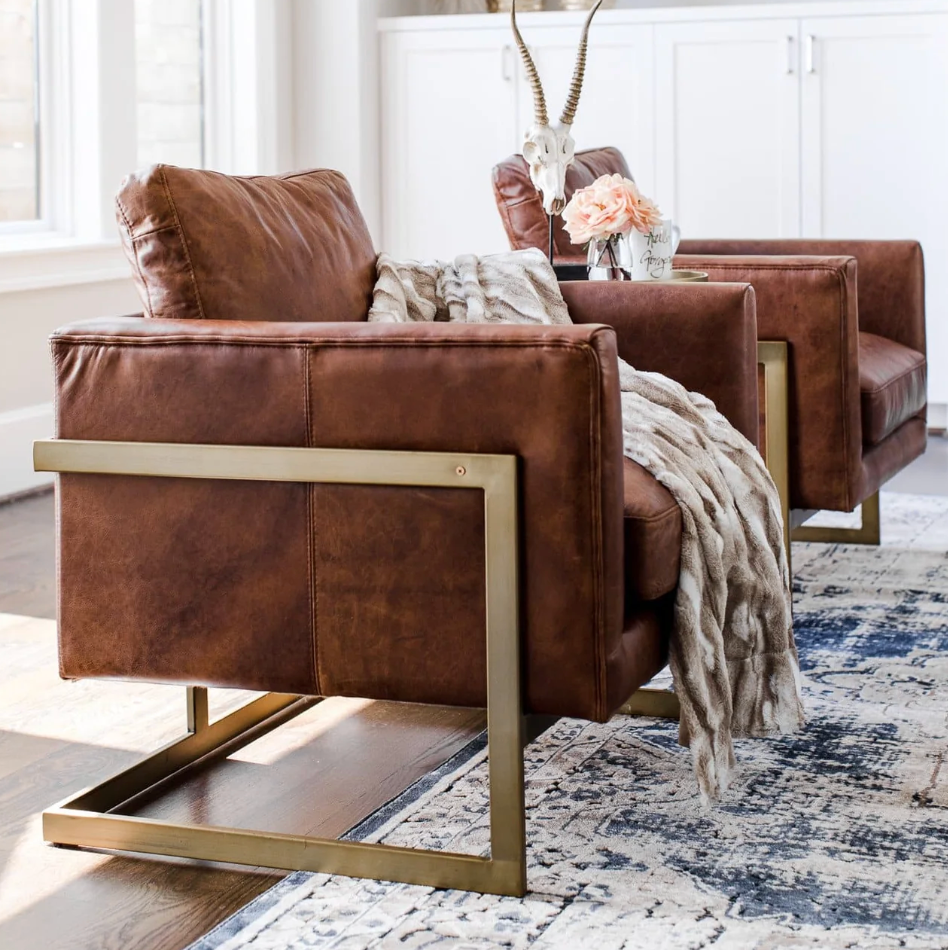
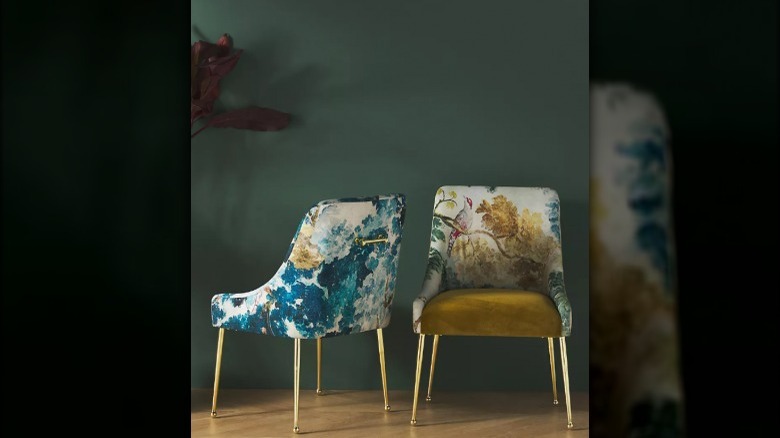
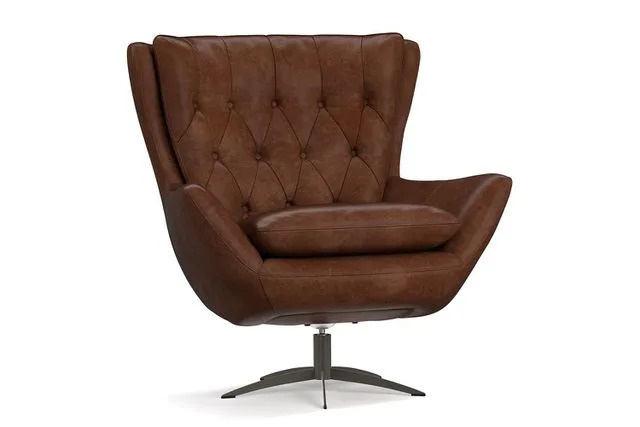
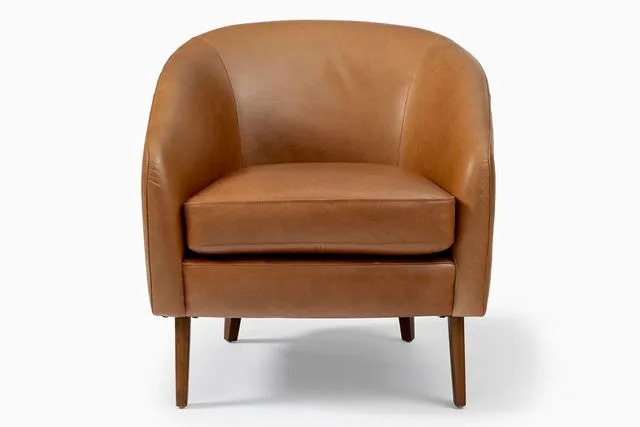
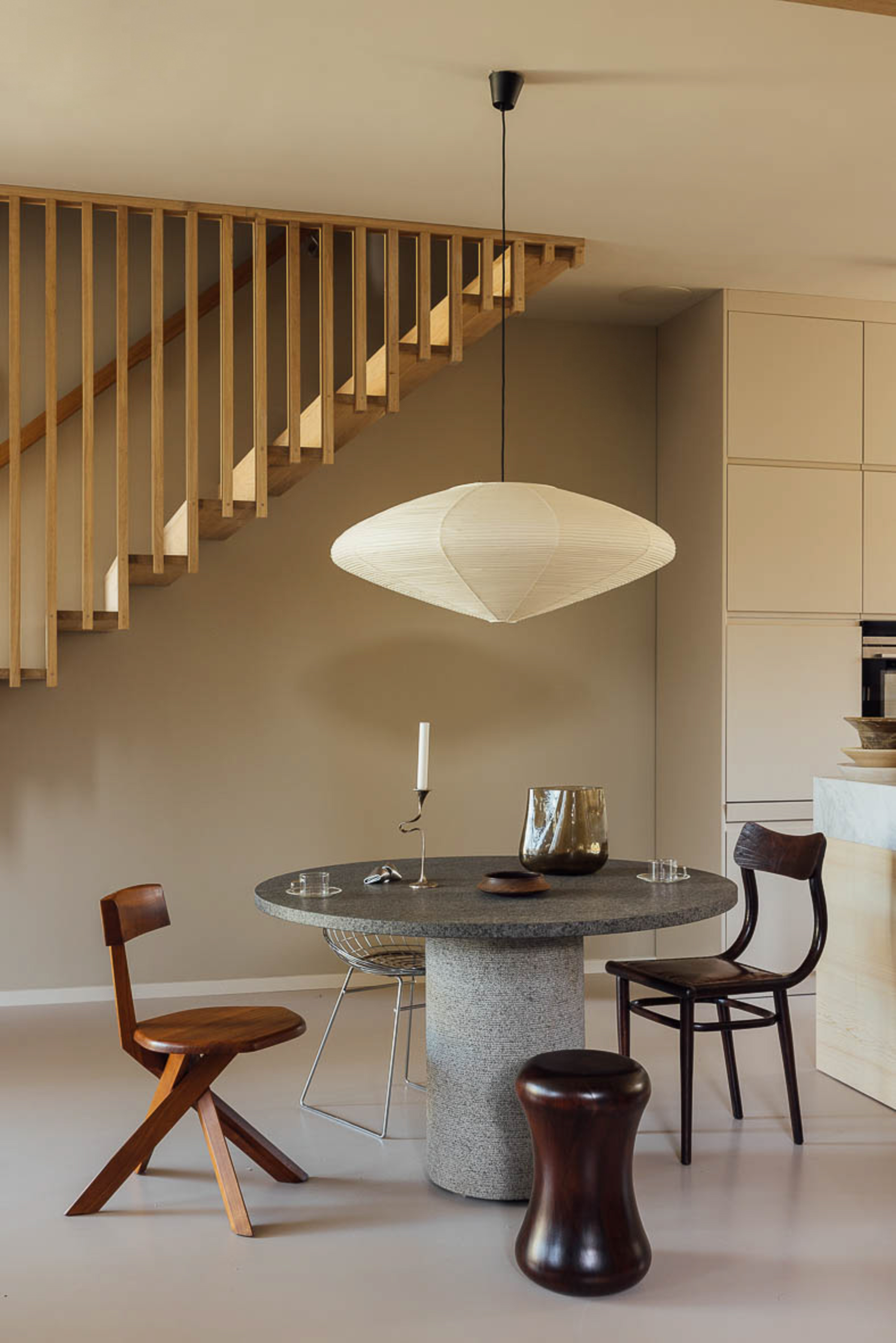
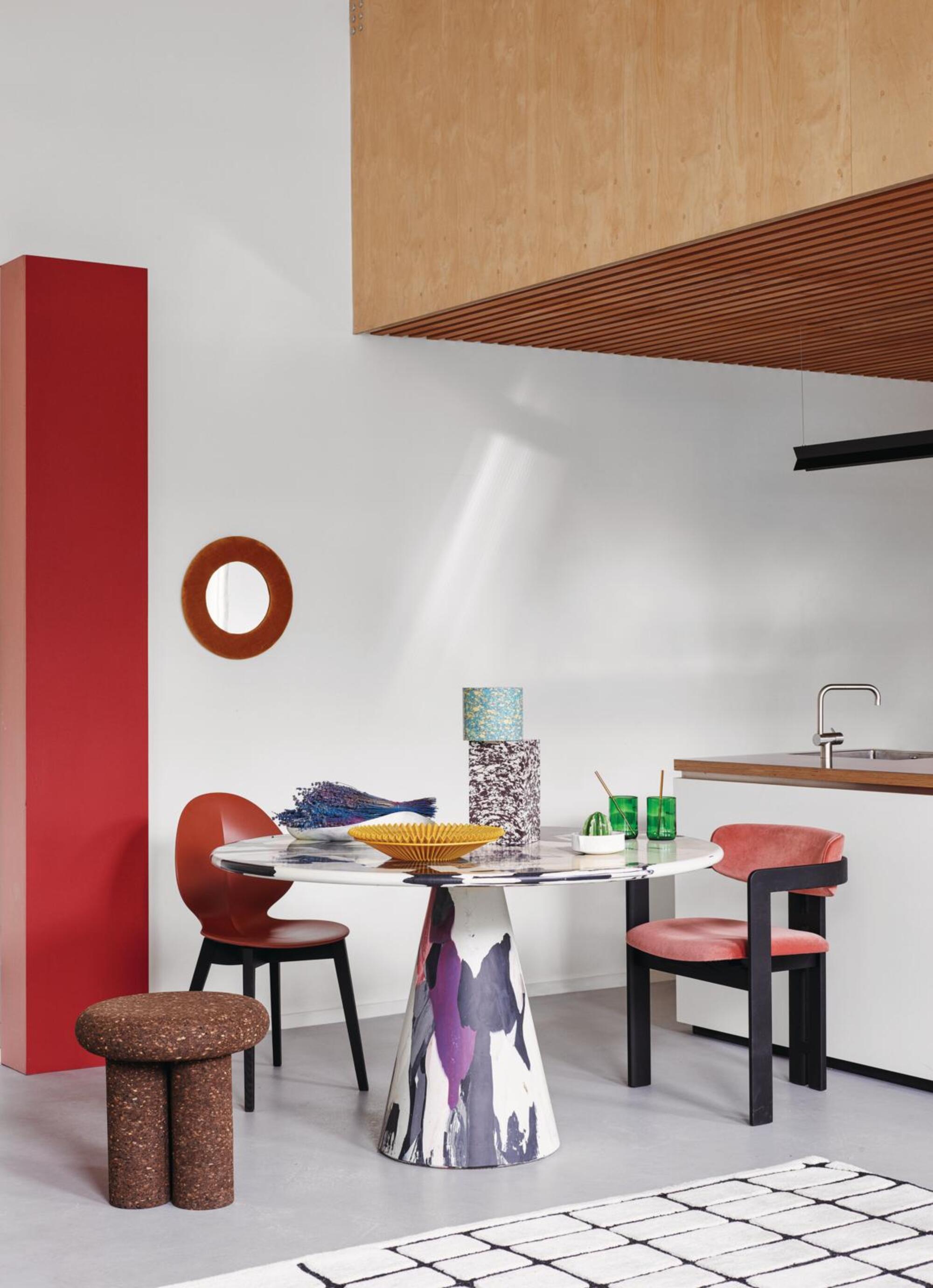
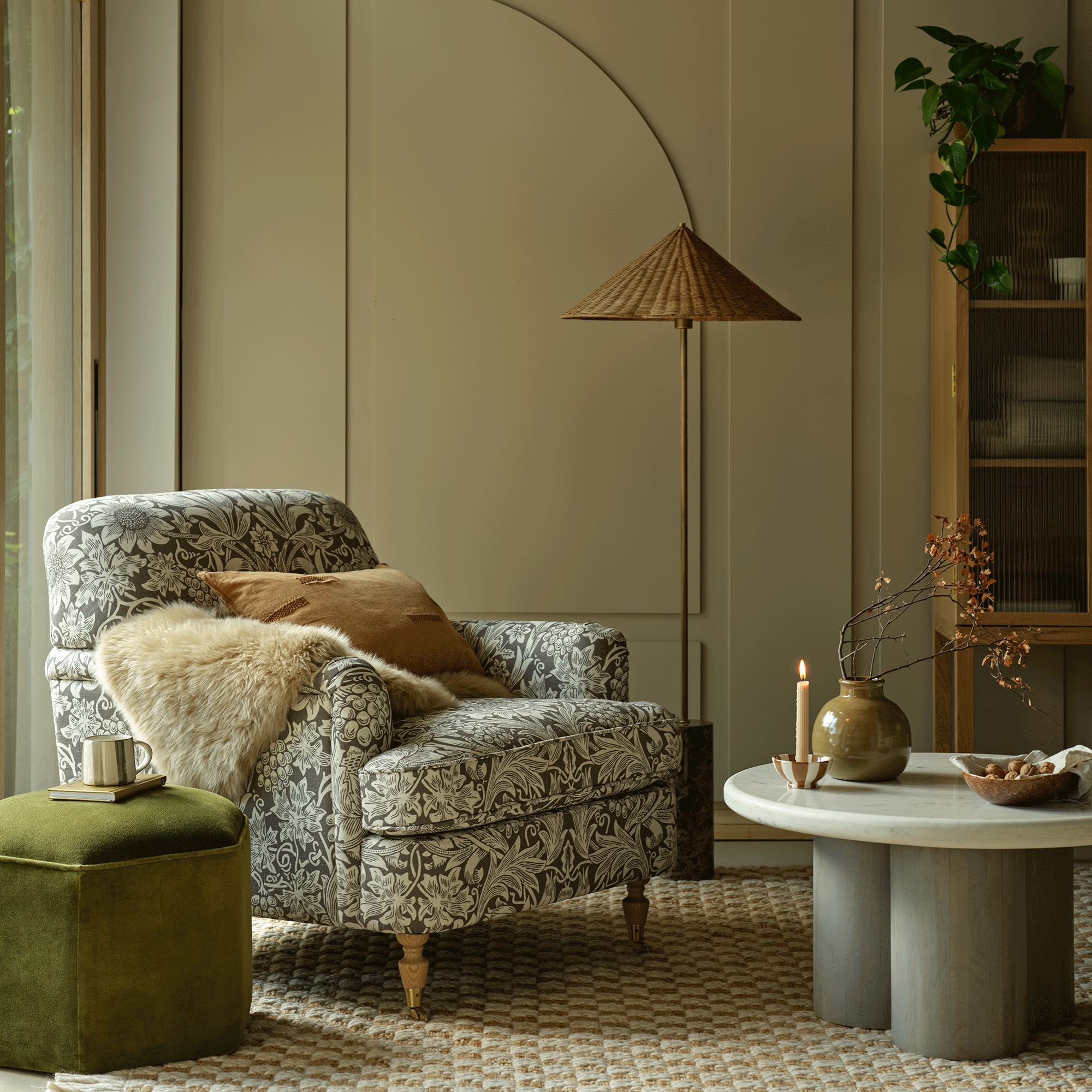
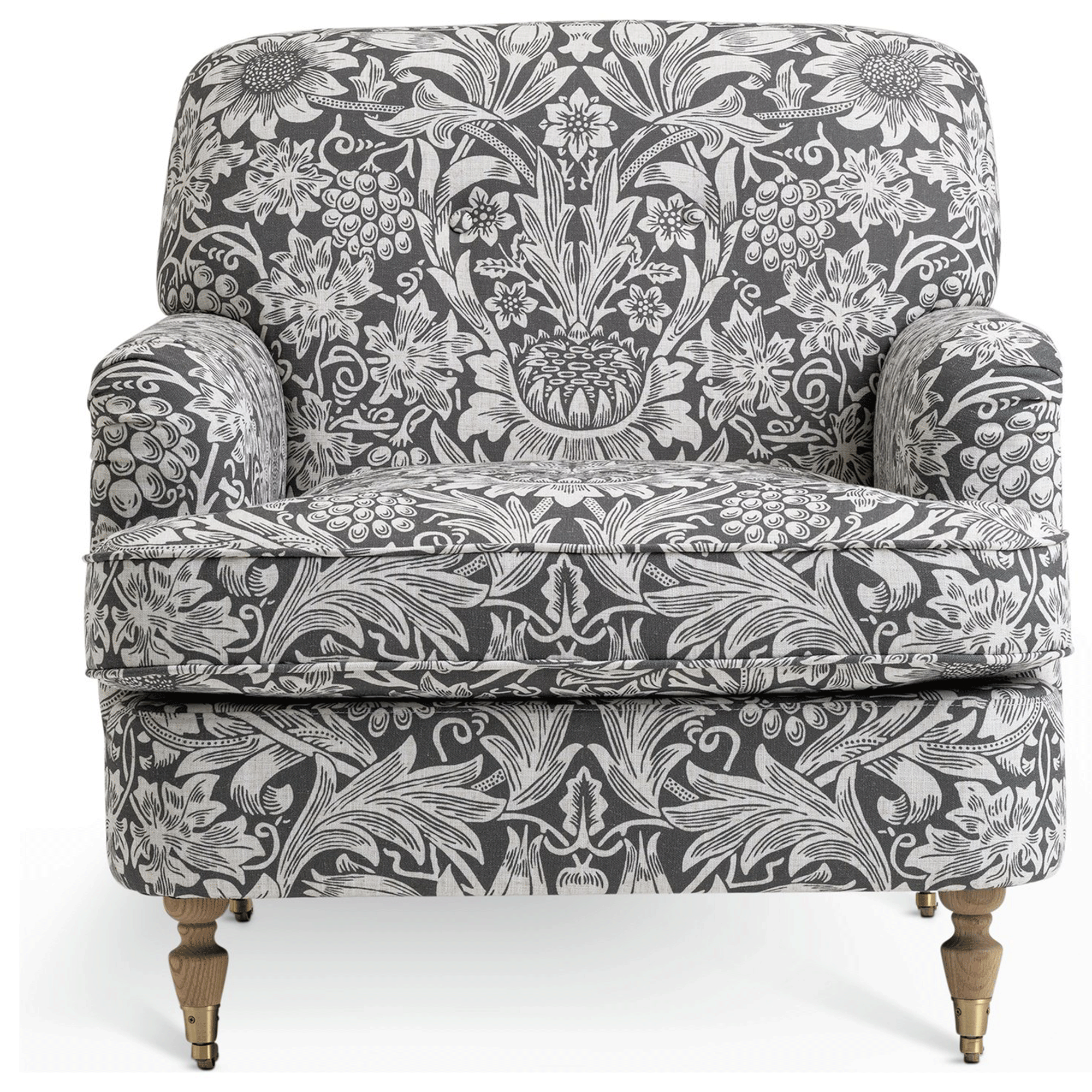
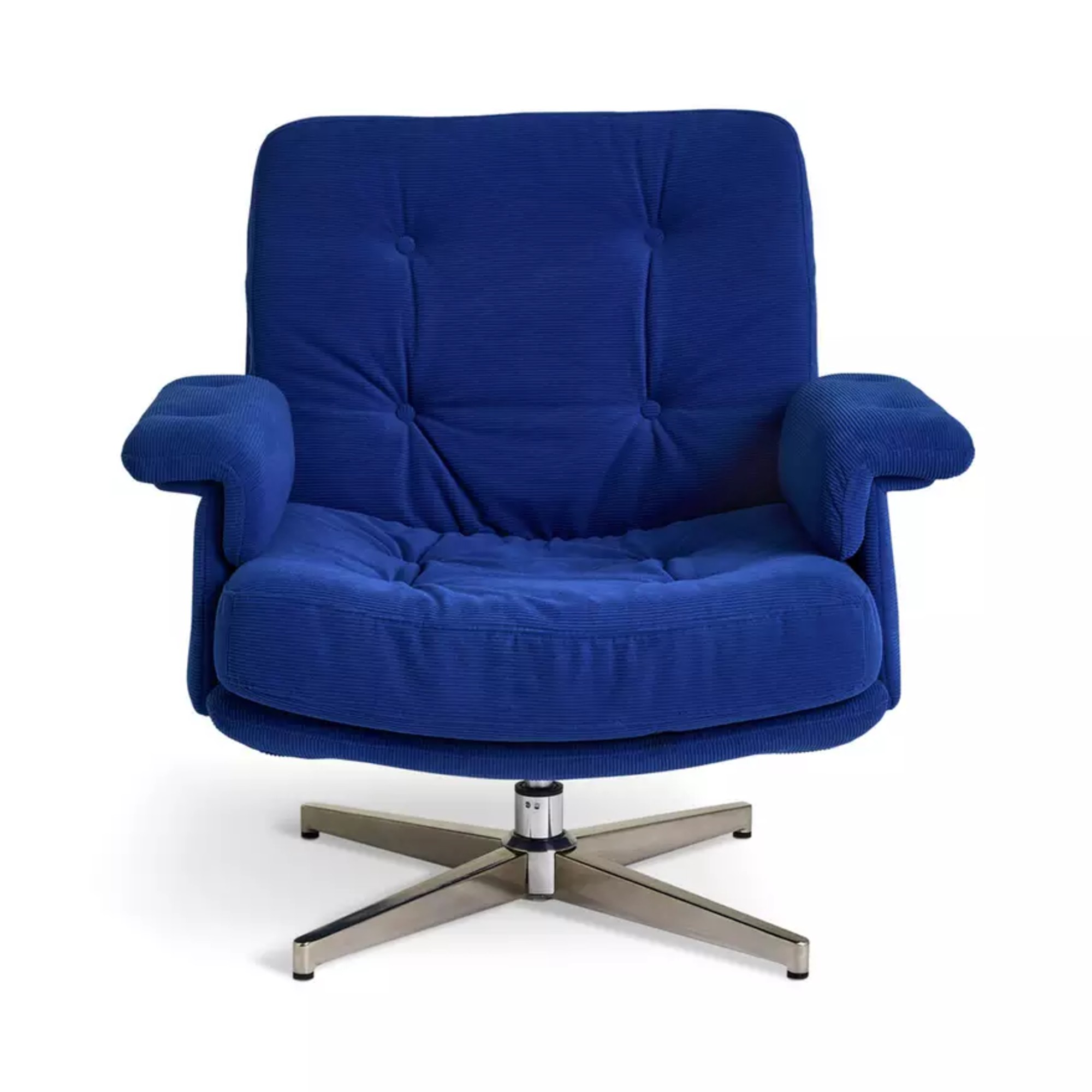
Brit Epperson, founder of Studio Plow, offers a practical framework for selecting mismatched chairs by identifying common threads that tie them together. These threads can include color, material, shape, and style. When considering color, the goal is not necessarily identical hues but rather a complementary palette or tonal shades that relate to the main sofa. This creates a subtle visual connection. For materials, a mix of textures adds depth, but designers advise ensuring the chosen fabrics tell a similar story—for example, pairing linen and boucle for a modern minimalist feel, or velvet and leather for a bolder, more maximalist look. Avoiding jarring contrasts in material helps maintain cohesiveness. Small details like metal or wood finishes can also serve as unifying elements.
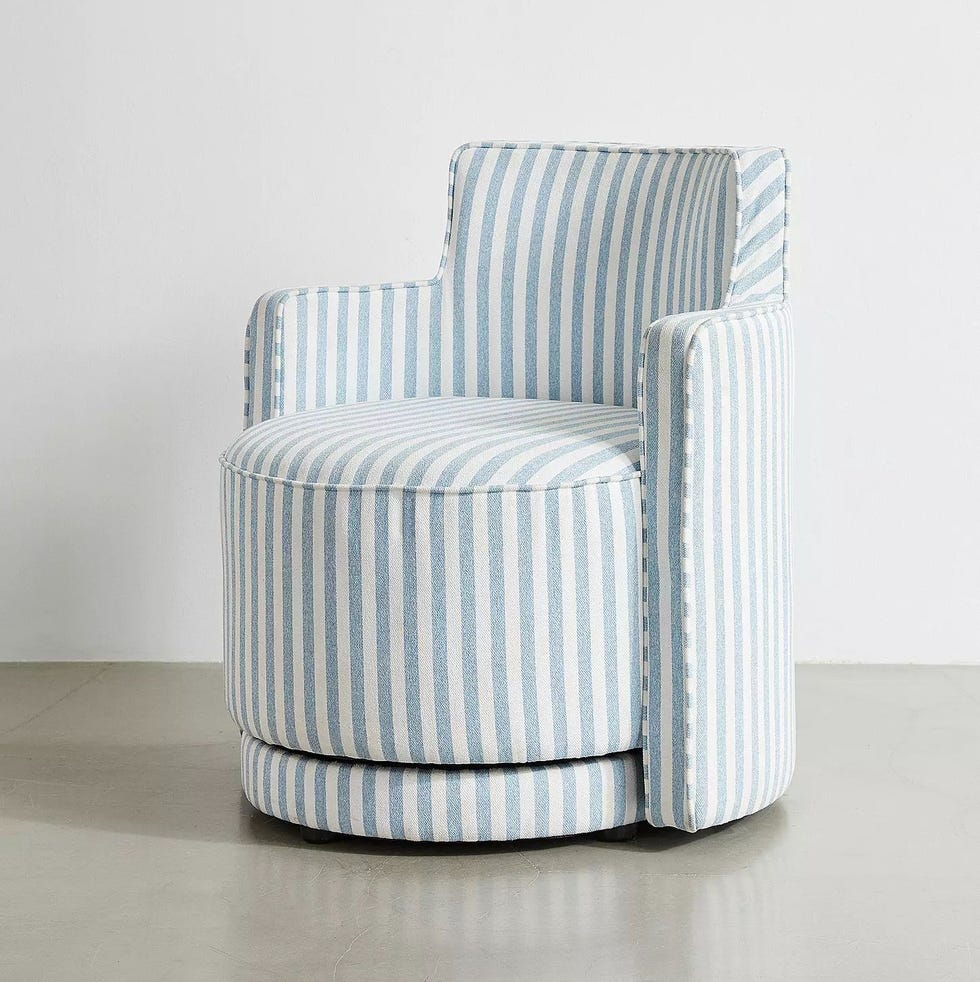
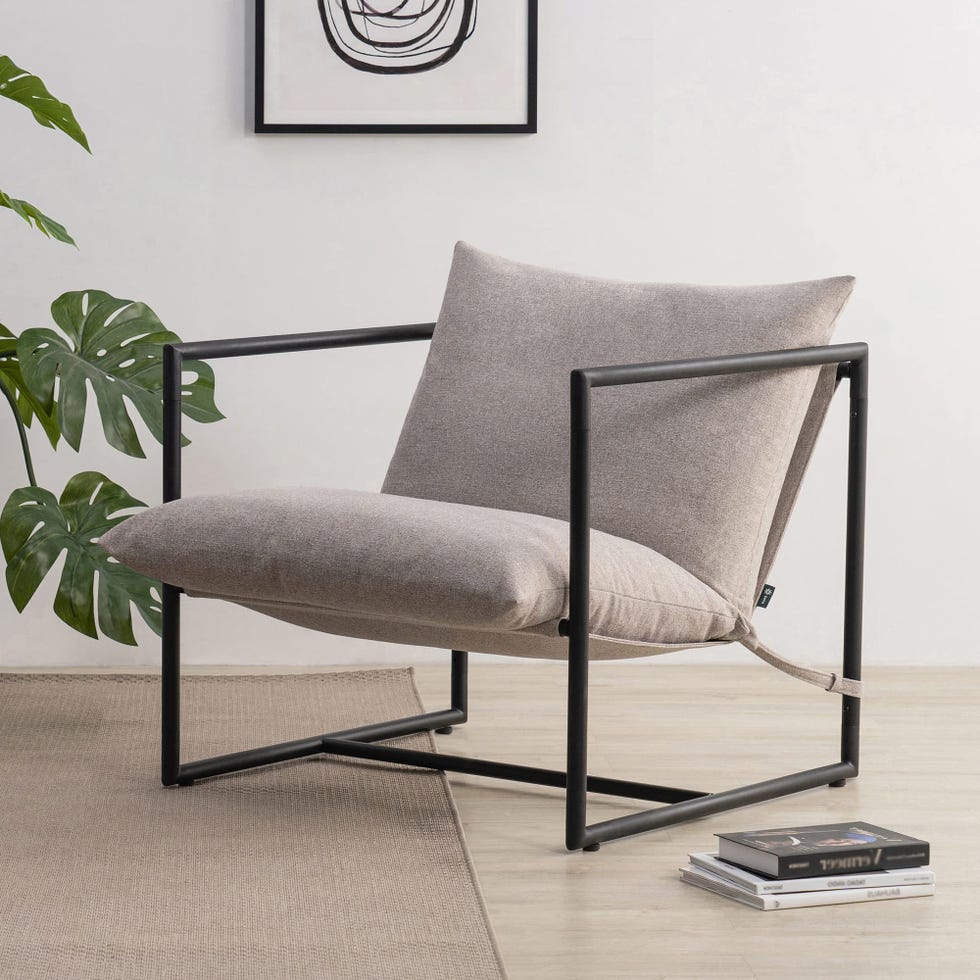
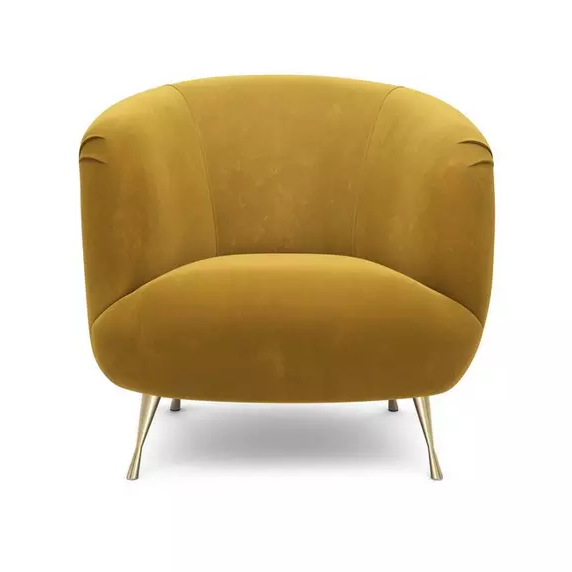
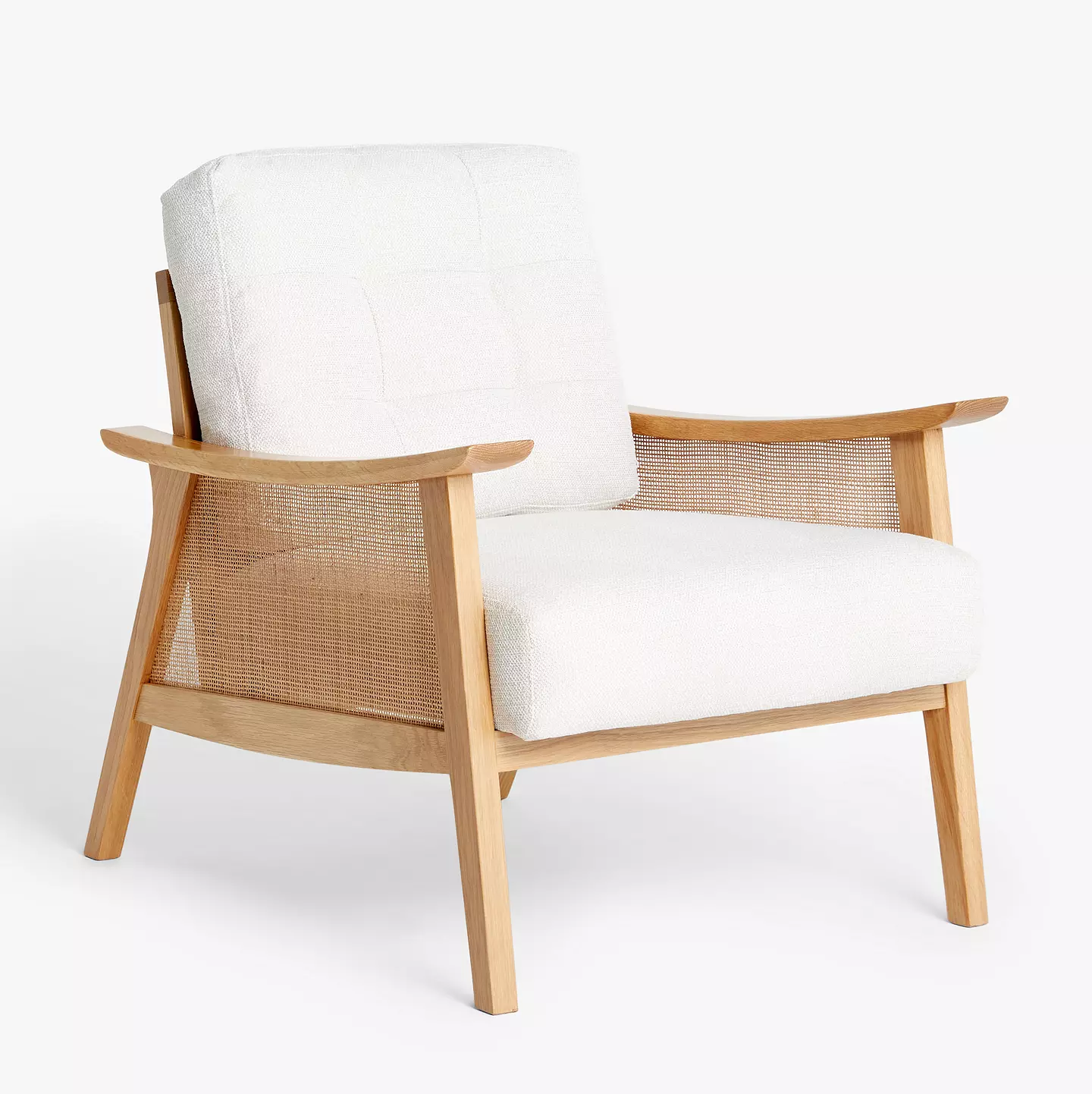
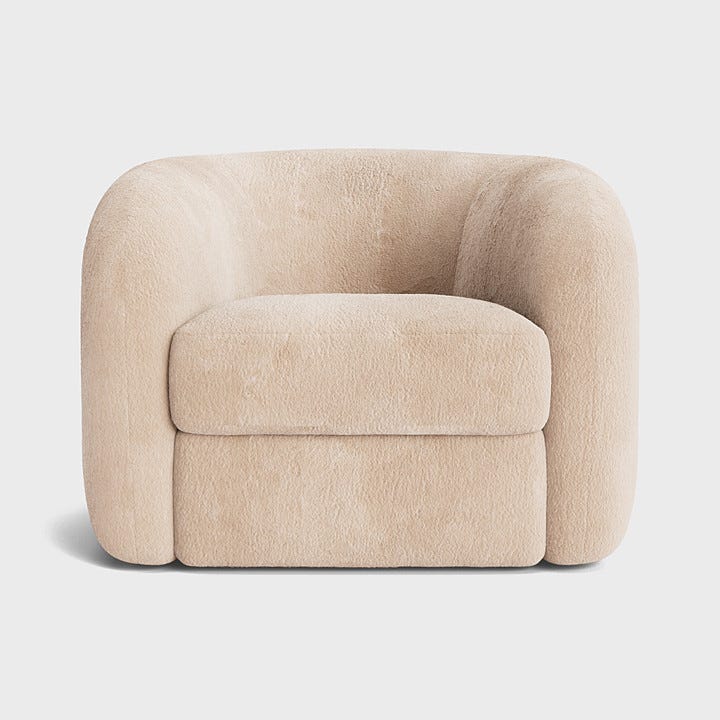
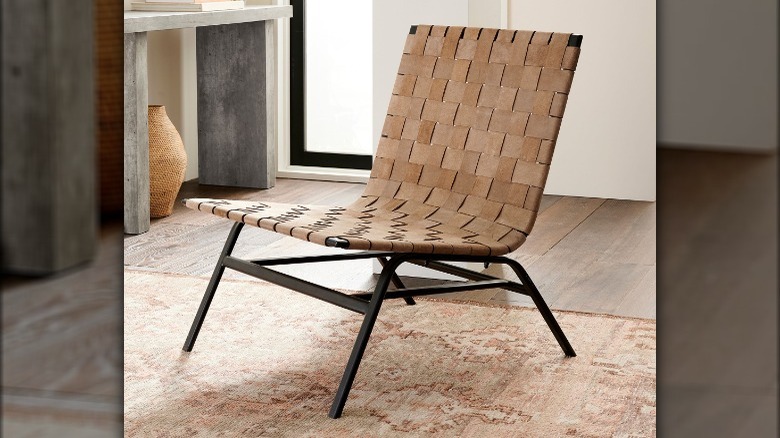
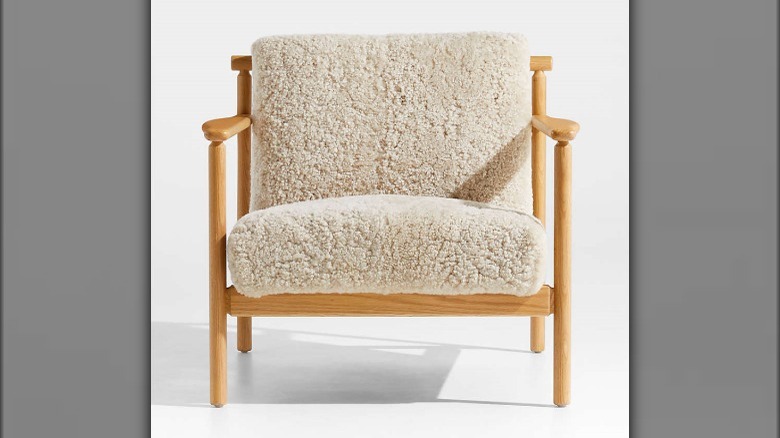
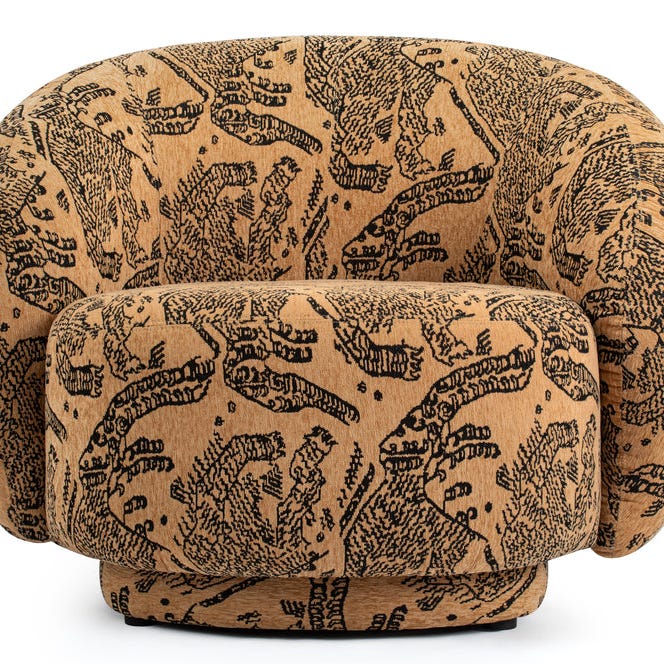
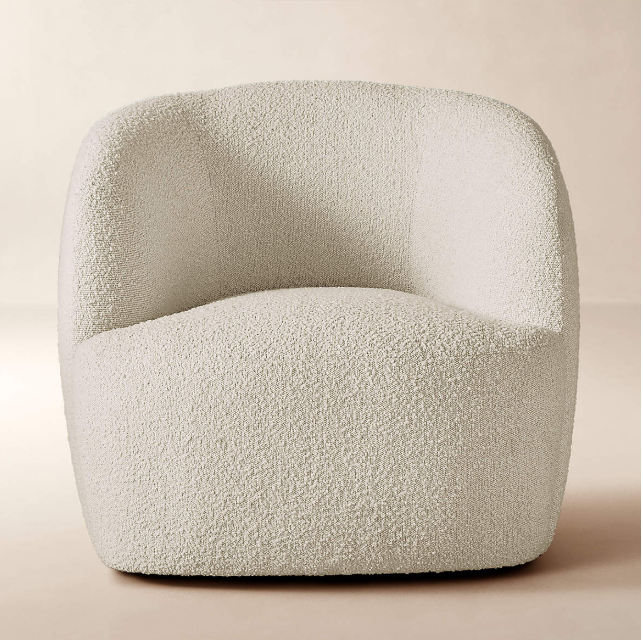
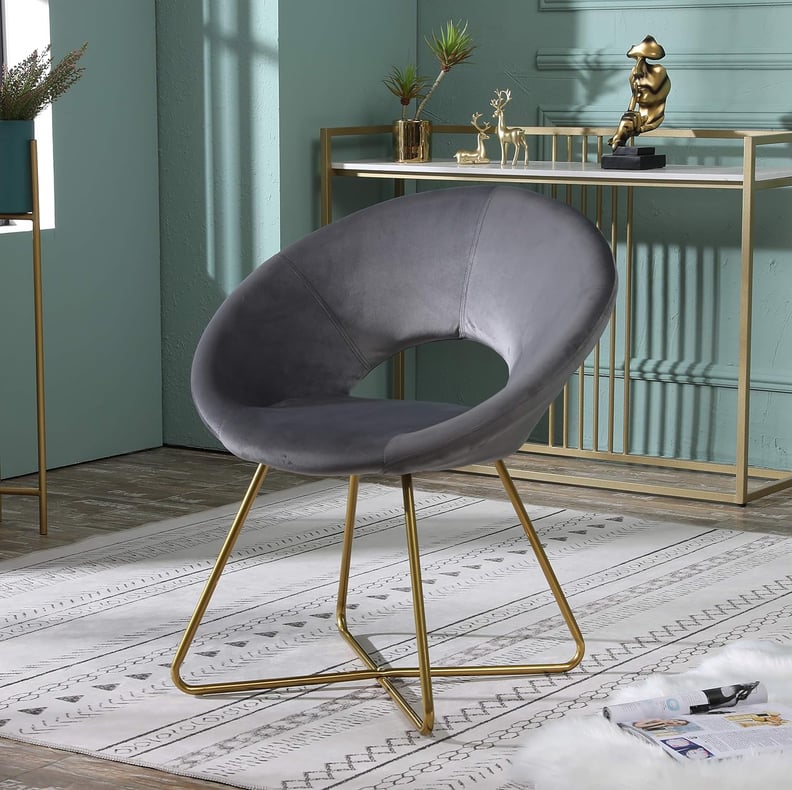
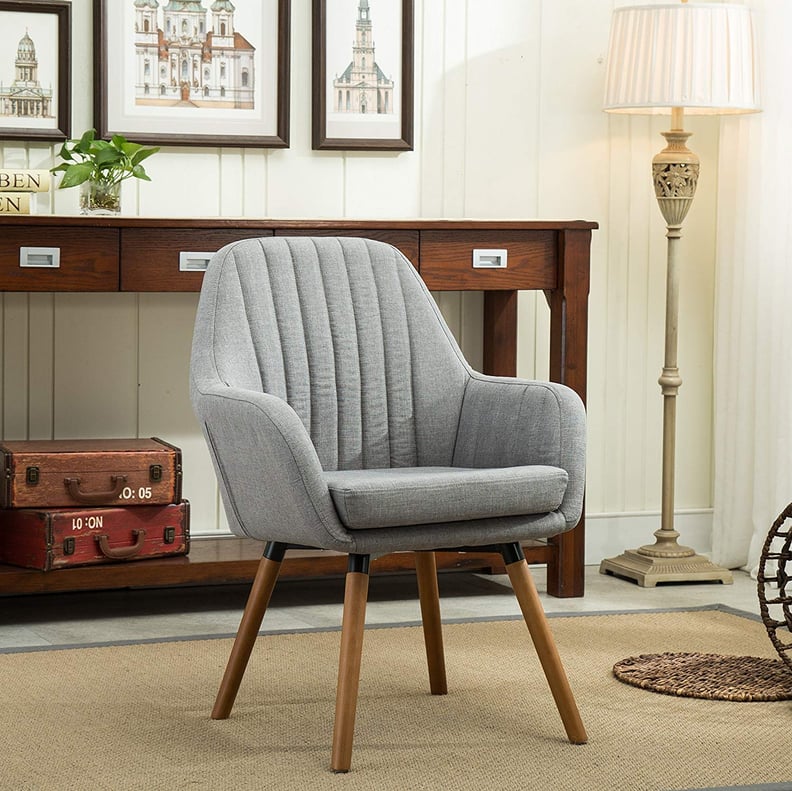
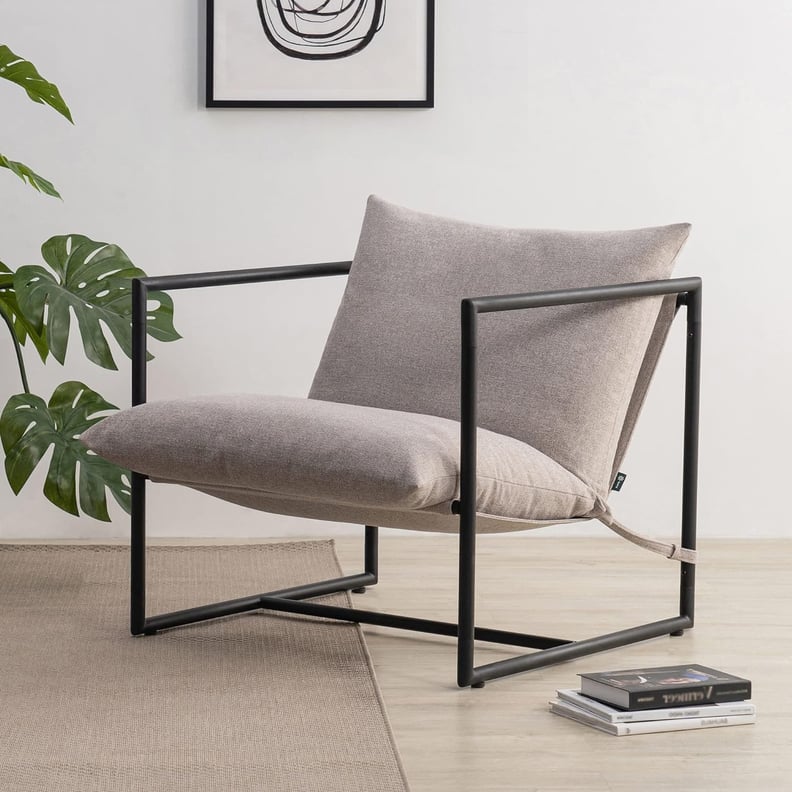
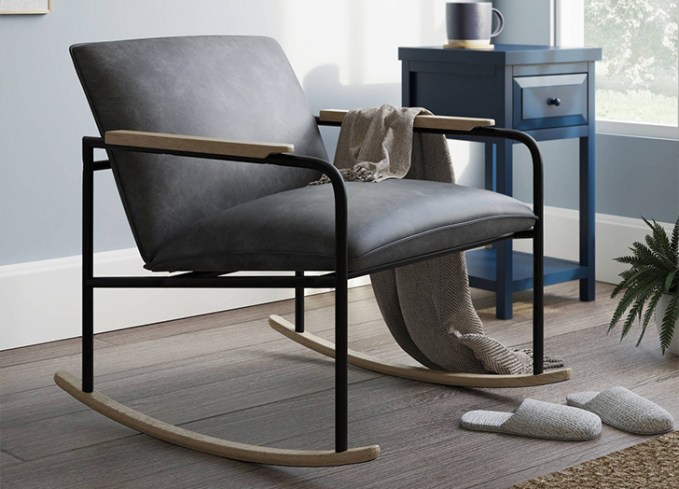
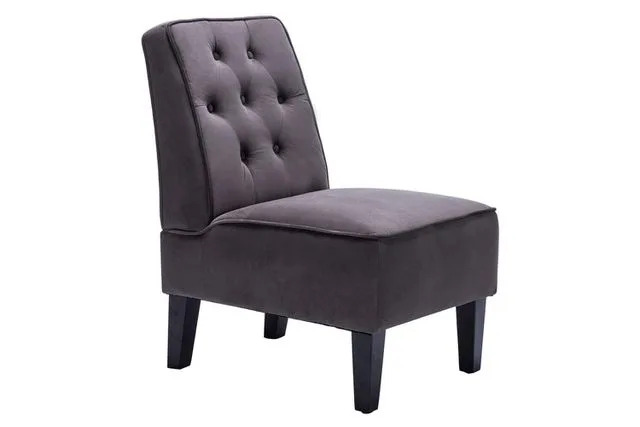
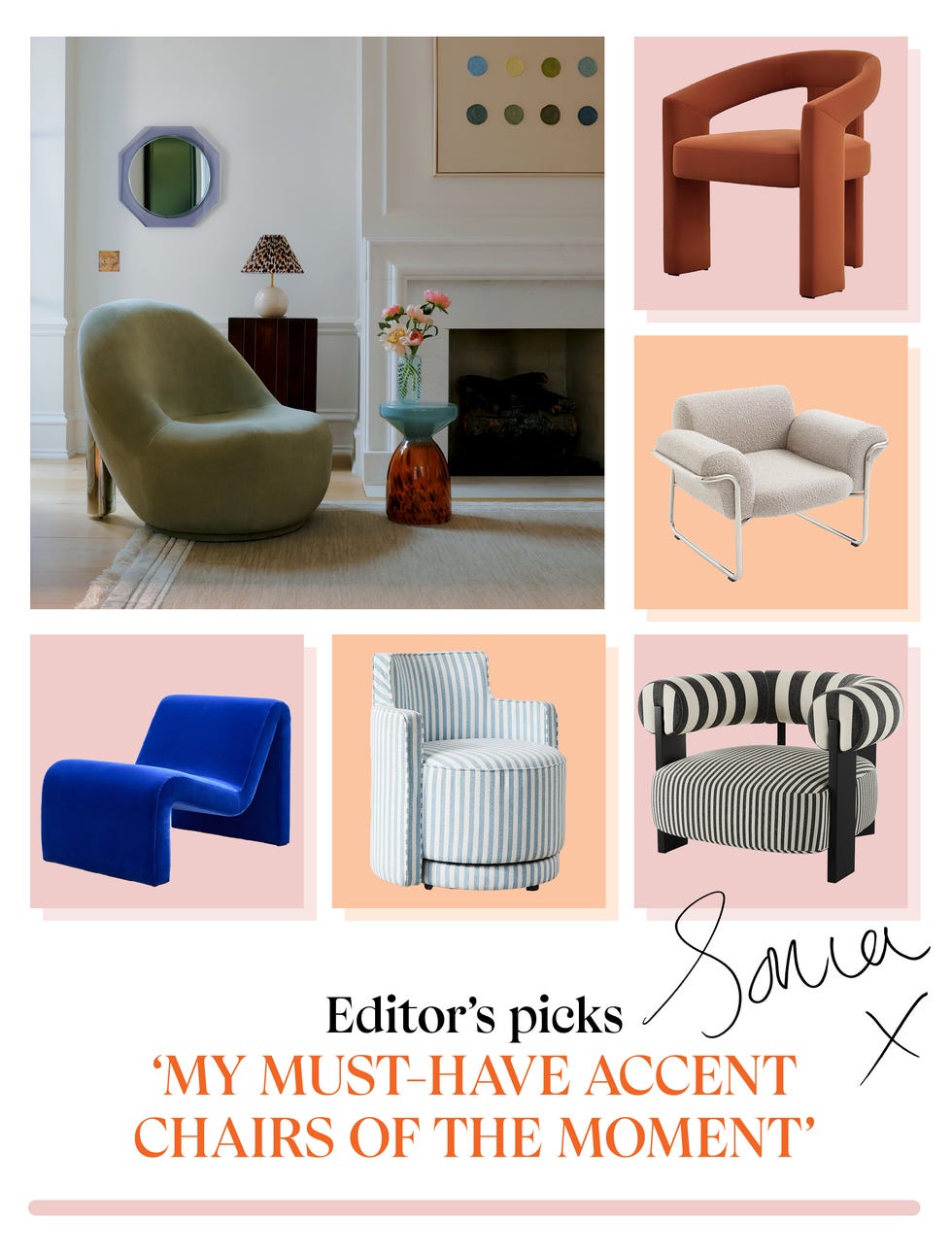
Shape presents a significant opportunity for creative mismatching. The article recommends pairing a more solid, substantial accent chair with another that has a lighter presence, or even incorporating a stool, to introduce visual interest and dynamic contrast. Finally, the style or era of design can act as a unifying factor. Choosing chairs that draw from a shared design language, whether mid-century, contemporary, or super modern, ensures that despite their individual differences in color or shape, they belong together within the same design period. The article concludes by showcasing 12 diverse accent chairs, providing concrete examples of how to apply these principles to create a stylish and personalized living room.
#MismatchedAccentChairs #LivingRoomDesign #InteriorDesignTrends #HomeDecor #AccentChairs #FurniturePairing #DesignTips #StylishLivingRoom #HomeStyling #MismatchedAccentChairs #LivingRoomDesign #InteriorDesignTrends #HomeDecor #AccentChairs #FurniturePairing #DesignTips #StylishLivingRoom #HomeStyling
0 comment in total
 No comments yet
You may also like
The 15 Best Accent Chairs for Your Living Room, According to Designers
13 Best Accent Chairs To Add Interest To Your Living Room

The dos and don'ts of styling an accent chair, according to an interior designer
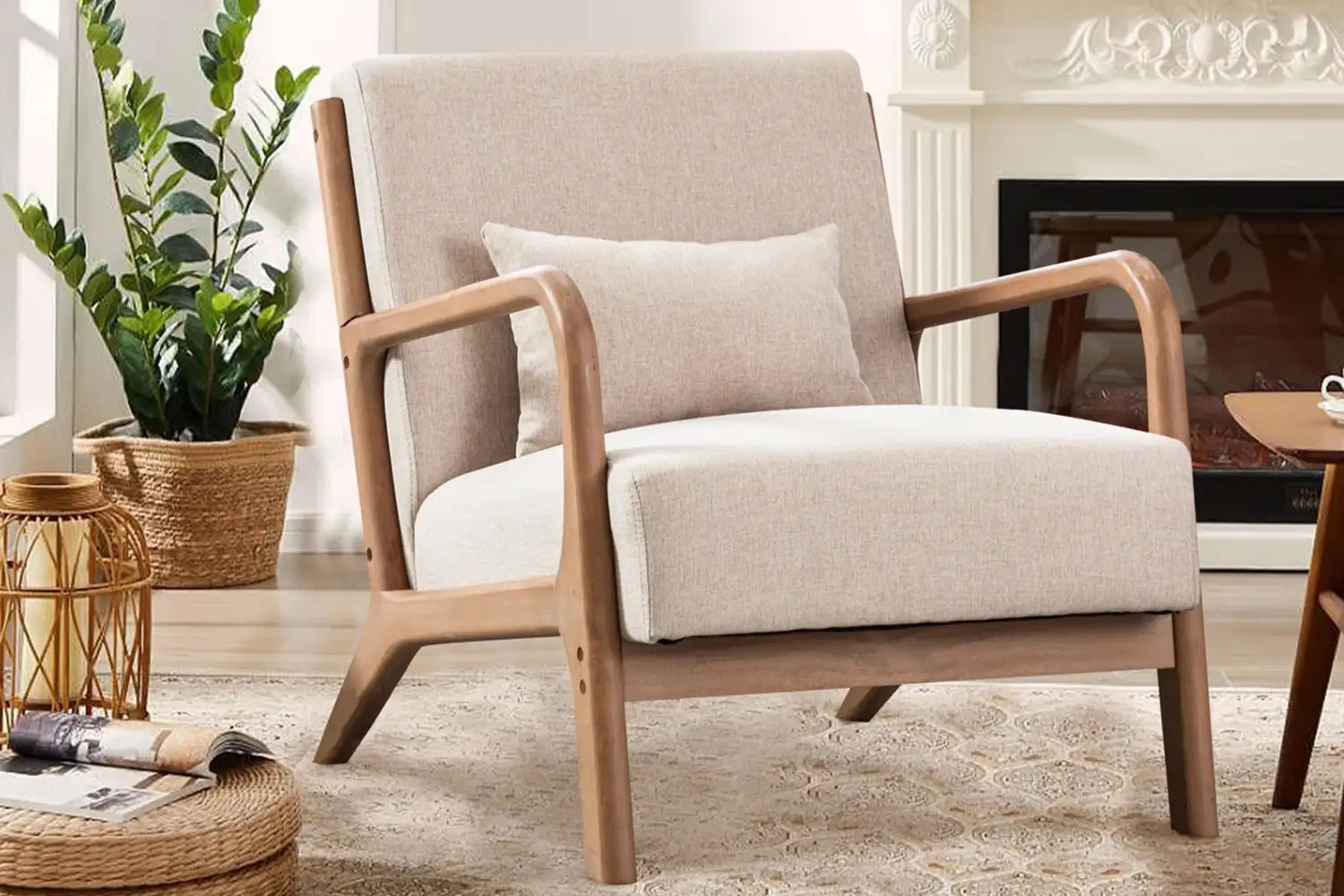
Wayfair Dropped Deals on Accent Chairs—Here's What I’m Eyeing, Up to 80% Off

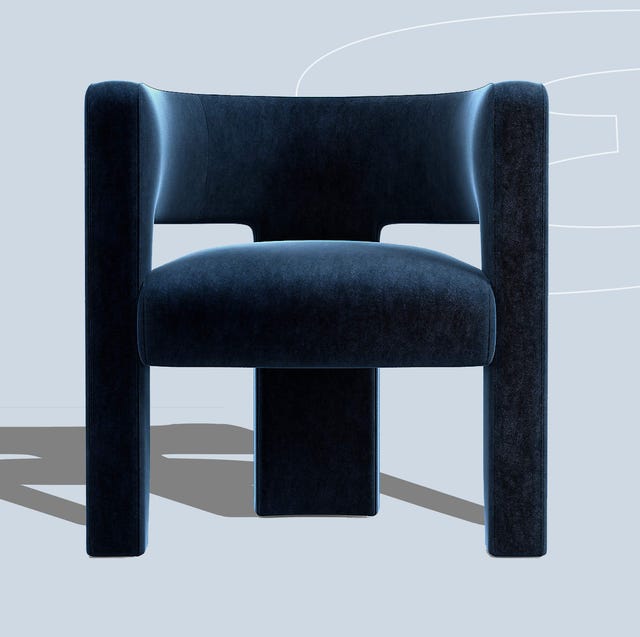
11 Stylish—and Comfy—Accent Chairs For Livening Up the Place
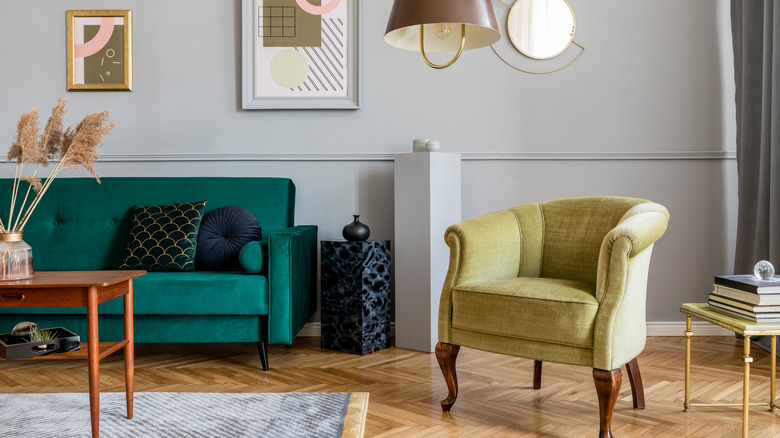
20 Accent Chairs That Will Add A Focal Point To Your Living Room

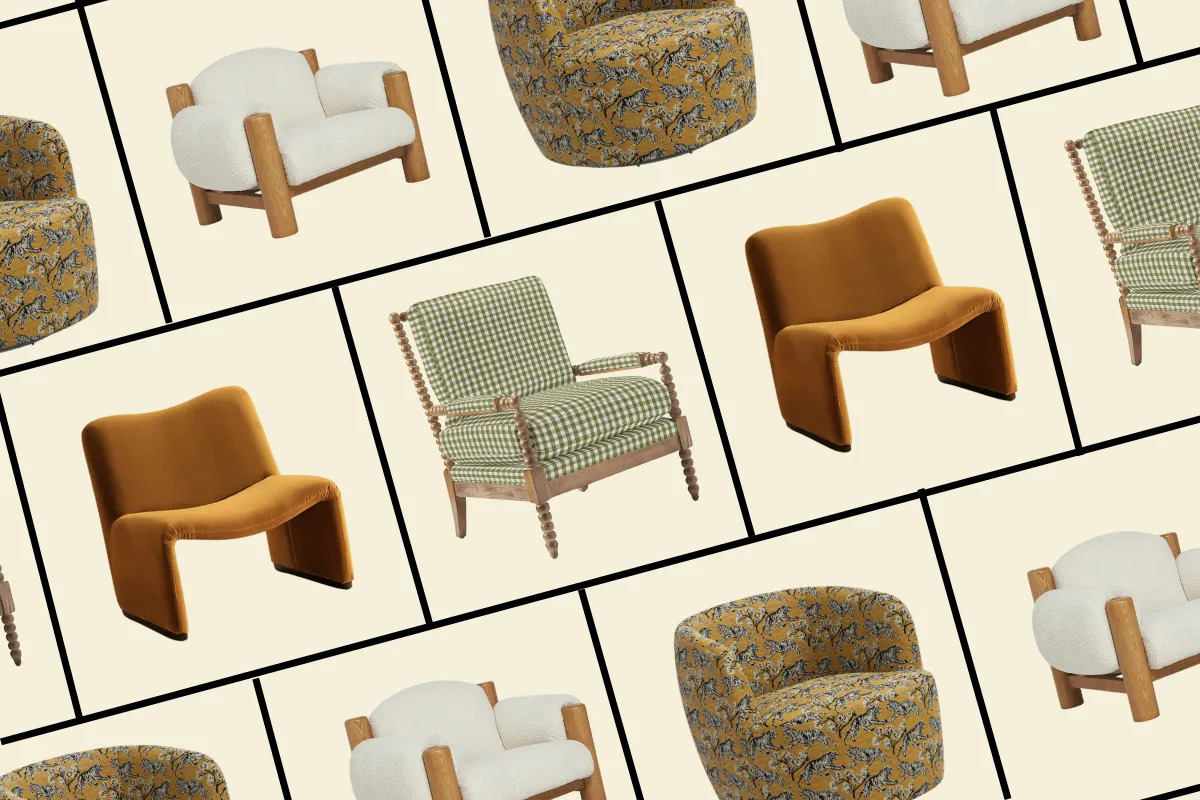
12 Comfy Accent Chairs We Can't Stop Talking About
Accent chair ideas – 10 essential design rules for chair layouts, styles and trends

7 Accent Chairs To Add Style, Colour and Function To Any Room - Straight From The High Street
The Best Accent Chairs for Every Space and Style

18 Modern Accent Chairs That Will Instantly Elevate Your Living Space
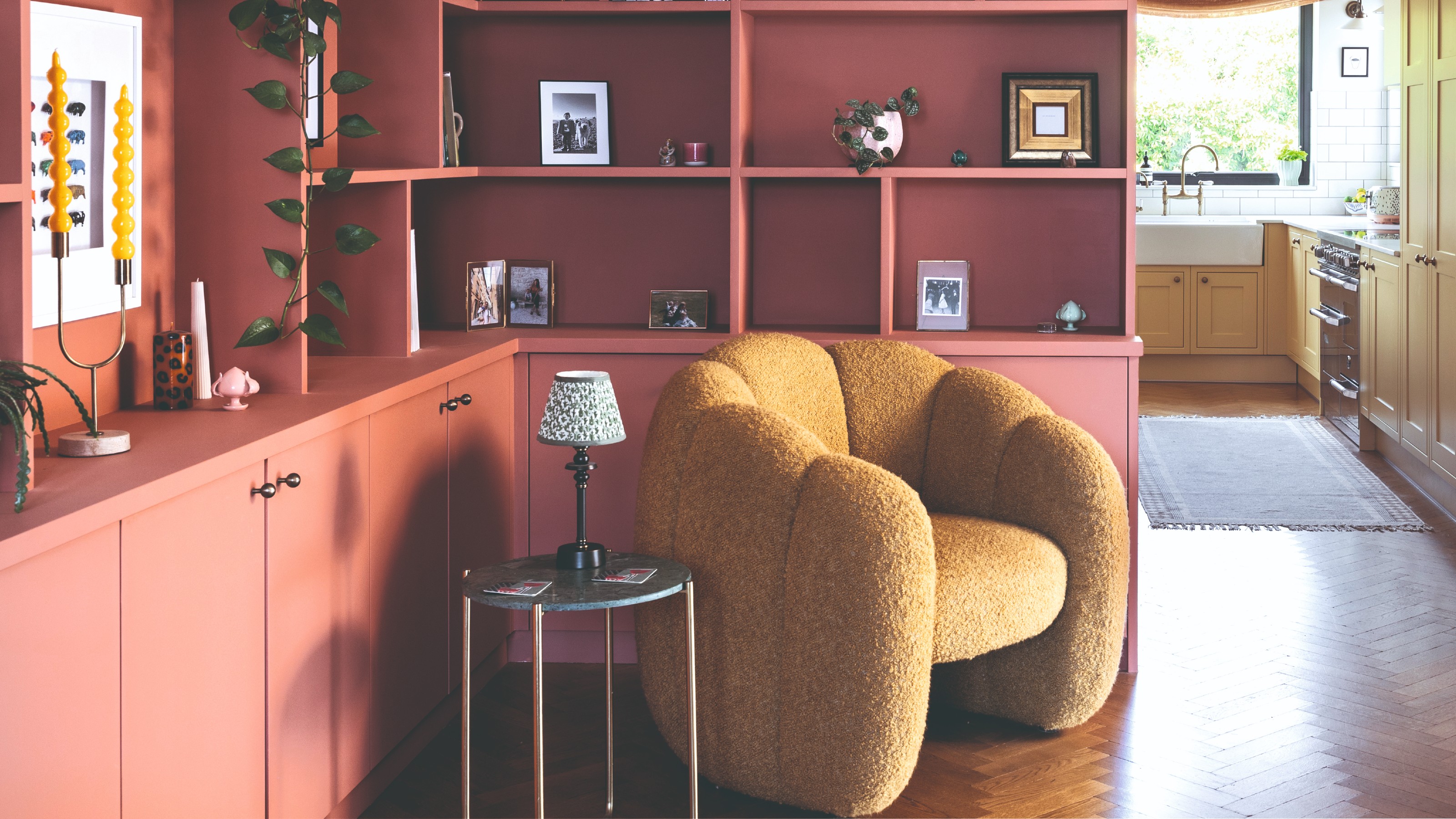
I’m a Room Decor Editor who loves a good accent chair – these are my 6 go-to brands I always rely on for stylish but reasonably priced armchairs

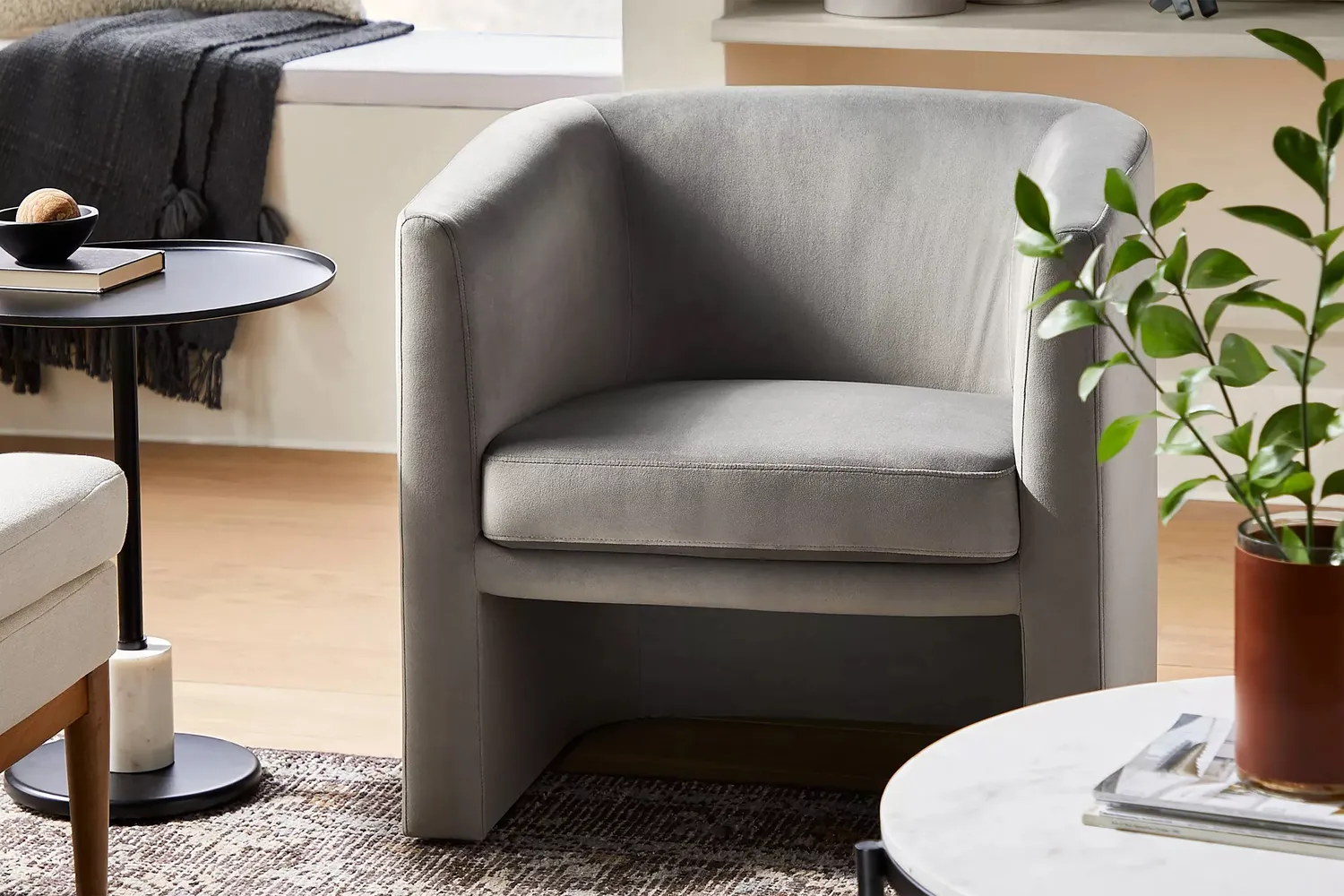
Target’s 'Chic,' Viral Designer Accent Chair Keeps Selling Out—but It's Still in Stock in 2 Colors Right Now
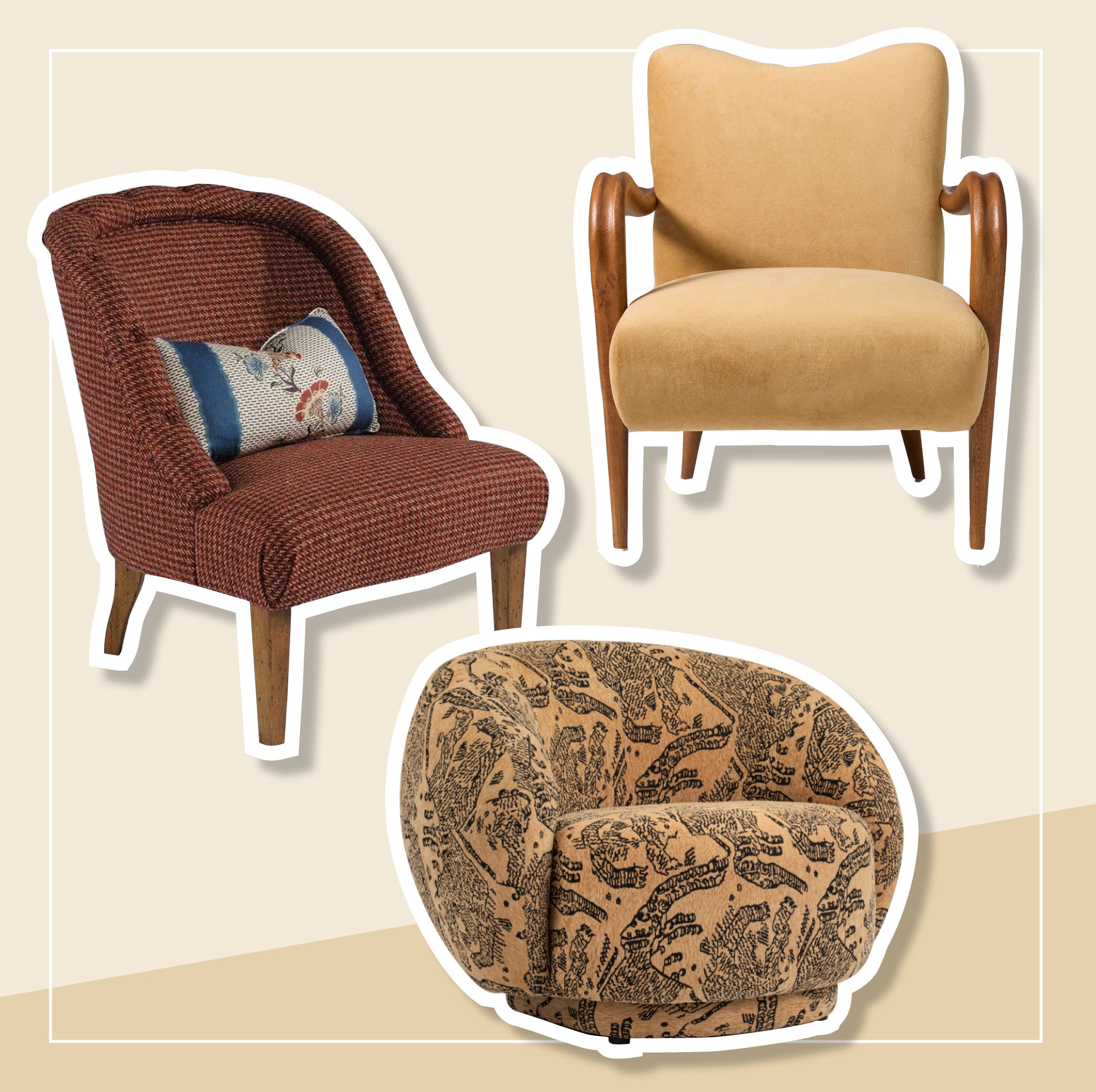
Interior Designers Swear By These 11 Cozy Accent Chairs

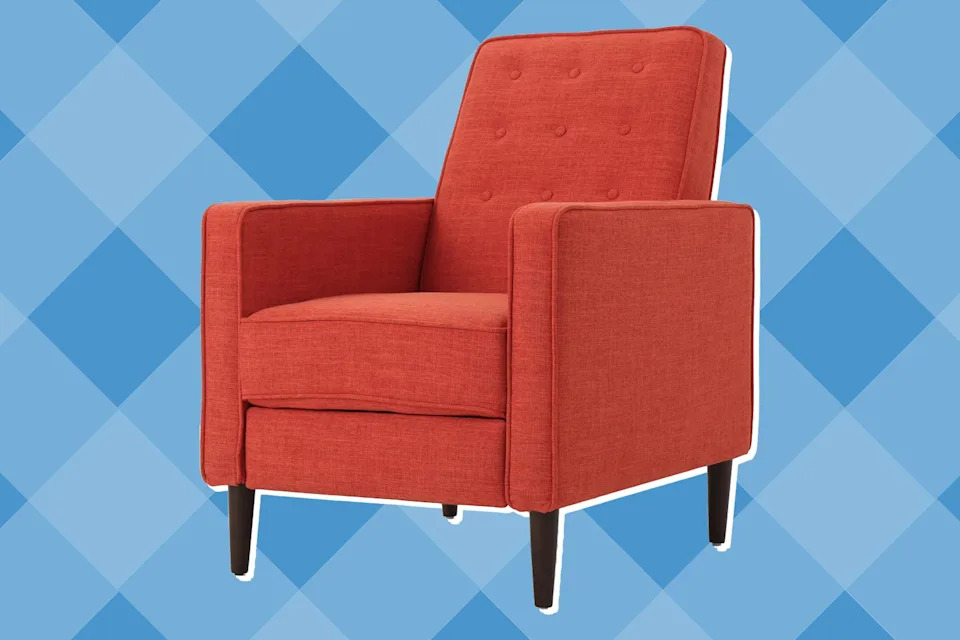
The 10 Best Small Accent Chairs of 2023 to Accentuate Your Space
The Unexpected Living Room Seating Designers Swear By
17 Comfy (and Cute!) Accent Chairs That'll Make Your Guests Wanna Stay Just a Liiittle Bit Longer
The 15 Best Accent Chairs From Amazon to Complete Your Space
I've Decided to Style Mismatched Dining Chairs on Purpose in My Home — Here's Why
Wayfair Has an Affordable Version of My Designer Boucle Accent Chair—and I Seriously Can’t Tell the Difference