1/12
The dos and don'ts of styling an accent chair, according to an interior designer
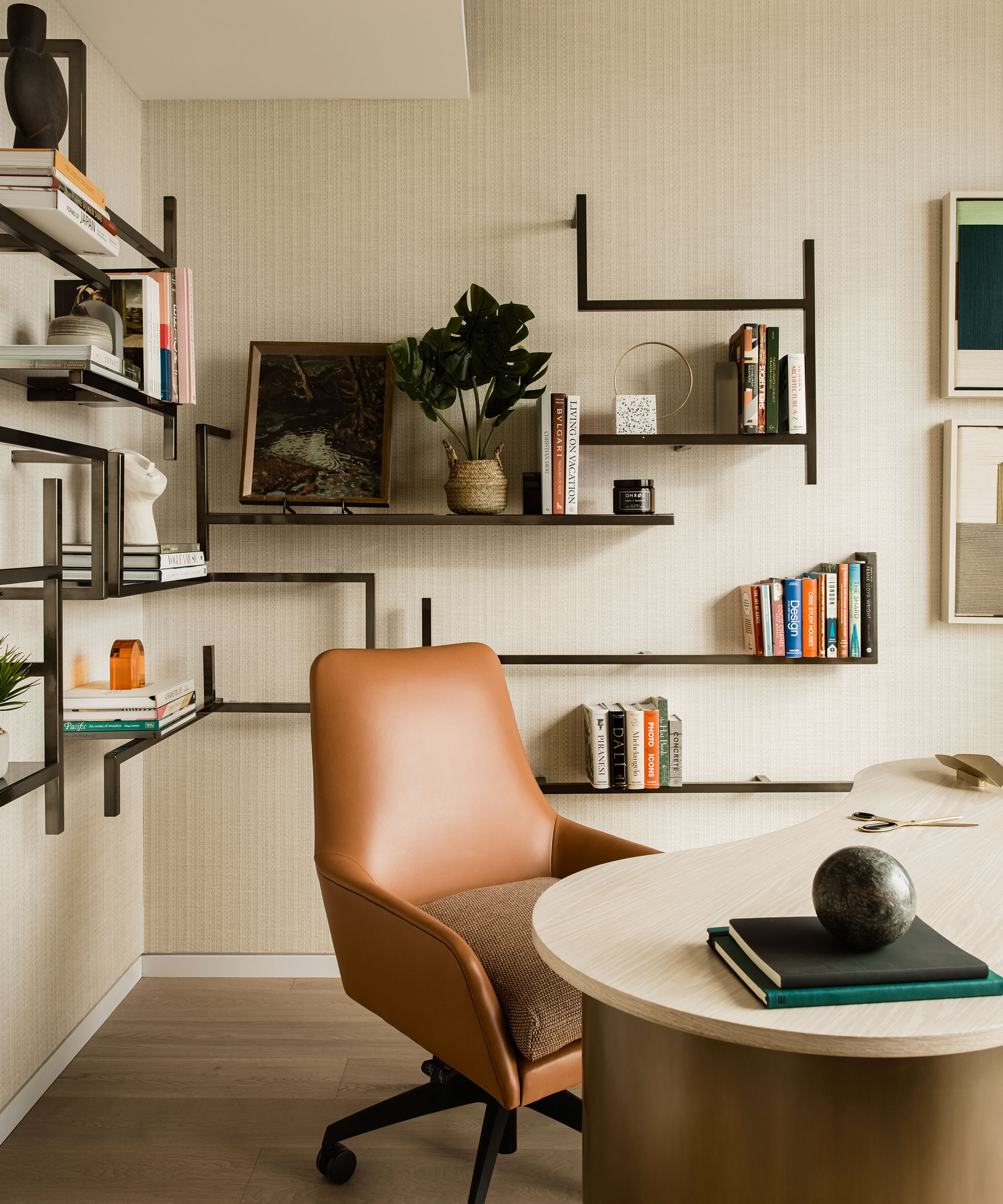
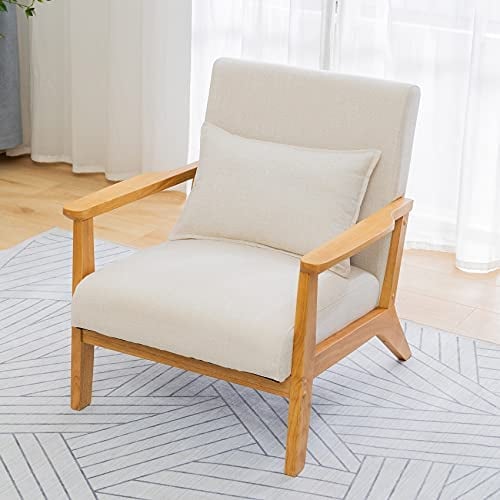
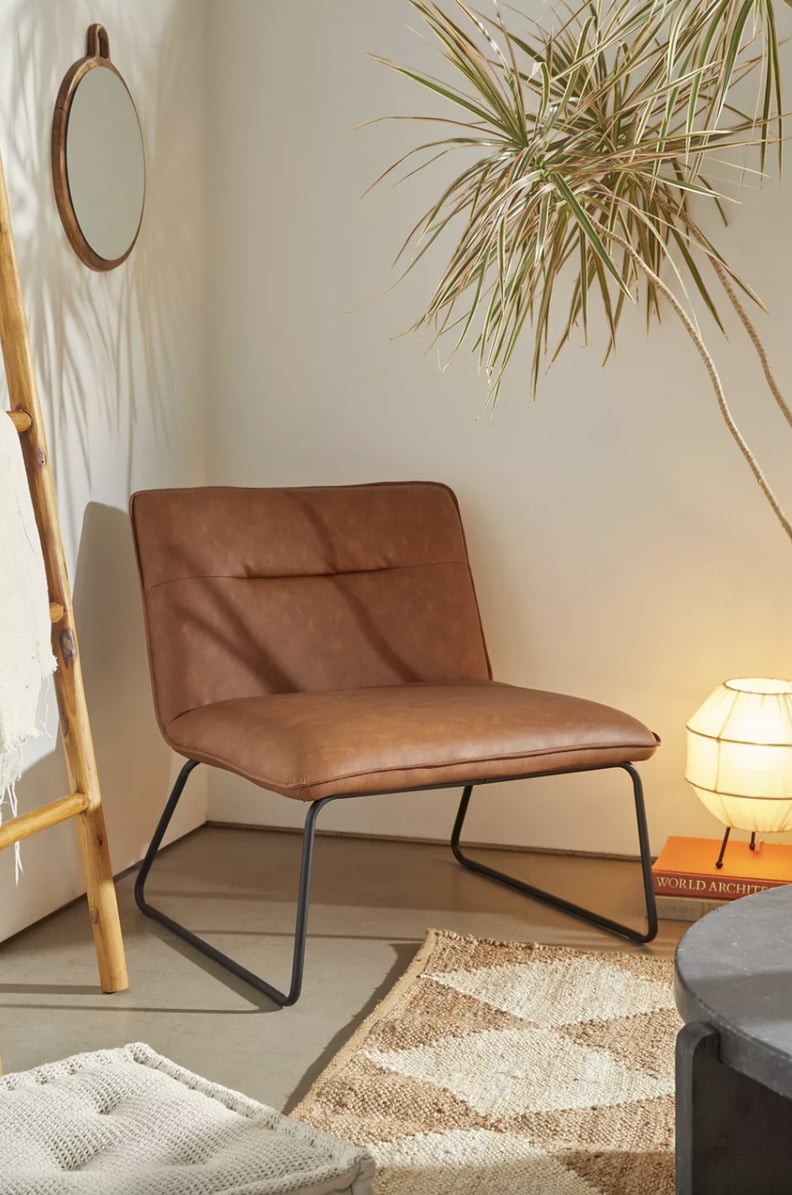
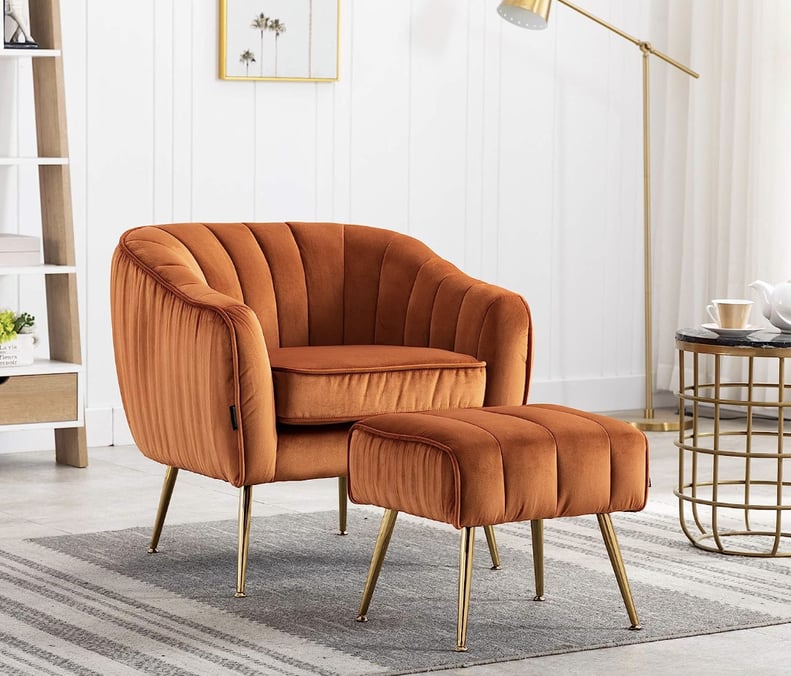
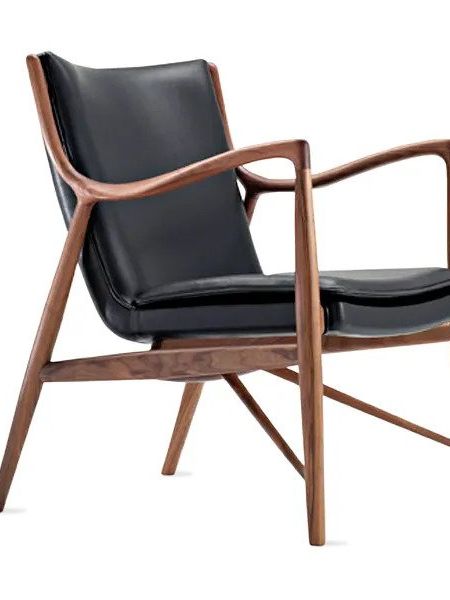
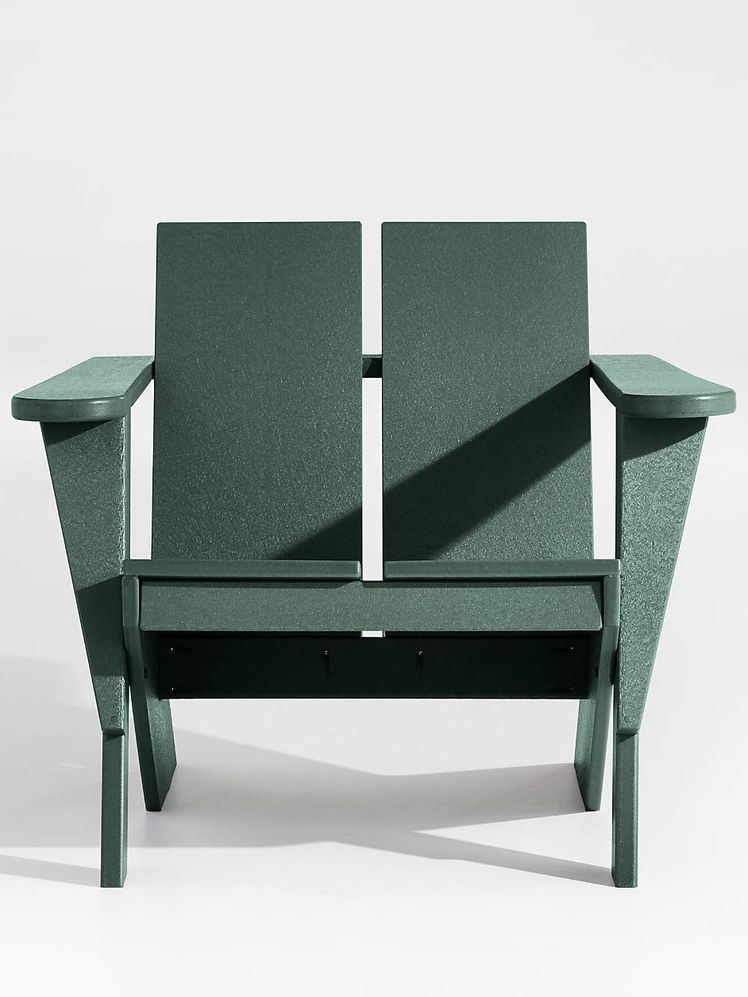
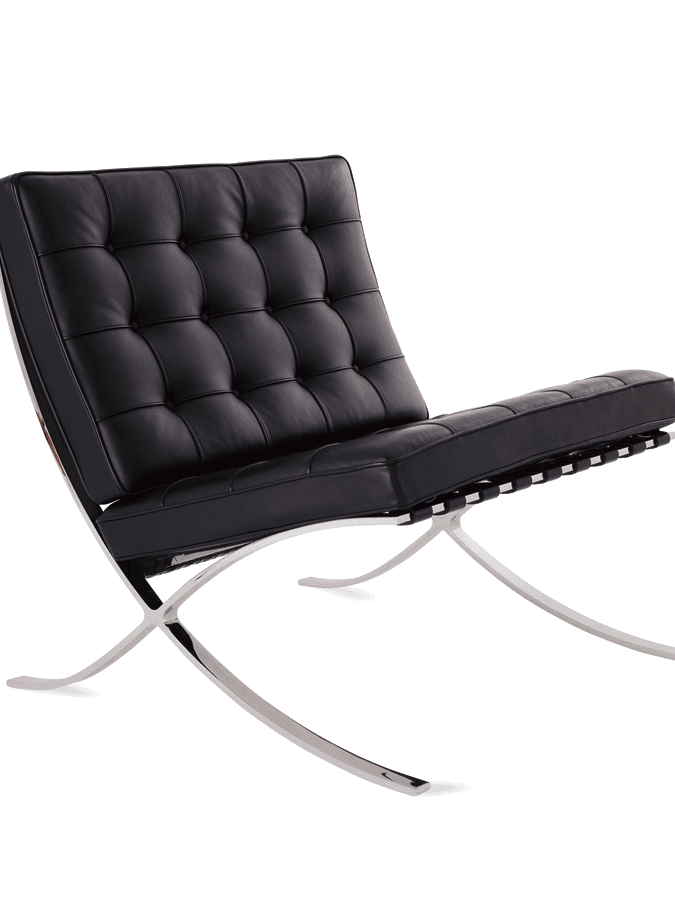
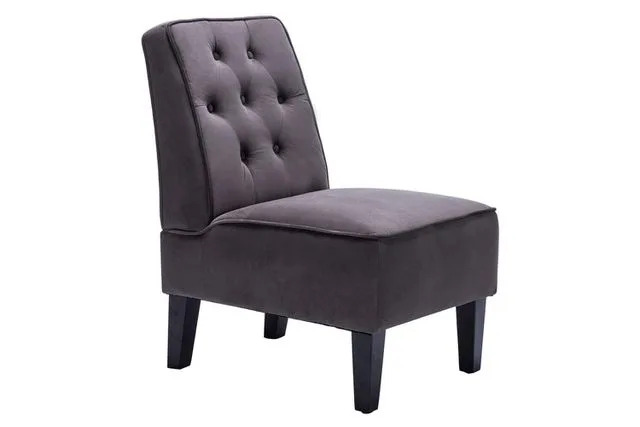
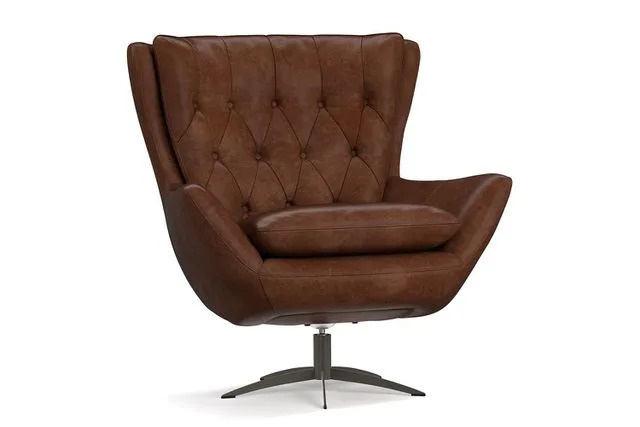
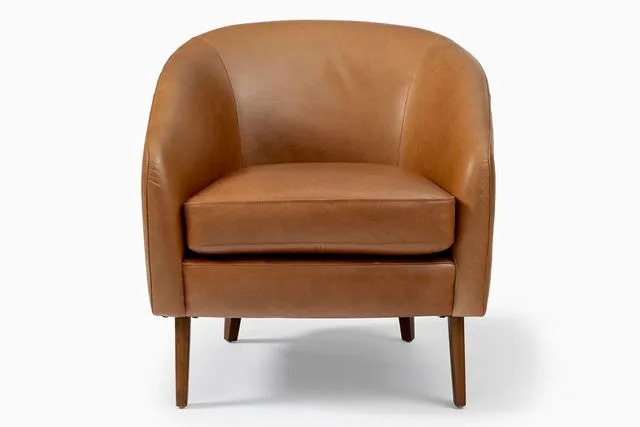
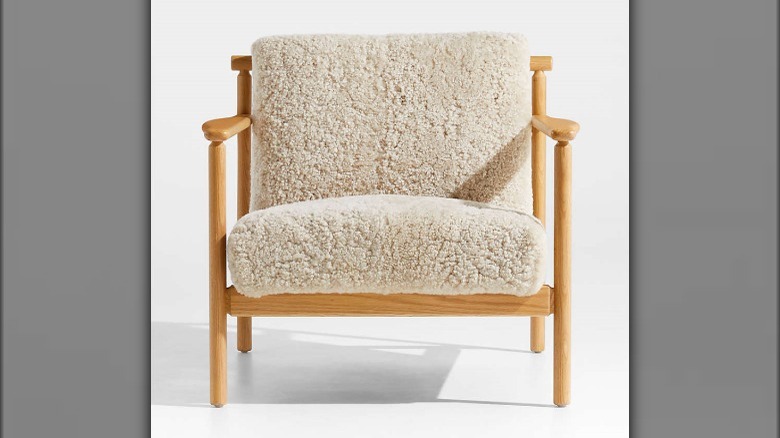
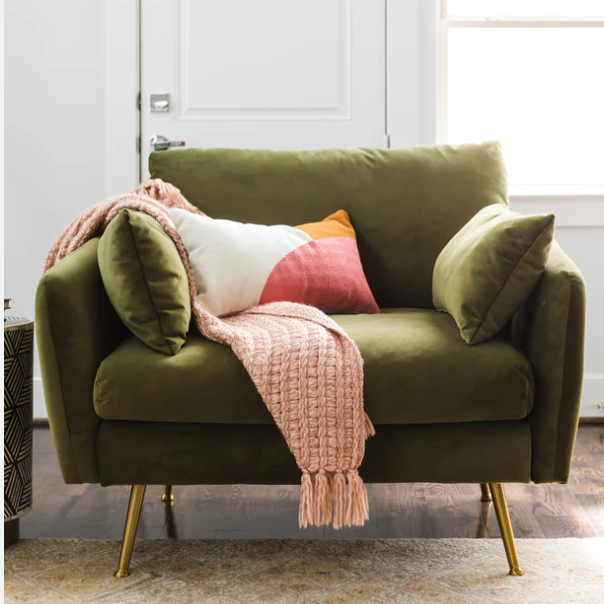
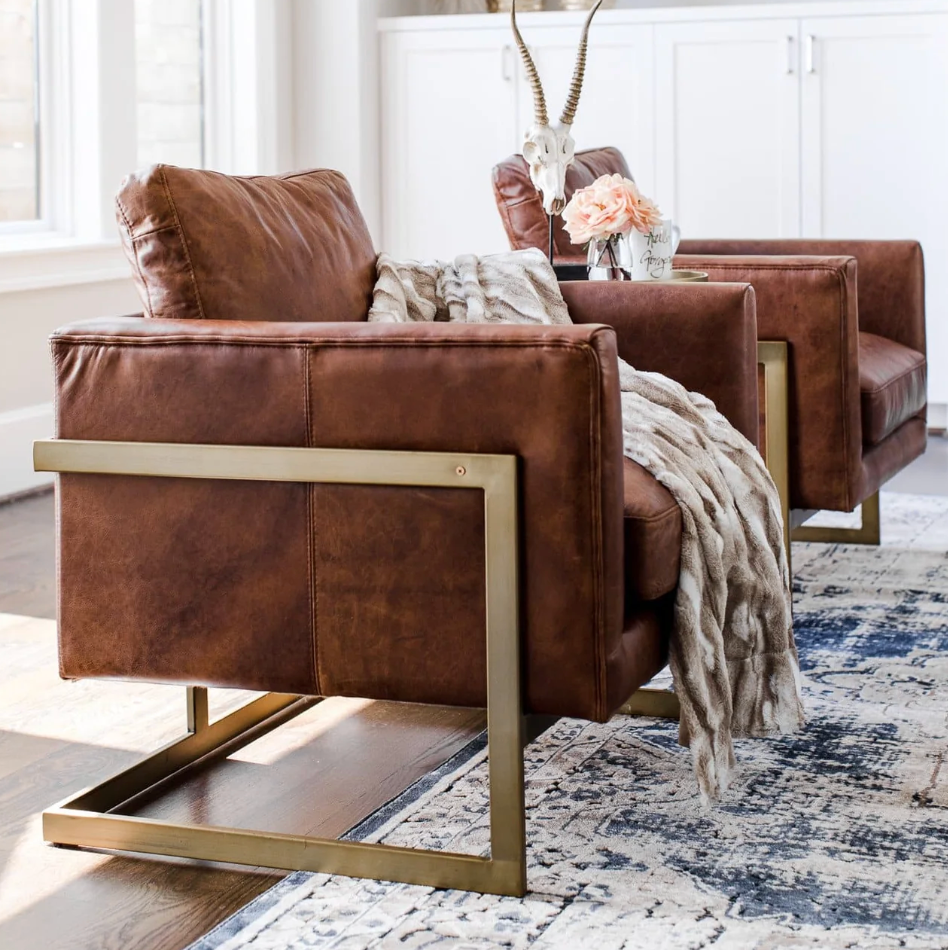
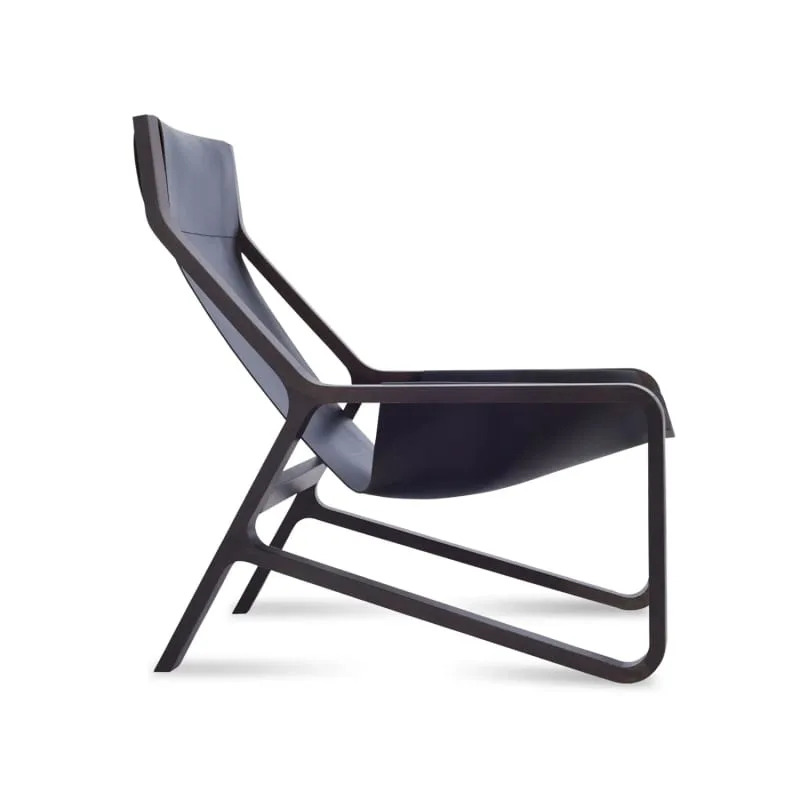
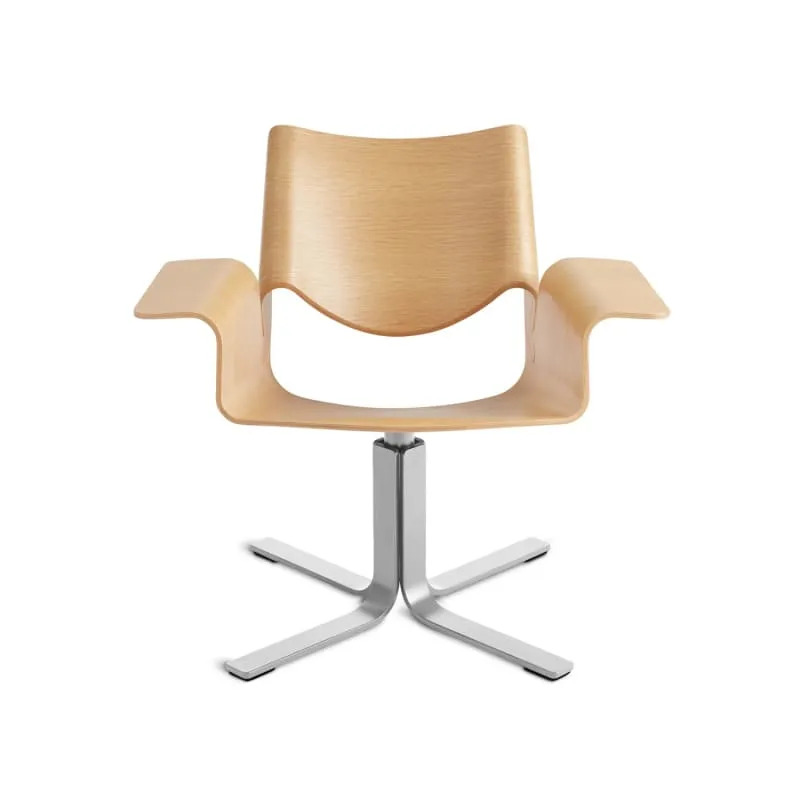
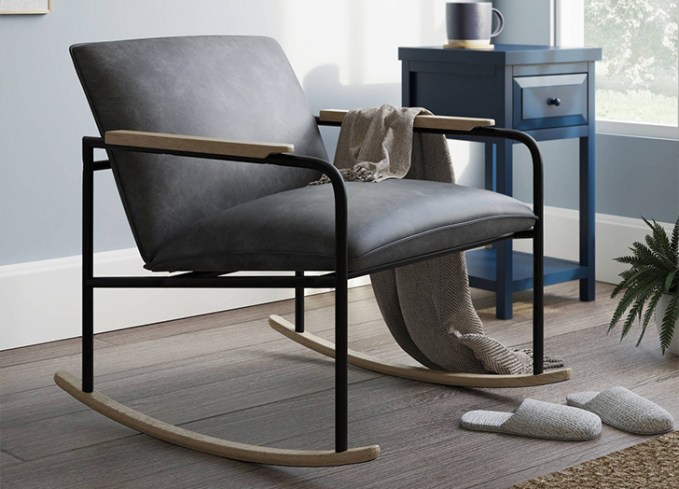
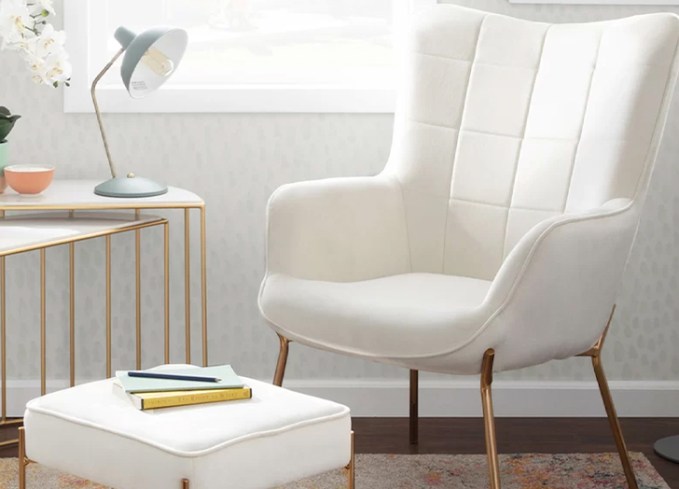
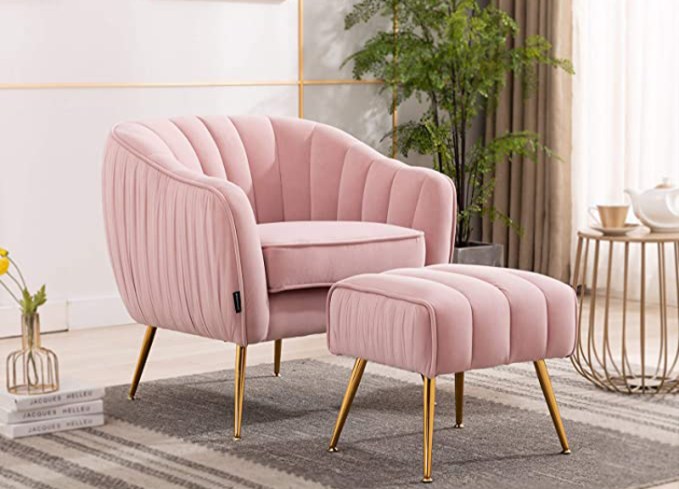
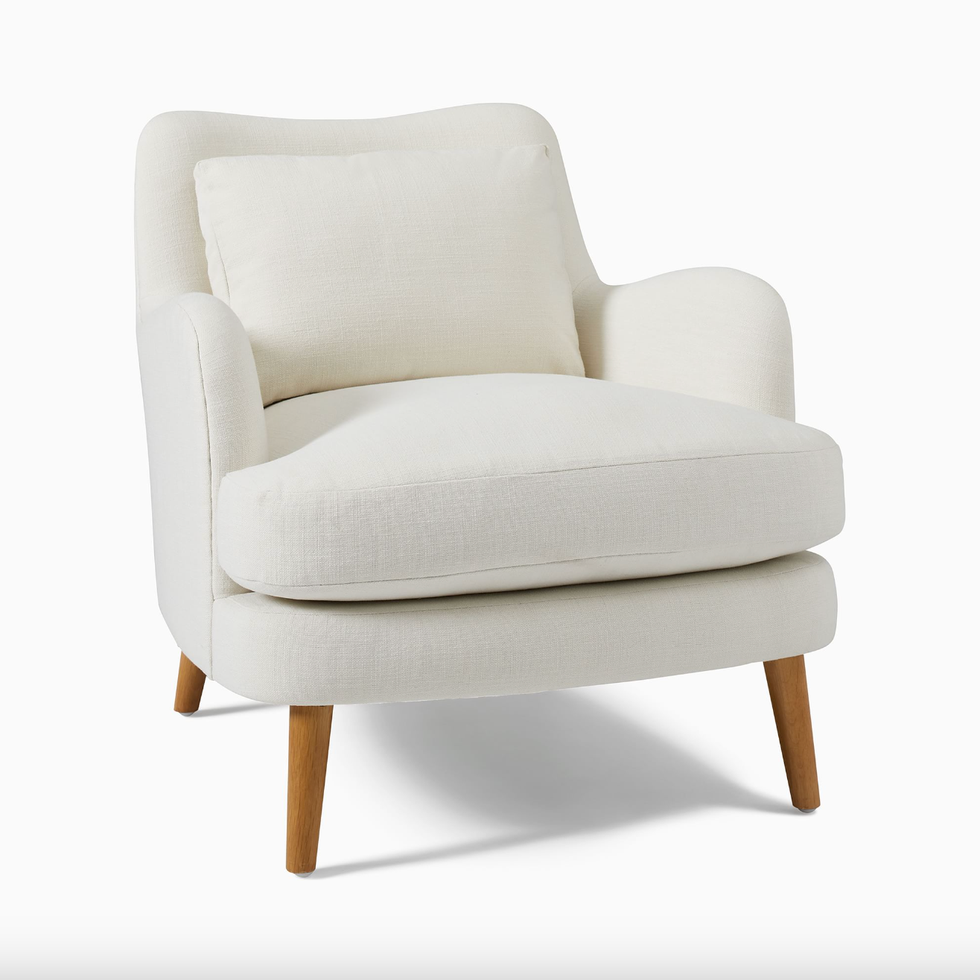
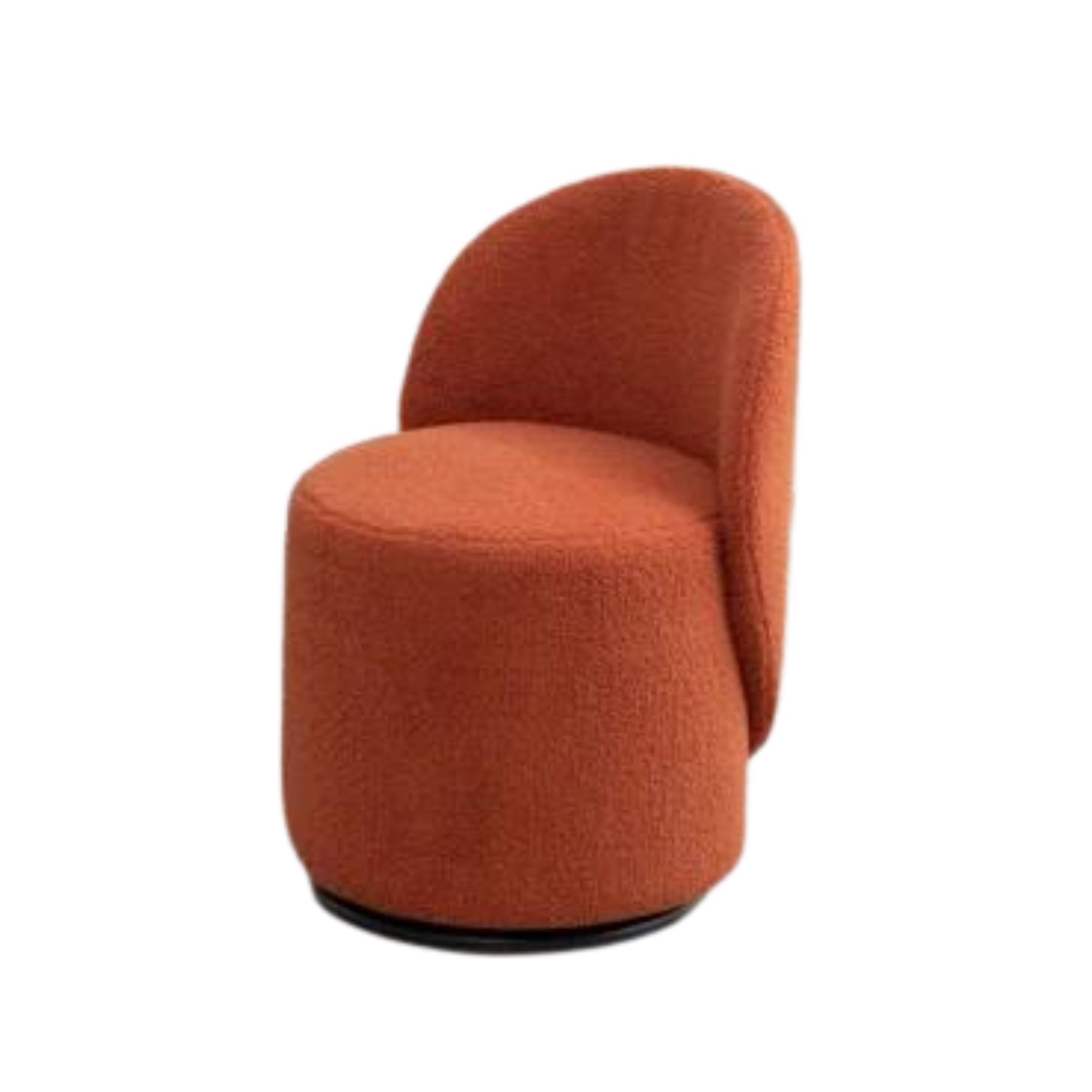
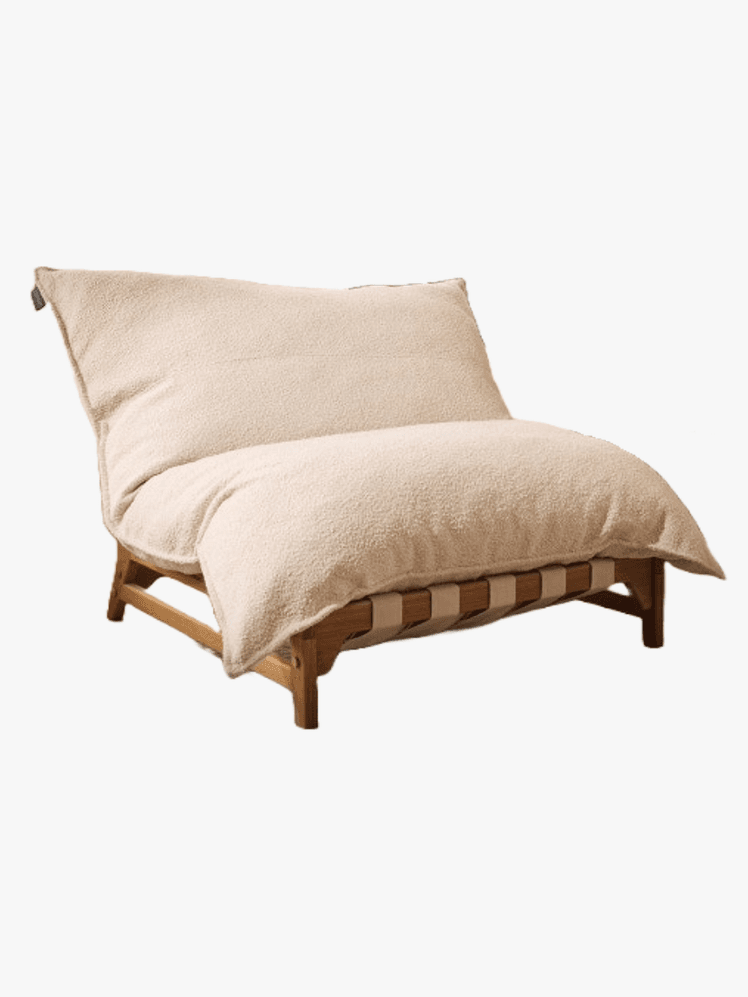
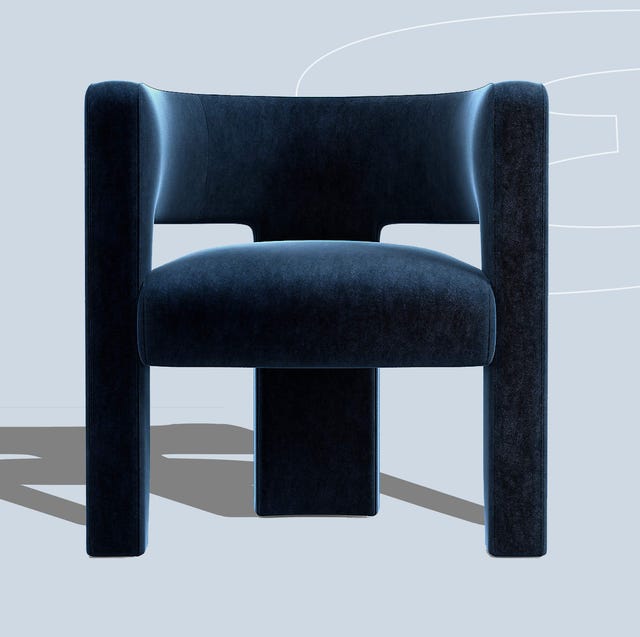
Accent chairs serve various purposes within a home, from purely decorative elements to functional seating or storage, and their versatility makes them a popular choice for enhancing interior spaces. Unlike larger furniture investments such as sofas or beds, accent chairs allow for more adventurous design choices, enabling homeowners to experiment with colors and patterns outside their usual comfort zones. Interior designer Kelly Collins emphasizes the importance of understanding an accent chair's primary purpose before purchase. If the chair is intended for decoration, the focus can be on its color and shape, prioritizing aesthetic appeal over extreme comfort. In contrast, if it's meant for additional seating or socialising, it should be placed in an inviting and accessible location. For purely decorative chairs, strategic placement is key to making the interior pop, while ensuring it doesn't become a neglected corner.
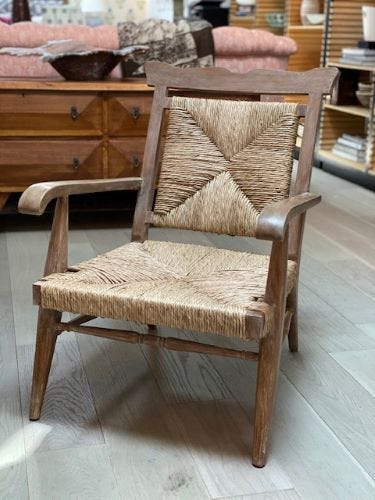
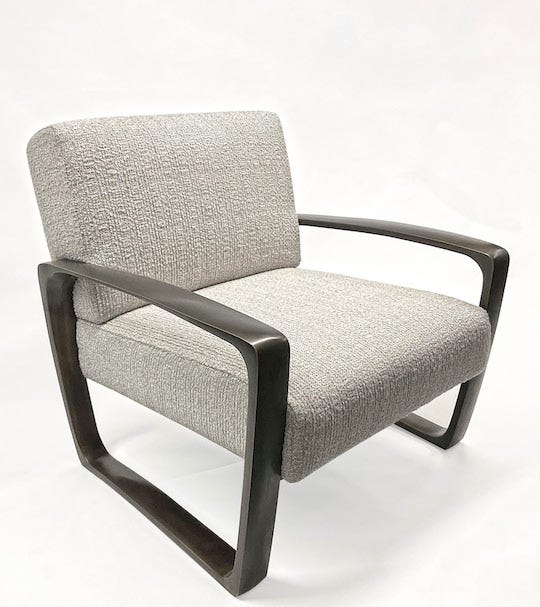
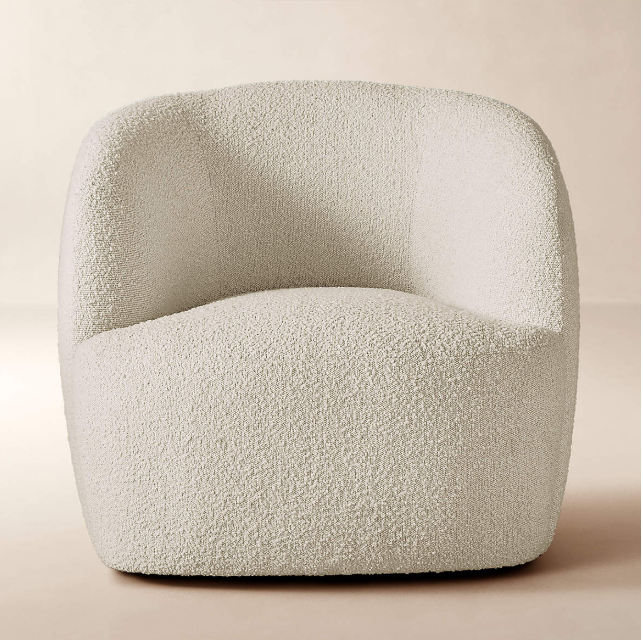
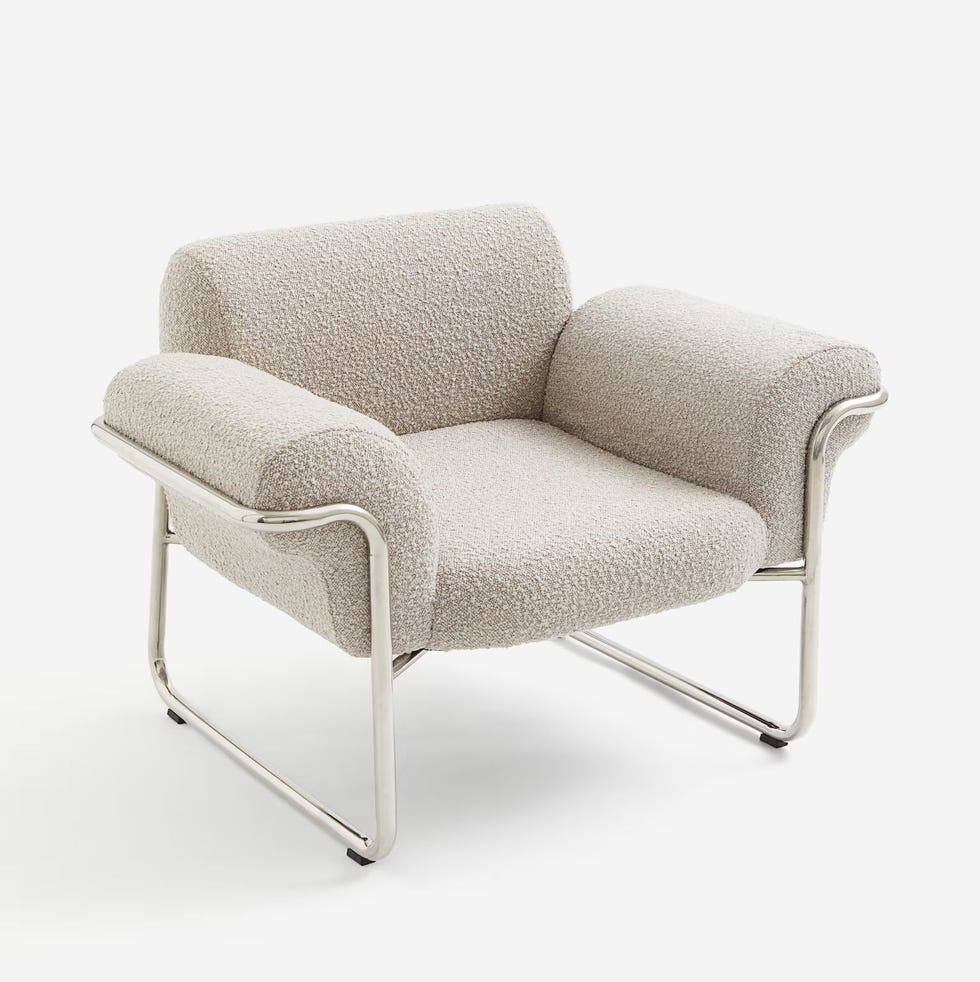
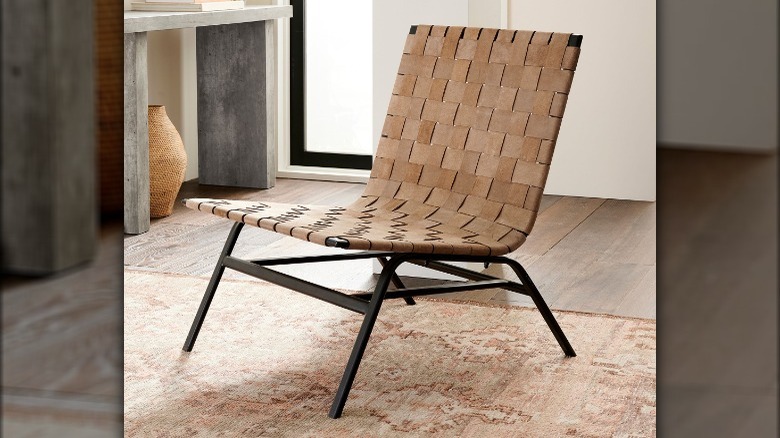
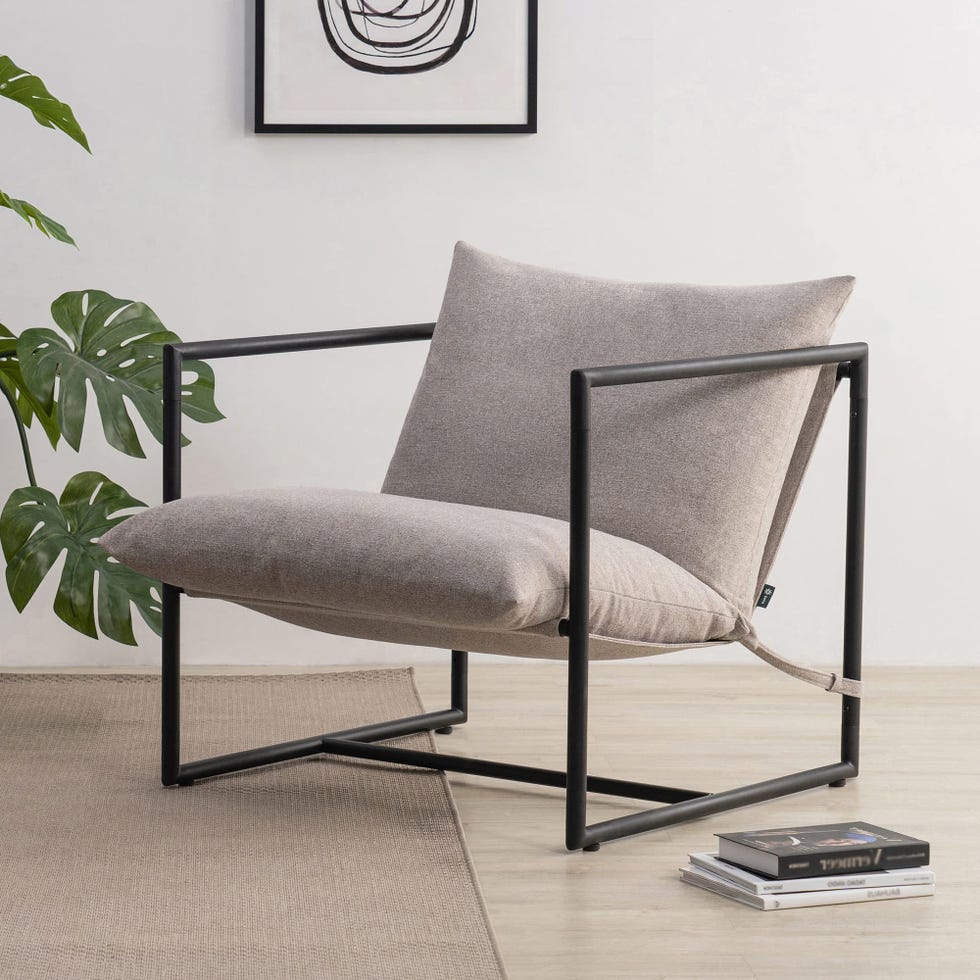
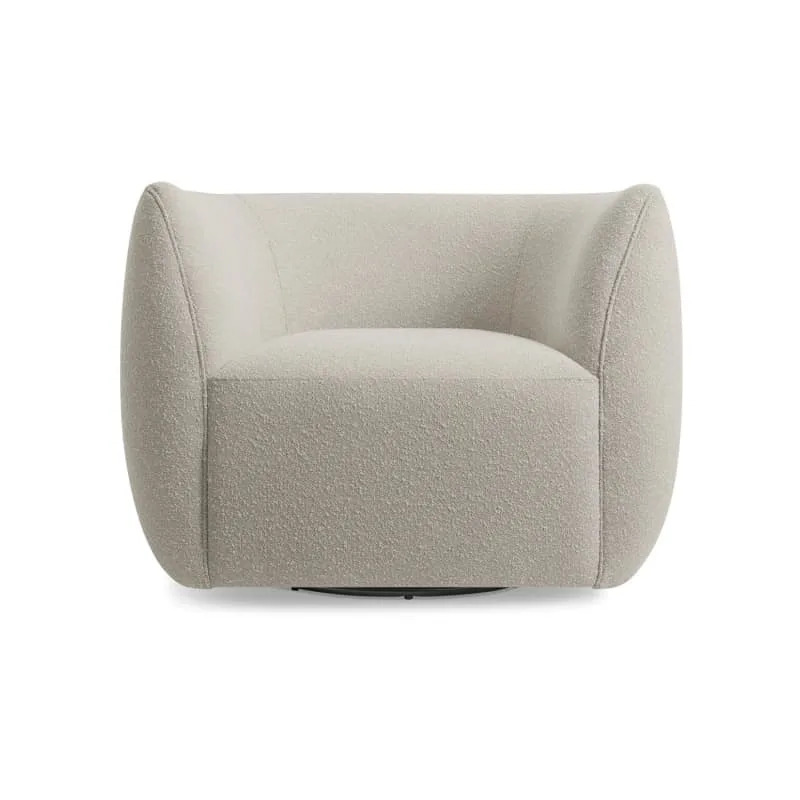
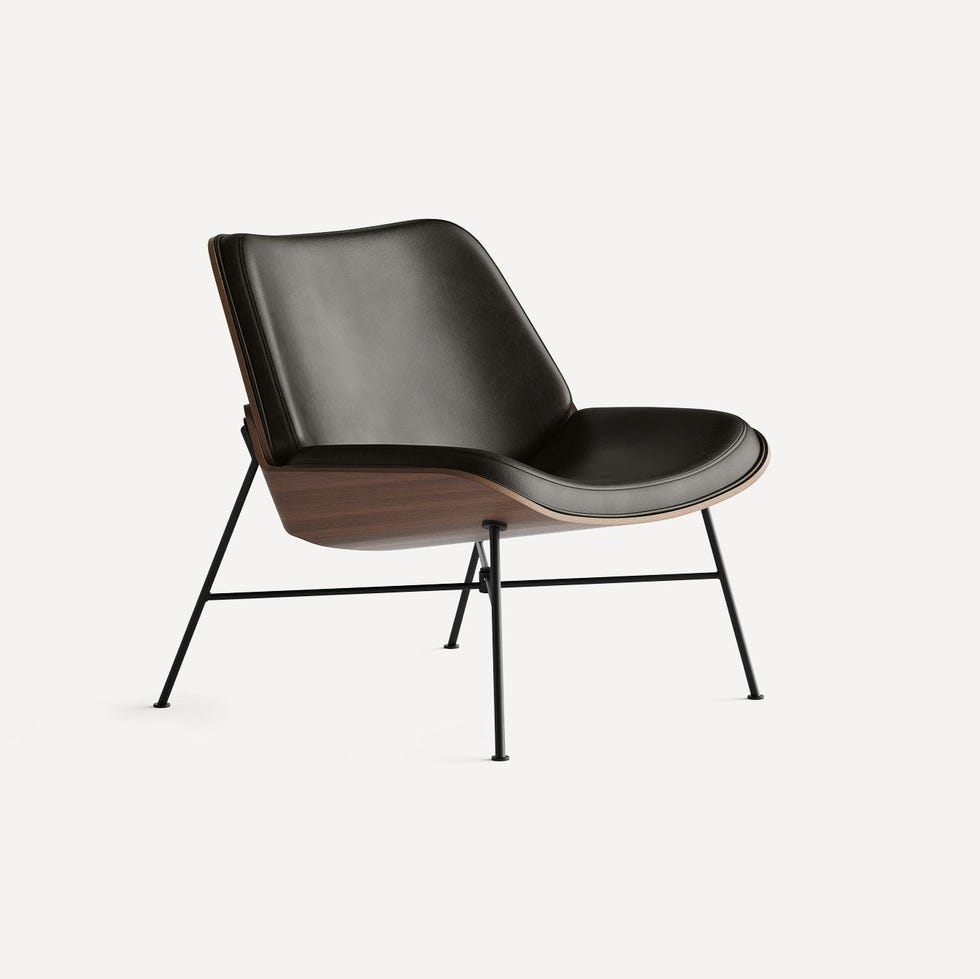
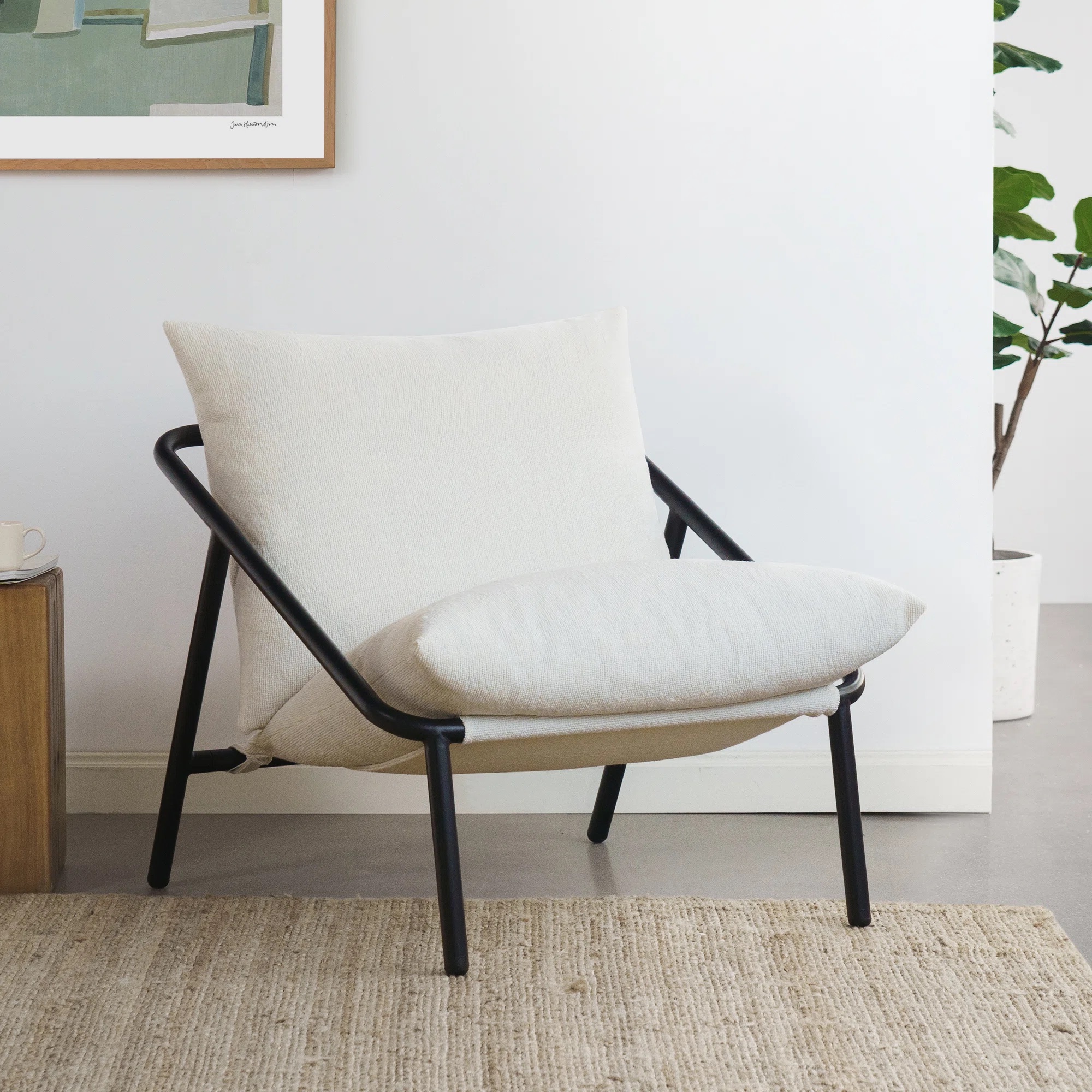
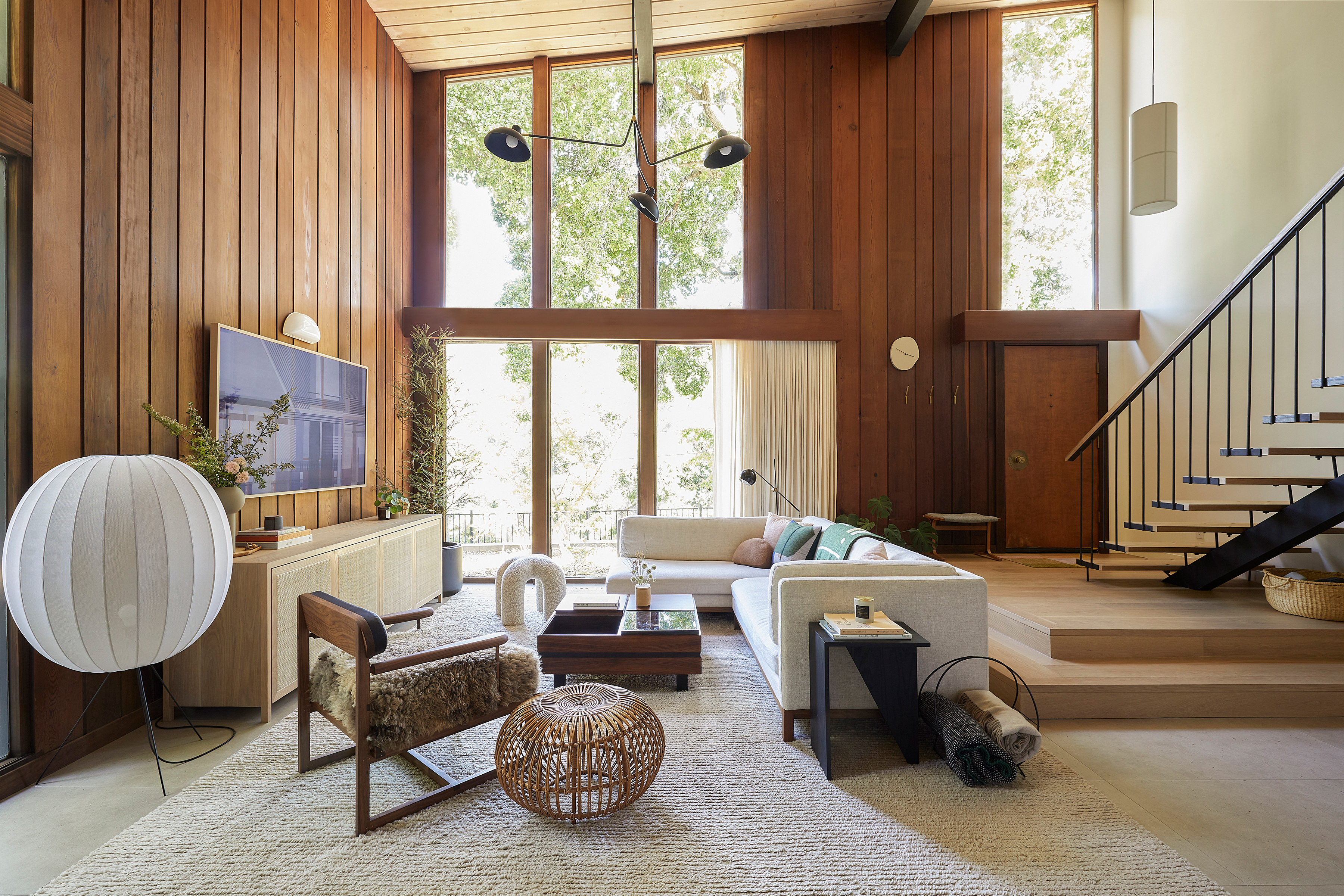
A key recommendation is to avoid letting the accent chair dominate the existing interior style. The term "accent" signifies that the chair should uplift and complement the current design theme, rather than becoming the central focus. Homeowners struggling with a design theme should solidify this before investing in an accent chair to prevent a cluttered or confused space. For instance, a bohemian or neutral home might benefit from a natural rattan chair, while a minimalist interior would suit a structured seat with clean lines.
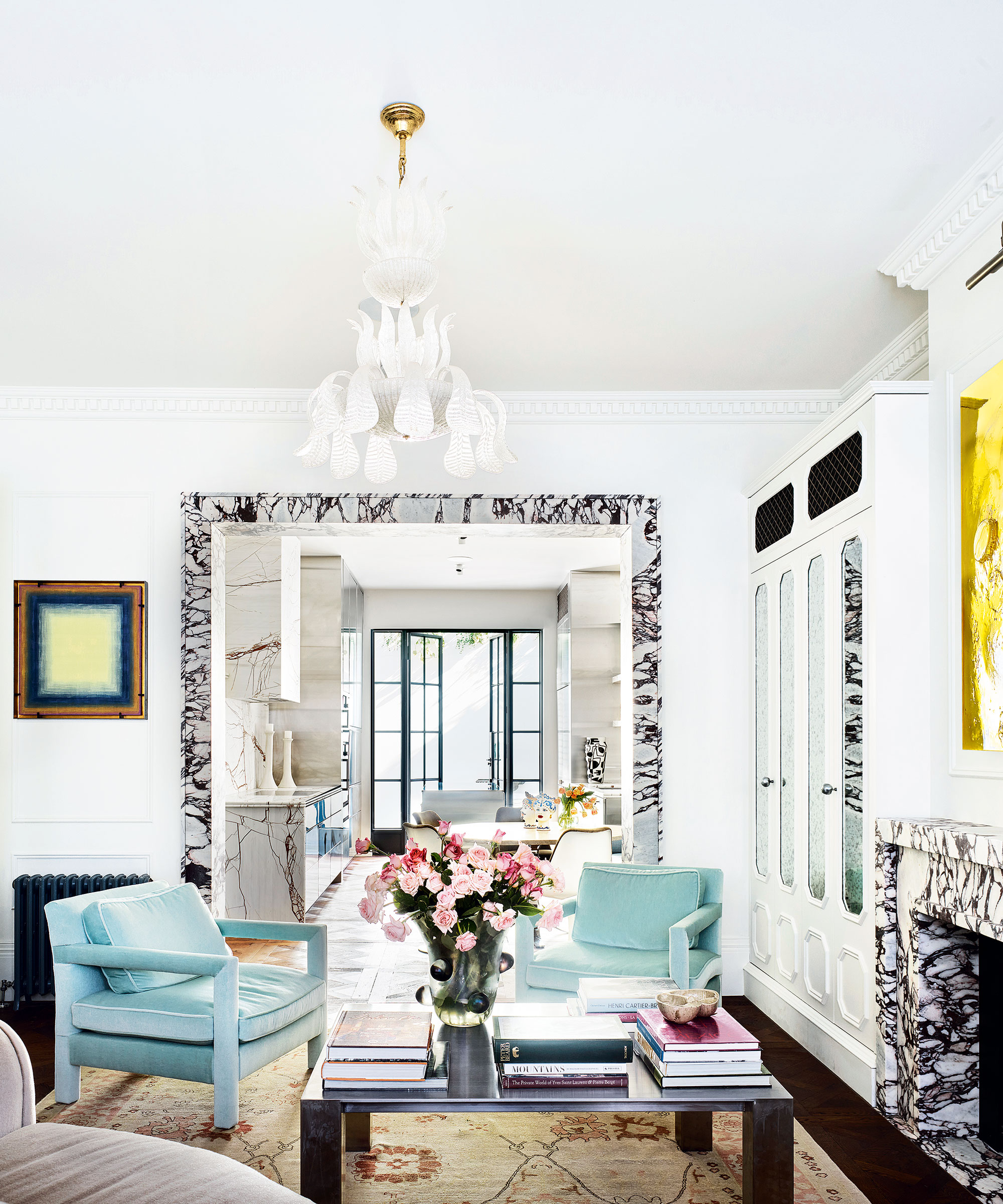
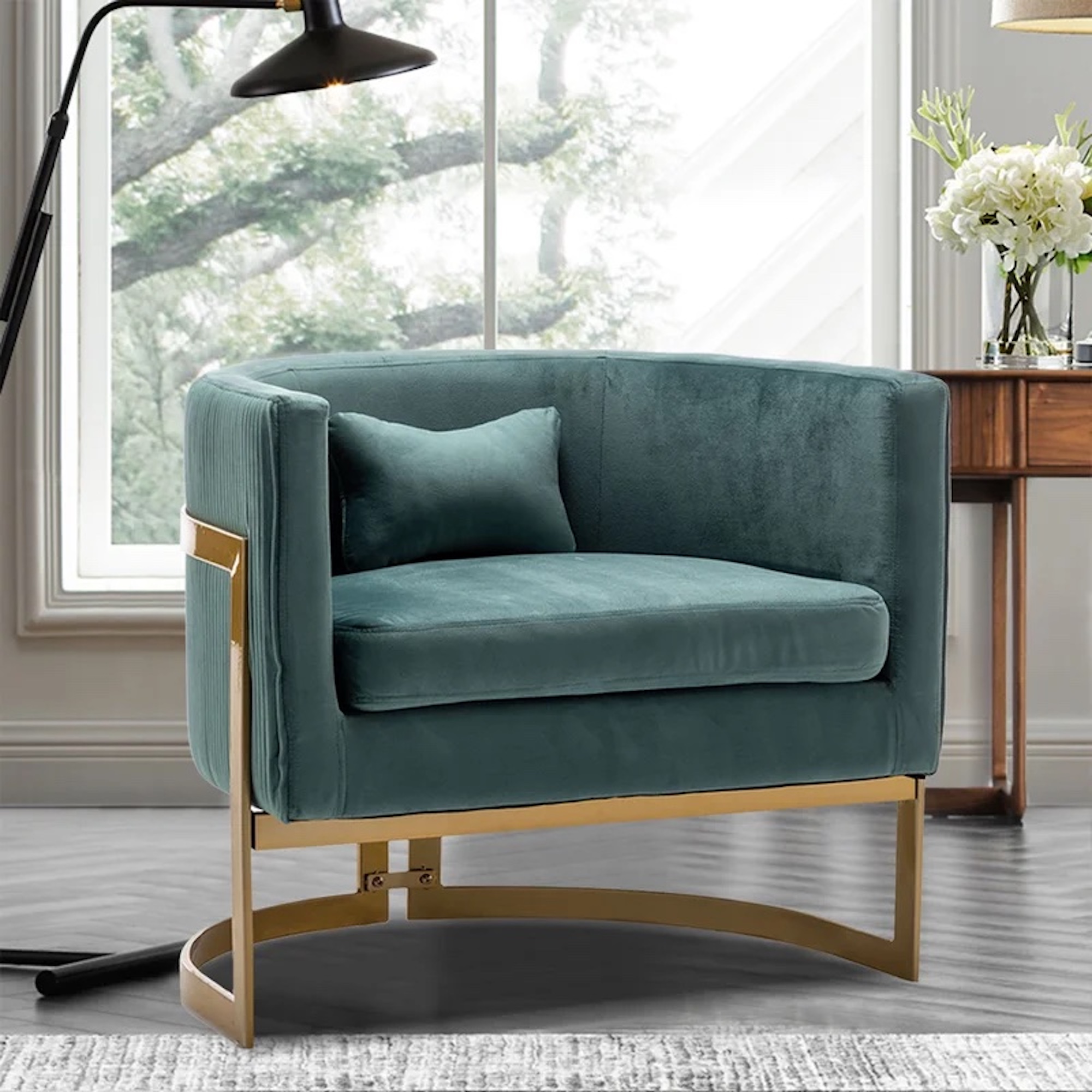
Understanding the room's color palette is crucial for successful integration. Collins explains that while contrasting colors can work effectively, there's a "right" and "wrong" way to clash. Identifying the room's overall tone—whether it's dominated by cool blues or warm hues—helps in selecting a complementary or harmoniously clashing shade. A color wheel can be a valuable tool for determining the best color combinations.
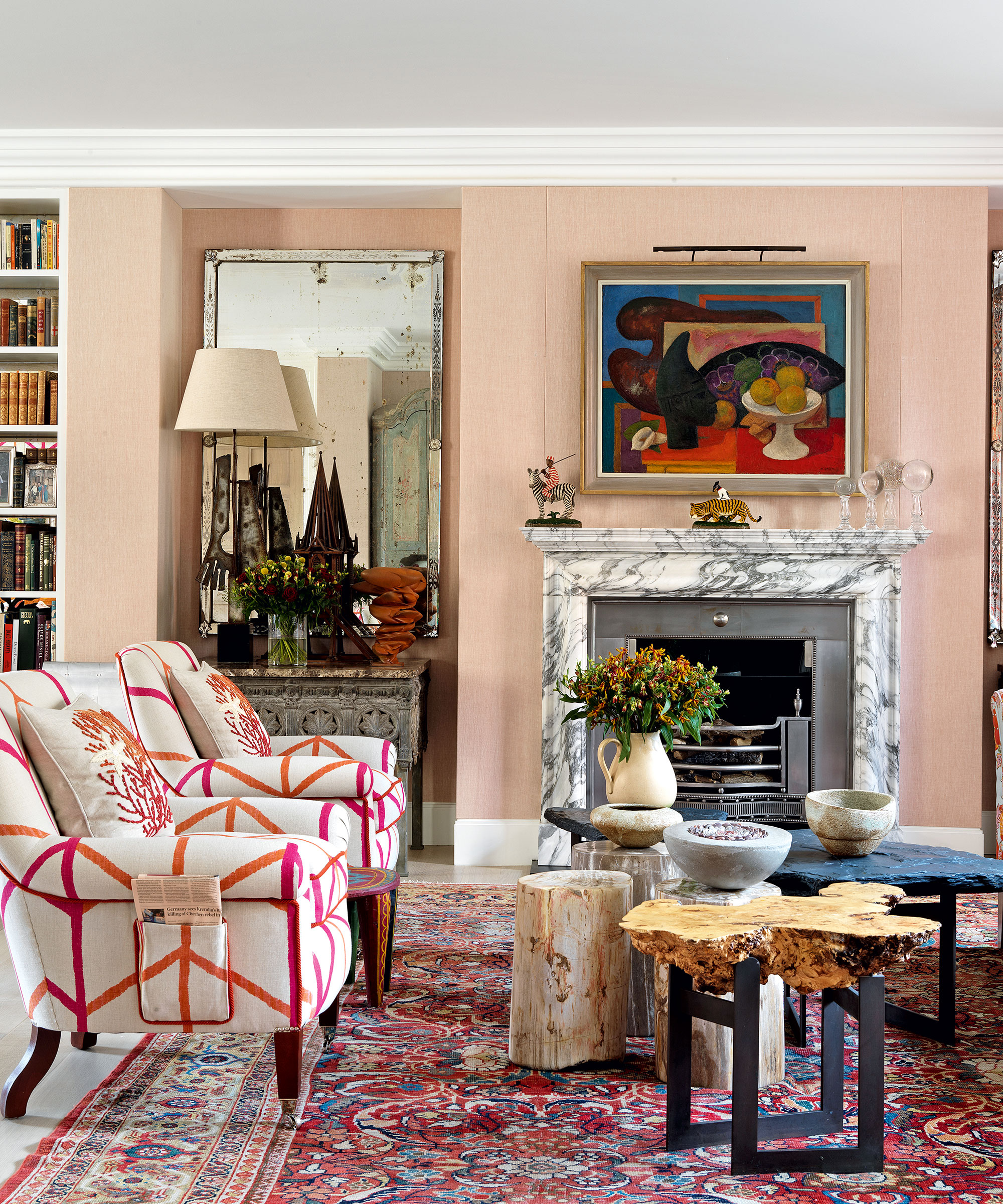
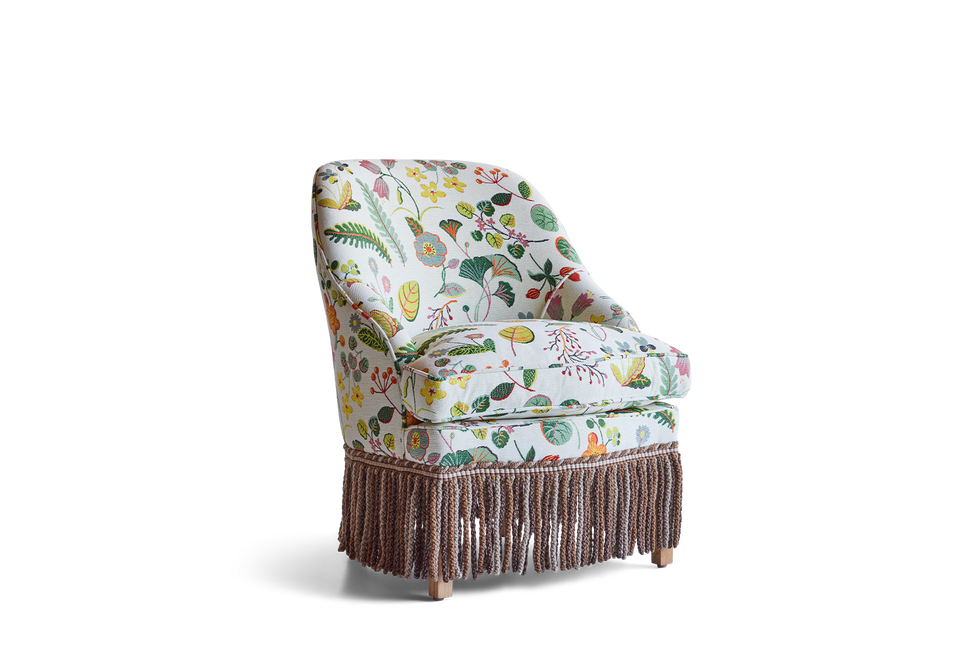
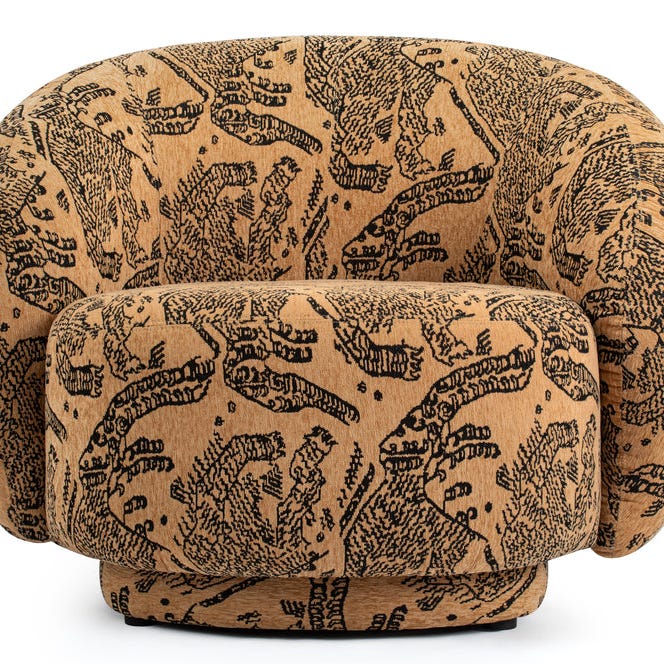
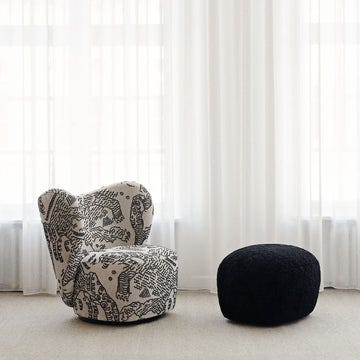
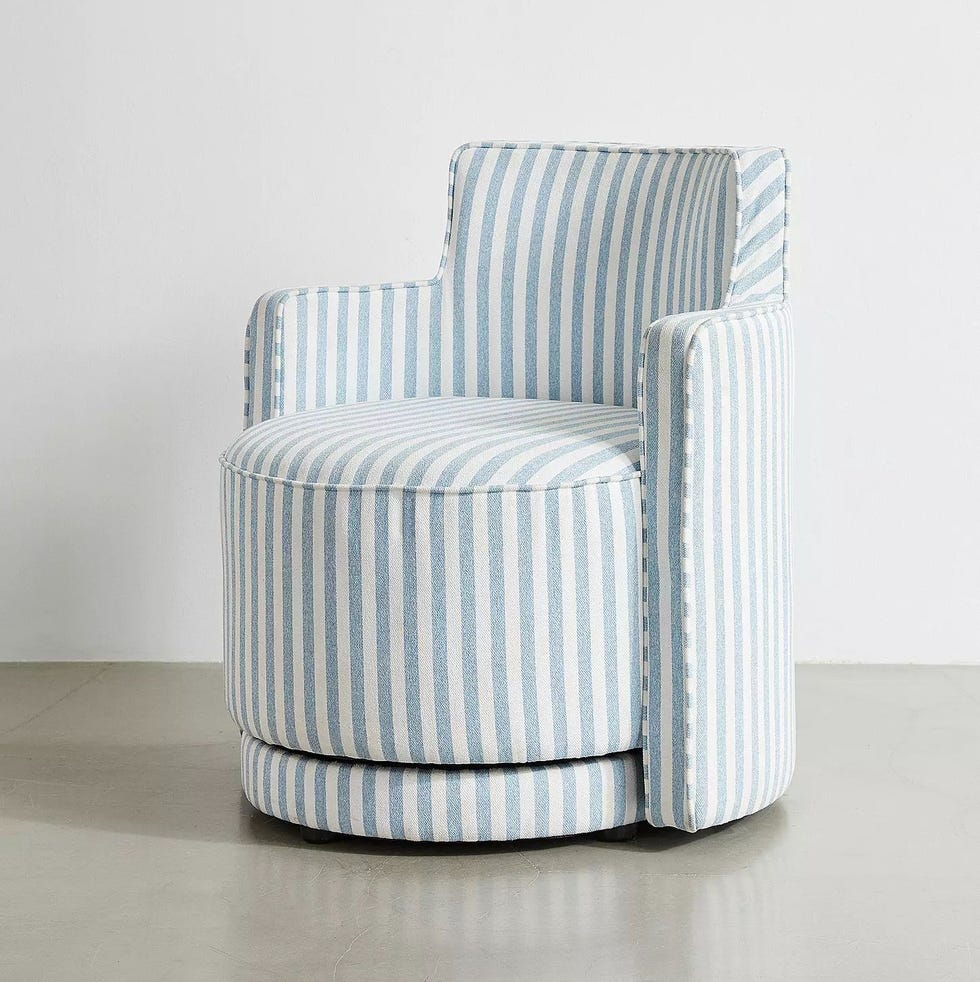
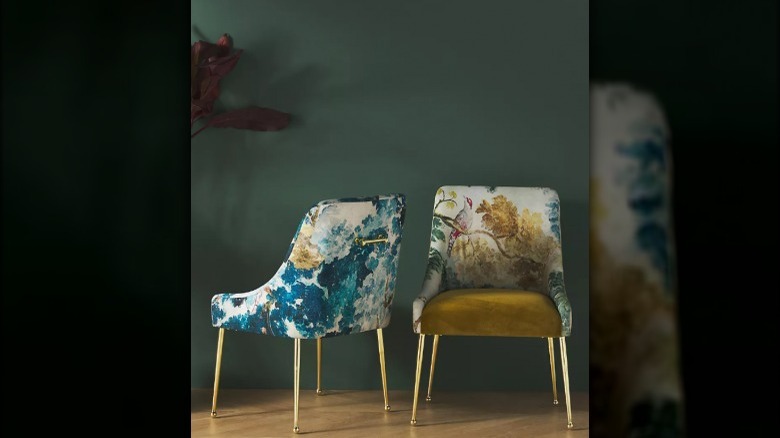
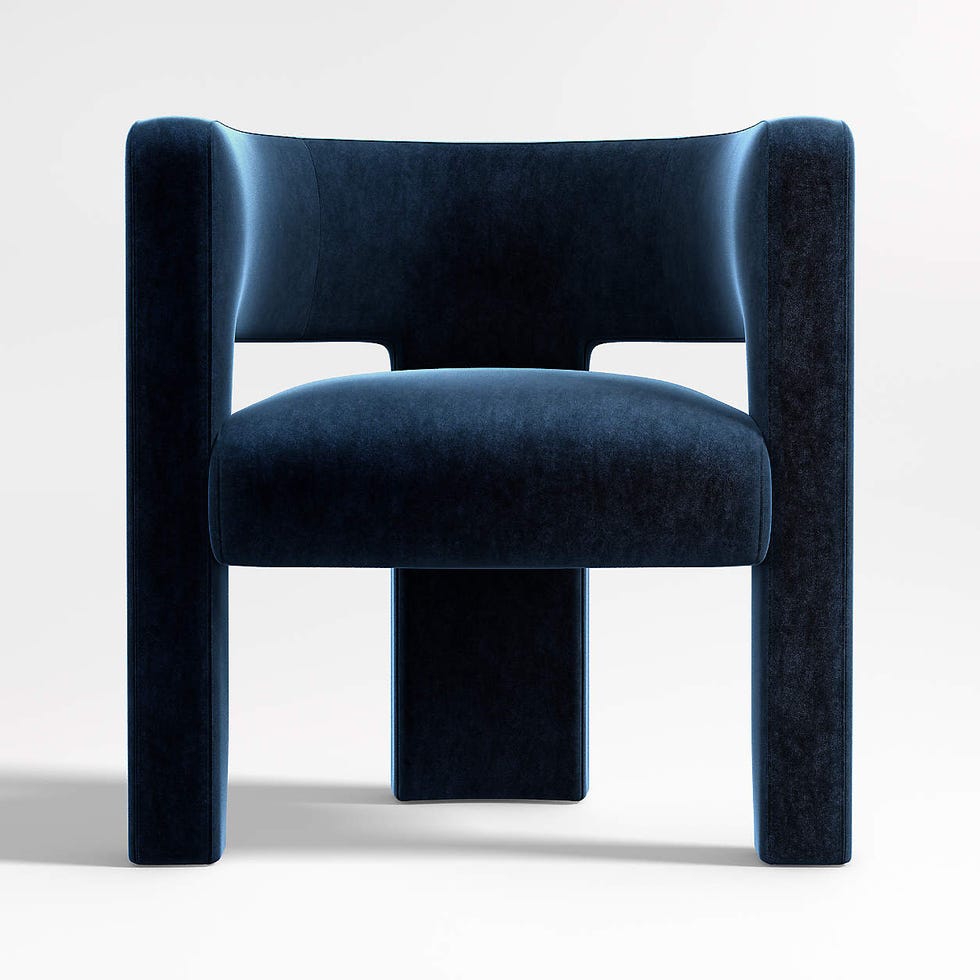
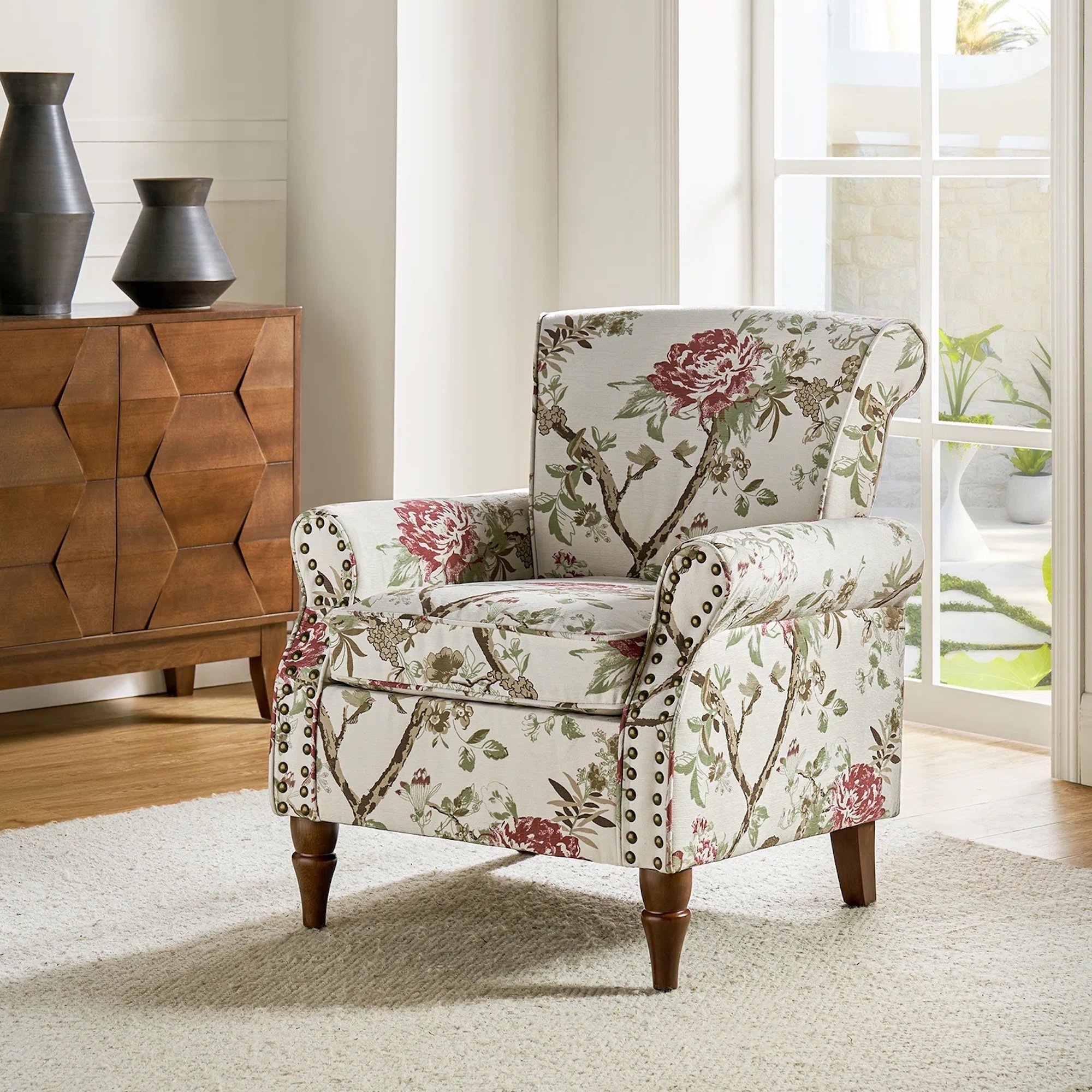
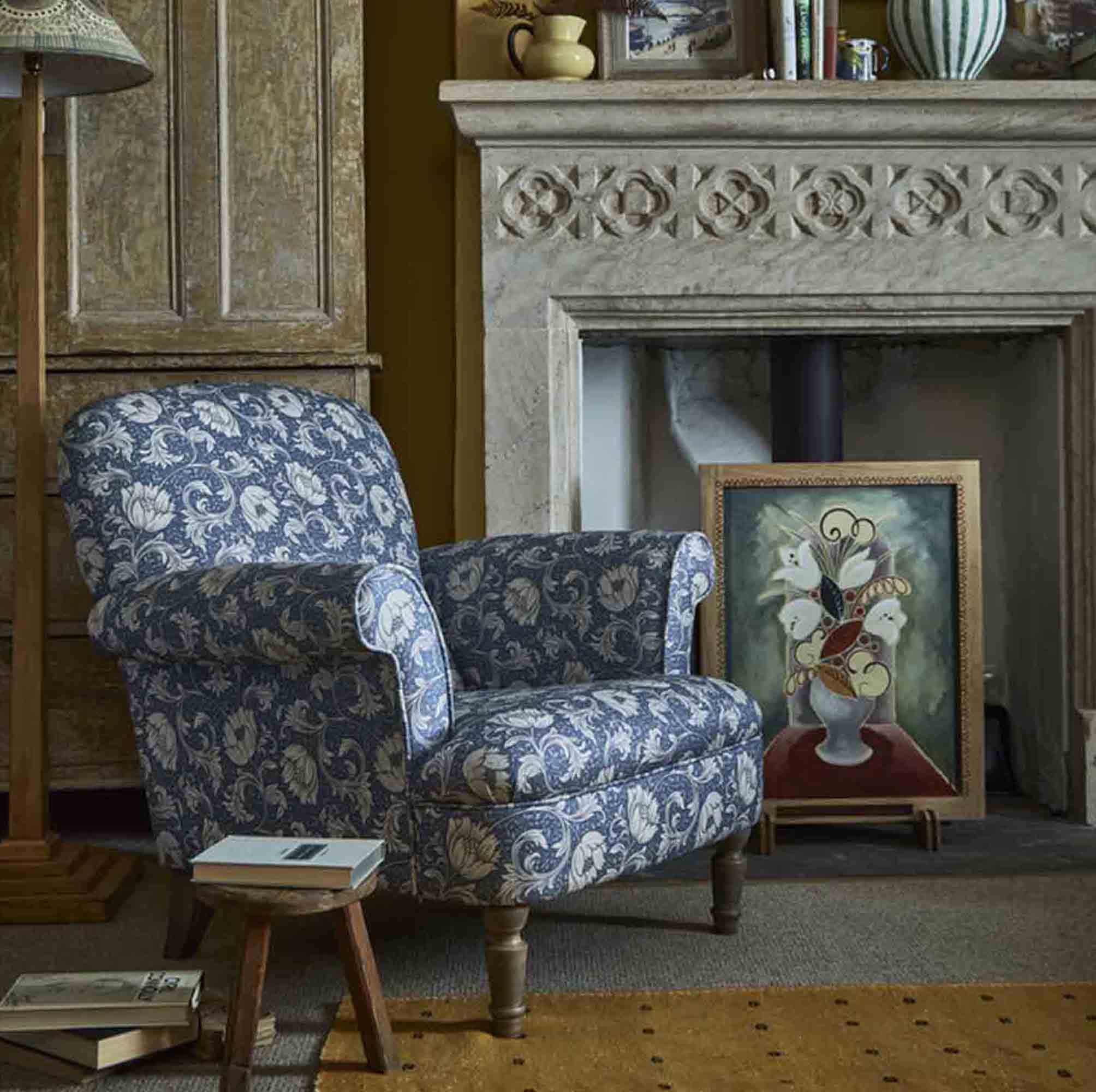
The article also advises against overdoing patterns on accent chairs. While a bold pattern might seem like an easy way to inject personality, it can easily overpower a room. Instead, a strong, block color can draw the eye effectively without being overwhelming. If a pattern is preferred, it should support the existing theme, such as a subtle polka dot or a light floral design, rather than disrupting it.
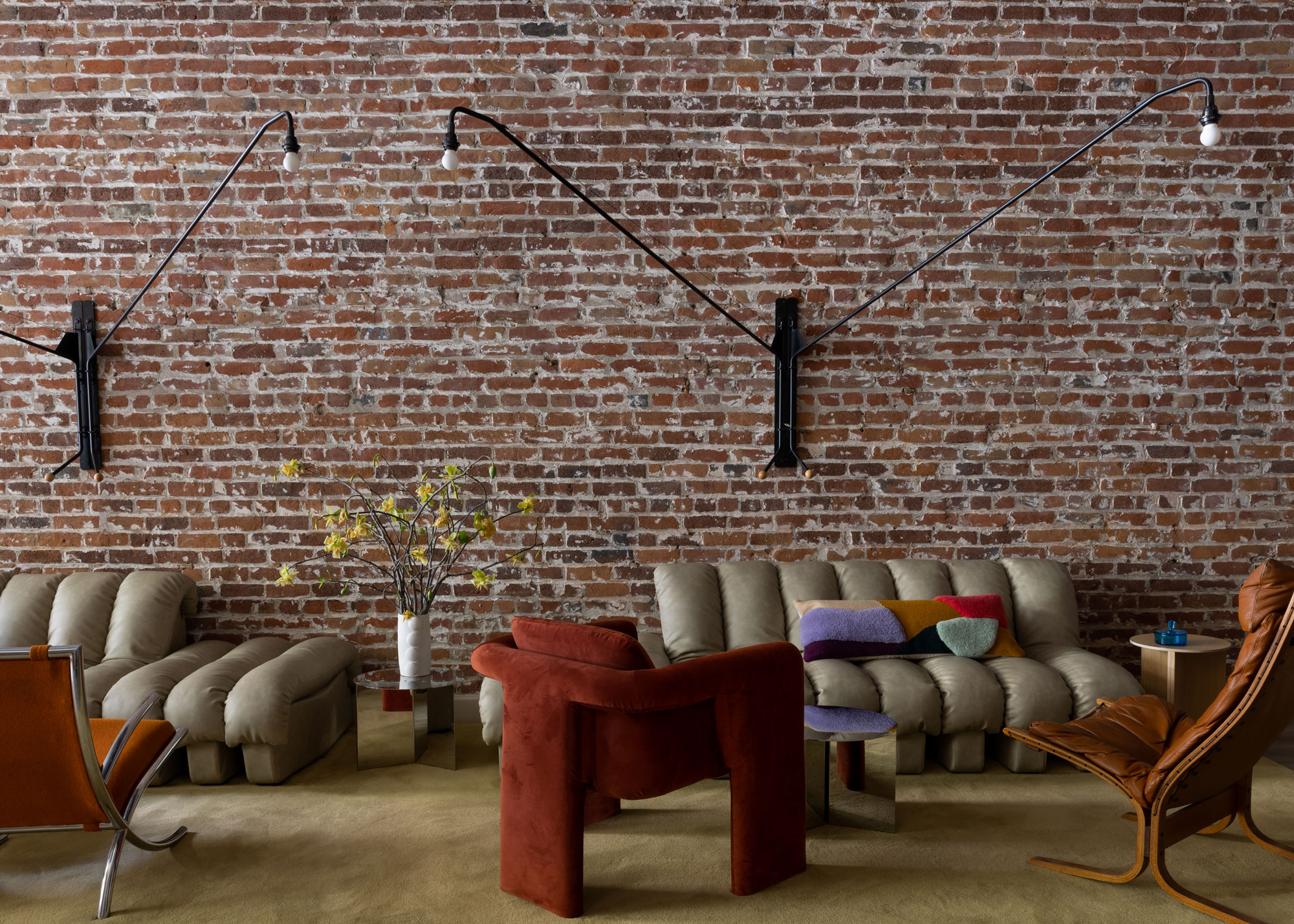
Finally, experimenting with the chair's position is essential. An ill-placed accent chair can make the entire room feel disjointed. Collins suggests using an object of similar size to test various placements, observing how it affects the room's appearance and flow. Leaving it in place for a period can help homeowners get accustomed to the new arrangement, building confidence before making the final purchase. Additionally, the article notes that matching colors should not be dismissed. While stark contrasts are often considered for accent pieces, coordinating palettes can also create a powerful visual impact, especially in quirky, colorful interiors. Matching a key tone can elevate the space, establishing a cohesive theme and making a bright shade stand out even more.
#AccentChair #InteriorDesign #HomeDecor #ColorPalette #StylingTips #FurniturePlacement #DesignElements #HomeInteriors #Decorating #AccentChair #InteriorDesign #HomeDecor #ColorPalette #StylingTips #FurniturePlacement #DesignElements #HomeInteriors #Decorating
0 comment in total
 No comments yet
You may also like
Accent chair ideas – 10 essential design rules for chair layouts, styles and trends

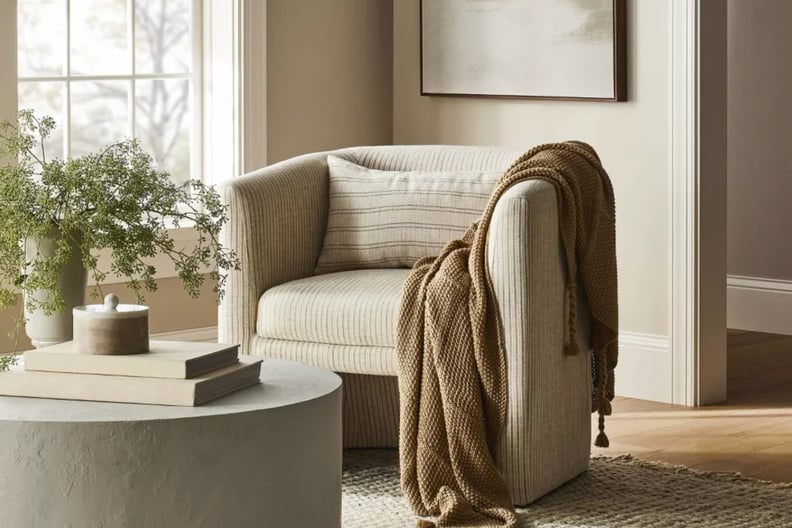
The Best Accent Chairs to Shop Online From Amazon, West Elm, and More
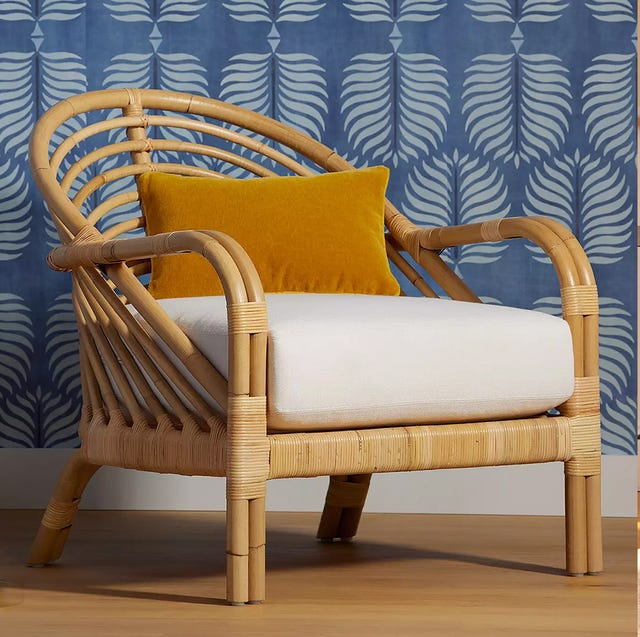
17 Comfy (and Cute!) Accent Chairs That'll Make Your Guests Wanna Stay Just a Liiittle Bit Longer

organic contours and asymmetric forms carved from cherry and maple wood define buttonback chair
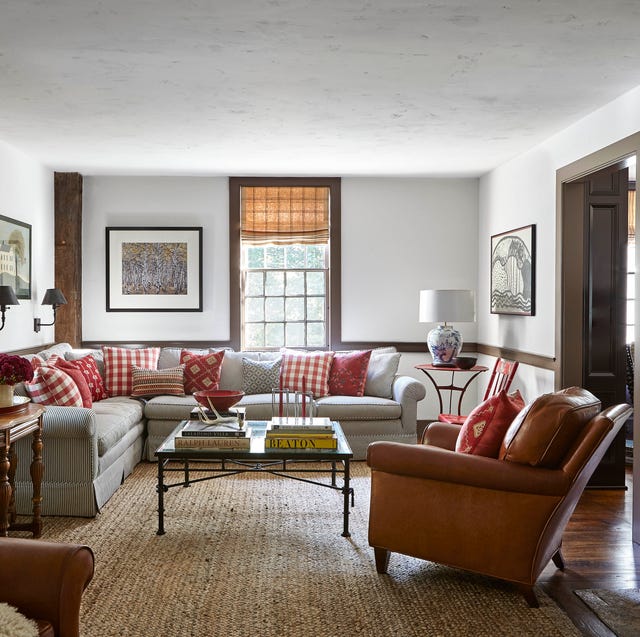
The 15 Best Accent Chairs for Your Living Room, According to Designers
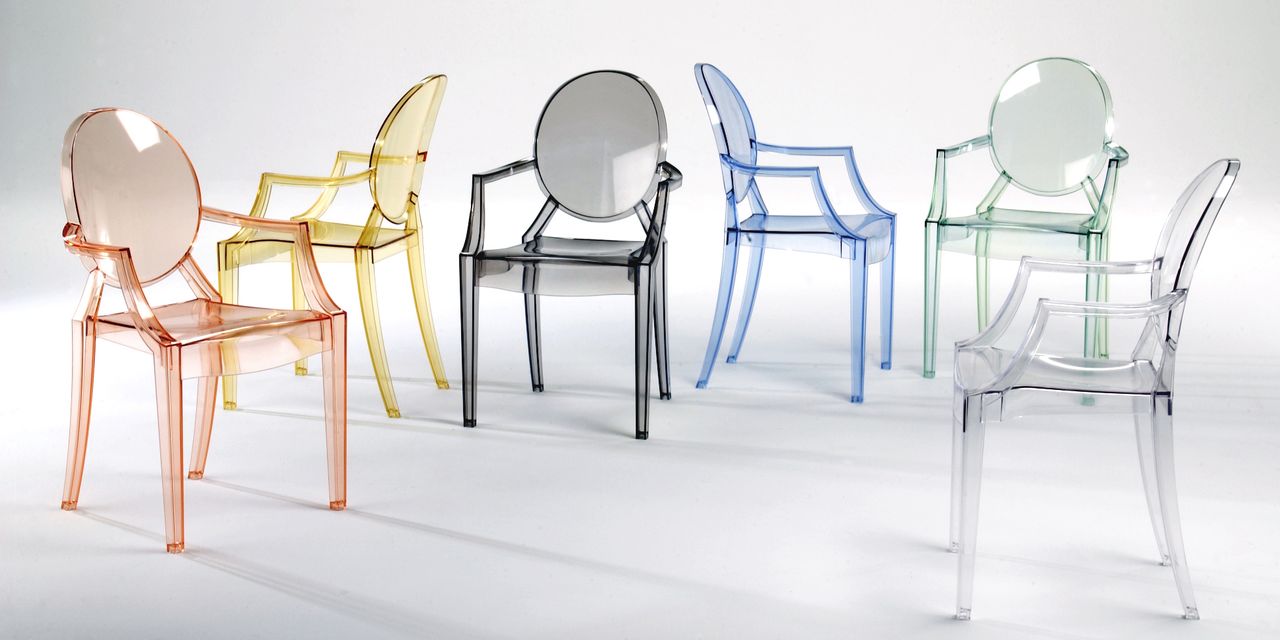
23 Types of Chairs, Explained

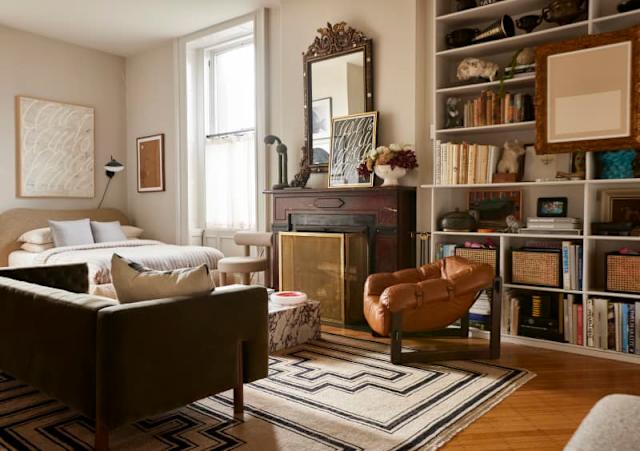
My Favorite Designer Swears By the “4-Inch” Rule for Seating in Every Room of the House

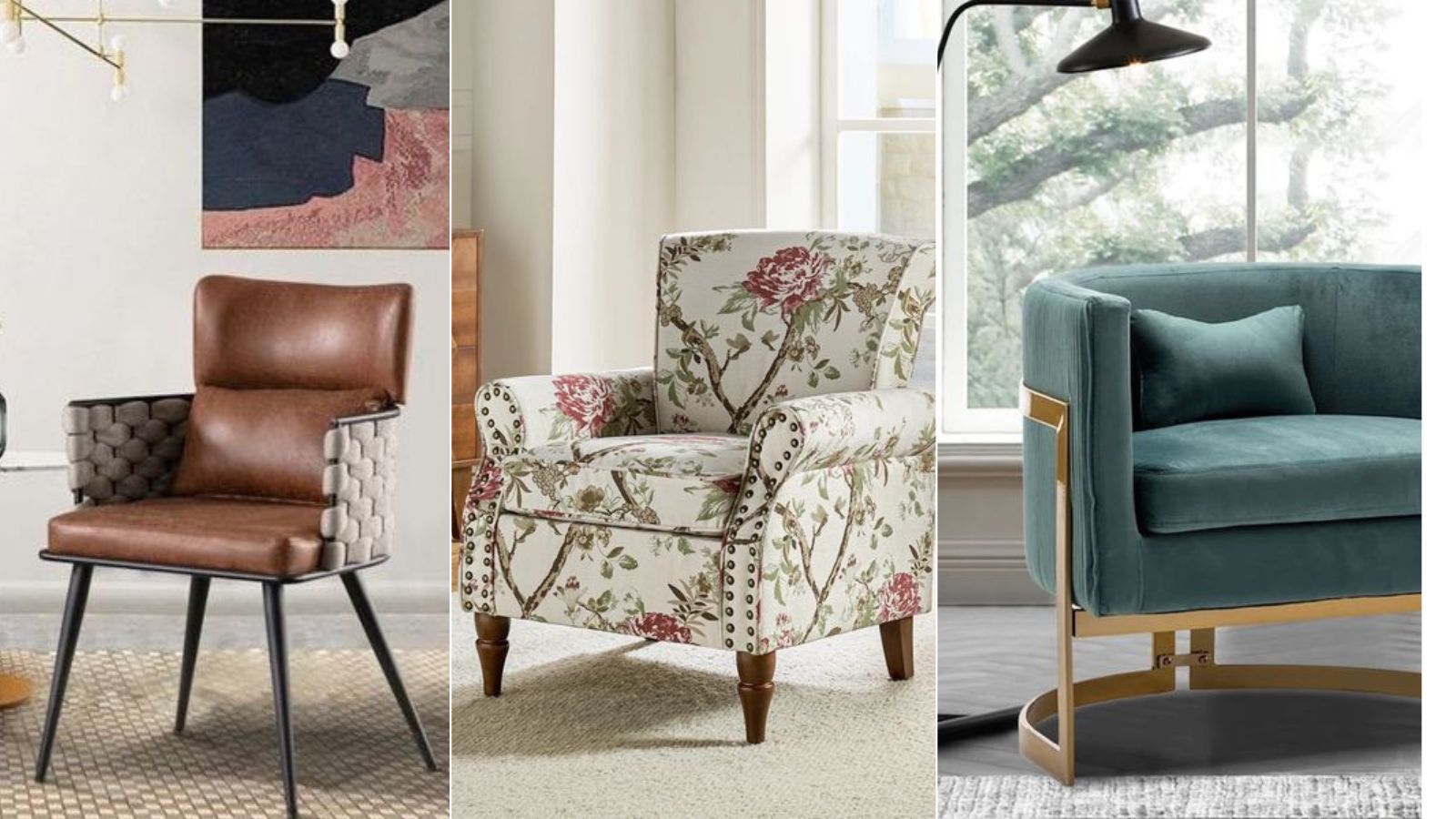
I swear by Wayfair for chic, affordable accent chairs – these are my top 9 picks
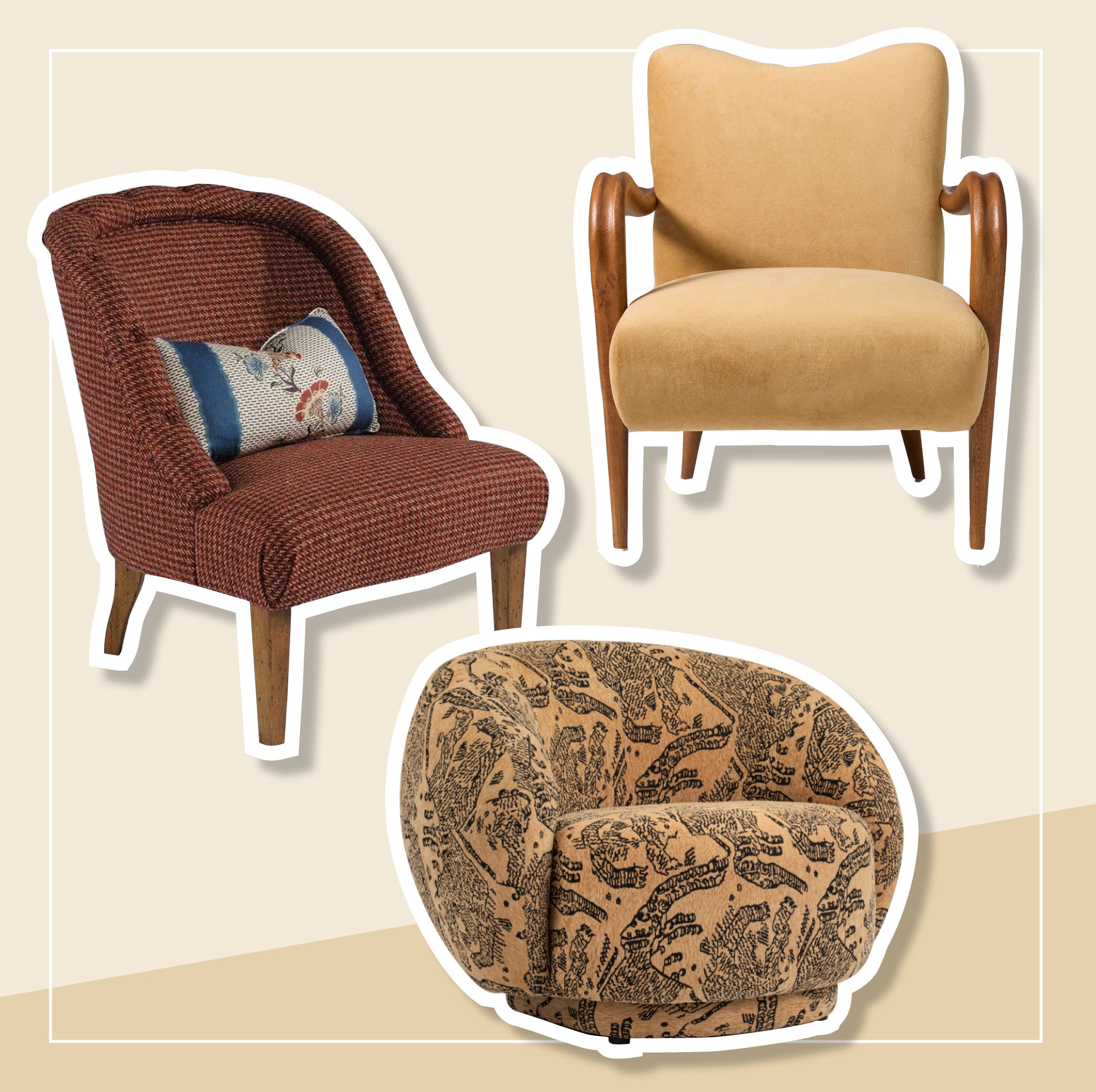
Interior Designers Swear By These 11 Cozy Accent Chairs

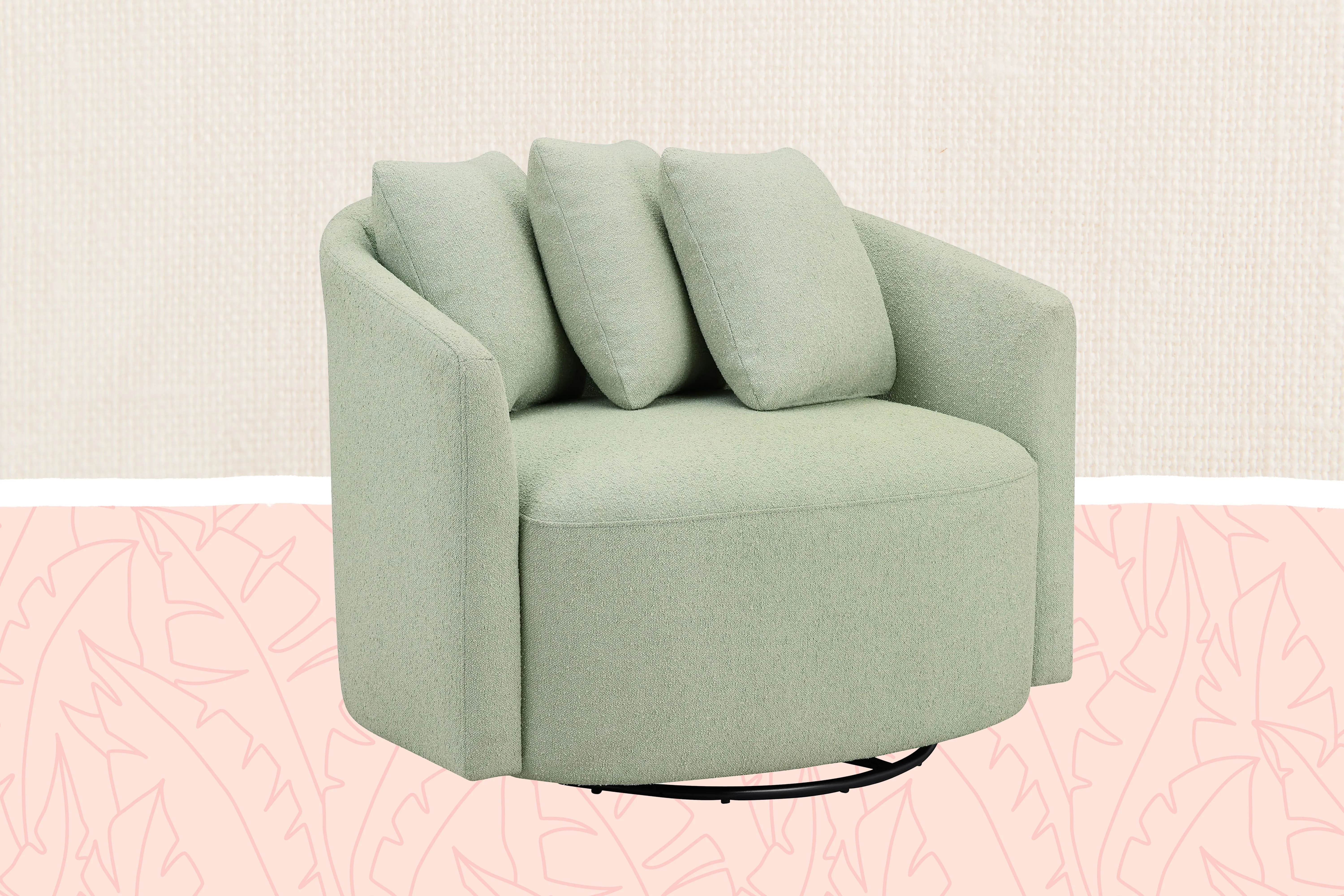
The Best Accent Chairs for Every Space and Style

We Tested (and Rated!) All the Accent Chairs at Blu Dot
The Science of Sitting: 6 Rules for Choosing a Comfortable Sofa

12 Comfy Accent Chairs We Can't Stop Talking About
The 10 Best Small Accent Chairs of 2023 to Accentuate Your Space
18 Modern Accent Chairs That Will Instantly Elevate Your Living Space
This Designer Trend for Mismatched Accent Chairs is the Secret to Elevating Your Living Room's Style

7 Accent Chairs To Add Style, Colour and Function To Any Room - Straight From The High Street

20 Accent Chairs That Will Add A Focal Point To Your Living Room

11 Stylish—and Comfy—Accent Chairs For Livening Up the Place

Chair Review: Lovesac Pillowsac Accent Chair