1/10
These Security Systems Can Watch Your Home When You Can’t.
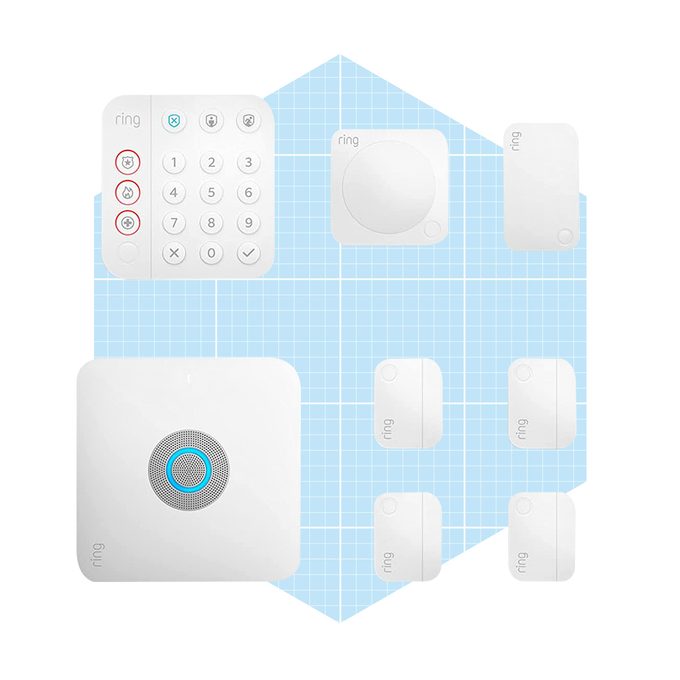
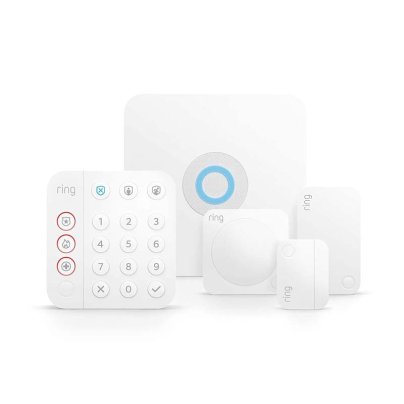
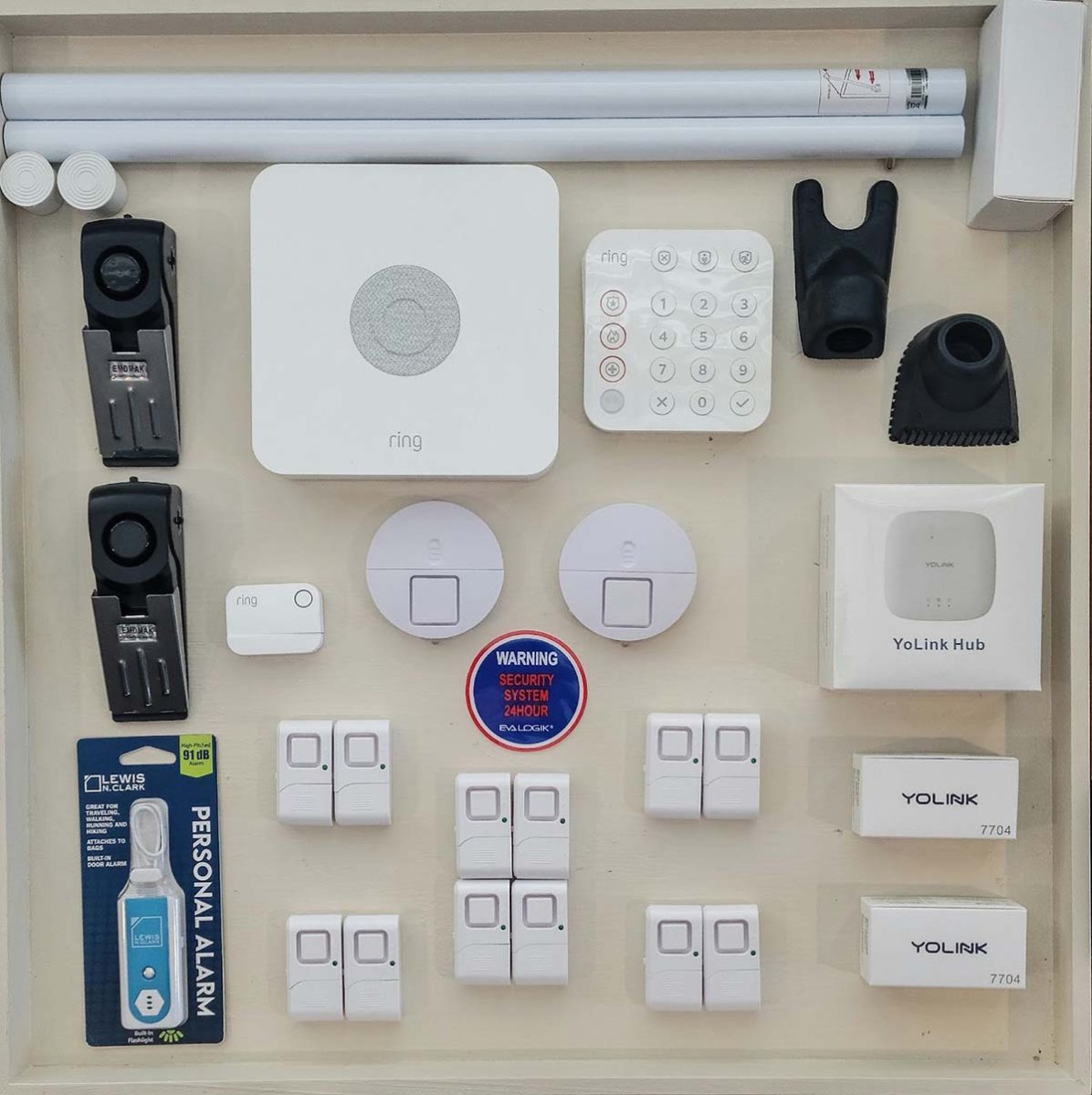
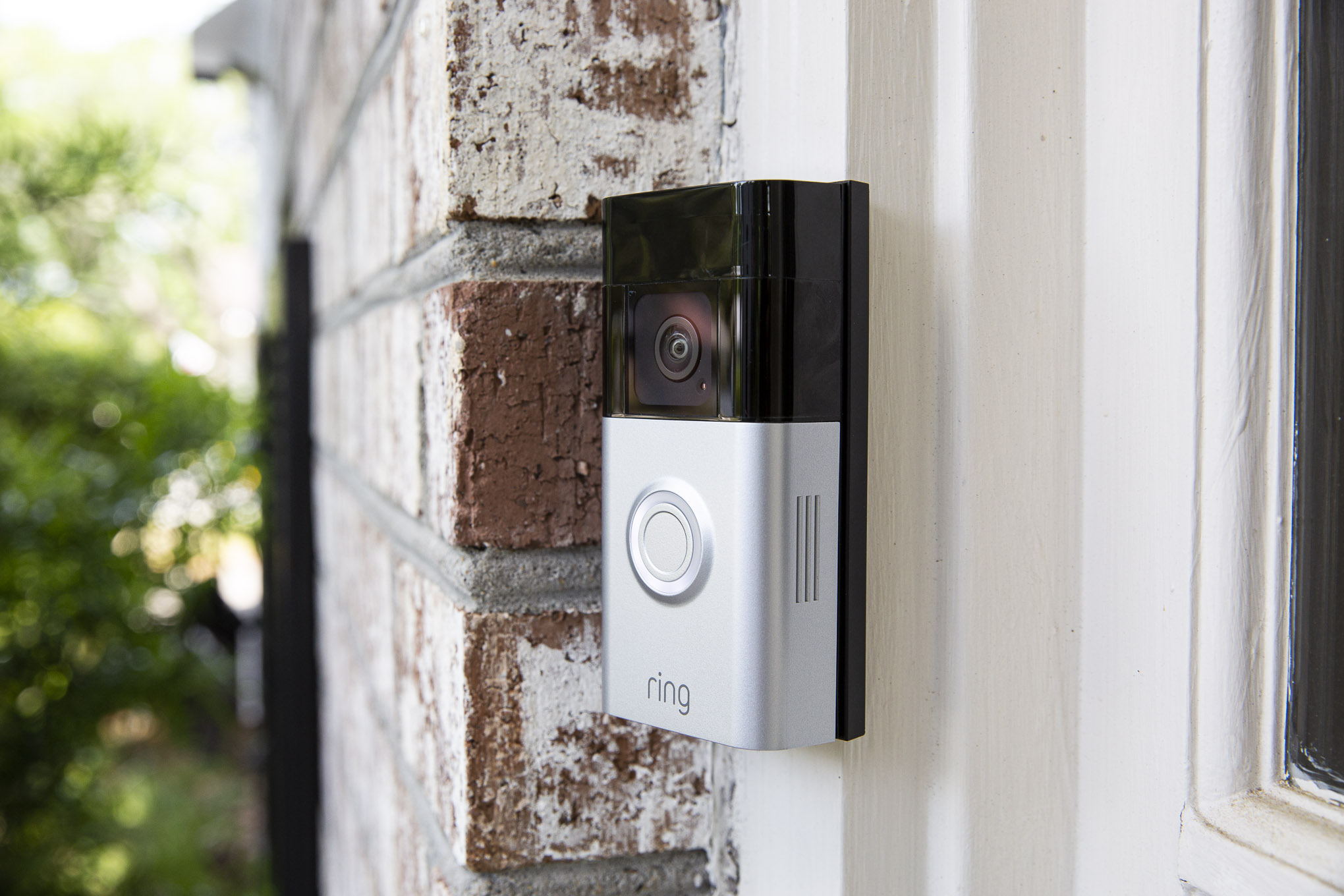
This article reviews various DIY home security systems, focusing on ease of installation, affordability, and the availability of monitoring plans. Traditional security systems often involve long contracts and professional installation, whereas modern DIY options offer flexibility in setup and monitoring subscriptions. The Ring Alarm Pro and the standard Ring Alarm are identified as top performers due to their user-friendly smartphone app control, extensive accessory options, and comprehensive yet cost-effective monitoring plans. Ring systems also excel in camera integration, offering diverse camera choices and including video storage in their monitoring plans.
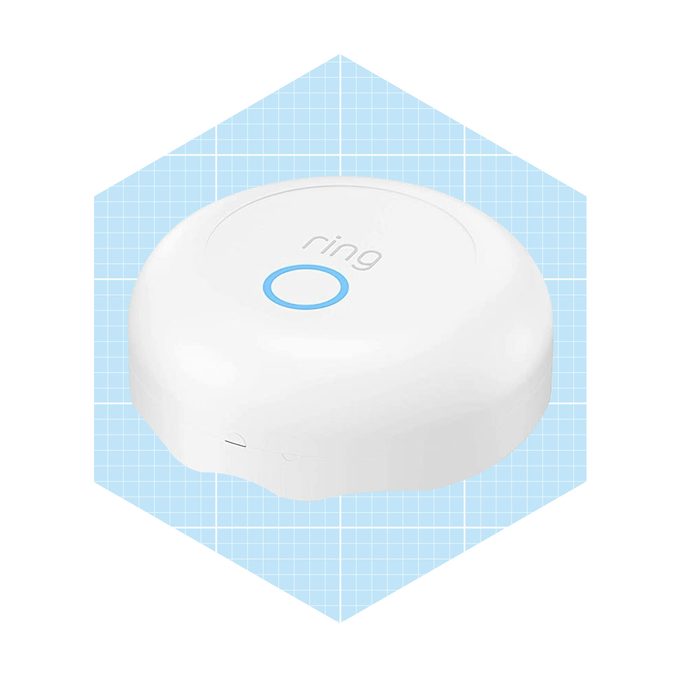
The Ring Alarm Pro is highlighted for its comprehensive features, including internet and power backup options, and a built-in Wi-Fi 6 router, which can enhance home Wi-Fi networks for security cameras and other smart devices. The standard Ring Alarm provides similar security performance but without the integrated Eero router, making it a more economical choice for users who do not require Wi-Fi mesh capabilities. Both Ring systems boast loud sirens, with the original Ring Alarm being slightly louder, and offer quick smartphone alerts. Ring's monitoring plan is optional but highly recommended, providing cellular backup and video storage, with a premium plan offering 24/7 internet backup and advanced video recording features.
SimpliSafe is presented as a strong runner-up, offering reliable monitoring and straightforward installation at an affordable price. While its accessory selection is not as broad as Ring's, SimpliSafe provides its own range of cameras and smart locks. SimpliSafe also offers various monitoring plans, including options for video storage and "Video Verification," where monitoring agents can view live video to confirm emergencies, potentially reducing false alarms. SimpliSafe's customer service hours are more limited compared to Ring's 24/7 availability. Its smart home integration is also less extensive, primarily compatible with Amazon Alexa, Google Home, and August Smart Locks.
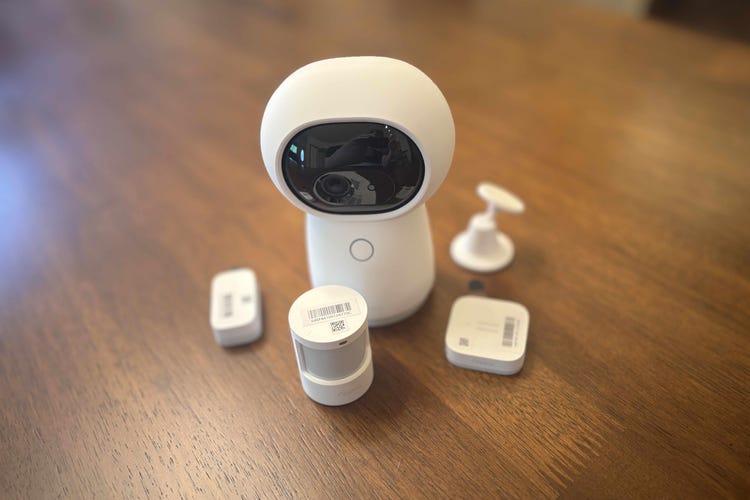
The Abode Smart Security Kit is recommended for smart-home enthusiasts due to its broad integration capabilities with third-party smart-home devices and platforms like Amazon Alexa, Apple Home, Google Home, IFTTT, Zigbee, and Z-Wave. However, Abode's system is noted to be less user-friendly and its accessories, including cameras, are more expensive and do not perform as well as those from Ring or SimpliSafe. A key limitation for Abode is the current lack of a carbon monoxide detector, though the company is testing new options. Abode also requires an Ethernet connection to the router and has a shorter backup battery life compared to Ring and SimpliSafe.
The article emphasizes the importance of professional monitoring, battery and cellular backup, and a useful package of sensors and accessories for any home security system. It also discusses privacy and security aspects, noting that Ring and SimpliSafe require two-factor authentication, while Abode makes it optional. All three systems encrypt video data in transit and at rest, with Ring offering end-to-end encryption as an opt-in feature for select cameras, ensuring higher privacy. The guide concludes by mentioning other systems considered and future testing, highlighting the ongoing evolution of home security technology.
#HomeSecuritySystem #DIYSecurity #SmartHome #RingAlarm #SimpliSafe #AbodeSecurity #ProfessionalMonitoring #SmartCameras #DataPrivacy #HomeSecuritySystem #DIYSecurity #SmartHome #RingAlarm #SimpliSafe #AbodeSecurity #ProfessionalMonitoring #SmartCameras #DataPrivacy
0 comment in total
 No comments yet
You may also like
10 Places Smart Homeowners Install Security Cameras

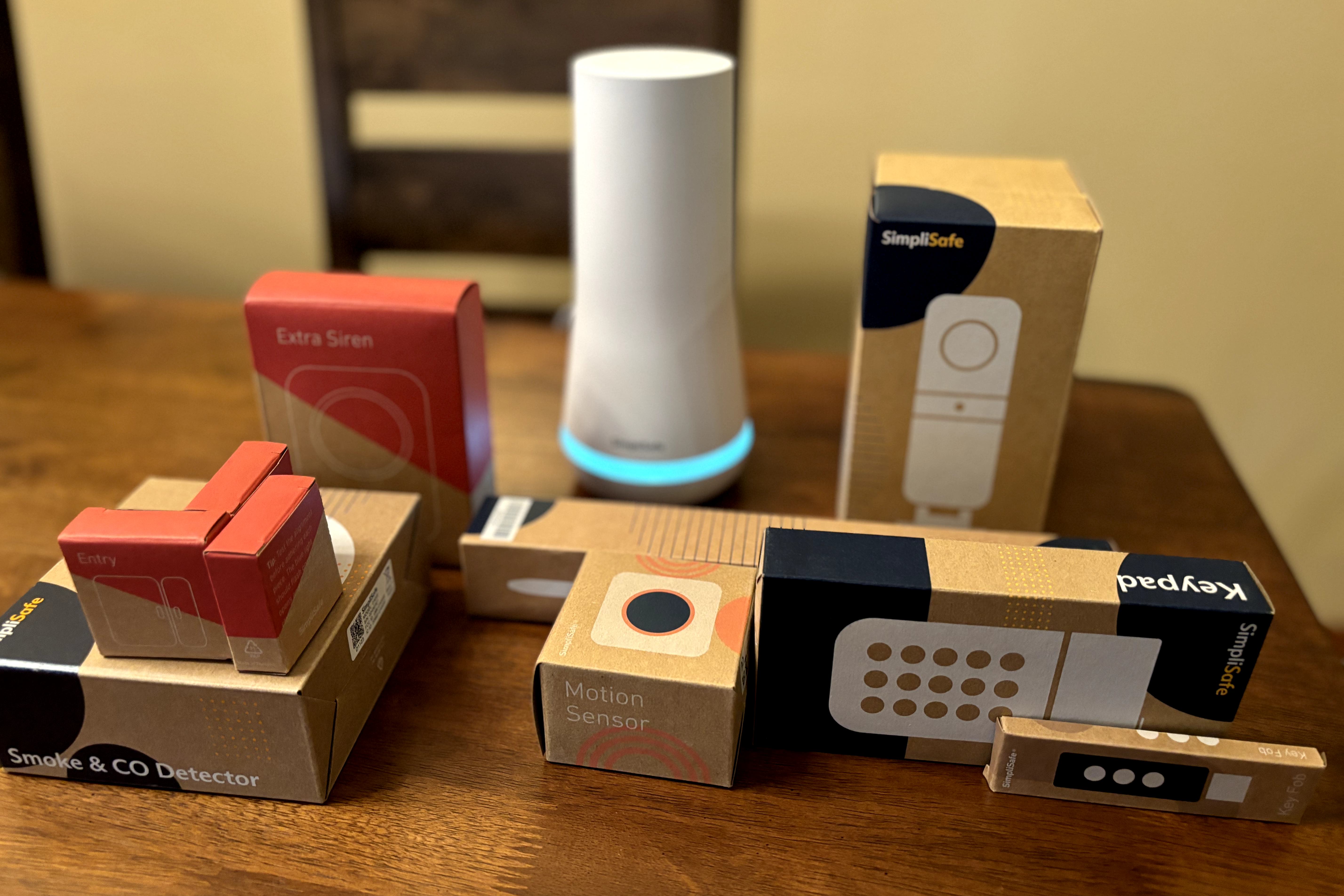
Best Cheap Home Security Systems for 2026: Save on Safety

Best Smart Home Safes for 2026: We Cracked the Code
The Best Smart Locks for 2025
Keep Burglars at Bay with 17 DIY Hacks for a Theft-Proof Home

Keep Burglars at Bay with 20 DIY Hacks for a Theft-Proof Home
Best Smart Locks, Based On Extensive Expert Testing


The best smart home products of 2025-26

Latest Smart Home Security Best Picks
The 5 Best Security Cameras for Your Home of 2026 | Reviews by Wirecutter

Experts reveal 4 fool-proof home security options for renters – protect your home without risking your deposit


This Camera Makes It Easy To Spy on Your Pets (or Family) When You’re at Work

6 Spots Where Your Security Camera Can Best Protect Your Home
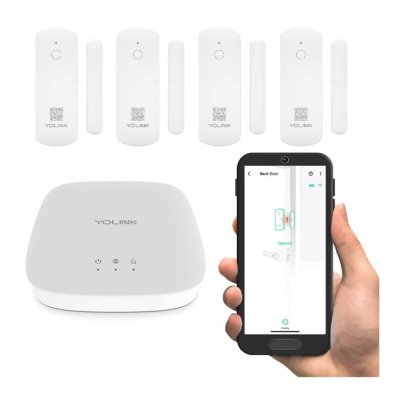
We Tested The Best Door and Window Alarms to Keep Your Family Safe


Smart home essentials: 6 beginner-friendly gadgets under $100
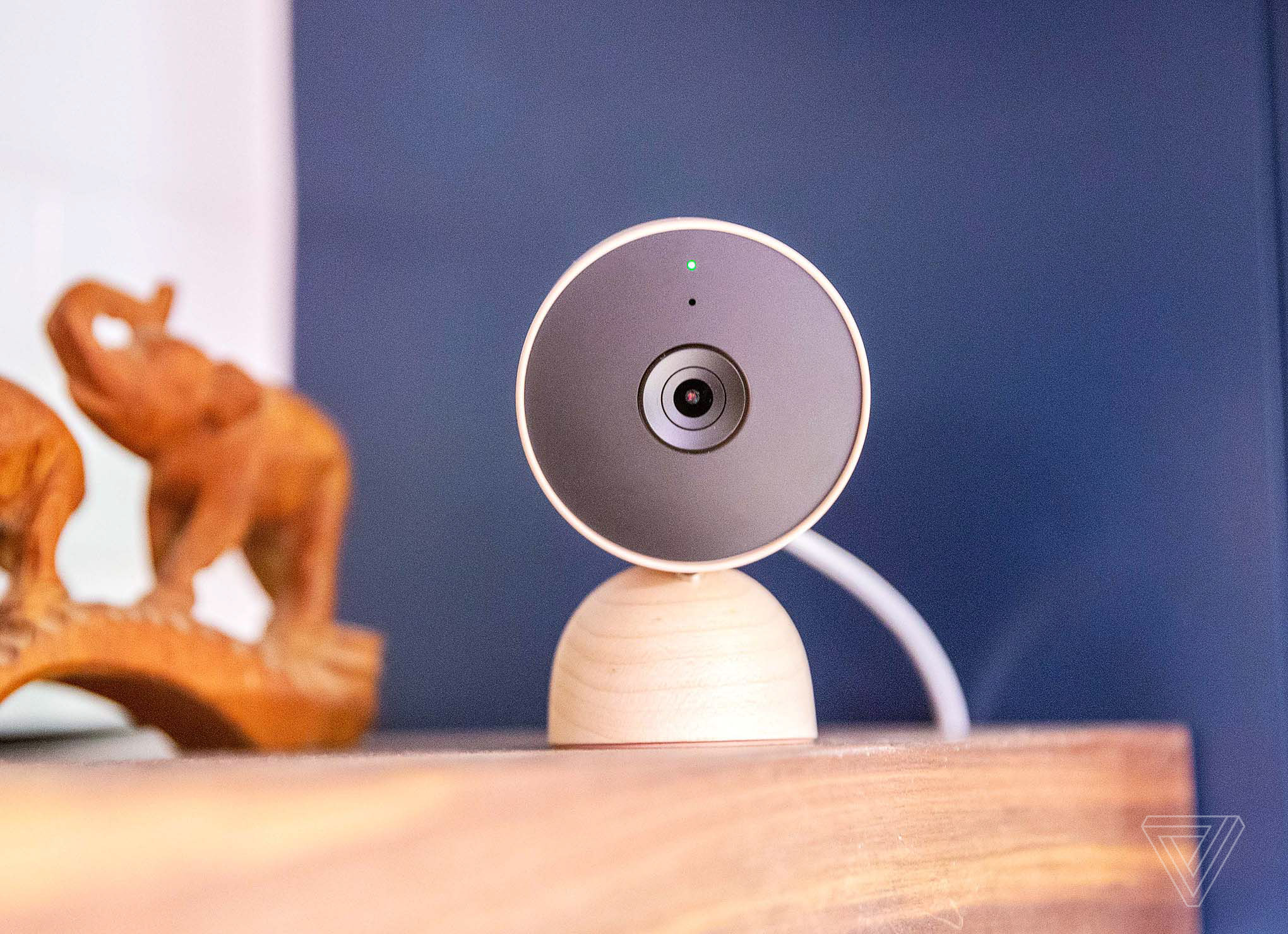
Nest Cam (indoor) review: Google’s pretty little camera takes one step forward and three steps back

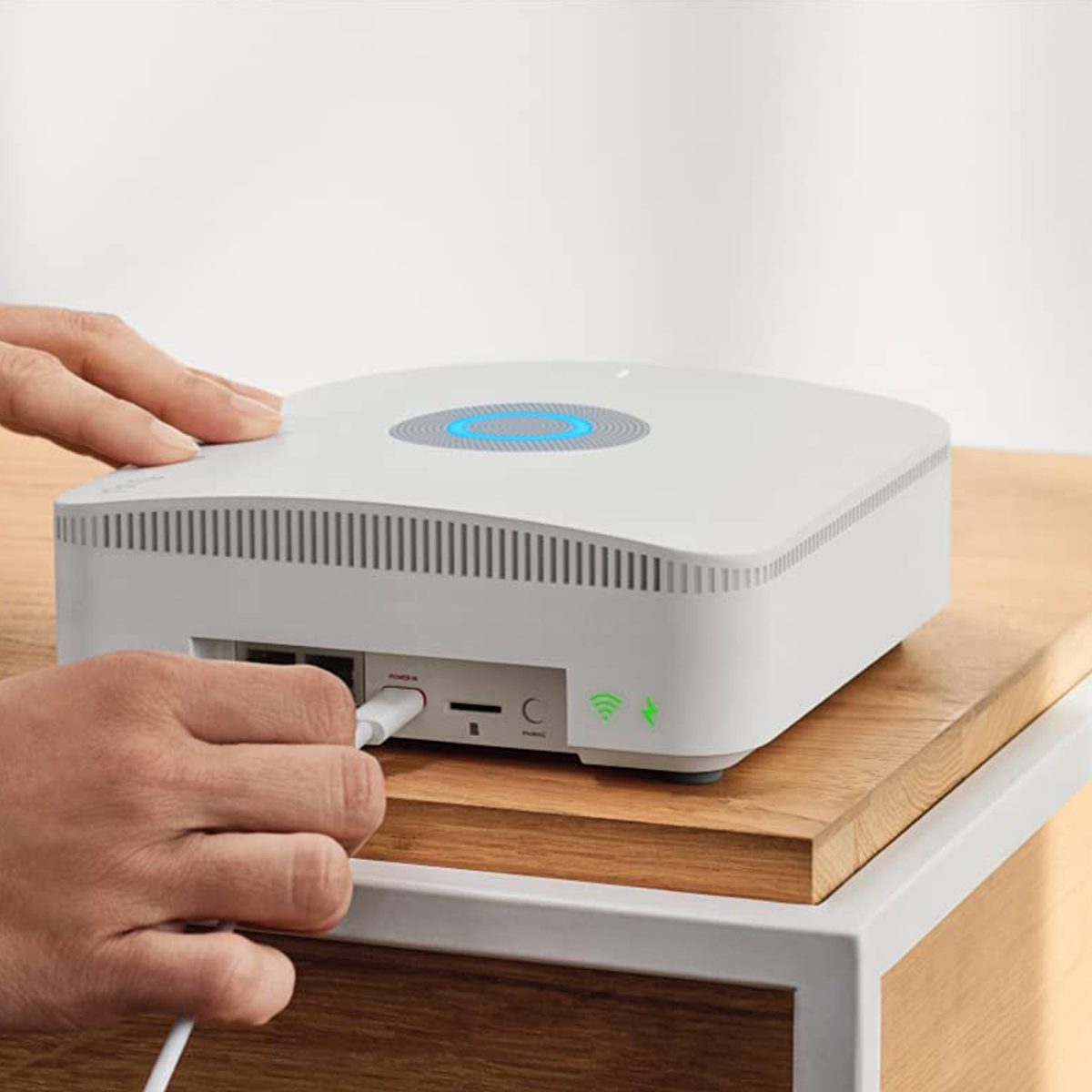
5 Home Security Additions That Can Lower Your Homeowner’s Insurance Rate

The best smart doorbell cameras

AI Is Making a Lot of Big Promises, but It Can’t Even Properly Identify My Cat
Set Up Your Front Door to Auto-Unlock and Open Hands-Free