1/6
The Best Furniture Paint of 2025
This comprehensive guide to furniture paint explores the various types available and their optimal applications, aiding in successful furniture restoration and upcycling projects. The article highlights key differences between furniture and wall paints, emphasizing the need for specialized furniture paints due to their higher binder content, which provides durability against frequent use and temperature changes. Furniture paints are also typically self-leveling, ensuring a smooth finish. The guide categorizes paints by type, including chalk, milk, mineral, water-based alkyd, and latex paints, detailing their characteristics and best uses.
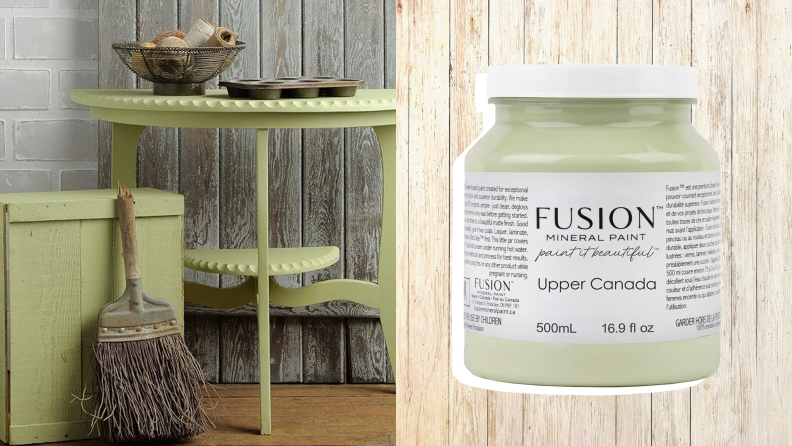
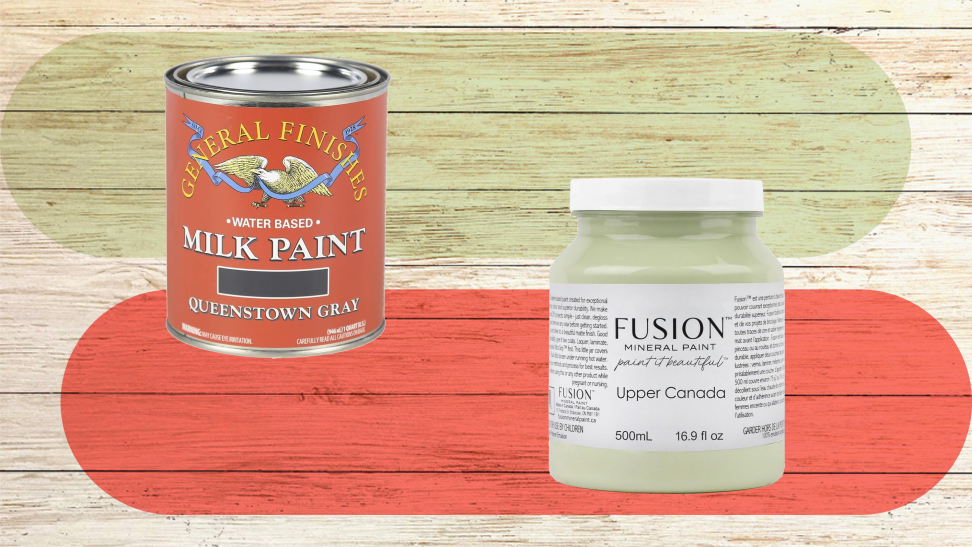
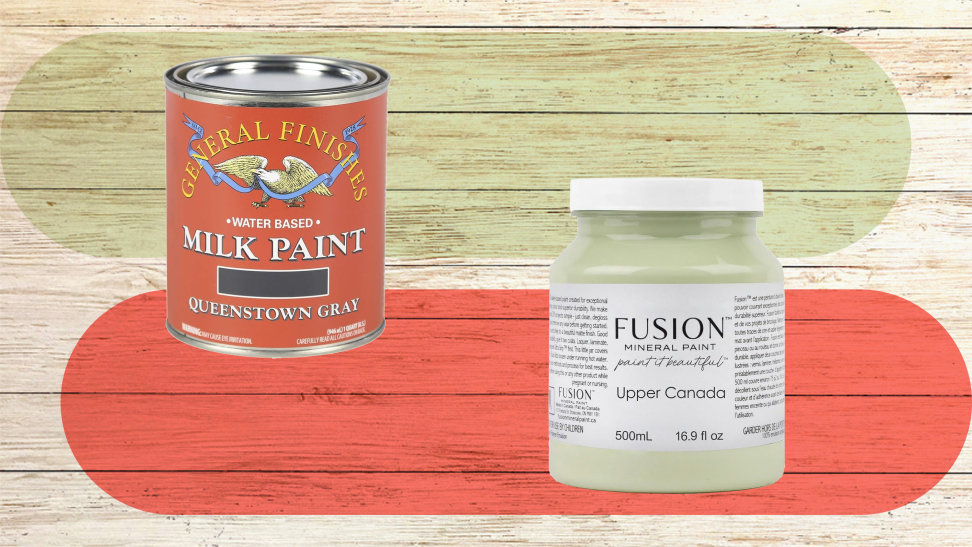
Fusion Mineral Paint is identified as the top choice overall. This acrylic paint is non-toxic, low-VOC, and available in 50 colors, making it easy to work with, especially on wood. It features a built-in topcoat for protection against UV, water, and stains, with an option for an additional topcoat in high-traffic areas. Fusion Mineral Paint offers approximately 75 square feet of coverage per pint, dries in about 2 hours, but requires a 21-day cure time for full hardness.
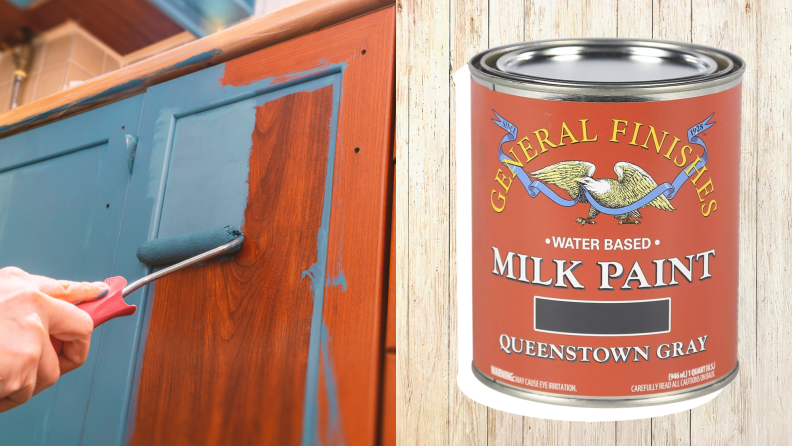
General Finishes Milk Paint is recommended as the best milk paint. Despite its name, it is a water-based acrylic paint, not containing casein or milk protein, yet still delivering a desirable antique, low-luster finish. It is low-VOC and made from over 50% renewable resources. A topcoat is not always necessary for low-wear pieces but is advised for high-traffic items to enhance scratch resistance, moisture protection, and longevity. The paint comes in 12 colors, with a tintable white base also available.
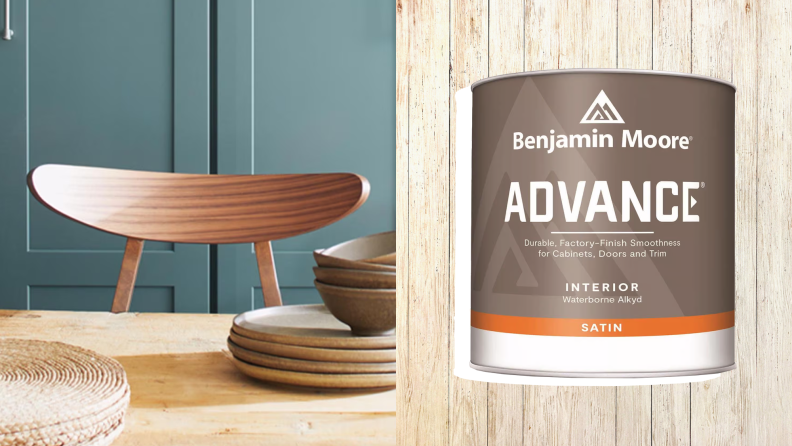
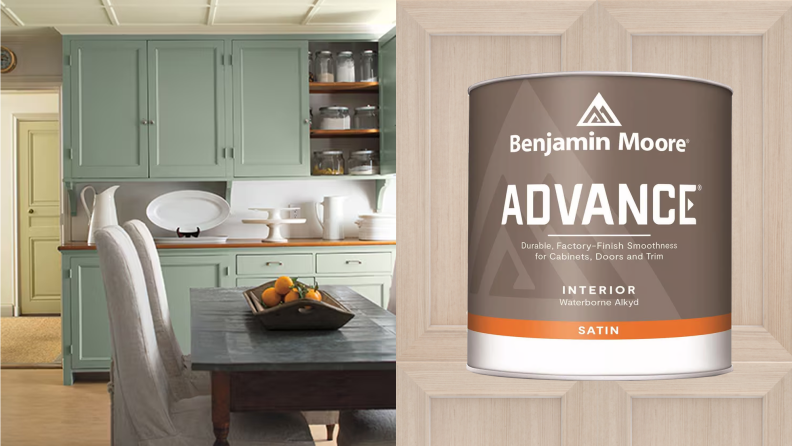
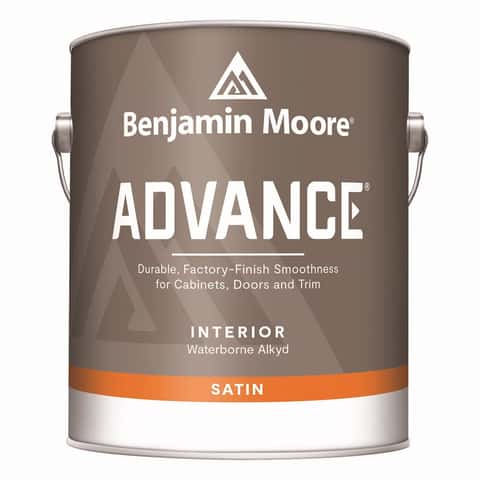
For maximum durability, Benjamin Moore Advance Waterborne Interior Alkyd is presented as the top choice. This water-based paint uses an alkyd resin to achieve the toughness of oil-based paints without their drawbacks, such as yellowing, high VOCs, or difficult cleanup. It forms a hard, durable shell that is easy to clean, making it ideal for high-wear furniture like cabinets and kitchen chairs. It offers up to 3,500 color choices and excellent coverage. However, it has long cure times and might yellow slightly over time, though less than traditional oil paints.
Valspar Cabinet and Furniture Oil-Enriched Enamel Paint is noted as another strong contender, sharing many benefits with Benjamin Moore Advance. It is a reliable water-based paint with oil-like qualities, including easy cleanup and durability. It can be applied to most surfaces with minimal prep and is available in about 2,000 tintable colors and various finishes. Users have reported longer cure times, potentially exceeding a month in humid conditions.
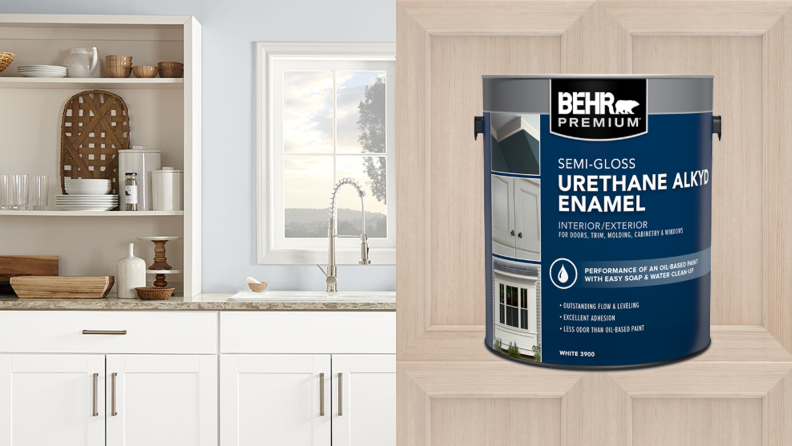
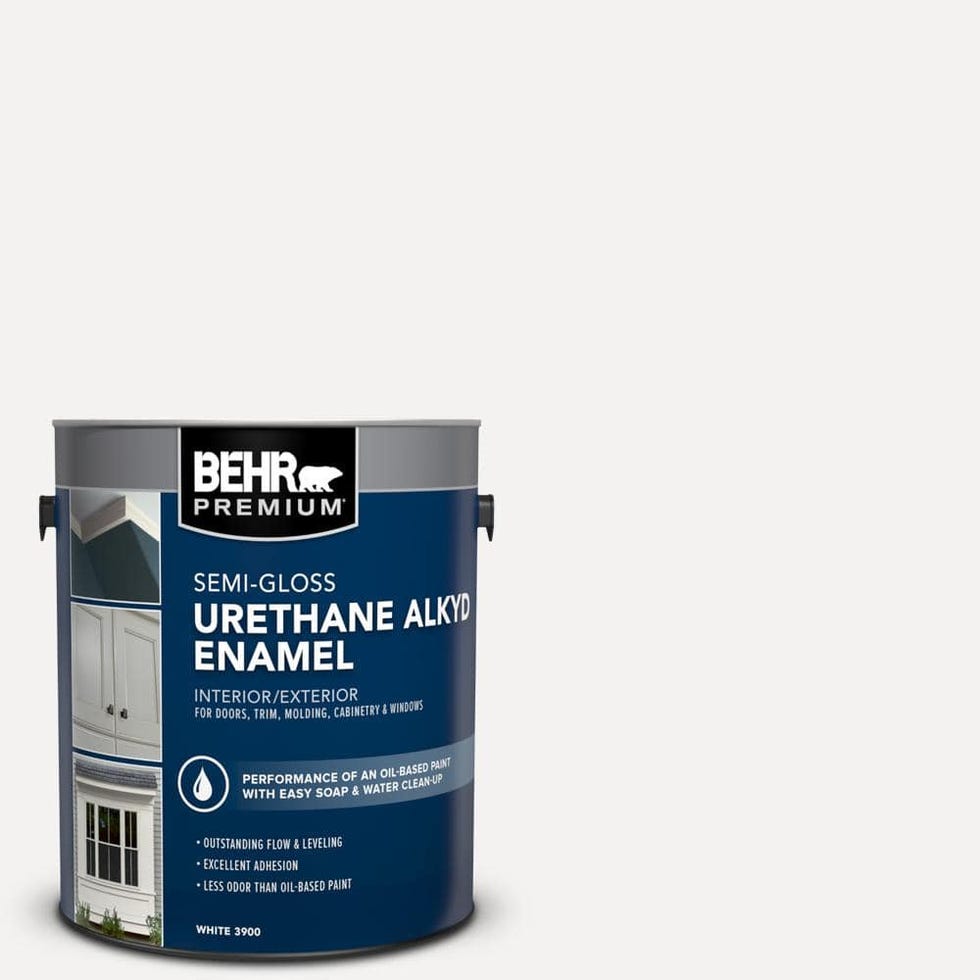
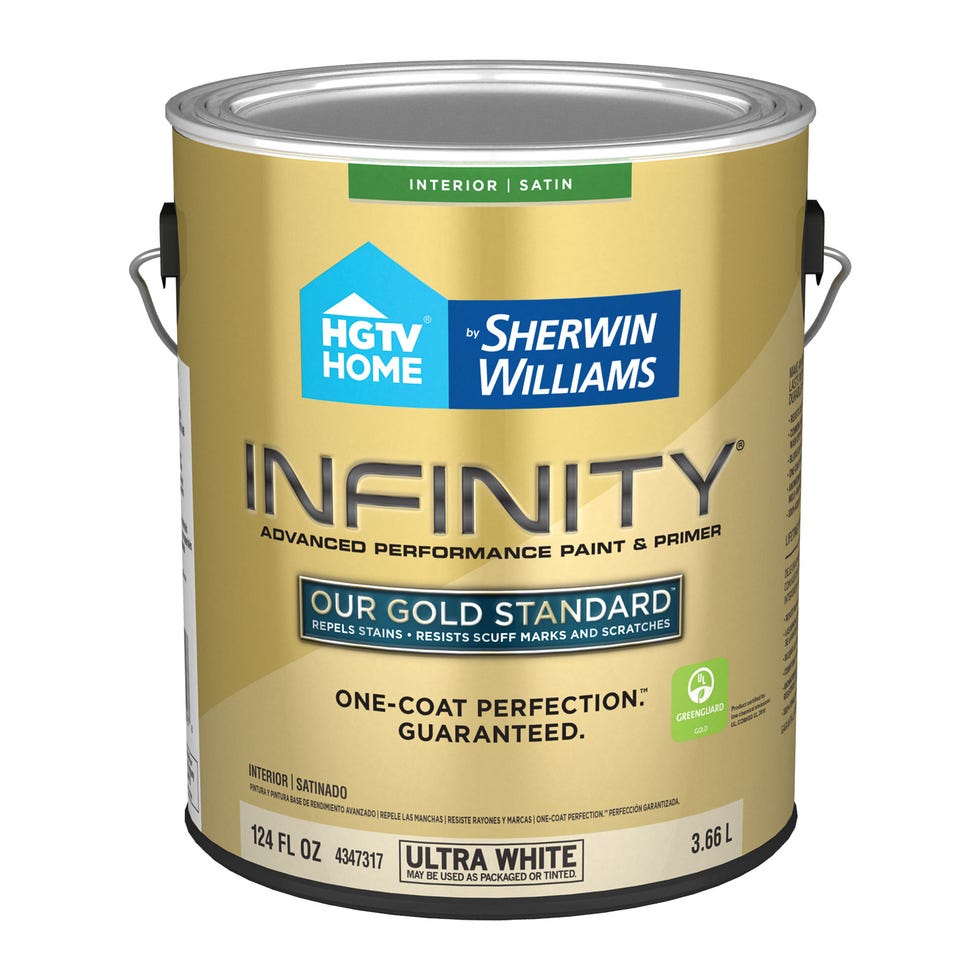
The article advises against using Behr Marquee One-Coat Enamel for furniture, despite its popularity as a wall paint. Although it offers ease of application, a wide color palette, and multiple finishes, its latex formulation lacks the durability needed for high-touch furniture, making it prone to chipping, flaking, and stickiness.
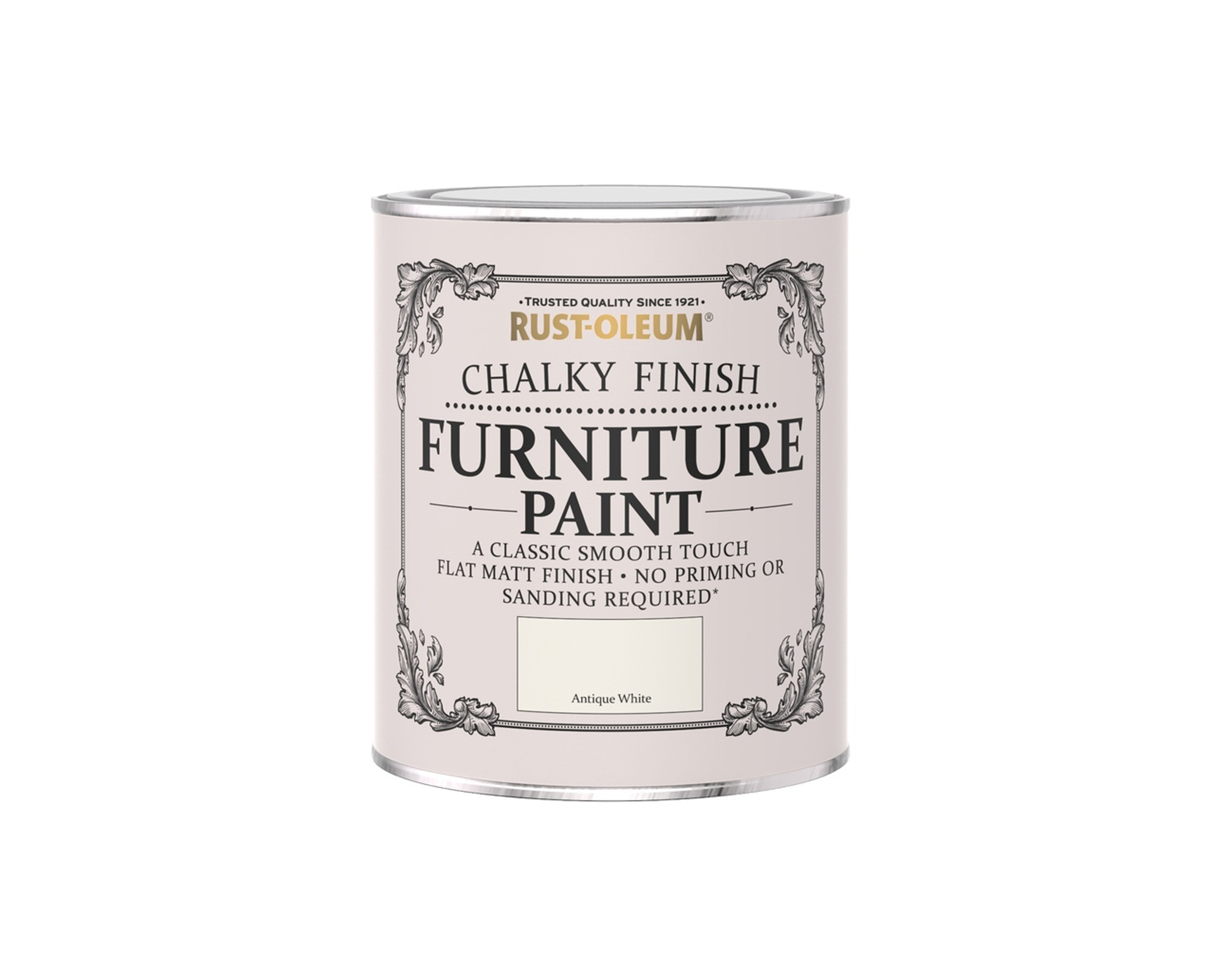
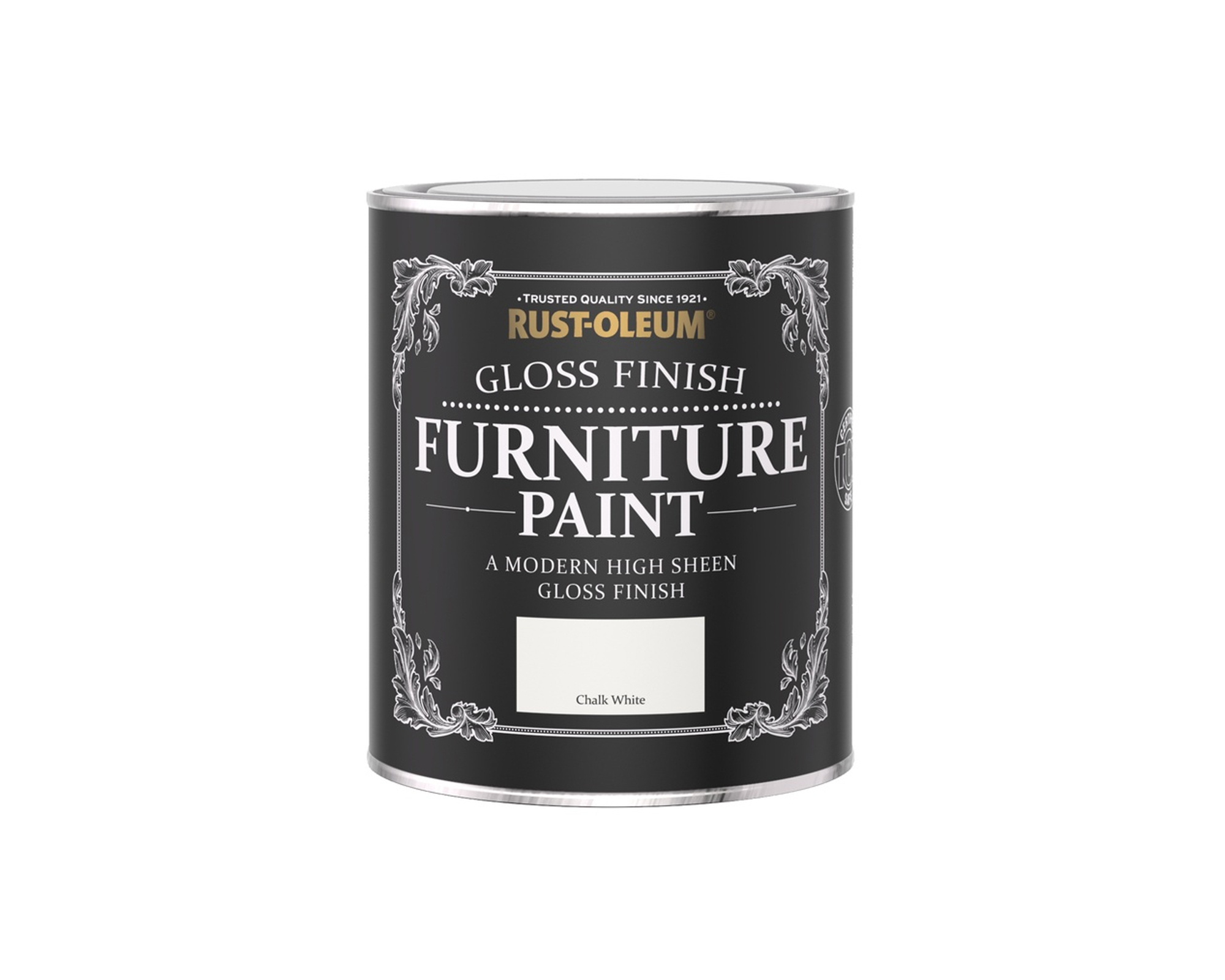
The guide also provides essential advice on matching paint types to various surface materials. For wood, most paints work well, but a light sanding can improve binding. Laminate and MDF surfaces require a primer, such as Zinsser Shellac Primer, to ensure paint adhesion and prevent blotchiness. Metal furniture demands a different approach, including sanding off rust and using a degreaser, with specialized primers and Rust-Oleum paints recommended for optimal results.
#FurniturePaint #HomeImprovement #DIYProjects #InteriorDesign #PaintTypes #FurnitureRestoration #PaintApplication #LowVOC #HomeRenovation #FurniturePaint #HomeImprovement #DIYProjects #InteriorDesign #PaintTypes #FurnitureRestoration #PaintApplication #LowVOC #HomeRenovation
कुल 0 टिप्पणियाँ
 कोई टिप्पणी नहीं
आपको यह भी पसंद आ सकता है
The Best Furniture Paint of 2026
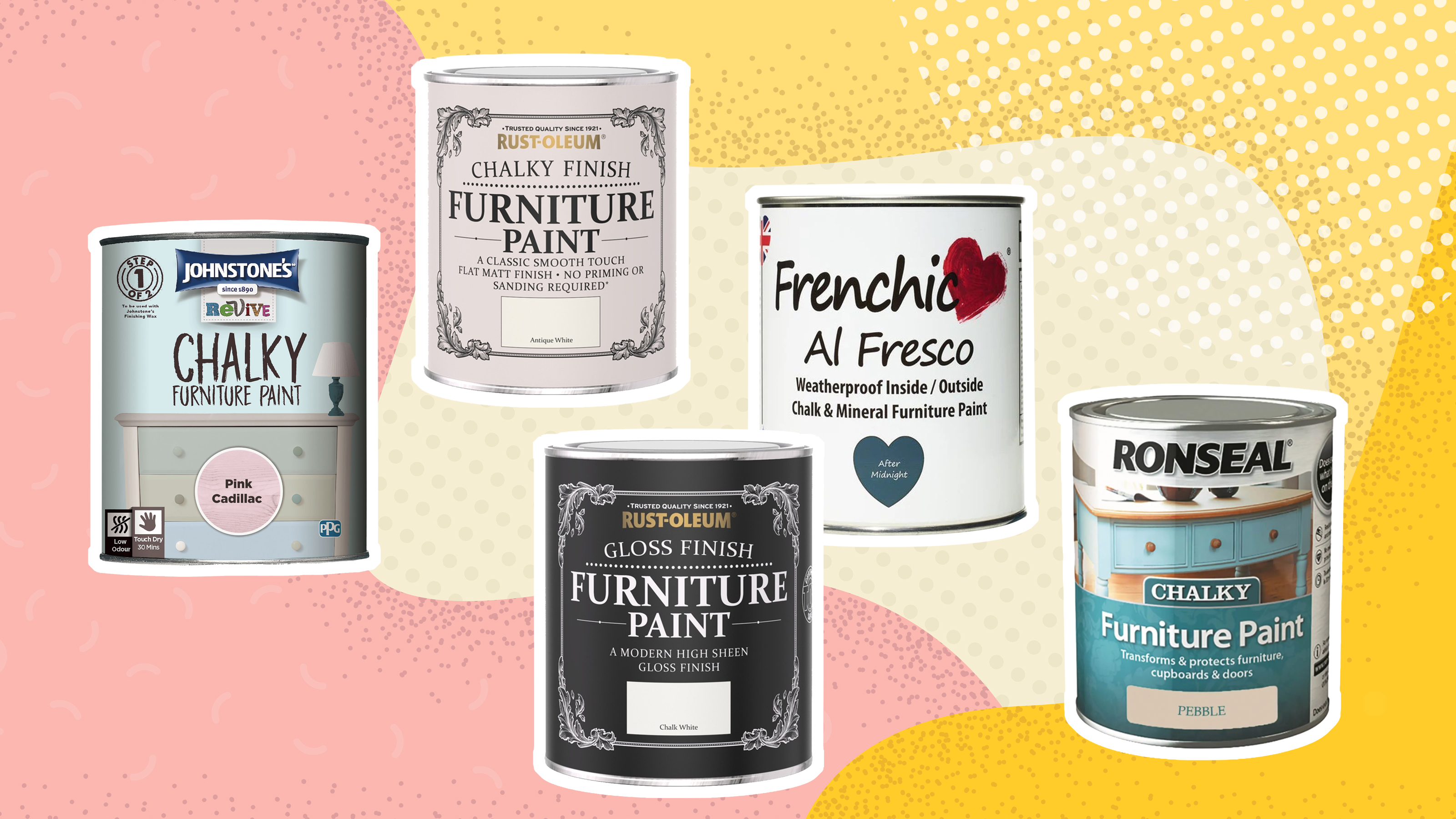
Best paint for furniture: 8 best furniture paints

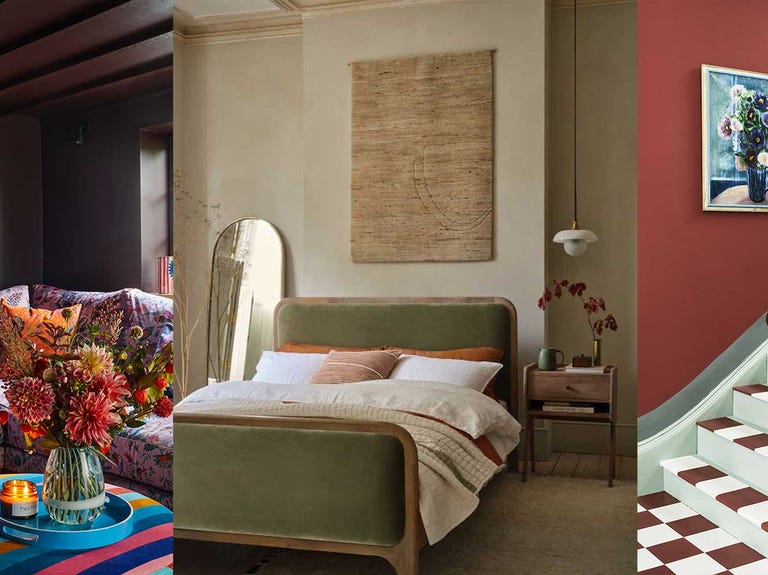
Colour experts share their top paint trends for 2024

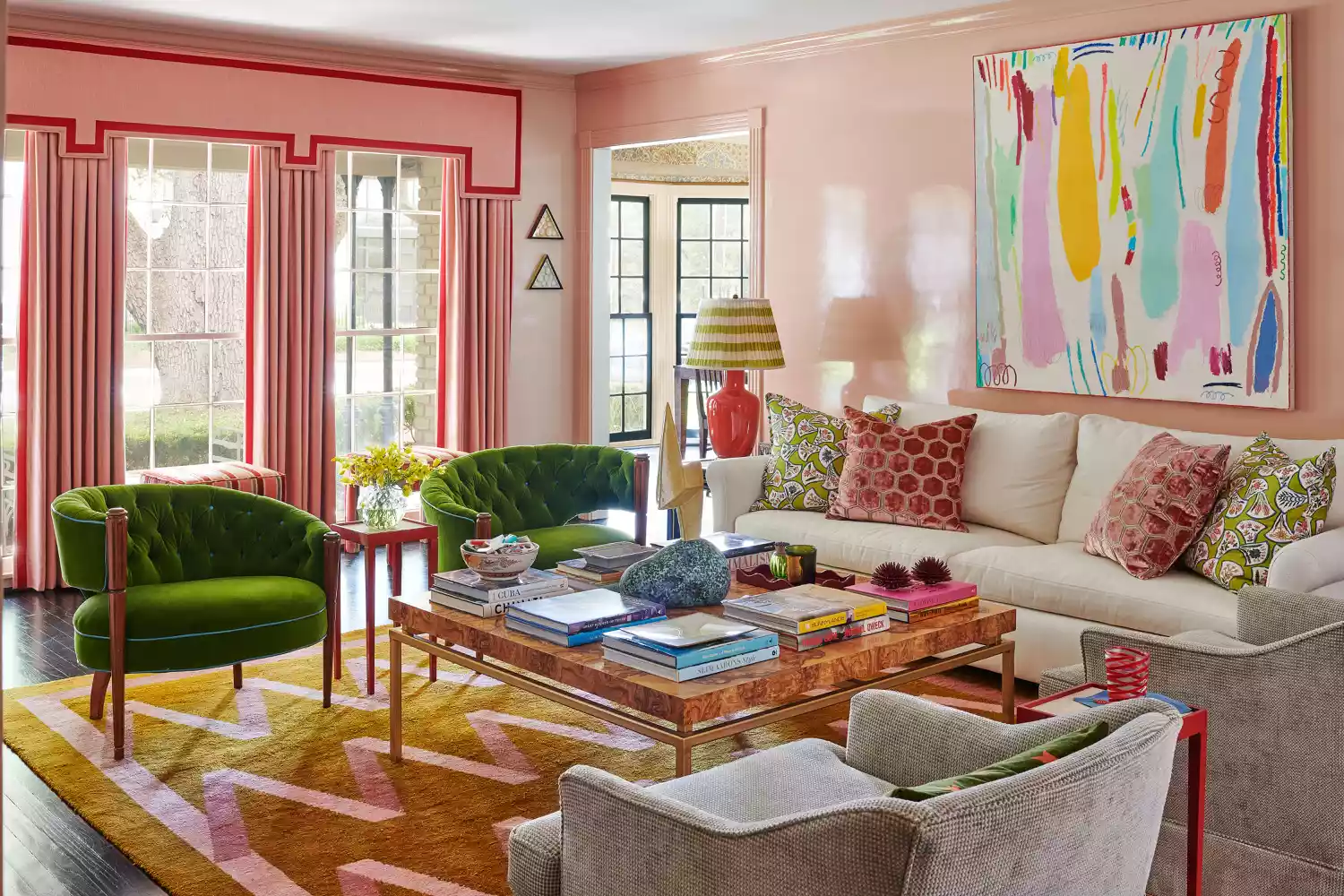
7 Interior Paint Color Trends You'll See Everywhere In 2025
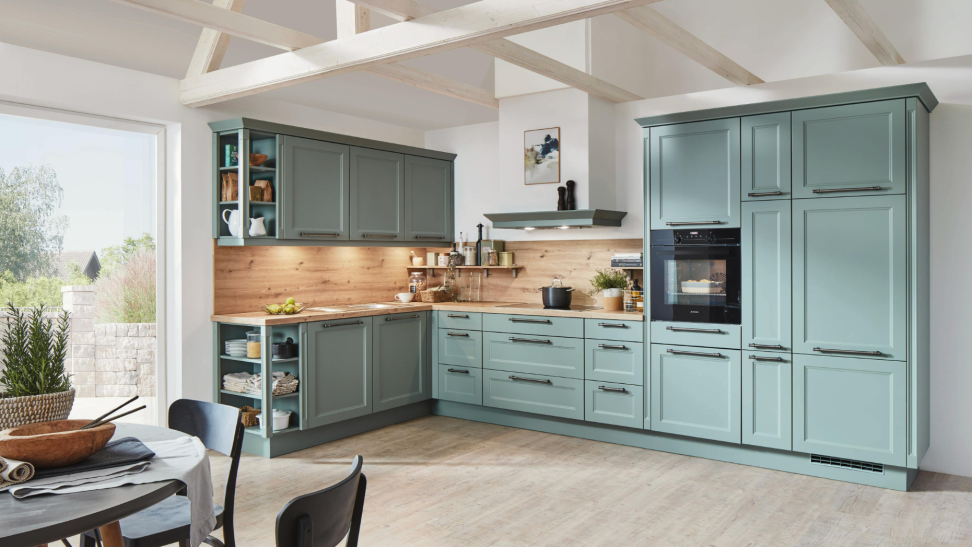
The Best Cabinet Paint of 2025
8 Stunning Paint Trends To Keep Your Home's Interior Fresh In 2025
Every 2025 Color of the Year We Know So Far—and Inspiration for How to Use Each in Your Home

These 5 Paint Color Trends Will Be Everywhere in 2024, According to Interior Designers
The Best Cabinet Paint of 2026
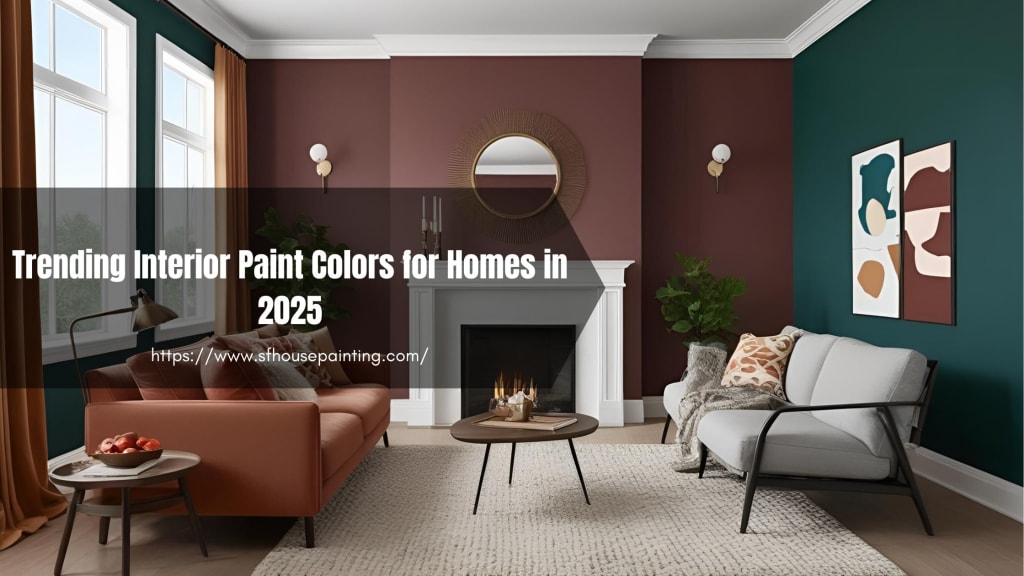
Trending Interior Paint Colors for Homes in 2025

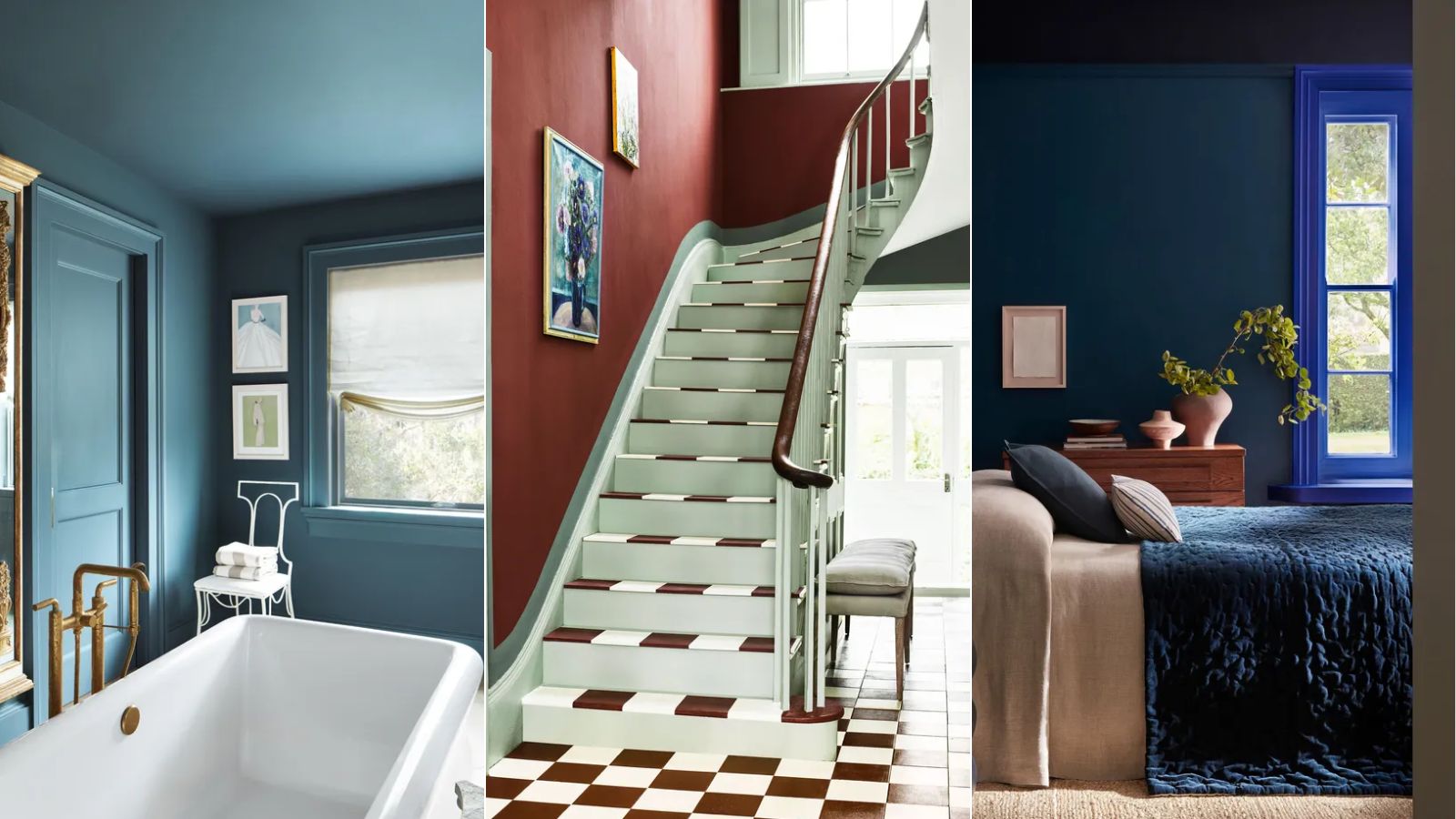
The biggest paint trends of 2025 – 17 stylish ways to decorate with paint, according to designers

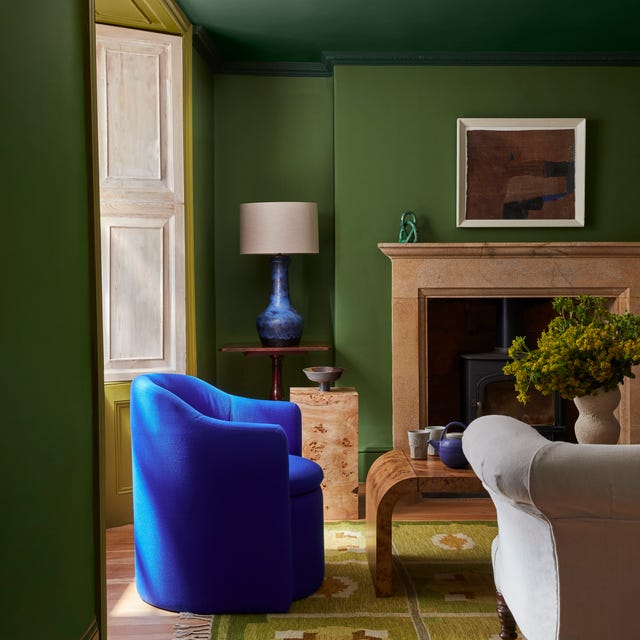
Meet 'colour capping', the paint trend set to take over 2026
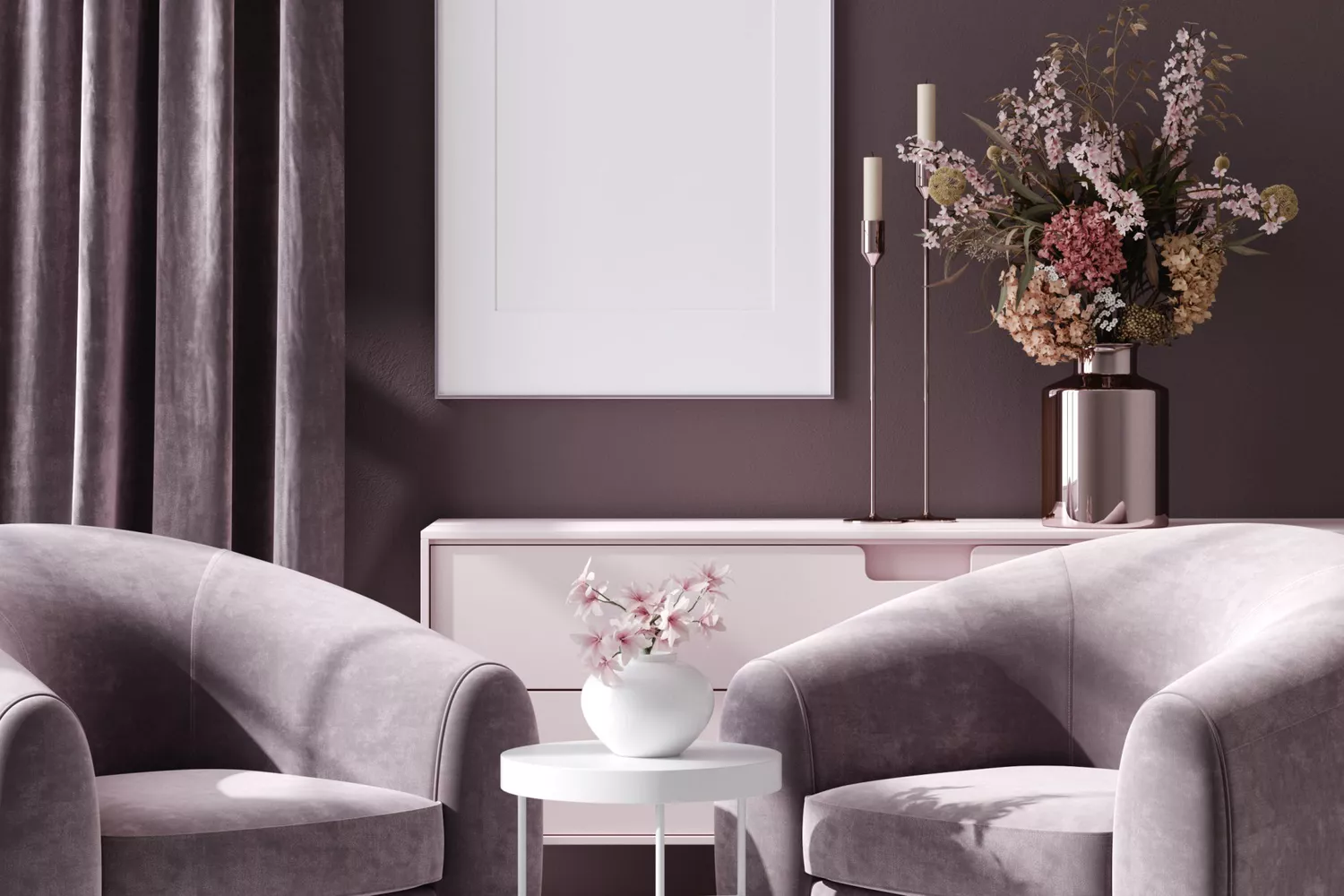
5 Paint Colors That Are Out for 2025, According to Interior Designers

The #1 Paint Color Trend of 2025, According to Designers

Interior paint colour trends 2025: 10 hues you'll be seeing everywhere this year

5 living room paint colors going out of style in 2025
10 Best Paints for Cabinets in 2025, Tested by Experts
Designers Swear By These 65 Living Room Paint Colors

5 Trending Bedroom Paint Colors for 2024


Freshen Up Your DMV Home with 2025's Top Interior Paint Colour