1/15
The Sink Skirt Is Back, And It's Gone From Drab To Fab
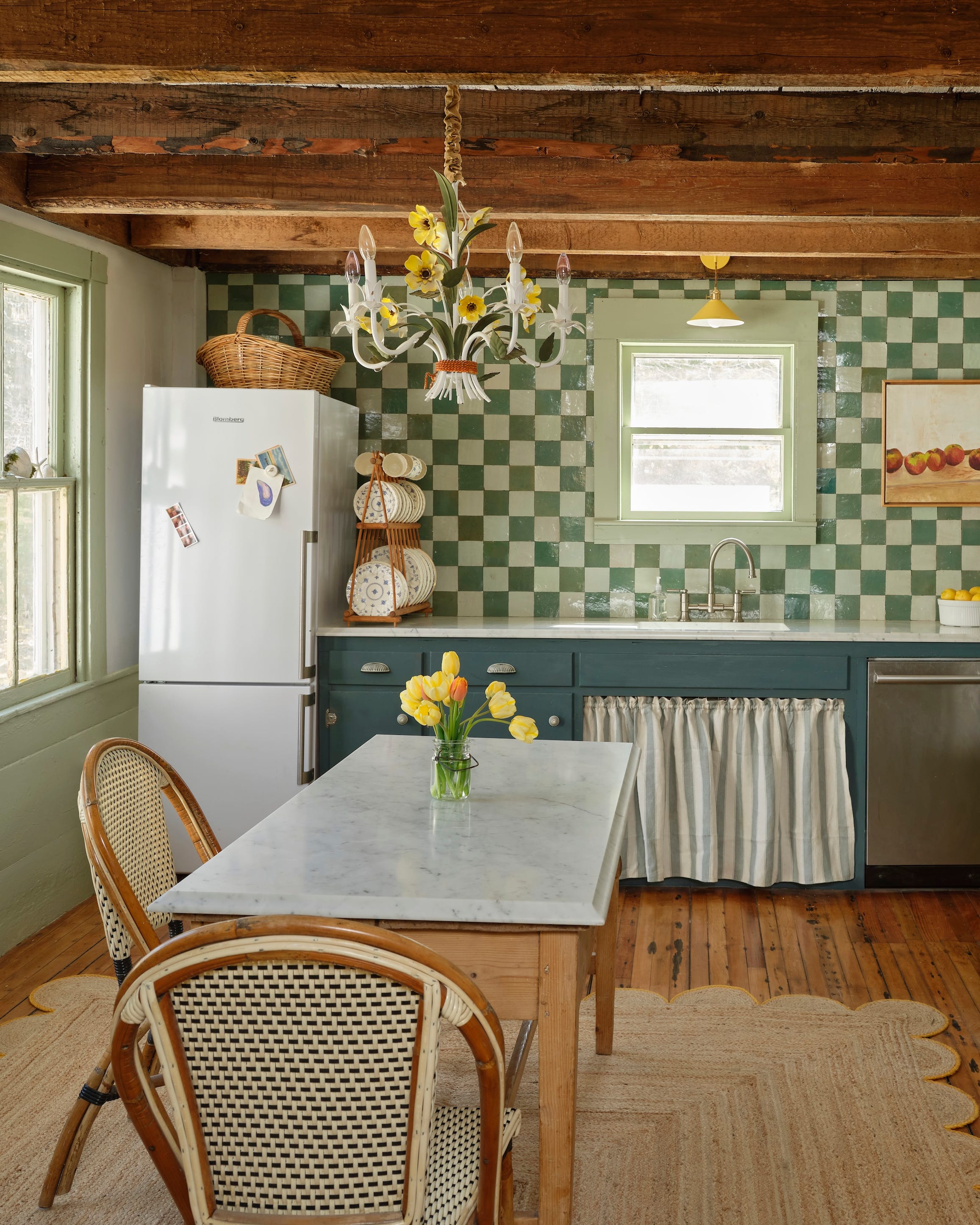
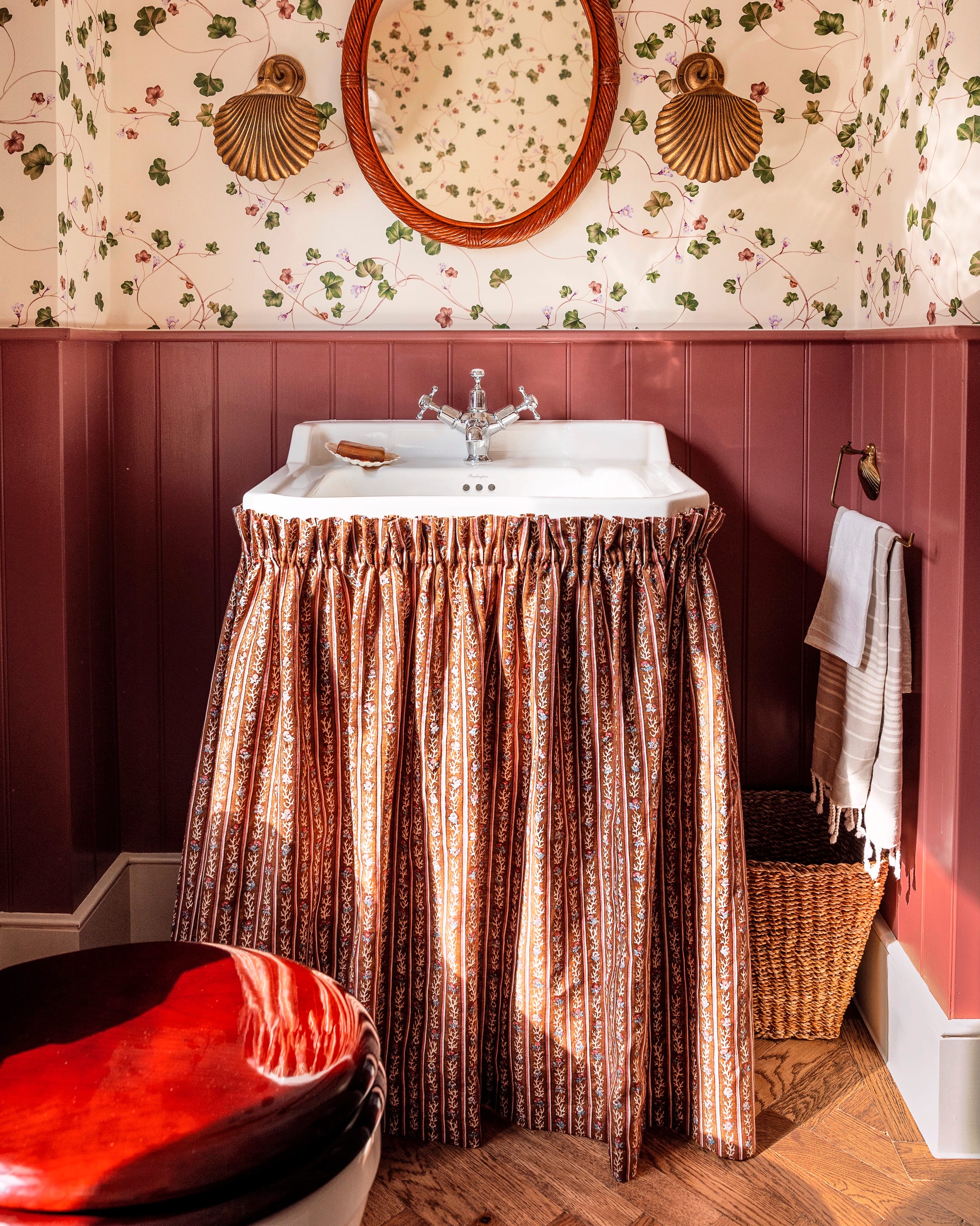
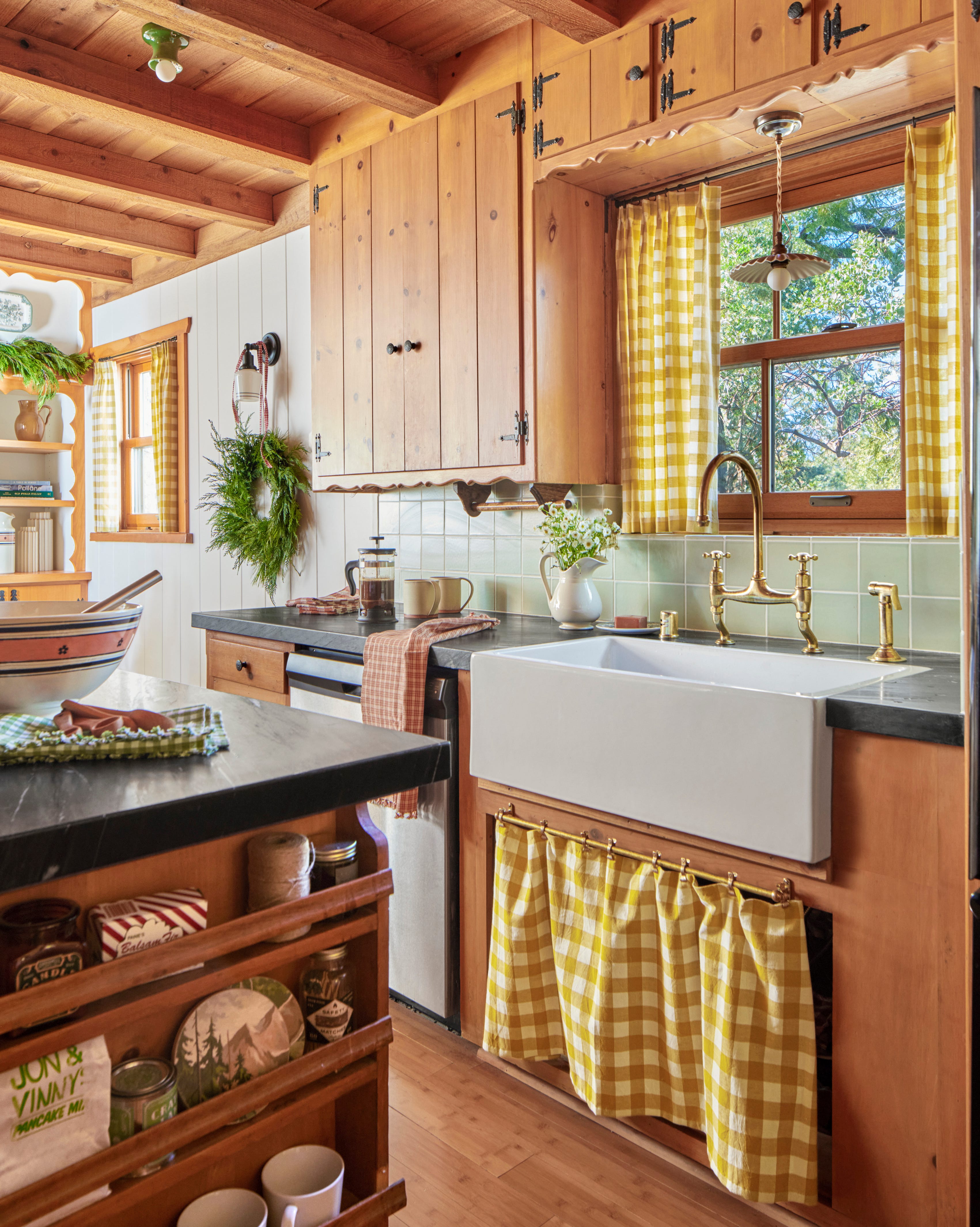
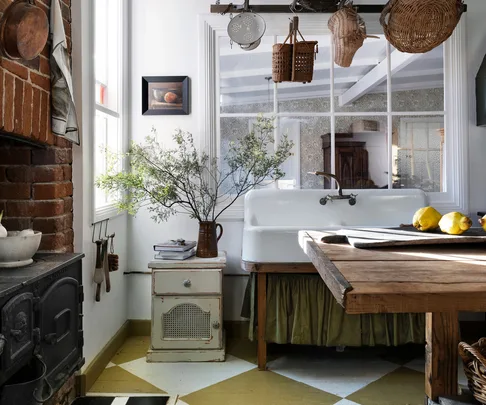
The sink skirt, a decorative fabric covering traditionally used to conceal plumbing and storage beneath sinks, is experiencing a significant resurgence in interior design. This once-twee element, often associated with period homes and country kitchens, is now being embraced across various home styles, from traditional to contemporary. Historically, sink skirts served a practical purpose, offering a flexible alternative to cabinet doors for hiding unsightly pipes, cleaning supplies, and dust accumulation in spaces where traditional cabinetry was not feasible or desired. Its initial iterations were sometimes criticized for being overly fussy or made from less appealing fabrics, contributing to its decline in popularity.
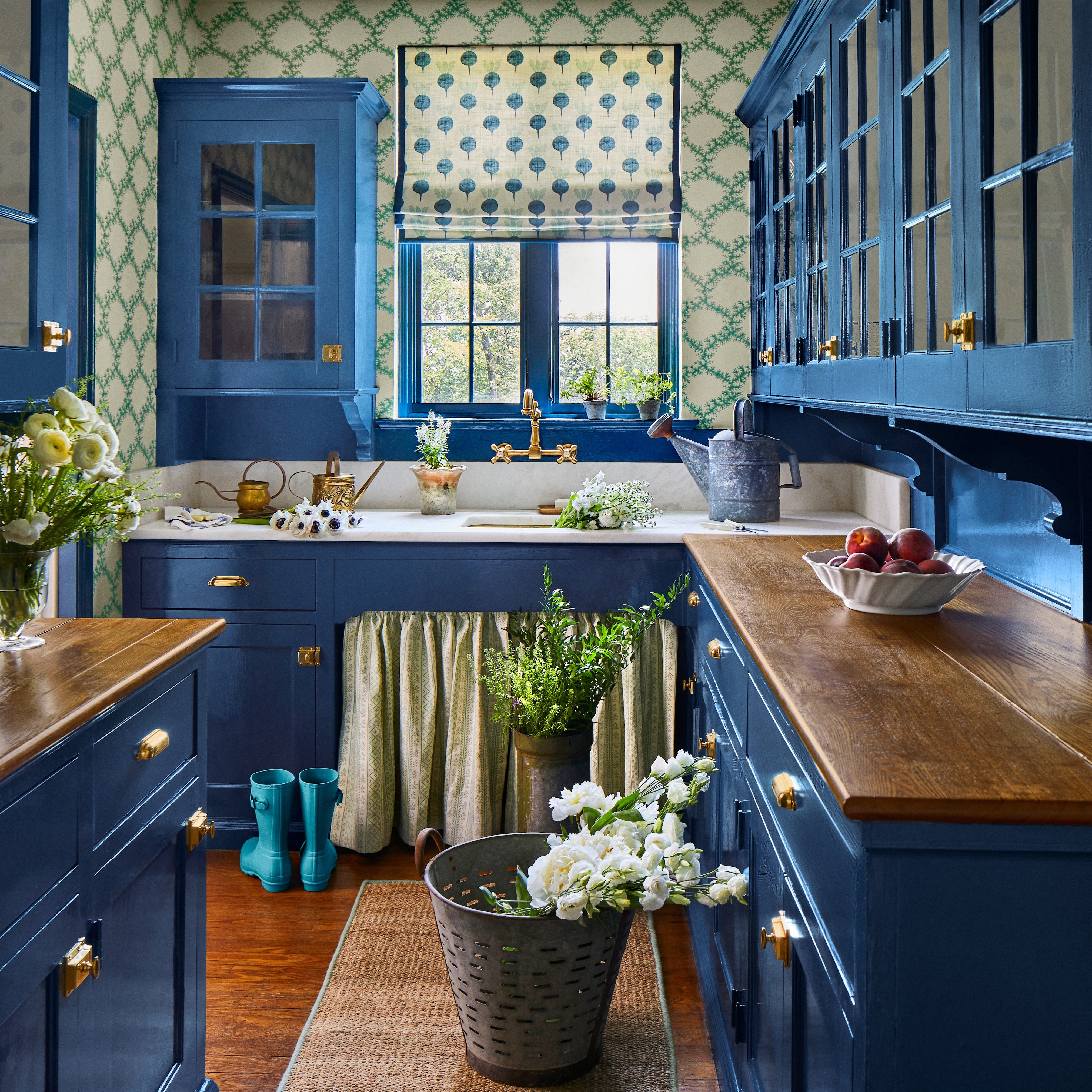
However, the modern interpretation of the sink skirt elevates its aesthetic appeal, moving away from past criticisms. Contemporary designs feature a range of fabrics, including stripes, relaxed linen weaves, and playful prints, allowing them to integrate seamlessly into diverse design schemes. This renewed interest highlights the sink skirt's ability to introduce softness, texture, and a unique character into kitchens, bathrooms, and laundries. It provides an opportunity to infuse new patterns and colors into a space, offering a gentle, feminine alternative to the hard lines of conventional cabinetry like shaker-style, beadboard, or heritage-style units.
Designers and homeowners are increasingly appreciating the sink skirt for its ability to add a decorative touch while maintaining functionality. It is particularly appealing to renters seeking temporary solutions to hide under-sink clutter without permanent modifications. The versatility of the sink skirt is further demonstrated by its successful integration into various home aesthetics. Examples include an olive-toned skirt in a cottage kitchen, natural linen curtains in a mid-century inspired laundry room, and a white lace-fringed skirt in a quaint English cottage bathroom. Other applications show sink skirts in renovated coastal cottages, a photographer's studio kitchen, an all-white Queenslander, a Tasmanian farmhouse, a pink lakeside cottage, a charming guest house, an old miner's cottage, and a Californian bungalow.
Creating a sink skirt is a relatively straightforward DIY project. The process involves selecting appropriate fabric, measuring and cutting, adding design details like edge piping, then gathering, sewing, and hemming the material. Installation can be simplified by using Velcro for a fixed curtain or by threading the finished skirt onto a rod or plastic-covered cord, allowing for easy opening and closing. While sink skirts are gaining traction as a standalone design element, they are not intended to replace all traditional cabinetry. Instead, they can complement existing cabinet styles, especially for above-bench storage, by adding a softer, more fluid visual component to a room. This trend underscores a broader movement towards incorporating personalized and character-filled elements into home interiors.
#SinkSkirts #HomeDecor #InteriorDesignTrends #KitchenDesign #BathroomDecor #LaundryRoom #DIYHome #FabricDecor #CottageStyle #SinkSkirts #HomeDecor #InteriorDesignTrends #KitchenDesign #BathroomDecor #LaundryRoom #DIYHome #FabricDecor #CottageStyle
0 comment in total
 No comments yet
You may also like
Sink Skirts Are the Nostalgic Trend Everyone’s Loving Right Now
Before and After: A $3,800 Scandi-Inspired Redo Transforms a Beige-on-Beige Bathroom
An (Almost) Completely New Layout Revived This Beige Builder-Grade Bathroom

The Floating Bed Look Is Back (and It Fits Right into Today’s Clean Girl Aesthetic)

This Once-Fussy Finish Is Getting a Reputation Revamp

This ’80s Bathroom Trend is Making a Comeback

The Outdated Bath Trend That's Coming Back In Style
This Once-Popular Bathroom Feature Is Falling Out of Favor (and What’s Replacing It)

Bouclé Fabric Is Back


Kris Jenner’s hotel-style bathroom is classic old-school glamour – and it might just be making a comeback

It's out with boring basins and in with statement sinks – the emerging trend that's transforming small bathrooms
This Once-Popular Bathroom Feature Is Falling Out of Favor (and What’s Replacing It)

Stop Taking the Skirts Off Your Couches and Beds—the Flirty Look Is Back
Gallery: Splish splash, clean design takes a bath
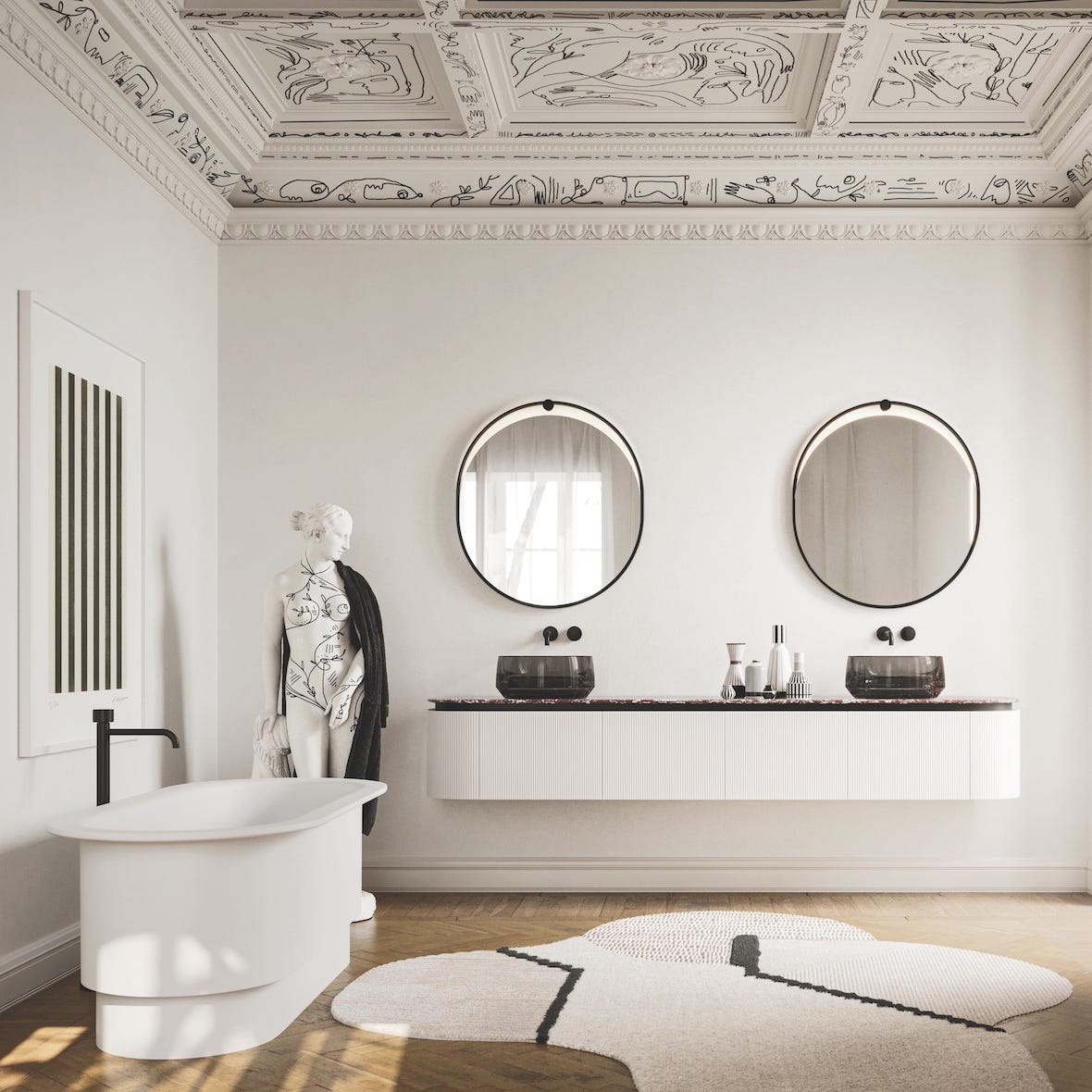
Fluid forms, fine materials and a tailored design reshape the bathroom
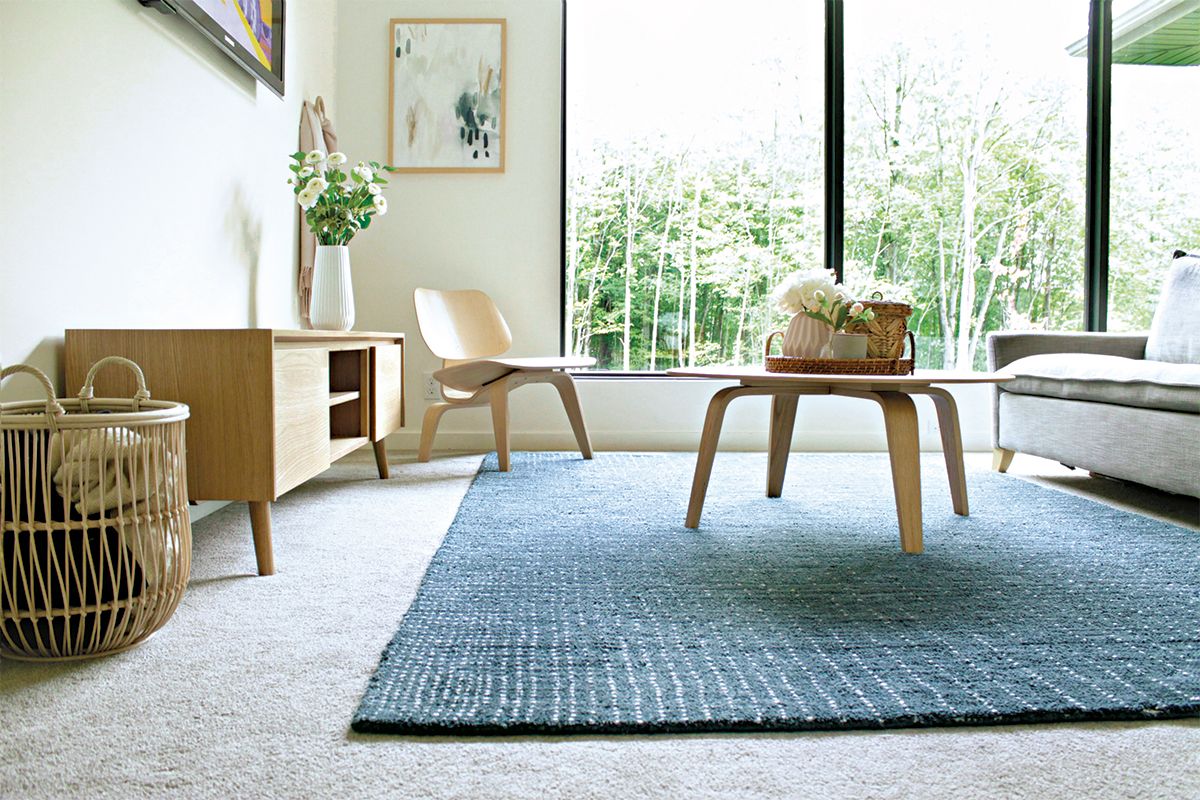
Comfy carpet, once dismissed as out-of-date, is back in vogue

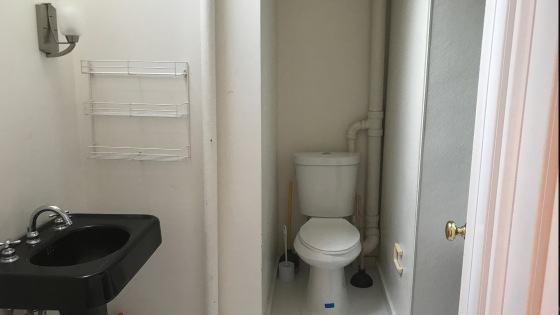
See this bathroom go from bland to bold after a makeover

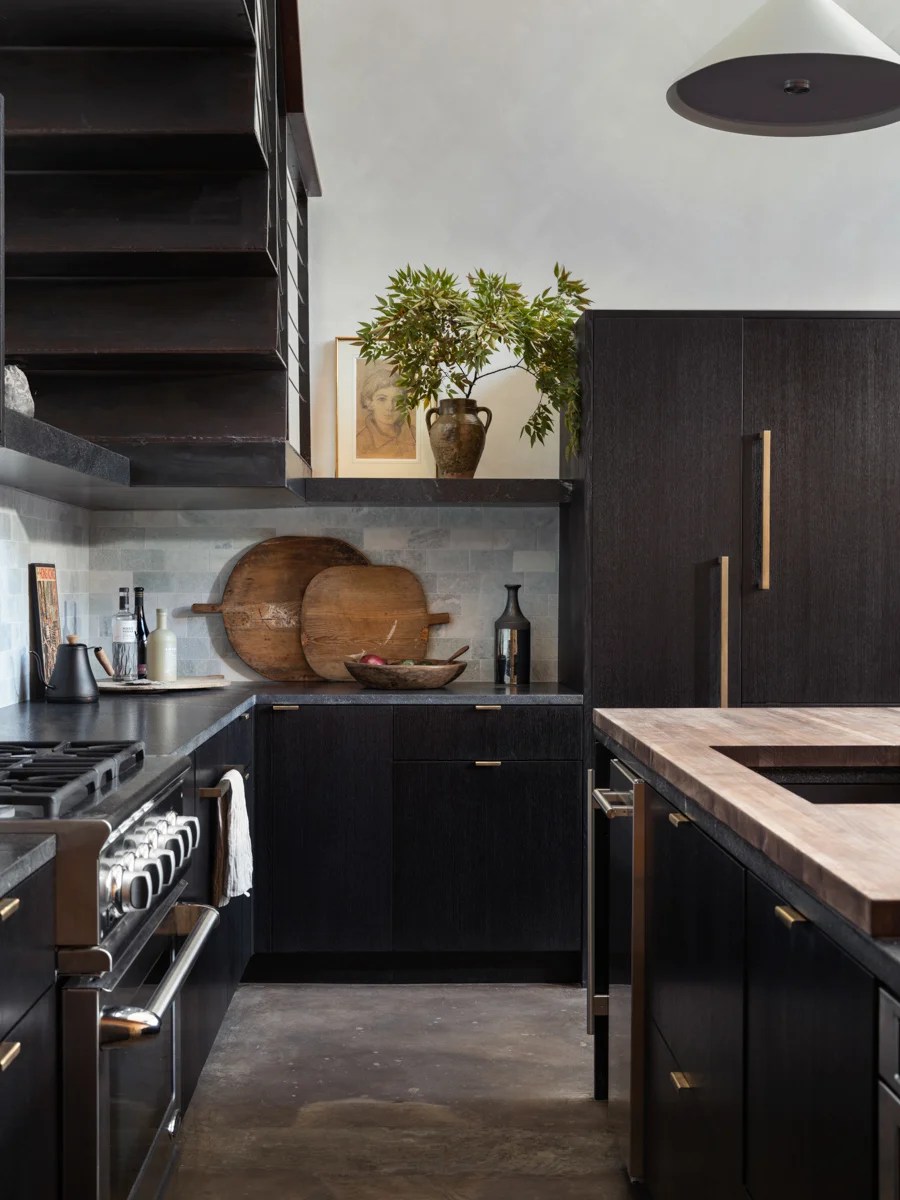
The Countertop Material That We Loved 25 Years Ago Is Coming Back

Refreshing THIS Design Feature Can Completely Transform Your Bathroom

This Classic Bedroom Feature Is Officially Back