

1/2
The Light As She Saw It: On Sitting in Emily Dickinson’s Bedroom
Biographer Julie Dobrow recounts her experience in Emily Dickinson's bedroom, highlighting how a prolonged stay in the space revealed a new understanding of the poet's work. Dobrow, author of *After Emily: Two Remarkable Women and the Legacy of America’s Greatest Poet*, has conducted extensive "footstepping" research, a method of visiting locations associated with historical figures to gain a deeper insight into their lives and environments. Despite numerous previous visits to The Homestead, the Dickinson family home in Amherst, Massachusetts, and to Emily's bedroom, it was during a recent, extended stay for a documentary segment that she truly perceived the unique quality of light in the room.
The article describes the shifting late summer light in New England, with early signs of autumn, as Dobrow discussed the complex relationship between Emily's brother Austin Dickinson and Mabel Loomis Todd. Austin, married to another woman, brought Mabel into The Homestead, where Mabel, despite never meeting Emily directly, heard her music from the upstairs bedroom. Emily would reciprocate Mabel's performances with gifts and, occasionally, a poem. Mabel immediately recognized the brilliance of Emily's poetry, noting its unusual form and idiosyncratic use of language and punctuation. Upon Emily’s death in 1886, her sister Lavinia discovered a vast collection of unpublished poems and enlisted Mabel's help to prepare them for publication.
Mabel Loomis Todd dedicated years to deciphering Emily's challenging handwriting, navigating multiple word choices, and transcribing the poems, some of which were written on unconventional materials like envelope backs and grocery lists. She collaborated with Colonel Thomas Wentworth Higginson, a Civil War veteran and literary advocate to whom Emily had previously sent her work. Together, Todd and Higginson made editorial decisions to standardize the poems, believing that conforming to 19th-century poetic conventions would facilitate publication and public acceptance. These decisions, particularly the addition of titles to untitled poems, later became a point of contention among scholars, but they ultimately led to the successful publication of Emily Dickinson's first book of poetry in 1890, launching her posthumous career as a major literary figure.
Emily Dickinson's personal world remains largely private, as she kept no diary and instructed her sister to destroy her correspondence. Much of what is known about her is derived from letters to others, historical context of 19th-century Amherst, and interpretations of her poetry. However, during her hours in Emily's bedroom, Dobrow experienced a profound revelation. Observing the changing patterns of sunlight and shadow across the room and on the cherry writing table, she realized that this visual experience was integral to Emily's creative process. The poet, from the confines of her room, observed the same light, transforming these small, tangible moments into expansive reflections and new perspectives within her verses. The article concludes that Dickinson’s ability to enlarge these observations, using imagery of light to illuminate broader worlds, began with what she saw through her bedroom windows, demonstrating how her confined existence paradoxically fostered boundless poetic vision.
#EmilyDickinson #Biography #LiteraryResearch #MabelLoomisTodd #PoeticProcess #PlaceAndInspiration #AmericanPoetry #BookAfterEmily #EmilyDickinson #Biography #LiteraryResearch #MabelLoomisTodd #PoeticProcess #PlaceAndInspiration #AmericanPoetry #BookAfterEmily
 No comments yet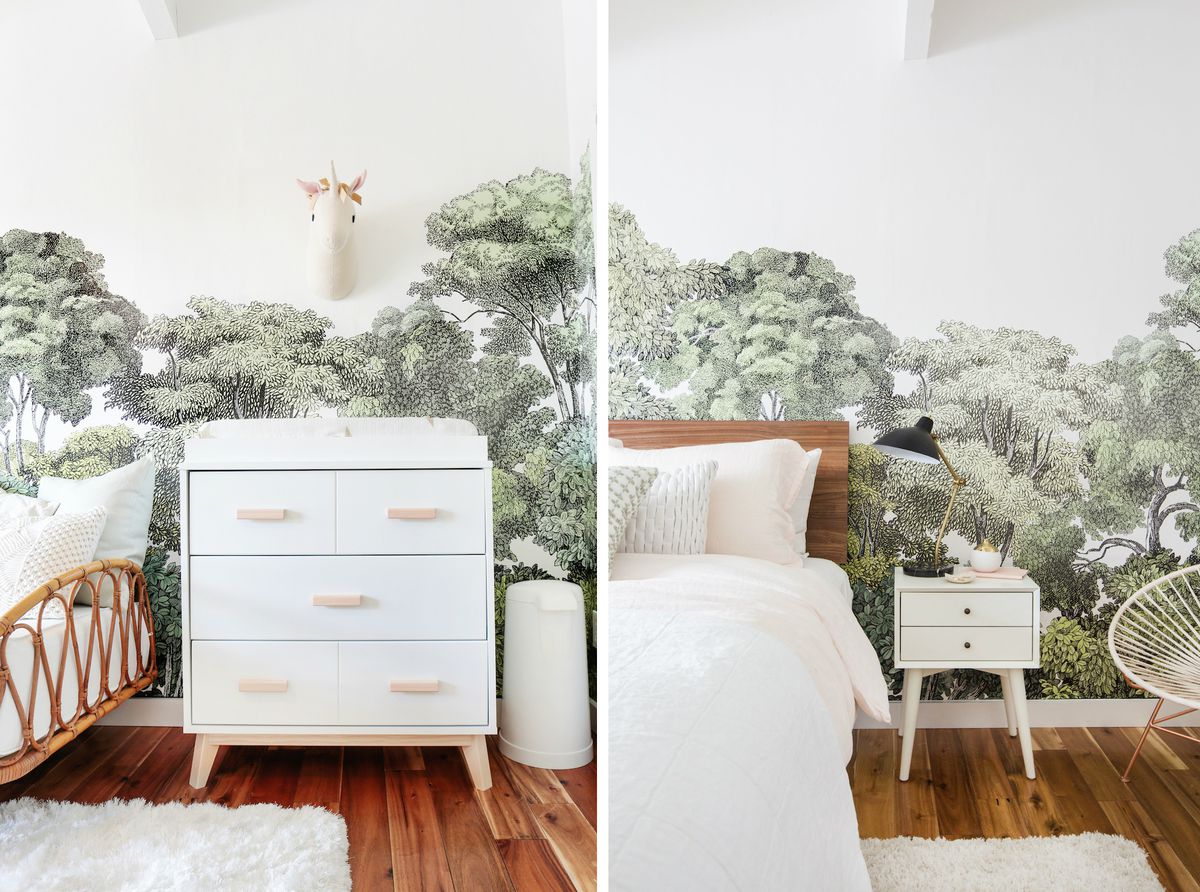
Designer Emily Henderson turns nursery into stylish guest room

See Inside Madison LeCroy's "Fantastic" Bedroom in Her Charleston House (VIDEO)

Inside The Home Of… Lydia Elise Millen


Designer Lindsey Adelman Has a Way of Lighting Up a Room
My Favorite Room ... with designer Jessica Kilcoyne