1/12
Staircase carpet ideas – standout stylish ways to give your stairs a new look
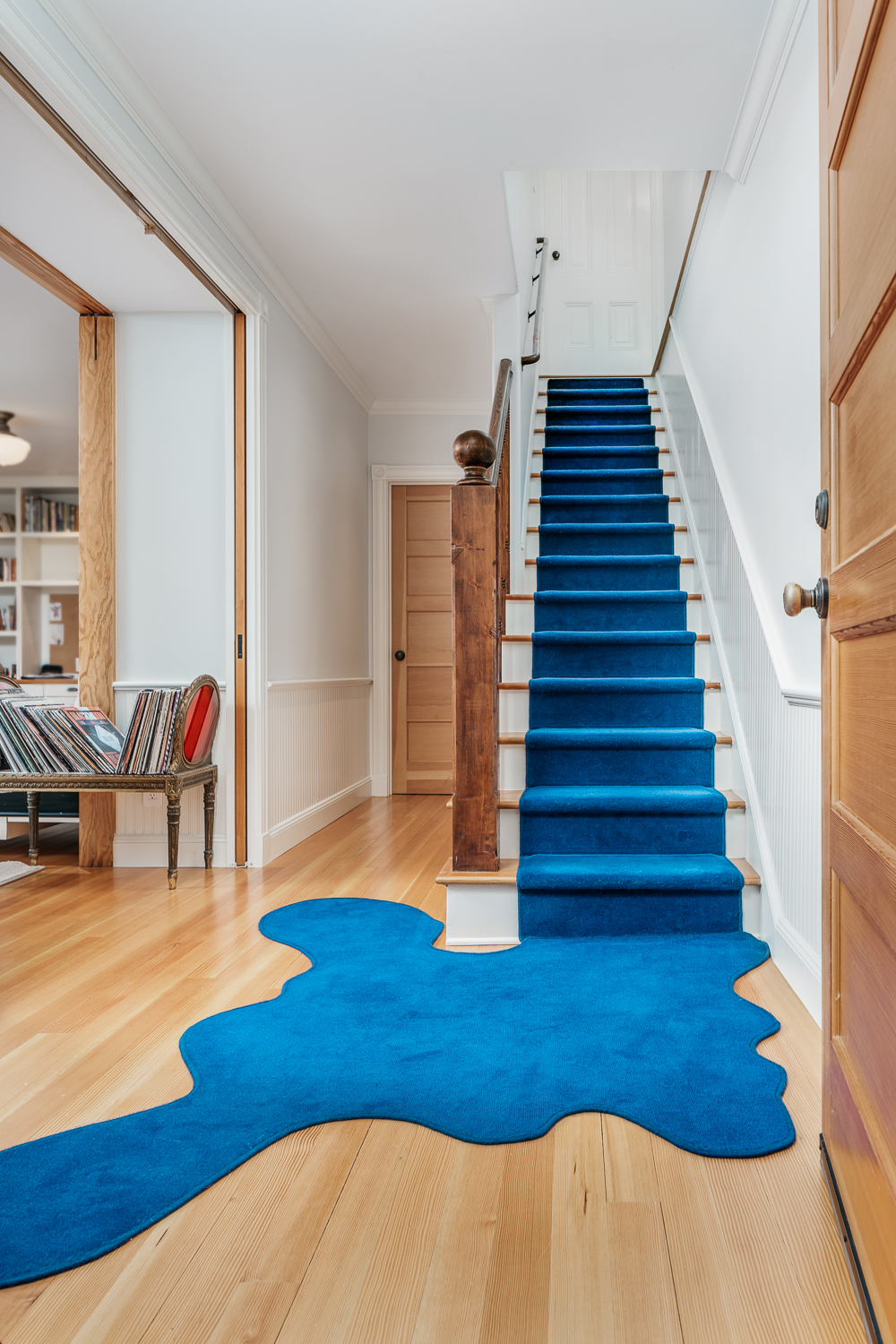
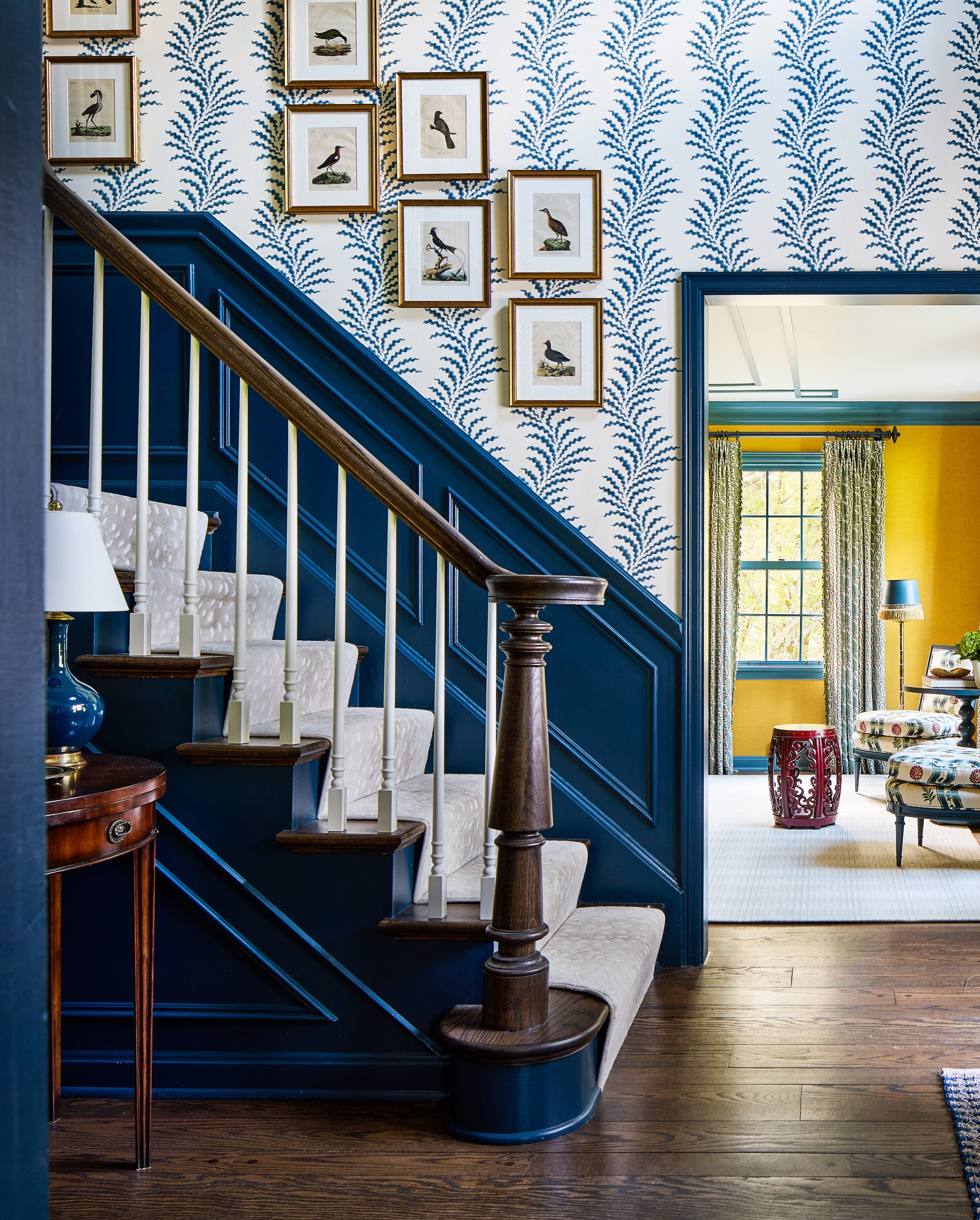
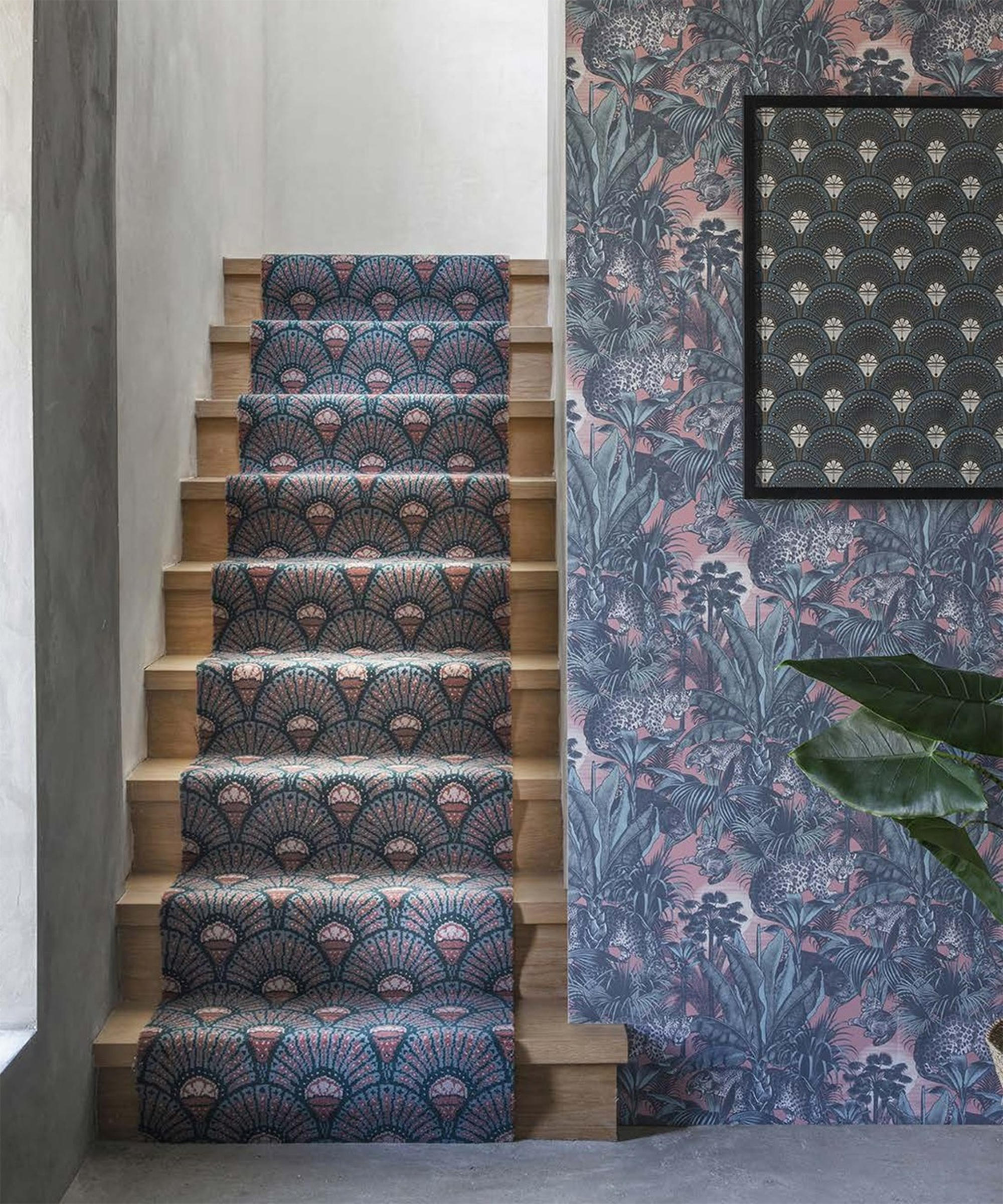
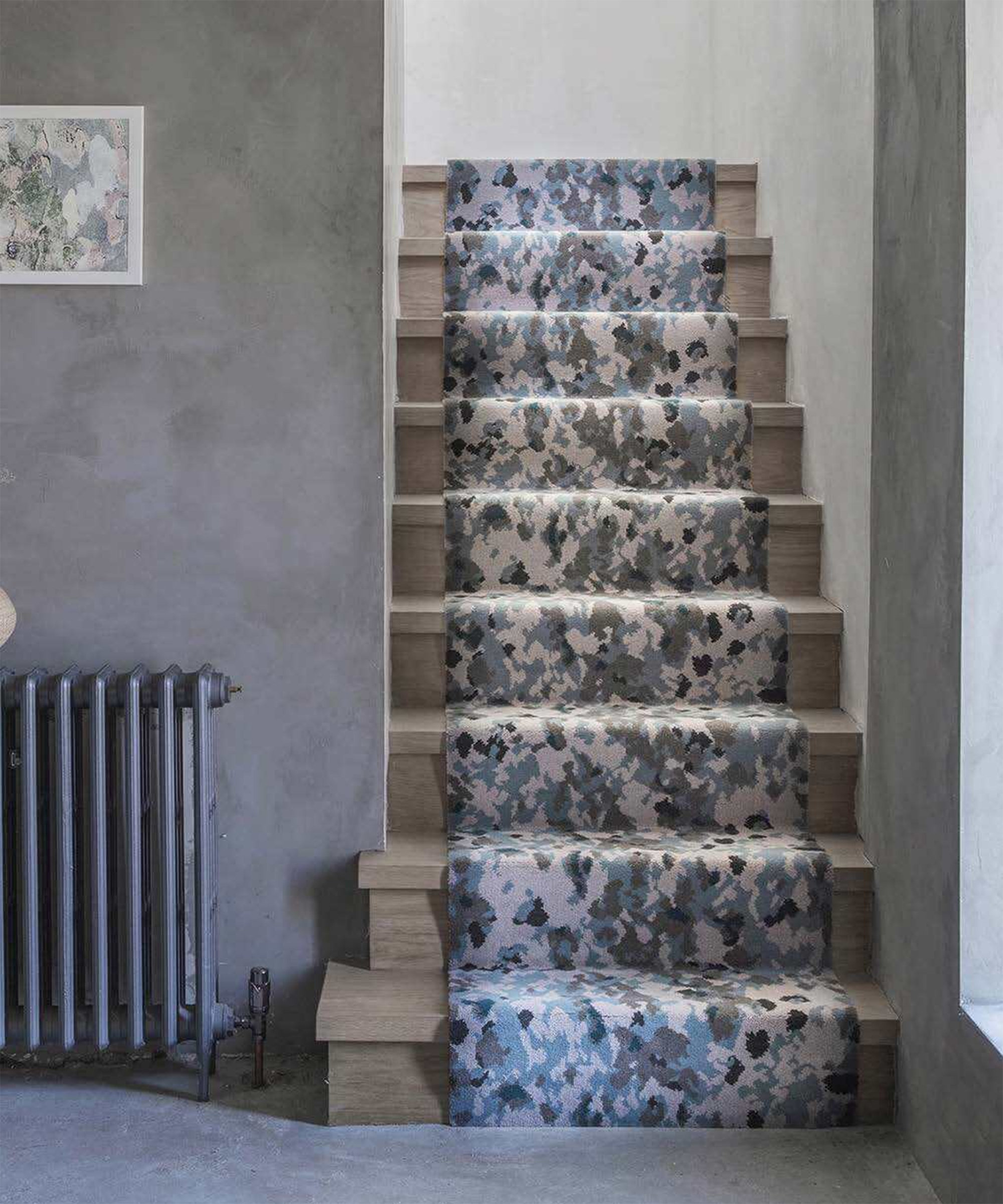
Staircase carpet ideas offer a unique opportunity to elevate the aesthetic of an entranceway, transforming it from a mere transitional space into a significant design statement. According to Andy Guard, Creative Director at Roger Oates Design, the hallway, as a transient area, is an ideal place to embrace more adventurous design choices. He emphasizes that colorful flooring can create immediate impact, fostering a warm and inviting first impression while seamlessly integrating color throughout the home's core. While traditional neutral hallway designs were once preferred for their perceived safety, contemporary trends increasingly favor bright and bold carpet patterns. Options range from dynamic multi-stripes and geometric motifs to playful spots and exotic animal prints, all capable of adding instant visual interest to plain hallways and ensuring design continuity between upper and lower levels.
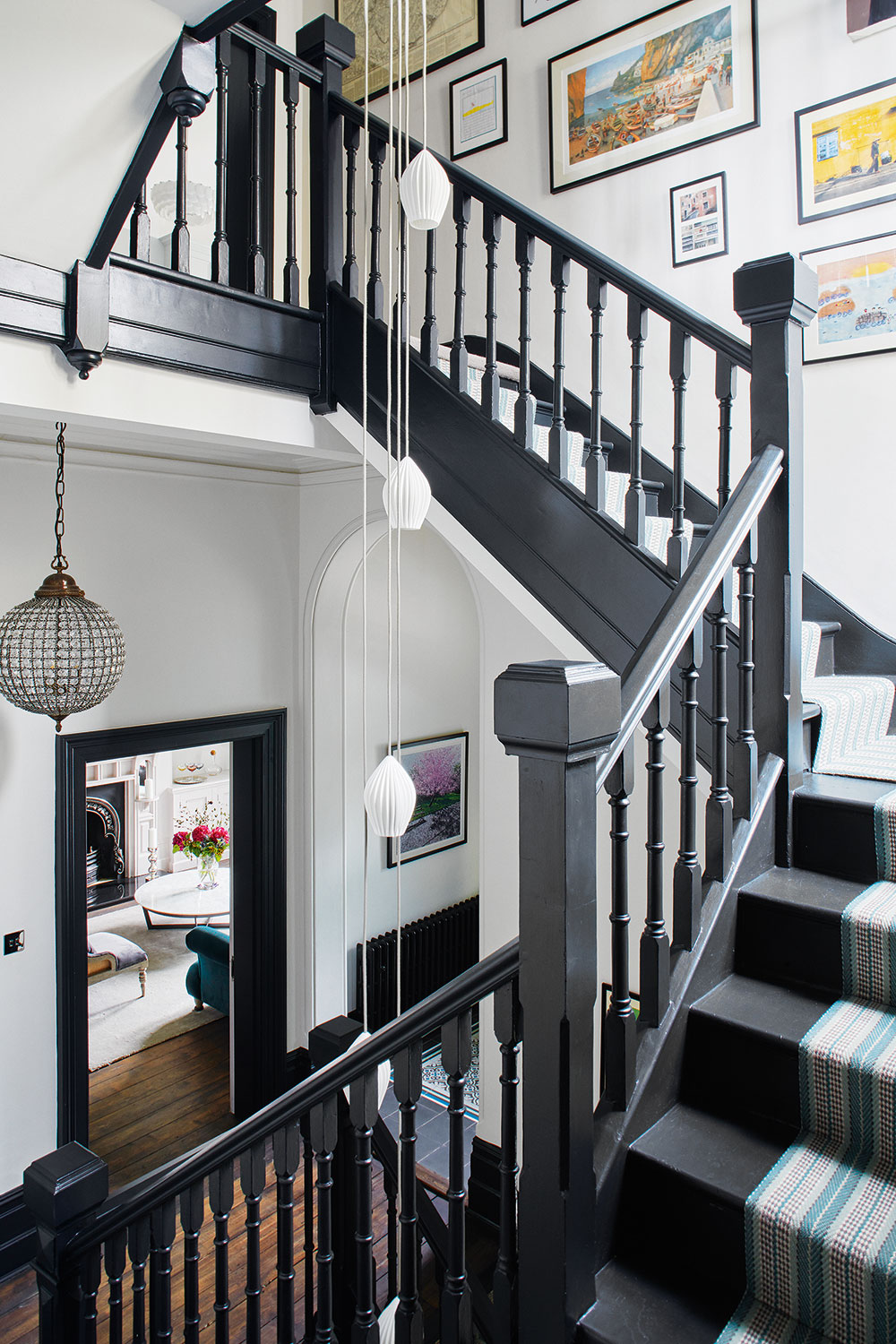
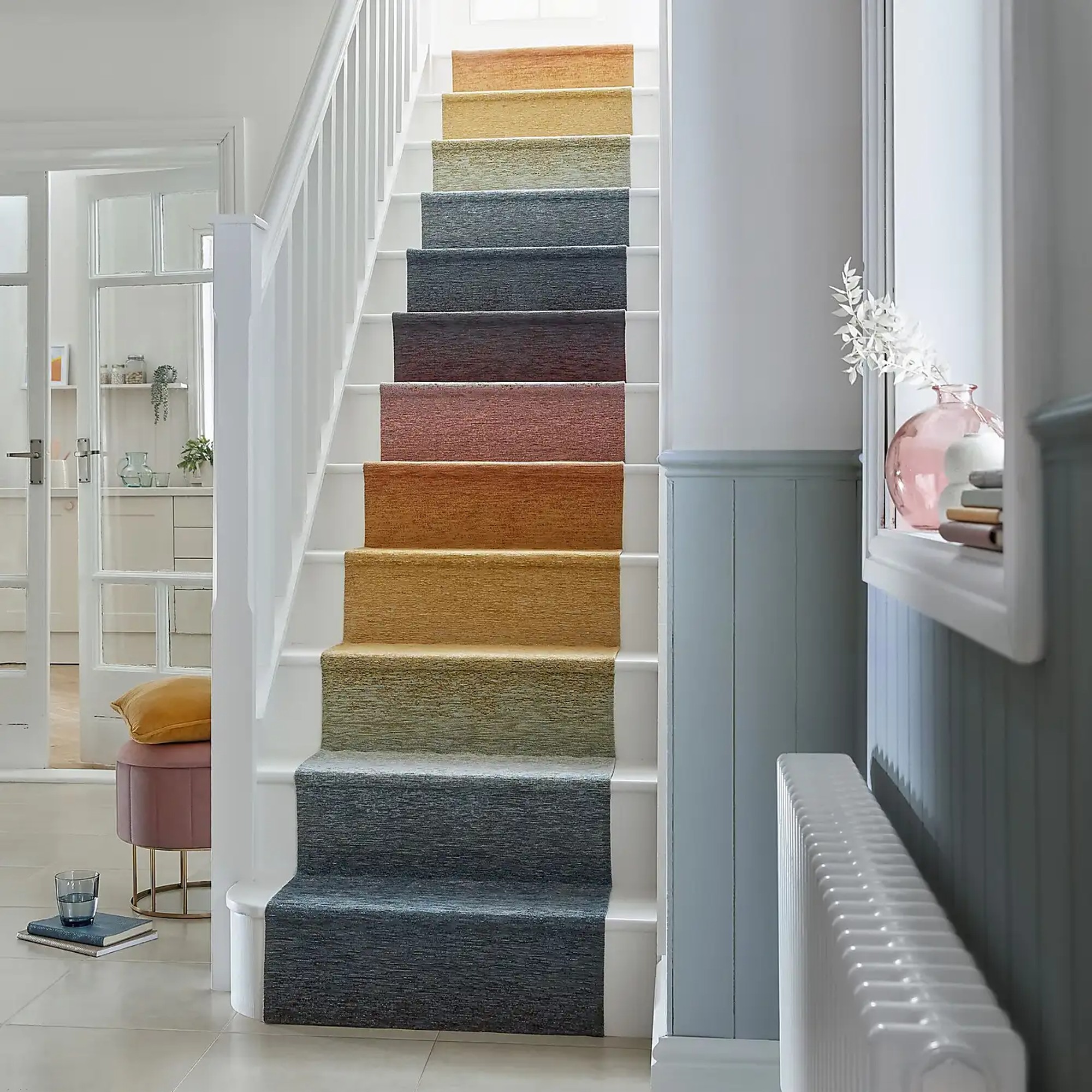
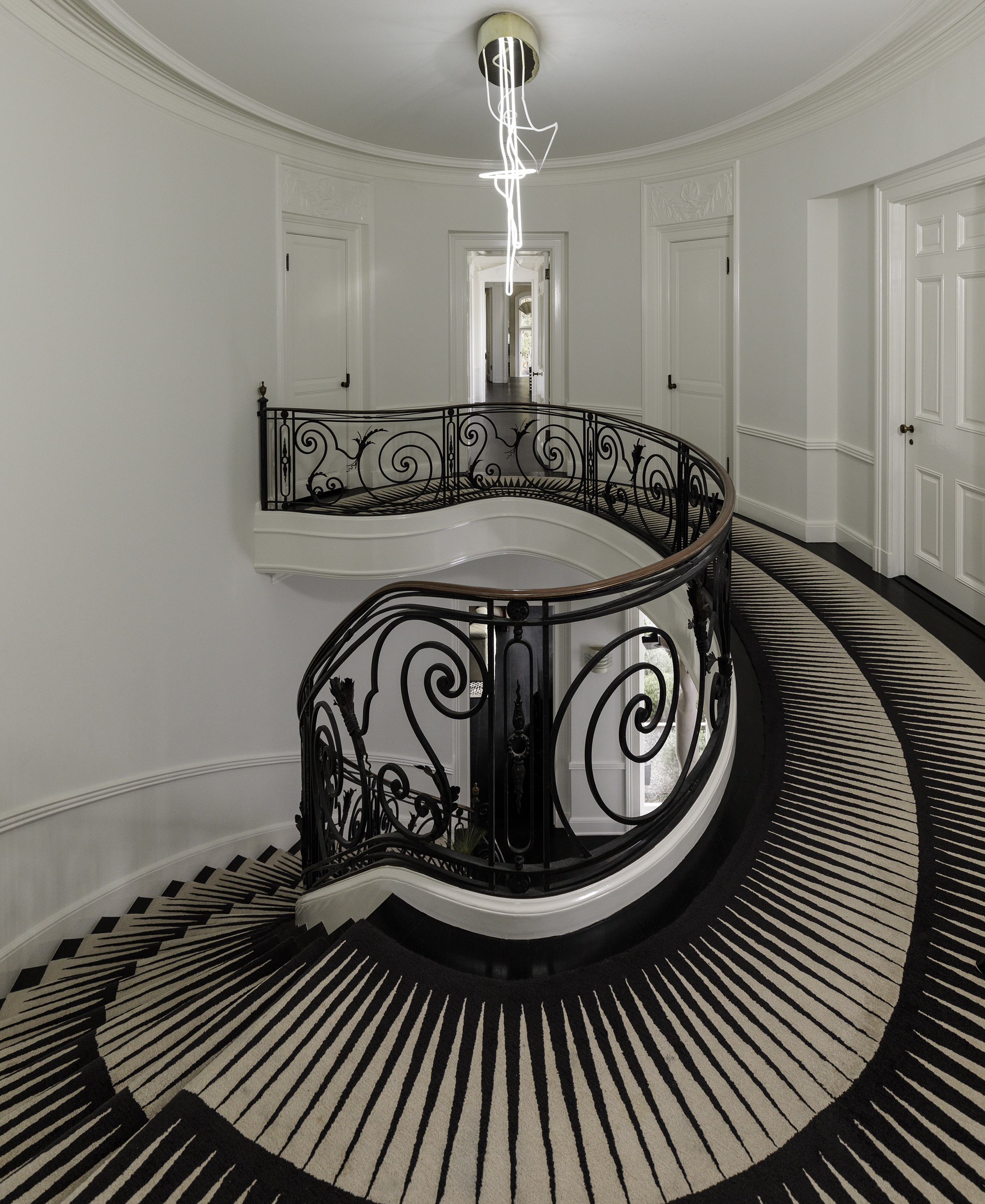
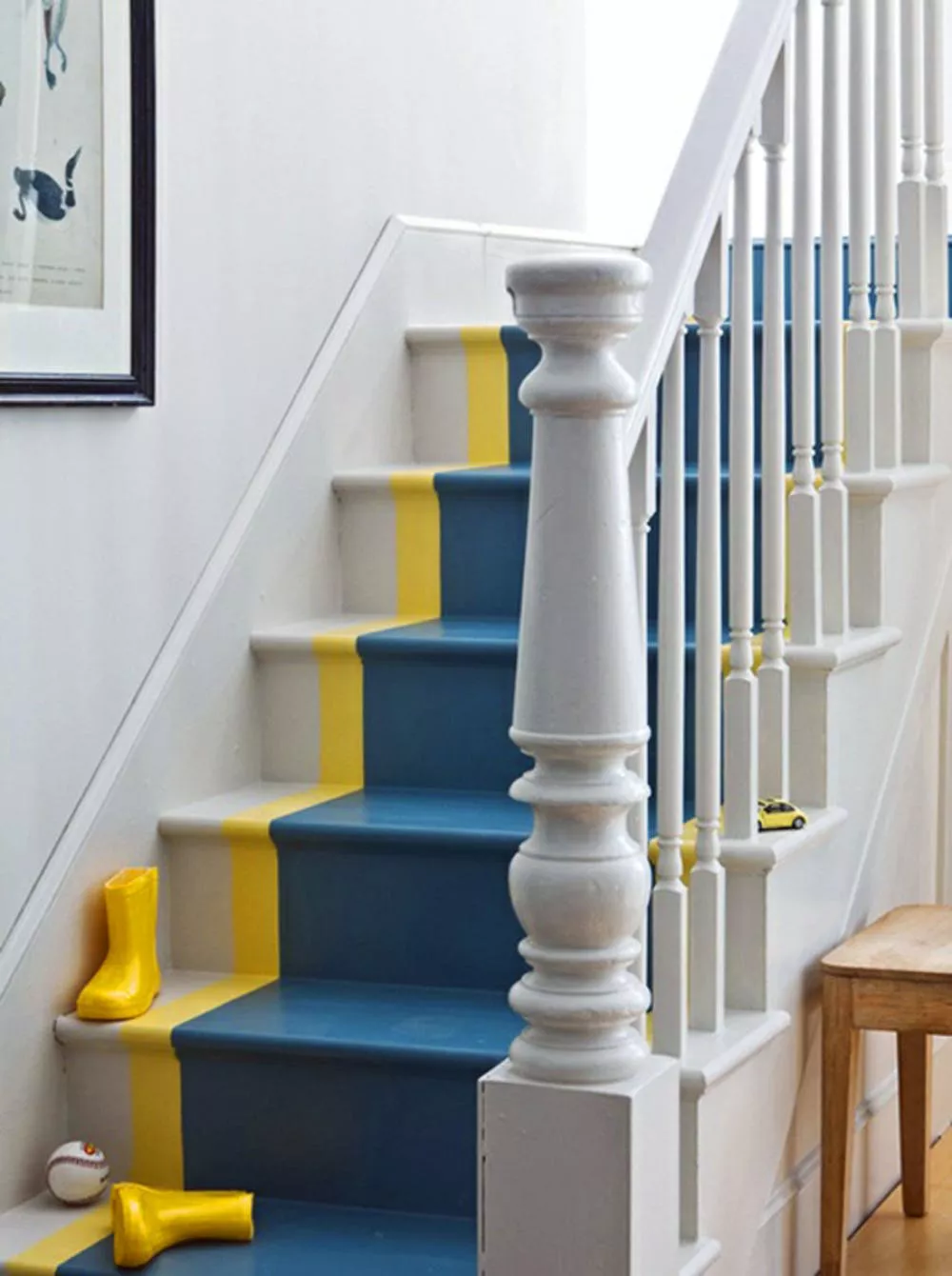
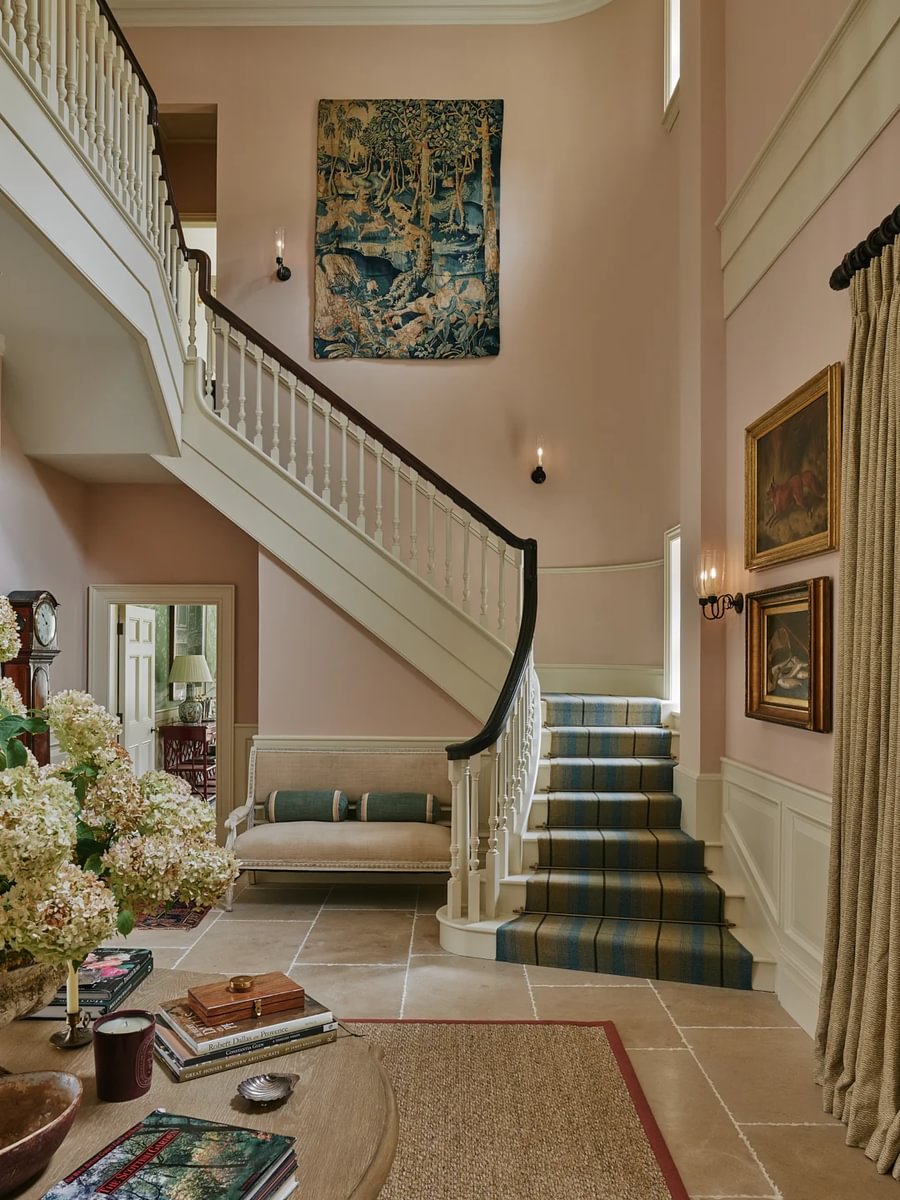
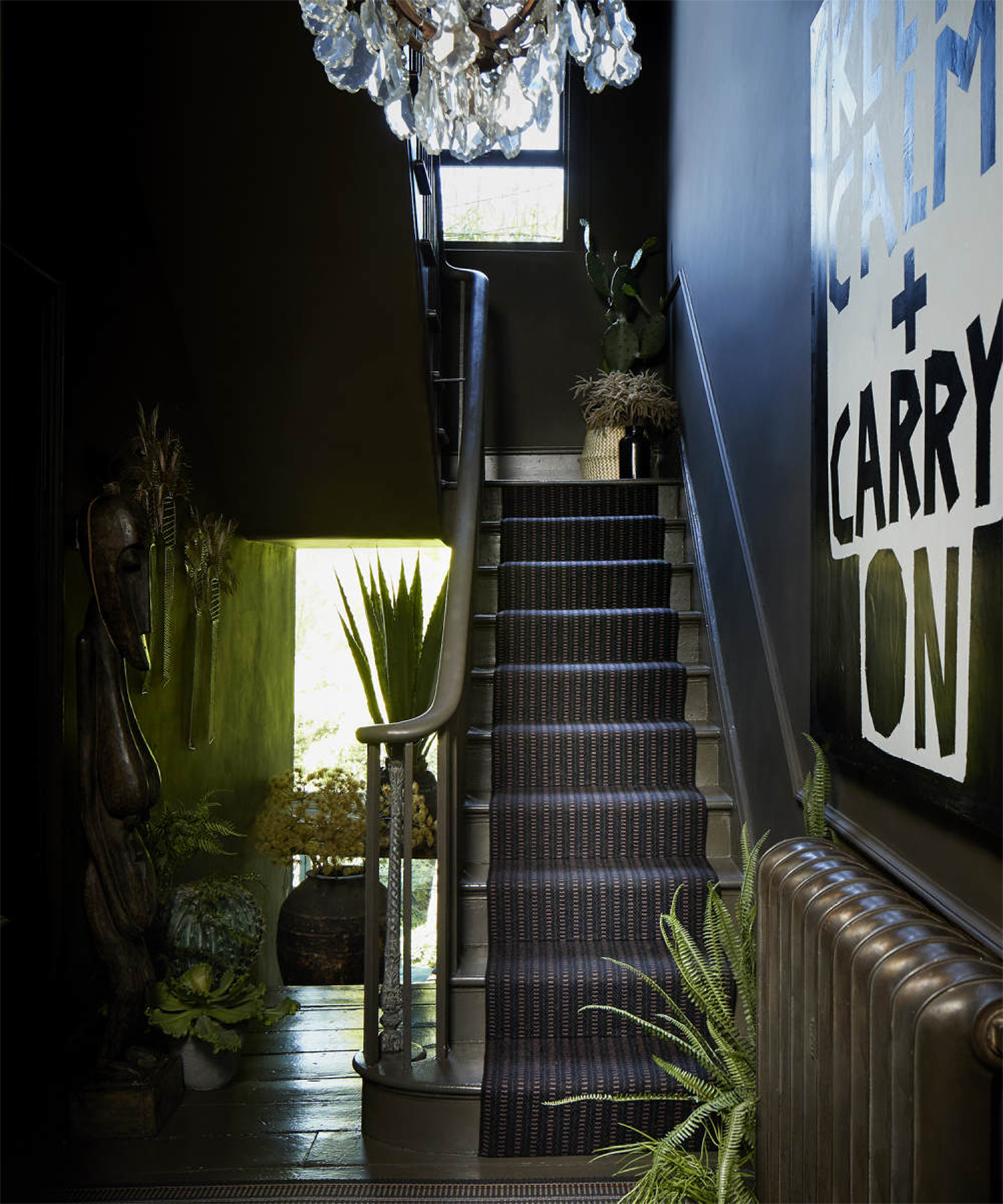
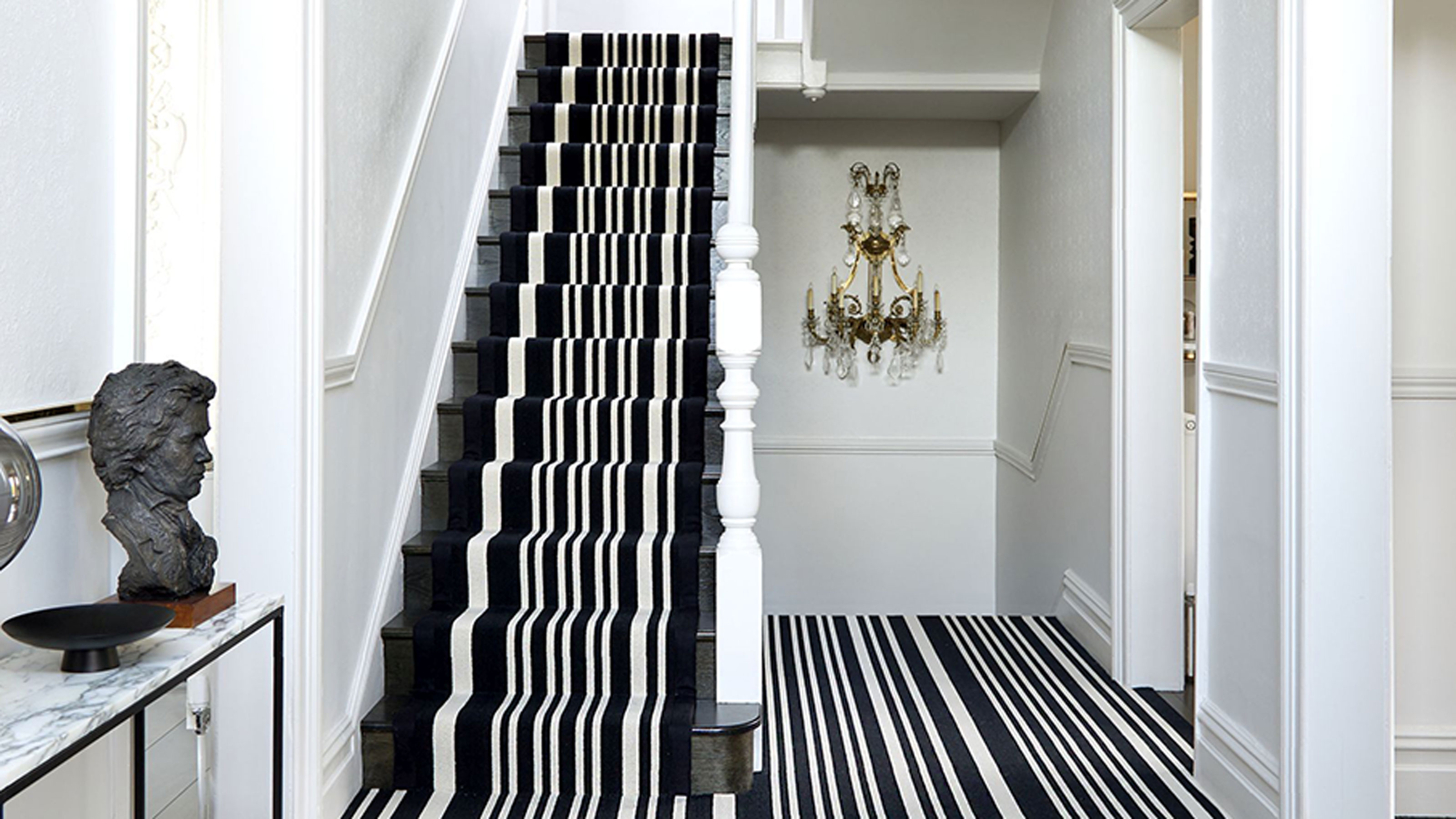
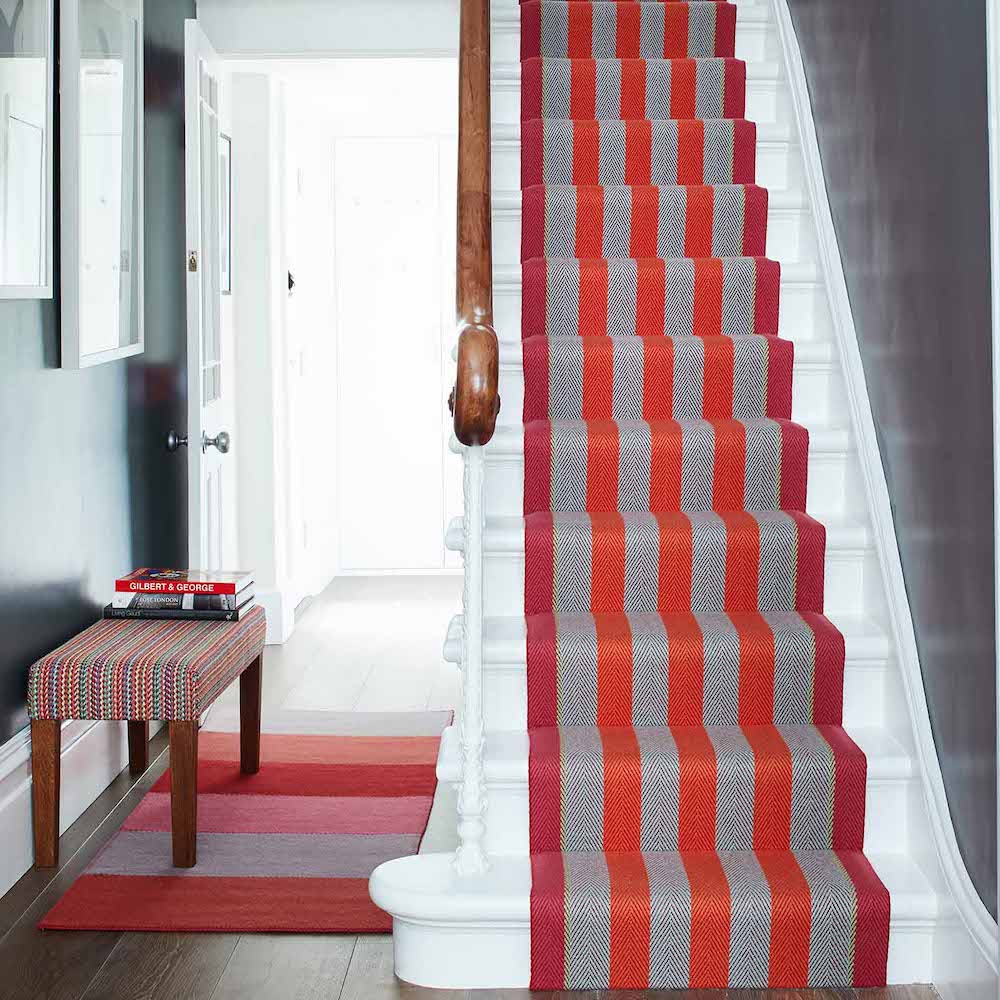
The article presents various creative approaches to staircase carpeting. One strategy involves using attention-grabbing stripes to introduce a splash of color into a dark hallway, guiding the eye through the space. To prevent an overwhelming effect, this bold design is best confined to the stairs, allowing its impact to be maximized when not overused. Pairing such a design with a classic wood hallway floor can create a subtle yet effective contrast. Geometric carpets are suggested for making a strong focal point in smaller hallways, especially in spaces with numerous doors and corridors that might otherwise feel disconnected. Repeating an eye-catching pattern throughout the hallway and on the stairs establishes a cohesive flow. For those with a penchant for bold designs, flamboyant floral carpets are presented as a maximalist option. While wall-to-wall floral carpets can be intense, they can be balanced by keeping the rest of the decor simple, allowing the floral pattern to dominate. Alternatively, a maximalist approach might involve incorporating deep, dark shades and additional patterns on walls or even ceilings, with heritage motifs and large-scale florals being particularly on-trend. Darker tones can add drama, while softer pastels lend a vintage feel.
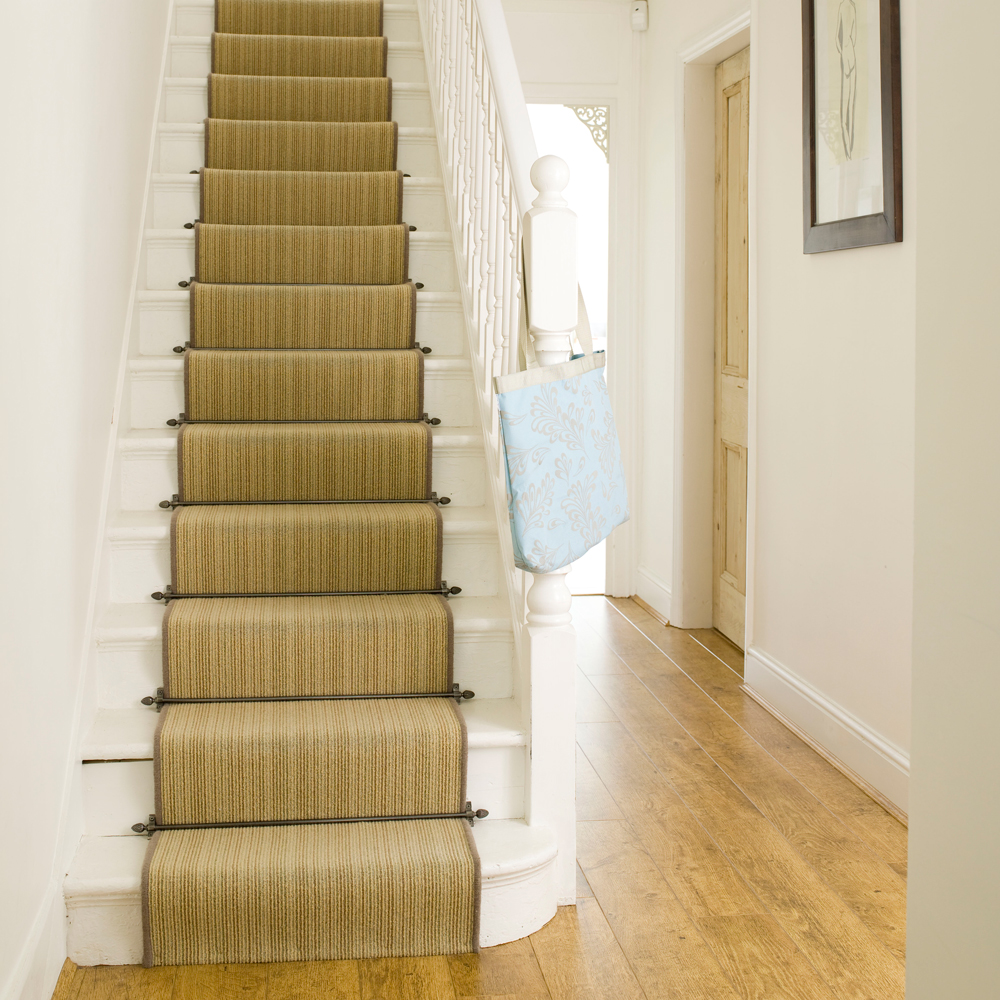
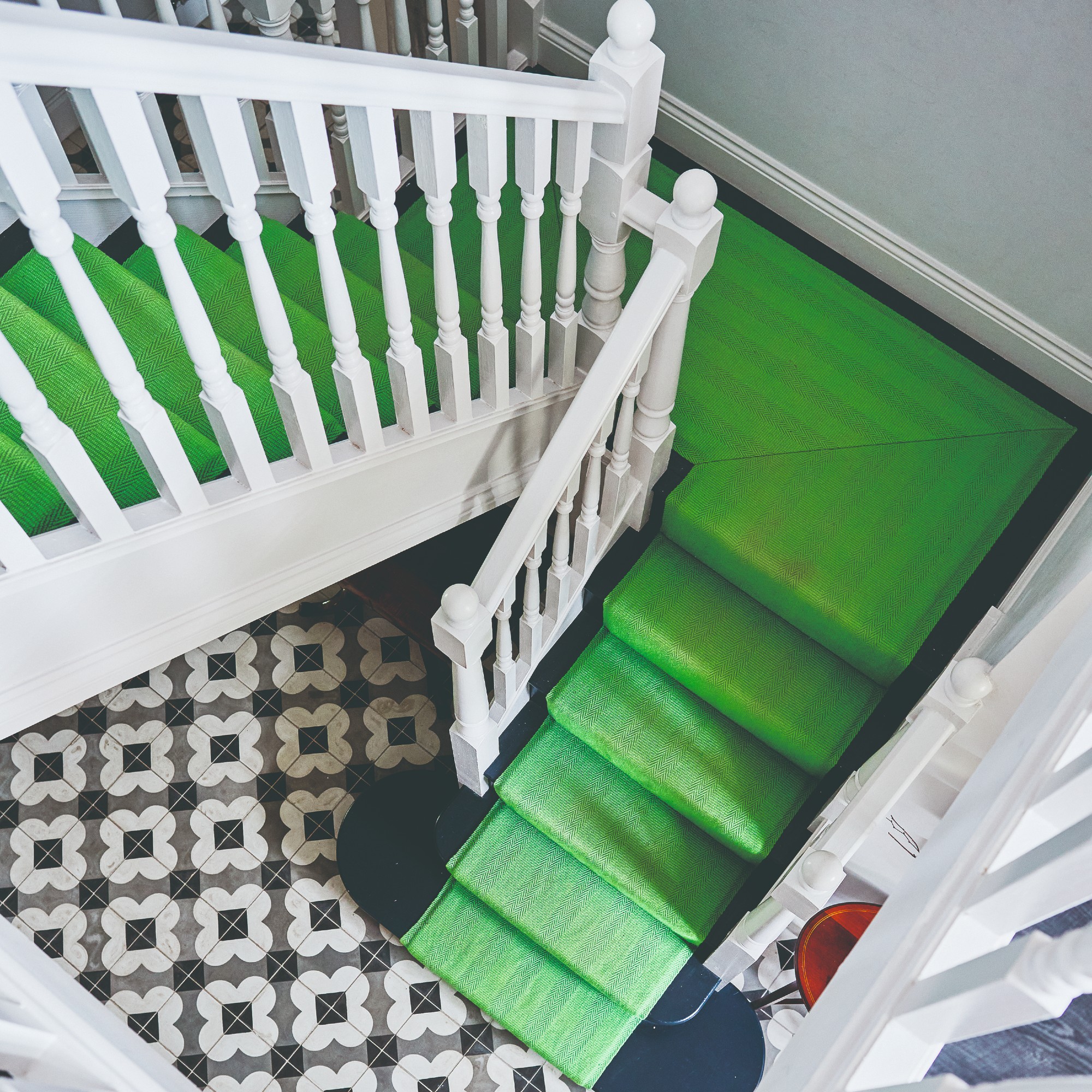
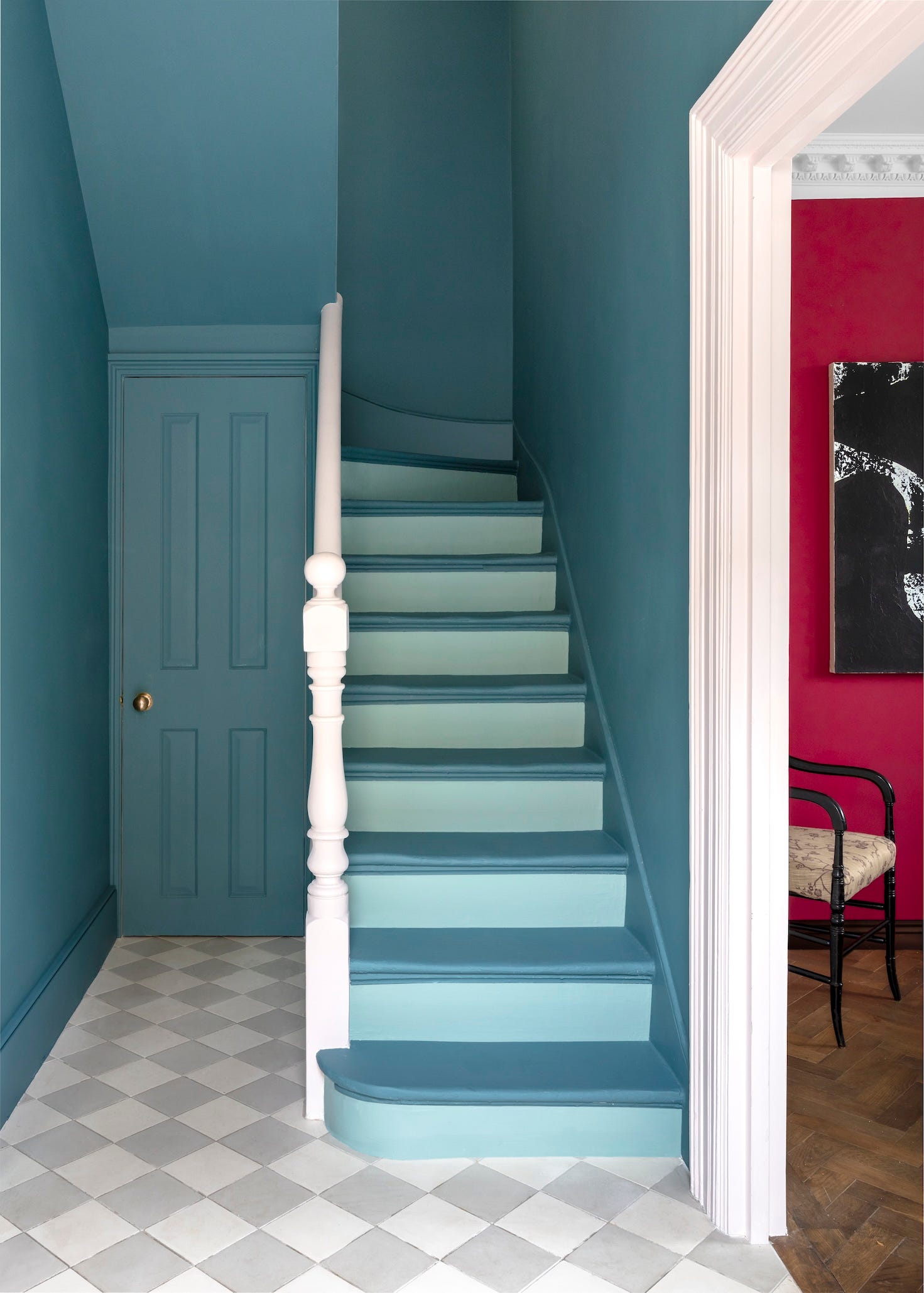
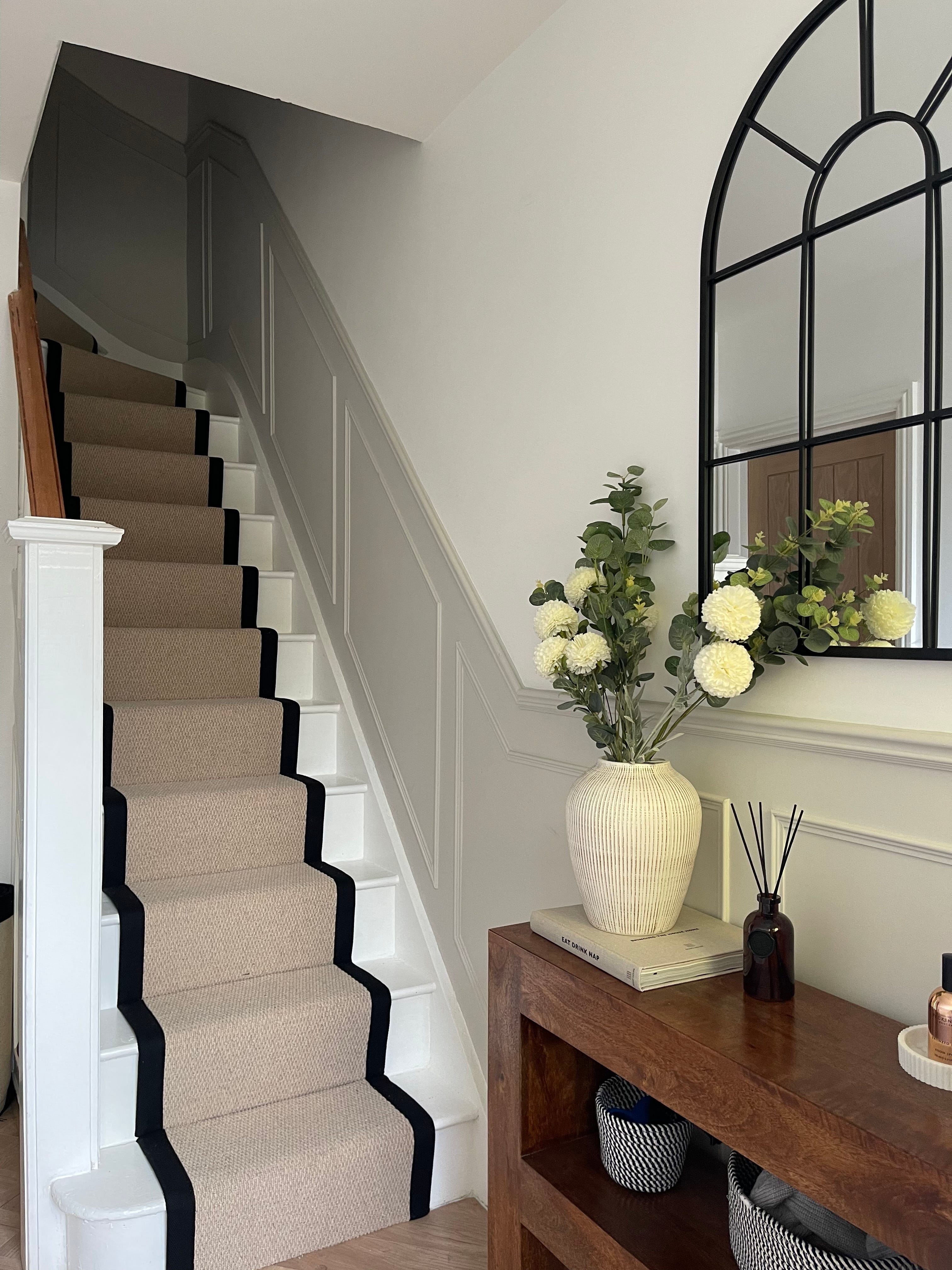
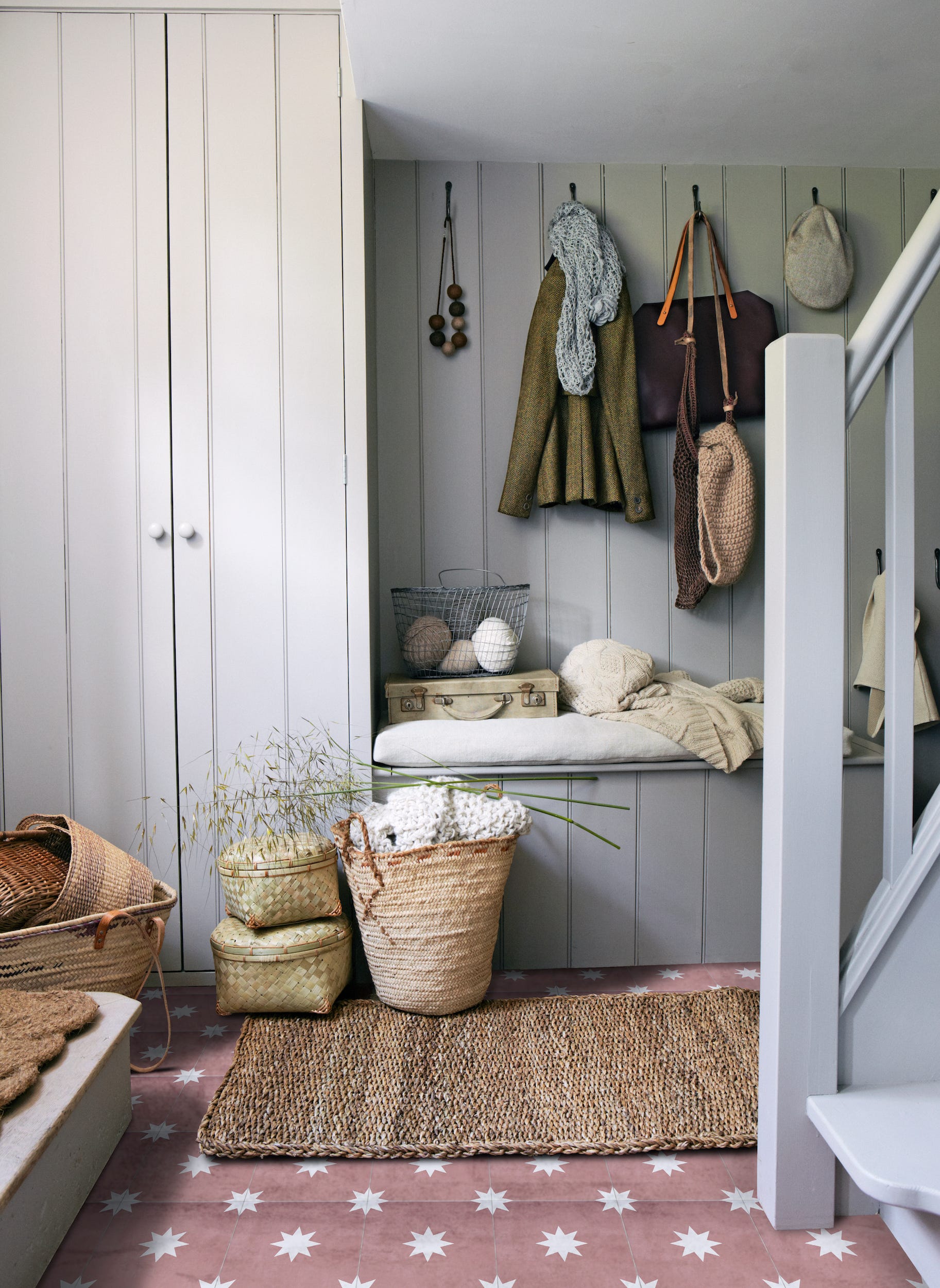
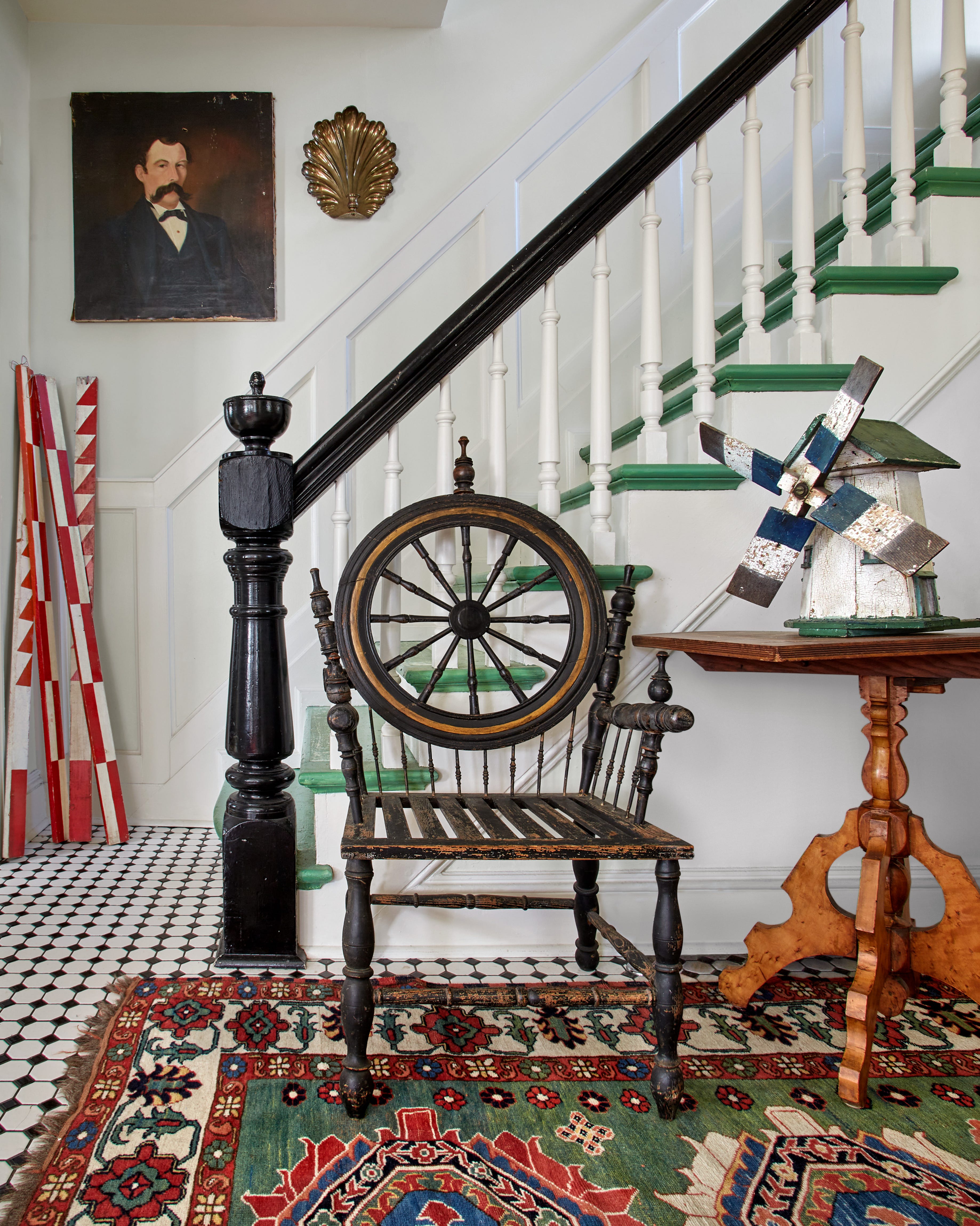
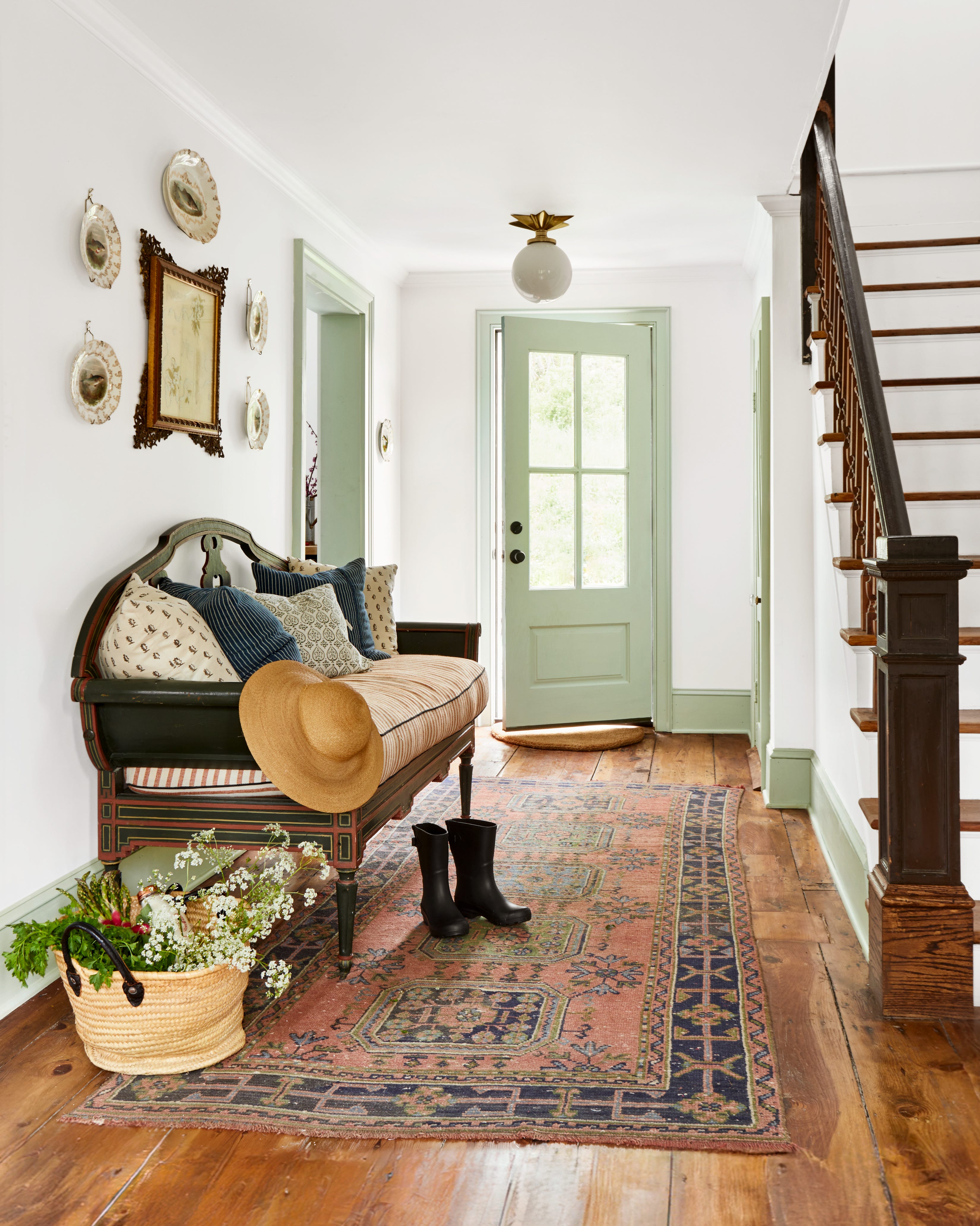
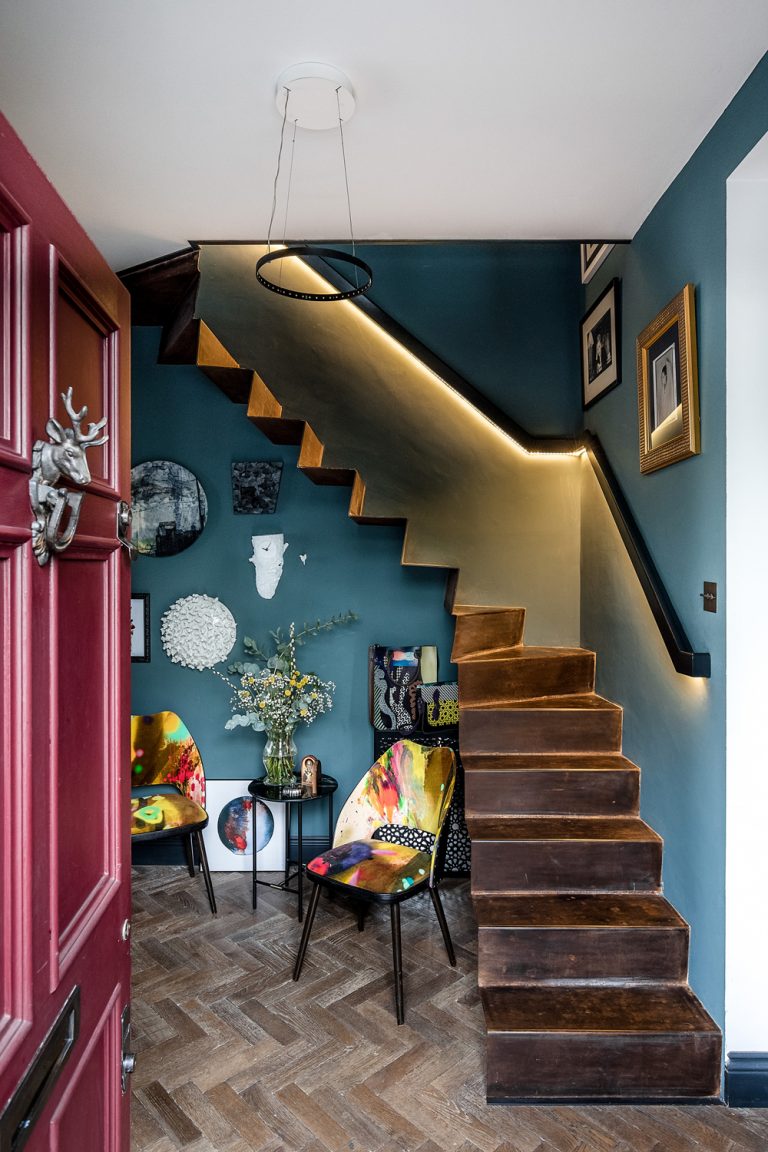
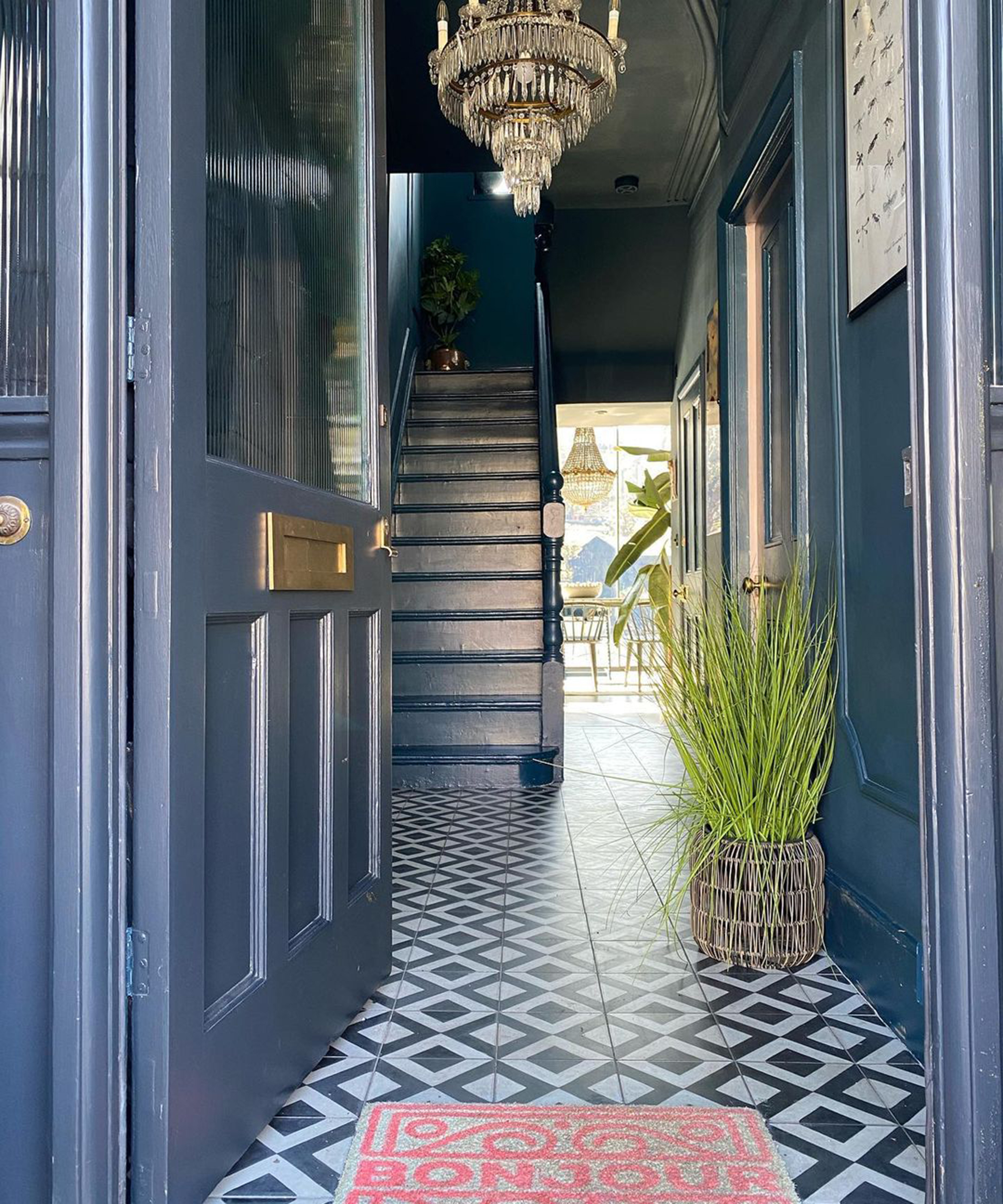
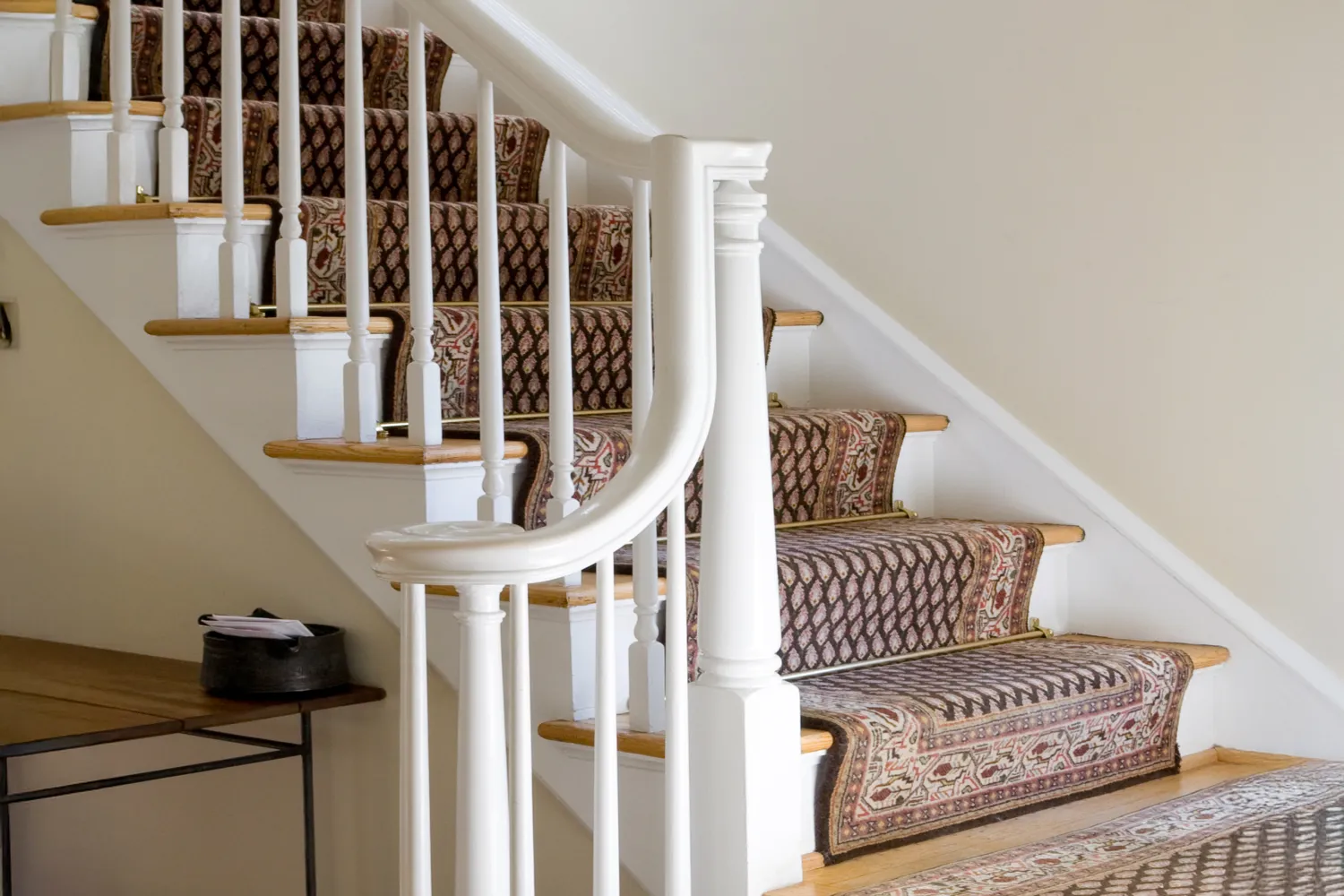
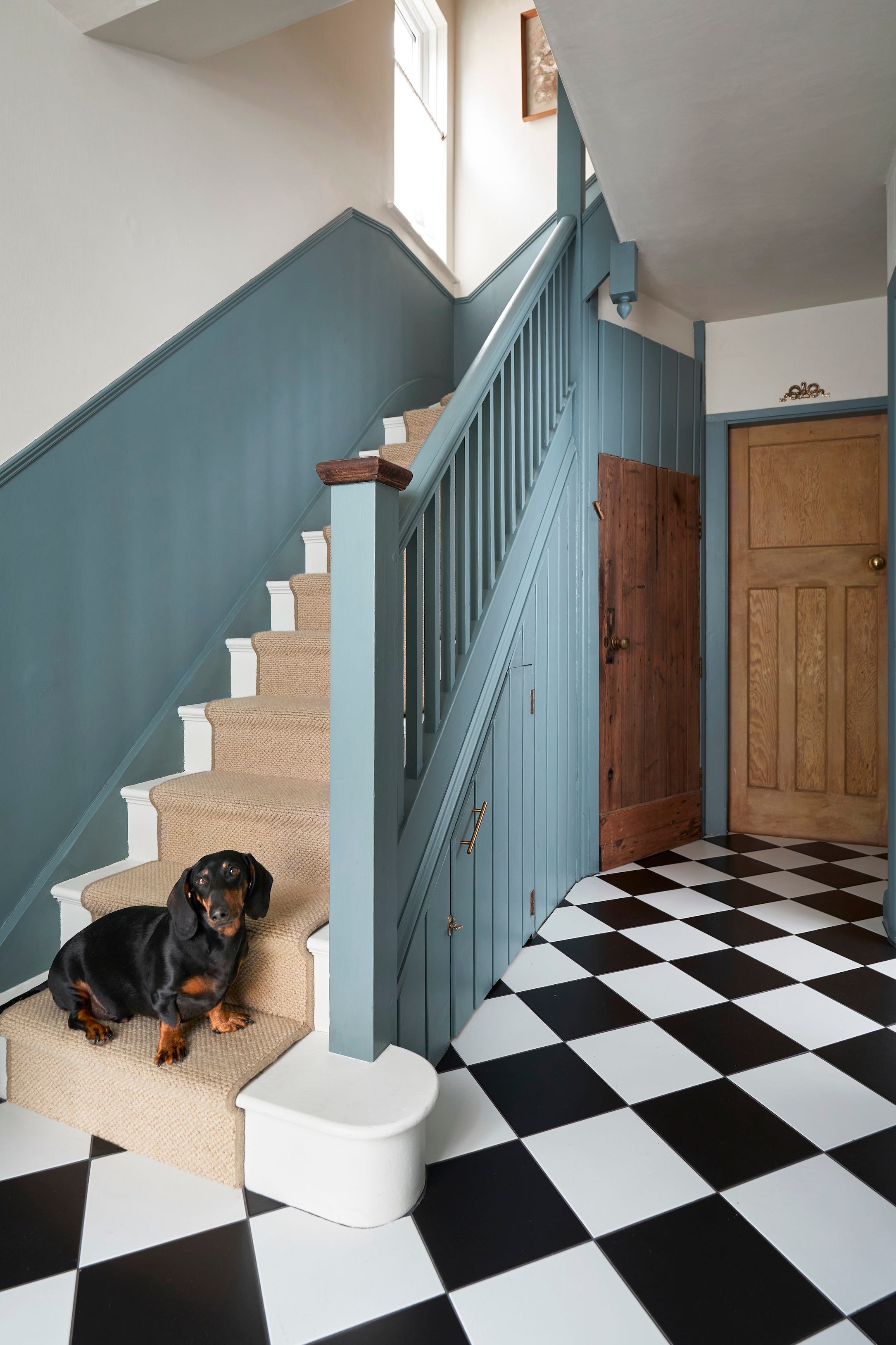
The article also challenges the conventional wisdom of avoiding dark colors in hallways, especially those lacking natural light. Designer Abigail Ahern argues that instead of trying to brighten a dim space with white walls, embracing dark, strong colors can introduce intrigue, drama, and glamour. For period properties, combining various patterns creates an eclectic look. Showcasing original features, such as decorative tiled floors, can be enhanced by pairing them with a lively polka-dot stair carpet, rather than a plain one, maintaining a complementary color palette for a cohesive result. This technique is particularly effective in narrow hallways where decorative options are limited. Considering the 'overhead picture,' or the view from above, is also important. Neutral walls and paintwork on multi-level staircases can be enlivened by bright stair runners, which inject color and maintain continuity. For staircases with turns, wool flatweave runners are recommended due to their suppleness and natural selvedge edge, making them suitable for upholstery. Luxurious neutrals, such as sisal and wool, offer hard-wearing options for fully carpeted stairs and hallways, providing warmth and a versatile background for any paint scheme.
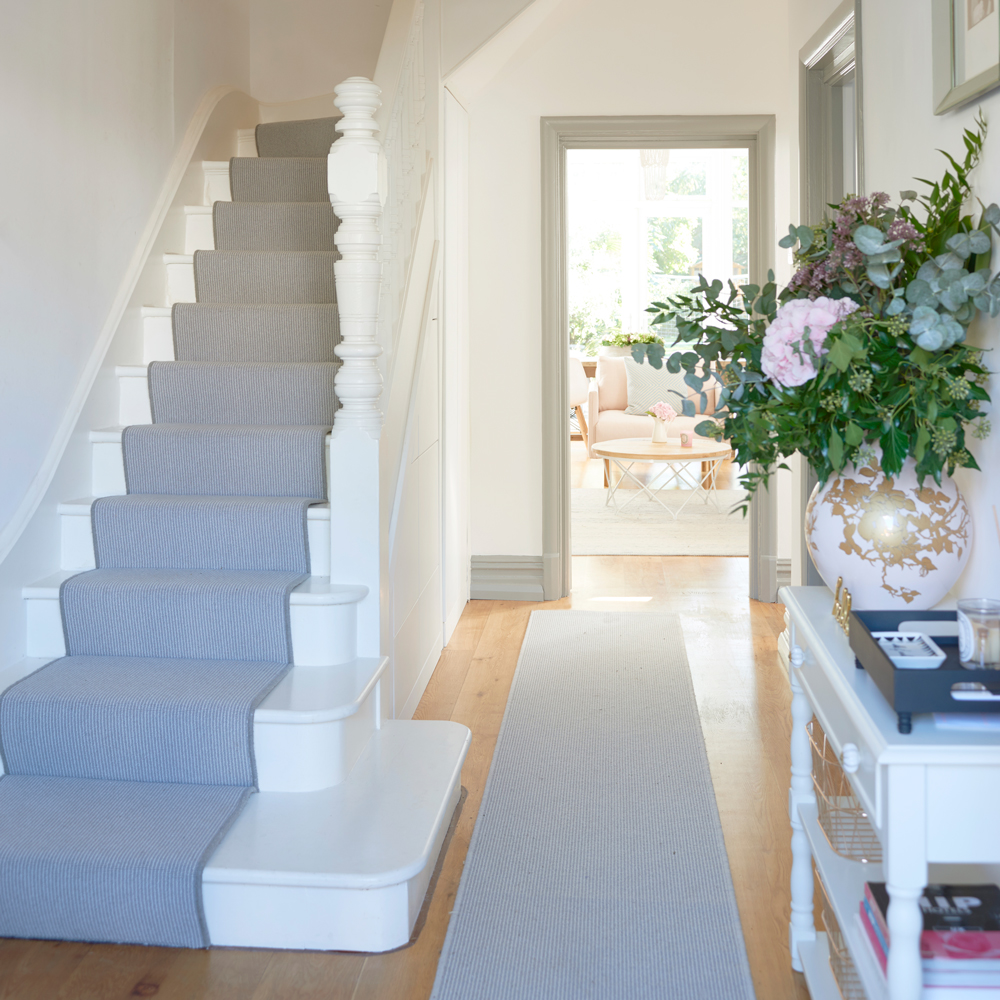
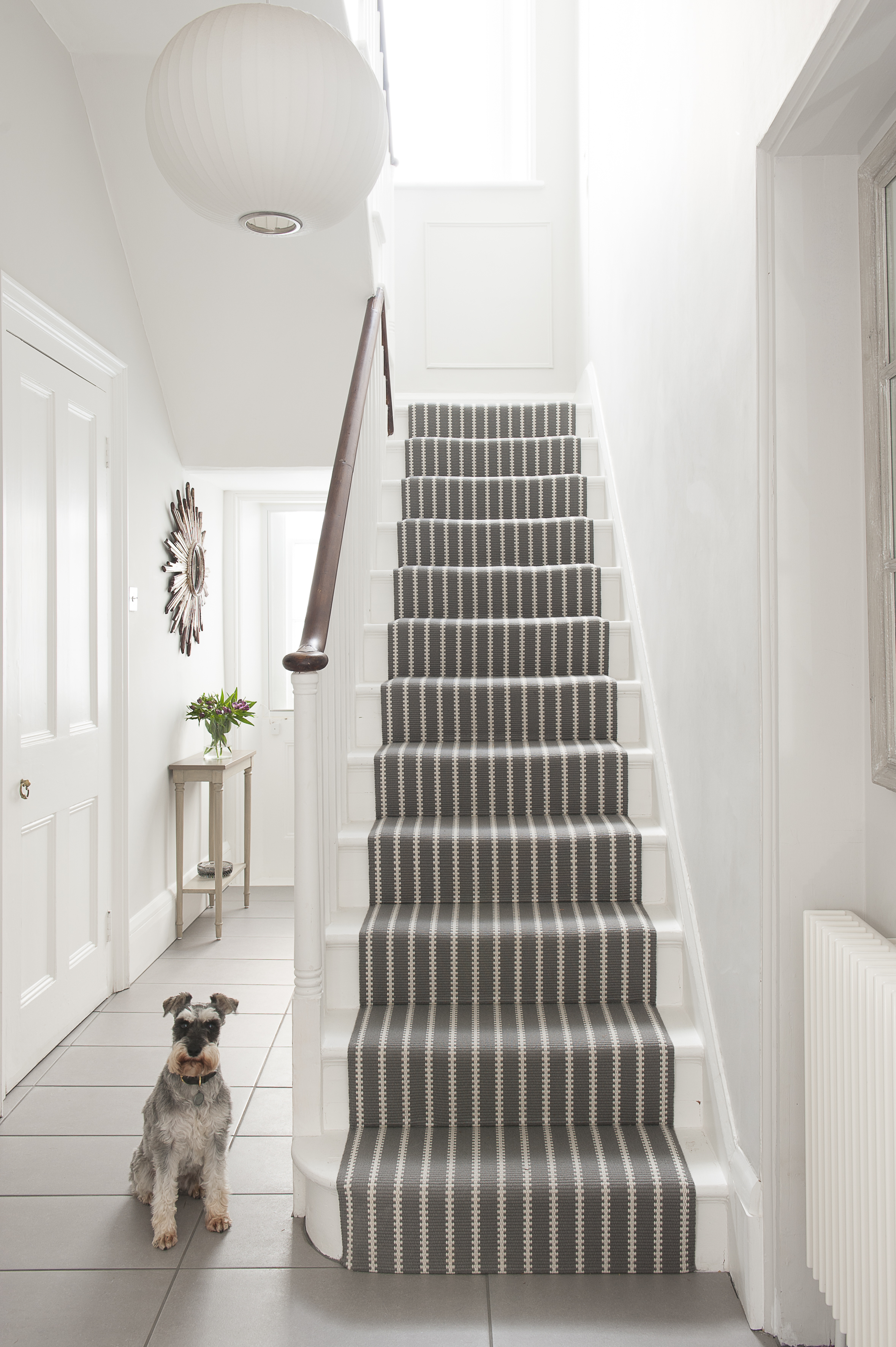
Subtle spots on carpets can add visual interest in narrow spaces where furniture is minimal. Mixing a spotted design in two complementary colors can enhance this effect, while also being practical for high-traffic areas due to their ability to conceal marks and scuffs. Maintaining a consistent color theme, especially soft grey, throughout staircases and landings spanning several levels, helps create a sense of calm and continuity, preventing chaos in spaces with many connecting rooms. Animal prints, like zebra or tiger stripes, are suggested for adding warmth and glamour, with smaller-scale leopard spots offering a more subdued, neutral-like effect. Finally, stripes can be used to manipulate the perception of space; laid widthways, they can make a squat area appear wider, while lengthwise application can elongate a room. By making flooring the focal point and keeping walls and paintwork simple, the impact of striped carpets can be maximized, drawing the eye and guiding movement through the home.
#StaircaseCarpet #HallwayDesign #InteriorDesign #HomeDecor #PatternedCarpets #StairRunner #ColorTrends #HomeFlooring #EntrancewayDesign #StaircaseCarpet #HallwayDesign #InteriorDesign #HomeDecor #PatternedCarpets #StairRunner #ColorTrends #HomeFlooring #EntrancewayDesign
0 comment in total
 No comments yet
You may also like
Stair runner ideas – ways to use carpet to elevate a decorating scheme
Step Up Your Staircase With These Decorating Ideas
Staircase Ideas — 50 Designs That Make Your Stairs the Centerpiece of Your Home
Ask Veronica: Why decorate with a stair runner?

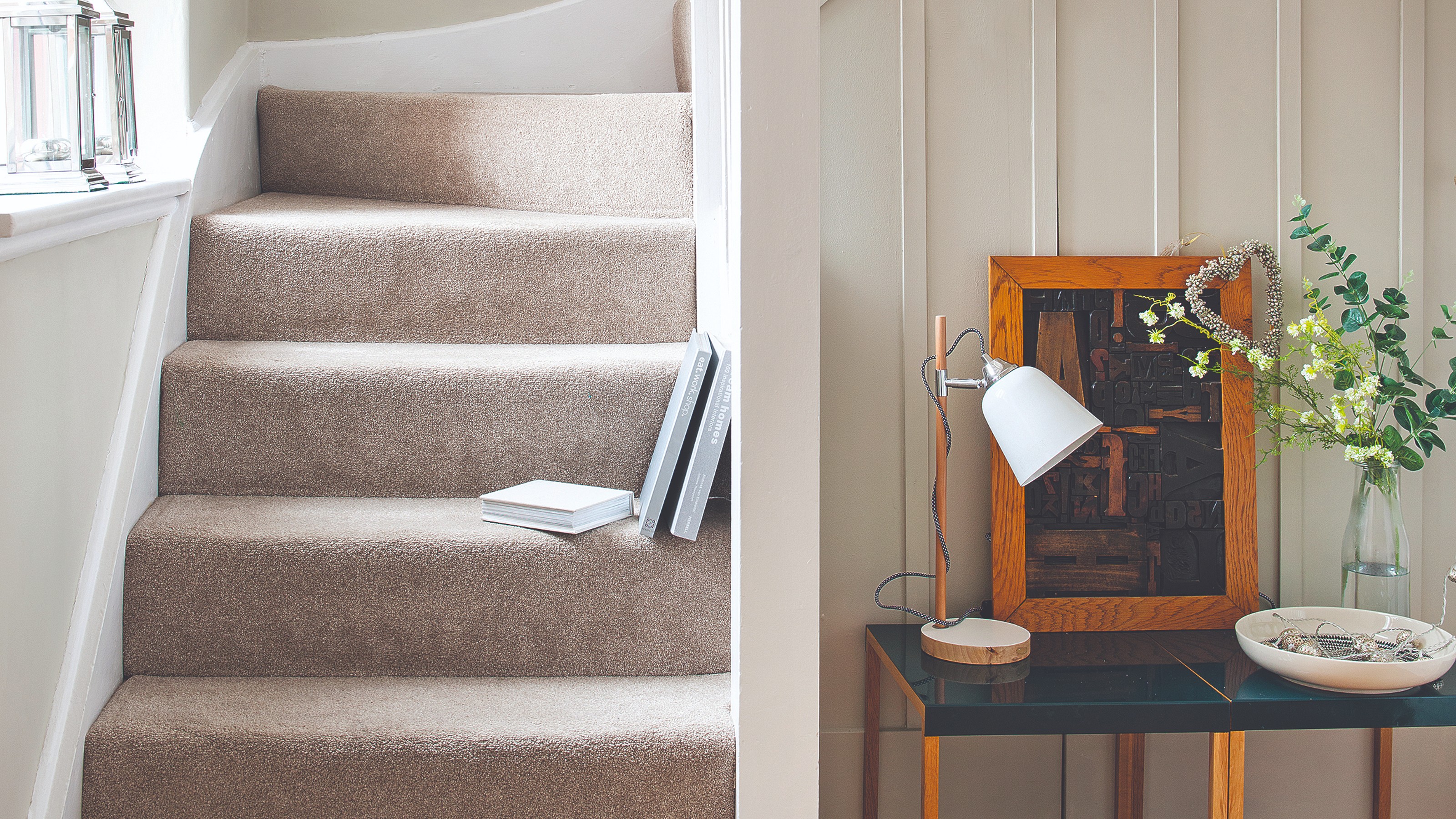
Stairway carpet ideas – 11 ways to make your steps feel soft and cosy in style
The best contemporary staircases

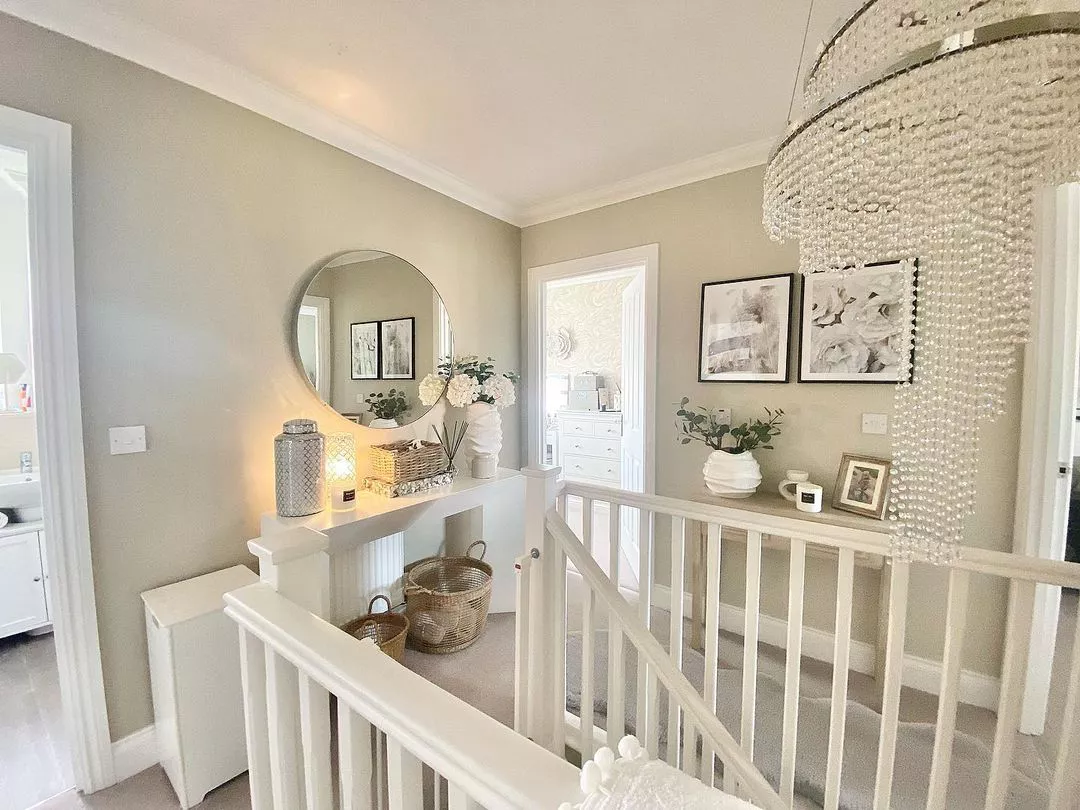
25 Staircase Landing Ideas That'll Add Style

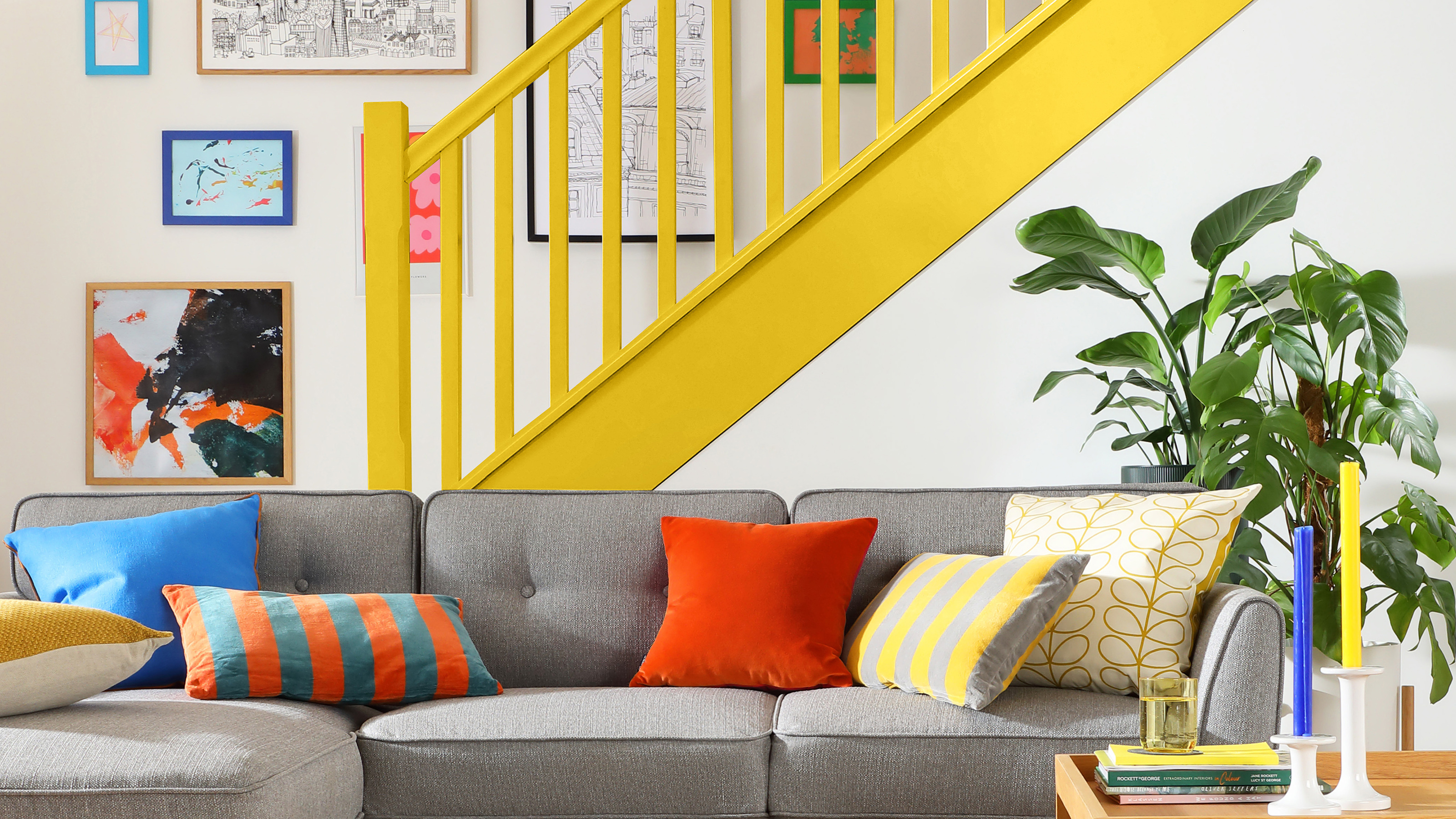
Staircase paint ideas – 17 colorful designs to upgrade your stairs

14 stylish staircase ideas to upgrade your space
21 Best Painted Stair Ideas to Revamp Your Space
Staircase decorating ideas - be inspired by colour, pattern and material wizardry
15 Modern Stairs Tiles Design Ideas For Home 2024
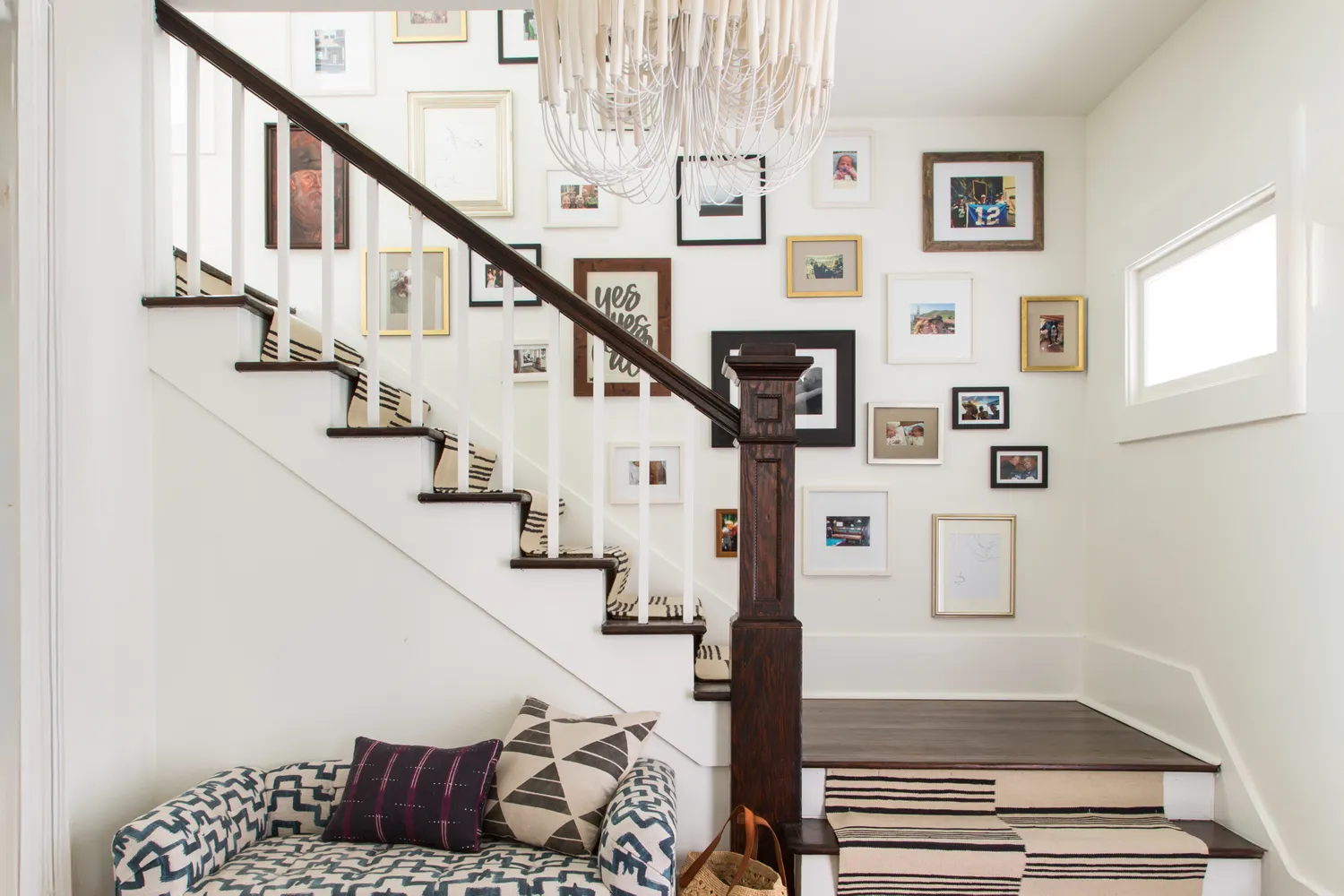
This Outdated Stair Trend Is Fading Fast—and Designers Say It's Time to Move On
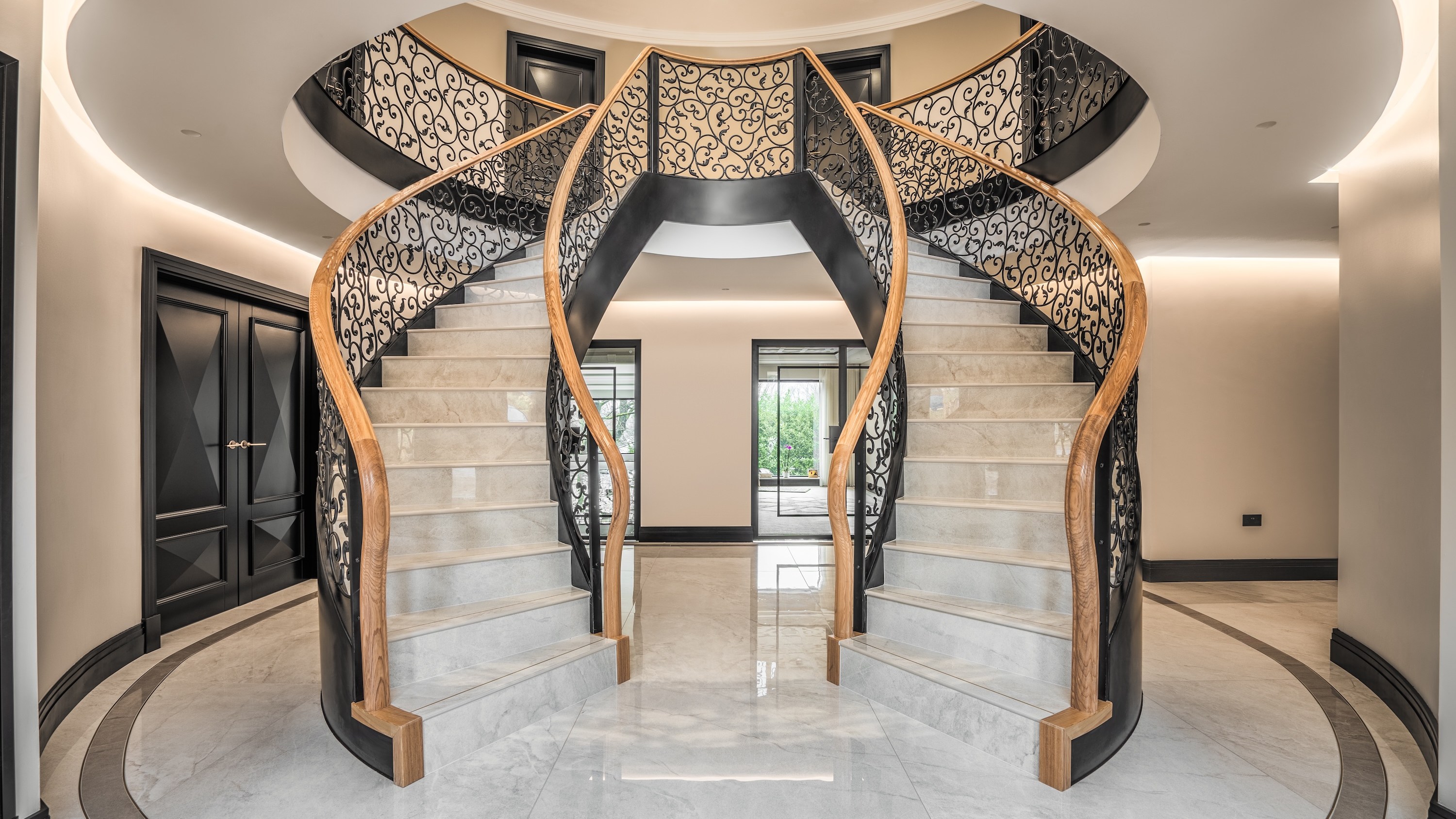
How to make a style statement with your staircases
17 Stair Railing Ideas That Elevate Interior Design

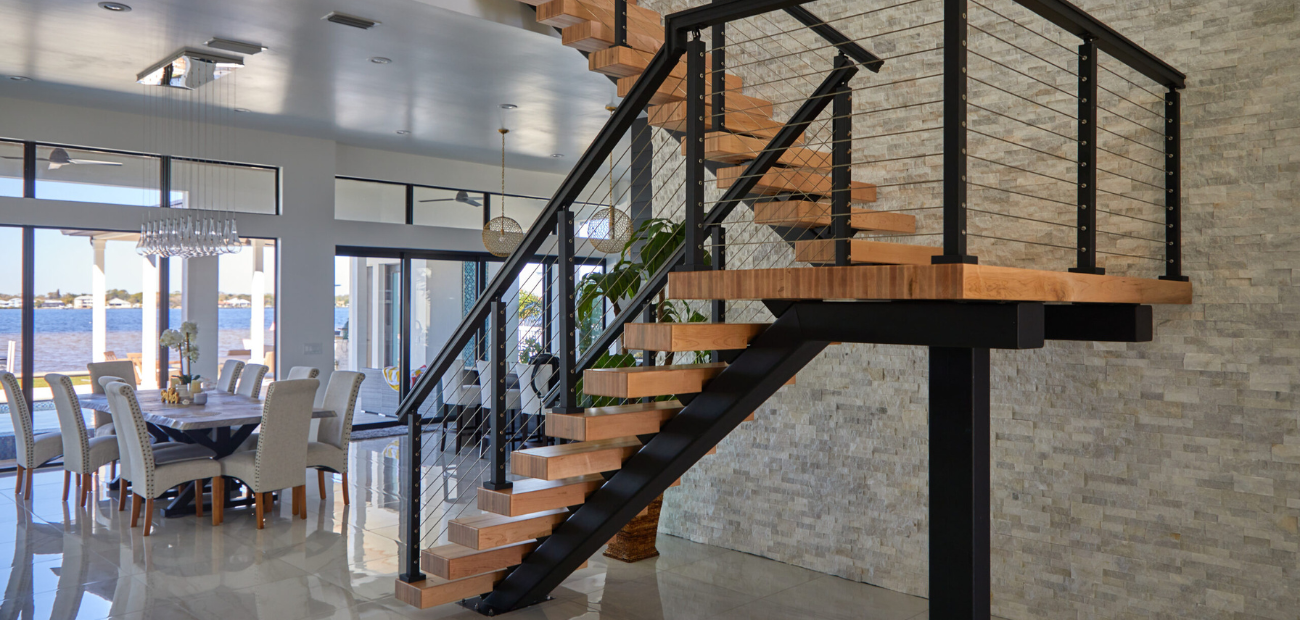
Let the Staircase Set the Stage for Style
Are stair runners out of style? This is how the best designers are using them to make modern statements
Staircase runner ideas – 15 designs that will instantly elevate your hallway steps
Staircase lighting ideas – stylish ways to illuiminate your stairs
These 5 Stair Trends Are Fading Fast—and Designers Say It's Time to Move On