Refresh Your Kitchen for Cheap with Vinyl Wrapping
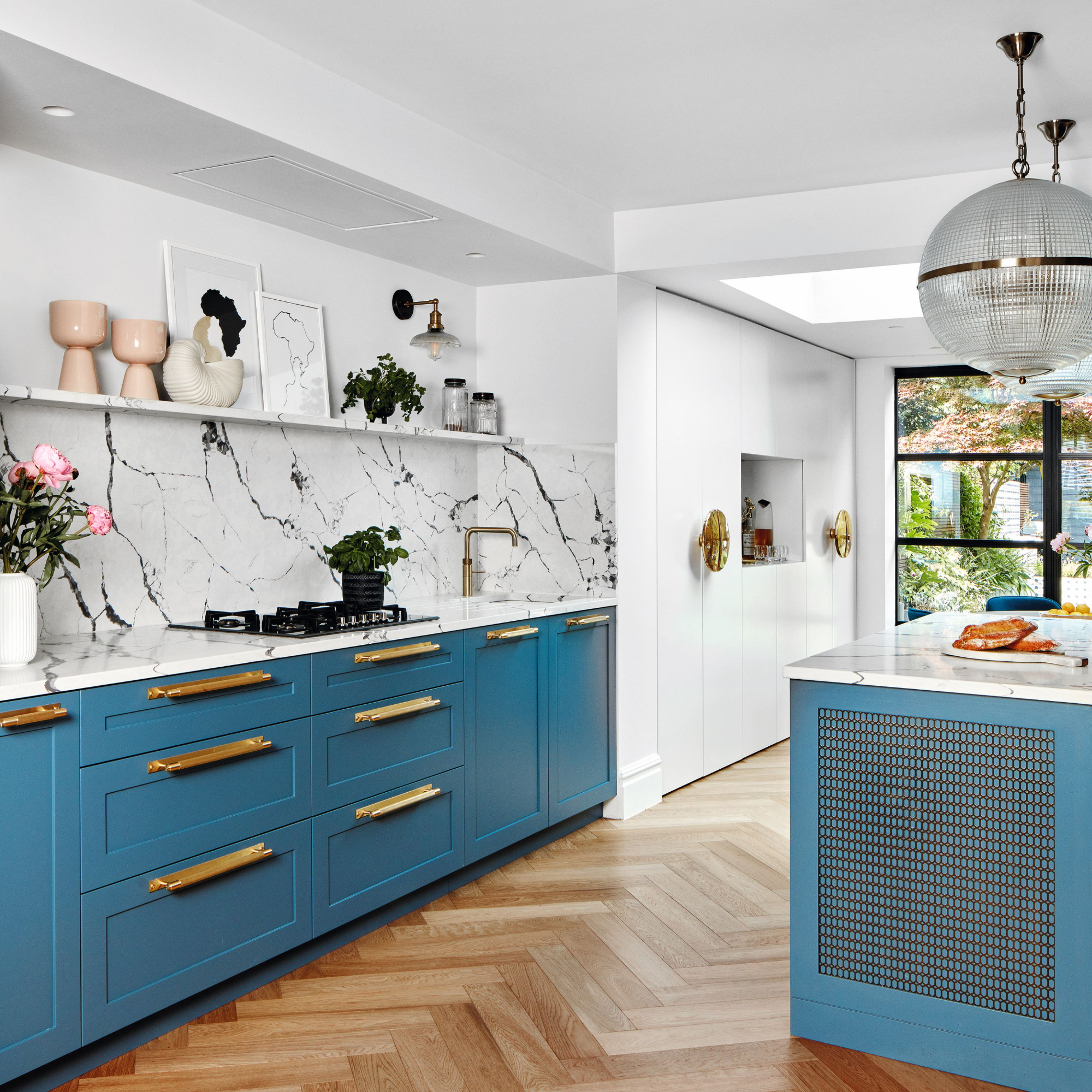
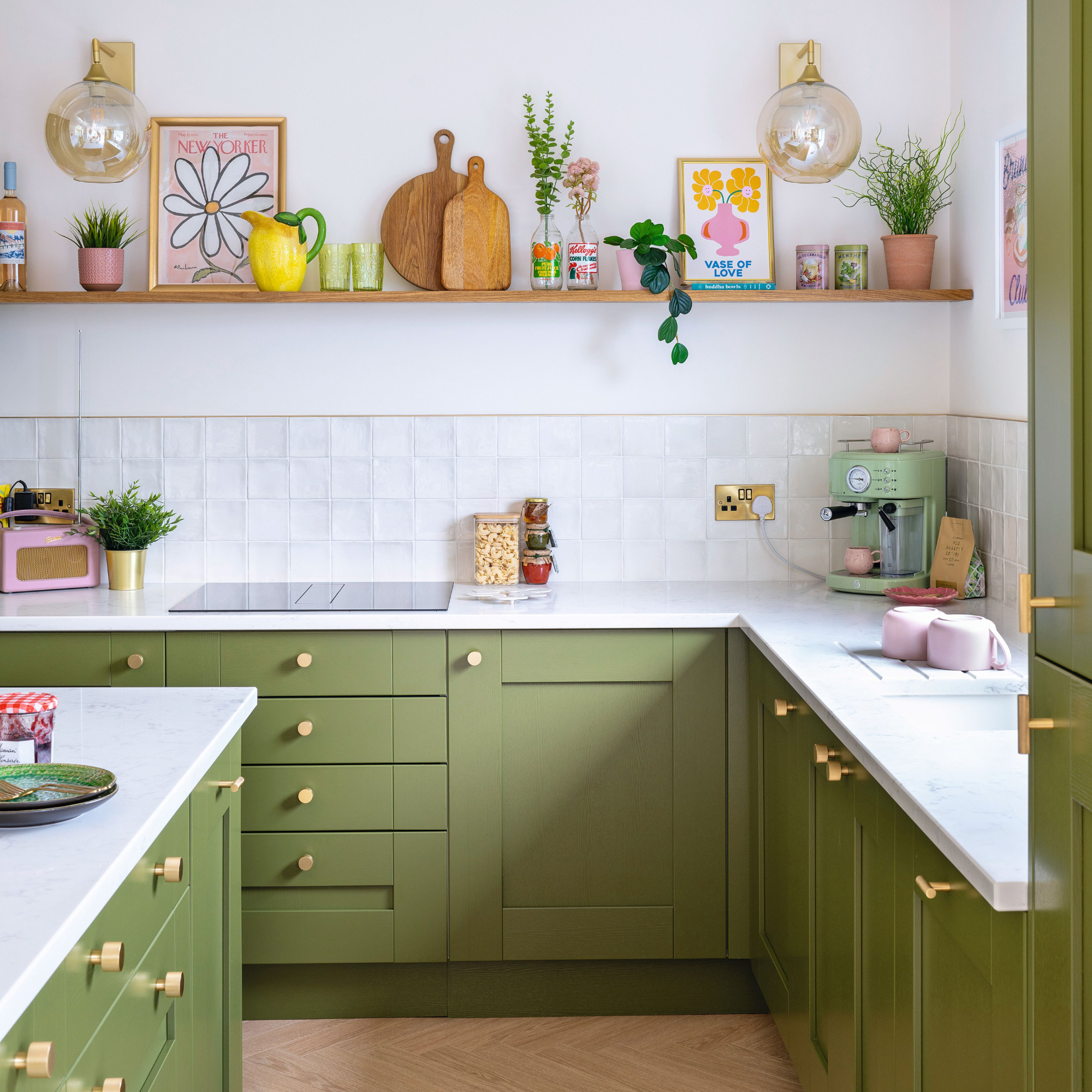
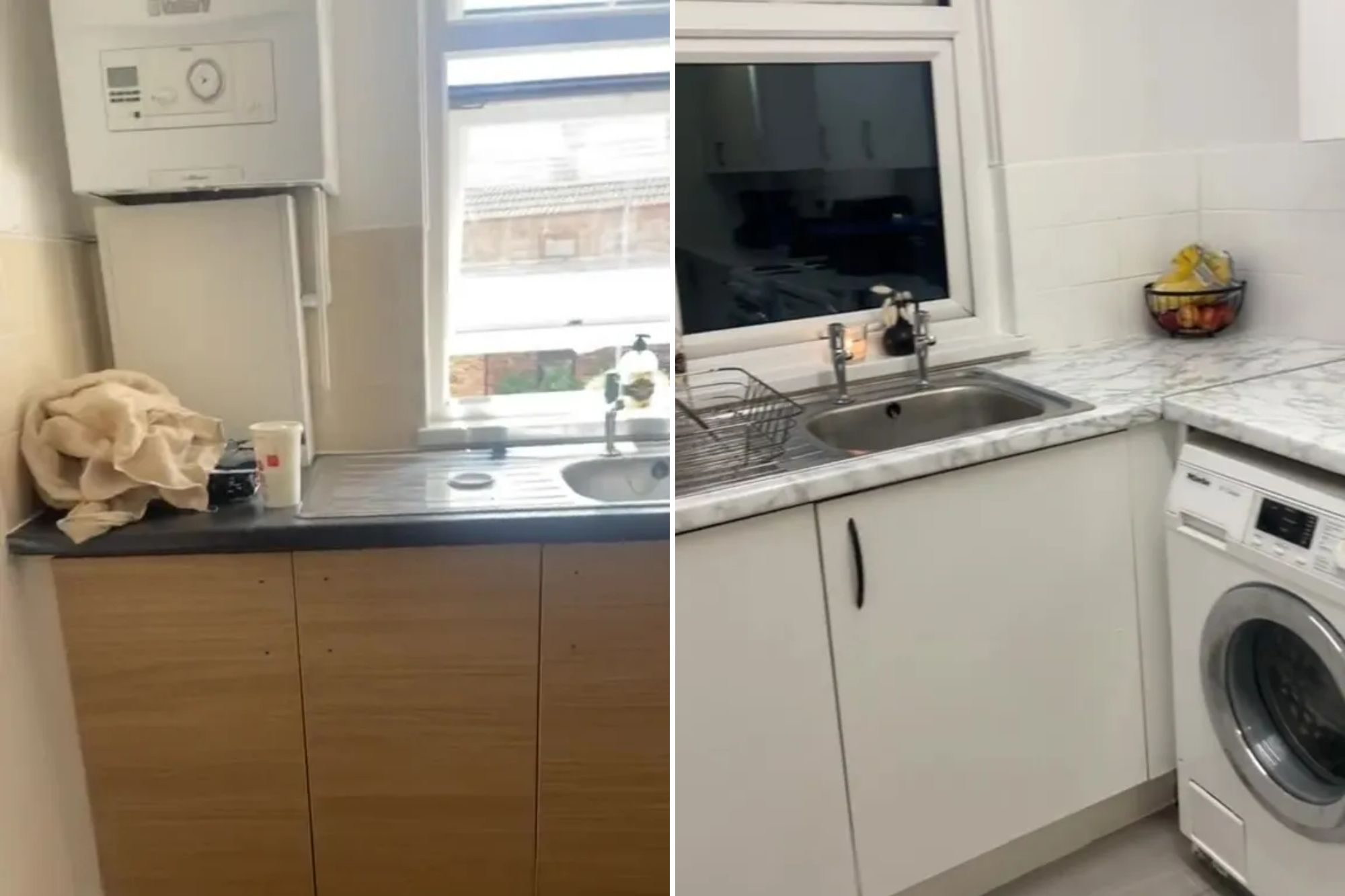
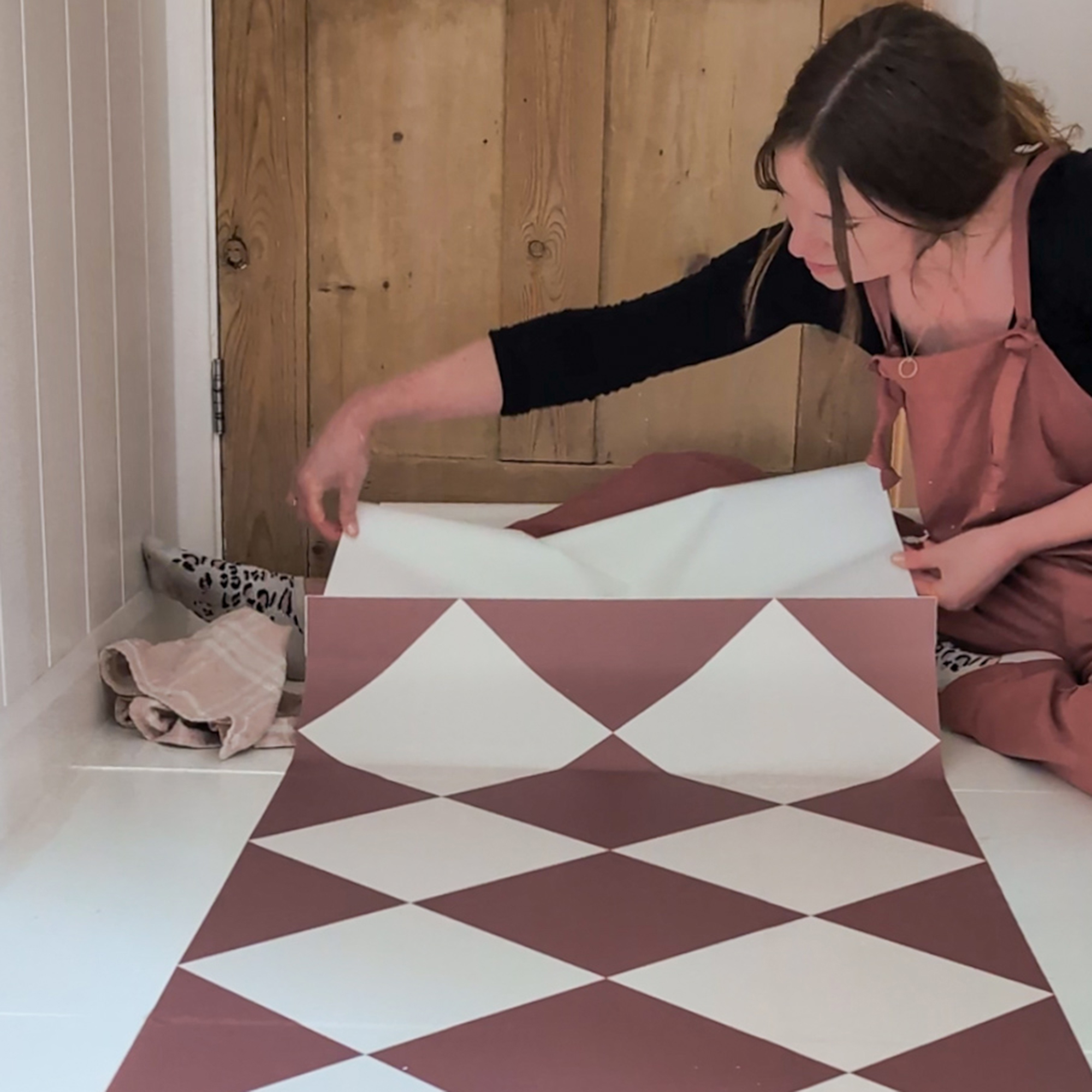
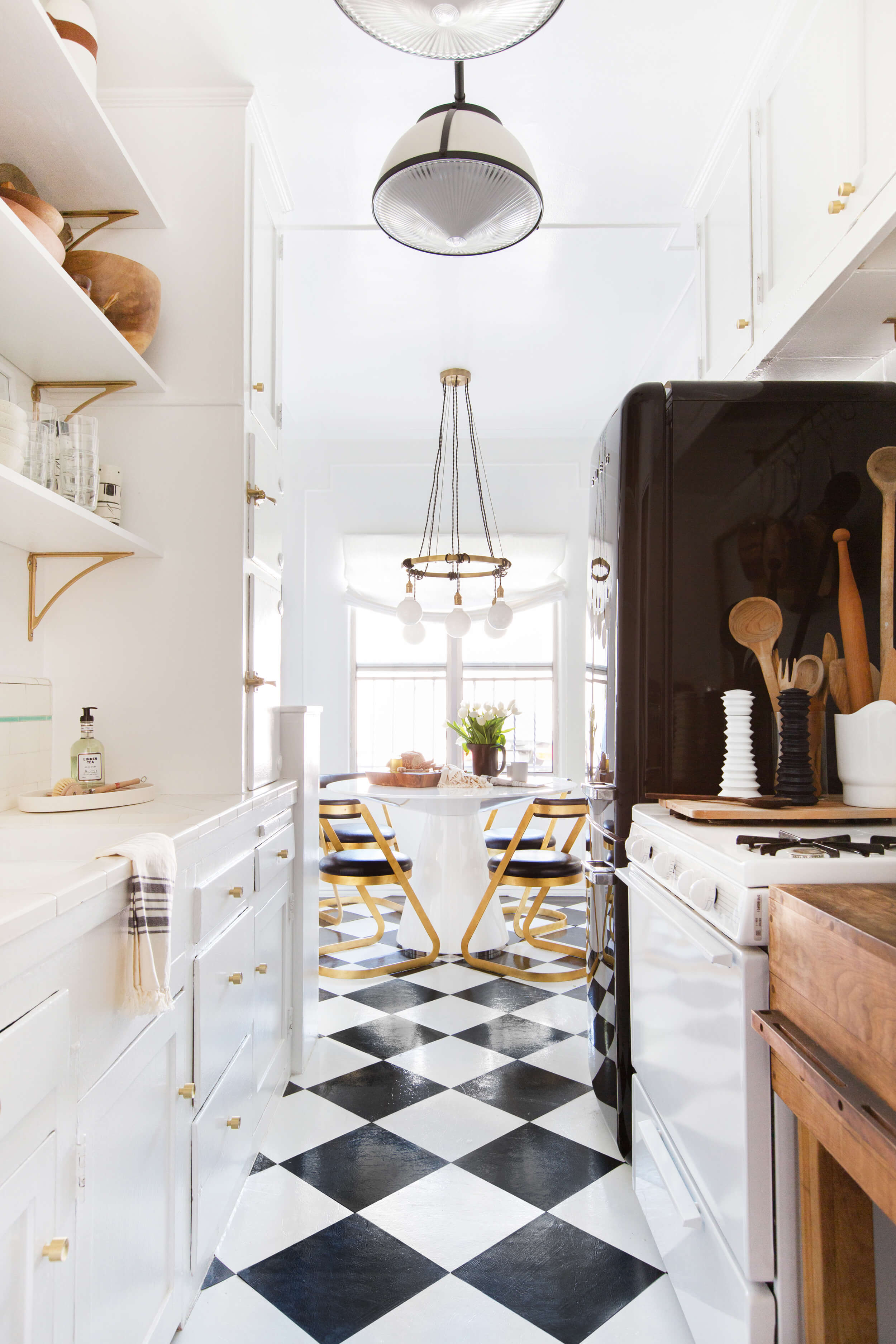
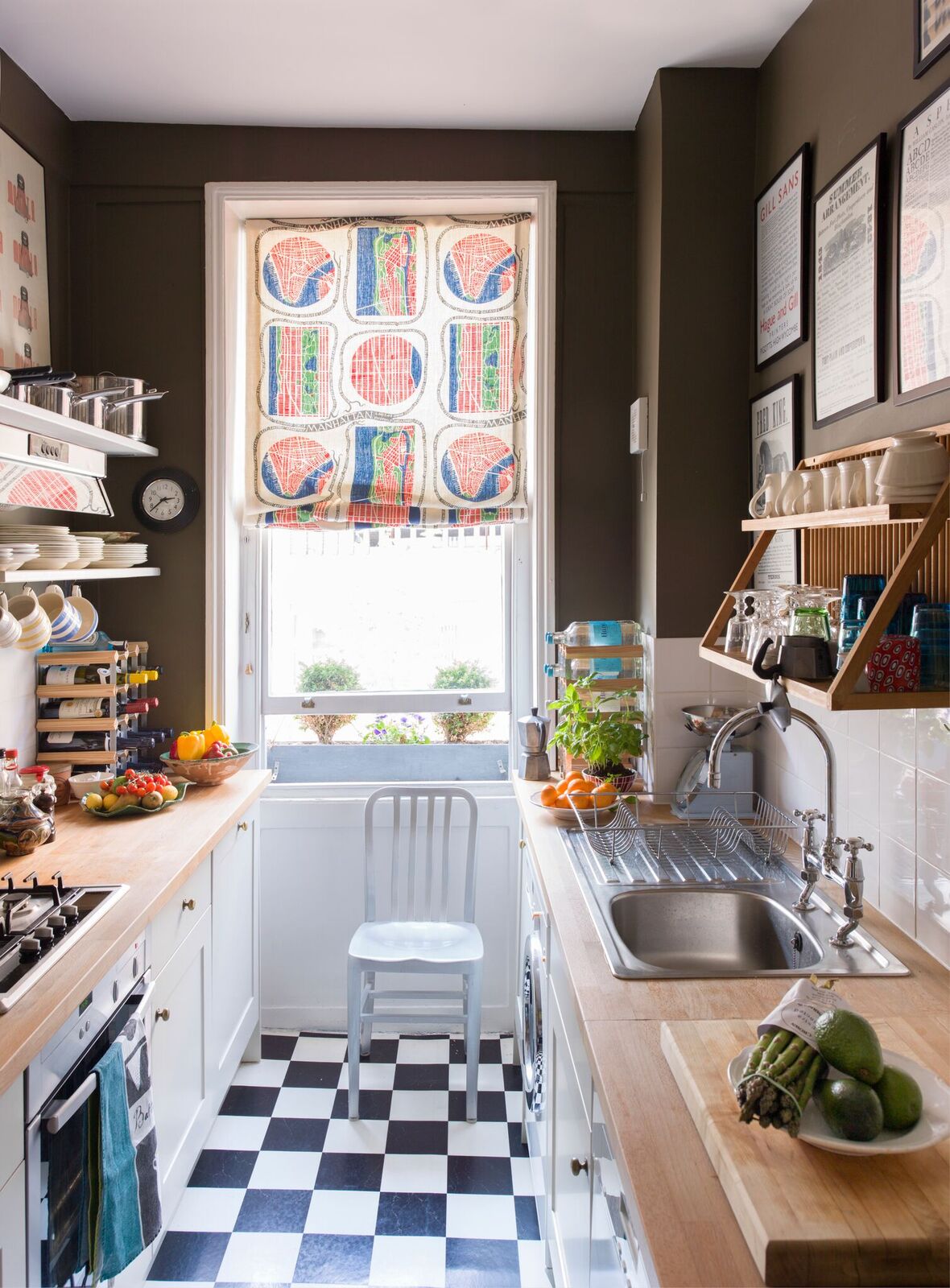
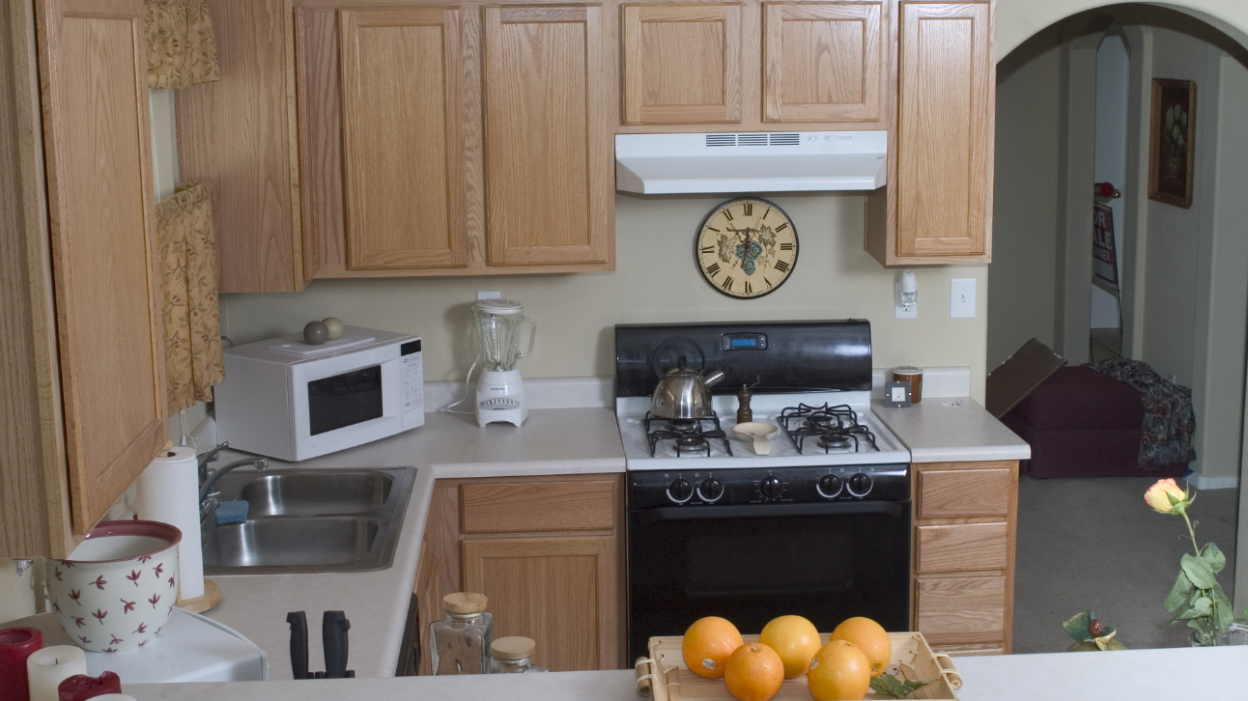
Kitchens often define the aesthetic of a home, and outdated or uninspiring cabinets can significantly detract from its overall appeal. While full kitchen renovations are costly and impractical for many homeowners, and nearly impossible for renters, an alternative solution exists in vinyl wrapping. This technique, commonly used for vehicles, can be applied to kitchen cabinets, offering a dramatic visual transformation at a fraction of the cost of traditional renovations.
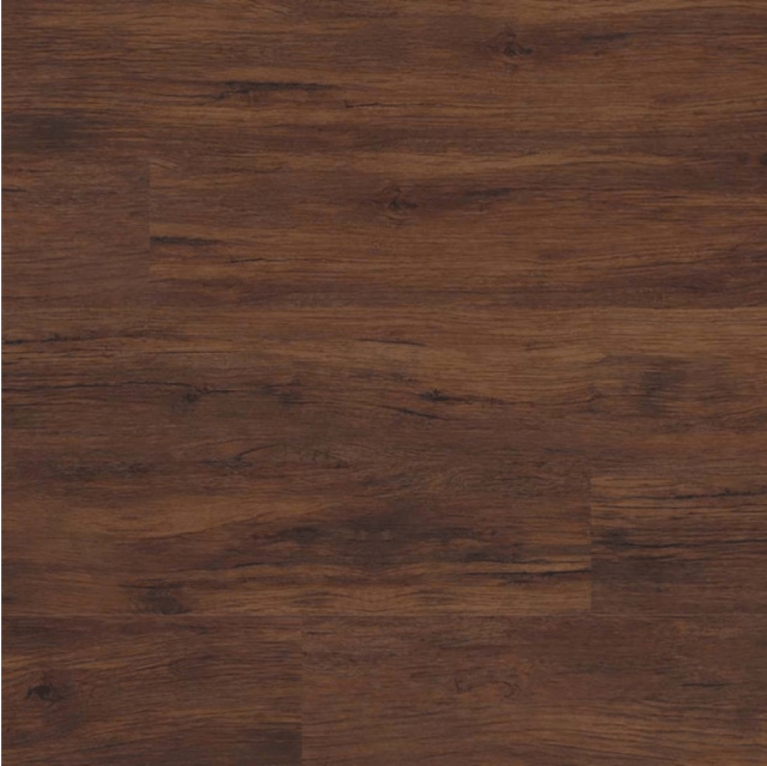
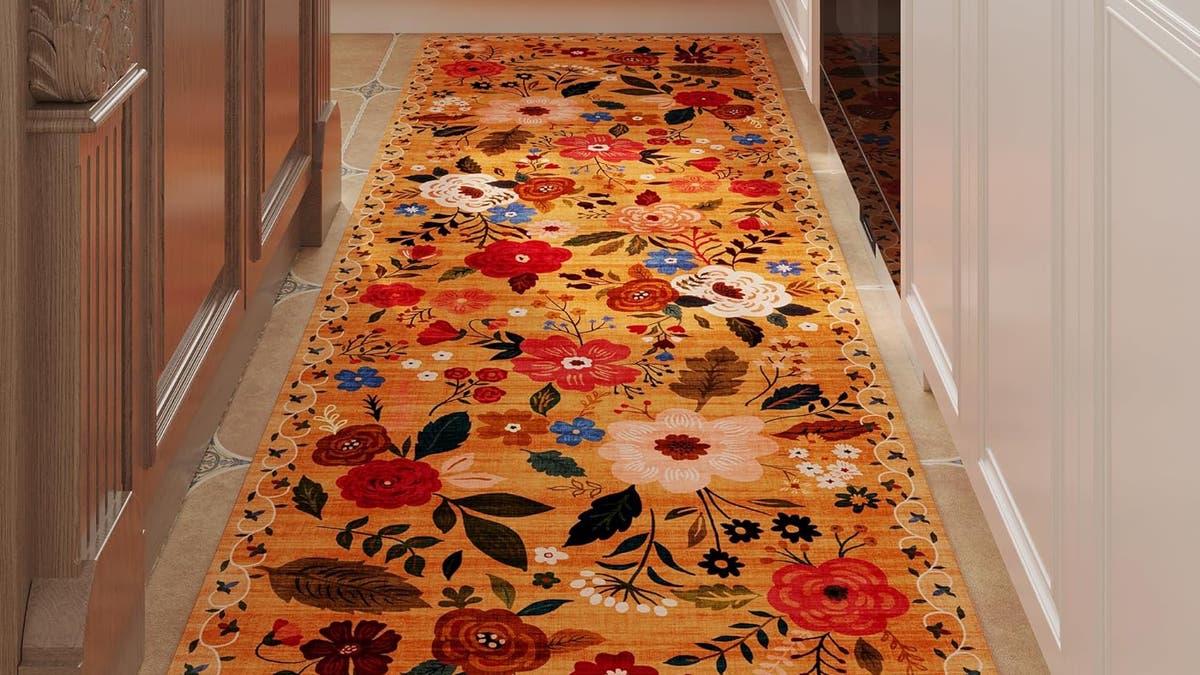
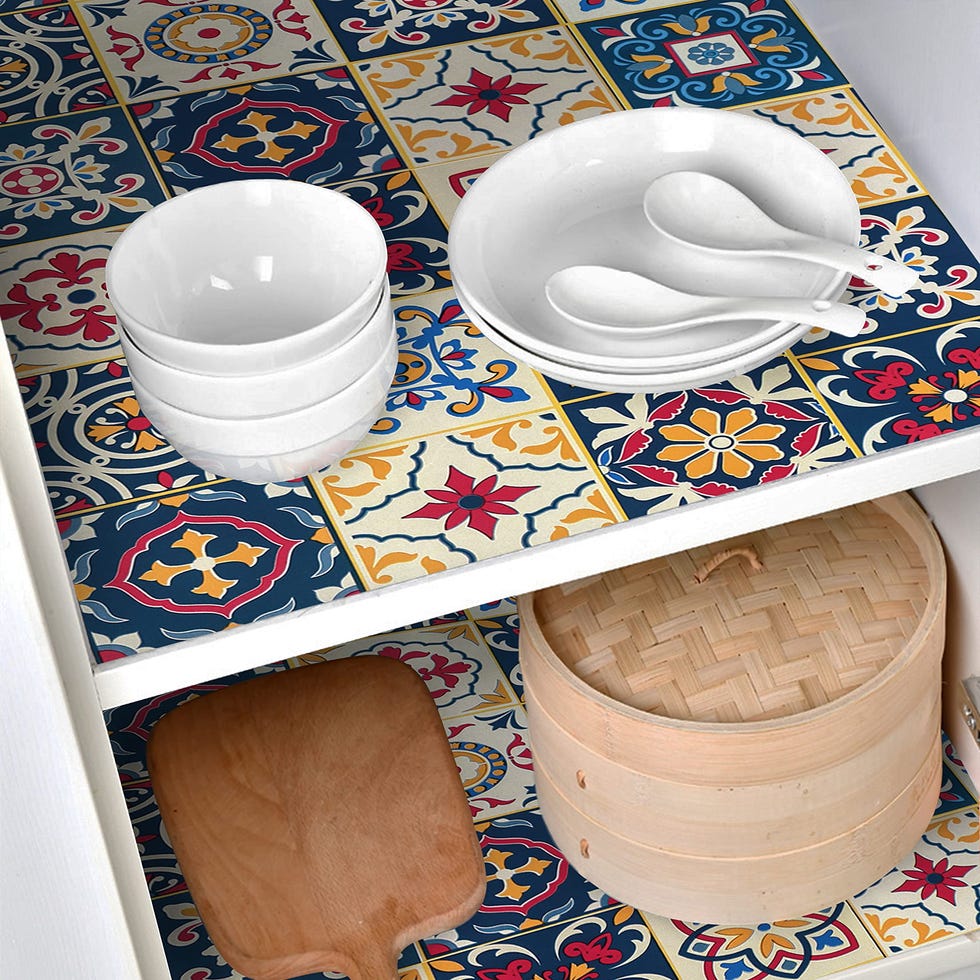
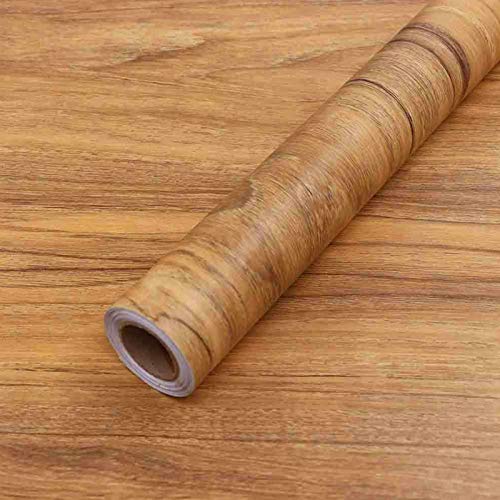
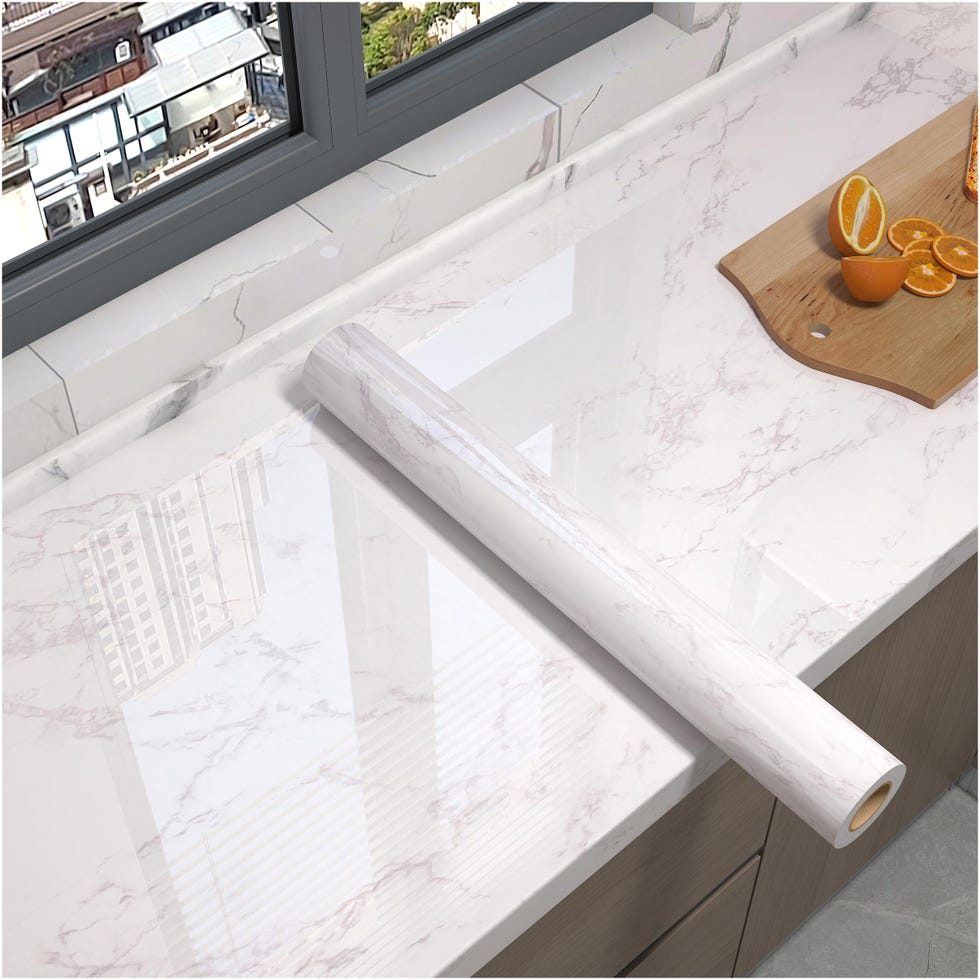
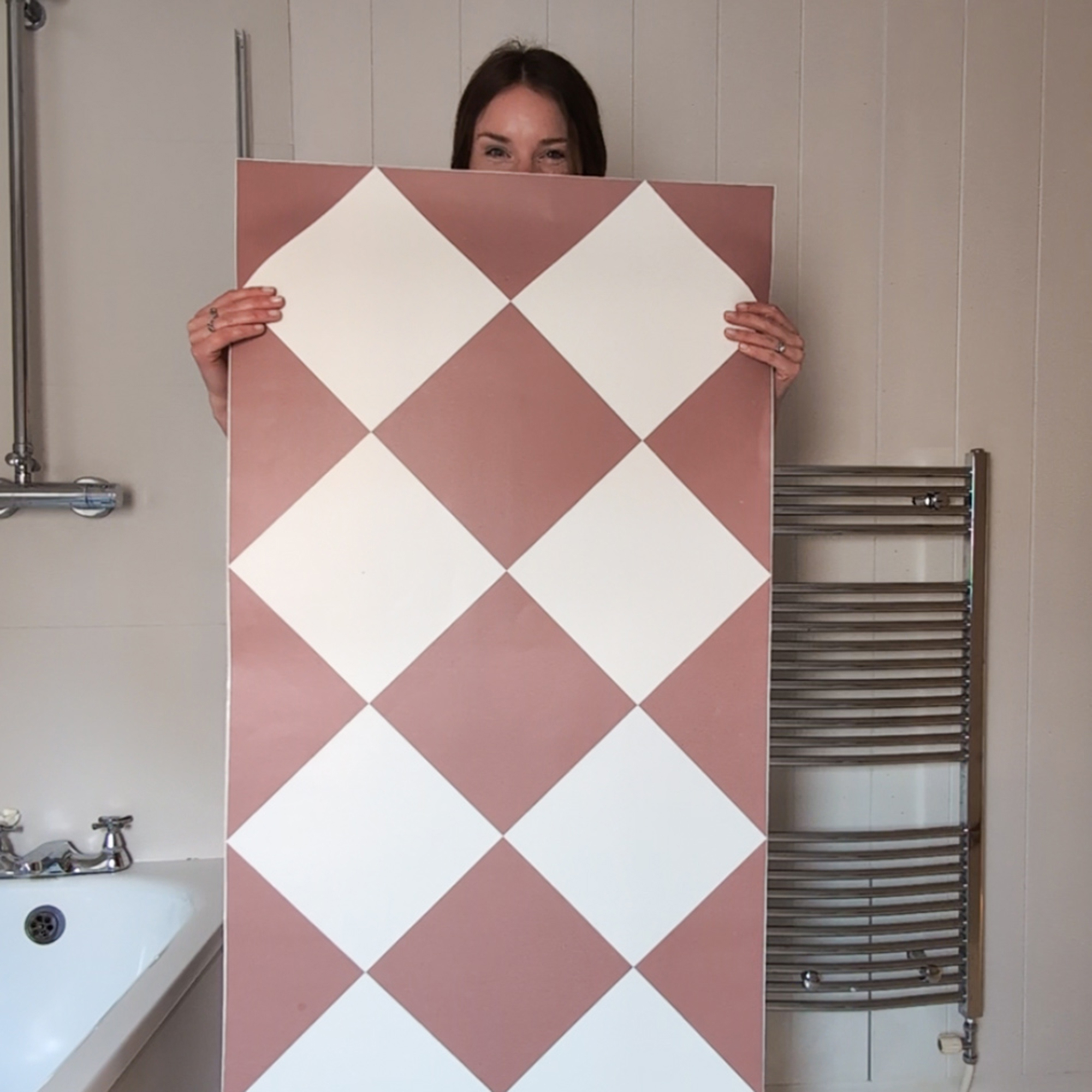
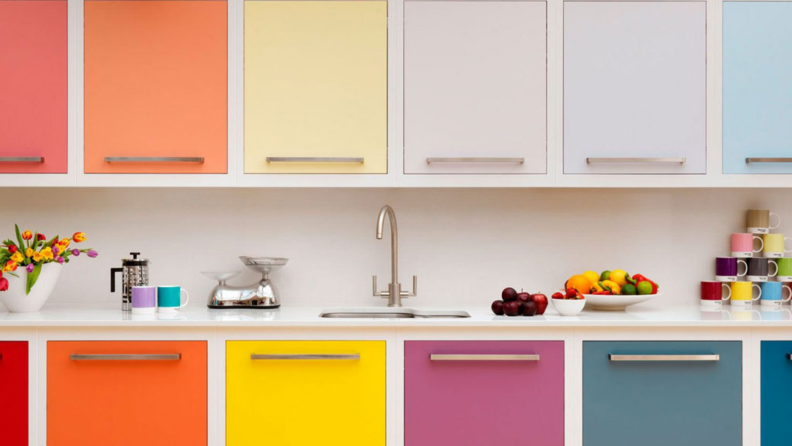
Vinyl wraps are available in a vast array of colors and finishes, including faux wood, high-gloss, patterned, textured, metallic, and glitter options, providing considerable design flexibility. These wraps are also surprisingly durable, with some rated for up to seven years of use, akin to their application on outdoor-exposed vehicles. The material is designed to be removable, leaving no residue, which makes it an ideal, temporary solution for renters concerned about their security deposit.
There are two main approaches to vinyl wrapping kitchen cabinets: DIY or professional installation. The DIY method is cost-effective, typically costing around $100 for materials, and can be completed in a couple of days. It requires basic tools such as a squeegee, a pin for air bubbles, a utility blade, and a heat gun or hair dryer. Success in DIY application largely depends on meticulous measuring, cutting, and careful application to avoid air bubbles and ensure a smooth finish. Examples from social media, such as TikTok, demonstrate successful DIY projects that have held up well over time and were easily removed.
For those who prefer not to undertake the DIY task, professional services are available. While more expensive than DIY, typically costing a few thousand dollars for a standard kitchen, this is still significantly less than a full kitchen renovation. Professional installers can ensure a higher quality finish, particularly for individuals who may lack the patience or precision required for DIY.
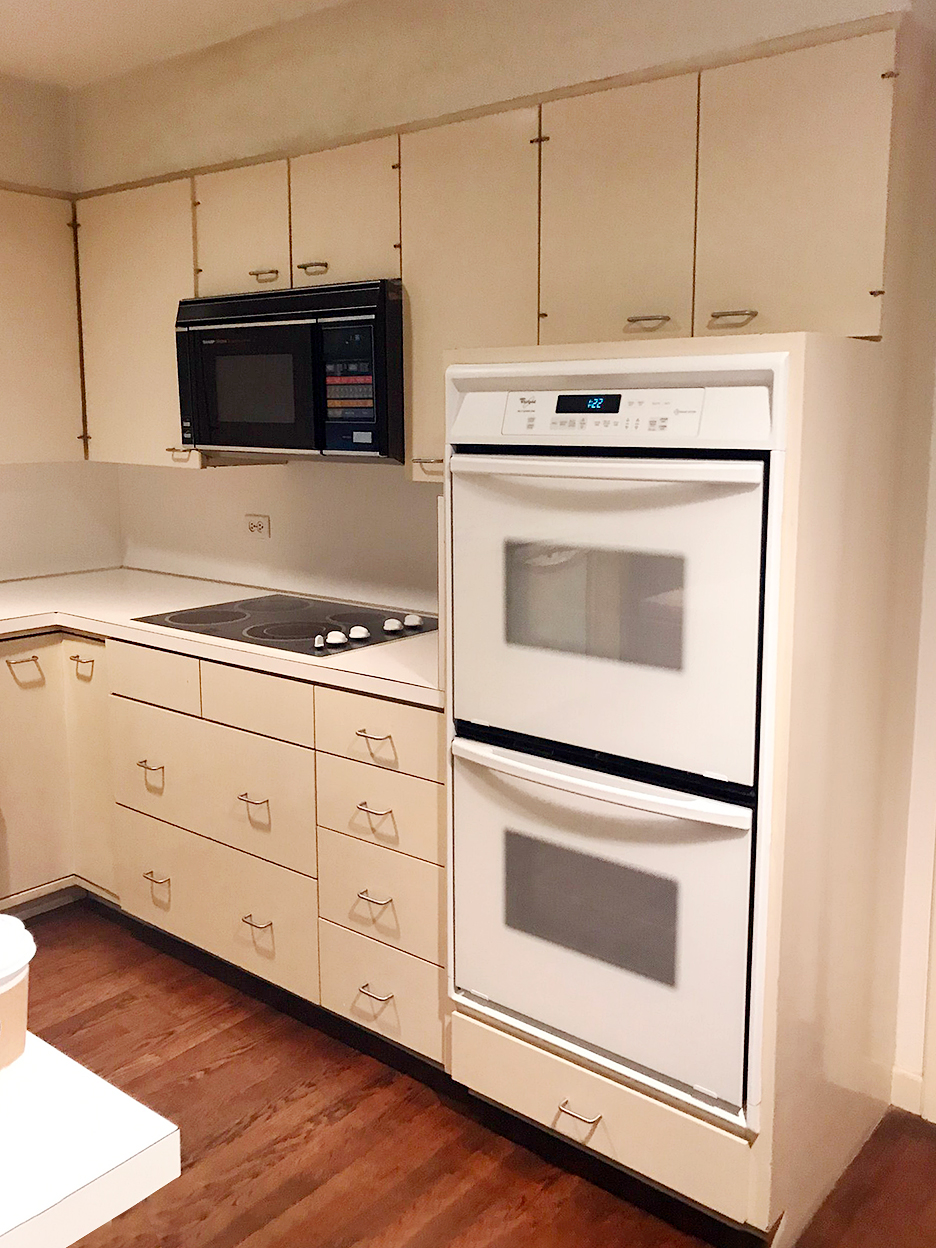
However, vinyl wrapping is not without its limitations. It is best suited for unpainted cabinets, as applying it to painted or veneered surfaces risks stripping the original finish upon removal. Heat exposure, a common factor in kitchens from ovens and dishwashers, can affect the wrap's longevity, potentially leading to premature wear. The complexity of cabinet designs also plays a role; flat cabinet doors are ideal, while those with raised panels or intricate beading can be challenging to wrap smoothly, and some professionals may refuse such jobs. Poor installation or consistent friction can also lead to peeling, which is difficult to repair without redoing the entire section.
Despite these potential drawbacks, vinyl wrapping offers a viable and affordable option for significantly updating a kitchen's appearance, whether due to budget constraints, rental agreements, or a desire for a non-permanent change. It provides a fresh look for a relatively low investment of money and/or effort, with the added benefit of being fully reversible when necessary.
#VinylWrapping #KitchenCabinets #HomeImprovement #DIYHomeDecor #AffordableRenovation #RentalFriendly #InteriorDesign #KitchenDesign #VinylWrapping #KitchenCabinets #HomeImprovement #DIYHomeDecor #AffordableRenovation #RentalFriendly #InteriorDesign #KitchenDesign
0 comment in total
 No comments yet
You may also like
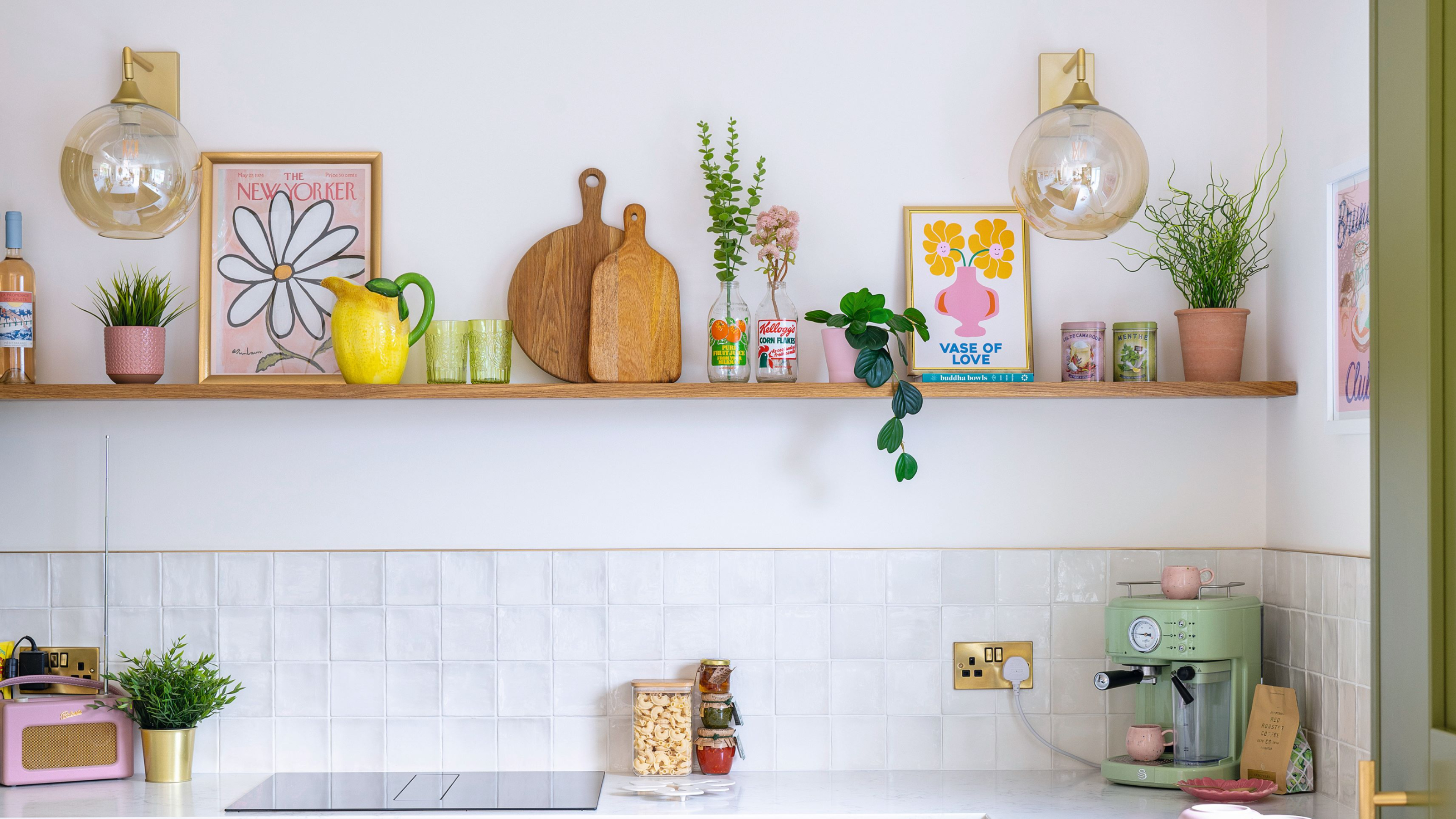
How long does vinyl wrap last in a kitchen? Experts say it can last 'up to ten years' with these key tips

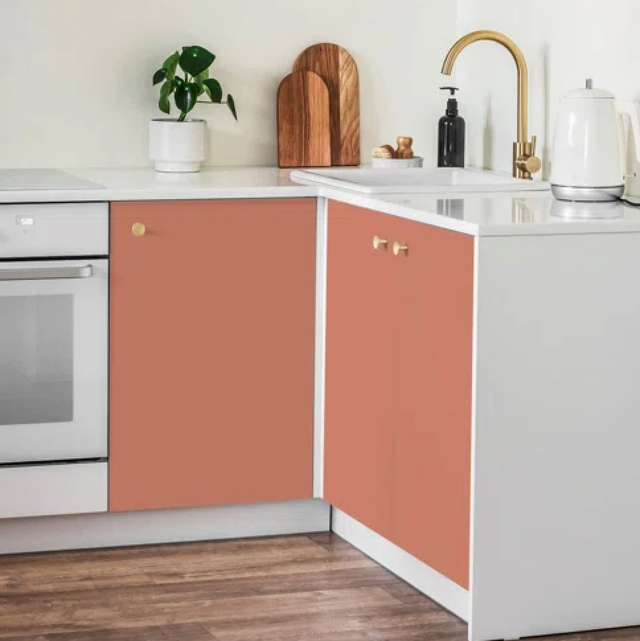
How Installing the Right Contact Paper for Cabinets Can Basically Feel Like a Kitchen Reno

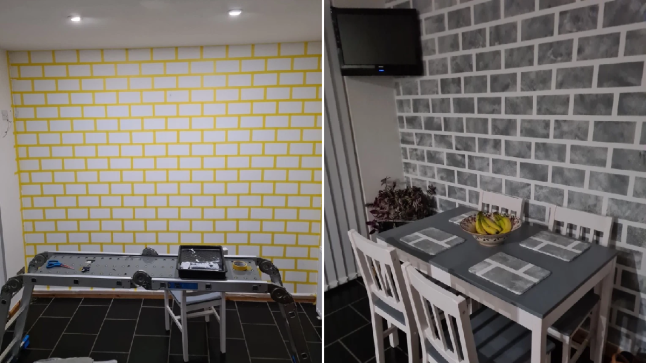
Woman creates clever feature wall in her kitchen using £12 frog tape


Stacey Solomon shows easy way to update tired windowsills
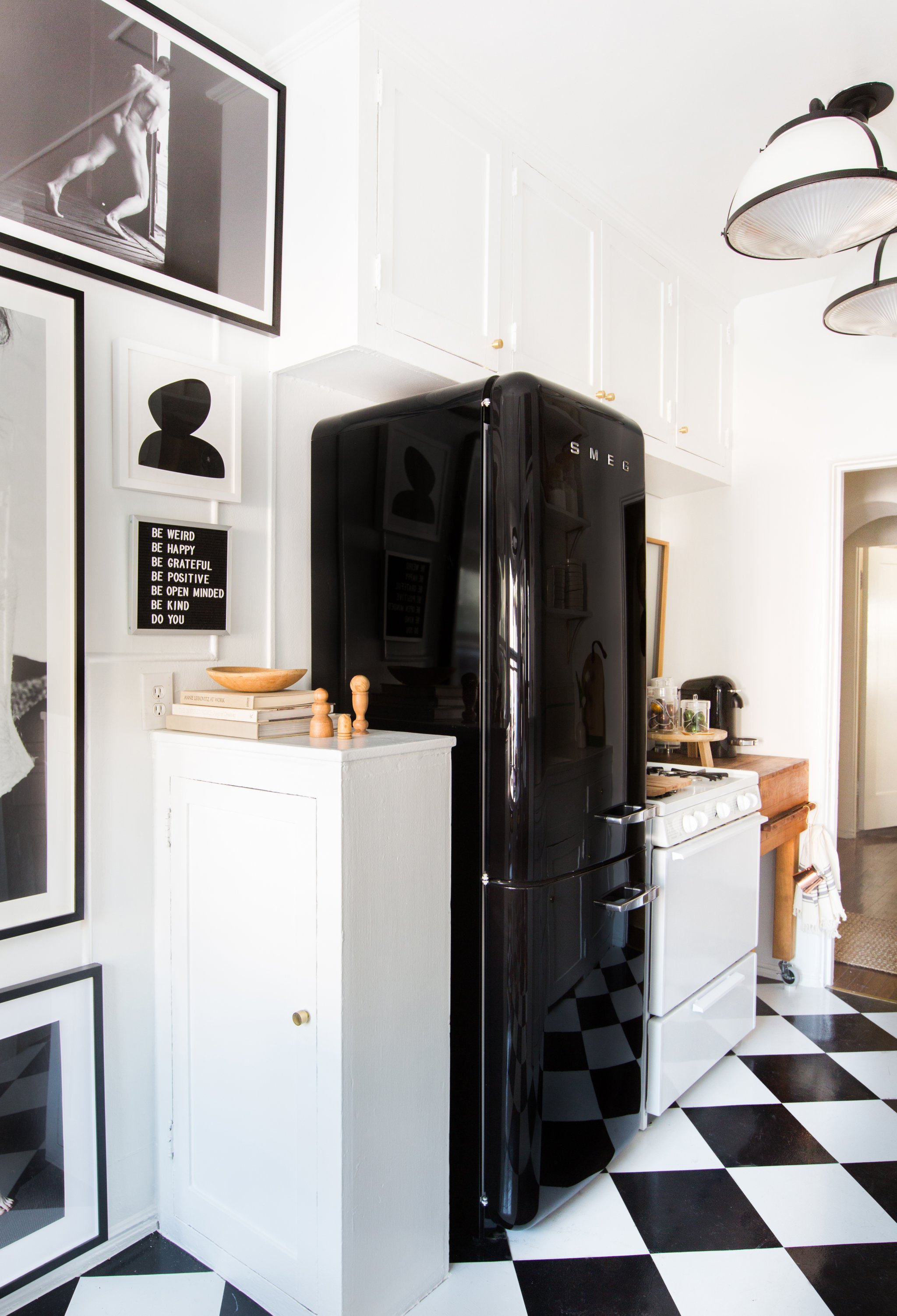
This Once-Taboo Kitchen Flooring Is Climbing the Ranks
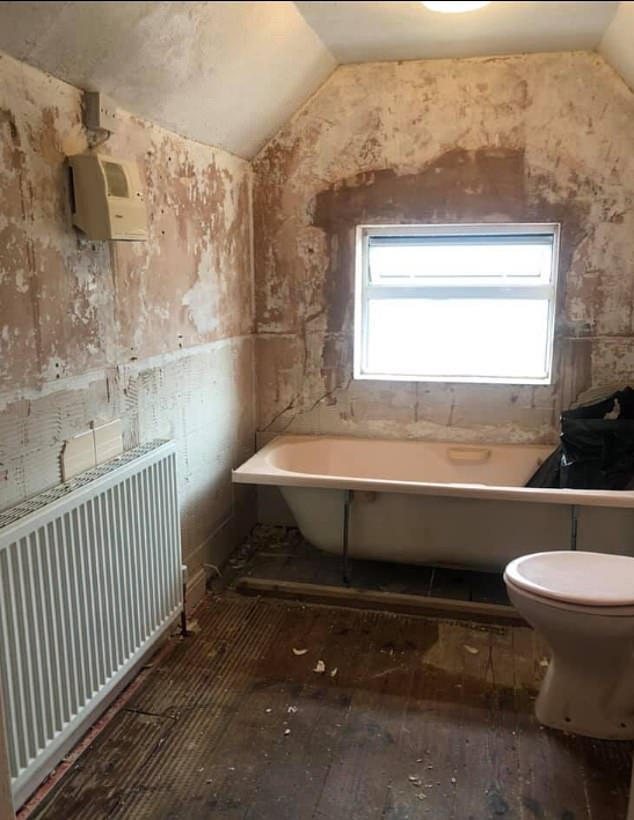
Thrifty homeowner transforms her bathroom using vinyl flooring from B&M and stickers from eBay
Renter's Genius DIY Completely Transforms Ugly Closet Doors: 'It Looks Amazing!'
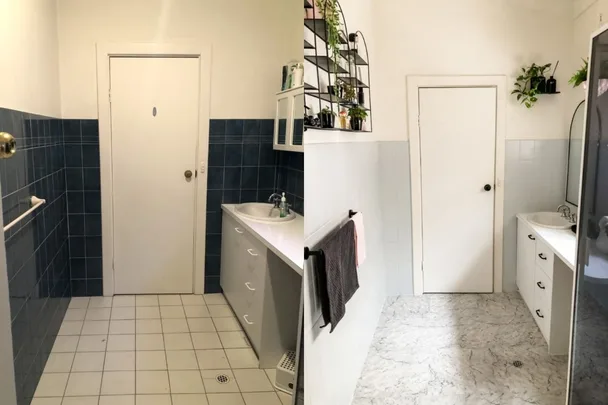
This stunning bathroom makeover cost only $550 using self-stick vinyl floor tiles

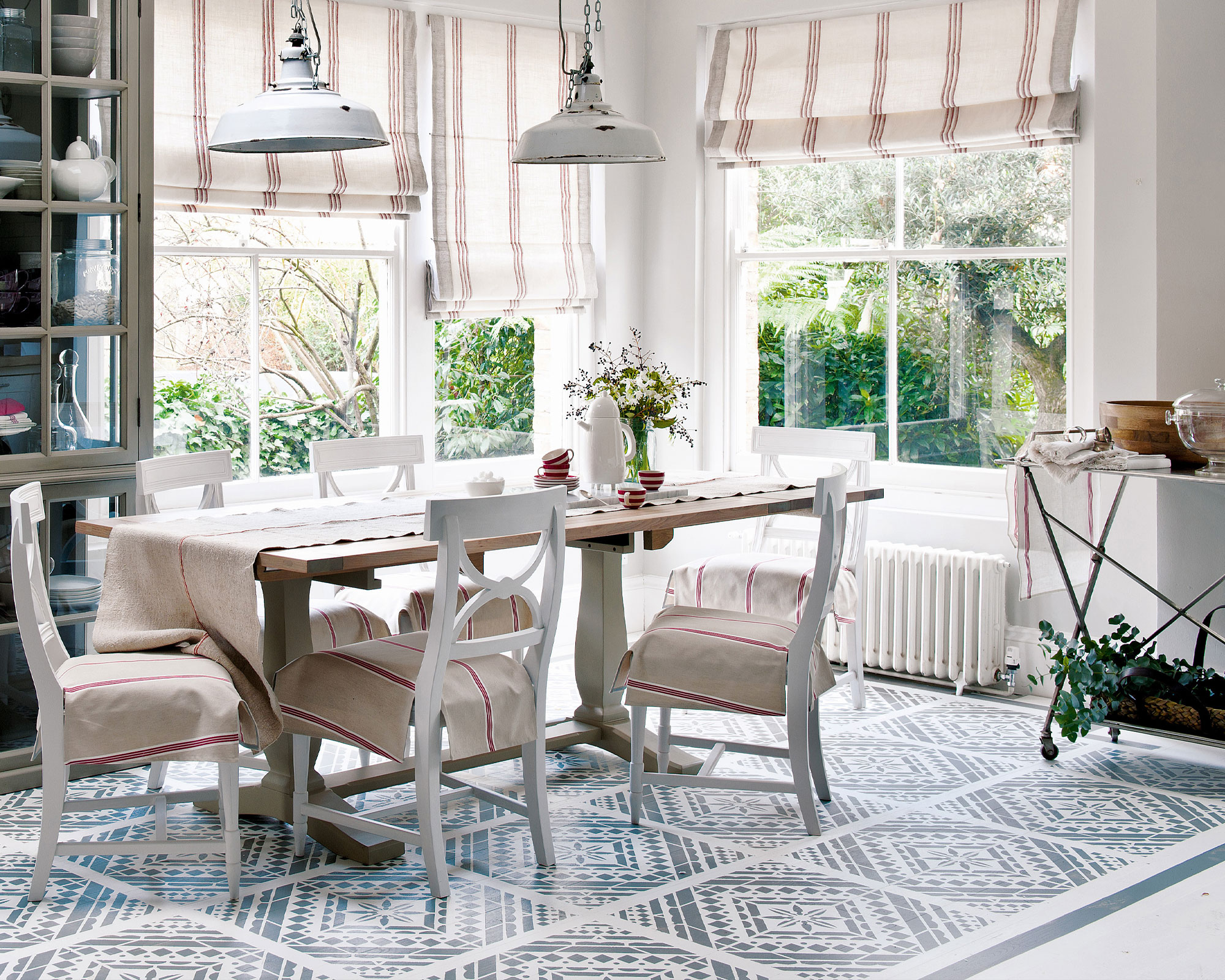
Vinyl kitchen flooring ideas – 17 practical, easy to clean floors that emulate luxury materials

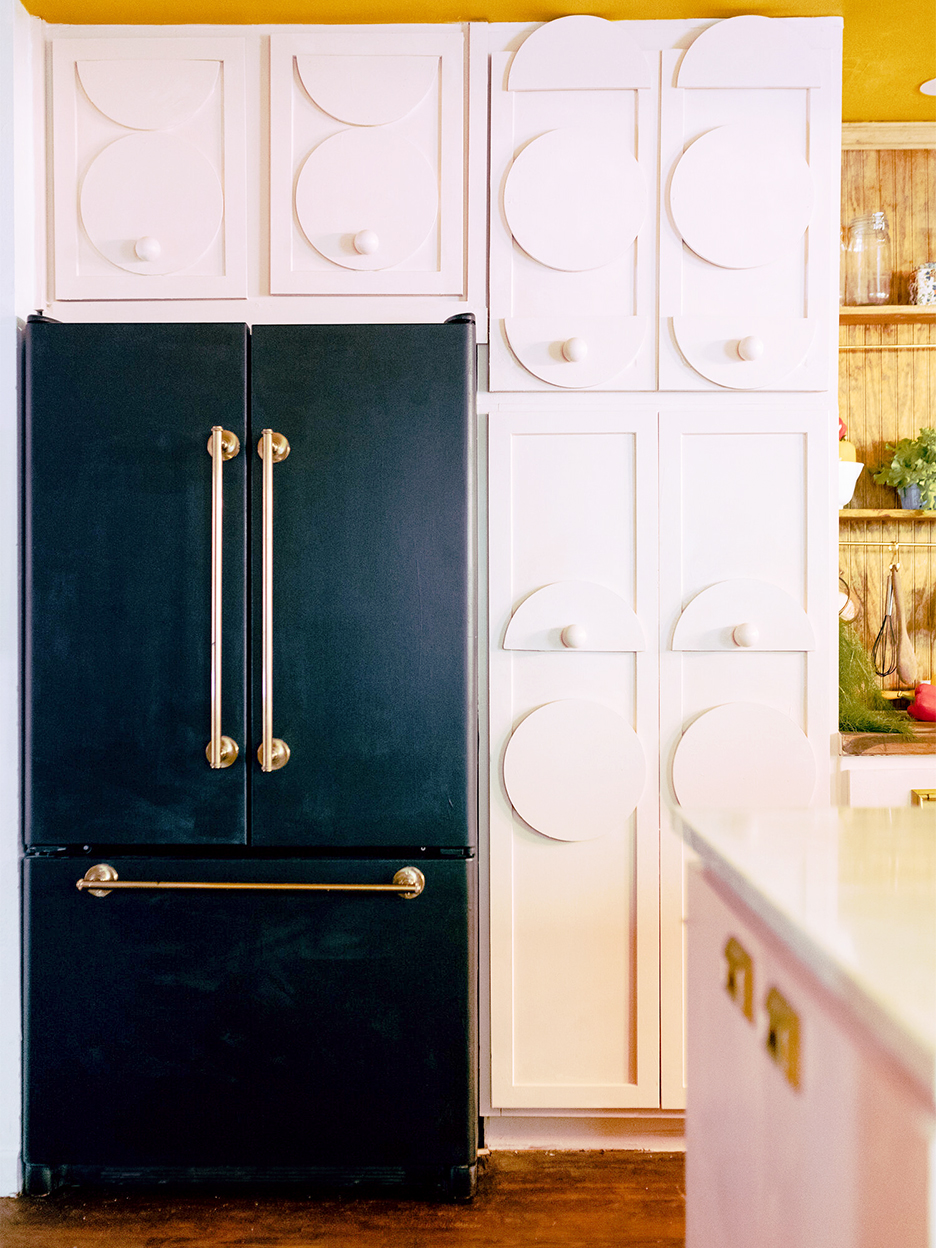
Disguise Your Ugly (But Still Functional) Oven for $60
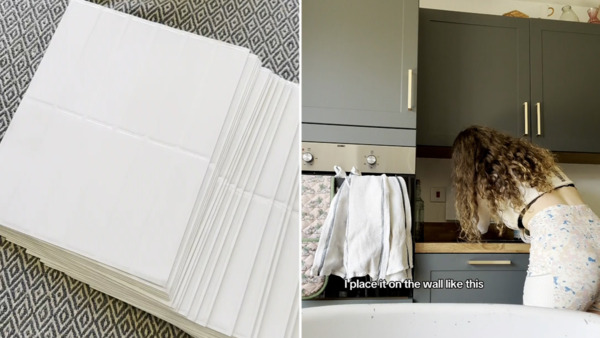
I hated my greasy splashbacks so bought some stick on tiles off Temu for £16

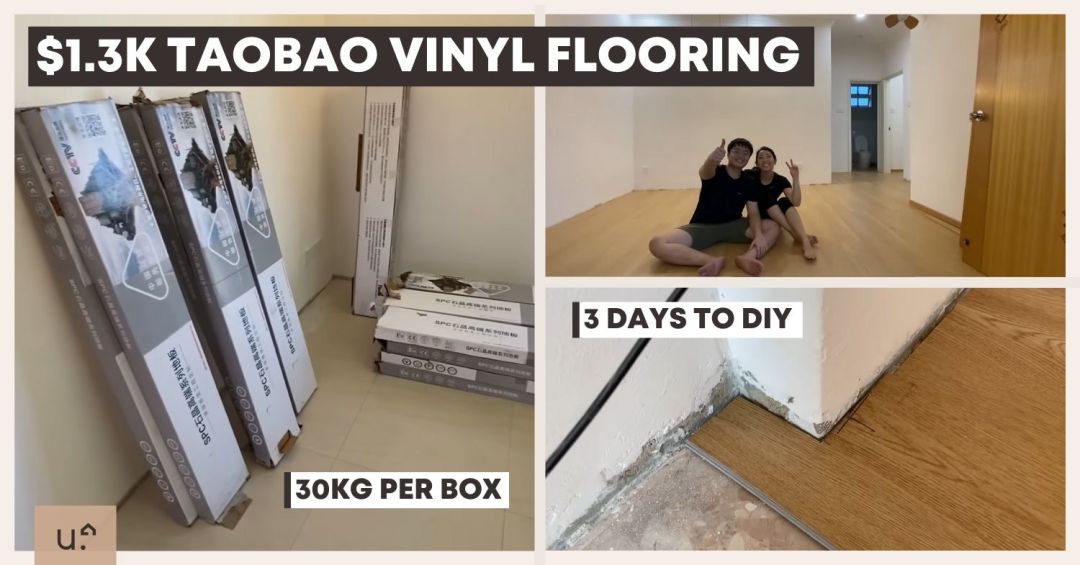
How This Couple DIY-ed Their Vinyl Flooring From Taobao For Their Condo For Only $1,300
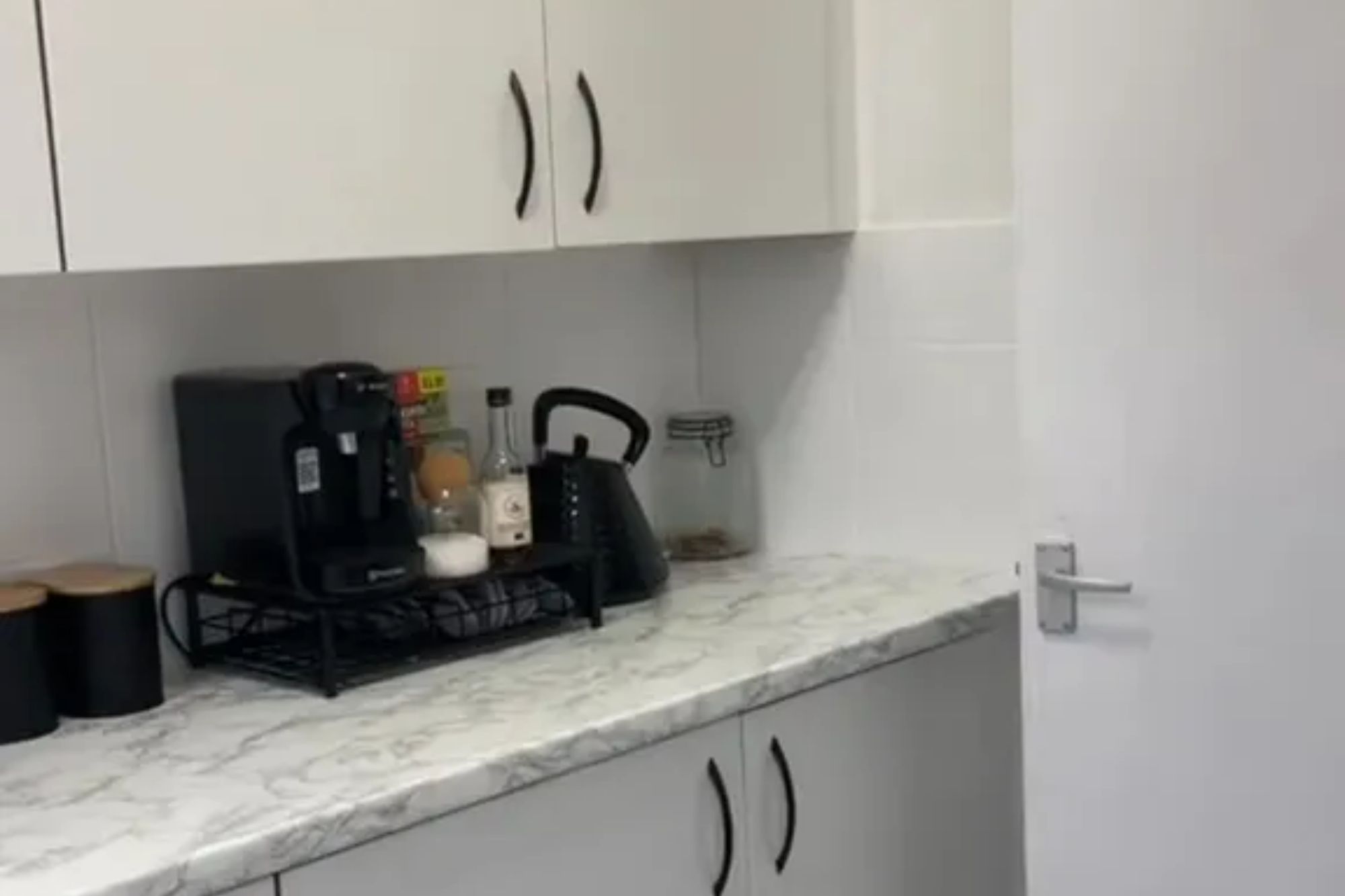
I gave my council house kitchen a mega makeover for just £70 - a £2 B&M buy transformed the nicotine stained tiles

You Don’t Have to Demo Your Old Floors to Get New Ones

I Was Dead Set On Stone Floors—Until I Saw These Options

Vinyl’s gotten gorgeous—here’s how to use it at home and fool everyone

Revamp your kitchen with these 5 DIY hacks for under $125

Will vinyl floor panels look good? I've tried them instead of tiling my bathroom and have a very strong opinion
This “Dated” Kitchen Trend Is Back (and We’re Into It)
We Asked Designers How to Cover Up Dingy Kitchen Floor Tiles, And It's Actually So Easy