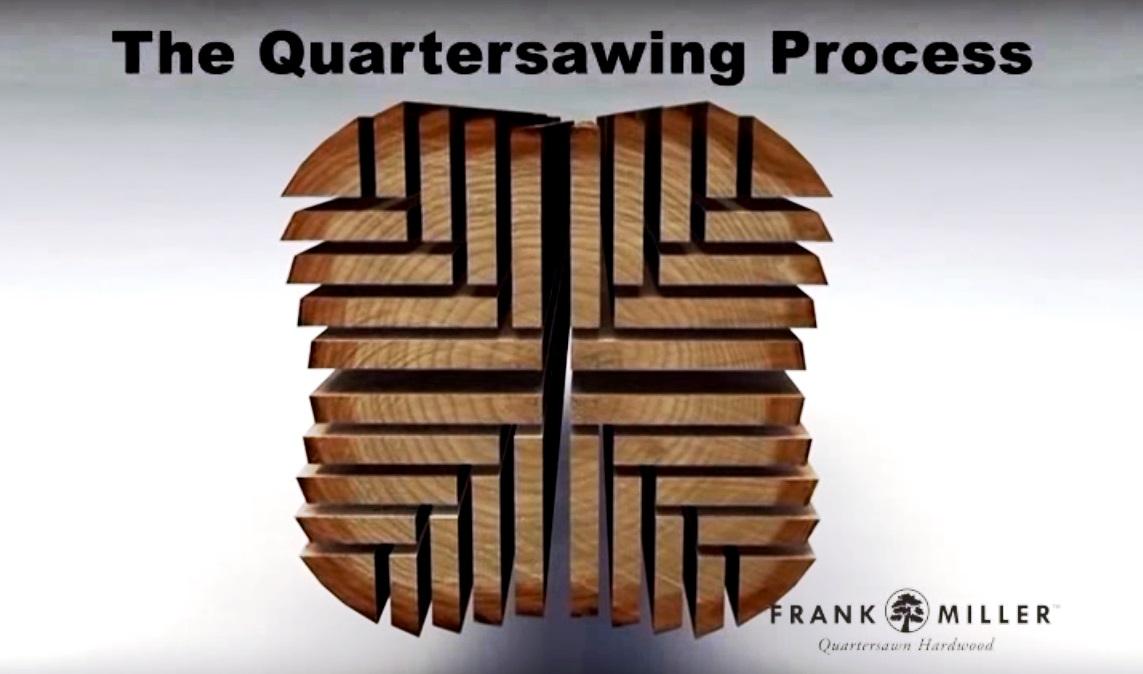
Quartersawn oak: here's how the log is turned for the cuts
The Frank Miller Lumber company employs a meticulous eight-step process to produce quartersawn and rift lumber, renowned for its distinctive wood grain, stability, and sustainability. This method begins with an initial scanning phase where a 120-degree high-tech scanner evaluates the log to determine the optimal position for the first cut. This scanning process also captures critical production data, including log count and board footage. Following this, the log is precisely sectioned into quarters, which are then transferred to the resaw area.
In the resaw area, one of two resaws systematically slices alternating faces of the quartered log. This is achieved by moving the log from the inside-out, with the log being turned end-for-end on a carousel after each pass through the saw. Once the quartered boards are cut, they undergo a rigorous quality assurance process. A computerized optimizing edger is utilized to refine the edges of each board, maximizing the yield of usable material.
Subsequently, each quartersawn board is double-end trimmed. The lumber then proceeds through an advanced control system that collects precise data on its length, width, and thickness. This information is crucial for Frank Miller Lumber's trained inspectors, who use it to assign the correct grade to each board. The tracking system also monitors each board throughout the entire drying process, archiving its history for future reference and maintaining accurate production and yield records.
After measurement and marking, the boards move along the grading chain. Here, they are sorted and stacked into designated bundles before being sent to the sticking department. In this department, profiled drying sticks are strategically placed at 12 or 24-inch intervals between each layer of boards. This arrangement facilitates optimal air circulation, which is essential for preventing warpage and maintaining the lumber's flatness during both air and kiln drying stages.
The drying process itself is extensive, varying in duration from 35 days to up to eight months, depending on the specific wood species and thickness. Following an initial pre-drying phase, the lumber is transferred to computer-operated kilns. Each kiln charge is meticulously controlled electronically to ensure that the hardwood achieves a finished moisture content of 6% to 8%, a critical factor for the wood's stability and longevity. Upon completion of the kiln drying, the hardwood boards are re-graded to confirm quality and then dispatched to the warehouse for precise identification and storage, completing the comprehensive process.
#QuartersawnOak #WoodProcessing #FrankMillerLumber #LumberProduction #WoodDrying #QualityAssurance #Hardwood #WoodworkingTechnology #QuartersawnOak #WoodProcessing #FrankMillerLumber #LumberProduction #WoodDrying #QualityAssurance #Hardwood #WoodworkingTechnology
0 comment in total
 No comments yet
You may also like
Timber


15 Types Of Wood That Are Easy To Build With
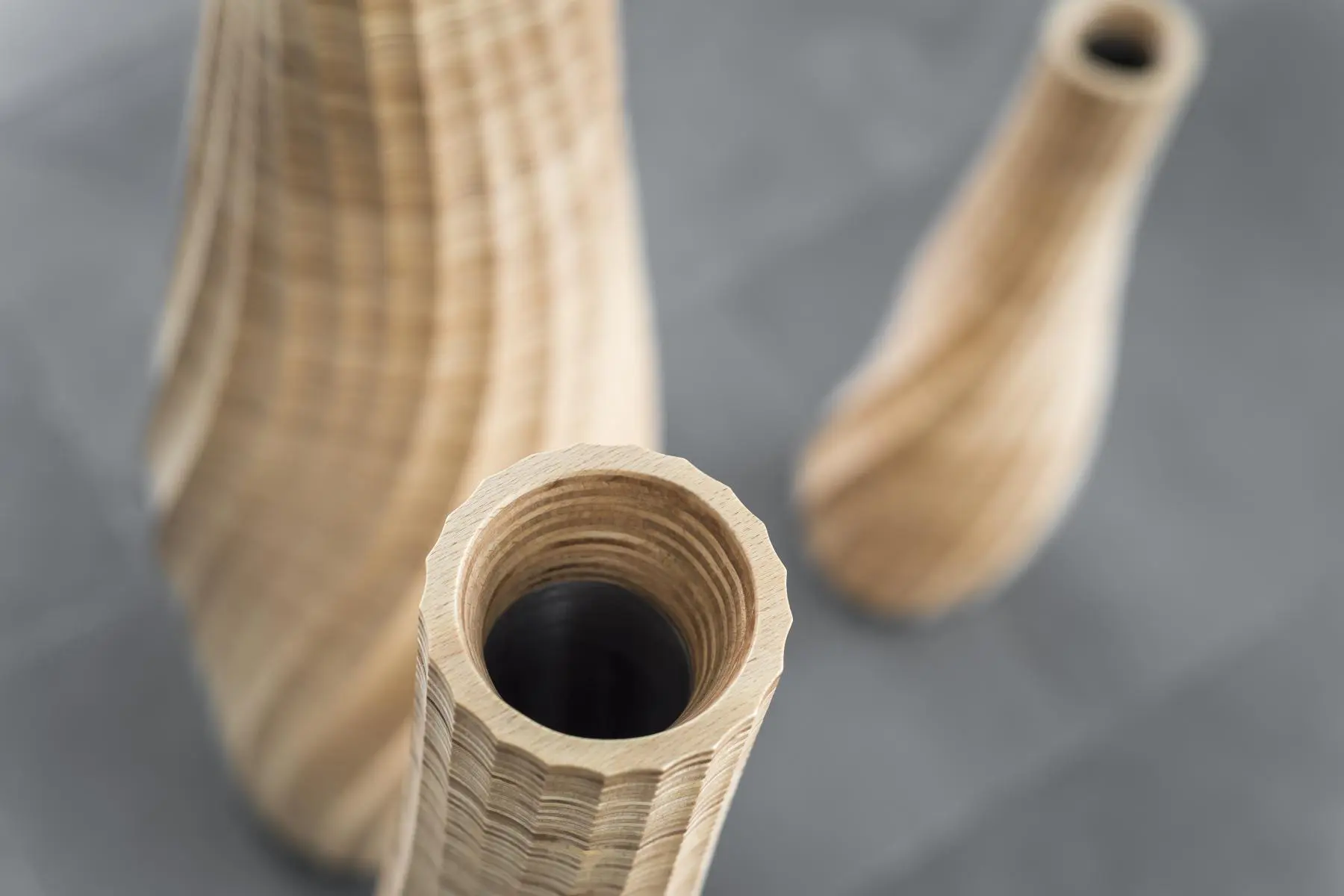
Hundreds of layers of beech wood are aligned, combined and gently sculpted

The 10 Best Woods for Woodworking (According to a Pro)

Benni Allan brings precise curves to solid oak with Low Collection

Product watch: engineered oak from Hyperion

Wood Treatments

Tasmanian Oak Tasmania Timber
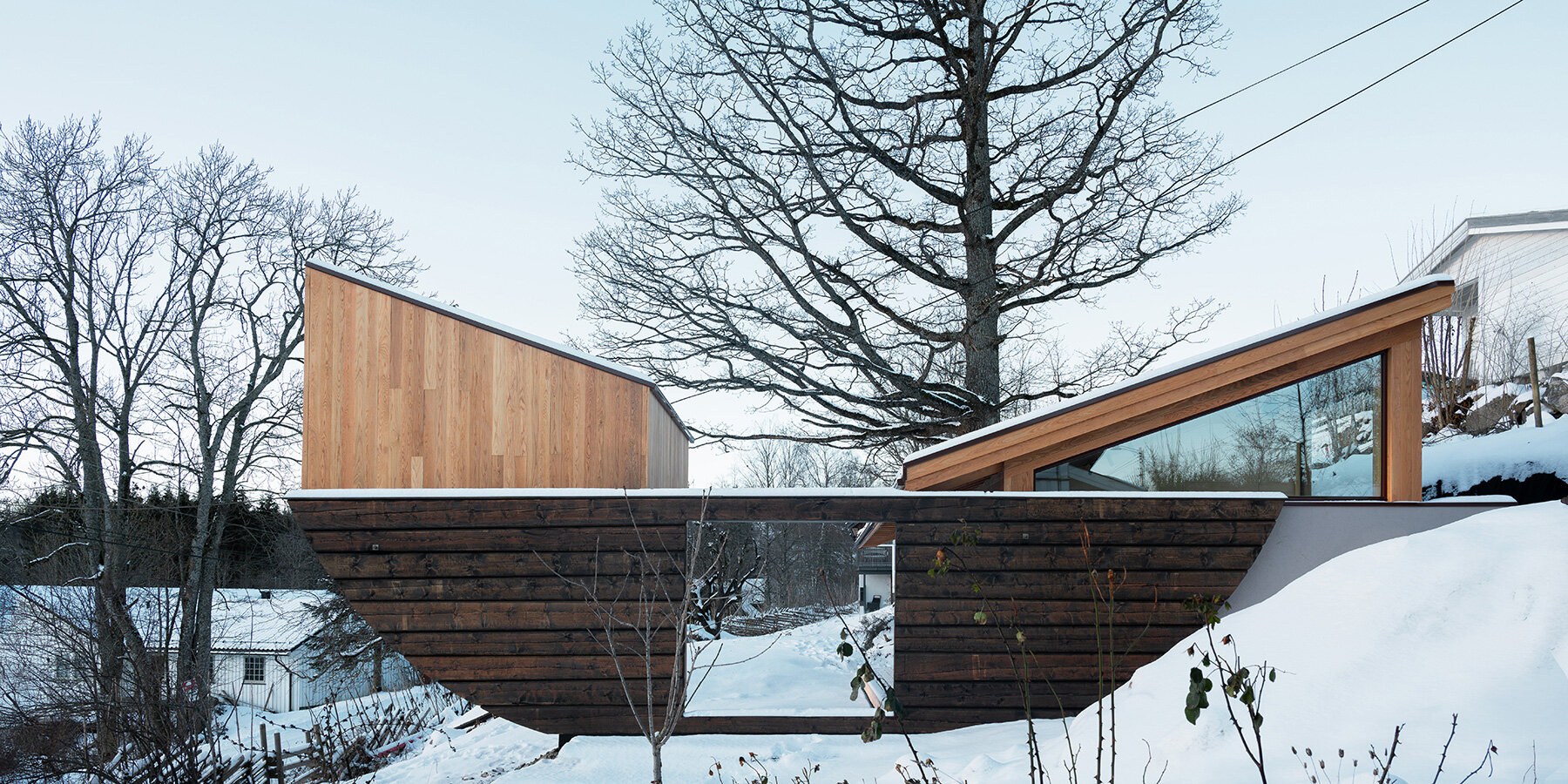
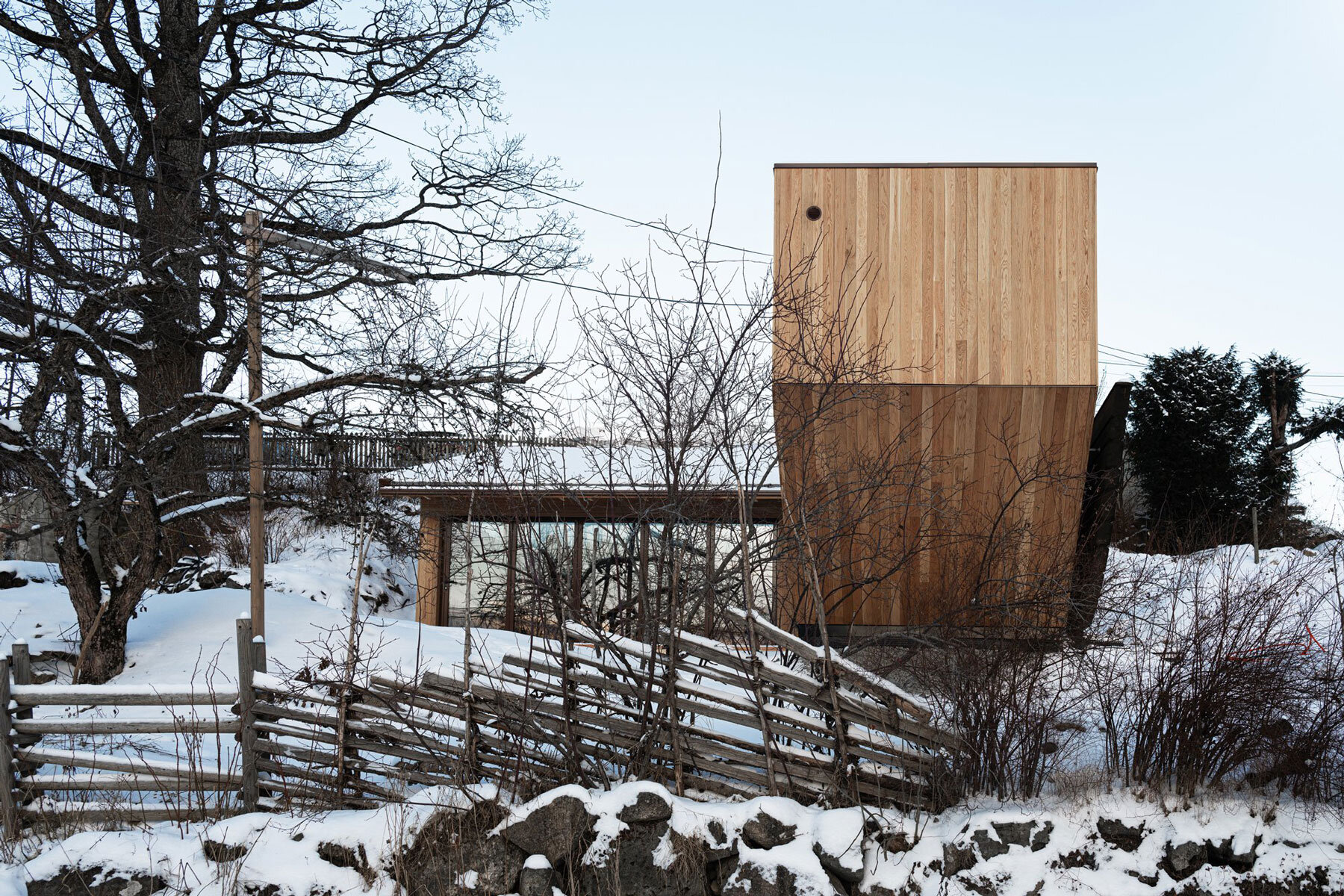
clad in oak panels, folly by rever & drage extends angular cantilever form over norwegian hill