Pink Mold in Your Shower? What It Is and How to Get Rid of It
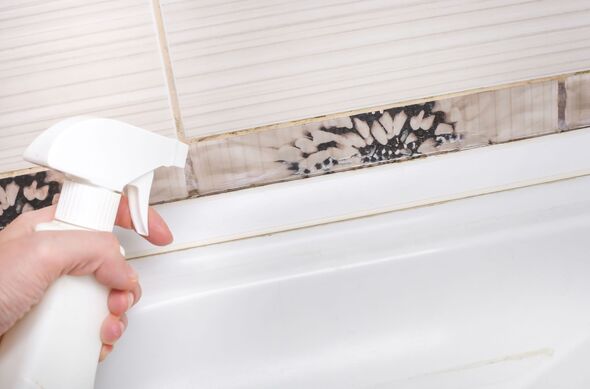
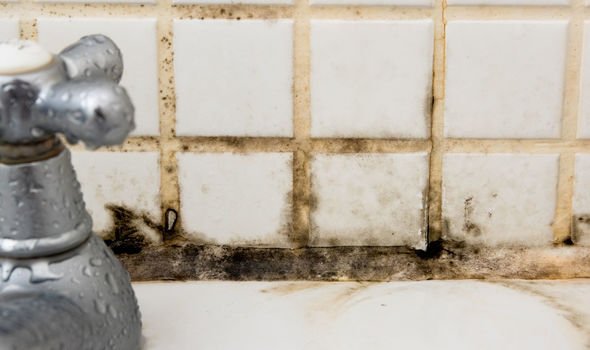
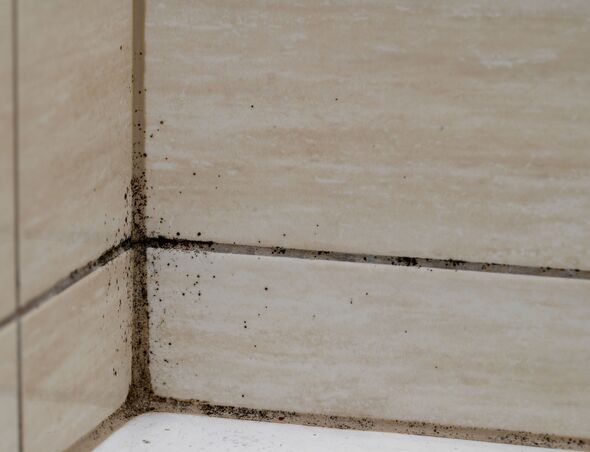
The appearance of a slimy pink or reddish film on shower walls and grout lines, often referred to as 'pink mold,' is a common household issue. This substance is not actually mold but a type of waterborne bacteria called *Serratia marcescens*. This bacteria thrives in warm, moist environments with inadequate ventilation, such as bathrooms, and feeds on fatty substances like soap scum and shampoo residue. While generally harmless to most healthy individuals, it can pose a risk of infection if it enters the eyes or open wounds, particularly for small children and immunocompromised individuals. Therefore, addressing it promptly is advisable.
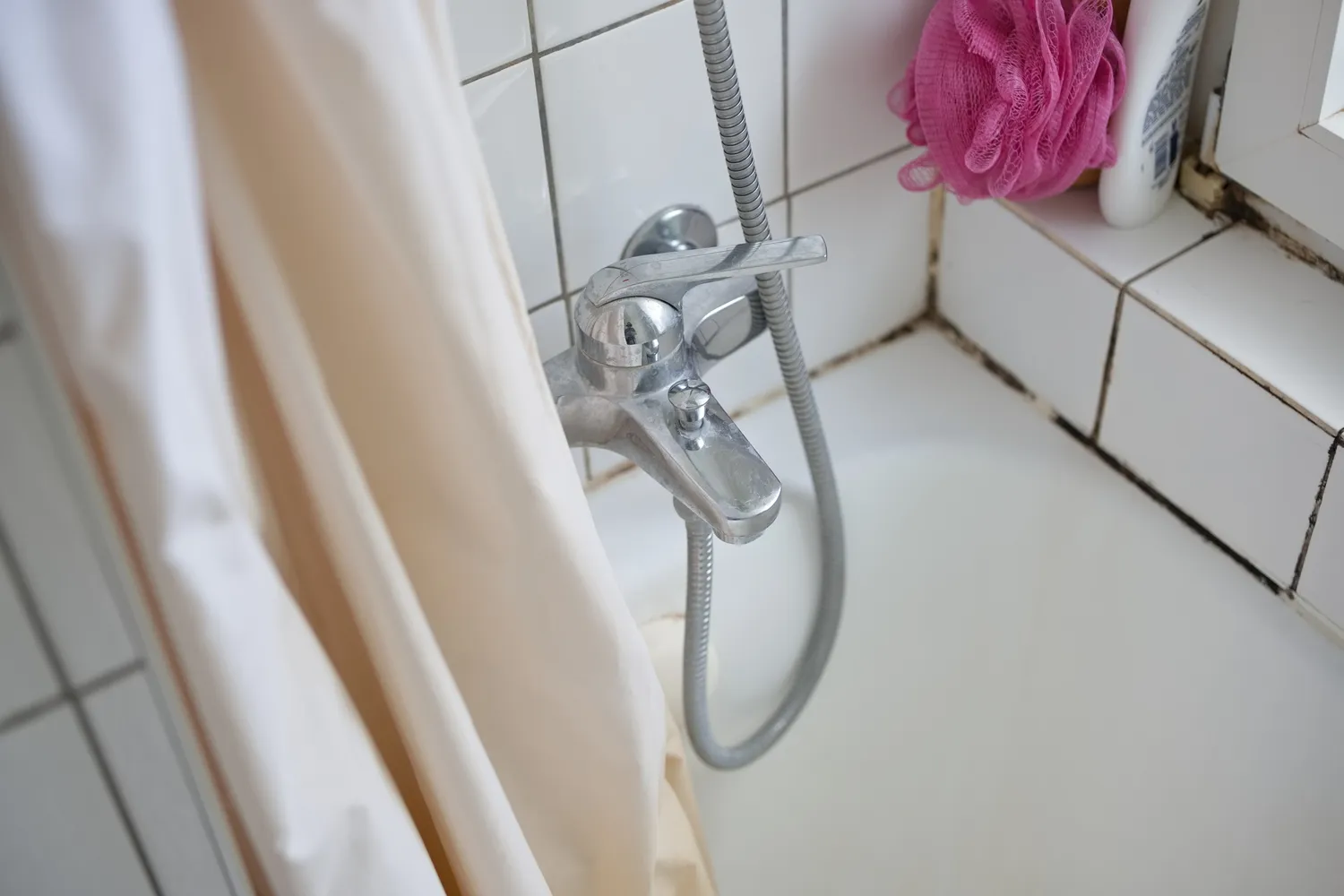
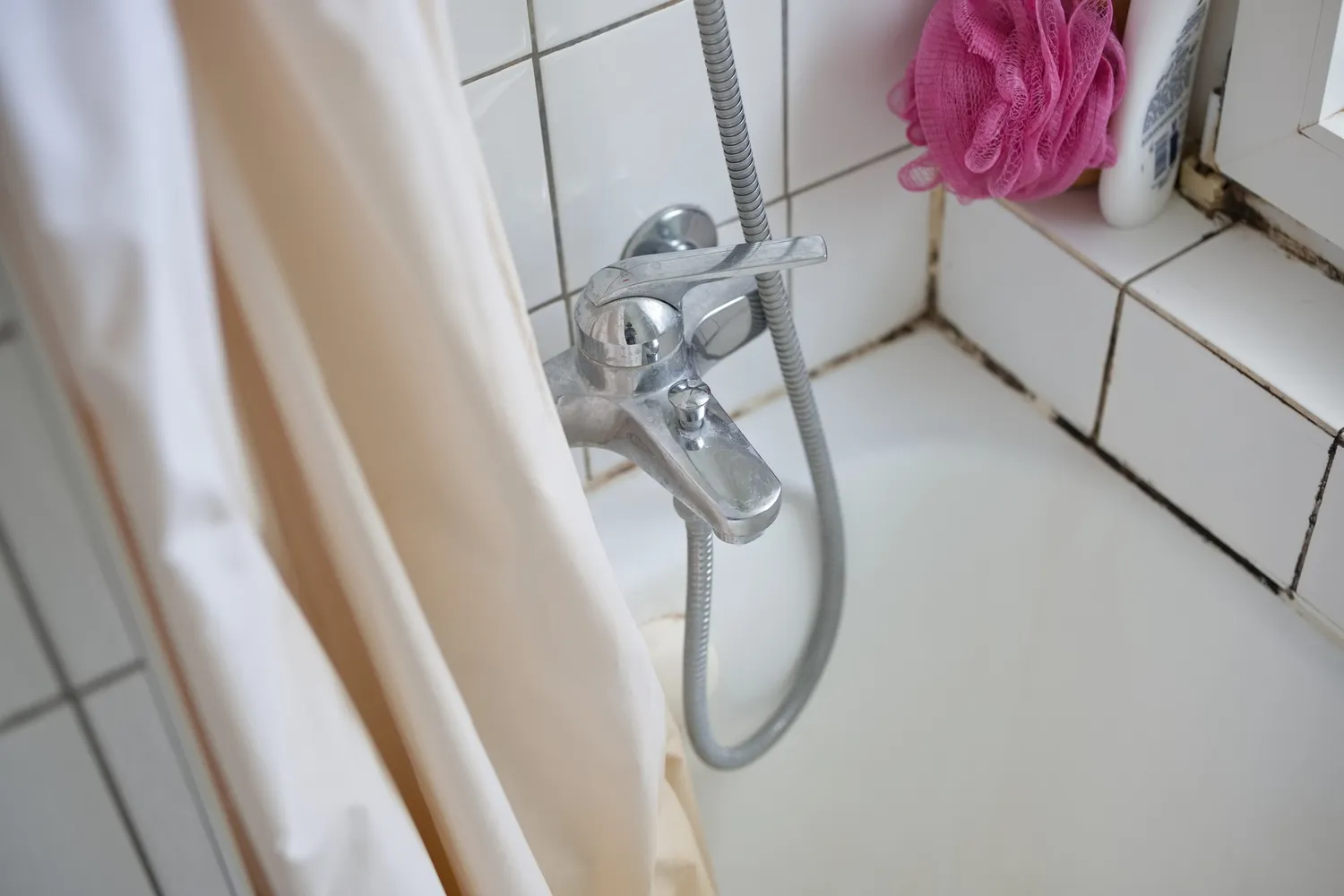
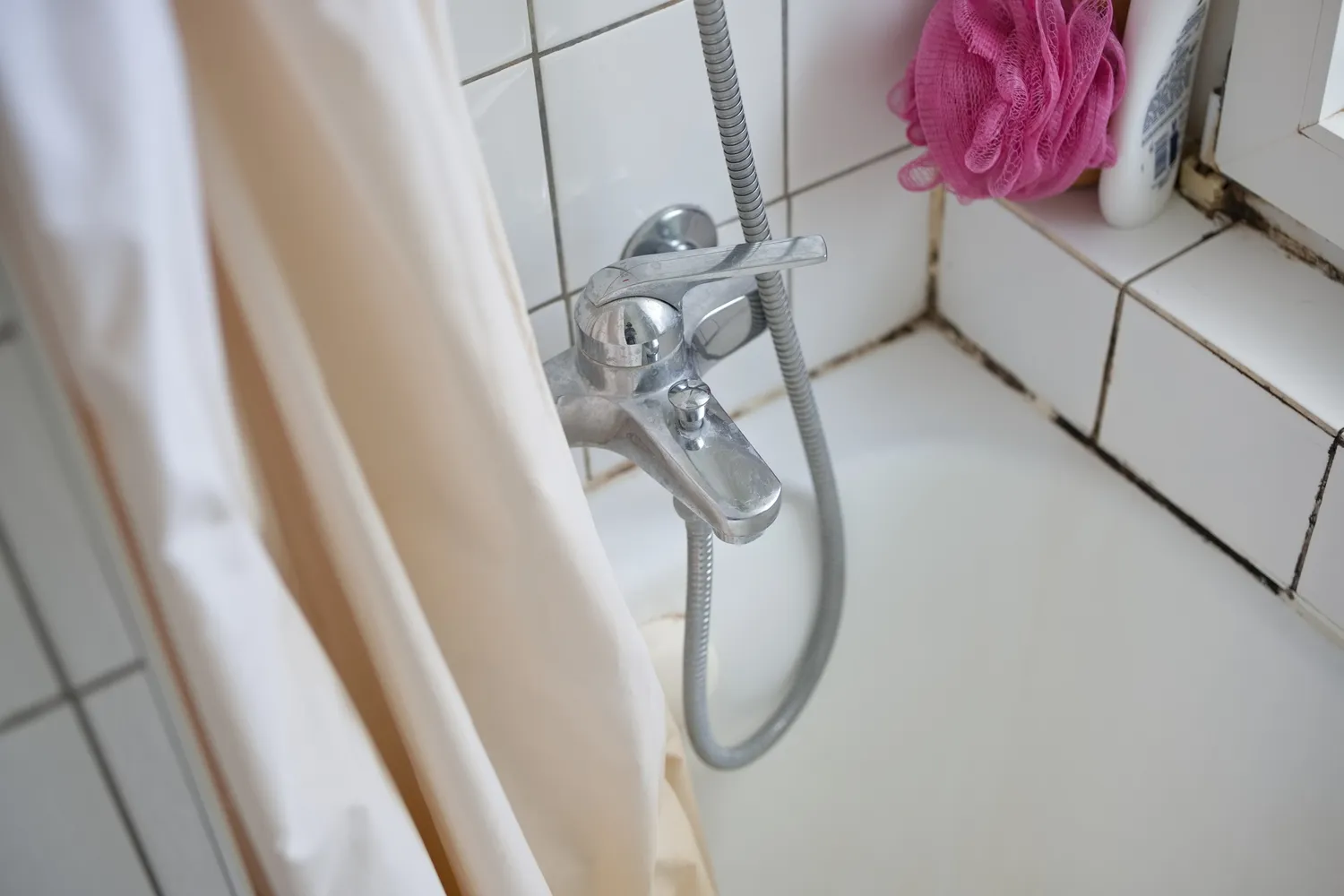
Pink mold proliferates rapidly under conditions that include dampness, warmth, and the presence of organic material. Common breeding grounds in bathrooms include wet surfaces like tile grout, silicone seals, shower tile walls, and shower curtains. The bacteria are sustained by organic matter such as soap scum, shampoo residue, dead skin cells, and body oils. An excess of moisture and a lack of consistent cleaning are the primary contributors to the formation of these slimy colonies.
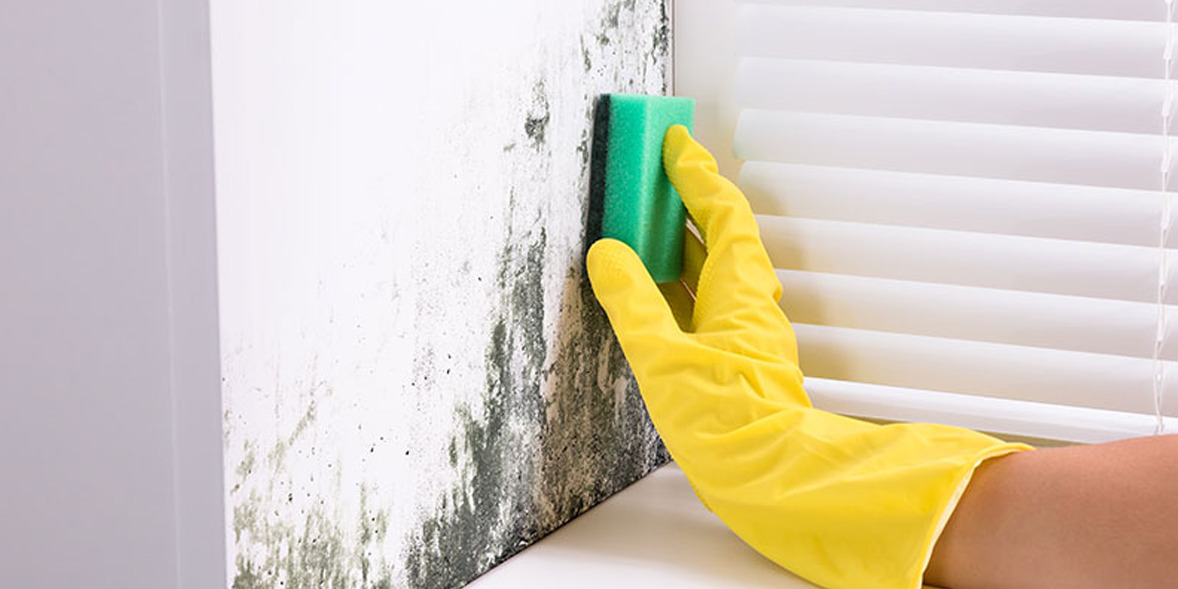
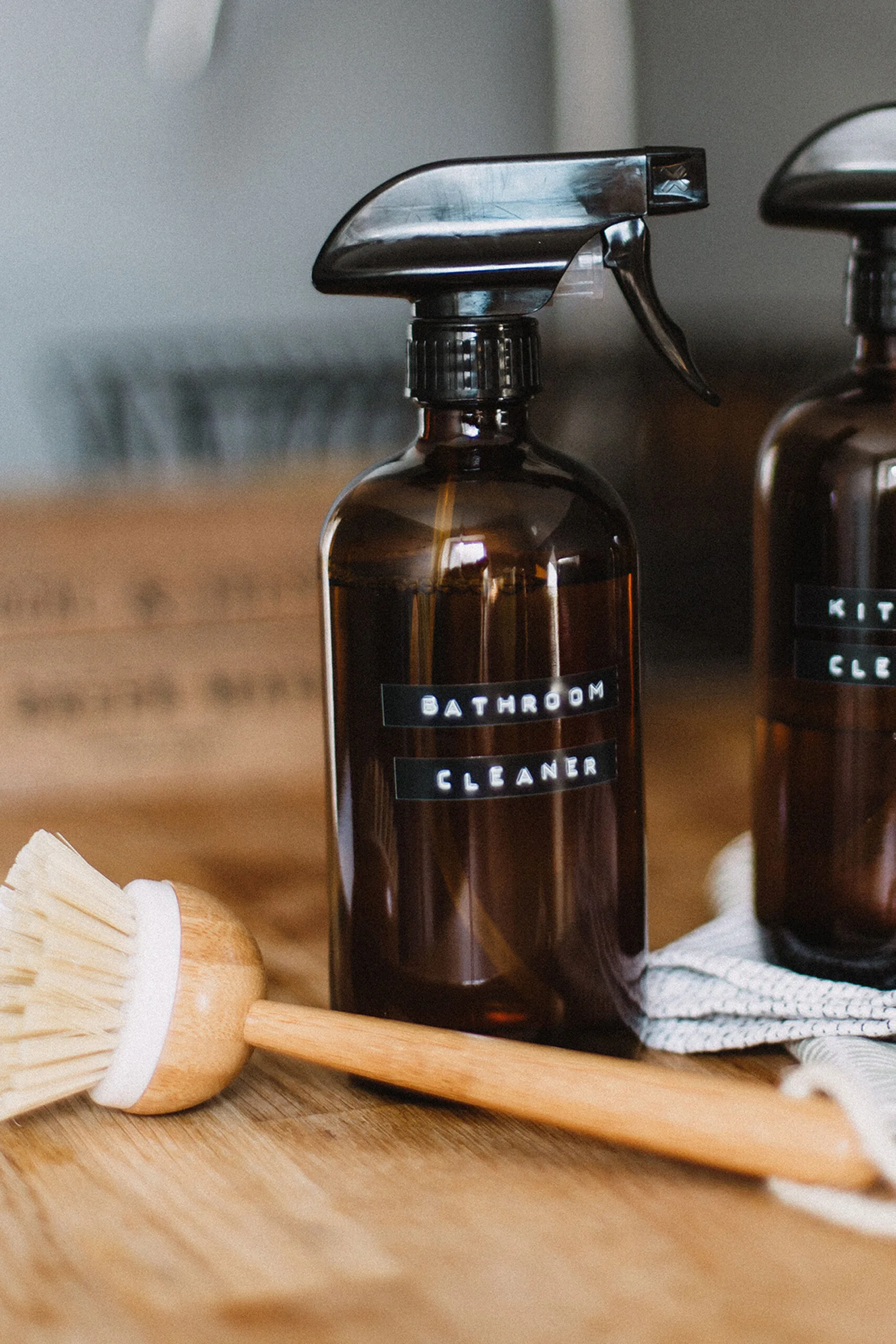
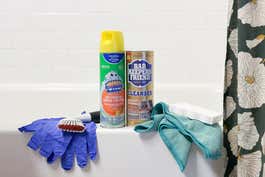
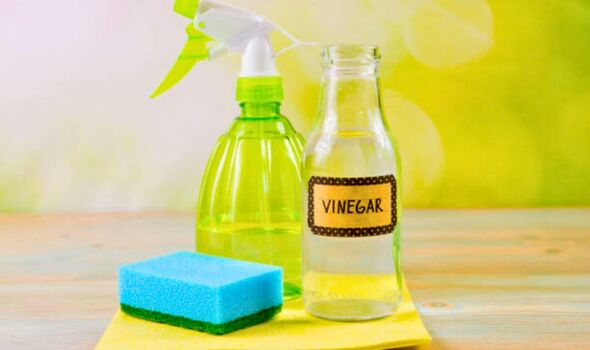
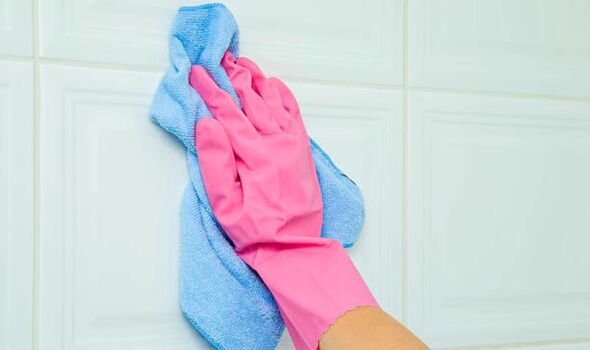
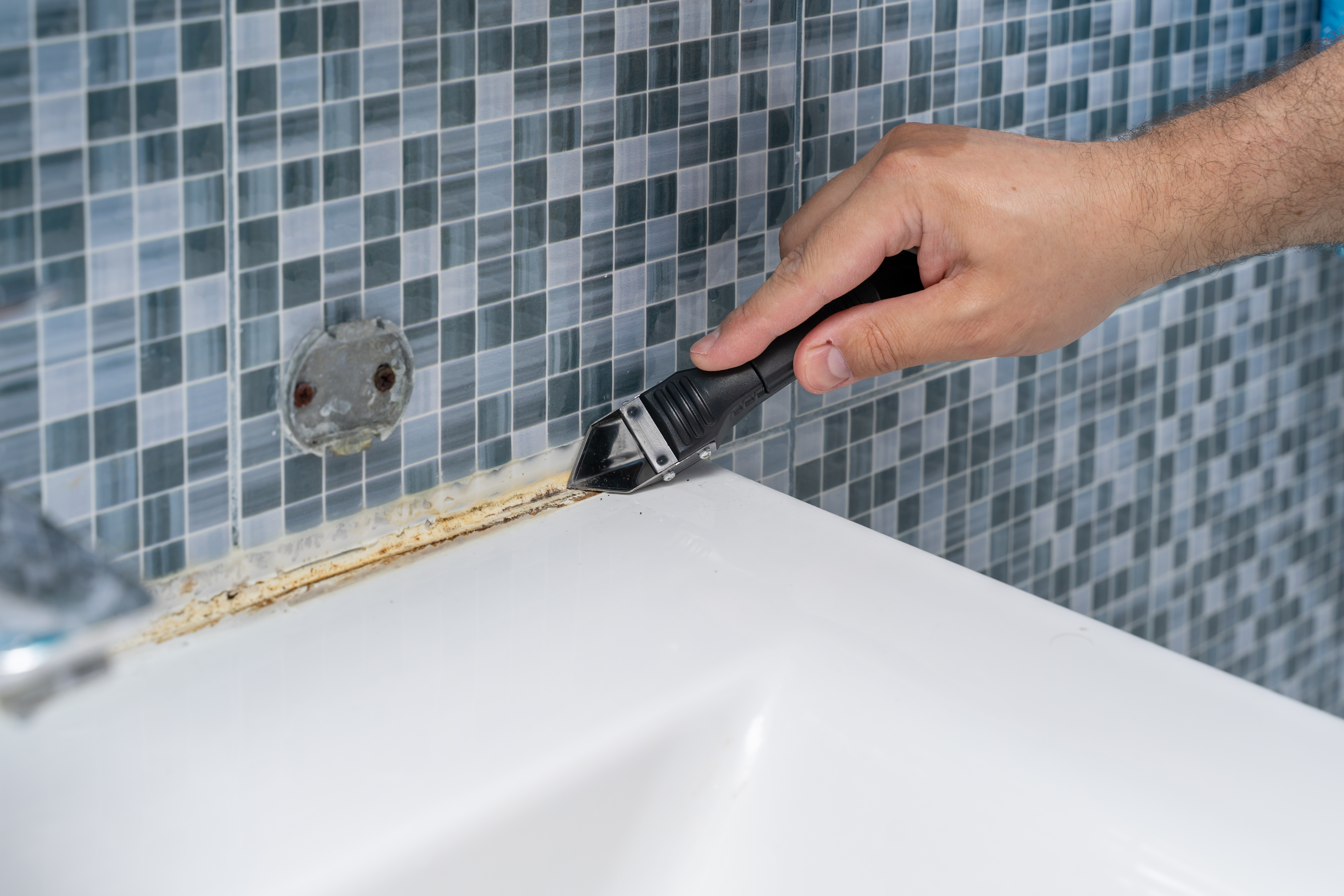
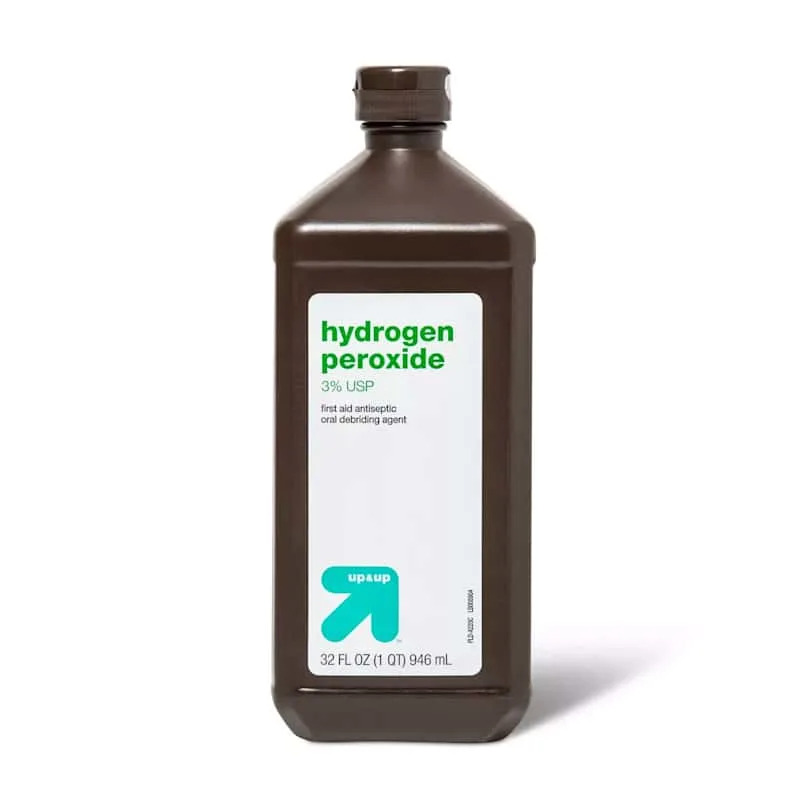
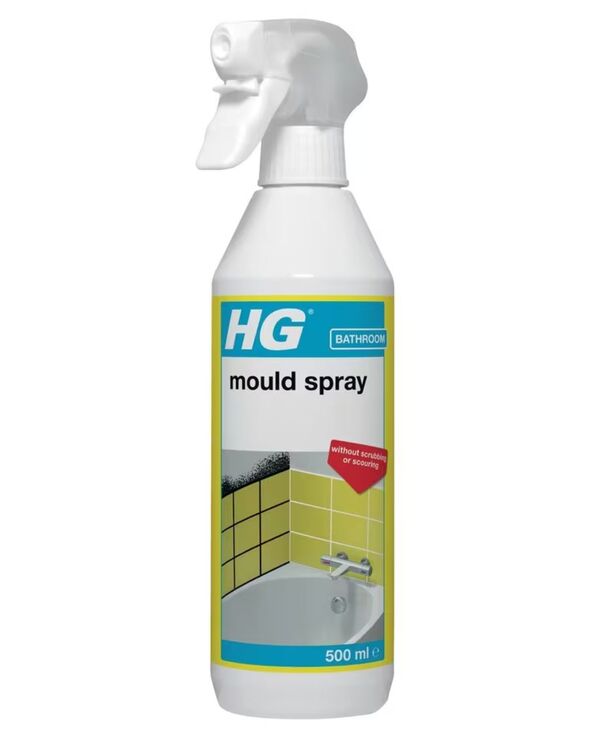
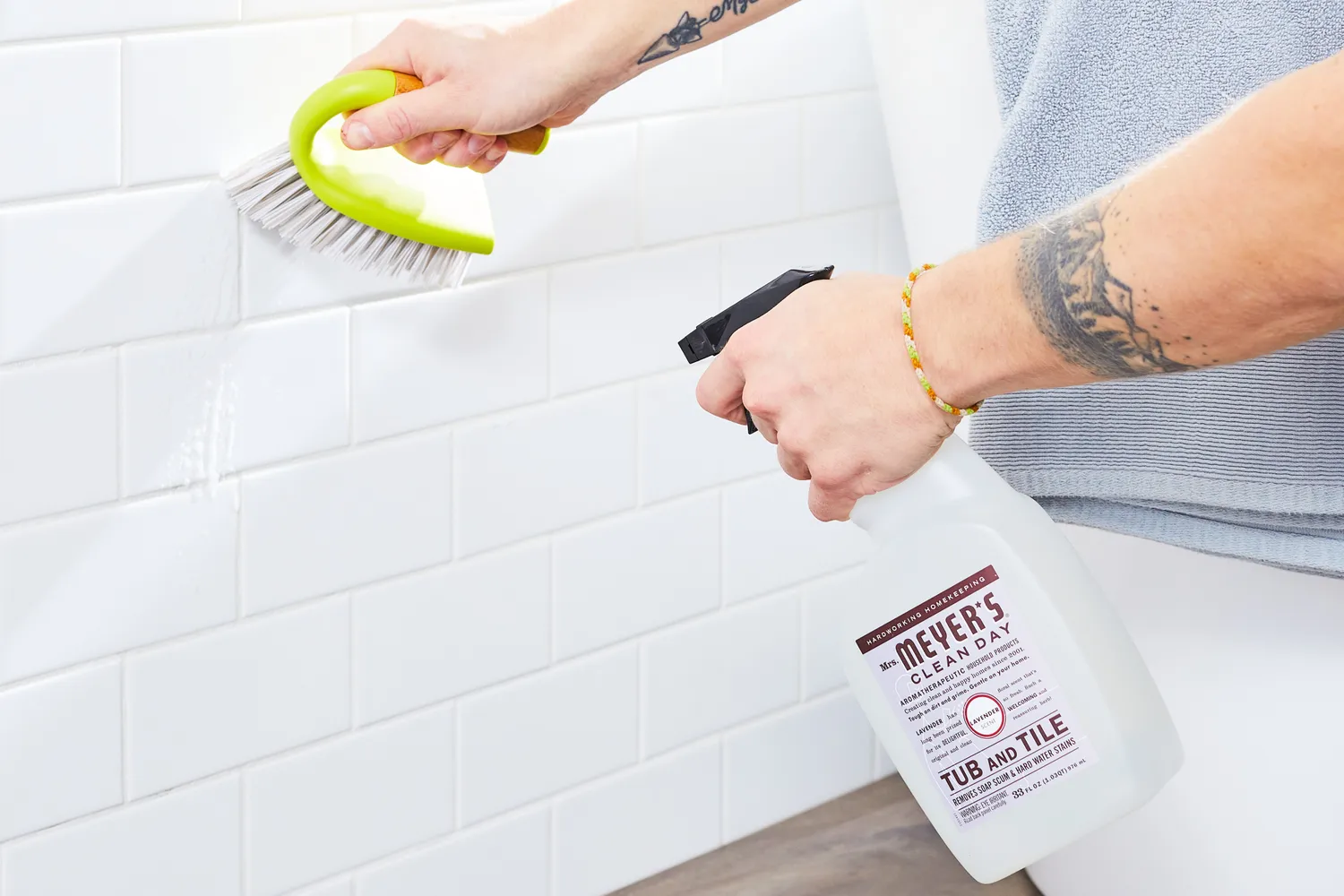
Effective removal of pink mold begins with thorough cleaning. It is recommended to ensure the bathroom is well-ventilated and to wear gloves during the cleaning process. A solution of one part vinegar to one part water can be used for general cleaning. For more persistent pink mold, a bleach-based bathroom cleaner may be necessary. After applying the cleaning solution, the affected surface should be scrubbed with a brush, sponge, or scrubbing pad. For deeply entrenched pink mold, an initial scrub with a baking soda solution to remove the bulk of the material, followed by repeated applications of bleach, is recommended. Rinsing the area thoroughly after cleaning is essential. Multiple cleaning sessions may be required, and regular cleaning is crucial to prevent its recurrence.
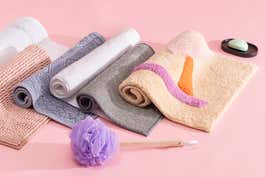
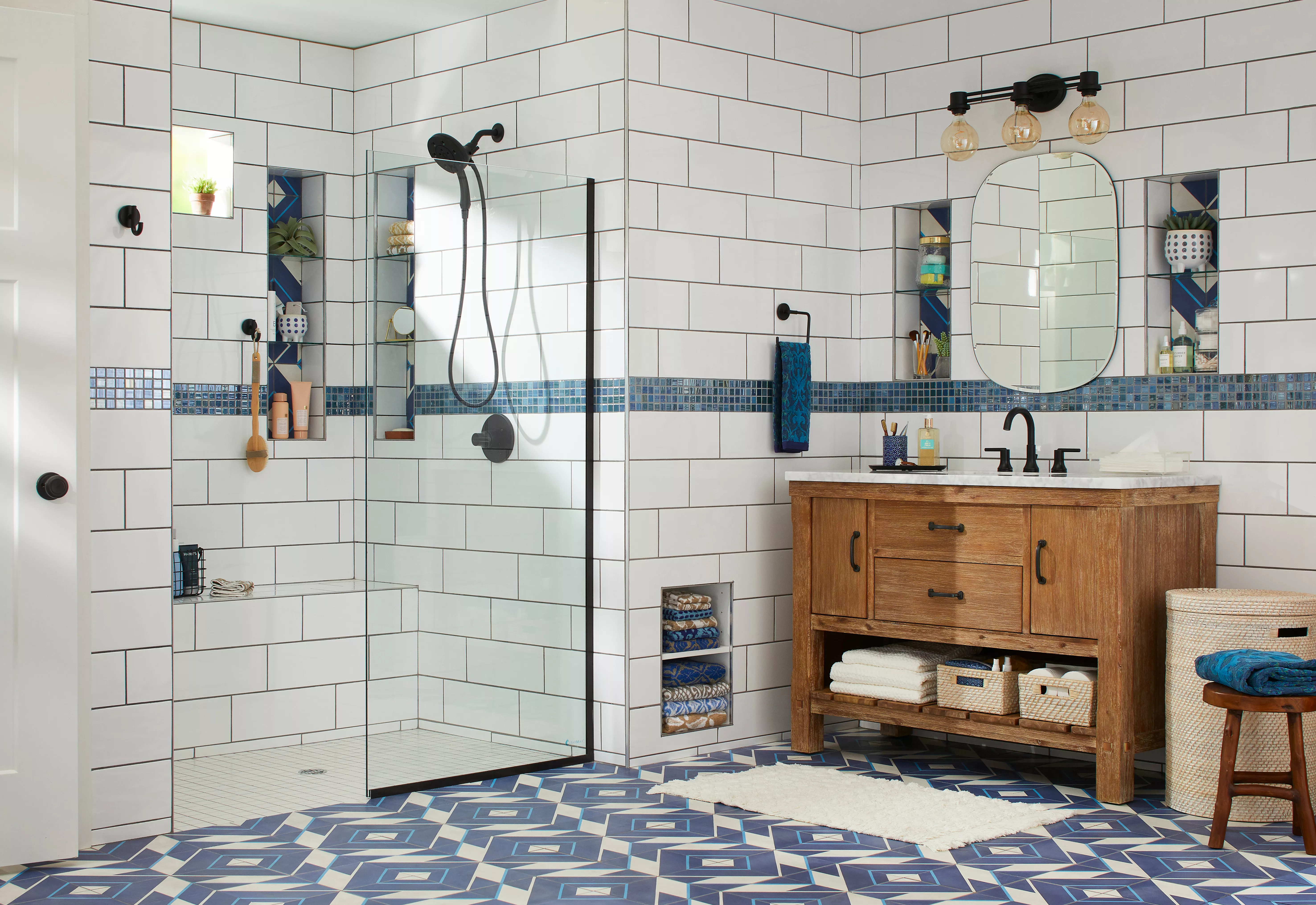
Preventative measures are key to keeping pink mold at bay. Regular cleaning of tubs and showers with a bleach solution at least once a week is advised, along with ensuring adequate bathroom ventilation. *Serratia marcescens* can quickly recolonize if there is sufficient moisture and organic material available, emphasizing the importance of consistent cleaning and drying of shower walls and floors to prevent soap scum buildup. Proper ventilation plays a critical role in controlling dampness and moisture levels. Running an exhaust fan for several minutes after each bath or shower, or opening windows and doors, helps dissipate moisture. Additionally, drying towels, shower curtains, rugs, mats, sponges, and washcloths after every use can significantly reduce the chances of pink mold returning. If pink mold is found, there is no need for alarm, as it is typically harmless and can be effectively treated with appropriate cleaning agents and consistent effort.
#PinkMold #ShowerCleaning #BathroomMaintenance #SerratiaMarcescens #MoldRemoval #HomeCleaningTips #Ventilation #Hygiene #GroutCleaning #PinkMold #ShowerCleaning #BathroomMaintenance #SerratiaMarcescens #MoldRemoval #HomeCleaningTips #Ventilation #Hygiene #GroutCleaning
0 comment in total
 No comments yet
You may also like
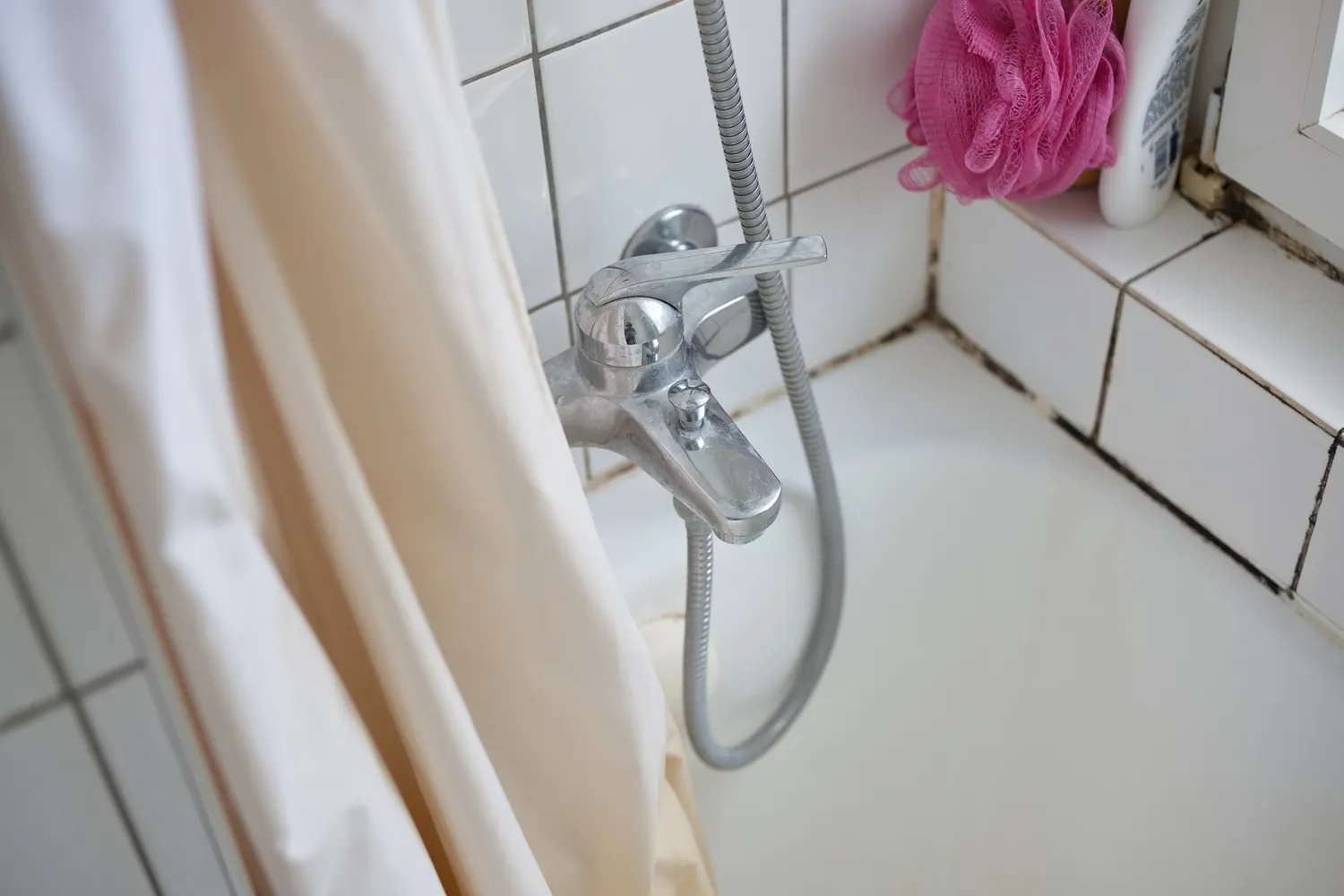
We Asked a Cleaning Pro How to Finally Get Rid of Mold in the Shower—And We're Trying This ASAP

A Vintage Pink Tub Became the Showpiece of This Small-Bathroom Renovation

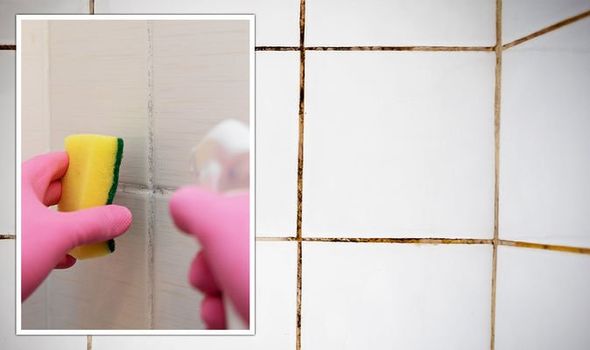
Cleaning: Mrs Hinch fans share 'secret' to removing black mould from bathroom grout
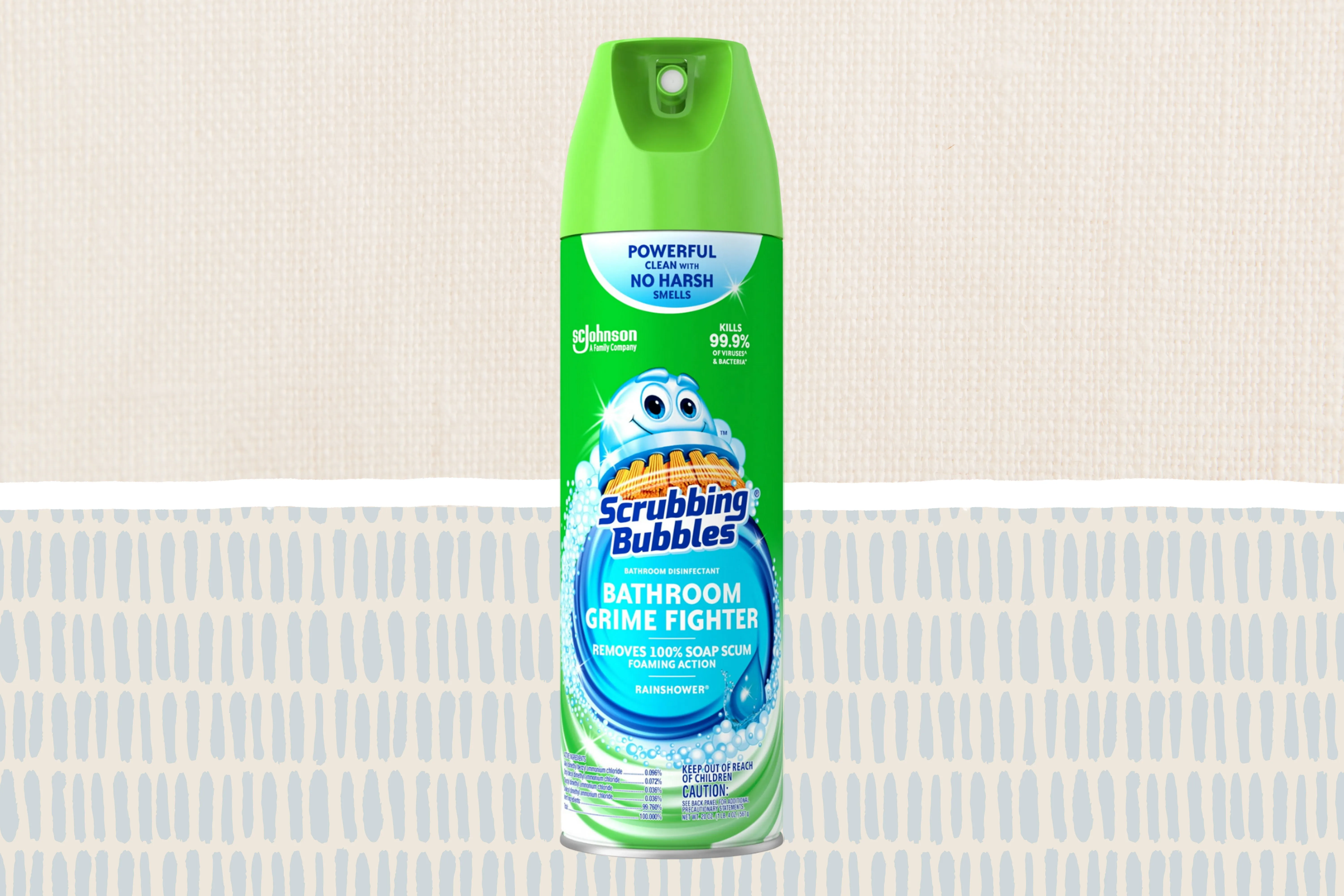
The 6 Best Shower Tile Cleaners to Leave Your Bathroom Sparkling
How to get rid of mould

Squeegee Every Time You Shower — and More Bathroom Cleaning Hacks | Reviews by Wirecutter
The B&M buy that melts silicone sealant mould in seconds with zero scrubbing

Bleach is the ‘worst’ for silicone sealant mould - cleaner’s ‘magic’ item works way better
7 ways to clean your shower (and keep it that way) using natural products

Say Goodbye to Moldy Shower Caulk with These 3 Easy Fixes
Cleaner’s ‘fantastic’ spray to ‘melt away’ silicone sealant mould in 30 minutes
Want a Super Clean Bathroom? Here Are the 8 Best Bathtub Cleaners to Get the Job Done
Shower mould will disappear and not come back with 3-ingredient DIY cleaner
This Petite Pink Bathroom Proves Size Doesn’t Matter

My Brilliant Trick to Keeping My Shower Clean and Mold-Free Costs Only $1

These 5 Best Mold Removing Products Will Help You Get Rid of Mold ASAP


Pink bathroom ideas: on-trend schemes in soft blush, bold magenta and coral
Remove mould from silicone sealant and bathroom tiles in 15 minutes with natural cleaner
Scummy Shower Doors? These Are the 7 Best Shower Glass Cleaners That Actually Get Rid of the Grime

How To Get Rid of Small Flies In Your Bathroom